
• Home
  • About Us
  • Toolkit
  • Getting Finances Done
    • Hiring Advisors
    • Debt Management
    • Spending Plan
  • Insurance
    • Life Insurance
    • Health Insurance
    • Disability Insurance
    • Homeowners/Renters Insurance
  • Contact Us
  • Risk Tolerance Quiz
  • Our Editorial Commitment

The Free Financial Advisor

You are here: Home / Archives for Lifestyle

6 Bad Money Habits Families Show During The Holidays

January 3, 2026 by Brandon Marcus Leave a Comment

6 Bad Money Habits Families Show During The Holidays
Image Source: Shutterstock.com

The holiday season is supposed to be a magical time filled with twinkling lights, cozy gatherings, and enough food to feed a small army. Yet somehow, amid the glitter and eggnog, many families fall into a financial frenzy that leaves wallets crying and budgets broken. Gifts get bought on impulse, credit cards take a beating, and suddenly everyone is scrambling to pay for holiday cheer long after the decorations are down.

Money mishaps aren’t just about overspending—they can create tension, guilt, and even long-term financial headaches. Let’s dive into the six most common bad money habits families show during the holidays and see how to recognize—and maybe even avoid—them.

1. Overspending On Gifts To Impress Others

Many families believe that the value of a gift directly reflects love or status. The problem is, this often leads to maxed-out credit cards, hidden debt, and regretful returns come January. Parents, siblings, and extended relatives can all fall into the trap of competing for who gives the “best” present. Social media amplifies this pressure, making people feel like everyone else’s holidays are fancier or flashier. Remember, meaningful gifts don’t have to cost a fortune; thoughtfulness and creativity often win the day.

2. Waiting Until The Last Minute To Shop

Procrastination is a sneaky budget breaker. When families wait until the last week—or even the last day—to shop, panic buying takes over, and sales or discounts are long gone. This often leads to higher spending, impulse purchases, and unnecessary stress. Shipping fees and expedited delivery costs add insult to injury, inflating the holiday budget without anyone noticing until the statement arrives. Planning ahead can transform shopping from a chaotic scramble into a calm, controlled, and wallet-friendly experience.

3. Ignoring The Budget Entirely

Some families treat the holiday season as a free-for-all, putting money worries on the back burner. While the joy of giving is real, ignoring limits can create debt that lingers well into the new year. Budgeting isn’t just about restricting fun—it’s about prioritizing and making sure celebrations are sustainable. Families who set clear limits often find more satisfaction in carefully chosen gifts rather than splurging indiscriminately. A little planning goes a long way toward keeping financial stress at bay.

4. Using Credit Cards Without A Repayment Plan

Swipe now, worry later is a common mantra for holiday shoppers. Credit cards make it easy to spend beyond means, but the interest charges afterward can be brutal. Families who fail to have a repayment strategy often find themselves paying for last December well into the following year. Even small oversights, like forgetting to track purchases or relying on minimum payments, can snowball into significant debt. A clear repayment plan and disciplined use of cards keep holiday cheer from turning into post-holiday regret.

6 Bad Money Habits Families Show During The Holidays
Image Source: Shutterstock.com

5. Splurging On Elaborate Meals And Entertaining

Holiday feasts are legendary, but some families treat them like culinary competitions. Gourmet ingredients, multiple courses, and lavish party supplies can send grocery bills soaring. While the spirit of hospitality is admirable, overspending on food and entertainment often doesn’t match the return in joy or satisfaction. Planning menus, shopping smartly, and sharing responsibilities can reduce costs without sacrificing the festive feel. Enjoying time together matters far more than creating a magazine-worthy table spread.

6. Failing To Communicate About Finances

Money tension often sneaks in when families don’t talk openly about limits, expectations, or shared costs. Assumptions like “someone else will handle it” or “we’ll just figure it out later” can create awkward moments and resentment. Coordinating budgets for gifts, trips, and meals prevents confusion and helps everyone enjoy the holiday without hidden stress. Open conversations also allow creative solutions, like potlucks or homemade gifts, that can save money and enhance family bonding. Honest financial dialogue is one of the simplest ways to avoid holiday money pitfalls.

Avoid The Holiday Money Traps

The holidays should bring joy, laughter, and warmth—not financial headaches. By recognizing overspending, last-minute shopping, ignored budgets, reckless credit card use, extravagant entertaining, and poor communication, families can take control of their money habits. Thoughtful planning, open conversations, and mindful spending make it possible to celebrate fully without regret.

If you’ve experienced or observed any of these holiday money habits, let us know your experiences or lessons in the comments section below. Your insights might help others navigate the season with both joy and financial sanity.

You May Also Like…

Legacy Harmony: 5 Financial Conversations Families Should Have Before Holidays

Legacy Risk: 6 Estate Myths That Put Families in Financial Danger

7 Things That Must Be in Your Will to Prevent Vicious Family Fights

8 Modern Habits That Baffle Older Generations

5 Family Traits That Make You the “Financial Black Sheep”


Brandon Marcus
Brandon Marcus

Brandon Marcus is a writer who has been sharing the written word since a very young age. His interests include sports, history, pop culture, and so much more. When he isn’t writing, he spends his time jogging, drinking coffee, or attempting to read a long book he may never complete.


Filed Under: Lifestyle Tagged With: credit cards, families, Family, family issues, family money, finances, holiday shopping, holiday spending, Holidays, Life, Lifestyle, Money, money habits, money issues, money matters, overspending, Shopping, talking about finances, toxic money habits

Behavior Tune: 4 Small Shifts That Transform How People Handle Money

January 2, 2026 by Brandon Marcus Leave a Comment

Behavior Tune: 4 Small Shifts That Transform How People Handle Money
Image Source: Shutterstock.com

Money moves fast, and somehow, most of us are sprinting to keep up, tripping over bills, budgets, and impulse buys along the way. But what if getting a grip on your finances didn’t require a full-scale lifestyle overhaul or a PhD in economics?

What if tiny, almost sneaky changes could actually transform the way you handle money, turning chaos into control without draining the fun out of life? Financial freedom isn’t about perfection—it’s about smart tweaks that create big results.

1. Automate To Elevate Your Savings Game

The easiest way to save more is to make it effortless. Automating savings eliminates the temptation to spend what you don’t see, and turns your money into a self-working system. You can set up recurring transfers to a high-yield savings account or retirement fund, making growth automatic without the mental gymnastics. Even rounding up purchases to the nearest dollar and saving the difference each time can compound into a surprising pile over months. Automation doesn’t just save money—it saves stress and turns good intentions into guaranteed results.

2. Track Every Dollar Without Freaking Out

Most people avoid tracking spending because it feels tedious or judgmental. But the real secret is to track without shame, turning curiosity into insight. Whether you use an app, spreadsheet, or even sticky notes, knowing exactly where your money goes uncovers patterns you never noticed. Once you see the leaks—subscriptions you forgot about, impulse buys, or unnecessary fees—you can make tiny shifts that add up. The key is consistency over perfection; even a five-minute daily review can make you feel in command instead of overwhelmed.

3. Reframe Wants Versus Needs

Money isn’t just numbers—it’s a reflection of priorities. Learning to differentiate between wants and needs isn’t about restriction, it’s about clarity. Before a purchase, pause and ask if it’s truly necessary or if it’s just momentary desire disguised as essential. This tiny mental pause can prevent hundreds of small, unnecessary transactions that quietly drain your account. Over time, this shift builds discipline and confidence, making spending intentional and guilt-free.

4. Make Money Conversations Normal

Most people treat money like a secret or taboo topic, but that only fuels confusion and anxiety. Talking openly about finances with friends, family, or even a trusted advisor creates accountability and new perspectives. You’ll discover tips, strategies, and sometimes mistakes that you can avoid yourself, accelerating your learning curve. These conversations normalize financial responsibility and make it less intimidating to ask questions or explore new approaches. Transparency isn’t just about sharing numbers—it’s about creating a mindset where money is a tool, not a stressor.

Behavior Tune: 4 Small Shifts That Transform How People Handle Money
Image Source: Shutterstock.com

Transform Your Financial Mindset One Small Shift At A Time

Tiny changes can have a massive ripple effect on your financial life. By automating savings, tracking spending, clarifying priorities, and talking openly about money, you start steering your finances instead of being steered by them. These behavior tweaks aren’t about strict budgeting or sacrificing fun—they’re about making your money work smarter and giving you control without overwhelm.

Everyone’s financial journey is unique, and the best part is experimenting with what works for you. Tell us your experiences or insights in the comments section below; your story might spark a breakthrough for someone else.

You May Also Like…

Legacy Harmony: 5 Financial Conversations Families Should Have Before Holidays

Risk Proaction: 5 Steps to Stress-Test Your Finances for Worst-Case Scenarios

Tax Horizon: 4 Year-End Moves That Could Shape Your Finances for a Decade

The “Scarcity Mindset”: How Fearing Poverty Keeps You Trapped in It

Expense Mindset: 5 Budgeting Habits High-Net Individuals Use


Brandon Marcus
Brandon Marcus

Brandon Marcus is a writer who has been sharing the written word since a very young age. His interests include sports, history, pop culture, and so much more. When he isn’t writing, he spends his time jogging, drinking coffee, or attempting to read a long book he may never complete.

Filed Under: Lifestyle Tagged With: Budget, budgeting, financial mindset, Life, Lifestyle, Mindset, Money, money issues, money matters, saving money, savings, savings account, tracking spending

Expense Block: 8 Budget Leaks High Earners Often Miss

January 2, 2026 by Brandon Marcus Leave a Comment

Expense Block: 8 Budget Leaks High Earners Often Miss
Image Source: Shutterstock.com

High income feels like financial invincibility until your bank account starts playing hide-and-seek with your money. One moment you’re confident, comfortable, and convinced you’re “doing fine,” and the next you’re wondering how a great salary still feels oddly fragile. This is the silent paradox of earning more: the leaks get sneakier, not louder.

High earners don’t usually blow money in dramatic ways; they lose it through polished habits that look harmless on the surface. That’s why plugging these leaks doesn’t feel like budgeting—it feels like reclaiming power. Let’s expose the eight most common expense traps quietly draining even the best-paid professionals.

1. Lifestyle Creep In Disguise

Lifestyle creep rarely announces itself with a trumpet blast; it slips in wearing comfort and convenience. One upgrade becomes the new normal, and suddenly yesterday’s luxury feels like today’s baseline. High earners often justify this as “earned it” spending, which feels emotionally true but financially dangerous. Over time, raises get consumed before they’re even felt. The result is a bigger paycheck with the same underlying stress.

2. Subscriptions That Multiply Overnight

Subscriptions are the modern version of loose change under the couch cushions, except they never stop billing. Streaming, productivity tools, premium apps, fitness platforms, and memberships quietly stack themselves month after month. High earners often ignore small charges because none of them hurt individually. Together, they can rival a car payment without providing real value. Reviewing subscriptions quarterly can unlock surprising savings.

3. Convenience Spending Masquerading As Efficiency

High income often buys time, but convenience spending can quietly cross into laziness spending. Food delivery, expedited shipping, and premium services promise freedom but often drain budgets daily. These costs feel justified because they reduce friction in busy lives. However, they also remove awareness from spending decisions. Convenience should be intentional, not automatic.

Expense Block: 8 Budget Leaks High Earners Often Miss
Image Source: Shutterstock.com

4. Lifestyle Insurance Overload

Insurance is essential, but too much of it can quietly erode cash flow. High earners are often sold extra coverage “just in case,” stacking policies without reviewing overlap. Disability, life, umbrella, and niche protections can pile up fast. Many policies remain untouched or poorly optimized for years. Regular audits can reveal redundancy without increasing risk.

5. Emotional Spending As Stress Relief

Money becomes a coping mechanism when pressure is constant and expectations are high. Retail therapy, spontaneous trips, or luxury upgrades often feel like rewards for hard work. The problem isn’t the spending itself, but the emotional pattern behind it. When spending becomes stress relief, it turns reactive instead of intentional. Awareness is the first step to regaining control.

6. Ignoring Small Leaks Because Income Feels “Safe”

High earners often believe small leaks don’t matter because the inflow is strong. This creates a blind spot where inefficiencies are tolerated indefinitely. Ten small leaks can quietly outperform one major mistake. Over time, this erodes saving potential and investment power. Wealth grows faster when attention stays sharp, not complacent.

7. Outsourcing Everything Without Oversight

Delegation is powerful, but blind outsourcing can become expensive. From financial advisors to meal kits to home services, paying others to handle life adds up quickly. High earners often assume paid help equals optimization. Without regular review, these services drift from value to habit. Intentional outsourcing should always earn its keep.

8. Not Tracking Because “I Make Enough”

Tracking money can feel unnecessary or even beneath someone with a high income. That mindset creates the biggest leak of all: ignorance. Without clear visibility, patterns remain hidden and opportunities get missed. Tracking isn’t about restriction; it’s about awareness and leverage. The most financially confident people know exactly where their money goes.

Plug The Leaks, Don’t Shrink Your Life

High income should create freedom, not confusion. The goal isn’t to cut joy or live small; it’s to stop money from quietly slipping through cracks you never meant to create. When you spot and fix these leaks, your income finally starts working as hard as you do. Awareness builds control, and control builds options.

If any of these expense leaks felt familiar, jump into the comments and tell us which one surprised you most or what lesson your finances have taught you lately.

You May Also Like…

Holiday Budget: 6 Moves That Protect Your Financial New Year

Risk Proaction: 5 Steps to Stress-Test Your Finances for Worst-Case Scenarios

Holiday Trap: 6 Gift-Spending Mistakes That Could Wreck Your Budget

Why Do So Many People Believe Budgeting Apps Solve Everything

What Your First Budget Of The Year Should Include


Brandon Marcus
Brandon Marcus

Brandon Marcus is a writer who has been sharing the written word since a very young age. His interests include sports, history, pop culture, and so much more. When he isn’t writing, he spends his time jogging, drinking coffee, or attempting to read a long book he may never complete.

Filed Under: Budgeting Tagged With: Budget, budgeting, budgeting ideas, budgeting leaks, Budgeting Tips, Emotional Spending, Life, Lifestyle, Lifestyle creep, Money, money issues, money matters, overspending, Smart Spending, spending, subscriptions

Legacy Harmony: 5 Financial Conversations Families Should Have Before Holidays

January 1, 2026 by Brandon Marcus Leave a Comment

Legacy Harmony: 5 Financial Conversations Families Should Have Before Holidays
Image Source: Shutterstock.com

The holidays are often painted as cozy evenings, twinkling lights, and the smell of cinnamon filling the air. But for many families, they’re also the perfect storm for financial tension. Aunt Linda’s subtle hints about your “responsibility” to invest wisely, cousin Jake’s offhand comment about inheritance, and Dad’s insistence on budgeting for a vacation can all turn festive dinners into stressful debates.

What if you could transform that tension into understanding, planning, and even fun? This holiday season, before the desserts hit the table, consider having these five financial conversations that can make your family stronger, smarter, and more harmonious.

1. Discuss Long-Term Financial Goals Openly

Starting a conversation about long-term financial goals can feel intimidating, but it’s a conversation that pays dividends. Ask each family member what they envision for their future, whether it’s owning a home, retiring comfortably, or funding higher education. Understanding these goals allows everyone to align expectations and find opportunities for support or collaboration. It’s also a chance to uncover hidden aspirations or fears that can influence financial decisions. When everyone knows the roadmap, it’s easier to navigate potential bumps in the road together.

2. Explore Inheritance And Estate Planning

Inheritance isn’t just a topic for lawyers or the wealthy—it’s a conversation that prevents misunderstandings and resentment. Discussing wills, trusts, and asset distribution before conflicts arise ensures clarity for everyone involved. It’s also a chance to talk about values and the legacy each person wants to leave behind. Sharing intentions openly can prevent surprises and create a sense of security across generations. With these conversations, the focus shifts from money alone to honoring family relationships and personal wishes.

3. Talk About Debt And Obligations

Debt is one of the most common sources of stress in families, yet it’s rarely addressed head-on. Opening a dialogue about loans, credit card balances, or other financial obligations creates empathy and understanding. This isn’t about judging or shaming—it’s about finding solutions together and sharing strategies that work. Family members can brainstorm ways to support one another or learn from each other’s experiences. These discussions make future financial surprises less daunting and promote a culture of honesty and accountability.

4. Plan For Major Purchases Or Expenses

Whether it’s buying a car, funding a wedding, or planning a family vacation, major expenses require conversation. Coordinating expectations ensures no one feels blindsided or burdened. Discussing timelines, savings goals, and contribution strategies makes big purchases less stressful and more achievable. It also teaches younger family members about planning, budgeting, and prioritization in a practical, real-world context. When everyone is on the same page, financial surprises turn into collaborative victories instead of sources of tension.

5. Consider Philanthropy And Giving Back

The holidays are naturally a time to think about generosity, making this the perfect moment to discuss philanthropy. Decide as a family if you want to contribute to charities, community projects, or personal causes. This conversation can highlight shared values and create traditions that go beyond material gifts. Giving together strengthens bonds and reminds everyone that financial decisions can have a meaningful impact. Plus, teaching younger members about giving instills lifelong lessons about empathy, responsibility, and gratitude.

Legacy Harmony: 5 Financial Conversations Families Should Have Before Holidays
Image Source: Shutterstock.com

Building Financial Understanding As A Family

Having these financial conversations before the holidays can transform tension into connection and stress into strategy. They create clarity, prevent misunderstandings, and help everyone feel included in planning for the future. Most importantly, they foster a sense of teamwork, respect, and shared purpose across generations.

Invite your family to approach these discussions with curiosity, patience, and humor—it can turn potentially awkward moments into memorable milestones. Let us know your thoughts or experiences with family financial talks in the comments section below.

You May Also Like…

Regulation Checklist: 9 Conversations Advisors Are Having With Clients Right Now

Legacy Debt: 5 Family Conversations That Help Prevent Wealth From Becoming a Burden

Risk Proaction: 5 Steps to Stress-Test Your Finances for Worst-Case Scenarios

7 Things That Must Be in Your Will to Prevent Vicious Family Fights

Why Do Families Avoid Talking About End-of-Life Costs


Brandon Marcus
Brandon Marcus

Brandon Marcus is a writer who has been sharing the written word since a very young age. His interests include sports, history, pop culture, and so much more. When he isn’t writing, he spends his time jogging, drinking coffee, or attempting to read a long book he may never complete.

Filed Under: Lifestyle Tagged With: charitable contributions, conversations, Debt, Estate plan, Estate planning, expenses, families, Family, family issues, family money, financial conversation, financial conversations, financial goals, financial obligations, Holidays, Inheritance, Life, Lifestyle, Money, money issues, philanthropy, talking about money

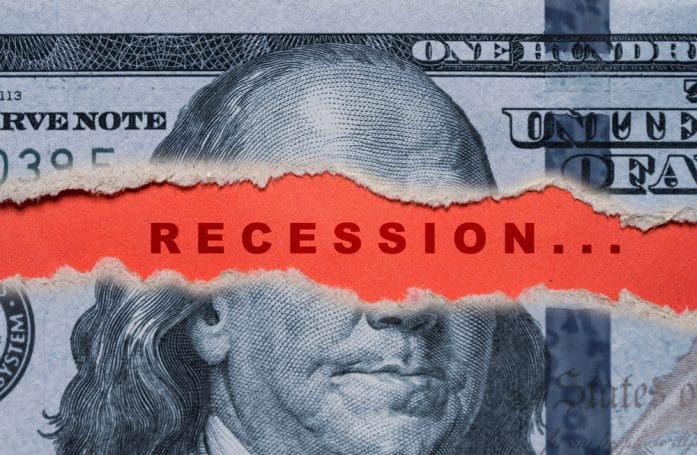
Could Your Financial Plan Withstand A Surprise Recession Beginning In December?

December 29, 2025 by Brandon Marcus Leave a Comment

Could Your Financial Plan Withstand A Surprise Recession Beginning In December?
Image Source: Shutterstock.com

The calendar flips to December, holiday lights glow, inboxes fill with end-of-year recaps—and suddenly the economic mood shifts. Markets wobble, headlines sharpen, and that quiet question creeps in: Are we actually ready for this? Recessions rarely send formal invitations, and when they arrive, they don’t care how confident last quarter felt.

The real thrill—and danger—is discovering whether your financial plan is built like a brick house or a house of cards when the wind picks up. This is where smart preparation meets financial reality.

The Warning Signs Most People Miss Until It’s Too Late

Economic downturns don’t usually explode out of nowhere; they whisper before they roar. Subtle signals like slowing job growth, tightening credit, and declining consumer confidence often appear months in advance. Many people ignore these cues because markets can still look “fine” on the surface. A solid financial plan accounts for these warning signs rather than reacting after the damage is done. Recognizing early indicators gives you time to adjust instead of panic.

Why December Recessions Hit Harder Than Expected

A recession beginning in December carries a unique psychological punch. Spending is already elevated from the holidays, credit card balances are peaking, and optimism tends to override caution. When income uncertainty suddenly enters the picture, the emotional whiplash can be intense. This timing often leaves households with less cash flexibility and more financial commitments. A resilient plan anticipates seasonal pressure instead of being blindsided by it.

Emergency Funds Are Not Optional Anymore

An emergency fund is not a “nice-to-have”; it’s the foundation of financial survival. Ideally, it should cover three to six months of essential expenses, parked somewhere safe and accessible. During a recession, layoffs and reduced hours can happen fast, and cash flow disruptions snowball quickly. Without a cushion, people are forced to rely on debt or liquidate investments at the worst possible time. A well-built emergency fund buys you calm when the world feels chaotic.

Your Investment Mix Matters More Than Your Timing

Trying to time the market during a recession is like trying to catch a falling knife while blindfolded. What actually protects you is diversification across asset classes, risk levels, and time horizons. A portfolio built solely for growth can suffer deep emotional and financial stress during downturns. On the flip side, an overly conservative strategy may fail to recover when markets rebound. Balance—not prediction—is what allows portfolios to bend without breaking.

Debt Becomes Louder When the Economy Gets Quiet

Debt behaves very differently when income feels uncertain. High-interest balances suddenly feel heavier, and minimum payments become more stressful. A recession exposes which debts are manageable and which ones quietly drain financial oxygen. Strategic debt reduction before a downturn can dramatically improve resilience. The goal isn’t perfection—it’s flexibility and control.

Could Your Financial Plan Withstand A Surprise Recession Beginning In December?
Image Source: Shutterstock.com

Job Security Is Not A Guarantee, Even In “Stable” Fields

No industry is completely recession-proof, even those that feel essential. Layoffs often start at the edges and move inward, catching confident professionals off guard. Having multiple income streams or marketable skills can make a major difference. Networking, skill development, and side income aren’t just ambition plays—they’re insurance policies. Financial plans that assume uninterrupted employment are often the most fragile.

Emotional Decision-Making Can Be The Biggest Risk

Fear causes people to abandon good plans at the worst possible moments. Selling investments at the bottom, freezing savings, or making reactionary career moves can do long-term damage. Emotional discipline is just as important as numerical strategy during downturns. A strong plan includes rules for decision-making when stress levels spike. When emotions rise, structure keeps you grounded.

Liquidity Is Power When Opportunities Appear

Recessions don’t just destroy value—they also create it. Those with liquidity can invest, acquire, or reposition while others are forced to retreat. Having accessible cash or low-risk assets gives you optionality when markets reset. This is how some people emerge from recessions stronger than before. Flexibility turns uncertainty into opportunity.

Professional Guidance Becomes More Valuable Under Pressure

Financial advice matters most when things get uncomfortable. A trusted advisor can help filter noise, stress-test your plan, and prevent costly emotional decisions. They also bring perspective that’s hard to maintain when headlines feel relentless. Even a single strategic adjustment can meaningfully change outcomes. The right guidance helps turn chaos into clarity.

A Recession Tests More Than Money

Financial stress often spills into relationships, health, and overall well-being. Money anxiety can quietly shape decisions in ways people don’t immediately recognize. Planning ahead reduces not just financial strain, but emotional fatigue. A resilient plan supports your lifestyle, your goals, and your peace of mind. True preparedness isn’t about fear—it’s about confidence.

Is Your Plan Ready For The Test?

A recession starting in December wouldn’t just test markets—it would test habits, assumptions, and preparedness. The good news is that readiness isn’t about predicting the future; it’s about building flexibility into your present. Whether the economy stumbles or surprises us, a thoughtful plan gives you options instead of panic. Take a moment to reflect on your own strategy and where it could be stronger.

Feel free to leave your thoughts, insights, or personal experiences in the comments below because your perspective might help someone else prepare.

You May Also Like…

Funding Gap: 8 Ways Rising College Costs Are Changing Mid-Life Financial Planning

Tax Horizon: 4 Year-End Moves That Could Shape Your Finances for a Decade

8 Tips for Talking With Your Partner About Health, Finances & Legacy

Tax Blindspot: 4 Deductions Many Americans Miss During December

Holiday Budget: 6 Moves That Protect Your Financial New Year


Brandon Marcus
Brandon Marcus

Brandon Marcus is a writer who has been sharing the written word since a very young age. His interests include sports, history, pop culture, and so much more. When he isn’t writing, he spends his time jogging, drinking coffee, or attempting to read a long book he may never complete.

Filed Under: Lifestyle Tagged With: Best Independent Contractor Jobs for 2023, Debt, debt payoff, December, eliminating debt, emergency fund, emergency funds, Financial plan, invest, investing, Investment, investments, job security, Life, Lifestyle, Planning, recession, Saving, savings, savings account, Smart Spending, spending

Expense Overflow: 4 Retirement Bills That Catch People Off Guard

December 29, 2025 by Brandon Marcus Leave a Comment

Expense Overflow: 4 Retirement Bills That Catch People Off Guard
Image Source: Shutterstock.com

Retirement is supposed to feel like the victory lap — the long-awaited chapter where alarms disappear, calendars loosen up, and life finally moves at your pace. But just when the beach chair gets comfortable, reality taps you on the shoulder with a receipt. Not a small one, either. For many retirees, the shock isn’t that money runs out faster than expected — it’s where it goes.

The bills you never worried about during your working years suddenly step into the spotlight, louder, pricier, and far more persistent than anyone warned you about. These sneaky expenses have a way of turning “golden years” into “where did it all go?” years.

1. Healthcare Costs That Keep On Climbing

Healthcare is the heavyweight champion of surprise expenses in retirement, and it doesn’t pull any punches. Even with Medicare, many retirees discover that premiums, deductibles, copays, and uncovered services pile up faster than expected. Dental work, vision care, hearing aids, and long-term prescriptions often live completely outside standard coverage, forcing retirees to pay out of pocket. Health costs also tend to rise with age, meaning the longer you live, the more expensive staying healthy becomes. It’s not uncommon for retirees to spend hundreds of thousands of dollars on healthcare over the course of retirement, even with insurance in place.

2. Housing Costs That Refuse To Retire

Many people assume their biggest housing expense ends once the mortgage is paid off, but housing has a sneaky way of sticking around. Property taxes often rise over time, sometimes dramatically, even if your home value increases on paper rather than in cash. Maintenance costs also escalate as homes age, with roofs, plumbing, HVAC systems, and foundations all demanding attention at the worst possible times. Downsizing doesn’t always save money either, especially in hot markets where smaller homes come with higher price tags. Add in HOA fees, insurance increases, and utility costs, and suddenly housing becomes a long-term budget heavyweight.

3. Family Support That Grows Quietly

Retirement doesn’t mean financial responsibilities magically disappear — in many cases, they multiply through family connections. Adult children may need help with student loans, housing, or childcare, especially during economic downturns. Grandchildren can bring joy and unexpected expenses, from education help to emergency support. Aging parents or relatives may require financial assistance, caregiving, or medical support that wasn’t part of the original plan. These costs often arrive emotionally charged and unplanned, making them some of the hardest to say no to — and some of the most financially impactful.

Expense Overflow: 4 Retirement Bills That Catch People Off Guard
Image Source: Shutterstock.com

4. Lifestyle Inflation In Disguise

Retirement is often framed as a slower, cheaper lifestyle, but for many people it becomes the opposite. Travel becomes more frequent, hobbies get more elaborate, and leisure spending increases simply because there’s finally time to enjoy it. Dining out, entertainment, memberships, and experiences can quietly reshape monthly budgets. Even small lifestyle upgrades — nicer groceries, better wine, upgraded tech, or more frequent outings — compound over time. The result is a retirement lifestyle that costs far more than expected, even without extravagance.

When Planning Meets Reality

Retirement rarely fails because of one massive mistake; it usually unravels through a series of overlooked costs that quietly stack up. The most successful retirees aren’t the ones with the biggest savings, but the ones who understand where their money is likely to go and plan accordingly. Awareness creates flexibility, and flexibility creates peace of mind when life throws financial curveballs. Every retiree’s journey looks different, and those differences are where the best lessons live.

If you’ve encountered any of these expense surprises — or discovered others along the way — we’d love to hear your thoughts or experiences in the comments.

You May Also Like…

At What Age Should You Seriously Start Thinking About Retirement?

Could Rising Interest Rates Force You To Delay Retirement Longer Than Planned?

Savings Base: 6 Foundational Moves That Keep Retirement Plans Stable

Income Stream: 5 Unexpected Income Sources Retirees Are Trying This Winter

Savings Fallout: 4 Hidden Expenses That Quietly Drain Retirement Budgets


Brandon Marcus
Brandon Marcus

Brandon Marcus is a writer who has been sharing the written word since a very young age. His interests include sports, history, pop culture, and so much more. When he isn’t writing, he spends his time jogging, drinking coffee, or attempting to read a long book he may never complete.

Filed Under: Retirement Tagged With: family support, healthcare costs, Housing Costs, Life, Lifestyle, Lifestyle Inflation, retire, retiree, retirees, Retirement, retirement plan, retirement planning, senior, senior citizens, seniors

5 Ways To Easily Boost Your Income In 2026

December 26, 2025 by Brandon Marcus Leave a Comment

Here Are 5 Ways To Easily Boost Your Income In 2026
Image Source: Shutterstock.com

The financial world in 2026 is more dynamic, fast-moving, and exciting than ever before. From AI-driven tools to side hustles that pay while you sleep, the opportunities to increase your income are staggering—and many of them are easier than you think. What used to take months of networking, long hours, or luck can now be achieved with strategy, creativity, and a little tech know-how.

Imagine adding extra cash to your bank account without completely rearranging your life. Ready to turn the next year into a financial game-changer? Let’s dig into five exciting ways to boost your income in 2026.

1. Leverage AI Tools To Increase Productivity

Artificial intelligence isn’t just a buzzword—it’s a literal money-making engine. Tools that can automate repetitive tasks, generate content, or analyze financial data are making it easier than ever to focus on high-value work. By using AI to handle the mundane, you free up hours to take on more projects, freelance gigs, or investments that pay better. Even small businesses can see a dramatic jump in revenue by streamlining operations with AI assistants. In 2026, ignoring AI could mean leaving money on the table, and nobody wants that.

2. Monetize Your Skills Online

The internet is a treasure trove for anyone willing to offer their expertise. Platforms for teaching, consulting, or creating digital products allow you to earn income without geographical limits. Whether you’re coding, crafting, writing, or coaching, there’s an audience willing to pay for your knowledge. Micro-consulting, online courses, and virtual workshops can turn hobbies into steady income streams. The best part? Once the content is created, it can generate revenue long after your initial effort.

3. Invest In High-Growth Opportunities

Smart investing remains one of the fastest ways to grow your wealth, especially in 2026’s ever-changing markets. Stocks, ETFs, cryptocurrency, and even real estate crowdfunding are accessible to everyday investors like never before. Learning how to diversify and manage risk can turn even modest amounts of money into substantial growth over time. Apps and robo-advisors now make research and portfolio management almost effortless. With a little knowledge and patience, your money can start working as hard as you do.

Here Are 5 Ways To Easily Boost Your Income In 2026
Image Source: Shutterstock.com

4. Start A Side Hustle That Fits Your Lifestyle

Side hustles have evolved beyond delivering food or ridesharing. In 2026, digital opportunities like social media management, print-on-demand, and affiliate marketing can be tailored to fit your schedule and interests. The key is to choose something scalable, enjoyable, and aligned with your existing skills. Even dedicating a few hours a week can bring in hundreds or even thousands of extra dollars monthly. Flexibility is the ultimate bonus, allowing you to earn more without burning out.

5. Maximize Passive Income Streams

Passive income isn’t a myth—it’s a strategy that anyone can implement with a little planning. Rental properties, dividend-paying stocks, and online content that earns royalties are just a few ways to create revenue that keeps flowing. Subscription-based services, apps, and digital downloads allow for continuous income with minimal ongoing effort. Combining multiple passive streams can create a safety net while you focus on other projects. In 2026, building passive income isn’t just smart; it’s essential for financial resilience.

Your 2026 Income Adventure Starts Now

Boosting your income in 2026 doesn’t require magic—just a mix of strategy, tech, and creativity. Whether you dive into AI tools, monetize your skills online, invest smartly, start a side hustle, or build passive income, there’s no shortage of options. The opportunities are fast, flexible, and designed to fit modern lifestyles, meaning anyone can start increasing their earnings right away.

The only limit is your willingness to experiment and commit. Tell us your thoughts, experiences, or successful strategies in the comments below—we’d love to hear what works for you!

You May Also Like…

Income Pivot: 8 Income Streams Retirees Are Adding Before Rates Change Again

13 Intriguing Ideas for Generating Passive Rental Income Streams

7 Income Streams You’d Laugh At—Until They Out-earned Your Salary

5 Income Goals That Professionals Wish They Hit by 35

12 Different Ways to Structure Your Portfolio for Income Generation


Brandon Marcus
Brandon Marcus

Brandon Marcus is a writer who has been sharing the written word since a very young age. His interests include sports, history, pop culture, and so much more. When he isn’t writing, he spends his time jogging, drinking coffee, or attempting to read a long book he may never complete.

Filed Under: Lifestyle Tagged With: boost your income, boosted income, careers, earn more income, financial plans, Income, investing, investments, job, jobs, Life, Lifestyle, multiple income streams, Planning, side gig, side hustle

What Young People Can Teach Their Grandparents About Money

December 21, 2025 by Brandon Marcus Leave a Comment

Here Is What Young People Can Teach Their Grandparents About Money
Image Source: Shutterstock.com

Money moves fast these days, and it’s not just the stock market doing the sprinting. Young people have grown up in a whirlwind of apps, subscriptions, and digital wallets, and they’re running laps around traditional ways of managing money. Grandparents may have decades of experience, but sometimes experience needs a little turbo boost from the new generation.

From budgeting hacks to investing shortcuts, the lessons flow both ways—but today, it’s the younger crowd in the driver’s seat.

1. Digital Wallets Are Not Just Fancy Gadgets

Grandparents might still be fumbling with checkbooks, but young people are turning phones into personal banks. Apps like Venmo, Cash App, and Apple Pay make splitting bills, sending gifts, and paying rent feel like a casual text conversation. Digital wallets also track spending automatically, giving insights that even the most meticulous ledger can’t match. No more digging through piles of receipts or wondering where the money went at the end of the month. This isn’t magic—it’s technology making life easier, and grandparents can totally catch up.

2. Subscription Services Can Break Or Make Your Budget

Streaming, gaming, software, even meal kits—there’s a subscription for almost everything today. Young people have mastered the art of managing multiple subscriptions without bleeding cash. They know which services they actually use, which ones are worth canceling, and how to snag deals without overspending. Teaching grandparents to audit recurring charges can be a game-changer for saving money without feeling deprived. Awareness and smart canceling can transform a bloated monthly bill into a streamlined, stress-free financial plan.

3. Investing Isn’t Just For The Suits

Stocks, crypto, ETFs, robo-advisors—investment used to sound like Wall Street jargon. But young people are shaking things up, showing that anyone can start small and grow wealth over time. Micro-investing apps and fractional shares let beginners invest without needing a fortune upfront. Grandparents can learn the thrill of compounding, the patience of long-term growth, and even a little risk management from the younger generation. It’s proof that investing isn’t intimidating—it’s just a new kind of fun puzzle.

4. Side Hustles Are A Real Thing

Back in the day, a steady 9-to-5 was the path to security. Today, young people are flipping skills into cash with side hustles—freelancing, gig work, online tutoring, or even selling creations on Etsy. They understand that money doesn’t only come from one source, and that multiple streams can lead to financial freedom. Grandparents can take notes on diversifying income without overcomplicating life. Sometimes, learning how to monetize a hobby or skill is the spark that turns financial anxiety into empowerment.

5. Saving Can Be Fun And Creative

Young people don’t just stash money under the mattress—they gamify it. Round-up apps, automatic transfers, and reward-based savings make putting money aside feel satisfying rather than painful. Grandparents can learn that saving isn’t about denial; it’s about creating a system that works with your lifestyle. Visual progress trackers and challenges turn boring budgets into exciting financial missions. It’s a shift in mindset that proves money management can actually be enjoyable.

Here Is What Young People Can Teach Their Grandparents About Money
Image Source: Shutterstock.com

6. The Power Of Financial Community

Social media isn’t just for memes and cat videos—it’s a financial classroom in disguise. Young people exchange tips, celebrate milestones, and learn from mistakes in ways that are public and collaborative. Grandparents can see the value of discussing money openly instead of keeping it private and isolating. Forums, apps, and groups create accountability and encouragement that textbooks never could. Learning to lean on a community can turn intimidating financial decisions into shared adventures.

7. Tech Tools Make Tracking Everything Easier

Spreadsheets are fine, but apps are faster, smarter, and sometimes downright fun. Young people rely on technology to monitor spending, set goals, and forecast future finances effortlessly. Notifications, charts, and alerts replace the stress of forgotten bills or missed payments. Grandparents can adopt these tools to regain control without spending hours on tedious paperwork. Once the fear of “tech overwhelm” fades, the convenience and clarity are addictive.

8. Mindset Matters As Much As Money

Finally, young people bring a refreshing attitude to finances: curiosity over fear, experimentation over stagnation. They see mistakes as lessons and aren’t afraid to try new methods. Grandparents can learn that money isn’t just numbers—it’s a mindset game. Being open to change and new ideas often leads to more opportunities and less stress. In essence, financial wisdom is less about age and more about adaptability.

Generational Money Lessons Go Both Ways

Learning about money doesn’t stop at any age. Young people can teach grandparents digital tricks, investing strategies, and creative saving methods, while grandparents provide wisdom, patience, and perspective. When generations combine experience with innovation, money management becomes more dynamic, effective, and even exciting.

Have you experienced a moment where someone younger taught you a financial tip that blew your mind? Drop your thoughts or stories in the comments section.

You May Also Like…

The 6 Most Common Mistakes Young People Make About Credit

5 Lessons Young People Should Know About Investing

Why Young People Should Invest In The Stock Market

7 Clever Ways Grandparents Save on Family Vacations

7 Things That Must Be in Your Will to Prevent Vicious Family Fights


Brandon Marcus
Brandon Marcus

Brandon Marcus is a writer who has been sharing the written word since a very young age. His interests include sports, history, pop culture, and so much more. When he isn’t writing, he spends his time jogging, drinking coffee, or attempting to read a long book he may never complete.
Filed Under: Lifestyle Tagged With: crypto, cryptocurrency, digital wallets, etfs, families, Family, family issues, family money, grandkids, grandma, grandpa, grandparents, investing, investors, Life, Lifestyle, Money, money issues, money matters, side hustles, subscription services, young people

Why Young People Don’t Think About Estate Planning

December 20, 2025 by Brandon Marcus Leave a Comment

Why Young People Don't Think About Estate Planning
Image Source: Shutterstock.com

The idea of estate planning is about as appealing as staring at a stack of bills while your Wi-Fi crashes mid-stream. Yet here we are, living in a world where everyone under 35 thinks they are immortal, and a will is something their grandparents talk about at brunch. Young people run marathons, chase side hustles, travel the globe, and experiment with every food trend imaginable—but ask them about who gets their vintage sneaker collection or their Spotify playlist royalties if the worst happens, and you’ll get a blank stare.

Estate planning, it seems, exists in some distant, morbid universe where time moves slowly and taxes are the only villains. But ignoring it now doesn’t make it disappear; it just makes your loved ones deal with chaos later.

The Illusion Of Invincibility

Youth has a superpower: the feeling that nothing bad will ever happen. Car accidents, sudden illnesses, or unexpected tragedies are all “other people’s problems.” This sense of invincibility makes estate planning feel unnecessary, like buying insurance for a vacation that hasn’t even been booked yet. The brain’s default is to prioritize today’s adventures over tomorrow’s paperwork. And so, many young adults push wills, trusts, and guardianship discussions to the bottom of a mental inbox that’s already overflowing with memes and TikTok trends.

Money Stress Takes Priority

Let’s face it—money is tight, student loans loom large, and rent is never kind. The idea of hiring a lawyer or setting up an estate plan seems like a luxury reserved for those who own homes and not just a collection of streaming subscriptions. When cash flow is uncertain, future planning gets shoved aside for immediate survival. Young people are more likely to invest in experiences, gadgets, or avocado toast than in legal documents they may never see used. Meanwhile, the ticking clock of mortality doesn’t care if your budget is tight—it moves relentlessly forward.

Misunderstanding What Estate Planning Actually Means

Many young people hear “estate planning” and imagine a dusty, complicated legal process for the ultra-rich. They picture attorneys in dark suits, mountains of paperwork, and a family fortune at stake. In reality, estate planning is about protection, clarity, and peace of mind—regardless of net worth. Naming beneficiaries, deciding on medical directives, and setting up a basic will are all achievable without a PhD in law. The misunderstanding of complexity keeps people procrastinating, thinking it’s too complicated until it’s too late.

Why Young People Don't Think About Estate Planning
Image Source: Shutterstock.com

Discomfort With Mortality

No one enjoys staring mortality in the face, especially when your social calendar is jam-packed. Talking about death is awkward, scary, or simply depressing, and young people are masters at avoiding discomfort. This avoidance turns estate planning into a taboo topic best left for some distant, undefined “future self.” Meanwhile, the reality is that taking control of your legacy today reduces stress for everyone tomorrow. Avoidance may feel comfortable now, but it compounds anxiety for your family later.

Procrastination Is A Lifestyle

Let’s be honest—young adults have perfected procrastination into an art form. Gym memberships go unused, emails go unanswered, and estate planning sits in the “I’ll get to it someday” pile. Technology feeds distraction, with endless scrolling and binge-watching providing immediate gratification that estate planning cannot. The problem is that someday often never comes until a crisis forces action. Procrastination turns what could be simple preparation into a scramble, burdening loved ones unnecessarily.

Social Influence And Peer Norms

Young people often measure their choices by what friends do—or, more accurately, what friends don’t do. If your circle hasn’t talked about wills or trusts, it becomes invisible as a priority. Social norms create a kind of collective denial, making estate planning feel irrelevant or uncool. Yet this herd mentality overlooks the real-life consequences of unplanned decisions. Breaking the cycle of avoidance often starts with a single brave conversation, inspiring others to confront reality without fear.

Digital Assets And Modern Confusion

The rise of digital life has added layers of complexity that intimidate young people further. Social media accounts, crypto wallets, and online subscriptions can all be left in legal limbo if not properly planned. Many assume digital property doesn’t matter or will just vanish harmlessly, which is rarely true. Understanding how to include digital assets in an estate plan is a new frontier that requires both education and courage. Ignoring it might feel easier, but it risks headaches for those left behind.

Starting Small Is Powerful

Estate planning doesn’t have to be overwhelming or expensive. Even a simple will, an emergency medical directive, and a list of key contacts is a great start. Small actions create momentum and reduce anxiety about confronting bigger, more complex issues later. Incremental planning makes the process manageable and surprisingly empowering. Young people who start small often find peace of mind—and the confidence to expand their plans over time.

Your Future, Your Control

Estate planning might feel irrelevant when you’re young, but it is one of the most responsible and compassionate acts you can take. It ensures that your wishes are respected, your loved ones are protected, and surprises are minimized during life’s inevitable twists. Ignoring it may feel convenient, but it places a burden on others in ways you cannot predict. Start where you can, learn what you need, and normalize these conversations within your circle.

What steps have you taken—or plan to take—to secure your legacy? Leave your thoughts and experiences in the comments section below.

You May Also Like…

10 Beneficiary Form Errors That Blow Up Estate Plans (and How to Correct Them)

5 Financial Risks of Ignoring Estate Planning

9 Estate Planning Moves That End Up in Heated Probate Cases

What Happens to My Assets If My Spouse Passes Away Without A Will?

11 Essential Components of a Bulletproof Estate Plan Document


Brandon Marcus
Brandon Marcus

Brandon Marcus is a writer who has been sharing the written word since a very young age. His interests include sports, history, pop culture, and so much more. When he isn’t writing, he spends his time jogging, drinking coffee, or attempting to read a long book he may never complete.

Filed Under: Estate Planning Tagged With: anxiety, death, end-of-life, end-of-life planning, Estate plan, Estate planning, financial choices, Life, Lifestyle, Planning, stress, will and testament, young people, youth

Savings Fallout: 4 Hidden Expenses That Quietly Drain Retirement Budgets

December 17, 2025 by Brandon Marcus Leave a Comment

Here Are The Hidden Expenses That Quietly Drain Retirement Budgets
Image Source: Shutterstock.com

Retirement is often sold as the grand finale of working life: more freedom, fewer alarms, and finally the time to enjoy what you’ve built. The problem is that while most people plan for the big-ticket items, the quiet costs slip in like uninvited guests and start eating away at savings before anyone notices. These expenses don’t usually show up in glossy retirement calculators or celebratory send-off speeches.

They creep in slowly, feel harmless at first, and then snowball into something far more serious. If retirement is a marathon, these hidden drains are the tiny pebbles in your shoes that eventually make every step hurt.

1. The Silent Rise Of Healthcare “Extras”

Medicare feels like a financial safety net, but it rarely covers everything retirees actually use. Premiums, supplemental plans, deductibles, copays, dental work, vision care, and hearing aids quietly stack up year after year. Prescription costs alone can swing wildly depending on drug tiers and annual plan changes, catching retirees off guard. Many people underestimate how much out-of-pocket spending increases with age, especially for chronic conditions. Over time, these “extras” can rival or even exceed what some retirees once spent on housing.

2. Lifestyle Inflation Disguised As Freedom

Retirement often brings more time, and more time usually leads to more spending. Lunches out replace packed meals, casual trips turn into frequent getaways, and hobbies evolve from inexpensive interests into costly passions. What feels like well-earned enjoyment can slowly reset a retiree’s baseline lifestyle cost. Because these changes happen gradually, budgets don’t always get adjusted to match the new reality. The result is a spending pattern that looks reasonable month to month but quietly erodes long-term savings.

3. Homeownership Costs That Never Retire

Many retirees enter retirement with their mortgage paid off, expecting housing expenses to shrink dramatically. What they don’t expect is how maintenance, repairs, property taxes, insurance, and utilities can rise with both time and inflation. Aging homes often demand bigger fixes like roofs, HVAC systems, and plumbing upgrades at the worst possible moments. Downsizing isn’t always the immediate solution people think it is, since moving itself brings fees, taxes, and new ongoing costs. The home that once felt like a financial victory can become a persistent drain on cash flow.

Here Are The Hidden Expenses That Quietly Drain Retirement Budgets
Image Source: Shutterstock.com

4. Family Support And “Just This Once” Spending

Retirees are often the financial safety net for adult children, grandchildren, or other relatives. Helping with tuition, covering emergencies, or offering “temporary” assistance can quickly turn into ongoing obligations. These expenses are emotionally driven, which makes them harder to track and even harder to say no to. Small, repeated gestures add up faster than one-time gifts, especially when they aren’t planned for. Over time, generosity without boundaries can quietly undermine even the most carefully built retirement plan.

Spotting The Leaks Before They Sink The Ship

Retirement budgeting isn’t just about predicting the big expenses; it’s about recognizing the subtle ones that slip under the radar. Healthcare add-ons, lifestyle creep, home costs, and family support rarely feel dangerous in isolation, but together they can reshape a retirement faster than expected. Awareness is the first step toward control, because you can’t manage what you don’t notice. Thoughtful planning, regular budget check-ins, and honest conversations can make a real difference.

If any of these hidden expenses have surprised you or reshaped your plans, feel free to add your experiences or perspectives in the comments section below.

You May Also Like…

Is Your Retirement Timeline Still Safe If The Market Drops Again Before New Year’s Eve?

Retirement Redflag: 6 Withdrawal Moves That Could Drain Your Nest Egg Fast

Calculate Your True Retirement Number Using Our Exclusive Online Tool

8 Apps That Are Quietly Stealing Your Retirement Budget

Savings Game: 5 Ways to Boost Your Emergency Fund Before December Ends


Brandon Marcus
Brandon Marcus

Brandon Marcus is a writer who has been sharing the written word since a very young age. His interests include sports, history, pop culture, and so much more. When he isn’t writing, he spends his time jogging, drinking coffee, or attempting to read a long book he may never complete.

Filed Under: Retirement Tagged With: expenses, healthcare costs, homeowners, homeownership, Inflation, Life, Lifestyle, retire, retiree, retirees, Retirement, retirement accounts, retirement budget, retirement budgets, retirement spending, senior citizens, seniors, Smart Spending, spending

  • « Previous Page
  • 1
  • …
  • 4
  • 5
  • 6
  • 7
  • 8
  • …
  • 11
  • Next Page »

FOLLOW US

Search this site:

Recent Posts

  • Can My Savings Account Affect My Financial Aid? by Tamila McDonald
  • 12 Ways Gen X’s Views Clash with Millennials… by Tamila McDonald
  • What Advantages and Disadvantages Are There To… by Jacob Sensiba
  • 10 Tactics for Building an Emergency Fund from Scratch by Vanessa Bermudez
  • Call 911: Go To the Emergency Room Immediately If… by Stephen Kanaval
  • 7 Weird Things You Can Sell Online by Tamila McDonald
  • 10 Scary Facts About DriveTime by Tamila McDonald

Copyright © 2026 · News Pro Theme on Genesis Framework