• Home
  • About Us
  • Toolkit
  • Getting Finances Done
    • Hiring Advisors
    • Debt Management
    • Spending Plan
  • Insurance
    • Life Insurance
    • Health Insurance
    • Disability Insurance
    • Homeowners/Renters Insurance
  • Contact Us
  • Privacy Policy
  • Risk Tolerance Quiz

The Free Financial Advisor

You are here: Home / Archives for Life

Families Are Still Getting Unexpected Birthing Center Bills — Here’s Why

February 18, 2026 by Brandon Marcus Leave a Comment

Families Are Still Getting Unexpected Birthing Center Bills — Here’s Why

Image source: shutterstock.com

A baby arrives with a cry, a rush of relief, and a tidal wave of paperwork. Somewhere between the car seat install and the first pediatrician visit, a bill shows up that makes your stomach drop.

Families who chose birthing centers for their personal touch and lower intervention rates still open envelopes that demand thousands of dollars they never expected to pay. That shock doesn’t come from nowhere, and it doesn’t come from bad luck. It comes from a complicated insurance system, patchy regulation, and a gap between what people think “covered” means and what their policy actually says.

The Promise of Birthing Centers Meets the Reality of Insurance Networks

Freestanding birthing centers have grown in popularity over the past decade, especially among families who want low-intervention births and a home-like setting. Organizations like the American Association of Birth Centers report steady increases in accredited centers across the United States, and research has shown that low-risk pregnancies in accredited centers can lead to fewer cesarean sections and high patient satisfaction. On paper, many insurers list maternity care as an essential health benefit under the Affordable Care Act, and families often assume that coverage automatically extends to any licensed facility.

That assumption trips people up. Insurance companies contract with specific facilities and providers, and they categorize them as in-network or out-of-network. A birthing center might sit ten minutes from your house and still fall outside your plan’s network. When that happens, your insurer can reimburse at a lower rate or refuse payment entirely, leaving you responsible for the difference. Families often learn that fact only after the claim processes, long after they already welcomed their baby.

The No Surprises Act Helped — But It Didn’t Solve Everything

Congress passed the No Surprises Act to curb surprise medical billing, and that law took effect in 2022. Lawmakers targeted situations where patients received emergency care or scheduled care at an in-network hospital but unknowingly received services from an out-of-network provider. The law restricts providers from billing patients more than in-network cost-sharing amounts in many of those scenarios, and it sets up an arbitration process between insurers and providers to resolve payment disputes.

That sounds like a clean fix, but maternity care in birthing centers doesn’t always fall neatly into those categories. The law primarily focuses on hospitals and emergency services, and it does not automatically force every freestanding birthing center to contract with insurers. If a center remains out-of-network, families can still face higher charges, especially when they choose that facility knowingly. The law protects against certain surprise bills, but it does not transform every out-of-network charge into an in-network one.

Global Fees, Facility Charges, and the Fine Print Nobody Reads

Maternity care often uses something called a global fee. A provider bundles prenatal visits, the delivery, and postpartum care into one package price. That structure can simplify billing, but it can also obscure details. Families might see one quoted amount early in pregnancy and assume it covers everything related to birth.

In reality, the global fee might exclude facility charges, newborn care, lab tests, ultrasounds, or anesthesia if a transfer to a hospital becomes necessary. A birthing center might charge a separate facility fee, and insurance might reimburse only part of that fee depending on network status. If a newborn requires additional monitoring or a pediatric evaluation beyond routine care, separate claims can appear weeks later.

Transfers to Hospitals Complicate the Picture Fast

Even low-risk pregnancies sometimes require a transfer to a hospital during labor. A stalled labor, signs of fetal distress, or a need for pain management can change the setting quickly. When that happens, families can receive bills from both the birthing center and the hospital, along with separate bills from physicians, anesthesiologists, and labs.

If the hospital sits in-network but the birthing center does not, the insurance company may treat those services differently. The birthing center might bill a global fee, and the hospital might bill separately for labor and delivery services. Insurers may then apply separate deductibles or coinsurance rates depending on network status and how the plan categorizes each claim.

Why “Preauthorization” and “Verification” Don’t Guarantee Zero Bills

Many families call their insurer during pregnancy to verify coverage. They write down the representative’s name, the date, and the reference number, and they leave the call feeling reassured. That step helps, but it does not guarantee that every charge will clear without issue.

Documentation matters. When families keep written records of coverage confirmations, they strengthen their position during appeals. Insurers must follow federal and state rules for internal appeals, and families can request an external review if they believe the plan incorrectly denied coverage. Persistence often pays off, but it requires time and energy at a moment when new parents already feel stretched thin.

What Families Can Do Before and After the Bill Arrives

Preparation changes the odds. During pregnancy, ask the birthing center for a written estimate that separates provider fees, facility fees, and potential transfer costs. Request the billing codes they plan to use, and confirm those codes with your insurer in writing when possible. Ask whether every midwife, assistant, and consulting physician participates in your specific plan.

If a bill arrives and it looks wrong, do not ignore it and do not panic. Call the billing office and request an itemized statement. Compare each charge with your explanation of benefits from the insurer. If you spot discrepancies, file an appeal promptly and include any documentation from earlier coverage confirmations. Many billing offices also offer payment plans or financial assistance programs, especially for families who meet certain income thresholds.

Families Are Still Getting Unexpected Birthing Center Bills — Here’s Why

Image source: shutterstock.com

Ask More Questions Than You Think You Need To

Childbirth should center on safety, dignity, and informed choice, not on deciphering insurance jargon at two in the morning while rocking a newborn. Yet the current system demands vigilance from families who want to avoid financial shock. Birthing centers offer meaningful benefits for many low-risk pregnancies, and research supports their safety when accredited and integrated with hospital systems. Still, insurance contracts and billing practices shape the final price more than most people realize.

You can protect yourself by treating maternity coverage like a major financial decision rather than an afterthought. Scrutinize network status, demand written estimates, and keep records of every conversation. When a bill surprises you, challenge it respectfully but firmly. The healthcare system contains real protections, including federal safeguards against certain surprise bills, but those protections work best when people understand how and when they apply.

What steps have you taken to understand your maternity coverage, and did anything about the billing process catch you off guard? Talk about your experiences in our comments section.

You May Also Like…

Your Attorney Isn’t the Only One Who Needs Your Will Details: 5 Conversations That Prevent Family Disputes

Why Estate Plans Written Before 2020 Are Failing Families Today

The Estate Planning Shortcut That Saves Time but Costs Families More in the Long Run

6 Blended-Family Will Mistakes That Can Tear Families Apart

The Inheritance Mistakes That Turn Siblings Into Legal Enemies After a Parent Dies

Brandon Marcus
Brandon Marcus

Brandon Marcus is a writer who has been sharing the written word since a very young age. His interests include sports, history, pop culture, and so much more. When he isn’t writing, he spends his time jogging, drinking coffee, or attempting to read a long book he may never complete.


Filed Under: Lifestyle Tagged With: birthing centers, family finances, health insurance, healthcare policy, hospital billing, Life, Lifestyle, maternity care, midwives, newborn care, No Surprises Act, out-of-network charges, prenatal care, surprise medical bills

Escrow Shock: Why Some Mortgage Payments Suddenly Jumped $300 or More

February 18, 2026 by Brandon Marcus Leave a Comment

Escrow Shock: Why Some Mortgage Payments Suddenly Jumped $300 or More

Image source: shutterstock.com

Your mortgage payment didn’t “creep” up. It lunged. One month you paid what you always pay. The next month your statement shows a number that looks like it belongs to someone else’s house. Three hundred dollars more. Sometimes four. Sometimes worse. Nothing changed about your loan rate, nothing changed about your home, and yet your bank now expects a whole lot more from you every single month.

This isn’t a mystery. It’s escrow shock. And once you understand how escrow works, why lenders require it, and how taxes and insurance have surged in recent years, the jump starts to make sense—even if it still stings.

The Escrow Account: The Quiet Middleman That Packs a Punch

Most homeowners with conventional loans backed by Fannie Mae or Freddie Mac, along with borrowers who use loans insured by Federal Housing Administration or guaranteed by the Department of Veterans Affairs, carry an escrow account as part of their mortgage. Lenders set up escrow accounts to collect property taxes and homeowners insurance payments on your behalf. Instead of trusting you to pay those large annual bills yourself, they divide those costs into monthly chunks and collect them alongside your principal and interest.

Here’s where it gets real: your lender estimates what your property taxes and insurance will cost for the year, divides that total by 12, and adds it to your mortgage payment. If those estimates fall short of reality, your account runs into a shortage. Your lender then recalculates your payment to cover both the new, higher projected costs and the shortage from the previous year.

Property Taxes: When Your Home’s Value Turns Against You

Cities and counties reassess property values regularly. When home values rise, local governments often increase assessed values to match market trends. Higher assessed value usually leads to higher property taxes, especially if local tax rates stay the same or increase.

In many parts of the country, home prices surged between 2020 and 2023. When assessors caught up with those market gains, tax bills followed. Some homeowners saw annual property tax bills rise by hundreds or even thousands of dollars. Escrow accounts had to absorb those increases.

Local governments don’t consult your monthly budget before they issue a tax bill. They fund schools, police departments, road repairs, and other services through those tax revenues. When inflation drives up the cost of public services, local officials sometimes adjust tax rates or valuations accordingly.

Homeowners Insurance: Climate Risk Has a Price Tag

Insurance costs have surged across many states. Insurers point to higher rebuilding costs due to inflation, supply chain disruptions, and labor shortages. Severe weather events, including hurricanes, wildfires, hailstorms, and floods, have also driven up claims. When insurers pay out more in claims, they often raise premiums to balance risk.

Some states have experienced particularly steep increases. In certain markets, insurers have pulled out entirely or reduced coverage options. That reduced competition leaves homeowners with fewer choices and often higher prices.

If your homeowner’s insurance premium jumped by thousands a year, your escrow payment would need to increase to cover that difference.

You don’t have to accept your renewal quote without shopping around. Compare policies from multiple carriers. Work with an independent insurance agent who can check rates across several companies. Make sure you maintain adequate coverage but look closely at deductibles and optional add-ons. A slightly higher deductible can lower your premium, though you need to feel comfortable covering that amount if you file a claim.

The Escrow Shortage Double Hit

Lenders don’t just adjust your payment for future higher costs. They also collect the shortage from the past year. Let’s say your escrow account fell $1,800 short because taxes and insurance exceeded projections. Your lender typically spreads that shortage over 12 months. That alone adds $150 per month. On top of that, they increase your base escrow amount to match the new projected annual total.

So you might see $150 added for the shortage plus another $120 added for higher future costs. That’s $270 per month right there, without touching your interest rate or principal. The increase feels sudden, but the underlying costs built up gradually over time.

Lenders send an annual escrow analysis statement that breaks down these numbers. It shows what they projected, what they actually paid, and how they calculated the new payment. Don’t ignore that statement. Read it line by line. If something looks off, call your servicer and ask for clarification.

What You Can Do Right Now

First, review your escrow analysis carefully. Confirm that your lender used the correct property tax and insurance amounts. Errors do happen, and you have every right to question discrepancies.

Second, consider paying the shortage in a lump sum if your budget allows. Many lenders give you that option. If you pay the shortage upfront, your monthly payment will reflect only the higher projected costs, not the extra amount to cover last year’s gap.

Third, shop for insurance before your next renewal. Start early. Give yourself at least 30 days to compare quotes and make changes. Keep your coverage solid, but look for savings where you can.

Finally, check whether you can remove escrow altogether. Some lenders allow borrowers with sufficient equity, typically 20 percent or more, to cancel escrow and pay taxes and insurance directly. That move gives you more control, but it also requires discipline. If you miss a tax or insurance payment, serious consequences follow, including potential default. Only take that step if you feel confident in your budgeting skills.

Escrow Shock: Why Some Mortgage Payments Suddenly Jumped $300 or More

Image source: shutterstock.com

Fixed Rates Don’t Mean Fixed Costs

Many homeowners locked in historically low mortgage rates in recent years. That fixed rate protects your principal and interest payment from interest rate swings. It does not freeze property taxes or insurance premiums.

Homeownership includes variable costs. Maintenance, utilities, taxes, insurance, and association fees can all change over time. Escrow shock reminds you that the total monthly cost of owning a home extends beyond the interest rate on your loan.

When you budget for a home, look at the full picture. Run scenarios where taxes increase by 10 percent or insurance premiums rise sharply. Stress-test your numbers before you buy, not after your payment jumps.

Stay Proactive or Stay Surprised

Escrow shock doesn’t appear out of nowhere. It grows from rising tax assessments, climbing insurance premiums, and past underestimates that lenders must correct. You can’t control every external factor, but you can control how closely you monitor your costs and how quickly you respond.

Stay on top of your property tax assessments. Shop your insurance regularly. Read every escrow analysis. Build a financial buffer that gives you breathing room. When you treat your housing costs as an active part of your financial life rather than a static bill, you reduce the odds of a nasty surprise.

A $300 jump feels overwhelming in the moment, but clarity and action can shrink that stress down to size. Have you checked your latest escrow statement, and did anything surprise you? Let’s talk about it in our comments below.

You May Also Like…

The Little-Known Escrow Rule Causing Surprise Payment Spikes

Escrow Shortages Are Adding $100–$300 to Monthly Mortgage Payments

Insurance Now Accounts for 9% of Typical Monthly Mortgage Payment

Why a Mortgage & Protection Network Matters in Today’s Advice Market

7 Hidden Signs You Should Refinance Your Mortgage Right Now

Brandon Marcus
Brandon Marcus

Brandon Marcus is a writer who has been sharing the written word since a very young age. His interests include sports, history, pop culture, and so much more. When he isn’t writing, he spends his time jogging, drinking coffee, or attempting to read a long book he may never complete.

Filed Under: Lifestyle Tagged With: budgeting, escrow account, homeowners insurance, homeownership, Housing Market, Inflation, Life, Lifestyle, monthly payments, mortgage, Personal Finance, Planning, property taxes, Real estate

Why Medical Billing Disputes Can Raise Final Charges Instead of Lowering Them

February 16, 2026 by Brandon Marcus Leave a Comment

Why Medical Billing Disputes Can Raise Final Charges Instead of Lowering Them

Image source: shutterstock.com

A medical bill lands in your lap, you spot a charge that makes your eyebrows hit the ceiling, and you decide to fight it. That feels responsible. That feels smart. That feels like exactly what every consumer advocate on television tells you to do.

Yet in some cases, the moment you challenge a bill, the total climbs instead of drops. The logic seems upside down, but the mechanics behind medical billing create that risk. If you want to protect your wallet, you need to understand how a dispute can accidentally unlock higher charges, trigger reprocessing, or erase discounts you did not even realize you had.

When a Reprocessed Claim Rewrites the Numbers

Insurance companies process claims according to contracts they negotiate with providers. Those contracts dictate allowed amounts, write-offs, copays, deductibles, and coinsurance. When you dispute a charge and request a formal review, you often trigger a complete reprocessing of the claim. That reprocessing can alter the financial outcome.

For example, if a hospital initially coded a service in a way that qualified for a certain contractual discount, a deeper review may uncover additional billable components. Coding professionals follow strict guidelines from federal regulations when they assign billing codes. If a reviewer determines that documentation supports a more complex service level, the insurer may adjust the claim upward. That higher coding level can legally increase the total charge before insurance applies its share.

In other situations, a dispute can prompt the insurer to re-evaluate eligibility or coverage rules. If the insurer discovers that a deductible reset at the start of a new plan year or that a service applied differently under your specific policy, your responsibility may rise. The insurer does not punish you for speaking up; it simply recalculates based on policy terms and updated coding. Still, that recalculation can leave you with a bigger bill than the one that sparked your frustration in the first place.

Discounts Disappear When Accounts Shift Status

Hospitals and physician groups often apply prompt-pay discounts, financial assistance reductions, or informal courtesy adjustments when accounts remain in good standing. Once you formally dispute a bill or delay payment during a review, the account may shift into a different status in the provider’s billing system. That status change can suspend or remove certain discounts.

Many providers set internal policies that tie discounts to timely payment or to acceptance of the original balance. When a dispute stretches out for weeks or months, those systems may automatically retract early-pay reductions. If the dispute ultimately fails, the provider may reinstate the original balance without the earlier courtesy cut.

Financial assistance programs create another wrinkle. If you qualify for income-based support, the provider usually requires paperwork and approval before applying that discount. When you file a dispute instead of completing that application, you may miss the window for retroactive adjustment. The billing department then applies the standard patient-responsibility amount. You intended to lower your costs, but the sequence of actions actually removed the easiest path to a reduction.

Out-of-Network Surprises Lurk Behind Appeals

Network status drives a huge portion of medical billing math. Insurers negotiate lower rates with in-network providers. Out-of-network services often carry higher charges and expose you to balance billing, depending on federal and state rules such as the No Surprises Act.

If you dispute a charge and argue that a provider should have billed differently, you might prompt the insurer to review network classification. In rare but real scenarios, the insurer can determine that a service occurred out of network due to a specific specialist, lab, or subcontracted clinician. That finding can change the cost-sharing structure entirely.

None of this means you should avoid questioning network errors. It means you should understand the potential ripple effect before you escalate a dispute. Ask the billing office and insurer to explain how a reclassification might change your share of the cost before you request a formal appeal.

Coding Reviews Can Add Legitimate Charges

Medical coding does not operate on guesswork. Clinicians document the services they provide, and certified coders translate that documentation into standardized codes. If a bill looks too low or too simple for the complexity of care you received, you might think you caught an error in your favor. When you dispute a charge and request a review of documentation, you invite a full coding audit.

Audits sometimes reveal undercoding. Undercoding occurs when a provider bills for a lower level of service than the documentation supports. Compliance programs encourage providers to correct both undercoding and overcoding because federal regulations require accurate billing. When an audit identifies undercoded services, the provider may submit corrected claims with higher codes that match the documented care.

Insurers then process those corrected claims according to contract terms. If your deductible or coinsurance applies to those services, your portion can rise. You may feel blindsided because you expected the review to slash the balance, not elevate it. The increase does not stem from retaliation; it stems from documentation that supports a higher billable level of service.

Why Medical Billing Disputes Can Raise Final Charges Instead of Lowering Them

Image source: shutterstock.com

Collection Timelines and Interest Add Pressure

Disputes take time. While you and the insurer or provider exchange paperwork, the account clock continues to tick. Some providers pause collection activity during an active appeal, but others follow rigid timelines. If you do not communicate clearly and document your dispute in writing, the account may progress toward collections.

Once an account enters collections, additional fees can apply depending on the provider’s policies and state law. Interest may accrue on outstanding balances if the original agreement allows it. Even if you eventually win a partial reduction, you may face added costs from the delay itself.

Strategic Steps Before You File a Formal Dispute

You do not need to accept every charge blindly. You simply need a plan. Start with your explanation of benefits from your insurer. That document shows what the provider billed, what the insurer allowed, what the insurer paid, and what portion the insurer assigned to you. Many perceived errors turn out to be misunderstandings about deductibles or coinsurance.

Next, request an itemized bill from the provider. Review it carefully for duplicate charges, services you did not receive, or incorrect dates. Call the billing department and ask for clarification in calm, specific terms. You often resolve simple discrepancies through informal conversations without escalating to a formal appeal.

If the balance still feels wrong, contact your insurer to understand how a reprocessing could affect the claim. Ask directly whether a review might increase your responsibility. That question may feel uncomfortable, but it gives you information you need before you proceed.

Know the Rules Before You Swing

Medical billing disputes can absolutely correct errors and save money. They can also reopen claims, remove discounts, and trigger legitimate adjustments that increase your balance. The system runs on contracts, coding standards, and compliance rules that do not bend simply because a bill looks high.

Approach every dispute with a strategy instead of emotion. Gather documents, ask targeted questions, and evaluate how a reprocessing might change the numbers. Protect discounts by understanding their conditions. Document every interaction so you control the narrative if collections enter the picture.

Would you still dispute a medical bill if you knew it might increase the total, or would you take a different approach first? Tell your tale in our comments section below.

You May Also Like…

The Out-of-Network Lab Test That Can Bypass Surprise Billing Laws

Doctor Office Visits Still Excluded From Key Surprise Billing Protections

Ground Ambulance Bills Still Fall Outside Federal Surprise Billing Protections

Why More Americans Are Being Charged Fees They Never Explicitly Agreed To

Why Does Budgeting Feel More Emotional Than Logical

Brandon Marcus
Brandon Marcus

Brandon Marcus is a writer who has been sharing the written word since a very young age. His interests include sports, history, pop culture, and so much more. When he isn’t writing, he spends his time jogging, drinking coffee, or attempting to read a long book he may never complete.

Filed Under: Lifestyle Tagged With: billing disputes, healthcare consumer tips, healthcare costs, healthcare finance, hospital charges, insurance appeals, insurance claims, Life, lifetyle, medical billing, medical debt, patient advocacy, surprise medical bills

The Property Tax Appeal That Can Cut $100–$500 From Monthly Payments

February 16, 2026 by Brandon Marcus Leave a Comment

The Property Tax Appeal That Can Cut $100–$500 From Monthly Payments

Image source: shutterstock.com

You don’t need a raise to lower your housing payment. You need a pencil, a little nerve, and the willingness to challenge a number that your local government assigns to your home.

Property taxes often make up a significant chunk of a monthly mortgage payment, especially if a lender rolls taxes into escrow. When the county increases your assessed value, your tax bill climbs right along with it. Many homeowners assume that number comes down from the heavens, fixed and untouchable. It does not. Every year, thousands of people file property tax appeals and win reductions that shave $100 to $500 off their monthly payments. That kind of savings changes budgets, breathing room, and long-term plans.

The key lies in understanding how property tax assessments work and how to push back in a smart, evidence-based way.

The Assessment Isn’t a Verdict, It’s an Opinion

Your local tax assessor assigns a value to your property, and that value drives your annual tax bill. Assessors rely on mass appraisal techniques, which means they analyze large groups of properties at once using recent sales data, neighborhood trends, and property characteristics like square footage, lot size, and features. They do not walk through every kitchen or measure every cracked driveway. They work with data, formulas, and assumptions.

That system keeps the process efficient, but it also leaves room for error. Assessors may record incorrect square footage, list a finished basement that does not exist, or compare your modest ranch to a renovated showpiece down the street. Even small discrepancies can inflate the assessed value, and that inflated value increases your tax bill year after year.

An appeal does not accuse anyone of wrongdoing. It simply argues that the assessed value exceeds the property’s fair market value as of the valuation date.

Why a Lower Assessment Can Cut $100–$500 From Monthly Payments

Property taxes often get folded into mortgage escrow accounts. Each month, you pay principal, interest, insurance, and taxes in one bundled amount. When property taxes rise, your lender adjusts your monthly payment to cover the higher annual tax bill. When taxes fall, that monthly payment drops as well.

Imagine a home with an annual property tax bill of $6,000. If a successful appeal reduces the assessed value enough to cut the bill by $2,400 per year, that translates to $200 less per month in escrow. In higher-tax areas, reductions can reach $3,000 to $6,000 annually, which means $250 to $500 back in your pocket each month. Those numbers do not require wild market swings; they reflect realistic outcomes in jurisdictions where assessments overshoot market value.

The math feels straightforward, but the impact feels profound. A few hundred dollars each month can cover a car payment, fund retirement contributions, or create a real emergency cushion. Over several years, those savings compound, especially if you secure a lower baseline assessment that future increases build from.

Step One: Audit Your Property Record Like a Detective

Before you gather comparable sales or draft arguments, start with the basics. Pull your property record card from the assessor’s website or office and review every line. Check the square footage, number of bedrooms and bathrooms, lot size, construction quality, and listed improvements. If the record shows a finished attic that you never finished or counts a three-season porch as heated living space, that mistake gives you a powerful starting point.

Next, compare your assessed value to recent sales in your neighborhood. Look for homes with similar size, age, and condition that sold close to the assessment date. Real estate listing sites, county records, and local multiple listing service data provide this information. Focus on actual sale prices, not listing prices, since tax assessors base values on closed transactions.

When you spot properties that sold for less than your assessed value, document them carefully. Print the sale details, note square footage, and highlight similarities. You want to show that the market values comparable homes at lower prices than the assessor assigned to yours. Solid evidence always carries more weight than frustration.

Step Two: Build a Case That Feels Professional and Precise

An effective property tax appeal reads like a focused argument, not a rant. State the assessed value, state the value you believe reflects fair market value, and explain why the evidence supports your conclusion. Attach comparable sales, photographs of any condition issues, and documentation of errors in the property record.

If your home needs significant repairs, include contractor estimates or inspection reports. A roof at the end of its life, foundation cracks, outdated electrical systems, or water damage all affect market value. Buyers factor those issues into offers, so assessors should factor them into valuations. Make sure the evidence ties directly to market impact rather than personal preference.

When Hiring an Expert Makes Sense

Some homeowners handle appeals on their own and win. Others prefer to hire a property tax consultant or a real estate appraiser. An independent appraisal can carry significant weight because it reflects a detailed analysis by a licensed professional. However, appraisals cost money, and you should weigh that cost against potential savings.

Property tax appeal firms often work on contingency, which means they collect a percentage of the tax savings if you win. That arrangement reduces upfront risk, but it also trims your net benefit. Before signing any agreement, ask about fees, timelines, and experience in your specific county. Local knowledge matters because each jurisdiction follows its own procedures and valuation standards.

If your potential savings reach several thousand dollars per year or your property presents complex valuation issues, professional help can make sense. If the difference looks modest and your property record shows clear errors, you may feel comfortable handling the process yourself.

The Property Tax Appeal That Can Cut $100–$500 From Monthly Payments

Image source: shutterstock.com

The Hidden Bonus: Long-Term Savings and Fairness

A successful appeal does more than lower one year’s bill. It resets the assessed value, which future increases often build upon. Even if the assessor raises values again next year, that increase starts from a lower base, which can slow the pace of tax growth over time. That dynamic creates a compounding effect that many homeowners overlook.

Appeals also promote fairness. Property taxes fund schools, roads, emergency services, and local programs. Those services matter. But fairness demands that each property owner pays taxes based on accurate valuations. When assessments overshoot market reality, they shift the tax burden unevenly. By appealing, you protect your finances and support a more balanced system.

Keep in mind that some states limit annual assessment increases through homestead exemptions or caps, while others allow larger swings. Understanding your state’s rules helps you evaluate both the risks and rewards of appealing.

What It Takes to Actually Win

Winning a property tax appeal requires organization, patience, and a willingness to engage with a bureaucratic process. It does not require a law degree. Start early, meet every deadline, and keep copies of everything you submit. Mark hearing dates on your calendar and prepare as if you plan to defend a thesis.

Approach the process with calm confidence. Focus on market value, comparable sales, and factual errors. Avoid arguments about your personal financial situation or general complaints about taxes. Appeal boards respond to evidence, not emotion.

Many homeowners skip appeals because they assume the effort will not pay off. Yet year after year, counties adjust assessments downward after reviewing strong cases. You do not need to storm city hall; you need to present a well-documented argument that aligns with market reality.

The Monthly Payment You Can Redesign

A property tax appeal offers one of the few legal, practical ways to reshape your housing costs without refinancing or moving. You challenge a number, back up your position with data, and potentially unlock $100 to $500 in monthly savings that continue year after year. That kind of leverage deserves attention.

How much could you save if you took a hard look at your property tax bill this year? Let’s talk about it in our comments section below.

You May Also Like…

The Property Tax Increases Hitting 13 Disaster-Prone States in 2026

9 Georgia Counties Where Property Taxes Are Set to Rise the Fastest

Income Threshold: 4 Hidden Taxes That Hit Once You Cross Certain Limits

Florida Homeowners See First Rate Decrease in 10 Years — Citizens Property Insurance Dropping Premiums 2.6%

7 Lesser-Known Costs of Selling Inherited Property

Brandon Marcus
Brandon Marcus

Brandon Marcus is a writer who has been sharing the written word since a very young age. His interests include sports, history, pop culture, and so much more. When he isn’t writing, he spends his time jogging, drinking coffee, or attempting to read a long book he may never complete.

Filed Under: Lifestyle Tagged With: appraisal, assessed value, home equity, homeownership, Housing Costs, Life, Lifestyle, local government, mortgage payments, Planning, property tax appeal, property taxes, Real estate, tax savings

Escrow Shortages Are Adding $100–$300 to Monthly Mortgage Payments

February 14, 2026 by Brandon Marcus Leave a Comment

Escrow Shortages Are Adding $100–$300 to Monthly Mortgage Payments

Image source: shutterstock.com

Escrow shortages are no longer a math problem only accountants care about; they’re wreaking real havoc on homeowners’ wallets.

Imagine sitting down one morning, coffee in hand, only to discover your mortgage payment just jumped by a couple of hundred bucks. You didn’t refinance, your interest rate didn’t change — yet boom, there it is: a $100–$300 (or sometimes more) increase that wasn’t exactly party-planned. Here’s the mess behind that surprise and how homeowners can actually navigate it with their sanity intact.

Escrow 101: Not Just Another Line Item

An escrow account isn’t some mysterious vault your lender squirreled away — it’s the financial bucket that collects a slice of your monthly mortgage payment to cover your property taxes and homeowners insurance. Lenders require this because they want to make sure those big bills get paid on time, even if you, the homeowner, sometimes forget to dust off that insurance renewal. Every year, your servicer performs what’s called an “escrow analysis” to see if the funds you’ve stuffed into the bucket match what actually came due. If your escrow bucket doesn’t have enough in it — that’s when the shortage alarm bell rings.

Even if your mortgage interest rate stays locked like a vault, this escrow portion can still swing wildly. That’s because it doesn’t hinge on the bank’s influence so much as real-world bills delivered by your local tax authority or insurance company. If those bills rise faster than the money going in, your payment balance gets blown out of proportion.

Why Shortages Show Up When You Least Expect Them

Most homeowners think escrow adjustments happen only if they miss a payment or forget to update their policy. That’s wrong. In reality, escrow shortages occur because the actual amounts owed for taxes and insurance outstrip the amounts your lender estimated when they set up your account. When that mismatch shows up during the annual review, it triggers a shortage.

Property taxes are one of the biggest culprits here. Local governments reassess values and change tax rates, often without warning. That $2.4K bill last year might become $3K this year, and that translates into a bigger escrow requirement. If the lender underestimated what taxes and insurance would cost — or if those costs sprinted ahead of projections — there simply isn’t enough in escrow to cover those bills, and you’ve got to make up the difference.

And let’s not forget homeowners insurance premiums. These have been on the rise across the country due to inflation, expensive catastrophic claims, and higher reconstruction costs. When your policy renewal rolls out at a higher rate than last year, your escrow contribution must follow suit — and that’s another payday for your lender and a headache for you.

The Sneaky Way Your Monthly Payment Climbs

Once your lender identifies a shortage, they don’t just want a check for the missing amount. They often give you two options: pay the whole balance up front or spread the shortage across your next 12 monthly mortgage payments. If you choose the second — which most people do because dumping a big lump sum isn’t exactly convenient — you’ll see your monthly payment go up by $100–$300 or sometimes far more.

That’s why so many homeowners with fixed-rate mortgages feel blindsided. You’re not actually paying higher interest; you’re just paying more into that escrow bucket to refill it and get it back on track.

How to Fight Back (Without Losing Sleep)

Nobody enjoys shelling out more money every month, but you do have options. First, you can try to pay the shortage in full upfront. Yes, that hits hard once, but it often means a smaller monthly payment going forward because you don’t have the shortage tacked onto your monthly costs over a year. That strategy doesn’t undo the higher tax or insurance rates, but it keeps you from paying that extra chunk on top of them.

Another strategy: talk to your lender about escrow projections before they lock them in. Some servicers offer mid-year reviews if you spot problematic increases early. Being proactive rather than reactive can reduce nasty surprises.

Escrow Shortages Are Adding $100–$300 to Monthly Mortgage Payments

Image source: shutterstock.com

Understanding Escrow Means Financial Power

Escrow isn’t a cosmic conspiracy. It’s a practical mechanism to make sure property taxes and insurance get paid on time. However, when the math behind it gets misaligned, it pushes your mortgage payment higher — and rapidly. The best weapon you have isn’t rage or despair; it’s clarity. Review your escrow statements, understand the underlying causes for increases, and take action earlier rather than later.

Escrow shortages are adding $100–$300 to monthly mortgage payments, but they don’t have to add panic to the equation. With awareness and a bit of planning, you can keep control of your financial ship even when escrow tides rise.

What’s the biggest surprise you have faced in your mortgage payment recently? Make sure you share your thoughts and pointers in the comments section below.

You May Also Like…

Florida Escrow Payments Continue Rising as Insurance Costs Climb

California Insurance Crisis: 13% of Home Sales Failed Due to No Coverage Available

The $2,000 Average National Homeowner Premium — Highest Share of Mortgage Payment Ever

The Texas Mortgage Shock: Why Your Monthly Payment Just Jumped $400 Without Warning

Why a Mortgage Protection Network Matters in Today’s Advice Market

Brandon Marcus
Brandon Marcus

Brandon Marcus is a writer who has been sharing the written word since a very young age. His interests include sports, history, pop culture, and so much more. When he isn’t writing, he spends his time jogging, drinking coffee, or attempting to read a long book he may never complete.

Filed Under: Lifestyle Tagged With: escrow shortage, homeowners insurance, homeownership costs, housing market trends, Life, Lifestyle, monthly budget, mortgage escrow account, mortgage payments, Mortgage Tips, Planning, property taxes

Ground Ambulance Bills Still Fall Outside Federal Surprise Billing Protections

February 12, 2026 by Brandon Marcus 1 Comment

Ground Ambulance Bills Still Fall Outside Federal Surprise Billing Protections

Image source: shutterstock.com

Few things feel more universal than calling an ambulance in an emergency. It’s a moment driven by urgency, fear, and the basic human instinct to get help as fast as possible. Nobody pauses to ask about network status, billing codes, or insurance contracts while sirens are blaring and paramedics are doing their jobs. That’s why so many people are stunned later when a life-saving ride turns into a financial gut punch.

Even after sweeping federal reforms designed to protect patients from surprise medical bills, ground ambulance services are still largely excluded. That means a single ride to the hospital can still cost hundreds or even thousands of dollars, even for people who are insured and doing “everything right.”

The No Surprises Act: A Win With a Very Big Asterisk

The federal No Surprises Act, which took effect in 2022, was a landmark moment for healthcare consumers. It protects patients from surprise bills when they unknowingly receive out-of-network care in emergencies or at in-network hospitals. Air ambulances were included, which was a big deal, because those bills were notoriously massive and unpredictable.

But ground ambulances? They were left out. That omission wasn’t an accident—it was a political and logistical compromise. Ground ambulance services are often run by a complex mix of private companies, municipalities, fire departments, and local authorities. Regulating them under a single federal billing framework would require untangling a web of state laws, contracts, and funding models. So while patients gained protections in many areas of emergency care, the most common form of emergency transportation remained outside the shield.

Why Ground Ambulance Billing Is So Complicated

Ground ambulance services don’t operate like typical healthcare providers. Some are private companies. Others are city-run. Then others are tied to fire departments, while some rely on local taxes to survive.

This patchwork system means pricing, coverage, and billing rules vary wildly by location. One town may have regulated rates and consumer protections, while the next county over might have none. Insurance companies also often treat ambulance services differently from hospitals and physicians, sometimes paying limited amounts or classifying them as out-of-network by default.

The result is a system where the cost of a ride isn’t driven by patient choice or consumer behavior, but by geography, contracts, and local policy structures. From a patient perspective, that feels less like healthcare and more like a lottery.

What This Means for Patients in Real Life

For everyday people, this gap in protection creates a simple but painful reality: you can still be legally billed for out-of-network ground ambulance services, even in a true emergency. That includes balance billing in many states, where patients are charged the difference between what insurance pays and what the ambulance provider bills.

Some states have passed their own consumer protection laws that limit these charges, but coverage is uneven and inconsistent. Federal law doesn’t override those state systems when it comes to ground ambulances, so protections depend heavily on where you live. Two people in identical emergencies can have completely different financial outcomes based solely on their zip code.

Policy Is Catching On, But Slowly

The good news is that policymakers are aware of the problem. Federal advisory committees have studied ground ambulance billing, and multiple proposals have been discussed to bring these services under broader surprise billing protections. Some states are experimenting with rate-setting systems or dispute resolution models to control costs and limit patient exposure.

But healthcare reform moves slowly, especially when funding models are complex and local governments are involved. Ambulance services often argue, with some justification, that underpayment from insurers and public programs forces them to bill patients directly to survive. Policymakers, meanwhile, are trying to balance financial sustainability with consumer protection.

Ground Ambulance Bills Still Fall Outside Federal Surprise Billing Protections

Image source: shutterstock.com


How To Protect Yourself (As Much As Possible)

There’s no perfect shield, but there are smarter ways to navigate the system. Checking your insurance policy for ambulance coverage details is a good starting point, even if it’s not thrilling reading material. Some plans have specific limits, copays, or reimbursement caps that matter more than people realize.

If you receive a large ambulance bill, don’t assume it’s final. Ask for an itemized statement. Contact your insurer. Ask about appeals and dispute processes. In some cases, bills can be reduced, negotiated, or reprocessed under different coverage rules. It’s not glamorous, but persistence matters.

What Actually Matters

Ground ambulance bills still falling outside federal surprise billing protections isn’t just a policy flaw—it’s a real-world financial risk that affects ordinary people in vulnerable moments. The system currently prioritizes structural complexity over patient clarity, leaving consumers exposed in situations where they have zero control and zero choice.

What do you think—should ground ambulance services be included in federal surprise billing protections, and how would you change the system if you could? Talk about it in our comments section below.

You May Also Like…

Expense Spike: 8 Healthcare Costs That Hit Harder in Later Life

Why Do Medical Bills Feel So Hard to Plan Around

The Medical Bill Mistake That Can Cripple Your Credit for a Decade

8 Shocking Costs of Ignoring Small Medical Bills

7 Outrageous Truths About Medical Debt

Brandon Marcus
Brandon Marcus

Brandon Marcus is a writer who has been sharing the written word since a very young age. His interests include sports, history, pop culture, and so much more. When he isn’t writing, he spends his time jogging, drinking coffee, or attempting to read a long book he may never complete.

Filed Under: Lifestyle Tagged With: Consumer Protection, emergency services, ground ambulance, healthcare costs, healthcare policy, insurance gaps, Life, Lifestyle, medical billing, medical debt, No Surprises Act, out-of-network billing, patient rights, surprise billing

9 Everyday Costs Rising Faster Than Seniors’ Income

February 11, 2026 by Brandon Marcus Leave a Comment

These Are 9 Everyday Costs Rising Faster Than Seniors’ Income

Image source: shutterstock.com

Retirement is supposed to feel like a long exhale after decades of working, saving, and juggling responsibilities. Yet for many older adults, that peaceful chapter is being interrupted by a financial reality that feels more like a slow tightening of the belt. Prices keep climbing, but income—especially for those relying on Social Security—just isn’t keeping pace.

And while everyone feels the pinch of inflation, seniors often feel it more sharply because their budgets don’t have the same flexibility they once did.

1. The Grocery Bill That Just Won’t Sit Still

Food prices have been one of the most persistent sources of frustration for retirees. Even though inflation has cooled from its peak, grocery costs remain significantly higher than they were just a few years ago. Essentials like bread, eggs, produce, and meat have seen some of the steepest increases, and those jumps add up quickly when you’re shopping on a fixed income. Seniors who cook at home to save money are discovering that even the basics stretch their budget more than they used to.

It’s worth exploring store brands, loyalty programs, and weekly sales—not because it’s fun, but because it genuinely helps keep spending under control.

2. Healthcare Costs That Keep Climbing

Healthcare is one of the biggest expenses in retirement, and unfortunately, it’s also one of the fastest‑growing. Premiums, deductibles, prescription drugs, and out‑of‑pocket costs have all trended upward. Even with Medicare, many seniors find themselves paying more each year for the same treatments and medications. This is especially challenging for retirees managing chronic conditions, who can’t simply “cut back” on care.

Staying proactive with preventive appointments, reviewing Medicare plans annually, and asking providers about lower‑cost alternatives can help soften the blow.

3. Housing Expenses That Refuse to Level Off

Even if a mortgage is paid off, housing costs don’t disappear. Property taxes, homeowners insurance, utilities, and maintenance have all risen sharply. Renters face even steeper challenges, with rental prices in many areas increasing faster than Social Security’s annual cost‑of‑living adjustments.

Downsizing or relocating can help, but those are big decisions that require time, planning, and emotional readiness. For homeowners, energy‑efficient upgrades and regular maintenance can prevent small issues from becoming expensive emergencies.

4. Utility Bills That Seem to Have a Mind of Their Own

Electricity, natural gas, water, and internet costs have all crept upward, and seniors feel the impact every month. Extreme weather patterns have also pushed energy usage higher in many regions, making bills even more unpredictable. While you can’t control the weather or utility rates, you can take steps to reduce consumption.

Simple changes—like sealing drafts, adjusting thermostats, or switching to LED bulbs—can make a noticeable difference over time. Many utility companies also offer senior discounts or budget billing programs worth exploring.

5. Transportation Costs That Keep Rolling Higher

Even if you’re not commuting to work anymore, transportation remains a major expense. Gas prices fluctuate constantly, and repairs and maintenance have become more expensive due to rising labor and parts costs. For seniors who rely on their vehicles for independence, these increases can be especially frustrating.

Public transit, senior ride programs, or carpooling with friends can help reduce costs without sacrificing mobility. If driving less is an option, it can also extend the life of your vehicle and lower insurance premiums.

These Are 9 Everyday Costs Rising Faster Than Seniors’ Income

Image source: shutterstock.com

6. Insurance Premiums That Quietly Increase

Insurance rarely gets cheaper with age. Homeowners insurance, auto insurance, and supplemental health insurance have all seen steady increases. Insurers cite everything from rising repair costs to more frequent severe weather events as reasons for higher premiums.

While you can’t control those factors, you can shop around, bundle policies, or raise deductibles to find savings. It’s also smart to review coverage annually to make sure you’re not paying for protections you no longer need.

7. Dining Out That Costs More Than Ever

Eating out has become noticeably more expensive, even at casual restaurants. Menu prices have risen due to higher labor and ingredient costs, and many seniors who enjoy the occasional meal out are feeling the difference. While dining out is still a great way to socialize and treat yourself, it may require a bit more planning.

Choosing lunch instead of dinner, sharing dishes, or taking advantage of weekday specials can help keep the experience enjoyable without straining your budget.

8. Personal Care Items That Add Up Quickly

Toiletries, cleaning supplies, and household essentials have all increased in price, often without much warning. These aren’t glamorous purchases, but they’re necessary, and the rising costs can catch retirees off guard.

Buying in bulk, using coupons, or switching to more affordable brands can help stretch your dollars further. It’s also worth keeping an eye on sales cycles—many stores discount these items at predictable times throughout the year.

9. Entertainment Costs That Aren’t So Entertaining Anymore

Streaming services, movie tickets, hobbies, and recreational activities have all become more expensive. Even small increases can add up when you’re juggling multiple subscriptions or outings.

Entertainment is an important part of a fulfilling retirement, so cutting it entirely isn’t the goal. Instead, consider rotating streaming services, taking advantage of senior discounts, or exploring free community events. You can still enjoy your favorite activities without overspending.

What This All Means for Today’s Retirees

The rising cost of everyday living is reshaping what retirement looks like for many seniors. While you can’t control inflation, you can take steps to stay informed, adjust your spending, and make choices that protect your financial stability.

Awareness is the first step toward empowerment, and small changes can add up to meaningful relief over time. Retirement should feel rewarding, not stressful, and understanding these trends helps you stay in control of your future.

What rising costs have you noticed the most in your own life? How are you looking out for the seniors in your life? Tell us about it in the comments section below.

You May Also Like…

The Retirement Income Assumption That Breaks Down First During Inflation Cycles

Why Fixed Income Doesn’t Feel Fixed Anymore for Retirees in 2026

Why More Retirees Are Being Flagged for “Excess Assets” by Benefit Programs

The Surprising Way Virtual Reality Is Bringing New Connections to Seniors in Their 60s

Why Financial Stress Feels Worse After Retirement Instead of Better

Brandon Marcus
Brandon Marcus

Brandon Marcus is a writer who has been sharing the written word since a very young age. His interests include sports, history, pop culture, and so much more. When he isn’t writing, he spends his time jogging, drinking coffee, or attempting to read a long book he may never complete.

Filed Under: Lifestyle Tagged With: budgeting, Cost of living, fixed income, Income, Inflation, Life, Lifestyle, Personal Finance, Retirement, retirement planning, rising prices, senior lifestyle, seniors, Social Security

Repayment Assistance Plan Launches July 2026: New Income-Based Option for Borrowers

February 10, 2026 by Brandon Marcus Leave a Comment

Repayment Assistance Plan Launches July 2026: New Income-Based Option for Borrowers

Image source: shutterstock.com

Every once in a while, a policy change comes along that feels like someone finally noticed how complicated and stressful loan repayment can be. The Repayment Assistance Plan launching in July 2026 is one of those rare moments. It’s designed to give borrowers a clearer path forward, especially those whose payments feel like they’re competing with rent, groceries, and every other part of modern life that insists on being expensive.

Instead of relying on rigid payment structures, this new option adjusts what you owe based on your income, which means your monthly bill becomes something you can actually plan around. For anyone who’s ever stared at a loan statement and wondered how they’re supposed to make everything work, this plan could be a welcome shift toward stability.

A Fresh Take on Income-Based Repayment

Income-based repayment isn’t new, but the version arriving in 2026 aims to simplify the experience for borrowers who’ve struggled with confusing rules and inconsistent calculations. This plan ties your monthly payment directly to your income, creating a structure that adjusts as your financial situation changes.

Instead of feeling locked into a number that no longer fits your life, you’ll have a payment that moves with you. The goal is to make repayment more predictable and less overwhelming, especially for borrowers whose income fluctuates. If you’ve ever felt like your loan payment was designed without any awareness of your actual budget, this new approach may feel like a breath of fresh air.

Why July 2026 Matters for Borrowers

The launch date isn’t just a bureaucratic milestone—it gives borrowers time to prepare, compare options, and understand how this plan fits into their long-term financial goals. Many people rush into repayment choices without fully understanding how they’ll affect their budget years down the line.

With a clear timeline, borrowers can review their current repayment plan, estimate how their payments might change, and decide whether switching makes sense. It also gives financial counselors, loan servicers, and employers time to update their systems and provide accurate guidance. If you want to make the most informed decision possible, now is the perfect time to start gathering information.

How Payments Will Be Calculated Under the New Plan

One of the most important features of this plan is how it determines your monthly payment. Instead of using a one-size-fits-all formula, the calculation is based on your income. This means that if your income drops, your payment can adjust accordingly. What a relief.

The plan is designed to prevent borrowers from being overwhelmed by payments that no longer match their financial reality. It also encourages people to stay engaged with their loan servicer, since updating your information ensures your payment stays accurate.

Who Stands to Benefit the Most

While the plan is open to a wide range of borrowers, it’s especially helpful for people whose income doesn’t follow a predictable pattern. Young freelancers, gig workers, early-career professionals, and anyone navigating a major life transition may find that this plan offers more flexibility than traditional repayment options.

It’s also beneficial for borrowers carrying high balances relative to their income. The payment cap prevents monthly bills from becoming unmanageable. Even those who are currently comfortable with their payments may want to compare the long-term benefits. The key is understanding how the plan aligns with your goals, both now and in the future.

What Borrowers Should Do Before Enrollment Opens

Even though the plan doesn’t launch until July 2026, there’s plenty you can do now to prepare. Start by reviewing your current repayment plan. Check whether your income has changed since you last updated your information.

It’s also helpful to estimate what your payment might look like under an income-based structure. This can give you a clearer sense of whether switching makes sense. Borrowers should also keep an eye on official updates, since details about enrollment and eligibility may evolve as the launch date approaches.

Repayment Assistance Plan Launches July 2026: New Income-Based Option for Borrowers

Image source: shutterstock.com

How This Plan Fits Into the Bigger Picture of Borrower Relief

The Repayment Assistance Plan is part of a broader effort to make student loan repayment more manageable and more responsive to real-life financial challenges. Over the past several years, policymakers have focused on creating systems that reduce confusion. They have also worked to prevent delinquency and help borrowers stay on track.

This new plan reflects that shift by offering a structure that adapts to your circumstances rather than expecting you to adapt to it. While it won’t erase your balance or eliminate the need for careful budgeting, it does offer a more realistic path forward. For many borrowers, that alone can make a meaningful difference.

Moving Toward a More Manageable Future

The arrival of this plan signals a shift toward repayment options that feel more humane and more aligned with the financial realities people face today. By giving borrowers a payment structure that adjusts with them, the plan offers a sense of stability that’s been missing from the system for far too long. If you’re looking for a repayment option that feels like it was designed with real people in mind, this one is worth keeping on your radar.

What part of this upcoming repayment plan are you most curious about? Is it something you’re excited to try? Give us your thoughts in the comments.

You May Also Like…

The Student Loan Servicer Transfer That “Lost” Payments and Triggered Defaults

Student Loans Forgiven Are Now Taxable In 2026 — Set Money Aside for Tax Bills

Student Loan Interest Resumed August 2025 — Costing SAVE Borrowers $300/Month

The Income-Driven Repayment Plans That End July 1, 2028 Under New Law

Student Loan Default Crisis: Millions Of Borrowers Are Now Delinquent or in Default

Brandon Marcus
Brandon Marcus

Brandon Marcus is a writer who has been sharing the written word since a very young age. His interests include sports, history, pop culture, and so much more. When he isn’t writing, he spends his time jogging, drinking coffee, or attempting to read a long book he may never complete.

Filed Under: Lifestyle Tagged With: borrower relief, budgeting, debt planning, education costs, financial aid, income-based repayment, Life, Lifestyle, loan management, Personal Finance, repayment assistance, repayment options, student loans

Student Loan Interest Resumed August 2025 — Costing SAVE Borrowers $300/Month

February 4, 2026 by Brandon Marcus Leave a Comment

Student Loan Interest Resumed August 2025 — Costing SAVE Borrowers $300/Month

Image source: shutterstock.com

Imagine waking up to find that the student debt monster you thought was sleeping has started to stretch, yawn, and gobble up your financial future one dollar at a time.

That’s exactly what happened in August 2025 when interest resumed on federal student loans under the Saving on a Valuable Education (SAVE) plan — a move that could tack on roughly $300 or more to the monthly cost for millions of borrowers who had grown used to a 0% interest break.

This isn’t just a financial blip; it’s a shift that demands attention, strategy, and action if you want to keep your debt from snowballing out of control.

What Exactly Changed on August 1, 2025?

For quite a while, borrowers enrolled in the SAVE plan — an income-driven repayment program designed to make monthly payments more affordable — enjoyed a rare thing in the world of student loans: no interest while on administrative forbearance.

But on August 1, 2025, that interest pause ended, and interest began accruing on loan balances once again. No, you didn’t imagine it: the monster did wake up, and it woke up hungry for your money.

Your balance is quietly growing every single day. Interest isn’t retroactive, thankfully. However, going forward, it sticks to your principal like gum on a shoe. That means more to pay down later.

Why This Matters: The $300 Monthly Impact

Let’s talk numbers. Analysts estimate that the typical borrower under SAVE could see about $300 more in monthly costs as interest accrues on their loans. That’s a big chunk of change you might not have planned for. Over a year, that’s roughly $3,500 in added interest charges before you even pay a penny of principal. Suddenly that “manageable” debt feels a lot heavier.

Interest is compounding — which, in debt terms, is about as friendly as a porcupine in your backpack. Every dollar in interest that isn’t paid gets added to your principal balance, and then interest starts charging interest on that too. That can put you on a treadmill where the total amount you owe keeps creeping up even if you’re doing everything else right.

What This Means for Your Loan Balance (Spoiler: It Grows)

If your loan was enjoying the bliss of 0% interest forbearance, here’s the harsh reality: that party is officially over.

Beginning August 1, interest accrues daily on your outstanding principal, and the clock won’t stop.  Right now, borrowers are functionally in forbearance, not active repayment, meaning the usual SAVE benefits aren’t in play. So the interest you accrue now becomes interest you owe. In other words, it’s time to start paying because your financial situation will only get worse.

Options to Escape the Interest Boom (Yes, You Still Have Them)

All is not lost. You have choices that can help you manage this shift instead of letting it bury you.

Switch to another income-driven repayment plan like IBR or the upcoming Repayment Assistance Plan (RAP) to restart qualifying payments and avoid growing debt without direction. These plans calculate payments based on income and family size, though they might result in higher monthly amounts than you’re used to under SAVE.

Or you can pay the accruing interest now to prevent your balance from ballooning. This can be emotionally tough but financially smart.

Each option comes with tradeoffs — but taking no action is probably the most expensive one. So don’t wait until your balance feels unrecognizable.

Student Loan Interest Resumed August 2025 — Costing SAVE Borrowers $300/Month

Image source: shutterstock.com

Interest Isn’t Waiting — And Neither Should You

Interest resuming on SAVE loans isn’t just a footnote in the news — it’s a financial shift that could add roughly $300 (or more!) to what you need to solve each month. Whether you decide to switch repayment plans, make interest payments now, or tackle principal the moment you can, having a plan beats watching your balance balloon.

Ready to talk strategy? What’s your biggest worry about the return of interest — the growing balance, future payment amounts, or something completely different? Share your thoughts in the comments.

You May Also Like…

7 Million Student Loan Borrowers Must Switch Plans as SAVE Program Ends

The SAVE Plan Settlement: Why Pending Applications Were Just Denied

Student Loan Default Crisis: Millions Of Borrowers Are Now Delinquent or in Default

9 Outrageous Truths About Student Loan Interest

Could Student Loan Forgiveness End Up Costing Borrowers More Later?

Brandon Marcus
Brandon Marcus

Brandon Marcus is a writer who has been sharing the written word since a very young age. His interests include sports, history, pop culture, and so much more. When he isn’t writing, he spends his time jogging, drinking coffee, or attempting to read a long book he may never complete.

Filed Under: Lifestyle Tagged With: Debt Management, Education, Education Department, federal aid, income‑driven repayment, interest accrual, Life, Lifestyle, loan forgiveness, loan repayment, monthly payments, Personal Finance, Planning, SAVE Plan, student loans

6 Benefit Changes Taking Effect in 2026 That Reduce Monthly Support

February 4, 2026 by Brandon Marcus Leave a Comment

These Are 6 Benefit Changes Taking Effect in 2026 That Reduce Monthly Support

Image source: shutterstock.com

Imagine waking up, checking your bank account, and wondering why that familiar support check doesn’t stretch as far as it used to. If you’re someone who relies on government benefits—whether Social Security retirement income, food support, disability payments, or healthcare subsidies—some big changes are coming that could quietly nibble away at your monthly support.

This news isn’t meant to scare you, it’s meant to help prepare you. Keep reading for important information you’ll want to know, with a dash of clarity and yes, a little storytelling flare.

1. Social Security’s Cost-of-Living Adjustment Isn’t Enough After Medicare Premiums Bite Back

Each year, the Social Security Administration adjusts benefits to keep up with inflation, and in 2026 that adjustment—the so-called cost-of-living adjustment (COLA)—comes in at 2.8%. On paper, that sounds like a win, bumping the average monthly check up by roughly $56. But Medicare Part B premiums are rising sharply in 2026, around 10% to roughly $202.90 per month, and that increase is automatically deducted from Social Security checks for most beneficiaries.

So instead of feeling richer with that COLA bump, many folks end up with a net increase far smaller than expected—or in some cases, almost no extra spending money at all once healthcare costs are taken out. This is one of those changes where the numbers look good until you read the fine print and realize your actual take-home support is being squeezed.

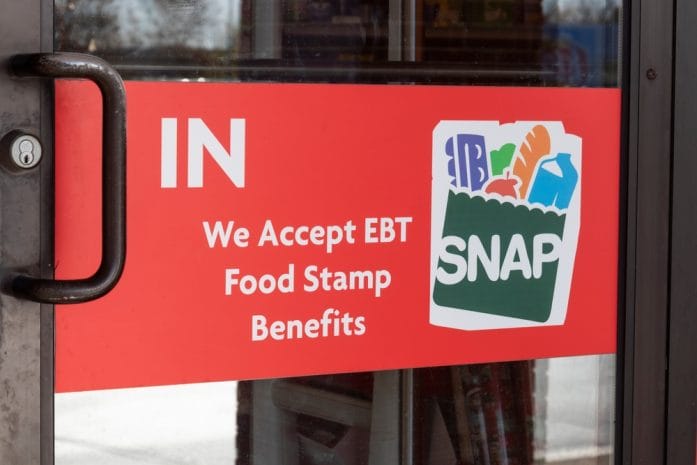
2. SNAP Work Requirements Expand, Cutting Off Support for Many

Food assistance via the Supplemental Nutrition Assistance Program (SNAP) is a lifeline for millions of households. But in 2026, expanded work requirements are rolling out in more states, meaning that able-bodied adults without dependents must work, volunteer, or train for at least 80 hours per month to keep their benefits.

What does this mean in real life? If you live in a state that implements these rules and don’t meet the work or training requirements, your monthly SNAP support could dry up—even if you struggle with transportation, caregiving, health issues, or local job availability.

3. Earnings Limits That Can Reduce Social Security Checks Are Increasing—but Still Bite

If you’re claiming Social Security early and continue to work, the government uses an earnings test that can withhold part of your monthly benefit if your income exceeds certain limits. In 2026, these limits rise but the basic rule stays the same: earn too much and part of your check gets clipped.

That sounds straightforward but remember this isn’t a temporary freeze. Benefits withheld under the earnings test might be added back later, but short-term reductions in monthly support can still bite your everyday budget, especially if you count on that monthly check for current living costs.

4. Medicare Part B Premium Hikes Eat Into Your Disposable Dollars

Yes, we mentioned Medicare Part B earlier in relation to the COLA—because it’s hard to overstate how big a deal this is. In 2026, Part B premiums jump to their highest level yet, and for many people, that means a bigger automatic deduction from your monthly Social Security benefit.

For individuals with higher incomes, this surcharge can be even steeper thanks to the Income-Related Monthly Adjustment Amount (IRMAA), meaning the more you make, the more you could lose in support each month. It’s one thing to get a bigger sticker price on your Medicare card—another to see it reflected in less cash in your pocket.

These Are 6 Benefit Changes Taking Effect in 2026 That Reduce Monthly Support

Image source: shutterstock.com

5. Higher Income Could Mean Less Benefit Through Medicare Surcharges

Speaking of income: depending on what you earn, your Medicare premium could spike even more due to income-related adjustments, which then further reduces your monthly support. This isn’t a flat fee; it’s tied to your reported income from previous years, so smart tax planning and budgeting in advance could make a difference in what you net each month.

This kind of change doesn’t always get front-page attention, but it’s very real for the folks who suddenly find their benefit checks trimmed because their income nudged them into a higher premium bracket.

6. SSI and Related Monthly Support Face Stricter Income/Asset Rules

Supplemental Security Income (SSI) and similar need-based monthly supports already have strict income and asset limits. While COLA changes technically increase payments for SSI recipients, deductions like rising healthcare premiums or asset reclassification rules can offset any nominal increase, effectively reducing the support that shows up in your checking account.

Those on SSI still benefit from a COLA adjustment, but many people on tight budgets find that higher living costs fight right back against any nominal benefit increase, leaving them feeling like they have less breathing room each month.

What to Watch (and What You Can Do)

If you or someone you love relies on monthly support, 2026 is a year to be proactive. Review eligibility rules early, track your earnings if you work while collecting benefits, and pay attention to healthcare premium notices in the fall.

The good news? Knowledge is power: understanding how these changes interact—especially the pesky policy details—can help you preserve your support as much as possible.

Now we want to hear from you: Which of these 2026 benefit changes will affect your monthly support the most—and what are you doing to prepare? Share your experience or strategy in the comments section.

You May Also Like…

Charity Strategy: 9 Giving Moves That Bring Tax Benefits Many People Ignore

Is Your Social Security Spousal Benefit Getting Slashed Without You Realizing?

The Medicare Part B Increase That’s Reducing Social Security Checks By About $185/Month in 2026

The COLA Theft: Why Half of Your Social Security Raise Just Vanished into Medicare This Morning

8 Disqualifications That Keep Veterans From Getting the Benefits They Earned

Brandon Marcus
Brandon Marcus

Brandon Marcus is a writer who has been sharing the written word since a very young age. His interests include sports, history, pop culture, and so much more. When he isn’t writing, he spends his time jogging, drinking coffee, or attempting to read a long book he may never complete.

Filed Under: Lifestyle Tagged With: 2026 benefits, benefit cuts, benefits, cost-of-living adjustment, earnings limits, government policy, Life, Lifestyle, Medicare Part B increase, retirement income, SNAP work requirements, Social Security changes 2026, SSI changes

  • 1
  • 2
  • 3
  • …
  • 7
  • Next Page »

FOLLOW US

Search this site:

Recent Posts

  • Can My Savings Account Affect My Financial Aid? by Tamila McDonald
  • 12 Ways Gen X’s Views Clash with Millennials… by Tamila McDonald
  • What Advantages and Disadvantages Are There To… by Jacob Sensiba
  • Call 911: Go To the Emergency Room Immediately If… by Stephen Kanaval
  • 10 Tactics for Building an Emergency Fund from Scratch by Vanessa Bermudez
  • 7 Weird Things You Can Sell Online by Tamila McDonald
  • 10 Scary Facts About DriveTime by Tamila McDonald

Copyright © 2026 · News Pro Theme on Genesis Framework