• Home
  • About Us
  • Toolkit
  • Getting Finances Done
    • Hiring Advisors
    • Debt Management
    • Spending Plan
  • Insurance
    • Life Insurance
    • Health Insurance
    • Disability Insurance
    • Homeowners/Renters Insurance
  • Contact Us
  • Risk Tolerance Quiz
  • Our Editorial Commitment

The Free Financial Advisor

You are here: Home / Archives for Lifestyle

9 Fashion Trends Gen Z Loves That Millennials Just Can’t Understand

May 20, 2024 by Toi Williams Leave a Comment

fashion trends Gen Z loves
123RF

Fashion trends are always evolving, often reflecting the unique tastes and cultural influences of each generation. As Gen Z comes into their own, they are embracing bold and eclectic styles that sometimes leave Millennials puzzled. From reimagined vintage pieces to avant-garde looks, these trends highlight a distinct departure from the fashion norms of the previous generation. Many of these unique styles can be easily found on a trusted eCommerce clothing website, making them more accessible than ever. Let’s dive into 11 fashion trends Gen Z loves that Millennials just can’t seem to understand.

1. Y2K Revival 

123RF

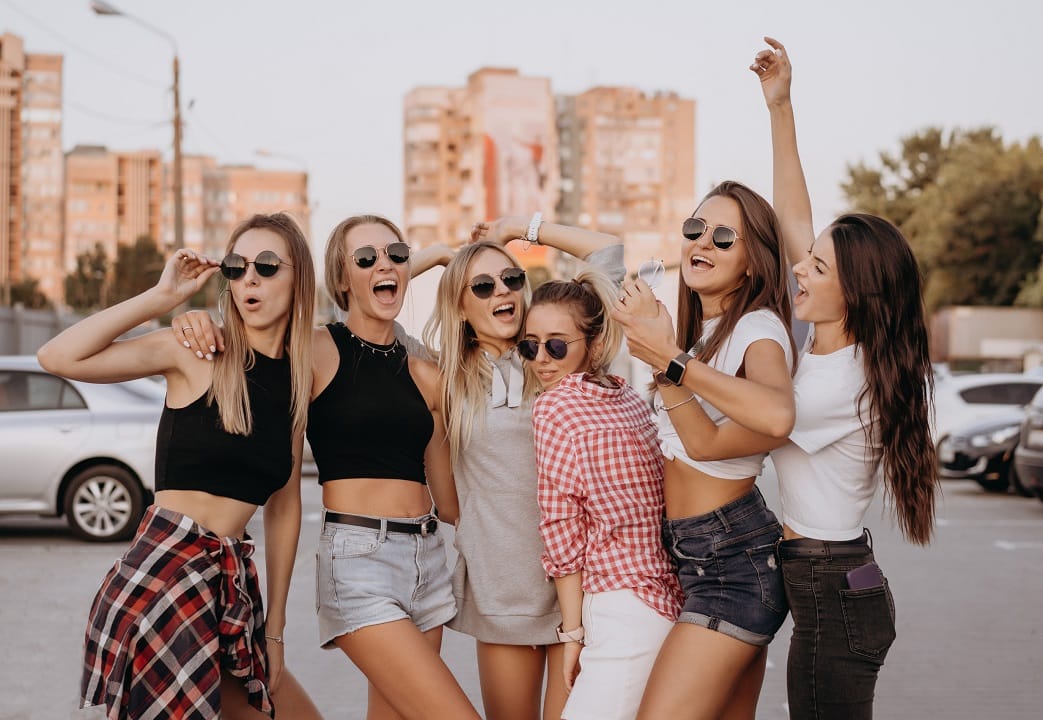
One of the fashion trends Gen Z loves is the Y2K aesthetic, characterized by bold colors, metallics, and tech-inspired designs reminiscent of the late ’90s and early 2000s. This trend includes butterfly clips, baby tees, and low-rise jeans, all making a major comeback. For Millennials, who lived through the era the first time around, these styles might feel too nostalgic or even cringe-worthy, as they evoke memories of awkward teenage years.

The appeal of Y2K fashion for Gen Z lies in its playful and experimental nature. This generation is not afraid to mix and match styles, creating unique looks that celebrate individuality and creativity. For them, Y2K fashion is a fresh and exciting exploration of past trends, while Millennials often see it as a fashion faux pas best left in the past.

2. Oversized Everything

123RF

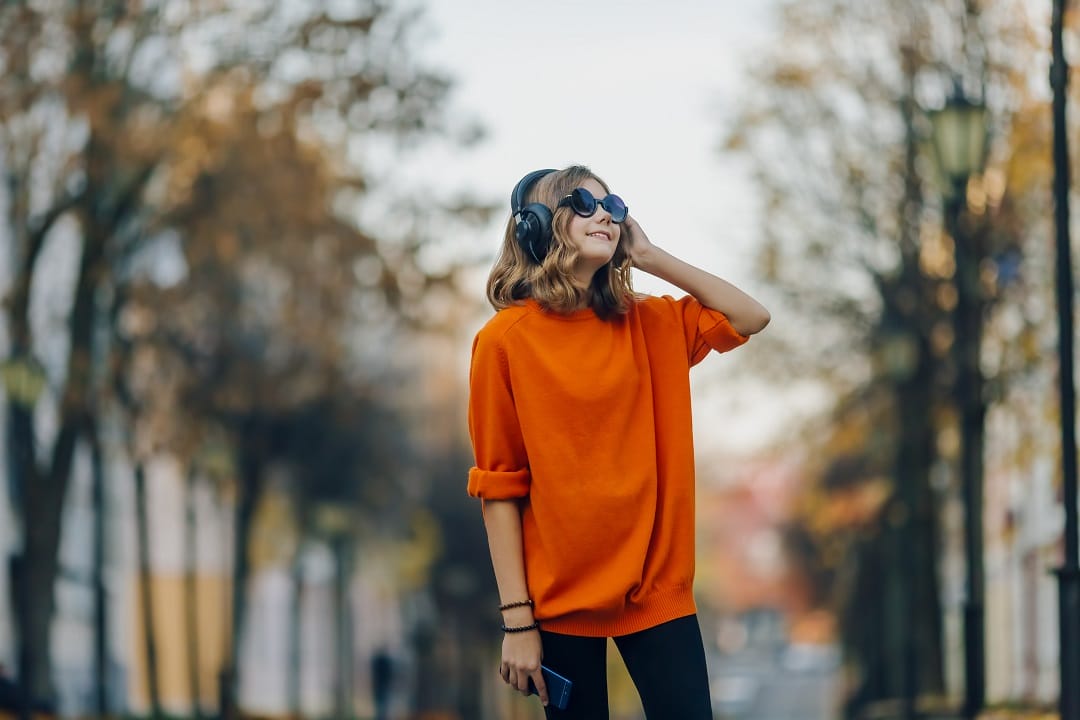
Another of the fashion trends Gen Z loves is oversized clothing, from baggy jeans to giant hoodies and oversized blazers. This trend emphasizes comfort and a relaxed silhouette, moving away from the form-fitting styles that were popular with Millennials. The oversized look is often paired with chunky sneakers and bold accessories, creating a laid-back yet fashion-forward vibe.

Millennials, who embraced skinny jeans and fitted tops, might struggle with the appeal of drowning in fabric. For them, oversized clothes can seem unflattering and impractical. However, Gen Z’s approach is all about making a statement and prioritizing comfort, challenging conventional ideas of what stylish means.

3. E-Girl and E-Boy Aesthetics

123RF

The E-Girl and E-Boy aesthetics are heavily influenced by internet culture, particularly platforms like TikTok. This style features elements like dyed hair, bold makeup, graphic tees, and layered accessories. It’s a blend of goth, anime, and punk influences, creating a unique and edgy look that stands out.

Millennials, who might be more accustomed to classic or minimalist styles, can find this trend bewildering. The dramatic makeup and eclectic fashion choices are a far cry from the polished looks many Millennials prefer. For Gen Z, however, these aesthetics represent a form of self-expression and a way to connect with online communities.

4. Gender-Fluid Fashion

123RF

Gen Z is at the forefront of embracing gender-fluid fashion, breaking away from traditional gender norms. This trend includes clothing that is not specifically designed for men or women, such as skirts for men, oversized suits for women, and generally androgynous styles. The goal is to celebrate individuality and inclusivity in fashion.

Millennials grew up with more defined gender roles in fashion, making the shift towards gender-fluid clothing less intuitive. However, Gen Z’s commitment to inclusivity and self-expression through fashion reflects broader societal changes and a push towards acceptance and diversity.

5. Sustainable and Thrifted Fashion

123RF

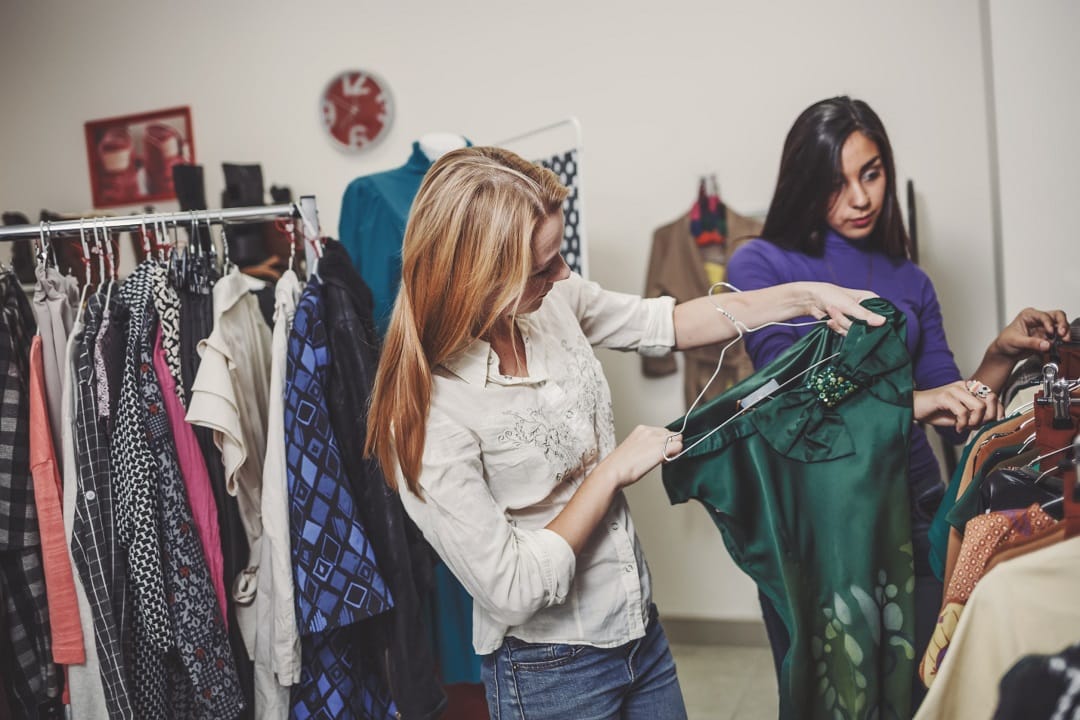
Sustainability is a major concern for Gen Z, and this is reflected in their fashion choices. Thrifting and upcycling clothes are not just fashion trends Gen Z loves but lifestyle choices for many in this generation. They prefer second-hand shopping and supporting eco-friendly brands to reduce their environmental impact.

Millennials, while increasingly aware of sustainability issues, were more accustomed to fast fashion during their formative years. The idea of thrifting or upcycling might not come as naturally to them. For Gen Z, however, these practices are a way to make fashion more ethical and personal, creating unique styles that also benefit the planet.

6. Chunky Sneakers

123RF

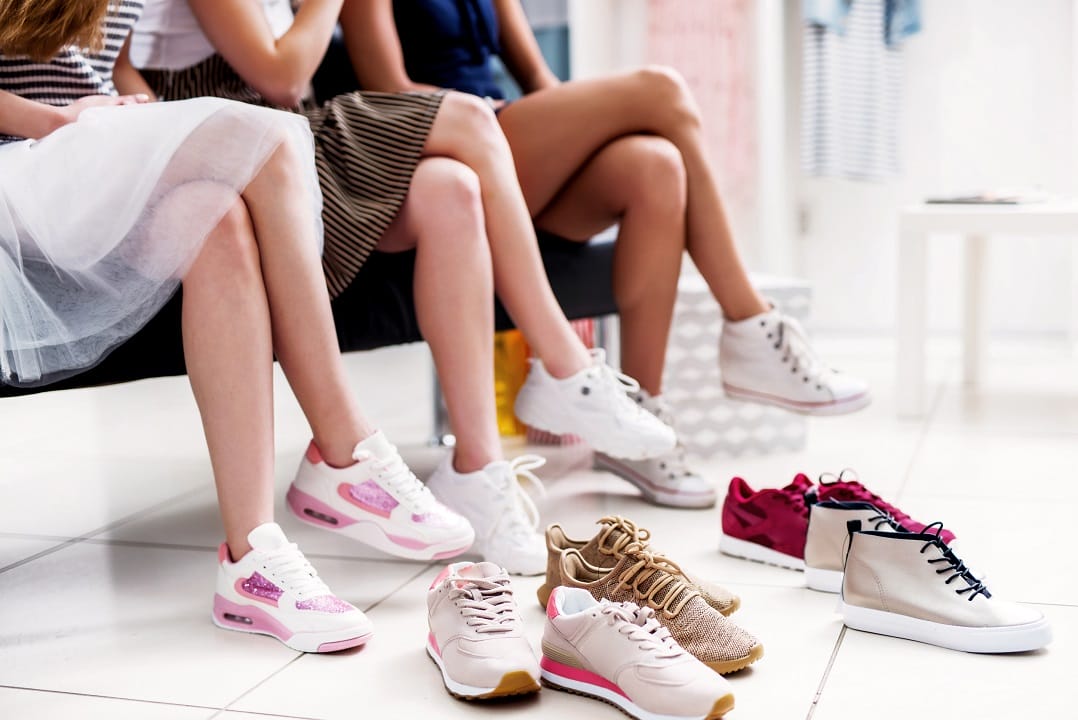
Chunky sneakers, often referred to as “dad shoes,” have become a staple in Gen Z’s wardrobe. These bold, oversized shoes are paired with everything from dresses to baggy jeans, adding a touch of retro flair to modern outfits. The exaggerated proportions and eye-catching designs are a stark departure from the sleek, minimalist sneakers favored by Millennials.

Millennials might find chunky sneakers clunky and unappealing, preferring more streamlined and versatile footwear. For Gen Z, the appeal lies in the statement-making aspect of these shoes, embracing boldness and individuality over subtlety and conformity.

7. Cottagecore

123RF

Cottagecore is a whimsical trend that romanticizes rural and pastoral life. This aesthetic includes flowy dresses, floral prints, and vintage-inspired pieces that evoke a simpler, idyllic lifestyle. Gen Z has embraced cottagecore as a form of escapism and a way to connect with nature.

Millennials, who experienced the rise of urban chic and athleisure, might find the overtly romantic and rustic elements of cottagecore puzzling. However, for Gen Z, this trend represents a desire for authenticity and a break from the fast-paced digital world, offering a nostalgic retreat into a more serene and picturesque lifestyle.

8. Neon Colors and Bold Patterns

123RF

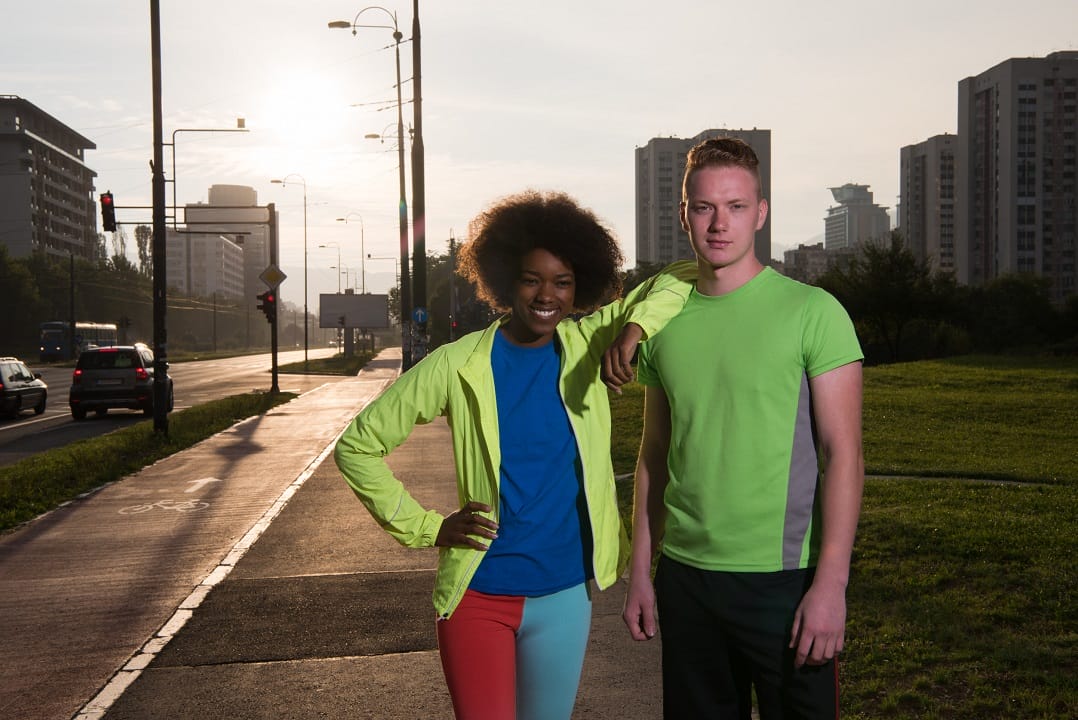
Gen Z is not afraid to stand out, and this is evident in their love for neon colors and bold patterns. Bright, eye-catching hues and daring prints are common fashion trends Gen Z loves, reflecting a sense of fun and experimentation. From neon green tops to psychedelic patterns, these styles are all about making a statement.

Millennials, who often favored muted tones and understated elegance, might find the vibrant colors and bold patterns overwhelming. For Gen Z, however, these trends are a way to express their creativity and confidence, embracing a more playful and adventurous approach to fashion.

9. Visible Socks and Sandals

123RF

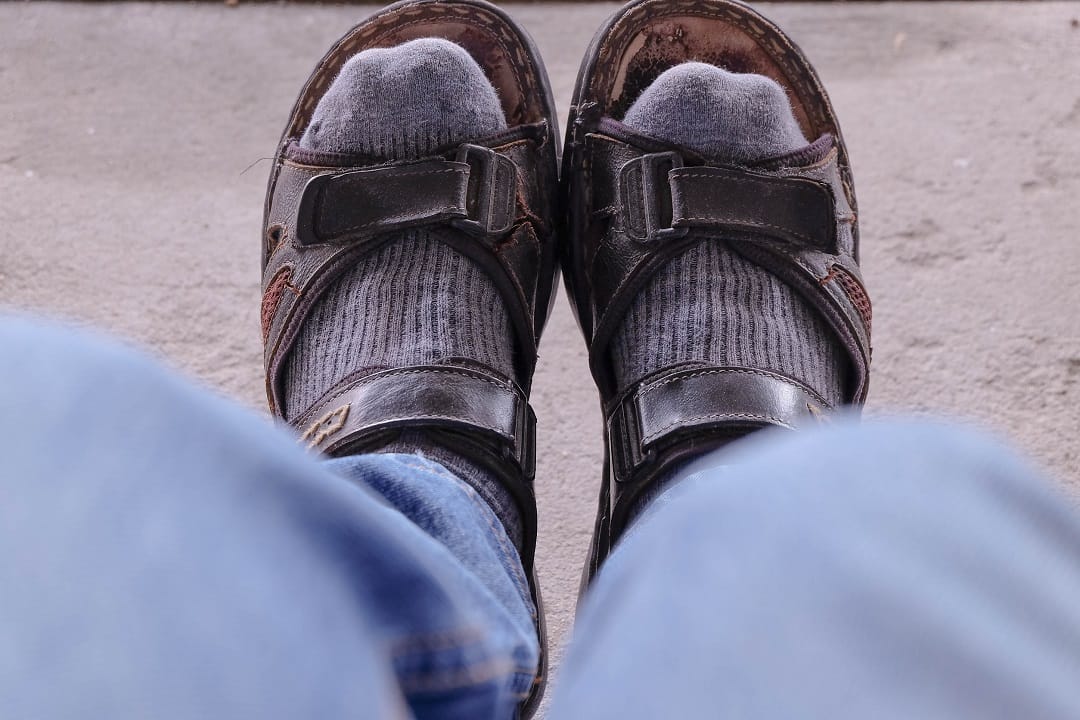
What was once considered a major fashion faux pas has become a popular trend among Gen Z: wearing visible socks with sandals. This combination, often associated with tourists or older generations, has been reimagined as a quirky and comfortable style choice. It’s all about embracing irony and challenging conventional fashion norms.

Millennials, who grew up with strict fashion rules, might struggle to see the appeal of this look. However, for Gen Z, visible socks and sandals are a fun and rebellious way to showcase personal style and comfort, blurring the lines between what’s traditionally considered stylish and what’s not.

Bridging the Fashion Gap

123RF

Fashion trends reflect the cultural and social dynamics of each generation. While the fashion trends Gen Z loves might seem puzzling to Millennials, they represent a shift towards greater self-expression, inclusivity, and sustainability. By understanding these trends, we can appreciate the evolving landscape of fashion and perhaps find common ground in the creativity and individuality that each generation brings to the table. Embracing these differences can lead to a richer and more diverse fashion world for everyone.

[Read more…]

Toi Williams
Toi Williams

Toi Williams began her writing career in 2003 as a copywriter and editor and has authored hundreds of articles on numerous topics for a wide variety of companies. During her professional experience in the fields of Finance, Real Estate, and Law, she has obtained a broad understanding of these industries and brings this knowledge to her work as a writer.

Filed Under: Trends Tagged With: Clothing, gen z, Lifestyle, trends

11 Dining Etiquette Rules That Have Disappeared Over the Decades

May 16, 2024 by Amanda Blankenship Leave a Comment

11 Dining Etiquette Rules That Have Disappeared Over the Decades
123RF

Dining etiquette has evolved significantly over the years. While some traditional practices have remained steadfast, others have faded into obscurity. This article explores eleven dining etiquette rules that have vanished from modern dining experiences.

1. Formal Dress Codes for Dinner

1. Formal Dress Codes for Dinner
123RF

In the past, attending a dinner party often meant dressing in formal attire. Men wore suits and ties, while women donned elegant dresses and gloves. Today, casual wear is more acceptable, even in some upscale restaurants. The shift towards a more relaxed dress code reflects changes in societal norms and a desire for comfort. As casual dining becomes more prevalent, the formal dress code continues to decline.

2. The Use of Finger Bowls

2. The Use of Finger Bowls
DALL-E

Finger bowls, once a staple in formal dining settings, have largely disappeared. These small bowls filled with water were used to rinse fingers between courses. The practice symbolized cleanliness and refinement. However, as dining has become more casual, finger bowls have become less common. Modern diners rely more on napkins and hand sanitizers, making finger bowls a rare sight.

3. Strict Rules for Using Utensils

3. Strict Rules for Using Utensils
123RF

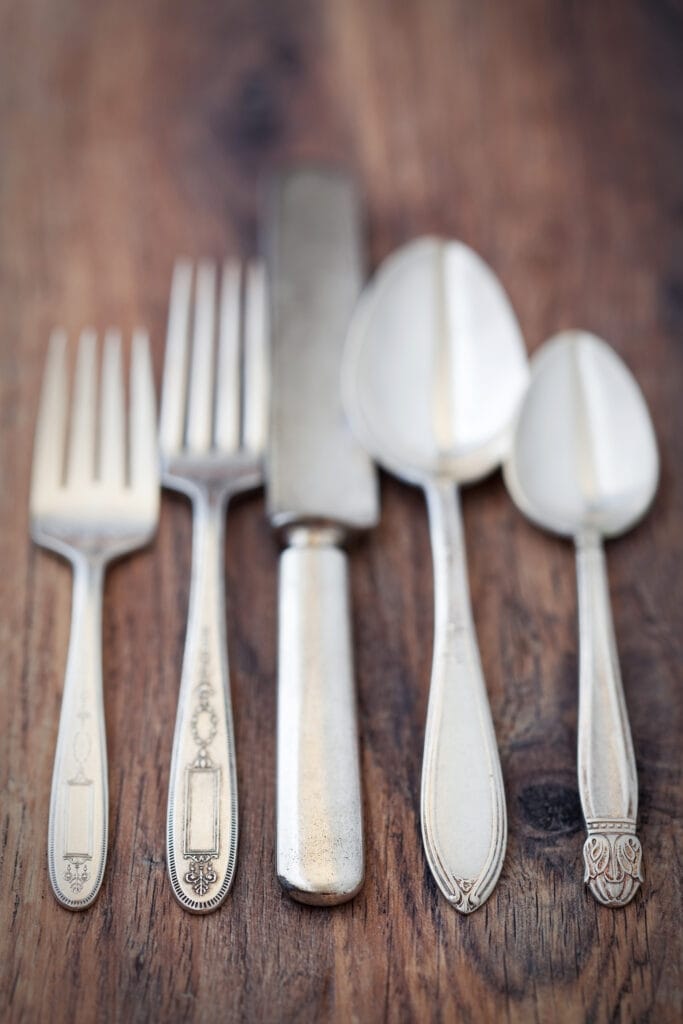
There was a time when knowing the precise use of each utensil was crucial. The complex arrangement of forks, knives, and spoons could be daunting. Nowadays, dining etiquette has relaxed, and the emphasis on perfect utensil use has diminished. Many restaurants have simplified their table settings, making dining a less intimidating experience. This change reflects a broader trend towards simplicity and ease.

4. No Elbows on the Table

4. No Elbows on the Table
DALL-E

One of the oldest dining etiquette rules was the prohibition of elbows on the table. This rule was strictly enforced, especially in formal settings. Today, while some still observe this rule, it’s generally not as rigidly applied. The casualization of dining culture has led to a more relaxed attitude towards table manners. People now prioritize comfort and conversation over strict adherence to old rules.

5. The Expectation to Finish Everything on Your Plate

5. The Expectation to Finish Everything on Your Plate
DALL-E

In the past, leaving food on your plate was considered impolite and wasteful. This rule was rooted in a time when food was scarce and every bite counted. Today, the focus has shifted to portion control and mindful eating. Many diners are more concerned about overconsumption and waste reduction. As a result, the expectation to clean your plate has significantly diminished.

6. Formal Toasting Procedures

6. Formal Toasting Procedures
DALL-E

Toasting once followed a strict protocol, with specific sequences and phrases to be used. This practice was especially common in formal dinners and special occasions. Nowadays, toasting has become more spontaneous and informal. People are more likely to raise a glass and offer a simple “cheers” without following a set script. This relaxed approach reflects broader changes in social customs.

7. Silent Service from Waitstaff

7. Silent Service from Waitstaff
123RF

There was a time when waitstaff were expected to be nearly invisible, serving guests with minimal interaction. This rule has largely disappeared as dining has become more interactive and personable. Today, engaging waitstaff who can provide recommendations and converse with diners are highly valued. The shift towards a more personalized dining experience has rendered the silent service model obsolete.

8. The Use of Calling Cards

8. The Use of Calling Cards
123RF

Calling cards were once used to announce a guest’s arrival at a dinner party. This formal practice was part of a broader etiquette framework that emphasized social hierarchies. Modern dining has moved away from such formalities, with digital communication replacing physical cards. The disappearance of calling cards is indicative of a larger trend towards informality and convenience.

9. Specific Seating Arrangements

9. Specific Seating Arrangements
123RF

Strict seating arrangements, often based on social status or gender, were once a key aspect of formal dining. Hosts would carefully plan where each guest would sit to ensure proper etiquette. Today, seating is generally more flexible, with less emphasis on strict arrangements. This change reflects a more egalitarian approach to social interactions and a focus on making guests feel comfortable.

10. The Obligation to Make Small Talk

10. The Obligation to Make Small Talk
123RF

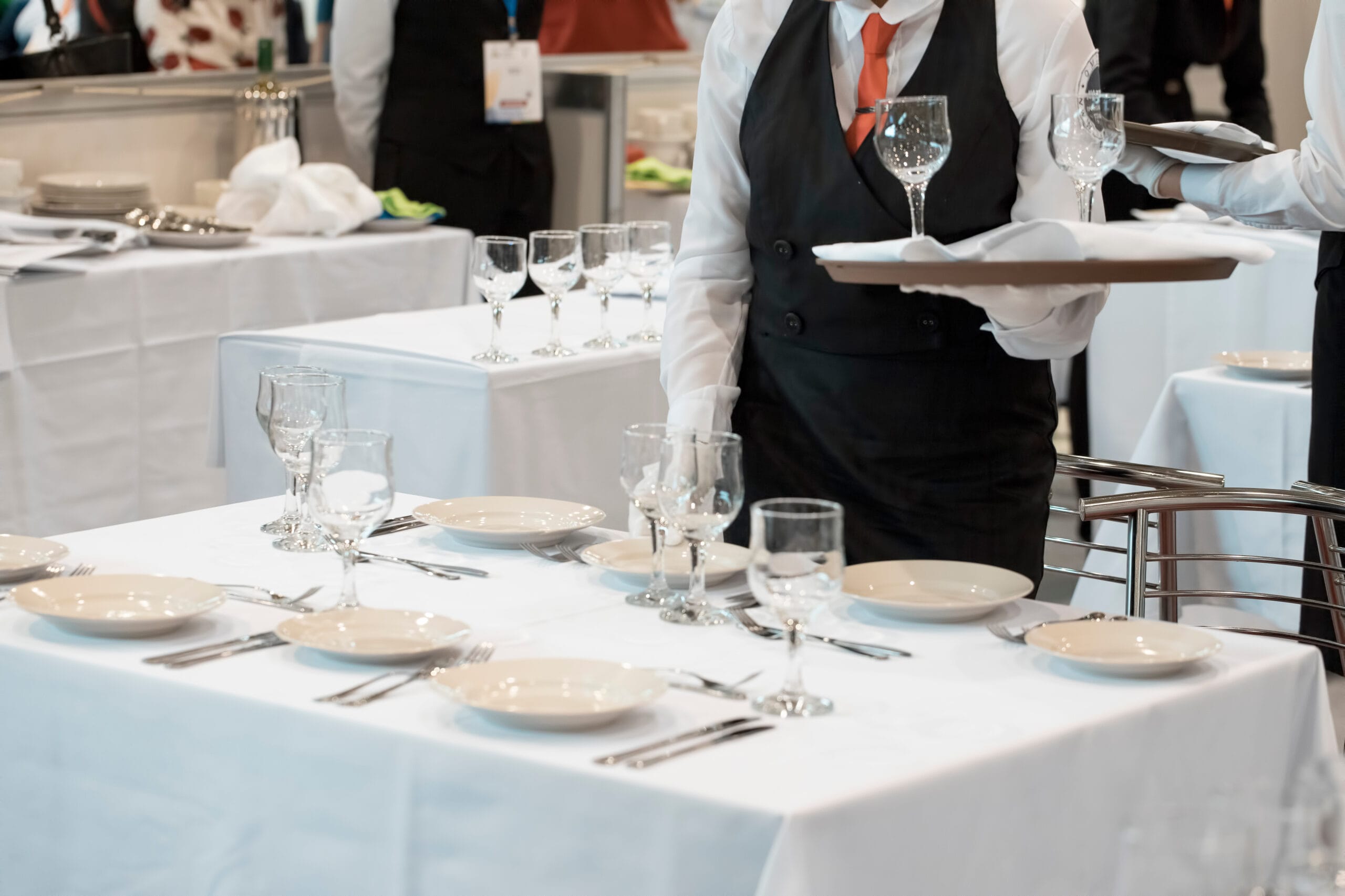
Small talk was once considered an essential skill at the dining table. Guests were expected to engage in light, polite conversation throughout the meal. While conversation is still important, the pressure to maintain constant small talk has lessened. People now value more meaningful and relaxed interactions. This shift aligns with broader changes in social dynamics and communication styles.

11. The Ritual of Smoking After Dinner

11. The Ritual of Smoking After Dinner
123RF

Smoking after dinner was a common practice, often accompanied by a selection of cigars and liqueurs. This ritual was part of the post-dinner experience, especially in high society. With increased awareness of the health risks associated with smoking, this practice has largely disappeared. Modern dining experiences emphasize health and well-being, contributing to the decline of post-dinner smoking rituals.

Dining Etiquette Rules Have Evolved

Dining Etiquette Rules Have Evolved
123RF

Dining etiquette has evolved significantly over the decades, reflecting broader social and cultural shifts. While some traditional practices have faded, new norms have emerged to suit contemporary lifestyles. Understanding these changes can enhance your dining experience and help you navigate modern social settings with ease.

If you found this article interesting, share it with friends and join the conversation on changing dining habits. For more insights and tips, subscribe to our newsletter and stay updated on the latest trends in dining and etiquette.

Amanda Blankenship

Amanda Blankenship is the Chief Editor for District Media.  With a BA in journalism from Wingate University, she frequently writes for a handful of websites and loves to share her own personal finance story with others. When she isn’t typing away at her desk, she enjoys spending time with her daughter, son, husband, and dog. During her free time, you’re likely to find her with her nose in a book, hiking, or playing RPG video games.

Filed Under: Trends Tagged With: Eating Out, Etiquette, Lifestyle

  • « Previous Page
  • 1
  • …
  • 9
  • 10
  • 11

FOLLOW US

Search this site:

Recent Posts

  • Can My Savings Account Affect My Financial Aid? by Tamila McDonald
  • 12 Ways Gen X’s Views Clash with Millennials… by Tamila McDonald
  • What Advantages and Disadvantages Are There To… by Jacob Sensiba
  • 10 Tactics for Building an Emergency Fund from Scratch by Vanessa Bermudez
  • Call 911: Go To the Emergency Room Immediately If… by Stephen Kanaval
  • 7 Weird Things You Can Sell Online by Tamila McDonald
  • 10 Scary Facts About DriveTime by Tamila McDonald

Copyright © 2026 · News Pro Theme on Genesis Framework