
• Home
  • About Us
  • Toolkit
  • Getting Finances Done
    • Hiring Advisors
    • Debt Management
    • Spending Plan
  • Insurance
    • Life Insurance
    • Health Insurance
    • Disability Insurance
    • Homeowners/Renters Insurance
  • Contact Us
  • Risk Tolerance Quiz
  • Our Editorial Commitment

The Free Financial Advisor

You are here: Home / Archives for Mindset

Why Are So Many People Rethinking How They Budget

January 23, 2026 by Brandon Marcus Leave a Comment

Why Are So Many People Rethinking How They Budget
Image source: shutterstock.com

Money—it’s thrilling, terrifying, and somehow always at the center of our life choices. But recently, something curious is happening: people are no longer just sitting down with a spreadsheet or an app and dutifully categorizing every coffee and grocery purchase.

Instead, there’s a movement, subtle but undeniable, where individuals are rethinking not only how they spend but why they spend at all. It’s not about cutting every indulgence or living austerely; it’s about taking control in ways that make sense for today’s world, a world that feels less predictable than ever.

If you’ve noticed friends experimenting with new budgeting methods or reconsidering their financial priorities, you’re not imagining it. And the reasons behind this shift are as fascinating as they are practical.

Economic Uncertainty Is Changing Spending Habits

One major reason people are reevaluating their budgets is economic uncertainty. Inflation, fluctuating interest rates, and job market shifts have made yesterday’s strategies feel outdated.

People used to be able to predict monthly expenses with a degree of confidence, but now, expenses that were once minor can suddenly balloon, throwing a traditional budget out of balance. Many are turning to more flexible budgeting approaches that allow them to respond to unexpected costs without panic.

These methods often emphasize adaptability over rigidity, making it easier to balance financial goals with reality. Interestingly, this trend isn’t just about survival; it’s about regaining a sense of control. In an unpredictable economy, knowing where your money is going and having the freedom to adjust can be surprisingly empowering.

Digital Tools Are Making Budgeting Smarter And Simpler

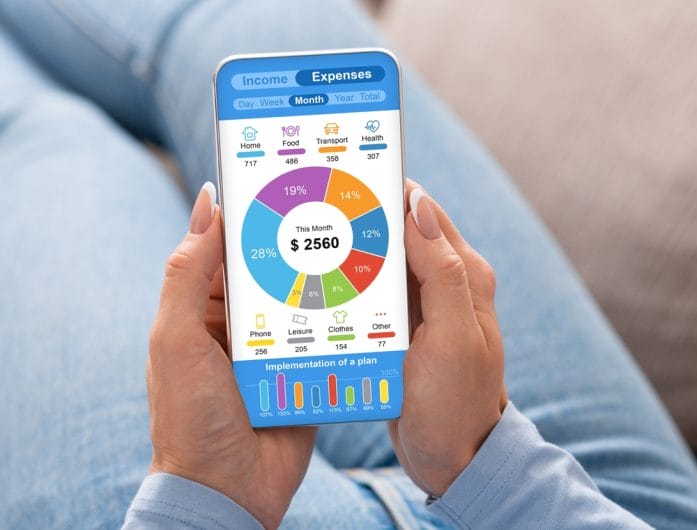
Technology is transforming budgeting in ways most of us could barely imagine a decade ago. Apps now categorize spending automatically, track bills, and even forecast cash flow based on past patterns. Artificial intelligence and machine learning have started helping people identify patterns in their finances, from recurring charges they might have missed to spending habits they weren’t aware of.

This digital assistance makes the process feel less like a chore and more like having a personal finance coach in your pocket. Users can set goals, monitor progress in real-time, and make tweaks instantly rather than waiting until the end of the month.

It’s no wonder more people are exploring these tools—they offer insight and control, packaged in a surprisingly user-friendly interface. Ultimately, technology is not replacing personal responsibility; it’s making that responsibility far easier to manage.
Why Are So Many People Rethinking How They Budget
Image source: shutterstock.com

Mindset Shifts Are Reshaping Financial Priorities

Budgeting today is less about deprivation and more about intentional living. People are increasingly questioning traditional advice like “save first, spend later” or “track every penny,” asking instead what spending choices actually bring value to their lives.

Many are adopting value-based budgeting, where money is allocated according to priorities rather than rigid categories. This could mean spending more on wellness, hobbies, or travel while cutting back on things that feel less meaningful.

Psychology is playing a huge role in this shift, too: people are learning that budgeting works best when it aligns with personal goals and emotional satisfaction. By integrating mental health, lifestyle goals, and financial planning, budgets are becoming tools for fulfillment rather than simply accounting exercises.

Social Influence And Financial Transparency Are Shaping Choices

Another fascinating factor behind the budgeting rethink is the rise of social influence. Platforms where users openly discuss their financial habits—whether successes, failures, or clever hacks—have created a new culture of accountability and inspiration.

People are seeing alternatives to traditional budgeting methods and realizing that there’s no single “right” approach. This transparency helps remove shame from financial mistakes while encouraging experimentation. For instance, someone might learn about envelope budgeting from a friend, try it, and tweak it to fit their unique lifestyle.

Peer examples provide both validation and motivation, which can be far more impactful than generic advice. As a result, budgeting is becoming a shared journey, where lessons learned collectively help everyone refine their strategies.

The Rise Of Irregular Income Is Forcing Creative Approaches

Freelancers, gig workers, and side hustlers are redefining budgeting because their income isn’t predictable. Traditional monthly budgeting doesn’t fit a world where paychecks fluctuate wildly. Instead, people are adopting flexible systems that separate fixed needs from variable wants, ensuring essentials are covered regardless of income swings.

Methods like zero-based budgeting, percentage allocation, or even building substantial emergency funds have become essential for this demographic. These approaches teach not just discipline but also creativity in managing money. Learning to budget around irregular income isn’t just practical—it’s an exercise in resilience and strategic planning that anyone can benefit from.

Financial Education Is More Accessible Than Ever

Finally, access to financial education has exploded, leading many to rethink old habits. Podcasts, online courses, YouTube channels, and community forums make expert advice and real-life examples widely available.

People are no longer limited to advice from family, friends, or traditional financial advisors—they can explore diverse perspectives that challenge assumptions and spark innovation. This democratization of knowledge allows individuals to make informed choices tailored to their circumstances.

Better education encourages experimentation, and when mistakes happen, they’re treated as learning opportunities rather than failures. With this influx of information, the act of budgeting transforms from a mundane task to an engaging process of discovery and improvement.

Rethinking Budgets As A Personal Journey

Rethinking how we budget isn’t just about dollars and cents—it’s about values, priorities, and empowerment. More people are realizing that budgeting can be a flexible, adaptive, and even enjoyable tool to shape life the way they want.

Whether prompted by economic uncertainty, technological innovation, changing mindsets, social influence, irregular income, or accessible financial education, the trend is clear: people want budgets that reflect their lives, not constrain them.

What’s your experience with budgeting? Have you tried a method that changed the way you see your money, or discovered a tip that transformed your approach? Tell your story!

You May Also Like…

Why Are Utility Bills Becoming a Bigger Budget Problem

Why Does Budgeting Feel More Emotional Than Logical

10 Common Budgeting Mistakes That Create Constant Money Stress

Why Do So Many People Believe Budgeting Apps Solve Everything

9 Budget Categories That Blow Up After One Emergency

Brandon Marcus
Brandon Marcus

Brandon Marcus is a writer who has been sharing the written word since a very young age. His interests include sports, history, pop culture, and so much more. When he isn’t writing, he spends his time jogging, drinking coffee, or attempting to read a long book he may never complete.


Filed Under: Budgeting Tagged With: Budget, budget apps, budget tips, budgeting, budgeting problems, Budgeting Tips, digital tools, economic uncertainty, financial choices, financial priorities, Mindset, mindshift, Money, money issues, money problems, overspending, Smart Spending, spending, Spending Habits

Behavior Tune: 4 Small Shifts That Transform How People Handle Money

January 2, 2026 by Brandon Marcus Leave a Comment

Behavior Tune: 4 Small Shifts That Transform How People Handle Money
Image Source: Shutterstock.com

Money moves fast, and somehow, most of us are sprinting to keep up, tripping over bills, budgets, and impulse buys along the way. But what if getting a grip on your finances didn’t require a full-scale lifestyle overhaul or a PhD in economics?

What if tiny, almost sneaky changes could actually transform the way you handle money, turning chaos into control without draining the fun out of life? Financial freedom isn’t about perfection—it’s about smart tweaks that create big results.

1. Automate To Elevate Your Savings Game

The easiest way to save more is to make it effortless. Automating savings eliminates the temptation to spend what you don’t see, and turns your money into a self-working system. You can set up recurring transfers to a high-yield savings account or retirement fund, making growth automatic without the mental gymnastics. Even rounding up purchases to the nearest dollar and saving the difference each time can compound into a surprising pile over months. Automation doesn’t just save money—it saves stress and turns good intentions into guaranteed results.

2. Track Every Dollar Without Freaking Out

Most people avoid tracking spending because it feels tedious or judgmental. But the real secret is to track without shame, turning curiosity into insight. Whether you use an app, spreadsheet, or even sticky notes, knowing exactly where your money goes uncovers patterns you never noticed. Once you see the leaks—subscriptions you forgot about, impulse buys, or unnecessary fees—you can make tiny shifts that add up. The key is consistency over perfection; even a five-minute daily review can make you feel in command instead of overwhelmed.

3. Reframe Wants Versus Needs

Money isn’t just numbers—it’s a reflection of priorities. Learning to differentiate between wants and needs isn’t about restriction, it’s about clarity. Before a purchase, pause and ask if it’s truly necessary or if it’s just momentary desire disguised as essential. This tiny mental pause can prevent hundreds of small, unnecessary transactions that quietly drain your account. Over time, this shift builds discipline and confidence, making spending intentional and guilt-free.

4. Make Money Conversations Normal

Most people treat money like a secret or taboo topic, but that only fuels confusion and anxiety. Talking openly about finances with friends, family, or even a trusted advisor creates accountability and new perspectives. You’ll discover tips, strategies, and sometimes mistakes that you can avoid yourself, accelerating your learning curve. These conversations normalize financial responsibility and make it less intimidating to ask questions or explore new approaches. Transparency isn’t just about sharing numbers—it’s about creating a mindset where money is a tool, not a stressor.

Behavior Tune: 4 Small Shifts That Transform How People Handle Money
Image Source: Shutterstock.com

Transform Your Financial Mindset One Small Shift At A Time

Tiny changes can have a massive ripple effect on your financial life. By automating savings, tracking spending, clarifying priorities, and talking openly about money, you start steering your finances instead of being steered by them. These behavior tweaks aren’t about strict budgeting or sacrificing fun—they’re about making your money work smarter and giving you control without overwhelm.

Everyone’s financial journey is unique, and the best part is experimenting with what works for you. Tell us your experiences or insights in the comments section below; your story might spark a breakthrough for someone else.

You May Also Like…

Legacy Harmony: 5 Financial Conversations Families Should Have Before Holidays

Risk Proaction: 5 Steps to Stress-Test Your Finances for Worst-Case Scenarios

Tax Horizon: 4 Year-End Moves That Could Shape Your Finances for a Decade

The “Scarcity Mindset”: How Fearing Poverty Keeps You Trapped in It

Expense Mindset: 5 Budgeting Habits High-Net Individuals Use


Brandon Marcus
Brandon Marcus

Brandon Marcus is a writer who has been sharing the written word since a very young age. His interests include sports, history, pop culture, and so much more. When he isn’t writing, he spends his time jogging, drinking coffee, or attempting to read a long book he may never complete.

Filed Under: Lifestyle Tagged With: Budget, budgeting, financial mindset, Life, Lifestyle, Mindset, Money, money issues, money matters, saving money, savings, savings account, tracking spending

8 Different Ways to View Money as a Tool, Not a Tyrant

October 11, 2025 by Travis Campbell Leave a Comment

money tool
Image source: shutterstock.com

Money can feel overwhelming. For many, it brings stress, anxiety, or even guilt. But what if you changed your relationship with money? Instead of letting it control you, you can learn to see money as a tool. This mindset shift helps you make better decisions and reduces emotional baggage. When you view money as a tool, not a tyrant, you gain confidence and clarity. It’s about using money intentionally, not letting it dictate your happiness or self-worth. Here are eight practical ways to put this perspective into action.

1. Set Clear Intentions for Your Money

When you see money as a tool, you give it a purpose. Decide what you want your money to do for you—whether that’s paying off debt, building an emergency fund, or funding a dream vacation. Setting clear intentions keeps you focused. It turns spending and saving into conscious choices, not random reactions. This approach helps you avoid drifting or feeling powerless about your finances.

2. Align Spending With Your Values

Think about what matters most to you. Is it family, freedom, learning, or security? Use money to support those values. For example, if health is a priority, you might invest in a gym membership or nutritious food. If travel excites you, save for meaningful trips. Aligning your spending with your values ensures that money works for you, not against you. This is a key part of learning to view money as a tool, not a tyrant.

3. Break Free From Scarcity Thinking

Scarcity thinking makes money feel like a constant source of worry. Instead, remind yourself that money is renewable. You can earn more, save more, and learn new skills. Viewing money as a tool means recognizing its potential rather than its limits. This mindset shift opens you up to opportunities and helps you avoid making fear-based decisions. You become proactive instead of reactive.

4. Use Budgets as Empowerment, Not Restriction

Budgets often get a bad rap. They seem restrictive, like a diet for your wallet. But a budget is just a plan for using your money as a tool to reach your goals. It gives you control and clarity. When you track your spending, you know exactly where your money goes. This empowers you to make changes if needed, without guilt or shame. A budget is a roadmap, not a prison.

5. Invest in Experiences and Growth

Money can buy things, but it can also open doors to new experiences and personal growth. Spending on education, travel, or hobbies can enrich your life far more than accumulating stuff. When you view money as a tool, you see its power to help you learn, connect, and grow. These investments can pay off for years to come—sometimes in ways you never expected.

6. Separate Self-Worth From Net Worth

It’s easy to let your bank balance influence your self-esteem. But your value as a person isn’t tied to your financial status. Viewing money as a tool, not a tyrant, means recognizing that money is just one resource among many. It’s useful, but it doesn’t define you. Celebrate progress, not perfection. Focus on healthy financial habits, not just numbers on a screen.

7. Prepare for the Unexpected

Life is full of surprises—some good, some not so much. Use money as a tool to build an emergency fund or get the right insurance. This gives you a safety net and peace of mind. Preparation isn’t about expecting disaster; it’s about being ready for whatever comes your way. When you’re prepared, money loses its power to scare you. You stay in control.

8. Seek Reliable Guidance and Tools

You don’t have to figure it all out alone. There are plenty of resources that can help you improve your financial literacy and make better choices. For example, you might use a free budgeting app or follow advice from trusted sources like the Consumer Financial Protection Bureau. Learning from others helps you use money as a tool more effectively. Reach out to professionals, read books, or join online communities for support.

Money as a Tool: The Path to Financial Freedom

Changing your mindset takes time, but it pays off. When you consistently view money as a tool, not a tyrant, you take charge of your financial future. You make decisions with intention, confidence, and flexibility. Money becomes a means to an end—not the end itself. This shift reduces stress and helps you reach your goals on your own terms.

How have you learned to use money as a tool in your life? Share your experiences and tips in the comments below!

What to Read Next…

  • Are These 8 Money Saving Tricks Actually Keeping You Broke?
  • 8 Things Rich People Never Finance And You Shouldn’t Either
  • 10 Ways You’re Wasting Money Just Trying To Keep Up Appearances
  • Are These 6 Helpful Budget Tips Actually Ruining Your Finances?
  • 7 Tactics Grocery Stores Use To Keep You From Thinking About Price
Travis Campbell
Travis Campbell

Travis Campbell is a digital marketer/developer with over 10 years of experience and a writer for over 6 years. He holds a degree in E-commerce and likes to share life advice he’s learned over the years. Travis loves spending time on the golf course or at the gym when he’s not working.

Filed Under: Personal Finance Tagged With: budgeting, financial freedom, financial literacy, Mindset, money management, Personal Finance, values

10 Deep-Seated Issues Blocking Your Path to Abundance Spiritually

October 4, 2025 by Travis Campbell Leave a Comment

spiritual
Image source: pexels.com

Many people crave a richer, more meaningful life, but few stop to ask what’s truly holding them back. Abundance spiritually is about more than money or possessions; it’s about feeling fulfilled, connected, and at peace. Yet, deep-seated issues can quietly block your progress, no matter how hard you try. These obstacles often work below the surface, shaping your beliefs and actions. Becoming aware of these issues is the first step to overcoming them and opening the door to lasting spiritual abundance.

1. Limiting Beliefs About Self-Worth

If you believe you’re undeserving of happiness or prosperity, you’ll likely block abundance spiritually without realizing it. These limiting beliefs often form in childhood and shape your self-image for years. You might tell yourself, “I’m not good enough,” or “I never get lucky.” These thoughts create invisible barriers, making it hard to accept good things or opportunities. Challenging and reframing these beliefs can help you welcome abundance into your life.

2. Fear of Change

Change can be intimidating, especially when it threatens your comfort zone. Even if you want more out of life, fear of the unknown can hold you back from pursuing spiritual abundance. This fear often shows up as procrastination or self-sabotage. Embracing change, even in small steps, can help you break free from old patterns and open yourself to new possibilities.

3. Attachment to Material Success

It’s easy to equate abundance with material wealth, but this mindset can hinder true spiritual abundance. When you focus too much on possessions or external achievements, you may neglect your inner growth. This attachment can lead to anxiety, comparison, and emptiness, even when you reach your material goals. Shifting your focus toward meaning, purpose, and personal growth can help you experience a deeper sense of abundance.

4. Resentment and Unforgiveness

Holding onto past hurts or grudges can weigh heavily on your spirit. Resentment and unforgiveness act like emotional chains, draining your energy and clouding your outlook. This emotional baggage can block spiritual abundance by keeping you stuck in negative cycles. Practicing forgiveness, even if it’s difficult, can release this weight and allow more positivity to flow into your life.

5. Lack of Gratitude

Gratitude is a powerful tool for attracting abundance spiritually. When you focus on what’s lacking, you reinforce a mindset of scarcity. This negative focus can make it hard to recognize and appreciate the good already present in your life. Making a habit of noticing small blessings can shift your perspective and create more room for abundance to grow.

6. Negative Self-Talk

Your inner dialogue shapes your reality. If you constantly criticize yourself or expect failure, you’ll find it difficult to attract spiritual abundance. Negative self-talk can undermine your confidence and motivation, making it difficult to pursue your goals. Replacing harsh words with kindness and encouragement can help you build a healthier relationship with yourself and the world around you.

7. Comparison to Others

Comparing yourself to others can quickly drain your joy and undermine your progress. Social media and cultural pressures make it easy to feel less than or behind. This constant comparison can distract you from your unique path and block abundance spiritually. Focusing on your own growth and achievements, no matter how small, can help you feel more satisfied and open to new opportunities.

8. Disconnection from Purpose

Without a sense of meaning or direction, life can feel empty—even if you have material success. Disconnection from purpose blocks abundance spiritually by leaving you unfulfilled and restless. Taking time to reflect on what matters to you, or exploring your values and passions, can help you rediscover your sense of purpose. This connection can foster a deeper sense of abundance and satisfaction.

9. Overwhelm and Burnout

Constant busyness and stress can leave little space for spiritual growth. When you’re overwhelmed, it’s hard to notice opportunities or appreciate what you have. This state of burnout blocks abundance spiritually by keeping you focused on survival rather than growth. Prioritizing rest, setting boundaries, and practicing self-care can help you create space for abundance to flourish.

10. Ignoring Intuition

Many people ignore their inner guidance in favor of logic, external advice, or fear-based thinking. Over time, this can make you feel disconnected and lost. Ignoring your intuition blocks abundance spiritually by keeping you out of alignment with your true self. Learning to trust your gut can help you make choices that lead to greater fulfillment and abundance.

Opening the Path to Abundance Spiritually

Addressing these deep-seated issues takes honesty, patience, and self-compassion. By naming what’s holding you back, you take the first step toward healing and growth. Abundance spiritually isn’t about having everything; it’s about feeling whole, connected, and at peace with yourself and the world around you.

Which of these issues have you noticed in your own life, and how have you worked to overcome them? Share your thoughts in the comments below!

What to Read Next…

  • How Many Of These 8 Middle Class Habits Are Keeping You Poor
  • Are These 8 Money Saving Tricks Actually Keeping You Broke
  • 10 Money Mistakes People Make After Losing A Spouse
  • Why Some People Feel Rich But Cant Afford A 400 Emergency
  • 8 Signs Youre Losing Wealth Without Realizing It
Travis Campbell
Travis Campbell

Travis Campbell is a digital marketer/developer with over 10 years of experience and a writer for over 6 years. He holds a degree in E-commerce and likes to share life advice he’s learned over the years. Travis loves spending time on the golf course or at the gym when he’s not working.

Filed Under: Personal Development Tagged With: abundance, forgiveness, gratitude, Mindset, personal development, self-worth, spiritual growth

Feeling Stuck? 5 Ways to Push Yourself Out of Your Comfort Zone

May 24, 2025 by Travis Campbell Leave a Comment

man outside
Image Source: pexels.com

Have you ever felt like you’re just going through the motions, stuck in a safe but uninspiring routine? You’re not alone. Many people are trapped in their comfort zones, hesitant to take risks or try new things. While comfort can be comfortable, it can also hold you back from personal growth, new opportunities, and even financial success. Pushing yourself out of your comfort zone isn’t just about chasing adrenaline—it’s about unlocking your full potential and living a more fulfilling life. If you’re ready to shake things up and see your capabilities, this article is for you.

1. Embrace Small, Manageable Risks

Stepping out of your comfort zone doesn’t mean you have to make huge, life-altering changes overnight. Starting small is often the most effective way to build confidence and momentum. Try saying yes to something you’d normally decline, like attending a networking event or volunteering for a new project at work. These manageable risks can help you get used to discomfort in a controlled way, making bigger leaps feel less intimidating.

Research shows that taking small risks can rewire your brain, making you more adaptable and resilient over time. The key is consistency—challenge yourself regularly, and you’ll soon find that what once felt scary now feels second nature. Remember, growth happens at the edge of your comfort zone, not in the middle of it.

2. Set Stretch Goals (and Make Them Public)

One of the most effective ways to push yourself is by setting stretch goals—objectives that are just beyond your current abilities. These goals should be ambitious enough to excite you, but realistic enough that you can see a path to achieving them. For example, if you’re comfortable saving $100 a month, challenge yourself to save $200 by cutting unnecessary expenses or finding a side hustle.

Making your goals public adds a layer of accountability. Share your intentions with friends, family, or even on social media. When others know your aim, you’re more likely to follow through. According to a study published in the American Society of Training and Development, people are 65% more likely to meet a goal after committing to another person. So, don’t be shy—let the world know what you’re working toward!

3. Seek Out New Experiences Regularly

Routine can be comforting, but it can also become a rut. To break free, make it a habit to seek out new experiences, even if they seem unrelated to your main goals. This could be as simple as trying a new cuisine, taking a different route to work, or signing up for a class outside your usual interests. New experiences stimulate your brain, spark creativity, and help you see the world differently.

If you’re feeling stuck in your career or finances, learning a new skill can open doors you never knew existed. For example, taking a public speaking course might lead to leadership opportunities, while learning about investing could set you on a path to financial independence. The more you expose yourself to the unfamiliar, the more comfortable you’ll become with uncertainty—a crucial skill for anyone looking to grow.

4. Reframe Failure as Feedback

Fear of failure is one of the biggest reasons people stay in their comfort zones. But what if you started seeing failure not as a dead end, but as valuable feedback? Every time you try something new that doesn’t go as planned, you gain insights that can help you improve next time. This mindset shift is essential for personal and professional growth.

Many successful people credit their achievements to lessons learned from failure. Thomas Edison famously said, “I have not failed. I’ve just found 10,000 ways that won’t work.” Reframing failure as a learning opportunity will make you more willing to take risks and less likely to be paralyzed by fear. Remember, the only true failure is never trying at all.

5. Surround Yourself with Growth-Minded People

The people you spend time with greatly impact your mindset and willingness to step outside your comfort zone. If you’re surrounded by individuals who are content with the status quo, it’s easy to adopt the same attitude. On the other hand, spending time with growth-minded people—those who embrace challenges and strive for improvement—can inspire you to do the same.

Look for mentors, colleagues, or friends who encourage you to take risks and support your growing efforts. Join groups or communities that align with your goals, whether that’s a professional association, a mastermind group, or an online forum. According to psychologist Dr. Carol Dweck, a growth mindset is contagious, so choose your company wisely.

Unlocking Your Potential Starts Today

Pushing yourself out of your comfort zone isn’t always easy, but it’s one of the most rewarding things you can do for your personal and financial well-being. By embracing small risks, setting stretch goals, seeking new experiences, reframing failure, and surrounding yourself with growth-minded people, you’ll gradually expand what you believe is possible. Remember, every step outside your comfort zone is a step toward a more empowered, fulfilled, and financially secure you.

What’s one thing you’ve done recently to push yourself out of your comfort zone? Share your story in the comments below!

Read More

How to Think Like an Old Crafty Cat

Resisting Temptation: 5 Smart Ways to Use Your Tax Refund

Travis Campbell
Travis Campbell

Travis Campbell is a digital marketer/developer with over 10 years of experience and a writer for over 6 years. He holds a degree in E-commerce and likes to share life advice he’s learned over the years. Travis loves spending time on the golf course or at the gym when he’s not working.

Filed Under: Personal Development Tagged With: comfort zone, financial success, goal setting, Mindset, motivation, personal growth, self-improvement

7 Harsh Money Truths Every Broke Person Needs to Hear

May 21, 2025 by Travis Campbell Leave a Comment

harsh money truths
Image Source: pexels.com

If you’re tired of living paycheck to paycheck, you’re not alone. Millions of people struggle with money, but the difference between those who stay broke and those who break free often comes down to facing some uncomfortable realities. It’s easy to blame the economy, your job, or even bad luck, but sometimes the real problem is closer to home. Facing the truth about your financial habits can be tough, but it’s the first step toward lasting change. In this article, we’ll break down seven harsh money truths every broke person needs to hear. If you’re ready for a little tough love and a lot of practical advice, keep reading—your financial future depends on it.

1. No One Is Coming to Save You

It’s a hard pill to swallow, but waiting for a financial rescue—whether it’s a lottery win, a rich relative, or a government program—is a losing strategy. The reality is, your financial situation is your responsibility. While safety nets and support systems exist, relying on them as your main plan will keep you stuck. The sooner you accept that no one is coming to save you, the sooner you can start making changes that put you in control. Start by tracking your spending, setting realistic goals, and taking small steps every day. Remember, financial independence is built, not gifted.

2. Your Income Isn’t the Problem—Your Habits Are

Many people believe that making more money will solve all their problems, but that’s rarely the case. According to a 2023 CNBC report, even high earners can end up broke if their spending habits don’t change. If you consistently spend more than you earn, no amount of income will ever be enough. Take a hard look at your daily habits: Are you eating out too often? Subscribing to services you don’t use? Buying things to impress others? Changing your habits is tough but the only way to break the cycle.

3. Budgeting Isn’t Optional

If you’re broke, you can’t afford to ignore budgeting. A budget isn’t about restriction—it’s about awareness and control. Without a budget, knowing where your money is going or how to make it work for you is impossible. Start simple: list your income, track your expenses, and set limits for each category. There are plenty of free tools and apps to help you get started. The key is consistency. Review your budget every month and adjust as needed. Over time, you’ll gain confidence and control over your finances.

4. Debt Is a Trap—And It’s Up to You to Escape

Debt can feel like quicksand, pulling you deeper every month. Credit cards, payday loans, and buy-now-pay-later schemes are designed to keep you spending and paying interest. According to the Federal Reserve, the average American household carries thousands in credit card debt, and the interest alone can keep you broke for years. The harsh truth? No one is going to pay off your debt for you. Make a plan to tackle your balances, starting with the highest interest rates. Cut up your cards if you have to. Every dollar you pay down is a step toward freedom.

5. You Can’t Out-Earn Bad Money Management

It’s tempting to think that a higher salary will solve everything, but poor money management will sabotage even the biggest paychecks. Many lottery winners and pro athletes end up broke because they never learned how to manage their money. The skills you build now—budgeting, saving, investing—will serve you no matter how much you earn. Focus on mastering the basics before chasing a bigger paycheck. When you do earn more, you’ll be ready to make the most of it.

6. Saving Is Non-Negotiable, Even When You’re Broke

It might seem impossible to save when you’re struggling, but saving is essential—even if it’s just a few dollars a week. An emergency fund is your safety net against unexpected expenses like car repairs or medical bills. Every surprise becomes a crisis without savings, and you’re forced to rely on credit or loans. Start small and automate your savings if you can. Over time, those small amounts add up and give you breathing room. Remember, saving isn’t about the amount—it’s about building the habit.

7. Your Mindset Is Holding You Back

The way you think about money shapes your reality. If you believe you’ll always be broke, you probably will be. Negative self-talk, fear of failure, and a scarcity mindset can keep you stuck in the same patterns. Start challenging those beliefs. Read books, listen to podcasts, and surround yourself with people who have a healthy relationship with money. The more you learn, the more empowered you’ll feel to make changes. Your mindset is the foundation of your financial future—make sure it’s working for you, not against you.

The Power to Change Is in Your Hands

Facing these harsh money truths isn’t easy, but it’s the only way to break free from being broke. Every step you take—no matter how small—moves you closer to financial freedom. Remember, your situation isn’t permanent unless you let it be. Take ownership, build better habits, and believe in your ability to change. The journey might be tough, but the rewards are worth it. You have the power to rewrite your money story, starting today.

What’s the harshest money truth you’ve had to face? Share your story or advice in the comments below!

Read More

Your Friend Makes More Money Than You? Now What? Dealing with Financial Jealousy

7 Financial Lies People Keep Telling on Social Media

Travis Campbell
Travis Campbell

Travis Campbell is a digital marketer/developer with over 10 years of experience and a writer for over 6 years. He holds a degree in E-commerce and likes to share life advice he’s learned over the years. Travis loves spending time on the golf course or at the gym when he’s not working.

Filed Under: Personal Finance Tagged With: broke, budgeting, Debt, financial independence, Mindset, money management, Personal Finance, Saving

7 Essential Books for Personal Growth

April 25, 2025 by Travis Campbell Leave a Comment

books
Image Source: pexels.com

In today’s fast-paced world, personal development remains one of the most valuable investments you can make. The right books can transform your mindset, habits, and ultimately your life trajectory. Whether you’re facing career challenges, relationship hurdles, or simply seeking to maximize your potential, these seven carefully selected titles offer powerful frameworks for meaningful change. Each recommendation provides unique insights that have helped millions of readers worldwide break through limitations and create lasting transformation. Let’s explore these literary companions that can guide your growth journey.

1. Atomic Habits by James Clear

James Clear’s masterpiece breaks down the science of habit formation into practical, actionable steps. Rather than focusing on massive changes, Clear advocates for the power of tiny improvements—just 1% better each day—that compound dramatically over time.

The book introduces the four laws of behavior change: make it obvious, attractive, easy, and satisfying. By understanding these principles, readers can design their environment to support positive habits while eliminating negative ones. Clear’s evidence-based approach is supported by compelling research and memorable anecdotes.

This book’s balance of scientific rigor and practical application makes it exceptional. You’ll learn not just why habits matter but exactly how to implement systems that make good habits inevitable and bad habits impossible. As Clear writes, “You do not rise to the level of your goals. You fall to the level of your systems.”

2. Mindset: The New Psychology of Success by Carol Dweck

Stanford psychologist Carol Dweck’s groundbreaking research on mindset has revolutionized how we think about learning and achievement. The core concept—distinguishing between fixed and growth mindsets—provides a powerful lens for understanding personal development.

Those with fixed mindsets believe their qualities are carved in stone, leading them to easily avoid challenges and give up. In contrast, those with growth mindsets see challenges as opportunities to develop their abilities through dedication and hard work. This fundamental difference affects everything from parenting to business leadership.

Dweck supports her theories with extensive research spanning decades, showing how praise for effort rather than intelligence creates resilience and motivation. The book offers practical strategies for cultivating a growth mindset in yourself and others, making it essential reading for anyone committed to continuous improvement.

3. Man’s Search for Meaning by Viktor Frankl

Viktor Frankl’s profound memoir of his experiences in Nazi concentration camps offers timeless wisdom about finding purpose even in the most horrific circumstances. As both a survivor and a psychiatrist, Frankl provides unique insights into human resilience.

The book introduces logotherapy, Frankl’s therapeutic approach centered on the belief that our primary drive is not pleasure but the pursuit of meaning. Through vivid, often harrowing accounts, Frankl demonstrates how those who maintained a sense of purpose were more likely to survive the camps.

What makes this book transformative is its universal application. Frankl’s observation that “those who have a ‘why’ to live can bear almost any ‘how'” resonates across cultures and generations. By focusing on responsibility rather than freedom, readers gain a framework for finding meaning in their own challenges and suffering.

4. Daring Greatly by Brené Brown

Brené Brown’s research on vulnerability challenges conventional wisdom about strength and weakness. Drawing from twelve years of research, she argues that vulnerability—the willingness to show up and be seen despite uncertainty—is our most accurate measure of courage.

The book explores how shame and fear of vulnerability lead to disengagement, while embracing vulnerability enables deeper connections, creativity, and joy. Brown’s accessible writing style combines research findings with personal anecdotes, making complex concepts relatable.

Particularly valuable are the practical strategies for developing “shame resilience” and cultivating what Brown calls “wholehearted living.” Her TED talk on vulnerability has been viewed over 50 million times, demonstrating the universal appeal of her message about embracing imperfection.

5. Deep Work by Cal Newport

Cal Newport makes a compelling case for the value of focused, uninterrupted work in an age of constant distraction. He defines “deep work” as professional activities that push cognitive capabilities to their limit in a distraction-free state.

Newport argues that deep work is increasingly rare yet increasingly valuable in our economy. The book provides both philosophical arguments for deep work and practical training regimens to develop this skill. Readers learn specific strategies for eliminating distractions, batching shallow tasks, and creating rituals that support sustained concentration.

This book is a counter-cultural message about digital minimalism and intentional technology use, which distinguishes it. Newport’s evidence-based approach challenges popular notions about multitasking and social media, offering a refreshing perspective on productivity in the digital age.

6. Thinking, Fast and Slow by Daniel Kahneman

Nobel Prize-winning psychologist Daniel Kahneman synthesizes decades of research on cognitive biases and decision-making to explore how we think comprehensively. The book introduces two systems that drive our thinking: System 1 (fast, intuitive) and System 2 (slow, deliberate).

Kahneman reveals how these systems shape our judgments and decisions, often leading to predictable errors. From overconfidence to loss aversion, the book catalogs cognitive biases that affect everything from financial investments to personal relationships.

The practical value lies in recognizing these patterns in our own thinking. Understanding our cognitive limitations allows us to design better decision-making processes and avoid common pitfalls. Kahneman’s work has influenced fields from economics to medicine, making it essential reading for anyone seeking to improve their reasoning.

7. The Four Agreements by Don Miguel Ruiz

Drawing from ancient Toltec wisdom, Don Miguel Ruiz offers a powerful code of conduct that can rapidly transform lives. The four agreements—be impeccable with your word, don’t take anything personally, don’t make assumptions, and always do your best—provide a simple yet profound framework for personal freedom.

What makes this book remarkable is its accessibility and immediate applicability. Unlike many personal growth books that require complex systems, Ruiz’s agreements can be implemented immediately, with noticeable effects on relationships and inner peace.

The spiritual dimension of this work adds depth without requiring specific religious beliefs. By focusing on our agreements with ourselves, Ruiz helps readers identify and replace limiting beliefs with liberating alternatives, creating space for authentic personal growth.

The Transformative Journey of Continuous Learning

Personal growth isn’t a destination but a lifelong journey of continuous learning and application. These seven books represent diverse approaches—from habit formation to meaning-making, from vulnerability to cognitive psychology—that together provide a comprehensive toolkit for transformation. The most powerful personal growth comes not from passive reading but from active implementation, where ideas become habits and insights become actions. By approaching these works with openness and commitment to application, you can leverage centuries of wisdom to navigate your unique path toward becoming your best self.

What personal growth book has significantly impacted your life, and how has it changed your perspective or habits? Share your experience in the comments below!

Read More

5 Books That Shaped My Career

Here Are 5 Books That Everyone Should Read to Improve Their Financial Literacy

Travis Campbell
Travis Campbell

Travis Campbell is a digital marketer/developer with over 10 years of experience and a writer for over 6 years. He holds a degree in E-commerce and likes to share life advice he’s learned over the years. Travis loves spending time on the golf course or at the gym when he’s not working.

Filed Under: book review Tagged With: Atomic Habits by James Clear, Books for Personal Growth, Deep Work by Cal Newport, Man's Search for Meaning by Viktor Frankl, Mindset

FOLLOW US

Search this site:

Recent Posts

  • Can My Savings Account Affect My Financial Aid? by Tamila McDonald
  • 12 Ways Gen X’s Views Clash with Millennials… by Tamila McDonald
  • What Advantages and Disadvantages Are There To… by Jacob Sensiba
  • 10 Tactics for Building an Emergency Fund from Scratch by Vanessa Bermudez
  • Call 911: Go To the Emergency Room Immediately If… by Stephen Kanaval
  • 7 Weird Things You Can Sell Online by Tamila McDonald
  • 10 Scary Facts About DriveTime by Tamila McDonald

Copyright © 2026 · News Pro Theme on Genesis Framework