• Home
  • About Us
  • Toolkit
  • Getting Finances Done
    • Hiring Advisors
    • Debt Management
    • Spending Plan
  • Insurance
    • Life Insurance
    • Health Insurance
    • Disability Insurance
    • Homeowners/Renters Insurance
  • Contact Us
  • Privacy Policy
  • Risk Tolerance Quiz

The Free Financial Advisor

You are here: Home / Archives for Inflation

The 2027 COLA May Radically Change American Households

April 27, 2026 by Brandon Marcus Leave a Comment

The 2027 COLA May Radically Change American Households

Image Source: Shutterstock.com

The upcoming 2027 COLA (cost-of-living adjustment) increase has started drawing serious attention because it could reshape how millions of households manage rising expenses, fixed incomes, and long-term financial planning. Social Security adjustments rarely spark excitement at first glance, but this one carries the potential to influence grocery budgets, rent decisions, and even retirement timelines in ways many families do not expect. Analysts already track inflation patterns, wage pressures, and economic slowdowns to estimate how the adjustment might land, and those projections suggest significant changes ahead.

Financial planners now highlight how even a small percentage shift in the 2027 COLA increase can ripple through household spending power. Seniors living on fixed incomes often feel these changes first, but working families also feel pressure when wages fail to keep pace with inflation-driven adjustments.

Why the 2027 COLA Increase Could Feel Different Than Recent Years

Some estimates predict the COLA change to be around 2 to 4 percent in 2027. One of the reasons why this increase in particular stands out is that inflation patterns no longer follow predictable cycles like they did in earlier decades. Energy prices, healthcare costs, and housing expenses now shift at different speeds, which creates uneven pressure on household budgets. Social Security adjustments rely on inflation data, but those numbers do not always reflect the true cost of daily living for retirees or fixed-income households. This mismatch means the 2027 COLA increase could feel either too small or temporarily helpful depending on which expenses dominate a household’s budget.

Analysts also point out that wage growth in certain sectors may outpace inflation while others lag behind, which further complicates how the 2027 COLA increase impacts real purchasing power. A retiree paying higher rent in an urban area may feel squeezed even with a larger adjustment, while someone in a lower-cost region may stretch benefits further. The 2027 COLA increase also interacts with policy decisions, tax brackets, and Medicare premiums, which can quietly reduce the net benefit. Even a strong adjustment can lose impact if healthcare costs absorb much of the gain. That combination makes this COLA cycle one of the most closely watched in recent memory.

How Inflation Trends Shape Household Budgets Before 2027 Arrives

Inflation trends play a direct role in shaping expectations around the 2027 COLA increase, especially since Social Security calculations depend heavily on consumer price data. When grocery prices rise steadily over multiple years, households start adjusting spending habits long before the official COLA announcement arrives. That behavior creates a lag where budgets already feel strained even before adjustments take effect. The 2027 COLA increase will likely reflect those inflation patterns, but timing always creates friction between rising costs and benefit updates.

Energy costs and housing remain two of the strongest drivers influencing the 2027 COLA increase, and both categories tend to move unpredictably. A spike in heating bills or rent increases can wipe out the perceived benefit of a stronger adjustment in a matter of months. Families that track monthly expenses closely often notice that inflation does not rise evenly, which complicates how far the 2027 COLA increase actually goes. Some months feel manageable while others create sudden financial pressure. That inconsistency forces households to rethink budgeting strategies rather than rely on annual adjustments alone.

Which Households Feel the Biggest Shock From the 2027 COLA Increase

Lower-income retirees often feel the strongest impact from the 2027 COLA increase, since a larger portion of their income goes toward essentials like food, housing, and healthcare. Even small inflation shifts can disrupt their financial stability because they have less flexibility in discretionary spending. The 2027 COLA increase may provide relief on paper, but real-world expenses often consume that relief quickly. That creates a situation where nominal gains do not always translate into improved financial comfort.

Middle-income households also feel pressure, especially when they support both retirees and working-age dependents. These households often juggle rising insurance premiums, mortgage costs, and education expenses at the same time. The 2027 COLA increase may help offset some costs, but competing financial obligations reduce its overall impact. Unexpected expenses like medical bills or home repairs can erase the benefit entirely within a single month. That financial balancing act makes planning ahead more important than reacting after the fact.

The 2027 COLA May Radically Change American Households

Image Source: Shutterstock.com

Here Are The Right Moves to Prepare Before the 2027 COLA

Households that prepare early for the 2027 COLA increase often gain more financial stability than those who wait for official announcements. Tracking monthly spending patterns helps identify which expenses rise fastest and which remain stable over time. That awareness allows families to adjust budgets proactively rather than react under pressure. The 2027 COLA increase becomes more effective when households already operate with flexible financial habits instead of rigid spending plans.

Building even a small emergency buffer can reduce stress when inflation spikes or when the 2027 COLA increase fails to match expectations. Financial advisors often recommend prioritizing high-impact expenses like housing and healthcare when planning ahead for uncertain adjustments. The 2027 COLA increase will likely bring relief in some areas, but strategic budgeting ensures that relief actually improves quality of life. Households that review subscriptions, insurance plans, and recurring costs often find hidden savings that matter more than annual adjustments. That proactive approach turns uncertainty into control rather than financial strain.

What the 2027 COLA Increase Really Signals for Household Stability

The 2027 COLA increase signals more than just a yearly adjustment; it reflects broader economic pressures that shape how households survive rising costs. Inflation, policy decisions, and shifting consumer behavior all influence how meaningful that adjustment feels in everyday life. Some families will experience noticeable relief, while others may see only a brief financial cushion before expenses rise again. The 2027 COLA increase highlights how important it becomes to plan beyond annual adjustments and focus on long-term financial resilience.

What do you think the 2027 COLA increase will mean for everyday budgets and retirement planning? Share your thoughts in the comments below.

You May Also Like…

Social Security COLA Gains Are Being Offset by Rising Medicare Costs

Georgia Seniors Are Paying More Due to Ad Valorem Rules on Vehicle Purchases

Social Security 2026 COLA: Why Your 2.8% Raise Disappeared After Medicare Deductions

How Seniors Jeopardize Their Social Security Right After Retirement

Arizona’s Rising Cost of Living — What $100K Buys in Phoenix Today

Brandon Marcus
Brandon Marcus

Brandon Marcus is a writer who has been sharing the written word since a very young age. His interests include sports, history, pop culture, and so much more. When he isn’t writing, he spends his time jogging, drinking coffee, or attempting to read a long book he may never complete.

Filed Under: social security Tagged With: 2027 COLA, COLA increase, cost-of-living adjustment, economic trends, household budgets, Inflation, inflation impact, retirement income, retirement planning, savings strategy, senior finances, Social Security, Social Security benefits

Healthcare Spending Doesn’t Stop Rising — Why That Matters for Retirees

April 11, 2026 by Brandon Marcus Leave a Comment

Healthcare Spending Doesn't Stop Rising — Why That Matters for Retirees

Image Source: Shutterstock.com

Healthcare costs don’t just rise—they charge forward like they’ve got something to prove. Numbers climb year after year, and they don’t ask for permission before reshaping retirement plans that once looked solid on paper. Anyone eyeing retirement with a sense of calm might want to take a second look, because healthcare doesn’t play by the same predictable rules as groceries or gas. It moves faster, hits harder, and leaves very little room for wishful thinking. That reality changes everything about how retirement should feel and function.

Retirement used to carry a certain image: slower mornings, less stress, and a well-earned break from financial juggling. That picture still exists, but healthcare costs keep trying to crash the party. They stretch budgets, shift priorities, and demand attention long after paychecks stop rolling in.

The Relentless Climb: Why Healthcare Costs Refuse to Chill

Healthcare spending continues to rise faster than many other expenses, and that trend doesn’t look ready to slow down. Several factors drive that increase, and none of them feel temporary or easy to fix. Medical technology keeps advancing, which brings incredible treatments but also higher price tags. Prescription drugs continue to cost more, especially for specialty medications that treat chronic conditions. An aging population adds even more demand to the system, which pushes costs higher across the board.

Inflation plays its role, but healthcare inflation often outpaces general inflation in ways that catch people off guard. A typical retirement budget might account for steady increases, but healthcare doesn’t always behave in a steady way. Costs can jump unexpectedly due to new diagnoses, changes in coverage, or shifts in provider pricing. That unpredictability makes healthcare one of the hardest expenses to plan around, even for people who love a well-organized spreadsheet.

Insurance doesn’t fully shield retirees from these increases, and that surprises a lot of people. Programs like Medicare help cover major expenses, but they don’t cover everything. Premiums, deductibles, copayments, and services like dental, vision, and long-term care often fall outside the standard coverage. Those gaps turn into real expenses that retirees must handle out of pocket, and those expenses can add up faster than expected.

Medicare Isn’t a Magic Shield—It’s More Like a Safety Net with Holes

Medicare plays a huge role in retirement healthcare, but it doesn’t act like an all-access pass to free medical care. It covers a lot, and it provides essential protection, but it also leaves room for costs that catch people off guard. Part A and Part B cover hospital stays and outpatient services, but they come with deductibles and coinsurance. Part D helps with prescription drugs, but plans vary widely, and out-of-pocket costs can still feel significant depending on the medications involved.

Many retirees turn to supplemental plans, often called Medigap policies, to help fill in some of those gaps. Others choose Medicare Advantage plans, which bundle coverage into a single plan with different cost structures. Each option brings its own pros and cons, and none of them completely eliminate out-of-pocket spending. Choosing the right combination requires careful attention, because the wrong fit can lead to higher costs over time.

Healthcare planning in retirement demands more than a quick enrollment decision. It requires ongoing attention to plan details, annual changes, and personal health needs. Premiums can increase, coverage can shift, and providers can move in and out of networks. Staying engaged with those changes helps retirees avoid unpleasant surprises and keep costs under better control.

The Wild Card: Long-Term Care and the Costs Nobody Wants to Think About

Long-term care sits in a category of its own, and it carries some of the biggest financial risks in retirement. Services like nursing homes, assisted living, and in-home care can cost thousands of dollars per month. Medicare doesn’t cover most long-term care expenses, and that fact changes the entire planning equation. Many people assume some level of coverage exists, but the reality looks very different.

Planning for long-term care requires a deliberate strategy, and that strategy often includes difficult decisions. Some people explore long-term care insurance, which can help offset future costs but comes with its own premiums and conditions. Others set aside dedicated savings or consider hybrid insurance products that combine life insurance with long-term care benefits. Each option requires careful evaluation, because the costs and benefits vary widely.

Ignoring long-term care doesn’t make the risk disappear. It simply shifts the burden to future finances or family members. Building a plan, even a flexible one, creates a sense of control in an area that often feels uncertain. That step can protect retirement savings and reduce stress when care becomes necessary.

Healthcare Spending Doesn't Stop Rising — Why That Matters for Retirees

Image Source: Shutterstock.com

Budgeting for the Unknown Without Losing Your Mind

Planning for rising healthcare costs might sound overwhelming, but it doesn’t require perfection—it requires intention. A strong retirement plan includes a realistic estimate for healthcare expenses, and that estimate should go beyond basic premiums. It should account for out-of-pocket costs, potential increases, and unexpected medical needs that can pop up at any time.

Health savings accounts, or HSAs, offer one of the most powerful tools for managing future healthcare costs. Contributions grow tax-free, and withdrawals for qualified medical expenses also remain tax-free. That combination creates a valuable cushion for retirement, especially for people who start contributing early. Even small, consistent contributions can grow into a meaningful resource over time.

Flexibility also plays a key role in managing healthcare expenses. Retirees who stay open to adjusting their plans—whether that means switching insurance options, comparing providers, or revisiting budgets—can respond more effectively to rising costs. That proactive approach turns a stressful situation into a manageable one, even when expenses increase.

Staying Ahead of the Curve Instead of Chasing It

Healthcare costs might keep climbing, but that doesn’t mean retirement has to feel like a constant uphill battle. Preparation changes the experience entirely, turning uncertainty into something far more manageable. Understanding how costs work, where gaps exist, and which tools can help creates a stronger financial foundation. That foundation supports smarter decisions and reduces the impact of rising expenses over time.

What steps feel worth taking right now to stay ahead of rising healthcare costs, and what strategies have already made a difference? Give us your thoughts, ideas, or personal insights in the comments.

You May Also Like…

​Retirement Healthcare Costs Are Climbing Again — What the Average Couple Now Needs

8 Things Rich Retirees Never Buy — And Poor Ones Always Do

How Medicare’s Income-Related Surcharge Sneaks Up On Retirees

Retirement Accounts Are Triggering Unexpected Taxes — What Some Investors Overlook

Alaska’s Eye-Popping Healthcare Costs — Planning for Higher Medical Expenses

Brandon Marcus
Brandon Marcus

Brandon Marcus is a writer who has been sharing the written word since a very young age. His interests include sports, history, pop culture, and so much more. When he isn’t writing, he spends his time jogging, drinking coffee, or attempting to read a long book he may never complete.

Filed Under: Retirement Tagged With: budgeting, healthcare costs, Inflation, Insurance, Long-term care, medical expenses, Medicare, Personal Finance, Planning, retirement planning, retirement savings, seniors

Why Your Pension Check Could Shrink – Triggers and Solutions

April 9, 2026 by Brandon Marcus Leave a Comment

Why Your Pension Check Could Shrink - Triggers and Solutions

Image Source: Shutterstock.com

An unexpected drop in retirement income doesn’t just sting—it disrupts absolutely everything. That carefully planned budget suddenly looks shaky, grocery runs feel heavier, and long-term security starts to feel like a moving target. Pension checks carry a promise of stability, yet that promise can bend under pressure from factors many never see coming. This isn’t about fear—it’s about awareness, because knowing what causes those changes puts control back where it belongs.

Plenty of people assume pensions stay fixed once they start rolling in, like a steady metronome ticking through retirement years. That assumption misses a big truth: pensions live in a world that keeps changing, and those changes don’t always work in your favor. Economic shifts, policy updates, and even personal decisions can quietly chip away at that monthly number. The good news? Every trigger has a counter-move, and understanding both sides turns uncertainty into strategy.

The Inflation Squeeze That Doesn’t Let Go

Inflation barges in and eats away at purchasing power one dollar at a time. Even when pension payments stay technically the same, rising prices can make them feel smaller with every passing month. Groceries, utilities, and healthcare costs often climb faster than expected, and that imbalance creates a gap that keeps widening if no adjustments step in. Some pensions include cost-of-living adjustments, often called COLA, but not all plans offer them, and even when they do, they don’t always match real-world price increases.

That gap between income and expenses forces tough choices, especially when fixed incomes can’t stretch the way they used to. A pension that covered everything comfortably five years ago may now struggle to keep up with essentials. The key here lies in proactive planning, not reactive scrambling. Building a buffer through savings or diversified income streams can soften inflation’s impact before it hits hard.

Smart moves include reviewing spending regularly and identifying areas where costs can shrink without sacrificing quality of life. Some people lean into part-time work or passive income streams to offset the squeeze, while others shift investments toward assets that historically keep pace with inflation. No single strategy fits everyone, but doing nothing guarantees that inflation wins the tug-of-war.

Why Your Pension Check Could Shrink - Triggers and Solutions

Image Source: Shutterstock.com

Early Retirement Decisions That Come With Trade-Offs

Retiring early sounds like a dream, but that dream often comes with a financial trade-off that shows up in smaller pension checks. Many pension systems calculate benefits based on years worked and age at retirement, so leaving the workforce sooner typically reduces monthly payouts. That reduction doesn’t disappear over time—it sticks around for the long haul, which means less income year after year.

Those early years of freedom can feel incredible, but the long-term math demands attention. A smaller pension combined with a longer retirement period can stretch finances thin if no backup plan exists. This doesn’t mean early retirement always leads to trouble, but it does mean the decision deserves careful calculation and realistic expectations.

Balancing the desire for early retirement with financial stability often involves creative solutions. Some choose phased retirement, working part-time while beginning to draw partial benefits, which helps bridge the income gap. Others build larger savings cushions before stepping away from full-time work. The goal isn’t to avoid early retirement—it’s to step into it with eyes wide open and a plan that supports the lifestyle that follows.

Policy Changes That Rewrite the Rules

Pension systems don’t operate in a vacuum; governments and organizations adjust rules over time, and those changes can ripple directly into monthly payments. Legislative updates may alter benefit formulas, tax rates, or eligibility criteria, and those adjustments can increase or decrease the amount received. While not every change leads to a reduction, enough do that staying informed becomes essential.

Taxes deserve special attention because they often fly under the radar until they take a bite out of income. Depending on where someone lives and how their pension gets taxed, a change in tax policy can quietly reduce take-home pay. That reduction doesn’t show up as a smaller pension on paper, but it feels exactly the same in everyday life.

Staying ahead of policy changes requires a bit of vigilance, but it pays off. Regularly checking updates from pension providers or financial advisors can prevent unpleasant surprises. Adjusting financial plans in response to new rules helps maintain stability, even when the system shifts. Knowledge turns policy changes from a shock into something manageable.

Investment Performance That Shapes the Outcome

Not all pensions guarantee fixed payments; some depend on investment performance, and that introduces another layer of unpredictability. Market downturns can impact pension funds, especially those tied to defined contribution plans or hybrid structures. When investments underperform, future payouts may shrink or fail to grow as expected.

Even traditional pension funds feel the effects of broader economic conditions, since they rely on investment returns to sustain payouts over time. Poor performance can lead to funding gaps, and those gaps sometimes force adjustments to benefits. This doesn’t happen overnight, but the impact builds gradually, often becoming noticeable only after several years.

Diversification offers one of the strongest defenses against this risk. Spreading investments across different asset classes can reduce the impact of any single downturn. Keeping a close eye on pension statements and understanding how funds get managed also adds a layer of control. Awareness turns investment risk into something that can be navigated rather than feared.

Life Changes That Shift the Numbers

Personal circumstances can influence pension payments more than expected. Divorce, remarriage, or survivor benefit elections can all affect how much money flows each month. Some pensions reduce payments to provide ongoing benefits to a spouse, while others adjust based on changes in household structure.

Healthcare costs also play a major role, especially as retirement progresses. Rising medical expenses can eat into pension income quickly, even if the payment itself doesn’t change. Long-term care needs can amplify that pressure, creating a situation where income feels smaller simply because expenses climb so high.

Planning for these life changes involves more than just paperwork—it requires thoughtful decisions about the future. Choosing the right survivor benefit option, maintaining adequate insurance coverage, and setting aside funds for healthcare can help preserve financial stability. These decisions may feel complex, but they provide a safety net that keeps retirement on solid ground.

Protecting the Check Without Losing Sleep

No one wants to spend retirement worrying about shrinking income, and the good news is that several strategies can help keep things steady. Diversifying income sources stands out as one of the most effective approaches, since relying on a single stream creates vulnerability. Combining pensions with savings, investments, or even small side income streams can create a more resilient financial picture.

Budgeting plays a bigger role than many expect, especially when it comes to tracking spending patterns and adjusting before problems arise. Small tweaks, like reducing unnecessary subscriptions or optimizing utility usage, can free up cash without making life feel restricted. These adjustments may seem minor, but they add up quickly over time.

Regular financial check-ins can make a huge difference, too. Reviewing income, expenses, and long-term goals helps catch potential issues early, when solutions remain simple and effective. Retirement doesn’t have to feel uncertain or fragile—it can feel stable and even empowering with the right approach in place.

What Deserves Your Attention

Pension checks don’t shrink without a reason, and every reason comes with a chance to respond. Inflation, early retirement decisions, policy changes, investment performance, and personal life shifts all play a role in shaping retirement income. Ignoring those factors leaves too much up to chance, while understanding them opens the door to smarter decisions and a stronger financial footing.

What strategies have made the biggest difference in keeping your retirement income steady, or what concerns still feel unresolved? Give us your thoughts, ideas, or personal approaches in the comments.

You May Also Like…

How Seniors Jeopardize Their Social Security Right After Retirement

10 Retirement States That No Longer Cater to Retirees

5 Tax Mistakes Retirees Make and How To Fix Them Before It’s Too Late

Retirees Are Rethinking Second Homes — Why the “Snowbird Lifestyle” Is Getting Too Expensive

Retirees Are Rethinking Second Homes — Why the “Snowbird Lifestyle” Is Getting Too Expensive

Brandon Marcus
Brandon Marcus

Brandon Marcus is a writer who has been sharing the written word since a very young age. His interests include sports, history, pop culture, and so much more. When he isn’t writing, he spends his time jogging, drinking coffee, or attempting to read a long book he may never complete.

Filed Under: Retirement Tagged With: budgeting, COLA, Cost of living, income protection, Inflation, pension cuts, pensions, Planning, retirement income, Retirement Tips, seniors finance, Social Security

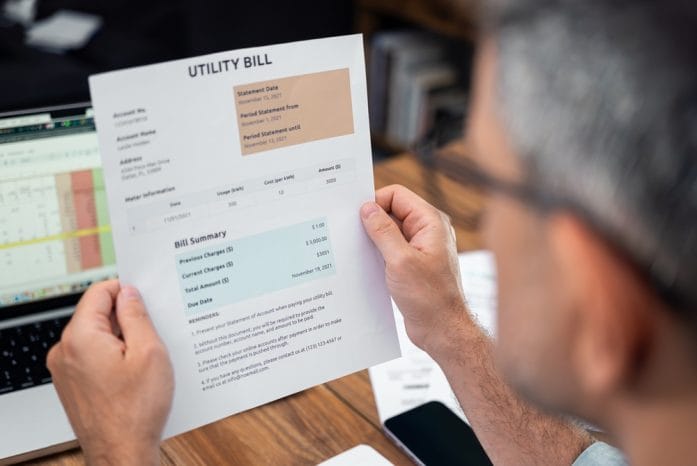
The Real Reason Your Utility Bill Is Skyrocketing and What You Can Do

April 7, 2026 by Brandon Marcus Leave a Comment

The Real Reason Your Utility Bill Is Skyrocketing and What You Can Do

Image Source: Shutterstock.com

Electric bills aren’t just creeping up anymore—they’re charging forward like they’ve got something to prove. Numbers that once felt manageable now look like a monthly shock, and the explanation rarely feels clear. Blaming “higher costs” sounds vague, and vague doesn’t help when the total jumps again. The truth hides behind a mix of global shifts, local infrastructure, and everyday habits that quietly stack up over time. Understanding what actually drives those numbers gives far more power than simply bracing for the next bill.

Big energy changes don’t stay behind the scenes anymore; they show up in homes, apartments, and bank accounts. Rising costs don’t come from one single cause, and that’s exactly why they feel so frustrating. A mix of supply issues, aging systems, extreme weather, and lifestyle patterns pushes prices higher from multiple directions at once. That layered reality means quick fixes won’t cut it, but smart adjustments absolutely can. Once the real drivers come into focus, cutting costs stops feeling like guesswork and starts feeling like strategy.

The Hidden Forces Driving Your Bill Higher

Energy prices don’t just rise randomly; global supply and demand shifts push them up in ways that ripple into everyday life. When fuel costs increase, electricity providers pass those increases along almost immediately, and that impact hits every household regardless of usage habits. Infrastructure also plays a massive role, because many power grids rely on aging systems that require expensive maintenance and upgrades. Those upgrades cost money, and utility companies recover those expenses through higher rates. Weather adds another layer of pressure, especially during extreme heat or cold when demand spikes dramatically. Increased demand forces utilities to generate more power quickly, which often costs more and drives rates upward. Even water bills feel the pressure, as drought conditions and water treatment expenses raise costs in many regions.

Government policies and environmental regulations also influence utility pricing, often with long-term goals that carry short-term cost increases. Cleaner energy initiatives, for example, require investment in renewable systems, and that transition doesn’t come cheap. While those changes aim to reduce environmental impact, they often increase bills during the transition period. Population growth in certain areas strains local resources, forcing utilities to expand capacity and infrastructure faster than planned. That expansion again feeds into higher costs for consumers. On top of that, energy markets fluctuate constantly, and those fluctuations create unpredictable pricing patterns. When all these forces combine, bills rise steadily rather than dramatically, which makes the increases feel relentless instead of sudden.

The Everyday Habits That Quietly Add Up

Daily routines shape utility bills far more than most people expect, and small patterns often create surprisingly large impacts over time. Leaving lights on in multiple rooms, running appliances during peak hours, and keeping devices plugged in all day steadily increase electricity usage. Even modern homes packed with energy-efficient devices still waste power through standby consumption, sometimes called “phantom energy.” That constant drain may seem minor, but it adds up every single day. Heating and cooling habits also make a massive difference, especially when thermostats stay fixed instead of adjusting with the weather or time of day. A few degrees higher or lower can shift energy use significantly across an entire month. Laundry habits, water heater settings, and even cooking methods all contribute to the total.

Water usage creates another major piece of the puzzle, especially in homes with older fixtures or unnoticed leaks. A dripping faucet or running toilet may not seem urgent, but those small issues waste gallons of water daily and quietly inflate bills. Long showers, frequent laundry cycles, and inefficient dishwashing routines also push usage higher than necessary. Seasonal changes amplify these habits, especially during summer when air conditioning and water use both increase. Many households don’t adjust routines to match those seasonal shifts, which leads to spikes that feel unexpected. Awareness alone can start to shift those patterns in a meaningful way. Once habits come into focus, simple changes begin to lower costs without sacrificing comfort.

Smart Moves That Actually Lower Costs

Cutting utility bills doesn’t require drastic lifestyle changes; it starts with targeted, practical adjustments that deliver real results. Switching to energy-efficient lighting, such as LED bulbs, immediately reduces electricity use without affecting brightness or comfort. Smart thermostats offer another powerful tool by automatically adjusting temperatures based on daily routines. That kind of automation eliminates wasted energy without constant manual changes. Running appliances like dishwashers and washing machines during off-peak hours can also reduce costs in areas with time-based pricing. Sealing windows and doors prevents air leaks, which keeps heating and cooling systems from working overtime. Even unplugging unused devices helps eliminate phantom energy loss.

Water-saving upgrades also make a noticeable difference, especially when paired with smarter usage habits. Low-flow showerheads and faucets reduce water consumption without sacrificing pressure, which keeps comfort intact while lowering costs. Fixing leaks quickly prevents long-term waste and avoids unnecessary charges that build over time.

Adjusting water heater temperatures slightly downward reduces energy use while still providing plenty of hot water. Outdoor water use deserves attention too, especially for homes with gardens or lawns. Watering during early morning or evening hours minimizes evaporation and improves efficiency. These changes don’t require major investments, yet they consistently deliver measurable savings.

The Real Reason Your Utility Bill Is Skyrocketing and What You Can Do

Image Source: Shutterstock.com

Why Timing Matters More Than You Think

Utility costs often fluctuate throughout the day, and timing plays a bigger role than many people realize. Peak hours typically occur when demand hits its highest point, often in the late afternoon and early evening. During those times, electricity costs more because utilities must generate additional power quickly. Running high-energy appliances during those peak periods drives bills higher even if overall usage stays the same. Shifting those activities to off-peak hours reduces costs without reducing comfort or convenience. Many utility providers now offer time-of-use plans that reward this kind of behavior with lower rates.

Seasonal timing also affects energy costs in a big way, especially during extreme weather months. Summer heat drives air conditioning use, while winter cold increases heating demand, and both scenarios push energy consumption upward. Preparing for those seasonal shifts ahead of time helps control costs before they spike. Simple steps like servicing HVAC systems, improving insulation, and adjusting thermostat schedules can make a noticeable difference.

Even cooking habits matter, since using ovens during hot months adds extra heat that forces cooling systems to work harder. Paying attention to timing transforms energy use from reactive to strategic. That shift alone often leads to lower bills without major sacrifices.

You DO Have Control

Rising utility bills don’t come from a single cause, and that complexity makes them feel overwhelming at first glance. Once the real drivers come into focus—global energy shifts, infrastructure costs, everyday habits, and timing—those numbers start to make more sense. More importantly, they start to feel manageable instead of mysterious. Small, consistent changes create real impact, especially when they target the biggest areas of energy and water use. Smart habits, efficient upgrades, and better timing combine into a strategy that works month after month. No dramatic overhaul required, just smarter decisions stacked together.

If you’re in Texas, the deregulated energy market means you can compare and switch providers like Energy Texas to potentially lower your monthly bill.

Which change feels easiest to try first, and what strategies have already made a difference? Drop your thoughts, ideas, or personal wins in the comments and keep the conversation going.

You May Also Like…

Seniors Receiving ‘Utility Shutoff’ Calls With Exact Account Numbers — Here’s How Criminals Are Stealing Them

Utility Companies Are Ending Paper Billing — How It Will Change Your Monthly Payments

Utility Billing Cycle Changes Causing Double Charges

Adult Kids Beware: Some States Can Sue You for Your Parents’ Medical Bills

From Medicare to Medicaid: Why Billing Glitches Are Causing Unexpected Medical Bills Nationwide

Brandon Marcus
Brandon Marcus

Brandon Marcus is a writer who has been sharing the written word since a very young age. His interests include sports, history, pop culture, and so much more. When he isn’t writing, he spends his time jogging, drinking coffee, or attempting to read a long book he may never complete.

Filed Under: Lifestyle Tagged With: budgeting, Cost of living, electricity prices, energy costs, Energy Efficiency, home tips, Inflation, saving money, smart home, sustainability, utility bills, water bills

Pennies Are Disappearing — Here’s What You Should Do With Yours

April 3, 2026 by Brandon Marcus Leave a Comment

Pennies Are Disappearing — Here’s What You Should Do With Yours

Image Source: Unsplash.com

Pennies no longer sit quietly at the bottom of pockets and jars—they’ve become the center of a surprisingly big conversation. Governments and financial experts have debated their usefulness for years, and now the shift away from this tiny coin feels more real than ever. Production costs have climbed higher than the coin’s actual value, which turns every new penny into a money-losing decision. That reality forces a bigger question: why keep something that costs more to make than it’s worth? This moment signals a change in how everyday money works, and it brings a mix of curiosity, nostalgia, and practical concern.

The proposed disappearance of pennies wouldn’t just affect loose change; it would reshape daily habits, spending patterns, and even how prices appear on store shelves. This shift feels small at first glance, yet it carries ripple effects that reach into wallets, registers, and even long-term savings strategies. A coin that once symbolized thrift and patience now faces a quiet phase-out, and that transition opens the door to smarter decisions about what to do with every last one.

Why Pennies Are Falling Out of Favor

The story behind the penny’s decline starts with simple math, and the numbers don’t look pretty. Producing a single penny costs more than one cent, which means each coin creates a loss right out of the gate. Rising metal prices and manufacturing expenses have pushed that gap wider over time, turning the penny into a financial burden rather than a useful tool. Governments and mints have acknowledged this issue for years, and the pressure to rethink the coin keeps growing stronger. That pressure doesn’t come from one source—it builds from economists, businesses, and even everyday consumers who see the inefficiency.

Cashiers and retailers also feel the drag of pennies during transactions, where counting out exact change slows everything down. That delay may seem minor, yet it adds up across millions of purchases each day. Digital payments have stepped in as a faster, cleaner alternative, which reduces the need for physical coins altogether. Many countries have already eliminated their smallest denominations without major disruption, which adds fuel to the argument that pennies no longer serve a meaningful purpose. This shift doesn’t erase their history, but it highlights how quickly financial systems evolve when convenience and cost take center stage.

Cultural attachment still plays a role, though, and that keeps the conversation alive. Pennies carry sentimental value, from childhood piggy banks to lucky coin traditions. That emotional connection slows the push for change, even when the economics feel clear. Still, practicality continues to win ground, and the steady move toward a penny-free future seems less like a possibility and more like an inevitability.

The Hidden Value Sitting in Your Coin Jar

That dusty jar of pennies might look like spare change, but it holds more potential than it gets credit for. While most pennies remain worth exactly one cent, certain older coins can carry higher value depending on their year, condition, and rarity. Coins minted before 1982 contain more copper, which gives them a metal value that sometimes exceeds their face value. Collectors pay attention to those details, and that creates an opportunity to turn overlooked coins into something more meaningful. A quick sort through a pile of pennies could uncover a small but satisfying surprise.

Condition matters just as much as age, and even minor differences can impact a coin’s appeal to collectors. Clean, well-preserved pennies tend to attract more interest than worn-down ones, although cleaning coins improperly can actually reduce their value. That nuance makes it worth taking a careful, informed approach before trying to cash in. Online marketplaces and coin shops provide easy ways to check current demand, which helps turn curiosity into action. Even if most coins don’t fetch a premium, the process of sorting and learning adds a layer of engagement that transforms a simple task into something far more interesting.

Beyond collecting, pennies still hold practical value when handled strategically. Banks and coin-counting machines accept them, often converting them into usable cash or deposits. Some machines charge fees, but many banks offer free options for account holders, which makes it worth checking local policies. That pile of coins doesn’t need to stay stuck in a jar—it can become groceries, savings, or even a small treat without much effort.

Pennies Are Disappearing — Here’s What You Should Do With Yours

Image Source: Pexels.com

Smart Ways to Put Your Pennies to Work

Letting pennies gather dust wastes an easy opportunity to build better money habits. Rolling coins into paper wrappers and depositing them at a bank creates a simple, satisfying way to convert clutter into usable funds. This process might feel old-school, but it delivers a clear result: tangible money ready to spend or save. For anyone who prefers speed, coin-counting kiosks offer a quicker route, even if they skim a small fee for convenience. Either option beats letting coins pile up without purpose.

Creative uses can also bring new life to pennies beyond basic deposits. Some people use them for small savings challenges, setting aside a certain number each day or week to build momentum over time. Others turn pennies into craft projects, from decorative art to DIY home accents, which gives the coins a second life in a completely different form. These approaches don’t just clear out clutter—they add a sense of progress and creativity that makes the process more rewarding. Every coin becomes part of a bigger plan instead of a forgotten leftover.

Charitable giving offers another meaningful path, especially for coins that feel too small to matter on their own. Donation boxes and fundraising drives often welcome loose change, and those small contributions add up quickly when combined. This approach transforms something overlooked into something impactful, which adds a sense of purpose to every penny. That shift in mindset turns spare change into an easy way to contribute without stretching a budget.

The Price Tag Shake-Up You Might Notice

The disappearance of pennies doesn’t just affect coins—it changes how prices behave in everyday situations. Cash transactions may round totals to the nearest five cents, which simplifies exchanges but introduces small adjustments at checkout. A total ending in one or two cents might round down, while totals ending in three or four cents could round up. These changes sound minor, yet they create a noticeable shift in how people think about pricing and spending. Over time, those small differences can influence buying habits in subtle ways.

Digital payments sidestep this issue entirely, which reinforces the growing preference for cards and mobile transactions. This trend already dominates in many places, and the removal of pennies only accelerates that movement. Retailers benefit from faster transactions, while customers enjoy a smoother checkout experience without digging for exact change. That convenience continues to reshape expectations around money, pushing physical currency further into the background.

Despite these changes, transparency remains key, and businesses must clearly communicate rounding practices to maintain trust. Most systems apply rounding fairly across transactions, which keeps the impact balanced over time. The shift may take some getting used to, but it doesn’t create major financial disadvantages for most people. Instead, it streamlines a process that once relied on the smallest unit of currency, making everyday transactions feel just a bit more efficient.

A Tiny Coin, A Big Decision

Pennies may look small, but the decisions surrounding them carry surprising weight. This moment invites a closer look at how everyday habits shape financial outcomes, even at the smallest scale. Ignoring a jar of coins feels harmless, yet taking action turns that same jar into something useful, whether it becomes cash, savings, or a thoughtful donation. The shift away from pennies doesn’t erase their value—it simply redefines how that value gets used.

What strategy makes the most sense for those coins, and how could that choice shape everyday money habits moving forward? Share thoughts, ideas, or even unexpected penny stories in the comments.

You May Also Like…

Banks Are Moving Toward All-Digital Payments — What That Means for Your Money

9 Rare Coins Sitting in Your Change Worth a Small Fortune

The “Loud Budgeting” Trend and Transparent Money Conversations

Holiday Frugal: 5 Gift Hacks That Save Money Without Looking Cheap

Utility Companies Are Ending Paper Billing — How It Will Change Your Monthly Payments

Brandon Marcus
Brandon Marcus

Brandon Marcus is a writer who has been sharing the written word since a very young age. His interests include sports, history, pop culture, and so much more. When he isn’t writing, he spends his time jogging, drinking coffee, or attempting to read a long book he may never complete.

Filed Under: money management Tagged With: Budgeting Tips, cash management, coin collecting, coin values, currency changes, everyday money tips, financial habits, Inflation, pennies, Personal Finance, saving money, US coins

Retirees Are Rethinking Second Homes — Why the “Snowbird Lifestyle” Is Getting Too Expensive

March 30, 2026 by Brandon Marcus Leave a Comment

Retirees Are Rethinking Second Homes — Why the “Snowbird Lifestyle” Is Getting Too Expensive

Image Source: Shutterstock.com

A beachfront condo in January once symbolized the ultimate retirement victory. Sun on the patio, coffee in hand, and not a snow shovel in sight felt like the reward for decades of hard work. That image still holds power, but the numbers behind it now raise eyebrows instead of smiles. Retirees who once jumped at the chance to own a second home in warmer climates now pause, run the math again, and sometimes walk away entirely. The “snowbird lifestyle” still sparkles on the surface, but beneath it sits a growing pile of expenses that refuse to stay quiet.

The shift does not come from a lack of desire, because the appeal of escaping winter remains strong and timeless. Instead, it comes from a new financial reality that feels heavier with every passing year. Property taxes climb, insurance premiums spike, and maintenance costs refuse to stay predictable. Add in rising travel expenses and fluctuating exchange rates, and the once-simple dream starts to look like a full-time financial commitment. Retirees now approach second homes with sharper questions, stricter budgets, and a willingness to rethink what “living the dream” really means.

When Paradise Comes With Property Taxes and Paperwork

Owning a second home used to feel like a straightforward upgrade, but today it behaves more like a second job with a hefty price tag. Property taxes in many popular warm-weather destinations have increased steadily, and some regions have seen sharp jumps due to booming real estate markets. Retirees who locked in homes years ago now face reassessments that push annual costs far beyond what they originally expected. Insurance adds another layer of stress, especially in areas prone to hurricanes, floods, or wildfires, where premiums have surged or coverage has become harder to secure. That combination alone can turn a relaxing getaway into a source of constant financial calculation.

Maintenance does not take a vacation either, and it demands attention whether the home sits occupied or empty. Roof repairs, plumbing issues, and general upkeep costs continue to rise, and hiring reliable help from afar adds another layer of complexity. Some retirees try to offset expenses by renting out their property, but that strategy brings its own set of responsibilities, from managing bookings to dealing with wear and tear. Regulations around short-term rentals have tightened in many areas, making it harder to rely on rental income as a safety net. The result leaves many retirees asking a simple but powerful question: does the convenience of ownership still outweigh the constant demands?

Travel Isn’t Cheap Anymore—And It Changes Everything

The snowbird lifestyle depends heavily on mobility, and that mobility has become noticeably more expensive. Airfare prices have climbed, fuel costs fluctuate unpredictably, and even road trips carry higher expenses than they once did. Retirees who once hopped between homes with ease now plan trips more carefully, sometimes reducing how often they travel between locations. That shift alone changes the rhythm of the lifestyle, turning what once felt flexible into something that requires more coordination and budgeting.

Longer stays might seem like a solution, but they introduce their own challenges, especially when family, healthcare, and social connections remain tied to a primary residence. Extended time away can complicate medical care, insurance coverage, and even access to trusted providers. Travel insurance and healthcare considerations add yet another line item to the budget, making each trip feel more like a calculated decision than a spontaneous escape. The freedom that defined the snowbird lifestyle starts to feel more structured, and that subtle shift plays a major role in why some retirees rethink the entire setup.

Renting, Downsizing, or Roaming—New Ways to Chase the Sun

Retirees have not abandoned the idea of warm winters, but they have started to approach it with more flexibility and creativity. Renting instead of owning has gained serious traction, offering the chance to enjoy different locations without the long-term financial commitment. Seasonal rentals allow retirees to test out new destinations, adapt to changing preferences, and avoid the headaches of maintenance and property management. That freedom appeals to those who value experiences over ownership, especially when costs continue to rise.

Downsizing also plays a key role in reshaping the snowbird strategy. Some retirees choose to sell larger primary homes and move into smaller, more manageable spaces, freeing up funds for travel or seasonal stays. Others take things a step further and embrace a more nomadic lifestyle, hopping between short-term rentals, extended stays, or even RV travel. These alternatives offer a sense of adventure while keeping financial obligations more predictable. The traditional second home no longer stands as the only path to a warm winter, and that shift opens the door to more personalized and adaptable lifestyles.

Retirees Are Rethinking Second Homes — Why the “Snowbird Lifestyle” Is Getting Too Expensive

Image Source: Shutterstock.com

The Emotional Side of Letting Go of a Long-Held Dream

Walking away from the idea of a second home does not feel purely financial, because it often carries emotional weight tied to years of anticipation and planning. Many retirees spent decades imagining a specific version of retirement, complete with a familiar spot in the sun. Letting go of that vision can feel like giving up a reward that once seemed guaranteed. That emotional layer makes the decision more complex than a simple cost-benefit analysis, especially when memories, aspirations, and identity all come into play.

At the same time, many retirees discover that letting go of the traditional model opens up new opportunities that feel just as fulfilling, if not more so. Without the burden of ownership, they gain the freedom to explore new places, try different lifestyles, and adapt to changing needs without feeling tied down. That flexibility often brings a renewed sense of excitement, turning retirement into a period of exploration rather than routine. The dream does not disappear; it simply evolves into something that fits better with today’s realities and priorities.

Rethinking Retirement Without Losing the Joy

The snowbird lifestyle has not vanished, but it has transformed into something more flexible, more intentional, and often more creative. Retirees now weigh costs with greater care, explore alternatives with more curiosity, and redefine what comfort and freedom look like in this stage of life. Owning a second home still works for some, especially those with the financial cushion to absorb rising expenses, but it no longer stands as the default path. Renting, downsizing, or embracing a more mobile lifestyle offers viable and appealing options that keep the spirit of the dream alive without the same level of financial strain.

Does owning a second home still feel like the right move, or does a more flexible approach sound like a better fit? Share thoughts, strategies, or experiences in the comments.

You May Also Like…

Retirement Accounts Are Triggering Unexpected Taxes — What Some Investors Overlook

7 Alternative Investments That Outperformed the S&P 500 in 2025

More Retirees Are “Aging in Place” — But Many Homes Aren’t Built for It

Why More Retirees Are Being Flagged for “Excess Assets” by Benefit Programs

7 Sun Belt Retirement Towns Seeing Significant Price Corrections

Brandon Marcus
Brandon Marcus

Brandon Marcus is a writer who has been sharing the written word since a very young age. His interests include sports, history, pop culture, and so much more. When he isn’t writing, he spends his time jogging, drinking coffee, or attempting to read a long book he may never complete.

Filed Under: Retirement Tagged With: Cost of living, downsizing, Housing Market, Inflation, Planning, real estate trends, retirees, retirement planning, second homes, snowbird lifestyle, travel lifestyle, vacation homes

7 Hidden Costs That Are Eating Away at Retirement Income

March 30, 2026 by Brandon Marcus Leave a Comment

7 Hidden Costs That Are Eating Away at Retirement Income

Image Source: Shutterstock.com

Retirement doesn’t fail in dramatic fashion. It rarely crashes and burns in one catastrophic moment that sends alarm bells ringing. Instead, it erodes slowly, almost politely, with small expenses nibbling away at carefully built savings until the numbers stop adding up the way they once did. That polished retirement plan that looked airtight on paper can lose its shine when real life steps in and starts charging admission.

That reality doesn’t need to feel discouraging, though—it should feel empowering. Knowing where money quietly slips away gives anyone a chance to push back and reclaim control. The goal isn’t perfection or extreme frugality; it’s awareness with a bit of strategy sprinkled on top. These hidden costs don’t announce themselves, but once they show up on the radar, they become much easier to manage. Let’s dig into the ones that tend to do the most damage.

1. Healthcare Isn’t Just Expensive—It’s Relentless

Healthcare doesn’t simply sit still in retirement; it keeps moving, growing, and occasionally surprising even the most prepared planners. Many people account for insurance premiums, but they often underestimate the ongoing parade of out-of-pocket costs like co-pays, prescriptions, dental work, vision care, and specialized treatments. Those smaller bills don’t look intimidating on their own, but they stack up quickly and refuse to take a break. A single unexpected procedure can throw off a monthly budget that once felt comfortable.

Long-term care deserves a spotlight of its own because it can reshape finances almost overnight. Assisted living, in-home care, or nursing facilities carry significant price tags that many plans don’t fully absorb. Insurance helps, but it rarely covers everything, and gaps can grow wide. Planning ahead with dedicated savings or long-term care insurance can soften that blow, but ignoring it creates risk that compounds over time. Staying proactive with preventative care also reduces long-term costs, even though it requires consistency and attention.

Healthcare inflation adds another layer that many people underestimate. Costs tend to rise faster than general inflation, which means today’s estimates won’t hold steady over the next decade. Building flexibility into a retirement plan makes a huge difference here. Setting aside a buffer specifically for medical expenses keeps surprises from turning into crises. Regularly reviewing insurance coverage and comparing plans can also uncover savings that many overlook year after year.

2. Taxes Don’t Retire When You Do

Income might change in retirement, but taxes don’t pack up and leave. Withdrawals from retirement accounts like traditional IRAs and 401(k)s still count as taxable income, and that reality can catch people off guard. Many assume that a lower income automatically leads to a lower tax bill, but required minimum distributions can push income higher than expected. That shift can even bump retirees into higher tax brackets if they don’t plan withdrawals carefully.

Social Security benefits also come with a tax twist that surprises many. Depending on total income, a portion of those benefits can become taxable, which adds another layer of complexity. Coordinating withdrawals between different account types—taxable, tax-deferred, and tax-free—can help control that burden. A thoughtful withdrawal strategy can stretch retirement income further without requiring drastic lifestyle changes.

Property taxes deserve attention too, especially for homeowners who plan to stay put long-term. Local governments adjust rates, and rising property values can drive bills higher even when income stays fixed. Some areas offer relief programs or exemptions for retirees, but those benefits often require proactive applications. Staying informed and reviewing tax strategies regularly can prevent unnecessary strain and keep more money available for everyday living.

3. Inflation: The Slow Burn That Never Stops

Inflation doesn’t knock loudly, but it quietly reshapes purchasing power year after year. What feels affordable today may feel noticeably heavier a decade into retirement. Groceries, utilities, transportation, and entertainment all creep upward in cost, and that steady climb can outpace fixed income streams. Even modest inflation rates can erode buying power significantly over a long retirement.

Many retirement plans rely on conservative estimates, but those estimates can fall short when inflation accelerates. Investments that generate growth become essential to offset that erosion. Keeping a portion of a portfolio in assets that historically outpace inflation helps maintain balance. Playing it too safe with all-cash or low-yield investments can actually increase long-term risk.

Adjusting spending habits along the way helps counteract inflation without sacrificing quality of life. Reviewing recurring expenses, renegotiating service contracts, and exploring alternatives can keep costs manageable. Staying flexible and open to small lifestyle tweaks makes a big difference over time. Inflation doesn’t need to win—it just needs to be acknowledged and addressed with intention.

4. Helping Family Can Come With a Price Tag

Supporting family often feels natural, but it can quietly reshape retirement finances in ways that don’t always show up in initial plans. Financial gifts, helping with education costs, or stepping in during emergencies can add up quickly. Many retirees prioritize family support, which speaks to strong values, but those contributions need boundaries to avoid long-term strain.

Adult children may face economic challenges that lead to ongoing support rather than one-time assistance. That shift can turn occasional help into a recurring expense that chips away at savings. Clear communication and realistic limits protect both sides of the relationship. Generosity works best when it aligns with a sustainable plan.

Grandchildren can also bring joy—and unexpected costs. Contributions to education funds, travel expenses for visits, or covering extracurricular activities can stretch budgets further than anticipated. Setting aside a specific “family support” fund within a retirement plan keeps these expenses from spilling into essential living costs. That approach allows for generosity without sacrificing financial stability.

7 Hidden Costs That Are Eating Away at Retirement Income

Image Source: Shutterstock.com

5. Housing Costs Don’t Freeze in Place

Owning a home in retirement doesn’t eliminate housing expenses; it simply changes their shape. Maintenance, repairs, insurance, and property taxes continue to demand attention, and those costs can increase as homes age. A new roof, plumbing issues, or appliance replacements can appear suddenly and require immediate funding. These expenses don’t follow a predictable schedule, which makes them easy to underestimate.

Downsizing often gets pitched as a solution, but it doesn’t always deliver instant savings. Moving costs, real estate fees, and higher prices in desirable retirement areas can offset expected benefits. Even smaller homes come with ongoing expenses that require careful budgeting. Evaluating total costs rather than just square footage helps avoid surprises.

Renters face their own version of uncertainty with rising rents and limited control over increases. Long-term leases can provide stability, but they don’t eliminate future adjustments. Exploring different housing options, including shared living arrangements or age-friendly communities, can offer both financial and social benefits. Housing decisions carry long-term impact, so they deserve thoughtful consideration.

6. Lifestyle Creep Doesn’t Retire Either

Retirement often brings more free time, and that freedom can encourage spending in subtle ways. Dining out more frequently, traveling, or picking up new hobbies can gradually increase monthly expenses. None of these choices feel excessive in isolation, but together they can shift a budget significantly. Lifestyle creep doesn’t announce itself—it simply becomes the new normal.

That shift doesn’t mean cutting out enjoyment; it means staying aware of patterns. Tracking expenses regularly helps identify trends before they become problems. Setting a flexible “fun budget” allows for experiences without derailing long-term plans. Balance matters more than restriction. Subscriptions and recurring charges deserve special attention as well. Streaming services, memberships, and automatic renewals can quietly pile up over time. Reviewing these expenses every few months can uncover easy savings without sacrificing much. Small adjustments here can free up funds for more meaningful experiences elsewhere.

7. Investment Fees Can Quietly Drain Growth

Investment fees don’t grab attention, but they steadily chip away at returns over time. Management fees, fund expense ratios, and advisory costs can reduce overall growth, especially over long periods. Even small percentages make a noticeable difference when compounded year after year. Many retirees don’t realize how much they pay unless they actively review their accounts.

Actively managed funds often carry higher fees compared to index funds, and those costs don’t always translate into better performance. Exploring lower-cost alternatives can improve net returns without increasing risk. Transparency matters here—knowing exactly what each investment costs helps make smarter decisions. Working with a financial advisor can still provide value, but that value should justify the cost. Fee-only advisors or flat-rate structures can offer more predictable expenses compared to percentage-based fees. Regular portfolio reviews ensure that investments stay aligned with goals while minimizing unnecessary costs. Keeping fees in check allows more money to stay invested and working over time.

Awareness Changes Everything

Retirement doesn’t demand perfection—it rewards awareness and adaptability. These hidden costs don’t need to derail financial plans when they get the attention they deserve. A thoughtful approach, regular check-ins, and a willingness to adjust can keep income flowing in the right direction. Small changes made early can create a ripple effect that strengthens financial stability over the long haul.

Which of these hidden costs feels the most surprising or relevant right now? Drop thoughts, strategies, or even personal experiences in the comments—there’s always something new to learn from each other.

You May Also Like…

Retirement Accounts Are Triggering Unexpected Taxes — What Some Investors Overlook

Retirement Healthcare Costs Are Climbing Again — What the Average Couple Now Needs

Is it Too Late at 45? How to Use the Mega Backdoor Roth to Dump Tens of Thousands into Retirement in One Year

Starting Retirement Savings at 30 With $0 — Is Catching Up Still Possible?

The Retirement Honeymoon Phase — Planning for Years 1 and 2

Brandon Marcus
Brandon Marcus

Brandon Marcus is a writer who has been sharing the written word since a very young age. His interests include sports, history, pop culture, and so much more. When he isn’t writing, he spends his time jogging, drinking coffee, or attempting to read a long book he may never complete.

Filed Under: Retirement Tagged With: budgeting, healthcare costs, hidden costs, Inflation, investments, money tips, Personal Finance, Planning, retirement income, retirement planning, senior living, taxes

Insurance Costs Are Quietly Reshaping Where Americans Can Live — And Some Are Being Priced Out

March 29, 2026 by Brandon Marcus Leave a Comment

Insurance Costs Are Quietly Reshaping Where Americans Can Live — And Some Are Being Priced Out

Image Source: Pexels.com

The price of living somewhere no longer stops at rent or a mortgage. Insurance has stepped into the spotlight, and it refuses to stay quiet. Premiums have surged across the country, and in some places, they have exploded so dramatically that entire communities now sit on the edge of affordability. Homeowners who once felt secure now scan renewal notices with a mix of disbelief and dread, wondering how a bill tied to “protection” turned into a dealbreaker. The map of where people can live comfortably has started to shift, and insurance companies now hold more influence over that map than many ever expected.

Coastal dream homes, wildfire-adjacent retreats, and even suburban neighborhoods that once felt like safe bets now carry price tags that extend far beyond the purchase price. Insurance costs don’t just reflect risk anymore; they actively shape decisions about where families settle, where retirees relocate, and where younger buyers even dare to look.

When “Affordable” Stops Meaning What It Used To

For decades, affordability centered on a simple equation: income, mortgage, and maybe property taxes. That formula now looks outdated. Insurance premiums have surged in many regions, especially in areas prone to hurricanes, wildfires, flooding, and severe storms. States like Florida and California have become headline examples, where some homeowners have seen premiums double or even triple in a short period. That kind of increase doesn’t just sting; it completely reshapes budgets and forces tough decisions about staying put or moving on.

Insurance companies have tightened their grip on risk, and they no longer hesitate to pull back from areas they consider too volatile. Some insurers have stopped writing new policies in high-risk regions altogether, leaving homeowners scrambling for limited and often expensive alternatives. This shrinking pool of options drives prices even higher, creating a cycle that feels impossible to escape. Homebuyers now factor insurance quotes into their decision-making process before they even make an offer, because ignoring it could mean walking into a financial trap.

That reality forces a mindset shift. Buyers who once chased ocean views or wooded privacy now look for “insurability” as a key feature. A home that looks perfect on paper can quickly lose its shine when the insurance estimate arrives. People have started asking different questions: How close is the nearest fire station? Has this area seen recent claims? What do insurers say about future risk? Those questions now shape the housing search just as much as square footage or school districts.

The Climate Factor Nobody Can Ignore Anymore

Climate risk has moved from an abstract concept to a daily reality, and insurance companies have responded with sharp adjustments. Wildfires in the West, hurricanes along the Gulf and East Coasts, and floods in unexpected regions have driven massive payouts for insurers. Those losses don’t disappear; companies pass them along through higher premiums or stricter coverage terms. The result lands squarely on homeowners’ shoulders, and it often arrives faster than expected.

Insurers rely on advanced data models that predict future risk, not just past events. That forward-looking approach means areas that haven’t yet faced a major disaster can still see rising premiums if models suggest trouble ahead. Homeowners sometimes feel blindsided when their rates jump without a recent claim, but insurers have already factored in shifting weather patterns and increasing disaster frequency. This disconnect between personal experience and projected risk creates frustration, especially when costs climb without a clear, visible cause.

Insurance Costs Are Quietly Reshaping Where Americans Can Live — And Some Are Being Priced Out

Image Source: Pexels.com

The Ripple Effect on Housing Markets

Rising insurance costs don’t stay confined to monthly bills; they ripple through entire housing markets. When insurance becomes too expensive, demand in certain areas begins to cool, and that shift can slow price growth or even push values downward. Sellers in high-risk regions now face an additional challenge, because buyers factor insurance costs into their overall budget and often walk away from deals that no longer make financial sense. What once looked like a hot market can lose momentum quickly when insurance enters the equation.

Lenders have also taken notice. Mortgage approvals often depend on proof of adequate insurance coverage, and when policies become difficult to obtain or prohibitively expensive, financing can fall through. That reality adds another layer of complexity for buyers, who must navigate not just interest rates and home prices but also insurance availability. A home that qualifies for a loan one year might become harder to finance the next, simply because insurance conditions changed.

This dynamic has started to influence migration patterns in subtle but significant ways. Some people leave high-cost, high-risk areas for regions with more stable insurance markets, even if it means sacrificing certain lifestyle perks. Others stay put but adjust expectations, opting for smaller homes or different neighborhoods to offset rising premiums. The housing market doesn’t just reflect personal preferences anymore; it reflects a growing awareness of long-term risk and financial sustainability.

Strategies for Staying Ahead of the Insurance Squeeze

Navigating this new landscape requires a proactive approach, because waiting for renewal notices can lead to unpleasant surprises. Homeowners benefit from shopping around for insurance regularly, even if they feel satisfied with their current provider. Different companies assess risk differently, and comparing quotes can reveal opportunities to save or find better coverage. Loyalty doesn’t always pay in this market, so staying informed matters more than ever.

Bundling policies, increasing deductibles, and asking about discounts for safety upgrades can also help manage costs. Insurers often reward homeowners who take steps to reduce risk, and those incentives can add up over time. Installing security systems, reinforcing roofs, or upgrading electrical systems can make a property more appealing from an insurance perspective. These improvements require upfront investment, but they can lead to long-term savings and greater peace of mind.

Location research has become a critical step for anyone considering a move. Checking local insurance trends, understanding regional risks, and reviewing state-backed insurance options can provide valuable insight before making a decision. Some states offer last-resort insurance programs for high-risk areas, but those policies often come with higher costs and limited coverage. Knowing these details ahead of time helps avoid surprises and allows for smarter planning. A little homework now can prevent major financial headaches later.

The New Geography of Affordability

A new map has started to emerge, and it doesn’t look like the one people grew up with. Insurance costs have quietly redrawn the boundaries of affordability, turning some once-desirable locations into financial challenges while elevating others as safer bets. This shift doesn’t mean people will abandon entire regions overnight, but it does mean decisions about where to live now carry more weight and complexity than ever before. Housing choices have become deeply intertwined with risk, resilience, and long-term cost planning.

What changes feel most realistic right now—adjusting expectations, relocating, or investing in upgrades to stay put? Drop your thoughts, strategies, or even frustrations in the comments and keep the conversation going.

You May Also Like…

7 Reasons Your Home Insurance Premium Just Went Up Again

8 Super Simple Ways to Reduce Your Car Insurance Premiums

Your House Is Holding You Back: Why So Many People Are Re‑Thinking Homeownership

Colorado Escrow Payments Continue Climbing — Homeowners Face Higher Monthly Costs

Avoid These Pitfalls: First-Time Homeownership Mistakes That Can Cost You

Brandon Marcus
Brandon Marcus

Brandon Marcus is a writer who has been sharing the written word since a very young age. His interests include sports, history, pop culture, and so much more. When he isn’t writing, he spends his time jogging, drinking coffee, or attempting to read a long book he may never complete.

Filed Under: Insurance Tagged With: climate risk, Cost of living, disaster zones, homeowners insurance, housing affordability, Housing Market, Inflation, insurance crisis, migration trends, Planning, property insurance, real estate trends

Social Security Checks Are Getting Smaller for Some Retirees — And It’s Not a Benefit Cut

March 26, 2026 by Brandon Marcus 1 Comment

Social Security Checks Are Getting Smaller for Some Retirees — And It’s Not a Benefit Cut

Image Source: Shutterstock.com

Imagine opening your mailbox, flipping open your latest Social Security statement, and discovering that your check looks a little leaner than last month. Panic sets in for many retirees, but before assuming the worst, it’s crucial to understand what’s really happening. Social Security checks can shrink for some retirees, even though no one in Washington pressed the “benefit cut” button. This phenomenon isn’t about punishment—it’s about math, taxes, and the sneaky ways living costs adjust under federal rules. For anyone counting on Social Security as a primary income source, this shift can feel unsettling, but knowing the why can ease a lot of worry.

At first glance, the idea of a smaller check seems like bad news. After all, Social Security is designed to provide steady, predictable income. But when retirees notice their deposits decreasing, it often has nothing to do with the Social Security Administration slashing benefits. The reality is more nuanced.

The Inflation Twist: COLA Isn’t Always Enough

Cost-of-living adjustments, or COLA, sound like a built-in financial cushion. Every year, Social Security recipients are supposed to get a bump that accounts for inflation. In theory, this is great news: your income should rise just enough to match higher prices at the grocery store or gas pump. Reality, however, has a few quirks. Inflation doesn’t hit every part of life equally. Retirees often spend a larger portion of their income on healthcare, which has historically risen faster than general inflation. So even if the COLA adds a few dollars to a check, it may not fully cover increased medical expenses or other cost surges.

The other wrinkle is the timing. Social Security benefits are adjusted annually, while prices climb continuously. During months when inflation spikes sharply, it can feel like your check is lagging behind real-world costs. Even when the system technically provides a raise, your spending needs may outpace it. This discrepancy isn’t a sign of a policy failure; it’s a reality of how benefits are calculated versus how prices actually move. Savvy retirees can mitigate the pinch by reviewing monthly expenses, prioritizing higher-cost essentials, and seeking supplemental income opportunities when necessary. Budgeting tools and automatic expense trackers can help spot where every dollar is going and where small adjustments could have a meaningful impact.

Medicare Premiums: The Silent Deduction

Few retirees anticipate just how much Medicare can quietly chip away at their Social Security checks. Part B and D premiums are deducted directly from payments, and these premiums can rise year to year depending on healthcare costs and legislative adjustments. While the premium increases are technically predictable, they can still feel like a shock when a recipient notices that their “new” check seems smaller than last year’s. What makes this deduction tricky is that it’s automatic and often overlooked when calculating expected income.

Income-based adjustments can complicate matters further. Higher earners may pay more for Medicare premiums through a mechanism called IRMAA (Income-Related Monthly Adjustment Amount). If someone’s income crosses certain thresholds, their premiums can jump significantly, reducing net benefits. Planning ahead is essential: retirees can review Medicare statements, understand the calculation behind their deductions, and consider tax strategies or supplemental insurance options that might lower total costs. Taking a proactive approach can help prevent surprises and make the monthly budget feel far more manageable.

Taxes: Uncle Sam’s Slice of Your Check

Social Security is not entirely tax-free, and this is where many retirees feel a bite that looks like a mysterious reduction in their benefits. Depending on income from other sources, up to 85% of Social Security benefits can become taxable at the federal level. That includes earnings from pensions, investments, or part-time work. The result? Even though the Social Security Administration hasn’t cut a single dollar, the IRS collects its share before the check hits the bank.

State taxes can also affect retirees, depending on where they live. Some states tax Social Security income fully, partially, or not at all, which adds an additional layer of complexity. The key takeaway is that understanding how taxes interact with Social Security is crucial to anticipating the actual take-home amount. Smart financial planning, including strategic withdrawals from other income sources or tax-advantaged accounts, can maximize the cash that actually lands in a retiree’s hands. This is another area where consulting a financial planner or using tax software to simulate outcomes can save headaches and preserve more of what you’ve earned.

Budgeting and Lifestyle Tweaks That Can Make a Big Difference

Smaller Social Security checks don’t have to translate into smaller lifestyles. Retirees can find creative ways to stretch income without sacrificing enjoyment. One method is reviewing discretionary spending with a fine-tooth comb: entertainment subscriptions, dining habits, and travel choices can all be optimized without feeling deprived. Even small changes, like shopping with a list or timing grocery runs to catch sales, can yield noticeable savings over time.

Another strategy involves exploring supplemental income options. Part-time work, freelancing, or even renting out extra space in a home can boost monthly cash flow. Pairing this with careful investment management and debt reduction strategies helps ensure that Social Security remains a stable foundation rather than the sole lifeline. Financial advisors often recommend a combination of careful planning and proactive lifestyle adjustments to preserve financial comfort while keeping retirement stress levels low. The goal is simple: make the most of every dollar while still enjoying the flexibility and freedom that retirement should offer.

Social Security Checks Are Getting Smaller for Some Retirees — And It’s Not a Benefit Cut

Image Source: Shutterstock.com

The Check May Shrink, But Planning Can Stretch It

Smaller Social Security checks aren’t inherently bad news. They often reflect taxes, Medicare premiums, and cost-of-living quirks rather than a government cut. Understanding these dynamics equips retirees to plan strategically, stretch income, and adjust spending without panic. Looking at the full picture—taxes, healthcare costs, inflation, and potential income streams—turns a moment of worry into a chance to make financial choices that work smarter. Retirement is about comfort, independence, and making sure every check supports the lifestyle you want. A well-informed approach ensures that even if a check looks smaller, the lifestyle it supports doesn’t have to shrink at all.

Have strategies that help stretch Social Security or creative ways to offset shrinking checks? Share your tips, stories, or insights in the comments below—let’s build a smarter, more vibrant retirement conversation together.

You May Also Like…

8 Mistakes That Can Trigger a Social Security Overpayment Notice

Waiting on Social Security? Why Thousands of Retirees Are Stuck in Payment Limbo Right Now

8 Hidden Fees That Can Eat Away at Your Retirement Savings

Is it Too Late at 45? How to Use the Mega Backdoor Roth to Dump Tens of Thousands into Retirement in One Year

Payment Delay Alert: Why Your January Social Security Deposit May Not Hit Your Account Today

Brandon Marcus
Brandon Marcus

Brandon Marcus is a writer who has been sharing the written word since a very young age. His interests include sports, history, pop culture, and so much more. When he isn’t writing, he spends his time jogging, drinking coffee, or attempting to read a long book he may never complete.

Filed Under: social security Tagged With: budgeting, COLA, Cost of living, federal benefits, finances, Inflation, Planning, Retirement, seniors, Social Security, taxes

7 Expenses That Are Rising Faster Than Most People Expected

March 26, 2026 by Brandon Marcus Leave a Comment

7 Expenses That Are Rising Faster Than Most People Expected

Image Source: Pexels.com

The price of everyday life didn’t just creep up—it jumped, sprinted, and in some cases, practically launched into orbit. Some expenses grabbed headlines, sure, but others quietly picked up speed until they started draining wallets faster than expected. This isn’t just about big purchases or luxury splurges either. These increases hit right in the middle of daily routines, where habits meet reality and budgets start to feel tight.

Staying ahead of rising costs takes more than shrugging and hoping things level out. It requires attention, a bit of strategy, and a willingness to rethink what used to feel normal. Some of these price jumps come from global shifts, others from industry changes, and a few from simple supply and demand doing what it does best.

1. Grocery Bills That Refuse to Chill Out

Grocery prices no longer feel like a weekly inconvenience—they now feel like a full-on budgeting event. Fresh produce, dairy, and meat continue to climb in price, and even basic pantry staples no longer offer the same comfort they once did. Supply chain disruptions, higher transportation costs, and climate-related issues have all pushed prices upward in ways that don’t reverse overnight. Walking through a grocery store now requires more decision-making than ever before, especially when familiar items suddenly cost significantly more.

Smart shoppers now treat grocery trips like strategy sessions rather than casual errands. Planning meals ahead of time, comparing unit prices, and leaning into store brands can make a noticeable difference over the course of a month. Bulk buying works well for non-perishable items, but only when done with intention instead of impulse. Seasonal produce often comes with better prices and better quality, making it an easy win. Keeping an eye on flyers and digital coupons adds another layer of savings without much effort.

2. Housing Costs That Keep Climbing Higher

Housing doesn’t just take a chunk out of income—it often takes the biggest slice. Rent continues to rise in many areas, and homeownership comes with its own set of escalating costs, including property taxes, maintenance, and mortgage rates. Even those who locked in lower mortgage rates years ago now face higher insurance premiums and repair costs. The idea of “stable housing costs” feels less realistic than it once did, especially in fast-growing regions.

Adapting to rising housing expenses requires a mix of creativity and long-term thinking. Some households explore downsizing or relocating to more affordable areas, while others focus on maximizing their current space rather than upgrading. Renting out unused space or taking on a roommate can offset costs in a meaningful way. Keeping up with maintenance prevents small issues from turning into expensive problems later. Housing may remain expensive, but smart decisions can soften the impact.

7 Expenses That Are Rising Faster Than Most People Expected

Image Source: Pexels.com

3. Insurance Premiums That Quietly Surge

Insurance rarely grabs attention until renewal time rolls around—and that’s when the surprise hits. Auto insurance, home insurance, and even renters insurance have all seen noticeable increases. Repair costs, natural disasters, and higher claim payouts have forced insurers to adjust pricing across the board. That means even those with clean records and no claims still feel the pinch when premiums go up.

Staying proactive makes a big difference here. Shopping around for quotes every year often uncovers better deals, especially since loyalty doesn’t always lead to lower rates. Bundling policies can unlock discounts, and raising deductibles can reduce monthly premiums when handled carefully. Keeping a strong credit score and maintaining a claims-free history also help keep costs manageable. Insurance may feel like a fixed expense, but it still offers room for strategy.

4. Utility Bills That Spike Without Warning

Utility bills used to follow predictable patterns, but recent shifts have made them far less reliable. Electricity, heating, and water costs have all increased due to higher energy prices and infrastructure demands. Seasonal changes now bring sharper spikes, and extreme weather events push usage—and costs—even higher. Opening a bill no longer feels routine when the number at the bottom fluctuates so dramatically.

Reducing utility costs starts with awareness and small changes that add up quickly. Energy-efficient appliances and LED lighting lower consumption without sacrificing comfort. Smart thermostats allow for better control, especially during peak seasons. Sealing drafts and improving insulation keeps heating and cooling costs from spiraling. Even simple habits like unplugging unused electronics or running full loads of laundry can make a noticeable difference over time.

5. Dining Out That Costs More Than Just Convenience

Eating out used to feel like a small treat, but it now carries a much bigger price tag. Restaurants face higher food costs, increased wages, and rising overhead, and those costs show up directly on menus. Portions sometimes shrink while prices increase, creating a double hit for anyone who enjoys dining out regularly. Even quick-service options no longer offer the same affordability they once did.

Cutting back doesn’t mean giving up the experience entirely. Choosing lunch over dinner often brings lower prices for the same quality. Sharing dishes or skipping extras like drinks and desserts keeps bills manageable without sacrificing enjoyment. Takeout can sometimes cost less than dining in, especially when service fees and tips factor in. Cooking at home more often and treating dining out as a planned event rather than a habit can restore balance.

6. Travel Expenses That Stretch Every Budget

Travel has bounced back in a big way, and prices have followed right behind. Flights, hotels, and rental cars have all become more expensive due to high demand and limited availability. Even smaller costs like baggage fees and resort charges add up quickly. The idea of a spontaneous getaway now requires more planning and flexibility than ever before.

Savvy travelers adapt by shifting how and when they book. Traveling during off-peak seasons often brings significant savings, along with fewer crowds. Booking flights midweek instead of weekends can reduce costs, and using fare comparison tools helps track deals. Loyalty programs and credit card rewards offer real value when used strategically. Planning ahead doesn’t just save money—it also opens up better options.

7. Healthcare Costs That Continue to Climb

Healthcare remains one of the most unpredictable and steadily rising expenses. Insurance premiums, prescription medications, and out-of-pocket costs all contribute to the upward trend. Even routine visits can feel expensive without proper coverage, and unexpected medical needs can disrupt even the most carefully planned budget. The complexity of healthcare pricing adds another layer of frustration.

Taking control of healthcare expenses requires a proactive approach. Preventative care often costs less than treatment later, making regular checkups a smart investment. Comparing prescription prices across pharmacies can uncover surprising differences. Health savings accounts provide a tax-advantaged way to prepare for future expenses. Asking questions about billing and exploring payment plans can also ease financial pressure when larger costs arise.

Staying Ahead of the Cost Curve

Rising expenses don’t follow a single pattern, and they rarely slow down all at once. Each category brings its own challenges, and together they create a financial landscape that demands attention and adaptability. Ignoring the changes only makes them harder to manage, while small, consistent adjustments can create a sense of control. Awareness turns frustration into action, and action builds resilience over time.

Which of these rising expenses has hit you the hardest, and what strategies have made the biggest difference in keeping things under control? Share thoughts, ideas, or even creative money-saving wins in the comments.

You May Also Like…

Alaska’s Eye-Popping Healthcare Costs — Planning for Higher Medical Expenses

2.4% Inflation Rate and Its Quiet Impact on Everyday Costs

7 Steps to Run a Financial Autopsy on Your 2025 Spending

9 Expenses That Used to Be Optional but Aren’t Anymore

Savings Fallout: 4 Hidden Expenses That Quietly Drain Retirement Budgets

Brandon Marcus
Brandon Marcus

Brandon Marcus is a writer who has been sharing the written word since a very young age. His interests include sports, history, pop culture, and so much more. When he isn’t writing, he spends his time jogging, drinking coffee, or attempting to read a long book he may never complete.

Filed Under: Smart Spending Tagged With: Budgeting Tips, Cost of living, groceries, healthcare expenses, Housing Costs, Inflation, insurance rates, Personal Finance, Planning, rising expenses, travel costs, utilities

  • 1
  • 2
  • 3
  • …
  • 12
  • Next Page »

FOLLOW US

Search this site:

Recent Posts

  • Can My Savings Account Affect My Financial Aid? by Tamila McDonald
  • 12 Ways Gen X’s Views Clash with Millennials… by Tamila McDonald
  • What Advantages and Disadvantages Are There To… by Jacob Sensiba
  • 10 Tactics for Building an Emergency Fund from Scratch by Vanessa Bermudez
  • Call 911: Go To the Emergency Room Immediately If… by Stephen Kanaval
  • 7 Weird Things You Can Sell Online by Tamila McDonald
  • 10 Scary Facts About DriveTime by Tamila McDonald

Copyright © 2026 · News Pro Theme on Genesis Framework