
• Home
  • About Us
  • Toolkit
  • Getting Finances Done
    • Hiring Advisors
    • Debt Management
    • Spending Plan
  • Insurance
    • Life Insurance
    • Health Insurance
    • Disability Insurance
    • Homeowners/Renters Insurance
  • Contact Us
  • Privacy Policy
  • Risk Tolerance Quiz

The Free Financial Advisor

You are here: Home / Archives for money issues

The Inheritance Mistakes That Turn Siblings Into Legal Enemies After a Parent Dies

January 27, 2026 by Brandon Marcus Leave a Comment

The Inheritance Mistakes That Turn Siblings Into Legal Enemies After a Parent Dies

Image source: shutterstock.com

Inheritance is supposed to be a time of family connection, warm memories, and maybe a little extra cash to finally take that dream vacation or pay off lingering debts. But in real life, it often transforms into a battlefield where siblings who used to share inside jokes and childhood secrets suddenly start reading legal documents with the intensity of a courtroom drama.

One seemingly innocent mistake in how a parent structures their estate can ignite a firestorm of lawsuits, resentment, and permanent family rifts. And no, it doesn’t have to involve enormous fortunes or scandalous secrets—it often starts with something as simple as vague wording, unequal distribution, or leaving heirs in suspense.

Vague Wording In Wills That Creates Confusion

The most common way inheritance disputes erupt is through vague and unclear wording in a will. A parent may intend to leave their prized collection of antiques to one child and the family cabin to another, but if the language is ambiguous, it can spiral into an argument over ownership, intent, and even sentimental value.

For example, describing a collection as “valued at market rate” without defining the term can lead to wildly different appraisals and accusations of favoritism. Siblings can interpret the same will in dramatically different ways, and once emotions run high, it becomes far more than a matter of legal interpretation—it becomes a personal feud. Courts often have to weigh the deceased’s intent against conflicting claims, which is stressful, costly, and damaging to family bonds.

Unequal Distribution That Sparks Resentment

Vague wording in a will may lead to uneven distribution of assets, which can ignite tension. Because of this, parents might give more to one child, and siblings who receive less may feel betrayed or undervalued.

This is especially tricky with family businesses, shared properties, or sentimental heirlooms where monetary value doesn’t capture emotional weight. What seems like a thoughtful plan can backfire if it’s not communicated clearly and openly, creating resentment that lingers long after the estate is settled and can often turn into legal battles.

The Inheritance Mistakes That Turn Siblings Into Legal Enemies After a Parent Dies

Image source: shutterstock.com

Failure To Update Legal Documents Over Time

Beyond vague wording, an outdated will could also impact the rest of the family. Parents may draft their will decades earlier and forget to revise it after major life events—divorce, remarriage, birth of grandchildren, or selling significant assets. Old wills can conflict with new intentions, leaving heirs confused and ready to challenge decisions in court.

Imagine a parent who bought a vacation home years ago and listed it in the will, but later sold it without updating the documents. Regularly reviewing and updating estate planning documents isn’t just good practice—it’s essential to prevent misinterpretation, frustration, and unnecessary family strife.

Ignoring Communication With Heirs Before Death

Another surprisingly overlooked step in inheritance planning is simply talking to your heirs. Open discussions about expectations, intentions, and the reasoning behind asset distribution can prevent misunderstandings and accusations later. Silence often breeds assumption and imagination, and once a parent passes, everyone suddenly becomes a lawyer, detective, or detective-lawyer hybrid, dissecting every word of a will for hidden meaning.

While it’s never easy to talk about death and money, clear communication can transform inheritance from a potential war zone into a thoughtful transition of wealth and legacy.

When Emotions Overrule Logic

It’s important to remember that even when every document is perfect and all vague wording is removed, emotions can still fuel disputes. Grief, jealousy, and perceived slights often overshadow rational thinking. Siblings may dredge up old resentments, compare contributions, or question fairness, sometimes escalating minor disagreements into full legal battles.

Estate planning can address many potential conflicts, but it can’t eliminate the human tendency to feel wronged. Recognizing that emotions will play a role and preparing for them—through communication, transparency, and careful documentation—helps reduce the chances that grief turns into litigation.

Your Estate Planning Thoughts Matter

Inheritance doesn’t have to be a source of lifelong family tension. With careful planning, clear language, equal treatment—or at least transparent reasoning—and professional guidance, you can avoid turning siblings into legal enemies. Families that navigate inheritance well often do so by addressing both the financial and emotional dimensions of passing on wealth.

Do you have experiences with inheritance disputes, unexpected generosity, or lessons learned from family legal battles? Your thoughts, reflections, or stories about navigating these tricky waters are welcome in the comments—let’s start a conversation about turning potential feuds into understanding.

You May Also Like…

5 Inheritance Tricks That Make Your Heirs Love You Forever

Legacy Trap: How Your Kids Might Inherit More Tax Than Wealth Without Realizing It

Family Homes Done Right: Kid-Friendly Interior Design on a Budget

6 Blended-Family Will Mistakes That Can Tear Families Apart

6 Unspoken Rules of Inheritance Nobody Teaches You Earlier

Brandon Marcus
Brandon Marcus

Brandon Marcus is a writer who has been sharing the written word since a very young age. His interests include sports, history, pop culture, and so much more. When he isn’t writing, he spends his time jogging, drinking coffee, or attempting to read a long book he may never complete.

Filed Under: Estate Planning Tagged With: avoiding inheritance disputes, death, delay your inheritance, Estate plan, Estate planning, Family, family communication, family death, family disputes, family money, inheritance mistakes, inheriting money, legal advice, legal documents, Money, money issues, parenting, parenting advice

Why Your Emergency Fund Isn’t Protecting You the Way It Did Five Years Ago

January 27, 2026 by Brandon Marcus Leave a Comment

This Is Why Your Emergency Fund Isn’t Protecting You the Way It Did Five Years Ago

Image source: shutterstock.com

Remember when tucking away a few months’ worth of expenses in a savings account felt like financial armor? That shield, once considered indestructible, now seems a little thinner around the edges. If your emergency fund hasn’t been adjusted in years, you might be in for a surprise: what once covered rent, groceries, and a few random emergencies may no longer stretch far enough to keep you truly safe.

The world changes fast, and your emergency plan can’t stay frozen in time. Between rising inflation, housing costs, and everyday expenses creeping higher, that old nest egg might only cover half of what it used to.

Inflation Is Quietly Eating Your Safety Net

Inflation is like that guest at a party who slowly eats all the snacks while you’re distracted. Over the past five years, the cost of groceries has skyrocketed by nearly 30%, while utilities and transportation have steadily climbed, often outpacing the interest your savings account earns.

If your emergency fund hasn’t grown at the same pace as your expenses, its real purchasing power has quietly eroded. This means you might think you’re financially protected, but when the real-world bills come knocking, you’ll notice the difference immediately. It’s not that your money disappeared—it’s that it doesn’t buy as much as it used to.

Interest Rates And Savings Accounts Are No Longer Your Allies

Five years ago, parking money in a high-yield savings account could earn you a respectable return. Those days are largely behind us. Interest rates have fluctuated dramatically, leaving many emergency funds stagnating while costs continue to rise. Meanwhile, prices on essential goods keep climbing, silently chipping away at your financial cushion.

This mismatch between what you earn on savings and what you spend on necessities can turn a seemingly comfortable fund into something worryingly thin. If you’re relying on the same account strategy you used in 2018, it’s time for a serious checkup. Your fund isn’t broken—it’s just outdated.

The Cost Of Housing Has Shifted Dramatically

Renters and homeowners alike have felt the squeeze. In cities across the country, the housing affordability crisis has caused costs to soar, while wages haven’t always kept pace.

For many, the cost of maintaining a home or apartment now takes up a larger slice of the monthly budget than it did five years ago. This shift doesn’t just affect renters—homeowners feel it too, thanks to rising property taxes, insurance, and utility costs. The reality is simple: your old emergency fund was calculated for a different world, and the world has changed.

Healthcare Costs Are A Silent Drain

Medical expenses often lurk in the background until an emergency hits. Over the last few years, healthcare costs, insurance premiums, and prescription prices have climbed steadily, while even minor medical events that once cost a few hundred dollars can now run into the thousands.

If your emergency fund hasn’t been adjusted for these increases, it may not provide enough coverage when a health situation arises. And with healthcare expenses unpredictable and sometimes unavoidable, this silent drain can turn a well-meaning fund into an inadequate safety net. Ignoring these rising costs is a recipe for financial stress the moment life throws a curveball.

This Is Why Your Emergency Fund Isn’t Protecting You the Way It Did Five Years Ago

Image source: shutterstock.com

Unexpected Expenses Are Growing In Scale

Emergencies themselves haven’t gotten smaller. Natural disasters, car repairs, home maintenance, and sudden job changes all tend to cost more than they did half a decade ago.

When people calculate their emergency savings based on old expense numbers, they underestimate the magnitude of today’s unpredictable costs. Life has a way of being more expensive than we imagine, and the gap between your fund and reality can be shockingly wide.

Rethinking Your Emergency Fund For Today’s Reality

The good news is that updating your emergency fund isn’t just necessary—it’s doable. Start by recalculating your essential monthly expenses, including rent, utilities, groceries, insurance, and potential healthcare costs. Factor in any new financial obligations that have popped up since your last review. Then, consider a buffer for unexpected events that could derail your budget, like car repairs, urgent home fixes, or temporary unemployment.

Adjusting your fund to match current realities ensures it can genuinely act as a protective cushion rather than a false sense of security.

Practical Tips To Keep Your Fund Effective

Keeping an emergency fund truly effective goes beyond just numbers. Consider diversifying where you keep your money: a combination of high-yield savings accounts, money market accounts, or short-term, low-risk investments can help your fund maintain its value against inflation.

Regularly reviewing and updating the total amount ensures your fund keeps pace with rising costs and lifestyle changes. Automating contributions can take the pressure off while maintaining steady growth. And don’t underestimate the psychological benefit of knowing your emergency fund is truly ready for today’s world—it can provide a sense of control and calm when financial surprises hit.

Make Your Emergency Fund Work As It Should

Your emergency fund is only as strong as the environment it exists in, and the world around it has changed significantly in the last five years. By accounting for rising costs, inflation, and unexpected emergencies, you can rebuild your financial confidence and avoid the stress of discovering your protection is thinner than you thought.

We’d love to hear about how you’ve adjusted—or plan to adjust—your emergency fund in today’s landscape, or any experiences that taught you the importance of keeping it current. Leave your thoughts and stories in the comments below.

You May Also Like…

Why Are Emergency Funds Harder to Rebuild Than People Expect

9 Budget Categories That Blow Up After One Emergency

Why So Many Retirees Are Being Forced to Spend Savings Faster Than Planned This Year

Savings Strategy: 9 Micro moves That Add Tens of Thousands Over Time

Savings Leap: 9 Mid-Life Moves That Boost Long-Term Retirement Odds

Brandon Marcus
Brandon Marcus

Brandon Marcus is a writer who has been sharing the written word since a very young age. His interests include sports, history, pop culture, and so much more. When he isn’t writing, he spends his time jogging, drinking coffee, or attempting to read a long book he may never complete.

Filed Under: saving money Tagged With: bank account, Cost of living, emergency expenses, emergency funds, emergency spending, finance, finances, general finance, healthcare, healthcare costs, Housing Costs, interest rates, medical expenses, Money, money issues, Personal Finance, saving accounts, saving money, savings, unexpected expenses

The Quiet Credit Score Rule Change That’s Raising Borrowing Costs for Older Americans

January 26, 2026 by Brandon Marcus Leave a Comment

The Quiet Credit Score Rule Change That’s Raising Borrowing Costs for Older Americans

Image source: shutterstock.com

The bill arrives and nothing looks unusual—until the interest rate does. It’s higher than expected, higher than last time, and higher than what a lifetime of on-time payments seems to deserve.

For many older Americans, this moment has become oddly common. No missed payments. No maxed-out cards. Just a creeping sense that the rules changed while no one was watching. They did, and the ripple effects are landing squarely on borrowers who thought experience counted for something.

What Actually Changed Behind The Scenes

This isn’t about a single new law or a dramatic announcement blasted across financial headlines. The shift comes from the slow adoption of newer credit scoring models and updated mortgage pricing frameworks that weigh behavior differently than before. Lenders are increasingly leaning on models that emphasize recent activity, patterns over time, and active credit usage rather than long histories alone.

At the same time, mortgage pricing has been adjusted through updated risk grids that tie interest rates and fees more tightly to credit score bands and other factors. These adjustments were designed to better reflect risk, but they don’t always play nicely with the financial profiles of retirees or near-retirees. Someone with a pristine but quiet credit file can now be priced as if they’re less predictable.

Why Older Borrowers Feel It More Than Anyone Else

Older Americans are more likely to have paid off their mortgages, closed long-unused credit cards, or stopped borrowing altogether. From a life perspective, that’s a win. From a modern credit-scoring perspective, it can look like dormancy. Newer models tend to reward consistent, recent activity because it offers fresh data. A credit file that hasn’t changed much in years may be considered thinner, even if it’s flawless.

There’s also the issue of credit mix. Retirees often streamline their accounts, leaving fewer open tradelines. That can subtly lower scores under models that like variety and motion. Add in the fact that fixed incomes can limit the appetite for new credit, and you have a group doing everything “right” for real life while drifting out of alignment with algorithmic expectations.

The Mortgage Pricing Piece Nobody Talks About At Dinner

Credit scores don’t just decide approval anymore; they increasingly shape the exact price of a loan. Updated loan-level price adjustments, especially in the mortgage world, slice credit scores into narrower bands. Moving from one band to another—even by a few points—can mean a higher rate or added upfront costs. For older borrowers hovering near a cutoff, the margin for error has shrunk.

This matters because the newer scoring emphasis on recent behavior can introduce small score dips that feel arbitrary. Paying off a loan, for example, can temporarily lower a score by reducing active credit. Closing an old card to simplify finances can do the same. These moves make sense for someone planning retirement, but they can push a score just enough to trigger less favorable pricing.

It’s Not Age Discrimination, But It Feels Personal

To be clear, lenders aren’t allowed to price loans based on age, and this shift isn’t an intentional swipe at older Americans. It’s an unintended consequence of modernization. Credit models are built to predict future risk, and their designers focus on patterns that statistically correlate with repayment. Recent data tends to be more predictive than distant history, so the models tilt that way.

The emotional sting comes from the mismatch between lived responsibility and digital scoring. Many older borrowers did exactly what financial advice recommended for decades: pay things off, avoid debt, keep life simple. Now they’re told—quietly, indirectly—that a little more activity would make them look safer.

The Quiet Credit Score Rule Change That’s Raising Borrowing Costs for Older Americans

Image source: shutterstock.com

How Older Americans Can Adapt Without Playing Games

No one should take on debt just to please a scoring model, but small, thoughtful adjustments can help. Keeping one or two long-standing credit cards open and lightly used can maintain activity without risk. A small recurring charge paid in full each month often does the trick. Monitoring credit reports for accuracy matters more than ever, especially as older accounts fall off over time.

It also helps to shop around. Different lenders adopt new models at different speeds, and pricing can vary widely. Asking which credit score version a lender uses isn’t rude; it’s informed. Finally, timing matters. Applying for credit before closing accounts or paying off a major loan can preserve a stronger score snapshot. These steps don’t change the system, but they can soften its edges.

A System Catching Up, And Leaving Some Behind

This quiet credit score shift wasn’t designed to punish experience, but it does reveal how financial systems can drift away from real lives. Older Americans aren’t suddenly riskier borrowers; the measuring tape just changed. Understanding that difference is empowering, even if it’s frustrating.

If you’ve noticed higher borrowing costs, surprising rate quotes, or confusing credit score changes later in life, your perspective matters. Drop your thoughts or personal experiences in the comments below—this conversation is just getting started.

You May Also Like…

Why Major Banks Are Quietly Lowering Credit Limits for Customers With & Holiday Debt

Debt Alert: 6 Ways Holiday Spending Could Trigger a January Credit Score Crisis

6 Warning Signs That Your Credit Card Is A Problem

7 Ways Credit Card Debt Builds Faster Than Expected

10 Uncommon Tactics for Boosting Your Credit Score Rapidly

Brandon Marcus
Brandon Marcus

Brandon Marcus is a writer who has been sharing the written word since a very young age. His interests include sports, history, pop culture, and so much more. When he isn’t writing, he spends his time jogging, drinking coffee, or attempting to read a long book he may never complete.

Filed Under: credit score Tagged With: Americans, borrowing money, building credit, credit, credit repair, credit report, credit score, Money, money issues, repairing credit

The IRS Reporting Threshold Change That Just Created a Tax Risk for Millions in 2026

January 26, 2026 by Brandon Marcus Leave a Comment

The IRS Reporting Threshold Change That Just Created a Tax Risk for Millions in 2026

Image source: shutterstock.com

If you’ve ever sold a vintage jacket on an app, picked up extra cash doing freelance work, or split dinner with friends via Venmo, you might have heard rumblings about a tax reporting change that could have snared millions of everyday Americans into unexpected IRS reporting paperwork in 2026.

The chatter about a strict new $600 rule had everyone from Etsy flippers to neighborhood babysitters biting their nails — but then Congress stepped in with a twist that changed the story entirely. And just like a tax-season plot twist, the IRS reporting threshold that once seemed so imminent has now shifted — in a big way.

The $600 Rule That Almost Was

For years, the IRS had been working toward lowering the reporting threshold for Form 1099-K, the tax document that payment processors like PayPal and Venmo send to both you and the IRS to report income received through their platforms. Under the American Rescue Plan Act of 2021, that threshold was slated to plummet to just $600, with no minimum transaction count attached — meaning that even a handful of casual transactions could have triggered a 1099-K form in 2026.

Tax professionals and everyday sellers alike were alarmed. Selling a couch, doing some freelance work, or even collecting contributions for a group gift suddenly looked like it could generate IRS paperwork. Millions of people stood on the brink of receiving tax forms for what they considered ordinary financial behavior — and that’s a recipe for confusion.

Enter The One Big Beautiful Bill Act

Then came a curveball: the One Big Beautiful Bill Act of 2025 — a massive tax and spending law signed July 4, 2025. Among its many provisions, it rewrote how 1099 reporting thresholds work. Instead of embracing the $600 threshold, Congress essentially hit rewind.

Under the new law, the 1099-K reporting threshold no longer drops to $600. Instead, it reverts to the old school standard that was in place before all this turmoil: you’ll receive a Form 1099-K only if you have more than $20,000 in gross payments and more than 200 transactions on a single payment platform in a calendar year.

That’s the rule that originally existed before the American Rescue Plan Act stirred the pot — and this reinstatement is retroactive for reporting years going back to 2022.

Why This Is Huge (But Not In The Way You Think)

Let’s be candid: for most folks, that old-school requirement of $20,000 and 200 transactions was already pretty high. Casual sellers, hobbyists, and part-time gigsters were rarely hitting both of those marks on a single platform in a year. So repeating that threshold makes a huge difference for day-to-day people.

Suddenly, that tiny Etsy shop selling handmade postcards — or that spinach quiche you flipped after thrift-shopping — probably won’t generate a 1099-K heading to your mailbox. But this doesn’t mean the IRS thinks the money isn’t taxable. It just means you won’t automatically get a tax form from PayPal or another processor for smaller totals.

It’s worth repeating: even if you don’t get a 1099-K, all income is still taxable. That’s tax law 101 — the presence (or absence) of a form doesn’t dictate your obligation to report income on your return.

The IRS Reporting Threshold Change That Just Created a Tax Risk for Millions in 2026

Image source: shutterstock.com

The New 1099 Thresholds For Businesses And Freelancers

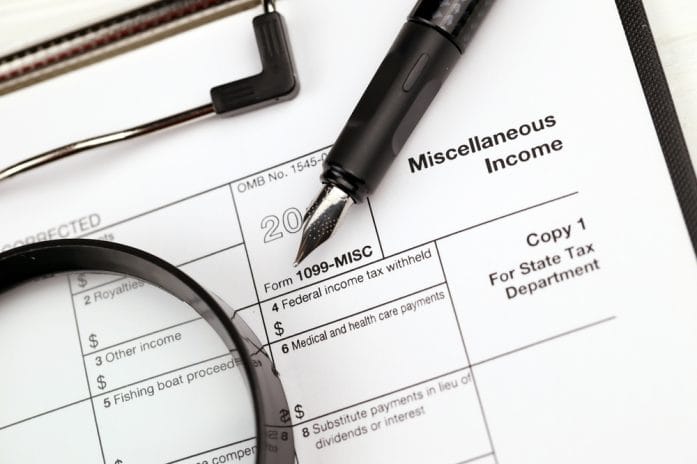
But wait — the tax fun doesn’t stop with Form 1099-K. The same law made other changes to reporting forms that matter to small businesses and freelancers. Specifically, the reporting threshold for Form 1099-MISC and Form 1099-NEC — used to report payments to contractors, landlords, and miscellaneous income — has been increased. Starting in 2026, businesses generally won’t need to issue these forms unless the total payments reach at least $2,000 in a year, and this threshold will be adjusted for inflation in future years.

This is a big deal for small outfits and side hustlers. Under the old $600 rule, a small business that paid a freelancer $800 could have had to send out a 1099-NEC. Now? Not until payments hit that higher $2,000 mark. That’s less paperwork, fewer forms flying around, and fewer opportunities for innocent mistakes to turn into IRS penalties.


What Do You Think?

This change in tax reporting thresholds for 2026 is one of those rare moments when tax law manages to ease confusion rather than amplify it. Between reinstating the $20,000/$200 1099-K standard and raising the bar on other 1099 forms, the law reshapes how everyday earners interact with IRS reporting. We’ve covered the facts, the history, and the implications — now we want to hear from you.

Tell us what this change means to you, how it might affect your side hustle or business, or even the tax tales you’ve lived through — drop your thoughts or experiences in the comments below!

You May Also Like…

IRS Warning: That Venmo Payment for Your Garage Sale Just Triggered a Surprise Tax Bill

What Your First Budget Of The Year Should Include

8 Tax Moves That Save You When You Can’t Pay the IRS on Time

5 Reasons To Talk To Your Kids About Taxes

6 Advanced Techniques to Lower Your Capital Gains Taxes Legally

Brandon Marcus
Brandon Marcus

Brandon Marcus is a writer who has been sharing the written word since a very young age. His interests include sports, history, pop culture, and so much more. When he isn’t writing, he spends his time jogging, drinking coffee, or attempting to read a long book he may never complete.
Filed Under: tax tips Tagged With: 2026, 2026 laws, 2026 taxes, family finances, family money, finance, finances, general finance, Internal Revenue Service, IRS, IRS reporting, Money, money issues, tax planning, tax risk, tax risks, tax tips, taxes

8 Personal Finance Beliefs That No Longer Apply

January 25, 2026 by Brandon Marcus Leave a Comment

8 Personal Finance Beliefs That No Longer Apply

Image source: shutterstock.com

Money advice has a habit of hanging around long after it stops being useful. Some tips were brilliant in a different economy, with different technology, and wildly different expectations about work, debt, and retirement. Yet they keep getting passed down at dinner tables and in comment sections like sacred truths.

The result is a lot of people doing “the right thing” and still feeling behind, stressed, or confused. It’s time to clear the air, bust a few myths, and talk about what no longer deserves a spot in your financial playbook.

1. You Must Stay Loyal To One Employer For Financial Security

This belief came from an era when pensions were common and job-hopping raised eyebrows. Today, long-term loyalty often results in slower wage growth compared to changing roles strategically. Many workers now see their biggest salary increases when they switch companies rather than waiting for annual raises.

Benefits like retirement accounts and health insurance are no longer exclusive to one-employer careers. In fact, skills-based hiring and remote work have expanded opportunities across industries. Financial security now comes from adaptability, not staying put out of fear.

2. Buying A Home Is Always Better Than Renting

Homeownership has been marketed as the ultimate financial milestone for decades. While owning can build equity, it also comes with maintenance costs, property taxes, insurance, and reduced flexibility. Renting can be the smarter financial move depending on location, job stability, and housing market conditions. In high-cost areas, renting and investing the difference may outperform buying for many years.

Mobility has real economic value in a changing job market. The smarter question now is not “Should I buy?” but “Does buying make sense for my life right now?”

3. Carrying Any Debt Means You’re Bad With Money

This belief turns a nuanced topic into a moral judgment. Not all debt is created equal, and some forms can support long-term financial growth. Student loans, business loans, and mortgages can increase earning potential or asset ownership.

The real issue is whether debt is manageable, affordable, and aligned with your goals. Avoiding all debt at any cost can sometimes slow progress or limit opportunity. Smart money management focuses on strategy, not shame.

4. Credit Cards Should Be Avoided Completely

Credit cards earned their bad reputation through high interest rates and misuse. However, used responsibly, they offer fraud protection, rewards, and a way to build credit history. Paying balances in full each month avoids interest entirely while still capturing benefits.

Many essential financial activities, from renting a car to booking travel, are easier with a credit card. A strong credit profile can lower borrowing costs across your lifetime. The problem isn’t credit cards themselves—it’s carrying balances without a plan.

5. Budgeting Means Saying No To Everything You Enjoy

Old-school budgeting often felt like a financial punishment. Modern budgeting is more about awareness than restriction. Knowing where your money goes allows you to spend intentionally on what actually matters to you.

A good budget includes room for enjoyment, hobbies, and rest. Deprivation-based plans tend to fail because they ignore human behavior. Sustainable finances are built on balance, not constant self-denial.

6. You Need A Lot Of Money To Start Investing

This belief kept many people out of the market for years. Today, investing is more accessible than ever, with low-cost funds and platforms that allow small, regular contributions.

Compound growth rewards time more than large starting amounts. Waiting until you feel “ready” often means missing valuable years of growth. Even modest investments can build momentum and confidence. The most important step is starting, not starting big.

8 Personal Finance Beliefs That No Longer Apply

Image source: shutterstock.com

7. Talking About Money Is Rude Or Taboo

Silence around money has cost people real opportunities to learn. When finances aren’t discussed openly, misinformation fills the gap. Talking about salaries, debt, and financial mistakes can lead to better decisions and fairer outcomes. Transparency helps normalize learning curves and reduces shame.

Many people discover they are not alone once conversations begin. Financial literacy improves faster in the open than in isolation.

8. Retirement Is A Single Age With A Single Plan

Retirement used to look like a hard stop at a specific age. Now it’s often a gradual transition that varies widely by person. Some people aim for part-time work, passion projects, or flexible schedules rather than complete withdrawal. Life expectancy, healthcare costs, and personal goals all influence what retirement looks like. Planning now involves building options, not just hitting a number. Financial freedom has become more personalized—and more realistic—than ever before.

Updating The Rules Of Money

Outdated financial beliefs don’t just waste time; they can quietly limit your choices. Letting go of rules that no longer apply creates space for smarter, more flexible decisions. Personal finance works best when it reflects real life, not outdated expectations. If one of these beliefs shaped your past money choices, you’re in good company.

Feel free to add your experiences or lessons learned in the comments section below—your perspective might be exactly what someone else needs to read today.

You May Also Like…

10 Personal Finance Lessons People Learn the Hard Way

8 Budget Fixes That Instantly Turn Finances Around

7 Personal Money Questions Advisors Can’t Believe Are Real

4 Bold Predictions About The Future of Personal Finance Technology

10 Things You Should Never Ignore in Your Personal Finances

Brandon Marcus
Brandon Marcus

Brandon Marcus is a writer who has been sharing the written word since a very young age. His interests include sports, history, pop culture, and so much more. When he isn’t writing, he spends his time jogging, drinking coffee, or attempting to read a long book he may never complete.

Filed Under: Finance Tagged With: buying a home, buying a house, credit cards, credit score, Debt, eliminating debt, finance, finances, financial anxiety, Financial Security, general finance, home ownership, investing, Investment, Money, money beliefs, money habits, money issues, paying off debt, Personal Finance, spending

Why Do So Many People Feel Financially Stuck

January 25, 2026 by Brandon Marcus Leave a Comment

Why Do So Many People Feel Financially Stuck

Image source: shutterstock.com

Money stress has a special talent for showing up uninvited. One minute life feels manageable, and the next minute the bank balance looks like it’s playing a cruel joke. Bills stack up, goals feel far away, and even doing “everything right” somehow doesn’t seem to move the needle.

This feeling of being financially stuck isn’t rare or shameful—it’s widespread, deeply human, and rooted in forces much bigger than individual choices. To understand why it’s so common, we need to zoom out, slow down, and look at what’s really going on beneath the surface.

1. Rising Costs And Shrinking Breathing Room

For many households, the biggest culprit is simple math that no longer works. The cost of housing, groceries, healthcare, transportation, and childcare has climbed steadily over the past decades, often outpacing wage growth. Even people with steady jobs can feel like their paycheck evaporates the moment it lands. This creates a constant sense of pressure, where there’s little room to save, invest, or recover from surprises.

When every dollar already has a job, there’s no cushion for setbacks or opportunities. Over time, that tightness doesn’t just strain budgets—it drains motivation and confidence. Feeling financially stuck often starts with the exhausting reality of running faster just to stay in the same place.

2. Debt That Lingers Longer Than Expected

Debt is another heavy anchor, especially when it’s taken on early and follows people for years. Student loans, credit cards, medical bills, and auto loans can quietly shape financial lives long after the original purchase or emergency is forgotten. Interest turns small balances into stubborn obstacles that refuse to shrink. Many people make payments faithfully and still feel like they’re not making progress, which can be deeply discouraging.

Debt also limits choices, from where someone can live to which jobs they can take. The emotional weight matters too, as ongoing debt can fuel stress, guilt, and a sense of failure. That combination makes it harder to plan long-term or feel optimistic about money.

3. Income That Feels Unstable Or Inadequate

Even when expenses are controlled, income can be unpredictable or insufficient. Gig work, contract jobs, tipped positions, and variable schedules make it hard to count on a consistent monthly amount. Without reliable income, planning becomes a guessing game instead of a strategy. Raises and promotions also tend to come slowly, while costs rarely wait. For many workers, productivity has increased without a matching increase in pay, creating a gap between effort and reward.

This disconnect can make people feel powerless, as if no amount of hard work changes the outcome. Financial progress depends on income growth, and when that growth stalls, so does the sense of momentum.

4. Financial Education Gaps And Confusing Systems

Most people were never formally taught how money works beyond the basics. Budgeting, investing, taxes, credit, and insurance are often learned through trial and error. Financial systems are complex, filled with jargon, and sometimes designed in ways that benefit institutions more than individuals. This lack of clarity can lead to hesitation or avoidance, especially when mistakes feel costly.

Without clear guidance, people may miss opportunities or fall into habits that quietly hold them back. Over time, confusion turns into self-blame, even though the system itself is hard to navigate. Feeling stuck often has less to do with intelligence and more to do with missing information and support.

5. Social Pressure And Invisible Comparisons

Modern life comes with a nonstop highlight reel of other people’s spending and success. Social media, advertising, and cultural expectations can quietly redefine what feels “normal.” Vacations, new cars, home upgrades, and constant experiences start to look like basic milestones instead of luxuries.

Trying to keep up, even subconsciously, can push people into spending choices that strain their finances. At the same time, many struggles stay hidden, creating the illusion that everyone else has it figured out. That gap between perception and reality fuels frustration and embarrassment. Feeling financially stuck often worsens when people think they’re alone in it, even though they’re very much not.

6. Emotional Fatigue And Decision Overload

Money decisions are rarely just logical; they’re emotional. Constantly worrying about finances drains mental energy and focus. When every choice feels high-stakes, from grocery shopping to opening an email from a lender, exhaustion sets in. This fatigue can lead to avoidance, procrastination, or short-term fixes that don’t solve long-term problems.

Stress also makes it harder to learn new skills or think creatively about solutions. Over time, the emotional toll of money pressure can become as limiting as the financial reality itself. Feeling stuck is often the result of burnout, not laziness or lack of effort.

Why Do So Many People Feel Financially Stuck

Image source: shutterstock.com

Naming The Stuck Feeling Is The First Step

Feeling financially stuck isn’t a personal failure; it’s a signal. It reflects rising costs, lingering debt, uneven income, complex systems, and the emotional weight of navigating all of it at once. When people understand that these pressures are shared and structural, shame loosens its grip. Awareness creates space for better conversations, smarter choices, and more realistic expectations. Progress rarely comes from one dramatic move, but from small shifts paired with patience.

If this topic resonates with you, the comments section below is open for your experiences, insights, and reflections. Honest conversations are how financial stress starts losing its power.

You May Also Like…

8 Unsettling Financial Patterns That Keep Families Stuck for Generations

9 Financial Habits That Look Responsible but Feel Stressful

8 Grocery Shopping Habits That Make You Spend More Without Realizing It

6 Bad Money Habits Families Show During The Holidays

9 Budgeting Fears That Keep You Stuck

Brandon Marcus
Brandon Marcus

Brandon Marcus is a writer who has been sharing the written word since a very young age. His interests include sports, history, pop culture, and so much more. When he isn’t writing, he spends his time jogging, drinking coffee, or attempting to read a long book he may never complete.

Filed Under: Lifestyle Tagged With: Cost of living, Debt, debt payoff, eliminating debt, finance, finances, financial education, financially stuck, general finance, Income, income stream, Life, Lifestyle, Money, money habits, money issues, money problems, rising costs

5 Money Habits That Keep You Stuck In Place

January 25, 2026 by Brandon Marcus Leave a Comment

These Are 5 Money Habits That Keep You Stuck In Place

Image source: shutterstock.com

Money—it’s supposed to make life easier, right? Yet somehow, it often feels like we’re running on a treadmill, moving our feet frantically but never getting anywhere. You might be paying your bills on time, saving a little, and thinking you’re doing everything “right,” but subtle habits can quietly anchor you to the same financial spot year after year.

These aren’t catastrophic mistakes that ruin your life overnight—they’re the small, persistent behaviors that quietly drain your momentum.

1. Ignoring The Power Of Budgeting

Budgeting has a bad reputation, as if it’s all about restriction and misery, but that couldn’t be further from the truth. Ignoring a budget is like trying to navigate a city without a map—you’ll eventually get somewhere, but it might be the wrong somewhere, and it will cost you extra time, stress, and money. People often assume that tracking spending is tedious, but the act of actually knowing where your money goes is empowering.

Even a simple system that categorizes bills, essentials, and discretionary spending can reveal patterns that you never noticed before. Skipping this step can lead to recurring “mystery” expenses that drain your bank account silently. Budgeting isn’t a punishment; it’s a way to take control and give yourself room to grow financially without feeling trapped.

2. Living Paycheck To Paycheck

It’s easy to fall into the paycheck-to-paycheck trap, especially when life seems to demand more than your income provides. Relying entirely on the timing of your next paycheck creates constant stress and makes it nearly impossible to invest in bigger financial goals. People often prioritize immediate gratification, thinking, “I’ll start saving next month,” while the months slip by unnoticed.

Without a safety net, even a small unexpected expense—a car repair, a medical bill, or a sudden trip—can set you back weeks or months. Building an emergency fund, even if it’s modest at first, can break this cycle and create a sense of security. Once the anxiety of “what if?” fades, you can start thinking about opportunities instead of obstacles.

3. Avoiding Investments Out Of Fear

There’s a common myth that investing is only for the wealthy or that it’s too risky to bother with at all. Avoiding investments altogether keeps your money stagnant, working for no one but the institutions holding it. Inflation silently erodes cash over time, so hoarding money under your mattress or in a low-interest account is basically giving it away. People often wait for “the perfect time” to invest, but markets reward consistent action over timing perfection. Even small, steady investments in retirement accounts or index funds can grow exponentially thanks to compound interest. The key is learning enough to act confidently, rather than letting fear dictate your financial future.

4. Overspending On Things That Don’t Matter

It’s easy to justify little purchases—those daily lattes, online impulse buys, or trendy gadgets—because they feel small individually. But small, frequent expenses add up quickly and can silently sabotage your long-term goals. When money goes out the door for things that don’t provide real value, you’re trading your future for fleeting satisfaction.

Overspending often feeds emotional urges, stress relief, or social comparison rather than real needs, keeping you trapped in a cycle of temporary happiness followed by financial frustration. Tracking where your money disappears each month can reveal habits you didn’t even realize existed. Redirecting just a fraction of these expenses into meaningful investments or savings can snowball into serious financial progress.

These Are 5 Money Habits That Keep You Stuck In Place

Image source: shutterstock.com

5. Neglecting Financial Education

Money literacy isn’t innate; it’s a skill you develop, and neglecting it can stunt your financial growth more than any single purchase or debt. People often assume they “know enough” or that learning about personal finance is boring or complicated. This mindset keeps you dependent on others’ advice or reactive decision-making, rather than proactive strategy. Understanding interest rates, debt management, investing options, and even basic tax implications can transform how you handle money. Education doesn’t need to be overwhelming—a few reliable resources or even a weekly deep dive into one topic can make a huge difference. The more you know, the more confident you become, and the more opportunities you can seize instead of letting life’s financial currents carry you along.

Take Charge And Grow

Breaking free from these habits isn’t about dramatic, overnight change—it’s about consistent awareness and small, intentional steps. Start by picking one habit that resonates most with your situation and commit to making a tiny adjustment. Over time, these changes compound and open doors you didn’t even know were there. Your financial life doesn’t have to feel like a loop you can’t escape.

If any of these habits hit close to home, or if you’ve already tackled one successfully, drop your thoughts and experiences in the comments below. Let’s get a conversation going about what works, what doesn’t, and how to move forward with confidence.

You May Also Like…

9 Financial Habits That Look Responsible but Feel Stressful

8 Grocery Shopping Habits That Make You Spend More Without Realizing It

8 Financial Habits That Quietly Drain Your Checking Account

6 Bad Money Habits Families Show During The Holidays

Behavior Habit: 5 Daily Money Moves That Build Long-Term Wealth

Brandon Marcus
Brandon Marcus

Brandon Marcus is a writer who has been sharing the written word since a very young age. His interests include sports, history, pop culture, and so much more. When he isn’t writing, he spends his time jogging, drinking coffee, or attempting to read a long book he may never complete.

Filed Under: Finance Tagged With: bad money habits, daily habits, finance, finances, general finance, investments, living paycheck to paycheck, Money, money habits, money issues, overspending, paycheck to paycheck, Smart Spending, spending, stuck in place

7 Financial Choices That Seem Safe Until They Aren’t

January 24, 2026 by Brandon Marcus Leave a Comment

7 Financial Choices That Seem Safe Until They Aren’t

Image source: shutterstock.com

Money mistakes aren’t always the dramatic kind that make headlines. Sometimes, they lurk in plain sight, dressed in the reassuring clothes of “safe decisions.” You think you’re doing everything right—saving diligently, investing carefully, avoiding debt—but a few seemingly innocent choices can actually sabotage your finances without you noticing.

Imagine getting a little shock years down the line because a decision you trusted turns out to have hidden pitfalls. That’s the territory we’re entering today. Let’s pull back the curtain on seven financial moves that might feel harmless or even smart, but are actually ticking time bombs for your wallet.

1. Keeping Cash Under Your Mattress Or In A Checking Account

It sounds crazy, but some people genuinely feel safer holding on to physical cash or keeping all their money in a standard checking account. The problem is, inflation is quietly eroding the purchasing power of that cash every single year. What looked like $10,000 last year might not buy nearly as much today, and that gap widens over time.

Checking accounts also usually pay near-zero interest, meaning your money isn’t working for you at all. There’s no compounding growth, no opportunity to harness investments, and your funds are essentially stagnating. Sure, it’s “safe” from the stock market’s ups and downs, but that safety is deceptive because it doesn’t protect against the invisible thief of inflation. Meanwhile, investing even a portion wisely could have you building real long-term wealth instead of just watching numbers sit still.

2. Relying Only On Employer Retirement Plans

Many people lean heavily on their 401(k) or pension plan and assume that’s enough. Employer plans are great, but they aren’t one-size-fits-all, and they often lack the flexibility needed for changing circumstances. Contribution limits, investment options, and fees can all quietly chip away at your growth potential. Some employees even overestimate how much they’ll need at retirement because they assume their employer will fully cover future inflation or healthcare costs.

If you ignore outside opportunities like IRAs, Roth accounts, or other investment vehicles, you could be leaving significant money on the table. Diversifying your retirement strategy can provide a much safer cushion against market fluctuations and unexpected life events. In short, assuming your employer’s plan is a silver bullet is a surprisingly risky choice.

3. Paying Only The Minimum On Credit Cards

The minimum payment trick seems like a stress-free solution. You only pay what’s required, your account stays current, and you avoid late fees. Sounds safe, right? The reality is far less comforting. High-interest rates compound quickly, and what seems like a manageable balance can balloon into a long-term debt trap. Years can pass, and you might still owe more than you initially borrowed, even while faithfully making those minimum payments.

This slow-motion financial drain is one of the sneakiest forms of “safe” behavior because it looks responsible on the surface. Paying a bit more than the minimum each month can save you tens of thousands in interest over time, creating freedom and peace of mind.

7 Financial Choices That Seem Safe Until They Aren’t

Image source: shutterstock.com

4. Buying “Too Safe” Investments

Certificates of deposit, government bonds, and ultra-conservative mutual funds are often praised as safe bets. While low-risk assets protect your principal, they can also fail to keep up with inflation. Your money might technically be safe, but if it doesn’t grow, your future purchasing power shrinks. Investors sometimes focus so much on avoiding risk that they miss opportunities for modest growth that outpaces inflation.

This is especially important for younger investors who have decades to recover from market dips. The key is balance: a mix of secure and growth-oriented investments can provide both safety and real progress toward financial goals.

5. Co-Signing Loans For Friends Or Family

Helping someone out financially feels noble, but co-signing a loan is one of those decisions that can backfire spectacularly. If the primary borrower misses a payment or defaults, you are legally responsible for the debt. This can impact your credit score, limit your ability to get loans, and even lead to collections actions against you. It’s tempting to trust loved ones, but emotions don’t cancel out financial responsibility.

Understanding the potential consequences fully before putting your signature on the dotted line is critical. Sometimes saying no is actually the safest and kindest choice—for both parties.

6. Ignoring Insurance Or Having The Wrong Coverage

Insurance is boring until you need it. Many people skip coverage thinking it’s an unnecessary expense, or they pick the cheapest plan and assume it’s adequate. The truth is, underinsurance or no insurance can devastate your finances in an instant. Medical emergencies, natural disasters, or liability claims can wipe out savings faster than you can react.

Comprehensive coverage might cost a little more upfront but can save you from catastrophic losses down the line. Regularly reviewing and updating your policies ensures your safety net is both current and sufficient.

7. Overestimating Passive Income Streams

The promise of passive income is seductive—earn money while you sleep, they say—but it’s rarely as simple as it sounds. Rental properties, online businesses, or dividend stocks all require ongoing attention and carry risks that aren’t immediately obvious. Market shifts, tenant vacancies, or regulatory changes can quickly erode the expected income.

People often treat passive income as guaranteed when in reality it’s more like semi-passive; it demands effort, monitoring, and sometimes unexpected financial input. Overreliance on assumed income streams can leave you exposed when reality doesn’t match expectations.

What Decisions Will You Make?

Financial decisions that seem safe can sometimes be the riskiest ones of all. Awareness, research, and a willingness to adapt are your best tools for avoiding long-term pitfalls.

What financial choices have you made that turned out differently than you expected? Or have you spotted “safe” moves that really weren’t?

You May Also Like…

10 Personal Finance Lessons People Learn the Hard Way

What Are The Worst Choices You Can Make As A New Investor?

8 Poor Choices People Make When They Make Too Much Money

How a Solid Estate Plan Can Protect Your Finances

Tired Of Being Single? Avoid These 5 Career Choices


Brandon Marcus
Brandon Marcus

Brandon Marcus is a writer who has been sharing the written word since a very young age. His interests include sports, history, pop culture, and so much more. When he isn’t writing, he spends his time jogging, drinking coffee, or attempting to read a long book he may never complete.

Filed Under: Finance Tagged With: cash, finance, financial choices, financial decisions, Insurance, insurance premiums, investing, investments, Money, money issues, overspending, Passive income, passive income stream, Retirement, retirement accounts, retirement planning, safe financial choices, safe investments, safe spending, spending

10 Budget Mistakes That Create Long-Term Pressure

January 24, 2026 by Brandon Marcus Leave a Comment

These Are 10 Budget Mistakes That Create Long-Term Pressure

Image source: shutterstock.com

Ever feel like your money disappears faster than ice cream on a hot day? You’re not alone. Most of us start budgeting with enthusiasm, then hit roadblocks that turn simple planning into stress-inducing chaos. Some of these pitfalls are obvious—buying expensive coffee every morning, impulsively splurging online—but others quietly accumulate, creating tension that sticks around for years.

The tricky part is that these mistakes don’t scream “problem!” right away. They sneak in slowly, reshaping your finances in ways you might not notice until you’re elbow-deep in bills or wondering where all your savings went. Understanding these traps is like spotting the cracks in your foundation before the entire house wobbles.

1. Ignoring Irregular Expenses

One of the most underestimated financial blunders is ignoring irregular expenses. These are costs that don’t appear on your monthly statement like clockwork, such as car maintenance, medical bills, or annual subscriptions. Failing to account for them can leave you scrambling when they pop up, forcing you to borrow or dip into your emergency fund. Creating a realistic budget means anticipating the unexpected and smoothing out the bumps over the year.

Even small amounts set aside consistently add up, reducing stress when irregular expenses inevitably arrive. Treating your budget like a static, unchanging plan is a recipe for constant catch-up, and that kind of pressure is exactly what long-term financial strain looks like.

2. Underestimating Debt Payments

Debt is a pressure cooker. Ignoring interest rates or underestimating minimum payments might feel harmless in the moment, but interest compounds faster than most people realize. Student loans, credit cards, and personal loans all have a habit of quietly inflating your monthly obligations if you’re not proactive. Not factoring these correctly into your budget can create a domino effect, where payments eat into savings and essentials.

The smart approach is to track every debt, understand the interest, and prioritize repayment strategically. This isn’t about living without enjoyment—it’s about preventing a small fire from growing into a full-blown financial inferno.

3. Skipping an Emergency Fund

Many budgeters dive into financial planning and completely skip one critical element: an emergency fund. Life throws curveballs—broken appliances, unexpected travel, or sudden medical expenses—and without a cushion, your budget crumbles instantly. Relying on credit cards or payday loans in emergencies only makes pressure compound over time.

A good rule of thumb is having three to six months’ worth of essential expenses saved. Think of it as the invisible shield that absorbs life’s blows. Even if your income fluctuates, a small emergency stash can transform panic into manageable inconvenience.

4. Neglecting Small Recurring Charges

Subscriptions are tiny, tempting, and oh-so-easy to forget. That yoga app, streaming service, or magazine subscription may seem insignificant individually, but they quietly drain your budget month after month. Ignoring these charges can derail your financial planning without any dramatic event to signal trouble.

Tracking every recurring expense—even the ones under ten dollars—gives you clarity and control. Cancel what you don’t use and adjust your budget to reflect the ones you genuinely value. This level of awareness prevents months of subtle budget erosion from turning into a serious problem later.

5. Overestimating Income

Optimism about your income can sabotage your budget faster than overspending ever could. Many people assume every paycheck will be perfect and consistent, then encounter unexpected tax changes, reduced hours, or delayed payments. Budgeting as if you earn more than you actually do creates stress when reality doesn’t match expectations.

Being conservative with your projected income forces your budget to reflect what you truly have to work with. It also creates a cushion for months that are less than ideal, preventing a pattern of shortfalls and anxiety.

6. Ignoring Inflation and Cost Increases

Budgets often feel set in stone, but inflation is the silent creep that eats your purchasing power over time. Ignoring rising costs on groceries, utilities, rent, or transportation may seem harmless in the short term, but it slowly transforms a balanced budget into a strained one. Regularly reviewing your spending and adjusting for inflation keeps your financial plan realistic. The goal isn’t panic—it’s preparation. Even a small monthly adjustment can prevent the slow, frustrating squeeze that turns a reasonable budget into a pressure-filled nightmare.

7. Not Tracking Spending

It sounds basic, but not tracking where your money goes is a massive mistake. You can create a detailed budget, but if you don’t monitor actual spending, you have no idea whether your plan is effective. Overspending in one category might require painful cutbacks elsewhere, building tension and anxiety over time.

Tracking expenses, whether through apps or manual logs, provides a reality check. It shows patterns, highlights problem areas, and creates accountability. Knowledge is power, and in this case, it’s the difference between financial calm and chronic stress.

These Are 10 Budget Mistakes That Create Long-Term Pressure

Image source: shutterstock.com

8. Living Beyond Your Means

Trying to maintain a lifestyle that exceeds your income is a guaranteed source of long-term pressure. It’s not just about the occasional treat or luxury—it’s about consistent overspending to keep up appearances. Credit cards and loans make this tempting, but they only postpone the inevitable strain. Long-term stress comes from the constant cycle of repayment, interest accrual, and guilt. Living within your means is empowering: it reduces anxiety, frees up funds for genuine priorities, and makes financial goals achievable rather than mythical.

9. Setting Unrealistic Goals

Ambition is great, but setting unattainable financial goals is a subtle form of self-sabotage. Trying to save half your paycheck in a month or pay off a huge debt without a plan leads to disappointment, frustration, and pressure that builds quietly.

Realistic, incremental targets create momentum rather than panic. Break goals into manageable steps, celebrate small wins, and adjust as circumstances evolve. Sustainable progress keeps stress in check while still pushing you forward.

10. Failing To Reevaluate Regularly

A budget isn’t a one-and-done project—it’s a living, evolving plan. Life changes, priorities shift, and unexpected expenses crop up. Failing to reassess your budget periodically can transform a healthy system into a pressure cooker. Review your finances monthly, adjust for changes, and be honest about what’s working and what isn’t. Flexibility prevents long-term pressure by addressing problems before they spiral. Think of it as giving your finances a tune-up, ensuring smooth operation for years to come.

Avoid Long-Term Pressure By Learning From Mistakes

Budgeting isn’t about perfection—it’s about creating a structure that reduces stress and gives you control over your financial life. The mistakes above are common because they’re easy to overlook, but they have long-term consequences if ignored. Recognizing them, planning for them, and actively correcting them can turn financial tension into clarity and freedom.

Your experience matters—what budget mistakes have crept up on you, and how have you handled them? Drop your thoughts, insights, or financial stories in the comments section below and let’s keep this conversation going.

You May Also Like…

Why Are Utility Bills Becoming a Bigger Budget Problem

Why Does Budgeting Feel More Emotional Than Logical

Legacy Design: 5 Ways to Pass on Wealth Without Passing on Pressure

8 Tips for Talking With Your Partner About Health, Finances & Legacy

Why Do So Many People Believe Budgeting Apps Solve Everything


Brandon Marcus
Brandon Marcus

Brandon Marcus is a writer who has been sharing the written word since a very young age. His interests include sports, history, pop culture, and so much more. When he isn’t writing, he spends his time jogging, drinking coffee, or attempting to read a long book he may never complete.

Filed Under: Budgeting Tagged With: Budget, budget mistakes, budget tips, budgeting, Debt, debt payments, emergency funds, Income, income streams, Inflation, living beyond your means, Money, money issues, money mistakes, overspending, recurring charges, spending, spending mistakes, splurging, tracking spending

6 Healthy Budget Tips To Keep Your Financially Healthy Until Payday

January 24, 2026 by Brandon Marcus Leave a Comment

These Are 6 Healthy Budget Tips To Keep Your Financially Healthy Until Payday

Image source: shutterstock.com

Ever feel like your paycheck evaporates the moment it hits your account? One minute you’re feeling like a financial superhero, and the next you’re staring at your bank app wondering where it all went. Managing money doesn’t have to feel like juggling flaming torches while walking a tightrope, though. With a few smart strategies, some foresight, and a little self-discipline, you can glide through the days leading up to payday without stressing about every purchase.

The trick isn’t about depriving yourself—it’s about controlling the chaos, making informed choices, and maybe even sneaking in a little fun along the way. If you’ve ever wished your money would just cooperate, these six healthy budget tips will help you take the reins and keep your financial health intact.

1. Track Every Dollar Like A Detective

If you don’t know where your money is going, it’s impossible to make smart choices. Start by tracking every single dollar, whether it’s a latte, a streaming subscription, or the mysterious $7 that always disappears from your account. There are apps that do this automatically, but even a notebook works if you prefer old-school methods. The key is consistency—logging your spending daily paints a clear picture of patterns you might not notice otherwise. You might realize you’re spending half your budget on tiny treats that don’t even bring real joy.

Once you know exactly where your money goes, you can pinpoint places to cut back and adjust without feeling deprived. Think of it as shining a flashlight in a dark room—you’ll finally see all the corners where money tends to vanish.

2. Prioritize Needs Over Wants Without Feeling Restricted

It’s tempting to grab that impulse buy because it looks fun or convenient, but distinguishing between needs and wants can make a huge difference. Needs cover essentials like rent, groceries, bills, and basic transportation, while wants are extras that don’t serve your immediate survival. When payday is still days away, focus your cash on covering needs first, then decide if any wants truly fit within your budget.

This doesn’t mean saying goodbye to treats forever—it just means timing them smartly. By keeping wants optional, you gain a sense of control and avoid that creeping guilt of overspending. Planning in advance also allows for small indulgences without blowing your entire budget.

3. Create A Mini Emergency Stash

Even a tiny emergency fund can be a lifesaver when the unexpected hits. It doesn’t have to be huge; even $50 set aside each month creates a cushion for surprises like a car repair or an unplanned dinner out. Having this buffer prevents you from resorting to credit cards or high-interest loans, which can trap you in a cycle of stress. Keep this money separate from your main account so you don’t accidentally dip into it for everyday expenses. Watching your emergency stash grow is also oddly satisfying—it’s a small win that reinforces good financial habits. Over time, it builds confidence, making payday feel less like a lifeline and more like routine maintenance for your finances.

4. Meal Plan And Cut Unnecessary Food Costs

Food spending is one of the easiest areas to lose track of, but a little planning goes a long way. Make a meal plan for the week and stick to a shopping list to prevent those impulsive purchases at the store. Cooking at home not only saves money but can also be healthier, giving you energy to tackle the week ahead. Batch cooking and freezing meals means fewer last-minute takeout temptations, which tend to be expensive and less nutritious.

Even small steps, like brewing your own coffee instead of buying it daily, add up quickly. The combination of planning and intentional purchases allows you to stretch your paycheck while still enjoying good food.

These Are 6 Healthy Budget Tips To Keep Your Financially Healthy Until Payday

Image source: shutterstock.com

5. Set Spending Limits And Stick To Them

Without limits, spending can quickly spiral out of control. Decide how much you’re comfortable spending in different categories—groceries, entertainment, transportation, and extras—and be strict with yourself. One trick is using envelopes or separate accounts for each category to prevent overspending. Digital alerts can also help keep you accountable, notifying you when you’re getting close to your limit. Treat limits as a challenge rather than a restriction, turning budgeting into a game you can win. By respecting your boundaries, you maintain stability and reduce financial anxiety, which is surprisingly freeing.

6. Automate Savings To Avoid Temptation

Saving isn’t just for the future—it’s a daily defense against financial stress. Automating even small amounts ensures money goes into savings before you have the chance to spend it. Think of it as paying yourself first rather than hoping you’ll have leftovers at the end of the month.

Automatic savings grow without you thinking about it, providing security and peace of mind. Even $5 or $10 a week builds momentum, and as your confidence grows, you can gradually increase contributions. By setting up a system that works for you, you take control without having to constantly monitor every cent.

Keep The Financial Conversation Going

Managing your money until payday doesn’t have to be stressful or boring. With strategies like tracking spending, prioritizing essentials, building small emergency funds, planning meals, setting limits, and automating savings, you can maintain financial health and even enjoy the process. These methods turn reactive habits into proactive choices, giving you more control and less anxiety.

Have you tried any of these tips before, or do you have unique methods that help you stretch your budget? Tell us your experiences or insights in the comments below.

You May Also Like…

Why Are Utility Bills Becoming a Bigger Budget Problem

10 Common Budgeting Mistakes That Create Constant Money Stress

10 Budget Adjustments People Make Without Talking About Them

New Year, New Credit Score: Tips to Improve Your Financial Health

7 Ways Financial Stress Physically Damages Your Health

Brandon Marcus
Brandon Marcus

Brandon Marcus is a writer who has been sharing the written word since a very young age. His interests include sports, history, pop culture, and so much more. When he isn’t writing, he spends his time jogging, drinking coffee, or attempting to read a long book he may never complete.

Filed Under: budget tips Tagged With: Budget, budget tips, budgeting, Budgeting Tips, emergency funds, financial choices, financial decisions, Financial Health, financial needs, Money, money choices, money issues, overspending, paycheck to paycheck, payday, Smart Spending, spending, spending limits, tracking every dollar, tracking spending

  • 1
  • 2
  • 3
  • …
  • 8
  • Next Page »

FOLLOW US

Search this site:

Recent Posts

  • Can My Savings Account Affect My Financial Aid? by Tamila McDonald
  • 12 Ways Gen X’s Views Clash with Millennials… by Tamila McDonald
  • What Advantages and Disadvantages Are There To… by Jacob Sensiba
  • Call 911: Go To the Emergency Room Immediately If… by Stephen Kanaval
  • 10 Tactics for Building an Emergency Fund from Scratch by Vanessa Bermudez
  • 7 Weird Things You Can Sell Online by Tamila McDonald
  • 10 Scary Facts About DriveTime by Tamila McDonald

Copyright © 2026 · News Pro Theme on Genesis Framework