• Home
  • About Us
  • Toolkit
  • Getting Finances Done
    • Hiring Advisors
    • Debt Management
    • Spending Plan
  • Insurance
    • Life Insurance
    • Health Insurance
    • Disability Insurance
    • Homeowners/Renters Insurance
  • Contact Us
  • Privacy Policy
  • Risk Tolerance Quiz

The Free Financial Advisor

You are here: Home / Archives for Budgeting

5 Hidden Medicare Costs That Can Reduce Your Monthly Budget

April 15, 2026 by Brandon Marcus Leave a Comment

5 Hidden Medicare Costs That Can Reduce Your Monthly Budget

Image Source: Shutterstock.com

Medicare feels like a financial lifeline when retirement finally arrives, but the real story often looks a lot more complicated once the bills start rolling in. Plenty of people expect healthcare costs to shrink once they enroll, only to realize their monthly budget still takes a steady hit from expenses they didn’t fully anticipate.

Those gaps don’t usually come from major surprises like surgery—they come from smaller, recurring charges that quietly add up over time. Missing these details can throw off even the most carefully planned retirement budget. Understanding the most common hidden Medicare costs can help protect your savings and keep your finances steady month after month.

1. Premiums That Stack Up Faster Than Expected

Most people know about Medicare Part B premiums, but fewer realize how quickly additional premiums can pile on. Part D prescription drug plans come with their own monthly costs, and Medicare Advantage plans may add another layer depending on coverage. Higher-income enrollees also face Income-Related Monthly Adjustment Amounts, which can significantly increase premiums without much warning.

These added costs often feel manageable individually, but together they can take a noticeable bite out of a fixed income. Reviewing all premium obligations before enrollment can help avoid budget surprises and keep hidden Medicare costs under control.

2. Deductibles That Reset Every Year

Medicare doesn’t operate on a one-time deductible system, which can catch people off guard. Part A and Part B both include deductibles that reset annually, meaning you may pay out of pocket each year before coverage kicks in fully. Hospital stays, outpatient services, and doctor visits can all trigger these costs at different times throughout the year. This setup creates a rolling financial responsibility that never truly disappears, even for those in relatively good health. Planning for these recurring expenses helps reduce the impact of hidden Medicare costs on your monthly budget.

3. Copayments and Coinsurance That Add Up Quietly

Even after meeting deductibles, Medicare still requires copayments and coinsurance for many services. Doctor visits, specialist appointments, lab tests, and outpatient procedures often come with percentage-based costs that accumulate over time. These charges may seem small in isolation, but frequent medical visits can turn them into a steady drain on your finances. Prescription medications can also carry tiered copay structures that vary depending on the drug and plan. Keeping track of these ongoing expenses can help you better anticipate hidden Medicare costs and avoid being caught off guard.

5 Hidden Medicare Costs That Can Reduce Your Monthly Budget

Image Source: Shutterstock.com

4. Coverage Gaps That Leave You Paying More

Original Medicare doesn’t cover everything, and those gaps can lead to unexpected out-of-pocket expenses. Services like dental care, vision exams, hearing aids, and long-term care often fall outside standard coverage. Without supplemental insurance, these costs land entirely on your shoulders and can become significant over time. Even with Medigap or Medicare Advantage plans, certain limitations and exclusions still apply. Understanding exactly what your plan does not cover plays a critical role in managing hidden Medicare costs effectively.

5. Late Enrollment Penalties That Stick Around

Timing matters more than many people realize when enrolling in Medicare. Missing initial enrollment windows for Part B or Part D can trigger lifelong penalties that increase your monthly premiums permanently. These penalties don’t disappear after a few years—they continue for as long as you have coverage. That means a simple delay can translate into thousands of dollars in extra costs over the course of retirement. Staying on top of enrollment deadlines helps prevent unnecessary hidden Medicare costs from creeping into your budget.

Building a Smarter Strategy for Long-Term Healthcare Costs

Managing Medicare successfully requires more than just signing up and hoping for the best. Taking time to compare plans, estimate annual healthcare usage, and understand out-of-pocket limits can make a significant difference in your financial stability. Many retirees benefit from pairing Medicare with supplemental coverage or a dedicated healthcare savings cushion. Regularly reviewing your plan during open enrollment ensures it still fits your needs as circumstances change. A proactive approach helps turn hidden Medicare costs into manageable, predictable expenses instead of ongoing financial stress.

What unexpected Medicare expenses have you run into, or what strategies have helped you stay ahead of them? We want to hear your experience in the comments.

You May Also Like…

Why Free Preventive Care Isn’t Always Free, Even With Medicare

How to Enroll in Medicare Without Getting Hit With the IRMAA “Stealth Tax”

How Seniors Jeopardize Their Social Security Right After Retirement

Life on Pause? How to Stay Mobile on a Budget When Your License Is Suspended

The Hidden Medicare Rule Turning 3-Day Hospital Stays Into $10,000–$15,000 Surprise Bills

Brandon Marcus
Brandon Marcus

Brandon Marcus is a writer who has been sharing the written word since a very young age. His interests include sports, history, pop culture, and so much more. When he isn’t writing, he spends his time jogging, drinking coffee, or attempting to read a long book he may never complete.

Filed Under: Budgeting Tagged With: budgeting, healthcare costs, hidden Medicare costs, Medicare, Medicare Advantage, Medicare Part B, Medigap, Planning, prescription costs, retirement planning, senior finances

The “Loud Budgeting” Trend and Transparent Money Conversations

March 20, 2026 by Brandon Marcus Leave a Comment

The “Loud Budgeting” Trend and Transparent Money Conversations

Image Source: Unsplash.com

Money talk just got loud—and not in a chaotic, stressful way, but in a confident, unapologetic, no-more-hiding kind of way. Quiet budgeting had its moment, whispering “maybe next time” when plans got too expensive or letting awkward silence cover financial limits. That era just lost its spotlight. A new approach stepped in and flipped the entire script, turning financial boundaries into something bold, visible, and strangely empowering.

Loud budgeting doesn’t tiptoe around money. It puts financial priorities front and center and treats them like something worth protecting out in the open. Instead of dodging expensive plans or making excuses, people now say exactly what’s going on: saving for a goal, sticking to a plan, or just not spending unnecessarily. The energy feels different. It feels lighter, clearer, and a lot more in control.

Say It Out Loud: Why This Trend Feels So Refreshing

Loud budgeting grabs attention because it removes the weird tension that money conversations usually carry. Nobody needs to guess, assume, or quietly stress about keeping up anymore. People lay it out plainly, and that honesty clears the air in a way that feels almost shocking at first. Social pressure loses its grip when financial priorities become visible instead of hidden.

This trend didn’t appear out of nowhere. Rising costs, student debt, housing prices, and everyday expenses forced a reality check. People started asking a simple question: why pretend everything feels affordable when it clearly doesn’t? Loud budgeting answers that question with confidence instead of embarrassment. It replaces vague excuses with clarity, and that shift changes the entire tone of financial decisions.

It also gives people permission to prioritize long-term goals without apology. Saving for a home, paying off debt, or building an emergency fund suddenly becomes something to talk about openly. That shift matters because it normalizes smart financial behavior instead of isolating it. When more people speak openly, the stigma around budgeting starts to disappear.

Loud budgeting also injects personality into money management. It doesn’t feel stiff or restrictive. It feels intentional and, in many cases, a little rebellious. That energy makes it easier to stick with financial plans because the process feels active instead of limiting. The refreshing part doesn’t come from the numbers. It comes from the attitude. That mindset turns budgeting into a statement instead of a secret.

No More Awkward Excuses: How Transparency Changes Social Life

Social plans used to come with a hidden price tag that extended far beyond the bill at the end of the night. People felt pressure to say yes, even when budgets screamed no. Loud budgeting flips that dynamic completely by removing the need for soft declines or last-minute cancellations. Clear communication replaces awkward avoidance. When someone openly says a night out doesn’t fit the budget, it resets expectations immediately. Others in the group can adjust plans, suggest alternatives, or simply respect the decision without confusion. That kind of clarity strengthens relationships because it builds trust instead of tension. Nobody needs to decode mixed signals or wonder what’s really going on.

This approach also encourages more creative and inclusive plans. Expensive dinners don’t dominate the social calendar when people feel comfortable suggesting lower-cost options. Game nights, potlucks, outdoor activities, and simple hangouts suddenly take center stage. Those experiences often feel more relaxed and meaningful because they don’t revolve around spending.

Transparency also protects financial well-being in subtle ways. It prevents small, repeated overspending that adds up quickly over time. One dinner here, one event there, and suddenly the monthly budget collapses. Loud budgeting stops that cycle early by drawing clear lines before spending begins.

The Psychology Shift: Confidence Over Comparison

Comparison used to drive a huge portion of spending decisions. Social media, peer groups, and lifestyle expectations created a constant pressure to match what others seemed to afford. Loud budgeting disrupts that pattern by shifting the focus inward. Financial decisions start reflecting personal goals instead of external appearances. That shift builds confidence in a powerful way. Saying no to unnecessary spending becomes a deliberate choice rather than a reluctant sacrifice. People start to feel ownership over their money instead of reacting to outside influences. That sense of control strengthens financial discipline without relying on willpower alone.

Loud budgeting also rewires how success gets defined. Instead of measuring progress through visible consumption, people start valuing savings milestones, debt reduction, and long-term planning. That change may not look flashy, but it creates a much stronger financial foundation. Over time, those quieter wins add up to real security.

The trend also reduces financial anxiety by removing uncertainty. When people communicate clearly about money, they eliminate guesswork and hidden expectations. That clarity lowers stress levels and makes decision-making easier. Financial conversations stop feeling like landmines and start feeling like normal parts of life.

The “Loud Budgeting” Trend and Transparent Money Conversations

Image Source: Unsplash.com

Practical Ways to Try Loud Budgeting Without the Cringe

Jumping into loud budgeting doesn’t require a dramatic announcement or a complete personality shift. Small, intentional steps can build comfort and make the process feel natural. Start by identifying clear financial priorities, whether that means saving a specific amount each month or cutting back on certain expenses. That clarity makes it easier to communicate decisions without hesitation. Next, practice simple and direct language when discussing plans. Saying a particular activity doesn’t fit the budget right now keeps things straightforward without over-explaining. Confidence in delivery matters more than the exact wording. People tend to respect clarity when it comes with calm, steady energy.

Setting boundaries also plays a key role. Decide in advance which types of spending align with financial goals and which ones don’t. That preparation removes the need for on-the-spot decisions that can lead to overspending. It also makes conversations smoother because the decision already exists before the invitation arrives.

Another helpful approach involves suggesting alternatives instead of just declining. Offering a lower-cost option keeps social connections strong while staying within budget. That balance helps maintain relationships without compromising financial goals. Over time, these habits start to feel natural rather than forced.

Why This Trend Might Stick Around

Loud budgeting taps into something bigger than a passing trend. It reflects a broader shift toward financial awareness and intentional living. People want control over their money, and they want that control to feel visible and real. This approach delivers both. Economic conditions also play a role. Rising costs and financial uncertainty push people to rethink spending habits. Loud budgeting offers a practical response that doesn’t rely on extreme frugality or rigid restrictions. It creates a flexible framework that adapts to different lifestyles and goals.

The social aspect adds staying power. When more people adopt this approach, it becomes easier for others to follow. Transparency spreads quickly because it simplifies interactions and reduces pressure. That ripple effect can reshape how entire groups handle money conversations.

Technology supports this trend as well. Budgeting apps, financial trackers, and online communities make it easier to stay accountable and share progress. These tools reinforce the idea that managing money openly can feel normal and even motivating. This trend also aligns with a growing focus on mental well-being. Financial stress affects overall health, and clear communication helps reduce that burden. Loud budgeting addresses both the numbers and the mindset, which makes it more sustainable over time.

The Real Power Move Isn’t Loud—It’s Intentional

Loud budgeting grabs attention with its bold name, but the real strength comes from intentional choices and clear priorities. Speaking openly about money doesn’t just protect a budget. It builds confidence, strengthens relationships, and creates space for smarter decisions.

This approach doesn’t demand perfection or strict rules. It encourages awareness, honesty, and a willingness to prioritize what actually matters. That combination creates a financial strategy that feels both practical and empowering. Over time, those small, consistent choices can lead to major progress.

Would saying your financial priorities out loud feel freeing or uncomfortable—and what might change if you actually tried it? Share your thoughts, strategies, or experiences in the comments and keep the conversation going.

You May Also Like…

Families Spending 20% of Income on Childcare — Budget Impacts

Why Does Budgeting Feel More Emotional Than Logical

10 Common Budgeting Mistakes That Create Constant Money Stress

5 Budgeting Tools That Trick You Into Higher Spending

Are Budgeting Apps Designed to Push You Into Debt?

Brandon Marcus
Brandon Marcus

Brandon Marcus is a writer who has been sharing the written word since a very young age. His interests include sports, history, pop culture, and so much more. When he isn’t writing, he spends his time jogging, drinking coffee, or attempting to read a long book he may never complete.

Filed Under: Budgeting Tagged With: Budgeting Tips, financial transparency, Financial Wellness, frugal living, loud budgeting, money habits, money trends 2026, Personal Finance, saving money, social trends, spending culture, wealth mindset

5 Budgeting Apps That Integrate With Biometric Banking

March 12, 2026 by Brandon Marcus Leave a Comment

5 Budgeting Apps That Integrate With Biometric Banking

Image Source: Pexels.com

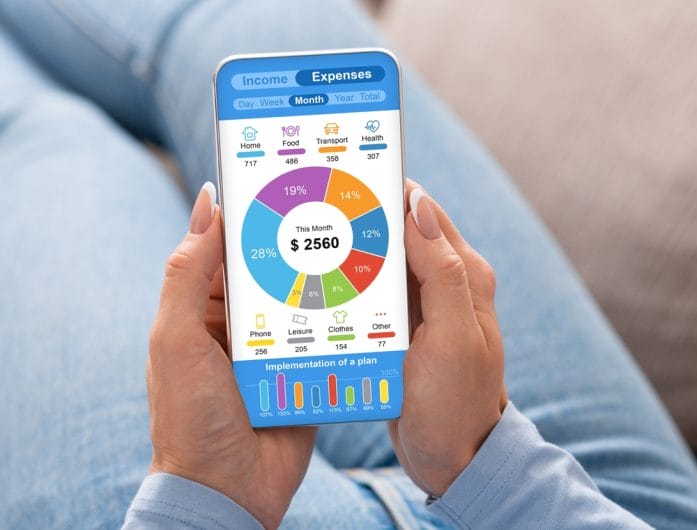
Money management used to involve spreadsheets, notebooks, and a calculator that lived somewhere near the kitchen junk drawer. Those days disappeared fast. Modern banking now unlocks with a fingerprint or a quick glance at a phone screen, and budgeting tools have evolved right alongside that technology. Financial apps now combine powerful tracking systems with biometric security features that make logging in faster and safer than ever before. That combination delivers a rare win for personal finance: convenience without sacrificing protection.

A growing group of budgeting apps now integrates smoothly with fingerprint sensors and facial recognition systems built into smartphones. Anyone searching for better financial awareness without endless password typing will find plenty to like in this new generation of money-management tools.

When Your Face Unlocks Your Finances

Biometric banking sounds futuristic, yet most smartphones already carry the technology in their hardware. Fingerprint scanners and facial recognition systems allow apps to confirm identity using physical characteristics instead of traditional passwords. Financial apps quickly embraced this technology because it balances speed and security in a way passwords never quite managed.

Budgeting apps that support biometric authentication allow users to unlock financial dashboards with a single touch or glance. That quick access encourages frequent check-ins with spending habits, which plays a huge role in successful budgeting. People tend to ignore tools that require long login processes, yet biometric access removes that friction almost entirely.

Security also improves when biometric verification replaces weak passwords. A fingerprint or face scan cannot be guessed or easily stolen in the same way as a simple login code. Most smartphones store biometric data locally on the device rather than inside the app itself, which adds another protective layer.

1. YNAB: The App That Turns Budgeting Into a Strategy

YNAB, short for You Need A Budget, approaches personal finance with a philosophy rather than just a spreadsheet. The platform encourages users to assign every dollar a job, which pushes budgeting beyond simple expense tracking. Biometric login support allows quick access to this system through fingerprint or facial recognition on supported devices.

This app shines when someone wants detailed control over spending decisions. YNAB emphasizes intentional planning by encouraging users to allocate money before spending it rather than reviewing transactions afterward. That proactive method helps many people break cycles of paycheck-to-paycheck living.

The biometric login option removes the usual friction associated with opening financial tools throughout the day. Quick access encourages users to check budgets before making purchases, which supports the philosophy behind the platform. YNAB also offers educational resources and workshops that help users sharpen their budgeting skills over time.

2. PocketGuard: The App That Answers One Big Question

Some budgeting apps bombard users with charts, graphs, and financial jargon. PocketGuard takes a different approach by focusing on a single question: how much money remains available to spend after covering bills and savings goals? The app integrates biometric login features on compatible smartphones, allowing secure access without long passwords.

PocketGuard connects to bank accounts and automatically tracks recurring bills, subscriptions, and everyday purchases. Once the system calculates those obligations, the app displays a clear “safe to spend” number that helps users avoid overspending. This simple approach removes much of the guesswork that makes budgeting frustrating.

The biometric login feature plays an important role because it encourages quick daily check-ins. A glance at the “safe to spend” number can prevent impulse purchases before they happen. PocketGuard also identifies recurring subscriptions that quietly drain money each month, which can lead to surprising discoveries about forgotten streaming services or unused memberships.

3. Goodbudget: Envelope Budgeting for the Digital Age

Long before smartphones existed, many households used envelope budgeting to control spending. People placed cash into labeled envelopes for groceries, transportation, and entertainment, and each envelope set a clear spending limit. Goodbudget brings that classic system into the digital world with modern features and biometric login support.

The app allows users to create virtual envelopes for different spending categories while tracking bank transactions through linked accounts. Biometric authentication protects access to these digital envelopes, making it easy to check balances quickly without entering passwords every time.

Goodbudget works particularly well for people who enjoy visual budgeting systems. Watching envelope balances shrink throughout the month can encourage more thoughtful spending decisions. The app also supports shared budgets, which allows couples or families to coordinate financial plans across multiple devices. The combination of a proven budgeting method and modern biometric security creates a tool that feels both nostalgic and surprisingly powerful.

4. EveryDollar: Budgeting With a Clear, Focused Layout

EveryDollar offers a streamlined budgeting experience designed for clarity and speed. The app supports biometric login features on smartphones that include fingerprint scanners or facial recognition systems, allowing quick and secure access to financial data.

The platform organizes monthly budgets into clean categories that make spending patterns easy to understand at a glance. Users can connect bank accounts for automatic transaction imports or enter purchases manually for more deliberate tracking.

Many people appreciate the simplicity of the interface because it removes clutter while still delivering useful insights about spending habits. Biometric login encourages regular use by eliminating the hassle of repeated password entry. That quick access makes it easier to adjust budgets throughout the month as financial priorities shift. Anyone searching for a budgeting tool that balances structure with simplicity may find EveryDollar particularly appealing.

5 Budgeting Apps That Integrate With Biometric Banking

Image Source: Pexels.com

5. Honeydue: Budgeting Designed for Two

Money conversations can create tension in relationships, yet Honeydue attempts to make shared budgeting less stressful and more collaborative. The app allows couples to track spending, coordinate bills, and monitor joint financial goals in one shared platform. Biometric authentication helps protect access to that shared financial dashboard.

Each partner can connect personal bank accounts while choosing how much information to share with the other person. This flexibility helps couples maintain transparency without sacrificing privacy. Fingerprint or facial recognition login keeps financial data secure while still allowing quick daily access.

Honeydue also includes bill reminders and spending notifications that help couples stay aligned on financial decisions. Shared budgeting tools like this can transform financial management from a solitary task into a cooperative effort. For couples looking to strengthen financial communication while maintaining security, Honeydue offers a thoughtful solution.

Your Phone Might Already Hold the Best Budget Assistant

Budgeting tools no longer belong exclusively to accountants and spreadsheet enthusiasts. Modern financial apps combine smart design with biometric technology that turns a smartphone into a powerful money-management hub. Quick fingerprint or face-scan access removes the barriers that once kept people from checking their finances regularly.

Each app highlighted above offers a slightly different approach to budgeting, yet all of them benefit from biometric security that protects sensitive financial data while keeping access fast and convenient. A well-chosen budgeting app can reveal spending patterns, highlight wasteful subscriptions, and encourage smarter financial habits over time.

Which budgeting app would you trust with your financial life, and does biometric login make a difference when choosing a financial tool? Share your thoughts, ideas, or experiences in the comments section.

You May Also Like…

6 Reasons Middle-Class Budgets Are Breaking Under “Slow Inflation”

7 Budget Foods Americans Rely On That Doctors Say Create Bigger Problems Later

Why Investing Apps Will Remain Popular in 2026

7 Dangers Lurking in Rideshare Apps You’ve Probably Ignored

Tech-Threat: 5 Ways AI Is Changing What Your Financial Advisor Should Be Doing for You

Brandon Marcus
Brandon Marcus

Brandon Marcus is a writer who has been sharing the written word since a very young age. His interests include sports, history, pop culture, and so much more. When he isn’t writing, he spends his time jogging, drinking coffee, or attempting to read a long book he may never complete.

Filed Under: Budgeting Tagged With: app security, biometric banking, budgeting apps, digital budgeting, face ID finance, financial planning apps, financial technology, fingerprint login apps, fintech apps, mobile banking security, money management tools, personal finance apps

6 Reasons Middle-Class Budgets Are Breaking Under “Slow Inflation”

February 20, 2026 by Brandon Marcus Leave a Comment

6 Reasons Middle-Class Budgets Are Breaking Under “Slow Inflation"

Image Source: Unsplash.com

“Slow inflation” sounds harmless, almost polite. Headlines talk about price growth easing compared to the spikes of 2022. The Consumer Price Index no longer surges at the pace it once did. Yet plenty of middle-class households feel like they’re running on a treadmill that keeps inching faster.

The truth sits right in front of us: even when inflation slows, prices rarely go backward. They keep rising, just at a gentler slope. And that steady climb, layered on top of already high costs, puts enormous strain on families who once felt stable.

1. Prices Rarely Fall Back Down

When inflation drops from, say, 9 percent to 3 percent, that does not mean prices return to where they started. It means they continue rising, just more slowly. Groceries that jumped sharply in 2022 did not magically reset in 2024 or 2025. They simply stopped accelerating at the same pace.

The Bureau of Labor Statistics tracks price changes across categories like food, housing, transportation, and medical care. Many of those categories experienced sharp increases during the inflation surge. Even as overall inflation cooled, food prices remained well above their pre-pandemic levels. Rent climbed significantly in many regions and then plateaued at those higher levels rather than falling.

If you want to protect your own budget from this effect, treat high prices as permanent until proven otherwise. Build your spending plan around today’s costs instead of hoping they retreat. That mindset shift alone can prevent a lot of frustration.

2. Wages Trail Behind Essential Costs

Wage growth picked up during the tight labor market of 2021 and 2022. However, not all workers benefited equally, and pay increases did not always match the spike in essential costs. Even when wages rose at a healthy clip, families often saw housing, food, and insurance expenses climb just as fast or faster.

Housing stands out in particular. In many metropolitan areas, rent and home prices surged during the pandemic-era housing boom. Mortgage rates later climbed sharply as the Federal Reserve raised interest rates to fight inflation. Higher rates pushed monthly payments up for new buyers, which locked many middle-class families out of homeownership or forced them to stretch their budgets.

To counter this squeeze, workers need to think strategically about income growth. That might mean negotiating pay more assertively, switching employers when the market allows, adding certifications, or building a side income stream. Relying on annual cost-of-living adjustments alone rarely keeps pace with structural cost increases.

3. Interest Rates Punish Borrowers

Inflation does not operate in isolation. The Federal Reserve raised interest rates aggressively to bring price growth down. Those higher rates helped cool inflation, but they also made borrowing more expensive across the board.

Credit card rates climbed above 20 percent on average in recent years. Auto loans and personal loans grew more expensive. Mortgage rates more than doubled from their pandemic-era lows. Families who carry balances on credit cards or who finance big purchases now devote more of their income to interest payments.

Middle-class households often rely on credit to bridge gaps, manage emergencies, or fund major milestones like buying a car. When rates spike, those same tools become heavy burdens. A balance that once felt manageable can start to snowball quickly.

4. The “Shrinkflation” and Quality Problem

Even when sticker prices do not rise dramatically, households encounter a different issue: shrinkflation. Companies reduce package sizes or product quality while keeping prices similar. You pay the same amount for fewer ounces of cereal or a smaller bottle of detergent.

This tactic does not always show up clearly in headline inflation numbers. The official data captures price changes, but subtle reductions in size or quality often slip under the radar. The result? Families feel like they spend more while getting less.

Middle-class consumers often shop across multiple stores to chase value. They compare unit prices, switch brands, and buy in bulk when possible. That extra effort demands time and energy, which also carry a cost. Budget management starts to resemble a second job.

5. Lifestyle Creep Meets a Higher Baseline

Inflation collided with another powerful force: lifestyle creep. During the years when incomes rose and asset values surged, many households upgraded their expectations. They moved into larger homes, financed newer cars, subscribed to more streaming services, and dined out more frequently.

Once inflation raised the baseline cost of essentials, those upgraded lifestyles started to strain budgets. A household that once felt comfortably middle class now juggles higher mortgage payments, elevated grocery bills, expensive childcare, and recurring subscriptions that quietly drain cash.

None of these expenses feel outrageous in isolation. Together, they can overwhelm even a solid income. The middle class often sits in a tough spot: earning too much to qualify for many assistance programs, yet not enough to absorb constant price increases without trade-offs.

6. Savings and Safety Nets Feel Thinner

Higher prices and higher interest payments leave less room for saving. Many households dipped into emergency funds during the pandemic and the inflation spike. Others redirected money toward daily expenses instead of long-term goals like retirement or college savings.

At the same time, volatility in financial markets made some people uneasy about investing. When portfolios swing wildly, families sometimes pull back contributions out of fear. That hesitation can slow long-term wealth building.

Start with automation. Set up automatic transfers to an emergency fund and retirement accounts, even if the amounts seem modest. Gradually increase contributions when income rises. Consistency often matters more than dramatic gestures.

6 Reasons Middle-Class Budgets Are Breaking Under “Slow Inflation"

Image Source: Unsplash.com

Slow Inflation Still Demands Fast Action

“Slow inflation” does not equal comfort. It simply means prices climb at a slower pace than before. For middle-class households, the cumulative effect of higher essentials, elevated interest rates, sticky housing costs, and thinner savings creates real financial stress.

You cannot control national inflation trends or Federal Reserve policy. You can control your response. Audit spending with clear eyes. Aggressively manage high-interest debt. Push for income growth instead of waiting for it. Build a leaner, more resilient budget that reflects today’s reality rather than yesterday’s.

The question now becomes simple but powerful: what one change could you make this month that would give your budget a little more breathing room? We want to hear your thoughts below.

You May Also Like…

7 Budget Foods Americans Rely On That Doctors Say Create Bigger Problems Later

The “Safe” Budget Rules That Quietly Stop Working After Age 60

The Retirement Budget Trap: Why Expenses Spike Between Ages 62 and 70

Your Attorney Isn’t the Only One Who Needs Your Will Details: 5 Conversations That Prevent Family Disputes

6 Outrageous Truths About Middle-Class Debt

Brandon Marcus
Brandon Marcus

Brandon Marcus is a writer who has been sharing the written word since a very young age. His interests include sports, history, pop culture, and so much more. When he isn’t writing, he spends his time jogging, drinking coffee, or attempting to read a long book he may never complete.

Filed Under: Budgeting Tagged With: Cost of living, economy, family finances, grocery prices, household budgets, Housing Costs, Inflation, interest rates, middle class, Personal Finance, Planning, wages

The “Safe” Budget Rules That Quietly Stop Working After Age 60

January 30, 2026 by Brandon Marcus Leave a Comment

Here Are The “Safe” Budget Rules That Quietly Stop Working After Age 60

Image source: shutterstock.com

For years, you were probably told that if you followed simple budget rules, stayed disciplined, and avoided lifestyle creep, you’d be financially “safe.” And for a long time, that advice worked beautifully. Your income was predictable, your expenses were structured, and your financial life followed a rhythm that made sense.

But after 60, that rhythm changes in ways most people never plan for, and the old “safe” budget rules start breaking down quietly, slowly, and expensively. What once felt responsible can suddenly become restrictive, unrealistic, and even risky if you keep applying it the same way.

The Rules Were Built For Paychecks, Not Retirement Life

Most “safe” budget rules, like the popular percentage-based systems, were designed around working income, not retirement income. They assume steady cash flow, predictable raises, and consistent monthly deposits, which simply do not exist after 60 for most people.

Retirement income comes from multiple sources—Social Security, pensions, withdrawals, investments, part-time work, or business income—and none of them behaves like a paycheck. Some months feel comfortable, others feel tight, and some surprise expenses land with zero warning. When you apply rigid percentages to unpredictable income, you create stress instead of structure. Budgeting plans after 60 need flexibility, not formulas.

Healthcare Quietly Breaks Every Old Budget Formula

Healthcare alone can dismantle any “safe” budget rule after 60, even for people who planned well. Premiums, deductibles, prescriptions, dental care, vision care, and uncovered services don’t behave like normal household expenses. They spike, fluctuate, and show up in waves instead of neat monthly lines.

Traditional budgeting rules assume stable cost categories, but healthcare doesn’t follow those rules at all. A smart post-60 budget builds buffers instead of percentages and plans for variability instead of averages.

Here Are The “Safe” Budget Rules That Quietly Stop Working After Age 60

Image source: shutterstock.com

Fixed Expenses Start Acting Like Variable Ones

Before 60, housing, utilities, insurance, and transportation often feel predictable and stable. After 60, those “fixed” costs start shifting in ways people rarely expect.

Property taxes rise, insurance premiums climb, maintenance costs increase, and vehicles need more repairs. Even paid-off homes and cars still generate rising costs that don’t follow inflation neatly. A rigid budget rule that treats these as stable categories becomes inaccurate fast. Realistic budgeting after 60 treats fixed costs as flexible risks, not guaranteed constants.

Spending Patterns Flip In Ways People Don’t Expect

Your lifestyle is bound to change in your 60s, and so will your spending too, but not always in the ways people assume. Some expenses drop, like commuting or work-related costs, but others rise, like travel, hobbies, family support, and medical care. Many retirees also spend more on experiences because time becomes more valuable than stuff.

Old budget rules often assume wants shrink with age, but that’s not how real life works. Your priorities shift, not your desire for a full life. A budget that doesn’t evolve with your values will always feel wrong, no matter how “safe” it looks on paper.

Longevity Turns “Safe” Into “Risky” Over Time

People are living longer than previous generations, and that changes everything about budgeting. A plan that works for ten or fifteen years may fail over twenty-five or thirty. Small miscalculations compound when time stretches out.

Rigid rules don’t adapt to longer timelines, changing markets, and evolving needs. Longevity requires flexibility, not rigidity. Smart financial planning after 60 focuses on sustainability, adaptability, and resilience instead of strict formulas.

Why Flexibility Beats Rules After 60

The biggest shift after 60 is that money management becomes more strategic and less mechanical. Instead of following rigid budget percentages, people do better with cash-flow planning, spending ranges, and adaptive systems. You don’t need to track every dollar, but you do need to understand patterns, risks, and priorities.

Financial safety now comes from awareness, not rules. Flexibility allows you to respond instead of react. The goal stops being “following the rule” and becomes “supporting the life you actually live.”

Smarter Budgeting After 60 Starts With These Shifts

Instead of fixed percentages, use spending ranges that adjust with income and expenses. Build healthcare buffers into your plan instead of treating medical costs like normal categories. Focus on cash flow, not just totals, so you know how money moves through your life monthly and annually. Prioritize financial flexibility over optimization, because stability matters more than squeezing out every dollar.

Revisit your budget quarterly instead of yearly so you can adapt to real-life changes faster. And most importantly, build a system that supports your lifestyle, not one that restricts it.

When “Safe” Stops Meaning Secure

The truth is simple: the old “safe” budget rule doesn’t fail because you did something wrong. It fails because life changes, and the rules weren’t built for this stage of life. Financial safety after 60 comes from adaptability, not discipline alone. It comes from understanding risk, not avoiding spending. And it comes from designing a financial life that supports freedom, not fear. The most secure retirees aren’t the ones following the strictest rules—they’re the ones making the smartest adjustments.

What financial rule are you still following out of habit, even though your life—and your money reality—has completely changed? Tell others about it in our comments section.

You May Also Like…

8 Home Upgrades Seniors Are Choosing Over Moving Into Facilities

The Retirement Income Assumption That Breaks Down First During Inflation Cycles

Why Financial Stress Feels Worse After Retirement Instead of Better

10 Common Budgeting Mistakes That Create Constant Money Stress

Why Are Everyday Essentials Taking Up More of the Budget

Brandon Marcus
Brandon Marcus

Brandon Marcus is a writer who has been sharing the written word since a very young age. His interests include sports, history, pop culture, and so much more. When he isn’t writing, he spends his time jogging, drinking coffee, or attempting to read a long book he may never complete.

Filed Under: Budgeting Tagged With: aging and money, budgeting after 60, financial independence, money habits, Personal Finance, retirement income, Retirement Lifestyle, retirement planning, senior finances, smart budgeting

Why Are Everyday Essentials Taking Up More of the Budget

January 24, 2026 by Brandon Marcus Leave a Comment

Why Are Everyday Essentials Taking Up More of the Budget

Image source: shutterstock.com

Imagine walking into your local grocery store, planning to grab just a few items, and leaving with a cart full of goods that somehow cost way more than you expected. You’re not imagining it—this is the reality millions of people are facing today. From groceries to cleaning supplies, household staples that once felt affordable are now taking a larger bite out of our budgets. It’s not just about wanting more; it’s about paying more for the things we need to live comfortably.

Understanding why this is happening can feel like navigating a maze, but it’s actually a mix of global forces, production challenges, and everyday decisions that impact prices.

Rising Costs Are Driven By Supply Chain Challenges

Over the past few years, supply chain disruptions have become a household topic, and for good reason. When the production of raw materials slows down or shipping costs rise, those expenses inevitably pass on to consumers. This isn’t just about international shipping; it includes labor shortages, weather events affecting crops, and sudden spikes in demand. Even if a store seems fully stocked, the behind-the-scenes juggling act often means that each item carries a higher price tag than a few years ago.

The ripple effect extends beyond food. Household essentials like detergents, paper products, and toiletries are also subject to these supply chain dynamics. Companies try to absorb the shocks to keep loyal customers, but when disruptions are prolonged, cost-cutting measures often fall short, and shoppers notice the difference at the checkout counter.

Consumer Demand And Changing Preferences Impact Prices

We’re not just victims of global supply issues; we’re active participants in driving prices up. Consumer behavior has a bigger impact than many realize. Organic products, eco-friendly packaging, and specialty brands have grown in popularity, often carrying higher production costs. People are willing to pay more for items they perceive as healthier, safer, or better for the environment, which encourages companies to innovate—and charge more.

Additionally, lifestyle shifts during the pandemic have altered spending habits. Many households started cooking more at home, cleaning more frequently, and stocking up on staples to avoid frequent trips to the store. That surge in demand created temporary price spikes that, in some cases, became permanent.

Inflation And Economic Pressures Extend Beyond Essentials

While supply and demand play obvious roles, broader economic pressures cannot be ignored. Inflation affects wages, energy costs, transportation, and production materials simultaneously. This creates a scenario where everything from eggs to cleaning wipes rises in price together, rather than in isolated instances. What makes this particularly challenging is that wage increases often lag behind these cost hikes, leaving households feeling the squeeze even more.

Energy costs, especially, are a hidden driver of higher prices. Everything from heating warehouses to powering machinery and transporting goods relies on fuel and electricity. When those costs rise, the effect trickles down to the grocery aisle.

How Households Can Navigate Rising Prices

Understanding the factors behind rising prices is only half the battle; managing them is the next step. Budgeting strategically, comparing prices, and being mindful of substitutions can help households stretch their dollars further. Buying in bulk for non-perishable items, taking advantage of loyalty programs, and considering store-brand alternatives are practical ways to combat inflation without sacrificing quality.

Being intentional about purchases also matters. While it’s tempting to chase trendy products or eco-friendly versions of every item, balancing desire with necessity helps avoid unnecessary strain on the budget. Tracking spending over time can reveal patterns and opportunities to reduce costs while still maintaining comfort and convenience.

Why Are Everyday Essentials Taking Up More of the Budget

Image source: shutterstock.com

What Are Your Thoughts On Budget Challenges?

The rising cost of everyday essentials is a reality that affects nearly everyone, yet the reasons behind it are surprisingly complex. Supply chain disruptions, consumer demand, inflation, and economic pressures all play a role in shaping the prices we see at the checkout counter. While it can feel frustrating, understanding these dynamics provides perspective and opens the door to practical strategies for managing household expenses.

Do you have tips, observations, or personal experiences with rising prices? Leave your thoughts and stories in the comments section below, and let’s continue the conversation about how to tackle everyday essentials without breaking the bank.

You May Also Like…

Why Does Budgeting Feel More Emotional Than Logical

Why Does Interest Rate Talk Suddenly Affect Everyday Spending

6 Silent Money Leaks in the Average Household

Why Do So Many Middle-Class Households Miss Out on Tax Credits

9 Budget Categories That Blow Up After One Emergency

Brandon Marcus
Brandon Marcus

Brandon Marcus is a writer who has been sharing the written word since a very young age. His interests include sports, history, pop culture, and so much more. When he isn’t writing, he spends his time jogging, drinking coffee, or attempting to read a long book he may never complete.

Filed Under: Budgeting Tagged With: Budget, budget mistakes, budget tips, budgeting, everyday essentials, everyday expenses, everyday items, fixed expenses, household items, rising costs, Smart Spending, spending, supply chain

10 Budget Mistakes That Create Long-Term Pressure

January 24, 2026 by Brandon Marcus Leave a Comment

These Are 10 Budget Mistakes That Create Long-Term Pressure

Image source: shutterstock.com

Ever feel like your money disappears faster than ice cream on a hot day? You’re not alone. Most of us start budgeting with enthusiasm, then hit roadblocks that turn simple planning into stress-inducing chaos. Some of these pitfalls are obvious—buying expensive coffee every morning, impulsively splurging online—but others quietly accumulate, creating tension that sticks around for years.

The tricky part is that these mistakes don’t scream “problem!” right away. They sneak in slowly, reshaping your finances in ways you might not notice until you’re elbow-deep in bills or wondering where all your savings went. Understanding these traps is like spotting the cracks in your foundation before the entire house wobbles.

1. Ignoring Irregular Expenses

One of the most underestimated financial blunders is ignoring irregular expenses. These are costs that don’t appear on your monthly statement like clockwork, such as car maintenance, medical bills, or annual subscriptions. Failing to account for them can leave you scrambling when they pop up, forcing you to borrow or dip into your emergency fund. Creating a realistic budget means anticipating the unexpected and smoothing out the bumps over the year.

Even small amounts set aside consistently add up, reducing stress when irregular expenses inevitably arrive. Treating your budget like a static, unchanging plan is a recipe for constant catch-up, and that kind of pressure is exactly what long-term financial strain looks like.

2. Underestimating Debt Payments

Debt is a pressure cooker. Ignoring interest rates or underestimating minimum payments might feel harmless in the moment, but interest compounds faster than most people realize. Student loans, credit cards, and personal loans all have a habit of quietly inflating your monthly obligations if you’re not proactive. Not factoring these correctly into your budget can create a domino effect, where payments eat into savings and essentials.

The smart approach is to track every debt, understand the interest, and prioritize repayment strategically. This isn’t about living without enjoyment—it’s about preventing a small fire from growing into a full-blown financial inferno.

3. Skipping an Emergency Fund

Many budgeters dive into financial planning and completely skip one critical element: an emergency fund. Life throws curveballs—broken appliances, unexpected travel, or sudden medical expenses—and without a cushion, your budget crumbles instantly. Relying on credit cards or payday loans in emergencies only makes pressure compound over time.

A good rule of thumb is having three to six months’ worth of essential expenses saved. Think of it as the invisible shield that absorbs life’s blows. Even if your income fluctuates, a small emergency stash can transform panic into manageable inconvenience.

4. Neglecting Small Recurring Charges

Subscriptions are tiny, tempting, and oh-so-easy to forget. That yoga app, streaming service, or magazine subscription may seem insignificant individually, but they quietly drain your budget month after month. Ignoring these charges can derail your financial planning without any dramatic event to signal trouble.

Tracking every recurring expense—even the ones under ten dollars—gives you clarity and control. Cancel what you don’t use and adjust your budget to reflect the ones you genuinely value. This level of awareness prevents months of subtle budget erosion from turning into a serious problem later.

5. Overestimating Income

Optimism about your income can sabotage your budget faster than overspending ever could. Many people assume every paycheck will be perfect and consistent, then encounter unexpected tax changes, reduced hours, or delayed payments. Budgeting as if you earn more than you actually do creates stress when reality doesn’t match expectations.

Being conservative with your projected income forces your budget to reflect what you truly have to work with. It also creates a cushion for months that are less than ideal, preventing a pattern of shortfalls and anxiety.

6. Ignoring Inflation and Cost Increases

Budgets often feel set in stone, but inflation is the silent creep that eats your purchasing power over time. Ignoring rising costs on groceries, utilities, rent, or transportation may seem harmless in the short term, but it slowly transforms a balanced budget into a strained one. Regularly reviewing your spending and adjusting for inflation keeps your financial plan realistic. The goal isn’t panic—it’s preparation. Even a small monthly adjustment can prevent the slow, frustrating squeeze that turns a reasonable budget into a pressure-filled nightmare.

7. Not Tracking Spending

It sounds basic, but not tracking where your money goes is a massive mistake. You can create a detailed budget, but if you don’t monitor actual spending, you have no idea whether your plan is effective. Overspending in one category might require painful cutbacks elsewhere, building tension and anxiety over time.

Tracking expenses, whether through apps or manual logs, provides a reality check. It shows patterns, highlights problem areas, and creates accountability. Knowledge is power, and in this case, it’s the difference between financial calm and chronic stress.

These Are 10 Budget Mistakes That Create Long-Term Pressure

Image source: shutterstock.com

8. Living Beyond Your Means

Trying to maintain a lifestyle that exceeds your income is a guaranteed source of long-term pressure. It’s not just about the occasional treat or luxury—it’s about consistent overspending to keep up appearances. Credit cards and loans make this tempting, but they only postpone the inevitable strain. Long-term stress comes from the constant cycle of repayment, interest accrual, and guilt. Living within your means is empowering: it reduces anxiety, frees up funds for genuine priorities, and makes financial goals achievable rather than mythical.

9. Setting Unrealistic Goals

Ambition is great, but setting unattainable financial goals is a subtle form of self-sabotage. Trying to save half your paycheck in a month or pay off a huge debt without a plan leads to disappointment, frustration, and pressure that builds quietly.

Realistic, incremental targets create momentum rather than panic. Break goals into manageable steps, celebrate small wins, and adjust as circumstances evolve. Sustainable progress keeps stress in check while still pushing you forward.

10. Failing To Reevaluate Regularly

A budget isn’t a one-and-done project—it’s a living, evolving plan. Life changes, priorities shift, and unexpected expenses crop up. Failing to reassess your budget periodically can transform a healthy system into a pressure cooker. Review your finances monthly, adjust for changes, and be honest about what’s working and what isn’t. Flexibility prevents long-term pressure by addressing problems before they spiral. Think of it as giving your finances a tune-up, ensuring smooth operation for years to come.

Avoid Long-Term Pressure By Learning From Mistakes

Budgeting isn’t about perfection—it’s about creating a structure that reduces stress and gives you control over your financial life. The mistakes above are common because they’re easy to overlook, but they have long-term consequences if ignored. Recognizing them, planning for them, and actively correcting them can turn financial tension into clarity and freedom.

Your experience matters—what budget mistakes have crept up on you, and how have you handled them? Drop your thoughts, insights, or financial stories in the comments section below and let’s keep this conversation going.

You May Also Like…

Why Are Utility Bills Becoming a Bigger Budget Problem

Why Does Budgeting Feel More Emotional Than Logical

Legacy Design: 5 Ways to Pass on Wealth Without Passing on Pressure

8 Tips for Talking With Your Partner About Health, Finances & Legacy

Why Do So Many People Believe Budgeting Apps Solve Everything


Brandon Marcus
Brandon Marcus

Brandon Marcus is a writer who has been sharing the written word since a very young age. His interests include sports, history, pop culture, and so much more. When he isn’t writing, he spends his time jogging, drinking coffee, or attempting to read a long book he may never complete.

Filed Under: Budgeting Tagged With: Budget, budget mistakes, budget tips, budgeting, Debt, debt payments, emergency funds, Income, income streams, Inflation, living beyond your means, Money, money issues, money mistakes, overspending, recurring charges, spending, spending mistakes, splurging, tracking spending

Why Are So Many People Rethinking How They Budget

January 23, 2026 by Brandon Marcus Leave a Comment

Why Are So Many People Rethinking How They Budget

Image source: shutterstock.com

Money—it’s thrilling, terrifying, and somehow always at the center of our life choices. But recently, something curious is happening: people are no longer just sitting down with a spreadsheet or an app and dutifully categorizing every coffee and grocery purchase.

Instead, there’s a movement, subtle but undeniable, where individuals are rethinking not only how they spend but why they spend at all. It’s not about cutting every indulgence or living austerely; it’s about taking control in ways that make sense for today’s world, a world that feels less predictable than ever.

If you’ve noticed friends experimenting with new budgeting methods or reconsidering their financial priorities, you’re not imagining it. And the reasons behind this shift are as fascinating as they are practical.

Economic Uncertainty Is Changing Spending Habits

One major reason people are reevaluating their budgets is economic uncertainty. Inflation, fluctuating interest rates, and job market shifts have made yesterday’s strategies feel outdated.

People used to be able to predict monthly expenses with a degree of confidence, but now, expenses that were once minor can suddenly balloon, throwing a traditional budget out of balance. Many are turning to more flexible budgeting approaches that allow them to respond to unexpected costs without panic.

These methods often emphasize adaptability over rigidity, making it easier to balance financial goals with reality. Interestingly, this trend isn’t just about survival; it’s about regaining a sense of control. In an unpredictable economy, knowing where your money is going and having the freedom to adjust can be surprisingly empowering.

Digital Tools Are Making Budgeting Smarter And Simpler

Technology is transforming budgeting in ways most of us could barely imagine a decade ago. Apps now categorize spending automatically, track bills, and even forecast cash flow based on past patterns. Artificial intelligence and machine learning have started helping people identify patterns in their finances, from recurring charges they might have missed to spending habits they weren’t aware of.

This digital assistance makes the process feel less like a chore and more like having a personal finance coach in your pocket. Users can set goals, monitor progress in real-time, and make tweaks instantly rather than waiting until the end of the month.

It’s no wonder more people are exploring these tools—they offer insight and control, packaged in a surprisingly user-friendly interface. Ultimately, technology is not replacing personal responsibility; it’s making that responsibility far easier to manage.

Why Are So Many People Rethinking How They Budget

Image source: shutterstock.com

Mindset Shifts Are Reshaping Financial Priorities

Budgeting today is less about deprivation and more about intentional living. People are increasingly questioning traditional advice like “save first, spend later” or “track every penny,” asking instead what spending choices actually bring value to their lives.

Many are adopting value-based budgeting, where money is allocated according to priorities rather than rigid categories. This could mean spending more on wellness, hobbies, or travel while cutting back on things that feel less meaningful.

Psychology is playing a huge role in this shift, too: people are learning that budgeting works best when it aligns with personal goals and emotional satisfaction. By integrating mental health, lifestyle goals, and financial planning, budgets are becoming tools for fulfillment rather than simply accounting exercises.

Social Influence And Financial Transparency Are Shaping Choices

Another fascinating factor behind the budgeting rethink is the rise of social influence. Platforms where users openly discuss their financial habits—whether successes, failures, or clever hacks—have created a new culture of accountability and inspiration.

People are seeing alternatives to traditional budgeting methods and realizing that there’s no single “right” approach. This transparency helps remove shame from financial mistakes while encouraging experimentation. For instance, someone might learn about envelope budgeting from a friend, try it, and tweak it to fit their unique lifestyle.

Peer examples provide both validation and motivation, which can be far more impactful than generic advice. As a result, budgeting is becoming a shared journey, where lessons learned collectively help everyone refine their strategies.

The Rise Of Irregular Income Is Forcing Creative Approaches

Freelancers, gig workers, and side hustlers are redefining budgeting because their income isn’t predictable. Traditional monthly budgeting doesn’t fit a world where paychecks fluctuate wildly. Instead, people are adopting flexible systems that separate fixed needs from variable wants, ensuring essentials are covered regardless of income swings.

Methods like zero-based budgeting, percentage allocation, or even building substantial emergency funds have become essential for this demographic. These approaches teach not just discipline but also creativity in managing money. Learning to budget around irregular income isn’t just practical—it’s an exercise in resilience and strategic planning that anyone can benefit from.

Financial Education Is More Accessible Than Ever

Finally, access to financial education has exploded, leading many to rethink old habits. Podcasts, online courses, YouTube channels, and community forums make expert advice and real-life examples widely available.

People are no longer limited to advice from family, friends, or traditional financial advisors—they can explore diverse perspectives that challenge assumptions and spark innovation. This democratization of knowledge allows individuals to make informed choices tailored to their circumstances.

Better education encourages experimentation, and when mistakes happen, they’re treated as learning opportunities rather than failures. With this influx of information, the act of budgeting transforms from a mundane task to an engaging process of discovery and improvement.

Rethinking Budgets As A Personal Journey

Rethinking how we budget isn’t just about dollars and cents—it’s about values, priorities, and empowerment. More people are realizing that budgeting can be a flexible, adaptive, and even enjoyable tool to shape life the way they want.

Whether prompted by economic uncertainty, technological innovation, changing mindsets, social influence, irregular income, or accessible financial education, the trend is clear: people want budgets that reflect their lives, not constrain them.

What’s your experience with budgeting? Have you tried a method that changed the way you see your money, or discovered a tip that transformed your approach? Tell your story!

You May Also Like…

Why Are Utility Bills Becoming a Bigger Budget Problem

Why Does Budgeting Feel More Emotional Than Logical

10 Common Budgeting Mistakes That Create Constant Money Stress

Why Do So Many People Believe Budgeting Apps Solve Everything

9 Budget Categories That Blow Up After One Emergency

Brandon Marcus
Brandon Marcus

Brandon Marcus is a writer who has been sharing the written word since a very young age. His interests include sports, history, pop culture, and so much more. When he isn’t writing, he spends his time jogging, drinking coffee, or attempting to read a long book he may never complete.

Filed Under: Budgeting Tagged With: Budget, budget apps, budget tips, budgeting, budgeting problems, Budgeting Tips, digital tools, economic uncertainty, financial choices, financial priorities, Mindset, mindshift, Money, money issues, money problems, overspending, Smart Spending, spending, Spending Habits

8 Budget Areas That Expand After Retirement

January 22, 2026 by Brandon Marcus Leave a Comment

These Are 8 Budget Areas That Expand After Retirement

Image source: shutterstock.com

Retirement doesn’t arrive quietly with a gentle shuffle of slippers. It bursts in waving a calendar full of open Tuesdays, longer mornings, and ideas that never fit into a lunch break before. When paychecks stop, life doesn’t shrink—it reshapes. Some expenses fade, sure, but others step into the spotlight and demand a bigger slice of the budget.

Understanding where money tends to flow after retirement can make the difference between stress and confidence, and it can help retirees enjoy the freedom they worked decades to earn.

1. Healthcare And Medical Costs

Healthcare almost always claims a larger role after retirement, even for people who felt healthy for most of their working years. Aging naturally brings more doctor visits, prescriptions, and follow-up care, and those costs add up steadily rather than dramatically.

Insurance premiums can rise as employer-sponsored plans disappear, shifting retirees to private plans or Medicare options with supplemental coverage. Dental, vision, and hearing care often become more frequent needs, and they are not always fully covered. Preventive care becomes a priority, which is great for health but still costs money. Over time, healthcare turns into one of the most predictable yet expanding categories in a retirement budget.

2. Travel And Getaways

Retirement unlocks time, and time has a funny habit of turning into plane tickets and hotel reservations. Without vacation limits or office schedules, retirees often travel more frequently, even if trips are shorter or closer to home.

Midweek travel and off-season deals help, but transportation, lodging, meals, and activities still stretch the budget. Many retirees finally visit places they postponed for decades, turning lifelong dreams into real itineraries.

Visiting family across the country also becomes more common when schedules are flexible. Travel spending grows not because of extravagance, but because experiences become more valuable than things.

3. Hobbies, Classes, And Personal Growth

Free time invites curiosity, and curiosity usually comes with a price tag. Retirement is when many people dive into hobbies they never had time for before, from woodworking and painting to gardening and photography.

Classes, workshops, and local clubs provide structure and social connection, often with membership fees or supply costs. Fitness programs like yoga, swimming, or golf become routine rather than occasional splurges. Even seemingly simple hobbies can require tools, materials, or ongoing instruction. This category grows because learning and creativity become daily joys instead of weekend treats.

These Are 8 Budget Areas That Expand After Retirement

Image source: shutterstock.com

4. Dining Out And Social Life

Work lunches disappear, but social meals often multiply. Retirement creates more opportunities to meet friends for coffee, brunch, or leisurely dinners that stretch into the evening. Celebrations, community events, and casual get-togethers become a regular rhythm of life.

Without the rush of a workday, dining becomes more experiential, not just fuel between meetings. Hosting friends at home also increases grocery and entertainment expenses. Spending rises here because relationships move to the center of daily life, and food is often the meeting point.

5. Home Maintenance And Improvements

Spending more time at home shines a bright light on everything that needs fixing. Small issues that were easy to ignore during busy work years suddenly demand attention. Retirees often invest in home improvements to make spaces safer, more comfortable, or easier to maintain long term.

Projects like updated bathrooms, better lighting, or improved insulation become practical priorities. Even routine maintenance can increase as homeowners aim to protect their biggest asset. Home spending grows because the house becomes both a sanctuary and a long-term plan.

6. Transportation Costs

Commuting may end, but transportation costs don’t vanish. Retirees still drive for errands, appointments, and social outings, often during peak daylight hours. Maintenance, insurance, and fuel remain ongoing expenses, even with fewer miles logged.

Some retirees upgrade vehicles for comfort or safety features, which can raise costs temporarily. Others rely more on ride services or public transportation, adding new monthly expenses. Transportation evolves rather than shrinks, adapting to a different lifestyle.

7. Gifts And Family Support

With more time and emotional bandwidth, many retirees increase spending on family. Gifts for grandchildren, milestone celebrations, and holiday gatherings often become more generous. Travel to attend weddings, graduations, or reunions adds another layer of cost.

Some retirees also provide occasional financial help to adult children or aging parents. These expenses are rarely planned line items, yet they appear consistently. Giving becomes a meaningful expression of freedom and connection, even as it expands the budget.

8. Insurance And Financial Services

Retirement changes financial risk, and insurance adjusts accordingly. Life insurance needs may shift, while long-term care insurance becomes a serious consideration for many households. Financial planning services, tax preparation, and estate planning often become more complex and more frequent.

Managing withdrawals, required distributions, and investment strategies can require professional guidance. These services offer peace of mind, but they are not free. This category grows as retirees prioritize stability and clarity over complexity.

Retirement Spending With Eyes Wide Open

Retirement isn’t about spending more or less—it’s about spending differently. When people understand which budget areas tend to expand, they can plan with intention instead of surprise. Every retirement story is unique, shaped by health, goals, family, and personality.

If retirement has shifted your spending in unexpected ways, the comments section below is a great place to reflect, compare notes, and learn from one another’s experiences.

You May Also Like…

The Sunshine State Squeeze: Why Florida Retirees are Seeing Smaller Social Security Checks This Week

The “Retirement Town” Myth: Why These 5 Dream Locations Are Currently Seeing a Mass Exodus

Why Are Utility Bills Becoming a Bigger Budget Problem

8 Budget Line Items That Keep Growing Without Notice

Income Stability: 6 Retirement Income Moves That Aren’t as Safe as They Seem

Brandon Marcus
Brandon Marcus

Brandon Marcus is a writer who has been sharing the written word since a very young age. His interests include sports, history, pop culture, and so much more. When he isn’t writing, he spends his time jogging, drinking coffee, or attempting to read a long book he may never complete.

Filed Under: Budgeting Tagged With: Budget, budget tips, budgeting, Budgeting Tips, dining out, healthcare, healthcare costs, hobbies, home maintenance, medical expenses, personal growth, Retirement, retirement plan, retirement planning, social life, transportation costs, travel, travel and holidays, vacations

Why Are Utility Bills Becoming a Bigger Budget Problem

January 20, 2026 by Brandon Marcus Leave a Comment

Why Are Utility Bills Becoming a Bigger Budget Problem

Image source: shutterstock.com

If your latest electricity or water bill made you do a double-take, you’re not alone. Across the country, households are feeling the pinch as essential services start demanding more from our wallets. It’s not just about leaving lights on or taking long showers anymore—there’s a tangle of factors at play that’s driving costs higher, and it’s changing the way people think about their monthly spending.

Suddenly, what once seemed like a predictable expense is now a moving target, and everyone from renters to homeowners is scrambling to make sense of the numbers.

Rising Energy Costs Are Hitting Harder Than Ever

Energy prices have been on an upward trajectory for years, but recent shifts in global supply and demand have accelerated the climb. Natural gas, oil, and coal markets fluctuate due to international tensions, weather extremes, and policy changes, and those shifts don’t just stay on paper—they show up in your home heating and electricity bills. Renewable energy adoption is growing, which is excellent for the planet, but transitioning infrastructure can be expensive, and some of those costs are trickling down to consumers.

Add in inflation, and suddenly the energy bill that once felt manageable can turn into a monthly stressor. People are now paying closer attention to the rates they’re charged, the efficiency of their appliances, and even the timing of when they use energy, trying to avoid peak pricing that can double the cost of a single evening of laundry and cooking.

Water Bills Are Increasing In Many Cities

Water isn’t just wet—it’s getting pricey. Municipalities are raising water rates to cover aging infrastructure, ensure safe drinking water, and manage limited water supplies amid droughts and growing populations. In some areas, you might notice a jump in sewer or wastewater fees that come alongside your regular water charges, adding another layer to your monthly utility obligations. The reality is that maintaining pipes, treatment plants, and water quality isn’t cheap, and utilities are passing some of those costs to residents.

Households that used to see water as a trivial part of their budget are discovering it can actually rival entertainment, groceries, or even transportation expenses if usage isn’t monitored carefully. Suddenly, conserving water isn’t just an environmental choice—it’s a practical way to protect your bank account.

Weather And Climate Change Are Making Bills Less Predictable

Seasons used to follow a predictable rhythm, but climate shifts are creating more extremes, and that directly affects utility bills. Scorching summers and bitter winters mean heating and cooling systems are running longer, driving up energy consumption. Storms and floods can damage power lines and water infrastructure, leading to temporary rate hikes or emergency repairs funded by customers.

Even the timing of seasonal weather impacts how much electricity is used, and the variability means households can no longer budget with the same level of certainty as in the past. People are beginning to notice that what once felt like a simple routine bill is now a wild card in their monthly financial planning.

Why Are Utility Bills Becoming a Bigger Budget Problem

Image source: shutterstock.com

Technology And Modern Lifestyles Are Increasing Consumption

We all love our gadgets, smart devices, and streaming services, but every plugged-in convenience adds to the energy load. Homes are packed with electronics that run 24/7, sometimes in “standby” mode, quietly consuming electricity. Even energy-efficient appliances don’t fully offset the sheer number of devices modern families use. Heating, cooling, and refrigeration demand rises as living spaces expand and people spend more time indoors. Lifestyle changes, like working from home or homeschooling, further increase electricity usage. What may have been a small, predictable bill a decade ago now reflects a more connected, tech-heavy lifestyle—and it can be a shock to see the sum of it all at the end of the month.

Inflation And Policy Decisions Shape How Much We Pay

Utility bills are not immune to the broader economic environment. Inflation affects the cost of fuel, chemicals, maintenance, and labor, which translates to higher monthly bills for customers. Additionally, government regulations and policies can introduce new fees or rate adjustments to encourage conservation, fund renewable projects, or address environmental concerns. Sometimes these measures make sense for the long term but create short-term strain on household budgets. Consumers are learning that utility bills are not just about consumption—they reflect a complex web of policy, economics, and infrastructure investment. Navigating this landscape means paying attention, asking questions, and sometimes making lifestyle adjustments to stay ahead of rising costs.

Simple Steps Can Make A Big Difference

While the numbers can be intimidating, small changes often add up to meaningful savings. Adjusting thermostats by a few degrees, fixing leaks, and monitoring daily water and energy use can help households regain some control. Energy-efficient appliances, low-flow showerheads, and LED lighting may require an initial investment but can significantly reduce monthly bills over time. Even behavioral changes, like turning off lights when leaving a room or scheduling laundry during off-peak hours, matter.

The key is understanding patterns and costs, not just hoping bills will remain the same month after month. Knowledge, awareness, and proactive planning can turn what feels like an uncontrollable financial burden into a manageable, even empowering, routine.

What’s Your Utility Story?

Utility bills are becoming more than just a line item—they’re shaping how households budget, plan, and even think about daily routines. Rising costs, unpredictable weather, modern lifestyles, and policy shifts all contribute to bills that are increasingly hard to ignore. Everyone experiences these changes differently, and the strategies to cope can be as unique as your home.

Have you noticed your bills creeping up? Tried a clever trick to save on energy or water? Jump into the conversation below. Your story might help someone else see a new way to tackle the challenge.

You May Also Like…

Why Do Utility Bills Keep Rising Even When Usage Stays the Same

Why Do People Feel Less Financially Secure Than Before

Expense Overflow: 4 Retirement Bills That Catch People Off Guard

Why Does Financial Anxiety Show Up Even When Bills Are Paid

Why Are Emergency Funds Harder to Rebuild Than People Expect

Brandon Marcus
Brandon Marcus

Brandon Marcus is a writer who has been sharing the written word since a very young age. His interests include sports, history, pop culture, and so much more. When he isn’t writing, he spends his time jogging, drinking coffee, or attempting to read a long book he may never complete.

Filed Under: Budgeting Tagged With: Budget, budget problems, budgeting, budgeting problems, climate change, energy costs, home spending, household bills, household budgets, household costs, household duties, Inflation, monthly bills, Planning, Smart Spending, spending, subscriptions, utilities, utility bills, water bills, weather

  • 1
  • 2
  • 3
  • …
  • 9
  • Next Page »

FOLLOW US

Search this site:

Recent Posts

  • Can My Savings Account Affect My Financial Aid? by Tamila McDonald
  • 12 Ways Gen X’s Views Clash with Millennials… by Tamila McDonald
  • What Advantages and Disadvantages Are There To… by Jacob Sensiba
  • 10 Tactics for Building an Emergency Fund from Scratch by Vanessa Bermudez
  • Call 911: Go To the Emergency Room Immediately If… by Stephen Kanaval
  • 7 Weird Things You Can Sell Online by Tamila McDonald
  • 10 Scary Facts About DriveTime by Tamila McDonald

Copyright © 2026 · News Pro Theme on Genesis Framework