• Home
  • About Us
  • Toolkit
  • Getting Finances Done
    • Hiring Advisors
    • Debt Management
    • Spending Plan
  • Insurance
    • Life Insurance
    • Health Insurance
    • Disability Insurance
    • Homeowners/Renters Insurance
  • Contact Us
  • Privacy Policy
  • Risk Tolerance Quiz

The Free Financial Advisor

You are here: Home / Archives for side hustle

Millions of Gig Workers May Be Missing This Key IRS Requirement

February 18, 2026 by Brandon Marcus Leave a Comment

Millions of Gig Workers May Be Missing This Key IRS Requirement

Image source: shutterstock.com

You can hustle every day, grind through back-to-back deliveries, finish freelance projects at midnight, and still get blindsided by the IRS if you miss one crucial requirement. Millions of gig workers focus on earning income but ignore the tax rule that keeps that income safe from penalties.

The problem does not come from a lack of effort or ambition. It comes from a misunderstanding of how the IRS treats independent contractors. If you earn money outside of traditional employment, the IRS expects something very specific from you, and ignoring it can cost you more than you think.

The Rule Too Many Gig Workers Ignore: Quarterly Estimated Taxes

When you work as an employee, your employer withholds federal income taxes, Social Security, and Medicare from every paycheck. That system creates a steady drip of payments to the IRS throughout the year. Gig workers and independent contractors operate under a completely different structure. The IRS requires most self-employed individuals to pay estimated taxes quarterly if they expect to owe at least $1,000 in taxes when they file their return.

That rule surprises people who assume they can just settle up in April. The IRS does not operate on a “pay later” philosophy for self-employed income. Instead, it expects you to pay as you earn. The agency sets four estimated tax deadlines each year, generally in April, June, September, and January of the following year. If you skip those payments or underpay, the IRS can assess an underpayment penalty, even if you ultimately pay the full amount when you file your annual return.

You do not need a storefront or a formal business entity to fall under this rule. If you drive for rideshare platforms, deliver food, sell goods online, design logos, tutor students, or complete freelance writing assignments, the IRS sees you as self-employed. That classification triggers the estimated tax requirement.

The 1099 Confusion That Trips People Up

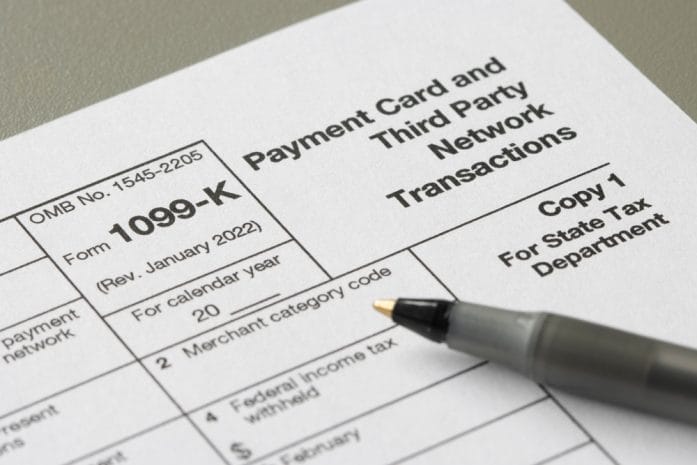
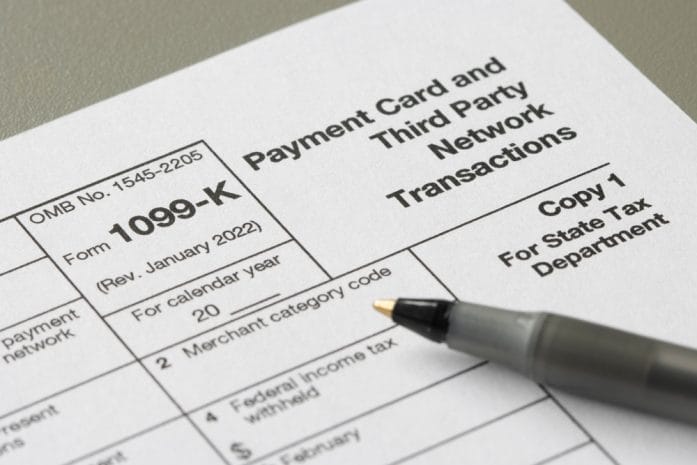
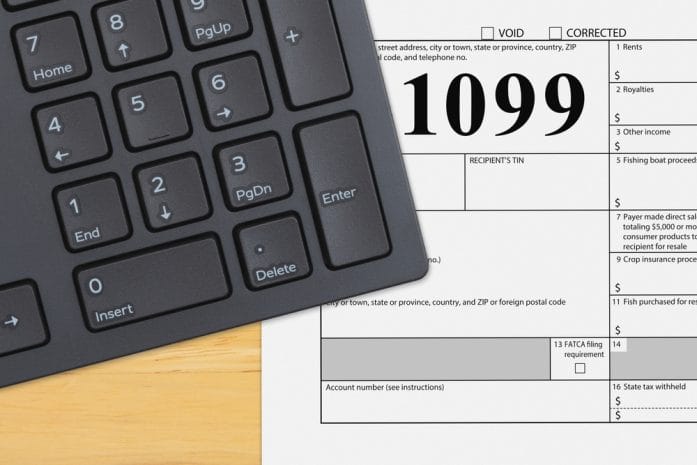
Gig workers often receive Form 1099-NEC or Form 1099-K from platforms or clients. Those forms report income paid to you during the year. Some workers assume that if they do not receive a 1099, they do not need to report the income. That assumption creates serious risk.

The IRS requires you to report all taxable income, even if you do not receive a form. Payment apps and online platforms follow specific reporting thresholds, and those thresholds have changed in recent years. Even if a company does not send you a 1099 because your earnings fall below a reporting limit, you still must include that income on your tax return.

Relying solely on 1099 forms to track your income can also distort your estimated tax calculations. You should track your gross receipts and expenses consistently throughout the year. Waiting for tax documents in January does not help you meet quarterly deadlines that occur long before those forms arrive.

Millions of Gig Workers May Be Missing This Key IRS Requirement

Image source: shutterstock.com

How to Calculate Estimated Taxes Without Losing Your Mind

You do not need to turn into a tax expert overnight, but you do need a plan.

If your income fluctuates significantly, you can adjust your estimated payments each quarter. Gig work often comes with uneven cash flow, so you should review your earnings regularly rather than locking yourself into rigid numbers from January. You can also use accounting software or work with a tax professional who understands self-employment income.

Setting aside a percentage of every payment can simplify the process. Many experienced gig workers automatically move 25 to 30 percent of each deposit into a separate savings account designated for taxes. That habit creates a buffer and prevents the panic that hits when a large quarterly payment comes due.

Deductions: Your Best Friend If You Track Them Properly

Quarterly payments matter, but deductions can dramatically reduce the amount you owe. The IRS allows self-employed individuals to deduct ordinary and necessary business expenses. That includes mileage for business driving, a portion of home office expenses if you meet the requirements, supplies, software subscriptions, marketing costs, and health insurance premiums for self-employed individuals, among others.

Accurate recordkeeping determines whether you can claim those deductions confidently. You should track mileage using a reliable log or app, save receipts for business purchases, and maintain separate accounts for business and personal expenses. If the IRS ever questions your return, organized records will support your claims.

Deductions reduce your net income, which in turn reduces both your income tax and your self-employment tax. That connection makes consistent tracking throughout the year essential. You cannot reconstruct a year’s worth of expenses from memory in March and expect precision.

What Happens If You Ignore This Requirement

The IRS does not send friendly reminders about missed quarterly payments. Instead, it calculates underpayment penalties based on how much you owed and how long you delayed payment. The penalty functions like interest, and it accrues over time. Even if you pay your full balance in April, the IRS can still assess a penalty if you failed to make sufficient quarterly payments.

Repeated noncompliance can also create cash flow chaos. If you owe a large amount at filing time and cannot pay in full, the IRS can impose additional penalties and interest. You can request a payment plan, but that route adds stress and extra cost.

Ignoring estimated taxes does not make the obligation disappear. It simply shifts the burden into the future, where it often grows larger and more disruptive.

Take Control Before the IRS Takes Notice

Gig work offers flexibility and independence, but it also demands discipline. You must treat your tax obligations as a regular business expense, not an afterthought. Mark quarterly deadlines on your calendar, review your income monthly, and set aside money consistently. If you feel overwhelmed, consult a certified public accountant or enrolled agent who specializes in self-employment taxes. A single professional session can save you far more in penalties and missed deductions than it costs.

You built your gig income with effort and persistence. Protect it with the same energy. Estimated taxes do not represent a bureaucratic nuisance; they represent a core responsibility of running your own operation. When you handle them proactively, you gain control and avoid unpleasant surprises.

If you earn income through gig work, when did you last review your estimated tax strategy? It’s time to discuss this very important subject in our comments.

You May Also Like…

Budgeting For Irregular Income: Freelancers And Gig Workers

5 Warning Signs Your “Side Gig” Is Destroying Your Finances

5 Reasons To Talk To Your Kids About Taxes

Can Your Taxes Be Cut In Half By You Simply Incorporating Your Name?

9 Financial Dangers of Ignoring Property Taxes

Brandon Marcus
Brandon Marcus

Brandon Marcus is a writer who has been sharing the written word since a very young age. His interests include sports, history, pop culture, and so much more. When he isn’t writing, he spends his time jogging, drinking coffee, or attempting to read a long book he may never complete.

Filed Under: tax tips Tagged With: 1099, Estimated taxes, freelancers, gig economy, Independent contractors, IRS, Planning, self-employment tax, side hustle, tax compliance, tax penalties, taxes

The Venmo Privacy Setting That Can Trigger Unwanted Tax Reporting

February 12, 2026 by Brandon Marcus Leave a Comment

The Venmo Privacy Setting That Can Trigger Unwanted Tax Reporting

Image source: shutterstock.com

Venmo feels like the digital equivalent of tossing a few bills to a friend across a table. It’s fast, casual, and so woven into everyday life that most people barely think about it as “financial infrastructure.” But under the hood, Venmo is also a payment processor that plays by the same reporting rules as much bigger financial platforms.

One small setting in the app can quietly change how your payments are categorized, how they’re tracked, and whether they end up on a tax form. If you use Venmo for anything beyond splitting pizza and rent, this is one of those things that’s genuinely worth understanding before it turns into a paperwork headache later.

The Privacy Setting Everyone Clicks Past Without Reading

Venmo’s privacy settings are deceptively simple: public, friends, or private. Most people treat this as a social feature, not a financial one. It feels like choosing who gets to see your emojis and payment notes, not something that could ever affect your taxes. But public transactions do more than broadcast your business to strangers scrolling a feed. They create a visible record of frequent payments, patterns, and activity that can look a lot like business behavior, especially if the descriptions suggest services or sales.

Here’s the important reality: privacy settings themselves do not determine whether Venmo reports income to the IRS. That part is driven by how payments are classified. But visibility does matter in a different way. Public transactions make it easier for platforms, auditors, or even automated systems to identify activity that appears commercial. If your feed looks like a digital storefront instead of casual peer-to-peer transfers, it increases the chances that your activity is flagged as business-related.

The Real Trigger: The “Goods and Services” Switch

The true tax tripwire on Venmo isn’t the privacy toggle, it’s the “goods and services” classification. When a payment is marked as goods and services, Venmo treats it as a commercial transaction, not a personal one. That classification is what feeds into tax reporting systems. Under current IRS rules, payment platforms must issue Form 1099-K for goods and services payments once reporting thresholds are met.

If someone sends you money for design work, tutoring, selling a couch, freelance projects, or any kind of side hustle and it’s tagged as goods and services, that payment becomes part of a reportable total. Privacy settings don’t override that classification. You could have every transaction set to private and still receive a 1099-K if those payments are categorized as commercial. This is where people get blindsided, because the app experience feels casual while the backend reporting system is very much not.

How Casual Payments Start Looking Like Business Income

The line between personal and commercial payments has gotten blurrier. People use Venmo for everything: group trips, event tickets, resale items, hobby income, freelance gigs, and side hustles. Over time, those little payments can stack up into patterns that resemble a business cash flow stream. Multiple payments from different people, consistent amounts, similar descriptions, and repeated activity can all signal commercial use.

The problem isn’t that Venmo is doing something shady. It’s that the platform is required to follow financial reporting laws, and algorithms don’t understand context the way humans do.

Why Public Feeds Add a Layer of Risk

Public visibility doesn’t create tax obligations, but it adds friction and risk. A public transaction history creates a permanent, searchable pattern of activity. If someone is receiving frequent payments with business-like descriptions, that record exists outside of private account data. It becomes part of a broader digital footprint. This doesn’t mean people are actively scanning Venmo feeds for tax enforcement, but in an era of automated systems and data analysis, visibility always increases exposure.

Think of it like this: private transactions live inside a financial system, while public transactions live inside a social system and a financial system at the same time. That dual presence makes them easier to analyze, categorize, and interpret as commercial behavior.

The Venmo Privacy Setting That Can Trigger Unwanted Tax Reporting

Image source: shutterstock.com

Smart Moves to Stay in Control

If you use Venmo casually, the safest habit is to default your privacy setting to private and only switch visibility on when there’s a real reason to share. That keeps your financial activity from becoming part of a public feed. More importantly, always pay attention to how payments are categorized. If you’re receiving money for work, assume it’s taxable income and plan for it accordingly. Keep records, track totals, and don’t treat app-based payments as invisible money.

For side hustlers and freelancers, it’s often cleaner to separate personal and business finances entirely. Using a dedicated payment account for income makes tracking easier and avoids confusion at tax time. For everyday users, the biggest win is awareness.

The Setting That Changes Everything Without Feeling Important

Privacy settings feel cosmetic. Payment labels feel optional. Descriptions feel playful. But those tiny details shape how transactions are categorized, tracked, and reported. The app experience is friendly, but the financial infrastructure behind it is serious, regulated, and data-driven.

What’s your take on digital payment apps becoming part of the tax system—does it feel fair, invasive, or just inevitable? How do you treat Venmo, and do you have any advice to share? Talk about it in our comments section.

You May Also Like…

IRS Warning: That Venmo Payment for Your Garage Sale Just Triggered a Surprise Tax Bill

IRS 1099-K Rules in 2026: Who Must Report Payments This Year

Repayment Assistance Plan Launches July 2026: New Income-Based Option for Borrowers

What Young People Can Teach Their Grandparents About Money

5 Types of Income People Forget to Pay Taxes On

Brandon Marcus
Brandon Marcus

Brandon Marcus is a writer who has been sharing the written word since a very young age. His interests include sports, history, pop culture, and so much more. When he isn’t writing, he spends his time jogging, drinking coffee, or attempting to read a long book he may never complete.

Filed Under: tax tips Tagged With: 1099-K, digital payments, financial privacy, fintech, IRS reporting, money apps, online payments, Personal Finance, side hustle, taxes, Venmo

Tax Surge: 4 Income Types That Trigger Hidden Tax Bills

December 28, 2025 by Brandon Marcus Leave a Comment

Tax Surge: 4 Income Types That Trigger Hidden Tax Bills

Image Source: Shutterstock.com

Money feels great when it lands in your account — until the tax bill shows up like an uninvited guest who knows exactly how much you made and wants a cut. One of the biggest financial surprises people face isn’t earning more money, but realizing that not all income is treated the same by the tax system. Some income types quietly trigger extra taxes, phaseouts, penalties, or reporting rules that most people never see coming.

These hidden tax traps don’t just affect the ultra-wealthy; they quietly snag freelancers, retirees, investors, and side hustlers every year.

1. Investment Income That Quietly Raises Your Tax Rate

Investment income often feels passive, but the tax system treats it like an active participant in your financial life. Capital gains, dividends, and interest can push your total income higher, sometimes triggering higher marginal tax brackets without you realizing it. Long-term capital gains are taxed differently than ordinary income, but they can still cause other benefits or credits to phase out. Investment income can also trigger the Net Investment Income Tax, an extra 3.8% levy many people don’t realize applies once certain income thresholds are crossed. Even reinvested dividends — money you never actually touched — can still generate a tax bill that sneaks up on you.

2. Side Hustle And Gig Income That Comes With Surprise Self-Employment Taxes

That side hustle money feels especially sweet because it’s often earned on your own terms, but it comes with tax strings attached. Unlike a traditional job, side income usually doesn’t have taxes withheld automatically, meaning the IRS expects you to pay both income tax and self-employment tax. Many people are shocked to learn they owe quarterly estimated payments instead of settling up once a year. What starts as a fun side project can quietly become a tax headache if planning doesn’t keep pace with profits.

3. Retirement Income That Isn’t As Tax-Free As It Sounds

Retirement income often carries the illusion of simplicity, but the tax reality can be surprisingly complex. Traditional 401(k) and IRA withdrawals are taxed as ordinary income, which can push retirees into higher tax brackets than expected. Social Security benefits can also become partially taxable depending on your total income, a twist that catches many retirees off guard. Required Minimum Distributions can force withdrawals even when the money isn’t needed, creating taxable income by mandate rather than choice. What feels like a stable retirement paycheck can quietly reshape your entire tax picture.

Tax Surge: 4 Income Types That Trigger Hidden Tax Bills

Image Source: Shutterstock.com

4. Windfalls And One-Time Payments That Trigger Unexpected Consequences

Bonuses, legal settlements, severance packages, and even forgiven debt often come with tax implications that aren’t obvious at first glance. These lump sums can push income temporarily into a higher tax bracket, increasing the rate applied to part of your earnings. Certain payments may also reduce deductions, credits, or healthcare subsidies tied to income thresholds. What feels like a financial win can become a tax maze without careful planning.

The Hidden Side Of “Extra” Money

Understanding how different income types interact with tax rules can help prevent unpleasant surprises and allow smarter financial decisions year-round. Whether it’s investments, side gigs, retirement funds, or one-time windfalls, knowledge turns confusion into control.

If you’ve ever been surprised by a tax bill or learned a lesson the hard way, we’d love to hear your thoughts or experiences in the comments below.

You May Also Like…

Income Stream: 5 Unexpected Income Sources Retirees Are Trying This Winter

Income Pivot: 8 Income Streams Retirees Are Adding Before Rates Change Again

13 Intriguing Ideas for Generating Passive Rental Income Streams

7 Income Streams You’d Laugh At—Until They Out-earned Your Salary

6 Income Sources People Don’t Try But Should


Brandon Marcus
Brandon Marcus

Brandon Marcus is a writer who has been sharing the written word since a very young age. His interests include sports, history, pop culture, and so much more. When he isn’t writing, he spends his time jogging, drinking coffee, or attempting to read a long book he may never complete.

Filed Under: tax tips Tagged With: gig economy, Income, income stream, income types, invest, investing, Investment, investments, multiple income stream, retire, Retirement, retirement account, side hustle, side hustles, Tax, tax tips, taxes, windfalls

5 Ways To Easily Boost Your Income In 2026

December 26, 2025 by Brandon Marcus Leave a Comment

Here Are 5 Ways To Easily Boost Your Income In 2026

Image Source: Shutterstock.com

The financial world in 2026 is more dynamic, fast-moving, and exciting than ever before. From AI-driven tools to side hustles that pay while you sleep, the opportunities to increase your income are staggering—and many of them are easier than you think. What used to take months of networking, long hours, or luck can now be achieved with strategy, creativity, and a little tech know-how.

Imagine adding extra cash to your bank account without completely rearranging your life. Ready to turn the next year into a financial game-changer? Let’s dig into five exciting ways to boost your income in 2026.

1. Leverage AI Tools To Increase Productivity

Artificial intelligence isn’t just a buzzword—it’s a literal money-making engine. Tools that can automate repetitive tasks, generate content, or analyze financial data are making it easier than ever to focus on high-value work. By using AI to handle the mundane, you free up hours to take on more projects, freelance gigs, or investments that pay better. Even small businesses can see a dramatic jump in revenue by streamlining operations with AI assistants. In 2026, ignoring AI could mean leaving money on the table, and nobody wants that.

2. Monetize Your Skills Online

The internet is a treasure trove for anyone willing to offer their expertise. Platforms for teaching, consulting, or creating digital products allow you to earn income without geographical limits. Whether you’re coding, crafting, writing, or coaching, there’s an audience willing to pay for your knowledge. Micro-consulting, online courses, and virtual workshops can turn hobbies into steady income streams. The best part? Once the content is created, it can generate revenue long after your initial effort.

3. Invest In High-Growth Opportunities

Smart investing remains one of the fastest ways to grow your wealth, especially in 2026’s ever-changing markets. Stocks, ETFs, cryptocurrency, and even real estate crowdfunding are accessible to everyday investors like never before. Learning how to diversify and manage risk can turn even modest amounts of money into substantial growth over time. Apps and robo-advisors now make research and portfolio management almost effortless. With a little knowledge and patience, your money can start working as hard as you do.

Here Are 5 Ways To Easily Boost Your Income In 2026

Image Source: Shutterstock.com

4. Start A Side Hustle That Fits Your Lifestyle

Side hustles have evolved beyond delivering food or ridesharing. In 2026, digital opportunities like social media management, print-on-demand, and affiliate marketing can be tailored to fit your schedule and interests. The key is to choose something scalable, enjoyable, and aligned with your existing skills. Even dedicating a few hours a week can bring in hundreds or even thousands of extra dollars monthly. Flexibility is the ultimate bonus, allowing you to earn more without burning out.

5. Maximize Passive Income Streams

Passive income isn’t a myth—it’s a strategy that anyone can implement with a little planning. Rental properties, dividend-paying stocks, and online content that earns royalties are just a few ways to create revenue that keeps flowing. Subscription-based services, apps, and digital downloads allow for continuous income with minimal ongoing effort. Combining multiple passive streams can create a safety net while you focus on other projects. In 2026, building passive income isn’t just smart; it’s essential for financial resilience.

Your 2026 Income Adventure Starts Now

Boosting your income in 2026 doesn’t require magic—just a mix of strategy, tech, and creativity. Whether you dive into AI tools, monetize your skills online, invest smartly, start a side hustle, or build passive income, there’s no shortage of options. The opportunities are fast, flexible, and designed to fit modern lifestyles, meaning anyone can start increasing their earnings right away.

The only limit is your willingness to experiment and commit. Tell us your thoughts, experiences, or successful strategies in the comments below—we’d love to hear what works for you!

You May Also Like…

Income Pivot: 8 Income Streams Retirees Are Adding Before Rates Change Again

13 Intriguing Ideas for Generating Passive Rental Income Streams

7 Income Streams You’d Laugh At—Until They Out-earned Your Salary

5 Income Goals That Professionals Wish They Hit by 35

12 Different Ways to Structure Your Portfolio for Income Generation


Brandon Marcus
Brandon Marcus

Brandon Marcus is a writer who has been sharing the written word since a very young age. His interests include sports, history, pop culture, and so much more. When he isn’t writing, he spends his time jogging, drinking coffee, or attempting to read a long book he may never complete.

Filed Under: Lifestyle Tagged With: boost your income, boosted income, careers, earn more income, financial plans, Income, investing, investments, job, jobs, Life, Lifestyle, multiple income streams, Planning, side gig, side hustle

Income Stream: 5 Unexpected Income Sources Retirees Are Trying This Winter

December 24, 2025 by Brandon Marcus Leave a Comment

Income Stream: 5 Unexpected Income Sources Retirees Are Trying This Winter

Image Source: Shutterstock.com

Winter can sneak up on retirement plans, especially when the days get shorter, the thermostat gets nudged higher, and boredom starts knocking louder than the cold wind outside.

Retirement used to be pitched as a long, quiet vacation, but more retirees are realizing that a little action, creativity, and extra cash can make the season far more enjoyable. Instead of cutting coupons or stressing over market headlines, many older adults are turning winter into an opportunity rather than a slowdown. They are discovering income ideas that feel surprisingly modern, flexible, and even fun.

This winter, retirement isn’t about retreating from life—it’s about finding new ways to stay engaged, energized, and financially comfortable.

1. Seasonal Consulting From The Comfort Of Home

Retirees with decades of professional experience are discovering that companies still crave their insight, especially during winter planning cycles. Many businesses bring on short-term consultants to help with budgeting, strategy, training, or crisis management without committing to full-time hires. The work often happens remotely, allowing retirees to skip icy commutes while still contributing meaningful expertise. Winter is prime time because companies are mapping the year ahead and want seasoned voices to guide decisions. For retirees, it feels less like work and more like being valued again, with the bonus of a steady check.

2. Hosting Micro-Workshops And Virtual Classes

From cooking and photography to finance basics and woodworking theory, retirees are monetizing skills they once gave away for free. Winter creates a captive audience of people eager to learn something new from the warmth of their homes. Platforms make it easy to host small paid workshops without complicated tech or massive audiences. Retirees enjoy the structure, the social interaction, and the feeling of passing knowledge forward. The income may start modestly, but it often grows as word spreads and confidence builds.

3. Renting Out Storage Space Or Seasonal Gear

Not every income stream requires talent or teaching, and some retirees are discovering hidden value in what they already own. Extra garage space, basements, sheds, or even unused parking spots become surprisingly valuable in winter months. Others rent out snow blowers, specialty tools, or recreational gear to neighbors who don’t want to buy their own. This type of income is low-effort and flexible, which appeals to retirees who want cash without schedules. It turns idle assets into quiet earners while keeping community connections strong.

4. Testing Products And Giving Paid Feedback

Companies are constantly hunting for real-world opinions, and retirees are an audience brands increasingly respect. Winter product testing ranges from household items to apps, websites, and wellness tools, many of which can be done entirely from home. Retirees appreciate that their thoughtful feedback carries weight and isn’t rushed. The pay varies, but consistent testers often receive steady offers plus free products. It’s a low-pressure way to stay mentally engaged while earning on the side.

Income Stream: 5 Unexpected Income Sources Retirees Are Trying This Winter

Image Source: Shutterstock.com

5. Short-Term Local Services With A Winter Twist

Winter creates needs that didn’t exist a few months earlier, and retirees are stepping in to fill those gaps. Pet sitting for snowbirds, checking on vacant homes, organizing holiday décor, or running winter errand services all bring in extra money. These roles are flexible, social, and rooted in trust, which retirees often have in abundance. Many find satisfaction in being helpful while earning rather than feeling stuck indoors. It’s practical income that keeps days active without feeling overwhelming.

Turning Winter Into Opportunity

Retirement doesn’t have to slow down just because the weather does, and winter can actually be the season where creativity pays off. These unexpected income sources show that retirees aren’t limited to traditional side hustles or outdated ideas. Whether it’s sharing expertise, using unused space, or helping neighbors, the possibilities are wider than ever. Extra income can ease financial stress while adding structure and purpose to long winter weeks.

If you’ve found your own surprising way to earn during retirement, or you’re considering one of these ideas, we’d love to hear your thoughts or stories in the comments section below.

You May Also Like…

Savings Sprint: 9 Ways to Catch Up on Retirement Savings Before December Ends

Income Pivot: 8 Income Streams Retirees Are Adding Before Rates Change Again

7 Income Streams You’d Laugh At—Until They Out-earned Your Salary

9 Passive Income Streams That Are Surprisingly Passive

The Great Unretirement: Why Thousands of Retirees Are Clocking Back In


Brandon Marcus
Brandon Marcus

Brandon Marcus is a writer who has been sharing the written word since a very young age. His interests include sports, history, pop culture, and so much more. When he isn’t writing, he spends his time jogging, drinking coffee, or attempting to read a long book he may never complete.

Filed Under: Retirement Tagged With: income streams, job, jobs, renting out space, retire, Retirement, retirement issues, seasonal jobs, side gig, side hustle, unexpected income streams

Savings Game: 5 Ways to Boost Your Emergency Fund Before December Ends

December 12, 2025 by Brandon Marcus Leave a Comment

Here Are Ways to Boost Your Emergency Fund Before December Ends

Image Source: Shutterstock.com

The year is almost over, and if your emergency fund is still looking like it went on a permanent vacation, it’s time to play catch-up. December might feel like chaos with holiday shopping, end-of-year parties, and that never-ending to-do list, but it’s also the perfect moment to give your savings a turbo boost. Think of your emergency fund as a financial superhero—it swoops in when life throws unexpected bills your way.

The more you can stockpile before the clock strikes midnight on December 31st, the stronger your shield will be.

1. Automate Micro-Savings Without Feeling It

Small changes can add up faster than you think. Apps, banks, and budgeting tools make it easy to automatically funnel tiny amounts from each paycheck into your emergency fund. Even $5 or $10 per week grows quietly in the background, and before you know it, you’ve built a nice cushion without stressing your regular spending. The beauty of micro-savings is that it’s almost invisible—you won’t miss the money, but your fund will definitely notice. Set it, forget it, and watch your account swell like a snowball rolling downhill.

2. Turn Holiday Extras Into Savings

Holidays bring bonuses, gift cards, or unexpected extra cash, and most people immediately think “spend it all.” Flip the script: dedicate a portion—or all—of these extras straight to your emergency fund. That bonus you weren’t counting on? Boom—fund boosted. That gift card from Aunt Linda that’s been sitting in your drawer? Deposit its cash value and watch your savings grow. Using “found” money keeps your regular budget intact while giving your fund a surprise injection of power.

3. Side Hustle For Extra Fuel

Even just a few hours of extra work can do wonders for your emergency fund. Freelancing, pet sitting, delivery apps, or selling items you no longer need can create a small windfall that goes straight into savings. The key is treating this income as sacred—resist the urge to spend it on extra lattes or impulse gifts. Put it all in one place and let it build a safety net that feels almost unstoppable. By December’s end, even a mini side hustle can feel like a financial power-up.

Here Are Ways to Boost Your Emergency Fund Before December Ends

Image Source: Shutterstock.com

4. Cut Tiny Luxuries And Redirect Them

Sometimes the biggest boost comes from noticing small leaks in your spending. Daily coffee runs, streaming extras, or subscription services you forgot you had might be quietly draining your account. Pause or trim those tiny indulgences and funnel that money directly into your emergency fund. It may seem small at first, but these little sacrifices multiply fast, and your fund will thank you. Over a few weeks, redirecting just $10–$15 a day can make a surprising dent in your year-end goal.

5. Cash-Back And Rewards Can Be Your Secret Weapon

Credit card rewards, store cash-back programs, and loyalty points aren’t just for shopping—they can be secret allies for your emergency fund. Convert points, rewards, or cashback into actual money and deposit it straight into savings. This method turns everyday spending into a savings game where you win for doing what you were already doing. You don’t need extra effort, just a strategic mindset. By using your rewards wisely, even routine purchases can become a fast-track boost for your fund before the year ends.

Level Up Your Savings Before December Ends

Boosting your emergency fund before December isn’t about depriving yourself or working around the clock. It’s about being intentional, creative, and a little strategic with your money. Micro-savings, holiday extras, side hustles, spending tweaks, and smart use of rewards all combine to create a stronger, safer financial cushion.

And the best part? These habits don’t just help this month—they set you up for a healthier, more resilient 2026. What strategies have you tried to grow your emergency fund? Share your tips, wins, or funny fails in the comments section.

You May Also Like…

Deadline Countdown: 11 Smart Moves Every Wealth-Seeker Should Do in December

Build an Ironclad Emergency Fund That Can Withstand Any Crisis

9 Ways People Screw Up Emergency Funds — Even When They Have Good Intentions

11 Things You Should Have in a “Grab-and-Go” Financial Binder for Emergencies

Holiday Trap: 6 Gift-Spending Mistakes That Could Wreck Your Budget


Brandon Marcus
Brandon Marcus

Brandon Marcus is a writer who has been sharing the written word since a very young age. His interests include sports, history, pop culture, and so much more. When he isn’t writing, he spends his time jogging, drinking coffee, or attempting to read a long book he may never complete.

Filed Under: saving money Tagged With: December, emergency fund, emergency funds, Holiday Savings, holiday spending, Holidays, micro-savings, Money, money issues, overspending, saving accounts, saving money, savings, side hustle, Smart Spending, spending

Are You Prepared For The Tax-Law Changes Arriving Sooner Than Most Americans Expect?

December 11, 2025 by Brandon Marcus Leave a Comment

You Need To Be Prepared For The Tax-Law Changes Arriving Sooner Than Most Americans Expect

Image Source: Shutterstock.com

Tax season has always had a way of sneaking up on us, but this year, the game is changing faster than most Americans realize. New rules are rolling out that could reshape deductions, credits, and even how your paycheck is taxed—sometimes without any warning. It’s not just a matter of filing differently; these changes could impact everything from your retirement planning to your side hustle.

Staying ahead means understanding what’s coming, how it affects you, and what moves you can make now to avoid surprises. Let’s dig into the tax shifts that are making accountants and everyday taxpayers alike rethink their strategy.

1. Understanding The Key Deductions That Are Shifting

Tax deductions are no longer what they used to be, and some familiar write-offs are getting trimmed or redefined. For instance, certain business expenses, home office deductions, and education credits are facing updates that could limit eligibility. Many Americans rely on these deductions to reduce taxable income, so missing a change could mean paying more than necessary. Staying informed now gives you the chance to adjust spending, receipts, or timing before the law takes effect. Ignoring the shifts could turn a routine tax return into an unpleasant shock when you realize a deduction you counted on is no longer available.

2. How Credits Are Being Rewritten And Expanded

While some deductions are shrinking, certain tax credits are getting a boost—especially those aimed at energy-efficient home upgrades, childcare, and education. The government is incentivizing behaviors they want to see more of, which means you could qualify for credits you didn’t know existed. On the flip side, older credits are being phased out or adjusted for income thresholds. Missing out on a new credit could cost you hundreds or even thousands of dollars, so now is the time to review eligibility criteria. Proper planning and documentation can make the difference between claiming every available credit and leaving money on the table.

You Need To Be Prepared For The Tax-Law Changes Arriving Sooner Than Most Americans Expect

Image Source: Shutterstock.com

3. Retirement Accounts And Contributions Face New Limits

One of the sneakiest changes involves retirement contributions, which may affect 401(k), IRA, and other retirement accounts. Contribution limits are being updated, and the rules surrounding deductions for traditional IRAs are shifting based on income levels. These updates can have ripple effects, altering how much you can shelter from taxes each year. Regular taxpayers might find themselves unexpectedly over or under-contributing if they don’t pay attention. Staying proactive ensures your retirement planning stays on track without creating accidental penalties or missed opportunities.

4. The Side-Hustle Impact Is Bigger Than You Think

Side hustles and gig work are booming, and the tax code is adjusting to catch up. Many self-employed individuals may see changes in how expenses, income reporting, and deductions are calculated. What once felt like an easy home office deduction or vehicle write-off might now require extra documentation or meet new criteria. Ignoring these changes could mean underpaying taxes one year and facing a hefty bill later. The key is understanding how your extra income fits into the updated rules so that you stay compliant and avoid surprise penalties.

5. State And Local Taxes Are Joining The Shuffle

Federal changes aren’t the only thing shaking up tax season—state and local governments are also adjusting rules to align with new federal updates. These changes could affect itemized deductions, credits, and how local income or property taxes are reported. Some states are even creating new incentives for renewable energy or education spending, adding another layer of complexity. Taxpayers who only focus on federal law could miss key opportunities—or face unexpected liabilities. Keeping track of both federal and state changes ensures your tax plan is holistic, not just piecemeal.

6. Timing Could Make Or Break Your Savings

Many of the new rules have effective dates that arrive sooner than most Americans anticipate. Planning for these changes now can help you shift income, accelerate deductions, or restructure investments to maximize savings. Procrastinating, even by a few months, could mean missing deadlines for key deductions or credits. Tax planning isn’t just about filing correctly—it’s about using timing to your advantage. Understanding when rules take effect gives you a window to make strategic moves that could save significant money.

7. Digital Records And Documentation Are More Important Than Ever

With new rules comes increased scrutiny, and proper documentation has never been more critical. Receipts, invoices, and digital records can prove eligibility for deductions, credits, and business expenses. Losing or misfiling a document could mean losing the tax benefit entirely. The updated laws may also favor taxpayers who can provide clear, organized evidence of expenses and income. Staying meticulous now prevents headaches, audits, or denied deductions later.

8. Professional Advice Is Not Optional

Given the complexity and speed of these changes, relying solely on DIY tax software might not be enough. Professional accountants and tax advisors are adapting quickly and can provide guidance tailored to your specific financial situation. They can identify opportunities or pitfalls that you might overlook, saving you both money and stress. While self-education is important, expert insight ensures you’re not leaving money on the table or inadvertently violating new rules. Investing in professional advice now could pay off exponentially when tax season arrives.

Take Action Before The Clock Runs Out

The tax-law changes coming sooner than expected aren’t just bureaucratic reshuffles—they’re potential financial game-changers. Understanding deductions, credits, retirement rules, side-hustle implications, and state-level updates gives you a competitive edge. Planning now allows you to make informed decisions and adjust your financial habits before deadlines hit. Ignoring the updates could lead to missed opportunities, higher taxes, and unnecessary stress.

How are you preparing for the changes? Share your strategies, questions, or stories.

You May Also Like…

9 Georgia Counties Where Property Taxes Are Set to Rise the Fastest

Side Hustles That Look Legit—Until They Break Tax Laws

5 Tax Laws That Could Save You Thousands of Dollars Each Year If You Knew About Them

What Happens When Small Business Owners Skip Taxes

Why Do Middle-Class Families End Up Paying the Most Taxes


Brandon Marcus
Brandon Marcus

Brandon Marcus is a writer who has been sharing the written word since a very young age. His interests include sports, history, pop culture, and so much more. When he isn’t writing, he spends his time jogging, drinking coffee, or attempting to read a long book he may never complete.

Filed Under: tax tips Tagged With: 2025 tax changes, 2025 taxes, 2026 tax law, credits, deductions, local taxes, retirement accounts, savings account, side hustle, side hustles, state taxes, Tax, tax contributions, tax credits, tax laws, tax tips, taxes

9 Side Hustles That Sound Great but Are a Complete Waste of Your Time

December 8, 2025 by Brandon Marcus Leave a Comment

Some Side Hustles That Sound Great but Are a Complete Waste of Your Time

Image Source: Shutterstock.com

Making extra money on the side has become the ultimate goal for many, especially when rent is high, student loans are lurking, and avocado toast seems more like a necessity than a luxury. The internet is overflowing with “brilliant” side hustles that promise big paychecks with little effort, but the reality? Some of them are downright traps. You might start full of hope and end up frustrated, exhausted, or worse—losing more money than you earn.

While a few side hustles are legitimate goldmines, others are basically modern myths designed to make you think you’re hustling while you’re really spinning your wheels. Here’s a roundup of nine side hustles that sound amazing but will probably waste your time.

1. Flipping Low-Quality Items On Online Marketplaces

Flipping items online seems simple: buy cheap, sell high, and pocket the difference. In reality, hunting for bargains, listing products, taking photos, and waiting for buyers can be exhausting. Many items simply don’t sell, and shipping costs eat into your profits faster than you can calculate. On top of that, dealing with returns, complaints, and scammers can make the process feel like a part-time customer service nightmare. Unless you have an eye for rare collectibles or high-demand goods, this hustle often ends up costing more time and stress than it’s worth.

2. Taking Online Surveys For Cash

Online surveys are pitched as an easy way to earn money while lounging on your couch. The catch? Each survey pays so little that your hourly rate is barely above zero. Many platforms require you to qualify for surveys, which wastes even more time, and some surveys get disqualified after you’ve spent 20 minutes filling them out. You’ll rarely get a payout fast, and some platforms have high minimum thresholds before you can cash out. Essentially, you’re working for pennies when your time could be invested in higher-value side hustles.

3. Mystery Shopping Adventures

Mystery shopping is often marketed as glamorous—get paid to shop, dine, or visit places and report back. In reality, reimbursements rarely cover your costs, and the promised “full payment” is often delayed or conditional. You’re basically running errands for companies without true compensation, and many tasks require strict documentation that can be frustrating to collect. Travel, time, and effort all stack up while your bank account barely sees any benefit. Unless you truly enjoy window-shopping for free and can stomach slow payments, it’s a side hustle that’s more hassle than reward.

4. Selling Your Crafts On Handmade Marketplaces

If you’re creative, selling your crafts might seem like a dream hustle—turning hobbies into income. The challenge is that handmade marketplaces are oversaturated, meaning even high-quality items can get lost among thousands of listings. Fees and commissions from the platform eat into your profit margins, and marketing yourself requires a completely separate skill set. Customers expect custom work and fast shipping, which can make your creative hobby feel more like a full-time job. Many artists find that the time spent managing an online shop outweighs the money they actually make.

5. Participating In Affiliate Marketing Without An Audience

Affiliate marketing promises passive income by promoting products and earning a commission. It sounds simple until you realize that without a large, engaged audience, your links won’t generate clicks—or commissions. Building that audience takes months or years of consistent content creation and promotion, which is far more work than people initially expect. Some affiliates also run into niche saturation, where competition is stiff and profits are minimal. Without a strategic platform or loyal followers, you’re essentially shouting into the void with no reward.

6. Teaching Classes On Random Skill Platforms

Online teaching platforms tempt you with the idea that your knowledge can earn money on autopilot. But you’ll soon find out that attracting students requires marketing, scheduling, and responding to endless inquiries. Platforms also take a substantial cut of your earnings, and competition is fierce, especially in common subjects. Time spent filming videos, prepping lessons, and troubleshooting tech issues can quickly outpace the money earned. Unless you already have a built-in audience or a truly unique skill, this hustle can feel more like busy work than a profitable venture.

Some Side Hustles That Sound Great but Are a Complete Waste of Your Time

Image Source: Shutterstock.com

7. Becoming A Social Media Influencer Overnight

Everyone dreams of the influencer lifestyle: sponsorships, free products, and a flood of followers. The reality is brutal: building an engaged following takes years, consistent content creation, and heavy marketing savvy. Algorithms constantly change, engagement can plummet overnight, and brands are picky about who they collaborate with. Many hopeful influencers burn out before they see any return on investment. If your plan is to become an overnight sensation, you’ll likely end up frustrated, broke, and exhausted.

8. Participating In Focus Groups That Pay In Vouchers

Focus groups sound enticing—you share opinions and get paid. But most only pay in store credits, gift cards, or points that may never match your effort. Scheduling conflicts and limited spots make participation inconsistent, and some companies even cancel at the last minute. Travel or time spent preparing reports can outweigh any tangible benefit, leaving you feeling like you worked for free. In the end, focus groups often feel like a time-consuming chore masquerading as a fun side gig.

9. Dropshipping From Overseas Suppliers

Dropshipping is pitched as a low-effort e-commerce goldmine: sell products without ever handling inventory. Unfortunately, shipping times, supplier errors, and customer complaints can make this model a logistical nightmare. Margins are razor-thin, and competition is fierce, which means your advertising costs can swallow profits whole. Returns, refunds, and delayed shipments add stress that far outweighs the “hands-off” appeal. Many people start dropshipping thinking they’ll make a quick fortune and end up learning harsh lessons about effort, patience, and marketing skills.

Know Where Your Time Goes

Side hustles can be a fantastic way to earn extra cash, but not every opportunity is worth chasing. The nine hustles outlined here might look enticing online, but in reality, they often drain your energy, time, and sometimes even your money. The key is to be realistic about the work required versus the reward. True side hustles that generate meaningful income require strategy, effort, and sometimes a little bit of luck—but they should never make you feel trapped or endlessly frustrated.

Have you tried any of these hustles? Share your experiences, horror stories, or wins in the comments section below.

You May Also Like…

7 Side Hustles Compatible with a Slower Pace

Generate Extra Monthly Cash Flow Starting With These Side Hustle Ideas

10 Financial Risks of Starting a Side Hustle Too Quickly

Side Hustles That Look Legit—Until They Break Tax Laws

How to Transition From Full-Time Work to ‘Semi-Retirement’ Smoothly

Brandon Marcus
Brandon Marcus

Brandon Marcus is a writer who has been sharing the written word since a very young age. His interests include sports, history, pop culture, and so much more. When he isn’t writing, he spends his time jogging, drinking coffee, or attempting to read a long book he may never complete.


Filed Under: side hustles Tagged With: affiliate marketing, dropshipping, employment, focus groups, gig economy, hustle culture, job, job search, jobs, mystery shopping, online classes, online jobs, parttime work, selling crafts, side gig, side hustle, side hustles, Social media, social media influencer, teacher, teaching, waste of time, work

5 Warning Signs Your “Side Gig” Is Destroying Your Finances

October 24, 2025 by Travis Campbell Leave a Comment

side gig

Image source: pexels.com

Side gigs are more popular than ever. Plenty of people pick up extra work to earn more, pay off debt, or build savings. But what if your side gig is doing more harm than good? Sometimes, the promise of extra income can backfire, quietly draining your bank account or adding stress. It’s easy to overlook the hidden costs or to get swept up in the hustle. Understanding the warning signs that your side gig is destroying your finances can save you from long-term trouble. If you want your side hustle to boost your financial health, watch for these red flags.

1. You’re Spending More Than You Earn

This is the most obvious sign your side gig is destroying your finances. If you track your side gig income and find that expenses—like supplies, advertising, or travel—eat up all your earnings (or more), that’s a problem. It’s easy to underestimate costs, especially when you’re excited about new opportunities. But if your net income is negative, your side hustle is no longer helping your budget. Take a hard look at your numbers. Are you making less than minimum wage for your time? Are you dipping into savings to keep your side gig afloat? If so, it’s time to reconsider your approach or explore a different side gig that fits your financial goals.

2. You’re Relying on Credit to Cover Side Gig Costs

If you’re using credit cards or loans to pay for side gig expenses, this could be a serious warning sign. Charging inventory, equipment, or marketing costs can quickly spiral into debt if your business isn’t profitable. Relying on borrowed money to keep your side gig going often leads to higher interest payments and more financial stress. Instead of building wealth, you’re digging a deeper hole. If you notice your credit card balance climbing because of side gig costs, pause and reassess. The goal is to supplement your income, not to add debt that’s hard to pay off.

3. Your Taxes Are Getting Complicated (and Costly)

Many people overlook how a side gig can complicate their taxes. Freelance work or small businesses often require you to track income and expenses, pay estimated taxes, and handle self-employment taxes. If you’re not keeping good records, you could miss out on deductions or end up owing more than you expect. Penalties and late fees for missed payments can add up fast. If you find yourself confused or surprised at tax time, your side gig might be costing you more than it’s worth. Consider using simple accounting software or consulting a tax professional to get organized. Don’t let tax surprises undermine the financial benefits of your side hustle.

4. Your Main Job or Family Life Is Suffering

One of the hidden costs of a side gig is time. If you’re sacrificing sleep, skipping family events, or your main job performance is slipping, your finances could take a hit. Missed promotions, lost wages, or strained relationships can have a bigger impact than any extra money you make. Burnout is real, and it can lead to mistakes—both at work and with your side gig. If you notice that your side hustle is causing stress at home or affecting your health, it’s time to evaluate whether it’s worth it. Protecting your primary income and personal well-being should always come first.

5. You Have No Clear Financial Goals for Your Side Gig

Without a plan, a side gig can easily turn into a money pit. If you don’t know why you’re working extra hours—whether it’s to pay off debt, save for a vacation, or build an emergency fund—you’re less likely to make smart choices. It’s easy to spend everything you earn or to justify costs that don’t really pay off. Setting clear, measurable goals helps you see if your side gig is moving you forward or just keeping you busy. If you haven’t set financial targets, take time to write them down. Track your progress and adjust as needed. Your side hustle should have a purpose, not just a paycheck.

How to Make Your Side Gig Work for You

Your side gig should improve your finances, not make them worse. If you notice these warning signs your side gig is destroying your finances, don’t ignore them. Take a step back and review your numbers. Be honest about your expenses, time commitment, and stress level. Sometimes, a few adjustments—like raising your rates, cutting unnecessary costs, or setting stricter boundaries—can turn things around.

Remember, not every side gig is worth the effort. There are plenty of ways to earn extra money that don’t put your financial health at risk. The key is to be intentional and realistic. Protect your main source of income, keep your goals in focus, and make sure your side hustle actually supports your financial future.

Have you ever had a side gig that ended up costing you more than it was worth? Share your experience or tips in the comments below!

What to Read Next…

  • Are These 6 Helpful Budget Tips Actually Ruining Your Finances?
  • 5 Things That Instantly Decrease Your Credit Score By 50 Points
  • 7 Hidden Fees That Aren’t Labeled As Fees At All
  • Are Budgeting Apps Designed To Push You Into Debt?
  • 5 Budgeting Tools That Trick You Into Higher Spending
Travis Campbell
Travis Campbell

Travis Campbell is a digital marketer/developer with over 10 years of experience and a writer for over 6 years. He holds a degree in E-commerce and likes to share life advice he’s learned over the years. Travis loves spending time on the golf course or at the gym when he’s not working.

Filed Under: side hustles Tagged With: budgeting, Debt, Personal Finance, side gig, side hustle, taxes, Work–life balance

8 Necessary Adjustments When Your Income Level Fluctuates

October 9, 2025 by Travis Campbell Leave a Comment

income

Image source: shutterstock.com

Life rarely moves in a straight line, and neither do your finances. If you have a job with variable pay, work freelance, or run your own business, you know the stress of an income level that fluctuates. These changes make budgeting trickier and can leave you feeling uncertain about your financial future. But with some practical adjustments, you can build stability even when your paychecks are unpredictable. Understanding how to manage a fluctuating income level helps you avoid debt, pay your bills, and achieve your goals. Let’s break down the key strategies that make a real difference.

1. Build a Flexible Budget

When your income level fluctuates, a typical monthly budget isn’t enough. Instead, create a flexible budget that adapts to high and low earning months. Start by tracking your income over several months to find your average and lowest earning periods. Base your essential expenses—like rent, utilities, and groceries—on your lowest income month. This ensures you can always cover the basics, even when times are lean.

Assign discretionary spending only after your essentials are covered. When income is higher, you can add extras or boost savings. This method keeps you in control and avoids overspending during good months.

2. Prioritize an Emergency Fund

An emergency fund is crucial when your income level fluctuates. Financial experts often suggest three to six months of expenses, but with variable income, aiming for the higher end is wise. This fund acts as a buffer, helping you manage months when your earnings fall short or unexpected expenses crop up.

Make saving automatic by transferring a set amount to your emergency fund every time you get paid. Even small, regular contributions add up. This habit provides peace of mind and a safety net against income dips.

3. Separate Business and Personal Finances

If you freelance, consult, or own a small business, it’s easy to blur the lines between business and personal money. Separate accounts help you see exactly what you’re earning and spending. You’ll have a clearer picture of your real income level and can better plan for taxes and business expenses. This separation also streamlines budgeting and reduces confusion at tax time.

4. Plan for Taxes Proactively

When your income level fluctuates, tax planning gets more complicated. You may not have taxes withheld automatically, or you might move into a higher tax bracket in good months. Estimate your annual tax liability and set aside a percentage of each paycheck for taxes. Use a separate savings account so you aren’t tempted to spend these funds.

If you’re self-employed, consider paying estimated quarterly taxes to avoid surprises and penalties. Consulting a tax professional can provide clarity on your obligations and help you optimize deductions.

5. Reduce Fixed Expenses

Fixed expenses—like rent, car payments, or subscriptions—can put extra pressure on your budget when your income level fluctuates. Review these costs and look for areas to trim. Can you downsize your living space, refinance loans, or cancel unused services?

The lower your fixed monthly obligations, the easier it is to handle income swings. Flexibility in your spending frees up cash during leaner months and lets you save more when times are good.

6. Diversify Your Income Streams

If possible, don’t rely on one source of income. Consider adding a side gig, part-time job, or passive income stream. This diversification helps smooth out the bumps when one area slows down. For example, you might combine freelance work with teaching, consulting, or selling products online.

Multiple income streams can help stabilize your overall income level and reduce stress about unpredictable paychecks. It also builds financial resilience if one area dries up.

7. Review and Adjust Regularly

Budgets and plans aren’t set in stone—especially when your income level fluctuates. Review your finances monthly or quarterly. Compare your actual income and expenses to your budget, and adjust as needed.

Regular reviews help you spot trends, catch issues early, and make better decisions. Use budgeting apps or spreadsheets to track your progress and stay organized. This habit keeps you proactive rather than reactive.

8. Communicate with Creditors and Service Providers

If a tough month makes it hard to pay a bill, don’t ignore the problem. Reach out to creditors, landlords, or utility companies before you fall behind. Many providers offer payment plans or hardship programs if you explain your situation early. Being upfront preserves your credit and keeps your accounts in good standing.

Resources like the Consumer Financial Protection Bureau provide tips for working with creditors and understanding your rights. Open communication can help you avoid late fees and further financial trouble.

Staying Ahead When Your Income Level Fluctuates

Managing your finances takes more effort when your income level fluctuates, but you don’t have to feel powerless. By building a flexible budget, prioritizing your emergency fund, and adjusting your habits, you can create stability. Regularly reviewing your plan and looking for new income opportunities helps you stay ahead of surprises and feel more confident about your financial future.

What strategies have you used to handle a fluctuating income level? Share your experiences or questions in the comments below!

What to Read Next…

  • Are These 6 Helpful Budget Tips Actually Ruining Your Finances?
  • 10 Signs You’re Living Above Your Means Without Realizing
  • Are These 7 Little Expenses Quietly Costing You Thousands A Year?
  • Why Some People Feel Rich But Can’t Afford A $400 Emergency
  • 6 Monthly Bills You Should Cancel Immediately Even If You Can Afford Them
Travis Campbell
Travis Campbell

Travis Campbell is a digital marketer/developer with over 10 years of experience and a writer for over 6 years. He holds a degree in E-commerce and likes to share life advice he’s learned over the years. Travis loves spending time on the golf course or at the gym when he’s not working.

Filed Under: Budgeting Tagged With: budgeting, emergency fund, Planning, side hustle, tax planning, variable income

  • 1
  • 2
  • 3
  • Next Page »

FOLLOW US

Search this site:

Recent Posts

  • Can My Savings Account Affect My Financial Aid? by Tamila McDonald
  • 12 Ways Gen X’s Views Clash with Millennials… by Tamila McDonald
  • What Advantages and Disadvantages Are There To… by Jacob Sensiba
  • 10 Tactics for Building an Emergency Fund from Scratch by Vanessa Bermudez
  • Call 911: Go To the Emergency Room Immediately If… by Stephen Kanaval
  • 7 Weird Things You Can Sell Online by Tamila McDonald
  • 10 Scary Facts About DriveTime by Tamila McDonald

Copyright © 2026 · News Pro Theme on Genesis Framework