• Home
  • About Us
  • Toolkit
  • Getting Finances Done
    • Hiring Advisors
    • Debt Management
    • Spending Plan
  • Insurance
    • Life Insurance
    • Health Insurance
    • Disability Insurance
    • Homeowners/Renters Insurance
  • Contact Us
  • Risk Tolerance Quiz
  • Our Editorial Commitment

The Free Financial Advisor

You are here: Home / Archives for Best Independent Contractor Jobs for 2023

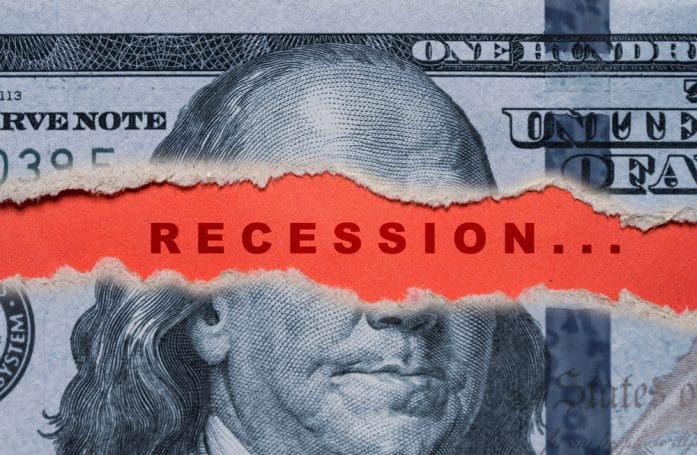
Could Your Financial Plan Withstand A Surprise Recession Beginning In December?

December 29, 2025 by Brandon Marcus Leave a Comment

Could Your Financial Plan Withstand A Surprise Recession Beginning In December?
Image Source: Shutterstock.com

The calendar flips to December, holiday lights glow, inboxes fill with end-of-year recaps—and suddenly the economic mood shifts. Markets wobble, headlines sharpen, and that quiet question creeps in: Are we actually ready for this? Recessions rarely send formal invitations, and when they arrive, they don’t care how confident last quarter felt.

The real thrill—and danger—is discovering whether your financial plan is built like a brick house or a house of cards when the wind picks up. This is where smart preparation meets financial reality.

The Warning Signs Most People Miss Until It’s Too Late

Economic downturns don’t usually explode out of nowhere; they whisper before they roar. Subtle signals like slowing job growth, tightening credit, and declining consumer confidence often appear months in advance. Many people ignore these cues because markets can still look “fine” on the surface. A solid financial plan accounts for these warning signs rather than reacting after the damage is done. Recognizing early indicators gives you time to adjust instead of panic.

Why December Recessions Hit Harder Than Expected

A recession beginning in December carries a unique psychological punch. Spending is already elevated from the holidays, credit card balances are peaking, and optimism tends to override caution. When income uncertainty suddenly enters the picture, the emotional whiplash can be intense. This timing often leaves households with less cash flexibility and more financial commitments. A resilient plan anticipates seasonal pressure instead of being blindsided by it.

Emergency Funds Are Not Optional Anymore

An emergency fund is not a “nice-to-have”; it’s the foundation of financial survival. Ideally, it should cover three to six months of essential expenses, parked somewhere safe and accessible. During a recession, layoffs and reduced hours can happen fast, and cash flow disruptions snowball quickly. Without a cushion, people are forced to rely on debt or liquidate investments at the worst possible time. A well-built emergency fund buys you calm when the world feels chaotic.

Your Investment Mix Matters More Than Your Timing

Trying to time the market during a recession is like trying to catch a falling knife while blindfolded. What actually protects you is diversification across asset classes, risk levels, and time horizons. A portfolio built solely for growth can suffer deep emotional and financial stress during downturns. On the flip side, an overly conservative strategy may fail to recover when markets rebound. Balance—not prediction—is what allows portfolios to bend without breaking.

Debt Becomes Louder When the Economy Gets Quiet

Debt behaves very differently when income feels uncertain. High-interest balances suddenly feel heavier, and minimum payments become more stressful. A recession exposes which debts are manageable and which ones quietly drain financial oxygen. Strategic debt reduction before a downturn can dramatically improve resilience. The goal isn’t perfection—it’s flexibility and control.

Could Your Financial Plan Withstand A Surprise Recession Beginning In December?
Image Source: Shutterstock.com

Job Security Is Not A Guarantee, Even In “Stable” Fields

No industry is completely recession-proof, even those that feel essential. Layoffs often start at the edges and move inward, catching confident professionals off guard. Having multiple income streams or marketable skills can make a major difference. Networking, skill development, and side income aren’t just ambition plays—they’re insurance policies. Financial plans that assume uninterrupted employment are often the most fragile.

Emotional Decision-Making Can Be The Biggest Risk

Fear causes people to abandon good plans at the worst possible moments. Selling investments at the bottom, freezing savings, or making reactionary career moves can do long-term damage. Emotional discipline is just as important as numerical strategy during downturns. A strong plan includes rules for decision-making when stress levels spike. When emotions rise, structure keeps you grounded.

Liquidity Is Power When Opportunities Appear

Recessions don’t just destroy value—they also create it. Those with liquidity can invest, acquire, or reposition while others are forced to retreat. Having accessible cash or low-risk assets gives you optionality when markets reset. This is how some people emerge from recessions stronger than before. Flexibility turns uncertainty into opportunity.

Professional Guidance Becomes More Valuable Under Pressure

Financial advice matters most when things get uncomfortable. A trusted advisor can help filter noise, stress-test your plan, and prevent costly emotional decisions. They also bring perspective that’s hard to maintain when headlines feel relentless. Even a single strategic adjustment can meaningfully change outcomes. The right guidance helps turn chaos into clarity.

A Recession Tests More Than Money

Financial stress often spills into relationships, health, and overall well-being. Money anxiety can quietly shape decisions in ways people don’t immediately recognize. Planning ahead reduces not just financial strain, but emotional fatigue. A resilient plan supports your lifestyle, your goals, and your peace of mind. True preparedness isn’t about fear—it’s about confidence.

Is Your Plan Ready For The Test?

A recession starting in December wouldn’t just test markets—it would test habits, assumptions, and preparedness. The good news is that readiness isn’t about predicting the future; it’s about building flexibility into your present. Whether the economy stumbles or surprises us, a thoughtful plan gives you options instead of panic. Take a moment to reflect on your own strategy and where it could be stronger.

Feel free to leave your thoughts, insights, or personal experiences in the comments below because your perspective might help someone else prepare.

You May Also Like…

Funding Gap: 8 Ways Rising College Costs Are Changing Mid-Life Financial Planning

Tax Horizon: 4 Year-End Moves That Could Shape Your Finances for a Decade

8 Tips for Talking With Your Partner About Health, Finances & Legacy

Tax Blindspot: 4 Deductions Many Americans Miss During December

Holiday Budget: 6 Moves That Protect Your Financial New Year


Brandon Marcus
Brandon Marcus

Brandon Marcus is a writer who has been sharing the written word since a very young age. His interests include sports, history, pop culture, and so much more. When he isn’t writing, he spends his time jogging, drinking coffee, or attempting to read a long book he may never complete.

Filed Under: Lifestyle Tagged With: Best Independent Contractor Jobs for 2023, Debt, debt payoff, December, eliminating debt, emergency fund, emergency funds, Financial plan, invest, investing, Investment, investments, job security, Life, Lifestyle, Planning, recession, Saving, savings, savings account, Smart Spending, spending

8 Of The Best Independent Contractor Jobs for 2023

December 26, 2022 by Tamila McDonald Leave a Comment

Best Independent Contractor Jobs


Whether you’re interested in breaking away from a traditional day job or are looking for a side gig to boost your income, independent contractor jobs are potentially the answer. There are a surprising number of options available, too, allowing you to find something that’s both lucrative and that suits your skills. If you aren’t sure which independent contractor jobs are worthwhile in 2023, here are eight to consider.

1. Virtual Assistant

A virtual assistant performs the same function as an office assistant, ensuring that a company owner or manager has enough administrative support. Often, primary duties include managing correspondence, overseeing calendars, conducting research, writing reports, and similar tasks.

The main difference between traditional admin assistants and virtual assistants is that the latter work entirely remotely. If you’re interested in virtual assistant jobs, you’ll typically find part-time and full-time positions are available. Additionally, many don’t require working a set schedule, though some may prefer you have availability within a specific window.

Often, all you need to get started is a computer with an internet connection. Having a productivity suit is also essential, as well as the ability to download video conferencing or other communication software.

2. Graphic Designer

Graphic design is a field that lends itself well to independent contractor work. Many professionals choose to freelance, essentially working on a series of projects for a variety of companies. Duties can vary, though many involve activities like creating logos, designing social media ads, and other graphics.

In many cases, graphic designers working as independent contractors are paid on a per-project basis. Additionally, they typically set their own rates and can handle their work at any time as long as they’re able to meet the due dates set by the company.

What you need to get started can vary. Along with the necessary technical expertise, you’ll need a computer with an internet connection and your preferred design software as a starting point. Beyond that, it may depend on the client’s needs.

3. Social Media Manager

Another option for independent contractors is social media manager. These professionals assist companies with their social media accounts, handling tasks like designing posts, updating profiles, responding to comments, answering direct messages, and more. Additionally, they may tackle some research to help boost engagement, such as looking into popular hashtags to find ones that are appropriate for each new post.

Generally, social media managers can handle most of their responsibilities at any time, though comment and direct message responses often need to take place at some point during more traditional business hours. Since there is software that lets you schedule posts in advance, you can create posts at any time and set them up to go live at the desired moment.

If you have social media savvy and access to an internet-connected computer and smartphone, that’s potentially all you need to get started. However, having a marketing background is helpful, so keep that in mind.

4. Accountant

For those with a penchant for numbers and who have (or are willing to get) the necessary education and credentials, working in accounting as an independent contractor is a solid option. You could assist with financial decisions, payroll, tax preparation, accounts payable, accounts receivable, and more. Plus, you may have the ability to work part-time, full-time, or seasonally, depending on your niche.

If you’d like to limit the amount of education required, you could consider freelancing as a bookkeeper instead. While financial know-how is still required, you might not need the same level of degree or other credentials to get started.

5. Translator

If you’re bilingual, becoming a certified translator could be a solid choice. This is another option that lets you work on a project basis, so you can arrange a part-time or full-time schedule based on what you prefer. Pricing is also usually by the project, so you can set a rate that accounts for the amount of time and effort required.

As with many independent contractor jobs, you can typically work remotely. All you need is a computer and document creation software to get started in many cases.

6. Freelance Writer

Freelance writers assist with a wide variety of projects. Some focus primarily on creating blog posts for companies, while others concentrate on website copy. There are many freelance writers who specialize in e-books, as well as those that focus on white papers, grant writing, technical documentation, and other niches.

Generally, getting started as a freelance writer requires little more than a computer with document creation software. Additionally, it’s helpful to have a portfolio of writing samples, ensuring potential clients can see what you have to offer.

When it comes to pay, freelance writers usually charge on a per-project or per-word basis. However, some prefer using an hourly rate, so that’s potentially an option, as well.

7. Housekeeper

If you prefer a more active job, working as a housekeeper is a solid choice for anyone who likes working as an independent contractor. You can focus on homes or businesses, making sure they’re cleaned on a regular schedule based on the client’s preferences.

Often, the startup costs are relatively low. Some housekeepers use cleaning supplies that they provide, while others use what’s offered by the client. You will need reliable transportation, so keep that in mind. However, you can potentially work full- or part-time, which is a bonus if you’re looking for flexibility.

8. Home Daycare Provider

If your area doesn’t have enough daycare centers to support demand in the area, starting a home daycare is a potentially good option. You’ll care for other people’s children in your home, typically beginning a little before traditional business hours and until a bit after the end of a regular workday. Pay rates are potentially quite high, and you can use local daycare rates as a guide.

If you go this route, you typically need appropriate licensing. Additionally, having certain credentials and certifications – including first aid and CPR – is often a must. Make sure to research local regulations before you begin, ensuring you’re able to meet the requirements before you get started.

Do you know of any other independent contractor jobs that people shouldn’t overlook? Have you tried any of the independent contractor jobs above and want to tell others what it was like? Share your thoughts in the comments below.

Read More:

  • Need a Side-Hustle: Here Are Some Fast Ways to Make Extra Money
  • This Is What You Should Do If You’re Laid Off
  • 7 Weird Things You Can Sell Online


Tamila McDonald
Tamila McDonald

Tamila McDonald is a U.S. Army veteran with 20 years of service, including five years as a military financial advisor. After retiring from the Army, she spent eight years as an AFCPE-certified personal financial advisor for wounded warriors and their families. Now she writes about personal finance and benefits programs for numerous financial websites.

Filed Under: Personal Finance Tagged With: accountant, Best Independent Contractor Jobs for 2023, Freelance Writer, Graphic Designer, Home Daycare Provider, Housekeeper, Social Media Manager, Translator, Virtual Assistant

FOLLOW US

Search this site:

Recent Posts

  • Can My Savings Account Affect My Financial Aid? by Tamila McDonald
  • 12 Ways Gen X’s Views Clash with Millennials… by Tamila McDonald
  • What Advantages and Disadvantages Are There To… by Jacob Sensiba
  • 10 Tactics for Building an Emergency Fund from Scratch by Vanessa Bermudez
  • Call 911: Go To the Emergency Room Immediately If… by Stephen Kanaval
  • 7 Weird Things You Can Sell Online by Tamila McDonald
  • 10 Scary Facts About DriveTime by Tamila McDonald

Copyright © 2026 · News Pro Theme on Genesis Framework