• Home
  • About Us
  • Toolkit
  • Getting Finances Done
    • Hiring Advisors
    • Debt Management
    • Spending Plan
  • Insurance
    • Life Insurance
    • Health Insurance
    • Disability Insurance
    • Homeowners/Renters Insurance
  • Contact Us
  • Privacy Policy
  • Risk Tolerance Quiz

The Free Financial Advisor

You are here: Home / Archives for debt payoff

Think Twice Before Maxing Out a 401(k) If You Carry High-Interest Debt

March 14, 2026 by Brandon Marcus Leave a Comment

Think Twice Before Maxing Out a 401(k) If You Carry High-Interest Debt

Image source: 123rf.com

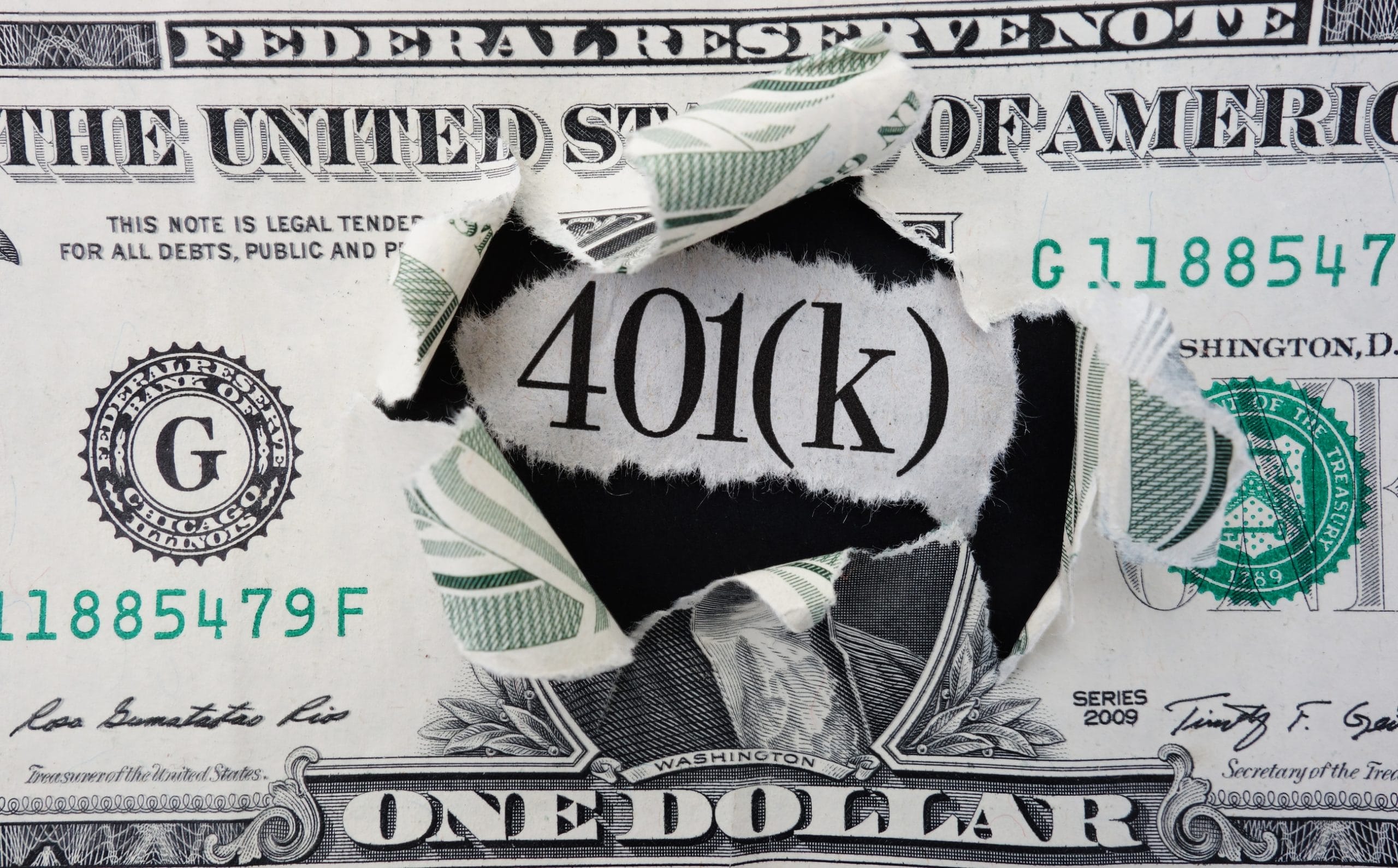
A maxed-out retirement account sounds like financial victory. Slick headlines celebrate it. Financial advice columns praise it. Friends nod approvingly when the topic comes up at dinner. Yet one stubborn financial villain can quietly wreck that victory before it even starts: high-interest debt. Credit card balances that charge 18%, 22%, or even 29% interest do not politely sit in the background while retirement savings grow. Those balances gobble up money like a vacuum cleaner on turbo mode.

Anyone juggling retirement contributions and high-interest debt needs to pause and run the numbers carefully. In many situations, paying down expensive debt first creates far more financial momentum than racing to max out a retirement account.

The Interest Rate Showdown Nobody Talks About

High-interest debt fights like a heavyweight champion in the world of personal finance. Credit cards and certain personal loans often carry interest rates that soar well into the double digits. Retirement investments rarely deliver returns that high on a consistent basis, even during strong market years. Stock market investments historically average around 7% to 10% annually over long periods after inflation, although returns vary year to year. Credit card interest, on the other hand, locks in relentlessly at far higher rates. That math creates a brutal mismatch that many people overlook while chasing retirement contribution goals.

Picture a credit card charging 22% interest while retirement investments aim for an optimistic 8% annual return. Every dollar poured into investments fights an uphill battle against that 22% interest machine. Eliminating the debt first effectively produces a guaranteed return equal to the interest rate. Paying off a balance with a 20% interest rate delivers a financial win that few investments can match without taking enormous risk. Financial planners often point out this simple comparison because the numbers speak loudly. Anyone carrying high-interest balances should treat those debts as financial emergencies rather than minor inconveniences.

Employer Match: The One Exception Worth Grabbing

Retirement plans often include one powerful perk that deserves immediate attention. Many employers offer matching contributions on 401(k) plans. That match functions like free money placed directly into retirement savings. Ignoring that benefit leaves guaranteed returns sitting on the table. Most financial experts strongly encourage workers to contribute enough to capture the full employer match before focusing aggressively on debt payoff.

Consider a common scenario where an employer matches 50% of contributions up to 6% of salary. That structure means every dollar contributed up to that level receives an immediate 50% boost. No credit card interest rate can erase the value of that instant gain. Workers should typically contribute enough to secure the full match, then direct additional money toward high-interest debt until balances shrink dramatically. This approach balances smart retirement planning with practical debt reduction. Free money deserves priority because it accelerates long-term savings without increasing risk.

The Psychological Trap of “Doing Everything at Once”

Personal finance advice often encourages people to build emergency savings, invest aggressively, and eliminate debt simultaneously. That plan sounds heroic on paper, yet reality rarely cooperates with such ambitious juggling. Splitting money across too many goals often slows progress on all of them. Credit card balances shrink painfully slowly while retirement contributions inch upward without dramatic impact. Financial momentum fades quickly when progress feels invisible.

Focusing intensely on high-interest debt can create powerful psychological momentum. Watching balances shrink each month builds confidence and motivation. That energy fuels better financial habits across the board. Once the debt disappears, the same payment amounts can shift directly into retirement contributions. Suddenly, those contributions grow much larger than before because debt payments no longer compete for the same dollars. This focused approach transforms a frustrating financial juggling act into a clear path forward.

Interest Compounds… But So Does Debt

Investment marketing loves to celebrate compound interest. Retirement accounts benefit tremendously from decades of growth. Markets reinvest gains, earnings build on previous returns, and time multiplies the effect. Yet debt compounds as well, and high-interest balances compound far more aggressively. Credit card companies charge interest on existing balances, then pile additional interest onto that growing total month after month.

A $10,000 credit card balance with a 22% interest rate can generate more than $2,000 in interest charges in a single year if payments barely cover the minimum. That money disappears into the financial void instead of building wealth. Eliminating that balance frees up cash flow immediately. Every dollar that once fueled interest payments can begin building savings or investments instead. Debt reduction often creates the fastest path toward financial breathing room because it removes the drag that slows everything else.

Cash Flow Freedom Changes the Entire Game

Debt payments quietly drain financial flexibility every month. Credit card bills, personal loan payments, and interest charges claim a slice of income before any other goals receive attention. That constant drain limits opportunities to invest, save, or pursue financial goals with enthusiasm. Removing high-interest debt dramatically reshapes monthly cash flow.

Imagine eliminating a $500 monthly credit card payment. That same $500 suddenly becomes available for retirement contributions, emergency savings, or other investments. With no interest charges attached, that money begins working for the future instead of servicing past spending. Financial freedom often begins with improving cash flow rather than maximizing investment accounts. Debt elimination delivers that improvement faster than most strategies. Once cash flow improves, retirement savings can accelerate rapidly without the heavy burden of interest payments.

Think Twice Before Maxing Out a 401(k) If You Carry High-Interest Debt

Image Source: unsplash.com

Smart Strategy Beats Financial Bragging Rights

Financial culture loves simple milestones. Maxing out a retirement account sounds impressive and often earns praise in personal finance circles. Yet smart financial planning rarely revolves around bragging rights. Strategy matters far more than flashy numbers. A person who eliminates high-interest debt before maximizing retirement contributions often ends up in a stronger financial position over time.

Financial health grows from thoughtful sequencing of priorities. Capture employer matching contributions first because that benefit offers unbeatable value. After that, attack high-interest debt with determination until balances vanish. Once those debts disappear, retirement contributions can ramp up dramatically with far less resistance. This strategy builds a stronger foundation for long-term wealth. Debt-free cash flow creates flexibility that aggressive investing alone cannot match.

Build Wealth Without Carrying Financial Anchors

Retirement savings should feel exciting, not like a frantic race against credit card statements. A clear financial path combines strategic investing with disciplined debt management. High-interest balances act like anchors that drag down financial progress no matter how hard someone paddles toward retirement goals. Cutting those anchors loose often delivers the fastest route toward genuine wealth.

Anyone juggling retirement contributions and high-interest debt should pause and evaluate the numbers carefully. Capture employer matches, attack expensive debt with intensity, and then unleash full power on retirement savings once balances disappear. That sequence builds both financial strength and peace of mind. A retirement account grows far more effectively when interest charges stop siphoning money away every month.

What strategy works best in your financial world right now: focusing on debt elimination first or racing to boost retirement contributions? Share your thoughts, strategies, or experiences in the comments section.

You May Also Like…

7 Alternative Investments That Outperformed the S&P 500 in 2025

Here’s What Your Financial Advisor Isn’t Telling You About Investing in 2026

Starting Retirement Savings at 30 With $0 — Is Catching Up Still Possible?

Is Mississippi the Cheapest Place to Retire?

7 Sun Belt Retirement Towns Seeing Significant Price Corrections

Brandon Marcus
Brandon Marcus

Brandon Marcus is a writer who has been sharing the written word since a very young age. His interests include sports, history, pop culture, and so much more. When he isn’t writing, he spends his time jogging, drinking coffee, or attempting to read a long book he may never complete.

Filed Under: Retirement Tagged With: 401(k), budgeting, credit cards, debt payoff, financial strategy, Financial Wellness, high-interest debt, investing basics, money management, Personal Finance, retirement planning, saving money

Stop Using the 50/30/20 Rule — Here’s What’s Not Working in 2026

March 3, 2026 by Brandon Marcus Leave a Comment

Stop Using the 50/30/20 Rule — Here’s What’s Not Working in 2026

Image Source: Pexels.com

The 50/30/20 rule had a good run. It felt clean, organized, and reassuring in a world that seemed manageable on a spreadsheet. Split income into needs, wants, and savings. Stay disciplined. Build wealth. Easy. But 2026 laughs at tidy pie charts.

Housing costs swallow paychecks in many cities. Grocery bills jump without warning. Insurance premiums creep up. Student loan payments restart and shift. Healthcare expenses stretch budgets thin. The neat little formula that once felt empowering now leaves too many people feeling like they failed at math instead of recognizing that the math changed.

The 50/30/20 rule, popularized by Elizabeth Warren and her daughter in the book All Your Worth, helped millions rethink spending priorities. It pushed people to cap essentials at 50 percent, enjoy 30 percent, and save 20 percent. The structure brought clarity. The simplicity made it sticky.

When “Needs” Blow Past 50 Percent

The biggest flaw in 2026 comes down to one word: housing. In many metropolitan areas across the United States, rent alone consumes 35 to 50 percent of take-home pay. Add utilities, transportation, insurance, and groceries, and that 50 percent cap on “needs” collapses before the month even starts. No one overspent on lattes. No one splurged on concert tickets. The budget just never stood a chance.

Inflation over the past several years reshaped everyday expenses. Even though inflation rates cooled compared to their peak in 2022, prices for essentials like food, rent, and auto insurance remain elevated relative to pre-2020 levels. Wages increased in some sectors, but they did not rise evenly or fast enough to match cost-of-living spikes everywhere.

When needs hit 60 or 65 percent of income, the 50/30/20 rule labels that situation as failure. That framing hurts more than it helps. A budgeting system should reflect reality, not shame it.

Instead of forcing needs into an outdated box, track fixed and variable essentials separately. Break down housing, transportation, food, and insurance line by line. Then look for strategic adjustments. Consider refinancing insurance policies. Explore roommate options. Evaluate relocation if job flexibility allows. The key involves analyzing specifics, not clinging to an arbitrary ceiling.

The 20 Percent Savings Target Feels Unrealistic for Many

Saving 20 percent of income sounds admirable. Financial planners still recommend aggressive saving rates for retirement and emergencies. The math behind compound growth supports that advice. But here’s the problem: many households cannot consistently hit 20 percent without sacrificing stability.

Emergency savings alone require three to six months of essential expenses. In high-cost areas, that fund could equal tens of thousands of dollars. Add retirement contributions, health savings accounts, and debt repayment, and the 20 percent slice often falls short of what financial security truly demands—or feels impossibly high for those juggling debt and rising expenses.

The 50/30/20 rule treats savings as one tidy bucket. Real life divides savings into layers. Emergency funds serve one purpose. Retirement investments serve another. Short-term goals like a down payment or relocation require separate strategies.

Instead of locking into 20 percent, adopt a priority ladder. First, build a starter emergency fund of at least $1,000 to cover unexpected shocks. Next, capture any employer 401(k) match, since that match delivers immediate returns. Then attack high-interest debt, especially credit cards with rates above 20 percent. After stabilizing those areas, increase retirement contributions gradually toward 15 percent or more over time. Flexibility wins.

The 30 Percent “Wants” Category Creates False Guilt

The “wants” category causes more confusion than clarity in 2026. Streaming subscriptions, gym memberships, dining out, vacations, hobbies, and tech upgrades all land here. But some expenses blur the line between need and want. Reliable internet supports remote work. A decent smartphone enables banking, job searches, and two-factor authentication. Mental health activities protect productivity and stability.

Rigidly labeling 30 percent for wants can push people into guilt spirals. Spend 32 percent on lifestyle choices, and the formula signals irresponsibility. But financial health depends on sustainability. Budgets that squeeze out all enjoyment tend to collapse.

Rather than fixating on a percentage, measure lifestyle spending against personal values and long-term goals. Track discretionary spending for three months. Identify which purchases delivered real satisfaction and which faded quickly. Then cut the low-impact expenses without apology. Keep the meaningful ones.

Stop Using the 50/30/20 Rule — Here’s What’s Not Working in 2026

Image Source: Pexels.com

Income Volatility Breaks the Formula

The 50/30/20 rule assumes stable income. That assumption no longer fits a workforce shaped by freelancing, gig platforms, contract roles, and variable bonuses. Many households manage fluctuating paychecks month to month. In those situations, percentage-based budgets tied to each paycheck feel chaotic. A high-earning month creates false confidence. A low-earning month triggers panic.

Instead, build a baseline budget around the lowest reliable monthly income. Cover fixed essentials with that number. During higher-income months, direct surplus funds toward savings buffers, debt reduction, and future tax obligations.

Freelancers and gig workers benefit from maintaining a separate tax savings account and calculating estimated quarterly taxes carefully. Irregular income demands proactive planning, not static ratios.

The Rule Ignores Debt Reality in 2026

Credit card balances remain elevated nationwide, and average interest rates exceed 20 percent in many cases. Student loan repayment structures shifted again after pandemic pauses ended. Auto loans stretch longer than ever, often reaching six or seven years.

The 50/30/20 rule does not prioritize debt strategy. It lumps debt repayment into “needs” or “savings” depending on interpretation. That ambiguity weakens its usefulness.

High-interest debt acts like a financial emergency. Paying minimums while allocating 30 percent to lifestyle spending rarely makes sense when interest compounds aggressively. A more effective framework emphasizes debt hierarchy. Pay minimums on all debts. Direct extra cash toward the highest-interest balance first. After eliminating toxic debt, reallocate those payments toward savings and investments.

Retirement Math Changed

Longer life expectancy and rising healthcare costs demand stronger retirement planning. Social Security replaces only a portion of pre-retirement income for most workers. Market volatility reminds investors that growth never moves in a straight line.

A flat 20 percent savings rule does not account for age, starting point, or goals. Someone beginning retirement savings at 22 faces a different path than someone starting at 42.

Modern financial planning requires customized projections. Use reputable retirement calculators from major brokerage firms or nonprofit financial education organizations. Factor in expected Social Security benefits based on current estimates. Adjust contributions annually.

A Better Approach for 2026: Adaptive Budgeting

So what works now? Start with a zero-based mindset. Assign every dollar a job before the month begins. Cover essentials first. Fund emergency savings. Contribute to retirement at least up to any employer match. Tackle high-interest debt aggressively. Allocate lifestyle spending intentionally, not automatically.

Review spending monthly. Adjust categories based on real data, not aspirations. Increase savings percentages gradually as income grows. During raises or bonuses, direct at least half of the increase toward financial goals before upgrading lifestyle.

Build flexibility into the system. Economic conditions shift. Personal priorities evolve. Income changes. A good budget bends without breaking.

Rewrite the Rulebook, Don’t Worship It

The 50/30/20 rule introduced millions to intentional money management, and that achievement deserves credit. But 2026 demands more nuance, more personalization, and more realism.

Rigid formulas ignore rising housing costs, volatile income streams, complex debt burdens, and evolving retirement needs. Financial stability grows from adaptability, awareness, and consistent adjustments.

What changes would make a budgeting system finally feel realistic instead of restrictive to you? Let’s talk about it in our comments below.

You May Also Like…

6 Reasons Middle-Class Budgets Are Breaking Under “Slow Inflation”

7 Budget Foods Americans Rely On That Doctors Say Create Bigger Problems Later

The Retirement Budget Trap: Why Expenses Spike Between Ages 62 and 70

10 Budget Mistakes That Create Long-Term Pressure

Why Are Everyday Essentials Taking Up More of the Budget

Brandon Marcus
Brandon Marcus

Brandon Marcus is a writer who has been sharing the written word since a very young age. His interests include sports, history, pop culture, and so much more. When he isn’t writing, he spends his time jogging, drinking coffee, or attempting to read a long book he may never complete.

Filed Under: Personal Finance Tagged With: 50/30/20 rule, Budgeting Tips, Cost of living, debt payoff, financial independence, inflation 2026, investing basics, money management, Personal Finance, Planning, saving strategies, Smart Spending

7 Reasons Credit Card Limits Drop After Paydowns — Even When You Never Miss a Payment

February 22, 2026 by Brandon Marcus 1 Comment

Here Are 7 Reasons Credit Card Limits Drop After Paydowns — Even When You Never Miss a Payment

Image Source: Unsplash.com

Credit card companies do not hand out limits as rewards for good behavior. They hand them out to manage risk and protect profit. That simple truth explains why someone can pay down a balance, celebrate financial progress, and then open an account statement to find a lower credit limit staring back.

It feels backward. You do the responsible thing, and the bank trims your access to credit. Yet credit issuers rely on complex risk models, internal policies, and market data that go far beyond whether a payment arrives on time. Understanding why limits drop after paydowns puts control back where it belongs and helps protect both a credit score and future borrowing power.

1. Issuers Watch Risk, Not Just Payment History

On-time payments matter, but they do not stand alone. Card issuers constantly monitor overall credit risk through automated systems that scan credit reports, changes in income, new debt, and broader economic conditions. A spotless payment history does not override other signals that suggest rising risk.

For example, if someone opens several new accounts in a short period or racks up high balances on other cards, an issuer might view that behavior as a warning sign. Even if the specific card in question shows lower utilization after a paydown, the full credit profile tells a bigger story. Banks rely on models that analyze debt-to-income ratios, total revolving balances, and patterns across accounts.

A smart move here involves checking credit reports regularly. Spotting new accounts, hard inquiries, or reporting errors early gives a chance to correct mistakes before they influence a lender’s decision.

2. Lower Usage Can Trigger an Algorithmic Cut

It sounds strange, but using a card less after paying it down can actually prompt a limit reduction. Credit card companies earn money from interest and interchange fees charged to merchants. When an account shows minimal activity over time, the issuer may decide that the existing credit line exceeds the customer’s needs.

Banks often review accounts for “credit line optimization,” which means they adjust limits based on usage patterns. If someone carried a high balance for months, paid it down aggressively, and then stopped using the card, the algorithm might interpret that shift as decreased demand.

Regular, modest usage can help maintain a credit line. Charging a recurring bill and paying it off in full each month keeps the account active without building debt. That pattern signals engagement and stability, which many issuers prefer.

3. Changes in Your Credit Score Matter More Than You Think

A paydown usually lowers credit utilization, which often helps a credit score. However, credit scores fluctuate for many reasons. Models such as the FICO Score weigh payment history, amounts owed, length of credit history, new credit, and credit mix.

If another factor drags the score down, an issuer might respond by lowering the limit to reduce exposure. A missed payment on a different loan, a spike in balances elsewhere, or even closing an old account can shift the score enough to trigger internal reviews.

Keeping overall utilization below 30 percent across all revolving accounts remains a widely recommended benchmark. Many financial experts suggest aiming even lower, closer to 10 percent, to signal strong credit management. Monitoring scores through free services offered by many banks helps track changes before they turn into limit cuts.

4. Income Updates Can Prompt Recalculation

Credit card applications ask for income for a reason. Issuers use that figure to evaluate repayment ability. If someone updates income with a lower number during an account review, the bank may recalculate risk and reduce the limit accordingly.

Some issuers periodically request income verification or allow updates through online portals. A drop in reported income, whether due to a job change, reduced hours, or other life events, can trigger automatic adjustments. The issuer does not need a missed payment to act.

Keeping income information accurate matters. If income rises, updating it can support requests for a higher limit. If income falls, building a stronger emergency fund and keeping balances low can offset the impact and demonstrate responsible management despite changes.

5. Broader Economic Conditions Influence Decisions

Individual behavior does not exist in a vacuum. During periods of economic uncertainty, rising unemployment, or increased default rates, banks often tighten credit across the board. They reduce limits, close dormant accounts, and scrutinize risk more aggressively.

Major financial institutions, including companies like JPMorgan Chase, regularly adjust lending standards based on economic forecasts and regulatory guidance. Even customers with excellent payment histories can face reductions when issuers seek to limit overall exposure.

Staying aware of economic trends helps set expectations. In tighter credit environments, maintaining multiple open accounts with low balances can provide flexibility. Diversifying access to credit reduces the impact if one issuer decides to scale back.

Here Are 7 Reasons Credit Card Limits Drop After Paydowns — Even When You Never Miss a Payment

Image Source: Unsplash.com

6. High Balances Elsewhere Raise Red Flags

A single card with a reduced balance might look healthy, but issuers see the entire credit picture. If total revolving debt climbs on other accounts, a bank may worry about overall repayment capacity.

Credit reports aggregate information from major bureaus such as Equifax. When a lender pulls a soft review, it can see rising balances across cards, new personal loans, or increased installment debt. That broader view shapes decisions.

Managing total debt strategically protects against surprise limit cuts. Paying down high-interest cards first, avoiding unnecessary new accounts, and spacing out major credit applications can keep the overall profile stable. Consistency across accounts sends a stronger signal than progress on a single card.

7. Internal Policy Reviews and Account Reassessment

Sometimes a limit drops simply because the issuer reevaluates its portfolio. Banks run periodic account reviews to align credit lines with internal risk thresholds. These reviews may not connect to any specific action by the customer.

For instance, a bank may decide that accounts within a certain credit score range should not exceed a particular limit. If someone’s score sits near a cutoff point, even a small dip can move the account into a different tier. The bank adjusts the line to match updated criteria.

Protecting Your Credit Power Before It Shrinks

A credit limit reduction does not automatically ruin a credit score, but it can raise utilization if balances remain the same. Higher utilization can then push scores down, which creates a frustrating cycle.

Staying ahead of that risk requires a few intentional habits. Keep overall utilization low across all cards, not just one. Use accounts regularly but pay balances in full whenever possible. Monitor credit reports for changes and errors. Update income information when it rises, and avoid stacking new credit applications in short bursts.

Credit limits reflect ongoing evaluation, not permanent approval. Staying informed, keeping balances in check, and maintaining a steady credit profile protect access to borrowing power far better than assuming loyalty alone guarantees stability.

What steps have helped maintain or increase credit limits, and did any recent changes catch you by surprise? Any credit card holders should tell us their tales in the comments.

You May Also Like…

Doing Everything Right? 7 Ways Your Credit Score Can Still Fall

Every Affirm Purchase Adds a Loan to Your Credit Report — Here’s What That Means

Why Credit Unions Are Still Generating Massive Overdraft Fee Revenue

The Credit Score That Adds $2,000/Year to Florida Homeowner’s Insurance Premiums

Why Major Banks Are Quietly Lowering Credit Limits for Customers With Holiday Debt

Brandon Marcus
Brandon Marcus

Brandon Marcus is a writer who has been sharing the written word since a very young age. His interests include sports, history, pop culture, and so much more. When he isn’t writing, he spends his time jogging, drinking coffee, or attempting to read a long book he may never complete.

Filed Under: credit cards Tagged With: budgeting, consumer finance, credit cards, credit limits, credit score, credit utilization, debt payoff, FICO score, money management, Personal Finance, Planning, revolving credit

Why Paying Only the Minimum Creates $4,200 in Interest on a $5,000 Balance

February 6, 2026 by Brandon Marcus Leave a Comment

Why Paying Only the Minimum Creates $4,200 in Interest on a $5,000 Balance

Image source: shutterstock.com

There’s a moment many people experience: you open your credit card statement, see the minimum payment, and think it’s not so bad. It feels like a tiny financial victory—like the bank is giving you a break.

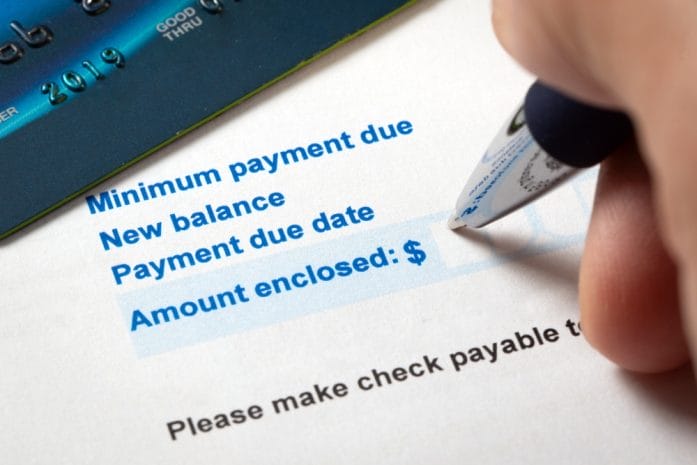
But behind that deceptively small number is a trap that quietly drains your wallet month after month. Paying only the minimum on a $5,000 balance can lead to over $4,200 in interest, turning a manageable debt into a long‑term financial burden.

Most people don’t realize how this happens until they’ve already paid far more than they borrowed. Let’s break down why minimum payments are so sneaky, how interest piles up, and what you can do to escape the cycle.

Minimum Payments Are Designed to Keep You in Debt Longer

Credit card minimum payments are usually calculated as a small percentage of your total balance—often around 1% to 3% plus interest. That means the payment barely dents the principal. When you pay only the minimum, most of your money goes toward interest, not the actual debt. This is why balances shrink painfully slowly.

Credit card companies aren’t being generous by offering low minimums; they’re ensuring the debt sticks around long enough to generate significant interest. This structure turns a $5,000 balance into a long‑term commitment, even if you never make another purchase. The math works quietly in the background, and unless you’re watching closely, it’s easy to underestimate how much interest is accumulating.

How Interest Snowballs Even When You’re Paying Every Month

Credit card interest is typically calculated using a daily rate based on the card’s annual percentage rate (APR). If your APR is, for example, 20%, that interest compounds every single day. When you only pay the minimum, the principal barely moves, so the next month’s interest is calculated on almost the same balance. This creates a snowball effect where interest keeps building on top of interest.

Even though you’re making payments, the balance doesn’t fall quickly enough to reduce the interest meaningfully. This is how a $5,000 balance can generate more than $4,200 in interest over time. It’s not because you’re doing anything wrong—it’s because the system is designed to stretch out repayment as long as possible.

Why a $5,000 Balance Can Take Years to Pay Off

If you stick to minimum payments, it can take many years to pay off a $5,000 balance. The exact timeline depends on your APR and the minimum payment formula, but it’s common for repayment to stretch well beyond a decade. During that time, interest keeps accumulating, and the total amount you pay ends up being far higher than the original balance.

This is why credit card statements now include a “minimum payment warning” showing how long repayment will take if you only pay the minimum. It’s meant to help consumers understand the long‑term cost of carrying a balance. The numbers can be shocking, but they’re accurate—and they highlight how expensive minimum payments can be.

Why Paying Only the Minimum Creates $4,200 in Interest on a $5,000 Balance

Image source: shutterstock.com

The $4,200 Interest Example: What’s Actually Happening

When a $5,000 balance generates more than $4,200 in interest, it’s because the minimum payment barely reduces the principal each month. For example, if your minimum payment is around $100, a large portion of that goes toward interest. Only a small amount—sometimes just a few dollars—reduces the actual balance.

As a result, the principal decreases slowly, and interest continues to accumulate on a high balance for a long time. Over the full repayment period, the total interest paid can exceed 80% of the original balance. This isn’t a rare scenario; it’s a common outcome for anyone who relies on minimum payments as their primary repayment strategy.

Why Minimum Payments Feel Manageable—But Cost More in the Long Run

Minimum payments are intentionally low to make debt feel manageable. They’re designed to fit easily into a monthly budget, which is why so many people rely on them. But the trade‑off is that low payments extend the life of the debt and increase the total interest paid. It’s a psychological trap: the payment feels small, so the debt feels small, even though the long‑term cost is huge.

This is why financial educators emphasize paying more than the minimum whenever possible. Even small increases—like an extra $20 or $30 a month—can significantly reduce interest and shorten repayment time.

Simple Strategies to Reduce Interest Without Overhauling Your Budget

You don’t need a massive financial overhaul to avoid paying thousands in interest. Small, consistent changes can make a big difference. One strategy is to round up your payment—if the minimum is $100, pay $150 or $200 instead. Another option is to set up automatic payments that exceed the minimum, ensuring you stay on track.

You can also target one card at a time using a focused repayment method, such as paying extra toward the highest‑interest balance. These strategies reduce the principal faster, which lowers the amount of interest charged each month. Over time, the savings add up significantly.

The Power of Paying a Little More Each Month

Paying more than the minimum doesn’t just reduce interest—it gives you control over your financial future. When you chip away at the principal, you shorten the repayment timeline and reduce the total cost of the debt. Even modest increases can save hundreds or thousands of dollars in interest.

It’s not about paying off the entire balance at once; it’s about making steady progress. The key is consistency. Once you get into the habit of paying more than the minimum, the balance starts to fall faster, and the interest becomes less overwhelming. It’s a small shift that leads to big results.

Breaking Free From the Minimum Payment Cycle

Minimum payments may seem convenient, but they come with a hidden price tag. By understanding how interest accumulates and why minimum payments keep you in debt longer, you can make smarter choices that save money over time.

What’s the biggest challenge you’ve faced when trying to pay down credit card debt? Share your experience and story in the comments.

You May Also Like…

Retail Store Credit Cards Now Charging 30% APR on Average

5 Invisible Service Charges Eating Into Your Bank Balance

The Hidden Costs of Balance Transfers You Should Know

Why “Work-Life Balance” Is a Lie for Most People

The Single Late Payment That Raises APR to 29.99% Permanently at Discover

Brandon Marcus
Brandon Marcus

Brandon Marcus is a writer who has been sharing the written word since a very young age. His interests include sports, history, pop culture, and so much more. When he isn’t writing, he spends his time jogging, drinking coffee, or attempting to read a long book he may never complete.

Filed Under: credit cards Tagged With: budgeting, consumer finance, credit card tips, credit cards, debt payoff, financial literacy, interest charges, minimum payments, money mistakes, Personal Finance, saving money

Why Do So Many People Feel Financially Stuck

January 25, 2026 by Brandon Marcus Leave a Comment

Why Do So Many People Feel Financially Stuck

Image source: shutterstock.com

Money stress has a special talent for showing up uninvited. One minute life feels manageable, and the next minute the bank balance looks like it’s playing a cruel joke. Bills stack up, goals feel far away, and even doing “everything right” somehow doesn’t seem to move the needle.

This feeling of being financially stuck isn’t rare or shameful—it’s widespread, deeply human, and rooted in forces much bigger than individual choices. To understand why it’s so common, we need to zoom out, slow down, and look at what’s really going on beneath the surface.

1. Rising Costs And Shrinking Breathing Room

For many households, the biggest culprit is simple math that no longer works. The cost of housing, groceries, healthcare, transportation, and childcare has climbed steadily over the past decades, often outpacing wage growth. Even people with steady jobs can feel like their paycheck evaporates the moment it lands. This creates a constant sense of pressure, where there’s little room to save, invest, or recover from surprises.

When every dollar already has a job, there’s no cushion for setbacks or opportunities. Over time, that tightness doesn’t just strain budgets—it drains motivation and confidence. Feeling financially stuck often starts with the exhausting reality of running faster just to stay in the same place.

2. Debt That Lingers Longer Than Expected

Debt is another heavy anchor, especially when it’s taken on early and follows people for years. Student loans, credit cards, medical bills, and auto loans can quietly shape financial lives long after the original purchase or emergency is forgotten. Interest turns small balances into stubborn obstacles that refuse to shrink. Many people make payments faithfully and still feel like they’re not making progress, which can be deeply discouraging.

Debt also limits choices, from where someone can live to which jobs they can take. The emotional weight matters too, as ongoing debt can fuel stress, guilt, and a sense of failure. That combination makes it harder to plan long-term or feel optimistic about money.

3. Income That Feels Unstable Or Inadequate

Even when expenses are controlled, income can be unpredictable or insufficient. Gig work, contract jobs, tipped positions, and variable schedules make it hard to count on a consistent monthly amount. Without reliable income, planning becomes a guessing game instead of a strategy. Raises and promotions also tend to come slowly, while costs rarely wait. For many workers, productivity has increased without a matching increase in pay, creating a gap between effort and reward.

This disconnect can make people feel powerless, as if no amount of hard work changes the outcome. Financial progress depends on income growth, and when that growth stalls, so does the sense of momentum.

4. Financial Education Gaps And Confusing Systems

Most people were never formally taught how money works beyond the basics. Budgeting, investing, taxes, credit, and insurance are often learned through trial and error. Financial systems are complex, filled with jargon, and sometimes designed in ways that benefit institutions more than individuals. This lack of clarity can lead to hesitation or avoidance, especially when mistakes feel costly.

Without clear guidance, people may miss opportunities or fall into habits that quietly hold them back. Over time, confusion turns into self-blame, even though the system itself is hard to navigate. Feeling stuck often has less to do with intelligence and more to do with missing information and support.

5. Social Pressure And Invisible Comparisons

Modern life comes with a nonstop highlight reel of other people’s spending and success. Social media, advertising, and cultural expectations can quietly redefine what feels “normal.” Vacations, new cars, home upgrades, and constant experiences start to look like basic milestones instead of luxuries.

Trying to keep up, even subconsciously, can push people into spending choices that strain their finances. At the same time, many struggles stay hidden, creating the illusion that everyone else has it figured out. That gap between perception and reality fuels frustration and embarrassment. Feeling financially stuck often worsens when people think they’re alone in it, even though they’re very much not.

6. Emotional Fatigue And Decision Overload

Money decisions are rarely just logical; they’re emotional. Constantly worrying about finances drains mental energy and focus. When every choice feels high-stakes, from grocery shopping to opening an email from a lender, exhaustion sets in. This fatigue can lead to avoidance, procrastination, or short-term fixes that don’t solve long-term problems.

Stress also makes it harder to learn new skills or think creatively about solutions. Over time, the emotional toll of money pressure can become as limiting as the financial reality itself. Feeling stuck is often the result of burnout, not laziness or lack of effort.

Why Do So Many People Feel Financially Stuck

Image source: shutterstock.com

Naming The Stuck Feeling Is The First Step

Feeling financially stuck isn’t a personal failure; it’s a signal. It reflects rising costs, lingering debt, uneven income, complex systems, and the emotional weight of navigating all of it at once. When people understand that these pressures are shared and structural, shame loosens its grip. Awareness creates space for better conversations, smarter choices, and more realistic expectations. Progress rarely comes from one dramatic move, but from small shifts paired with patience.

If this topic resonates with you, the comments section below is open for your experiences, insights, and reflections. Honest conversations are how financial stress starts losing its power.

You May Also Like…

8 Unsettling Financial Patterns That Keep Families Stuck for Generations

9 Financial Habits That Look Responsible but Feel Stressful

8 Grocery Shopping Habits That Make You Spend More Without Realizing It

6 Bad Money Habits Families Show During The Holidays

9 Budgeting Fears That Keep You Stuck

Brandon Marcus
Brandon Marcus

Brandon Marcus is a writer who has been sharing the written word since a very young age. His interests include sports, history, pop culture, and so much more. When he isn’t writing, he spends his time jogging, drinking coffee, or attempting to read a long book he may never complete.
Filed Under: Lifestyle Tagged With: Cost of living, Debt, debt payoff, eliminating debt, finance, finances, financial education, financially stuck, general finance, Income, income stream, Life, Lifestyle, Money, money habits, money issues, money problems, rising costs

10 Personal Finance Lessons People Learn the Hard Way

January 22, 2026 by Brandon Marcus Leave a Comment

These Are 10 Personal Finance Lessons People Learn the Hard Way

Image source: shutterstock.com

Money lessons rarely arrive politely. They crash into life during overdraft alerts, awkward conversations, or that sinking feeling after opening a credit card statement. Most of us don’t learn personal finance from calm instruction; we learn it from experience, stress, and a few “well, that didn’t work” moments.

The upside is that these lessons stick. They change habits, sharpen judgment, and turn past mistakes into future wisdom. Here are ten personal finance lessons people commonly learn the hard way, usually after their wallet has already taken a hit.

1. Spending More Than You Earn Always Catches Up

Living beyond your income feels manageable at first, especially when credit fills the gaps. Bills get paid, life looks normal, and the problem seems distant. Over time, though, the math becomes unavoidable. Interest compounds, balances grow, and flexibility disappears.

Many people only grasp this lesson after losing sleep over money or juggling due dates. Once learned, it often leads to tracking expenses, setting limits, and respecting the simple truth that income sets the ceiling.

2. An Emergency Fund Is Not Optional

Emergencies are rude, unpredictable, and expensive. Cars break down, jobs vanish, and medical bills appear without warning. Without savings, even small surprises can spiral into debt.

People usually learn this after relying on credit cards for emergencies and struggling to recover. A basic emergency fund provides breathing room and better choices. It turns crises into inconveniences instead of financial disasters.

3. Credit Cards Are Tools, Not Extra Income

Credit cards make spending feel painless, which is exactly the danger. Swiping now and worrying later often leads to balances that linger for years. Interest rates quietly punish unpaid balances month after month.

Many people realize this only after paying far more in interest than the original purchase cost. Used carefully, credit cards can build credit and offer protections. Used carelessly, they become very expensive loans.

4. Lifestyle Inflation Can Sabotage Raises

Earning more money feels like progress, and it is. The trap appears when spending rises just as fast. Bigger paychecks often bring bigger apartments, nicer cars, and more subscriptions.

At some point, people notice they feel just as broke as before, despite earning more. This lesson usually arrives with frustration and confusion. Keeping lifestyle inflation in check allows raises to actually improve financial security.

5. Ignoring Retirement Early Is Costly

Retirement feels far away, especially in your twenties and thirties. It’s easy to delay saving while focusing on current needs. Years later, people realize how powerful time and compound growth could have been. Catching up requires much larger contributions and sacrifices.

This lesson hits hardest when projections reveal uncomfortable gaps. Starting early, even with small amounts, dramatically reduces future stress.

6. Insurance Matters More Than It Seems

Insurance feels boring until the moment it’s desperately needed. Skipping coverage can save money short term, but the risk is enormous. Accidents, illnesses, and disasters can erase years of savings instantly.

Many people learn this lesson after paying out of pocket for something insurance would have covered. Proper coverage protects not just money, but stability and peace of mind. It’s about risk management, not optimism.

7. Not All Debt Is Created Equal

Debt often gets treated as a single category, but its impact varies widely. High-interest consumer debt drains finances quickly, while lower-interest debt can sometimes be strategic.

People often learn this after struggling to escape credit card balances while managing other obligations. Understanding interest rates and repayment terms changes priorities. It encourages attacking the most expensive debt first. This clarity can speed up financial recovery dramatically.

8. Small Purchases Add Up Faster Than Expected

Daily habits quietly shape financial outcomes. Coffee runs, delivery fees, and impulse buys seem harmless in isolation. Over months, they can consume hundreds or thousands of dollars.

Many people only notice after reviewing statements and feeling shocked by the totals. This lesson isn’t about deprivation. It’s about awareness and choosing what truly adds value.

9. Money Stress Affects Relationships

Financial problems rarely stay contained to spreadsheets. They spill into conversations, decisions, and emotional well-being. Couples and families often clash over spending, saving, and priorities.

People usually recognize this lesson after tension builds or trust erodes. Open communication and shared goals reduce conflict. Managing money together requires honesty, compromise, and patience.

These Are 10 Personal Finance Lessons People Learn the Hard Way

Image source: shutterstock.com

10. No One Cares More About Your Money Than You Do

Advice comes from everywhere, but responsibility rests with the individual. Employers, banks, and even well-meaning friends have their own interests.

Many people learn this after blindly following guidance that didn’t fit their situation. Taking ownership means learning basics, asking questions, and paying attention. Confidence grows with knowledge. Ultimately, financial control starts with personal accountability.

Turning Hard Lessons Into Lasting Wins

Personal finance mistakes can sting, but they also teach clarity and resilience. Each hard-earned lesson strengthens future decisions and builds confidence over time. Money management isn’t about perfection; it’s about progress and awareness.

Everyone’s journey includes missteps, and those stories matter. Feel free to give your thoughts or add your own experiences in the comments section below.

You May Also Like…

Risk Proaction: 5 Steps to Stress-Test Your Finances for Worst-Case Scenarios

5 Lessons Young People Should Know About Investing

7 Old-School Life Lessons Only Today’s 50-Somethings Still Remember

5 Valuable Lessons Learned From Market Crashes Historically

7 Personality Clues That Predict Divorce Before It Happens

Brandon Marcus
Brandon Marcus

Brandon Marcus is a writer who has been sharing the written word since a very young age. His interests include sports, history, pop culture, and so much more. When he isn’t writing, he spends his time jogging, drinking coffee, or attempting to read a long book he may never complete.

Filed Under: Finance Tagged With: Debt, debt payoff, eliminating debt, emergency fund, emergency funds, finance, finance lessons, financial goals, financial lessons, lessons, Life, Lifestyle, Lifestyle Inflation, Money, money anxiety, money issues, money plans, money stress, overspending, Personal Finance, purchases, Retirement, retirement accounts, retirement plan, retirement planning, retirement savings, small purchases, Smart Spending, spending

10 Money Decisions That Feel Urgent Later in Life

January 20, 2026 by Brandon Marcus Leave a Comment

These Are 10 Money Decisions That Feel Urgent Later in Life

Image source: shutterstock.com

Money has a way of turning into a silent, persistent pressure cooker. One day, you’re breezing through your twenties thinking, “I’ll deal with that later,” and the next, you’re staring at a spreadsheet and wondering why no one warned you about the little things that spiral into life-altering dilemmas.

We all make financial decisions that feel trivial at the moment, but they suddenly scream for attention decades down the line. Some of them hit like a surprise plot twist in your favorite show—except this time, it’s your bank account. Let’s dive into ten decisions you might be putting off, but that could demand urgent attention later.

1. Not Starting Retirement Savings Early

Delaying retirement savings is the classic “I’ll start tomorrow” trap. Compound interest is like a quiet superhero; it’s powerful, but only if you give it time to work. Even small contributions in your twenties can balloon into life-changing sums by your sixties, while waiting too long means you’re playing catch-up with every paycheck.

Many people underestimate how much they need for retirement, assuming Social Security or pensions will cover the gap. By the time you realize you should’ve started, the pressure to save aggressively can feel suffocating. Starting now, even modestly, gives your future self a serious advantage.

2. Ignoring Emergency Funds

Life is unpredictable, and bills don’t care about your plans. Skipping an emergency fund can turn a minor car repair, medical bill, or job loss into a full-blown crisis. Financial advisors usually recommend three to six months’ worth of living expenses, but even a small cushion is better than none. Without it, you might find yourself relying on high-interest credit cards or loans, which can snowball faster than you expect. Building a safety net gradually doesn’t hurt your present, but it pays off immensely later. Once emergencies arise, the peace of mind from having a buffer is priceless.

3. Letting Debt Go Unmanaged

Debt has a sneaky way of multiplying if ignored. Student loans, credit cards, and personal loans accumulate interest that often outpaces inflation, meaning your balance grows even as you pay. Many people put off tackling debt thinking it’s “manageable,” until it becomes a heavy anchor on everything else in life. Addressing it early allows for strategic repayment plans, potential refinancing, or consolidation, which all reduce stress down the road. Unmanaged debt can limit your choices, from buying a home to investing in your future. Facing it head-on today saves headaches, sleepless nights, and financial strain tomorrow.

4. Skipping Health Insurance Planning

Health expenses are unpredictable, but skipping or underestimating insurance is a major pitfall. Medical bills can spiral into six figures unexpectedly, particularly in later adulthood when preventive care and chronic conditions become more common. Some young adults feel invincible and avoid paying for coverage, only to discover that a serious illness or accident can wipe out savings in months. Adequate health insurance acts as a protective shield, not just for emergencies but for everyday medical maintenance. Planning now avoids the scramble and financial jeopardy that often feels urgent in midlife.

These Are 10 Money Decisions That Feel Urgent Later in Life

Image source: shutterstock.com

5. Neglecting Long-Term Care Considerations

Long-term care isn’t just for the very elderly—it’s a planning step that many overlook. Assisted living, home modifications, or in-home help can be costly, and these expenses tend to rise faster than inflation. Without preparation, families often face emotional and financial stress simultaneously. Options like long-term care insurance or dedicated savings accounts give more control and flexibility later. It might feel remote in your thirties or forties, but thinking ahead keeps your independence intact. Ignoring it can turn what could have been a smooth transition into a financial and logistical scramble.

6. Underestimating Lifestyle Inflation

Lifestyle inflation happens quietly as income rises: bigger rent, fancier cars, more frequent vacations. While rewarding yourself is natural, unchecked spending increases your baseline expenses faster than your wealth grows. Suddenly, saving or investing feels impossible because the “new normal” consumes every extra dollar. Being mindful of lifestyle inflation allows you to balance enjoyment with growth, ensuring your future self isn’t stressed over missed opportunities. Small choices today—like saving raises instead of spending them all—can compound into financial freedom later.

7. Postponing Estate Planning

No one likes thinking about death, but delaying estate planning is a costly oversight. Wills, trusts, and beneficiary designations protect loved ones and prevent legal chaos. Without a plan, assets can be tied up in court, creating delays and expenses for heirs. Estate planning also includes powers of attorney and healthcare directives, which matter far sooner than most expect. Tackling this early ensures clarity and reduces emotional strain during difficult times. Your future self—and your family—will thank you for thinking ahead.

8. Ignoring Tax-Advantaged Accounts

401(k)s, IRAs, HSAs—these aren’t just buzzwords. Tax-advantaged accounts can significantly boost wealth over decades, but ignoring them leaves money on the table. Many people focus on today’s spending and forget the exponential benefits of tax savings and compounding. Starting contributions early maximizes these accounts’ power and gives more flexibility for major life goals. Failing to use them is like leaving a bonus paycheck unclaimed every year. When you realize the opportunity cost decades later, it can feel like a wake-up call you wish you had earlier.

9. Avoiding Financial Education

Understanding basic finance isn’t glamorous, but skipping it creates a lifetime of stress. Knowing how interest works, how to invest, and how to read financial statements arms you with control and confidence. Many people make avoidable mistakes simply from ignorance—like high fees, bad investments, or missed deductions. Lifelong learning about money turns uncertainty into strategy. The earlier you start, the fewer surprises and regrets you’ll face. Knowledge compounds just like money; the sooner you invest in it, the bigger the payoff.

10. Delaying Conversations About Money With Loved Ones

Family money conversations are awkward, but postponing them can lead to misunderstandings, resentment, or missed opportunities. From inheritance plans to joint expenses or household budgeting, clear communication reduces stress. Many people wait for emergencies to bring up finances, which adds pressure and emotional strain. Early discussions establish expectations, foster cooperation, and prevent financial surprises. Talking openly might feel uncomfortable now, but it saves a lifetime of tension later.

Reflect And Engage

Money is more than numbers—it’s freedom, stress, opportunity, and sometimes, a sneaky source of regret if we ignore it. The choices we make today ripple through the decades, shaping our options, comfort, and peace of mind.

Which of these ten decisions resonates with your life most? Have you already faced some of these challenges or learned lessons the hard way? Drop your thoughts or personal stories in the comments.

You May Also Like…

Could Giving Money to Friends Be the Worst Investment Choice

Why Do People Feel Guilty Spending Money Even on Necessitiesd

9 Money Assumptions That No Longer Work in Today’s Economy

How Can Student Loans Quietly Shape Life Decisions for Decades

What Are The Worst Choices You Can Make As A New Investor?

Brandon Marcus
Brandon Marcus

Brandon Marcus is a writer who has been sharing the written word since a very young age. His interests include sports, history, pop culture, and so much more. When he isn’t writing, he spends his time jogging, drinking coffee, or attempting to read a long book he may never complete.

Filed Under: Finance Tagged With: 401(k), Debt, debt payoff, eliminating debt, emergency funds, Estate planning, financial choices, financial decisions, health insurance, healthcare costs, Life, Lifestyle, Lifestyle Inflation, Money, money choices, money decisions, money issues, Retirement, retirement account, retirement savings

Some Of Your Parents’ Financial Advice Was Smart

January 19, 2026 by Brandon Marcus Leave a Comment

Some Of Your Parents' Financial Advice Was Smart

Image source: shutterstock.com

Your parents didn’t hand you money wisdom with a neon sign or a viral TikTok soundtrack. They delivered it over dinner, during car rides, or while pointing sternly at a crumpled receipt. You rolled your eyes, sighed dramatically, and promised yourself you would do things differently.

Yet here you stand, juggling bills, dreams, and a future that costs more than anyone expected. Suddenly, those old-school rules don’t sound so dusty. They sound like survival tools with excellent timing.

1. Pay Yourself First Actually Builds Freedom

Your parents pushed saving like it ranked right up there with brushing your teeth. They insisted you stash money away before spending a single dollar on anything flashy. That habit forces discipline without drama, and it builds momentum quickly. When savings happen first, spending adapts instead of overrunning your plans.

This approach creates a cushion that turns emergencies into inconveniences rather than disasters. You gain confidence because you control your money instead of chasing it. Over time, that simple rule delivers options, and options feel a lot like freedom.

2. Avoid Debt Because It Eats Tomorrow

They warned you about debt with the seriousness of a weather alert. They knew debt steals future income and shrinks choices. When you avoid unnecessary borrowing, you keep more of your paycheck working for you. Interest doesn’t nibble at your progress or slow your plans. Debt-free living also lowers stress levels in a very real, physical way. You sleep better, decide faster, and move through life without a financial anchor dragging behind you. That peace of mind alone proves the advice earned its keep.

3. Live Below Your Means Keeps You Agile

Your parents never cared if the neighbors upgraded their cars or kitchens. They focused on spending less than they earned, year after year. That habit creates breathing room in any economy. When life throws curveballs, you pivot instead of panic. Living below your means lets you say yes to opportunities without sweating every dollar. It also keeps lifestyle inflation from hijacking your happiness. You define success on your own terms, not through price tags or social pressure.

4. An Emergency Fund Turns Chaos Into Control

They talked about rainy days like storms loomed constantly on the horizon. An emergency fund prepares you for the unexpected without drama. When your car breaks down or your job situation shifts, you act calmly. You avoid high-interest loans and desperate decisions. That fund buys time, and time lets you think clearly. You stay in control instead of reacting emotionally. Few financial tools offer such immediate and powerful protection.

5. Patience Beats Timing The Market Every Time

Your parents trusted slow growth more than flashy wins. They believed in consistency, patience, and long-term thinking. Investing steadily over time removes the pressure to predict the perfect moment. Markets rise and fall, but disciplined habits keep working. You avoid emotional decisions that often derail progress. Compound growth rewards those who stick around and stay calm. That steady approach turns patience into a surprisingly powerful strategy.

6. Needs Come Before Wants For A Reason

They separated needs from wants with ruthless clarity. Food, shelter, and stability came first, always. That structure keeps budgets realistic and goals achievable. When you handle needs upfront, wants feel more satisfying and less reckless. You enjoy treats without guilt or anxiety. This mindset also sharpens decision-making in bigger financial moments. Clear priorities prevent regret and keep progress moving forward.

7. Talk About Money Because Silence Costs More

Your parents discussed money openly, even when conversations felt awkward. Transparency builds understanding and accountability. When you talk about finances, you learn faster and avoid costly mistakes. You also normalize planning instead of fearing it. Open dialogue strengthens relationships and aligns goals. Silence breeds confusion, while conversation builds clarity. That habit alone saves more money than most people realize.

Some Of Your Parents' Financial Advice Was Smart

Image source: shutterstock.com

Old Advice, New Wins

Those lessons didn’t come wrapped in modern language, but they carried real power. They survived recessions, booms, and countless personal detours. You don’t need perfection to benefit from them, only consistency and intention. Money habits shape lives in quiet, steady ways. Take a moment to reflect on which rules stuck and which ones surprised you later.

Drop your thoughts or stories in the comments section below and keep the conversation going.

You May Also Like…

What Young People Can Teach Their Grandparents About Money

10 Things Parents Do That Accidentally Raise Financially Irresponsible Kids

Legacy Debt: 5 Family Conversations That Help Prevent Wealth From Becoming a Burden

7 Things That Must Be in Your Will to Prevent Vicious Family Fights

6 Blended-Family Will Mistakes That Can Tear Families Apart

Brandon Marcus
Brandon Marcus

Brandon Marcus is a writer who has been sharing the written word since a very young age. His interests include sports, history, pop culture, and so much more. When he isn’t writing, he spends his time jogging, drinking coffee, or attempting to read a long book he may never complete.

Filed Under: Finance Tagged With: advice tips, Debt, debt payoff, eliminating debt, emergency fund, emergency funds, Family, family finance, family financial advice, family issues, family money, finance, finances, financial advice, general finance, Money, money issues, paying off debt

Why Major Banks Are Quietly Lowering Credit Limits for Customers With ‘Holiday Debt

January 15, 2026 by Brandon Marcus Leave a Comment

Why Major Banks Are Quietly Lowering Credit Limits for Customers With 'Holiday Debt

Image Source: Shutterstock.com

The festive lights have dimmed, the last bits of wrapping paper are swept into the trash, and your bank statement lands like a snowball to the face. That’s right—holiday spending season has left millions juggling debt, and banks are taking notice. Suddenly, the credit limit that once felt like a safety net now seems more like a moving target. It’s not a coincidence. Behind the scenes, major financial institutions are quietly reviewing accounts and making adjustments, sometimes reducing credit limits without warning.

While this might feel like a punch to the gut, it’s part of a larger financial strategy that affects you, even if you’re diligent about payments. Understanding why this is happening—and how to respond—can mean the difference between a minor inconvenience and a financial headache.

How Holiday Spending Triggers Credit Limit Reductions

After the holidays, banks examine a mountain of data from countless transactions. If your account shows signs of heavy seasonal spending, it immediately flags potential risk. Think of it like a radar system: your spending patterns are tracked, analyzed, and weighed against your credit profile. The goal for banks isn’t to punish customers; it’s to protect themselves from potential losses.

High balances, late payments, and maxed-out cards all signal increased risk. In response, banks may lower your credit limit to reduce exposure. It’s a defensive move, but it can feel personal when you log in to see your available credit suddenly shrink. Customers who normally manage their accounts well can still be caught off guard if their holiday purchases were substantial.

Why Major Banks Are Quietly Lowering Credit Limits for Customers With 'Holiday Debt

Image Source: Shutterstock.com

The Psychology Behind The Banks’ Decisions

Financial institutions are not just number-crunching machines; they rely heavily on behavioral psychology. They know that consumers often overextend during festive seasons, thinking they can manage the repayment later. By lowering credit limits, banks are essentially nudging users to slow down before debt spirals. This approach also protects customers from accumulating interest that can snowball quickly. It’s a proactive tactic to curb risky borrowing behavior without making headlines.

Banks are betting that a reduced limit will encourage more responsible spending patterns. Surprisingly, this tactic can sometimes improve your credit score over time, even if it feels inconvenient in the moment.

Who Is Most Likely To Be Affected

Not every customer will see a drop in their credit limit, but certain profiles are more likely to feel the pinch. High-balance accounts, people with recent late payments, or those who carry revolving debt from holiday shopping are prime candidates. Even accounts in good standing aren’t immune if banks detect a sudden spike in spending. Newer cardholders are particularly vulnerable since banks haven’t built a long-term relationship with them.

Seasonal shopping habits are under scrutiny across the board, and no one is entirely exempt from the review process. Understanding whether you fall into these categories can help you anticipate potential changes before they hit your account.

How This Could Impact Your Credit Score

A lowered credit limit can have a ripple effect on your overall financial health. One immediate concern is credit utilization—the ratio of your debt to available credit. When a limit drops, your utilization can spike even if your balance hasn’t changed. This spike may slightly hurt your credit score, affecting your ability to secure loans or favorable interest rates. Some customers might find themselves unexpectedly close to maxing out their cards, which can increase stress and impact future borrowing.

Being aware of this connection allows you to plan smarter, such as paying down balances more aggressively or spacing out purchases. In essence, a temporary limit reduction can have longer-term implications if you don’t adjust your strategy.

Tips To Stay Ahead And Protect Your Credit

Being proactive is key when navigating post-holiday credit limit changes. First, monitor your accounts closely and track your credit utilization. Even small increases in spending can trigger alerts for banks. Paying down balances as quickly as possible signals responsible financial behavior. Consider calling your bank to discuss your options if you see a reduction—sometimes a conversation can prevent a negative impact. Avoid opening multiple new accounts immediately after the holidays, as it can look like financial desperation. Finally, plan your holiday spending for the future with a budget that anticipates repayment rather than relying on a high credit limit. Smart planning now reduces surprises later.

Why Banks Are Quietly Making These Moves

Banks rarely publicize limit reductions because transparency could prompt panic or backlash. If consumers knew limits were being lowered en masse, they might react unpredictably, such as suddenly trying to max out cards or transferring debt. Quiet adjustments allow institutions to manage risk while avoiding mass disruptions. This stealthy approach is rooted in careful data analysis and risk modeling, not malice. Banks are balancing customer behavior with regulatory expectations, ensuring they maintain profitability while minimizing defaults. While it can feel frustrating for individuals, it’s a calculated strategy that benefits the larger financial ecosystem.

It’s Time To Join The Conversation

Credit limit reductions may feel like an unwelcome holiday gift, but understanding the why and how can make them easier to handle.

Have you ever experienced a sudden drop in your credit limit after the holidays? How did you respond, and what strategies worked best to recover? Let us know your thoughts or stories in the comments below.

You May Also Like…

5 Warning Signs It’s Time To Change Banks

How Can Small Banking Errors Snowball Into Huge Losses

6 Data-Scraping Features in Online Banking

10 Warning Signs Your Banking App Was Compromised

Debt Alert: 6 Ways Holiday Spending Could Trigger a January Credit Score Crisis

Brandon Marcus
Brandon Marcus

Brandon Marcus is a writer who has been sharing the written word since a very young age. His interests include sports, history, pop culture, and so much more. When he isn’t writing, he spends his time jogging, drinking coffee, or attempting to read a long book he may never complete.

Filed Under: Banking Tagged With: bank, bank credit, bank fees, bank info, bank policy changes, banking, banking choices, banking costs, banking decisions, credit, Debt, debt payoff, eliminating debt, holiday debt, holiday spending

10 Financial Wake-Up Calls People Experience After Age 55

January 13, 2026 by Brandon Marcus Leave a Comment

These Are 10 Financial Wake-Up Calls People Experience After Age 55

Image Source: Shutterstock.com

Turning 55 can feel like stepping onto a financial rollercoaster you didn’t exactly buy a ticket for. One minute, you’re comfortably cruising through your career, and the next, a cascade of bills, taxes, and retirement worries hits like a surprise drop. Life doesn’t hand out a manual at this age, but it does offer a series of wake-up calls that can either jolt you into action or leave you scrambling.

From unexpected medical expenses to realizing your retirement savings aren’t quite what you thought, these financial alarms are loud, unavoidable, and—if you pay attention—highly motivating.

1. Retirement Savings Suddenly Look Smaller Than You Remembered

It’s a jolt when you finally sit down and do the math. All those years of socking away money in 401(k)s, IRAs, and other accounts suddenly don’t stretch as far as you imagined. Inflation has quietly chipped away at your purchasing power, and market dips may have erased gains you thought were untouchable. Many people realize they need to either work longer, invest smarter, or tighten spending.

This isn’t a panic button moment; it’s a wake-up call to take control. Reviewing your savings strategies and adjusting contributions—even at this stage—can make a huge difference. The key is to confront the numbers head-on instead of hiding from them.

2. Health Costs Start to Take a Bigger Bite

Health insurance premiums, prescription costs, and specialist visits tend to rise sharply after 55. Even people who’ve been careful with their budgets can be caught off guard by the sheer scale of medical expenses. Preventive care and early screenings become non-negotiable, but they add up. Without a solid plan, a few unexpected procedures can throw off months of financial stability. Long-term care insurance or a robust health savings account (HSA) can help, but realizing these costs is a serious wake-up call for planning. Suddenly, the question shifts from “Can I afford a vacation?” to “Can I handle an emergency hospital stay?”

3. Social Security Decisions Feel Overwhelming

At some point after 55, Social Security creeps into conversations and planning. The decisions—when to start taking benefits, how it will impact taxes, and how it interacts with retirement savings—can be more complicated than expected. Many people underestimate the long-term effects of claiming early or delaying benefits. It’s a critical moment to study options and potentially speak with a financial advisor. Understanding how Social Security works now can prevent regrets later. For many, the realization hits: timing really is everything, and small decisions now can create a huge impact in retirement.

4. Debt Suddenly Feels Heavier

Debt that seemed manageable in your 40s or early 50s can feel like a mountain as you approach retirement. Mortgage balances, credit card debt, and lingering personal loans suddenly become stress points. The closer you get to retirement, the more urgent it is to minimize these obligations. Interest payments that once seemed tolerable can consume a large portion of your budget. Many people feel a mix of guilt and motivation as they face the reality of carrying debt into the next chapter of life. Aggressive debt reduction plans or refinancing can offer a sense of relief and control.

5. Housing Plans Become Pressing

Whether you’re thinking about downsizing, relocating, or aging in place, housing becomes a financial and emotional focus after 55. The cost of maintenance, property taxes, and potential renovations can take a bigger chunk out of your budget than expected. Many realize their dream retirement home might require more saving—or compromise—than they imagined. This wake-up call forces a reckoning: your living situation affects not just comfort but financial stability. Planning early allows you to explore options like reverse mortgages or equity strategies without panic. Home is more than walls; it’s a financial cornerstone.

6. Taxes Get More Complicated

As income streams diversify through investments, side businesses, or retirement distributions, taxes become less predictable. People over 55 often discover that they may owe more than expected, especially with withdrawals from retirement accounts. Capital gains, RMDs (required minimum distributions), and changes in tax law can create surprises. Ignoring taxes until April is a risky strategy now. Smart planning—deductible contributions, tax-efficient withdrawals, or professional guidance—becomes critical. It’s a wake-up call to stop procrastinating and understand the intricacies of your financial footprint.

7. Long-Term Care Planning Isn’t Optional

The reality of needing long-term care—whether at home or in a facility—becomes real after 55. The costs are staggering, often exceeding savings for many. Without planning, a sudden health crisis can wipe out decades of careful financial preparation. Long-term care insurance or creating a dedicated fund can mitigate this risk, but most people realize too late that they should have started sooner. It’s one of the clearest wake-up calls: your health and independence may depend on proactive financial moves. Preparing for the unexpected transforms fear into strategy.

These Are 10 Financial Wake-Up Calls People Experience After Age 55

Image Source: Shutterstock.com

8. Lifestyle Inflation Becomes More Noticeable

At 55, you may have reached peak earnings, but lifestyle inflation can be stealthy. Vacations, hobbies, and daily comforts that once felt reasonable now compete with retirement savings. It’s a wake-up call to examine discretionary spending with a sharper eye. Many people realize they’ve adjusted their spending upward alongside income, leaving less room for true financial security. Conscious budgeting and thoughtful choices can help preserve the life you want without derailing your future. It’s a subtle but significant alarm that money habits matter at every age.

9. Inheritance And Estate Planning Become Real

Suddenly, questions about wills, trusts, and estate planning feel urgent. Even if you’ve never thought about these details, turning 55 often triggers a deep awareness of legacy. Without proper planning, assets may not pass on according to your wishes, and loved ones could face unnecessary stress or tax burdens. It’s a wake-up call to organize documents, designate beneficiaries, and consider estate strategies. Addressing these issues proactively is empowering. It ensures that your financial journey includes not just personal security but also care for the people you love.

10. The Urgency Of Financial Education Hits Hard

Many people realize that their knowledge of investments, taxes, and retirement planning was patchy at best. Suddenly, you’re faced with decisions that have real consequences for decades ahead. This wake-up call is about empowerment: learning how money works now can drastically improve outcomes. Seminars, books, advisors, and courses are no longer optional—they’re essential. The earlier you embrace financial literacy, the more options you preserve. After 55, understanding the rules of money isn’t just smart—it’s critical to freedom and peace of mind.

Your Thoughts And Experiences

Financial wake-up calls after 55 can feel intimidating, but they’re also a chance to take control and make intentional choices. Each challenge—whether it’s retirement planning, health costs, or estate preparation—is an opportunity to reassess, adjust, and act strategically.

Have you encountered one of these wake-up calls? How did it change the way you approach money? Your reflections and experiences can provide insight for others navigating this exciting but complex stage of life.

Drop your thoughts in the comments below and let’s spark a conversation about smart financial moves after 55.

You May Also Like…

8 Home Upgrades Seniors Are Choosing Over Moving Into Facilities

Funding Gap: 8 Ways Rising College Costs Are Changing Mid-Life Financial Planning

Why Does Retirement Feel More Expensive Than People Planned For

How a Solid Estate Plan Can Protect Your Finances

12 Capital-Gains Surprises When You Sell the Family Home After 55


Brandon Marcus
Brandon Marcus

Brandon Marcus is a writer who has been sharing the written word since a very young age. His interests include sports, history, pop culture, and so much more. When he isn’t writing, he spends his time jogging, drinking coffee, or attempting to read a long book he may never complete.

Filed Under: Finance Tagged With: bad financial habits, Debt, debt payoff, finance, finances, financial choices, financial decisions, financial wake-up calls, general finance, health costs, healthcare, healthcare costs, housing, paying off debt, Planning, retire, retiree, retirees, Retirement, retirement savings, Social Security, taxes

  • 1
  • 2
  • 3
  • 4
  • Next Page »

FOLLOW US

Search this site:

Recent Posts

  • Can My Savings Account Affect My Financial Aid? by Tamila McDonald
  • 12 Ways Gen X’s Views Clash with Millennials… by Tamila McDonald
  • What Advantages and Disadvantages Are There To… by Jacob Sensiba
  • 10 Tactics for Building an Emergency Fund from Scratch by Vanessa Bermudez
  • Call 911: Go To the Emergency Room Immediately If… by Stephen Kanaval
  • 7 Weird Things You Can Sell Online by Tamila McDonald
  • 10 Scary Facts About DriveTime by Tamila McDonald

Copyright © 2026 · News Pro Theme on Genesis Framework