• Home
  • About Us
  • Toolkit
  • Getting Finances Done
    • Hiring Advisors
    • Debt Management
    • Spending Plan
  • Insurance
    • Life Insurance
    • Health Insurance
    • Disability Insurance
    • Homeowners/Renters Insurance
  • Contact Us
  • Privacy Policy
  • Risk Tolerance Quiz

The Free Financial Advisor

You are here: Home / Archives for recession

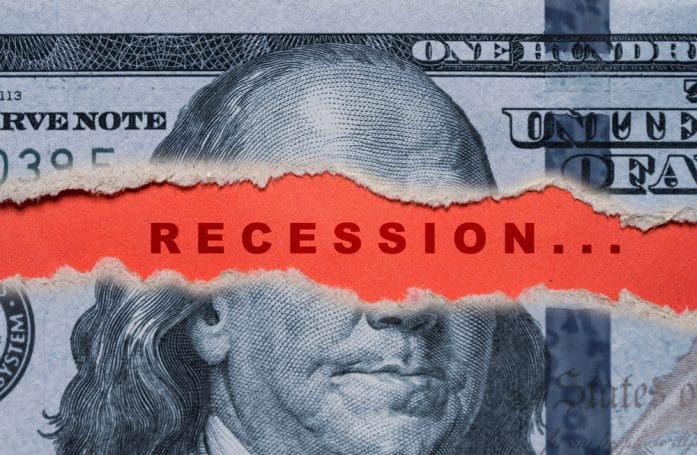
Could Your Financial Plan Withstand A Surprise Recession Beginning In December?

December 29, 2025 by Brandon Marcus Leave a Comment

Could Your Financial Plan Withstand A Surprise Recession Beginning In December?

Image Source: Shutterstock.com

The calendar flips to December, holiday lights glow, inboxes fill with end-of-year recaps—and suddenly the economic mood shifts. Markets wobble, headlines sharpen, and that quiet question creeps in: Are we actually ready for this? Recessions rarely send formal invitations, and when they arrive, they don’t care how confident last quarter felt.

The real thrill—and danger—is discovering whether your financial plan is built like a brick house or a house of cards when the wind picks up. This is where smart preparation meets financial reality.

The Warning Signs Most People Miss Until It’s Too Late

Economic downturns don’t usually explode out of nowhere; they whisper before they roar. Subtle signals like slowing job growth, tightening credit, and declining consumer confidence often appear months in advance. Many people ignore these cues because markets can still look “fine” on the surface. A solid financial plan accounts for these warning signs rather than reacting after the damage is done. Recognizing early indicators gives you time to adjust instead of panic.

Why December Recessions Hit Harder Than Expected

A recession beginning in December carries a unique psychological punch. Spending is already elevated from the holidays, credit card balances are peaking, and optimism tends to override caution. When income uncertainty suddenly enters the picture, the emotional whiplash can be intense. This timing often leaves households with less cash flexibility and more financial commitments. A resilient plan anticipates seasonal pressure instead of being blindsided by it.

Emergency Funds Are Not Optional Anymore

An emergency fund is not a “nice-to-have”; it’s the foundation of financial survival. Ideally, it should cover three to six months of essential expenses, parked somewhere safe and accessible. During a recession, layoffs and reduced hours can happen fast, and cash flow disruptions snowball quickly. Without a cushion, people are forced to rely on debt or liquidate investments at the worst possible time. A well-built emergency fund buys you calm when the world feels chaotic.

Your Investment Mix Matters More Than Your Timing

Trying to time the market during a recession is like trying to catch a falling knife while blindfolded. What actually protects you is diversification across asset classes, risk levels, and time horizons. A portfolio built solely for growth can suffer deep emotional and financial stress during downturns. On the flip side, an overly conservative strategy may fail to recover when markets rebound. Balance—not prediction—is what allows portfolios to bend without breaking.

Debt Becomes Louder When the Economy Gets Quiet

Debt behaves very differently when income feels uncertain. High-interest balances suddenly feel heavier, and minimum payments become more stressful. A recession exposes which debts are manageable and which ones quietly drain financial oxygen. Strategic debt reduction before a downturn can dramatically improve resilience. The goal isn’t perfection—it’s flexibility and control.

Could Your Financial Plan Withstand A Surprise Recession Beginning In December?

Image Source: Shutterstock.com

Job Security Is Not A Guarantee, Even In “Stable” Fields

No industry is completely recession-proof, even those that feel essential. Layoffs often start at the edges and move inward, catching confident professionals off guard. Having multiple income streams or marketable skills can make a major difference. Networking, skill development, and side income aren’t just ambition plays—they’re insurance policies. Financial plans that assume uninterrupted employment are often the most fragile.

Emotional Decision-Making Can Be The Biggest Risk

Fear causes people to abandon good plans at the worst possible moments. Selling investments at the bottom, freezing savings, or making reactionary career moves can do long-term damage. Emotional discipline is just as important as numerical strategy during downturns. A strong plan includes rules for decision-making when stress levels spike. When emotions rise, structure keeps you grounded.

Liquidity Is Power When Opportunities Appear

Recessions don’t just destroy value—they also create it. Those with liquidity can invest, acquire, or reposition while others are forced to retreat. Having accessible cash or low-risk assets gives you optionality when markets reset. This is how some people emerge from recessions stronger than before. Flexibility turns uncertainty into opportunity.

Professional Guidance Becomes More Valuable Under Pressure

Financial advice matters most when things get uncomfortable. A trusted advisor can help filter noise, stress-test your plan, and prevent costly emotional decisions. They also bring perspective that’s hard to maintain when headlines feel relentless. Even a single strategic adjustment can meaningfully change outcomes. The right guidance helps turn chaos into clarity.

A Recession Tests More Than Money

Financial stress often spills into relationships, health, and overall well-being. Money anxiety can quietly shape decisions in ways people don’t immediately recognize. Planning ahead reduces not just financial strain, but emotional fatigue. A resilient plan supports your lifestyle, your goals, and your peace of mind. True preparedness isn’t about fear—it’s about confidence.

Is Your Plan Ready For The Test?

A recession starting in December wouldn’t just test markets—it would test habits, assumptions, and preparedness. The good news is that readiness isn’t about predicting the future; it’s about building flexibility into your present. Whether the economy stumbles or surprises us, a thoughtful plan gives you options instead of panic. Take a moment to reflect on your own strategy and where it could be stronger.

Feel free to leave your thoughts, insights, or personal experiences in the comments below because your perspective might help someone else prepare.

You May Also Like…

Funding Gap: 8 Ways Rising College Costs Are Changing Mid-Life Financial Planning

Tax Horizon: 4 Year-End Moves That Could Shape Your Finances for a Decade

8 Tips for Talking With Your Partner About Health, Finances & Legacy

Tax Blindspot: 4 Deductions Many Americans Miss During December

Holiday Budget: 6 Moves That Protect Your Financial New Year


Brandon Marcus
Brandon Marcus

Brandon Marcus is a writer who has been sharing the written word since a very young age. His interests include sports, history, pop culture, and so much more. When he isn’t writing, he spends his time jogging, drinking coffee, or attempting to read a long book he may never complete.

Filed Under: Lifestyle Tagged With: Best Independent Contractor Jobs for 2023, Debt, debt payoff, December, eliminating debt, emergency fund, emergency funds, Financial plan, invest, investing, Investment, investments, job security, Life, Lifestyle, Planning, recession, Saving, savings, savings account, Smart Spending, spending

Could Rich vs. Poor Spending Habits Predict the Next Recession

August 28, 2025 by Travis Campbell Leave a Comment

spending habits

Image source: pexels.com

Economic downturns often seem to catch everyday people off guard, but some warning signs might be hiding in plain sight. One area worth exploring is how the spending habits of the rich and the poor could predict the next recession. By looking at what, how, and when different groups spend their money, we might spot trends before the headlines do. Understanding these patterns is important for anyone hoping to protect their finances or just stay informed. If you want to get ahead of economic trouble, paying attention to spending habits could be more useful than tracking stock tickers or GDP charts. Let’s break down how these habits differ and what they might be telling us about the health of our economy.

1. Spending Habits as Economic Indicators

Spending habits reflect the confidence people have in their financial future. When both high- and low-income groups start cutting back on non-essential purchases, it may suggest anxiety about what’s ahead.

For example, during uncertain times, luxury retailers often notice a dip in sales first. Meanwhile, discount stores might see a surge as people tighten their belts. These changes in spending habits can sometimes foreshadow broader economic slowdowns.

2. Rich Households: Early Warning or Outliers?

We tend to think of wealthy families as immune to recessions. However, their spending habits can sometimes shift before a recession officially begins. The rich often have more discretionary income, so when they start scaling back on big-ticket items—second homes, expensive vacations, or luxury vehicles—it can signal rising caution. These moves may point to concerns about stock market instability or corporate profits, which often precede economic downturns.

Some financial analysts even monitor high-end real estate sales and luxury goods purchases as early warning signs. When the affluent begin holding onto their cash, it’s worth wondering if they know something the rest of us don’t.

3. Poor Households: Living Paycheck to Paycheck

For lower-income families, spending habits are often shaped by necessity rather than choice. When times get tough, these households typically cut back on essentials last things like food, rent, and utilities. Non-essentials, such as entertainment or dining out, are the first to go. Because there’s less financial cushion, changes in spending among the poor can happen quickly and dramatically.

When a significant portion of the population starts missing bill payments or relying more on credit cards and payday loans, it can signal rising economic stress. These behaviors sometimes show up in economic data before unemployment numbers climb. In this way, the spending habits of poor households may offer some of the earliest signs that trouble is brewing.

4. Middle Class: The Economic Barometer

The middle class often drives overall consumer spending, so their habits are especially important. When middle-income families start reining in vacations, postponing car purchases, or switching to store brands, it can ripple across industries. These changes may start small but can add up quickly, impacting everything from retail jobs to manufacturing.

Because the middle class is sensitive to both rising costs and job insecurity, their spending habits can offer a balanced view of economic sentiment. If both rich and poor are adjusting how they spend, and the middle class follows suit, it could be a strong signal that a recession is on the horizon.

5. Tracking Big and Small Purchases

Not all spending habits are created equal. Large purchases, like homes and cars, often signal long-term confidence, while smaller, everyday expenses may reflect short-term optimism. When people delay or cancel big purchases, it can slow down entire sectors of the economy.

On the flip side, a shift toward buying in bulk or choosing generic products can indicate growing caution. Even small changes, like fewer trips to coffee shops or restaurants, add up over time. Monitoring both big and small spending habits helps paint a fuller picture of economic health.

6. The Role of Credit and Debt

How people use credit cards, loans, and other forms of debt can also reveal a lot about spending habits. In good times, people might feel comfortable taking on new debt for vacations, home improvements, or gadgets. But as financial anxiety grows, borrowing often shifts toward covering basics rather than luxuries.

A sudden increase in credit card balances or missed payments can signal that households are struggling to maintain their usual spending habits. If this trend becomes widespread, it may hint at larger economic problems just around the corner.

What Spending Habits Are Telling Us Now

So, could rich vs. poor spending habits predict the next recession? While no single indicator is perfect, watching how different groups adjust their spending habits can offer valuable clues. Right now, if you see the wealthy pausing on luxury items and more families cutting back on everyday expenses, it might be time to pay attention.

Understanding these shifts doesn’t require a degree in economics—just a willingness to notice patterns in your own community or in the news. By keeping an eye on spending habits, you can better prepare for whatever the economy throws your way. Are you noticing any changes in your own spending, or those around you? Let us know your thoughts in the comments below.

What to Read Next…

  • 8 Silent Indicators That A Recession Is Already Underway
  • 6 Trends That Suggest The Middle Class Is Dying In Suburbia
  • How Many Of These 8 Middle Class Habits Are Keeping You Poor
  • Are These 8 Money Saving Tricks Actually Keeping You Broke
  • What Are Banks Really Doing With Your Personal Spending Data
Travis Campbell
Travis Campbell

Travis Campbell is a digital marketer/developer with over 10 years of experience and a writer for over 6 years. He holds a degree in E-commerce and likes to share life advice he’s learned over the years. Travis loves spending time on the golf course or at the gym when he’s not working.

Filed Under: Spending Habits Tagged With: economic indicators, Personal Finance, recession, Spending Habits, wealth gap

6 Passive Income Offers That Disappear During Downturns

August 17, 2025 by Travis Campbell Leave a Comment

passive income

Image source: pexels.com

It’s easy to fall in love with the idea of passive income. Who wouldn’t want to earn money without clocking in every day? But when the economy hits a rough patch, not all passive income offers are as steady as they seem. Some opportunities can vanish almost overnight, leaving investors and side hustlers scrambling. Understanding which passive income offers are vulnerable during downturns is key to protecting your financial future. Let’s break down the offers most likely to disappear when times get tough—and how to spot the risks before they hit your wallet.

1. High-Yield Peer-to-Peer Lending Platforms

Peer-to-peer lending is often pitched as an easy way to generate passive income. You lend money through an online platform, borrowers pay you interest, and you collect the returns. But during economic downturns, default rates skyrocket. Suddenly, many borrowers can’t repay their loans, and platforms may tighten who can borrow—or even halt lending altogether. Some platforms have shut down or restricted withdrawals in tough times, leaving investors with losses. If you rely on passive income from peer-to-peer lending, remember: higher yields often mean higher risks, especially when the economy stumbles.

2. Short-Term Vacation Rentals

Platforms like Airbnb and Vrbo have made it easier than ever to earn passive income from short-term rentals. But when a downturn hits, travel slows. People cut back on vacations and business trips, and bookings can dry up fast. Property owners may find themselves with empty rentals and mounting expenses. In some cities, local regulations also tighten during tough times, further limiting rental opportunities. If your passive income depends on tourists, a recession can quickly turn a profitable property into a money drain.

3. Dividend Stocks with High Yields

Dividend stocks are classic passive income offers. Companies pay shareholders a portion of profits, usually every quarter. But not all dividends are created equal. Firms with high yields often operate in risky sectors or are already stretched financially. When the economy slows, these companies may slash or suspend dividends to conserve cash. Investors who counted on regular payments can be left with less income and falling stock prices. It’s important to research the stability of a company’s dividend history before relying on it for passive income, especially during downturns.

4. Crowdfunded Real Estate Investments

Crowdfunded real estate lets you invest in property projects without buying a whole building. The platforms promise passive income from rent or property appreciation. But when the economy sours, tenants may default, rents can drop, and projects might stall. Some platforms restrict withdrawals or pause distributions to investors in tough times. The passive income you expected may be delayed—or disappear entirely. Always check the fine print and understand platform risks before investing, particularly if you’re counting on steady cash flow in a downturn.

5. High-Interest Savings and Promotional Bank Accounts

Banks and fintech companies sometimes offer high-interest savings accounts or promotional rates to attract deposits. These deals sound like safe passive income, but they can vanish quickly in recessions. Financial institutions may lower rates, restrict new deposits, or end promotions early if their own profits are squeezed. If you’re relying on these offers for passive income, keep an eye on the terms and be ready to move your money if rates drop.

6. Cash-Back and Reward Credit Card Offers

Some people treat credit card cash-back and rewards as a form of passive income. While it’s true you can earn a little back on your spending, these offers are among the first to disappear in a downturn. Credit card companies may cut reward rates, impose new fees, or revoke bonuses when profits are under pressure. They may even close accounts or reduce credit limits. If you use these programs to supplement your income, know that they’re among the least reliable passive income offers during tough economic times.

Building Resilient Passive Income Streams

The truth is, not all passive income offers are built to last—especially when the economy takes a hit. If you want your passive income to survive a downturn, focus on opportunities with a track record of stability, like diversified investments or long-term rental properties in strong markets. Always read the fine print, and don’t assume that high yields or easy money will last forever. Diversifying your income sources and preparing for lean times can help you weather whatever the market throws your way.

What passive income offers have you seen disappear during downturns? Share your experiences in the comments below!

Read More

8 Subtle Illusions Used By Scammers In Investment Offers

6 Retirement Accounts That Are No Longer Considered Safe

Travis Campbell
Travis Campbell

Travis Campbell is a digital marketer/developer with over 10 years of experience and a writer for over 6 years. He holds a degree in E-commerce and likes to share life advice he’s learned over the years. Travis loves spending time on the golf course or at the gym when he’s not working.

Filed Under: passive income Tagged With: credit cards, Dividends, investing, Passive income, peer-to-peer lending, Real estate, recession

8 Silent Indicators That a Recession Is Already Underway

July 25, 2025 by Travis Campbell Leave a Comment

recession

Image Source: pexels.com

Recessions don’t always announce themselves with headlines or breaking news. Sometimes, the signs are subtle, and by the time most people notice, the economy is already in a downturn. If you’re waiting for official reports to confirm a recession, you might be too late to adjust your finances. That’s why it’s important to spot the early, quiet signals that things are changing. These silent indicators can help you make smarter decisions, protect your money, and avoid surprises. Here are eight signs that a recession could already be happening, even if no one is saying it out loud.

1. Rising Credit Card Delinquencies

When more people start missing credit card payments, it’s a red flag. This usually means households are struggling to keep up with bills. If you notice banks reporting higher delinquency rates, it’s a sign that people are running out of cash and relying on credit to get by. This can lead to tighter lending standards, making it harder for everyone to borrow money. If you’re carrying a balance, now is a good time to pay it down.

2. Layoffs in Unexpected Sectors

Job cuts in industries like tech or retail get a lot of attention. But when layoffs start happening in sectors that are usually stable—like healthcare, education, or government—it’s a bigger warning. These jobs are often considered “safe” during tough times. If you hear about layoffs in these areas, it means the slowdown is spreading. Keep an eye on local news and job boards. If your field is affected, update your resume and build your emergency fund.

3. Small Business Closures

Small businesses are often the first to feel economic pain. When you see more “For Lease” signs on Main Street or your favorite local shops closing, it’s not just bad luck. It’s a sign that people are spending less, and businesses can’t keep up with costs. This ripple effect can lead to more job losses and less money circulating in your community. Support local businesses when you can, and pay attention to changes in your neighborhood.

4. Declining Freight and Shipping Volumes

Goods have to move for the economy to grow. When companies ship less freight by truck, train, or ship, it means demand is dropping. This is one of the earliest signs that businesses are cutting back. You don’t need to be a logistics expert to notice this. Look for news about falling shipping volumes or ask people in the industry what they’re seeing.

5. Falling Used Car Prices

Used car prices can tell you a lot about the economy. When people feel confident, they buy cars. When they’re worried, demand drops, and prices fall. If you see used car lots with more inventory and lower prices, it’s a sign that buyers are pulling back. This can also mean that lenders are tightening up, making it harder to get a loan. If you’re thinking about selling or trading in your car, watch the market closely.

6. Slower Restaurant and Entertainment Spending

People cut back on eating out and entertainment when money gets tight. If you notice your favorite restaurants are less crowded or local events are being canceled, it’s not just a coincidence. Businesses in these sectors often feel the pinch first. This can lead to more layoffs and even closures. If you work in hospitality or entertainment, have a backup plan and look for ways to boost your income.

7. Stagnant or Falling Wages

When companies stop giving raises or start cutting hours, it’s a sign they’re worried about the future. Even if you keep your job, your paycheck might not go as far. This can make it harder to keep up with rising prices. If you notice your wages aren’t growing, or you hear about pay freezes, it’s time to review your budget. Look for ways to cut expenses and consider picking up extra work if you can.

8. Increase in “Help Wanted” Signs That Stay Up

It might seem like a good thing to see lots of job openings. But if those “Help Wanted” signs stay up for months, it could mean something else. Sometimes, businesses post jobs they can’t afford to fill, hoping things will improve. Or, the jobs might not pay enough to attract workers. Either way, it’s a sign that the job market isn’t as strong as it looks. If you’re job hunting, be realistic about what’s available and don’t rely on promises.

Reading the Signs: What You Can Do Now

Spotting these silent indicators early gives you a head start. You don’t have to panic, but you should take action. Review your budget, pay down debt, and build up your savings. Stay informed about what’s happening in your community and your industry. Talk to friends and family about what they’re seeing. The more you know, the better you can protect yourself. Recessions don’t last forever, but being prepared can make a big difference.

Have you noticed any of these signs in your area? Share your experiences or thoughts in the comments below.

Read More

The One Debt Relief Program That’s Now Facing Federal Scrutiny

10 Debt Payoff Plans That Work Faster Than You Think

Travis Campbell
Travis Campbell

Travis Campbell is a digital marketer/developer with over 10 years of experience and a writer for over 6 years. He holds a degree in E-commerce and likes to share life advice he’s learned over the years. Travis loves spending time on the golf course or at the gym when he’s not working.

Filed Under: Finance Tagged With: budgeting, economic indicators, job market, money management, Personal Finance, Planning, recession, Small business

Should You Really Fear A Recession Coming?

August 29, 2022 by Tamila McDonald 1 Comment


Should You Really Fear A Recession Coming

Certain economic indicators show that spending is cooling, but inflation remains a major issue in the United States. While July figures were lower than June, the 8.5 percent figure based on July data is still near record-setting. As a result, an increasing number of Americans are worried that a recession is on the horizon. However, are recession fears justified, or will various steps taken by the government, the Federal Reserve, and typical consumers stave it off? If you’re curious about whether you should really fear an upcoming recession, here’s what you need to know.

Where Recession Fears Are Coming From

First, it’s essential to understand why Americans are generally worried about a recession. One of the biggest factors is inflation. Rising costs are apparent in nearly every spending category. From food to housing – essentially across the board – prices continue to climb.

Ultimately, higher costs diminish the purchasing power of a dollar. Additionally, the odds that inflation will remain an issue – at least in the short term – are relatively high. This is particularly true since, while wages have risen during 2022, pay rates aren’t keeping pace with inflation. As a result, even larger paychecks aren’t enough to offset inflation, and many households are worse off when it comes to purchasing power regardless of their raises.

Rising interest rates are also influencing the bigger picture. When interest rates rise, it generally slows spending since borrowing money is more expensive. While this is a positive when it comes to battling inflation, it can make a recession more likely. In many cases, higher interest rates can hamper the job market and broader economy. It essentially slows everything down.

Another troubling sign involves a decline in the gross domestic product (GDP). For two straight quarters, the GDP has fallen. Often, that’s considered a classic sign of a recession, either one currently occurring or one being on the horizon, depending on the broader perspective and the influence of other potential factors.

Can You Predict a Recession?

Whether a recession is genuinely on the horizon isn’t fully clear, as it’s challenging to predict what will happen in many situations. While some of the signs and concerns above are legitimate, they aren’t enough to guarantee that a recession will or won’t happen.

One reason that current inflation and GDP figures alone aren’t enough to declare a recession is that unemployment remains incredibly low. Typically, unemployment climbs during a recession. Pervasive labor shortages in many industries are essentially keeping that indicator from developing, so that a possible red flag isn’t present.

However, a similar situation occurred in the 1970s, right before a recession. The reason it wasn’t identified earlier is that conflicting economic indicators aren’t uncommon before a recession. Some data may make it seem like various aspects of the economy are strong enough to potentially offset troubles in other areas. Whether that turns out to be true can vary.

Additionally, recession fears can spur actions that actually prompt a recession. Many economic points are influenced or directed by consumer behavior. As a result, when consumers begin broadly changing their activities within the economy in response to concerns, they can potentially create conditions that make their fears a reality.

For example, consumers reeling back spending and increasing savings could shift the United States toward a recession, depending on the degree. That move signals that consumers lack confidence. That could alter the direction of many businesses, causing them to have to rethink their strategies and earnings potential. In turn, it could reduce investor confidence, leading to a stock market downturn.

After that, you can end up with a self-perpetuating cycle. The economy begins to look weaker, increasing recession fears. As a result, consumers alter their behavior, even more, impacting business plans and investor activity. Then, that cycle repeats, often until a positive sign shifts consumer behavior in the other direction.

Are Experts Predicting a Recession?

Generally speaking, economists don’t believe that the United States is currently in a recession. However, most agree that one could undoubtedly be on the horizon, potentially within the next 12 months.

While unemployment is currently low – a point that many experts use to show why a recession may not be guaranteed – some companies are moving forward with actions that could alter that picture in response to other economic woes. Some large tech companies have instituted hiring freezes. Others organizations have already initiated some layoffs since business growth has slowed and labor costs are rising.

Overall, these are the types of actions that can alter unemployment numbers. While some are responses to a post-pandemic landscape – as certain companies flourished during that period, only to see declines at things returned to “normal” – that doesn’t mean they aren’t impacting the equation. That’s particularly true since consumer reactions to such news can influence their behavior, potentially causing the scenario they were worried about to play out.

Couple that with declining GDP and shifts in consumer spending, and many feel that a recession is likely. However, that doesn’t mean it will inherently be devastating or long-lasting.

Is a Soft Landing Possible?

While many economic indicators suggest that a recession could occur, and some experts feel that one is likely in the coming year, that doesn’t mean a massive crash is going to happen. Some experts believe that a “soft landing” is more likely. Essentially, they feel an economic decline – potentially to the point of qualifying as a recession – could occur, but that it will be a gentler downturn.

Essentially, certain economists feel that the strength of the job market and a few other positives could prevent troubled areas from having the level of impact they otherwise would if unemployment was higher. As a result, even if a recession develops, it won’t be as painful for households and businesses to weather. While that doesn’t mean it wouldn’t be difficult, it’s less challenging than if job market data was also looking poorly.

Preparing for a Possible Recession

Ultimately, it’s wise to prepare for a possible recession. However, panicking and dramatically altering your behavior isn’t necessarily ideal. Instead, using tried-and-true strategies and a metered approach can help you get ready with greater ease, all without making the kind of drastic changes that might make a recession more likely.

Generally, the first step households should take to set some money aside in savings. If you don’t have any savings, try to get $1,000 in an emergency fund, giving you a small financial cushion. Once that’s done, you can slowly work your way up to one month of expenses, followed by three months of expenses if you have the ability.

Paying down high-interest debt is also wise. Along with not adding to your debt, work to pay off as much of what you owe as possible, as that can free up room in your budget. If you’re financially stable, one great place to start is to stop using credit cards. Then, look at your next payment, and make that the default payment amount moving forward.

Minimum payments on credit cards usually decline as your balance falls. However, by paying more than the minimum, you conquer the debt faster. Plus, if you end up in financial trouble if a recession occurs, you can transition to the minimum payment at that time, which will be smaller than if you used another approach.

Another great debt-related option is paying off any debts with small balances quickly, even if the interest rates are lower. By getting rid of the debt, you have one less monthly payment to worry about if you experience financial hardship. That can also make saving up several months of expenses easier, as the total cost of your expenses is lower.

Are recession fears dragging you down? Are you taking any steps to prepare for a potential recession, or is that not an option for you? Share your thoughts in the comments below.

Read More:

  • Recession-Proofing Your Portfolio: Alternative Investment Markets to Consider
  • Is It Time to Sell All of the Stocks in My Portfolio?
  • Interesting Facts About Investing in Gold Bars


Tamila McDonald
Tamila McDonald

Tamila McDonald is a U.S. Army veteran with 20 years of service, including five years as a military financial advisor. After retiring from the Army, she spent eight years as an AFCPE-certified personal financial advisor for wounded warriors and their families. Now she writes about personal finance and benefits programs for numerous financial websites.

Filed Under: Personal Finance Tagged With: recession, recession fears

FOLLOW US

Search this site:

Recent Posts

  • Can My Savings Account Affect My Financial Aid? by Tamila McDonald
  • 12 Ways Gen X’s Views Clash with Millennials… by Tamila McDonald
  • What Advantages and Disadvantages Are There To… by Jacob Sensiba
  • 10 Tactics for Building an Emergency Fund from Scratch by Vanessa Bermudez
  • Call 911: Go To the Emergency Room Immediately If… by Stephen Kanaval
  • 7 Weird Things You Can Sell Online by Tamila McDonald
  • 10 Scary Facts About DriveTime by Tamila McDonald

Copyright © 2026 · News Pro Theme on Genesis Framework