• Home
  • About Us
  • Toolkit
  • Getting Finances Done
    • Hiring Advisors
    • Debt Management
    • Spending Plan
  • Insurance
    • Life Insurance
    • Health Insurance
    • Disability Insurance
    • Homeowners/Renters Insurance
  • Contact Us
  • Risk Tolerance Quiz
  • Our Editorial Commitment

The Free Financial Advisor

You are here: Home / Archives for Lifestyle

10 Money Decisions That Feel Urgent Later in Life

January 20, 2026 by Brandon Marcus Leave a Comment

These Are 10 Money Decisions That Feel Urgent Later in Life
Image source: shutterstock.com

Money has a way of turning into a silent, persistent pressure cooker. One day, you’re breezing through your twenties thinking, “I’ll deal with that later,” and the next, you’re staring at a spreadsheet and wondering why no one warned you about the little things that spiral into life-altering dilemmas.

We all make financial decisions that feel trivial at the moment, but they suddenly scream for attention decades down the line. Some of them hit like a surprise plot twist in your favorite show—except this time, it’s your bank account. Let’s dive into ten decisions you might be putting off, but that could demand urgent attention later.

1. Not Starting Retirement Savings Early

Delaying retirement savings is the classic “I’ll start tomorrow” trap. Compound interest is like a quiet superhero; it’s powerful, but only if you give it time to work. Even small contributions in your twenties can balloon into life-changing sums by your sixties, while waiting too long means you’re playing catch-up with every paycheck.

Many people underestimate how much they need for retirement, assuming Social Security or pensions will cover the gap. By the time you realize you should’ve started, the pressure to save aggressively can feel suffocating. Starting now, even modestly, gives your future self a serious advantage.

2. Ignoring Emergency Funds

Life is unpredictable, and bills don’t care about your plans. Skipping an emergency fund can turn a minor car repair, medical bill, or job loss into a full-blown crisis. Financial advisors usually recommend three to six months’ worth of living expenses, but even a small cushion is better than none. Without it, you might find yourself relying on high-interest credit cards or loans, which can snowball faster than you expect. Building a safety net gradually doesn’t hurt your present, but it pays off immensely later. Once emergencies arise, the peace of mind from having a buffer is priceless.

3. Letting Debt Go Unmanaged

Debt has a sneaky way of multiplying if ignored. Student loans, credit cards, and personal loans accumulate interest that often outpaces inflation, meaning your balance grows even as you pay. Many people put off tackling debt thinking it’s “manageable,” until it becomes a heavy anchor on everything else in life. Addressing it early allows for strategic repayment plans, potential refinancing, or consolidation, which all reduce stress down the road. Unmanaged debt can limit your choices, from buying a home to investing in your future. Facing it head-on today saves headaches, sleepless nights, and financial strain tomorrow.

4. Skipping Health Insurance Planning

Health expenses are unpredictable, but skipping or underestimating insurance is a major pitfall. Medical bills can spiral into six figures unexpectedly, particularly in later adulthood when preventive care and chronic conditions become more common. Some young adults feel invincible and avoid paying for coverage, only to discover that a serious illness or accident can wipe out savings in months. Adequate health insurance acts as a protective shield, not just for emergencies but for everyday medical maintenance. Planning now avoids the scramble and financial jeopardy that often feels urgent in midlife.

These Are 10 Money Decisions That Feel Urgent Later in Life
Image source: shutterstock.com

5. Neglecting Long-Term Care Considerations

Long-term care isn’t just for the very elderly—it’s a planning step that many overlook. Assisted living, home modifications, or in-home help can be costly, and these expenses tend to rise faster than inflation. Without preparation, families often face emotional and financial stress simultaneously. Options like long-term care insurance or dedicated savings accounts give more control and flexibility later. It might feel remote in your thirties or forties, but thinking ahead keeps your independence intact. Ignoring it can turn what could have been a smooth transition into a financial and logistical scramble.

6. Underestimating Lifestyle Inflation

Lifestyle inflation happens quietly as income rises: bigger rent, fancier cars, more frequent vacations. While rewarding yourself is natural, unchecked spending increases your baseline expenses faster than your wealth grows. Suddenly, saving or investing feels impossible because the “new normal” consumes every extra dollar. Being mindful of lifestyle inflation allows you to balance enjoyment with growth, ensuring your future self isn’t stressed over missed opportunities. Small choices today—like saving raises instead of spending them all—can compound into financial freedom later.

7. Postponing Estate Planning

No one likes thinking about death, but delaying estate planning is a costly oversight. Wills, trusts, and beneficiary designations protect loved ones and prevent legal chaos. Without a plan, assets can be tied up in court, creating delays and expenses for heirs. Estate planning also includes powers of attorney and healthcare directives, which matter far sooner than most expect. Tackling this early ensures clarity and reduces emotional strain during difficult times. Your future self—and your family—will thank you for thinking ahead.

8. Ignoring Tax-Advantaged Accounts

401(k)s, IRAs, HSAs—these aren’t just buzzwords. Tax-advantaged accounts can significantly boost wealth over decades, but ignoring them leaves money on the table. Many people focus on today’s spending and forget the exponential benefits of tax savings and compounding. Starting contributions early maximizes these accounts’ power and gives more flexibility for major life goals. Failing to use them is like leaving a bonus paycheck unclaimed every year. When you realize the opportunity cost decades later, it can feel like a wake-up call you wish you had earlier.

9. Avoiding Financial Education

Understanding basic finance isn’t glamorous, but skipping it creates a lifetime of stress. Knowing how interest works, how to invest, and how to read financial statements arms you with control and confidence. Many people make avoidable mistakes simply from ignorance—like high fees, bad investments, or missed deductions. Lifelong learning about money turns uncertainty into strategy. The earlier you start, the fewer surprises and regrets you’ll face. Knowledge compounds just like money; the sooner you invest in it, the bigger the payoff.

10. Delaying Conversations About Money With Loved Ones

Family money conversations are awkward, but postponing them can lead to misunderstandings, resentment, or missed opportunities. From inheritance plans to joint expenses or household budgeting, clear communication reduces stress. Many people wait for emergencies to bring up finances, which adds pressure and emotional strain. Early discussions establish expectations, foster cooperation, and prevent financial surprises. Talking openly might feel uncomfortable now, but it saves a lifetime of tension later.

Reflect And Engage

Money is more than numbers—it’s freedom, stress, opportunity, and sometimes, a sneaky source of regret if we ignore it. The choices we make today ripple through the decades, shaping our options, comfort, and peace of mind.

Which of these ten decisions resonates with your life most? Have you already faced some of these challenges or learned lessons the hard way? Drop your thoughts or personal stories in the comments.

You May Also Like…

Could Giving Money to Friends Be the Worst Investment Choice

Why Do People Feel Guilty Spending Money Even on Necessitiesd

9 Money Assumptions That No Longer Work in Today’s Economy

How Can Student Loans Quietly Shape Life Decisions for Decades

What Are The Worst Choices You Can Make As A New Investor?

Brandon Marcus
Brandon Marcus

Brandon Marcus is a writer who has been sharing the written word since a very young age. His interests include sports, history, pop culture, and so much more. When he isn’t writing, he spends his time jogging, drinking coffee, or attempting to read a long book he may never complete.


Filed Under: Finance Tagged With: 401(k), Debt, debt payoff, eliminating debt, emergency funds, Estate planning, financial choices, financial decisions, health insurance, healthcare costs, Life, Lifestyle, Lifestyle Inflation, Money, money choices, money decisions, money issues, Retirement, retirement account, retirement savings

Why Does Spending Turn A Dream Vacation Into A Nightmare?

January 20, 2026 by Brandon Marcus Leave a Comment

Why Does Spending Turn A Dream Vacation Into A Nightmare?
Image source: shutterstock.com

The moment you step off the plane into a new city, with the sun kissing your skin and the scent of adventure in the air, everything should feel perfect. That sense of freedom, excitement, and endless possibility is why we travel in the first place. But there’s a sneaky villain lurking in the shadows: spending.

One careless swipe of a credit card, one splurge on a luxury dinner, or a spontaneous tour can quietly transform your dream getaway into a wallet-draining nightmare. Suddenly, what should have been a memory-making escape becomes a source of stress, anxiety, and regret. Let’s dive into why spending can sabotage your perfect vacation and how to avoid falling into the trap.

How Impulse Purchases Steal Vacation Joy

Impulse buying is the silent dream killer. When you’re in a new city, everything feels exotic and exciting—street food, souvenirs, guided tours, quirky little shops. It’s easy to convince yourself that “this one thing” is essential, only to discover your purchases pile up faster than your memories. Impulse spending doesn’t just eat into your budget; it creates a mental weight that lingers after the trip ends. You might feel proud at first, holding a quirky hand-carved sculpture or that designer bag you couldn’t resist. But the thrill fades when you check your bank statement and realize you’ve spent more than you intended. Suddenly, your excitement is replaced with stress, guilt, and a nagging sense that you traded financial peace for momentary gratification.

The Illusion Of Luxury And Status

We often equate vacation success with luxury: five-star hotels, gourmet meals, private tours. Social media only amplifies this, showcasing glamorous snapshots that make your own experiences feel inadequate. Spending excessively to chase that illusion can turn your escape into a competitive performance, rather than a relaxing getaway. You might convince yourself that the opulent spa or $200-a-night room is a “once-in-a-lifetime” necessity. In reality, luxury purchases can inflate expectations and pressure you to maintain an unsustainable standard. Instead of enjoying the local culture, you’re constantly calculating, “Is this worth it?” The irony is that the more you chase perceived status, the further you drift from genuine relaxation and connection with your surroundings.

Hidden Costs That Multiply Quickly

Even if you plan carefully, vacations are full of hidden costs that sneak past your budget. Transportation fees, resort taxes, tipping, parking, and small daily purchases can pile up into a serious financial burden. One afternoon of casually grabbing drinks or souvenirs can turn into a night of anxious number-crunching. Hidden costs aren’t just about money—they also add stress. Worrying about overspending can affect your mood, making even scenic walks or casual sightseeing feel tense. Before you know it, the lighthearted trip you envisioned is overshadowed by mental math and financial worry. Recognizing hidden costs beforehand is crucial to keeping your vacation lighthearted and genuinely enjoyable.

Why Does Spending Turn A Dream Vacation Into A Nightmare?
Image source: shutterstock.com

How FOMO Fuels Overspending

Fear of missing out is a powerful motivator, especially when traveling. It drives tourists to overbook experiences, dine at every “must-try” restaurant, and buy every trinket that looks Instagram-worthy. While FOMO can make a vacation feel thrilling in the moment, it often leads to buyer’s remorse later. You may end up rushing from activity to activity, spending money you hadn’t planned on, and forgetting to pause and truly soak in your surroundings. FOMO also creates a mindset where relaxation takes a back seat to “maximizing experiences,” leaving you exhausted and financially strained. Balancing curiosity with mindfulness is the key to enjoying adventures without letting your wallet—or your stress levels—suffer.

Psychological Toll Of Overspending

Overspending isn’t just a financial issue—it has emotional consequences, too. Anxiety about bills waiting at home can shadow your entire vacation. Moments that should be joyful can be tainted by guilt and self-recrimination, turning your sunny beach day into a mental tug-of-war. This stress isn’t limited to the duration of your trip; it can linger long after you’ve returned, making post-vacation life feel heavier. Psychologists note that the mental load of overspending reduces your ability to enjoy experiences fully, no matter how beautiful or rare they are. The paradox is striking: you spend more to make memories, but the weight of financial stress undermines the very joy you were seeking.

Strategies To Enjoy Without Overspending

The antidote to vacation overspending is awareness and planning. Start by setting a clear budget, breaking it down by category: lodging, food, experiences, and souvenirs. Give yourself small allowances for spontaneous purchases, so you don’t feel deprived. Research local options ahead of time; sometimes hidden gems cost far less than flashy attractions. Another strategy is to prioritize experiences over objects—photographs, hikes, and street performances often leave deeper, longer-lasting memories than any purchased item. Keeping a journal or tracking expenses on the go can also prevent that creeping anxiety that comes from losing control of your finances. With these strategies, you can enjoy your dream vacation without it turning into a financial nightmare.

Keep Your Memories Rich, Not Your Stress

Vacations are meant to recharge us, expose us to new perspectives, and create stories we’ll tell for years. Overspending can hijack that experience, replacing joy with anxiety, curiosity with calculation, and relaxation with stress. By understanding the psychological traps, hidden costs, and impulsive urges that come with travel, you can make conscious choices that prioritize enjoyment over expenditure.

Now, we want to hear from you—what are your experiences with vacation spending? Have you ever found yourself regretting a splurge or discovering a money-saving hack that saved your trip?

You May Also Like…

7 Clever Ways Grandparents Save on Family Vacations

9 Lesser-Known Risks of Buying Vacation Homes

6 Ways Travel Is Quietly Transforming for Millennials and Gen Z

7 Travel Safety Tips You’ve Never Heard Before

6 Weird Costs of Owning Vacation Rentals

Brandon Marcus
Brandon Marcus

Brandon Marcus is a writer who has been sharing the written word since a very young age. His interests include sports, history, pop culture, and so much more. When he isn’t writing, he spends his time jogging, drinking coffee, or attempting to read a long book he may never complete.

Filed Under: Travel Tagged With: dream vacation, family spending, FOMO, hidden costs, Holiday, Holidays, impulse purchases, Life, Lifestyle, overspending, Smart Spending, spending, travel, traveling, traveling across country, vacation, world travel

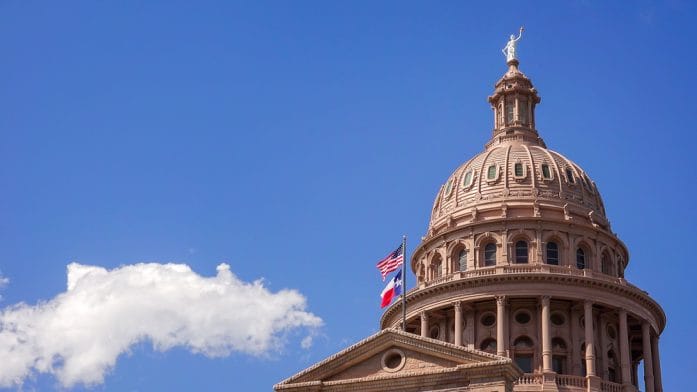
The $140,000 Oversight: The Missing Texas Tax Paperwork That Is Costing Homeowners Thousands This Week

January 18, 2026 by Brandon Marcus Leave a Comment

The $140,000 Oversight: The Missing Texas Tax Paperwork That Is Costing Homeowners Thousands This Week
Image source: shutterstock.com

Texas homeowners are learning the hard way that a missing piece of tax paperwork can cost a small fortune. This week, thousands of residents across the Lone Star State are seeing their property tax bills spike—some by as much as $140,000—thanks to a tangled web of legislation, voter-approved amendments, and administrative oversights.

For homeowners who thought they were on top of their taxes, the situation is a reminder that even in a state famous for its independence, the government is keeping a very close eye on the fine print.

How Senate Bill 4 Triggered A $140,000 Surge

Senate Bill 4, passed by the Texas Legislature, authorized a massive $140,000 hike under very specific conditions. The bill, designed to address gaps in property tax collections, gave local appraisal districts the legal authority to adjust values dramatically—but only if certain paperwork was completed. The problem? Many homeowners and even some appraisal offices failed to file or verify these critical documents on time. When SB 4 kicks in without that paperwork, the law allows for retroactive reassessments that hit taxpayers like a Texas summer heatwave. For some, this spike is not just a line item on a bill—it’s a life-changing financial event.

The legislation itself is complex but precise. It was written to close loopholes where certain high-value properties were being underreported, ensuring that municipal budgets stay intact. However, the law’s enforcement relies heavily on compliance with Texas Property Tax Code Section 11.43.

Without this step, local authorities have the green light to impose substantial back taxes. Essentially, SB 4 isn’t arbitrary—it’s a reminder of how important following the tax code down to the last form can be.

Texas Property Tax Code Section 11.43: The Audit And Re-Verify Requirement

Section 11.43 of the Texas Property Tax Code is at the heart of this week’s crisis. This provision requires an “audit and re-verify” process for high-value properties or those that have not been properly documented in previous assessments. The audit ensures that homeowners aren’t underpaying, but it also acts as a trigger for retroactive tax adjustments if the paperwork is missing or incomplete.

For homeowners, the process can feel like navigating a maze. Appraisal districts must verify every line of data and cross-check with previously submitted documents. When a piece is missing, the system interprets it as non-compliance, which can unleash substantial penalties and retroactive tax bills. The key takeaway? Even small administrative oversights can escalate quickly under Section 11.43. This is why many taxpayers who believed they were fully compliant are suddenly facing bills they never anticipated.

Voter-Approved Amendments Proposition 11 And 13: How They Play Into The Puzzle

Adding another layer of complexity are Texas Proposition 11 and Proposition 13, both constitutional amendments approved by voters. Proposition 11 deals with local taxation transparency and sets rules for how appraisal districts calculate and report values. Proposition 13 limits the rate at which property taxes can increase year over year but only under certain circumstances.

The interaction between these propositions and SB 4 is tricky. On paper, Proposition 13 should protect homeowners from drastic yearly increases. In reality, the protections only kick in when the audit and re-verify process is completed correctly. Missing paperwork effectively nullifies the ceiling provided by Proposition 13, leaving homeowners vulnerable to sudden spikes.

Proposition 11 also complicates matters because it requires additional reporting and compliance that many taxpayers overlook. The combination of these laws and amendments means that even well-intentioned homeowners can be blindsided by massive tax bills.

Why Homeowners Are Feeling The Crunch Right Now

The timing of this crisis is particularly brutal. As local appraisal offices catch up on missed filings and incomplete audits, thousands of homeowners are receiving notices this week that reflect the $140,000 adjustments. Many residents were unaware of the interplay between SB 4, Section 11.43, and the voter-approved propositions until the notice arrived in the mailbox.

Financially, the impact is staggering. Some homeowners are forced to take out emergency loans or restructure mortgages to cover unexpected taxes. Others are scrambling to provide missing documentation in the hopes of reducing their bills. The uncertainty is causing stress, confusion, and widespread frustration across Texas, highlighting how critical understanding the nuances of local tax law can be.

The $140,000 Oversight: The Missing Texas Tax Paperwork That Is Costing Homeowners Thousands This Week
Image source: shutterstock.com

How To Protect Yourself From Future Oversights

While this week’s events are shocking, they also serve as a cautionary tale. Homeowners can take proactive steps to avoid similar situations in the future. First, keeping meticulous records of all tax-related paperwork is essential. Second, staying informed about legislation like SB 4 and understanding the requirements of Section 11.43 can prevent unpleasant surprises. Finally, consulting with a tax professional who is familiar with local appraisal processes and voter-approved amendments is invaluable.

Knowledge is power, especially when it comes to property taxes. Homeowners who understand the connections between legislation, audit requirements, and constitutional amendments are far better equipped to avoid sudden spikes. It’s a complicated system, but staying organized and proactive is the best defense against unexpected bills.

Any Homeowners Out There? Tell Us What You Think

Texas homeowners are facing one of the most startling tax surprises in recent memory, and this week’s $140,000 oversight is a wake-up call for everyone.

If you’ve experienced this firsthand, or if you’ve navigated tricky tax paperwork successfully, we want to hear from you. How did your property tax situation change, and what strategies did you use to handle the challenge?

You May Also Like…

Texas Property Alert: The New 2026 Law That Allows Police to Remove Squatters in 24 Hours

Power to Choose: Exploring Wind Energy Options in Texas Electricity Market

Exploring VA Construction Loans: Transforming Homeownership Dreams in Texas

Power to Choose: Exploring Wind Energy Options in Texas Electricity Market

6 Financial Surprises That Appear After Moving States

Brandon Marcus
Brandon Marcus

Brandon Marcus is a writer who has been sharing the written word since a very young age. His interests include sports, history, pop culture, and so much more. When he isn’t writing, he spends his time jogging, drinking coffee, or attempting to read a long book he may never complete.

Filed Under: Lifestyle Tagged With: America, buying a home, buying a house, Home, homeowner advice, homeowners, homeownership, Life, Lifestyle, local laws, paperwork, Texas, Texas taxes, United States

The One Household Appliance That Will Spike Your Insurance Premiums if Discovered During Inspection

January 18, 2026 by Brandon Marcus Leave a Comment

This Is The One Household Appliance That Will Spike Your Insurance Premiums if Discovered During Inspection
Image source: shutterstock.com

Your home is your sanctuary, but what if one seemingly innocent appliance could turn your cozy haven into a red flag for insurance companies? Most people think about home insurance in terms of fire, flood, or burglary, but there’s one specific appliance that can send premiums soaring faster than a popcorn kernel in a hot pan.

It’s not a flashy new gadget, and it doesn’t beep or flash in neon lights—but insurers treat it like a ticking time bomb. Understanding why this appliance is so problematic can save you a lot of money and, more importantly, a lot of stress.

Why Insurance Companies Fear This Appliance

Insurance companies operate on risk assessment, plain and simple. They look at the likelihood that something in your home could cause a claim, and some appliances immediately raise red flags. The one appliance that consistently triggers higher premiums is the indoor wood-burning stove or fireplace insert. These devices, while cozy and charming, have a track record for fire hazards and smoke damage. Insurers worry because even a small ember that escapes or a buildup of creosote in a chimney can lead to catastrophic damage. In other words, a single moment of negligence or poor maintenance could turn a dream of a warm, crackling fire into a costly nightmare.

Beyond fire, these appliances can impact air quality, create unseen smoke damage in walls, and even void certain parts of a home insurance policy if installed incorrectly. Insurance adjusters are trained to spot these stoves, and if one is found during an inspection, they often consider it high-risk. That can translate to immediate premium hikes, expensive add-ons, or even outright refusal to cover your home until modifications are made.

Common Mistakes Homeowners Make With High-Risk Appliances

Many homeowners don’t realize just how many small errors can turn an indoor stove from a cozy feature into an insurance headache. One of the biggest mistakes is improper installation. Some homeowners try DIY projects, failing to comply with local building codes or manufacturer instructions. This alone can lead to denied claims if a fire occurs. Another common error is neglecting regular cleaning and chimney inspections. Creosote buildup is extremely flammable, and insurers see it as a ticking time bomb. Even using the wrong type of wood or overloading the stove can make your policy more expensive or even invalidate it.

Some people also install stoves in spaces that are too confined or lack proper ventilation. While it may look stylish, insurers know that confined stoves dramatically increase fire risk. Even accessories like hearth pads or protective barriers must meet code. Skipping these details is tempting for a homeowner who wants a seamless look, but insurers notice—and they react with higher premiums.

How To Legally Protect Your Premiums

If you absolutely love the ambiance of a wood-burning stove or fireplace, there are steps you can take to minimize insurance complications. First and foremost, hire a certified professional for installation. Insurers trust professionally installed units, and proper permits and inspections can make a huge difference. Regular maintenance is crucial, too. Have your chimney swept and inspected annually, and follow the manufacturer’s guidelines for wood and fuel usage. These steps don’t just protect your home—they protect your wallet.

It’s also smart to inform your insurer upfront if you plan to install one of these appliances. Transparency allows the company to properly adjust your coverage and may prevent future disputes if a claim arises. Some insurers offer discounts for certain safety measures, like carbon monoxide detectors, spark guards, or high-efficiency stoves that produce less creosote. By following code and implementing safety measures, you show your insurer that you’re mitigating the very risks that could otherwise spike your premium.

Alternative Options That Won’t Break Your Budget

If the potential premium increase feels too steep, there are creative alternatives that still give you warmth and ambiance without triggering insurance headaches. Electric or gas fireplace inserts mimic the visual appeal of a traditional stove but are far safer in the eyes of insurers. These options have a lower fire risk, don’t produce creosote, and often come with built-in safety features. Portable heaters and bioethanol fireplaces are other alternatives that provide warmth and style without major insurance implications.

Many homeowners overlook the fact that decorative stoves or fake fireplace setups can deliver the same cozy vibe for a fraction of the risk. While they won’t produce the same crackling fire experience, they provide atmosphere without jeopardizing your coverage. Insurance companies love it when risk is minimized, and these alternatives are often treated just like any other standard appliance.

This Is The One Household Appliance That Will Spike Your Insurance Premiums if Discovered During Inspection
Image source: shutterstock.com

The Bottom Line On Household Appliances And Insurance

The key takeaway is simple: not all appliances are created equal in the eyes of insurers. While a wood-burning stove can transform your living room into a scene from a rustic magazine, it can also transform your insurance bill into something much less cozy.

Being proactive, following code, and prioritizing maintenance can protect both your home and your wallet. For many homeowners, understanding the potential financial implications before installation is the smartest move. After all, a warm home isn’t worth much if it comes with a sky-high insurance premium or denied claims in the event of an accident.

Have you ever had to adjust your home insurance because of an appliance, or do you have tips for staying cozy without raising premiums? Tell us about your experiences and thoughts in the comments below. Learning from each other’s real-life stories is a great way to navigate the tricky intersection of home comfort and insurance.

You May Also Like…

These 6 Appliances Are Now Banned in Certain States—Do You Own One?

6 Dangerous Home Appliances That You’re Using Every Day

7 Costs That Sneak Up on Fixed-Income Households

7 Fine-Print Exclusions in Your Homeowner’s Policy That Could Cost You Everything

5 Reasons Boomers Are Staying Home Instead of Retiring Away

Brandon Marcus
Brandon Marcus

Brandon Marcus is a writer who has been sharing the written word since a very young age. His interests include sports, history, pop culture, and so much more. When he isn’t writing, he spends his time jogging, drinking coffee, or attempting to read a long book he may never complete.
Filed Under: Lifestyle Tagged With: appliances, Home, home and garden, home appliances, Home insurance, homeowners, homeownership, household essentials, household expenses, household finances, household items, Insurance, insurance companies, Life, Lifestyle, stove, wood-burning stove

Why Landlords Are Now Using ‘AI Scoring’ to Reject Tenants Over Age 55

January 17, 2026 by Brandon Marcus Leave a Comment

Why Landlords Are Now Using 'AI Scoring' to Reject Tenants Over Age 55
Image source: shutterstock.com

The rental market is evolving faster than anyone could have imagined, and not always in ways renters would like. Suddenly, older tenants are finding themselves on the wrong side of algorithms they didn’t even know existed. Artificial intelligence isn’t just predicting the weather or curating your playlist anymore—it’s quietly infiltrating apartment applications.

Landlords across the country are now using AI scoring systems to vet potential tenants, and for people over 55, the results can be unexpectedly harsh. At the same time, mortgage payments are climbing to dizzying heights, leaving landlords with tighter margins and more reason to rely on data-driven decision-making. The combination is creating a storm of tension in the rental market, and older renters are often caught in the eye.

Understanding AI Scoring In Rentals

AI scoring in the rental market works similarly to credit scoring, but it’s far more complex and opaque. These systems analyze a variety of factors—payment histories, employment stability, sometimes even the digital footprint of potential tenants—to assign a numerical value to an applicant. The higher the score, the more likely the tenant is deemed “low risk.” Unfortunately, older renters often fall into lower tiers, not because they are unreliable, but because their financial history or credit mix doesn’t fit the algorithm’s preferred patterns.

Landlords, who are increasingly stretched by rising mortgage costs and property taxes, are leaning on these automated scores as a shortcut to minimize risk. For tenants over 55, a lifetime of responsible renting doesn’t always translate into a favorable AI rating, making it much harder to secure housing.

The Mystery Of Rising Mortgage Payments

One of the driving forces behind this shift is the mounting pressure on landlords to cover skyrocketing mortgage payments. Across the United States, interest rates have climbed. This leaves monthly payments far higher than they were just a few years ago. In Texas, for example, 44% of mortgages are now considered “escrow burdened,” meaning the combination of taxes, insurance, and principal payments strains homeowners’ finances.

Unfortunately, this has unintended consequences for older renters who may have fixed incomes or less conventional financial histories. What seems like a simple background check is, in reality, part of a complex financial calculus landlords are forced to make to stay afloat.

Why Age Becomes A Factor

Age is not explicitly coded into most AI scoring systems, but it can appear indirectly through other variables. Retirement status, income sources, or even gaps in employment history can all signal to the algorithm that an applicant is “older” or potentially higher risk. While age discrimination is illegal, the opaque nature of AI makes it difficult for tenants to contest these decisions. Older renters may notice their applications being denied without a clear explanation, leaving them frustrated and confused.

Meanwhile, landlords see it as an efficiency tool, a way to pre-screen tenants without poring over hundreds of applications. This creates an uneven playing field where responsible older renters can be penalized simply because their financial profile doesn’t align with the AI’s preferred model.

The Human Impact Of AI Decisions

The effects of AI scoring extend beyond numbers and spreadsheets. Rejected tenants often face stress, uncertainty, and even the need to move farther from work, family, or support networks. Some landlords argue that AI scoring is simply a reflection of economic reality, a safeguard against missed rent payments in a market strained by rising costs. But for older renters, it can feel impersonal and unfair, stripping away the human judgment that used to accompany renting. Stories are emerging of seniors being denied apartments despite impeccable rental histories, leaving them feeling sidelined in a system that’s supposed to protect fairness and reliability. The tension is real: on one hand, landlords need to manage financial risk; on the other, older renters are confronting technology that seems to misunderstand their stability and reliability.

How Renters Can Respond

While AI scoring feels like an insurmountable barrier, older renters aren’t entirely powerless. Gathering a robust application portfolio, including references, a detailed rental history, and proof of income stability, can help counteract algorithmic assumptions. Some tenants are turning to co-signers or rental insurance policies to strengthen their applications. Advocacy groups are also beginning to examine AI practices in housing. They are pushing for transparency and regulation to ensure these systems don’t inadvertently discriminate.

The goal is not to eliminate AI but to create safeguards that balance landlord risk with fairness for renters of all ages. Knowledge, preparation, and persistence are key. Understanding the system and presenting yourself as a strong candidate can make a real difference in what feels like a biased environment.

Why Landlords Are Now Using 'AI Scoring' to Reject Tenants Over Age 55
Image source: shutterstock.com

Looking Ahead: AI And The Rental Market

The use of AI in renting is likely to grow. Landlords may rely even more heavily on automated scoring to navigate financial pressure, making transparency and regulation increasingly critical. For renters over 55, awareness is the first step toward mitigating potential disadvantages. Technology may be reshaping the rental market, but human ingenuity and persistence can still level the playing field. As both renters and landlords adapt, it’s becoming clear that AI is not just a tool—it’s a game-changer, one that requires vigilance, preparation, and a little strategic savvy from anyone looking to secure a home in a challenging market.

Let’s Have A Conversation About Renting

AI scoring in renting raises questions that touch all corners of the housing market, especially for older tenants navigating rising mortgage pressures and opaque algorithms. We want to hear your experiences:

Have you noticed AI affecting your rental applications? How are you adapting to the new landscape? Tell your story in the comments section below. Your insights could help others understand, navigate, and maybe even challenge these emerging trends.

You May Also Like…

13 Intriguing Ideas for Generating Passive Rental Income Streams

7 Outrageous Costs Hidden in Apartment Leases

No Backyard? No Problem! 10 Ideal Pets for Tiny Homes and Apartments

Which Sneaky Bills Have The Biggest Chance To Rise In 2026?

6 Sneaky Ways Landlords Profit From Tenants


Brandon Marcus
Brandon Marcus

Brandon Marcus is a writer who has been sharing the written word since a very young age. His interests include sports, history, pop culture, and so much more. When he isn’t writing, he spends his time jogging, drinking coffee, or attempting to read a long book he may never complete.

Filed Under: Lifestyle Tagged With: AI, AI scoring, apartment hunting, apartment leases, artificial intelligence, Landlord, landlords, Life, Lifestyle, mortgage payments, rental properties, rental property, renting an apartment, senior citizens, seniors, tenant rights, tenants

The Texas Mortgage Shock: Why Your Monthly Payment Just Jumped $400 Without Warning

January 17, 2026 by Brandon Marcus Leave a Comment

The Texas Mortgage Shock: Why Your Monthly Payment Just Jumped $400 Without Warning
Image source: shutterstock.com

You open your mailbox, shuffle through the usual stack of bills, and suddenly your eyes lock on one number: your mortgage payment. It’s $400 higher than last month. You blink, rub your eyes, maybe even double-check the envelope.

Nope. That’s not a typo. That’s real.

Welcome to the wild world of Texas mortgages in 2026, where nearly half of homeowners are facing an “escrow burden” that’s turning calm financial waters into choppy seas. How did we get here, and why is your once-predictable monthly payment now looking like a heart-stopping rollercoaster?

Understanding The Escrow Burden And Its Hidden Weight

An escrow account is supposed to be your safety net. Lenders collect extra money each month to cover property taxes and homeowners insurance, so you don’t have a giant bill once or twice a year.

Sounds reasonable, right? But in Texas, this safety net is starting to feel more like a trap. About 44% of mortgages in the state are currently “escrow burdened,” meaning homeowners are sending far more money than they expected toward taxes and insurance.

Why? Property taxes are soaring in many counties, and insurance premiums have spiked thanks to extreme weather events and rising construction costs. The result: your once-manageable mortgage is now inflated, not because your principal or interest changed, but because your lender is trying to stay ahead of the mounting bills.

It’s worth noting that escrow burdens aren’t just numbers on a statement—they’re real dollars leaving your bank account each month. And they often come as a surprise because lenders typically review escrow accounts once a year. If taxes or insurance went up dramatically in the past year, your monthly payment could suddenly jump without any warning. That $400 spike? That could be a combination of both tax reassessments and insurance hikes, landing all at once.

Why Texas Homeowners Are Feeling The Heat

Texas has long been known for affordable housing compared to other states, but affordability is starting to erode. Property values have risen steadily, which in theory is great for homeowners…until your property taxes rise with them. Counties are under pressure to fund schools, roads, and emergency services, and the easiest solution is often to raise taxes. Combine that with insurance rates climbing after hurricanes, hailstorms, and wildfires, and suddenly the “extra” in your escrow account is anything but extra.

For many homeowners, these jumps are shocking because they weren’t budgeting for them. Monthly payments that were once $1,800 or $2,000 can quickly climb to $2,200 or $2,300, forcing families to adjust their spending. That latte habit? Gone. Weekend trips? On hold. Even bills that seem fixed—utilities, groceries—start to feel like tightrope walking when your mortgage swells overnight. The stress is real, and it’s hitting a large portion of the Texas population right in the wallet.

How Lenders Calculate Your Escrow And Why It Changes

Lenders have a methodical way of figuring out escrow: they estimate annual taxes and insurance premiums, divide that total by 12, and add it to your monthly mortgage payment. Sounds simple, but it’s only as accurate as the numbers they have. When property taxes are reassessed or insurance premiums spike mid-year, the lender adjusts your escrow contribution to keep up. Those adjustments are legal, routine, and often automatic—but they rarely come with a drumroll announcement.

What’s tricky is that homeowners don’t always get a clear explanation. You might see “escrow adjustment” on your statement without context. Did your county raise your taxes? Did your insurer hike rates? Or maybe both? That’s why reading the breakdown of your mortgage statement is more important than ever. Understanding where every dollar is going can turn confusion into clarity and prevent future shocks.

Steps You Can Take To Avoid Future Escrow Surprises

Even if you’re already facing a $400 jump, there are ways to manage the situation and protect yourself from more surprises. Start by reviewing your escrow account annually. Check property tax assessments, compare insurance premiums, and ask your lender for a detailed breakdown of your monthly contribution.

Another strategy is to consider paying taxes and insurance directly, instead of rolling them into your mortgage. This approach gives you more control over timing and budgeting, though it requires discipline. Refinancing your mortgage could also help, especially if interest rates have dropped since you first bought your home. Finally, local homeowner associations or county tax offices can sometimes provide payment plans for taxes, helping spread the cost over time rather than letting it hit all at once. Knowledge and proactive management are your best defenses against the unexpected.

The Texas Mortgage Shock: Why Your Monthly Payment Just Jumped $400 Without Warning
Image source: shutterstock.com

The Human Side Of The Mortgage Shock

Numbers tell one story, but the human side tells another. Homeowners are juggling skyrocketing monthly bills, family budgets, and the emotional strain of feeling blindsided. Some are cutting back on daily comforts, others are working overtime, and some are even questioning whether they can stay in their homes long-term. Financial stress can ripple into every corner of life, from sleep patterns to personal relationships, making a $400 spike more than just a math problem—it becomes a lived reality that affects health and happiness.

It’s also fueling conversations around financial literacy and transparency. People are asking questions they never thought they’d need to: How exactly does escrow work? What triggers these sudden jumps? Can I appeal my property tax assessment? These discussions are crucial because they put power back into homeowners’ hands and reduce the sense of helplessness that comes with a sudden payment increase.

Join The Talk About Texas

The Texas mortgage shock is real, it’s stressful, and it’s affecting nearly half of homeowners in the state. Understanding the escrow burden and its causes is the first step toward taking control of your finances and reducing surprise increases. Whether you’re navigating a $400 jump or just curious about why payments are rising statewide, talking about it helps.

We want to hear your thoughts and experiences with mortgage surprises—what’s your story? How are you handling these unexpected changes in your budget? Comment below and let’s get the conversation started.

You May Also Like…

Texas Property Alert: The New 2026 Law That Allows Police to Remove Squatters in 24 Hours

Power to Choose: Exploring Wind Energy Options in Texas Electricity Market

Why a Mortgage & Protection Network Matters in Today’s Advice Market

7 Hidden Signs You Should Refinance Your Mortgage Right Now

7 Home Mortgage Loopholes Older Homeowners Should Know Before Refinancing


Brandon Marcus
Brandon Marcus

Brandon Marcus is a writer who has been sharing the written word since a very young age. His interests include sports, history, pop culture, and so much more. When he isn’t writing, he spends his time jogging, drinking coffee, or attempting to read a long book he may never complete.

Filed Under: Lifestyle Tagged With: buying a home, buying a house, escrow, Home, homeowner, homeownership, lenders, Life, Lifestyle, mortgage, Mortgage payment, mortgage shock, Real estate, Texas, Texas mortgage, Texas property, Texas real estate

The Florida Premium Spike: Why Your ‘Affordable’ Health Plan Just Quadrupled in Cost Overnight

January 16, 2026 by Brandon Marcus Leave a Comment

The Florida Premium Spike: Why Your 'Affordable' Health Plan Just Quadrupled in Cost Overnight
Image source: shutterstock.com

The bill arrived like a thunderclap on a sunny afternoon. One day, your Florida health plan felt manageable, even responsible. The next, the premium looked like it belonged to a luxury sports car lease instead of a routine monthly expense. Phones lit up, inboxes flooded, and dinner conversations turned into financial post-mortems.

This wasn’t a slow creep or an annual nudge upward; it felt instant, dramatic, and deeply personal. Welcome to Florida’s premium spike, where “affordable” suddenly became a loaded word.

How Florida Became Ground Zero For Premium Shock

Florida has long been a unique beast in the health insurance world, and not always in a good way. The state relies heavily on the Affordable Care Act marketplace, yet it also has one of the highest percentages of residents paying full price for coverage. Insurers in Florida face a population that skews older, has higher rates of chronic illness, and uses more health services than many other states.

That combination alone pushes premiums upward before any policy changes even enter the conversation. When insurers recalculate risk each year, Florida often lands on the expensive end of the spectrum. The result is a market where even small shifts can produce jaw-dropping numbers.

The Subsidy Cliff That Turns A Hill Into A Canyon

For many Floridians, the real shock comes from losing financial help rather than from insurers raising base prices alone. Premium tax credits are income-based, and even modest income changes can sharply reduce or eliminate them. A raise, a side gig that did well, or a spouse returning to work can quietly push a household over a subsidy threshold.

When that happens, the government contribution shrinks or disappears, revealing the plan’s full, unsubsidized cost. What felt like a four-figure annual plan can instantly become a five-figure one. To the consumer, it looks like the plan quadrupled overnight, even though the underlying price was always there, hiding behind subsidies.

Insurer Repricing And Plan Restructuring Shake The Table

Insurance companies don’t just tweak prices; they also redesign plans from the ground up. Networks change, deductibles move, and cost-sharing formulas get reshuffled. In Florida, several insurers have responded to rising medical costs by repricing aggressively or exiting certain counties altogether. Less competition almost always means higher premiums for the plans that remain.

Even staying with the “same” insurer doesn’t guarantee stability, because that plan may no longer exist in its previous form. When consumers are auto-enrolled into a similar but more expensive option, the increase can feel sudden and unfair, even though it followed industry rules.

Age, Location, And Health Costs Quietly Pile On

Health insurance pricing is deeply personal, even if it doesn’t feel that way. Age plays a major role, and premiums are legally allowed to increase significantly as policyholders get older. Florida’s county-by-county pricing adds another twist, since local hospital costs and provider pricing vary widely. A move across county lines can change a premium more than switching cars or cell phone plans ever could.

Add in Florida’s high use of emergency care and specialty services, and insurers factor those costs into future rates. None of this happens in isolation, and together it can turn a routine renewal into a financial shockwave.

The Florida Premium Spike: Why Your 'Affordable' Health Plan Just Quadrupled in Cost Overnight
Image source: shutterstock.com

Why This Feels So Sudden Even When It Is Not

Part of the outrage comes from timing and communication. Renewal notices often arrive close to the enrollment deadline, leaving little time to digest or compare options. Insurance language is dense, and many people understandably tune it out until the dollar amount forces attention. When multiple factors hit at once, such as subsidy changes, age increases, and plan restructuring, the math compounds quickly. The consumer experience feels like a trapdoor opening rather than a staircase you saw coming. That emotional whiplash is real, and it explains why so many Floridians feel blindsided rather than merely annoyed.

What Happens Next Is A Conversation About Florida’s Health

The Florida premium spike isn’t just about numbers on a statement; it’s about trust, transparency, and how people plan their lives around healthcare costs. Understanding the mechanics doesn’t erase the frustration, but it does restore a bit of control. Every renewal season tells a slightly different story, shaped by policy decisions, insurer behavior, and personal circumstances.

If this spike caught you off guard, you’re far from alone. The comments section below is open for your experiences, questions, and reflections on how this sudden change has affected your household.

You May Also Like…

The Florida Insurance Trap: Why “Safe” Neighborhoods Are Facing a $500 Monthly Payment Hike This Week

Why South Carolina is Beating Florida in Retirement Relocation

Legacy Insider: 4 Estate Secrets Wealthy Families Use

Retiring Early? Here Are Your Best Health Insurance Options Explained

8 Critical Questions You Must Ask Before Buying Long-Term Care Insurance

Brandon Marcus
Brandon Marcus

Brandon Marcus is a writer who has been sharing the written word since a very young age. His interests include sports, history, pop culture, and so much more. When he isn’t writing, he spends his time jogging, drinking coffee, or attempting to read a long book he may never complete.

Filed Under: Lifestyle Tagged With: America, best type of insurance, Florida, health, health and safety, health and wellness, health costs, health insurance, health insurance premium, healthcare, Insurance, insurance premiums, Life, Lifestyle, United States

The Florida Insurance Trap: Why ‘Safe’ Neighborhoods Are Facing a $500 Monthly Payment Hike This Week

January 15, 2026 by Brandon Marcus Leave a Comment

The Florida Insurance Trap: Why 'Safe' Neighborhoods Are Facing a $500 Monthly Payment Hike This Week
Image Source: Shutterstock.com

Florida has always had a reputation for sunshine, sandy beaches, and palm trees swaying in the breeze. But lately, homeowners are noticing another phenomenon sweeping the state—not storms or hurricanes, but a shocking spike in insurance costs.

If you live in a neighborhood with manicured lawns, low crime rates, and a tight-knit community vibe, you might think you’re safe from financial surprises. Think again.

This week, many residents are staring at a potential $500 monthly increase in their insurance bills, and it’s stirring anxiety, confusion, and frustration across the state.

Why Florida’s Insurance Market Is Exploding

The Florida insurance market is currently in a state of chaos. Years of mounting natural disasters, fraudulent claims, and risky investments by insurance companies have created a perfect storm.

Carriers are raising premiums aggressively, and even traditionally “safe” areas are feeling the heat. Homeowners who never worried about hurricanes or flooding are now being hit with sudden, jaw-dropping increases. Insurers argue that they need to cover growing risks, but for residents, it feels like punishment for simply living somewhere peaceful. This isn’t just about one company or one neighborhood; it’s a statewide shake-up that’s redefining what “affordable insurance” means in the Sunshine State.

Catastrophe Modeling And Risk Assessment Gone Wild

Insurance companies rely heavily on catastrophe modeling to predict losses from natural disasters. While these models sound like scientific wizardry, they’re imperfect, and in Florida, they’ve consistently underestimated the risk—or sometimes overreacted to it. Rising sea levels, stronger storms, and unpredictable weather patterns have pushed carriers to label previously “safe” areas as high-risk zones.

The result? Monthly premiums skyrocketing, sometimes by hundreds of dollars. For residents who’ve never filed a claim in their lives, this feels arbitrary, even unfair. And with competition thinning as some insurers pull out of the state entirely, homeowners have fewer choices and less negotiating power than ever before.

Fraud And Its Hidden Impact On Premiums

Florida’s insurance woes aren’t just about Mother Nature—they’re also about human nature. The state has long struggled with insurance fraud, including staged property damage and inflated claims. These scams cost insurers billions annually, and the financial fallout trickles down to regular homeowners. When a company pays out for fraudulent claims, it has to recoup those losses, and that often means raising premiums across the board. Unfortunately, this hits law-abiding citizens in safe neighborhoods the hardest. People who take care of their properties and avoid risky behavior suddenly find themselves subsidizing fraudsters, and the frustration is palpable.

Legal Battles And Regulatory Chaos

Another layer fueling these increases is Florida’s unique legal and regulatory environment. Lawsuits against insurance companies have exploded, often resulting in massive payouts. To protect themselves, insurers have been forced to hike premiums, tighten policies, or even leave the market altogether. Regulatory reforms have tried to curb these trends, but the process is slow and messy, leaving homeowners caught in the middle. Policies that once seemed affordable are now costly gambles, and navigating the insurance system feels like walking a tightrope. For anyone who thought living in a quiet, low-risk neighborhood offered peace of mind, the current reality is anything but.

The Florida Insurance Trap: Why 'Safe' Neighborhoods Are Facing a $500 Monthly Payment Hike This Week
Image Source: Shutterstock.com

The $500 Monthly Shock And How It Hits Families

The numbers are staggering. Some homeowners who once paid $250–$400 monthly for insurance are suddenly facing bills north of $900. Families budgeting carefully for mortgages, groceries, and other essentials now face a financial headache that feels impossible to manage. The emotional toll is real, with homeowners scrambling to understand their policies, appeal hikes, or even consider selling homes they’ve invested in for decades. This isn’t a small adjustment; it’s a seismic shift that can impact life decisions, retirement plans, and long-term financial stability.

What Homeowners Can Actually Do

Despite the grim headlines, there are steps residents can take. Shopping around for a different insurer, bundling policies, and improving home resilience to storms can help mitigate the impact. Some are exploring state-backed insurance options, while others are considering policy adjustments like higher deductibles. Staying informed about legislative changes, fraud trends, and catastrophe predictions is crucial.

While these actions don’t erase the pain of a $500 monthly jump, they do provide homeowners with some control in an otherwise turbulent environment. Knowledge, preparedness, and vigilance have never been more valuable for Florida residents.

Your Voice Matters On This Insurance Change Matters

Florida’s insurance crisis is reshaping neighborhoods once considered safe and predictable. The combination of natural disasters, fraud, regulatory shifts, and market instability has created a perfect storm that leaves many homeowners paying far more than expected. This week’s $500 hike is not just a number—it’s a wake-up call.

We want to hear from you. How are you managing these rising costs? Have you had experiences with sudden hikes or policy challenges? Leave your thoughts and stories in the comments section below and contribute to the conversation shaping the future of Florida homeownership.

You May Also Like…

Why South Carolina is Beating Florida in Retirement Relocation

Setting Realistic Expectations: What Will Building a Home in Florida Cost You?

6 Reasons Your Car Insurance Company Can Legally Drop You After One Claim

The “Act of God” Clause Insurance Companies Are Using to Reject Storm Damage Claims

8 Critical Questions You Must Ask Before Buying Long-Term Care Insurance

Brandon Marcus
Brandon Marcus

Brandon Marcus is a writer who has been sharing the written word since a very young age. His interests include sports, history, pop culture, and so much more. When he isn’t writing, he spends his time jogging, drinking coffee, or attempting to read a long book he may never complete.

Filed Under: Lifestyle Tagged With: Florida, health insurance, Insurance, insurance costs, Insurance policy, insurance trap, insurance traps, Life, life insurance, Lifestyle, neighborhoods, risk assessment

7 Common Money Habits That Increase Stress Instead of Reducing It

January 12, 2026 by Brandon Marcus Leave a Comment

These Are 7 Common Money Habits That Increase Stress Instead of Reducing It
Image Source: Shutterstock.com

Money advice is everywhere, shouted from podcasts, splashed across social feeds, and whispered by well-meaning relatives at family dinners. Yet for all that guidance, many people still feel a tight knot in their stomach every time they open a banking app. The twist is that some habits praised as “responsible” are actually fueling anxiety instead of calming it. These behaviors often look smart on the surface, but underneath, they quietly crank up pressure, guilt, and overwhelm.

If your finances feel more exhausting than empowering, you’re not broken. You might just be practicing a few stress-boosting money habits without realizing it.

1. Treating A Budget Like A Punishment

A budget is supposed to be a tool, not a disciplinary hearing, yet many people approach it like a scolding authority figure. Every coffee, snack, or small indulgence becomes evidence in a case against yourself. This mindset turns budgeting into a constant emotional battle rather than a helpful roadmap. When a budget feels restrictive and joyless, it often leads to rebellion spending, followed by guilt and self-criticism.

Stress grows because the budget is framed as something to survive rather than something that supports your life. A healthier approach allows room for enjoyment, flexibility, and adjustments as life changes.

2. Obsessively Checking Accounts And Balances

Keeping an eye on your money is wise, but refreshing your banking app ten times a day is a fast track to anxiety. Each glance becomes a mini emotional roller coaster, especially if balances fluctuate or expenses hit unexpectedly. This habit keeps your nervous system on high alert, as if a financial emergency is always seconds away. Instead of feeling informed, you feel monitored by your own numbers. Constant checking can also distort reality, making normal spending feel dangerous. Trust grows when you set intentional check-in times rather than living inside your balance screen.

3. Saving Every Extra Dollar Without Purpose

Saving money is often treated like an unquestionable virtue, but saving without clarity can be surprisingly stressful. When every spare dollar disappears into an unnamed savings account, it can feel like money is vanishing instead of working for you. This creates a vague sense of deprivation without a satisfying payoff. Goals give savings emotional meaning, whether it’s security, freedom, or future experiences. Without that meaning, saving feels endless and heavy. Stress eases when you know exactly what your money is preparing you for.

4. Avoiding Money Conversations Completely

Silence around money can feel safer than awkward conversations, but avoidance tends to magnify fear. When finances are never discussed, misunderstandings grow, assumptions take over, and anxiety fills in the blanks. This is especially true in relationships where unspoken expectations quietly build pressure. Avoidance can also prevent problem-solving, allowing small issues to snowball into major stressors.

Talking about money doesn’t have to be confrontational or uncomfortable. Honest, calm conversations often replace dread with relief and clarity.

5. Comparing Your Finances To Everyone Else’s

Financial comparison is a stress factory disguised as motivation. Social media highlights vacations, new cars, and dream homes without showing debt, trade-offs, or family support behind the scenes. Measuring your progress against someone else’s highlight reel can make even solid finances feel inadequate. This habit breeds impatience and dissatisfaction, pushing people to make choices that don’t align with their reality. Comparison also ignores personal values, priorities, and timelines. Peace grows when success is defined on your own terms, not someone else’s feed.

6. Using Credit As Emotional Relief

Swiping a card can feel like instant relief after a hard day, a rough week, or an emotional blow. That temporary comfort, however, often carries a delayed stress bill. Purchases made to soothe feelings can quickly turn into regret when statements arrive. The cycle repeats as stress leads to spending, which then creates more stress. Credit itself isn’t the villain, but using it as emotional support can quietly erode financial confidence. Awareness and alternative coping strategies can break this exhausting loop.

These Are 7 Common Money Habits That Increase Stress Instead of Reducing It
Image Source: Shutterstock.com

7. Believing You Should Already Know Everything About Money

Many adults secretly believe they missed a class where everyone else learned how money works. This belief creates shame, hesitation, and fear of asking questions. When you think you should already understand investing, taxes, or debt, learning feels intimidating instead of empowering. Stress thrives in that silence, convincing you to avoid decisions altogether. The truth is that money skills are learned, not inherited through some mysterious adulthood rite. Giving yourself permission to learn at your own pace can dramatically reduce financial tension.

Turning Stress Into Financial Confidence

Money stress often isn’t about numbers alone; it’s about habits, beliefs, and emotional patterns woven into daily life. When these common behaviors go unchecked, they can quietly drain energy and confidence. The encouraging part is that awareness opens the door to change, and even small shifts can bring noticeable relief. By reframing how you budget, save, spend, and think about money, finances can start to feel supportive instead of suffocating. Everyone’s journey with money is different, shaped by experiences, values, and goals.

Feel free to tell us what habits have caused you the most stress or what changes have made the biggest difference for you in the comments below.

You May Also Like…

6 Bad Money Habits Families Show During The Holidays

Behaviour Check: 8 Money Habits That Sabotage Boomers’ Financial Futures

The Impact Of Mortgage Choices On Your Financial Health

Risk Proaction: 5 Steps to Stress-Test Your Finances for Worst-Case Scenarios

9 Money Assumptions That No Longer Work in Today’s Economy


Brandon Marcus
Brandon Marcus

Brandon Marcus is a writer who has been sharing the written word since a very young age. His interests include sports, history, pop culture, and so much more. When he isn’t writing, he spends his time jogging, drinking coffee, or attempting to read a long book he may never complete.

Filed Under: Lifestyle Tagged With: bank account, Budget, budgeting, checking account, comparing finances, conversations about money, financial choices, financial decisions, Life, Lifestyle, Money, money choices, money habits, overspending, saving money, savings account, smart saving

Why Are Emergency Funds Harder to Rebuild Than People Expect

January 11, 2026 by Brandon Marcus Leave a Comment

Why Are Emergency Funds Harder to Rebuild Than People Expect
Image Source: Shutterstock.com

Life has a sneaky habit of tossing unexpected bills, medical emergencies, and car repairs at the worst possible moments. One week you’re cruising through your budget with confidence, the next you’re staring at a drained bank account wondering, “How did this happen so fast?” Rebuilding an emergency fund often feels like trying to fill a leaky bucket—no matter how hard you try, the water just disappears. And yet, many people underestimate just how long it takes to recover after a financial setback.

It’s not about laziness, it’s about psychology, lifestyle pressures, and the subtle tricks our money habits play on us. Let’s dig into why replenishing your emergency fund can feel way harder than anyone expects.

The Psychology Of Loss And Why It Hurts More Than Expected

Humans are wired to feel losses more acutely than gains, a phenomenon economists call loss aversion. When money disappears from your emergency fund, the emotional impact is immediate and often exaggerated. Even a small setback can feel catastrophic, making the goal of rebuilding seem daunting. Our brains don’t treat money linearly; losing $500 feels like more than the happiness of earning $500. This mental weight can make it difficult to stay motivated, even if the numbers on paper aren’t dire.

On top of that, stress triggers a survival mode where long-term planning feels secondary to immediate needs. Understanding the psychology behind loss can help you cut yourself some slack while designing a realistic strategy to refill your safety net.

Lifestyle Inflation Sneaks In When You Least Expect It

As your income grows, it’s tempting to upgrade your lifestyle immediately—new gadgets, fancier dinners, or more travel. Lifestyle inflation is like a silent budget leak that drains money that could be rebuilding your emergency fund. Even small, consistent increases in monthly spending can derail your financial recovery plan without you noticing. People often assume that once the crisis is over, money will flow back in naturally—but reality doesn’t work that way. Every extra latte, subscription, or impulse purchase chips away at your ability to save. Being mindful of lifestyle inflation isn’t about restriction; it’s about protecting your long-term security while still enjoying life.

The Unseen Costs That Keep Piling Up

Unexpected expenses rarely come alone. A medical visit might lead to prescription costs, follow-up appointments, and transportation expenses. A car repair might reveal other maintenance needs. These hidden costs can make it feel like your emergency fund is a game of whack-a-mole. Each time you patch one hole, another seems to appear, making rebuilding a slow, sometimes discouraging process.

People often forget to account for these ripple effects when estimating how long it will take to recover. Anticipating potential hidden expenses and creating a buffer beyond your target fund can make a big difference in how achievable rebuilding feels.

Why Are Emergency Funds Harder to Rebuild Than People Expect
Image Source: Shutterstock.com

The Trap Of Overestimating Income Flexibility

After a financial shock, it’s natural to assume that “extra” money can be redirected to the emergency fund immediately. But life is rarely that simple. Paychecks are often already spoken for—rent, utilities, groceries, and debts don’t pause just because your fund is low. Overestimating your ability to save can lead to frustration and, in some cases, abandoning the effort altogether. People sometimes think that a small monthly contribution is inconsequential, but even modest, consistent deposits can rebuild a fund over time. The key is realistic expectations: understanding what can truly be allocated each month without causing stress or sacrificing essential needs.

The Long-Term Habit Shift That’s Often Required

Rebuilding an emergency fund isn’t just about numbers; it’s about forming lasting habits. If your spending patterns contributed to the initial drain, those habits need to change for recovery to stick. This often involves creating stricter budgets, tracking spending meticulously, or even reassessing priorities. Habit change takes time—sometimes months—to feel natural, and during this period, patience is crucial.

It’s common to see progress, experience setbacks, and feel like the effort isn’t paying off. Recognizing that habit formation is part of the process can transform frustration into steady progress. Consistency beats speed every time when it comes to financial security.

Unexpected Emotional Triggers Can Set You Back

Rebuilding your fund isn’t just about math; emotions play a huge role. Stress, peer pressure, and social comparison can trigger impulsive spending or feelings of hopelessness. A night out with friends, seeing a colleague’s new purchase, or even seasonal advertising can tempt you to dip into the fund you’re trying to rebuild. Emotional spending is a natural human response, but it can make recovery feel painfully slow. By identifying emotional triggers and planning for them—like allocating a small fun budget—you can protect your fund while still enjoying life. Financial resilience isn’t about perfection; it’s about managing these challenges strategically.

Join The Conversation About Rebuilding Financial Safety

Rebuilding an emergency fund is rarely as quick or easy as people hope, but understanding the hurdles makes the process less intimidating. From loss aversion to lifestyle inflation, hidden costs, and emotional triggers, many factors contribute to the challenge. By creating realistic goals, practicing patience, and cultivating consistent saving habits, you can rebuild your financial safety net without sacrificing your sanity.

Have you ever had to rebuild your emergency fund, or are you in the process now? Tell us your experiences and lessons below—your insights might just help someone else navigate the tricky path to financial security.

You May Also Like…

Savings Game: 5 Ways to Boost Your Emergency Fund Before December Ends

Build an Ironclad Emergency Fund That Can Withstand Any Crisis

10 Financial Dangers of Skipping Emergency Funds

Why Your $1,000 Emergency Fund Is Not Nearly Enough for 2026

5 Ways The New Year Gets In The Way Of Saving Money


Brandon Marcus
Brandon Marcus

Brandon Marcus is a writer who has been sharing the written word since a very young age. His interests include sports, history, pop culture, and so much more. When he isn’t writing, he spends his time jogging, drinking coffee, or attempting to read a long book he may never complete.

Filed Under: Lifestyle Tagged With: Cost of living, costs, emergency fund, emergency funds, Income, income flexibility, Life, Lifestyle, Lifestyle Inflation, loss, rising costs, Saving, saving account, saving money, savings

  • « Previous Page
  • 1
  • 2
  • 3
  • 4
  • 5
  • 6
  • …
  • 11
  • Next Page »

FOLLOW US

Search this site:

Recent Posts

  • Can My Savings Account Affect My Financial Aid? by Tamila McDonald
  • 12 Ways Gen X’s Views Clash with Millennials… by Tamila McDonald
  • What Advantages and Disadvantages Are There To… by Jacob Sensiba
  • 10 Tactics for Building an Emergency Fund from Scratch by Vanessa Bermudez
  • Call 911: Go To the Emergency Room Immediately If… by Stephen Kanaval
  • 7 Weird Things You Can Sell Online by Tamila McDonald
  • 10 Scary Facts About DriveTime by Tamila McDonald

Copyright © 2026 · News Pro Theme on Genesis Framework