• Home
  • About Us
  • Toolkit
  • Getting Finances Done
    • Hiring Advisors
    • Debt Management
    • Spending Plan
  • Insurance
    • Life Insurance
    • Health Insurance
    • Disability Insurance
    • Homeowners/Renters Insurance
  • Contact Us
  • Risk Tolerance Quiz
  • Our Editorial Commitment

The Free Financial Advisor

You are here: Home / Archives for etfs

Asset Optimize: 4 Investments That Look Safe but Might Be Overvalued

January 5, 2026 by Brandon Marcus Leave a Comment

Asset Optimize: 4 Investments That Look Safe but Might Be Overvalued
Image Source: Shutterstock.com

Markets love a good comfort blanket, and investors are no different. We gravitate toward assets that feel sturdy, familiar, and reassuring, especially when headlines scream uncertainty. The twist is that safety can become a crowd favorite, and crowd favorites often get expensive fast. When everyone piles into the same “can’t-miss” investment, prices can quietly drift far beyond what fundamentals justify.

This is where confidence turns into complacency, and where smart investors pause to look twice. Today, we’re diving into four investments that wear the costume of safety while potentially hiding some serious valuation risk underneath.

1. Long-Dated Government Bonds

Long-dated government bonds often feel like the financial equivalent of a seatbelt, promising stability when markets wobble. Years of ultra-low interest rates pushed prices of these bonds sky-high, leaving little room for error. When inflation ticks up or rates rise, bond prices can fall sharply, surprising investors who expected smooth sailing. In recent history, even modest rate increases have erased years of income in a matter of months. What looks safe on the surface can quietly be priced for perfection.

2. Blue-Chip Dividend Stocks

Blue-chip dividend stocks wear a comforting badge of maturity, reliability, and steady payouts. Because so many investors chase that dependability, valuations can stretch far beyond historical norms. A high-quality company is still a risky investment if its stock price assumes endless growth and flawless execution. When earnings merely meet expectations instead of crushing them, overvalued dividend stocks can stall or slide. Safety in reputation does not always translate to safety in price.

3. Prime Real Estate In Superstar Cities

Prime real estate in superstar cities is often treated like a financial trophy that never loses its shine. Low borrowing costs and global demand have driven prices to levels that outpace local incomes and rents. When yields compress too far, investors are betting more on future appreciation than on cash flow. Shifts toward remote work and changing migration patterns add uncertainty to once-predictable markets. Even the best locations can disappoint when expectations are stretched too thin.

Asset Optimize: 4 Investments That Look Safe but Might Be Overvalued
Image Source: Shutterstock.com

4. Gold And Gold ETFs

Gold has a legendary reputation as a protector against chaos, inflation, and market panic. That reputation can fuel heavy buying during uncertain times, pushing prices well above long-term averages. Unlike productive assets, gold does not generate income, making valuation heavily dependent on sentiment. When fear cools or real interest rates rise, gold prices can stagnate or retreat. A timeless hedge can still become overpriced in the heat of the moment.

Rethinking “Safe” Before It Gets Costly

Investing isn’t just about choosing solid assets, it’s about paying sensible prices for them. Assets that feel safe often attract waves of money, and those waves can lift prices far beyond what logic alone would support. That doesn’t mean these investments are bad, but it does mean they deserve extra scrutiny when enthusiasm runs high. A thoughtful portfolio balances quality, valuation, and realism about future returns.

If you’ve encountered an investment that looked rock-solid but surprised you later, drop your thoughts or experiences in the comments section below and join the conversation.

You May Also Like…

Asset Exposure: 6 Categories of Investments That Might Be Over-Represented

5 Clues That It’s Time To Pull Your Investment

Why Investing Apps Will Remain Popular in 2026

8 Bold Strategies for Investing During Periods of High Inflation

What Young People Need To Know About Investing Volatility


Brandon Marcus
Brandon Marcus

Brandon Marcus is a writer who has been sharing the written word since a very young age. His interests include sports, history, pop culture, and so much more. When he isn’t writing, he spends his time jogging, drinking coffee, or attempting to read a long book he may never complete.

Filed Under: Investing Tagged With: active investing, dividend stocks, etfs, government bonds, invest, investing, investments, Real estate, real estate investing, stock market, stocks

Asset Diversify: 5 Moves for Investors Too Heavy in Traditional Holdings

January 3, 2026 by Brandon Marcus Leave a Comment

Asset Diversify: 5 Moves for Investors Too Heavy in Traditional Holdings
Image Source: Shutterstock.com

Investing can feel like riding a rollercoaster in the dark—thrilling, unpredictable, and occasionally stomach-churning. If your portfolio is stuffed with traditional stocks and bonds, you might be strapped in for more twists than you bargained for. Markets fluctuate, inflation sneaks in, and old-school investments sometimes lag behind newer opportunities.

Diversifying doesn’t mean abandoning the familiar; it means adding zest and resilience to your portfolio while keeping the core intact. Let’s dive into five actionable moves that can make your investments feel less like a routine ride and more like a strategic adventure.

1. Explore Alternative Investments For Extra Growth

Alternative investments aren’t just a fancy Wall Street term—they’re your ticket to new income streams and diversification. Think private equity, venture capital, or even hedge funds that don’t move in lockstep with public markets. Real estate investment trusts (REITs) or commodities like gold and oil also provide a buffer against traditional market swings. While some alternatives require a higher minimum investment, many now offer fractional access through online platforms. By incorporating these assets, you reduce the risk of being too dependent on the ups and downs of standard stocks and bonds.

2. Embrace International Exposure

U.S. markets are just one piece of the global investing puzzle, and being domestic-heavy can limit growth. International stocks and ETFs give access to emerging economies, tech booms, and industries that aren’t dominant stateside. Diversifying globally can hedge against local economic downturns and currency fluctuations. It’s important to research geopolitical risks and understand how different markets behave. Even a small allocation to foreign equities can broaden your portfolio’s horizons and smooth returns over time.

Asset Diversify: 5 Moves for Investors Too Heavy in Traditional Holdings
Image Source: Shutterstock.com

3. Dive Into Sector Rotation Opportunities

Not all sectors move together, and overconcentration in one industry can be risky. Sector rotation involves shifting investments between industries like tech, healthcare, or energy based on economic trends. This strategy can capture growth in hot sectors while protecting against declines in stagnant ones. ETFs and mutual funds make sector rotation accessible without the need to buy individual stocks. With careful monitoring, this tactic can keep your portfolio dynamic and responsive, rather than stuck in a single lane.

4. Consider Income-Generating Assets

If your portfolio is purely growth-focused, adding income-generating assets can create stability and cash flow. Dividend-paying stocks, corporate bonds, municipal bonds, and even peer-to-peer lending can provide steady returns regardless of market swings. Real estate rentals or crowdfunding platforms also fall under this umbrella. These investments can serve as a shock absorber when equities dip, helping maintain overall portfolio performance. Balancing growth and income ensures you’re not just chasing appreciation, but also building a safety net for the long term.

5. Leverage Modern Investment Tools

Technology is transforming how investors diversify and manage risk. Robo-advisors, automated rebalancing platforms, and advanced analytics make it easier to maintain a balanced, multi-asset portfolio. Many tools use algorithms to suggest adjustments, tax optimization strategies, and exposure limits that align with your risk tolerance. Even apps that let you invest in fractional shares or thematic ETFs can enhance diversification at minimal cost. By embracing these tools, you gain agility and insight, making your portfolio smarter without adding stress.

Take Action And Transform Your Portfolio

Diversification is less about abandoning familiar investments and more about building resilience and opportunity into your strategy. By exploring alternatives, venturing abroad, rotating sectors, generating income, and leveraging technology, investors can break free from the limitations of a traditional-heavy portfolio. Small, deliberate moves can yield big differences in risk management and long-term growth. Every portfolio has room to evolve, and these five steps are designed to help you navigate market twists with confidence.

Let us know your thoughts, strategies, or experiences in the comments below—your perspective could inspire others on their investing journey.

You May Also Like…

Asset Underused: 4 Plays Advisors Say Most Investors Overlook

Market Edge: 6 Indicators Seasoned Investors Watch That Others Ignore

Market Rust: 4 Aging Industries That Might Surprise Investors Next Cycle

Behavior Backfire: 5 Overconfidence Traps That Hurt Even Smart Investors

What Young People Need To Know About Investing Volatility


Brandon Marcus
Brandon Marcus

Brandon Marcus is a writer who has been sharing the written word since a very young age. His interests include sports, history, pop culture, and so much more. When he isn’t writing, he spends his time jogging, drinking coffee, or attempting to read a long book he may never complete.

Filed Under: Investing Tagged With: assets, diversify assets, etfs, invest, investing, investment tools, Investor, investors, stock market, stocks, traditional holdings

What Young People Can Teach Their Grandparents About Money

December 21, 2025 by Brandon Marcus Leave a Comment

Here Is What Young People Can Teach Their Grandparents About Money
Image Source: Shutterstock.com

Money moves fast these days, and it’s not just the stock market doing the sprinting. Young people have grown up in a whirlwind of apps, subscriptions, and digital wallets, and they’re running laps around traditional ways of managing money. Grandparents may have decades of experience, but sometimes experience needs a little turbo boost from the new generation.

From budgeting hacks to investing shortcuts, the lessons flow both ways—but today, it’s the younger crowd in the driver’s seat.

1. Digital Wallets Are Not Just Fancy Gadgets

Grandparents might still be fumbling with checkbooks, but young people are turning phones into personal banks. Apps like Venmo, Cash App, and Apple Pay make splitting bills, sending gifts, and paying rent feel like a casual text conversation. Digital wallets also track spending automatically, giving insights that even the most meticulous ledger can’t match. No more digging through piles of receipts or wondering where the money went at the end of the month. This isn’t magic—it’s technology making life easier, and grandparents can totally catch up.

2. Subscription Services Can Break Or Make Your Budget

Streaming, gaming, software, even meal kits—there’s a subscription for almost everything today. Young people have mastered the art of managing multiple subscriptions without bleeding cash. They know which services they actually use, which ones are worth canceling, and how to snag deals without overspending. Teaching grandparents to audit recurring charges can be a game-changer for saving money without feeling deprived. Awareness and smart canceling can transform a bloated monthly bill into a streamlined, stress-free financial plan.

3. Investing Isn’t Just For The Suits

Stocks, crypto, ETFs, robo-advisors—investment used to sound like Wall Street jargon. But young people are shaking things up, showing that anyone can start small and grow wealth over time. Micro-investing apps and fractional shares let beginners invest without needing a fortune upfront. Grandparents can learn the thrill of compounding, the patience of long-term growth, and even a little risk management from the younger generation. It’s proof that investing isn’t intimidating—it’s just a new kind of fun puzzle.

4. Side Hustles Are A Real Thing

Back in the day, a steady 9-to-5 was the path to security. Today, young people are flipping skills into cash with side hustles—freelancing, gig work, online tutoring, or even selling creations on Etsy. They understand that money doesn’t only come from one source, and that multiple streams can lead to financial freedom. Grandparents can take notes on diversifying income without overcomplicating life. Sometimes, learning how to monetize a hobby or skill is the spark that turns financial anxiety into empowerment.

5. Saving Can Be Fun And Creative

Young people don’t just stash money under the mattress—they gamify it. Round-up apps, automatic transfers, and reward-based savings make putting money aside feel satisfying rather than painful. Grandparents can learn that saving isn’t about denial; it’s about creating a system that works with your lifestyle. Visual progress trackers and challenges turn boring budgets into exciting financial missions. It’s a shift in mindset that proves money management can actually be enjoyable.

Here Is What Young People Can Teach Their Grandparents About Money
Image Source: Shutterstock.com

6. The Power Of Financial Community

Social media isn’t just for memes and cat videos—it’s a financial classroom in disguise. Young people exchange tips, celebrate milestones, and learn from mistakes in ways that are public and collaborative. Grandparents can see the value of discussing money openly instead of keeping it private and isolating. Forums, apps, and groups create accountability and encouragement that textbooks never could. Learning to lean on a community can turn intimidating financial decisions into shared adventures.

7. Tech Tools Make Tracking Everything Easier

Spreadsheets are fine, but apps are faster, smarter, and sometimes downright fun. Young people rely on technology to monitor spending, set goals, and forecast future finances effortlessly. Notifications, charts, and alerts replace the stress of forgotten bills or missed payments. Grandparents can adopt these tools to regain control without spending hours on tedious paperwork. Once the fear of “tech overwhelm” fades, the convenience and clarity are addictive.

8. Mindset Matters As Much As Money

Finally, young people bring a refreshing attitude to finances: curiosity over fear, experimentation over stagnation. They see mistakes as lessons and aren’t afraid to try new methods. Grandparents can learn that money isn’t just numbers—it’s a mindset game. Being open to change and new ideas often leads to more opportunities and less stress. In essence, financial wisdom is less about age and more about adaptability.

Generational Money Lessons Go Both Ways

Learning about money doesn’t stop at any age. Young people can teach grandparents digital tricks, investing strategies, and creative saving methods, while grandparents provide wisdom, patience, and perspective. When generations combine experience with innovation, money management becomes more dynamic, effective, and even exciting.

Have you experienced a moment where someone younger taught you a financial tip that blew your mind? Drop your thoughts or stories in the comments section.

You May Also Like…

The 6 Most Common Mistakes Young People Make About Credit

5 Lessons Young People Should Know About Investing

Why Young People Should Invest In The Stock Market

7 Clever Ways Grandparents Save on Family Vacations

7 Things That Must Be in Your Will to Prevent Vicious Family Fights


Brandon Marcus
Brandon Marcus

Brandon Marcus is a writer who has been sharing the written word since a very young age. His interests include sports, history, pop culture, and so much more. When he isn’t writing, he spends his time jogging, drinking coffee, or attempting to read a long book he may never complete.

Filed Under: Lifestyle Tagged With: crypto, cryptocurrency, digital wallets, etfs, families, Family, family issues, family money, grandkids, grandma, grandpa, grandparents, investing, investors, Life, Lifestyle, Money, money issues, money matters, side hustles, subscription services, young people

7 Risky Investment Trends Only Experts Understand Fully

October 29, 2025 by Travis Campbell Leave a Comment

investment
Image source: shutterstock.com

Investing is never without risk, but some investment trends carry more hidden dangers than others. While social media and news headlines make certain strategies look easy, the reality is much more complex. Many risky investment trends are tempting because of their potential for high returns, but they also come with pitfalls that only seasoned experts fully grasp. If you’re considering jumping into the latest buzzworthy asset or strategy, it’s crucial to know what you’re up against. This article highlights seven risky investment trends that require more than just surface-level knowledge—so you can make informed choices and avoid costly mistakes.

1. Meme Stocks and Social Media Hype

One of the most talked-about risky investment trends is the rise of meme stocks. These are shares in companies that become wildly popular on social media platforms like Reddit and Twitter, often for reasons unrelated to their actual business performance. The hype can send prices soaring overnight, but just as quickly, those prices can crash. Retail investors often get caught up in the excitement, but experts know how quickly sentiment can shift. Without deep knowledge of market psychology and timing, it’s easy to lose money chasing the next viral stock.

2. Cryptocurrency Speculation

Cryptocurrencies have moved from niche to mainstream, but speculation in this space remains one of the riskiest investment trends. Prices are highly volatile, influenced by regulatory changes, technology updates, and market sentiment. While some investors make fortunes, many more lose money due to sudden downturns or scams. Understanding blockchain technology, wallet security, and the nuances of different coins is essential. For most people, the learning curve is steep, and the risks are significant.

3. Leveraged and Inverse ETFs

Exchange-traded funds (ETFs) that use leverage or allow you to bet against the market are not for the faint of heart. These risky investment trends are attractive because they promise amplified returns, but they can also multiply losses. Leveraged ETFs use financial derivatives to double or triple the daily movement of an index, while inverse ETFs move in the opposite direction. Experts caution that these are meant for short-term trading, not long-term investing. If you don’t fully understand how these products work, you could end up with unexpected results, especially in volatile markets.

4. Private Equity and Venture Capital for Retail Investors

Traditionally, private equity and venture capital were reserved for institutional investors and the ultra-wealthy. Now, platforms allow everyday investors to participate. While the allure of investing in startups or private companies is strong, these risky investment trends are fraught with challenges. The lack of transparency, long lock-up periods, and high failure rates mean that only those with significant experience (and the ability to absorb losses) should consider them. Even then, the odds of picking a winner are slim.

5. Real Estate Crowdfunding

Real estate crowdfunding lets individuals pool money to invest in properties or development projects. It sounds like a straightforward way to access the real estate market, but it’s one of the more complex, risky investment trends. The platforms often have limited regulatory oversight, and projects may lack liquidity. Due diligence is difficult, and returns are far from guaranteed. Experts spend a lot of time vetting deals and understanding local markets before committing capital—something most casual investors overlook.

6. Options Trading for Quick Profits

Options trading has become popular among retail investors hoping for quick profits. Unfortunately, this is one of the riskiest investment trends out there. Options are complex financial instruments that can lead to large losses, especially if you’re using strategies like selling naked calls or puts. Experts spend years mastering the nuances of pricing, volatility, and risk management. For beginners, the learning curve is unforgiving, and mistakes can be very costly.

7. NFTs and Digital Collectibles

Non-fungible tokens (NFTs) exploded in popularity as digital art, music, and collectibles started selling for massive sums. While some see NFTs as the future of ownership, others view them as speculative assets with uncertain value. This risky investment trend is particularly tricky because pricing is subjective, and the market is unregulated. Scams and hacks are also common. Experts who succeed in this space combine art world knowledge, tech savvy, and risk management—skills that most investors don’t have.

How to Approach Risky Investment Trends Wisely

Navigating risky investment trends requires more than following the crowd or reading a few blog posts. True experts spend years building their understanding of markets, products, and human psychology. If any of these trends tempts you, it’s important to start small, do your homework, and only risk what you can afford to lose.

Remember, not every trend is right for every investor. The best approach is one that matches your goals, risk tolerance, and level of experience. You can also learn from expert analysis on reputable platforms to make more informed decisions about risky investment trends.

What risky investment trend have you been tempted by, or do you have questions about? Share your thoughts in the comments below!

What to Read Next…

  • How Financial Planners Are Recommending Riskier Portfolios in 2025
  • 7 Areas of Your Portfolio Exposed to Sudden Market Shocks
  • 7 Investment Loopholes That Can Be Closed Without Warning
  • 10 Hidden Profit Sharing Clauses in Investment Products
  • 8 Subtle Illusions Used by Scammers in Investment Offers
Travis Campbell
Travis Campbell

Travis Campbell is a digital marketer/developer with over 10 years of experience and a writer for over 6 years. He holds a degree in E-commerce and likes to share life advice he’s learned over the years. Travis loves spending time on the golf course or at the gym when he’s not working.

Filed Under: Investing Tagged With: cryptocurrency, etfs, investing, NFTs, options trading, Real estate, Risk management

Why Do People Pay More in Fees Than in Actual Investments

September 15, 2025 by Catherine Reed Leave a Comment

Why Do People Pay More in Fees Than in Actual Investments
Image source: 123rf.com

When it comes to building wealth, few things drain growth faster than hidden costs. Many investors are shocked to discover that investment fees quietly chip away at their portfolios year after year. In some cases, the amount spent on fees over decades can actually outweigh the gains from the investments themselves. This creates a frustrating situation where people think they’re working toward financial security but are really lining the pockets of advisors, brokers, and fund managers. Understanding why people pay more in fees than in actual investments can help you avoid becoming one of them.

1. Lack of Awareness About Fee Structures

One of the main reasons people overspend on investment fees is simply not knowing how much they’re paying. Many funds and accounts bury costs in small print or express them as percentages that look harmless. A one or two percent fee may seem tiny, but over time it eats away at your returns. For example, a 2 percent annual fee on a \$100,000 portfolio could cost you \$2,000 every year. Without clear education, investors often don’t realize how these numbers add up.

2. Overreliance on Financial Advisors

Financial advisors can be valuable, but their services come with a price. Some charge commissions for every trade, while others take a percentage of assets under management. If you don’t carefully evaluate what you’re getting in return, these charges can outweigh the value provided. In extreme cases, clients end up paying thousands of dollars annually for generic advice that could be found for free. Without questioning these costs, it’s easy to pay more in investment fees than in actual investments.

3. High-Cost Mutual Funds and ETFs

Not all funds are created equal. Some mutual funds and exchange-traded funds carry expense ratios much higher than necessary. Investors often choose funds based on brand recognition or past performance without checking the fee structure. Over decades, the difference between a 0.1 percent and a 1.5 percent fee is enormous. Choosing high-cost funds is one of the most common ways people lose money to unnecessary investment fees.

4. Frequent Trading and Transaction Costs

Trading too often can cause fees to spiral out of control. Every time you buy or sell, transaction costs or commissions may apply. Even small charges build up when multiplied across dozens of trades per year. Active trading also increases the likelihood of emotional decision-making, which can harm returns further. Without realizing it, frequent traders often spend more on investment fees than the value gained from their moves.

5. Hidden Account Maintenance Charges

Many investment accounts come with additional maintenance fees. These can include charges for low balances, paper statements, or inactivity. While each fee may look small on its own, together they create a steady drain on your account. Over time, they reduce the amount you’re actually able to put toward growth. Ignoring these details is another reason people end up spending more on investment fees than on actual investments.

6. Lack of Comparison Shopping

Just as you would shop around for a mortgage or car loan, it’s important to compare investment products. Unfortunately, many investors stick with the first option presented to them, often at higher cost. Online platforms now make it easier to find low-cost funds and accounts, but not everyone takes the time to research. Without comparison shopping, people fall into paying inflated fees unnecessarily. This complacency ensures the cycle of high investment fees continues.

7. Compounding Costs Over Time

Perhaps the most damaging factor is how investment fees compound over time. Even small percentages don’t just subtract from your balance once—they reduce your returns every single year. That means you’re not only losing money to fees but also losing the growth that money could have earned. Over decades, this can mean tens or even hundreds of thousands of dollars lost. The power of compounding works both ways, and in this case, it benefits the fee collectors more than the investors.

How to Keep More of Your Money Working for You

Paying attention to investment fees can make the difference between building real wealth and watching it drain away. By educating yourself on fee structures, shopping for low-cost funds, and questioning advisor charges, you take control of your financial future. Every dollar saved on fees is a dollar that continues working for you year after year. The key is to stay informed and make intentional choices that protect your portfolio.

Have you ever looked closely at your investment fees and been shocked by the total? Share your experience in the comments below.

What to Read Next…

8 Smart Investing Rules the Wealthy Actually Follow

10 Money Moves That Look Smart but Lead to Regret

What Financial Advisors Are Quietly Warning About in 2025

8 Secrets Behind Fee Structures—Do You Know What You Really Pay?

10 Shocking Truths About How Wealth Is Really Built

Catherine Reed
Catherine Reed

Catherine is a tech-savvy writer who has focused on the personal finance space for more than eight years. She has a Bachelor’s in Information Technology and enjoys showcasing how tech can simplify everyday personal finance tasks like budgeting, spending tracking, and planning for the future. Additionally, she’s explored the ins and outs of the world of side hustles and loves to share what she’s learned along the way. When she’s not working, you can find her relaxing at home in the Pacific Northwest with her two cats or enjoying a cup of coffee at her neighborhood cafe.

Filed Under: Personal Finance Tagged With: etfs, hidden costs, investing mistakes, investment fees, mutual funds, Personal Finance, Planning, Wealth management

7 Areas of Your Portfolio Exposed to Sudden Market Shocks

August 12, 2025 by Travis Campbell Leave a Comment

stocks
Image source: pexels.com

When the market takes a sharp turn, your portfolio can feel the impact fast. Sudden market shocks don’t just hit the headlines—they hit your wallet. You might think you’re prepared, but even a well-diversified portfolio can have weak spots. These shocks can come from anywhere: economic news, political events, or even a single company’s bad day. If you want to protect your investments, you need to know where you’re most exposed. Here’s what you should watch for and how to handle it.

1. Stocks in a Single Sector

Putting too much money into one sector is risky. If you own a lot of tech stocks, for example, a tech downturn can drag your whole portfolio down. Sectors move in cycles. Sometimes energy is up, sometimes it’s down. The same goes for healthcare, finance, or consumer goods. When a sector faces trouble—like new regulations or a sudden drop in demand—stocks in that group can fall together. To lower your risk, spread your investments across different sectors. This way, if one area gets hit, the rest of your portfolio can help balance things out.

2. High-Yield Bonds

High-yield bonds, also called junk bonds, promise bigger returns. But they come with bigger risks. When the market is calm, these bonds can look attractive. But in a crisis, investors often rush to safer assets. This can cause high-yield bonds to lose value quickly. Companies that issue these bonds are usually less stable. If the economy slows down, they might default. If you hold high-yield bonds, keep an eye on their share of your portfolio. Don’t let them take up too much space, and be ready to adjust if the market gets shaky.

3. International Investments

Investing outside your home country can help you grow your money. But it also brings new risks. Currency swings, political changes, and different rules can all affect your returns. For example, a strong dollar can make your foreign stocks worth less when you convert them back. Political unrest or trade disputes can also cause sudden drops. If you invest internationally, pay attention to global news. Use funds or ETFs that spread your money across many countries, not just one or two. This can help soften the blow if one country faces trouble.

4. Illiquid Assets

Some investments are hard to sell in a hurry. Real estate, private equity, or collectibles can take weeks or months to turn into cash. If the market drops and you need money fast, you might have to sell at a loss—or not be able to sell at all. Illiquid assets can also be hard to value. Their prices might not reflect real market conditions until someone actually tries to sell. If you own illiquid assets, make sure you have enough cash or easy-to-sell investments to cover emergencies. Don’t tie up more money than you can afford to leave untouched for a long time.

5. Leveraged ETFs

Leveraged ETFs promise to double or triple the daily moves of an index. That sounds exciting when the market is rising. But when things go south, losses can pile up fast. These funds use complex financial tools to boost returns, but they also boost risk. Leveraged ETFs are designed for short-term trading, not long-term holding. If you keep them in your portfolio during a market shock, you could lose much more than you expect. If you use leveraged ETFs, understand how they work and limit how much you invest.

6. Concentrated Positions

Owning a lot of one stock—maybe from your employer or a favorite company—can be tempting. But it’s risky. If that company faces bad news, your portfolio can take a big hit. Even strong companies can stumble. Think about what happened to big names during the past market crashes. If you have a concentrated position, look for ways to reduce it over time. You can sell shares gradually or use options to protect against losses. Don’t let loyalty or habit put your financial future at risk.

7. Dividend Stocks

Dividend stocks are popular for steady income. But they’re not immune to shocks. In a downturn, companies may cut or suspend dividends to save cash. This can cause their stock prices to fall even more. Some sectors, like utilities or real estate, are known for dividends but can be hit hard if interest rates rise or the economy slows. If you rely on dividends, make sure you’re not too dependent on a few companies or sectors. Mix in other sources of income and keep an eye on payout ratios. If a company is paying out more than it earns, that dividend may not last.

Protecting Your Portfolio from the Unexpected

Market shocks are part of investing. You can’t avoid them, but you can prepare. Spread your money across different assets, sectors, and countries. Keep some cash on hand for emergencies. Review your portfolio often and make changes when needed. Don’t chase high returns without understanding the risks. And remember, even the safest investments can lose value. The key is to know where you’re exposed and take steps to limit the damage. That’s how you build a portfolio that can weather any storm.

What areas of your portfolio worry you most during market shocks? Share your thoughts in the comments.

Read More

How Financial Planners Are Recommending Riskier Portfolios in 2025

Is It Time to Sell All of The Stocks In My Portfolio?

Travis Campbell
Travis Campbell

Travis Campbell is a digital marketer/developer with over 10 years of experience and a writer for over 6 years. He holds a degree in E-commerce and likes to share life advice he’s learned over the years. Travis loves spending time on the golf course or at the gym when he’s not working.

Filed Under: Investing Tagged With: bonds, diversification, etfs, international investing, investing, market shocks, Planning, portfolio risk

8 ETF Strategies That Crush Traditional Funds

June 3, 2025 by Travis Campbell Leave a Comment

ETF
Image Source: pexels.com

Exchange-traded funds (ETFs) have taken the investing world by storm, and for good reason. If you’re tired of the same old mutual funds or index funds, it’s time to look at ETF strategies that can seriously outperform traditional options. Whether you’re a hands-on investor or just want to set it and forget it, there’s an ETF strategy out there that can help you reach your financial goals faster. With lower fees, greater flexibility, and innovative approaches, ETFs are changing the way people build wealth. Let’s dive into eight ETF strategies that can help you crush traditional funds and take your portfolio to the next level.

1. Smart Beta ETFs

Smart beta ETFs are designed to outperform traditional market-cap-weighted funds by using alternative weighting strategies. Instead of simply tracking the biggest companies, these ETFs might focus on factors like value, momentum, or low volatility. This approach can help you capture more upside and reduce risk, especially during market downturns. Smart beta ETFs have become increasingly popular because they blend the best of passive and active investing, offering a rules-based approach that aims to beat the market. For investors looking to move beyond basic index funds, smart beta ETFs are a powerful tool in the ETF strategies arsenal.

2. Sector Rotation ETFs

Sector rotation is all about moving your money into the hottest parts of the market at the right time. Sector rotation ETFs make this easy by automatically shifting their holdings based on economic trends, earnings reports, or other indicators. For example, when technology is booming, these ETFs might load up on tech stocks, then switch to healthcare or energy when those sectors start to shine. This dynamic approach can help you stay ahead of the curve and avoid getting stuck in underperforming areas. Sector rotation is one of the ETF strategies that can help you adapt to changing markets without constant monitoring.

3. Dividend Growth ETFs

If you love the idea of steady income and long-term growth, dividend growth ETFs should be on your radar. These funds focus on companies with a strong track record of increasing their dividends year after year. Not only do you get regular payouts, but you also benefit from the compounding effect as those dividends are reinvested. Over time, this can lead to impressive total returns that often outpace traditional funds. Plus, companies that consistently raise dividends tend to be financially healthy and resilient, making this one of the most reliable ETF strategies for building wealth.

4. Thematic ETFs

Thematic ETFs let you invest in big-picture trends and ideas, from clean energy to artificial intelligence. Instead of spreading your money across the entire market, you can target specific themes that you believe will drive future growth. This approach is perfect for investors who want to align their portfolios with their interests or convictions. Thematic ETFs can offer higher growth potential than traditional funds, especially if you pick the right trends early. Just remember, these ETF strategies can be more volatile, so it’s wise to balance them with more stable investments.

5. Low-Cost Index ETFs

One of the simplest yet most effective ETF strategies is sticking with low-cost index ETFs. These funds track major indexes like the S&P 500 but come with rock-bottom fees. Over time, minimizing costs can make a huge difference in your returns, especially when compared to traditional mutual funds with higher expense ratios. Low-cost index ETFs are a favorite among long-term investors who want broad market exposure without paying extra for active management. If you’re looking for a set-it-and-forget-it approach, this strategy is tough to beat.

6. International and Emerging Market ETFs

Diversification is key to any successful investment plan, and international or emerging market ETFs make it easy to spread your risk globally. These funds give you access to markets that traditional U.S.-focused funds might miss, opening the door to new growth opportunities. Emerging market ETFs, in particular, can offer higher returns, though they come with added volatility. By including international ETFs in your portfolio, you can benefit from global economic trends and reduce reliance on any country’s performance.

7. Bond and Fixed Income ETFs

Don’t overlook the power of bond and fixed income ETFs, especially if you’re seeking stability or income in your portfolio. These ETFs offer exposure to government, municipal, or corporate bonds, providing a steady stream of interest payments. Unlike traditional bond funds, ETF strategies in this category often come with lower fees and greater liquidity, making it easier to buy or sell when needed. Bond ETFs can also be used to hedge against stock market volatility, helping you sleep better at night during turbulent times.

8. Leveraged and Inverse ETFs

Leveraged and inverse ETFs offer unique opportunities for experienced investors looking to supercharge their returns (or hedge against losses). Leveraged ETFs aim to amplify the daily returns of an underlying index, while inverse ETFs move in the opposite direction. These ETF strategies can be powerful tools for short-term trading or protecting your portfolio during market downturns. However, they come with higher risk and complexity, so they’re best used with caution and a clear understanding of how they work.

Why ETF Strategies Are the Future of Investing

The world of investing is evolving, and ETF strategies are leading the charge. With their flexibility, lower costs, and innovative approaches, ETFs offer advantages that traditional funds simply can’t match. Whether you’re seeking growth, income, or diversification, there’s an ETF strategy that fits your needs. By exploring these eight ETF strategies, you can build a portfolio that’s ready to outperform and adapt to whatever the market throws your way.

What ETF strategies have worked best for you? Share your thoughts and experiences in the comments below!

Read More

Vacation Without Breaking the Bank

Stop Reading About Last Year’s Top Ten Mutual Funds

Travis Campbell
Travis Campbell

Travis Campbell is a digital marketer/developer with over 10 years of experience and a writer for over 6 years. He holds a degree in E-commerce and likes to share life advice he’s learned over the years. Travis loves spending time on the golf course or at the gym when he’s not working.

Filed Under: Investing Tagged With: dividend growth, ETF strategies, etfs, investing, Personal Finance, portfolio management, sector rotation, smart beta, thematic investing

10 Portfolio Diversification Moves That Feel Like Cheating

June 1, 2025 by Travis Campbell Leave a Comment

diversification
Image Source: pexels.com

Building a strong investment portfolio can feel overwhelming, especially when you’re bombarded with advice about diversification. But what if there were ways to diversify that almost feel like you’re bending the rules—in a good way? The truth is, smart diversification isn’t about making things complicated. It’s about using clever, sometimes overlooked strategies that can boost your returns and lower your risk. Whether you’re a seasoned investor or just starting out, these portfolio diversification moves can make your financial life easier and more rewarding. Let’s dive into ten diversification tactics that might feel like cheating, but are actually just smart investing.

1. Target-Date Funds: Set It and (Almost) Forget It

Target-date funds are the ultimate “easy button” for portfolio diversification. These funds automatically adjust their asset allocation based on your expected retirement date, blending stocks, bonds, and sometimes alternative assets. You get instant diversification without having to rebalance or research individual investments. This feels almost too simple for busy investors, but it’s a proven way to keep your portfolio balanced over time.

2. Total Market Index Funds: One Fund, Hundreds of Stocks

Why pick individual stocks when you can own the whole market? Total market index funds give you exposure to hundreds or even thousands of companies in a single fund. This move instantly diversifies your portfolio across sectors, company sizes, and geographies. It’s a favorite among passive investors and is often recommended by financial experts for its simplicity and effectiveness. Vanguard’s research shows that broad diversification can help smooth out the bumps in your investment journey.

3. International ETFs: Go Global Without the Guesswork

Sticking to U.S. stocks is comfortable, but it leaves you exposed to domestic risks. International ETFs let you tap into growth in Europe, Asia, and emerging markets—all with a single purchase. This move can help protect your portfolio from U.S.-specific downturns and open the door to new opportunities. It’s a simple way to diversify globally without having to research foreign companies individually.

4. REITs: Real Estate Exposure Without the Headaches

Real Estate Investment Trusts (REITs) allow you to invest in real estate without becoming a landlord. REITs trade like stocks but own income-producing properties such as apartments, offices, and shopping centers. Adding REITs to your portfolio can provide steady income and diversification, since real estate often moves differently than stocks and bonds. It’s a hands-off way to get real estate exposure that feels almost too easy.

5. Bond Ladders: Smoothing Out Interest Rate Surprises

Bonds are a classic diversification tool, but building a bond ladder takes it up a notch. By buying bonds with different maturity dates, you can reduce the risk of interest rate swings and ensure a steady stream of income. This strategy can help you avoid the pitfalls of putting all your eggs in one bond basket, and it’s surprisingly simple to set up.

6. Sector ETFs: Bet on Trends Without Picking Winners

Want to invest in technology, healthcare, or clean energy but don’t want to pick individual stocks? Sector ETFs let you invest in entire industries with a single fund. This move gives you targeted exposure while still spreading your risk across multiple companies. It’s a great way to ride industry trends without the stress of choosing the next big winner.

7. Fractional Shares: Diversify on Any Budget

In the past, high share prices kept many investors from owning certain stocks. Now, fractional shares let you buy a piece of any company, no matter the price. This means you can diversify across more companies, even with a small investment. It’s a game-changer for new investors and anyone looking to spread their money further.

8. Robo-Advisors: Automated, Algorithm-Driven Diversification

Robo-advisors use algorithms to build and manage a diversified portfolio for you. They automatically rebalance your investments and adjust your asset allocation based on your goals and risk tolerance. This hands-off approach can feel like cheating, but it’s backed by solid financial theory and can help you avoid emotional investing mistakes. Morningstar’s analysis highlights how robo-advisors can deliver effective diversification at a low cost.

9. Alternative Assets: Spice Up Your Portfolio

Alternative assets like commodities, private equity, or even cryptocurrency can add a new layer of diversification. These assets often move independently of traditional stocks and bonds, helping to reduce overall portfolio risk. While they’re not for everyone, adding a small slice of alternatives can make your portfolio more resilient to market swings.

10. Dividend Growth Funds: Income and Stability in One

Dividend growth funds focus on companies with a history of increasing their dividends. These funds offer a blend of income and growth, and the companies they invest in tend to be stable and well-established. This move can add a layer of stability to your portfolio while providing long-term growth potential.

Diversification: The Secret Sauce to Smarter Investing

Portfolio diversification isn’t about making things complicated—it’s about making smart, strategic moves that protect your investments and help you grow wealth over time. By using these ten diversification strategies, you can build a portfolio that feels almost effortless but is actually working hard behind the scenes. Remember, the best portfolios aren’t built on luck but on smart diversification.

What’s your favorite diversification move? Share your thoughts or experiences in the comments below!

Read More

How to Slash Your Tax Bill – 2 Guys & Your Money

5 Ways to Improve Your Industrial Business Security

Travis Campbell
Travis Campbell

Travis Campbell is a digital marketer/developer with over 10 years of experience and a writer for over 6 years. He holds a degree in E-commerce and likes to share life advice he’s learned over the years. Travis loves spending time on the golf course or at the gym when he’s not working.

Filed Under: Investing Tagged With: Alternative Assets, bonds, etfs, Index Funds, investing, Personal Finance, Planning, portfolio diversification, REITs, robo-advisors

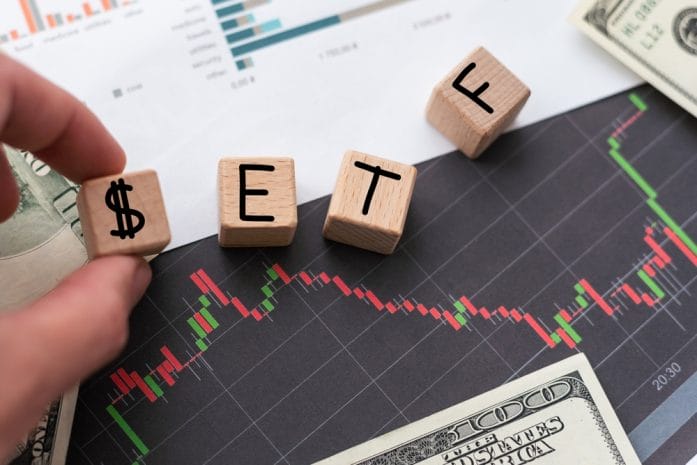
Exchange Traded Fund: A Low Cost Tool to Reach Your Goals

November 15, 2011 by Joe Saul-Sehy 7 Comments

If you’ve been living under a rock and haven’t heard of exchange traded funds (ETFs), today’s lesson is for you (though I still can’t figure out how you managed to get a wi-fi signal under there). An exchange traded fund is:

– often referred to as a “basket” of investments. This means a single ETF includes a collection of investments, so to some degree, you’re already diversified.

– investments that share a similar quality, such as all large companies, all oil companies, or all value-oriented firms. Sometimes they’re really quirky: all water companies, for example.

– usually aligned with an index, which is an unmanaged benchmark set of investments that people use to gauge the economy or success of their own investments. Some popular indexes are the Dow Jones Industrial Average, the S&P 500 and the NASDAQ 100. Some unpopular indexes are the Joe’s Favorite Boardgame Index and Best Doughnuts Ever Index, though I tried diligently to gain support for both products.

– unmanaged OR managed on “autopilot” based on predetermined criteria, not based on the whims of a manager.

According to Clark Howard, exchange traded funds are the fastest growing investment type, and with good reason. Although they compare favorably with mutual funds, they’re more attractive in many portfolios for a few reasons:

– Lower fees. Some investors believe that lower fees equal better results. I’m not that guy. But I do think that if I’m going to get middling results, why not pay less money for it? The average mutual fund fee is around 1.4 percent, while the average ETF fee is only 0.32. That’s a HUGE difference in fees. Think it isn’t a big deal? Check out this:

Story Problem!

Sally just sold her illegal street-rod and wants to invest the $10,000 profit. Over one year, an exchange traded fund will add an additional $108 more to her account than that average mutual fund her friend Jimmy uses. That $108 cost savings, invested for 30 years at 7 percent nets Sally an extra $11,738.01 for free, which she plans to invest in new headers and purple undercarriage lighting when she’s 65 years old. ….stuff Jimmy won’t be able to afford. HAHAHAHA

– Many investment options. A few years ago there were limited choices. Now if you can dream it, someone has probably created an ETF to emulate that investment idea.

– Downside protection. As a side benefit, exchange traded funds trade like a stock, meaning that you can use protection measures such as stop losses on an ETF. Stop losses can’t be used with mutual funds, because they only trade once daily.

Exchange traded funds aren’t the end-all, be-all. There are downsides:

– You’ll pay trading costs when you buy and sell exchange traded funds. This will take some of the $822 back out of your pocket.

– You won’t beat the index you’re competing against. Because your investment is tied to the performance of the applicable index, your returns will most often be slightly lower than that index (because of fees).

– In fact, your results will be pretty ordinary. The only way to beat the index is to invest in the hottest investments only. By capturing the returns of the entire index, you’re getting the best and worst picks of the crowd.

There are other downsides, but they’re more technical (such as dividends and volatility due to stop-losses). For the beginner, this is what you should know.

When is an exchange traded fund in order?

Just like you don’t bring your own hot dogs to a wedding reception (lesson learned), there is a time and place for exchange traded funds. Here’s where they really shine:

– ETFs are a great “hull” of a portfolio. Think of a ship’s hull. It holds the rest of the ship above water and cuts a straight path. Any position that you need in the portfolio to mimic market conditions AND you aren’t going to trade often is perfect for an ETF for two reasons: 1) trading fees won’t kick your butt (you don’t trade in and out of the “hull” of your ship) and 2) you’ll get the same diversification as a mutual fund at a lower cost.

– You want market-like results but fear volatility. I love psychology. Everyone wants two things from their portfolio (what’s with the two things today?): 1) Big returns and 2) no risk. Am I right? Of course I am. The market doesn’t give you Burger King (have it your way), but you can limit volatility. As I explained earlier, exchange traded funds trade all day long, while mutual funds only trade once per day. Why’s this a big deal? Mutual fund investors can’t limit volatility during a trading session. ETF investors can use instruments like stop losses to curb losses. Sure, you’ll pay trading fees, but if the market tanks, your nest egg will only have dropped to your stop loss point.

– You want to take a risk, but don’t want to bet on a single company. Because some ETFs emulate sectors of the market, you can gain exposure to precious metals, commodities and other risky asset classes without betting the farm on a single stock, bond or commodity. Sure, you can do this with mutual funds also, but with the ability to buy and sell all day long (as described above), ETF investors enjoy a greater degree of flexibility.

– Wrap and low cost trading accounts. If you have an account where you don’t pay for individual trades or pay a minimal amount, trading fees on ETFs are no longer a bridle on your results.

So, minions, that’s our Exchange Traded Fund lesson for the day.  Here’s my question to you: If you use exchange traded funds in your portfolio, how do you deploy them? Why do you like them? If you don’t use ETFs, it may be a marvelous idea to read the comments and see if some of our brilliant readers have additional ideas. Enjoy!

Photo of Joe Saul-Sehy
Joe Saul-Sehy

Joe is a former financial advisor and media representative for American Express and Ameriprise. He was the “Money Man” at Detroit television WXYZ-TV, appearing twice weekly. He’s also appeared in Bride, Best Life, and Child magazines, the Los Angeles Times, Chicago Sun-Times, Detroit News and Baltimore Sun newspapers and numerous other media outlets.  Joe holds B.A Degrees from The Citadel and Michigan State University.

joesaulsehy.com/

Filed Under: investment types, low cost investing, risk management, successful investing Tagged With: etf downsides, etf upsides, etfs, exchange traded fund strategies, free financial advice, free financial advisor, how to use etfs, how to use exchange traded funds, low fee investments, stock protection strategy, stop loss

FOLLOW US

Search this site:

Recent Posts

  • Can My Savings Account Affect My Financial Aid? by Tamila McDonald
  • 12 Ways Gen X’s Views Clash with Millennials… by Tamila McDonald
  • What Advantages and Disadvantages Are There To… by Jacob Sensiba
  • 10 Tactics for Building an Emergency Fund from Scratch by Vanessa Bermudez
  • Call 911: Go To the Emergency Room Immediately If… by Stephen Kanaval
  • 7 Weird Things You Can Sell Online by Tamila McDonald
  • 10 Scary Facts About DriveTime by Tamila McDonald

Copyright © 2026 · News Pro Theme on Genesis Framework