• Home
  • About Us
  • Toolkit
  • Getting Finances Done
    • Hiring Advisors
    • Debt Management
    • Spending Plan
  • Insurance
    • Life Insurance
    • Health Insurance
    • Disability Insurance
    • Homeowners/Renters Insurance
  • Contact Us
  • Risk Tolerance Quiz
  • Our Editorial Commitment

The Free Financial Advisor

You are here: Home / Archives for side hustles

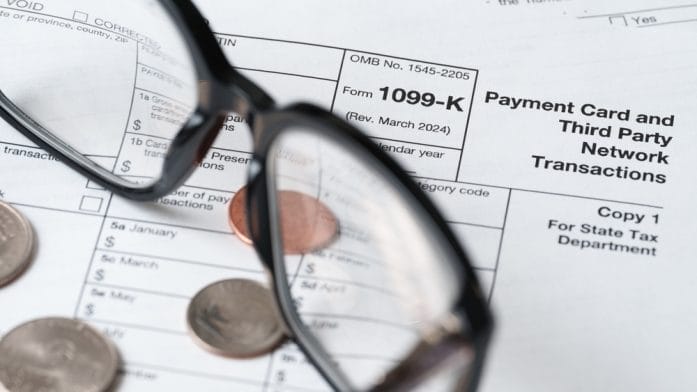
IRS 1099-K Rules in 2026: Who Must Report Payments This Year

February 11, 2026 by Brandon Marcus 1 Comment

IRS 1099-K Rules in 2026: Who Must Report Payments This Year
Image source: shutterstock.com

The IRS has been adjusting the 1099-K reporting rules for years, and 2026 was shaping up to be the moment when everything changed. After delays, phased rollouts, and more confusion than anyone asked for, this was the year when millions of Americans were going to make major tax changes. Whether you sell online occasionally, run a side hustle, or use payment apps for business, these rules were set to affect how your income was reported to the IRS.

The good news is that the 1099-K form is about business transactions, not personal ones. But knowing which payments fall into which category is where things get interesting.

The Threshold That Was Supposed To Take Effect

For years, the IRS planned to lower the 1099-K reporting threshold to $600 for business transactions processed through third‑party platforms. After multiple delays, the IRS announced a phased approach, and 2026 was the year the full $600 threshold was scheduled to apply.

However, recent legislation changed all of that. Instead of dropping down to $600, the threshold will now remain at $20,000 and 200 transactions. For many, that created a sigh of relief, but some confusion remains.

However, the fact remains: the IRS will issue a 1099-K to taxpayers who receive more than $20,000 in payments for goods and services and complete over 200 separate transactions on platforms such as eBay, PayPal, Venmo (business accounts), or other third‑party payment networks.

What Counts as a Reportable Payment

Remember, the 1099-K covers payments from online marketplaces, payment apps with business accounts, and platforms that handle transactions between buyers and sellers. So, if you sell handmade items, flip furniture, run a small online shop, or accept digital payments for freelance work, those payments fall under the 1099-K umbrella.

This does not apply to personal transfers between friends or family, like splitting a restaurant bill or sending a birthday gift. But for millions of Americans earning money through side gigs, online sales, or digital payment apps, understanding when a 1099-K is triggered can make tax season far less confusing.

If you use the same app for both personal and business transactions, it’s worth separating them into different accounts or categories. It keeps your records cleaner and reduces the chance of receiving a form that doesn’t reflect your actual taxable income.

Why Online Sellers Need to Pay Attention

Platforms like eBay, Etsy, Poshmark, and Mercari must issue a 1099-K when sellers exceed the reporting threshold for business transactions. If you sell items as a hobby or occasionally clear out your closet, the income may not be taxable if you sell items for less than you originally paid. But the platform may still issue a form if the transactions meet the reporting threshold.

This is where record‑keeping matters. The IRS taxes profit, not the original purchase price of personal items. If you sell a used laptop for $300 that you originally bought for $900, that’s not taxable income. But if the platform issues a 1099-K, you’ll want documentation showing the original cost to avoid confusion.

For people who run online shops or side businesses, the 1099-K simply reflects income that should already be reported. The form helps consolidate information, but it doesn’t change the underlying tax rules.

Gig Workers and Freelancers Aren’t Exempt

If you drive for a rideshare service, deliver food, walk dogs, or freelance through platforms that process payments, the 1099-K may apply. Some gig platforms issue 1099-NEC forms instead, depending on how payments are structured. The key is understanding that income from gig work is taxable regardless of which form you receive.

The 1099-K doesn’t replace your responsibility to track expenses. If you use your car for work, buy supplies, or pay platform fees, those costs may be deductible. Keeping receipts and mileage logs helps ensure you report net income, not gross payments.

IRS 1099-K Rules in 2026: Who Must Report Payments This Year
Image source: shutterstock.com

The Importance of Categorizing Payments Correctly

Many people use payment apps casually without thinking about how transactions are labeled. But in 2026, categorization matters more than ever. Marking payments as personal when they are personal helps prevent unnecessary forms. Marking business payments correctly ensures accurate reporting.

Most apps now include clear options for tagging transactions. Taking a few seconds to categorize payments can prevent headaches during tax season. If you run a business, consider using a dedicated business account to keep everything clean and separate.

How to Prepare for 2026 Without Stress

The best preparation is organization. Keep records of what you sell, what you earn, and what you spend. Separate personal and business payments. Save receipts for items you resell. Track expenses if you run a side hustle. And review your payment app settings to make sure transactions are categorized correctly.

Because the proposed threshold changes didn’t go through, you don’t need to overhaul your life. Stick to what you were doing, but always be alert and prepared when tax season rolls around.

The Year to Get Ahead of the Rules

With proposed changes, reversals, and constant talk of more updates, no one can blame you for being confused. Understanding the rules gives you control, clarity, and confidence as taxes approach. When you know what counts as income and what doesn’t, you can navigate the year without surprises.

Are you planning to track your digital payments differently this year? Have you met that IRS threshold? Talk about it in the comments below.

You May Also Like…

The IRS Reporting Threshold Change That Just Created a Tax Risk for Millions in 2026

The Gig Economy Tax Nightmare: Why So Many Freelancers End Up Owing the IRS

9 Side Hustles That Sound Great but Are a Complete Waste of Your Time

The Income-Driven Repayment Plans That End July 1, 2028 Under New Law

Income Threshold: 4 Hidden Taxes That Hit Once You Cross Certain Limits

Brandon Marcus
Brandon Marcus

Brandon Marcus is a writer who has been sharing the written word since a very young age. His interests include sports, history, pop culture, and so much more. When he isn’t writing, he spends his time jogging, drinking coffee, or attempting to read a long book he may never complete.


Filed Under: Tax Planning Tagged With: 1099-K, digital payments, gig income, income reporting, IRS rules, payment apps, Personal Finance, side hustles, tax forms, tax reporting, taxes 2026

Tax Surge: 4 Income Types That Trigger Hidden Tax Bills

December 28, 2025 by Brandon Marcus Leave a Comment

Tax Surge: 4 Income Types That Trigger Hidden Tax Bills
Image Source: Shutterstock.com

Money feels great when it lands in your account — until the tax bill shows up like an uninvited guest who knows exactly how much you made and wants a cut. One of the biggest financial surprises people face isn’t earning more money, but realizing that not all income is treated the same by the tax system. Some income types quietly trigger extra taxes, phaseouts, penalties, or reporting rules that most people never see coming.

These hidden tax traps don’t just affect the ultra-wealthy; they quietly snag freelancers, retirees, investors, and side hustlers every year.

1. Investment Income That Quietly Raises Your Tax Rate

Investment income often feels passive, but the tax system treats it like an active participant in your financial life. Capital gains, dividends, and interest can push your total income higher, sometimes triggering higher marginal tax brackets without you realizing it. Long-term capital gains are taxed differently than ordinary income, but they can still cause other benefits or credits to phase out. Investment income can also trigger the Net Investment Income Tax, an extra 3.8% levy many people don’t realize applies once certain income thresholds are crossed. Even reinvested dividends — money you never actually touched — can still generate a tax bill that sneaks up on you.

2. Side Hustle And Gig Income That Comes With Surprise Self-Employment Taxes

That side hustle money feels especially sweet because it’s often earned on your own terms, but it comes with tax strings attached. Unlike a traditional job, side income usually doesn’t have taxes withheld automatically, meaning the IRS expects you to pay both income tax and self-employment tax. Many people are shocked to learn they owe quarterly estimated payments instead of settling up once a year. What starts as a fun side project can quietly become a tax headache if planning doesn’t keep pace with profits.

3. Retirement Income That Isn’t As Tax-Free As It Sounds

Retirement income often carries the illusion of simplicity, but the tax reality can be surprisingly complex. Traditional 401(k) and IRA withdrawals are taxed as ordinary income, which can push retirees into higher tax brackets than expected. Social Security benefits can also become partially taxable depending on your total income, a twist that catches many retirees off guard. Required Minimum Distributions can force withdrawals even when the money isn’t needed, creating taxable income by mandate rather than choice. What feels like a stable retirement paycheck can quietly reshape your entire tax picture.

Tax Surge: 4 Income Types That Trigger Hidden Tax Bills
Image Source: Shutterstock.com

4. Windfalls And One-Time Payments That Trigger Unexpected Consequences

Bonuses, legal settlements, severance packages, and even forgiven debt often come with tax implications that aren’t obvious at first glance. These lump sums can push income temporarily into a higher tax bracket, increasing the rate applied to part of your earnings. Certain payments may also reduce deductions, credits, or healthcare subsidies tied to income thresholds. What feels like a financial win can become a tax maze without careful planning.

The Hidden Side Of “Extra” Money

Understanding how different income types interact with tax rules can help prevent unpleasant surprises and allow smarter financial decisions year-round. Whether it’s investments, side gigs, retirement funds, or one-time windfalls, knowledge turns confusion into control.

If you’ve ever been surprised by a tax bill or learned a lesson the hard way, we’d love to hear your thoughts or experiences in the comments below.

You May Also Like…

Income Stream: 5 Unexpected Income Sources Retirees Are Trying This Winter

Income Pivot: 8 Income Streams Retirees Are Adding Before Rates Change Again

13 Intriguing Ideas for Generating Passive Rental Income Streams

7 Income Streams You’d Laugh At—Until They Out-earned Your Salary

6 Income Sources People Don’t Try But Should


Brandon Marcus
Brandon Marcus

Brandon Marcus is a writer who has been sharing the written word since a very young age. His interests include sports, history, pop culture, and so much more. When he isn’t writing, he spends his time jogging, drinking coffee, or attempting to read a long book he may never complete.

Filed Under: tax tips Tagged With: gig economy, Income, income stream, income types, invest, investing, Investment, investments, multiple income stream, retire, Retirement, retirement account, side hustle, side hustles, Tax, tax tips, taxes, windfalls

What Young People Can Teach Their Grandparents About Money

December 21, 2025 by Brandon Marcus Leave a Comment

Here Is What Young People Can Teach Their Grandparents About Money
Image Source: Shutterstock.com

Money moves fast these days, and it’s not just the stock market doing the sprinting. Young people have grown up in a whirlwind of apps, subscriptions, and digital wallets, and they’re running laps around traditional ways of managing money. Grandparents may have decades of experience, but sometimes experience needs a little turbo boost from the new generation.

From budgeting hacks to investing shortcuts, the lessons flow both ways—but today, it’s the younger crowd in the driver’s seat.

1. Digital Wallets Are Not Just Fancy Gadgets

Grandparents might still be fumbling with checkbooks, but young people are turning phones into personal banks. Apps like Venmo, Cash App, and Apple Pay make splitting bills, sending gifts, and paying rent feel like a casual text conversation. Digital wallets also track spending automatically, giving insights that even the most meticulous ledger can’t match. No more digging through piles of receipts or wondering where the money went at the end of the month. This isn’t magic—it’s technology making life easier, and grandparents can totally catch up.

2. Subscription Services Can Break Or Make Your Budget

Streaming, gaming, software, even meal kits—there’s a subscription for almost everything today. Young people have mastered the art of managing multiple subscriptions without bleeding cash. They know which services they actually use, which ones are worth canceling, and how to snag deals without overspending. Teaching grandparents to audit recurring charges can be a game-changer for saving money without feeling deprived. Awareness and smart canceling can transform a bloated monthly bill into a streamlined, stress-free financial plan.

3. Investing Isn’t Just For The Suits

Stocks, crypto, ETFs, robo-advisors—investment used to sound like Wall Street jargon. But young people are shaking things up, showing that anyone can start small and grow wealth over time. Micro-investing apps and fractional shares let beginners invest without needing a fortune upfront. Grandparents can learn the thrill of compounding, the patience of long-term growth, and even a little risk management from the younger generation. It’s proof that investing isn’t intimidating—it’s just a new kind of fun puzzle.

4. Side Hustles Are A Real Thing

Back in the day, a steady 9-to-5 was the path to security. Today, young people are flipping skills into cash with side hustles—freelancing, gig work, online tutoring, or even selling creations on Etsy. They understand that money doesn’t only come from one source, and that multiple streams can lead to financial freedom. Grandparents can take notes on diversifying income without overcomplicating life. Sometimes, learning how to monetize a hobby or skill is the spark that turns financial anxiety into empowerment.

5. Saving Can Be Fun And Creative

Young people don’t just stash money under the mattress—they gamify it. Round-up apps, automatic transfers, and reward-based savings make putting money aside feel satisfying rather than painful. Grandparents can learn that saving isn’t about denial; it’s about creating a system that works with your lifestyle. Visual progress trackers and challenges turn boring budgets into exciting financial missions. It’s a shift in mindset that proves money management can actually be enjoyable.

Here Is What Young People Can Teach Their Grandparents About Money
Image Source: Shutterstock.com

6. The Power Of Financial Community

Social media isn’t just for memes and cat videos—it’s a financial classroom in disguise. Young people exchange tips, celebrate milestones, and learn from mistakes in ways that are public and collaborative. Grandparents can see the value of discussing money openly instead of keeping it private and isolating. Forums, apps, and groups create accountability and encouragement that textbooks never could. Learning to lean on a community can turn intimidating financial decisions into shared adventures.

7. Tech Tools Make Tracking Everything Easier

Spreadsheets are fine, but apps are faster, smarter, and sometimes downright fun. Young people rely on technology to monitor spending, set goals, and forecast future finances effortlessly. Notifications, charts, and alerts replace the stress of forgotten bills or missed payments. Grandparents can adopt these tools to regain control without spending hours on tedious paperwork. Once the fear of “tech overwhelm” fades, the convenience and clarity are addictive.

8. Mindset Matters As Much As Money

Finally, young people bring a refreshing attitude to finances: curiosity over fear, experimentation over stagnation. They see mistakes as lessons and aren’t afraid to try new methods. Grandparents can learn that money isn’t just numbers—it’s a mindset game. Being open to change and new ideas often leads to more opportunities and less stress. In essence, financial wisdom is less about age and more about adaptability.

Generational Money Lessons Go Both Ways

Learning about money doesn’t stop at any age. Young people can teach grandparents digital tricks, investing strategies, and creative saving methods, while grandparents provide wisdom, patience, and perspective. When generations combine experience with innovation, money management becomes more dynamic, effective, and even exciting.

Have you experienced a moment where someone younger taught you a financial tip that blew your mind? Drop your thoughts or stories in the comments section.

You May Also Like…

The 6 Most Common Mistakes Young People Make About Credit

5 Lessons Young People Should Know About Investing

Why Young People Should Invest In The Stock Market

7 Clever Ways Grandparents Save on Family Vacations

7 Things That Must Be in Your Will to Prevent Vicious Family Fights


Brandon Marcus
Brandon Marcus

Brandon Marcus is a writer who has been sharing the written word since a very young age. His interests include sports, history, pop culture, and so much more. When he isn’t writing, he spends his time jogging, drinking coffee, or attempting to read a long book he may never complete.

Filed Under: Lifestyle Tagged With: crypto, cryptocurrency, digital wallets, etfs, families, Family, family issues, family money, grandkids, grandma, grandpa, grandparents, investing, investors, Life, Lifestyle, Money, money issues, money matters, side hustles, subscription services, young people

Are You Prepared For The Tax-Law Changes Arriving Sooner Than Most Americans Expect?

December 11, 2025 by Brandon Marcus Leave a Comment

You Need To Be Prepared For The Tax-Law Changes Arriving Sooner Than Most Americans Expect
Image Source: Shutterstock.com

Tax season has always had a way of sneaking up on us, but this year, the game is changing faster than most Americans realize. New rules are rolling out that could reshape deductions, credits, and even how your paycheck is taxed—sometimes without any warning. It’s not just a matter of filing differently; these changes could impact everything from your retirement planning to your side hustle.

Staying ahead means understanding what’s coming, how it affects you, and what moves you can make now to avoid surprises. Let’s dig into the tax shifts that are making accountants and everyday taxpayers alike rethink their strategy.

1. Understanding The Key Deductions That Are Shifting

Tax deductions are no longer what they used to be, and some familiar write-offs are getting trimmed or redefined. For instance, certain business expenses, home office deductions, and education credits are facing updates that could limit eligibility. Many Americans rely on these deductions to reduce taxable income, so missing a change could mean paying more than necessary. Staying informed now gives you the chance to adjust spending, receipts, or timing before the law takes effect. Ignoring the shifts could turn a routine tax return into an unpleasant shock when you realize a deduction you counted on is no longer available.

2. How Credits Are Being Rewritten And Expanded

While some deductions are shrinking, certain tax credits are getting a boost—especially those aimed at energy-efficient home upgrades, childcare, and education. The government is incentivizing behaviors they want to see more of, which means you could qualify for credits you didn’t know existed. On the flip side, older credits are being phased out or adjusted for income thresholds. Missing out on a new credit could cost you hundreds or even thousands of dollars, so now is the time to review eligibility criteria. Proper planning and documentation can make the difference between claiming every available credit and leaving money on the table.

You Need To Be Prepared For The Tax-Law Changes Arriving Sooner Than Most Americans Expect
Image Source: Shutterstock.com

3. Retirement Accounts And Contributions Face New Limits

One of the sneakiest changes involves retirement contributions, which may affect 401(k), IRA, and other retirement accounts. Contribution limits are being updated, and the rules surrounding deductions for traditional IRAs are shifting based on income levels. These updates can have ripple effects, altering how much you can shelter from taxes each year. Regular taxpayers might find themselves unexpectedly over or under-contributing if they don’t pay attention. Staying proactive ensures your retirement planning stays on track without creating accidental penalties or missed opportunities.

4. The Side-Hustle Impact Is Bigger Than You Think

Side hustles and gig work are booming, and the tax code is adjusting to catch up. Many self-employed individuals may see changes in how expenses, income reporting, and deductions are calculated. What once felt like an easy home office deduction or vehicle write-off might now require extra documentation or meet new criteria. Ignoring these changes could mean underpaying taxes one year and facing a hefty bill later. The key is understanding how your extra income fits into the updated rules so that you stay compliant and avoid surprise penalties.

5. State And Local Taxes Are Joining The Shuffle

Federal changes aren’t the only thing shaking up tax season—state and local governments are also adjusting rules to align with new federal updates. These changes could affect itemized deductions, credits, and how local income or property taxes are reported. Some states are even creating new incentives for renewable energy or education spending, adding another layer of complexity. Taxpayers who only focus on federal law could miss key opportunities—or face unexpected liabilities. Keeping track of both federal and state changes ensures your tax plan is holistic, not just piecemeal.

6. Timing Could Make Or Break Your Savings

Many of the new rules have effective dates that arrive sooner than most Americans anticipate. Planning for these changes now can help you shift income, accelerate deductions, or restructure investments to maximize savings. Procrastinating, even by a few months, could mean missing deadlines for key deductions or credits. Tax planning isn’t just about filing correctly—it’s about using timing to your advantage. Understanding when rules take effect gives you a window to make strategic moves that could save significant money.

7. Digital Records And Documentation Are More Important Than Ever

With new rules comes increased scrutiny, and proper documentation has never been more critical. Receipts, invoices, and digital records can prove eligibility for deductions, credits, and business expenses. Losing or misfiling a document could mean losing the tax benefit entirely. The updated laws may also favor taxpayers who can provide clear, organized evidence of expenses and income. Staying meticulous now prevents headaches, audits, or denied deductions later.

8. Professional Advice Is Not Optional

Given the complexity and speed of these changes, relying solely on DIY tax software might not be enough. Professional accountants and tax advisors are adapting quickly and can provide guidance tailored to your specific financial situation. They can identify opportunities or pitfalls that you might overlook, saving you both money and stress. While self-education is important, expert insight ensures you’re not leaving money on the table or inadvertently violating new rules. Investing in professional advice now could pay off exponentially when tax season arrives.

Take Action Before The Clock Runs Out

The tax-law changes coming sooner than expected aren’t just bureaucratic reshuffles—they’re potential financial game-changers. Understanding deductions, credits, retirement rules, side-hustle implications, and state-level updates gives you a competitive edge. Planning now allows you to make informed decisions and adjust your financial habits before deadlines hit. Ignoring the updates could lead to missed opportunities, higher taxes, and unnecessary stress.

How are you preparing for the changes? Share your strategies, questions, or stories.

You May Also Like…

9 Georgia Counties Where Property Taxes Are Set to Rise the Fastest

Side Hustles That Look Legit—Until They Break Tax Laws

5 Tax Laws That Could Save You Thousands of Dollars Each Year If You Knew About Them

What Happens When Small Business Owners Skip Taxes

Why Do Middle-Class Families End Up Paying the Most Taxes


Brandon Marcus
Brandon Marcus

Brandon Marcus is a writer who has been sharing the written word since a very young age. His interests include sports, history, pop culture, and so much more. When he isn’t writing, he spends his time jogging, drinking coffee, or attempting to read a long book he may never complete.

Filed Under: tax tips Tagged With: 2025 tax changes, 2025 taxes, 2026 tax law, credits, deductions, local taxes, retirement accounts, savings account, side hustle, side hustles, state taxes, Tax, tax contributions, tax credits, tax laws, tax tips, taxes

9 Side Hustles That Sound Great but Are a Complete Waste of Your Time

December 8, 2025 by Brandon Marcus Leave a Comment

Some Side Hustles That Sound Great but Are a Complete Waste of Your Time
Image Source: Shutterstock.com

Making extra money on the side has become the ultimate goal for many, especially when rent is high, student loans are lurking, and avocado toast seems more like a necessity than a luxury. The internet is overflowing with “brilliant” side hustles that promise big paychecks with little effort, but the reality? Some of them are downright traps. You might start full of hope and end up frustrated, exhausted, or worse—losing more money than you earn.

While a few side hustles are legitimate goldmines, others are basically modern myths designed to make you think you’re hustling while you’re really spinning your wheels. Here’s a roundup of nine side hustles that sound amazing but will probably waste your time.

1. Flipping Low-Quality Items On Online Marketplaces

Flipping items online seems simple: buy cheap, sell high, and pocket the difference. In reality, hunting for bargains, listing products, taking photos, and waiting for buyers can be exhausting. Many items simply don’t sell, and shipping costs eat into your profits faster than you can calculate. On top of that, dealing with returns, complaints, and scammers can make the process feel like a part-time customer service nightmare. Unless you have an eye for rare collectibles or high-demand goods, this hustle often ends up costing more time and stress than it’s worth.

2. Taking Online Surveys For Cash

Online surveys are pitched as an easy way to earn money while lounging on your couch. The catch? Each survey pays so little that your hourly rate is barely above zero. Many platforms require you to qualify for surveys, which wastes even more time, and some surveys get disqualified after you’ve spent 20 minutes filling them out. You’ll rarely get a payout fast, and some platforms have high minimum thresholds before you can cash out. Essentially, you’re working for pennies when your time could be invested in higher-value side hustles.

3. Mystery Shopping Adventures

Mystery shopping is often marketed as glamorous—get paid to shop, dine, or visit places and report back. In reality, reimbursements rarely cover your costs, and the promised “full payment” is often delayed or conditional. You’re basically running errands for companies without true compensation, and many tasks require strict documentation that can be frustrating to collect. Travel, time, and effort all stack up while your bank account barely sees any benefit. Unless you truly enjoy window-shopping for free and can stomach slow payments, it’s a side hustle that’s more hassle than reward.

4. Selling Your Crafts On Handmade Marketplaces

If you’re creative, selling your crafts might seem like a dream hustle—turning hobbies into income. The challenge is that handmade marketplaces are oversaturated, meaning even high-quality items can get lost among thousands of listings. Fees and commissions from the platform eat into your profit margins, and marketing yourself requires a completely separate skill set. Customers expect custom work and fast shipping, which can make your creative hobby feel more like a full-time job. Many artists find that the time spent managing an online shop outweighs the money they actually make.

5. Participating In Affiliate Marketing Without An Audience

Affiliate marketing promises passive income by promoting products and earning a commission. It sounds simple until you realize that without a large, engaged audience, your links won’t generate clicks—or commissions. Building that audience takes months or years of consistent content creation and promotion, which is far more work than people initially expect. Some affiliates also run into niche saturation, where competition is stiff and profits are minimal. Without a strategic platform or loyal followers, you’re essentially shouting into the void with no reward.

6. Teaching Classes On Random Skill Platforms

Online teaching platforms tempt you with the idea that your knowledge can earn money on autopilot. But you’ll soon find out that attracting students requires marketing, scheduling, and responding to endless inquiries. Platforms also take a substantial cut of your earnings, and competition is fierce, especially in common subjects. Time spent filming videos, prepping lessons, and troubleshooting tech issues can quickly outpace the money earned. Unless you already have a built-in audience or a truly unique skill, this hustle can feel more like busy work than a profitable venture.

Some Side Hustles That Sound Great but Are a Complete Waste of Your Time
Image Source: Shutterstock.com

7. Becoming A Social Media Influencer Overnight

Everyone dreams of the influencer lifestyle: sponsorships, free products, and a flood of followers. The reality is brutal: building an engaged following takes years, consistent content creation, and heavy marketing savvy. Algorithms constantly change, engagement can plummet overnight, and brands are picky about who they collaborate with. Many hopeful influencers burn out before they see any return on investment. If your plan is to become an overnight sensation, you’ll likely end up frustrated, broke, and exhausted.

8. Participating In Focus Groups That Pay In Vouchers

Focus groups sound enticing—you share opinions and get paid. But most only pay in store credits, gift cards, or points that may never match your effort. Scheduling conflicts and limited spots make participation inconsistent, and some companies even cancel at the last minute. Travel or time spent preparing reports can outweigh any tangible benefit, leaving you feeling like you worked for free. In the end, focus groups often feel like a time-consuming chore masquerading as a fun side gig.

9. Dropshipping From Overseas Suppliers

Dropshipping is pitched as a low-effort e-commerce goldmine: sell products without ever handling inventory. Unfortunately, shipping times, supplier errors, and customer complaints can make this model a logistical nightmare. Margins are razor-thin, and competition is fierce, which means your advertising costs can swallow profits whole. Returns, refunds, and delayed shipments add stress that far outweighs the “hands-off” appeal. Many people start dropshipping thinking they’ll make a quick fortune and end up learning harsh lessons about effort, patience, and marketing skills.

Know Where Your Time Goes

Side hustles can be a fantastic way to earn extra cash, but not every opportunity is worth chasing. The nine hustles outlined here might look enticing online, but in reality, they often drain your energy, time, and sometimes even your money. The key is to be realistic about the work required versus the reward. True side hustles that generate meaningful income require strategy, effort, and sometimes a little bit of luck—but they should never make you feel trapped or endlessly frustrated.

Have you tried any of these hustles? Share your experiences, horror stories, or wins in the comments section below.

You May Also Like…

7 Side Hustles Compatible with a Slower Pace

Generate Extra Monthly Cash Flow Starting With These Side Hustle Ideas

10 Financial Risks of Starting a Side Hustle Too Quickly

Side Hustles That Look Legit—Until They Break Tax Laws

How to Transition From Full-Time Work to ‘Semi-Retirement’ Smoothly

Brandon Marcus
Brandon Marcus

Brandon Marcus is a writer who has been sharing the written word since a very young age. His interests include sports, history, pop culture, and so much more. When he isn’t writing, he spends his time jogging, drinking coffee, or attempting to read a long book he may never complete.

Filed Under: side hustles Tagged With: affiliate marketing, dropshipping, employment, focus groups, gig economy, hustle culture, job, job search, jobs, mystery shopping, online classes, online jobs, parttime work, selling crafts, side gig, side hustle, side hustles, Social media, social media influencer, teacher, teaching, waste of time, work

7 Side Hustles Compatible with a Slower Pace

November 29, 2025 by Travis Campbell Leave a Comment

side hustle
Image source: shutterstock.com

Multiple elements cause people to experience a decrease in their life speed. Health shifts. The duties of caregiving force us to spend additional time on our work responsibilities. The present energy system functions only during short periods of time. People must continue working to earn money because their daily income has decreased. People need side hustles that operate at a slower pace because these jobs generate income without depleting our remaining energy reserves. The side hustles generate financial return, but we need to understand our present energy production capacity. These side hustles help people maintain their financial security.

1. Freelance Proofreading

Proofreading turns a sharp eye into a steady income. It works well for people who need flexibility because the work comes in batches and rarely requires a fast turnaround. You can pause when needed and return without disrupting the job. This makes it one of the side hustles that fit a slower pace without sacrificing quality or consistency.

The work centers on precision. A methodical approach often beats speed, which gives anyone moving more slowly an advantage. With enough practice, even short sessions add up to meaningful earnings.

2. Online Customer Support (Asynchronous)

Some companies now rely on asynchronous support. Instead of phone calls, the work happens through email or message queues. That removes the pressure of real-time responses and allows more control over timing. It also reduces stress because there’s no need to match someone else’s speed or mood.

In this category of side hustles, the slower pace becomes a strength. Clear responses matter more than instant replies. You can think, write, and edit without rushing.

3. Handmade Crafts and Small-Batch Goods

Slower hands can still create pieces people want. Handmade crafts, small-batch soaps, simple jewelry, and similar projects fit well into adjustable schedules. Production happens on your timeline. When you need rest, the work waits.

These side hustles grow at the maker’s pace. A few hours a week can produce enough inventory for steady sales. The key is consistency, not speed. Buyers care about the story of the item and the care that went into it, not how fast it came together.

4. Pet Sitting and Check-Ins

Pet sitting offers calm, dependable work. Many animals need attention, feeding, or light walks. Nothing rushed. Nothing loud. Just routine. That rhythm suits anyone who wants movement and responsibility without high intensity.

Among side hustles, this one stands out for its gentleness. Most tasks follow predictable patterns. If the job requires more energy than you can give, you can set boundaries or limit bookings.

5. Remote Notary Services

Remote notarization has expanded in many states. It allows notaries to verify documents online through secure platforms. The sessions are brief and scheduled in advance, which removes the strain of back-to-back appointments or travel.

This type of work fits a steady, thoughtful pace. Verification requires attention, not speed. It’s one of the side hustles that pairs well with anyone seeking income that doesn’t overwhelm the body.

6. Transcription With Flexible Deadlines

Transcription sounds fast, but not all jobs demand speed. Some platforms offer generous deadlines and let workers pick assignments in manageable chunks. You decide how much you can take on during a week, then complete it in small sessions.

It’s another example of side hustles that allow control over pace. You can adjust workload based on energy levels, pain flare-ups, or unpredictable days. When done with intention, the income becomes steady without unnecessary strain.

7. Renting Out Tools, Gear, or Space

Many people hold tools or gear they rarely use—ladders, camping equipment, sewing machines, or power tools. Renting them out turns idle items into passive income. It requires minimal movement, just basic communication and handoff.

In the broader category of side hustles, this one carries low physical effort and no ongoing production. A few listings and occasional coordination keep it running. For someone living at a slower pace, that balance often feels sustainable.

Building Stability at Your Own Speed

Financial ambition continues to advance without any need to slow down when someone decides to move at a slower pace. The method enables financial targets to be translated into various organizational objectives. The correct side hustles understand personal boundaries while helping people achieve their income targets. The options understand that physical health and energy levels, and available time, will change throughout life, yet people still need to meet their financial requirements. Work that matches your abilities creates less stress while opening up more possibilities.

The investment choices let you pick your desired financial growth rate while maintaining your preferred level of physical comfort.

Your business has achieved success through which side hustles operate at a reduced speed?

What to Read Next…

  • 6 Household Services You Can Eliminate Without Losing Quality Of Life
  • 8 Everyday Services That Are Slowly Becoming Subscription Only
  • 7 Free Financial Tools With Privacy Concerns
  • 7 Tactics Grocery Stores Use To Keep You From Thinking About Price
  • 10 Smart Purchases That Are Slowly Making You Broke
Travis Campbell
Travis Campbell

Travis Campbell is a digital marketer/developer with over 10 years of experience and a writer for over 6 years. He holds a degree in E-commerce and likes to share life advice he’s learned over the years. Travis loves spending time on the golf course or at the gym when he’s not working.

Filed Under: side hustles Tagged With: flexible income, low‑stress jobs, remote work, side hustles, slow pace work

8 Jobs That Let You Work When You Want — and Still Pay Well

November 11, 2025 by Travis Campbell Leave a Comment

work from home
Image source: shutterstock.com

Job seekers have established flexible work arrangements as their number one priority when searching for employment in the current job market. People seek to earn high incomes while keeping flexible work schedules and the ability to work from any location. Flexible work arrangements provide the solution to this problem. These roles don’t just let you clock in when you want — they can also provide solid income and stability. People who want to travel or study abroad, or need to move for work or personal reasons, can find suitable options among these alternatives. Eight flexible job opportunities are available, allowing you to select your work schedule while offering competitive compensation.

1. Freelance Writer

Freelance writing is one of the most popular flexible jobs. You can write from anywhere, choose your clients, and set your own deadlines. Businesses, blogs, and media outlets constantly need fresh content. If you can meet deadlines and write clearly, you can earn serious money. Experienced writers specializing in finance, health, or technology often charge premium rates per article or project.

Platforms like Upwork and specialized writing job boards make it easy to connect with clients. Over time, consistent quality work builds a steady stream of repeat business — all while keeping your schedule in your control.

2. Virtual Assistant

Companies and entrepreneurs hire virtual assistants (VAs) to manage tasks such as scheduling, email correspondence, social media management, and customer support. It’s an ideal flexible job for people who are organized and detail-oriented. You can choose how many clients to take on and what hours to work. Many VAs charge hourly rates that rival traditional office positions.

Some VAs specialize in niches like real estate, bookkeeping, or marketing, which can command even higher pay. You’ll need reliable internet, strong communication skills, and the ability to manage multiple tasks — but not a rigid 9-to-5 schedule.

3. Web Developer

Web development is another flexible job that pays well. Skilled developers can work remotely for agencies, startups, or as independent contractors. You can set your project timelines, take on multiple clients, or work part-time for a single company. As demand for websites and apps continues to grow, experienced developers often charge high hourly or project-based rates.

Learning coding languages like HTML, CSS, and JavaScript can open many doors. Many developers also specialize in platforms such as WordPress or Shopify, expanding their earning potential.

4. Online Tutor

Teaching online gives you the freedom to set your own hours while helping others learn. Subjects like math, science, and languages are in high demand. You can work with students across time zones, which makes scheduling even more flexible. Tutors who specialize in test preparation or advanced subjects often earn higher pay.

Websites such as Wyzant connect tutors with students, making it easier to find consistent work. With the right expertise and communication skills, tutoring can become a full-time income source that still lets you control your day.

5. Graphic Designer

Graphic design blends creativity with flexibility. Designers create logos, marketing materials, and digital graphics for clients worldwide. You can take on short-term gigs or long-term projects, depending on your workload and interests. Many designers work from home or travel while managing client relationships online.

Freelance designers who master tools like Adobe Illustrator or Figma can charge premium rates. Building a solid portfolio helps attract higher-paying projects, turning a flexible schedule into a profitable business.

6. Ride-Share or Delivery Driver

Driving for companies like Uber, Lyft, or DoorDash offers instant flexibility. You decide when to log in and how long to work. While earnings vary by city and demand, drivers who work peak hours or in busy areas can make strong income. It’s one of the most accessible flexible jobs, requiring only a vehicle and a smartphone.

Some drivers use this as a side hustle, while others treat it as a full-time role. You can easily adjust your hours around family needs, classes, or other work commitments.

7. Social Media Manager

Brands rely on social media to stay visible, and many hire freelancers to manage their accounts. Social media management is one of the best flexible jobs for creative people who understand engagement and strategy. You can schedule posts, track analytics, and build campaigns from anywhere. The more results you deliver, the more you can charge.

Small businesses often start with part-time help, but success can lead to larger contracts or agency partnerships. Strong writing and marketing skills go a long way in turning this flexible role into a steady income stream.

8. Online Reseller

Buying and reselling items online can be a surprisingly lucrative endeavor. Platforms like eBay, Poshmark, or Etsy allow you to set your own hours and scale your business as you go. Many resellers start with items from thrift stores or clearance racks and turn profits by learning what sells best.

This flexible job lets you work at your own pace. You handle sourcing, listing, and shipping on your schedule. Over time, consistent effort and smart inventory choices can generate a reliable income without requiring a traditional work schedule.

Finding Balance Through Flexible Jobs

Flexible jobs offer people more than just work flexibility, as they enable individuals to create a life structure that matches their unique needs. The mentioned careers of freelancing, teaching, designing, and driving demonstrate that people can earn a good income while maintaining their independence. Your success depends on finding employment that matches your abilities and experience level, and provides opportunities for financial advancement.

What kind of flexible job would fit your lifestyle best?

What to Read Next…

  • Are These 6 Trending Jobs Just a Rebranded Pyramid Scheme?
  • The True Cost of Using Doordash for Senior Care Errands
  • 6 Online Freebies That End in Identity Theft
  • 7 Free Financial Tools with Privacy Concerns
  • 7 Ways Your Neighbor Could Be Spying on You Without Breaking the Law
Travis Campbell
Travis Campbell

Travis Campbell is a digital marketer/developer with over 10 years of experience and a writer for over 6 years. He holds a degree in E-commerce and likes to share life advice he’s learned over the years. Travis loves spending time on the golf course or at the gym when he’s not working.

Filed Under: Career Advice Tagged With: career, flexible jobs, freelancing, remote work, side hustles

Generate Extra Monthly Cash Flow Starting With These Side Hustle Ideas

October 25, 2025 by Catherine Reed Leave a Comment

Generate Extra Monthly Cash Flow Starting With These Side Hustle Ideas
Image source: shutterstock.com

With inflation, rising rent, and unpredictable expenses, many people are looking for ways to create extra monthly cash flow. Whether you want to pay off debt, build an emergency fund, or simply have more spending freedom, a reliable side hustle can make a big difference. The beauty of today’s gig economy is that you don’t need a business degree or tons of startup money—just a bit of creativity and consistency. If you’re ready to take control of your finances and put your spare time to good use, these side hustle ideas can help you start generating extra monthly cash flow right away.

1. Freelance Skills Online

One of the fastest ways to create extra monthly cash flow is to turn your professional skills into freelance income. Platforms like Upwork, Fiverr, and Freelancer let you offer writing, design, coding, or administrative services to clients worldwide. Even a few projects each month can generate hundreds of dollars, especially if you specialize in a niche. The flexibility of freelancing makes it perfect for evenings, weekends, or any schedule that fits your lifestyle. As you build a reputation, you can increase your rates and establish a steady stream of extra income.

2. Rent Out What You Already Own

Creating extra monthly cash flow doesn’t always require hard labor—sometimes, it’s about maximizing what you already have. If you own a car, you can list it on apps like Turo or HyreCar when it’s not in use. Spare rooms can be rented on Airbnb, and even tools or equipment can earn cash through local rental platforms. These assets often sit idle but have real earning potential when shared responsibly. This passive-style income allows you to generate profit with minimal daily effort.

3. Deliver or Drive on Your Own Schedule

If you enjoy being on the move, delivery services are a reliable way to boost monthly cash flow. Companies like DoorDash, Uber Eats, and Instacart let you set your own hours while earning per delivery. Drivers often make extra tips, and high-demand times like weekends can increase earnings quickly. You can also drive for rideshare companies like Uber or Lyft if you prefer passenger transport. It’s a simple, flexible way to monetize your free time while maintaining control over when you work.

4. Sell Handmade or Vintage Items

For creative or thrifty individuals, turning hobbies into income is an excellent way to build extra monthly cash flow. Selling handmade jewelry, crafts, or artwork on Etsy—or flipping vintage finds on eBay or Poshmark—can be surprisingly profitable. The key is to focus on what you enjoy making or collecting, so it doesn’t feel like a chore. Social media platforms can help you promote your products and attract loyal customers. Over time, even a modest side shop can evolve into a dependable income stream.

5. Offer Tutoring or Teaching Services

If you have expertise in a subject, tutoring can be both rewarding and profitable. Parents are often eager to pay for academic help, especially in math, science, or language skills. Online teaching platforms like VIPKid, Wyzant, and Outschool make it easy to connect with students worldwide. Teaching music, art, or test prep can also generate a steady extra monthly cash flow. Beyond the money, tutoring allows you to share knowledge and make a meaningful impact on others’ success.

6. Manage Social Media for Small Businesses

Many local businesses know they need an online presence but lack the time or skills to manage it. If you’re familiar with Instagram, Facebook, or TikTok, offering social media management can create a strong extra monthly cash flow. You can help businesses post content, engage with followers, and run basic advertising campaigns. The demand for digital marketing help is growing, and even one or two clients can provide a consistent income. This side hustle blends creativity with business strategy, making it both fun and financially rewarding.

7. Start a Pet Sitting or Dog Walking Service

Animal lovers can turn their affection for pets into a reliable side hustle. Apps like Rover and Wag connect pet owners with trusted walkers and sitters, allowing you to earn extra monthly cash flow while spending time with furry companions. This type of work is flexible and often less stressful than traditional jobs. You can walk dogs during lunch breaks or care for pets overnight while their owners travel. Building a reputation in your local community can lead to repeat clients and referrals.

Turning Spare Time Into Financial Freedom

Finding creative ways to build extra monthly cash flow can be a game changer for your financial goals. Whether it’s freelancing, tutoring, or renting assets, each option helps diversify your income and reduce financial stress. The secret is to start small, stay consistent, and reinvest your earnings wisely—perhaps toward debt, savings, or new opportunities. With time, your side hustle could become more than just a backup plan; it could become a gateway to long-term financial independence.

Which of these side hustle ideas sounds most realistic for your lifestyle? Share your favorite ways to earn extra monthly cash flow in the comments below!

What to Read Next…

  • 7 Income Streams You’d Laugh At—Until They Out-earned Your Salary
  • 6 Income Sources People Don’t Try But Should
  • 7 Unconventional Ideas for Earning Extra Income Reliably
  • 6 Financial Dangers of Relying on One Income
  • Is It Really Passive Income: 5 Lies About Making Money While You Sleep
Catherine Reed
Catherine Reed

Catherine is a tech-savvy writer who has focused on the personal finance space for more than eight years. She has a Bachelor’s in Information Technology and enjoys showcasing how tech can simplify everyday personal finance tasks like budgeting, spending tracking, and planning for the future. Additionally, she’s explored the ins and outs of the world of side hustles and loves to share what she’s learned along the way. When she’s not working, you can find her relaxing at home in the Pacific Northwest with her two cats or enjoying a cup of coffee at her neighborhood cafe.

Filed Under: side hustles Tagged With: budgeting advice, cash flow ideas, extra income, financial freedom, money tips, Personal Finance, side hustles

7 Income Streams You’d Laugh At—Until They Out-earned Your Salary

October 24, 2025 by Catherine Reed Leave a Comment

7 Income Streams You’d Laugh At—Until They Out-earned Your Salary
Image source: shutterstock.com

Most people assume that serious money only comes from serious jobs, but the modern economy is full of surprises. Some of the most profitable ventures started as hobbies, jokes, or side projects that no one took seriously. These unconventional income streams often grow quietly in the background until they begin to rival—or even surpass—a full-time paycheck. Whether it’s tapping into niche markets or monetizing everyday habits, these examples prove that creativity can pay off in big ways. The trick is spotting potential where others see something too small or too silly to try.

1. Selling Digital Stickers and Emojis

It might sound trivial, but selling custom digital stickers and emojis has become one of the most unexpected income streams online. Designers and illustrators are cashing in by uploading packs to platforms like LINE, Telegram, and Etsy. With minimal upfront costs and unlimited scalability, one viral set can generate thousands in passive income. The demand for personalized, expressive content shows no sign of slowing down, especially among younger users. What seems like digital doodling can turn into a steady business for anyone with a creative streak and basic design skills.

2. Renting Out Personal Items You Rarely Use

From lawnmowers to power tools, people are earning extra cash by renting out things collecting dust in their garages. Peer-to-peer rental apps make it easy to list your belongings safely and set your own prices. These low-effort income streams can quietly add up, especially when the items would otherwise sit idle. Some renters even expand by purchasing more equipment specifically to rent out, turning side gigs into full-fledged micro-businesses. It’s proof that you don’t always need to sell something new—you just need to make better use of what you already own.

3. Voice Acting and Audio Work from Home

You don’t need to be a Hollywood actor to make money with your voice. With the rise of audiobooks, podcasts, and digital marketing, freelance voice work is one of the most overlooked income streams available today. All it takes is a decent microphone, quiet space, and the ability to follow direction. Many beginners start on platforms like Fiverr or Voices.com and quickly build portfolios that attract repeat clients. What begins as reading scripts in your spare time can eventually lead to lucrative ongoing projects—and sometimes, full-time income.

4. Creating Print-on-Demand Merchandise

Many artists, meme creators, and even hobby photographers have turned print-on-demand stores into profitable income streams. Platforms like Redbubble, Teespring, and Society6 let anyone design products without worrying about inventory or shipping. You earn a percentage of each sale, and your designs can live online indefinitely, generating passive income. The funniest part is that some of the most successful sellers make humorous or absurd designs that go viral. That “inside joke” T-shirt or quirky coffee mug might end up funding your next vacation—or your retirement.

5. Turning Pet Photography into Profit

Yes, taking cute pictures of animals can be one of those income streams you laugh at—until you realize how much pet owners are willing to spend. With the pet industry booming, professional photoshoots for dogs and cats have become incredibly popular. Even part-time photographers can earn thousands by offering themed sessions or selling digital portraits online. Social media also provides a free marketing platform, as adorable pets practically advertise themselves. All it takes is patience, creativity, and a love for four-legged models.

6. Licensing Simple Music Loops and Sound Effects

If you’ve ever played video games, watched YouTube videos, or opened an app, you’ve probably heard licensed sound effects—and someone got paid for those. Musicians and sound designers create short clips and loops that sell repeatedly through licensing sites like AudioJungle or Pond5. These often-overlooked income streams reward creators who focus on volume and variety over complexity. Even simple background music or notification tones can generate steady income for years. Once uploaded, your sound library can keep earning with no extra effort.

7. Running Tiny Niche Newsletters

You don’t need a massive following to earn from a newsletter—just a dedicated audience. Many people now make impressive income streams by writing about obscure topics, from vintage watches to urban gardening. Platforms like Substack and Patreon allow creators to charge subscribers directly or earn through sponsorships. A loyal community of just a few hundred readers can turn into a sustainable income source. The best part? You can start for free, write about what you love, and build gradually without quitting your day job.

Finding Wealth in the Weirdest Places

The most surprising income streams are often the ones we underestimate. What starts as a side hustle, creative outlet, or experiment can become a legitimate business with time and consistency. The key is staying open to opportunity, even when it looks unconventional. Every income stream on this list began as something small—and in many cases, a little silly. But when approached strategically, those ideas prove that laughter and profit sometimes go hand in hand.

Have you ever tried one of these unusual income streams or discovered another that worked better than expected? Share your stories in the comments below!

What to Read Next…

12 Common Mistakes in Passive Income Planning

7 Unconventional Ideas for Earning Extra Income Reliably

Budgeting For Irregular Income: Freelancers And Gig Workers

6 Financial Dangers of Relying on One Income

Keep More Of Your Paycheck By Taking These 5 Steps

Catherine Reed
Catherine Reed

Catherine is a tech-savvy writer who has focused on the personal finance space for more than eight years. She has a Bachelor’s in Information Technology and enjoys showcasing how tech can simplify everyday personal finance tasks like budgeting, spending tracking, and planning for the future. Additionally, she’s explored the ins and outs of the world of side hustles and loves to share what she’s learned along the way. When she’s not working, you can find her relaxing at home in the Pacific Northwest with her two cats or enjoying a cup of coffee at her neighborhood cafe.

Filed Under: side hustles Tagged With: creative business, entrepreneurship, financial freedom, income streams, Passive income, Personal Finance, side hustles, Wealth Building

7 Unconventional Ideas for Earning Extra Income Reliably

October 2, 2025 by Travis Campbell Leave a Comment

paid
Image source: pexels.com

Many people want more financial security. Whether you’re saving for a big goal, paying off debt, or just trying to make ends meet, having a steady stream of extra income can make a big difference. But finding sources that are reliable and not just quick fixes isn’t always easy. That’s why exploring unconventional ideas for earning extra income reliably can help you diversify your money streams. By thinking a little differently, you might find options that fit your schedule, skills, and lifestyle better than traditional side gigs. Let’s look at seven creative ways you can start earning extra income reliably today.

1. Rent Out Storage Space in Your Home

Have a basement, garage, attic, or even a spare closet? Many people are looking for affordable, local storage solutions. You can offer your unused space to neighbors or local businesses needing to store seasonal items, tools, or inventory. Platforms like Neighbor.com make it easy to connect with people who need storage and handle payments securely. This is a low-effort way to generate reliable extra income without much ongoing work. Just be sure to check your local regulations and insurance requirements before listing your space.

2. Create and License Digital Products

If you have a knack for design, writing, or organization, consider making digital products you can sell repeatedly. Examples include printables, planners, stock photos, or templates. Once created, you can list them on marketplaces like Etsy or Gumroad and earn passive, reliable extra income as people purchase your products. The beauty of digital goods is that there’s no inventory to manage, and you can tweak your offerings based on what sells best. This approach works well for individuals who want flexibility and the opportunity to build a portfolio over time.

3. Offer Remote Notary Services

With more documents being signed electronically, online notary services are in demand. If you’re already a notary or willing to become one, you can earn extra income reliably by notarizing documents remotely. States like Texas and Virginia allow online notarizations, and platforms such as Notarize connect you with clients. This side hustle is especially useful if you want something that can be done from home, on your own schedule, and with minimal upfront costs. Check your state rules before getting started.

4. Host Paid Online Experiences

People are paying to learn new skills or have unique experiences without leaving their homes. If you have expertise in cooking, music, art, or even local history, you can host virtual workshops or tours. Websites like Airbnb Online Experiences let you reach a global audience. This is a fun, creative way to generate reliable extra income while sharing your interests. You set your schedule and pricing, and you can adjust your offerings based on participant feedback. It’s also a great way to connect with people from around the world.

5. Become a Local Task Specialist

Many people need help with everyday tasks, from assembling furniture to running errands. By focusing on a specific niche—like tech setup for seniors or pet waste removal—you can become the go-to person in your area. Apps like TaskRabbit or your local Facebook groups are good places to advertise. Since these needs are ongoing, you can establish a steady client base and earn a reliable extra income. Word of mouth can help you grow, especially if you provide great service and reliability.

6. Lease Your Car for Short-Term Rentals

If you have a vehicle, you don’t use every day, consider renting it out on platforms like Turo or Getaround. Many people need a car for a day or two, and this can be a great way to generate reliable extra income from something you already own. Unlike rideshare driving, you don’t have to be behind the wheel, and you can choose when your car is available. Make sure your insurance covers rentals and keep your car clean and well-maintained for the best reviews and repeat business.

7. Start a Subscription-Based Newsletter

Do you have knowledge or insights people value? Launching a paid newsletter on platforms like Substack or Ghost can help you earn extra income reliably while building a community. Topics could range from local news to personal finance tips or hobby guides. The subscription model creates recurring income, and you can scale up as your audience grows. While it takes effort to build a following, once you have loyal readers, this can be a sustainable way to supplement your income long-term.

Choosing the Right Reliable Extra Income Stream

Not every unconventional idea will be the perfect fit for you. The key is to choose options that align with your interests, resources, and the amount of time you can commit. If you’re looking for reliable extra income, focus on ideas that have recurring potential or can be automated after some initial setup. Diversifying your efforts can also help you weather changes in demand or personal circumstances.

What unconventional ways have you found to earn extra income reliably? Share your experiences and tips in the comments below!

What to Read Next…

  • 6 Online Freebies That End in Identity Theft
  • 9 Common Products That May Be Illegal to Resell Online
  • 7 Tactics Grocery Stores Use to Keep You from Thinking About Price
  • 8 Everyday Services That Are Slowly Becoming Subscription Only
  • 7 Free Financial Tools with Privacy Concerns
Travis Campbell
Travis Campbell

Travis Campbell is a digital marketer/developer with over 10 years of experience and a writer for over 6 years. He holds a degree in E-commerce and likes to share life advice he’s learned over the years. Travis loves spending time on the golf course or at the gym when he’s not working.

Filed Under: side hustles Tagged With: Creative income ideas, digital products, extra income, Financial Tips, Passive income, reliable income, side hustles

  • 1
  • 2
  • 3
  • Next Page »

FOLLOW US

Search this site:

Recent Posts

  • Can My Savings Account Affect My Financial Aid? by Tamila McDonald
  • 12 Ways Gen X’s Views Clash with Millennials… by Tamila McDonald
  • What Advantages and Disadvantages Are There To… by Jacob Sensiba
  • 10 Tactics for Building an Emergency Fund from Scratch by Vanessa Bermudez
  • Call 911: Go To the Emergency Room Immediately If… by Stephen Kanaval
  • 7 Weird Things You Can Sell Online by Tamila McDonald
  • 10 Scary Facts About DriveTime by Tamila McDonald

Copyright © 2026 · News Pro Theme on Genesis Framework