• Home
  • About Us
  • Toolkit
  • Getting Finances Done
    • Hiring Advisors
    • Debt Management
    • Spending Plan
  • Insurance
    • Life Insurance
    • Health Insurance
    • Disability Insurance
    • Homeowners/Renters Insurance
  • Contact Us
  • Risk Tolerance Quiz
  • Our Editorial Commitment

The Free Financial Advisor

You are here: Home / Archives for Income

9 Everyday Costs Rising Faster Than Seniors’ Income

February 11, 2026 by Brandon Marcus Leave a Comment

These Are 9 Everyday Costs Rising Faster Than Seniors’ Income
Image source: shutterstock.com

Retirement is supposed to feel like a long exhale after decades of working, saving, and juggling responsibilities. Yet for many older adults, that peaceful chapter is being interrupted by a financial reality that feels more like a slow tightening of the belt. Prices keep climbing, but income—especially for those relying on Social Security—just isn’t keeping pace.

And while everyone feels the pinch of inflation, seniors often feel it more sharply because their budgets don’t have the same flexibility they once did.

1. The Grocery Bill That Just Won’t Sit Still

Food prices have been one of the most persistent sources of frustration for retirees. Even though inflation has cooled from its peak, grocery costs remain significantly higher than they were just a few years ago. Essentials like bread, eggs, produce, and meat have seen some of the steepest increases, and those jumps add up quickly when you’re shopping on a fixed income. Seniors who cook at home to save money are discovering that even the basics stretch their budget more than they used to.

It’s worth exploring store brands, loyalty programs, and weekly sales—not because it’s fun, but because it genuinely helps keep spending under control.

2. Healthcare Costs That Keep Climbing

Healthcare is one of the biggest expenses in retirement, and unfortunately, it’s also one of the fastest‑growing. Premiums, deductibles, prescription drugs, and out‑of‑pocket costs have all trended upward. Even with Medicare, many seniors find themselves paying more each year for the same treatments and medications. This is especially challenging for retirees managing chronic conditions, who can’t simply “cut back” on care.

Staying proactive with preventive appointments, reviewing Medicare plans annually, and asking providers about lower‑cost alternatives can help soften the blow.

3. Housing Expenses That Refuse to Level Off

Even if a mortgage is paid off, housing costs don’t disappear. Property taxes, homeowners insurance, utilities, and maintenance have all risen sharply. Renters face even steeper challenges, with rental prices in many areas increasing faster than Social Security’s annual cost‑of‑living adjustments.

Downsizing or relocating can help, but those are big decisions that require time, planning, and emotional readiness. For homeowners, energy‑efficient upgrades and regular maintenance can prevent small issues from becoming expensive emergencies.

4. Utility Bills That Seem to Have a Mind of Their Own

Electricity, natural gas, water, and internet costs have all crept upward, and seniors feel the impact every month. Extreme weather patterns have also pushed energy usage higher in many regions, making bills even more unpredictable. While you can’t control the weather or utility rates, you can take steps to reduce consumption.

Simple changes—like sealing drafts, adjusting thermostats, or switching to LED bulbs—can make a noticeable difference over time. Many utility companies also offer senior discounts or budget billing programs worth exploring.

5. Transportation Costs That Keep Rolling Higher

Even if you’re not commuting to work anymore, transportation remains a major expense. Gas prices fluctuate constantly, and repairs and maintenance have become more expensive due to rising labor and parts costs. For seniors who rely on their vehicles for independence, these increases can be especially frustrating.

Public transit, senior ride programs, or carpooling with friends can help reduce costs without sacrificing mobility. If driving less is an option, it can also extend the life of your vehicle and lower insurance premiums.

These Are 9 Everyday Costs Rising Faster Than Seniors’ Income
Image source: shutterstock.com

6. Insurance Premiums That Quietly Increase

Insurance rarely gets cheaper with age. Homeowners insurance, auto insurance, and supplemental health insurance have all seen steady increases. Insurers cite everything from rising repair costs to more frequent severe weather events as reasons for higher premiums.

While you can’t control those factors, you can shop around, bundle policies, or raise deductibles to find savings. It’s also smart to review coverage annually to make sure you’re not paying for protections you no longer need.

7. Dining Out That Costs More Than Ever

Eating out has become noticeably more expensive, even at casual restaurants. Menu prices have risen due to higher labor and ingredient costs, and many seniors who enjoy the occasional meal out are feeling the difference. While dining out is still a great way to socialize and treat yourself, it may require a bit more planning.

Choosing lunch instead of dinner, sharing dishes, or taking advantage of weekday specials can help keep the experience enjoyable without straining your budget.

8. Personal Care Items That Add Up Quickly

Toiletries, cleaning supplies, and household essentials have all increased in price, often without much warning. These aren’t glamorous purchases, but they’re necessary, and the rising costs can catch retirees off guard.

Buying in bulk, using coupons, or switching to more affordable brands can help stretch your dollars further. It’s also worth keeping an eye on sales cycles—many stores discount these items at predictable times throughout the year.

9. Entertainment Costs That Aren’t So Entertaining Anymore

Streaming services, movie tickets, hobbies, and recreational activities have all become more expensive. Even small increases can add up when you’re juggling multiple subscriptions or outings.

Entertainment is an important part of a fulfilling retirement, so cutting it entirely isn’t the goal. Instead, consider rotating streaming services, taking advantage of senior discounts, or exploring free community events. You can still enjoy your favorite activities without overspending.

What This All Means for Today’s Retirees

The rising cost of everyday living is reshaping what retirement looks like for many seniors. While you can’t control inflation, you can take steps to stay informed, adjust your spending, and make choices that protect your financial stability.

Awareness is the first step toward empowerment, and small changes can add up to meaningful relief over time. Retirement should feel rewarding, not stressful, and understanding these trends helps you stay in control of your future.

What rising costs have you noticed the most in your own life? How are you looking out for the seniors in your life? Tell us about it in the comments section below.

You May Also Like…

The Retirement Income Assumption That Breaks Down First During Inflation Cycles

Why Fixed Income Doesn’t Feel Fixed Anymore for Retirees in 2026

Why More Retirees Are Being Flagged for “Excess Assets” by Benefit Programs

The Surprising Way Virtual Reality Is Bringing New Connections to Seniors in Their 60s

Why Financial Stress Feels Worse After Retirement Instead of Better

Brandon Marcus
Brandon Marcus

Brandon Marcus is a writer who has been sharing the written word since a very young age. His interests include sports, history, pop culture, and so much more. When he isn’t writing, he spends his time jogging, drinking coffee, or attempting to read a long book he may never complete.


Filed Under: Lifestyle Tagged With: budgeting, Cost of living, fixed income, Income, Inflation, Life, Lifestyle, Personal Finance, Retirement, retirement planning, rising prices, senior lifestyle, seniors, Social Security

Why Financial Stress Feels Worse After Retirement Instead of Better

January 28, 2026 by Brandon Marcus Leave a Comment

Why Financial Stress Feels Worse After Retirement Instead of Better
Image source: shutterstock.com

When you’ve spent decades dreaming about retirement—no alarm clocks, no bosses, days filled with long lunches and morning walks—it can feel downright surreal when that freedom finally arrives. Yet for too many retirees, freedom comes with a secret sidecar: financial stress that somehow feels sharper, more persistent, and even more exhausting than it did when they were working.

Understanding what’s really going on can help you make smarter financial decisions that bring both stability and peace of mind in retirement. Today, we are going to dig into the surprising psychological and economic realities that make financial worry feel so much heavier after you’ve stopped working.

The Disruption Of Predictable Income And Security

One of the biggest psychological jolts of retirement comes from the sudden absence of a regular paycheck, even when your savings and investments are supposedly ready to take over. During your working years, monthly income arrives like clockwork, creating a sense of financial rhythm and predictability that many retirees underestimate.

Once you retire, that rhythm disappears, and you’re left managing withdrawals from savings, investments, pensions, and Social Security—each with its own uncertainties and tax implications. Having a clear, written financial plan and regularly revisiting and reviewing it with a professional can dramatically reduce that sense of insecurity and help you feel more anchored in your new income reality.

Inflation, Healthcare Costs, And The Invisible Erosion Of Savings

Retirees face a unique financial challenge that isn’t as visible during working life: the slow but relentless erosion of purchasing power due to inflation and rising healthcare costs. Inflation eats away at savings over time, meaning the money you carefully accumulated doesn’t go as far as you once planned, especially for essentials like housing, food, and medical care.

Healthcare costs, too, often rise with age and can be unpredictable, even with Medicare or other insurance, adding another layer of stress for retirees. Preparing ahead by factoring inflation into your retirement planning and setting aside dedicated funds for healthcare can give you a buffer that helps protect both your wallet and your peace of mind.

The Emotional Cost Of Freedom Without Purpose

Retirement isn’t just a financial transition—it’s a major life change that alters identity, routine, and self-worth, and the emotional side of that shift has a huge impact on how retirees feel about their money. Many people tie their sense of purpose and contribution to their careers, and when that structure disappears, financial concerns feel much more personal and urgent than they did when work distracted from them.

Studies on mental health in retirement show that loss of identity and fear of the unknown can influence emotional well-being and amplify stress in ways that dollars and cents alone don’t capture. Integrating meaningful activities, part-time work, volunteer roles, or creative pursuits can help retirees feel more grounded and less consumed by financial worry as the sole focus of their post-career life.

Why Financial Stress Feels Worse After Retirement Instead of Better
Image source: shutterstock.com

Market Volatility And Retirement Income Anxiety

Even when you’ve planned carefully, market ups and downs can feel like emotional rollercoasters because retirees suddenly rely on investment income more directly than during working life. Stocks, bonds, and other financial instruments fluctuate with economic conditions, and watching your nest egg dip can trigger fear that you’re spending “real” money rather than a future paycheck.

This phenomenon means that taking money out of your portfolio during a downturn can permanently reduce how long your savings last unless you’ve prepared for it. One smart strategy is to diversify investments and include more stable income sources like bonds or annuities so that you’re not forced to sell assets at the worst possible times.

The Psychological Weight Of “Am I Doing It Right?”

Here’s a part that surprises a lot of retirees: financial stress isn’t always about running out of money—it’s about doubt. People often worry that they’re doing something wrong or that they should have planned better, even if their finances are objectively adequate. A lack of confidence in a retirement plan can trigger a loop of anxiety that feels heavier once you don’t have a job to distract you.

Creating a detailed retirement budget, factoring in essentials versus discretionary expenses, and updating it annually helps bring clarity and reduce that second-guessing. And remembering that retirement planning is a process—not a one-and-done decision—can help you stay empowered rather than overwhelmed.

Practical Steps To Ease Financial Stress In Retirement

Even though retirement can amplify financial worries in unexpected ways, there are practical, actionable steps you can take to ease those concerns and enjoy your retirement years more fully. Start by building or maintaining a robust emergency fund to handle unpredictable costs without dipping into long-term investments.

Look into guaranteed income options, such as delaying Social Security benefits or using annuities to secure a predictable base of income that isn’t affected by market swings. Also, taking advantage of government benefits you’re eligible for, negotiating bills, seeking discounts, and talking with a qualified financial advisor can all make a meaningful difference.

Retirement Isn’t Stress-Free—but It Can Be Less Stressful

Retirement should be a chapter of life defined by choice rather than worry. Understanding why financial stress feels so intense after you stop working is the first step toward reclaiming control. Armed with clear planning, diversified income strategies, and a willingness to revisit your plan regularly with professional support, you can transform anxiety into confidence.

Retirement isn’t a finish line. Instead, it’s the start of a new financial journey where flexibility, intentionality, and realistic expectations matter most. What financial strategy or insight has helped you feel more confident in your retirement planning journey?

You May Also Like…

The Retirement Budget Trap: Why Expenses Spike Between Ages 62 and 70

What Does Financial Stress Do To Your Body?

Why Do So Many People Feel Financially Stuck

Why So Many Retirees Are Being Forced to Spend Savings Faster Than Planned This Year

10 Costs That Make Retirement Budgets Feel Unstable

Brandon Marcus
Brandon Marcus

Brandon Marcus is a writer who has been sharing the written word since a very young age. His interests include sports, history, pop culture, and so much more. When he isn’t writing, he spends his time jogging, drinking coffee, or attempting to read a long book he may never complete.

Filed Under: Retirement Tagged With: affordable retirement, financial anxiety, financial stress, healthcare, healthcare costs, Income, income anxiety, Inflation, market volatility, retire, Retirement, retirement account, retirement income, retirement plan, retirement planning

The Retirement Budget Trap: Why Expenses Spike Between Ages 62 and 70

January 26, 2026 by Brandon Marcus Leave a Comment

The Retirement Budget Trap: Why Expenses Spike Between Ages 62 and 70
Image source: shutterstock.com

Retirement is supposed to be the victory lap. The alarm clock is silenced, the calendar opens up, and the long-awaited freedom finally arrives. Then something strange happens: the budget starts puffing up its chest and asking for more money. Not a little more—often a lot more. Between ages 62 and 70, many retirees are caught off guard by a surge in expenses that feels completely backward from everything they were promised.

This is the retirement budget trap, and it has nothing to do with bad math or poor discipline. It’s about timing, behavior, and a life stage that is far more active—and expensive—than most people expect.

The Early Retirement Lifestyle Surge

The early retirement years are not quiet years. They are loud, curious, and packed with plans that were postponed for decades. Travel tends to explode during this window, especially while health and energy are still high. Flights, longer stays, cruises, national park road trips, and visits to friends all stack up quickly. Even retirees who swear they will “travel cheaply” often find that convenience starts winning arguments over frugality.

Daily spending also creeps higher because retirees are home more. More meals at home mean higher grocery bills, and more meals out become part of the new social rhythm. Hobbies that once lived on weekends now get full-time attention, and hobbies almost always come with price tags. Add in entertainment, events, classes, and spontaneous outings, and the lifestyle line item begins to swell.

Healthcare Costs Before And After Medicare

Healthcare is one of the biggest reasons expenses spike between 62 and 70, and the timing could not be trickier. Before age 65, retirees must bridge the insurance gap on their own. Private insurance, COBRA coverage, or marketplace plans can be shockingly expensive, especially without employer subsidies. Premiums rise, deductibles are high, and out-of-pocket costs can feel relentless.

Turning 65 brings Medicare, but it doesn’t bring free healthcare. Medicare premiums, supplemental plans, prescription coverage, dental, vision, and hearing expenses all add up. Higher-income retirees may also face income-related premium surcharges, which arrive quietly and linger for years.

Helping Adult Children And Aging Parents

The sandwich generation doesn’t magically disappear at retirement—it often intensifies. Many retirees in their 60s find themselves supporting adult children who are dealing with housing costs, student loans, or career instability. Financial help may start as a one-time gesture and turn into a recurring line item. It’s given generously and rarely tracked carefully.

At the same time, aging parents may need assistance. Travel for caregiving, home modifications, medical support, or professional care services can quickly strain a retirement budget. These expenses are emotionally driven and deeply personal, which makes them harder to limit.

Big Projects, Big Moves, And Hidden Costs

The early retirement years are prime time for major life adjustments. Downsizing sounds simple, but moving is expensive. Realtor fees, repairs, staging, moving services, and temporary housing can eat into savings faster than expected. Renovations are another common culprit, whether it’s finally remodeling the kitchen or making a home more age-friendly.

New cars, second homes, or recreational vehicles often enter the picture during this phase. These purchases feel justified as “now or never” decisions, and they often are. What gets overlooked are the ongoing costs: insurance, maintenance, taxes, storage, and upgrades.

The Tax And Income Timing Surprise

Between 62 and 70, income sources are often in flux, and taxes become less predictable. Some retirees claim Social Security early, others delay, and many combine part-time work with withdrawals from retirement accounts. These overlapping income streams can push retirees into higher tax brackets than expected. Taxes on Social Security benefits catch many people off guard, especially when combined with investment income.

Required minimum distributions don’t begin until later, but strategic withdrawals often happen earlier, sometimes triggering larger tax bills. Medicare premium surcharges are also based on income from prior years, creating a delayed financial echo. The result is a period where income decisions made with good intentions quietly inflate expenses through taxes and healthcare premiums.

The Retirement Budget Trap: Why Expenses Spike Between Ages 62 and 70
Image source: shutterstock.com

Why The Spike Often Fades After 70

The expense surge between 62 and 70 doesn’t usually last forever. Travel often slows naturally, major projects taper off, and lifestyle spending becomes more predictable. Healthcare costs may stabilize, especially once insurance choices are set. Social circles shrink slightly, routines settle in, and spending becomes less impulsive.

This is why the trap is so dangerous. Retirees may assume these higher expenses are permanent and panic unnecessarily, or they may underestimate them entirely and strain their savings early. Understanding that this phase is often temporary helps retirees plan with realism instead of fear. The key is recognizing that retirement has seasons, and the early years are the most expensive ones.

Seeing The Trap Before It Springs

The retirement budget trap isn’t caused by recklessness or poor planning—it’s driven by a vibrant, transitional stage of life that deserves honesty and foresight. Expenses rise because life is full, generous, and active during these years. Recognizing this pattern helps future retirees prepare without dampening the joy that makes retirement worth waiting for.

If you’ve lived through this phase or are preparing for it now, your experiences can help others navigate it with clearer expectations and fewer surprises. Drop your thoughts or personal stories in the comments below and keep the conversation going.

You May Also Like…

8 Budget Areas That Expand After Retirement

The Sunshine State Squeeze: Why Florida Retirees are Seeing Smaller Social Security Checks This Week

The “Retirement Town” Myth: Why These 5 Dream Locations Are Currently Seeing a Mass Exodus

10 Costs That Make Retirement Budgets Feel Unstable

Savings Leap: 9 Mid-Life Moves That Boost Long-Term Retirement Odds

Brandon Marcus
Brandon Marcus

Brandon Marcus is a writer who has been sharing the written word since a very young age. His interests include sports, history, pop culture, and so much more. When he isn’t writing, he spends his time jogging, drinking coffee, or attempting to read a long book he may never complete.

Filed Under: Retirement Tagged With: adult children, early retirement, expenses, Family, family issues, healthcare, healthcare costs, Income, Life, Lifestyle, Lifestyle creep, Medicare, retire, retiree, retirees, Retirement, retirement account, retirement budget, retirement income, retirement savings, senior citizens, seniors, taxes

Why Do So Many People Feel Financially Stuck

January 25, 2026 by Brandon Marcus Leave a Comment

Why Do So Many People Feel Financially Stuck
Image source: shutterstock.com

Money stress has a special talent for showing up uninvited. One minute life feels manageable, and the next minute the bank balance looks like it’s playing a cruel joke. Bills stack up, goals feel far away, and even doing “everything right” somehow doesn’t seem to move the needle.

This feeling of being financially stuck isn’t rare or shameful—it’s widespread, deeply human, and rooted in forces much bigger than individual choices. To understand why it’s so common, we need to zoom out, slow down, and look at what’s really going on beneath the surface.

1. Rising Costs And Shrinking Breathing Room

For many households, the biggest culprit is simple math that no longer works. The cost of housing, groceries, healthcare, transportation, and childcare has climbed steadily over the past decades, often outpacing wage growth. Even people with steady jobs can feel like their paycheck evaporates the moment it lands. This creates a constant sense of pressure, where there’s little room to save, invest, or recover from surprises.

When every dollar already has a job, there’s no cushion for setbacks or opportunities. Over time, that tightness doesn’t just strain budgets—it drains motivation and confidence. Feeling financially stuck often starts with the exhausting reality of running faster just to stay in the same place.

2. Debt That Lingers Longer Than Expected

Debt is another heavy anchor, especially when it’s taken on early and follows people for years. Student loans, credit cards, medical bills, and auto loans can quietly shape financial lives long after the original purchase or emergency is forgotten. Interest turns small balances into stubborn obstacles that refuse to shrink. Many people make payments faithfully and still feel like they’re not making progress, which can be deeply discouraging.

Debt also limits choices, from where someone can live to which jobs they can take. The emotional weight matters too, as ongoing debt can fuel stress, guilt, and a sense of failure. That combination makes it harder to plan long-term or feel optimistic about money.

3. Income That Feels Unstable Or Inadequate

Even when expenses are controlled, income can be unpredictable or insufficient. Gig work, contract jobs, tipped positions, and variable schedules make it hard to count on a consistent monthly amount. Without reliable income, planning becomes a guessing game instead of a strategy. Raises and promotions also tend to come slowly, while costs rarely wait. For many workers, productivity has increased without a matching increase in pay, creating a gap between effort and reward.

This disconnect can make people feel powerless, as if no amount of hard work changes the outcome. Financial progress depends on income growth, and when that growth stalls, so does the sense of momentum.

4. Financial Education Gaps And Confusing Systems

Most people were never formally taught how money works beyond the basics. Budgeting, investing, taxes, credit, and insurance are often learned through trial and error. Financial systems are complex, filled with jargon, and sometimes designed in ways that benefit institutions more than individuals. This lack of clarity can lead to hesitation or avoidance, especially when mistakes feel costly.

Without clear guidance, people may miss opportunities or fall into habits that quietly hold them back. Over time, confusion turns into self-blame, even though the system itself is hard to navigate. Feeling stuck often has less to do with intelligence and more to do with missing information and support.

5. Social Pressure And Invisible Comparisons

Modern life comes with a nonstop highlight reel of other people’s spending and success. Social media, advertising, and cultural expectations can quietly redefine what feels “normal.” Vacations, new cars, home upgrades, and constant experiences start to look like basic milestones instead of luxuries.

Trying to keep up, even subconsciously, can push people into spending choices that strain their finances. At the same time, many struggles stay hidden, creating the illusion that everyone else has it figured out. That gap between perception and reality fuels frustration and embarrassment. Feeling financially stuck often worsens when people think they’re alone in it, even though they’re very much not.

6. Emotional Fatigue And Decision Overload

Money decisions are rarely just logical; they’re emotional. Constantly worrying about finances drains mental energy and focus. When every choice feels high-stakes, from grocery shopping to opening an email from a lender, exhaustion sets in. This fatigue can lead to avoidance, procrastination, or short-term fixes that don’t solve long-term problems.

Stress also makes it harder to learn new skills or think creatively about solutions. Over time, the emotional toll of money pressure can become as limiting as the financial reality itself. Feeling stuck is often the result of burnout, not laziness or lack of effort.

Why Do So Many People Feel Financially Stuck
Image source: shutterstock.com

Naming The Stuck Feeling Is The First Step

Feeling financially stuck isn’t a personal failure; it’s a signal. It reflects rising costs, lingering debt, uneven income, complex systems, and the emotional weight of navigating all of it at once. When people understand that these pressures are shared and structural, shame loosens its grip. Awareness creates space for better conversations, smarter choices, and more realistic expectations. Progress rarely comes from one dramatic move, but from small shifts paired with patience.

If this topic resonates with you, the comments section below is open for your experiences, insights, and reflections. Honest conversations are how financial stress starts losing its power.

You May Also Like…

8 Unsettling Financial Patterns That Keep Families Stuck for Generations

9 Financial Habits That Look Responsible but Feel Stressful

8 Grocery Shopping Habits That Make You Spend More Without Realizing It

6 Bad Money Habits Families Show During The Holidays

9 Budgeting Fears That Keep You Stuck

Brandon Marcus
Brandon Marcus

Brandon Marcus is a writer who has been sharing the written word since a very young age. His interests include sports, history, pop culture, and so much more. When he isn’t writing, he spends his time jogging, drinking coffee, or attempting to read a long book he may never complete.

Filed Under: Lifestyle Tagged With: Cost of living, Debt, debt payoff, eliminating debt, finance, finances, financial education, financially stuck, general finance, Income, income stream, Life, Lifestyle, Money, money habits, money issues, money problems, rising costs

10 Budget Mistakes That Create Long-Term Pressure

January 24, 2026 by Brandon Marcus Leave a Comment

These Are 10 Budget Mistakes That Create Long-Term Pressure
Image source: shutterstock.com

Ever feel like your money disappears faster than ice cream on a hot day? You’re not alone. Most of us start budgeting with enthusiasm, then hit roadblocks that turn simple planning into stress-inducing chaos. Some of these pitfalls are obvious—buying expensive coffee every morning, impulsively splurging online—but others quietly accumulate, creating tension that sticks around for years.

The tricky part is that these mistakes don’t scream “problem!” right away. They sneak in slowly, reshaping your finances in ways you might not notice until you’re elbow-deep in bills or wondering where all your savings went. Understanding these traps is like spotting the cracks in your foundation before the entire house wobbles.

1. Ignoring Irregular Expenses

One of the most underestimated financial blunders is ignoring irregular expenses. These are costs that don’t appear on your monthly statement like clockwork, such as car maintenance, medical bills, or annual subscriptions. Failing to account for them can leave you scrambling when they pop up, forcing you to borrow or dip into your emergency fund. Creating a realistic budget means anticipating the unexpected and smoothing out the bumps over the year.

Even small amounts set aside consistently add up, reducing stress when irregular expenses inevitably arrive. Treating your budget like a static, unchanging plan is a recipe for constant catch-up, and that kind of pressure is exactly what long-term financial strain looks like.

2. Underestimating Debt Payments

Debt is a pressure cooker. Ignoring interest rates or underestimating minimum payments might feel harmless in the moment, but interest compounds faster than most people realize. Student loans, credit cards, and personal loans all have a habit of quietly inflating your monthly obligations if you’re not proactive. Not factoring these correctly into your budget can create a domino effect, where payments eat into savings and essentials.

The smart approach is to track every debt, understand the interest, and prioritize repayment strategically. This isn’t about living without enjoyment—it’s about preventing a small fire from growing into a full-blown financial inferno.

3. Skipping an Emergency Fund

Many budgeters dive into financial planning and completely skip one critical element: an emergency fund. Life throws curveballs—broken appliances, unexpected travel, or sudden medical expenses—and without a cushion, your budget crumbles instantly. Relying on credit cards or payday loans in emergencies only makes pressure compound over time.

A good rule of thumb is having three to six months’ worth of essential expenses saved. Think of it as the invisible shield that absorbs life’s blows. Even if your income fluctuates, a small emergency stash can transform panic into manageable inconvenience.

4. Neglecting Small Recurring Charges

Subscriptions are tiny, tempting, and oh-so-easy to forget. That yoga app, streaming service, or magazine subscription may seem insignificant individually, but they quietly drain your budget month after month. Ignoring these charges can derail your financial planning without any dramatic event to signal trouble.

Tracking every recurring expense—even the ones under ten dollars—gives you clarity and control. Cancel what you don’t use and adjust your budget to reflect the ones you genuinely value. This level of awareness prevents months of subtle budget erosion from turning into a serious problem later.

5. Overestimating Income

Optimism about your income can sabotage your budget faster than overspending ever could. Many people assume every paycheck will be perfect and consistent, then encounter unexpected tax changes, reduced hours, or delayed payments. Budgeting as if you earn more than you actually do creates stress when reality doesn’t match expectations.

Being conservative with your projected income forces your budget to reflect what you truly have to work with. It also creates a cushion for months that are less than ideal, preventing a pattern of shortfalls and anxiety.

6. Ignoring Inflation and Cost Increases

Budgets often feel set in stone, but inflation is the silent creep that eats your purchasing power over time. Ignoring rising costs on groceries, utilities, rent, or transportation may seem harmless in the short term, but it slowly transforms a balanced budget into a strained one. Regularly reviewing your spending and adjusting for inflation keeps your financial plan realistic. The goal isn’t panic—it’s preparation. Even a small monthly adjustment can prevent the slow, frustrating squeeze that turns a reasonable budget into a pressure-filled nightmare.

7. Not Tracking Spending

It sounds basic, but not tracking where your money goes is a massive mistake. You can create a detailed budget, but if you don’t monitor actual spending, you have no idea whether your plan is effective. Overspending in one category might require painful cutbacks elsewhere, building tension and anxiety over time.

Tracking expenses, whether through apps or manual logs, provides a reality check. It shows patterns, highlights problem areas, and creates accountability. Knowledge is power, and in this case, it’s the difference between financial calm and chronic stress.

These Are 10 Budget Mistakes That Create Long-Term Pressure
Image source: shutterstock.com

8. Living Beyond Your Means

Trying to maintain a lifestyle that exceeds your income is a guaranteed source of long-term pressure. It’s not just about the occasional treat or luxury—it’s about consistent overspending to keep up appearances. Credit cards and loans make this tempting, but they only postpone the inevitable strain. Long-term stress comes from the constant cycle of repayment, interest accrual, and guilt. Living within your means is empowering: it reduces anxiety, frees up funds for genuine priorities, and makes financial goals achievable rather than mythical.

9. Setting Unrealistic Goals

Ambition is great, but setting unattainable financial goals is a subtle form of self-sabotage. Trying to save half your paycheck in a month or pay off a huge debt without a plan leads to disappointment, frustration, and pressure that builds quietly.

Realistic, incremental targets create momentum rather than panic. Break goals into manageable steps, celebrate small wins, and adjust as circumstances evolve. Sustainable progress keeps stress in check while still pushing you forward.

10. Failing To Reevaluate Regularly

A budget isn’t a one-and-done project—it’s a living, evolving plan. Life changes, priorities shift, and unexpected expenses crop up. Failing to reassess your budget periodically can transform a healthy system into a pressure cooker. Review your finances monthly, adjust for changes, and be honest about what’s working and what isn’t. Flexibility prevents long-term pressure by addressing problems before they spiral. Think of it as giving your finances a tune-up, ensuring smooth operation for years to come.

Avoid Long-Term Pressure By Learning From Mistakes

Budgeting isn’t about perfection—it’s about creating a structure that reduces stress and gives you control over your financial life. The mistakes above are common because they’re easy to overlook, but they have long-term consequences if ignored. Recognizing them, planning for them, and actively correcting them can turn financial tension into clarity and freedom.

Your experience matters—what budget mistakes have crept up on you, and how have you handled them? Drop your thoughts, insights, or financial stories in the comments section below and let’s keep this conversation going.

You May Also Like…

Why Are Utility Bills Becoming a Bigger Budget Problem

Why Does Budgeting Feel More Emotional Than Logical

Legacy Design: 5 Ways to Pass on Wealth Without Passing on Pressure

8 Tips for Talking With Your Partner About Health, Finances & Legacy

Why Do So Many People Believe Budgeting Apps Solve Everything


Brandon Marcus
Brandon Marcus

Brandon Marcus is a writer who has been sharing the written word since a very young age. His interests include sports, history, pop culture, and so much more. When he isn’t writing, he spends his time jogging, drinking coffee, or attempting to read a long book he may never complete.

Filed Under: Budgeting Tagged With: Budget, budget mistakes, budget tips, budgeting, Debt, debt payments, emergency funds, Income, income streams, Inflation, living beyond your means, Money, money issues, money mistakes, overspending, recurring charges, spending, spending mistakes, splurging, tracking spending

IRS Warning: That Venmo Payment for Your Garage Sale Just Triggered a Surprise Tax Bill

January 14, 2026 by Brandon Marcus Leave a Comment

That Venmo Payment for Your Garage Sale Just Triggered a Surprise Tax Bill
Image Source: Shutterstock.com

It’s a wonderful moment when Venmo confirms a payment has hit your bank account, especially when it’s a garage or yard sale. A stranger happily walks away with your old coffee table, and you feel like a decluttering champion who just earned a few extra bucks.

Victory, right? Not so fast.

That innocent little digital payment may have quietly waved hello to the IRS, and months later it could come roaring back as a tax surprise you never saw coming. Welcome to the modern garage sale, where folding tables, lawn signs, and peer-to-peer payment apps collide with federal tax rules in ways that catch everyday sellers completely off guard.

Why That Innocent Venmo Payment Raised A Red Flag

For decades, garage sales lived in a blissful cash-only bubble, rarely noticed by anyone outside the neighborhood. Digital payments changed that overnight, because apps like Venmo, PayPal, and Cash App leave electronic paper trails that never fade. When money flows through these platforms, it can be categorized as business income depending on how the payment is tagged or processed. Even if you were just unloading old stuff from your basement, the system may not know that. From the IRS perspective, incoming payments can look like earnings unless clearly identified otherwise.

The confusion often starts when buyers send money using the default settings or label the transaction as payment for goods or services. That single tap can flip a switch that classifies you as a seller rather than a casual declutterer. Payment platforms are required to track and report certain transactions, which means your weekend garage sale could accidentally resemble a side hustle.

How The IRS Actually Tracks Digital Payments

The IRS does not sit around spying on garage sales, but it does pay attention to reported income. Payment platforms are required to issue tax forms when accounts meet specific reporting thresholds. These forms summarize the total amount of payments received during the year that were classified as taxable transactions. Once that form exists, the IRS expects to see the same income reflected on your tax return. If it is missing, questions tend to follow.

This system does not evaluate context, fairness, or intent. It only compares reported numbers. That means selling a used couch at a loss can look identical to running a small online shop if the payments are processed the same way. Many people are stunned to learn that the IRS receives this information automatically, without any action required on their part.

That Venmo Payment for Your Garage Sale Just Triggered a Surprise Tax Bill
Image Source: Shutterstock.com

What Counts As Taxable Income And What Does Not

Here is where things get nuanced, and where many sellers panic unnecessarily. Selling personal items for less than you originally paid is generally not taxable income. That old blender you bought for eighty dollars and sold for fifteen does not create a profit, and profits are what matter for taxes. The problem is proving that loss if the IRS only sees gross payments. Without records, the system assumes the worst.

On the flip side, items sold for more than their original purchase price can be taxable. Collectibles, antiques, and high-demand items sometimes appreciate, and that gain may count as income. Regularly selling items with the intention of making money can also cross the line into business activity. Frequency, intent, and organization all matter. The tax rules themselves are not new, but the visibility created by digital payments is. What used to fly under the radar now shows up in black and white.

Smart Ways To Avoid A Garage Sale Tax Headache

The easiest way to reduce confusion is to label payments correctly. Friends-and-family options are designed for personal transactions and help distinguish casual exchanges from sales activity. Keeping simple records can also save your sanity later. Notes, screenshots, or even a quick spreadsheet showing what you sold and roughly what you paid can make a huge difference. You do not need museum-level documentation, just reasonable evidence.

If you sell items frequently, consider separating personal sales from any side business activity. Using different accounts can prevent totals from blending together into something that looks much bigger than it is. Reading platform settings carefully before your next sale is another smart move. A few minutes of prep can spare you hours of confusion during tax season. Most importantly, do not ignore tax forms if they arrive. Addressing them head-on is far less stressful than hoping they vanish.

Your Turn In The Garage Sale Spotlight

Digital payments have made selling easier, faster, and more convenient, but they have also rewritten the rules of casual selling. A simple garage sale can now brush up against federal reporting systems without warning. Understanding how these systems work puts you back in control and turns surprises into manageable paperwork instead of panic.

Everyone has a story about a sale that did not go as planned, especially when technology gets involved. Scroll down and let others know how digital payments have changed your selling experience or what lessons you learned along the way.

You May Also Like…

What Your First Budget Of The Year Should Include

6 Vital Signs Your Advisor Isn’t Putting Your Interests First

The Subtle Home Smells That Real Estate Agents Say Ruin Sales

8 Outrageous Truths About Student Loan Repayments

6 Situations Where Cash Is Safer Than Digital Payments


Brandon Marcus
Brandon Marcus

Brandon Marcus is a writer who has been sharing the written word since a very young age. His interests include sports, history, pop culture, and so much more. When he isn’t writing, he spends his time jogging, drinking coffee, or attempting to read a long book he may never complete.

Filed Under: tax tips Tagged With: America, digital payments, garage sale, Income, Internal Revenue Service, IRS, Payments, Tax, tax bill, tax problems, taxable income, taxes, United States, Venmo, Venmo payments

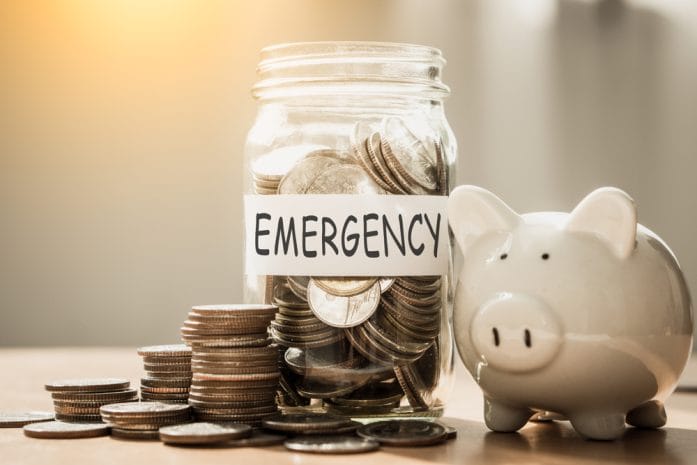
Why Are Emergency Funds Harder to Rebuild Than People Expect

January 11, 2026 by Brandon Marcus Leave a Comment

Why Are Emergency Funds Harder to Rebuild Than People Expect
Image Source: Shutterstock.com

Life has a sneaky habit of tossing unexpected bills, medical emergencies, and car repairs at the worst possible moments. One week you’re cruising through your budget with confidence, the next you’re staring at a drained bank account wondering, “How did this happen so fast?” Rebuilding an emergency fund often feels like trying to fill a leaky bucket—no matter how hard you try, the water just disappears. And yet, many people underestimate just how long it takes to recover after a financial setback.

It’s not about laziness, it’s about psychology, lifestyle pressures, and the subtle tricks our money habits play on us. Let’s dig into why replenishing your emergency fund can feel way harder than anyone expects.

The Psychology Of Loss And Why It Hurts More Than Expected

Humans are wired to feel losses more acutely than gains, a phenomenon economists call loss aversion. When money disappears from your emergency fund, the emotional impact is immediate and often exaggerated. Even a small setback can feel catastrophic, making the goal of rebuilding seem daunting. Our brains don’t treat money linearly; losing $500 feels like more than the happiness of earning $500. This mental weight can make it difficult to stay motivated, even if the numbers on paper aren’t dire.

On top of that, stress triggers a survival mode where long-term planning feels secondary to immediate needs. Understanding the psychology behind loss can help you cut yourself some slack while designing a realistic strategy to refill your safety net.

Lifestyle Inflation Sneaks In When You Least Expect It

As your income grows, it’s tempting to upgrade your lifestyle immediately—new gadgets, fancier dinners, or more travel. Lifestyle inflation is like a silent budget leak that drains money that could be rebuilding your emergency fund. Even small, consistent increases in monthly spending can derail your financial recovery plan without you noticing. People often assume that once the crisis is over, money will flow back in naturally—but reality doesn’t work that way. Every extra latte, subscription, or impulse purchase chips away at your ability to save. Being mindful of lifestyle inflation isn’t about restriction; it’s about protecting your long-term security while still enjoying life.

The Unseen Costs That Keep Piling Up

Unexpected expenses rarely come alone. A medical visit might lead to prescription costs, follow-up appointments, and transportation expenses. A car repair might reveal other maintenance needs. These hidden costs can make it feel like your emergency fund is a game of whack-a-mole. Each time you patch one hole, another seems to appear, making rebuilding a slow, sometimes discouraging process.

People often forget to account for these ripple effects when estimating how long it will take to recover. Anticipating potential hidden expenses and creating a buffer beyond your target fund can make a big difference in how achievable rebuilding feels.

Why Are Emergency Funds Harder to Rebuild Than People Expect
Image Source: Shutterstock.com

The Trap Of Overestimating Income Flexibility

After a financial shock, it’s natural to assume that “extra” money can be redirected to the emergency fund immediately. But life is rarely that simple. Paychecks are often already spoken for—rent, utilities, groceries, and debts don’t pause just because your fund is low. Overestimating your ability to save can lead to frustration and, in some cases, abandoning the effort altogether. People sometimes think that a small monthly contribution is inconsequential, but even modest, consistent deposits can rebuild a fund over time. The key is realistic expectations: understanding what can truly be allocated each month without causing stress or sacrificing essential needs.

The Long-Term Habit Shift That’s Often Required

Rebuilding an emergency fund isn’t just about numbers; it’s about forming lasting habits. If your spending patterns contributed to the initial drain, those habits need to change for recovery to stick. This often involves creating stricter budgets, tracking spending meticulously, or even reassessing priorities. Habit change takes time—sometimes months—to feel natural, and during this period, patience is crucial.

It’s common to see progress, experience setbacks, and feel like the effort isn’t paying off. Recognizing that habit formation is part of the process can transform frustration into steady progress. Consistency beats speed every time when it comes to financial security.

Unexpected Emotional Triggers Can Set You Back

Rebuilding your fund isn’t just about math; emotions play a huge role. Stress, peer pressure, and social comparison can trigger impulsive spending or feelings of hopelessness. A night out with friends, seeing a colleague’s new purchase, or even seasonal advertising can tempt you to dip into the fund you’re trying to rebuild. Emotional spending is a natural human response, but it can make recovery feel painfully slow. By identifying emotional triggers and planning for them—like allocating a small fun budget—you can protect your fund while still enjoying life. Financial resilience isn’t about perfection; it’s about managing these challenges strategically.

Join The Conversation About Rebuilding Financial Safety

Rebuilding an emergency fund is rarely as quick or easy as people hope, but understanding the hurdles makes the process less intimidating. From loss aversion to lifestyle inflation, hidden costs, and emotional triggers, many factors contribute to the challenge. By creating realistic goals, practicing patience, and cultivating consistent saving habits, you can rebuild your financial safety net without sacrificing your sanity.

Have you ever had to rebuild your emergency fund, or are you in the process now? Tell us your experiences and lessons below—your insights might just help someone else navigate the tricky path to financial security.

You May Also Like…

Savings Game: 5 Ways to Boost Your Emergency Fund Before December Ends

Build an Ironclad Emergency Fund That Can Withstand Any Crisis

10 Financial Dangers of Skipping Emergency Funds

Why Your $1,000 Emergency Fund Is Not Nearly Enough for 2026

5 Ways The New Year Gets In The Way Of Saving Money


Brandon Marcus
Brandon Marcus

Brandon Marcus is a writer who has been sharing the written word since a very young age. His interests include sports, history, pop culture, and so much more. When he isn’t writing, he spends his time jogging, drinking coffee, or attempting to read a long book he may never complete.

Filed Under: Lifestyle Tagged With: Cost of living, costs, emergency fund, emergency funds, Income, income flexibility, Life, Lifestyle, Lifestyle Inflation, loss, rising costs, Saving, saving account, saving money, savings

Why Does Money Feel Tighter Even When Your Income Hasn’t Changed

January 7, 2026 by Brandon Marcus Leave a Comment

Why Does Money Feel Tighter Even When Your Income Hasn’t Changed
Image Source: Shutterstock.com

Your paycheck lands right on schedule, the numbers look the same as last year, yet your bank balance feels like it’s playing an aggressive game of hide-and-seek. One minute you’re confident, the next you’re wondering how a routine grocery run turned into a mini financial crisis.

This odd, frustrating sensation isn’t laziness, bad math, or sudden irresponsibility. It’s a very real experience shared by millions of people who feel financially squeezed despite earning the same amount. The truth is, money can feel tighter for reasons that are subtle, structural, and deeply woven into daily life.

Inflation Quietly Rewrites The Rules Of Spending

Inflation doesn’t announce itself with fireworks; it shows up as tiny price bumps that quietly pile on top of each other. Groceries cost a little more, gas creeps upward, and utilities inch higher month after month. Even when inflation slows, prices rarely roll back to where they were before. This means your unchanged income buys less than it used to, even if your habits haven’t changed. Over time, those extra dollars leaving your wallet create the sensation that money is disappearing faster than ever.

Fixed Expenses Are Growing Faster Than Paychecks

Housing, insurance, healthcare, and transportation have become heavyweight champions of monthly budgets. Rent and homeownership costs have risen sharply in many areas, often outpacing wage growth by a wide margin. Insurance premiums regularly jump year to year, sometimes with no clear explanation. Medical costs and prescriptions add another layer of unpredictability. When fixed expenses expand, they leave less flexibility for everything else, making your financial world feel tighter and less forgiving.

Lifestyle Creep Happens Even Without Luxury

Lifestyle creep doesn’t require designer bags or luxury cars. It can look like upgraded streaming services, higher-quality groceries, food delivery on busy nights, or subscriptions you forgot you signed up for. As life gets more complex, convenience often becomes nonnegotiable. Each small upgrade feels reasonable on its own, but together they quietly raise the baseline cost of living. Without noticing, your income is supporting a more expensive version of everyday life.

Debt Carries A Heavier Emotional And Financial Weight

Debt payments have a way of shrinking the usable portion of your income. Credit cards, student loans, car loans, and buy-now-pay-later plans all demand their slice every month. Rising interest rates can increase minimum payments, even when balances don’t change much. Beyond the math, debt creates mental pressure that amplifies financial stress. When a chunk of your income is already spoken for, the rest can feel painfully small.

Why Does Money Feel Tighter Even When Your Income Hasn’t Changed
Image Source: Shutterstock.com

Social Expectations Make Spending Feel Mandatory

Modern life comes with unspoken financial expectations. Birthdays, weddings, group trips, dinners out, and school-related costs add social pressure to spend. Saying no can feel awkward, isolating, or guilt-inducing. Social media magnifies this effect by constantly showcasing experiences that seem normal, affordable, and universal. Even modest participation in social life can strain a budget, making it feel like money evaporates the moment it arrives.

Financial Shock Absorbers Are Wearing Thin

Savings once acted as a cushion, absorbing surprises like car repairs or medical bills. For many people, those cushions have thinned or vanished entirely. When unexpected expenses pop up, they hit harder and feel more destabilizing.

Without savings to soften the blow, every surprise becomes a crisis. This constant state of alert makes finances feel fragile, even if income remains steady.

Time Scarcity Increases Costly Decisions

Being busy is expensive. When time is limited, people rely more on convenience, speed, and outsourcing. That can mean takeout instead of cooking, ride-shares instead of public transit, or expedited services instead of DIY solutions. None of these choices are wrong, but they cost more. Over time, a packed schedule can quietly drain money faster than expected.

Comparison Distorts Financial Reality

It’s easy to believe everyone else is doing better financially. Friends appear to travel more, upgrade homes, and enjoy frequent indulgences. What’s rarely visible is the debt, stress, or trade-offs behind those choices.

Comparison creates pressure to keep up, even subconsciously. That pressure can make your own finances feel inadequate, no matter how stable they actually are.

Your Brain Notices Loss More Than Stability

Psychology plays a major role in how money feels. Humans are wired to feel losses more intensely than gains. Rising prices and shrinking margins trigger discomfort faster than stable income provides comfort. Even small financial setbacks can dominate your attention. This mental bias makes tightness feel sharper and more constant than the numbers alone would suggest.

Why This Feeling Matters More Than You Think

Money feeling tight isn’t a personal failure; it’s a signal. It reflects shifting economic forces, changing lifestyles, social pressures, and psychological responses all colliding at once. Understanding why this happens can reduce self-blame and open the door to smarter adjustments, whether that means revisiting expenses, setting clearer boundaries, or simply recognizing that you’re not alone.

If this experience resonates with you, we’d love to hear your thoughts or stories in the comments below and keep the conversation alive and thriving.

You May Also Like…

Tax Foresight: 6 Planning Moves That Could Save You Money Soon

Tax Surge: 4 Income Types That Trigger Hidden Tax Bills

5 Ways To Easily Boost Your Income In 2026

Income Threshold: 4 Hidden Taxes That Hit Once You Cross Certain Limits

13 Intriguing Ideas for Generating Passive Rental Income Streams


Brandon Marcus
Brandon Marcus

Brandon Marcus is a writer who has been sharing the written word since a very young age. His interests include sports, history, pop culture, and so much more. When he isn’t writing, he spends his time jogging, drinking coffee, or attempting to read a long book he may never complete.

Filed Under: Lifestyle Tagged With: expenses, financial choices, financial decisions, fixed expenses, Income, income stream, Inflation, Life, Lifestyle, Lifestyle creep, Money, money issues, money matters, overspending, Smart Spending, spending

Tax Foresight: 6 Planning Moves That Could Save You Money Soon

January 5, 2026 by Brandon Marcus Leave a Comment

Tax Foresight: 6 Planning Moves That Could Save You Money Soon
Image Source: Shutterstock.com

Fireworks don’t usually go off when someone mentions taxes, but this is where the story flips. Smart tax planning can feel like unlocking a secret level where the rewards are real cash, less stress, and way more control. Instead of scrambling at filing time, a little foresight lets you play offense, not defense, with your money.

These moves aren’t about loopholes or gimmicks; they’re about using existing rules wisely and confidently. Listen closely, because the right planning today can make future-you very glad you paid attention.

1. Maximize Retirement Contributions Early

Putting more into retirement accounts can reduce taxable income while building long-term wealth at the same time. Contributions to traditional 401(k)s and IRAs are often tax-deductible, which can lower what you owe this year. Starting early in the year spreads the impact across paychecks and feels less painful than a late rush. Many employers also match contributions, which is essentially free money with tax advantages. Over time, tax-deferred growth can turn consistent planning into serious savings.

2. Harvest Investment Losses Strategically

Tax-loss harvesting allows investors to sell underperforming assets to offset taxable gains elsewhere. This move can help reduce capital gains taxes without changing long-term investment strategy. Losses beyond gains may even offset a portion of ordinary income, within IRS limits. Timing matters, especially around year-end and wash sale rules. Done carefully, this strategy turns market dips into a planning advantage instead of a frustration.

3. Use Health Accounts As Stealth Tax Shields

Health Savings Accounts are one of the most tax-efficient tools available when paired with eligible health plans. Contributions are typically pre-tax, growth is tax-free, and qualified withdrawals avoid taxes entirely. Few accounts offer this triple benefit, which makes HSAs powerful long-term planning vehicles. Funds can roll over year after year, unlike flexible spending accounts. Treating an HSA as an investment account can quietly protect thousands from future taxes.

4. Time Income And Deductions With Intention

When income or expenses can be shifted, timing becomes a powerful planning lever. Deferring income to a later year may reduce exposure to higher tax brackets. Accelerating deductions, like charitable gifts or business expenses, can increase immediate tax benefits. This approach works especially well for freelancers, business owners, and retirees with flexible income streams. Thoughtful timing can smooth out tax bills and prevent unpleasant surprises.

Tax Foresight: 6 Planning Moves That Could Save You Money Soon
Image Source: Shutterstock.com

5. Take Credits Seriously, Not Casually

Tax credits directly reduce taxes owed, making them more valuable than deductions in many cases. Credits for education, childcare, energy efficiency, and dependent care can add up quickly. Eligibility rules matter, so awareness is key to claiming what’s allowed. Some credits are refundable, meaning they can boost refunds even if taxes owed are low. Missing credits often means leaving real money on the table.

6. Review Withholding And Estimated Payments Regularly

Withholding that’s too high gives the government an interest-free loan, while too low can trigger penalties. Regular reviews help align payments with actual tax obligations as life changes. Job shifts, side income, bonuses, and investments can all throw off estimates. Adjusting throughout the year keeps cash flow predictable and stress levels lower. This simple habit can prevent last-minute panic and unexpected bills.

Plan Ahead And Stay Curious

Tax planning doesn’t require obsession, but it does reward attention and curiosity. Each move builds on the idea that informed choices today can unlock savings sooner than expected. Everyone’s situation is different, which makes learning from others especially valuable.

If you’ve tried any of these strategies or learned something the hard way, the comments section below is waiting. Your experiences might spark someone else’s next smart move.

You May Also Like…

Income Threshold: 4 Hidden Taxes That Hit Once You Cross Certain Limits

9 Georgia Counties Where Property Taxes Are Set to Rise the Fastest

9 Financial Dangers of Ignoring Property Taxes

Tax Surge: 4 Income Types That Trigger Hidden Tax Bills

Income Stability: 6 Retirement Income Moves That Aren’t as Safe as They Seem

Brandon Marcus
Brandon Marcus

Brandon Marcus is a writer who has been sharing the written word since a very young age. His interests include sports, history, pop culture, and so much more. When he isn’t writing, he spends his time jogging, drinking coffee, or attempting to read a long book he may never complete.

Filed Under: Tax Planning Tagged With: 401(k), deductions, filing taxes, health accounts, Income, income taxes, retirement accounts, retirement contributions, retirement savings, tax planning, tax plans, tax tips, taxes

Income Stability: 6 Retirement Income Moves That Aren’t as Safe as They Seem

January 2, 2026 by Brandon Marcus Leave a Comment

Income Stability: 6 Retirement Income Moves That Aren’t as Safe as They Seem
Image Source: Shutterstock.com

Retirement is often sold as the great exhale of life — the moment when the clock stops yelling, the calendar loosens its grip, and your money finally works for you instead of the other way around.

But beneath that glossy vision of beach chairs and morning coffee freedom sits a quieter reality: not all “safe” income strategies are actually safe. Some are built on assumptions that worked in yesterday’s economy, not today’s faster, stranger, and more expensive world. Others look stable on paper but wobble when inflation, taxes, or timing enter the room. And a few are downright comforting illusions dressed up as financial wisdom.

If your retirement plan leans on anything that “everyone says” is reliable, it might be time to take a closer look before confidence turns into costly surprise.

1. Relying Too Heavily On Social Security Alone

Social Security feels dependable because it’s familiar, predictable, and government-backed, but that doesn’t mean it’s sufficient. The average benefit replaces only a portion of pre-retirement income, often far less than people expect when real-world expenses show up. Cost-of-living adjustments help, but they rarely keep pace with healthcare, housing, and lifestyle inflation over decades. Claiming early can permanently shrink your benefit, while waiting too long may strain savings unnecessarily. Treating Social Security as a foundation is smart, but building your entire retirement house on it is risky.

Income Stability: 6 Retirement Income Moves That Aren’t as Safe as They Seem
Image Source: Shutterstock.com

2. Assuming Pensions Are Untouchable

Pensions used to be the gold standard of retirement security, yet today they’re far from bulletproof. Many private and even public pensions face underfunding, management issues, or benefit adjustments that retirees never saw coming. Some plans reduce payouts, freeze cost-of-living increases, or shift risks onto participants without much warning. Relying on a pension as if it’s immune to economic or political change can create a false sense of permanence. A pension can be powerful, but it should be one pillar, not the whole structure.

3. Treating Dividend Stocks Like Guaranteed Paychecks

Dividend stocks feel comforting because they produce regular income without selling shares. The problem is dividends are optional, not promises, and companies can reduce or eliminate them during downturns. Market volatility, industry disruption, or poor leadership can quickly turn “reliable income” into shrinking payments. Chasing high yields often means taking on hidden risk that only becomes obvious when it’s too late. Dividend investing works best when balanced with diversification and realistic expectations, not blind trust.

4. Believing Annuities Are Always Safe Havens

Annuities are often marketed as worry-free income machines, but the fine print can tell a different story. Fees, surrender charges, and complex terms can quietly erode returns over time. Some annuities lock money away so tightly that accessing it in an emergency becomes expensive or impossible. Others rely heavily on the financial health of the issuing company, which is not guaranteed forever. Annuities can play a role, but only when the structure truly fits the retiree’s needs.

5. Counting On Real Estate To Always Pay Off

Rental income sounds like the ultimate passive income dream, until repairs, vacancies, and market shifts show up uninvited. Property values don’t always rise, and selling at the wrong time can mean locking in losses instead of gains. Taxes, insurance, and maintenance often grow faster than rental income, especially in later years. Real estate can absolutely be a strong income source, but treating it as foolproof ignores its very real volatility. Owning property still requires active management, even in retirement.

6. Ignoring Inflation Because “It Hasn’t Been That Bad”

Inflation rarely feels dangerous until it suddenly is. Even modest inflation can quietly cut purchasing power in half over a long retirement. Fixed income streams that feel generous today may struggle to cover basics 15 or 20 years from now. Healthcare, food, and housing often inflate faster than official averages, hitting retirees especially hard. Planning without accounting for inflation is like sailing with a slow leak you don’t notice until the boat starts tilting.

Stability Comes From Awareness, Not Assumptions

Retirement income isn’t about finding one perfect solution; it’s about building flexibility into a long and unpredictable chapter of life. The most dangerous plans are the ones that feel “set it and forget it,” because they quietly ignore how fast the world changes. Real stability comes from understanding the risks, diversifying income sources, and revisiting decisions as life evolves. When you question what seems safe, you give yourself the power to adjust before problems grow teeth.

If you’ve had a retirement surprise — good or bad — or learned a lesson the hard way, drop your thoughts or experiences in the comments below and keep the conversation going.

You May Also Like…

Savings Leap: 9 Mid-Life Moves That Boost Long-Term Retirement Odds

8 Harsh Truths Why Boomers Can’t Change Their Retirement Plans Now

Expense Overflow: 4 Retirement Bills That Catch People Off Guard

At What Age Should You Seriously Start Thinking About Retirement?

Savings Base: 6 Foundational Moves That Keep Retirement Plans Stable


Brandon Marcus
Brandon Marcus

Brandon Marcus is a writer who has been sharing the written word since a very young age. His interests include sports, history, pop culture, and so much more. When he isn’t writing, he spends his time jogging, drinking coffee, or attempting to read a long book he may never complete.

Filed Under: Retirement Tagged With: annuities, Dividends, Income, income moves, pensions, retire, retiree, retirees, Retirement, retirement income, retirement planning, retirement plans, senior citizens, seniors, Social Security, stock market, stocks

  • 1
  • 2
  • 3
  • Next Page »

FOLLOW US

Search this site:

Recent Posts

  • Can My Savings Account Affect My Financial Aid? by Tamila McDonald
  • 12 Ways Gen X’s Views Clash with Millennials… by Tamila McDonald
  • What Advantages and Disadvantages Are There To… by Jacob Sensiba
  • 10 Tactics for Building an Emergency Fund from Scratch by Vanessa Bermudez
  • Call 911: Go To the Emergency Room Immediately If… by Stephen Kanaval
  • 7 Weird Things You Can Sell Online by Tamila McDonald
  • 10 Scary Facts About DriveTime by Tamila McDonald

Copyright © 2026 · News Pro Theme on Genesis Framework