• Home
  • About Us
  • Toolkit
  • Getting Finances Done
    • Hiring Advisors
    • Debt Management
    • Spending Plan
  • Insurance
    • Life Insurance
    • Health Insurance
    • Disability Insurance
    • Homeowners/Renters Insurance
  • Contact Us
  • Privacy Policy
  • Risk Tolerance Quiz

The Free Financial Advisor

You are here: Home / Archives for cryptocurrency

What Young People Can Teach Their Grandparents About Money

December 21, 2025 by Brandon Marcus Leave a Comment

Here Is What Young People Can Teach Their Grandparents About Money

Image Source: Shutterstock.com

Money moves fast these days, and it’s not just the stock market doing the sprinting. Young people have grown up in a whirlwind of apps, subscriptions, and digital wallets, and they’re running laps around traditional ways of managing money. Grandparents may have decades of experience, but sometimes experience needs a little turbo boost from the new generation.

From budgeting hacks to investing shortcuts, the lessons flow both ways—but today, it’s the younger crowd in the driver’s seat.

1. Digital Wallets Are Not Just Fancy Gadgets

Grandparents might still be fumbling with checkbooks, but young people are turning phones into personal banks. Apps like Venmo, Cash App, and Apple Pay make splitting bills, sending gifts, and paying rent feel like a casual text conversation. Digital wallets also track spending automatically, giving insights that even the most meticulous ledger can’t match. No more digging through piles of receipts or wondering where the money went at the end of the month. This isn’t magic—it’s technology making life easier, and grandparents can totally catch up.

2. Subscription Services Can Break Or Make Your Budget

Streaming, gaming, software, even meal kits—there’s a subscription for almost everything today. Young people have mastered the art of managing multiple subscriptions without bleeding cash. They know which services they actually use, which ones are worth canceling, and how to snag deals without overspending. Teaching grandparents to audit recurring charges can be a game-changer for saving money without feeling deprived. Awareness and smart canceling can transform a bloated monthly bill into a streamlined, stress-free financial plan.

3. Investing Isn’t Just For The Suits

Stocks, crypto, ETFs, robo-advisors—investment used to sound like Wall Street jargon. But young people are shaking things up, showing that anyone can start small and grow wealth over time. Micro-investing apps and fractional shares let beginners invest without needing a fortune upfront. Grandparents can learn the thrill of compounding, the patience of long-term growth, and even a little risk management from the younger generation. It’s proof that investing isn’t intimidating—it’s just a new kind of fun puzzle.

4. Side Hustles Are A Real Thing

Back in the day, a steady 9-to-5 was the path to security. Today, young people are flipping skills into cash with side hustles—freelancing, gig work, online tutoring, or even selling creations on Etsy. They understand that money doesn’t only come from one source, and that multiple streams can lead to financial freedom. Grandparents can take notes on diversifying income without overcomplicating life. Sometimes, learning how to monetize a hobby or skill is the spark that turns financial anxiety into empowerment.

5. Saving Can Be Fun And Creative

Young people don’t just stash money under the mattress—they gamify it. Round-up apps, automatic transfers, and reward-based savings make putting money aside feel satisfying rather than painful. Grandparents can learn that saving isn’t about denial; it’s about creating a system that works with your lifestyle. Visual progress trackers and challenges turn boring budgets into exciting financial missions. It’s a shift in mindset that proves money management can actually be enjoyable.

Here Is What Young People Can Teach Their Grandparents About Money

Image Source: Shutterstock.com

6. The Power Of Financial Community

Social media isn’t just for memes and cat videos—it’s a financial classroom in disguise. Young people exchange tips, celebrate milestones, and learn from mistakes in ways that are public and collaborative. Grandparents can see the value of discussing money openly instead of keeping it private and isolating. Forums, apps, and groups create accountability and encouragement that textbooks never could. Learning to lean on a community can turn intimidating financial decisions into shared adventures.

7. Tech Tools Make Tracking Everything Easier

Spreadsheets are fine, but apps are faster, smarter, and sometimes downright fun. Young people rely on technology to monitor spending, set goals, and forecast future finances effortlessly. Notifications, charts, and alerts replace the stress of forgotten bills or missed payments. Grandparents can adopt these tools to regain control without spending hours on tedious paperwork. Once the fear of “tech overwhelm” fades, the convenience and clarity are addictive.

8. Mindset Matters As Much As Money

Finally, young people bring a refreshing attitude to finances: curiosity over fear, experimentation over stagnation. They see mistakes as lessons and aren’t afraid to try new methods. Grandparents can learn that money isn’t just numbers—it’s a mindset game. Being open to change and new ideas often leads to more opportunities and less stress. In essence, financial wisdom is less about age and more about adaptability.

Generational Money Lessons Go Both Ways

Learning about money doesn’t stop at any age. Young people can teach grandparents digital tricks, investing strategies, and creative saving methods, while grandparents provide wisdom, patience, and perspective. When generations combine experience with innovation, money management becomes more dynamic, effective, and even exciting.

Have you experienced a moment where someone younger taught you a financial tip that blew your mind? Drop your thoughts or stories in the comments section.

You May Also Like…

The 6 Most Common Mistakes Young People Make About Credit

5 Lessons Young People Should Know About Investing

Why Young People Should Invest In The Stock Market

7 Clever Ways Grandparents Save on Family Vacations

7 Things That Must Be in Your Will to Prevent Vicious Family Fights


Brandon Marcus
Brandon Marcus

Brandon Marcus is a writer who has been sharing the written word since a very young age. His interests include sports, history, pop culture, and so much more. When he isn’t writing, he spends his time jogging, drinking coffee, or attempting to read a long book he may never complete.

Filed Under: Lifestyle Tagged With: crypto, cryptocurrency, digital wallets, etfs, families, Family, family issues, family money, grandkids, grandma, grandpa, grandparents, investing, investors, Life, Lifestyle, Money, money issues, money matters, side hustles, subscription services, young people

Regulation Alert: 9 Proposed Rules Every Investor Should Watch in 2026

December 11, 2025 by Brandon Marcus Leave a Comment

There Are Numerous Proposed Rules Every Investor Should Watch in 2026

Image Source: Shutterstock.com

Investing in 2026 is shaping up to be more exciting—and a bit more complicated—than ever.

Regulators are proposing a wave of new rules that could shake up markets, influence trading strategies, and make investors rethink the way they approach risk. For those of us who love watching the market evolve, these proposals are like a thrilling financial thriller unfolding in real time.

Some rules might tighten restrictions, others could open new doors, and all of them deserve a closer look if you want to stay ahead.

1. Enhanced Disclosure Requirements For ESG Investments

Environmental, social, and governance (ESG) investing has been growing at lightning speed, but regulators want more transparency. Proposed rules aim to require companies to provide detailed reports on how their operations truly align with ESG claims. Investors could see standardized metrics for carbon footprints, diversity initiatives, and corporate governance practices. This could help weed out companies that are greenwashing or making misleading social claims. For savvy investors, understanding these disclosures early could become a competitive advantage.

2. Mandatory Real-Time Trade Reporting For Retail Investors

Imagine knowing exactly what’s happening in the market as it happens. Regulators are considering rules that would expand real-time trade reporting beyond institutional players to include retail activity. This could mean more transparency in price movements and fewer surprises for everyday investors. On the flip side, it might also create new volatility or strategic behavior from high-frequency traders. Investors will need to watch for how this could affect liquidity and pricing on popular stocks.

3. New Limits On Derivative Leverage

Derivatives have always been thrilling and terrifying at the same time. Proposed rules in 2026 are looking at restricting the leverage available for certain derivative trades. The goal is to curb systemic risk and prevent wild swings that can cascade through markets. While this could reduce extreme losses, it might also limit potential upside for risk-tolerant investors. Staying informed about which instruments are affected could be critical for those with aggressive portfolios.

4. Stricter Guidelines On Crypto Asset Custody

Cryptocurrencies are here to stay, but regulators aren’t taking chances. Proposed regulations aim to strengthen custody rules for crypto assets, focusing on security, insurance, and operational transparency. Investors may see stricter standards for exchanges and wallet providers to protect against hacks or mismanagement. While this could increase investor confidence, it might also raise the cost of participation in digital assets. Understanding the evolving landscape will be key for those balancing traditional and crypto portfolios.

There Are Numerous Proposed Rules Every Investor Should Watch in 2026

Image Source: Shutterstock.com

5. Expanded Requirements For Proxy Voting Transparency

Corporate governance is entering a new era of accountability. Proposed rules could require mutual funds, ETFs, and institutional investors to disclose how they vote proxies on shareholder issues. This means everyday investors might get a clearer view of how their money influences corporate decisions. Transparency in proxy voting could lead to more engagement and potentially reshape executive behavior. Keeping an eye on these proposals could help investors align their portfolios with their values more effectively.

6. Increased Oversight Of Short Selling Activities

Short selling has always had a flair for drama, and regulators want to keep it under closer watch. Proposed 2026 rules may include more frequent reporting, stricter disclosure requirements, and tighter borrowing regulations. These changes aim to prevent market manipulation and reduce volatility spikes. While short sellers may see more compliance burdens, ordinary investors might gain more insight into market sentiment. Understanding these rules could provide strategic advantages for both long and short positions.

7. New Guidelines For Retail Advisory Fees

Advisory fees have long been a point of contention, and regulators are looking to clarify what is reasonable. Proposed rules may require financial advisors to provide clearer breakdowns of fees, including hidden costs and third-party arrangements. The goal is to ensure investors know exactly what they’re paying for advice. This could help retail investors make more informed decisions about where to allocate assets. Savvy investors could use this transparency to negotiate better terms or seek lower-cost alternatives.

8. Expanded Cybersecurity Standards For Financial Institutions

In an era where digital breaches make headlines weekly, regulators are focused on cybersecurity. Proposed rules could mandate more robust systems for protecting customer data, monitoring cyber threats, and reporting incidents quickly. Investors could see enhanced safeguards for their accounts and more confidence in online transactions. While these standards may increase operational costs for institutions, the benefit is a safer investing environment. Being aware of these requirements can help investors evaluate which institutions are taking security seriously.

9. Standardized Risk Metrics For Mutual Funds And ETFs

Understanding risk is fundamental, but comparing funds has often been messy. Proposed rules in 2026 aim to create standardized risk metrics for mutual funds and ETFs. This could make it easier for investors to assess volatility, drawdowns, and exposure to various market factors. Consistency in reporting would allow better apples-to-apples comparisons when building a diversified portfolio. Investors who track these metrics closely could make smarter choices and avoid hidden pitfalls.

Stay Ahead Or Play Catch-Up

The 2026 regulatory landscape is shaping up to be both challenging and exciting for investors. From ESG disclosures to crypto custody and risk metrics, each proposed rule has the potential to influence market behavior in meaningful ways. Staying informed isn’t optional—it’s essential if you want to maintain an edge. By keeping an eye on these proposals and understanding their implications, investors can make strategic adjustments rather than scrambling reactively.

Have you noticed any of these regulatory trends affecting your investments, or do you have predictions for how they’ll play out? Let’s hear about it.

You May Also Like…

10 New Financial Regulations Your Bank Isn’t Telling You About

4 Indispensable Tools for Backtesting Investment Theories Swiftly

9 Critical Differences Between Value and Growth Investing Approaches

9 Key Considerations When Investing Through Automated Platforms

7 Risky Investment Trends Only Experts Understand Fully


Brandon Marcus
Brandon Marcus

Brandon Marcus is a writer who has been sharing the written word since a very young age. His interests include sports, history, pop culture, and so much more. When he isn’t writing, he spends his time jogging, drinking coffee, or attempting to read a long book he may never complete.

Filed Under: Investing Tagged With: 2026, crypto, crypto banking, cryptocurrency, cybersecurity, invest, investing, Investment, investment rules, Investor, investors, regulation, retail investors, rule changes, rules and regulation

11 Cryptocurrencies Your Advisor Doesn’t Want You Researching Alone

December 5, 2025 by Brandon Marcus Leave a Comment

There Are Certain Cryptocurrencies Your Advisor Doesn't Want You Researching Alone

Image Source: Shutterstock.com

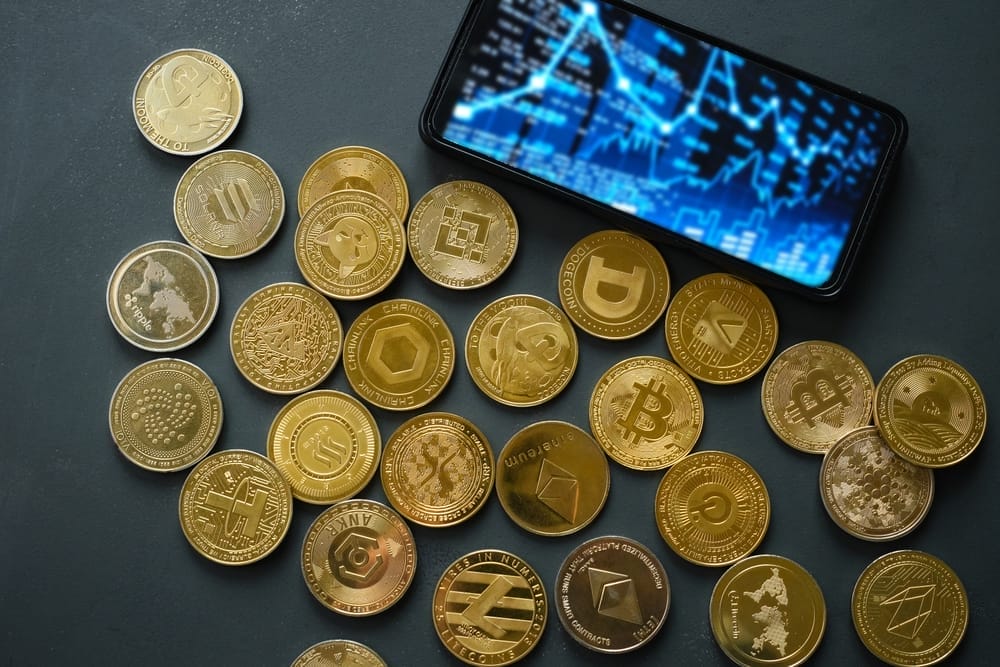
There’s no doubt that it’s thrilling to scroll through the world of cryptocurrencies—like you’ve stumbled into a digital Wild West filled with glittering promises, confusing jargon, and enough volatility to give even the bravest investor heart palpitations. Advisors often prefer you stick to the “safe and simple stuff,” but let’s be honest: the lesser-known corners of crypto are where the real intrigue lives. Some coins come with bold missions, wild communities, or technology that feels like it was smuggled out of the future. Other coins? Well, they’re the financial equivalent of petting a tiger because it “looks friendly.”

Whether you’re exploring out of curiosity or hunting for the next big story to tell at brunch, these are the cryptos you’ll want to handle with both fascination and caution.

1. Bitcoin Cash

Bitcoin Cash often sparks debates that sound more like family drama than finance because it was born from a major ideological split in the original Bitcoin community. Supporters swear it’s the truer version of what Bitcoin was meant to be, thanks to its faster transaction speeds. Critics argue it’s living perpetually in Bitcoin’s shadow, struggling to form its own identity. That tension alone makes it a fascinating coin to dig into, but it also means you need to understand the history behind the split to make sense of it. Advisors know this rabbit hole is deep, emotional, and fiercely opinionated.

There Are Certain Cryptocurrencies Your Advisor Doesn't Want You Researching Alone

Image Source: Shutterstock.com

2. Cardano

Cardano has a loyal fanbase that treats its roadmap like it belongs in a museum display, complete with phases named after famous poets and computer scientists. This coin prides itself on academic rigor, meaning upgrades take time, research, and more peer review than most college dissertations. Investors are drawn to its slow-and-steady vibe, which contrasts sharply with the “move fast and break things” energy of other cryptos. But that careful pace can frustrate newcomers who want flashier action or quicker news cycles. Your advisor probably knows you’ll lose a weekend watching Cardano explainer videos without coming up for air.

3. Solana

Solana is fast—so fast that people joke it’s trying to win a race no one else signed up for. Its ability to process an enormous number of transactions quickly made it a darling in the crypto world almost overnight. But its history also includes a handful of network outages that critics love to bring up at every opportunity. Fans argue that these hiccups are expected when building something this futuristic, while skeptics insist reliability trumps speed. One deep dive into its community arguments, and you’ll understand why your advisor stays neutral.

4. Polkadot

Polkadot isn’t just a cryptocurrency—it’s an entire concept about connecting blockchains into one big harmonious universe. The vision is ambitious enough to make even veteran developers squint with both admiration and caution. Its “parachain” system is complex, brilliant, and occasionally overwhelming to newcomers who simply wanted to know what the logo meant. But learning how Polkadot works is like learning how your favorite gadgets communicate behind the scenes—it’s mesmerizing if you’re patient. Advisors know the complexity can lead curious minds down a vortex of endless reading.

5. Avalanche

Avalanche bursts onto conversations whenever people talk about speed, scalability, or creative blockchain applications. It’s a chain that prides itself on doing everything efficiently, from running decentralized apps to enabling custom blockchains. Some enthusiasts view it as the infrastructure of the future, while others wonder if it’s trying to do too much at once. That blend of innovation and uncertainty attracts the boldest explorers. Your advisor knows it’s tempting to believe Avalanche is the future—and equally easy to get overwhelmed by its possibilities.

6. Chainlink

Chainlink isn’t flashy, but it is essential—it’s the quiet genius enabling blockchains to talk to the outside world through what’s known as oracles. Some people call it the plumbing of the crypto industry, but not in a boring way; it’s the kind of plumbing that makes skyscrapers possible. Because it solves such a specific problem, Chainlink has become a favorite among developers and early adopters. However, its usefulness is hard to grasp until you understand what smart contracts can’t do alone. Advisors know this coin inspires late-night Googling sessions that lead to more questions than answers.

7. VeChain

VeChain’s mission is all about supply chains, authenticity, and getting companies to track items in ways that prevent fraud. Heartwarming? Yes. Simple? Not even a little. The moment you dive into how it partners with businesses, tracks goods, and manages data, you realize it’s a lot bigger than it seems. Its long-term potential is interesting, but its real-world applications make the research surprisingly dense. Advisors know that once you start looking at VeChain use cases, you might start checking the legitimacy of your groceries for fun.

8. Algorand

Algorand’s entire identity revolves around elegant, eco-friendly solutions and fast, reliable transactions. It has a founder with serious academic credibility, which automatically raises the stakes for what the coin promises. The technology is genuinely impressive, and its commitment to efficiency has earned it a reputation as a “next-gen” blockchain. But because it tries to solve so many issues at once, understanding it requires more than casual curiosity. Advisors know that people researching Algorand often emerge more excited—but also mildly overwhelmed.

9. Tezos

Tezos is that coin with a cult following and a brainy spirit, built around the idea of self-upgrading technology. It’s designed to evolve without causing massive disruptions, which is a brilliant concept—but also a complicated one to grasp fully. Its governance model fascinates people who love the idea of community-driven innovation. But diving into its voting systems, upgrades, and proposals can feel like getting a backstage pass to blockchain politics. Advisors know that Tezos research tends to escalate quickly into passionate debates.

10. Stellar

Stellar’s focus on fast, inexpensive global transactions sounds simple on the surface, but the ecosystem is surprisingly layered. It aims to connect financial institutions, individuals, and cross-border partners in ways that feel almost futuristic. Some people see it as the bridge between old-school finance and blockchain tech. Others view it as a competitor to traditional remittance services. Advisors know you might go looking for basic info and end up researching international banking systems at midnight.

11. Filecoin

Filecoin’s mission sounds like science fiction: decentralized data storage where anyone can rent out space on their computer. It challenges the way we think about cloud services and digital information security. Because it’s built on incentives and a massive network, the technology behind it is both thrilling and complex. It’s the kind of crypto that sparks curiosity, especially among tech enthusiasts. Advisors know Filecoin inspires big ideas—but those ideas can turn into deep dives that last far longer than planned.

Research Carefully, Explore Boldly

Each of these cryptocurrencies carries its own mix of innovation, hype, complexity, and potential—but also risks that deserve careful attention. Your advisor may prefer you stick to familiar names, but curiosity is part of what makes crypto fascinating. The key is to explore with a clear head, plenty of patience, and a willingness to learn more than you planned.

If you’ve researched any of these or have stories, thoughts, or warnings from your crypto adventures, drop them in the comments below and share your journey. You never know who your insights might help.

You May Also Like…

Why Do Some Advisors Refuse to Talk About Cryptocurrency

7 Crypto ATM Tactics That Leave Seniors Vulnerable

Is a Crypto Crash Coming in 2025?

What Are the Top Cryptocurrencies in 2024, And Why

9 Money Questions People Are Embarrassed to Ask (But Should)


Brandon Marcus
Brandon Marcus

Brandon Marcus is a writer who has been sharing the written word since a very young age. His interests include sports, history, pop culture, and so much more. When he isn’t writing, he spends his time jogging, drinking coffee, or attempting to read a long book he may never complete.

Filed Under: Investing Tagged With: Algorand, Avalance, bad investments, bitcoin, Cardano, Chainlink, crypto, cryptocurrencies, cryptocurrency, cryptocurrency research, financial advice, financial advisor, investing, investing choices, Polkadot, Solana, Tezos, VeChain

7 Risky Investment Trends Only Experts Understand Fully

October 29, 2025 by Travis Campbell Leave a Comment

investment

Image source: shutterstock.com

Investing is never without risk, but some investment trends carry more hidden dangers than others. While social media and news headlines make certain strategies look easy, the reality is much more complex. Many risky investment trends are tempting because of their potential for high returns, but they also come with pitfalls that only seasoned experts fully grasp. If you’re considering jumping into the latest buzzworthy asset or strategy, it’s crucial to know what you’re up against. This article highlights seven risky investment trends that require more than just surface-level knowledge—so you can make informed choices and avoid costly mistakes.

1. Meme Stocks and Social Media Hype

One of the most talked-about risky investment trends is the rise of meme stocks. These are shares in companies that become wildly popular on social media platforms like Reddit and Twitter, often for reasons unrelated to their actual business performance. The hype can send prices soaring overnight, but just as quickly, those prices can crash. Retail investors often get caught up in the excitement, but experts know how quickly sentiment can shift. Without deep knowledge of market psychology and timing, it’s easy to lose money chasing the next viral stock.

2. Cryptocurrency Speculation

Cryptocurrencies have moved from niche to mainstream, but speculation in this space remains one of the riskiest investment trends. Prices are highly volatile, influenced by regulatory changes, technology updates, and market sentiment. While some investors make fortunes, many more lose money due to sudden downturns or scams. Understanding blockchain technology, wallet security, and the nuances of different coins is essential. For most people, the learning curve is steep, and the risks are significant.

3. Leveraged and Inverse ETFs

Exchange-traded funds (ETFs) that use leverage or allow you to bet against the market are not for the faint of heart. These risky investment trends are attractive because they promise amplified returns, but they can also multiply losses. Leveraged ETFs use financial derivatives to double or triple the daily movement of an index, while inverse ETFs move in the opposite direction. Experts caution that these are meant for short-term trading, not long-term investing. If you don’t fully understand how these products work, you could end up with unexpected results, especially in volatile markets.

4. Private Equity and Venture Capital for Retail Investors

Traditionally, private equity and venture capital were reserved for institutional investors and the ultra-wealthy. Now, platforms allow everyday investors to participate. While the allure of investing in startups or private companies is strong, these risky investment trends are fraught with challenges. The lack of transparency, long lock-up periods, and high failure rates mean that only those with significant experience (and the ability to absorb losses) should consider them. Even then, the odds of picking a winner are slim.

5. Real Estate Crowdfunding

Real estate crowdfunding lets individuals pool money to invest in properties or development projects. It sounds like a straightforward way to access the real estate market, but it’s one of the more complex, risky investment trends. The platforms often have limited regulatory oversight, and projects may lack liquidity. Due diligence is difficult, and returns are far from guaranteed. Experts spend a lot of time vetting deals and understanding local markets before committing capital—something most casual investors overlook.

6. Options Trading for Quick Profits

Options trading has become popular among retail investors hoping for quick profits. Unfortunately, this is one of the riskiest investment trends out there. Options are complex financial instruments that can lead to large losses, especially if you’re using strategies like selling naked calls or puts. Experts spend years mastering the nuances of pricing, volatility, and risk management. For beginners, the learning curve is unforgiving, and mistakes can be very costly.

7. NFTs and Digital Collectibles

Non-fungible tokens (NFTs) exploded in popularity as digital art, music, and collectibles started selling for massive sums. While some see NFTs as the future of ownership, others view them as speculative assets with uncertain value. This risky investment trend is particularly tricky because pricing is subjective, and the market is unregulated. Scams and hacks are also common. Experts who succeed in this space combine art world knowledge, tech savvy, and risk management—skills that most investors don’t have.

How to Approach Risky Investment Trends Wisely

Navigating risky investment trends requires more than following the crowd or reading a few blog posts. True experts spend years building their understanding of markets, products, and human psychology. If any of these trends tempts you, it’s important to start small, do your homework, and only risk what you can afford to lose.

Remember, not every trend is right for every investor. The best approach is one that matches your goals, risk tolerance, and level of experience. You can also learn from expert analysis on reputable platforms to make more informed decisions about risky investment trends.

What risky investment trend have you been tempted by, or do you have questions about? Share your thoughts in the comments below!

What to Read Next…

  • How Financial Planners Are Recommending Riskier Portfolios in 2025
  • 7 Areas of Your Portfolio Exposed to Sudden Market Shocks
  • 7 Investment Loopholes That Can Be Closed Without Warning
  • 10 Hidden Profit Sharing Clauses in Investment Products
  • 8 Subtle Illusions Used by Scammers in Investment Offers
Travis Campbell
Travis Campbell

Travis Campbell is a digital marketer/developer with over 10 years of experience and a writer for over 6 years. He holds a degree in E-commerce and likes to share life advice he’s learned over the years. Travis loves spending time on the golf course or at the gym when he’s not working.

Filed Under: Investing Tagged With: cryptocurrency, etfs, investing, NFTs, options trading, Real estate, Risk management

Why Do Some Advisors Refuse to Talk About Cryptocurrency

August 28, 2025 by Travis Campbell Leave a Comment

crypto

Image source: pexels.com

Cryptocurrency is everywhere in the news these days. Many investors are curious about Bitcoin, Ethereum, and other digital assets. But if you’ve asked your financial advisor about cryptocurrency, you may have noticed something: some advisors just won’t talk about it. This can be confusing, especially with so much buzz and potential opportunity in the crypto space. Understanding why some professionals avoid the topic helps you make more informed decisions about your investments. If you’re serious about cryptocurrency, knowing these reasons can guide how you approach your financial planning and conversations with your advisor.

1. Regulatory Uncertainty

The rules around cryptocurrency are still evolving. Unlike traditional investments, cryptocurrencies do not have clear, consistent regulations. Government agencies like the SEC and IRS continue to update their guidance. Some advisors worry that recommending or even discussing cryptocurrency could put them at risk of violating compliance rules. They might not want to give advice that could be seen as stepping outside legal boundaries. Without a clear regulatory framework, many advisors feel safer sticking to well-established asset classes.

2. Lack of Professional Training

Most financial advisors were trained in stocks, bonds, mutual funds, and other traditional investments. Cryptocurrency is a whole new world, with its own language, risks, and technology. Many advisors have not received formal education on how cryptocurrency works or how to evaluate it. This leads to discomfort when clients ask about Bitcoin or other digital assets. Rather than give advice on something they don’t fully understand, some advisors simply avoid the topic altogether. This helps them avoid making mistakes or misleading their clients.

3. High Volatility and Risk

Cryptocurrency is known for its dramatic price swings. One day, Bitcoin might surge 20%; the next, it could drop just as quickly. This kind of volatility is far beyond what most traditional investments experience. Advisors have a duty to protect their clients’ financial well-being and often focus on long-term, stable growth. Many see cryptocurrency as too risky for the average investor. For these advisors, refusing to talk about cryptocurrency is a way to steer clients away from what they see as speculative or dangerous territory.

4. Limited Access Through Custodians

Most advisors manage investments through custodians or brokerage platforms that hold clients’ assets. Many of these platforms do not support cryptocurrency trading or custody. This means advisors can’t easily buy, sell, or manage crypto assets on behalf of their clients. If they can’t monitor or report on these holdings, it’s hard to include them in a comprehensive financial plan. Some advisors simply avoid discussing cryptocurrency because they can’t offer practical solutions or oversight for these investments.

5. Unclear Fiduciary Responsibilities

Financial advisors who act as fiduciaries must always put their clients’ best interests first. But what does that mean when it comes to cryptocurrency? With so much uncertainty and risk, some advisors feel that discussing or recommending cryptocurrency could violate their fiduciary duty. They may worry that clients could lose money and blame the advisor, even if the investment was chosen carefully. Until there is more clarity, some advisors prefer to err on the side of caution and avoid the topic entirely.

6. Reputation Concerns

Cryptocurrency still carries a stigma in some circles. Stories of hacks, scams, and lost fortunes make headlines. Some advisors worry that associating themselves with cryptocurrency could damage their reputation or make them seem less credible. They may fear that clients or colleagues will see them as reckless or chasing fads. By refusing to talk about cryptocurrency, these advisors hope to maintain their professional image and focus on tried-and-true investment strategies.

7. Unfamiliarity With Crypto Security

Unlike stocks or bonds, cryptocurrency requires special knowledge about digital wallets, private keys, and security best practices. If an advisor isn’t comfortable with these technical details, they might worry about steering clients wrong. The risk of loss due to hacking, theft, or simple user error is real. Many advisors would rather avoid discussing cryptocurrency than risk giving advice that could lead to security problems for their clients.

What This Means for Investors

If your advisor refuses to talk about cryptocurrency, it doesn’t necessarily mean they’re ignoring your interests. The primary reason often comes down to the challenges and risks associated with cryptocurrency. These include regulatory uncertainty, lack of training, high volatility, and security concerns. While it’s frustrating if you’re eager to explore digital assets, it’s important to understand your advisor’s position.

The world of cryptocurrency is changing fast. As regulations and industry standards evolve, more advisors may become comfortable discussing digital assets. Until then, being proactive and informed is the best way to manage your crypto interests. Have you discussed cryptocurrency with your advisor? What was your experience? Share your thoughts in the comments below!

What to Read Next…

  • Why ChatGPT May Be Generating Fake Financial Advice And Getting Away With It
  • 7 Crypto ATM Tactics That Leave Seniors Vulnerable
  • How Financial Planners Are Recommending Riskier Portfolios In 2025
  • What Financial Advisors Are Quietly Warning About In 2025
  • 10 Financial Questions That Could Reveal You’re Being Advised Poorly
Travis Campbell
Travis Campbell

Travis Campbell is a digital marketer/developer with over 10 years of experience and a writer for over 6 years. He holds a degree in E-commerce and likes to share life advice he’s learned over the years. Travis loves spending time on the golf course or at the gym when he’s not working.

Filed Under: Financial Advisor Tagged With: crypto regulation, cryptocurrency, digital assets, fiduciary duty, financial advisors, investment risk

6 Digital Account Transfers That Can’t Be Reversed Easily

August 24, 2025 by Travis Campbell Leave a Comment

cash app

Image source: pexels.com

Sending money online is faster and more convenient than ever. A few taps on your phone can move funds across the world in seconds. But with that speed comes a downside: some digital account transfers can’t be reversed easily—or at all. If you send money to the wrong person or account, getting it back can be a nightmare. Understanding which digital account transfers are hard to reverse can help you avoid costly mistakes. Let’s look at the top six types that require extra caution.

1. Peer-to-Peer Payment Apps (Venmo, Cash App, Zelle)

Peer-to-peer (P2P) payment apps have made sending money to friends and family incredibly simple. However, these digital account transfers are often final. Once you hit send on Venmo, Cash App, or Zelle, the money usually lands instantly in the recipient’s account. Most of these services process transfers in real time and do not offer a straightforward way to reverse them.

If you send funds to the wrong person, you’re at their mercy to send it back. While you can request a return, the platform itself typically won’t intervene. Double-check recipient details before confirming any transfer on P2P apps. This is especially important when using Zelle, as many banks integrate it directly with your checking account, making reversals even more difficult.

2. Cryptocurrency Transfers

Cryptocurrency transactions are built on decentralized networks, which means there’s no central authority to help if something goes wrong. Sending Bitcoin, Ethereum, or other digital assets to the wrong wallet address is usually irreversible. The blockchain records your transfer permanently, and funds can’t be retrieved unless the recipient willingly returns them.

These digital account transfers are notorious for being unforgiving. Even a tiny typo in a wallet address can send your crypto into the void. Always double and triple-check addresses before confirming a transaction. Consider sending a small “test” amount first if you’re transferring a large sum.

3. Wire Transfers

Wire transfers are a staple for moving large amounts of money between bank accounts. However, once a wire transfer is processed, reversing it is extremely difficult. Banks generally treat wire transfers as final and irreversible, especially after the funds have left your account and reached the recipient.

If you realize you made a mistake, you need to contact your bank immediately. There’s a slim window—often just minutes—where a recall might be attempted. But if the recipient has already withdrawn or moved the funds, your money is likely gone for good. For this reason, wire transfers are often targeted in scams that exploit their finality.

4. International Money Transfers (Western Union, MoneyGram)

Sending money internationally through services like Western Union or MoneyGram is fast, but not forgiving. Once the funds are picked up by the recipient, you can’t reverse the digital account transfer. Even before pickup, cancellation policies are strict and may not apply if the money has already been claimed.

These services are popular for cross-border remittances and emergencies, but their speed and global reach make them attractive targets for fraudsters. Always verify the recipient’s identity and location before completing a transfer. If you’re unsure, pause and review all details carefully.

5. Prepaid Debit Card Loads

Loading money onto a prepaid debit card is another digital account transfer that’s hard to undo. Once the funds are loaded, they’re available to anyone with access to the card. If you send money to the wrong card number or if the card is lost, recovering your money is unlikely.

Prepaid cards are convenient for budgeting or gifting, but their anonymity can work against you in cases of error. Some issuers may help if you catch the mistake quickly, but there are no guarantees. Treat prepaid card loads with the same caution as cash transfers.

6. Online Bill Payments to the Wrong Account

Many people use online banking to pay bills, but entering the wrong account number or payee can send your payment astray. These digital account transfers can be hard to reverse, especially if the funds are credited to another customer’s account.

Banks may try to help if you report the error promptly, but results vary. If the payment has already been processed and posted, you might need to contact the unintended recipient directly. Always verify account numbers and payee names before confirming bill payments online.

How to Protect Yourself from Irreversible Transfers

Digital account transfers offer speed and convenience, but they also come with risks. The best protection is diligence. Always double-check recipient information before sending money. If you’re unsure about any detail, pause and verify—especially with large amounts or unfamiliar recipients.

Consider using services with built-in protections or escrow features when possible. For example, PayPal offers some buyer and seller protections, though not for all transactions. If you’re sending funds for work or purchases, use reputable platforms that offer recourse in case of fraud. For more tips on avoiding costly money mistakes, check out the FTC’s advice on avoiding scams.

Have you ever experienced an irreversible digital account transfer? What steps do you take to avoid mistakes? Share your story or tips in the comments below!

Read More

9 Bill Payment Services That Delay Transfers Without Explanation

6 Times Banks Quietly Close Your Account Without Warning

Travis Campbell
Travis Campbell

Travis Campbell is a digital marketer/developer with over 10 years of experience and a writer for over 6 years. He holds a degree in E-commerce and likes to share life advice he’s learned over the years. Travis loves spending time on the golf course or at the gym when he’s not working.

Filed Under: Banking Tagged With: cryptocurrency, digital banking, financial safety, money transfers, peer-to-peer payments, scams, wire transfers

7 Crypto ATM Tactics That Leave Seniors Vulnerable

August 10, 2025 by Travis Campbell Leave a Comment

crypto

Image source: pexels.com

Crypto ATMs are popping up everywhere. You see them in gas stations, grocery stores, and even small shops. They promise quick access to digital money, but there’s a dark side. Seniors, in particular, are being targeted by scammers who use these machines to steal money. If you or someone you care about is a senior, it’s important to know how these scams work. Understanding the risks can help you avoid losing your savings to a crypto ATM scam.

1. Fake Tech Support Calls

Scammers often call seniors pretending to be from a trusted company, like Microsoft or Apple. They say there’s a problem with your computer or account. The caller sounds urgent and convincing. They might even know your name or some personal details. Then, they tell you to pay a “fix” fee using a crypto ATM. They give step-by-step instructions, making it sound like the only way to solve the problem. But there’s no real problem. Once you send the money, it’s gone. Crypto ATM transactions are almost impossible to reverse. If anyone asks you to pay for tech support with cryptocurrency, it’s a scam. Hang up and call the real company using a number from their official website.

2. Grandparent Scams

This one is personal. Scammers call or text, pretending to be your grandchild or another family member. They say they’re in trouble—maybe arrested, in an accident, or stranded somewhere. The story is urgent and emotional. They beg you not to tell anyone. Then, they ask you to send money through a crypto ATM. The scammer might even have details from social media to make the story sound real. If you get a call like this, pause. Call your family member directly using a number you know. Don’t send money through a crypto ATM for emergencies. Real family members won’t ask for help this way.

3. Romance Scams

Online dating can be risky, especially for seniors. Scammers create fake profiles and build trust over weeks or months. They share stories, photos, and even talk on the phone. Then, they ask for money. The reason might be a medical emergency, travel costs, or a business deal. They insist on using a crypto ATM, saying it’s fast and private. Once you send the money, the scammer disappears. If someone you’ve never met in person asks for money through a crypto ATM, it’s a red flag. Talk to a friend or family member before sending any money.

4. Government Impersonation

Scammers pretend to be from the IRS, Social Security, or another government agency. They say you owe money or there’s a problem with your benefits. The caller threatens arrest, fines, or loss of benefits if you don’t pay right away. They tell you to use a crypto ATM to send the payment. Real government agencies never ask for payment in cryptocurrency. If you get a call like this, hang up. Contact the agency directly using a number from their official website.

5. Investment Scams

Crypto ATMs are often used in fake investment schemes. Scammers promise high returns with little risk. They might say they have a “secret” way to make money with cryptocurrency. They pressure you to act fast, saying the opportunity won’t last. Then, they tell you to deposit money using a crypto ATM. Once you send the money, you never hear from them again. There are no real investments—just empty promises. Always research any investment and talk to a trusted advisor.

6. Utility Bill Threats

Some scammers claim to be from your utility company. They say your electricity, water, or gas will be shut off unless you pay immediately. The caller sounds official and may even know your account number. They demand payment through a crypto ATM, saying it’s the fastest way to avoid disconnection. Real utility companies don’t accept cryptocurrency for bill payments. If you get a call like this, hang up and call your utility company using the number on your bill. Don’t let fear push you into using a crypto ATM.

7. QR Code Tricks

Crypto ATMs often use QR codes to make transactions easier. Scammers take advantage of this. They send you a QR code by email, text, or even in person. They say scanning the code will help you pay a bill, claim a prize, or fix an account issue. But the QR code sends your money straight to the scammer’s wallet. Never scan a QR code from someone you don’t trust. If you’re unsure, ask a family member or friend for help before using a crypto ATM.

Staying Safe in a Digital World

Crypto ATMs are not all bad, but they come with risks—especially for seniors. Scammers use fear, urgency, and personal stories to trick people into sending money. The best defense is to slow down and ask questions. If someone pressures you to use a crypto ATM, it’s probably a scam. Talk to someone you trust before making any transaction. Protecting yourself and your loved ones starts with knowing how these scams work and staying alert.

Have you or someone you know been targeted by a crypto ATM scam? Share your story or tips in the comments below.

Read More

Is a Crypto Crash Coming in 2025?

How to Convert Cryptocurrency Today?

Travis Campbell
Travis Campbell

Travis Campbell is a digital marketer/developer with over 10 years of experience and a writer for over 6 years. He holds a degree in E-commerce and likes to share life advice he’s learned over the years. Travis loves spending time on the golf course or at the gym when he’s not working.

Filed Under: Finance Tagged With: crypto ATM, cryptocurrency, elder fraud, financial safety, Personal Finance, scam prevention, senior scams

The Financial Clue That Tells the IRS You’re Hiding Assets

August 2, 2025 by Travis Campbell Leave a Comment

IRS

Image source: unsplash.com

Trying to hide assets from the IRS is risky. The IRS has many ways to spot red flags, and one financial clue stands out. If you’re not careful, this clue can trigger an audit or even a criminal investigation. Most people don’t realize how easy it is for the IRS to connect the dots. Even small mistakes can lead to big problems. Understanding what the IRS looks for can help you avoid trouble and keep your finances clean. Here’s what you need to know about the financial clue that tells the IRS you’re hiding assets.

1. Unreported Foreign Accounts

The IRS pays close attention to foreign bank accounts. If you have money overseas and don’t report it, that’s a major clue. U.S. citizens and residents must report foreign accounts if the total value exceeds $10,000 at any time during the year. This rule applies even if the account doesn’t earn interest. The IRS uses the Foreign Account Tax Compliance Act (FATCA) to get information from foreign banks. If your tax return doesn’t match what the IRS receives from these banks, you could face penalties or criminal charges. Always report foreign accounts on your tax return and file the required FBAR form.

2. Large Cash Transactions

Depositing or withdrawing large amounts of cash can raise eyebrows. Banks must report cash transactions over $10,000 to the IRS. If you try to avoid this by making several smaller deposits, that’s called “structuring,” and it’s illegal. The IRS looks for patterns in your bank activity. Even if you think you’re being careful, the bank’s software can flag suspicious behavior. If the IRS sees a lot of cash moving in and out of your accounts without a clear reason, they may suspect you’re hiding assets or income. Keep records of where your cash comes from and how you use it.

3. Lifestyle Doesn’t Match Reported Income

If your spending habits don’t match your reported income, the IRS will notice. For example, if you report a modest salary but buy a luxury car or a big house, that’s a red flag. The IRS uses data analytics to compare your lifestyle with your tax return. They look at property records, car registrations, and even social media. If they notice a discrepancy between your income and spending, they may start asking questions. Be honest about your income and keep documentation for any large purchases.

4. Unusual Transfers Between Accounts

Moving money between accounts isn’t illegal, but it can look suspicious if there’s no apparent reason. The IRS looks for frequent or large transfers, especially between personal and business accounts. If you move money to accounts in someone else’s name, that’s another red flag. The IRS may think you’re trying to hide assets or avoid taxes. Always keep a paper trail for transfers and be ready to explain them if asked. If you run a business, keep your business and personal finances separate.

5. Not Reporting Cryptocurrency Holdings

Cryptocurrency is a hot topic for the IRS. Many people think crypto is anonymous, but that’s not true. The IRS has tools to track crypto transactions and has even partnered with blockchain analysis companies. If you buy, sell, or hold cryptocurrency, you must report it on your tax return. Failing to do so is a big clue that you might be hiding assets. The IRS has sent warning letters to individuals who failed to report their cryptocurrency income. Don’t assume you can fly under the radar. Report all crypto activity, even if you didn’t make a profit.

6. Using Shell Companies or Trusts

Some people use shell companies or trusts to hide assets. The IRS knows this trick and looks for signs of abuse. If you set up a company that doesn’t do real business or a trust that only holds personal assets, the IRS may investigate. They look for connections between your personal finances and these entities. If you control the money or benefit from it, you must report it. Using complex structures to hide assets can lead to serious penalties. If you need a trust or company for legitimate reasons, keep clear records and report everything properly.

7. Failing to Report Gifts or Inheritances

Large gifts or inheritances must be reported to the IRS. If you receive money or property and don’t report it, that’s a clue you might be hiding assets. The IRS checks gift and estate tax returns against income tax returns. If there’s a mismatch, they may investigate. Even if you don’t owe tax, you still need to file the right forms. Don’t ignore gifts or inheritances, even if they come from overseas. Keep records and file the necessary paperwork.

8. Inconsistent Tax Returns

Filing tax returns with missing or inconsistent information is a big red flag. The IRS compares your returns year over year. If your reported income drops suddenly or you leave out information, they may suspect you’re hiding assets. Double-check your returns for accuracy. If you make a mistake, file an amended return as soon as possible. Consistency is key. If your financial situation changes, keep documentation to explain why.

The Real Cost of Hiding Assets

Trying to hide assets from the IRS isn’t worth the risk. The IRS has more tools than ever to find hidden money. If they catch you, the penalties can be severe—fines, back taxes, and even jail time. The best way to avoid trouble is to be honest and keep good records. If you’re unsure about your reporting requirements, talk to a tax professional. Staying transparent protects you from stress and financial loss.

Have you ever worried about an IRS audit or know someone who has? Share your thoughts or stories in the comments.

Read More

9 Mistakes That Turned Wealth Transfers Into IRS Nightmares

5 Emergency Repairs That Could Force You Into Debt Overnight

Travis Campbell
Travis Campbell

Travis Campbell is a digital marketer/developer with over 10 years of experience and a writer for over 6 years. He holds a degree in E-commerce and likes to share life advice he’s learned over the years. Travis loves spending time on the golf course or at the gym when he’s not working.

Filed Under: tax tips Tagged With: cryptocurrency, financial clues, foreign accounts, hidden assets, IRS, tax audit, tax compliance, tax tips

The IRS Algorithm That’s Flagging People Just Like You

May 12, 2025 by Travis Campbell Leave a Comment

IRS tax forms

Image Source: unsplash.com

Have you ever wondered why some people seem to get audited by the IRS while others never hear a peep? It’s not just bad luck or a random draw. The IRS uses a sophisticated algorithm to flag tax returns for further review, catching more people than ever. If you think you’re flying under the radar, think again—this algorithm is designed to spot patterns, anomalies, and even honest mistakes that could trigger an audit. Understanding how the IRS algorithm works isn’t just for accountants or tax pros; it’s essential knowledge for anyone who files a tax return. By knowing what the IRS is looking for, you can avoid common pitfalls and keep your finances safe from unwanted scrutiny. Let’s explain exactly how the IRS algorithm works and what you can do to stay off its radar.

1. The IRS Algorithm: What Is It and Why Should You Care?

The IRS algorithm, officially known as the Discriminant Information Function (DIF) system, is a powerful tool that analyzes millions of tax returns annually. Its main job is to identify returns that are most likely to contain errors, omissions, or signs of fraud. The algorithm compares your return to others in similar income brackets and professions, looking for outliers and red flags. If your return stands out, you could be selected for further review or even a full-blown audit. This matters because an audit can be time-consuming, stressful, and potentially costly, even if you’ve done nothing wrong. According to the IRS, the DIF system is constantly updated to adapt to new tax laws and emerging fraud schemes, making it more effective yearly.

2. High Income? You’re Already on the Radar

If you earn a high income, you’re automatically more likely to be flagged by the IRS algorithm. The IRS pays extra attention to taxpayers over $200,000; the scrutiny increases as your income rises. Why? Higher earners have more complex financial situations, which means more opportunities for mistakes or intentional misreporting. In fact, IRS data shows that audit rates for high-income individuals are significantly higher than for those earning less. If you’re in this category, double-check your return for accuracy and keep thorough records of all your income and deductions.

3. Unusual Deductions and Credits: A Red Flag Magnet

Claiming deductions or credits that are much higher than average for your income level or profession is a surefire way to attract the IRS algorithm’s attention. For example, if you’re a teacher claiming thousands in business expenses or a freelancer with unusually high home office deductions, the system will notice. The IRS knows what’s typical for each category of taxpayer, so anything that stands out could trigger a review. To avoid problems, make sure you have documentation for every deduction and credit you claim. If you’re unsure whether something is legitimate, consult a tax professional before filing.

4. Self-Employment and Gig Work: More Scrutiny Than Ever

The rise of the gig economy means more people are self-employed or earning side income, and the IRS algorithm is watching closely. Self-employed individuals are more likely to underreport income or overstate expenses, whether intentionally or by accident. The algorithm cross-references your reported income with 1099 forms and other third-party data to catch discrepancies. If you’re self-employed, keep meticulous records and report all your income, even if you don’t receive a form for it. Remember, the IRS is getting better at tracking digital payments and online income sources every year.

5. Math Errors and Incomplete Returns: Easy Targets

It might sound simple, but basic math errors and incomplete returns are among the most common reasons the IRS algorithm flags a return. Even a small mistake can make your return stand out, especially if it leads to underpaying taxes. Double-check your math, use tax software if possible, and ensure every return section is complete. The IRS has automated systems that catch these errors quickly, and fixing them after the fact can be a hassle.

6. Large Charitable Donations: Generosity Under the Microscope

Donating to charity is a wonderful thing, but if your charitable contributions are unusually large compared to your income, the IRS algorithm will take notice. The system compares your donations to national averages for your income level, and anything that seems excessive could trigger a review. To stay safe, always get written receipts for your donations and make sure the organizations are IRS-approved charities. If you’re making non-cash donations, keep detailed records and consider getting appraisals for valuable items.

7. Foreign Assets and Cryptocurrency: New Frontiers for the IRS

The IRS increasingly focuses on taxpayers with foreign bank accounts, overseas investments, or cryptocurrency holdings. The algorithm is designed to flag returns that show signs of unreported foreign income or digital assets. If you have money overseas or trade crypto, you must report it—even if you didn’t make a profit. The penalties for failing to disclose foreign assets can be severe, so don’t take any chances. Use the appropriate forms (like FBAR or Form 8938) and consult a tax expert if you’re unsure about your obligations.

Stay Smart: Outsmarting the IRS Algorithm

The IRS algorithm isn’t out to get you, but is designed to catch mistakes and potential fraud. The best way to avoid trouble is to be honest, thorough, and organized with your tax return. Keep detailed records, double-check your math, and don’t be afraid to ask for help if you’re unsure. Remember, the algorithm always evolves, so staying informed is your best defense. By understanding how the IRS algorithm works, you can confidently file your taxes and keep your financial life running smoothly.

Have you ever been flagged by the IRS algorithm or faced an audit? Share your story or tips in the comments below!

Read More

7 Ways to Report Your Income to the IRS When Your Employer Refuses to Issue a W2

6 Tax Breaks People Don’t Know They Can Claim

Travis Campbell
Travis Campbell

Travis Campbell is a digital marketer/developer with over 10 years of experience and a writer for over 6 years. He holds a degree in E-commerce and likes to share life advice he’s learned over the years. Travis loves spending time on the golf course or at the gym when he’s not working.

Filed Under: Tax Planning Tagged With: Charitable Donations, cryptocurrency, deductions, financial advice, IRS, IRS algorithm, Self-employment, tax audit, tax tips

9 Dangerous Investing Trends Social Media Won’t Shut Up About

March 31, 2025 by Latrice Perez Leave a Comment

TRENDS CONCEPT ON TABLET PC SCREEN

Image Source: 123rf.com

Social media has revolutionized the way we receive investment advice, but not every trend online is a safe bet. From viral meme stocks to speculative cryptocurrencies, many popular investment trends are fraught with risk. This article explores nine dangerous investing trends that are dominating social feeds and explains why caution is crucial. Whether you’re a seasoned investor or a curious newcomer, understanding these risks is vital for protecting your portfolio.

1. Meme Stocks Mania

Meme stocks have taken the market by storm, driven by viral online communities rather than solid financial fundamentals. Investors are often drawn in by hype and social media buzz, only to experience extreme volatility when the trend fades. The rapid price swings of meme stocks can lead to significant losses for those who join too late. It’s essential to conduct thorough research before getting swept up in the excitement.

2. Cryptocurrency Speculation

Cryptocurrencies like Bitcoin and Ethereum have generated both excitement and skepticism. While some investors have reaped enormous profits, the market remains highly volatile and largely unregulated. Hype surrounding new tokens and meme coins can lead to speculative bubbles that burst unexpectedly. Without a clear understanding of blockchain technology, jumping into crypto can be a risky venture.

3. Options Trading Frenzy

Options trading offers the potential for significant returns, but it also comes with a high degree of complexity and risk. Social media platforms are full of success stories that downplay the challenges involved. Many inexperienced traders get drawn in by the prospect of quick profits without fully understanding the underlying mechanics. A lack of proper strategy and risk management can result in devastating losses.

4. Penny Stock Promotions

Penny stocks are often promoted as hidden gems with explosive growth potential. However, these low-priced stocks are notorious for being highly speculative and vulnerable to market manipulation. The hype generated on social platforms can inflate prices temporarily, leaving late investors with significant losses when the bubble bursts. Caution and skepticism are key when considering these investments.

5. Leveraged ETFs Misuse

Leveraged ETFs are designed to magnify the returns of an underlying index, but they’re intended for short-term trading. Holding these funds over the long term can lead to severe losses due to the effects of daily rebalancing and market volatility. Social media influencers sometimes oversimplify their benefits, enticing investors into using them inappropriately. Understanding the mechanics of leveraged ETFs is critical before incorporating them into your portfolio.

6. Day Trading as a Full-Time Job

Woman stress, computer screen and stock market crash, trading mistake or bankruptcy crisis, debt or fail. Back of business trader, frustrated for online statistics, data analytics or wrong investment.

Image Source: 123rf.com

The allure of day trading is its promise of quick financial freedom, but the reality is much harsher. Many success stories on social media hide the intense discipline, expertise, and risk management required for day trading. The majority of day traders end up with losses after underestimating market unpredictability. A realistic approach and comprehensive education are essential before considering this path.

7. Ignoring Diversification

Some online gurus advocate for concentrating investments in a few ‘hot’ stocks or sectors, ignoring the foundational principle of diversification. A well-diversified portfolio helps manage risk and can cushion against market downturns. Focusing too narrowly on a single asset class or trend can lead to severe financial setbacks if that area underperforms. Balance and variety are key to sustainable investing.

8. Following Unverified Influencers

The rise of financial influencers, or ‘finfluencers,’ has introduced a mix of valuable insights and dangerous misinformation. Not all advice shared on social media comes from experts, and unverified recommendations can lead to poor investment decisions. It’s important to verify the credentials of anyone offering investment tips and to cross-check information with reputable sources. Critical thinking and skepticism are your best defenses in this arena.

9. FOMO-Driven Investing

The fear of missing out, or FOMO, drives many investors to make impulsive decisions. Social media hype can create a sense of urgency, leading to buying assets at their peak without proper analysis. This emotional decision-making often results in buying high and selling low, which undermines long-term wealth creation. A disciplined, research-based approach can help you avoid the pitfalls of FOMO.

Protecting Yourself in the Online Investment World

While social media can offer useful market insights, it’s crucial to approach online investment trends with caution. Always perform your own research, diversify your portfolio, and be wary of advice that sounds too good to be true. Leveraging the collective knowledge of reputable sources can help mitigate the risks associated with these dangerous trends. In the end, a well-informed, cautious strategy is the best defense against volatility.

Have you encountered any of these trends on your social media feeds? What strategies do you use to safeguard your investments? Share your experiences and insights in the comments below.

Read More:

These Are The 6 Things That Rich People Invest In That Most Know Nothing About

Here’s What Your Financial Advisor Won’t Tell You About Income Investing

Latrice Perez

Latrice is a dedicated professional with a rich background in social work, complemented by an Associate Degree in the field. Her journey has been uniquely shaped by the rewarding experience of being a stay-at-home mom to her two children, aged 13 and 5. This role has not only been a testament to her commitment to family but has also provided her with invaluable life lessons and insights.

As a mother, Latrice has embraced the opportunity to educate her children on essential life skills, with a special focus on financial literacy, the nuances of life, and the importance of inner peace.

Filed Under: Investing Tagged With: cryptocurrency, finfluencers, FOMO, leveraged ETFs, meme stocks, options trading, Social media

  • 1
  • 2
  • Next Page »

FOLLOW US

Search this site:

Recent Posts

  • Can My Savings Account Affect My Financial Aid? by Tamila McDonald
  • 12 Ways Gen X’s Views Clash with Millennials… by Tamila McDonald
  • What Advantages and Disadvantages Are There To… by Jacob Sensiba
  • 10 Tactics for Building an Emergency Fund from Scratch by Vanessa Bermudez
  • Call 911: Go To the Emergency Room Immediately If… by Stephen Kanaval
  • 7 Weird Things You Can Sell Online by Tamila McDonald
  • 10 Scary Facts About DriveTime by Tamila McDonald

Copyright © 2026 · News Pro Theme on Genesis Framework