
• Home
  • About Us
  • Toolkit
  • Getting Finances Done
    • Hiring Advisors
    • Debt Management
    • Spending Plan
  • Insurance
    • Life Insurance
    • Health Insurance
    • Disability Insurance
    • Homeowners/Renters Insurance
  • Contact Us
  • Risk Tolerance Quiz
  • Our Editorial Commitment

The Free Financial Advisor

You are here: Home / Archives for holiday shopping

6 Bad Money Habits Families Show During The Holidays

January 3, 2026 by Brandon Marcus Leave a Comment

6 Bad Money Habits Families Show During The Holidays
Image Source: Shutterstock.com

The holiday season is supposed to be a magical time filled with twinkling lights, cozy gatherings, and enough food to feed a small army. Yet somehow, amid the glitter and eggnog, many families fall into a financial frenzy that leaves wallets crying and budgets broken. Gifts get bought on impulse, credit cards take a beating, and suddenly everyone is scrambling to pay for holiday cheer long after the decorations are down.

Money mishaps aren’t just about overspending—they can create tension, guilt, and even long-term financial headaches. Let’s dive into the six most common bad money habits families show during the holidays and see how to recognize—and maybe even avoid—them.

1. Overspending On Gifts To Impress Others

Many families believe that the value of a gift directly reflects love or status. The problem is, this often leads to maxed-out credit cards, hidden debt, and regretful returns come January. Parents, siblings, and extended relatives can all fall into the trap of competing for who gives the “best” present. Social media amplifies this pressure, making people feel like everyone else’s holidays are fancier or flashier. Remember, meaningful gifts don’t have to cost a fortune; thoughtfulness and creativity often win the day.

2. Waiting Until The Last Minute To Shop

Procrastination is a sneaky budget breaker. When families wait until the last week—or even the last day—to shop, panic buying takes over, and sales or discounts are long gone. This often leads to higher spending, impulse purchases, and unnecessary stress. Shipping fees and expedited delivery costs add insult to injury, inflating the holiday budget without anyone noticing until the statement arrives. Planning ahead can transform shopping from a chaotic scramble into a calm, controlled, and wallet-friendly experience.

3. Ignoring The Budget Entirely

Some families treat the holiday season as a free-for-all, putting money worries on the back burner. While the joy of giving is real, ignoring limits can create debt that lingers well into the new year. Budgeting isn’t just about restricting fun—it’s about prioritizing and making sure celebrations are sustainable. Families who set clear limits often find more satisfaction in carefully chosen gifts rather than splurging indiscriminately. A little planning goes a long way toward keeping financial stress at bay.

4. Using Credit Cards Without A Repayment Plan

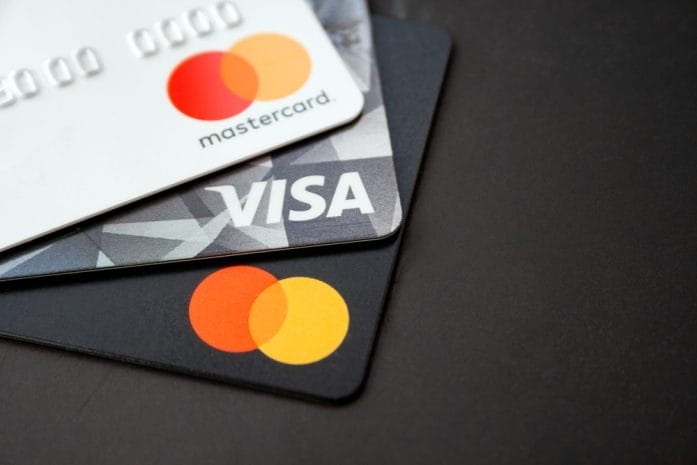
Swipe now, worry later is a common mantra for holiday shoppers. Credit cards make it easy to spend beyond means, but the interest charges afterward can be brutal. Families who fail to have a repayment strategy often find themselves paying for last December well into the following year. Even small oversights, like forgetting to track purchases or relying on minimum payments, can snowball into significant debt. A clear repayment plan and disciplined use of cards keep holiday cheer from turning into post-holiday regret.
6 Bad Money Habits Families Show During The Holidays
Image Source: Shutterstock.com

5. Splurging On Elaborate Meals And Entertaining

Holiday feasts are legendary, but some families treat them like culinary competitions. Gourmet ingredients, multiple courses, and lavish party supplies can send grocery bills soaring. While the spirit of hospitality is admirable, overspending on food and entertainment often doesn’t match the return in joy or satisfaction. Planning menus, shopping smartly, and sharing responsibilities can reduce costs without sacrificing the festive feel. Enjoying time together matters far more than creating a magazine-worthy table spread.

6. Failing To Communicate About Finances

Money tension often sneaks in when families don’t talk openly about limits, expectations, or shared costs. Assumptions like “someone else will handle it” or “we’ll just figure it out later” can create awkward moments and resentment. Coordinating budgets for gifts, trips, and meals prevents confusion and helps everyone enjoy the holiday without hidden stress. Open conversations also allow creative solutions, like potlucks or homemade gifts, that can save money and enhance family bonding. Honest financial dialogue is one of the simplest ways to avoid holiday money pitfalls.

Avoid The Holiday Money Traps

The holidays should bring joy, laughter, and warmth—not financial headaches. By recognizing overspending, last-minute shopping, ignored budgets, reckless credit card use, extravagant entertaining, and poor communication, families can take control of their money habits. Thoughtful planning, open conversations, and mindful spending make it possible to celebrate fully without regret.

If you’ve experienced or observed any of these holiday money habits, let us know your experiences or lessons in the comments section below. Your insights might help others navigate the season with both joy and financial sanity.

You May Also Like…

Legacy Harmony: 5 Financial Conversations Families Should Have Before Holidays

Legacy Risk: 6 Estate Myths That Put Families in Financial Danger

7 Things That Must Be in Your Will to Prevent Vicious Family Fights

8 Modern Habits That Baffle Older Generations

5 Family Traits That Make You the “Financial Black Sheep”


Brandon Marcus
Brandon Marcus

Brandon Marcus is a writer who has been sharing the written word since a very young age. His interests include sports, history, pop culture, and so much more. When he isn’t writing, he spends his time jogging, drinking coffee, or attempting to read a long book he may never complete.


Filed Under: Lifestyle Tagged With: credit cards, families, Family, family issues, family money, finances, holiday shopping, holiday spending, Holidays, Life, Lifestyle, Money, money habits, money issues, money matters, overspending, Shopping, talking about finances, toxic money habits

Holiday Budget: 6 Moves That Protect Your Financial New Year

December 21, 2025 by Brandon Marcus Leave a Comment

Holiday Budget: 6 Moves That Protect Your Financial New Year
Image Source: Shutterstock.com

This holiday season hit us like a confetti cannon—exciting, bright, and sometimes dangerously messy for your bank account. From glittering sales to irresistible treats and surprise gifts, it’s easy to find yourself swept up in the festive frenzy. But just because tinsel sparkles doesn’t mean your budget has to vanish into thin air.

This is the perfect moment to take control, master your spending, and glide into the new year with financial confidence. Fasten your seatbelt, because we’re about to explore six moves that will turn your holiday spending from reckless to rock-solid.

1. Plan Your Spending Like A Pro

Before the first twinkle light goes up, grab a notebook—or your favorite budgeting app—and map out your holiday spending plan. Allocate specific amounts for gifts, food, decorations, and any festive outings to avoid the “oops” moments at checkout. Treat your budget like a VIP guest: it deserves attention, respect, and a little holiday cheer of its own. By setting boundaries, you can enjoy the season without the looming dread of post-holiday bills. Planning isn’t restrictive; it’s empowering, giving you a clear roadmap through the glittery chaos.

2. Prioritize Gifts With Purpose

Not every gift needs to break the bank, and not every person needs an extravagant item. Focus on meaningful, thoughtful gifts that resonate rather than impress. Homemade creations, experiences, or even curated bundles can wow recipients while protecting your finances. Remember, the thought behind the gift often carries more weight than the price tag. Prioritizing your list ensures your money lands where it matters most, keeping joy high and stress low.

3. Embrace Early Shopping Advantages

Procrastination is a holiday budget’s worst enemy. Shopping early allows you to take advantage of sales, promotions, and shipping deals, reducing the last-minute panic that often leads to overspending. Early planning also gives you time to track price trends and find the perfect bargains without compromise. By the time December rolls around, you’ll feel calm, confident, and prepared, instead of frantically reaching for your credit card. Early shopping is like planting seeds that grow into financial peace of mind.

Holiday Budget: 6 Moves That Protect Your Financial New Year
Image Source: Shutterstock.com

4. Track Every Dollar Like A Detective

Tracking spending is more than just jotting down numbers—it’s detective work for your wallet. Monitor every expense, from the big-ticket gifts to the sneaky stocking stuffers and holiday treats. This allows you to spot patterns, identify overspending, and make smarter choices as the season unfolds. Apps, spreadsheets, or even a simple notebook can serve as your investigative tools. When you see exactly where your money goes, you regain control and prevent post-holiday regret from creeping in.

5. Protect Yourself With Smart Savings

Holidays shouldn’t mean living on the edge of financial disaster. Set up a dedicated holiday savings account or earmark funds throughout the year to buffer seasonal spending. Even small, consistent contributions accumulate quickly and take the sting out of gift buying and festive feasts. Knowing that money is ready and waiting allows you to shop freely—but responsibly—without guilt. Smart savings turns the holidays into a celebration of joy rather than anxiety.

6. Evaluate And Adjust For Next Year

As the final fireworks fade, take a few minutes to review your spending and note lessons learned. Did you overspend in one area or find a new trick that worked wonders? Adjusting your strategies now sets you up for an even smoother financial holiday next year. Reflection transforms experience into actionable knowledge, making future celebrations brighter and less stressful. This continuous improvement mindset ensures your financial confidence grows alongside your holiday memories.

Your Financial New Year Starts Here

The holiday season can be both exhilarating and financially tricky, but with the right strategies, you can enjoy every sparkle without regret. By planning, prioritizing, shopping smart, tracking diligently, saving strategically, and reflecting thoughtfully, you protect your wallet and your peace of mind. These six moves are more than tips—they’re your ticket to a stress-free, financially secure start to the new year.

Jump into the festivities confidently, knowing your budget is your ally, not your foe. Let us know your holiday budget victories, challenges, or creative hacks in the comments section below.

You May Also Like…

Behavior Shock: 5 Emotional Triggers That Make People Spend More During the Holidays

What Your First Budget Of The Year Should Include

Holiday Trap: 6 Gift-Spending Mistakes That Could Wreck Your Budget

Expense Mindset: 5 Budgeting Habits High-Net Individuals Use

10 Realistic Budgeting Tips for People With Irregular Income


Brandon Marcus
Brandon Marcus

Brandon Marcus is a writer who has been sharing the written word since a very young age. His interests include sports, history, pop culture, and so much more. When he isn’t writing, he spends his time jogging, drinking coffee, or attempting to read a long book he may never complete.

Filed Under: Budgeting Tagged With: Budget, budgeting, finance, financial budget, financial choices, financial decisions, gift-giving, gifts, Holiday, holiday budget, holiday shopping, Holidays, New Year, New year resolution, new year's goals, overspending, Shopping, smart shopping, Smart Spending, spending

6 Sneaky Financial Risks Hiding in Holiday Spending

September 30, 2025 by Travis Campbell Leave a Comment

holiday spending
Image source: pexels.com

The holidays are a time for celebration, generosity, and making memories. But beneath all the twinkling lights and gift wrap, there are hidden dangers that can quietly undermine your financial well-being. Holiday spending often feels joyful in the moment, but it can bring lasting consequences if you aren’t careful. Recognizing the financial risks lurking in your seasonal routines is the first step to protecting your budget and peace of mind. Whether you’re shopping for gifts, hosting gatherings, or just keeping up with traditions, it pays to be aware of where things can go wrong. Let’s look at six sneaky financial risks in holiday spending and how to avoid them.

1. Overspending on Gifts

Gift-giving is a core part of the holiday season, but it’s easy to lose track of your spending. Sales, limited-time offers, and the urge to impress can all nudge you to go overboard. Holiday spending often spikes as people stretch their budgets trying to find the perfect present for everyone on their list.

Small purchases add up fast, especially if you don’t have a clear budget. It’s not just the big-ticket items that cause trouble—stocking stuffers, gift cards, and “just one more” trinket can quietly inflate your total. Without a spending plan, January’s credit card bill can be a harsh surprise.

2. Ignoring Hidden Fees and Shipping Costs

Online shopping makes holiday spending easier than ever, but it comes with sneaky costs. Shipping fees, rush delivery charges, and gift wrapping can all pile on top of your order. Sometimes, retailers bury these charges until the final checkout page, making it hard to know your real total until it’s too late.

Returns can also be expensive if you’re not careful. Some stores charge restocking fees or require you to pay for return shipping. These extra costs can quietly erode your holiday budget, especially if you’re not closely monitoring each transaction.

3. Falling for Holiday Scams

The rush to score deals and buy gifts can make you vulnerable to scams. Fake websites, phishing emails, and counterfeit products are more common during the holidays. A flashy ad or urgent message can trick you into sharing personal or financial information, putting your money and identity at risk.

Always double-check website URLs and look for secure payment methods. Be wary of deals that seem too good to be true. Taking a few extra seconds to verify a retailer can save you from a costly mistake.

4. Overlooking Subscription Traps

Many retailers now offer subscription boxes or memberships as part of their holiday promotions. These can seem like a great deal—free shipping, exclusive discounts, or a trial month at no cost. But if you forget to cancel, you could be on the hook for recurring fees long after the holidays are over.

Subscription traps are a subtle but serious financial risk. Check your bank statements after the holidays for unfamiliar charges and set reminders to cancel any trials you don’t want to keep. This small step can prevent ongoing monthly expenses that drain your finances over time.

5. Underestimating Travel and Entertainment Expenses

Holiday spending isn’t just about gifts. Travel, parties, and outings with friends all carry their own set of costs. Flights, hotels, gas, and dining out can add up quickly, especially if you’re making last-minute plans or traveling during peak periods.

It’s easy to overlook these expenses when you’re focused on presents, but they’re a big part of your holiday budget. Setting aside money for travel and entertainment ahead of time can help you avoid dipping into savings or racking up credit card debt.

6. Forgetting Post-Holiday Financial Consequences

One of the biggest risks of holiday spending is what happens after the season ends. Many people enter the new year with more debt, less savings, and a sense of regret about their purchases. The excitement of the holidays can make it easy to ignore the long-term impact on your financial goals.

Interest charges on credit cards can make even small overspending much more expensive in the months ahead. If you’re not careful, it can take months—or even longer—to recover from a single season of overspending. This is why it’s crucial to keep the big picture in mind and make choices that support your financial health in the long run.

Smart Strategies for Safer Holiday Spending

By recognizing the financial risks in holiday spending, you can plan ahead and make smarter choices. Set a realistic budget and stick to it, even when tempting deals appear. Track your expenses, watch for hidden fees, and avoid subscription traps by reading the fine print. If you’re traveling or hosting, compare prices early to keep costs down.

Most importantly, remember that the holidays are about connection, not consumption. Thoughtful gifts and meaningful experiences don’t have to cost a fortune. With a little planning, you can enjoy the season without putting your finances at risk. What’s your best tip for managing holiday spending? Share your thoughts in the comments below!

What to Read Next…

  • 7 Tactics Grocery Stores Use to Keep You from Thinking About Price
  • Are These 7 Little Expenses Quietly Costing You Thousands a Year?
  • 5 Budgeting Tools That Trick You Into Higher Spending
  • 8 Everyday Services That Are Slowly Becoming Subscription Only
  • 7 Hidden Fees That Aren’t Labeled as Fees at All
Travis Campbell
Travis Campbell

Travis Campbell is a digital marketer/developer with over 10 years of experience and a writer for over 6 years. He holds a degree in E-commerce and likes to share life advice he’s learned over the years. Travis loves spending time on the golf course or at the gym when he’s not working.

Filed Under: Finance Tagged With: budgeting, debt prevention, financial risks, holiday shopping, holiday spending, money management, Personal Finance

Seasonal Sales That Trick You Into Buying Junk

July 8, 2025 by Travis Campbell Leave a Comment

junk
Image Source: pexels.com

Every year, retailers roll out seasonal sales with flashy signs, countdown clocks, and promises of unbeatable deals. It’s easy to get swept up in the excitement, especially when everyone around you seems to be scoring bargains. But here’s the catch: many of these seasonal sales are designed to trick you into buying junk you don’t need. The thrill of a “limited-time offer” can cloud your judgment, leading to purchases that clutter your home and drain your wallet. Understanding how these sales work—and why they’re so effective—can help you make smarter choices. If you’ve ever regretted a purchase after a big sale, you’re not alone. Let’s break down the most common seasonal sales that lure shoppers into buying things they’ll later regret.

1. Black Friday Blowouts

Black Friday is the king of seasonal sales, but it’s also a masterclass in getting people to buy junk. Retailers know that shoppers expect deep discounts, so they often stock up on low-quality, off-brand products made just for the event. These “doorbusters” might look like a steal, but they’re often inferior to regular inventory. The chaos and urgency of Black Friday can make you grab things you’d never consider at full price. Before you buy, check reviews and compare specs to make sure you’re not falling for a flashy deal on a subpar product. Remember, not every Black Friday deal is a good one—sometimes, it’s just cleverly packaged junk.

2. Back-to-School Bargains

Back-to-school sales target parents and students with promises of savings on everything from notebooks to laptops. The problem? Many of these deals focus on quantity over quality. Multi-packs of pens, cheap backpacks, and generic electronics often flood the shelves. While it’s tempting to stock up, these items can break or run out quickly, forcing you to buy replacements sooner than you’d like. Instead of grabbing the cheapest bundle, look for durable, well-reviewed products that will last the whole school year. Quality over quantity is key during the back-to-school season.

3. Holiday Gift Sets

Holiday sales are notorious for promoting gift sets that appear impressive but are often filled with low-value items. Think of those giant baskets of snacks, beauty kits, or kitchen gadgets. They’re often packaged to appear luxurious, but inside, you’ll find sample sizes, off-brand products, or items you’d never buy individually. These sets are designed to appeal to last-minute shoppers who want a quick, easy gift. If you want your money to go further, skip the pre-made sets and create your own thoughtful gifts. You’ll avoid paying a premium for fancy packaging and filler items.

4. End-of-Season Clearance

When seasons change, stores rush to clear out old inventory. End-of-season clearance racks are filled with deeply discounted clothing, décor, and outdoor gear. While some deals are genuine, many items are there because they didn’t sell for a reason—think odd sizes, outdated styles, or poor quality. It’s easy to justify a purchase when the price is slashed, but ask yourself if you’d want the item at full price. If not, it’s probably not worth the closet space. Focus on timeless pieces or essentials you know you’ll use next year.

5. Summer “Patio and Grill” Events

As soon as the weather warms up, retailers launch summer sales on patio furniture, grills, and outdoor accessories. These events often feature flashy, inexpensive sets that look great in the store but don’t hold up to real use. Cheap materials and poor construction mean you’ll be shopping for replacements sooner than you think. Before buying, research brands and materials, and read customer reviews. Investing in quality outdoor gear can save you money and frustration in the long run.

6. New Year’s “Get Organized” Sales

Every January, stores push storage bins, planners, and organization gadgets to help you “start fresh.” While getting organized is a great goal, many of these products are unnecessary or of poor quality. It’s easy to buy a stack of bins or a fancy label maker, only to find they don’t fit your space or needs. Instead of buying on impulse, take stock of what you already have and identify real gaps. Sometimes, decluttering is more effective than buying more stuff to organize your existing clutter.

7. Valentine’s Day “Limited Edition” Offers

Valentine’s Day brings a flood of limited-edition chocolates, stuffed animals, and novelty gifts. These items are often overpriced and designed to create a sense of urgency. The reality? Most of these products are mass-produced and quickly lose their appeal. Instead of falling for the hype, consider more meaningful gestures or experiences. A handwritten note or a home-cooked meal can be far more memorable than a generic teddy bear or heart-shaped box of candy.

Outsmarting Seasonal Sales: Buy What Matters

Seasonal sales are everywhere, and the pressure to buy can be intense. The key to avoiding junk is to shop with intention. Make a list before you shop, set a budget, and stick to it. Ask yourself if the item truly adds value to your life or if you’re simply caught up in the excitement. Remember, the best deal is one that fits your needs and lasts beyond the season. By staying mindful, you can enjoy the benefits of seasonal sales without falling for the tricks that lead to regret.

Have you ever bought something during a seasonal sale that you later regretted? Share your story or tips in the comments below!

Read More

Ripped From The Headlines: Bad Holiday Economic Mood

Stop Reading About Last Year’s Top Ten Mutual Funds

Travis Campbell
Travis Campbell

Travis Campbell is a digital marketer/developer with over 10 years of experience and a writer for over 6 years. He holds a degree in E-commerce and likes to share life advice he’s learned over the years. Travis loves spending time on the golf course or at the gym when he’s not working.

Filed Under: Smart Spending Tagged With: consumer advice, decluttering, holiday shopping, Personal Finance, seasonal sales, shopping tips, smart shopping

FOLLOW US

Search this site:

Recent Posts

  • Can My Savings Account Affect My Financial Aid? by Tamila McDonald
  • 12 Ways Gen X’s Views Clash with Millennials… by Tamila McDonald
  • What Advantages and Disadvantages Are There To… by Jacob Sensiba
  • 10 Tactics for Building an Emergency Fund from Scratch by Vanessa Bermudez
  • Call 911: Go To the Emergency Room Immediately If… by Stephen Kanaval
  • 7 Weird Things You Can Sell Online by Tamila McDonald
  • 10 Scary Facts About DriveTime by Tamila McDonald

Copyright © 2026 · News Pro Theme on Genesis Framework