• Home
  • About Us
  • Toolkit
  • Getting Finances Done
    • Hiring Advisors
    • Debt Management
    • Spending Plan
  • Insurance
    • Life Insurance
    • Health Insurance
    • Disability Insurance
    • Homeowners/Renters Insurance
  • Contact Us
  • Privacy Policy
  • Risk Tolerance Quiz

The Free Financial Advisor

You are here: Home / Archives for homeownership

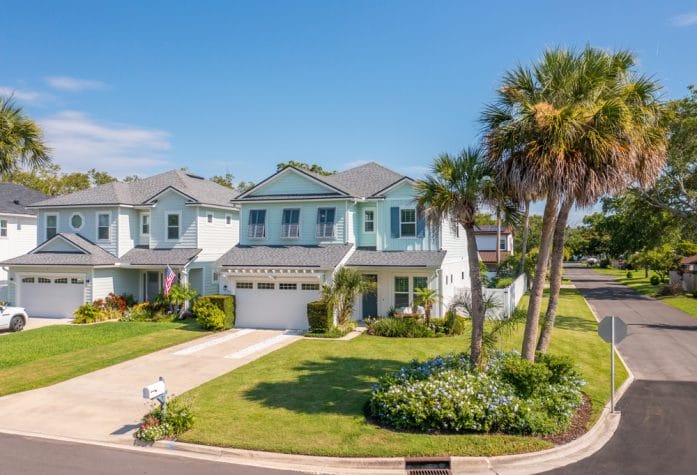
South Carolina Newcomers Are Paying Higher Property Taxes Until Homestead Eligibility Kicks In

April 23, 2026 by Brandon Marcus Leave a Comment

South Carolina Newcomers Are Paying Higher Property Taxes Until Homestead Eligibility Kicks In

Image Source: Shutterstock.com

Relocating to South Carolina often brings visions of lower living costs, mild weather, and charming communities—but many newcomers hit an unexpected financial bump when that first property tax bill arrives. The sticker shock doesn’t come from a mistake; it comes from how the state structures its property tax system.

New homeowners frequently pay significantly higher rates than long-time residents, even when homes carry similar values. That difference can feel frustrating, especially for buyers who moved specifically to save money. The good news is that this situation usually changes—but only after meeting specific eligibility requirements.

Why New Residents Face Higher Property Tax Rates

South Carolina uses a tiered property tax system that treats primary residences differently from other properties. Owner-occupied homes qualify for a special 4% assessment ratio, while non-owner-occupied properties face a much higher 6% ratio. Newcomers don’t automatically receive that lower rate because counties need proof that the home serves as a primary residence.

Until that documentation clears, the property often gets taxed at the higher rate. That delay creates a noticeable gap in tax bills, sometimes adding hundreds or even thousands of dollars annually.

South Carolina Newcomers Are Paying Higher Property Taxes Until Homestead Eligibility Kicks In

Image Source: Shutterstock.com

The Role of the Homestead Exemption

The Homestead Exemption plays a major role in reducing property tax burdens, but not everyone qualifies right away. South Carolina reserves this benefit primarily for homeowners aged 65 and older, those who qualify as legally blind, or individuals with permanent disabilities.

Eligible residents can exempt the first $50,000 of their home’s value from property taxes, which significantly lowers their bill. However, newcomers who meet these criteria still need to apply and wait for approval. That waiting period often overlaps with the higher initial tax rate, creating temporary financial pressure.

Timing Delays That Catch Buyers Off Guard

Timing causes one of the biggest frustrations for new homeowners in South Carolina. Counties require documentation such as a driver’s license update, voter registration, or vehicle registration to confirm residency status. Processing those updates takes time, and tax offices won’t adjust the rate retroactively in every case. Many buyers assume their tax rate will adjust immediately after closing, but that rarely happens. Instead, the higher rate often sticks for the first tax cycle, catching homeowners completely off guard.

The Impact on Monthly Budgets

Higher property taxes don’t just affect annual bills—they ripple into monthly mortgage payments. Lenders typically include property taxes in escrow accounts, so an increase triggers higher monthly payments almost immediately.

A homeowner expecting a $1,500 monthly payment might suddenly face $1,700 or more due to tax adjustments. That jump can strain budgets, especially for buyers who stretched finances to secure a home. Over time, the rate correction helps, but the initial financial squeeze feels very real.

Steps to Secure the Lower Tax Rate Faster

New homeowners can take proactive steps to minimize how long they pay the higher tax rate. Filing for the 4% legal residence classification as soon as possible should top the list. Updating a driver’s license, registering to vote, and switching vehicle registration to South Carolina all help establish residency quickly. Submitting these documents early in the process can speed up approval timelines with the county assessor. Staying organized and following up regularly often makes the difference between months of overpaying and a quicker adjustment.

Common Misconceptions About Property Taxes

Many newcomers assume South Carolina offers universally low property taxes, but the reality depends heavily on eligibility and timing. Some believe the lower rate applies automatically at closing, which leads to confusion when the first bill arrives. Others expect refunds for overpayment once the status changes, but counties don’t always issue retroactive credits. Another misconception involves the Homestead Exemption, which many confuse with the standard primary residence classification. Clearing up these misunderstandings early helps homeowners plan more accurately and avoid financial surprises.

Smart planning can soften the blow of higher initial property taxes. Buyers should ask real estate agents and lenders for estimated tax scenarios based on both the 6% and 4% rates. Building a financial cushion into the homebuying budget helps absorb the temporary increase. Reviewing county-specific requirements before closing can also streamline the application process. Taking these steps upfront turns a frustrating surprise into a manageable transition.

What This Means for Long-Term Savings

The higher tax rate doesn’t last forever, and long-term homeowners still benefit from South Carolina’s relatively favorable tax structure. Once the 4% rate kicks in, many residents see meaningful reductions in their annual property tax bills. Over several years, those savings can offset the initial overpayment period.

Homeowners who qualify for additional exemptions, like the Homestead Exemption, enjoy even greater financial relief. Patience and preparation ultimately reward those who stick through the early adjustment phase.

What New South Carolina Homeowners Need To Know

South Carolina’s property tax system rewards long-term residency, but it demands patience from newcomers during the transition period. Higher initial tax bills often feel like a curveball, yet they reflect administrative timing rather than permanent costs. Taking quick action on residency documentation and exemption applications can shorten the window of higher payments. Buyers who plan ahead and stay informed position themselves for smoother financial adjustments. In the end, the system favors those who stay proactive and informed from day one.

Have higher-than-expected property taxes caught you off guard after a move, or did you plan ahead and avoid the surprise? If you have some stories to share, do so below in our comments section.

You May Also Like…

What Are New Jersey’s ANCHOR Rebate Payments And How Can They Help Homeowners?

Florida Homeowners Are Seeing Major Premium Increases as Citizens Policies Adjust Rates

HOA Fees Are Jumping Without Warning — And Some Homeowners Are Paying the Price Overnight

Property Taxes Are Catching Homeowners Off Guard — Especially After Buying or Renovating

North Carolina’s Flat Tax Savings in 2026: Why Everyday Costs Still Matter

Brandon Marcus
Brandon Marcus

Brandon Marcus is a writer who has been sharing the written word since a very young age. His interests include sports, history, pop culture, and so much more. When he isn’t writing, he spends his time jogging, drinking coffee, or attempting to read a long book he may never complete.

Filed Under: Real Estate Tagged With: homeownership, homestead exemption, moving costs, property taxes, real estate tips, saving money, South Carolina property tax

Arizona Homeowners Are Affected by Local Water System and Infrastructure Issues

April 22, 2026 by Brandon Marcus Leave a Comment

Arizona Homeowners Are Affected by Local Water System and Infrastructure Issues

Image Source: Shutterstock.com

Arizona homeowners face a growing challenge that flows straight from the tap: aging water systems and strained infrastructure. Across the state, rising temperatures, population growth, and outdated pipes create a perfect storm that impacts daily life and monthly budgets.

Water no longer feels like a simple utility; it now demands attention, planning, and sometimes costly fixes. Homeowners who stay informed can avoid surprises and protect their property values.

Aging Infrastructure Creates Expensive Surprises

Arizona water infrastructure continues to age faster than many communities can repair it, and homeowners feel the impact firsthand. Pipes installed decades ago crack, corrode, and leak, which leads to sudden repair bills that can reach thousands of dollars. Municipal systems struggle to keep up with maintenance, especially in rapidly growing suburbs where demand stretches resources thin.

Homeowners often notice warning signs like low water pressure, discoloration, or unexplained spikes in water bills before major failures occur. Quick action on small issues helps prevent larger damage, including foundation problems and mold growth that can follow hidden leaks.

Rapid Growth Puts Pressure on Local Systems

Arizona attracts new residents every year, and that growth places heavy stress on Arizona water infrastructure. Cities expand quickly, but water systems do not always scale at the same pace, which creates supply bottlenecks and service disruptions. New developments often rely on existing pipelines that already operate near capacity, leaving little room for error during peak usage.

Homeowners in fast-growing areas may experience water restrictions or fluctuating service quality during high-demand seasons. Planning ahead with water-efficient appliances and landscaping helps reduce strain and keeps household costs manageable.

Drought Conditions Amplify Existing Problems

Persistent drought conditions across the Southwest intensify every weakness in Arizona water infrastructure. Limited water supply forces municipalities to implement conservation measures, which can include usage limits and higher rates. Homeowners often face stricter regulations on outdoor watering, pool refills, and even car washing.

These restrictions can affect property upkeep, especially for those with traditional lawns or large landscapes. Smart homeowners adapt by switching to drought-resistant plants, installing drip irrigation systems, and monitoring usage closely to avoid penalties.

Arizona Homeowners Are Affected by Local Water System and Infrastructure Issues

Image Source: Shutterstock.com

Rising Costs Hit Household Budgets Hard

Water bills across Arizona continue to climb as cities invest in repairs and conservation programs tied to Arizona water infrastructure. Utility providers pass infrastructure upgrade costs directly to residents, which increases monthly expenses even for modest usage. Homeowners also shoulder indirect costs, such as replacing old pipes within their property lines or upgrading fixtures to meet new efficiency standards.

Insurance policies may not cover gradual water damage, leaving residents responsible for repairs that result from long-term wear and tear. Budget-conscious homeowners benefit from regular inspections and proactive upgrades that reduce the risk of unexpected financial strain.

Proactive Steps Help Homeowners Stay Ahead

Homeowners who take control of their water systems can reduce risks tied to Arizona water infrastructure challenges. Regular plumbing inspections catch early signs of corrosion, leaks, or pressure issues before they escalate into major repairs. Installing water-efficient fixtures, such as low-flow toilets and smart irrigation systems, cuts usage and lowers bills over time. Many Arizona cities offer rebates for conservation upgrades, which makes these improvements more affordable. Staying informed about local water policies and infrastructure projects also helps homeowners anticipate changes and adjust accordingly.

Why Staying Informed Makes All the Difference

Arizona water infrastructure issues will not disappear overnight, but informed homeowners can navigate them with fewer headaches. Knowledge about local systems, drought conditions, and maintenance needs empowers residents to make smarter decisions about their homes. Small actions, like fixing leaks quickly or adjusting landscaping choices, create meaningful savings over time.

Communities that stay engaged often push for better infrastructure investments and improved water management policies. A proactive mindset turns a frustrating issue into a manageable part of homeownership.

What’s Your Next Move as Water Challenges Grow?

Arizona homeowners face real pressure from aging systems, rising costs, and ongoing drought conditions tied to Arizona water infrastructure. Those who stay proactive, invest in efficiency, and monitor their systems closely can avoid the worst financial impacts. Waiting until a problem becomes obvious often leads to higher costs and more stress.

Smart planning today protects both property value and peace of mind tomorrow. What steps have you taken to manage water issues in your home?

You May Also Like…

Arizona’s Rising Cost of Living — What $100K Buys in Phoenix Today

New York Residents Moving Out of State Are Facing Additional Tax Obligations

9 Unexpected Costs That Appear After Relocating Abroad

9 Money Conversations to Have Before Moving In Together

7 Essential Things Everyone Forgets When Moving

Brandon Marcus
Brandon Marcus

Brandon Marcus is a writer who has been sharing the written word since a very young age. His interests include sports, history, pop culture, and so much more. When he isn’t writing, he spends his time jogging, drinking coffee, or attempting to read a long book he may never complete.

Filed Under: Lifestyle Tagged With: Arizona water infrastructure, drought impact, home maintenance, homeownership, plumbing tips, utility costs, water bills

Florida Homeowners Are Seeing Major Premium Increases as Citizens Policies Adjust Rates

April 17, 2026 by Brandon Marcus Leave a Comment

Florida Homeowners Are Seeing Major Premium Increases as Citizens Policies Adjust Rates

Image Source: Shutterstock.com

If you own a home in Florida, you’ve probably already felt it—that creeping, uncomfortable rise in your insurance bill. For many homeowners, it’s not just a small bump either; it’s hundreds or even thousands more per year. The culprit? A mix of rising risks, insurance company exits, and major adjustments from Citizens Property Insurance Corporation.

What used to feel like a manageable expense is quickly becoming one of the biggest line items in household budgets. Knowing why these Florida insurance premium increases are happening—and what you can do about them—has never been more important.

Why Florida Insurance Premium Increases Are Happening Now

Florida’s insurance market has been under pressure for years, but things have reached a tipping point recently. A combination of stronger hurricanes, rising rebuilding costs, and increased litigation has made insurers rethink their risk exposure. As a result, many private insurers have either raised rates significantly or left the state entirely, pushing more homeowners toward Citizens. Citizens, originally designed as a last-resort option, is now insuring a massive number of properties—and that shift is forcing pricing changes. These Florida insurance premium increases are less about sudden policy changes and more about years of mounting financial strain finally catching up.

For homeowners, the impact feels immediate and personal. You might open your renewal notice and see a 20%, 30%, or even higher increase without making any changes to your property. That’s because insurance companies are adjusting to broader market realities, not just individual risk profiles. Even homes that haven’t filed claims are seeing higher costs simply due to their location. When an entire region becomes riskier to insure, everyone shares the burden.

How Citizens Is Changing the Game for Homeowners

Citizens Property Insurance Corporation has become a central player in Florida’s insurance landscape. As more private insurers exit, Citizens has stepped in to provide coverage, but it’s now under pressure to remain financially stable. To do that, it has been steadily increasing rates and implementing stricter eligibility requirements. These changes are directly contributing to Florida insurance premium increases across the board. What was once the “cheaper fallback option” is no longer guaranteed to save homeowners money.

At the same time, Citizens is trying to shift some policyholders back into the private market. If a private insurer offers coverage within a certain price range, homeowners may be required to leave Citizens. This can be frustrating, especially if the private option is still expensive or less comprehensive. The goal is to balance the system, but for homeowners, it often feels like being caught in the middle. Navigating these transitions requires careful comparison and a clear understanding of your coverage needs.

The Real Cost Impact on Everyday Budgets

Let’s talk about what this actually means for your wallet. A homeowner who was paying $2,500 annually might now be facing $3,500 or more, depending on location and property details. That extra $1,000 isn’t just a number—it can affect savings goals, emergency funds, and even monthly cash flow. Florida insurance premium increases are forcing many families to rethink their budgets and prioritize essential expenses. In some cases, homeowners are even considering selling because the long-term costs feel unsustainable.

There’s also a ripple effect beyond just insurance premiums. Higher insurance costs can influence mortgage approvals, as lenders factor in total monthly housing expenses. This can make it harder for new buyers to enter the market or for current homeowners to refinance. Property values in certain high-risk areas may also be impacted over time. When insurance becomes less affordable, it changes how people view the true cost of owning a home.

Florida Homeowners Are Seeing Major Premium Increases as Citizens Policies Adjust Rates

Image Source: Shutterstock.com

What You Can Do to Reduce Your Insurance Costs

While you can’t control the broader market, there are steps you can take to soften the blow. Start by reviewing your current policy in detail—many homeowners are paying for coverage they don’t fully understand. Increasing your deductible is one common way to lower your premium, though it does mean taking on more risk. You can also invest in home improvements like impact-resistant windows or a new roof, which may qualify you for discounts. These proactive moves won’t eliminate Florida insurance premium increases, but they can help you manage them more effectively.

Shopping around is another key strategy, even in a tight market. Different insurers evaluate risk differently, so quotes can vary more than you might expect. Working with an independent insurance agent can help you explore multiple options at once. It’s also worth asking about bundling policies or loyalty discounts. Small savings in multiple areas can add up to meaningful relief over time.

Staying Ahead of Future Insurance Challenges

Looking ahead, it’s clear that Florida’s insurance landscape isn’t going back to what it was anytime soon. Climate risks, construction costs, and regulatory changes will continue shaping the market. Staying informed is one of the best tools you have as a homeowner. Keep an eye on policy updates, rate changes, and new legislation that could affect your coverage. Being proactive now can help you avoid surprises later.

It’s also important to think long-term about how insurance fits into your overall financial plan. Emergency savings, home maintenance, and risk management all play a role in protecting your investment. Florida insurance premium increases may feel overwhelming, but they’re also a reminder to stay engaged with your finances. The more you understand your options, the better positioned you’ll be to make smart decisions.

Adapting to a New Insurance Reality

Florida homeowners are entering a new era where insurance is no longer a predictable, stable expense. These Florida insurance premium increases are reshaping budgets, influencing housing decisions, and forcing people to become more hands-on with their policies. While the situation is challenging, it’s not hopeless—there are still ways to adapt and stay financially secure. The key is to stay informed, take proactive steps, and avoid ignoring the issue until renewal time. A little effort now can save you significant stress (and money) later.

So, how are these rising insurance costs affecting your household budget—and what changes have you made to keep up? We want to hear your thoughts below.

You May Also Like…

Florida Has 0% Income Tax — But Seniors Still Spend Thousands a Year on Essentials

Insurance Costs Are Quietly Reshaping Where Americans Can Live — And Some Are Being Priced Out

Florida Escrow Payments Continue Rising as Insurance Costs Climb

8 Super Simple Ways to Reduce Your Car Insurance Premiums

Missed Insurance Payment? Your Auto Lender May Raise Your Costs Overnight

Brandon Marcus
Brandon Marcus

Brandon Marcus is a writer who has been sharing the written word since a very young age. His interests include sports, history, pop culture, and so much more. When he isn’t writing, he spends his time jogging, drinking coffee, or attempting to read a long book he may never complete.

Filed Under: Insurance Tagged With: Budgeting Tips, Citizens Insurance, Florida insurance, homeowners insurance, homeownership, insurance premiums, Personal Finance, rising costs

The Tiny $10 Oversight That Can Trigger Thousands in Costs Later

April 13, 2026 by Brandon Marcus Leave a Comment

The Tiny $10 Oversight That Can Trigger Thousands in Costs Later

Image Source: Shutterstock.com

A ten-dollar decision can quietly plant the seed for a thousand-dollar disaster, and most people never see it coming. That cheap shortcut, skipped inspection, or ignored replacement feels harmless in the moment because nothing immediately breaks, nothing flashes red, and nothing demands attention. The brain loves that feeling of saving money right now, and it celebrates the tiny win without checking the long-term scoreboard. Yet the real story unfolds later, when that overlooked detail grows into a full-blown problem that demands urgent, expensive action. A loose wire, a worn-out seal, or a neglected filter does not stay small for long. It builds pressure, collects damage, and waits for the worst possible moment to reveal itself.

Everyday life offers countless chances to make these tiny decisions, and they rarely feel dramatic. Skipping a basic oil change, buying the cheapest charger, or ignoring a slow leak does not feel like a big deal when everything still works. That illusion creates the perfect storm because it rewards short-term thinking while quietly punishing long-term neglect. Once the consequences show up, they rarely come alone, and they almost always cost more than expected.

When “Good Enough” Turns Into a Budget Wrecker

The phrase “good enough” often leads straight to unnecessary expenses, especially when it comes to maintenance and repairs. A cheap phone charger that overheats or frays quickly can damage the device’s battery or even create a safety risk, turning a small saving into a costly replacement. Low-quality extension cords, discount plumbing parts, or off-brand filters may look identical at first glance, yet they often fail faster and cause ripple effects. That pattern shows up everywhere, from electronics to home systems to vehicles. Once one weak component fails, it places stress on surrounding parts, which accelerates further damage. That chain reaction rarely stops until something expensive breaks.

Small shortcuts also invite bigger inefficiencies over time, and those inefficiencies quietly drain money. A clogged air filter forces a heating or cooling system to work harder, which drives up energy bills month after month. A worn-out car tire reduces fuel efficiency and increases the risk of a blowout, which can lead to repairs far beyond the cost of a simple replacement. Ignoring a tiny crack in a window seal lets moisture seep in, and that moisture can damage walls, flooring, and insulation. Each example shows how a minor oversight grows into a larger issue because it never stays isolated. Smart choices require stepping back and asking a simple question: does this small saving create a bigger risk later?

The Tiny $10 Oversight That Can Trigger Thousands in Costs Later

Image Source: Shutterstock.com

The Hidden Domino Effect of Neglect

Neglect rarely announces itself with loud warnings, yet it always leaves clues along the way. A dripping faucet, a faint burning smell, or a subtle vibration in a car engine signals that something needs attention. Those signals often feel easy to ignore because they do not interrupt daily routines right away. However, every ignored signal allows the problem to spread, and that spread increases both complexity and cost. Fixing a small leak might cost a few dollars and minutes, while repairing water damage can require professional help and significant expenses. That contrast highlights how early action keeps problems contained and manageable.

The domino effect becomes even more dangerous when multiple small issues stack up at the same time. A neglected roof, a blocked gutter, and a minor plumbing leak can combine to create serious structural damage during a heavy storm. Each issue alone might seem manageable, yet together they amplify each other’s impact. That combination often surprises people because no single problem looked urgent at first. Preventive action breaks that chain before it starts, and it keeps small fixes from turning into major repairs. Setting reminders for routine checks, inspections, and replacements helps maintain control and reduces the chance of costly surprises.

Cheap Today, Expensive Tomorrow: Real-Life Triggers

Real-world examples show how quickly a tiny oversight can spiral into a financial headache. Skipping a $10 air filter replacement in a car can lead to reduced engine performance, higher fuel consumption, and eventually more serious mechanical issues. Ignoring a simple roof inspection can allow minor damage to worsen, which may result in leaks, mold growth, and structural repairs that cost thousands. Choosing the cheapest paint for a home project might save money upfront, yet it often requires more frequent repainting and additional labor costs. Each scenario reveals how short-term savings can backfire when durability and quality take a back seat.

Electronics offer another common trap where small savings lead to bigger losses. A low-quality surge protector might fail to shield devices during a power spike, potentially damaging expensive equipment like computers or televisions. Replacing that equipment costs far more than investing in a reliable protector from the start. Even something as simple as ignoring software updates can expose devices to security risks, which may result in data loss or costly recovery efforts. These examples reinforce a clear pattern: cutting corners on essential items rarely pays off in the long run. Investing a little more upfront often protects both money and peace of mind.

Smart Habits That Save Serious Cash

Avoiding these costly mistakes does not require a massive lifestyle overhaul, yet it does demand consistency and attention. Regular maintenance stands as one of the most effective strategies for preventing expensive problems. Scheduling routine checks for vehicles, home systems, and appliances ensures that small issues get resolved before they grow. Keeping a simple checklist for monthly or seasonal tasks can make this process easier and more manageable. That habit transforms maintenance from a chore into a protective shield for finances.

Quality also plays a critical role in long-term savings, and it often justifies a slightly higher upfront cost. Choosing reliable brands, durable materials, and well-reviewed products reduces the likelihood of early failure. Researching purchases before committing to them helps identify options that offer better value over time. Another powerful habit involves setting aside a small maintenance fund, which covers minor repairs without disrupting a larger budget. That approach removes the temptation to delay fixes due to cost concerns. Consistent, thoughtful decisions build a strong foundation that keeps expenses predictable and under control.

Don’t Be Waiting Too Long

Waiting too long to address a small issue often creates a sense of urgency that leads to rushed and expensive decisions. Emergency repairs usually cost more because they require immediate attention, specialized services, or expedited parts. That urgency also limits the ability to shop around for better prices or explore alternative solutions. Acting early provides more flexibility and control, which often results in lower costs and better outcomes. Timing matters, and it often determines whether a problem stays affordable or becomes overwhelming.

Delays also introduce stress and inconvenience that extend beyond financial impact. A broken appliance, a malfunctioning vehicle, or a damaged home system disrupts daily routines and adds pressure to already busy schedules. That disruption can affect work, family life, and overall well-being. Addressing issues early keeps life running smoothly and reduces the risk of unexpected setbacks. Taking action at the first sign of trouble creates a sense of control and prevents minor inconveniences from turning into major disruptions. That proactive mindset pays off in both financial and practical ways.

The $10 Lesson That Changes Everything

A small decision today can shape financial outcomes for months or even years, and that reality deserves serious attention. Spending a little more on quality, addressing minor issues quickly, and staying consistent with maintenance creates a powerful advantage over time. Those habits protect against the hidden costs that often catch people off guard. Every choice carries weight, even when it seems insignificant at the moment. Recognizing that weight allows smarter decisions that keep money working in the right direction.

What small fix or upgrade has already paid off in a big way, or which one might be quietly waiting for attention right now? Share thoughts, strategies, or even cautionary tales in the comments and keep the conversation going.

You May Also Like…

Missed Deadlines, Missed Dollars, Government Dates You Can’t Afford To Ignore

Families Spending 20% of Income on Childcare — Budget Impacts

Is Your “Little Treat” Habit Costing You $2,500 a Year? The Real Spending Math

Why Does Interest Rate Talk Suddenly Affect Everyday Spending

12 Ways to Beat Back the Guilt of Spending on Yourself Finally

Brandon Marcus
Brandon Marcus

Brandon Marcus is a writer who has been sharing the written word since a very young age. His interests include sports, history, pop culture, and so much more. When he isn’t writing, he spends his time jogging, drinking coffee, or attempting to read a long book he may never complete.

Filed Under: Personal Finance Tagged With: Budgeting Tips, car care, costly mistakes, home maintenance, homeownership, life hacks, money mistakes, Personal Finance, Planning, preventive maintenance, saving money, Smart Spending

Property Taxes Are Catching Homeowners Off Guard — Especially After Buying or Renovating

March 31, 2026 by Brandon Marcus Leave a Comment

Property Taxes Are Catching Homeowners Off Guard — Especially After Buying or Renovating

Image Source: Unsplash.com

A fresh set of keys is a huge victory. Then the property tax bill arrives and suddenly the celebration loses a bit of shine. Numbers climb higher than expected, and that monthly budget that once looked solid now starts to wobble. The shock doesn’t come from nowhere, but it often feels like it does, especially when no one spells it out clearly during the buying or renovating process.

Property taxes don’t just sit idly in the background. They react, they adjust, and sometimes they surge in ways that catch homeowners completely off guard. That surprise tends to hit hardest right after big financial milestones, like closing on a home or finishing a renovation project.

The Hidden Reset Button That Comes With Buying a Home

A home purchase doesn’t just transfer ownership. It often resets the property’s assessed value to match the current market price, and that shift can dramatically increase the tax bill. Previous owners might have benefited from years of slower assessment growth, exemptions, or caps that kept their taxes relatively low. Once a new owner steps in, those protections can disappear, and the property’s value gets recalculated based on what someone just paid for it. That recalculation frequently pushes the assessed value higher, sometimes significantly higher than before.

Many buyers focus heavily on the mortgage payment during the purchase process, but property taxes deserve equal attention because they can shift more than expected. Lenders often estimate taxes based on past bills, which can create a misleading sense of stability. Once the local assessor updates the value, the actual tax bill reflects that new reality, and the difference can feel like a financial ambush. Planning ahead requires digging into how assessments work in the specific area and asking whether a recent sale will trigger a reassessment. That simple question can prevent a lot of future frustration.

Buyers who want to stay ahead of the curve should look beyond the listing price and examine the property’s tax history in detail. Comparing past assessments with current market trends can reveal whether a jump seems likely. It also helps to set aside extra funds during the first year of ownership, just in case the bill climbs higher than expected. That buffer can absorb the impact without forcing sudden lifestyle changes, which always feels like a win.

Renovations: The Upgrade That Can Cost More Than Expected

A renovation adds comfort, style, and value, but it also sends a clear signal to local tax authorities. Improvements like finished basements, upgraded kitchens, or additional square footage often increase a property’s assessed value, and that change translates directly into higher taxes. The logic makes sense because a more valuable home typically carries a larger tax burden, but the timing and scale of that increase can still surprise homeowners who focus mostly on construction costs.

Not all renovations affect property taxes equally. Cosmetic updates like painting or replacing fixtures might not trigger a reassessment, but structural changes almost always do. Adding a new room, building a deck, or finishing unused space can push the assessed value upward in a noticeable way. Local rules vary, so homeowners need to understand what kinds of projects require permits and inspections, since those often serve as triggers for reassessment. Skipping that research can lead to a situation where the final renovation bill feels manageable, but the long-term tax impact quietly grows in the background.

Smart planning makes a huge difference here. Before starting a renovation, it helps to estimate how much value the project will add and how that might affect property taxes. Local assessors or online tools can provide rough guidance, and even a ballpark figure can help shape decisions. Some homeowners choose to phase projects over time to spread out the impact, while others build the expected tax increase into their overall budget. That kind of foresight turns a potential shock into a manageable adjustment.

Property Taxes Are Catching Homeowners Off Guard — Especially After Buying or Renovating

Image Source: Pexels.com

Why Tax Bills Don’t Always Match Expectations

Property taxes rely on assessed value, not necessarily the exact market value, and that distinction creates confusion. Assessors use formulas, comparable sales, and periodic updates to determine a property’s worth for tax purposes. That process doesn’t always align perfectly with what homeowners expect, especially in fast-moving markets where prices shift quickly. A sudden jump in neighborhood values can push assessments higher even without any changes to the home itself.

Timing also plays a role. Some areas reassess properties annually, while others follow longer cycles, which can create delayed increases that arrive all at once. A homeowner might enjoy relatively stable taxes for a few years, only to face a sharp increase when the next assessment cycle kicks in. That delay can make the jump feel more dramatic, even though it reflects gradual market changes over time. Understanding the local reassessment schedule helps set realistic expectations and reduces the element of surprise.

Appeals offer another layer of complexity. If a homeowner believes the assessed value sits too high, filing an appeal can potentially lower the tax bill. That process usually requires evidence, such as comparable sales or an independent appraisal, and it demands time and attention. While not every appeal succeeds, the option provides a path for those who feel their assessment doesn’t reflect reality. Taking advantage of that opportunity can lead to meaningful savings when done correctly.

Practical Moves That Keep Property Taxes From Spiraling

Preparation beats panic every time, especially when it comes to property taxes. Setting aside extra funds in an escrow account or personal savings can cushion the impact of unexpected increases. That approach prevents sudden financial strain and keeps monthly budgeting on track, even when the tax bill rises. It also creates a sense of control, which always feels better than scrambling to adjust after the fact.

Research plays a powerful role in avoiding surprises. Before buying a home, reviewing recent sales and assessment trends in the area can reveal patterns that might affect future taxes. During renovations, checking local regulations and understanding which projects trigger reassessments can guide smarter decisions. Knowledge doesn’t eliminate higher taxes, but it transforms them from a shock into a planned expense, and that shift changes the entire experience.

Staying proactive after receiving a tax bill also makes a difference. Reviewing the assessment details for accuracy ensures that errors don’t inflate the amount owed. If something looks off, contacting the local assessor or exploring the appeals process can provide a path to correction. Taking those steps requires effort, but the potential savings often justify the time invested.

Control the Surprise Before It Controls the Budget

Property taxes don’t need to feel like an unpredictable force that shows up at the worst possible moment. With the right information and a bit of forward planning, homeowners can anticipate changes and adapt without stress. Buying a home or upgrading a space should feel exciting, not overshadowed by unexpected costs that disrupt financial stability. The key lies in understanding how assessments work, asking the right questions, and building flexibility into the budget from the very beginning.

What strategies have worked for you when dealing with rising property taxes, or what lessons came from an unexpected increase? Share thoughts, experiences, or tips in the comments and keep the conversation going.

You May Also Like…

Nevada’s Low Median Property Tax — Weighing Investment Appeal

How Utilities Affect Colorado’s Low Property Tax Rate

New Jersey’s 2.23% Property Tax — How to Appeal and Save

Why Nashville Property Tax Bills Keep Rising Even With Tennessee’s Rate Cap Proposal

The “Forever Home” Problem — Why More Homeowners Are Getting Stuck in Houses That No Longer Fit


Brandon Marcus
Brandon Marcus

Brandon Marcus is a writer who has been sharing the written word since a very young age. His interests include sports, history, pop culture, and so much more. When he isn’t writing, he spends his time jogging, drinking coffee, or attempting to read a long book he may never complete.

Filed Under: tax tips Tagged With: assessment value, budgeting, home renovation, homeownership, Housing Costs, Housing Market, new homeowners, Planning, property taxes, Real estate, real estate tips, tax increase

HOA Fees Are Jumping Without Warning — And Some Homeowners Are Paying the Price Overnight

March 31, 2026 by Brandon Marcus Leave a Comment

HOA Fees Are Jumping Without Warning — And Some Homeowners Are Paying the Price Overnight

Image Source: Unsplash.com

The bill shows up, and suddenly the math does not work anymore. Numbers that once felt manageable now stretch budgets to the breaking point, and the shock does not come from a flashy renovation or a luxury upgrade. It comes from a line item that many people assumed would stay relatively steady. HOA fees, once viewed as predictable and even boring, have started to behave more like a wildcard expense that can jump dramatically with little warning.

That shift has turned quiet neighborhoods into pressure cookers of financial stress, where residents scramble to figure out what changed and why it changed so fast. The surprise does not just sting—it reshapes monthly budgets overnight and forces tough decisions about savings, lifestyle, and even whether staying put still makes sense. This is not a niche issue tucked away in a handful of communities. It has become a widespread trend, and it demands a closer look at what drives these increases and what homeowners can actually do about them.

The Sudden Spike Nobody Saw Coming

HOA fees rarely rise for no reason, but the timing and size of increases often catch homeowners completely off guard. Associations typically set budgets annually, yet unexpected costs can force mid-year adjustments that hit without much runway. Insurance premiums have climbed sharply in many areas, and associations pass those increases straight to residents because they have no other revenue source. Maintenance costs have also surged, driven by higher labor rates and material prices, which means even routine upkeep now costs significantly more than it did just a few years ago.

Reserve funds, which associations use to cover major repairs, have also become a major pressure point. Many HOAs kept fees artificially low for years to keep residents happy, but that strategy often left reserves underfunded. When roofs need replacement or structural repairs become unavoidable, the association must either raise fees quickly or issue special assessments that demand large lump-sum payments. Neither option feels good, but both reflect years of financial decisions catching up all at once.

That combination of rising costs and past underfunding creates the perfect storm. Homeowners who never paid much attention to HOA finances suddenly find themselves facing steep increases that feel abrupt and unfair. Yet in many cases, those increases represent long-delayed corrections rather than sudden mismanagement. Understanding that distinction does not make the bill easier to pay, but it does explain why these jumps often arrive with such force.

What’s Really Driving These Fee Increases

Insurance stands out as one of the biggest culprits behind rising HOA fees, and it does not take much digging to see why. Natural disasters, rebuilding costs, and stricter underwriting standards have pushed premiums higher across the board. Associations must carry adequate coverage, so when insurers raise rates, the HOA has no choice but to absorb that cost and distribute it among homeowners. That single factor alone can trigger significant fee hikes, especially in communities with shared structures or amenities.

Utilities and services have also become more expensive, and those increases rarely grab headlines even though they hit budgets hard. Landscaping, security, waste management, and pool maintenance all cost more now, and those expenses add up quickly in larger communities. Vendors adjust pricing to match inflation and labor shortages, and associations must either pay those rates or reduce services, which often leads to resident dissatisfaction.

HOA Fees Are Jumping Without Warning — And Some Homeowners Are Paying the Price Overnight

Image Source: Unsplash.com

Then comes the issue of deferred maintenance, which acts like a ticking clock. When associations delay repairs to avoid raising fees, they often face much larger expenses later. A small crack in a foundation can turn into a major structural issue, and a roof patch can evolve into a full replacement. Those delayed decisions eventually demand action, and when they do, they often require sharp fee increases or special assessments that feel overwhelming. The result creates a cycle where past cost-saving choices lead directly to present-day financial strain.

When “Affordable Living” Starts to Feel Expensive

HOA communities often attract buyers with the promise of convenience and shared responsibility, but rising fees can quickly erode that appeal. A monthly fee that once seemed reasonable can double over time, turning a manageable expense into a significant financial burden. That shift can change how homeowners view their property, especially when the perceived value of services does not increase alongside the cost.

Buyers who stretch their budgets to enter a desirable community may feel the impact most intensely. Mortgage payments remain fixed, but HOA fees do not, and that variability can throw off carefully planned finances. Even modest increases can disrupt savings goals, while larger jumps may force difficult trade-offs involving travel, dining, or other discretionary spending. In extreme cases, homeowners may consider selling simply to regain financial stability.

The ripple effects extend beyond individual households. Rising HOA fees can influence property values, as potential buyers factor those costs into their decisions. Higher fees may limit the pool of interested buyers or push them toward communities with lower monthly obligations. That dynamic can create tension within neighborhoods, where residents want both well-maintained properties and affordable living costs, even though those goals often pull in opposite directions.

Stay Ahead of the Shock

Homeowners do not have to sit back and hope for the best when it comes to HOA fees. One of the most effective steps involves paying close attention to the association’s financial documents, including budgets, reserve studies, and meeting minutes. These records reveal how the HOA manages money and whether it prepares adequately for future expenses. Spotting warning signs early can provide valuable time to adjust personal finances or raise concerns within the community.

Getting involved in the HOA can also make a meaningful difference. Attending meetings, voting on budgets, and even serving on the board can provide insight into decision-making and help ensure transparency. Associations function best when residents stay engaged and informed, rather than treating the HOA as a distant authority that operates without input. That involvement can also foster better communication, which reduces the likelihood of unpleasant surprises.

Building a financial buffer specifically for HOA-related costs can also ease the impact of sudden increases. Setting aside extra funds each month may not feel exciting, but it creates a cushion that can absorb fee hikes or special assessments without derailing the entire budget. Homeowners who plan for variability often handle these changes with less stress, even when the numbers climb higher than expected. Preparation does not eliminate the problem, but it transforms it from a crisis into a manageable adjustment.

The Facts That Deserve More Attention

HOA fees have stepped out of the background and into the spotlight, and they demand serious attention from anyone living in or considering a managed community. These costs no longer behave like predictable line items that quietly tick along each month. They respond to real economic pressures, past financial decisions, and the ongoing challenge of maintaining shared spaces. Ignoring them or assuming they will stay stable can lead to unwelcome surprises that hit hard and fast.

Has enough attention gone into understanding what those HOA fees really cover and where they might go next? Share any thoughts, strategies, or even unexpected experiences in the comments.

You May Also Like…

What Happens When You Ignore HOA Violations

Could Ignoring HOA Fines Wreck Your Credit Score

The “Forever Home” Problem — Why More Homeowners Are Getting Stuck in Houses That No Longer Fit

The “Homeowner Lie”: Why Your House is Actually a Liability, Not an Investment in 2026

Avoid These Pitfalls: First-Time Homeownership Mistakes That Can Cost You

Brandon Marcus
Brandon Marcus

Brandon Marcus is a writer who has been sharing the written word since a very young age. His interests include sports, history, pop culture, and so much more. When he isn’t writing, he spends his time jogging, drinking coffee, or attempting to read a long book he may never complete.
Filed Under: Lifestyle Tagged With: Budgeting Tips, community living, HOA fees, HOA rules, homeowners association, homeownership, housing expenses, Planning, property fees, property management, real estate trends, rising costs

The “Forever Home” Problem — Why More Homeowners Are Getting Stuck in Houses That No Longer Fit

March 29, 2026 by Brandon Marcus Leave a Comment

The “Forever Home” Problem — Why More Homeowners Are Getting Stuck in Houses That No Longer Fit

Image Source: Pexels.com

The dream sold itself as simple and satisfying: find the perfect house, settle in, and stay forever. That idea still sounds comforting, like a warm blanket wrapped around stability and success. But the reality looks very different in 2026, and it’s getting messier by the month. A growing number of homeowners now sit in homes that no longer fit their lives, their families, or their finances, yet they feel completely unable to leave. The so-called “forever home” has quietly turned into something else entirely—a long-term trap with no easy exit.

This situation doesn’t come from one single cause, and it doesn’t affect just one type of household. It shows up in growing families squeezed into tight spaces, empty nesters rattling around in oversized houses, and remote workers stuck in layouts that suddenly feel all wrong. People don’t stay because they want to—they stay because moving feels like a financial and logistical nightmare.

The Mortgage Lock-In Effect Is Freezing People in Place

Interest rates have rewritten the rules of homeownership, and they’ve done it fast. Millions of homeowners locked in ultra-low mortgage rates during the early 2020s, and those rates now look like rare collector’s items. Today’s rates sit significantly higher, which means moving often comes with a painful trade-off. A homeowner might sell a perfectly good house, only to take on a much higher monthly payment for something similar—or even smaller. That reality alone stops people in their tracks before they even call a real estate agent.

This “lock-in effect” has created a strange kind of gridlock across the housing market. People who want to move simply don’t list their homes, which reduces inventory and drives prices even higher for everyone else. Buyers feel frustrated, sellers feel stuck, and the entire system slows down. Even homeowners who need more space or want to downsize hesitate because the math just doesn’t work in their favor. A decision that once felt exciting now feels like a financial gamble, and most people don’t feel eager to roll those dice.

Smart homeowners have started to look for creative ways around this problem instead of forcing a move that doesn’t make sense. Some choose to renovate instead of relocate, turning basements into living spaces or adding extensions to accommodate growing families. Others explore renting out part of their home to offset rising costs, which can ease financial pressure without requiring a full move. While these options don’t solve everything, they at least offer some flexibility in a market that doesn’t reward big transitions right now. The key lies in thinking beyond the traditional “sell and buy” approach and finding ways to make the current space work better.

Life Changes Faster Than Houses Do

People evolve quickly, but houses tend to stay exactly the same. That mismatch creates tension, especially when major life shifts come into play. A home that once felt perfect for a young couple can feel cramped and chaotic with two kids and a home office thrown into the mix. On the flip side, a large family home can feel overwhelming and inefficient once those kids move out. The idea of a “forever home” assumes life stays predictable, but reality rarely cooperates with that assumption.

Remote work has thrown gasoline on this already complicated situation. Suddenly, a dining room doubles as an office, and a spare bedroom transforms into a full-time office. Homes that once served as places to relax now need to function as productivity hubs, and not all layouts handle that shift well. People crave separation between work and life, but many houses simply don’t offer that flexibility. That frustration builds over time, turning small annoyances into daily obstacles that wear people down.

Homeowners can take small, intentional steps to adapt instead of waiting for the perfect opportunity to move. Rearranging layouts, investing in multifunctional furniture, and rethinking underused spaces can create surprising improvements. A garage can become an office, a corner can turn into a quiet work zone, and a backyard can evolve into a retreat. These changes won’t completely replace the feeling of a new home, but they can restore a sense of control. When moving feels impossible, adaptation becomes the next best strategy.

The Hidden Costs of Moving Are Scaring People Off

Buying a new home involves far more than just the purchase price, and those extra costs have climbed steadily. Closing fees, real estate commissions, moving expenses, and potential renovations add up quickly, turning a move into a massive financial event. Even people with solid equity hesitate when they calculate the full picture. That hesitation grows stronger when the new home doesn’t offer a dramatic upgrade in lifestyle.

Timing also complicates everything. Selling one home while buying another requires careful coordination, and mistakes can cost thousands. People worry about selling too low, buying too high, or getting stuck in temporary housing. That stress alone keeps many homeowners rooted where they are, even if the fit no longer makes sense. The process feels overwhelming, and many simply opt out altogether rather than navigate the chaos.

Preparation can make a huge difference for those considering a move despite the challenges. Building a detailed budget that includes every hidden cost helps eliminate unpleasant surprises. Working with experienced professionals can also streamline the process and reduce risk. Some homeowners even choose to rent before buying again, giving themselves time to explore options without pressure. While moving still carries risks, a well-planned approach can make it feel far more manageable.

The “Forever Home” Problem — Why More Homeowners Are Getting Stuck in Houses That No Longer Fit

Image Source: Pexels.com

Emotional Attachment Is Stronger Than Expected

Numbers don’t tell the whole story, and emotions play a powerful role in keeping people in place. A house holds memories, milestones, and a sense of identity that doesn’t easily transfer to a new space. Letting go of that connection can feel surprisingly difficult, even when the house no longer fits current needs. People don’t just leave walls and floors behind—they leave chapters of their lives.

That emotional pull often clouds decision-making. A homeowner might ignore practical concerns because the house “feels right,” even when it clearly no longer works. Nostalgia can make a space seem more functional than it actually is, which delays necessary changes. Over time, that delay can create frustration as daily inconveniences pile up. The longer someone stays in a mismatched home, the harder it becomes to imagine leaving.

Taking a step back and evaluating the home through a practical lens can help break that emotional loop. Creating a clear list of needs versus wants brings clarity to the situation. If the house consistently fails to meet essential needs, it might be time to seriously consider alternatives. Talking through options with family members or trusted advisors can also provide valuable perspective. Emotions matter, but they shouldn’t make the final call on such a major decision.

The “Forever Home” Idea Might Need a Rewrite

The concept of a forever home sounds appealing, but it doesn’t reflect how modern life actually works. Careers shift, families change, and priorities evolve in ways that no single house can perfectly accommodate forever. Clinging to that idea can create unrealistic expectations that lead to frustration. Instead of searching for permanence, homeowners might benefit from embracing flexibility as the new goal.

This shift in mindset opens the door to smarter decisions. A home can serve a purpose for a specific stage of life without needing to check every box for the future. Viewing housing as a dynamic choice rather than a permanent one allows people to adapt more easily when circumstances change. That perspective reduces pressure and makes transitions feel less like failures and more like natural progressions.

Practical strategies can support this more flexible approach. Choosing homes with adaptable layouts, considering resale potential, and planning for future changes can all make a difference. Even small decisions, like selecting neutral designs or maintaining the property well, can keep options open down the line. A house doesn’t need to last forever to be the right choice right now, and that realization can feel surprisingly freeing.

When “Stuck” Turns Into a Strategy

Feeling stuck doesn’t mean staying stuck forever, and that distinction matters more than it seems. Homeowners can turn a frustrating situation into an opportunity by focusing on what they can control instead of what they can’t. Small improvements, smart financial planning, and a flexible mindset can transform a limiting situation into a manageable one. The goal doesn’t need to be perfection—it just needs to be progress.

What does a “forever home” look like now, and how should it change to actually keep up with real life? Give us your thoughts, strategies, or experiences in the comments.

You May Also Like…

9 Money Conversations to Have Before Moving In Together

The $124 Trillion Hand-Off: How the Great Wealth Transfer is Quietly Saving the Real Estate Market

Why Wealthy Families Are Moving Cash Out of Traditional Banks Before Jan 31st

8 Home Upgrades Seniors Are Choosing Over Moving Into Facilities

Heritage Insurance Approved: 9.6% Premium Drop for Seminole County Homeowners

Brandon Marcus
Brandon Marcus

Brandon Marcus is a writer who has been sharing the written word since a very young age. His interests include sports, history, pop culture, and so much more. When he isn’t writing, he spends his time jogging, drinking coffee, or attempting to read a long book he may never complete.

Filed Under: Lifestyle Tagged With: downsizing, homeownership, housing affordability, housing crisis, Housing Market, interest rates, lifestyle changes, mortgages, moving tips, Planning, real estate trends, upsizing

The “Affordable Home” Trap — Why Monthly Costs Are Much Higher Than Buyers Expected

March 28, 2026 by Brandon Marcus Leave a Comment

The “Affordable Home” Trap — Why Monthly Costs Are Much Higher Than Buyers Expected

Image Source: Unsplash.com

The price tag grabs attention first, and it does so loudly. A listing flashes across the screen with a number that feels manageable, even exciting, and suddenly the dream of owning a home seems completely within reach. That number plants a powerful idea: this works, this fits, this can happen. It creates momentum, and momentum leads to decisions. But that number tells only part of the story, and it often tells it in a way that feels a little too optimistic.

Monthly reality doesn’t care about optimism. It builds quietly behind the scenes, stacking cost on top of cost until the final total looks nothing like the original estimate. Mortgage payments grow, taxes shift, insurance climbs, and maintenance demands attention at the worst possible moment. What looked like a comfortable plan on paper can quickly feel tight, unpredictable, and stressful in real life. That gap between expectation and reality turns an “affordable” home into something far more expensive than anyone signed up for.

1. The Mortgage Payment Illusion That Starts It All

That appealing home price creates a powerful anchor, and everything else tends to orbit around it. Buyers often focus on the listing price and estimate a monthly mortgage payment using ideal conditions, such as a strong down payment and a favorable interest rate. Lenders may even provide a rough estimate that looks clean and manageable, which reinforces the belief that the numbers line up perfectly. But that early calculation rarely reflects the full picture, and it almost never captures the long-term reality of the loan.

Interest rates play a massive role in shaping monthly payments, and even a small difference can shift the entire financial landscape. A slightly higher rate can add hundreds to the monthly bill, turning a comfortable payment into something far more demanding. Many buyers also stretch their budget to qualify for a home they love, which leaves very little breathing room once real expenses kick in. That stretch might feel reasonable during the excitement of buying, but it often becomes stressful when bills start arriving consistently.

Loan structures can complicate things even further. Adjustable-rate mortgages may start with lower payments, but those payments can climb significantly over time. Fixed-rate mortgages offer stability, yet they still lock buyers into long-term commitments that require steady income and careful planning. The initial estimate rarely highlights how sensitive the payment remains to changes in taxes, insurance, or refinancing conditions. That “affordable” number begins to feel less solid the moment those variables shift.

2. Property Taxes That Refuse to Sit Still

Property taxes rarely stay predictable, and they don’t ask for permission before increasing. Local governments reassess property values regularly, and those reassessments can drive tax bills higher even if nothing changes about the home itself. A buyer may calculate monthly costs based on current tax rates, but those rates often rise over time. That increase doesn’t arrive as a surprise in theory, yet it often feels like one in practice because early estimates rarely emphasize how quickly things can change.

Escrow accounts can soften the blow temporarily, but they don’t eliminate the impact. When taxes increase, lenders adjust monthly payments to cover the difference, and that adjustment can happen with little warning. A homeowner who planned for a fixed payment suddenly faces a higher bill, and that shift can disrupt an otherwise stable budget. The increase may not seem dramatic at first, but repeated changes over several years can add up in a meaningful way.

Some areas experience sharper tax jumps than others, especially in regions where home values rise quickly. Buyers who focus only on current tax amounts may underestimate how aggressively those costs can climb. Researching historical tax trends in a specific area provides a clearer picture, yet many people skip that step in the rush to secure a home. That oversight can lead to a situation where the home still feels “affordable” on paper but becomes noticeably heavier on the wallet over time.

3. Insurance Costs That Keep Climbing

Home insurance rarely stays flat, and recent trends show consistent increases in many regions. Insurers adjust premiums based on risk factors such as weather patterns, construction costs, and claim history in the area. A buyer may receive an initial quote that fits comfortably within the budget, but that quote can change significantly within a year or two. Those changes often reflect broader industry shifts rather than anything specific to the home itself.

Coverage levels also influence the monthly cost more than many expect. A lower premium might look attractive at first, but it can leave gaps in protection that become painfully obvious during a claim. On the other hand, comprehensive coverage increases the monthly payment, which adds pressure to an already tight budget. Striking the right balance requires careful thought, yet many buyers rush through this decision in the excitement of closing a deal.

Bundling policies or shopping around for better rates can help control costs, but those strategies require ongoing attention. Insurance doesn’t operate as a one-time decision; it demands regular review and adjustment. Buyers who treat it as a static expense often find themselves paying more than necessary or carrying inadequate coverage. That combination of rising premiums and overlooked details contributes to the growing gap between expected and actual monthly costs.

4. Maintenance: The Expense That Never Takes a Break

A home demands constant care, and that care comes with a price tag that doesn’t appear in most initial calculations. Routine maintenance alone can stretch a budget, and unexpected repairs can push it even further. Roof issues, plumbing problems, and appliance failures don’t follow convenient schedules, and they rarely arrive when finances feel strong. Ignoring maintenance doesn’t solve the problem; it usually makes it more expensive down the line.

Experts often suggest setting aside a percentage of the home’s value each year for maintenance, yet many buyers underestimate this recommendation or skip it entirely. That decision can create a financial crunch when something inevitably breaks. A single major repair can cost thousands, and multiple issues can stack up quickly if the home requires more attention than expected. Those costs don’t just affect savings; they can disrupt monthly cash flow in a significant way.

Newer homes may seem like a way to avoid maintenance headaches, but they don’t eliminate them. Systems still require upkeep, and warranties often cover only limited scenarios. Older homes may offer charm and character, yet they frequently come with higher maintenance demands. Every property carries its own set of responsibilities, and those responsibilities translate directly into ongoing expenses that extend far beyond the mortgage payment.

The “Affordable Home” Trap — Why Monthly Costs Are Much Higher Than Buyers Expected

Image Source: Unsplash.com

5. Utilities and Everyday Costs That Add Up Fast

Monthly housing costs go far beyond the big-ticket items, and utilities play a major role in shaping the total. Heating, cooling, electricity, water, and waste services all contribute to the overall expense, and those costs can vary widely depending on the size and efficiency of the home. A larger property may feel like a great deal at the purchase stage, but it often requires more energy to operate, which increases monthly bills.

Seasonal changes can push utility costs even higher, especially in areas with extreme temperatures. Heating bills can spike during colder months, while cooling costs can climb during warmer periods. Those fluctuations make it difficult to maintain a consistent monthly budget, and they can catch homeowners off guard if they rely on average estimates. Energy efficiency improvements can help, but they often require upfront investment.

Lifestyle choices also influence utility expenses more than many expect. Frequent use of appliances, lighting preferences, and water consumption habits all play a role. Small changes can lead to noticeable savings over time, but they require awareness and consistency. Ignoring these factors can quietly inflate monthly costs, contributing to the overall feeling that the home costs more than expected.

The Reality Check That Every Buyer Needs

An “affordable” home price can open the door, but it doesn’t tell the whole story about what living there actually costs. Monthly expenses build from multiple sources, and each one carries its own potential for change. Buyers who take the time to calculate a full picture—including taxes, insurance, maintenance, and utilities—stand a much better chance of avoiding financial stress. That approach may feel less exciting in the moment, but it creates a far more sustainable path forward.

What strategies have worked when it comes to keeping home costs under control, or what surprised you most about the true monthly price of owning a home? Drop all of your thoughts, experiences, or tips in the comments.

You May Also Like…

Your House Is Holding You Back: Why So Many People Are Re‑Thinking Homeownership

The “Homeowner Lie”: Why Your House is Actually a Liability, Not an Investment in 2026

A Beginner’s Guide to Selling on the Real Estate Market

8 Homeowner Insurance Denials Based on Aerial Photos

10 Real Estate “Deals” That Can Turn Into Absolute Disasters

Brandon Marcus
Brandon Marcus

Brandon Marcus is a writer who has been sharing the written word since a very young age. His interests include sports, history, pop culture, and so much more. When he isn’t writing, he spends his time jogging, drinking coffee, or attempting to read a long book he may never complete.

Filed Under: Lifestyle Tagged With: budgeting, Cost of living, first-time buyers, hidden expenses, home buying, homeownership, Housing Market, interest rates, mortgage costs, Planning, property taxes, real estate tips

Homeowners Are Getting Hit With $3,000+ “Surprise Costs” — And They’re Not From the Mortgage

March 27, 2026 by Brandon Marcus Leave a Comment

Homeowners Are Getting Hit With $3,000+ “Surprise Costs” — And They’re Not From the Mortgage

Image Source: Pexels.com

Homeownership looks glamorous on Pinterest boards: cozy mornings, freshly painted walls, and backyard barbecues. Reality, however, has a way of crashing the party with bills that can make anyone’s eyes pop. While monthly mortgage payments get all the attention, homeowners are increasingly encountering jaw-dropping costs that seem to appear out of thin air. These aren’t small, forgettable fees — we’re talking $3,000 and up, landing like an unwelcome surprise on bank statements. This isn’t about forgetting to budget; it’s about understanding the true cost of owning a home and staying one step ahead of financial headaches.

It isn’t just about paying for a roof over your head anymore. Homes carry hidden weight in the form of repairs, insurance adjustments, maintenance, and even government-required assessments. Many homeowners are discovering that what they thought was a fixed, predictable budget is actually a constantly shifting landscape of expenses.

The Silent Wallet Eaters Lurking in Your Home

Unexpected expenses have a way of sneaking up even on the most careful planners. One major culprit? Home maintenance that doesn’t wait for convenience. HVAC systems, plumbing, and roofing aren’t cheap to repair or replace. An aging furnace can demand a $2,500 to $5,000 replacement almost overnight, and homeowners rarely see that coming in a standard budget. Electrical rewiring or water line replacements can easily add another $3,000, leaving little room for error.

Beyond infrastructure, there’s the everyday wear-and-tear that accumulates quietly. Flooring, windows, and paint don’t scream for attention until the problem reaches a breaking point, at which stage the price tag inflates rapidly. Seasonal demands also pack a punch: winter storms, summer heatwaves, and even humidity can accelerate the breakdown of materials, leading to sudden costs for repairs or replacements. Proactively scheduling inspections and preventative maintenance isn’t just smart—it’s essential for dodging these shockers.

Insurance Isn’t Just Paperwork — It’s a Pricey Reality Check

Homeowners insurance sounds simple until a claim or rate hike lands like a slap to the face. Premiums can jump for a variety of reasons, including neighborhood crime statistics, natural disaster risk, or even minor claims on the property. Some homeowners find themselves shelling out thousands more when their insurance company recalculates coverage based on new valuations or local events. It’s a subtle, often overlooked financial strain that can catch anyone unprepared.

Adding to the challenge, insurance doesn’t always cover everything. Deductibles, exclusions, and gaps in coverage can leave homeowners footing massive bills themselves. Imagine a plumbing disaster or a tree crash during a storm and realizing that your policy only covers part of it. That’s why reviewing policies annually and comparing alternatives is crucial. It’s also wise to consider umbrella policies or extra coverage for high-value items to avoid unpleasant surprises.

Taxes, Fees, and Government Mandates — The Unseen Thieves

Property taxes alone have driven many homeowners into shock. While rates vary by location, they rarely stay stagnant. Home value reassessments, municipal fees, and special assessments can easily push yearly costs into the thousands. Some localities have added infrastructure or environmental levies, meaning homeowners suddenly face bills that feel completely unrelated to the house itself.

Homeowners should budget proactively for these governmental hits. Establishing a separate emergency fund for property taxes and mandatory fees can prevent scrambling when bills arrive. Staying engaged with local planning boards and tax offices also pays dividends, giving a heads-up on upcoming rate changes or special assessments. This knowledge is not just power—it’s peace of mind for homeowners trying to manage a sprawling set of financial responsibilities.

Renovations and Upgrades: Fun Now, Costly Later

Everyone loves a chic kitchen remodel or a backyard upgrade, but those projects can spiral out of control faster than anyone expects. While the initial estimate might seem reasonable, hidden issues like outdated wiring, water damage, or structural flaws often emerge mid-project, sending costs soaring. A $10,000 renovation can quickly become $15,000, or more, before the final touch of paint.

Even small projects carry hidden financial weight. Adding energy-efficient appliances, smart-home systems, or luxury finishes can quickly bump the price of an upgrade. It’s crucial for homeowners to plan for a contingency budget—often 20% to 30% above the expected cost. Working with trusted contractors and obtaining multiple estimates helps avoid the classic pitfall of overspending and ensures surprises stay minimal rather than monumental.

Utility Bills: The Sneaky Daily Drainers

Homeowners might not expect everyday bills to be part of the “surprise” category, but energy and water costs fluctuate far more than many realize. Heating during extreme winters or running air conditioning in sweltering summers can inflate utility bills by hundreds of dollars a month. Water usage spikes when irrigation systems, leaks, or new appliances come into play, and these can quietly rack up thousands over a year.

Utility companies also introduce unexpected fees or rate hikes, sometimes without much fanfare. Smart homeowners monitor usage closely, invest in energy-efficient systems, and use devices to track leaks or unusual consumption patterns. Seasonal planning—like insulating pipes for winter or scheduling energy-intensive chores during off-peak hours—helps maintain control over what can quickly become a financial surprise storm.

Homeowners Are Getting Hit With $3,000+ “Surprise Costs” — And They’re Not From the Mortgage

Image Source: Pexels.com

Navigating the Homeownership Minefield With Confidence

While $3,000+ surprise costs sound terrifying, they don’t have to feel like a trap. Forethought, budgeting, and proactive management can turn these potential shocks into manageable line items on a homeowner’s financial plan. Regular maintenance, insurance reviews, tax awareness, and careful renovation planning act as a buffer against the most brutal hits. Emergency funds and contingency budgets aren’t just safety nets—they’re survival tools in a world where houses aren’t just homes, they’re ongoing financial adventures.

How do you handle these unexpected expenses? Have a strategy, a hack, or a story about a surprise home cost that went way over budget? Share your insights and tips in the comments.

You May Also Like…

Your House Is Holding You Back: Why So Many People Are Re‑Thinking Homeownership

The “Homeowner Lie”: Why Your House is Actually a Liability, Not an Investment in 2026

7 Reasons Your Home Insurance Premium Just Went Up Again

Top 10 Reasons Boomers Were Right About Homeownership: Is It Too Late for Millennials?

Escrow Shortages Are Adding $100–$300 to Monthly Mortgage Payments

Brandon Marcus
Brandon Marcus

Brandon Marcus is a writer who has been sharing the written word since a very young age. His interests include sports, history, pop culture, and so much more. When he isn’t writing, he spends his time jogging, drinking coffee, or attempting to read a long book he may never complete.

Filed Under: Finance Tagged With: home budget, Home insurance, homeowners, homeownership, maintenance tips, Planning, property costs, Real estate, renovations, unexpected expenses, utility bills

7 Reasons Your Home Insurance Premium Just Went Up Again

March 24, 2026 by Brandon Marcus Leave a Comment

7 Reasons Your Home Insurance Premium Just Went Up Again

Image Source: Pexels.com

The number on that insurance renewal demands attention, raises eyebrows, and leaves many people staring at the page like it just delivered a personal insult. It seems that premiums keep climbing, and they don’t ask for permission. Instead, they arrive with confidence, backed by a list of reasons that actually make sense once everything gets laid out clearly. Still, that understanding doesn’t soften the sting when the bill lands.

Insurance companies don’t pull numbers out of thin air. They react to risk, data, and trends that shape the world outside the front door. Fires burn hotter, storms hit harder, and repair costs climb faster than anyone likes to admit. Those forces combine into one unavoidable outcome: higher premiums. The good news? Each increase tells a story, and once that story becomes clear, it opens the door to smarter decisions and a little more control over the situation.

1. Climate Chaos Isn’t Just Headlines Anymore

Weather doesn’t behave the way it used to, and insurance companies track every shift with laser focus. Stronger storms, heavier rainfall, and longer wildfire seasons push risk levels higher across entire regions. When insurers see more claims tied to weather damage, they adjust premiums quickly to match that reality. That adjustment doesn’t target one unlucky homeowner; it spreads across entire neighborhoods and cities.

Rising climate risks don’t just increase the number of claims—they also increase the severity of each one. A single storm can now cause widespread flooding, roof damage, and structural issues all at once. That kind of impact leads to bigger payouts, which forces insurers to recalculate how much coverage actually costs. Premiums rise as a direct response to those larger financial risks. No mystery exists there, just math.

Smart homeowners stay ahead by focusing on prevention. Upgrading roofing materials, improving drainage, and installing sump pumps can reduce risk in meaningful ways. Insurance providers often reward those upgrades with discounts, which helps offset rising premiums. Preparation doesn’t stop storms, but it absolutely softens the financial blow when they arrive.

2. The Price of Fixing Things Keeps Climbing

Repair costs don’t sit still, and neither do insurance premiums. Lumber, steel, and other building materials have jumped in price over the past few years. Contractors charge more for labor, and skilled workers don’t come cheap anymore. That combination drives up the cost of every single claim. Insurance companies base premiums on what it would cost to rebuild or repair a home today, not five years ago. When those costs rise, premiums follow without hesitation. A roof replacement that once cost a manageable amount now comes with a much higher price tag, and insurers adjust their pricing to reflect that reality. Every nail, beam, and hour of labor adds up.

Homeowners can take control by reviewing their coverage limits regularly. Underinsuring a home creates serious risk, while overinsuring wastes money. A quick conversation with an insurance provider ensures that coverage matches current rebuilding costs. That balance keeps protection strong without paying more than necessary.

3. Claims History Leaves a Long Shadow

Insurance companies never forget a claim. They track every incident, from water damage to theft, and they use that history to predict future risk. Multiple claims in a short period signal a higher likelihood of future payouts, which leads to increased premiums. Even small claims can have a big impact over time. Filing for minor repairs might feel like a win in the moment, but those claims stack up and influence pricing later. Insurers view frequent claims as a pattern, not isolated events. That pattern pushes premiums upward.

A smarter approach involves using insurance for major losses while handling smaller repairs out of pocket when possible. That strategy keeps the claims history cleaner and helps maintain lower premiums over time. Prevention also plays a huge role here—regular maintenance reduces the chances of needing to file a claim at all.

4. Neighborhood Risk Matters More Than Ever

Location shapes insurance costs in powerful ways. Crime rates, fire protection services, and proximity to water all influence how insurers calculate risk. A home in a high-risk area will almost always carry a higher premium, even if nothing has ever gone wrong at that specific property. Insurance companies rely on detailed data when they evaluate neighborhoods. They look at theft rates, response times for emergency services, and even the distance to the nearest fire hydrant. Those factors paint a clear picture of potential risk, and premiums reflect that picture with precision.

Homeowners don’t control every aspect of location, but they can still take action. Installing security systems, smoke detectors, and smart home monitoring devices can lower perceived risk. Many insurers offer discounts for those upgrades, which helps bring premiums back down to a more manageable level.

5. Policy Add-Ons Can Quietly Stack Up

Extra coverage sounds appealing, and it often makes sense, but it also increases premiums. Riders for jewelry, electronics, or specialty items add protection while also adding cost. Over time, those additions can push a policy far beyond its original price. Insurance policies evolve as needs change. A homeowner might add coverage for valuable items, upgrade liability protection, or include additional living expenses coverage. Each change brings value, but it also raises the overall premium. Without regular reviews, those costs can grow unnoticed.

A yearly policy check keeps everything in balance. Removing unnecessary add-ons and adjusting coverage based on current needs can trim costs without sacrificing protection. That kind of review takes very little time but delivers meaningful savings.

6. Credit Scores Play a Bigger Role Than Expected

Many insurance companies use credit-based insurance scores to help determine premiums. A lower score often signals higher risk in the eyes of insurers, which leads to higher costs. That connection might feel surprising, but it plays a significant role in pricing. Improving a credit score can lead to noticeable savings on insurance premiums. Paying bills on time, reducing debt, and monitoring credit reports all contribute to a stronger financial profile. Insurers reward that stability with better rates.

Homeowners who haven’t checked their credit recently might find an opportunity here. A small improvement can translate into real savings over time. That connection makes financial habits even more important when it comes to managing overall housing costs.

7 Reasons Your Home Insurance Premium Just Went Up Again

Image Source: Shutterstock.com

7. Insurance Industry Losses Ripple Outward

Insurance companies operate as businesses, and large-scale losses affect their bottom line. When natural disasters or widespread events lead to massive payouts, insurers adjust premiums across the board to recover those costs. That ripple effect touches even those who never filed a claim.

Global events can influence local premiums in surprising ways. A series of major disasters in different regions can strain the entire industry, leading to higher costs everywhere. Insurers spread risk across large pools, which means losses in one area can impact pricing in another.

Staying informed helps homeowners understand these shifts. Shopping around for quotes, comparing providers, and exploring bundle options can uncover better deals. Loyalty doesn’t always guarantee the best rate, so a little research can go a long way.

Control What You Can, Understand the Rest

Insurance premiums don’t rise without reason, even if those reasons feel frustrating in the moment. Climate risks, repair costs, claims history, and financial factors all play a role in shaping that final number. Each piece of the puzzle adds clarity, and that clarity creates opportunities to act.

Small changes can make a big difference. Regular maintenance, smart upgrades, and careful policy reviews all help keep costs under control. Paying attention to credit health and exploring different providers can unlock additional savings. Those steps don’t eliminate rising premiums entirely, but they do shift the balance back in a more favorable direction.

What strategies have worked best for lowering your insurance costs, and what surprises have shown up along the way? Share those insights and ideas in the comments—someone else might need exactly that tip next.

You May Also Like…

8 Super Simple Ways to Reduce Your Car Insurance Premiums

Is Quality Furniture Officially a Scam? Why Filling a New Home in 2026 is Destroying Senior Nest Eggs

Your House Is Holding You Back: Why So Many People Are Re‑Thinking Homeownership

Avoid These Pitfalls: First-Time Homeownership Mistakes That Can Cost You

The 60-Day Window to Contest Homeowner Cancellation Based on Satellite Images

Brandon Marcus
Brandon Marcus

Brandon Marcus is a writer who has been sharing the written word since a very young age. His interests include sports, history, pop culture, and so much more. When he isn’t writing, he spends his time jogging, drinking coffee, or attempting to read a long book he may never complete.

Filed Under: Insurance Tagged With: climate risk, Home insurance, homeowners, homeownership, Housing Costs, Inflation, insurance premiums, insurance tips, Personal Finance, property insurance, rising costs, Risk management

  • 1
  • 2
  • 3
  • …
  • 8
  • Next Page »

FOLLOW US

Search this site:

Recent Posts

  • Can My Savings Account Affect My Financial Aid? by Tamila McDonald
  • 12 Ways Gen X’s Views Clash with Millennials… by Tamila McDonald
  • What Advantages and Disadvantages Are There To… by Jacob Sensiba
  • 10 Tactics for Building an Emergency Fund from Scratch by Vanessa Bermudez
  • Call 911: Go To the Emergency Room Immediately If… by Stephen Kanaval
  • 7 Weird Things You Can Sell Online by Tamila McDonald
  • 10 Scary Facts About DriveTime by Tamila McDonald

Copyright © 2026 · News Pro Theme on Genesis Framework