• Home
  • About Us
  • Toolkit
  • Getting Finances Done
    • Hiring Advisors
    • Debt Management
    • Spending Plan
  • Insurance
    • Life Insurance
    • Health Insurance
    • Disability Insurance
    • Homeowners/Renters Insurance
  • Contact Us
  • Privacy Policy
  • Risk Tolerance Quiz

The Free Financial Advisor

You are here: Home / Archives for digital wallets

Banks Are Moving Toward All-Digital Payments — What That Means for Your Money

March 28, 2026 by Brandon Marcus Leave a Comment

Banks Are Moving Toward All-Digital Payments — What That Means for Your Money

Image Source: Unsplash.com

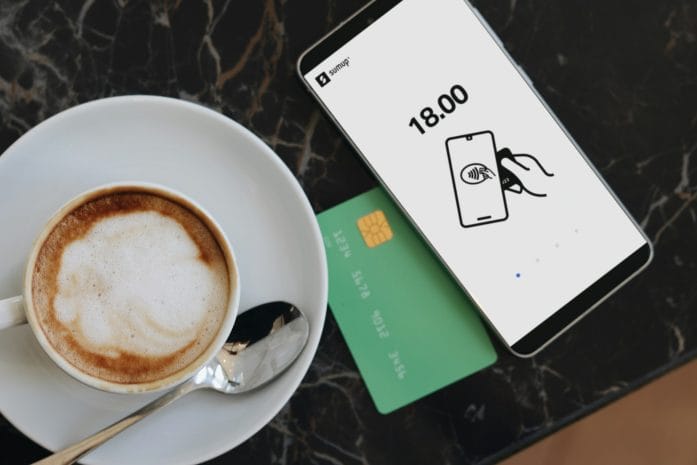
Ever pulled out a crumpled dollar bill at the grocery store and wondered if paper money will even exist in ten years? The financial world is hurtling into a cashless future faster than most people realize, and banks are leading the charge. Across the country, institutions are investing heavily in digital payment systems, mobile apps, and online banking features that make physical money seem almost prehistoric. From tap-to-pay smartphones to instant peer-to-peer transfers, the days of waiting for checks to clear or fumbling for coins are slipping away. This shift isn’t just about convenience; it’s reshaping how money flows in everyday life, and it’s happening faster than many customers can keep up with.

As banks go fully digital, they aren’t just changing how people pay—they’re changing how people think about money itself. The rise of digital payments is influencing spending habits, saving patterns, and even the way we handle financial emergencies. That’s why understanding what’s happening now isn’t just smart—it’s essential.

The Digital Dollar Is Taking Over

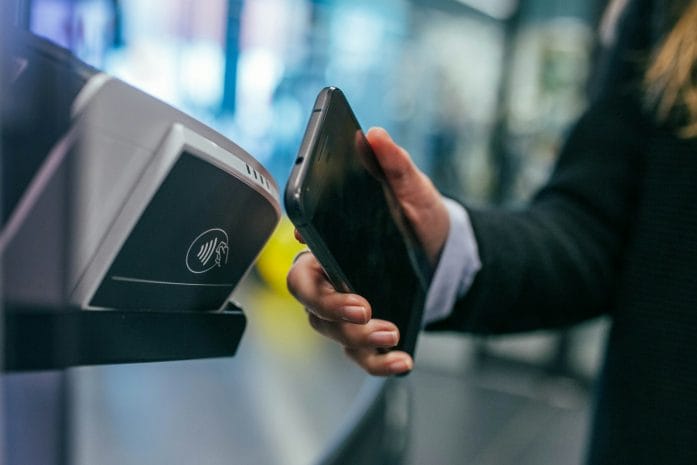
The push toward digital payments isn’t a gimmick or a passing trend. Banks are increasingly phasing out paper checks and encouraging customers to adopt mobile wallets, contactless cards, and app-based transfers. Digital transactions have been growing at double-digit rates over the past few years, with mobile payments like Apple Pay, Google Wallet, and Venmo accounting for a substantial share of everyday transactions. The convenience of sending money with a tap or a swipe is undeniable, but there’s more than just speed at play here. Banks also see digital payments as a way to collect data, streamline operations, and reduce the costs associated with handling physical cash.

For consumers, this transition means reevaluating how they carry and use money. A digital-first approach can save time and make budgeting easier, as app notifications track spending in real time and allow users to categorize expenses automatically. However, it also comes with responsibilities. Digital wallets and banking apps are vulnerable to hacks, phishing scams, and identity theft if users aren’t careful. The key takeaway? Embracing digital payments doesn’t mean giving up control—it means staying vigilant and using the tools smartly. Learning to protect passwords, enabling two-factor authentication, and keeping software updated aren’t optional anymore—they’re essential.

Goodbye Cash, Hello Convenience

The appeal of a cashless lifestyle isn’t hard to see. Forget digging for coins or standing in line to deposit checks. Mobile and online payments let people pay bills, split tabs, and shop online faster than ever. But convenience doesn’t automatically translate to safety. While banks implement encryption and security protocols to protect transactions, individuals must also adopt safe practices to avoid cyber threats. Using verified apps, avoiding public Wi-Fi for financial activities, and monitoring accounts for unusual activity are critical steps.

Moreover, the rise of digital payments has sparked a cultural shift. Spending money has become instantaneous and often less tangible. People feel the financial impact in real time rather than counting physical cash, which can influence budgeting habits. For some, this is empowering; for others, it may require adopting new strategies to avoid overspending. Automated alerts, digital envelopes, and regular app-based reconciliations can help keep spending habits in check while embracing the speed and simplicity of modern banking.

The Banks’ Big Bet on Mobile

It isn’t just consumers driving the move to digital payments—banks are betting big on mobile-first experiences. Apps now allow users to deposit checks with a photo, transfer money instantly to friends and family, and even track credit scores all in one place. According to studies, many U.S. banks have upgraded their mobile platforms to support advanced features, signaling a clear commitment to a fully digital future. The competition isn’t just about convenience—it’s about survival in a world where nimble fintech companies are snapping at the heels of traditional institutions.

For customers, this means more options but also more decisions. Comparing app features, transaction fees, and security protocols can help ensure that choosing a digital bank aligns with personal financial goals. Experimenting with different tools—like budgeting integrations, AI-powered alerts, or investment tracking features—can turn mobile banking from a mundane task into a genuinely useful resource. Staying informed and proactive allows people to take full advantage of what banks are offering without being blindsided by fees or limitations.

Banks Are Moving Toward All-Digital Payments — What That Means for Your Money

Image Source: Unsplash.com

Protecting Your Money in a Digital World

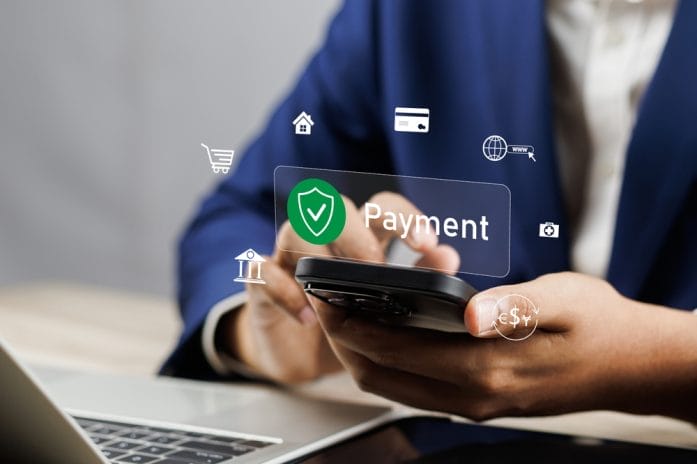
As digital payments dominate, protecting financial data has never been more critical. Cybersecurity threats evolve alongside technology, and relying solely on a bank’s security measures isn’t enough. Consumers must take active steps, such as using strong, unique passwords, monitoring accounts daily, and setting up fraud alerts. Biometrics, like fingerprint or facial recognition, add another layer of protection, especially for mobile payments.

Beyond security, having a backup plan for emergencies remains essential. Even the most tech-savvy individuals can encounter outages, frozen accounts, or lost devices. Keeping a small reserve of cash for unavoidable situations and knowing alternative payment options can prevent panic if digital systems fail. The goal isn’t to fear the digital shift but to navigate it confidently and safely, ensuring that convenience never comes at the expense of security.

Embracing the Future Without Losing Control

The all-digital payment era promises speed, simplicity, and efficiency, but it also demands responsibility and awareness. Banks are accelerating this transition, and consumers who adapt quickly can reap the benefits while staying protected. Learning how to manage digital wallets, safeguard accounts, and track spending proactively transforms what might feel like a chaotic shift into a smooth, empowering experience.

The move toward cashless living isn’t just a technical evolution—it’s a lifestyle change. Embracing it offers remarkable opportunities for efficiency, financial insight, and convenience, as long as people stay attentive to the risks. Thinking strategically about security, budgeting, and emergency plans allows anyone to thrive in a fully digital banking environment. As banks continue to innovate, the question isn’t whether the shift will happen—it’s how well people will adapt and take control of their digital financial future.

What strategies or tools have worked best for navigating digital payments? Give us your ideas, experiences, and tips in the comments below and spark the conversation about mastering money in the digital age.

You May Also Like…

Biometric Banking and the Rise of Fraud Concerns in 2026

5 Budgeting Apps That Integrate With Biometric Banking

6 Data-Scraping Features in Online Banking

6 Banking Terms That Invalidate Joint Ownership Intentions

What Are the Hidden Dangers of Digital-Only Banking?


Brandon Marcus
Brandon Marcus

Brandon Marcus is a writer who has been sharing the written word since a very young age. His interests include sports, history, pop culture, and so much more. When he isn’t writing, he spends his time jogging, drinking coffee, or attempting to read a long book he may never complete.
Filed Under: Banking Tagged With: banking trends, cashless society, consumer finance, digital payments, digital wallets, financial technology, fintech, future of banking, mobile banking, money management, Online banking

What Young People Can Teach Their Grandparents About Money

December 21, 2025 by Brandon Marcus Leave a Comment

Here Is What Young People Can Teach Their Grandparents About Money

Image Source: Shutterstock.com

Money moves fast these days, and it’s not just the stock market doing the sprinting. Young people have grown up in a whirlwind of apps, subscriptions, and digital wallets, and they’re running laps around traditional ways of managing money. Grandparents may have decades of experience, but sometimes experience needs a little turbo boost from the new generation.

From budgeting hacks to investing shortcuts, the lessons flow both ways—but today, it’s the younger crowd in the driver’s seat.

1. Digital Wallets Are Not Just Fancy Gadgets

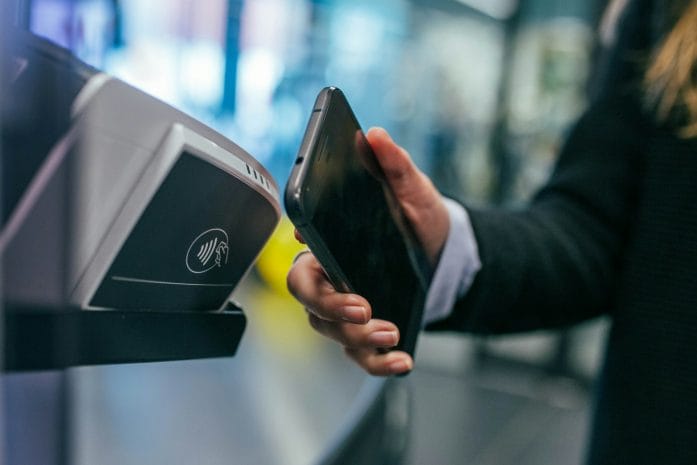
Grandparents might still be fumbling with checkbooks, but young people are turning phones into personal banks. Apps like Venmo, Cash App, and Apple Pay make splitting bills, sending gifts, and paying rent feel like a casual text conversation. Digital wallets also track spending automatically, giving insights that even the most meticulous ledger can’t match. No more digging through piles of receipts or wondering where the money went at the end of the month. This isn’t magic—it’s technology making life easier, and grandparents can totally catch up.

2. Subscription Services Can Break Or Make Your Budget

Streaming, gaming, software, even meal kits—there’s a subscription for almost everything today. Young people have mastered the art of managing multiple subscriptions without bleeding cash. They know which services they actually use, which ones are worth canceling, and how to snag deals without overspending. Teaching grandparents to audit recurring charges can be a game-changer for saving money without feeling deprived. Awareness and smart canceling can transform a bloated monthly bill into a streamlined, stress-free financial plan.

3. Investing Isn’t Just For The Suits

Stocks, crypto, ETFs, robo-advisors—investment used to sound like Wall Street jargon. But young people are shaking things up, showing that anyone can start small and grow wealth over time. Micro-investing apps and fractional shares let beginners invest without needing a fortune upfront. Grandparents can learn the thrill of compounding, the patience of long-term growth, and even a little risk management from the younger generation. It’s proof that investing isn’t intimidating—it’s just a new kind of fun puzzle.

4. Side Hustles Are A Real Thing

Back in the day, a steady 9-to-5 was the path to security. Today, young people are flipping skills into cash with side hustles—freelancing, gig work, online tutoring, or even selling creations on Etsy. They understand that money doesn’t only come from one source, and that multiple streams can lead to financial freedom. Grandparents can take notes on diversifying income without overcomplicating life. Sometimes, learning how to monetize a hobby or skill is the spark that turns financial anxiety into empowerment.

5. Saving Can Be Fun And Creative

Young people don’t just stash money under the mattress—they gamify it. Round-up apps, automatic transfers, and reward-based savings make putting money aside feel satisfying rather than painful. Grandparents can learn that saving isn’t about denial; it’s about creating a system that works with your lifestyle. Visual progress trackers and challenges turn boring budgets into exciting financial missions. It’s a shift in mindset that proves money management can actually be enjoyable.

Here Is What Young People Can Teach Their Grandparents About Money

Image Source: Shutterstock.com

6. The Power Of Financial Community

Social media isn’t just for memes and cat videos—it’s a financial classroom in disguise. Young people exchange tips, celebrate milestones, and learn from mistakes in ways that are public and collaborative. Grandparents can see the value of discussing money openly instead of keeping it private and isolating. Forums, apps, and groups create accountability and encouragement that textbooks never could. Learning to lean on a community can turn intimidating financial decisions into shared adventures.

7. Tech Tools Make Tracking Everything Easier

Spreadsheets are fine, but apps are faster, smarter, and sometimes downright fun. Young people rely on technology to monitor spending, set goals, and forecast future finances effortlessly. Notifications, charts, and alerts replace the stress of forgotten bills or missed payments. Grandparents can adopt these tools to regain control without spending hours on tedious paperwork. Once the fear of “tech overwhelm” fades, the convenience and clarity are addictive.

8. Mindset Matters As Much As Money

Finally, young people bring a refreshing attitude to finances: curiosity over fear, experimentation over stagnation. They see mistakes as lessons and aren’t afraid to try new methods. Grandparents can learn that money isn’t just numbers—it’s a mindset game. Being open to change and new ideas often leads to more opportunities and less stress. In essence, financial wisdom is less about age and more about adaptability.

Generational Money Lessons Go Both Ways

Learning about money doesn’t stop at any age. Young people can teach grandparents digital tricks, investing strategies, and creative saving methods, while grandparents provide wisdom, patience, and perspective. When generations combine experience with innovation, money management becomes more dynamic, effective, and even exciting.

Have you experienced a moment where someone younger taught you a financial tip that blew your mind? Drop your thoughts or stories in the comments section.

You May Also Like…

The 6 Most Common Mistakes Young People Make About Credit

5 Lessons Young People Should Know About Investing

Why Young People Should Invest In The Stock Market

7 Clever Ways Grandparents Save on Family Vacations

7 Things That Must Be in Your Will to Prevent Vicious Family Fights


Brandon Marcus
Brandon Marcus

Brandon Marcus is a writer who has been sharing the written word since a very young age. His interests include sports, history, pop culture, and so much more. When he isn’t writing, he spends his time jogging, drinking coffee, or attempting to read a long book he may never complete.
Filed Under: Lifestyle Tagged With: crypto, cryptocurrency, digital wallets, etfs, families, Family, family issues, family money, grandkids, grandma, grandpa, grandparents, investing, investors, Life, Lifestyle, Money, money issues, money matters, side hustles, subscription services, young people

8 At-Risk Accounts Awaiting Freeze Without Notification

August 18, 2025 by Travis Campbell Leave a Comment

freeze

Image source: pexels.com

Most people assume they’ll always get a heads-up before any of their financial accounts are frozen. The reality? Many at-risk accounts can be frozen without warning, leaving you suddenly locked out of your own money. This can disrupt your life, delay bill payments, and even impact your credit score. Understanding which accounts are most at risk is crucial for protecting your finances. If you’re not actively monitoring your accounts, you could find yourself facing a freeze without any notification—and a lot of unnecessary stress.

1. Bank Checking Accounts

Your checking account is the hub of your financial life. But if you fall behind on certain debts, a creditor or even a government agency can obtain a court order to freeze your account. This often happens without any advance notice. You might not realize your account is at risk until your debit card is declined or checks start bouncing. Keeping an eye on your balance and any legal communications can help you avoid this unpleasant surprise. The risk of an account freeze increases if you ignore collection notices or legal summons related to unpaid debts.

2. Savings Accounts

Savings accounts feel secure, but they’re not immune. If a bank suspects fraud or receives a legal order related to unpaid taxes, child support, or other debts, your savings can be frozen instantly. The worst part? You typically won’t get prior warning. It’s smart to regularly review your account for unusual activity and ensure you’re in good standing with required payments. If you rely on your savings for emergencies, an unexpected freeze could put you in a tight spot.

3. Brokerage Accounts

Brokerage accounts can be frozen for several reasons, including suspicious trading activity, regulatory investigations, or disputes over account ownership. If your broker detects anything unusual, they may lock you out while they investigate. Sometimes, you’ll only find out when you try to make a trade or withdraw funds. Since these accounts often hold large sums, an account freeze here can have a major impact on your financial plans. Stay in touch with your broker and check your statements for anything out of the ordinary.

4. PayPal and Digital Wallets

PayPal, Venmo, and other digital wallets are convenient, but they’re also at risk. These platforms have automated fraud detection systems that can freeze your funds without prior notice. A single flagged transaction, a spike in activity, or a disputed payment can trigger a freeze. If you use digital wallets for business or to receive payments, this can be especially disruptive. Always read the terms of service and respond promptly to any messages from the platform.

5. Retirement Accounts

While retirement accounts like IRAs and 401(k)s have some legal protections, they can still be frozen under certain circumstances. Divorce settlements, IRS levies, or court orders related to unpaid taxes may result in a hold on your account. You might not get advance notice, especially if the freeze is for legal reasons. This can complicate your retirement planning and may delay required distributions. To avoid surprises, keep your beneficiary information up to date and address any legal issues promptly.

6. Credit Card Accounts

Credit card issuers can freeze your account if they detect suspicious activity, missed payments, or changes in your credit profile. You may not receive a warning, and your card can be declined without explanation at checkout. An account freeze on your credit card can be especially embarrassing and inconvenient. Monitor your statements for unfamiliar charges and always pay at least the minimum by the due date. If your card is frozen, contact the issuer right away to resolve the issue.

7. Utility and Service Provider Accounts

Utility accounts, such as electricity, water, or internet, can be frozen if payments are missed or if there’s suspected fraud. Many providers won’t send multiple warnings before suspending service or locking your online account. This can make it hard to pay bills or access important information. Set up payment reminders and check for messages from your service providers to avoid accidental freezes. If you move or change your contact details, update them everywhere to keep receiving notifications.

8. Health Savings Accounts (HSAs)

HSAs are a great way to save for medical expenses, but they’re vulnerable to freezes if there’s a dispute about account ownership, suspicious transactions, or a legal order. You may log in only to find your funds inaccessible. Since many people depend on their HSA for healthcare costs, an account freeze can be more than just an inconvenience—it can delay necessary medical care. Review your HSA activity regularly and respond quickly to any requests for documentation from your provider.

Stay Vigilant to Prevent Account Freezes

Being proactive is the best way to avoid an unexpected account freeze. Regularly check your accounts, set up alerts, and respond promptly to any suspicious activity or official notices. Keep your contact information current across all your financial institutions so you never miss an important message.

Have you ever experienced an account freeze without warning? Share your story or tips in the comments below!

Read More

Could a Bank Freeze Your Account Without Telling You?

7 Bank Terms That Let Institutions Freeze Funds Without Warning

Travis Campbell
Travis Campbell

Travis Campbell is a digital marketer/developer with over 10 years of experience and a writer for over 6 years. He holds a degree in E-commerce and likes to share life advice he’s learned over the years. Travis loves spending time on the golf course or at the gym when he’s not working.

Filed Under: Banking Tagged With: account freeze, bank accounts, credit cards, digital wallets, Financial Security, Personal Finance, retirement accounts

Are App-Controlled Wallets Leaving You Financially Exposed?

August 15, 2025 by Travis Campbell Leave a Comment

finance app

Image source: pexels.com

App-controlled wallets are everywhere. You can pay for coffee, split a bill, or send money to a friend with a few taps. It feels easy and fast. But is it safe? Many people trust these apps with their money, but few stop to think about the risks. If you use an app-controlled wallet, you need to know what could go wrong. Here’s what you should watch out for and how to keep your money safe.

1. Security Gaps Can Put Your Money at Risk

App-controlled wallets promise security, but no system is perfect. Hackers target these apps because they know people keep money there. If your phone gets stolen or hacked, someone could access your wallet. Even a weak password can be a problem. Some apps don’t require two-factor authentication, making it easier for someone to break in. And if you use the same password for everything, you’re making it even easier for thieves. Always use strong, unique passwords and enable every security feature your app offers. If your app-controlled wallet doesn’t offer two-factor authentication, consider switching to one that does.

2. Privacy Isn’t Always Guaranteed

When you use app-controlled wallets, you share a lot of personal information. Your name, email, phone number, and even your location can be collected. Some apps track your spending habits and sell that data to advertisers. You might not even know it’s happening. If you care about privacy, read the app’s privacy policy. Look for apps that limit data sharing and give you control over your information. You can also check out resources like the Federal Trade Commission’s guide to mobile privacy to learn more about protecting your data.

3. App Glitches and Outages Can Freeze Your Funds

App-controlled wallets rely on technology. Sometimes, that technology fails. Servers go down. Apps crash. Updates break things. If your app-controlled wallet stops working, you might not be able to access your money. This can be a big problem if you need to pay a bill or buy groceries. Some people have reported being locked out of their accounts for days. Always keep a backup payment method, like a debit card or cash, just in case your app-controlled wallet lets you down.

4. Scams and Phishing Attacks Are on the Rise

Scammers love app-controlled wallets. They send fake emails or texts that look real, hoping you’ll click a link and enter your login details. Once they have your info, they can drain your wallet. Some scams even trick you into sending money to the wrong person. Always double-check who you’re sending money to. Never click on links from unknown sources. If something feels off, stop and check with the app’s official support. The Federal Bureau of Investigation has tips on spotting and avoiding scams.

5. Limited Protection Compared to Banks

Traditional banks offer strong protection. If someone steals your debit card, you can report it and get your money back. App-controlled wallets don’t always offer the same level of protection. Some apps treat your money like cash—if it’s gone, it’s gone. Others may take days or weeks to investigate a problem. Before you trust an app-controlled wallet with your money, check what protections it offers. If you can’t find clear answers, that’s a red flag.

6. Overspending Is Easier Than You Think

App-controlled wallets make spending simple. Too simple, sometimes. When you don’t see cash leaving your hand, it’s easy to lose track of what you’re spending. Some people end up spending more than they planned because it feels less real. To avoid this, set spending limits in your app if possible. Track your transactions regularly. If you notice you’re spending more, take a break from using the app and switch to cash for a while.

7. Not All Apps Are Created Equal

There are many app-controlled wallets out there. Some are run by big companies with strong security. Others are new or less reliable. Some apps may not be regulated or insured. If an app goes out of business, you could lose your money. Before you download an app-controlled wallet, do some research. Look for reviews, check if the company is regulated, and see if your funds are insured. Don’t trust your money to an app just because it’s popular.

8. International Use Can Be Tricky

Traveling with an app-controlled wallet sounds easy, but it can cause problems. Some apps don’t work in other countries. Others charge high fees for currency conversion. If you lose access to your app while abroad, getting help can be hard. Always check if your app-controlled wallet works where you’re going. Bring a backup payment method, and know how to contact support if you run into trouble.

9. Updates Can Change How Your Wallet Works

App-controlled wallets update often. Sometimes, these updates add new features or fix bugs. Other times, they change how the app works in ways you don’t like. You might lose access to features you rely on, or new fees could appear. Always read update notes before installing. If you don’t like the changes, look for another app-controlled wallet that fits your needs better.

10. Your Financial Habits Matter More Than the App

No app-controlled wallet can fix bad money habits. If you overspend, ignore security, or don’t track your money, you’re at risk. Use your app-controlled wallet as a tool, not a solution. Set a budget, check your balance often, and stay alert for anything unusual. The best way to stay safe is to stay informed and pay attention.

Staying Smart with App-Controlled Wallets

App-controlled wallets are convenient, but they come with real risks. Security gaps, privacy issues, and scams can leave you financially exposed. The best defense is to stay alert, use strong security, and keep your financial habits in check. Don’t trust your money to just any app. Take time to understand how your app-controlled wallet works and what protections it offers. Your money deserves that extra care.

Have you ever had a problem with an app-controlled wallet? Share your story or tips in the comments below.

Read More

From Cars to Cereal: Tariffs Are Ruining Our Wallets

10 Overlooked Financial Questions That Can Ruin Your Legacy

Travis Campbell
Travis Campbell

Travis Campbell is a digital marketer/developer with over 10 years of experience and a writer for over 6 years. He holds a degree in E-commerce and likes to share life advice he’s learned over the years. Travis loves spending time on the golf course or at the gym when he’s not working.

Filed Under: Finance Tagged With: app-controlled wallets, cybersecurity, digital wallets, Financial Security, fintech, mobile wallets, money management, Personal Finance

FOLLOW US

Search this site:

Recent Posts

  • Can My Savings Account Affect My Financial Aid? by Tamila McDonald
  • 12 Ways Gen X’s Views Clash with Millennials… by Tamila McDonald
  • What Advantages and Disadvantages Are There To… by Jacob Sensiba
  • Call 911: Go To the Emergency Room Immediately If… by Stephen Kanaval
  • 10 Tactics for Building an Emergency Fund from Scratch by Vanessa Bermudez
  • 7 Weird Things You Can Sell Online by Tamila McDonald
  • 10 Scary Facts About DriveTime by Tamila McDonald

Copyright © 2026 · News Pro Theme on Genesis Framework