
• Home
  • About Us
  • Toolkit
  • Getting Finances Done
    • Hiring Advisors
    • Debt Management
    • Spending Plan
  • Insurance
    • Life Insurance
    • Health Insurance
    • Disability Insurance
    • Homeowners/Renters Insurance
  • Contact Us
  • Privacy Policy
  • Risk Tolerance Quiz

The Free Financial Advisor

You are here: Home / Archives for finances

Relationship Inequality: 10 Real Reasons She Can’t Pay 50% of The Bills

April 3, 2026 by Brandon Marcus Leave a Comment

Relationship Inequality: 10 Real Reasons She Can't Pay 50% of The Bills

Image Source: Pexels.com

Money conversations in relationships can feel like navigating a minefield blindfolded. One minute, everything seems fine, and the next, a simple question about splitting the rent sparks tension, awkward silence, or worse, a full-blown argument. The idea of a 50/50 split sounds fair in theory, but in reality, it can clash with income differences, career paths, and the messy, unpredictable ways life actually works. Expecting perfect equality in bills isn’t just unrealistic—it’s often downright unfair.

Understanding why she might not pay exactly half the bills requires stepping back and looking at the bigger picture. It isn’t about blame or laziness—it’s about economics, choices, and life circumstances. This article dives into ten real, evidence-based reasons she can’t—or won’t—split costs evenly, while offering practical ideas for balancing finances without killing romance or sanity. If couples want money to be a tool instead of a weapon, they have to get strategic, honest, and maybe a little creative.

1. Income Imbalance Isn’t Just a Buzzword

The most obvious factor is income, but it’s more nuanced than “he earns more, she pays less.” According to the U.S. Bureau of Labor Statistics, women, on average, earn roughly 82 cents for every dollar a man makes. That gap widens for women of color, single mothers, and women in industries traditionally dominated by men. Expecting a woman to pay the same share of bills as a higher-earning partner ignores these structural disparities.

Even when both partners work full time, salaries often don’t match up. If one partner earns 70% more than the other, a straight 50/50 split actually creates financial strain for the lower-earning partner. In practical terms, this can mean choosing between paying rent and groceries or saving for emergencies. Couples who want fairness might consider proportional contributions—splitting bills based on income rather than fixed percentages—so everyone’s budget breathes a little.

2. Student Loans and Debt Can Steal Disposable Income

It’s easy to forget that monthly bills aren’t the only money drain. Student loan debt alone can swallow hundreds or even thousands of dollars per month. That debt can make the idea of splitting rent 50/50 seem impossible.

Other forms of debt—credit cards, medical bills, personal loans—can compound the problem. Even if she earns a decent salary, a significant chunk may be earmarked for debt repayment. Couples facing this situation benefit from transparency: share the full financial picture, including debts, and negotiate a fair contribution that doesn’t put either partner in the red. Debt repayment plans can be integrated into household budgeting without resentment building in the background.

3. Unpaid Labor at Home Counts for Something

Money isn’t the only form of work in a household. Research consistently shows that women often shoulder the majority of unpaid domestic labor, from cleaning and cooking to childcare and scheduling. According to a Pew Research Center study, even dual-income households divide chores unevenly, leaving women spending more hours on unpaid work weekly.

If she’s managing the home in ways that save time and money, that contribution has real value. Paying half the bills isn’t the only way to demonstrate fairness. Couples might consider swapping labor for cash contributions, or at least acknowledging the invisible work that balances the household. It can feel radical to think of chores as currency, but it works if everyone agrees and keeps things fair.

4. Career Paths Affect Cash Flow

Not all jobs pay equally, even with the same hours worked. Industries like tech, finance, and engineering tend to pay more than teaching, social work, or creative professions. If her career path is in a lower-paying field, expecting her to split bills 50/50 ignores economic reality.

Freelance and gig work can complicate this further. Irregular income makes it hard to commit to a consistent share of rent or utilities. Budgeting tools, apps, or agreements to adjust contributions month to month can smooth these bumps. Open discussions about income expectations and lifestyle choices prevent tension and resentment from sneaking in unnoticed.

5. Geographic Cost of Living Differences

Even if both partners earn similar salaries, location matters. Urban areas often carry higher rents, utilities, and commuting costs. If she moved from a more expensive city or neighborhood, the reality of a 50/50 split might be financially crushing.

Cost-of-living adjustments can make splitting bills more realistic. Couples can calculate contributions as percentages of income instead of flat numbers or use a tiered approach where bigger earners cover a larger share of specific expenses. It’s less glamorous than a straight split, but it preserves fairness while keeping the lights on and the fridge stocked.

6. Emergency Savings Take Priority

Financial experts stress the importance of emergency savings, ideally covering three to six months of expenses. If she’s building this safety net, she may temporarily contribute less to joint bills. It’s not avoidance; it’s financial foresight.

Couples can accommodate this by creating separate and joint funds. By setting aside money for emergencies, she maintains financial stability without jeopardizing shared responsibilities. Open conversations about priorities reduce judgment and make both partners feel supported, not pressured.

Relationship Inequality: 10 Real Reasons She Can't Pay 50% of The Bills

Image Source: Pexels.com

7. Career Breaks or Family Planning

Taking time off for maternity leave, caregiving, or other family responsibilities directly impacts income. Women disproportionately shoulder these interruptions. Even short breaks from work can disrupt cash flow and the ability to contribute evenly to household bills.

Planning ahead with a clear budget that accounts for these pauses can prevent friction. Some couples find success by front-loading savings before expected breaks or adjusting contributions dynamically. Life is unpredictable, and flexibility keeps the partnership strong even when the paycheck fluctuates.

8. Financial Trauma or Anxiety Can Affect Participation

Money stress affects mental health. Past financial struggles, bankruptcy, or growing up in a household where money was a constant source of anxiety can make her hesitant to commit to large bills. This isn’t laziness—it’s a learned survival mechanism.

Couples can support one another by building trust, creating a plan, and breaking bills into manageable chunks. Open dialogue about money habits, fears, and triggers strengthens relationships, while judgment only escalates tension. Financial counseling or joint planning sessions can turn anxiety into empowerment.

9. Lifestyle Differences Influence Contributions

Personal choices matter too. She might prioritize travel, hobbies, or fitness differently than her partner. These priorities often shape discretionary income, meaning she might be able to contribute less toward bills without compromising her overall financial health.

The solution isn’t imposing strict rules; it’s negotiating together. Couples can choose which expenses are shared, which are split proportionally, and which remain personal. Respecting lifestyle choices while ensuring core responsibilities are met prevents resentment from creeping in unnoticed.

10. Negotiated Fairness Beats Equal Splits Every Time

Ultimately, equality isn’t about identical numbers—it’s about fairness. Every relationship has unique financial dynamics. Some couples thrive on proportional contributions, some trade chores for cash, and some set flexible monthly budgets. The key is communication, honesty, and ongoing evaluation.

Rather than obsessing over a perfect 50/50 split, couples should focus on equitable agreements that respect income, responsibilities, and priorities. When both partners feel valued, supported, and heard, money becomes a tool, not a battlefield. Planning, negotiation, and mutual respect keep partnerships strong long-term.

Balancing the Scales Without Losing Your Mind

Money isn’t just numbers; it’s power, choice, and emotional weight. Expecting her to pay exactly half of every bill ignores real-world factors like income, debt, unpaid labor, career paths, and life circumstances. Couples who want harmony need to define fairness on their terms—whether that means proportional splits, chore-based compensation, or flexible monthly agreements. Acknowledging complexity instead of demanding equality makes money less stressful and relationships healthier.

How do you and your partner handle financial fairness? Are there strategies, creative splits, or budgeting hacks that make it work without tension? Share your ideas, experiences, or clever solutions in the comments section below.

You May Also Like…

Breaking Free at 50: 12 Relationship Rules That Are Officially Outdated

The “Love Bombing” Tactic Scammers Use to Gain Financial Control in a New Relationship

8 Toxic Money Habits That Are Silently Poisoning Your Relationship

10 Things Therapists Know About Your Relationship With Money

9 Ways People Test You in Relationships Without Saying a Word

Brandon Marcus
Brandon Marcus

Brandon Marcus is a writer who has been sharing the written word since a very young age. His interests include sports, history, pop culture, and so much more. When he isn’t writing, he spends his time jogging, drinking coffee, or attempting to read a long book he may never complete.


Filed Under: relationships Tagged With: bills, budgeting, Communication, couple goals, dating, equality, finances, financial stress, gender roles, modern love, Money, partnership, relationships

Social Security Checks Are Getting Smaller for Some Retirees — And It’s Not a Benefit Cut

March 26, 2026 by Brandon Marcus 1 Comment

Social Security Checks Are Getting Smaller for Some Retirees — And It’s Not a Benefit Cut

Image Source: Shutterstock.com

Imagine opening your mailbox, flipping open your latest Social Security statement, and discovering that your check looks a little leaner than last month. Panic sets in for many retirees, but before assuming the worst, it’s crucial to understand what’s really happening. Social Security checks can shrink for some retirees, even though no one in Washington pressed the “benefit cut” button. This phenomenon isn’t about punishment—it’s about math, taxes, and the sneaky ways living costs adjust under federal rules. For anyone counting on Social Security as a primary income source, this shift can feel unsettling, but knowing the why can ease a lot of worry.

At first glance, the idea of a smaller check seems like bad news. After all, Social Security is designed to provide steady, predictable income. But when retirees notice their deposits decreasing, it often has nothing to do with the Social Security Administration slashing benefits. The reality is more nuanced.

The Inflation Twist: COLA Isn’t Always Enough

Cost-of-living adjustments, or COLA, sound like a built-in financial cushion. Every year, Social Security recipients are supposed to get a bump that accounts for inflation. In theory, this is great news: your income should rise just enough to match higher prices at the grocery store or gas pump. Reality, however, has a few quirks. Inflation doesn’t hit every part of life equally. Retirees often spend a larger portion of their income on healthcare, which has historically risen faster than general inflation. So even if the COLA adds a few dollars to a check, it may not fully cover increased medical expenses or other cost surges.

The other wrinkle is the timing. Social Security benefits are adjusted annually, while prices climb continuously. During months when inflation spikes sharply, it can feel like your check is lagging behind real-world costs. Even when the system technically provides a raise, your spending needs may outpace it. This discrepancy isn’t a sign of a policy failure; it’s a reality of how benefits are calculated versus how prices actually move. Savvy retirees can mitigate the pinch by reviewing monthly expenses, prioritizing higher-cost essentials, and seeking supplemental income opportunities when necessary. Budgeting tools and automatic expense trackers can help spot where every dollar is going and where small adjustments could have a meaningful impact.

Medicare Premiums: The Silent Deduction

Few retirees anticipate just how much Medicare can quietly chip away at their Social Security checks. Part B and D premiums are deducted directly from payments, and these premiums can rise year to year depending on healthcare costs and legislative adjustments. While the premium increases are technically predictable, they can still feel like a shock when a recipient notices that their “new” check seems smaller than last year’s. What makes this deduction tricky is that it’s automatic and often overlooked when calculating expected income.

Income-based adjustments can complicate matters further. Higher earners may pay more for Medicare premiums through a mechanism called IRMAA (Income-Related Monthly Adjustment Amount). If someone’s income crosses certain thresholds, their premiums can jump significantly, reducing net benefits. Planning ahead is essential: retirees can review Medicare statements, understand the calculation behind their deductions, and consider tax strategies or supplemental insurance options that might lower total costs. Taking a proactive approach can help prevent surprises and make the monthly budget feel far more manageable.

Taxes: Uncle Sam’s Slice of Your Check

Social Security is not entirely tax-free, and this is where many retirees feel a bite that looks like a mysterious reduction in their benefits. Depending on income from other sources, up to 85% of Social Security benefits can become taxable at the federal level. That includes earnings from pensions, investments, or part-time work. The result? Even though the Social Security Administration hasn’t cut a single dollar, the IRS collects its share before the check hits the bank.

State taxes can also affect retirees, depending on where they live. Some states tax Social Security income fully, partially, or not at all, which adds an additional layer of complexity. The key takeaway is that understanding how taxes interact with Social Security is crucial to anticipating the actual take-home amount. Smart financial planning, including strategic withdrawals from other income sources or tax-advantaged accounts, can maximize the cash that actually lands in a retiree’s hands. This is another area where consulting a financial planner or using tax software to simulate outcomes can save headaches and preserve more of what you’ve earned.

Budgeting and Lifestyle Tweaks That Can Make a Big Difference

Smaller Social Security checks don’t have to translate into smaller lifestyles. Retirees can find creative ways to stretch income without sacrificing enjoyment. One method is reviewing discretionary spending with a fine-tooth comb: entertainment subscriptions, dining habits, and travel choices can all be optimized without feeling deprived. Even small changes, like shopping with a list or timing grocery runs to catch sales, can yield noticeable savings over time.

Another strategy involves exploring supplemental income options. Part-time work, freelancing, or even renting out extra space in a home can boost monthly cash flow. Pairing this with careful investment management and debt reduction strategies helps ensure that Social Security remains a stable foundation rather than the sole lifeline. Financial advisors often recommend a combination of careful planning and proactive lifestyle adjustments to preserve financial comfort while keeping retirement stress levels low. The goal is simple: make the most of every dollar while still enjoying the flexibility and freedom that retirement should offer.

Social Security Checks Are Getting Smaller for Some Retirees — And It’s Not a Benefit Cut

Image Source: Shutterstock.com

The Check May Shrink, But Planning Can Stretch It

Smaller Social Security checks aren’t inherently bad news. They often reflect taxes, Medicare premiums, and cost-of-living quirks rather than a government cut. Understanding these dynamics equips retirees to plan strategically, stretch income, and adjust spending without panic. Looking at the full picture—taxes, healthcare costs, inflation, and potential income streams—turns a moment of worry into a chance to make financial choices that work smarter. Retirement is about comfort, independence, and making sure every check supports the lifestyle you want. A well-informed approach ensures that even if a check looks smaller, the lifestyle it supports doesn’t have to shrink at all.

Have strategies that help stretch Social Security or creative ways to offset shrinking checks? Share your tips, stories, or insights in the comments below—let’s build a smarter, more vibrant retirement conversation together.

You May Also Like…

8 Mistakes That Can Trigger a Social Security Overpayment Notice

Waiting on Social Security? Why Thousands of Retirees Are Stuck in Payment Limbo Right Now

8 Hidden Fees That Can Eat Away at Your Retirement Savings

Is it Too Late at 45? How to Use the Mega Backdoor Roth to Dump Tens of Thousands into Retirement in One Year

Payment Delay Alert: Why Your January Social Security Deposit May Not Hit Your Account Today

Brandon Marcus
Brandon Marcus

Brandon Marcus is a writer who has been sharing the written word since a very young age. His interests include sports, history, pop culture, and so much more. When he isn’t writing, he spends his time jogging, drinking coffee, or attempting to read a long book he may never complete.

Filed Under: social security Tagged With: budgeting, COLA, Cost of living, federal benefits, finances, Inflation, Planning, Retirement, seniors, Social Security, taxes

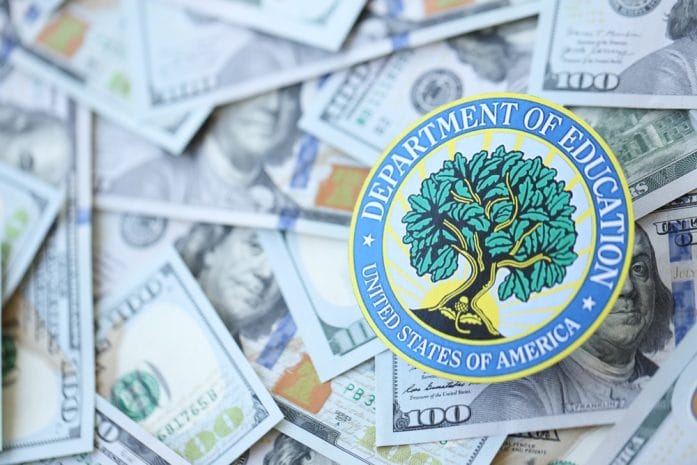
Public Service Loan Forgiveness Changes: The July 1, 2026 Rule Affecting Government Workers

February 5, 2026 by Brandon Marcus Leave a Comment

Public Service Loan Forgiveness Changes: The July 1, 2026 Rule Affecting Government Workers

Image source: shutterstock.com

Ever feel like student loans are a twisty maze that only Indiana Jones could navigate without losing his hat? Well, buckle up, because for folks chasing Public Service Loan Forgiveness (PSLF), a big signpost is shifting on July 1, 2026 and it’s set to make some pathways narrower.

This change doesn’t mean the beloved PSLF program is disappearing, but it will reshape who and what qualifies, especially for government and nonprofit workers. Let’s walk through the upcoming shifts with the clarity of a highlighter on your loan paperwork…but with way more flair.

What’s Changing on July 1, 2026 — And Why It Matters More Than Your Morning Coffee

If you’re in public service — teaching, firefighting, civil engineering, health care, or any government gig — PSLF has historically been a portal to forgiving federal student loans after 10 years of service and monthly payments. That promise encouraged people to take meaningful jobs that didn’t always pay six figures. But starting July 1, 2026, the government is tightening the definition of what makes an employer qualify.

Under the new rule, the Department of Education will exclude employers from PSLF eligibility if they are found to engage in activities that have a “substantial illegal purpose.” What does that mean in real terms? It means if an employer is determined to have conducted unlawful activities that are material to its mission, it could lose its status as a qualifying public service employer. And if that happens, employees working there can no longer count their future months toward PSLF forgiveness.

Qualifying Employers: The New Yardstick You Need to Know

Importantly, only activities occurring on or after July 1, 2026 will be subject to this new rule — so past qualifying work still counts toward your forgiveness timeline. Borrowers won’t lose credit for work they’ve already completed before the change takes effect.

But after that date, if your employer’s PSLF status is revoked, any payments you make toward your loans while working there won’t count. It’s like having your gym points taken away because the gym suddenly changed its rewards program — frustrating, but not retroactive.

How the Department Will Decide Who’s In and Who’s Out

So how does the Education Department decide an employer’s fate? The final rule outlines that the department will use evidence such as court findings, legal admissions, or settlements to make a determination. Employers will get notice and the opportunity to respond before a status change.

This has introduced a level of subjectivity and administrative review that critics argue could produce uncertainty. There’s already been pushback from nonprofit groups and professional associations, who worry it could harm recruitment in fields that rely on PSLF incentives — like healthcare and education. Some fear it creates unpredictability for employers and workers who’ve planned their careers around the promise of loan forgiveness.

Public Service Loan Forgiveness Changes: The July 1, 2026 Rule Affecting Government Workers

Image source: shutterstock.com

What This Means for You

If you’re already on the path to PSLF, your timeline isn’t wiped out by this change. Payments and qualifying months you’ve earned before July 1, 2026, continue to count. However, if you’re banking on those final stretch payments — or planning to switch jobs — you’ll want to make sure your next employer will still qualify under the new standards.

If your organization gets flagged under the new rule and loses PSLF status, you’ve got choices: work towards forgiveness by moving to another qualified employer, hope the employer wins back eligibility through a corrective action plan, or wait out the disqualification period. None of these are tiny decisions, especially when your financial future is on the line.

Stay Informed and Stay Ahead of the Game

Changes like this are a great reminder to stay savvy about federal loan policies. There’s no better antifreeze for stress than understanding the terrain ahead. Keep an eye on official Department of Education updates and lender communications. Get into the habit of recertifying your employment annually — that keeps your qualifying status sharp and current.

What This Means for the Future of Public Service Careers

This moment is a pivot point. The PSLF program won’t disappear — it’s still alive and continues to honor long-term service. But it’s entering a fresher, stricter era. The government says this protects taxpayers and ensures the program serves its original purpose: backing workers who genuinely contribute to the public good. Critics say it muddies the rules and injects political definitions into what was once a straightforward benefit program.

Are you recalculating your PSLF game plan after these changes? What strategies are you considering? Let’s talk about it in the comments.

You May Also Like…

Could Student Loan Forgiveness End Up Costing Borrowers More Later

Student Loan Default Crisis: Millions Of Borrowers Are Now Delinquent or in Default

Are Payday Loans Still A Big Problem?

8 Ways You Should Never Use Student Loan Money For

Will I Ever Be Able to Afford a House With My Current Student Loan Burden?

Brandon Marcus
Brandon Marcus

Brandon Marcus is a writer who has been sharing the written word since a very young age. His interests include sports, history, pop culture, and so much more. When he isn’t writing, he spends his time jogging, drinking coffee, or attempting to read a long book he may never complete.
Filed Under: Lifestyle Tagged With: Department of Education, Employer Eligibility, Federal Loan Rules, finances, Government Workers, Loan, loan forgiveness, Loan Forgiveness Updates, PSLF Changes 2026, Public Service Loan Forgiveness, Qualifying Employers, Student Debt News, Student Loan Forgiveness

The Financial Review Process Most People Skip That Exposes Them to Identity and Account Abuse

January 30, 2026 by Brandon Marcus Leave a Comment

The Financial Review Process Most People Skip That Exposes Them to Identity and Account Abuse

Image source: shutterstock.com

It’s a beautiful morning. You’re scrolling through your phone, sipping your coffee, feeling proud that you’ve got your finances “under control.” Bills are paid, your paycheck hit the account, and your credit card isn’t maxed out. Life is good.

But what if I told you that there’s a financial review almost nobody does that could save you from identity theft, unauthorized account access, and months of soul-crushing stress? Yes, the one thing most people skip could be the very thing keeping cybercriminals from living your best life… at your expense.

The Silent Account Threat Hiding in Plain Sight

Hackers and fraudsters don’t always break in with dramatic fireworks. Often, they slip through doors you didn’t even realize you left open. Many of us check our balances and call it a day, assuming our money is safe. But that’s like locking your front door while leaving the windows wide open.

A thorough financial review is your chance to notice irregularities before they become catastrophic. Look for unfamiliar charges, outdated contact information, or accounts you forgot you even opened. A real review isn’t just about seeing if the money’s there—it’s about understanding who can access it, how it’s being used, and whether your personal information could be exploited without your knowledge.

By taking an hour every month—or at least quarterly—to perform this review, you can spot potential abuse before it snowballs.

Why Most People Ignore the One Review That Protects Everything

Why don’t we do it? Honestly, a personal financial review is boring. There’s no rush, no flashy app telling you to “check now or else,” and no immediate reward for spending an afternoon scrutinizing statements. Humans are wired for instant gratification, and patience is a scarce resource in a world of streaming shows and push notifications.

Then there’s overconfidence. Many believe fraud happens “to someone else,” not them. They assume their passwords are strong, their bank’s security is solid, and any suspicious activity will automatically get flagged. Some signs of abuse are subtle—a $1 test charge from a scammer, a slightly delayed notification, or a new account opened in your name that hasn’t yet triggered an alert.

How to Make This Review Actually Useful (And Not Just Another Chore)

The review doesn’t have to feel like a punishment. Start by creating a simple checklist. Begin with all bank accounts, credit cards, investment portfolios, and any subscription services you pay for. Check balances, recent transactions, and account activity. Look for anything that feels “off,” even if it seems small.

Next, verify all your contact information is current. Email, phone numbers, and mailing addresses are often overlooked entry points for hackers. Even something as minor as an outdated email linked to your bank account could allow fraudsters to reset your password.

Then, dive into your credit report. Yes, it’s free from major reporting agencies once a year, and yes, it’s worth it. You’re looking for unfamiliar accounts, sudden inquiries, or strange balances. Catching these early can save you from massive headaches later.

The Financial Review Process Most People Skip That Exposes Them to Identity and Account Abuse

Image source: shutterstock.com

The Hidden Cost of Skipping This Review

It’s not just about the money you might lose. There’s time, stress, and reputation to consider. Recovering from identity theft isn’t like calling tech support for a frozen phone. It can take weeks, sometimes months, to untangle unauthorized accounts, disputing charges, and correcting your credit report. You might miss bill payments, damage your credit score, or even face legal issues if someone uses your identity for fraud.

And the emotional toll? It’s exhausting, invasive, and completely avoidable if a simple, proactive review becomes part of your routine.

Treat Your Financial Review Like a Superpower

A simple but thorough financial review like this one isn’t a chore—it’s a superpower. It gives you control, visibility, and a way to outsmart identity thieves before they strike. By dedicating a little time regularly, you transform from a passive target into a proactive defender of your financial life.

Make it a ritual, not an afterthought. Treat it like a coffee break for your finances. And remember, small steps now prevent giant headaches later.

Your Financial Health is Only as Strong as the Checks You Skip

Skipping a financial review isn’t harmless. Every overlooked statement, every ignored transaction, every expired password is a tiny crack in the armor protecting your money and identity. A consistent, careful review plugs those cracks, giving you confidence, control, and peace of mind. It’s easy to postpone, but every day you delay is a day you make things easier for fraudsters.

Schedule a review this week. Open your statements, scrutinize them like a detective, and lock down your accounts. It’s empowering, surprisingly satisfying, and may just save you from financial chaos you didn’t even know was possible.

What’s the one thing in your finances you keep skipping that might be putting your identity at risk? Share your thoughts below—we’re all ears for your stories and strategies.

You May Also Like…

5 Pieces of Financial Information Your Accountant Should Never Control Without Limits

How a Solid Estate Plan Can Protect Your Finances

8 Silent Costs of Ignoring Identity Theft

The Bank Account Features That Can Freeze Your Money Without a Court Order

8 Financial Habits That Quietly Drain Your Checking Account

Brandon Marcus
Brandon Marcus

Brandon Marcus is a writer who has been sharing the written word since a very young age. His interests include sports, history, pop culture, and so much more. When he isn’t writing, he spends his time jogging, drinking coffee, or attempting to read a long book he may never complete.

Filed Under: Finance Tagged With: account security, bank security, credit report, cybersecurity, finance, finances, Financial Health, financial review, fraud, fraud protection, general finances, identity theft, money management, Online Safety, Personal Finance

5 Pieces of Financial Information Your Accountant Should Never Control Without Limits

January 29, 2026 by Brandon Marcus Leave a Comment

These Are 5 Pieces of Financial Information Your Accountant Should Never Control Without Limits

Image source: shutterstock.com

Money is a tricky beast. It can multiply like rabbits in spring—or disappear faster than ice cream on a hot summer day. That’s why having an accountant is often the smartest move a person or business can make.

But here’s the kicker: entrusting someone with your finances doesn’t mean handing over the keys to your kingdom without a little oversight. Even the most trustworthy number-cruncher can inadvertently steer your financial ship off course if they have unchecked control.

1. Bank Accounts and Cash Flow

First and foremost, your bank accounts are your financial lifeline, and giving someone free rein over them is like letting a stranger drive your Ferrari through a crowded city. Your accountant can absolutely manage transactions, track spending, and help forecast cash flow—but direct, unrestricted access can be risky. Without limits, there’s room for errors to compound or, worse, for someone to act in bad faith.

By establishing clear protocols and periodic audits, you maintain control while still benefiting from professional guidance. Always remember: your cash is your pulse, and it should never beat under someone else’s complete control.

2. Investment Decisions

Your investments are more than just numbers on a screen—they’re your future vacations, college funds, and maybe even that dream retirement cabin in the mountains. When an accountant starts making buy, sell, or hold decisions without your input, they can unintentionally expose you to risk that doesn’t align with your goals.

A great accountant provides analysis and guidance, but investment decisions should always be collaborative, not unilateral. Ask questions, request scenario planning, and never sign off on major moves blindly. Your financial future is far too important to let someone else dictate it solo.

These Are 5 Pieces of Financial Information Your Accountant Should Never Control Without Limits

Image source: shutterstock.com

3. Tax Filings and Strategies

Taxes are the most unavoidable, least glamorous part of financial life, yet they’re a prime area for accountants to wield significant influence. While they are pros at navigating complex tax codes, unchecked authority in this realm can lead to missed deductions, questionable strategies, or even compliance nightmares. It’s essential to stay involved in the discussion, understand the reasoning behind each deduction or credit, and verify deadlines and filings.

Transparency is not just a buzzword here—it’s your safeguard against surprises from the IRS. The mantra should be: informed collaboration, not passive delegation.

4. Debt Management

Debt isn’t inherently bad; in fact, leveraged correctly, it can be a powerful tool. But when your accountant is left to manage loans, credit lines, and repayment schedules without limits, things can quickly get tangled. Decisions about which debts to pay off first, how to structure repayments, or when to consolidate should be guided by your broader financial picture.

Leaving all these choices entirely to someone else risks misalignment with your goals and cash flow realities. Open dialogue ensures debt serves your strategy instead of undermining it, and it keeps surprises from sneaking up like a stealthy ninja.

5. Financial Reporting and Record Keeping

Accurate records are the backbone of any financial plan, and accountants are the architects of this structure. But when the production and interpretation of financial reports are completely controlled by someone else, you may lose visibility into the story your money is telling. Seeking financial transparency, regular report sharing, and mutual review sessions are vital to prevent mistakes or intentional misrepresentation.

Being actively engaged in these reports helps you make smarter decisions, detect anomalies early, and ensures your accountant’s insights are based on a foundation you can actually see. It’s your money, your story, and you deserve to read every chapter.

Taking Charge Without Micromanaging

The core lesson here is simple but powerful: your accountant is a guide, strategist, and partner—not a silent gatekeeper of your financial destiny. By setting clear boundaries around bank access, investment decisions, tax strategies, debt management, and reporting, you create a system that combines professional expertise with personal oversight. Think of it like a co-pilot situation: you want someone who knows the instruments, but you’re still in the cockpit with your hands on the controls.

Which of these five areas do you think is most often mismanaged? Share your thoughts in the comments, and let’s have a conversation about taking control without losing the advantages of your accountant’s expertise.

You May Also Like…

10 Tax Questions Too Embarrassing to Ask Your Accountant

8 Money Habits That Increase Anxiety Without Helping

8 Personal Finance Beliefs That No Longer Apply

7 Financial Choices That Seem Safe Until They Aren’t

Why Does Financial Planning Feel Overwhelming Right Now


Brandon Marcus
Brandon Marcus

Brandon Marcus is a writer who has been sharing the written word since a very young age. His interests include sports, history, pop culture, and so much more. When he isn’t writing, he spends his time jogging, drinking coffee, or attempting to read a long book he may never complete.

Filed Under: Finance Tagged With: accounting, Debt Management, finance, finances, financial advice, financial choices, financial decisions, Financial Security, investments, money management, Personal Finance, taxes

10 Things Financial Advisors Didn’t Warn Baby Boomers About That Are Now Costing Them Thousands

January 28, 2026 by Brandon Marcus Leave a Comment

These Are 10 Things Financial Advisors Didn’t Warn Baby Boomers About That Are Now Costing Them Thousands

Image source: shutterstock.com

For decades, Baby Boomers were told that saving steadily, paying off a mortgage, and investing for the long term would lead to a comfortable retirement. Many did exactly that, yet a growing number now feel blindsided by expenses and risks they never saw coming.

The financial world shifted dramatically over the past few decades, and advice that once sounded solid did not always age well. There are overlooked realities now draining retirement accounts and monthly budgets.

1. Healthcare Costs Would Rise Faster Than Inflation

Healthcare expenses have consistently grown faster than general inflation, eroding purchasing power year after year. Many retirement projections underestimated premiums, deductibles, and out-of-pocket costs for prescriptions and procedures.

Even with Medicare, uncovered services and supplemental insurance add up quickly. These days, the average retired couple will end up spending hundreds of thousands on healthcare over retirement. However, planning ahead for healthcare costs in retirement, reviewing coverage annually, and budgeting conservatively can help soften the blow.

2. Taxes Would Still Matter In Retirement

A common assumption is that taxes would drop sharply after leaving the workforce. In reality, required minimum distributions, Social Security taxation, and investment income often keep retirees in higher brackets than expected. Tax-deferred accounts eventually create taxable income, whether it is needed or not. This all adds up.

The good news is that strategic withdrawals and Roth conversions can reduce long-term tax exposure. Working with a tax-aware planner rather than a sales-driven advisor can make a meaningful difference.

3. Longevity Would Change Everything

Living longer sounds like good news, until savings must stretch across thirty or more years. Many financial plans underestimate lifespan, especially for couples and healthier individuals.

Longer lives increase exposure to market volatility, healthcare costs, and inflation risk. But running updated projections that assume longer timelines helps reset expectations, and adjusting withdrawal rates early can prevent painful cutbacks later.

4. Inflation Would Quietly Erode Fixed Income

Fixed pensions and conservative bonds once felt safe and dependable. Over time, inflation quietly reduced their real value, shrinking purchasing power without obvious warning signs. Expenses like food, utilities, and insurance rose faster than fixed payouts.

This gap often forces retirees to dip into savings sooner than planned. Incorporating some inflation-aware investments can help balance stability with growth.

5. Helping Adult Children Would Become A Major Expense

Many Boomers expected to support children emotionally, not financially, well into adulthood. Rising housing costs, student debt, and childcare expenses changed that equation. Ongoing assistance can derail even carefully planned retirements. Clear boundaries and honest conversations protect both generations. Supporting loved ones should not come at the expense of long-term financial security.

6. Market Volatility Would Feel Different Without A Paycheck

Market swings feel very different when no paycheck replenishes losses. Sequence-of-returns risk can permanently damage portfolios if downturns hit early in retirement. Many advisors emphasized average returns while downplaying timing risk.

Diversification alone does not eliminate this vulnerability, but holding a cash buffer can reduce the need to sell investments during downturns.

7. Long-Term Care Planning Would Be Overlooked

Long-term care remains one of the most expensive and least planned-for retirement risks. Many assumed that some family help or just basic insurance would be enough for them to get by.

In reality, extended care can cost thousands per month for years. Traditional long-term care insurance became expensive and less available over time. Exploring hybrid policies or dedicated savings strategies can provide more flexibility.

These Are 10 Things Financial Advisors Didn’t Warn Baby Boomers About That Are Now Costing Them Thousands

Image source: shutterstock.com

8. Fees Would Compound Just Like Returns

Small percentage fees often seemed insignificant early on. Over decades, those fees quietly consumed large portions of investment growth. Many retirees now realize they paid far more than expected for active management because fee transparency was not always emphasized in earlier advice models. Reviewing expense ratios and advisory costs can immediately improve outcomes.

9. Housing Would Not Automatically Be A Financial Win

Homeownership was long viewed as a guaranteed retirement asset. Maintenance, taxes, insurance, and repairs often cost far more than anticipated. Some retirees stay in homes that drain cash flow instead of supporting it. Downsizing is emotionally complex and financially nuanced. Evaluating housing through a cash-flow lens brings clarity.

10. Financial Plans Would Need Constant Updating

Many Boomers created a plan and assumed it would carry them through retirement unchanged. Economic shifts, policy changes, and personal circumstances rarely cooperate with static plans.

The truth of the matter is that what worked ten years ago may no longer apply today. Regular reviews allow small adjustments instead of drastic corrections. Flexibility now often matters more than perfection then.

Why Awareness Is The Most Valuable Asset Left

The most expensive surprises often come from outdated assumptions, not poor intentions. Financial awareness empowers better decisions even later in life. Small changes still compound when applied consistently. Curiosity beats regret every time. Staying engaged with finances remains one of the strongest tools available.

Which of these challenges has affected your financial life the most, and what changes have you found helpful?

You May Also Like…

12 Financial Moves Baby Boomers Are Making Right Now and So Should You

Financial Advisor Confession: 7 Things I’m Now Required by Law to Tell My Clients (That I Couldn’t Say in 2025).

8 Essential Items Boomers Should Invest In If They’ll Be Living Alone

8 Harsh Truths Why Boomers Can’t Change Their Retirement Plans Now

7 Money Lessons Baby Boomers Taught That Still Build Wealth

Brandon Marcus
Brandon Marcus

Brandon Marcus is a writer who has been sharing the written word since a very young age. His interests include sports, history, pop culture, and so much more. When he isn’t writing, he spends his time jogging, drinking coffee, or attempting to read a long book he may never complete.

Filed Under: Financial Advisor Tagged With: adult children, baby boomer, baby boomer trends, baby boomers, boomer finances, expenses, fees, finance, finances, financial advisor, financial advisors, Financial plan, healthcare, healthcare costs, Hidden Fees, household expenses, Inflation, Long-term care, market volatility, paychecks, Planning, property taxes, retiree, retirees, Retirement, taxes

Why Your Emergency Fund Isn’t Protecting You the Way It Did Five Years Ago

January 27, 2026 by Brandon Marcus Leave a Comment

This Is Why Your Emergency Fund Isn’t Protecting You the Way It Did Five Years Ago

Image source: shutterstock.com

Remember when tucking away a few months’ worth of expenses in a savings account felt like financial armor? That shield, once considered indestructible, now seems a little thinner around the edges. If your emergency fund hasn’t been adjusted in years, you might be in for a surprise: what once covered rent, groceries, and a few random emergencies may no longer stretch far enough to keep you truly safe.

The world changes fast, and your emergency plan can’t stay frozen in time. Between rising inflation, housing costs, and everyday expenses creeping higher, that old nest egg might only cover half of what it used to.

Inflation Is Quietly Eating Your Safety Net

Inflation is like that guest at a party who slowly eats all the snacks while you’re distracted. Over the past five years, the cost of groceries has skyrocketed by nearly 30%, while utilities and transportation have steadily climbed, often outpacing the interest your savings account earns.

If your emergency fund hasn’t grown at the same pace as your expenses, its real purchasing power has quietly eroded. This means you might think you’re financially protected, but when the real-world bills come knocking, you’ll notice the difference immediately. It’s not that your money disappeared—it’s that it doesn’t buy as much as it used to.

Interest Rates And Savings Accounts Are No Longer Your Allies

Five years ago, parking money in a high-yield savings account could earn you a respectable return. Those days are largely behind us. Interest rates have fluctuated dramatically, leaving many emergency funds stagnating while costs continue to rise. Meanwhile, prices on essential goods keep climbing, silently chipping away at your financial cushion.

This mismatch between what you earn on savings and what you spend on necessities can turn a seemingly comfortable fund into something worryingly thin. If you’re relying on the same account strategy you used in 2018, it’s time for a serious checkup. Your fund isn’t broken—it’s just outdated.

The Cost Of Housing Has Shifted Dramatically

Renters and homeowners alike have felt the squeeze. In cities across the country, the housing affordability crisis has caused costs to soar, while wages haven’t always kept pace.

For many, the cost of maintaining a home or apartment now takes up a larger slice of the monthly budget than it did five years ago. This shift doesn’t just affect renters—homeowners feel it too, thanks to rising property taxes, insurance, and utility costs. The reality is simple: your old emergency fund was calculated for a different world, and the world has changed.

Healthcare Costs Are A Silent Drain

Medical expenses often lurk in the background until an emergency hits. Over the last few years, healthcare costs, insurance premiums, and prescription prices have climbed steadily, while even minor medical events that once cost a few hundred dollars can now run into the thousands.

If your emergency fund hasn’t been adjusted for these increases, it may not provide enough coverage when a health situation arises. And with healthcare expenses unpredictable and sometimes unavoidable, this silent drain can turn a well-meaning fund into an inadequate safety net. Ignoring these rising costs is a recipe for financial stress the moment life throws a curveball.

This Is Why Your Emergency Fund Isn’t Protecting You the Way It Did Five Years Ago

Image source: shutterstock.com

Unexpected Expenses Are Growing In Scale

Emergencies themselves haven’t gotten smaller. Natural disasters, car repairs, home maintenance, and sudden job changes all tend to cost more than they did half a decade ago.

When people calculate their emergency savings based on old expense numbers, they underestimate the magnitude of today’s unpredictable costs. Life has a way of being more expensive than we imagine, and the gap between your fund and reality can be shockingly wide.

Rethinking Your Emergency Fund For Today’s Reality

The good news is that updating your emergency fund isn’t just necessary—it’s doable. Start by recalculating your essential monthly expenses, including rent, utilities, groceries, insurance, and potential healthcare costs. Factor in any new financial obligations that have popped up since your last review. Then, consider a buffer for unexpected events that could derail your budget, like car repairs, urgent home fixes, or temporary unemployment.

Adjusting your fund to match current realities ensures it can genuinely act as a protective cushion rather than a false sense of security.

Practical Tips To Keep Your Fund Effective

Keeping an emergency fund truly effective goes beyond just numbers. Consider diversifying where you keep your money: a combination of high-yield savings accounts, money market accounts, or short-term, low-risk investments can help your fund maintain its value against inflation.

Regularly reviewing and updating the total amount ensures your fund keeps pace with rising costs and lifestyle changes. Automating contributions can take the pressure off while maintaining steady growth. And don’t underestimate the psychological benefit of knowing your emergency fund is truly ready for today’s world—it can provide a sense of control and calm when financial surprises hit.

Make Your Emergency Fund Work As It Should

Your emergency fund is only as strong as the environment it exists in, and the world around it has changed significantly in the last five years. By accounting for rising costs, inflation, and unexpected emergencies, you can rebuild your financial confidence and avoid the stress of discovering your protection is thinner than you thought.

We’d love to hear about how you’ve adjusted—or plan to adjust—your emergency fund in today’s landscape, or any experiences that taught you the importance of keeping it current. Leave your thoughts and stories in the comments below.

You May Also Like…

Why Are Emergency Funds Harder to Rebuild Than People Expect

9 Budget Categories That Blow Up After One Emergency

Why So Many Retirees Are Being Forced to Spend Savings Faster Than Planned This Year

Savings Strategy: 9 Micro moves That Add Tens of Thousands Over Time

Savings Leap: 9 Mid-Life Moves That Boost Long-Term Retirement Odds

Brandon Marcus
Brandon Marcus

Brandon Marcus is a writer who has been sharing the written word since a very young age. His interests include sports, history, pop culture, and so much more. When he isn’t writing, he spends his time jogging, drinking coffee, or attempting to read a long book he may never complete.

Filed Under: saving money Tagged With: bank account, Cost of living, emergency expenses, emergency funds, emergency spending, finance, finances, general finance, healthcare, healthcare costs, Housing Costs, interest rates, medical expenses, Money, money issues, Personal Finance, saving accounts, saving money, savings, unexpected expenses

The IRS Reporting Threshold Change That Just Created a Tax Risk for Millions in 2026

January 26, 2026 by Brandon Marcus Leave a Comment

The IRS Reporting Threshold Change That Just Created a Tax Risk for Millions in 2026

Image source: shutterstock.com

If you’ve ever sold a vintage jacket on an app, picked up extra cash doing freelance work, or split dinner with friends via Venmo, you might have heard rumblings about a tax reporting change that could have snared millions of everyday Americans into unexpected IRS reporting paperwork in 2026.

The chatter about a strict new $600 rule had everyone from Etsy flippers to neighborhood babysitters biting their nails — but then Congress stepped in with a twist that changed the story entirely. And just like a tax-season plot twist, the IRS reporting threshold that once seemed so imminent has now shifted — in a big way.

The $600 Rule That Almost Was

For years, the IRS had been working toward lowering the reporting threshold for Form 1099-K, the tax document that payment processors like PayPal and Venmo send to both you and the IRS to report income received through their platforms. Under the American Rescue Plan Act of 2021, that threshold was slated to plummet to just $600, with no minimum transaction count attached — meaning that even a handful of casual transactions could have triggered a 1099-K form in 2026.

Tax professionals and everyday sellers alike were alarmed. Selling a couch, doing some freelance work, or even collecting contributions for a group gift suddenly looked like it could generate IRS paperwork. Millions of people stood on the brink of receiving tax forms for what they considered ordinary financial behavior — and that’s a recipe for confusion.

Enter The One Big Beautiful Bill Act

Then came a curveball: the One Big Beautiful Bill Act of 2025 — a massive tax and spending law signed July 4, 2025. Among its many provisions, it rewrote how 1099 reporting thresholds work. Instead of embracing the $600 threshold, Congress essentially hit rewind.

Under the new law, the 1099-K reporting threshold no longer drops to $600. Instead, it reverts to the old school standard that was in place before all this turmoil: you’ll receive a Form 1099-K only if you have more than $20,000 in gross payments and more than 200 transactions on a single payment platform in a calendar year.

That’s the rule that originally existed before the American Rescue Plan Act stirred the pot — and this reinstatement is retroactive for reporting years going back to 2022.

Why This Is Huge (But Not In The Way You Think)

Let’s be candid: for most folks, that old-school requirement of $20,000 and 200 transactions was already pretty high. Casual sellers, hobbyists, and part-time gigsters were rarely hitting both of those marks on a single platform in a year. So repeating that threshold makes a huge difference for day-to-day people.

Suddenly, that tiny Etsy shop selling handmade postcards — or that spinach quiche you flipped after thrift-shopping — probably won’t generate a 1099-K heading to your mailbox. But this doesn’t mean the IRS thinks the money isn’t taxable. It just means you won’t automatically get a tax form from PayPal or another processor for smaller totals.

It’s worth repeating: even if you don’t get a 1099-K, all income is still taxable. That’s tax law 101 — the presence (or absence) of a form doesn’t dictate your obligation to report income on your return.

The IRS Reporting Threshold Change That Just Created a Tax Risk for Millions in 2026

Image source: shutterstock.com

The New 1099 Thresholds For Businesses And Freelancers

But wait — the tax fun doesn’t stop with Form 1099-K. The same law made other changes to reporting forms that matter to small businesses and freelancers. Specifically, the reporting threshold for Form 1099-MISC and Form 1099-NEC — used to report payments to contractors, landlords, and miscellaneous income — has been increased. Starting in 2026, businesses generally won’t need to issue these forms unless the total payments reach at least $2,000 in a year, and this threshold will be adjusted for inflation in future years.

This is a big deal for small outfits and side hustlers. Under the old $600 rule, a small business that paid a freelancer $800 could have had to send out a 1099-NEC. Now? Not until payments hit that higher $2,000 mark. That’s less paperwork, fewer forms flying around, and fewer opportunities for innocent mistakes to turn into IRS penalties.


What Do You Think?

This change in tax reporting thresholds for 2026 is one of those rare moments when tax law manages to ease confusion rather than amplify it. Between reinstating the $20,000/$200 1099-K standard and raising the bar on other 1099 forms, the law reshapes how everyday earners interact with IRS reporting. We’ve covered the facts, the history, and the implications — now we want to hear from you.

Tell us what this change means to you, how it might affect your side hustle or business, or even the tax tales you’ve lived through — drop your thoughts or experiences in the comments below!

You May Also Like…

IRS Warning: That Venmo Payment for Your Garage Sale Just Triggered a Surprise Tax Bill

What Your First Budget Of The Year Should Include

8 Tax Moves That Save You When You Can’t Pay the IRS on Time

5 Reasons To Talk To Your Kids About Taxes

6 Advanced Techniques to Lower Your Capital Gains Taxes Legally

Brandon Marcus
Brandon Marcus

Brandon Marcus is a writer who has been sharing the written word since a very young age. His interests include sports, history, pop culture, and so much more. When he isn’t writing, he spends his time jogging, drinking coffee, or attempting to read a long book he may never complete.

Filed Under: tax tips Tagged With: 2026, 2026 laws, 2026 taxes, family finances, family money, finance, finances, general finance, Internal Revenue Service, IRS, IRS reporting, Money, money issues, tax planning, tax risk, tax risks, tax tips, taxes

8 Personal Finance Beliefs That No Longer Apply

January 25, 2026 by Brandon Marcus Leave a Comment

8 Personal Finance Beliefs That No Longer Apply

Image source: shutterstock.com

Money advice has a habit of hanging around long after it stops being useful. Some tips were brilliant in a different economy, with different technology, and wildly different expectations about work, debt, and retirement. Yet they keep getting passed down at dinner tables and in comment sections like sacred truths.

The result is a lot of people doing “the right thing” and still feeling behind, stressed, or confused. It’s time to clear the air, bust a few myths, and talk about what no longer deserves a spot in your financial playbook.

1. You Must Stay Loyal To One Employer For Financial Security

This belief came from an era when pensions were common and job-hopping raised eyebrows. Today, long-term loyalty often results in slower wage growth compared to changing roles strategically. Many workers now see their biggest salary increases when they switch companies rather than waiting for annual raises.

Benefits like retirement accounts and health insurance are no longer exclusive to one-employer careers. In fact, skills-based hiring and remote work have expanded opportunities across industries. Financial security now comes from adaptability, not staying put out of fear.

2. Buying A Home Is Always Better Than Renting

Homeownership has been marketed as the ultimate financial milestone for decades. While owning can build equity, it also comes with maintenance costs, property taxes, insurance, and reduced flexibility. Renting can be the smarter financial move depending on location, job stability, and housing market conditions. In high-cost areas, renting and investing the difference may outperform buying for many years.

Mobility has real economic value in a changing job market. The smarter question now is not “Should I buy?” but “Does buying make sense for my life right now?”

3. Carrying Any Debt Means You’re Bad With Money

This belief turns a nuanced topic into a moral judgment. Not all debt is created equal, and some forms can support long-term financial growth. Student loans, business loans, and mortgages can increase earning potential or asset ownership.

The real issue is whether debt is manageable, affordable, and aligned with your goals. Avoiding all debt at any cost can sometimes slow progress or limit opportunity. Smart money management focuses on strategy, not shame.

4. Credit Cards Should Be Avoided Completely

Credit cards earned their bad reputation through high interest rates and misuse. However, used responsibly, they offer fraud protection, rewards, and a way to build credit history. Paying balances in full each month avoids interest entirely while still capturing benefits.

Many essential financial activities, from renting a car to booking travel, are easier with a credit card. A strong credit profile can lower borrowing costs across your lifetime. The problem isn’t credit cards themselves—it’s carrying balances without a plan.

5. Budgeting Means Saying No To Everything You Enjoy

Old-school budgeting often felt like a financial punishment. Modern budgeting is more about awareness than restriction. Knowing where your money goes allows you to spend intentionally on what actually matters to you.

A good budget includes room for enjoyment, hobbies, and rest. Deprivation-based plans tend to fail because they ignore human behavior. Sustainable finances are built on balance, not constant self-denial.

6. You Need A Lot Of Money To Start Investing

This belief kept many people out of the market for years. Today, investing is more accessible than ever, with low-cost funds and platforms that allow small, regular contributions.

Compound growth rewards time more than large starting amounts. Waiting until you feel “ready” often means missing valuable years of growth. Even modest investments can build momentum and confidence. The most important step is starting, not starting big.

8 Personal Finance Beliefs That No Longer Apply

Image source: shutterstock.com

7. Talking About Money Is Rude Or Taboo

Silence around money has cost people real opportunities to learn. When finances aren’t discussed openly, misinformation fills the gap. Talking about salaries, debt, and financial mistakes can lead to better decisions and fairer outcomes. Transparency helps normalize learning curves and reduces shame.

Many people discover they are not alone once conversations begin. Financial literacy improves faster in the open than in isolation.

8. Retirement Is A Single Age With A Single Plan

Retirement used to look like a hard stop at a specific age. Now it’s often a gradual transition that varies widely by person. Some people aim for part-time work, passion projects, or flexible schedules rather than complete withdrawal. Life expectancy, healthcare costs, and personal goals all influence what retirement looks like. Planning now involves building options, not just hitting a number. Financial freedom has become more personalized—and more realistic—than ever before.

Updating The Rules Of Money

Outdated financial beliefs don’t just waste time; they can quietly limit your choices. Letting go of rules that no longer apply creates space for smarter, more flexible decisions. Personal finance works best when it reflects real life, not outdated expectations. If one of these beliefs shaped your past money choices, you’re in good company.

Feel free to add your experiences or lessons learned in the comments section below—your perspective might be exactly what someone else needs to read today.

You May Also Like…

10 Personal Finance Lessons People Learn the Hard Way

8 Budget Fixes That Instantly Turn Finances Around

7 Personal Money Questions Advisors Can’t Believe Are Real

4 Bold Predictions About The Future of Personal Finance Technology

10 Things You Should Never Ignore in Your Personal Finances

Brandon Marcus
Brandon Marcus

Brandon Marcus is a writer who has been sharing the written word since a very young age. His interests include sports, history, pop culture, and so much more. When he isn’t writing, he spends his time jogging, drinking coffee, or attempting to read a long book he may never complete.

Filed Under: Finance Tagged With: buying a home, buying a house, credit cards, credit score, Debt, eliminating debt, finance, finances, financial anxiety, Financial Security, general finance, home ownership, investing, Investment, Money, money beliefs, money habits, money issues, paying off debt, Personal Finance, spending

Why Do So Many People Feel Financially Stuck

January 25, 2026 by Brandon Marcus Leave a Comment

Why Do So Many People Feel Financially Stuck

Image source: shutterstock.com

Money stress has a special talent for showing up uninvited. One minute life feels manageable, and the next minute the bank balance looks like it’s playing a cruel joke. Bills stack up, goals feel far away, and even doing “everything right” somehow doesn’t seem to move the needle.

This feeling of being financially stuck isn’t rare or shameful—it’s widespread, deeply human, and rooted in forces much bigger than individual choices. To understand why it’s so common, we need to zoom out, slow down, and look at what’s really going on beneath the surface.

1. Rising Costs And Shrinking Breathing Room

For many households, the biggest culprit is simple math that no longer works. The cost of housing, groceries, healthcare, transportation, and childcare has climbed steadily over the past decades, often outpacing wage growth. Even people with steady jobs can feel like their paycheck evaporates the moment it lands. This creates a constant sense of pressure, where there’s little room to save, invest, or recover from surprises.

When every dollar already has a job, there’s no cushion for setbacks or opportunities. Over time, that tightness doesn’t just strain budgets—it drains motivation and confidence. Feeling financially stuck often starts with the exhausting reality of running faster just to stay in the same place.

2. Debt That Lingers Longer Than Expected

Debt is another heavy anchor, especially when it’s taken on early and follows people for years. Student loans, credit cards, medical bills, and auto loans can quietly shape financial lives long after the original purchase or emergency is forgotten. Interest turns small balances into stubborn obstacles that refuse to shrink. Many people make payments faithfully and still feel like they’re not making progress, which can be deeply discouraging.

Debt also limits choices, from where someone can live to which jobs they can take. The emotional weight matters too, as ongoing debt can fuel stress, guilt, and a sense of failure. That combination makes it harder to plan long-term or feel optimistic about money.

3. Income That Feels Unstable Or Inadequate

Even when expenses are controlled, income can be unpredictable or insufficient. Gig work, contract jobs, tipped positions, and variable schedules make it hard to count on a consistent monthly amount. Without reliable income, planning becomes a guessing game instead of a strategy. Raises and promotions also tend to come slowly, while costs rarely wait. For many workers, productivity has increased without a matching increase in pay, creating a gap between effort and reward.

This disconnect can make people feel powerless, as if no amount of hard work changes the outcome. Financial progress depends on income growth, and when that growth stalls, so does the sense of momentum.

4. Financial Education Gaps And Confusing Systems

Most people were never formally taught how money works beyond the basics. Budgeting, investing, taxes, credit, and insurance are often learned through trial and error. Financial systems are complex, filled with jargon, and sometimes designed in ways that benefit institutions more than individuals. This lack of clarity can lead to hesitation or avoidance, especially when mistakes feel costly.

Without clear guidance, people may miss opportunities or fall into habits that quietly hold them back. Over time, confusion turns into self-blame, even though the system itself is hard to navigate. Feeling stuck often has less to do with intelligence and more to do with missing information and support.

5. Social Pressure And Invisible Comparisons

Modern life comes with a nonstop highlight reel of other people’s spending and success. Social media, advertising, and cultural expectations can quietly redefine what feels “normal.” Vacations, new cars, home upgrades, and constant experiences start to look like basic milestones instead of luxuries.

Trying to keep up, even subconsciously, can push people into spending choices that strain their finances. At the same time, many struggles stay hidden, creating the illusion that everyone else has it figured out. That gap between perception and reality fuels frustration and embarrassment. Feeling financially stuck often worsens when people think they’re alone in it, even though they’re very much not.

6. Emotional Fatigue And Decision Overload

Money decisions are rarely just logical; they’re emotional. Constantly worrying about finances drains mental energy and focus. When every choice feels high-stakes, from grocery shopping to opening an email from a lender, exhaustion sets in. This fatigue can lead to avoidance, procrastination, or short-term fixes that don’t solve long-term problems.

Stress also makes it harder to learn new skills or think creatively about solutions. Over time, the emotional toll of money pressure can become as limiting as the financial reality itself. Feeling stuck is often the result of burnout, not laziness or lack of effort.

Why Do So Many People Feel Financially Stuck

Image source: shutterstock.com

Naming The Stuck Feeling Is The First Step

Feeling financially stuck isn’t a personal failure; it’s a signal. It reflects rising costs, lingering debt, uneven income, complex systems, and the emotional weight of navigating all of it at once. When people understand that these pressures are shared and structural, shame loosens its grip. Awareness creates space for better conversations, smarter choices, and more realistic expectations. Progress rarely comes from one dramatic move, but from small shifts paired with patience.

If this topic resonates with you, the comments section below is open for your experiences, insights, and reflections. Honest conversations are how financial stress starts losing its power.

You May Also Like…

8 Unsettling Financial Patterns That Keep Families Stuck for Generations

9 Financial Habits That Look Responsible but Feel Stressful

8 Grocery Shopping Habits That Make You Spend More Without Realizing It

6 Bad Money Habits Families Show During The Holidays

9 Budgeting Fears That Keep You Stuck

Brandon Marcus
Brandon Marcus

Brandon Marcus is a writer who has been sharing the written word since a very young age. His interests include sports, history, pop culture, and so much more. When he isn’t writing, he spends his time jogging, drinking coffee, or attempting to read a long book he may never complete.

Filed Under: Lifestyle Tagged With: Cost of living, Debt, debt payoff, eliminating debt, finance, finances, financial education, financially stuck, general finance, Income, income stream, Life, Lifestyle, Money, money habits, money issues, money problems, rising costs

  • 1
  • 2
  • 3
  • …
  • 6
  • Next Page »

FOLLOW US

Search this site:

Recent Posts

  • Can My Savings Account Affect My Financial Aid? by Tamila McDonald
  • 12 Ways Gen X’s Views Clash with Millennials… by Tamila McDonald
  • What Advantages and Disadvantages Are There To… by Jacob Sensiba
  • 10 Tactics for Building an Emergency Fund from Scratch by Vanessa Bermudez
  • Call 911: Go To the Emergency Room Immediately If… by Stephen Kanaval
  • 7 Weird Things You Can Sell Online by Tamila McDonald
  • 10 Scary Facts About DriveTime by Tamila McDonald

Copyright © 2026 · News Pro Theme on Genesis Framework