• Home
  • About Us
  • Toolkit
  • Getting Finances Done
    • Hiring Advisors
    • Debt Management
    • Spending Plan
  • Insurance
    • Life Insurance
    • Health Insurance
    • Disability Insurance
    • Homeowners/Renters Insurance
  • Contact Us
  • Privacy Policy
  • Risk Tolerance Quiz

The Free Financial Advisor

You are here: Home / Archives for job security

The New Career Anxiety Crushing Middle-Class Workers

February 20, 2026 by Brandon Marcus Leave a Comment

The New Career Anxiety Crushing Middle-Class Workers

Image Source: Unsplash.com

You can earn a solid paycheck, hold a respectable title, and still lie awake at 2 AM wondering if your job will exist in three years. That tension hums beneath the surface of middle-class life right now.

People who once felt stable now scroll job postings “just in case.” They polish résumés they hope they never have to send. They watch headlines about artificial intelligence, corporate restructuring, and mass layoffs and quietly ask themselves whether they still belong in the future of work.

This anxiety doesn’t erupt from thin air. Real economic shifts, technological disruption, and rising costs have squeezed the middle class from multiple sides at once, and that pressure has started to shape how people think about their careers, their value, and their sense of control.

The Middle-Class Squeeze Feels Personal Now

For decades, a steady professional job offered a predictable ladder. You worked hard, stayed loyal, gained experience, and climbed. That script no longer feels reliable. Large companies in tech, finance, and media have reduced headcount, even while reporting profits. When headlines announce thousands of layoffs at once, middle-class professionals absorb a message that loyalty does not guarantee safety.

At the same time, inflation has strained household budgets. Although inflation has cooled from its 2022 peak, prices for housing, food, and insurance remain elevated compared to pre-pandemic levels. Wages have risen in many sectors, but not always fast enough to restore purchasing power. That gap fuels anxiety. When expenses rise and job security weakens, people don’t just worry about the next paycheck; they worry about the next decade.

Artificial Intelligence: Opportunity and Threat in the Same Breath

Artificial intelligence has moved from abstract concept to daily tool at lightning speed. Platforms powered by generative AI can draft reports, analyze data, create marketing copy, and even write software code in seconds. Companies have embraced these tools to boost productivity and cut costs. That reality excites executives and unsettles employees.

Debate remains. Research from organizations suggests that automation and AI will both eliminate and create jobs over the next several years. Roles that rely heavily on routine tasks face higher risk, while jobs that demand complex problem-solving, human interaction, and creative judgment may expand. Yet that nuance often gets lost in the noise. Workers hear about AI replacing tasks and assume that replacement will eventually reach them.

Here’s the grounded truth. Technology historically changes work more often than it erases it. When spreadsheets arrived, accountants did not disappear; they adapted and expanded their advisory roles. When email replaced fax machines, office workers did not vanish; they accelerated communication. AI will reshape tasks, and some roles will fade, but new specialties will grow around implementation, oversight, ethics, and strategy. People who lean into learning rather than freezing in fear stand a far better chance of staying relevant.

The Illusion of Stability Has Cracked

Middle-class identity often centers on stability. A mortgage. A reliable car. Health insurance tied to employment. A retirement plan that grows quietly in the background. When layoffs hit or companies restructure without warning, that entire identity shakes.

The pandemic accelerated this shift. Millions of workers left jobs during the Great Resignation, seeking better pay or flexibility. Employers responded with raises, remote work options, and signing bonuses. For a brief moment, workers felt empowered. Then hiring slowed in certain sectors, interest rates climbed, and companies began trimming payroll. The pendulum swung again.

This whiplash creates psychological strain. People struggle to plan when the rules keep changing. A promotion no longer feels permanent. A thriving company can announce layoffs within months. Even high performers watch colleagues lose roles and realize performance does not shield anyone completely.

Burnout Doesn’t Disappear When You Earn a Decent Salary

Middle-class workers often hesitate to voice career anxiety because they recognize their relative privilege. They have jobs. They earn salaries above the national median. They may have benefits and paid time off. Yet burnout and anxiety do not vanish just because someone clears a certain income threshold.

In fact, higher-paying roles frequently demand constant availability. Smartphones blur the line between office and home. Remote work, while convenient, can stretch the workday into evenings and weekends. Many professionals feel pressure to prove their value in uncertain times, so they accept more projects and fewer boundaries.

Burnout feeds career anxiety. Exhausted people struggle to upskill or explore new paths. They feel trapped in roles that drain them because they lack the energy to change. That cycle deepens fear. When someone feels both tired and insecure, even minor workplace shifts can trigger outsized stress.

The New Career Anxiety Crushing Middle-Class Workers

Image Source: Unsplash.com

Smart Moves in an Unsteady Market

Career anxiety often shrinks perspective. It whispers that disaster looms and that no preparation will matter. That narrative feels powerful, but it does not hold up under scrutiny. Practical steps can reduce risk and restore a sense of agency.

First, build a financial buffer. Financial advisors commonly recommend an emergency fund that covers three to six months of essential expenses. That cushion transforms a layoff from a crisis into a challenge. It buys time to search thoughtfully instead of scrambling.

Second, invest in skills that travel well across industries. Data literacy, project management, communication, and digital fluency apply in countless settings. Online platforms, community colleges, and professional associations offer affordable courses that strengthen these areas. Even dedicating a few hours each week to learning can shift long-term prospects.

Finally, evaluate your role with clear eyes. Ask whether your daily tasks align with growing or shrinking parts of your industry. If your field shows signs of long-term decline, consider gradual transitions rather than waiting for a pink slip. Small pivots feel less overwhelming than emergency leaps.

A Future That Demands Courage, Not Panic

Career anxiety among middle-class workers reflects real pressures: layoffs, inflation, AI disruption, and shifting corporate norms. Ignoring those forces would feel naive. Panicking about them would feel paralyzing. A smarter approach blends realism with action.

Control what you can. Strengthen your skills. Build savings. Protect your energy. Stay curious about where your industry moves. None of these steps guarantee immunity from change, but they dramatically increase your adaptability.

How has career anxiety shown up in your life, and what steps have you taken to manage it? This is a discussion worth having, so let’s do so in the comments below.

You May Also Like…

Can You Trust AI With Your Taxes and Investments? 8 Risks No One Explains

Why Medical Billing Disputes Can Raise Final Charges Instead of Lowering Them

7 Dead End Jobs That People Believe Make a Great Career

11 Careers With Big Money But Zero Appeal

7 Hidden Costs of Switching Careers in Midlife


Brandon Marcus
Brandon Marcus

Brandon Marcus is a writer who has been sharing the written word since a very young age. His interests include sports, history, pop culture, and so much more. When he isn’t writing, he spends his time jogging, drinking coffee, or attempting to read a long book he may never complete.

Filed Under: Career Tagged With: artificial intelligence, career anxiety, career change, economic pressure, Inflation, job market, job security, layoffs, middle class, professional burnout, wage growth, workplace trends

Why Do People Feel Less Financially Secure Than Before

January 19, 2026 by Brandon Marcus Leave a Comment

Why Do People Feel Less Financially Secure Than Before

Image source: shutterstock.com

Money anxiety doesn’t knock politely anymore—it kicks down the door, raids the fridge, and refuses to leave. One minute, everything seems stable enough, and the next, a grocery receipt sparks an existential crisis. Conversations about finances now sound louder, more urgent, and oddly personal, even among people who once felt comfortable.

This restless feeling didn’t appear out of thin air. A mix of economic shifts, social changes, and psychological pressures now shape how people think and feel about their financial lives, and together they create a perfect storm of unease.

Rising Costs That Outrun Paychecks

Everyday expenses now move like they train for marathons, while wages jog along at a polite, outdated pace. Rent, groceries, utilities, insurance, and healthcare demand a bigger slice of each paycheck, leaving less room to breathe. Many workers receive raises that look decent on paper but lose power the moment inflation enters the conversation. Families feel this squeeze most sharply when essentials eat up income before savings even get a chance. People don’t need luxury tastes to feel stressed; they just need prices that rise faster than earnings. This constant mismatch convinces many households that they stand one surprise bill away from trouble.

Job Security Feels Fragile And Temporary

Careers no longer promise long-term stability the way they once did, and workers know it. Companies restructure quickly, automate tasks, and outsource roles with little warning. Short-term contracts, freelance gigs, and side hustles replace steady positions, which shifts risk from employers onto individuals. Even skilled professionals feel replaceable when technology evolves faster than training programs. This uncertainty pushes people to worry about tomorrow even when today looks fine. A job may pay well now, but confidence fades when no one guarantees it will exist next year.

Debt Has Become A Constant Companion

Debt used to mark a temporary phase of life, but now it tags along for decades. Student loans stretch into middle age, credit card balances hover stubbornly, and car payments reset with each new model year. Interest rates amplify this pressure by inflating balances faster than people expect. Monthly obligations stack up and reduce flexibility, which limits choices and increases stress. Many people work hard and pay faithfully, yet the finish line keeps moving. That emotional weight makes financial security feel distant, even for diligent planners.

Financial Goals Keep Shifting Out Of Reach

Homeownership, retirement, and emergency savings once felt achievable with discipline and time. Today, those milestones drift further away as prices rise and timelines stretch. A down payment now rivals the cost of an entire home from previous decades. Retirement planning demands larger contributions because people expect longer lives and uncertain returns.

Emergency funds shrink when repeated crises drain savings faster than they rebuild. Each goal still matters, but the effort required to reach it feels exhausting. This gap between effort and progress fuels frustration and doubt.

Why Do People Feel Less Financially Secure Than Before

Image source: shutterstock.com

Constant News And Comparisons Fuel Anxiety

People don’t just experience financial stress; they absorb it from everywhere. Headlines highlight market swings, layoffs, and economic warnings on a daily loop. Social media adds another layer by showcasing curated lifestyles that appear effortless and abundant. Even financially stable individuals compare themselves to others and feel behind. This constant exposure magnifies fear and shrinks perspective. Instead of focusing on personal progress, many people measure themselves against unrealistic benchmarks. That mental pressure makes insecurity feel universal and inescapable.

Trust In Systems Has Taken A Hit

Banks, governments, and corporations once inspired confidence through predictability and clear rules. Repeated financial crises, policy changes, and market volatility eroded that trust. People now question whether safety nets will hold when they need them most. Pensions feel uncertain, social programs face debate, and regulations shift with political winds. When institutions seem unreliable, individuals feel they must shoulder everything alone. That responsibility feels heavy and relentless. Without trust in the system, financial security turns into a personal survival challenge.

Why This Feeling Matters More Than Ever

Financial insecurity doesn’t always reflect actual numbers; it reflects confidence, control, and expectations. People feel less secure because costs rise faster than income, work feels uncertain, and long-term goals seem harder to reach. Constant information overload and eroding trust intensify those fears. Understanding these forces helps normalize the anxiety instead of personalizing it.

Everyone navigates this landscape differently, and every story adds nuance to the bigger picture. Drop your thoughts or experiences in the comments below and join the conversation.

You May Also Like…

Why Does Financial Anxiety Show Up Even When Bills Are Paid

7 Common Money Habits That Increase Stress Instead of Reducing It

Risk Proaction: 5 Steps to Stress-Test Your Finances for Worst-Case Scenarios

11 Anxiety Triggers Caused By Living Paycheck-to-Paycheck Still

4 Effective Ways to Tackle Financial Stress Head-On Now

Brandon Marcus
Brandon Marcus

Brandon Marcus is a writer who has been sharing the written word since a very young age. His interests include sports, history, pop culture, and so much more. When he isn’t writing, he spends his time jogging, drinking coffee, or attempting to read a long book he may never complete.

Filed Under: Finance Tagged With: Debt, eliminating debt, finance, finances, financial anxiety, financial goals, Financial Security, financial stress, financially secure, general finance, job security, paycheck to paycheck, paychecks, paying off debt, rising costs, security

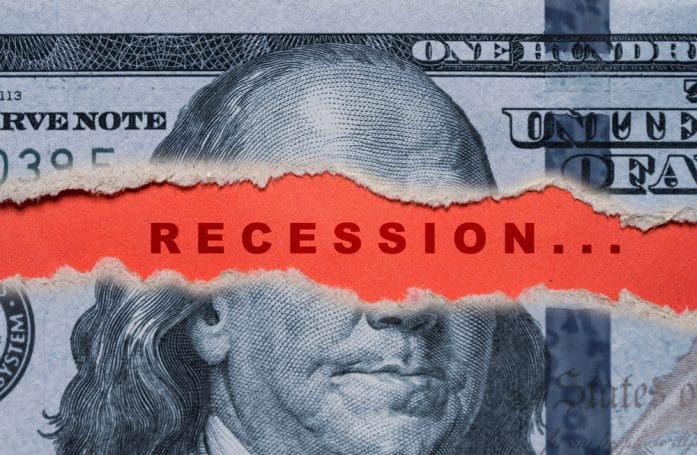
Could Your Financial Plan Withstand A Surprise Recession Beginning In December?

December 29, 2025 by Brandon Marcus Leave a Comment

Could Your Financial Plan Withstand A Surprise Recession Beginning In December?

Image Source: Shutterstock.com

The calendar flips to December, holiday lights glow, inboxes fill with end-of-year recaps—and suddenly the economic mood shifts. Markets wobble, headlines sharpen, and that quiet question creeps in: Are we actually ready for this? Recessions rarely send formal invitations, and when they arrive, they don’t care how confident last quarter felt.

The real thrill—and danger—is discovering whether your financial plan is built like a brick house or a house of cards when the wind picks up. This is where smart preparation meets financial reality.

The Warning Signs Most People Miss Until It’s Too Late

Economic downturns don’t usually explode out of nowhere; they whisper before they roar. Subtle signals like slowing job growth, tightening credit, and declining consumer confidence often appear months in advance. Many people ignore these cues because markets can still look “fine” on the surface. A solid financial plan accounts for these warning signs rather than reacting after the damage is done. Recognizing early indicators gives you time to adjust instead of panic.

Why December Recessions Hit Harder Than Expected

A recession beginning in December carries a unique psychological punch. Spending is already elevated from the holidays, credit card balances are peaking, and optimism tends to override caution. When income uncertainty suddenly enters the picture, the emotional whiplash can be intense. This timing often leaves households with less cash flexibility and more financial commitments. A resilient plan anticipates seasonal pressure instead of being blindsided by it.

Emergency Funds Are Not Optional Anymore

An emergency fund is not a “nice-to-have”; it’s the foundation of financial survival. Ideally, it should cover three to six months of essential expenses, parked somewhere safe and accessible. During a recession, layoffs and reduced hours can happen fast, and cash flow disruptions snowball quickly. Without a cushion, people are forced to rely on debt or liquidate investments at the worst possible time. A well-built emergency fund buys you calm when the world feels chaotic.

Your Investment Mix Matters More Than Your Timing

Trying to time the market during a recession is like trying to catch a falling knife while blindfolded. What actually protects you is diversification across asset classes, risk levels, and time horizons. A portfolio built solely for growth can suffer deep emotional and financial stress during downturns. On the flip side, an overly conservative strategy may fail to recover when markets rebound. Balance—not prediction—is what allows portfolios to bend without breaking.

Debt Becomes Louder When the Economy Gets Quiet

Debt behaves very differently when income feels uncertain. High-interest balances suddenly feel heavier, and minimum payments become more stressful. A recession exposes which debts are manageable and which ones quietly drain financial oxygen. Strategic debt reduction before a downturn can dramatically improve resilience. The goal isn’t perfection—it’s flexibility and control.

Could Your Financial Plan Withstand A Surprise Recession Beginning In December?

Image Source: Shutterstock.com

Job Security Is Not A Guarantee, Even In “Stable” Fields

No industry is completely recession-proof, even those that feel essential. Layoffs often start at the edges and move inward, catching confident professionals off guard. Having multiple income streams or marketable skills can make a major difference. Networking, skill development, and side income aren’t just ambition plays—they’re insurance policies. Financial plans that assume uninterrupted employment are often the most fragile.

Emotional Decision-Making Can Be The Biggest Risk

Fear causes people to abandon good plans at the worst possible moments. Selling investments at the bottom, freezing savings, or making reactionary career moves can do long-term damage. Emotional discipline is just as important as numerical strategy during downturns. A strong plan includes rules for decision-making when stress levels spike. When emotions rise, structure keeps you grounded.

Liquidity Is Power When Opportunities Appear

Recessions don’t just destroy value—they also create it. Those with liquidity can invest, acquire, or reposition while others are forced to retreat. Having accessible cash or low-risk assets gives you optionality when markets reset. This is how some people emerge from recessions stronger than before. Flexibility turns uncertainty into opportunity.

Professional Guidance Becomes More Valuable Under Pressure

Financial advice matters most when things get uncomfortable. A trusted advisor can help filter noise, stress-test your plan, and prevent costly emotional decisions. They also bring perspective that’s hard to maintain when headlines feel relentless. Even a single strategic adjustment can meaningfully change outcomes. The right guidance helps turn chaos into clarity.

A Recession Tests More Than Money

Financial stress often spills into relationships, health, and overall well-being. Money anxiety can quietly shape decisions in ways people don’t immediately recognize. Planning ahead reduces not just financial strain, but emotional fatigue. A resilient plan supports your lifestyle, your goals, and your peace of mind. True preparedness isn’t about fear—it’s about confidence.

Is Your Plan Ready For The Test?

A recession starting in December wouldn’t just test markets—it would test habits, assumptions, and preparedness. The good news is that readiness isn’t about predicting the future; it’s about building flexibility into your present. Whether the economy stumbles or surprises us, a thoughtful plan gives you options instead of panic. Take a moment to reflect on your own strategy and where it could be stronger.

Feel free to leave your thoughts, insights, or personal experiences in the comments below because your perspective might help someone else prepare.

You May Also Like…

Funding Gap: 8 Ways Rising College Costs Are Changing Mid-Life Financial Planning

Tax Horizon: 4 Year-End Moves That Could Shape Your Finances for a Decade

8 Tips for Talking With Your Partner About Health, Finances & Legacy

Tax Blindspot: 4 Deductions Many Americans Miss During December

Holiday Budget: 6 Moves That Protect Your Financial New Year


Brandon Marcus
Brandon Marcus

Brandon Marcus is a writer who has been sharing the written word since a very young age. His interests include sports, history, pop culture, and so much more. When he isn’t writing, he spends his time jogging, drinking coffee, or attempting to read a long book he may never complete.

Filed Under: Lifestyle Tagged With: Best Independent Contractor Jobs for 2023, Debt, debt payoff, December, eliminating debt, emergency fund, emergency funds, Financial plan, invest, investing, Investment, investments, job security, Life, Lifestyle, Planning, recession, Saving, savings, savings account, Smart Spending, spending

7 Dead End Jobs That People Believe Make a Great Career

October 7, 2025 by Travis Campbell Leave a Comment

job

Image source: pexels.com

Choosing a career is a huge decision, and it’s easy to fall into the trap of thinking certain jobs offer long-term security and growth. Many people dedicate years to roles that seem promising but eventually hit a wall—these are known as dead end jobs. The problem is, these jobs can leave you feeling stuck, with little hope for advancement, raises, or new challenges. Understanding which jobs fall into this category can help you make better choices and avoid wasting time in roles that won’t help you build the future you want. Let’s take a closer look at seven dead end jobs that people mistakenly believe make a great career.

1. Bank Teller

Being a bank teller might look stable from the outside, and for decades it was considered a solid, respectable job. But the reality is that this is now one of the classic dead end jobs. With the rise of online banking and ATMs, the need for bank tellers is steadily declining each year. There’s little room for advancement unless you want to move into sales-focused roles or management, which often require different skills or additional education. Most tellers experience stagnant wages and repetitive tasks, making it tough to build a long-term career.

2. Data Entry Clerk

Data entry seems like a straightforward way to get your foot in the door, but automation and artificial intelligence are rapidly replacing these roles. It’s a textbook example of a dead end job because there’s rarely a clear path to promotion. The work can be monotonous, and the skills you build may not transfer easily to other professions. If you’re hoping to grow, it’s smart to look for roles that let you develop more versatile abilities.

3. Retail Sales Associate

Retail jobs are abundant, and they can be a great first job or a way to earn extra money. However, many people think working in retail can turn into a solid career. The truth is, most retail positions offer limited advancement, especially if you stay on the sales floor. Even management roles in retail often come with long hours, high stress, and modest pay. As more shopping moves online, the number of traditional retail jobs is shrinking, making it even harder to find long-term security in this field.

4. Telemarketer

Telemarketing is another field commonly mistaken for a career with growth potential. At first, the commission structure and bonuses might be attractive, but the job itself is often repetitive and stressful. High turnover rates are the norm, and few telemarketers stick around long enough to advance—mainly because there’s not much to advance to. As more companies use automated systems and digital marketing, human telemarketers are becoming less essential, contributing to the dead end nature of the job.

5. Cashier

Cashier jobs are vital for many businesses, but they’re among the most obvious dead end jobs out there. Self-checkout machines and mobile payment apps are reducing the demand for cashiers every year. While it’s possible to move up to supervisor or manager, those positions are limited and highly competitive. Most cashiers face low wages and repetitive tasks, with few opportunities to gain new skills or responsibilities.

6. Postal Worker

The postal service has been a traditional source of stable employment for generations, so it’s no wonder many people think of it as a great career. However, the reality has changed. Automation, digital communication, and budget cuts are reducing the number of postal jobs available. Advancement is slow, and the work itself rarely changes over time. For those seeking new challenges or higher pay, this can quickly become a dead end job. If you’re thinking about the future, look for opportunities that allow you to adapt and grow as industries change.

7. Security Guard

Security work can seem attractive due to its steady hours and the sense of purpose it can provide. But unless you move into specialized roles or law enforcement, security guard positions often lack upward mobility. Many security guards spend years doing the same tasks, with pay increases that barely keep up with inflation. The rise of surveillance technology and remote monitoring has also started to limit the need for on-site guards, reinforcing this as a dead-end job for many.

Building a Career with Real Growth

It’s easy to fall into dead end jobs if you’re not careful, especially when they seem stable or are widely considered respectable. The reality is that these roles tend to offer little advancement, limited skill development, and shrinking job security in the face of automation and industry change. If you want a career that grows with you, focus on fields where you can build transferable skills, adapt to new technologies, and pursue advancement over time.

For those looking to break out of a rut, consider exploring fields like healthcare, technology, or skilled trades. These sectors often offer better training, clearer paths to promotion, and more resilience to automation.

Have you ever found yourself in a dead end job? What did you do to move forward? Share your story in the comments below!

What to Read Next…

  • Are These 6 Trending Jobs Just a Rebranded Pyramid Scheme?
  • 6 Trends That Suggest the Middle Class Is Dying in Suburbia
  • 10 Ways You’re Wasting Money Just Trying to Keep Up Appearances
  • 7 Signs You Are Being Undervalued at Work and What to Do About It
  • 5 Financial Habits That Make You Look Struggling Even When You’re Not
Travis Campbell
Travis Campbell

Travis Campbell is a digital marketer/developer with over 10 years of experience and a writer for over 6 years. He holds a degree in E-commerce and likes to share life advice he’s learned over the years. Travis loves spending time on the golf course or at the gym when he’s not working.

Filed Under: Career Tagged With: Automation, Career Advice, careers, dead end jobs, employment, job growth, job security

5 Reasons People Pause Financial Plans During Tariff-Driven Volatility

August 23, 2025 by Catherine Reed Leave a Comment

5 Reasons People Pause Financial Plans During Tariff-Driven Volatility

Image source: 123rf.com

When global trade disputes heat up, it often leads to tariff changes that ripple through the economy in unpredictable ways. These shifts can affect everything from consumer prices to investment returns, making individuals reconsider their long-term money strategies. Many families and retirees choose to hold off on major moves because financial plans during tariff-driven volatility feel less reliable. Pausing doesn’t always mean abandoning a plan—it can simply give people breathing room while they wait for stability. Here are five common reasons why people put their financial strategies on hold during times of tariff uncertainty.

1. Fear of Market Instability

One of the main reasons people delay financial plans during tariff-driven volatility is the uncertainty it creates in the markets. Stocks often swing sharply as tariffs impact global supply chains and trade relationships. Investors worry that a downturn could erase recent gains, making it harder to stick to a long-term strategy. Even people who usually take a steady approach may feel uneasy when headlines warn of economic turbulence. This fear often leads them to pause investments, even if the pause is only temporary.

2. Rising Costs in Daily Living

Tariffs often result in higher costs for consumer goods, which directly affects household budgets. When groceries, electronics, or household essentials become more expensive, people sometimes divert money from savings to cover these costs. This shift leaves less room for retirement contributions or other planned investments. As a result, many decide it’s best to wait until costs settle before committing to new strategies. Financial plans during tariff-driven volatility often need to be adjusted to reflect these immediate pressures.

3. Concerns About Job Security

Economic uncertainty can also spill into the job market, which influences financial decisions. Tariff disputes may hurt industries that rely heavily on imports or exports, leading to layoffs or reduced hours. People who feel their jobs might be at risk often pause long-term planning to focus on short-term stability. Building emergency funds suddenly becomes more urgent than contributing to retirement accounts. By shifting their focus, they aim to safeguard their financial well-being in case of sudden employment changes.

4. Mixed Signals from Experts

Another reason people pause financial plans during tariff-driven volatility is the wide range of conflicting advice they receive. Some financial professionals encourage staying the course, while others suggest a more cautious approach. These mixed messages leave many feeling uncertain about what to do next. When experts can’t agree on the best path forward, individuals often choose to do nothing until the outlook becomes clearer. Pausing allows them to avoid making a choice that could backfire in a shifting economic climate.

5. Protecting Long-Term Goals from Short-Term Shocks

Sometimes pausing financial activity is less about fear and more about strategy. People don’t want short-term shocks from tariffs to derail the long-term goals they’ve worked hard to build. By holding off on large moves, they give their portfolios time to weather the storm. This cautious approach helps prevent locking in losses during downturns. In many cases, pausing financial plans during tariff-driven volatility is simply a way to preserve what they’ve already achieved.

Finding Stability When the Economy Feels Shaky

While uncertainty may tempt people to pause their strategies, it’s important to remember that financial planning is a long-term process. Taking a step back can provide comfort, but so can revisiting plans with a focus on resilience and flexibility. Adjustments like increasing emergency savings or rebalancing portfolios can help reduce stress during volatile times. The key is to strike a balance between patience and proactive planning. By staying informed, people can make smarter decisions without letting fear take over.

Do you think pausing financial decisions is the best move during tariff-driven uncertainty, or is it better to adapt and keep going? Share your thoughts below.

Read More:

Financial Planning Basics: The Financial Pyramid

8 Smart Investing Rules the Wealthy Actually Follow

Catherine Reed
Catherine Reed

Catherine is a tech-savvy writer who has focused on the personal finance space for more than eight years. She has a Bachelor’s in Information Technology and enjoys showcasing how tech can simplify everyday personal finance tasks like budgeting, spending tracking, and planning for the future. Additionally, she’s explored the ins and outs of the world of side hustles and loves to share what she’s learned along the way. When she’s not working, you can find her relaxing at home in the Pacific Northwest with her two cats or enjoying a cup of coffee at her neighborhood cafe.

Filed Under: Finance Tagged With: financial plans during tariff-driven volatility, financial strategy, household budgets, job security, market volatility, retirement planning, tariffs

6 Trends That Suggest the Middle Class Is Dying in Suburbia

July 24, 2025 by Travis Campbell Leave a Comment

suburbs

Image Source: pexels.com

The idea of the American middle class living comfortably in suburbia is fading. Many families who once felt secure now face new pressures. Costs are rising, jobs are changing, and the old sense of stability is slipping away. If you live in the suburbs, you might feel it too—maybe your neighbors are moving, or your bills are getting harder to pay. These changes aren’t just personal. They’re part of a bigger shift that’s reshaping what it means to be middle class in America. Here’s why this matters: understanding these trends can help you make better choices for your family and your future.

1. Housing Costs Are Outpacing Incomes

Home prices in many suburbs have jumped much faster than wages. For years, the suburbs were seen as affordable alternatives to city life. Now, that’s changing. The median price for a home in the U.S. hit $420,800 in 2024, while wage growth has lagged behind. Renters aren’t spared either. Suburban rents have climbed as more people leave cities, pushing up demand. If you’re trying to buy or rent, you might feel squeezed. The result? More middle-class families are priced out, forced to downsize, or move farther away from jobs and schools. If you’re struggling with housing costs, consider reviewing your budget, exploring shared housing, or looking into first-time homebuyer programs.

2. Job Security Is Getting Harder to Find

Stable, well-paying jobs used to be a hallmark of the middle class. That’s less true now. Many suburban jobs have shifted from manufacturing and office work to service and gig roles. These jobs often pay less and offer fewer benefits. Remote work has also changed the landscape. Some companies are moving jobs overseas or automating tasks, leaving fewer options for steady employment. If you’re worried about job security, it’s smart to keep your skills up to date. Look for training programs or online courses that match where the job market is heading. And don’t be afraid to network—sometimes, who you know matters as much as what you know.

3. Healthcare Costs Keep Climbing

Healthcare is eating up a bigger chunk of the middle-class budget. Even with insurance, out-of-pocket costs for doctor visits, prescriptions, and emergencies are rising. A recent KFF report shows that middle-class families now spend a larger share of their income on healthcare than ever before. This can mean tough choices: skip care, cut back on other expenses, or take on debt. If you’re feeling the pinch, shop around for insurance plans during open enrollment, use in-network providers, and ask about generic medications. Preventive care can also help you avoid bigger bills down the road.

4. Debt Is Becoming a Way of Life

Credit card balances, student loans, and car payments are piling up. For many suburban families, debt is now a constant companion. The average U.S. household carries over $7,000 in credit card debt alone. Rising interest rates make it even harder to pay down balances. This debt load can limit your choices—maybe you can’t save for retirement, help your kids with college, or handle an emergency. If debt is weighing you down, start by tracking your spending. Make a plan to pay off high-interest balances first. Consider talking to a nonprofit credit counselor for help.

5. The Cost of Raising Kids Is Skyrocketing

Childcare, sports, school supplies, and college savings all add up. The cost of raising a child through age 18 now tops $300,000 for a middle-class family. Suburban parents often feel pressure to keep up with activities, gadgets, and “good” schools. But these extras can strain even a solid budget. If you’re feeling stretched, look for community programs, swap babysitting with friends, or buy used gear. Remember, your kids don’t need everything. Focus on what matters most for your family’s well-being.

6. The Wealth Gap Is Growing in the Suburbs

Wealth isn’t just about income—it’s about assets, savings, and security. In many suburbs, the gap between the “haves” and “have-nots” is widening. Some families are building wealth through home equity and investments. Others are falling behind, unable to save or invest at all. This divide can show up in schools, neighborhoods, and even friendships. If you want to build wealth, start small. Set up automatic savings, contribute to a retirement plan, and avoid lifestyle inflation. Over time, even small steps can make a difference.

What This Means for the Future of the Middle Class

The middle class in suburbia is under real pressure. Rising costs, job insecurity, and growing debt are making it harder for families to get ahead. But you’re not powerless. By staying informed, making smart choices, and reaching out for help when you need it, you can protect your family’s future. The old rules may not work anymore, but new strategies can help you adapt. The middle class isn’t gone—but it is changing. And how you respond matters.

How are these trends affecting your family or your neighborhood? Share your thoughts in the comments.

Read More

What Does It Really Mean to Be “Middle Class” in 2025?

8 Overcrowded Cities That Are Too Expensive For Most Middle Class Americans

Travis Campbell
Travis Campbell

Travis Campbell is a digital marketer/developer with over 10 years of experience and a writer for over 6 years. He holds a degree in E-commerce and likes to share life advice he’s learned over the years. Travis loves spending time on the golf course or at the gym when he’s not working.

Filed Under: Finance Tagged With: Debt, family budget, housing, job security, middle class, Personal Finance, suburbia, wealth gap

What Does It Really Mean to Be “Middle Class” in 2025?

July 18, 2025 by Travis Campbell 1 Comment

middle class

Image Source: pexels.com

Everyone talks about the “middle class,” but what does it actually mean in 2025? The world keeps changing. Prices go up. Jobs shift. Technology moves fast. And yet, people still want to know where they stand. Are you middle class? Is your neighbor? Does it even matter? It does, because being middle class shapes how you live, what you can afford, and how secure you feel. Here’s what being “middle class” really means right now—and what you can do about it.

1. Income Isn’t the Only Factor

Most people think of the middle class as a certain income range. That’s part of it, but it’s not the whole story. In 2025, the middle class is about more than just your paycheck. It’s about what you can afford, how stable your job is, and what your expenses look like. For example, a family making $80,000 in a small town might feel comfortable. That same income in a big city could feel tight. Cost of living matters. So does debt. If you’re spending most of your income on housing, healthcare, or student loans, you might not feel “middle class” at all. The Pew Research Center says the middle class is shrinking, but the definition keeps shifting. It’s not just about numbers. It’s about how far your money goes.

2. Homeownership Is No Longer a Guarantee

Owning a home used to be the classic sign of being middle class. That’s changed. In 2025, high home prices and rising interest rates will make it harder to buy. Many middle-class families rent, even if they want to own. Some choose to rent because it gives them flexibility. Others simply can’t afford a down payment. This doesn’t mean you’re not middle class. It means the rules have changed. Focus on what you can control—like saving for emergencies or paying down debt. If you do own a home, it’s a big part of your net worth. But if you don’t, you’re not alone. The middle class now includes renters, too.

3. Job Security Feels Different

A steady job used to mean you were set. Now, even good jobs can feel shaky. Automation, remote work, and the gig economy have changed what job security looks like. Many middle-class workers have side hustles or freelance gigs. Some do it for extra money. Others do it because they need to. If you’re worried about layoffs or your company moving jobs overseas, you’re not alone. Building new skills and staying flexible is key. The middle class in 2025 is about adapting. If you can pivot, learn, and adjust, you’re more likely to stay in the middle class—even if your job changes.

4. Education Is Still Important—But It’s Not Everything

A college degree used to be a ticket to the middle class. Now, it’s more complicated. College is expensive. Student debt is high. Some jobs don’t require a degree at all. Skills matter as much as diplomas. If you have a trade, a certification, or tech skills, you can earn a solid living. The middle class in 2025 is full of people with all kinds of backgrounds. What matters is your ability to earn, save, and adapt. If you’re thinking about more education, weigh the cost against the payoff. Sometimes, learning a new skill online or getting a certification is enough.

5. Healthcare Costs Are a Big Deal

Healthcare is a huge part of the middle-class experience. Even with insurance, costs can be high. Premiums, deductibles, and out-of-pocket expenses add up. A single medical emergency can wipe out savings. Many middle-class families worry about healthcare bills. Some skip care because they can’t afford it. This is a real challenge. If you have access to a Health Savings Account (HSA), use it. Shop around for the best insurance you can afford. And don’t ignore preventive care. Staying healthy saves money in the long run.

6. Saving for the Future Is Harder

Retirement used to mean a pension and Social Security. Now, most people have to save on their own. The middle class in 2025 faces real pressure to save for retirement, college, and emergencies. Wages haven’t kept up with inflation. Many people feel like they’re falling behind. If you can, automate your savings. Even small amounts add up over time. Use employer matches if you have them. And don’t be afraid to ask for help or advice. The key is to start, even if it’s just a little.

7. Lifestyle Choices Matter

Being middle class isn’t just about money. It’s about how you live. Do you take vacations? Eat out? Go to concerts? These choices shape your experience. Some people live simply and save more. Others spend on experiences. There’s no right answer. What matters is that your spending matches your values and your budget. If you’re always stressed about money, it might be time to rethink your lifestyle. The middle class in 2025 is about balance. Find what works for you.

8. Community and Support Networks Count

Middle-class life is easier when you have support. Family, friends, and community groups can help with childcare, job leads, or just a sense of belonging. In tough times, these networks matter. If you feel isolated, look for ways to connect. Volunteering, joining local groups, or even online communities can make a difference. The middle class isn’t just an income bracket. It’s a way of life that includes connection and support.

The Real Meaning of “Middle Class” in 2025

Being middle class in 2025 is about more than a number. It’s about stability, choices, and the ability to adapt. The rules have changed, but the goal remains the same: to live a secure and comfortable life. Focus on what you can control. Build skills. Save what you can. Stay connected. The middle class is still here—it just looks different now.

How do you define “middle class” in your own life? Share your thoughts in the comments.

Read More

8 Things Rich People Buy That the Middle Class Think Are Silly

Why the Middle Class Is Shrinking—And Nobody in Power Seems to Care

Travis Campbell
Travis Campbell

Travis Campbell is a digital marketer/developer with over 10 years of experience and a writer for over 6 years. He holds a degree in E-commerce and likes to share life advice he’s learned over the years. Travis loves spending time on the golf course or at the gym when he’s not working.

Filed Under: Personal Finance Tagged With: 2025, Cost of living, healthcare, homeownership, job security, Lifestyle, middle class, Personal Finance, Planning, savings

Apply For These Jobs To Secure Your Financial Future

May 2, 2022 by Tamila McDonald Leave a Comment

what is job security

Most people want a solid financial future. Often, the best way to go about it is to pursue a career that offers high wages and ample job security. The problem is that not everyone knows which fields or professions bring that to the table. If you’re trying to figure out which jobs provide you with a reliable, comfortable financial future, here’s what you need to know.

What Is Job Security?

Before digging into the jobs that are financially strong, it’s important to understand what job security entails. Generally speaking, careers that offer job security ensure you have little worry when it comes to accessing opportunities or getting “cut” after being hired. Typically, as long as you meet or exceed performance expectations, the odds that you won’t be able to find reliable, long-term employment are incredibly slim.

Job security typically means choosing careers that do well on two fronts. First, you want to concentrate on positions that are in demand today. Second, you need to narrow down your options by focusing on fields where the number of opportunities is expected to rise over time, not decline.

In most cases, if you follow those two tenets, you’ll identify roles that offer job security. After that, it’s choosing an option that provides solid wages and key benefits, such as retirement plans. That way, you can ensure your financial future.

Careers That Offer Job and Financial Security

Nursing

Nursing positions at practically any level offer ample job security today. There simply aren’t enough nurses to go around, making it easy for those with the right credentials to find opportunities.

Plus, nurse salaries are typically competitive, and those working full-time often have access to generous benefits packages. Since that’s the case, this career brings financial security to the table, too.

One benefit of this career is that you can often choose to keep moving forward into higher-level positions. While you may need additional education, the boost to earnings often makes it worthwhile. Plus, some employers offer tuition assistance to employees, allowing you to move up without dealing with cumbersome student loans.

Information Technology

There are several information technology (IT) positions that offer solid job and financial security. Demand for software developers has long been on the rise. The same goes for artificial intelligence (AI) and machine learning specialists, cloud administrators, data analysts, cybersecurity specialists, and many more.

Additionally, IT managers are also widely sought. Since that’s the case, those working in these careers not only do well as individual contributors, but they can typically work their way up into management.

Engineering

When it comes to stable jobs with solid wages and room for growth, engineering professions are typically on that list. There are plenty of specialties within the broader field with potential, including mechanical, chemical, robotics, biomedical, electrical, mining, alternative energy, and civil engineering. Plus, it’s possible to find jobs in a range of sectors, giving you more access to opportunities.

Since competition for skilled engineers is fierce, pay rates are mainly rising. Additionally, a comprehensive benefits package is usually part of the equation, giving you more financial security.

Accounting and Finance

For anyone that wants job security, a strong financial future, and the skills needed to make wise money decisions throughout a lifetime, a career in accounting or finance could be a solid choice. Generally speaking, demand for these skills is trending upward. Plus, it’s a set of capabilities that will stand the test of time, limiting future risk.

In many cases, jobs in these fields also come with robust benefits packages. However, accountants may also be able to freelance – particularly if they focus on tax preparation or small business bookkeeping, accounts payable, and accounts receivable. That could create more potential pathways for success, which is beneficial.

Can you think of any other jobs that can help people secure their financial futures with greater ease? Do you work in one of the careers above? What is job security for you? Share your thoughts in the comments below.

Read More:

  • 4 Signs It’s Time to Make a Career Change
  • Is a Master’s Degree Worth the Money?
  • 6 Things to Consider Before Pursuing a Career in Finance


Tamila McDonald
Tamila McDonald

Tamila McDonald is a U.S. Army veteran with 20 years of service, including five years as a military financial advisor. After retiring from the Army, she spent eight years as an AFCPE-certified personal financial advisor for wounded warriors and their families. Now she writes about personal finance and benefits programs for numerous financial websites.

Filed Under: Personal Finance Tagged With: careers, financial future, job security

FOLLOW US

Search this site:

Recent Posts

  • Can My Savings Account Affect My Financial Aid? by Tamila McDonald
  • 12 Ways Gen X’s Views Clash with Millennials… by Tamila McDonald
  • What Advantages and Disadvantages Are There To… by Jacob Sensiba
  • Call 911: Go To the Emergency Room Immediately If… by Stephen Kanaval
  • 10 Tactics for Building an Emergency Fund from Scratch by Vanessa Bermudez
  • 7 Weird Things You Can Sell Online by Tamila McDonald
  • 10 Scary Facts About DriveTime by Tamila McDonald

Copyright © 2026 · News Pro Theme on Genesis Framework