• Home
  • About Us
  • Toolkit
  • Getting Finances Done
    • Hiring Advisors
    • Debt Management
    • Spending Plan
  • Insurance
    • Life Insurance
    • Health Insurance
    • Disability Insurance
    • Homeowners/Renters Insurance
  • Contact Us
  • Privacy Policy
  • Risk Tolerance Quiz

The Free Financial Advisor

You are here: Home / Archives for December

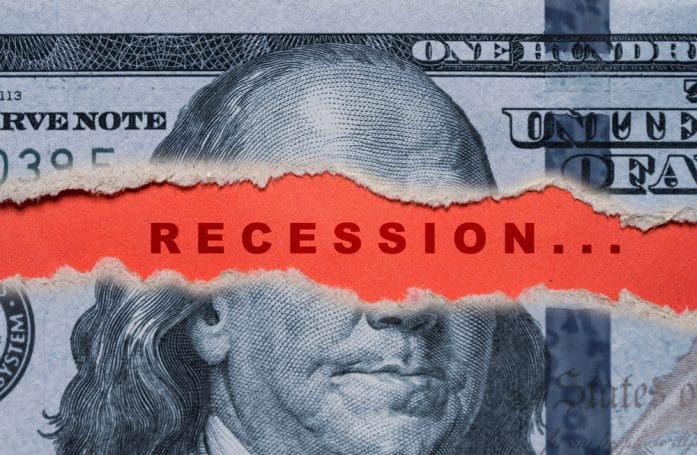
Could Your Financial Plan Withstand A Surprise Recession Beginning In December?

December 29, 2025 by Brandon Marcus Leave a Comment

Could Your Financial Plan Withstand A Surprise Recession Beginning In December?

Image Source: Shutterstock.com

The calendar flips to December, holiday lights glow, inboxes fill with end-of-year recaps—and suddenly the economic mood shifts. Markets wobble, headlines sharpen, and that quiet question creeps in: Are we actually ready for this? Recessions rarely send formal invitations, and when they arrive, they don’t care how confident last quarter felt.

The real thrill—and danger—is discovering whether your financial plan is built like a brick house or a house of cards when the wind picks up. This is where smart preparation meets financial reality.

The Warning Signs Most People Miss Until It’s Too Late

Economic downturns don’t usually explode out of nowhere; they whisper before they roar. Subtle signals like slowing job growth, tightening credit, and declining consumer confidence often appear months in advance. Many people ignore these cues because markets can still look “fine” on the surface. A solid financial plan accounts for these warning signs rather than reacting after the damage is done. Recognizing early indicators gives you time to adjust instead of panic.

Why December Recessions Hit Harder Than Expected

A recession beginning in December carries a unique psychological punch. Spending is already elevated from the holidays, credit card balances are peaking, and optimism tends to override caution. When income uncertainty suddenly enters the picture, the emotional whiplash can be intense. This timing often leaves households with less cash flexibility and more financial commitments. A resilient plan anticipates seasonal pressure instead of being blindsided by it.

Emergency Funds Are Not Optional Anymore

An emergency fund is not a “nice-to-have”; it’s the foundation of financial survival. Ideally, it should cover three to six months of essential expenses, parked somewhere safe and accessible. During a recession, layoffs and reduced hours can happen fast, and cash flow disruptions snowball quickly. Without a cushion, people are forced to rely on debt or liquidate investments at the worst possible time. A well-built emergency fund buys you calm when the world feels chaotic.

Your Investment Mix Matters More Than Your Timing

Trying to time the market during a recession is like trying to catch a falling knife while blindfolded. What actually protects you is diversification across asset classes, risk levels, and time horizons. A portfolio built solely for growth can suffer deep emotional and financial stress during downturns. On the flip side, an overly conservative strategy may fail to recover when markets rebound. Balance—not prediction—is what allows portfolios to bend without breaking.

Debt Becomes Louder When the Economy Gets Quiet

Debt behaves very differently when income feels uncertain. High-interest balances suddenly feel heavier, and minimum payments become more stressful. A recession exposes which debts are manageable and which ones quietly drain financial oxygen. Strategic debt reduction before a downturn can dramatically improve resilience. The goal isn’t perfection—it’s flexibility and control.

Could Your Financial Plan Withstand A Surprise Recession Beginning In December?

Image Source: Shutterstock.com

Job Security Is Not A Guarantee, Even In “Stable” Fields

No industry is completely recession-proof, even those that feel essential. Layoffs often start at the edges and move inward, catching confident professionals off guard. Having multiple income streams or marketable skills can make a major difference. Networking, skill development, and side income aren’t just ambition plays—they’re insurance policies. Financial plans that assume uninterrupted employment are often the most fragile.

Emotional Decision-Making Can Be The Biggest Risk

Fear causes people to abandon good plans at the worst possible moments. Selling investments at the bottom, freezing savings, or making reactionary career moves can do long-term damage. Emotional discipline is just as important as numerical strategy during downturns. A strong plan includes rules for decision-making when stress levels spike. When emotions rise, structure keeps you grounded.

Liquidity Is Power When Opportunities Appear

Recessions don’t just destroy value—they also create it. Those with liquidity can invest, acquire, or reposition while others are forced to retreat. Having accessible cash or low-risk assets gives you optionality when markets reset. This is how some people emerge from recessions stronger than before. Flexibility turns uncertainty into opportunity.

Professional Guidance Becomes More Valuable Under Pressure

Financial advice matters most when things get uncomfortable. A trusted advisor can help filter noise, stress-test your plan, and prevent costly emotional decisions. They also bring perspective that’s hard to maintain when headlines feel relentless. Even a single strategic adjustment can meaningfully change outcomes. The right guidance helps turn chaos into clarity.

A Recession Tests More Than Money

Financial stress often spills into relationships, health, and overall well-being. Money anxiety can quietly shape decisions in ways people don’t immediately recognize. Planning ahead reduces not just financial strain, but emotional fatigue. A resilient plan supports your lifestyle, your goals, and your peace of mind. True preparedness isn’t about fear—it’s about confidence.

Is Your Plan Ready For The Test?

A recession starting in December wouldn’t just test markets—it would test habits, assumptions, and preparedness. The good news is that readiness isn’t about predicting the future; it’s about building flexibility into your present. Whether the economy stumbles or surprises us, a thoughtful plan gives you options instead of panic. Take a moment to reflect on your own strategy and where it could be stronger.

Feel free to leave your thoughts, insights, or personal experiences in the comments below because your perspective might help someone else prepare.

You May Also Like…

Funding Gap: 8 Ways Rising College Costs Are Changing Mid-Life Financial Planning

Tax Horizon: 4 Year-End Moves That Could Shape Your Finances for a Decade

8 Tips for Talking With Your Partner About Health, Finances & Legacy

Tax Blindspot: 4 Deductions Many Americans Miss During December

Holiday Budget: 6 Moves That Protect Your Financial New Year


Brandon Marcus
Brandon Marcus

Brandon Marcus is a writer who has been sharing the written word since a very young age. His interests include sports, history, pop culture, and so much more. When he isn’t writing, he spends his time jogging, drinking coffee, or attempting to read a long book he may never complete.


Filed Under: Lifestyle Tagged With: Best Independent Contractor Jobs for 2023, Debt, debt payoff, December, eliminating debt, emergency fund, emergency funds, Financial plan, invest, investing, Investment, investments, job security, Life, Lifestyle, Planning, recession, Saving, savings, savings account, Smart Spending, spending

Are You Unknowingly Triggering Tax Penalties With December Transactions?

December 23, 2025 by Brandon Marcus Leave a Comment

Are You Unknowingly Triggering Tax Penalties With December Transactions?

Image Source: Shutterstock.com

The final month of the year isn’t just about tinsel, twinkling lights, and holiday cheer. It’s also a financial minefield where one seemingly innocent transaction could spark unexpected tax penalties. From last-minute stock moves to charitable contributions, December is the season when timing is everything—and sometimes, even a day can make the difference between a deduction and a deduction disaster. The stress of year-end planning can leave even the savviest taxpayer vulnerable to costly mistakes.

If you’ve ever wondered whether your December dealings could be silently sabotaging your tax return, buckle up—this guide is your year-end financial survival kit.

Understanding December Transaction Timing And Its Tax Impact

The clock matters more than you think when it comes to year-end finances. Any deposit, withdrawal, or purchase in December could count against your 2025 tax year, even if you don’t realize it. The IRS doesn’t care if you made a transaction in the heat of holiday madness—it sees only the date. For example, selling investments on December 31st could trigger capital gains taxes you weren’t expecting. Small miscalculations in timing could also affect deductions, retirement contributions, and tax credits, leaving you with a bigger bill than you anticipated.

Retirement Contributions Can Be Tricky

Many people assume they have until April 15th to make contributions to IRAs, but there’s a catch. Employer-sponsored 401(k) contributions, for example, are only counted in the year they are deducted from your paycheck. Contributing too late or misreporting contributions can result in penalties or even disqualification of the account’s tax-advantaged status.

December is often the last opportunity to make significant contributions that reduce taxable income for the year. Understanding the difference between pre-tax and Roth contributions is crucial, as each has unique tax implications.

Beware Of Last-Minute Charitable Deductions

Generosity can backfire when it comes to year-end tax planning. The IRS requires that donations be completed by December 31st to count for the current tax year, and even a small delay can disqualify your deduction. Cash donations must clear your bank by year-end, while mailed checks must be postmarked by December 31st. Non-cash contributions, like clothing or vehicles, have their own valuation and documentation requirements that can trip up the unwary. Without proper record-keeping, you could miss out on deductions or even face questions from the IRS.

Are You Unknowingly Triggering Tax Penalties With December Transactions?

Image Source: Shutterstock.com

Investment Sales And Capital Gains Surprises

Year-end can be a perfect time to rebalance your investment portfolio, but it’s also a time to tread carefully. Selling appreciated assets can trigger capital gains taxes that eat into your profits if you’re not strategic. Loss-harvesting strategies can offset gains, but only if executed before the end of the year. Even small miscalculations in gains, losses, or the timing of sales can have a surprisingly large impact on your tax bill. Consulting a financial professional before executing trades in December is often worth every penny.

Avoiding Penalties With Flexible Spending Accounts

Flexible Spending Accounts (FSAs) often have “use-it-or-lose-it” rules, making December a frantic rush for eligible medical and dependent care purchases. Failing to spend the balance before the deadline means forfeiting the money you’ve contributed. Some plans allow short grace periods, but those rules vary, so timing is critical. Making last-minute purchases without checking what qualifies could result in lost funds and potential tax complications. Planning ahead and tracking deadlines ensures you maximize your benefits without unwanted penalties.

Real Estate And Mortgage Moves Can Be Tax-Sensitive

Closing on property or making mortgage payments in December might seem like a simple financial move, but timing matters for deductions. Interest payments and property taxes are deductible only in the year they’re actually paid. A December payment could bump a deduction into the current tax year—or a late January payment could push it to the next year, affecting your overall tax strategy.

Misunderstanding these timing rules can inadvertently increase your taxable income. Consulting with a tax advisor before making large real estate transactions ensures you’re maximizing benefits and minimizing risks.

Avoiding Common Payroll Mistakes

Year-end bonuses and deferred compensation can be delightful—or disastrous—if mishandled. Employers must report income accurately, and errors in timing can trigger additional withholding or penalties. Employees often assume that receiving a bonus in December means it applies to that year’s taxes, but payroll processing timing can complicate matters.

Retirement plan deferrals must also be carefully calculated to avoid exceeding annual limits. Double-checking payroll documentation before the end of the year prevents unnecessary headaches come tax season.

Understanding State-Specific Rules

State taxes often have quirks that differ from federal regulations, making December transactions a minefield. Some states require contributions or payments to be postmarked or processed by a specific date to count for the year. Ignoring state deadlines can result in penalties even if you’re compliant with federal rules. Sales taxes, local property taxes, and income-specific deductions may have unique timing requirements. Being aware of these details ensures you’re not caught off guard with an unexpected state tax bill.

The Role Of Professional Guidance

Tax professionals and financial advisors can be invaluable for year-end planning. They understand the nuances of timing, contributions, deductions, and transactions that can trigger penalties. Attempting to navigate December transactions alone can be risky, especially when multiple accounts, investments, and deadlines intersect. Even a single misstep can negate careful planning and create costly consequences. Investing in professional guidance often pays for itself through avoided penalties and optimized returns.

Your December Action Plan

Navigating December transactions isn’t just about getting your finances in order—it’s about avoiding sneaky penalties that could cost you hundreds or even thousands of dollars. Timing is critical across investments, charitable giving, retirement contributions, and more. Staying organized, reviewing deadlines, and consulting professionals are your best defenses against unintentional missteps.

Have you ever had a December transaction backfire on your taxes, or discovered a timing mistake too late? Let us know your thoughts or experiences in the comments section.

You May Also Like…

Savings Sprint: 9 Ways to Catch Up on Retirement Savings Before December Ends

Could Your Current Portfolio Survive A Sudden December Correction?

The 401(k) Withdrawal Mistake That Triggers Massive Tax Penalties

Can Your Taxes Be Cut In Half By You Simply Incorporating Your Name?

Savings Game: 5 Ways to Boost Your Emergency Fund Before December Ends


Brandon Marcus
Brandon Marcus

Brandon Marcus is a writer who has been sharing the written word since a very young age. His interests include sports, history, pop culture, and so much more. When he isn’t writing, he spends his time jogging, drinking coffee, or attempting to read a long book he may never complete.

Filed Under: tax tips Tagged With: avoiding tax penalties, charitable deductions, December, December transactions, end of year, invest, investing, Investment, investors, Retirement, retirement contributions, Tax, tax penalties, taxes, winter

Tax Blindspot: 4 Deductions Many Americans Miss During December

December 21, 2025 by Brandon Marcus Leave a Comment

Tax Blindspot: 4 Deductions Many Americans Miss During December

Image Source: Shutterstock.com

December isn’t only about amazing holiday lights, frantic gift shopping, and cookie overload. Instead, this time of year is also a secret window for sneaky tax savings.

While most Americans are busy decking the halls, a lot of valuable tax deductions quietly slip through their fingers. Ignoring these opportunities can cost you hundreds, even thousands, of dollars when April rolls around. But here’s the good news: knowing where to look and what counts could turn your end-of-year chaos into financial brilliance.

We’re about to turbocharge your tax knowledge and show you deductions you probably didn’t even know existed.

1. Charitable Contributions Count More Than You Think

Donating to your favorite charity isn’t just good karma—it’s a tax move that often goes unnoticed. If you’ve been generous with gifts or cash in December, you may qualify for deductions even if you didn’t itemize earlier in the year. Keep careful records, receipts, and donation confirmations to ensure Uncle Sam knows you’re giving with good intentions. Cash donations, clothing, and even certain household items can all count toward this deduction. Timing is everything, so getting your contributions in before December 31 could make a real difference on your tax bill.

2. Medical Expenses Can Be Sneaky Deductibles

Most people assume medical expenses are only relevant when a doctor’s visit is long past, but December is prime time to review them. Costs that aren’t reimbursed by insurance, including prescription medications, dental work, and certain vision care, can be deducted if they surpass a specific percentage of your adjusted gross income.

Some Americans forget that last-minute medical bills or even over-the-counter purchases with proper documentation can qualify. Review your records carefully and consider scheduling appointments or purchasing necessary medical items before the year ends. These small moves can quietly chip away at what you owe the IRS.

3. Tax-Loss Harvesting Isn’t Just For Wall Street Pros

If you have investments, December might be your golden opportunity for tax-loss harvesting—a fancy term for selling losing investments to offset gains. Many investors overlook this strategy until it’s too late, missing out on lowering their taxable income. You can use losses to offset capital gains and even deduct a portion against ordinary income. But be mindful of the “wash-sale” rule, which prevents you from buying the same stock back too quickly. Strategically reviewing your portfolio before the year’s close can create a substantial end-of-year tax advantage without any drastic moves.

Tax Blindspot: 4 Deductions Many Americans Miss During December

Image Source: Shutterstock.com

4. Flexible Spending Accounts: Don’t Let Your Money Vanish

Flexible Spending Accounts (FSAs) are like little time bombs—you contribute pre-tax dollars for health expenses, but if you don’t use them, they often disappear. December is crunch time: if you still have a balance, use it for eligible items like glasses, contact lenses, or even certain medical equipment. Some plans allow a short grace period or a small rollover, but don’t assume you’ll get an automatic extension. By spending FSA funds wisely before the deadline, you essentially reduce your taxable income without touching your regular cash. It’s like finding free money for your wallet—one of the few December gifts that actually pays you back.

Don’t Let These Deductions Slip Away

End-of-year tax planning isn’t glamorous, but it can feel exhilarating once you realize how much you might save. Charitable contributions, medical expenses, investment losses, and FSA balances are all often overlooked ways to trim your tax bill. Act now, because December is your last chance before the calendar flips. By taking a few focused steps, you can turn ordinary holiday chaos into a strategic financial win.

If you’ve ever uncovered a deduction that surprised you or made a real difference in your tax return, we’d love for you to tell us about it in the comments section below.

You May Also Like…

Tax Freeze: 6 Immediate Actions to Lock In Lower Rates Before Reforms Hit

Should You Make A Roth Conversion Now Or Wait For January’s Tax Environment To Settle?

Savings Game: 5 Ways to Boost Your Emergency Fund Before December Ends

Tax Bonanza: The Tax Move That Saves Thousands—But Only If You Do It Before December 31st

Why Do Middle-Class Families End Up Paying the Most Taxes


Brandon Marcus
Brandon Marcus

Brandon Marcus is a writer who has been sharing the written word since a very young age. His interests include sports, history, pop culture, and so much more. When he isn’t writing, he spends his time jogging, drinking coffee, or attempting to read a long book he may never complete.

Filed Under: tax tips Tagged With: 2025 taxes, America, Americans, December, file taxes, financial plans, Planning, Tax, tax blindspot, tax deadlines, tax deduction, Tax Deductions, tax laws, tax planning, taxes, United States, winter

Savings Sprint: 9 Ways to Catch Up on Retirement Savings Before December Ends

December 20, 2025 by Latrice Perez Leave a Comment

Savings Sprint: 9 Ways to Catch Up on Retirement Savings Before December Ends

Image Source: Shutterstock.com

The clock is ticking, the holiday lights are twinkling, and your retirement fund might be waving a tiny white flag in defeat. But don’t panic just yet! With a little strategy, a dash of courage, and some creative money moves, you can sprint toward your retirement goals and actually make a dent before December’s confetti settles. Think of it as the financial equivalent of crossing the finish line in record time—but with less sweat and more smart math.

If you’ve been slacking all year, now is the time to gear up and push hard: your future self will high-five you for every clever move you make today.

1. Max Out Your 401(K) Contributions

If your 401(k) hasn’t seen much love this year, now is the moment to pump it up. The IRS allows you to contribute up to $23,000 in 2025 if you’re under 50, or $30,500 if you’re 50 or older, including catch-up contributions. Don’t worry if your paycheck feels lighter—think of it as paying your future self a VIP bonus. Even small additional contributions now can snowball into huge growth thanks to compound interest. Every extra dollar is a power-up in your retirement game.

Savings Sprint: 9 Ways to Catch Up on Retirement Savings Before December Ends

Image Source: Shutterstock.com

2. Take Advantage Of IRAs

Traditional and Roth IRAs are excellent tools to accelerate your savings, especially if you haven’t maxed them out yet. For 2025, you can stash up to $7,000, or $8,000 if you’re over 50. Roth IRAs offer tax-free growth, while Traditional IRAs may give you an immediate tax deduction. Timing matters: the closer to December 31, the more urgent it becomes to act. Opening or topping up an IRA can feel like finding a hidden treasure chest for your future.

3. Make Catch-Up Contributions If You’re Over 50

If you’ve hit the big 5-0, you get a magical bonus called a catch-up contribution. This lets you add an extra $7,500 to your 401(k) and $1,000 to your IRA in 2025. It’s like the financial universe saying, “Hey, we know you need a boost, go get it!” Many people underestimate the power of this extra contribution. Don’t let this perk go unclaimed—it’s free money growth waiting to happen.

4. Automate Every Extra Dollar

Set it and forget it. Even if it’s a tiny amount from each paycheck, automating contributions can turn procrastination into progress. Most employers’ retirement plans allow additional after-tax contributions that feed directly into your 401(k). The beauty? You don’t have to think about it, and your savings grow without the emotional stress of deciding whether to spend or save. By the time December ends, you’ll have created a steady snowball that might surprise you.

5. Trim Expenses Aggressively

Time to hunt down those sneaky monthly expenses that drain your wallet. Subscriptions you don’t use, takeout you crave too often, or a daily latte habit can all be redirected toward retirement. Even $50 or $100 a week can become thousands by year-end if you funnel it smartly. Make it a game: can you beat last month’s spending? Every dollar you reroute is a mini victory lap for your future self.

6. Sell Unused Items Or Side Hustle

Your clutter is actually hidden gold. Selling old gadgets, clothes, or collectibles can generate instant cash for retirement contributions. If you prefer active income, a quick side hustle can inject a burst of extra money. Think freelancing, dog walking, or even turning a hobby into cash. Channeling these funds directly into your retirement savings turns “fun money” into “future security.”

7. Consider Roth Conversions

If your income or tax bracket allows, converting a Traditional IRA to a Roth IRA before year-end can be a smart play. You’ll pay taxes now but enjoy tax-free withdrawals later, which can be massive in the long-term. Timing and calculations are key, so run the numbers or consult a financial advisor. Even partial conversions can create a powerful hedge against future tax increases. It’s essentially giving your future self a tax-free gift wrapped in foresight.

8. Catch Employer Matches Like Lightning

Employer matches are pure bonus money that many people leave on the table. If you’re not contributing enough to get the full match, ramp up your contributions immediately. Think of it as doubling your own speed in the savings sprint. This is free money you cannot ignore—it’s like finding cash on the sidewalk of your financial marathon. Maxing out employer contributions is the fastest way to gain serious ground.

9. Reevaluate And Rebalance Your Portfolio

Don’t just dump money in blindly; make every dollar count. Review your investments, make sure your asset allocation matches your timeline, and rebalance if necessary. High-risk, high-reward moves may not be ideal in December, but small adjustments can optimize growth and minimize loss. Diversification isn’t just a buzzword—it’s the guardrails that keep your savings sprint on track. Smart rebalancing ensures your money works as hard as you do before the year ends.

Finish Strong And Celebrate Progress

December might feel like the end of the year, but it’s actually the perfect starting line for your retirement sprint. Whether you max out your accounts, cut expenses, or hustle for extra cash, every move adds up faster than you think. By taking action now, you set yourself up for a January that starts with momentum, not regret.

Don’t underestimate the power of small, consistent steps—they compound into major victories. We’d love to hear your thoughts, tips, or stories in the comments section below!

You May Also Like…

Savings Fallout: 4 Hidden Expenses That Quietly Drain Retirement Budgets

Is Your Retirement Timeline Still Safe If The Market Drops Again Before New Year’s Eve?

Calculate Your True Retirement Number Using Our Exclusive Online Tool

How to Transition From Full-Time Work to ‘Semi-Retirement’ Smoothly

How to Retire Early on an Average Salary: The Exact Blueprint


Latrice Perez

Latrice is a dedicated professional with a rich background in social work, complemented by an Associate Degree in the field. Her journey has been uniquely shaped by the rewarding experience of being a stay-at-home mom to her two children, aged 13 and 5. This role has not only been a testament to her commitment to family but has also provided her with invaluable life lessons and insights.

As a mother, Latrice has embraced the opportunity to educate her children on essential life skills, with a special focus on financial literacy, the nuances of life, and the importance of inner peace.

Filed Under: Retirement Tagged With: 401(k), affordable retirement, debt in retirement, December, delayed retirement, early retirement, end of year, IRAs, Money, money issues, retire, Retirement, retirement savings, savings, savings account

Could Your Current Portfolio Survive A Sudden December Correction?

December 15, 2025 by Brandon Marcus Leave a Comment

Could Your Current Portfolio Survive A Sudden December Correction?

Image Source: Shutterstock.com

December has a funny way of messing with investor confidence. One minute the market feels festive and unstoppable, and the next it’s slipping on icy economic headlines and unexpected sell-offs. Holiday cheer doesn’t protect portfolios from profit-taking, tax-driven selling, or last-minute panic.

This is the month when optimism and anxiety often collide in dramatic fashion. The real question isn’t whether volatility might show up, but whether your portfolio is actually prepared when it does.

Why December Has A Reputation For Market Mood Swings

December often lulls investors into a false sense of calm because it follows strong autumn rallies more often than not. Beneath that calm, however, traders are locking in gains, rebalancing positions, and reacting to year-end economic data. Thin trading volume around the holidays can exaggerate price moves in both directions. Add in looming Federal Reserve expectations and geopolitical surprises, and volatility suddenly has fuel. A portfolio built only for smooth sailing can struggle when these crosscurrents hit at once.

How Concentration Risk Shows Up At The Worst Possible Time

A portfolio that leans too heavily on a few big winners can feel brilliant right up until December decides otherwise. When selling pressure hits popular stocks, crowded trades unwind quickly and without much mercy. Investors are often shocked to see their “diversified” accounts move in near lockstep because the holdings share the same risks. December corrections tend to expose these hidden correlations. What looked balanced in November can feel dangerously narrow by mid-month.

The Silent Impact Of Tax Decisions On Market Prices

December isn’t just about markets; it’s also about taxes, and those incentives matter more than most investors realize. Tax-loss harvesting can push certain stocks or sectors lower as investors rush to offset gains. This selling isn’t always tied to fundamentals, which makes price moves feel confusing and abrupt. Portfolios that ignore tax dynamics may misinterpret what’s really happening under the surface. Understanding this seasonal pressure can prevent emotional decisions at exactly the wrong moment.

Why Liquidity Matters More Than Returns In A Correction

During a sudden December dip, liquidity becomes a portfolio’s unsung hero. Assets that trade easily allow investors to adjust positions without taking painful discounts. Illiquid investments, on the other hand, can trap capital when flexibility matters most. Many investors don’t realize how hard it can be to exit certain positions until volatility spikes. A correction has a way of revealing whether your portfolio can move or whether it’s stuck watching from the sidelines.

Could Your Current Portfolio Survive A Sudden December Correction?

Image Source: Shutterstock.com

The Difference Between Volatility And Permanent Damage

Not every December downturn is a disaster, but the line between noise and real harm matters. Volatility tests patience, while permanent losses test strategy. Portfolios built around clear goals and time horizons tend to weather short-term storms better. Those chasing recent performance often confuse temporary drops with signals to abandon ship. Knowing what kind of pain you can tolerate helps separate normal turbulence from true warning signs.

Stress-Testing Your Portfolio Before The Holiday Chaos Begins

The best time to assess resilience is before the market gives you a reason to panic. Stress-testing means asking uncomfortable questions about downside scenarios, correlations, and income needs. December corrections reward investors who already know their answers. A thoughtful review can highlight weaknesses without requiring drastic changes. Preparation turns surprise into inconvenience instead of catastrophe.

A Seasonal Reality Check Worth Taking Seriously

December corrections don’t arrive every year, but they arrive often enough to deserve respect. A portfolio that survives holiday volatility usually does so because it was designed with realism, not wishful thinking. This time of year offers a valuable opportunity to reflect on risk, balance, and long-term priorities. Instead of fearing potential pullbacks, investors can use them as stress tests for their financial plans.

Share your thoughts, experiences, or December market stories in the comments section below and join the conversation.

You May Also Like…

Risk Reboot: 5 Portfolio Tweaks If You Believe a Rate Hike Surprise Is Coming

Could Your Advisor Be Overlooking The Biggest Risk Hiding In Your Portfolio This Winter?

Behavior Risk: 4 Psychological Traps Mid-lifers Fall Into When Markets Turn Choppy

5 Lessons Young People Should Know About Investing

Why Young People Should Invest In The Stock Market

Brandon Marcus
Brandon Marcus

Brandon Marcus is a writer who has been sharing the written word since a very young age. His interests include sports, history, pop culture, and so much more. When he isn’t writing, he spends his time jogging, drinking coffee, or attempting to read a long book he may never complete.

Filed Under: Investing Tagged With: correction, December, financial choices, financial decisions, investing, Investing Tips, investments, liquidity, market prices, market risk, portfolio, risk, tax decisions, volatility, winter

Savings Game: 5 Ways to Boost Your Emergency Fund Before December Ends

December 12, 2025 by Brandon Marcus Leave a Comment

Here Are Ways to Boost Your Emergency Fund Before December Ends

Image Source: Shutterstock.com

The year is almost over, and if your emergency fund is still looking like it went on a permanent vacation, it’s time to play catch-up. December might feel like chaos with holiday shopping, end-of-year parties, and that never-ending to-do list, but it’s also the perfect moment to give your savings a turbo boost. Think of your emergency fund as a financial superhero—it swoops in when life throws unexpected bills your way.

The more you can stockpile before the clock strikes midnight on December 31st, the stronger your shield will be.

1. Automate Micro-Savings Without Feeling It

Small changes can add up faster than you think. Apps, banks, and budgeting tools make it easy to automatically funnel tiny amounts from each paycheck into your emergency fund. Even $5 or $10 per week grows quietly in the background, and before you know it, you’ve built a nice cushion without stressing your regular spending. The beauty of micro-savings is that it’s almost invisible—you won’t miss the money, but your fund will definitely notice. Set it, forget it, and watch your account swell like a snowball rolling downhill.

2. Turn Holiday Extras Into Savings

Holidays bring bonuses, gift cards, or unexpected extra cash, and most people immediately think “spend it all.” Flip the script: dedicate a portion—or all—of these extras straight to your emergency fund. That bonus you weren’t counting on? Boom—fund boosted. That gift card from Aunt Linda that’s been sitting in your drawer? Deposit its cash value and watch your savings grow. Using “found” money keeps your regular budget intact while giving your fund a surprise injection of power.

3. Side Hustle For Extra Fuel

Even just a few hours of extra work can do wonders for your emergency fund. Freelancing, pet sitting, delivery apps, or selling items you no longer need can create a small windfall that goes straight into savings. The key is treating this income as sacred—resist the urge to spend it on extra lattes or impulse gifts. Put it all in one place and let it build a safety net that feels almost unstoppable. By December’s end, even a mini side hustle can feel like a financial power-up.

Here Are Ways to Boost Your Emergency Fund Before December Ends

Image Source: Shutterstock.com

4. Cut Tiny Luxuries And Redirect Them

Sometimes the biggest boost comes from noticing small leaks in your spending. Daily coffee runs, streaming extras, or subscription services you forgot you had might be quietly draining your account. Pause or trim those tiny indulgences and funnel that money directly into your emergency fund. It may seem small at first, but these little sacrifices multiply fast, and your fund will thank you. Over a few weeks, redirecting just $10–$15 a day can make a surprising dent in your year-end goal.

5. Cash-Back And Rewards Can Be Your Secret Weapon

Credit card rewards, store cash-back programs, and loyalty points aren’t just for shopping—they can be secret allies for your emergency fund. Convert points, rewards, or cashback into actual money and deposit it straight into savings. This method turns everyday spending into a savings game where you win for doing what you were already doing. You don’t need extra effort, just a strategic mindset. By using your rewards wisely, even routine purchases can become a fast-track boost for your fund before the year ends.

Level Up Your Savings Before December Ends

Boosting your emergency fund before December isn’t about depriving yourself or working around the clock. It’s about being intentional, creative, and a little strategic with your money. Micro-savings, holiday extras, side hustles, spending tweaks, and smart use of rewards all combine to create a stronger, safer financial cushion.

And the best part? These habits don’t just help this month—they set you up for a healthier, more resilient 2026. What strategies have you tried to grow your emergency fund? Share your tips, wins, or funny fails in the comments section.

You May Also Like…

Deadline Countdown: 11 Smart Moves Every Wealth-Seeker Should Do in December

Build an Ironclad Emergency Fund That Can Withstand Any Crisis

9 Ways People Screw Up Emergency Funds — Even When They Have Good Intentions

11 Things You Should Have in a “Grab-and-Go” Financial Binder for Emergencies

Holiday Trap: 6 Gift-Spending Mistakes That Could Wreck Your Budget


Brandon Marcus
Brandon Marcus

Brandon Marcus is a writer who has been sharing the written word since a very young age. His interests include sports, history, pop culture, and so much more. When he isn’t writing, he spends his time jogging, drinking coffee, or attempting to read a long book he may never complete.

Filed Under: saving money Tagged With: December, emergency fund, emergency funds, Holiday Savings, holiday spending, Holidays, micro-savings, Money, money issues, overspending, saving accounts, saving money, savings, side hustle, Smart Spending, spending

Deadline Countdown: 11 Smart Moves Every Wealth-Seeker Should Do in December

December 10, 2025 by Brandon Marcus Leave a Comment

Here Are 11 Smart Moves Every Wealth-Seeker Should Do in December

Image Source: Shutterstock.com

December’s calendar is flipping fast and whether you’re checking off holiday gift lists or eyeing your next big financial move, this is prime time to ramp up your wealth strategy. With year-end approaching, there’s a kind of electric urgency in the air. Account balances, tax brackets, bonus potentials — it’s all shifting under your feet.

Taking a few smart, targeted actions this month can set you up for a stronger financial footing in the new year. The next few weeks could be the difference between starting 2026 scrambling or cruising — so let’s press fast forward and jump into 11 savvy moves for wealth-seekers this December.

1. Take Stock Of All Assets And Liabilities

Before you sprint into new financial decisions, make sure you know exactly where you stand today. List out everything you own — savings, investments, retirement accounts, property, even collectibles — and everything you owe, from credit-card balances to pending bills. This inventory gives you a real snapshot so that your future moves aren’t based on wishful thinking. It’s like cleaning out your backpack before packing for a new trip; you need clarity to move forward smartly. Once you’ve got that full ledger, you’ll spot where you’re strong, where you’re vulnerable, and where you can afford to take a bold step.

2. Secure Year-End Tax Saving Opportunities

December is often the last chance in the calendar year to lock in tax-efficient strategies. If you have deductible expenses — say charitable donations or medical costs — you might still legally reduce your taxable income before year-end. For retirement savers, contributing to tax-advantaged accounts now can carry savings well into next April.

Even for freelancers or gig workers, sorting out quarterly tax estimates or writing off eligible expenses can prevent surprise bills later. Smart tax moves now don’t just reduce pain when bills arrive — they free up cash flow and give you breathing room for investments.

3. Reassess Your Investment Mix For The Coming Year

Markets shift, economies wobble, and what worked last year might not serve you going forward. December is a great time to review your investment portfolio: stocks, bonds, index funds, real estate, or alternative assets. Consider whether your risk tolerance, timeline, and goals have changed. Maybe you need to rebalance — sell some winners, shore up underweighted areas, or even shift into more stable holdings. A healthy mix means you’re not just chasing gains — you’re building resilience, and that’s a long-term win.

4. Plan For Big Expenses Before Quarter One Hits

Emergencies, travel, home repairs — the new year tends to come loaded with costs you don’t always foresee. Sit down and think ahead: Do you expect major bills in January or February? Perhaps property taxes, insurance renewals, vehicle maintenance, or even a planned vacation are on the horizon.

By anticipating these expenses now, you can set aside cash or adjust your budget to avoid panic or debt. Preparation means you’re not reacting — you’re controlling the financial story.

Here Are 11 Smart Moves Every Wealth-Seeker Should Do in December

Image Source: Shutterstock.com

5. Set Clear Goals For Savings, Debt, And Earnings

Without a target, money often drifts away unnoticed. Use December’s quiet momentum to define what you want for next year: maybe you aim to shave off a certain amount of debt, build a six-month emergency fund, or boost side income. Write those goals down, assign numbers, and tie them to time frames. This clarity turns vague hopes into concrete plans — and you’re far more likely to follow through when you see exactly what you’re aiming for. Defined goals give power to your actions instead of letting your finances run on autopilot.

6. Automate What You Can Before January Hits

When the new year arrives, your best self sometimes hits a snooze alarm — don’t let that sabotage your financial intentions. Use December to set up automatic systems: auto-deposit portion of your paycheck into savings or investment accounts, auto-pay bills, auto-invest monthly if applicable. Automations reduce friction and keep your financial commitments alive even during busy, chaotic months. By February, you won’t need to remind yourself — your financial plan will run quietly on autopilot. It’s the easiest way to stay consistent without thinking twice.

7. Review Your Insurance And Protection Policies

Wealth isn’t just money — it’s protection, peace of mind, and safety nets too. Use December to check your insurance coverage: health, auto, homeowners or renters, and even life or disability policies if you carry them. Are your coverage levels still appropriate for your lifestyle and dependents? If you’ve had major changes — added a roommate, bought a new car, started freelancing — now’s the time to update or upgrade those policies. A well-adjusted insurance plan acts as a safeguard against financial storms, and missing that step can leave you exposed when you least expect it.

8. Reevaluate Recurring Subscriptions And Hidden Drains

Between streaming services, apps, software, memberships, and other subscriptions, it’s easy to lose track of small monthly drains. December is the perfect month to comb through your bank statements for any recurring charges you don’t really use or need. Canceling unnecessary subscriptions frees up cash that could be redirected toward savings, investments, or debt repayment. It’s often the little leaks that sink the biggest budgets — patching them quickly can make a bigger difference than you might expect. That renewed clarity and extra cash flow will feel empowering going into 2026.

9. Build A Tiny Holiday Bonus Or Gift-Fund Buffer

Holidays often bring extra expenses — gifts, travel, outings, celebrations — and without forethought, that can derail post-holiday budgeting. Instead of treating holiday spending as spontaneous, plan ahead: set aside a small fund dedicated to Christmas or seasonal celebrations. This prevents you from dipping into your emergency savings or piling up credit-card balances. When the holidays swing through, you’ll enjoy the season without financial hangover. Plus that buffer reminds you that wealth planning includes living, celebrating, and having fun responsibly.

10. Educate Yourself On Emerging Investment Or Income Opportunities

Every year, new tools, platforms, and opportunities emerge, from digital investments to side hustles and learning platforms. December is a great time to read up on new investment trends — whether micro-investing, peer-to-peer platforms, dividend strategies, or income streams tied to skills or hobbies. Explore options conservatively: research, evaluate risk, perhaps try on a small scale. Diversifying how you earn and invest keeps your financial growth dynamic instead of stagnant. A sharp, well-timed move now could turn into a meaningful income stream by mid-year.

11. Reflect On What Money Means To You And Your Values For Next Year

Money isn’t just numbers — it represents your priorities, values, and what you care about. Spend a few minutes asking yourself: What freedoms do you want money to provide? Do you want stability, travel, security, or flexibility? Maybe you aim to support a cause, invest in relationships, or build a cushion for creative freedom. By aligning your financial decisions with your deeper values, you turn money into a tool, not a goal. That clarity makes it easier to stay disciplined because you’re not just chasing dollars — you’re chasing meaning.

Your December Can Define Your Year

December isn’t just the end of a calendar — it’s the starting line for whatever you want 2026 to be. These eleven moves aren’t about impulsive hustle or frantic last-minute pushes. They’re about smart decisions, forward thinking, and giving your future self a leg up. Try a few this month; even one or two can shift how you approach money in the new year.

Have you tried any of these moves before? Or maybe you’ve got your own December money rituals that changed the game for you? Let’s hear about it!

You May Also Like…

7 Stock Market Myths That Cost Beginner Investors Their Life Savings

Is It Too Late to Start Saving Aggressively for a Comfortable Retirement?

12 Unique Ways to Reward Yourself Without Destroying Savings

Alert Phase: 5 Tax Tricks You’ll Regret Ignoring Before Year-End

9 Money Questions People Are Embarrassed to Ask (But Should)


Brandon Marcus
Brandon Marcus

Brandon Marcus is a writer who has been sharing the written word since a very young age. His interests include sports, history, pop culture, and so much more. When he isn’t writing, he spends his time jogging, drinking coffee, or attempting to read a long book he may never complete.

Filed Under: Wealth Building Tagged With: assets, Debt, December, earnings, expenses, invest, investing, investments, investors, liabilities, Money, money issues, money moves, Saving, seasonal, smart money moves, Smart Spending, spending, taxes, Wealth, Wealth Building, wealthy

How To Sell Your House During The Holidays – 2 Guys and Your Money 58

December 11, 2013 by Joe Saul-Sehy Leave a Comment

You’ve read the article on our site….now let’s discuss it on our podcast!

Everyone says the holiday season is a horrible time to try and sell a home….but we think you can use the festive atmosphere to your advantage. How do you sell a house during the holidays? We share some tips and tricks to help you hurdle holiday challenges and turn them into assets.

Show Notes

<> Open

<> Jemstep.com – How is your portfolio organized? If your answer is “I’m not sure,” maybe it’s time to check out Jemstep before the end of the year. Visit the site here….take a free tour. Use promo code STACK to score a free month!

<> How to Sell Your House During the Holidays

Photo of Joe Saul-Sehy
Joe Saul-Sehy

Joe is a former financial advisor and media representative for American Express and Ameriprise. He was the “Money Man” at Detroit television WXYZ-TV, appearing twice weekly. He’s also appeared in Bride, Best Life, and Child magazines, the Los Angeles Times, Chicago Sun-Times, Detroit News and Baltimore Sun newspapers and numerous other media outlets.  Joe holds B.A Degrees from The Citadel and Michigan State University.

joesaulsehy.com/

Filed Under: Podcast Tagged With: Christmas, December, Holidays, Home, Sell house

FOLLOW US

Search this site:

Recent Posts

  • Can My Savings Account Affect My Financial Aid? by Tamila McDonald
  • 12 Ways Gen X’s Views Clash with Millennials… by Tamila McDonald
  • What Advantages and Disadvantages Are There To… by Jacob Sensiba
  • Call 911: Go To the Emergency Room Immediately If… by Stephen Kanaval
  • 10 Tactics for Building an Emergency Fund from Scratch by Vanessa Bermudez
  • 7 Weird Things You Can Sell Online by Tamila McDonald
  • 10 Scary Facts About DriveTime by Tamila McDonald

Copyright © 2026 · News Pro Theme on Genesis Framework