
• Home
  • About Us
  • Toolkit
  • Getting Finances Done
    • Hiring Advisors
    • Debt Management
    • Spending Plan
  • Insurance
    • Life Insurance
    • Health Insurance
    • Disability Insurance
    • Homeowners/Renters Insurance
  • Contact Us
  • Privacy Policy
  • Risk Tolerance Quiz

The Free Financial Advisor

You are here: Home / Archives for financial plans

Why Does Financial Planning Feel Overwhelming Right Now

January 22, 2026 by Brandon Marcus Leave a Comment

Why Does Financial Planning Feel Overwhelming Right Now

Image source: shutterstock.com

Your phone buzzes with a market alert. A podcast host warns about retirement gaps. A headline announces yet another economic plot twist. Meanwhile, rent is due, groceries cost more than they used to, and your future self is staring at you like, “So… what’s the plan?” Financial planning used to feel like a calm sit-down with a calculator and a cup of coffee.

Lately, it feels more like trying to assemble furniture while riding a roller coaster. Let’s talk about why this stress feels so intense right now—and why you’re not imagining it.

The Economy Feels Unpredictable And Personal

Economic news used to live at a distance, tucked into the business section. Now it barges straight into daily life. Inflation affects grocery bills in real time, interest rate changes show up in mortgage payments, and job market shifts feel alarmingly close to home.

When the broader economy feels unstable, financial planning stops feeling theoretical and starts feeling urgent. That urgency can make every decision feel loaded, as if one wrong move might echo for years. Add constant media coverage and expert opinions that don’t always agree, and it’s easy to feel frozen. Planning becomes harder when the ground beneath your assumptions keeps moving.
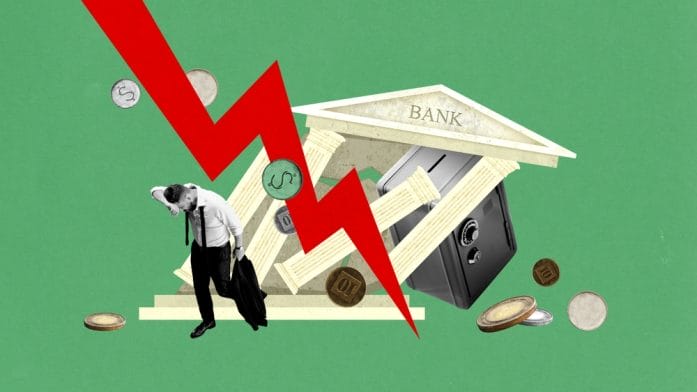
Why Does Financial Planning Feel Overwhelming Right Now

Image source: shutterstock.com

Too Many Choices Create Decision Fatigue

There has never been a time with more financial options. Multiple savings accounts, countless investment funds, side hustles, apps, cryptocurrencies, budgeting systems, and retirement vehicles compete for attention.

Choice is great in theory, but in practice it can overwhelm the brain. When every option claims to be the smartest move, making any move feels risky.

Decision fatigue sets in, leading many people to procrastinate or second-guess themselves endlessly. Instead of clarity, abundance creates noise. Financial planning becomes less about strategy and more about sorting through a crowded room of opinions.

Money Is Tied To Identity And Self-Worth

Money isn’t just math; it’s emotional. Financial choices often feel like reflections of responsibility, intelligence, and even morality. When planning feels difficult, people may internalize that struggle as personal failure rather than a response to complex conditions.

Social comparisons don’t help, especially when curated success stories float through social media feeds. Seeing peers buy homes, travel, or retire early can quietly turn planning into a referendum on self-worth.

That emotional weight makes financial decisions feel heavier than they need to be. Stress increases when money stops being a tool and starts feeling like a judgment.

The Rules Keep Changing Mid-Game

Many people grew up with clear financial milestones: steady job, affordable housing, predictable retirement paths. Those rules don’t apply as neatly anymore.

Careers are less linear, pensions are rare, housing markets fluctuate wildly, and longevity has increased planning horizons. Advice from previous generations may no longer fit current realities, which can create confusion and frustration.

When the old playbook doesn’t work and the new one feels unfinished, planning becomes guesswork. It’s tough to feel confident when the goalposts keep shifting. Uncertainty thrives when there’s no clear roadmap.

Information Is Everywhere But Clarity Is Rare

Access to financial information has exploded, yet clarity hasn’t kept pace. Articles, videos, influencers, and experts flood the internet with tips, warnings, and predictions. Some advice is thoughtful and grounded; some is oversimplified or driven by trends.

Sorting credible guidance from noise takes time and energy many people don’t have. Conflicting messages can cancel each other out, leaving readers more confused than before. When learning feels like wading through chaos, planning stalls. Knowledge overload can paradoxically lead to inaction.

Life Feels More Expensive And More Fragile

Rising living costs leave less margin for error, which raises the emotional stakes of every decision. At the same time, recent global events have highlighted how quickly circumstances can change. Health issues, job disruptions, and unexpected expenses feel more plausible than ever.

That awareness pushes people to plan for more contingencies, which complicates already tight budgets. Planning starts to feel like trying to predict every possible curveball. When security feels fragile, perfectionism creeps in—and perfectionism is exhausting.

Let’s Talk About The Pressure Out Loud

Financial planning feels overwhelming right now because it’s happening at the intersection of uncertainty, emotion, and constant input. That doesn’t mean you’re behind, broken, or bad with money.

It means you’re navigating a complex moment with real consequences and limited clarity. Sometimes the most helpful step isn’t finding the perfect strategy, but acknowledging the pressure itself.

If our article sparked recognition or raised questions, drop your thoughts or personal experiences in the comments below. Honest conversations can make the process feel a little less lonely—and a lot more human.

You May Also Like…

The Florida Premium Spike: Why Your “Affordable” Health Plan Just Quadrupled in Cost Overnight

Could Your Financial Plan Withstand A Surprise Recession Beginning In December?

How Can Family Dynamics Ruin Even the Best Financial Plans

Why Do Medical Bills Feel So Hard to Plan Around

How a Solid Estate Plan Can Protect Your Finances

Brandon Marcus
Brandon Marcus

Brandon Marcus is a writer who has been sharing the written word since a very young age. His interests include sports, history, pop culture, and so much more. When he isn’t writing, he spends his time jogging, drinking coffee, or attempting to read a long book he may never complete.

Filed Under: Finance Tagged With: economic challenges, economy, finance, finances, financial plans, general finance, Money, money issues, Planning

5 Ways To Easily Boost Your Income In 2026

December 26, 2025 by Brandon Marcus Leave a Comment

Here Are 5 Ways To Easily Boost Your Income In 2026

Image Source: Shutterstock.com

The financial world in 2026 is more dynamic, fast-moving, and exciting than ever before. From AI-driven tools to side hustles that pay while you sleep, the opportunities to increase your income are staggering—and many of them are easier than you think. What used to take months of networking, long hours, or luck can now be achieved with strategy, creativity, and a little tech know-how.

Imagine adding extra cash to your bank account without completely rearranging your life. Ready to turn the next year into a financial game-changer? Let’s dig into five exciting ways to boost your income in 2026.

1. Leverage AI Tools To Increase Productivity

Artificial intelligence isn’t just a buzzword—it’s a literal money-making engine. Tools that can automate repetitive tasks, generate content, or analyze financial data are making it easier than ever to focus on high-value work. By using AI to handle the mundane, you free up hours to take on more projects, freelance gigs, or investments that pay better. Even small businesses can see a dramatic jump in revenue by streamlining operations with AI assistants. In 2026, ignoring AI could mean leaving money on the table, and nobody wants that.

2. Monetize Your Skills Online

The internet is a treasure trove for anyone willing to offer their expertise. Platforms for teaching, consulting, or creating digital products allow you to earn income without geographical limits. Whether you’re coding, crafting, writing, or coaching, there’s an audience willing to pay for your knowledge. Micro-consulting, online courses, and virtual workshops can turn hobbies into steady income streams. The best part? Once the content is created, it can generate revenue long after your initial effort.

3. Invest In High-Growth Opportunities

Smart investing remains one of the fastest ways to grow your wealth, especially in 2026’s ever-changing markets. Stocks, ETFs, cryptocurrency, and even real estate crowdfunding are accessible to everyday investors like never before. Learning how to diversify and manage risk can turn even modest amounts of money into substantial growth over time. Apps and robo-advisors now make research and portfolio management almost effortless. With a little knowledge and patience, your money can start working as hard as you do.

Here Are 5 Ways To Easily Boost Your Income In 2026

Image Source: Shutterstock.com

4. Start A Side Hustle That Fits Your Lifestyle

Side hustles have evolved beyond delivering food or ridesharing. In 2026, digital opportunities like social media management, print-on-demand, and affiliate marketing can be tailored to fit your schedule and interests. The key is to choose something scalable, enjoyable, and aligned with your existing skills. Even dedicating a few hours a week can bring in hundreds or even thousands of extra dollars monthly. Flexibility is the ultimate bonus, allowing you to earn more without burning out.

5. Maximize Passive Income Streams

Passive income isn’t a myth—it’s a strategy that anyone can implement with a little planning. Rental properties, dividend-paying stocks, and online content that earns royalties are just a few ways to create revenue that keeps flowing. Subscription-based services, apps, and digital downloads allow for continuous income with minimal ongoing effort. Combining multiple passive streams can create a safety net while you focus on other projects. In 2026, building passive income isn’t just smart; it’s essential for financial resilience.

Your 2026 Income Adventure Starts Now

Boosting your income in 2026 doesn’t require magic—just a mix of strategy, tech, and creativity. Whether you dive into AI tools, monetize your skills online, invest smartly, start a side hustle, or build passive income, there’s no shortage of options. The opportunities are fast, flexible, and designed to fit modern lifestyles, meaning anyone can start increasing their earnings right away.

The only limit is your willingness to experiment and commit. Tell us your thoughts, experiences, or successful strategies in the comments below—we’d love to hear what works for you!

You May Also Like…

Income Pivot: 8 Income Streams Retirees Are Adding Before Rates Change Again

13 Intriguing Ideas for Generating Passive Rental Income Streams

7 Income Streams You’d Laugh At—Until They Out-earned Your Salary

5 Income Goals That Professionals Wish They Hit by 35

12 Different Ways to Structure Your Portfolio for Income Generation


Brandon Marcus
Brandon Marcus

Brandon Marcus is a writer who has been sharing the written word since a very young age. His interests include sports, history, pop culture, and so much more. When he isn’t writing, he spends his time jogging, drinking coffee, or attempting to read a long book he may never complete.

Filed Under: Lifestyle Tagged With: boost your income, boosted income, careers, earn more income, financial plans, Income, investing, investments, job, jobs, Life, Lifestyle, multiple income streams, Planning, side gig, side hustle

Tax Horizon: 4 Year-End Moves That Could Shape Your Finances for a Decade

December 23, 2025 by Brandon Marcus Leave a Comment

Tax Horizon: 4 Year-End Moves That Could Shape Your Finances for a Decade

Image Source: Shutterstock.com

The final weeks of the year carry a secret superpower: the ability to transform your financial future. While most of us are distracted by holiday shopping, festive parties, and last-minute projects, your money is quietly waiting for some strategic maneuvers that could pay off for years to come.

Tax planning isn’t just about checking boxes; it’s about leveraging timing, rules, and a little clever thinking to gain a huge advantage. Imagine setting up moves now that will ripple positively across your investments, retirement, and lifestyle for the next ten years. The clock is ticking, but if you act wisely, you could enter the new year not just stress-free but financially empowered.

1. Max Out Retirement Accounts Before December 31

Retirement accounts are the classic playground for year-end financial power moves. Contributing the maximum allowed to your 401(k), IRA, or Roth IRA can lower your taxable income while turbocharging your long-term savings. The earlier you act, the more time compounding has to work its magic, turning today’s contributions into tomorrow’s financial freedom.

Don’t overlook catch-up contributions if you’re over 50; they can significantly accelerate growth. Even small, strategic contributions now can create a snowball effect that transforms your retirement landscape over the next decade.

2. Harvest Tax Losses Strategically

Capital gains can sneak up on you, but smartly harvesting losses can offset them and keep more money in your pocket. By selling investments that have underperformed, you can reduce your taxable gains and potentially carry losses forward into future years. Timing is crucial: losses realized before year-end can impact this year’s taxes, while gains left untouched might push you into a higher tax bracket. Keep an eye on wash-sale rules to ensure you don’t unintentionally nullify your efforts. Done right, tax-loss harvesting isn’t just about saving money this year—it’s about building a smoother, smarter investment trajectory for years to come.

3. Evaluate Charitable Giving And Donations

Year-end giving isn’t just heartwarming—it can be financially strategic. Donations to qualified charities can reduce your taxable income, especially if you itemize deductions. Consider bunching multiple years of giving into a single year to maximize the tax benefit, a tactic that can amplify your impact both on your finances and your favorite causes. Don’t forget non-cash donations; items like clothing, furniture, and appreciated securities can yield surprising deductions. Thoughtful giving now not only supports meaningful causes but can create lasting benefits for your tax situation in the coming decade.

Tax Horizon: 4 Year-End Moves That Could Shape Your Finances for a Decade

Image Source: Shutterstock.com

4. Reassess Your Tax Withholding And Estimated Payments

Nothing derails a financial plan faster than a surprise tax bill in April. Reviewing your withholding and estimated payments before the year closes can prevent unnecessary penalties and optimize cash flow. If you’ve experienced a raise, a bonus, or major life changes, adjusting your withholding ensures you’re not giving the government an interest-free loan. Similarly, prepaying certain deductible expenses or estimated taxes can strategically shift your taxable income. Taking a proactive approach now sets a smoother, more predictable path for your finances in the years ahead.

Start The Next Decade Strong

Year-end financial planning isn’t a mundane chore—it’s an opportunity to set up long-lasting advantages. Maxing out retirement accounts, harvesting tax losses, giving thoughtfully, and adjusting withholding aren’t just small tweaks; they’re foundational moves that influence your financial trajectory for a decade. These steps require timing, insight, and a bit of courage, but the payoff is compounded peace of mind and a strategic advantage over time. Everyone’s financial situation is unique, so tailoring these moves to your goals can multiply their impact.

What strategies have shaped your finances in the past, or which are you considering this year? Post your thoughts or experiences in the comments section below.

You May Also Like…

Tax Reset: 8 Moves to Consider If You’ve Had a Windfall in 2025

Can Your Taxes Be Cut In Half By You Simply Incorporating Your Name?

6 Advanced Techniques to Lower Your Capital Gains Taxes Legally

What Happens When Retirement Plans Ignore Rising Taxes

Why Do Middle-Class Families End Up Paying the Most Taxes


Brandon Marcus
Brandon Marcus

Brandon Marcus is a writer who has been sharing the written word since a very young age. His interests include sports, history, pop culture, and so much more. When he isn’t writing, he spends his time jogging, drinking coffee, or attempting to read a long book he may never complete.

Filed Under: tax tips Tagged With: charitable deductions, donations, end of year, end of year taxes, finance, finances, financial plans, general finance, retirement accounts, Tax, tax losses, tax tips, tax withholdings

Tax Blindspot: 4 Deductions Many Americans Miss During December

December 21, 2025 by Brandon Marcus Leave a Comment

Tax Blindspot: 4 Deductions Many Americans Miss During December

Image Source: Shutterstock.com

December isn’t only about amazing holiday lights, frantic gift shopping, and cookie overload. Instead, this time of year is also a secret window for sneaky tax savings.

While most Americans are busy decking the halls, a lot of valuable tax deductions quietly slip through their fingers. Ignoring these opportunities can cost you hundreds, even thousands, of dollars when April rolls around. But here’s the good news: knowing where to look and what counts could turn your end-of-year chaos into financial brilliance.

We’re about to turbocharge your tax knowledge and show you deductions you probably didn’t even know existed.

1. Charitable Contributions Count More Than You Think

Donating to your favorite charity isn’t just good karma—it’s a tax move that often goes unnoticed. If you’ve been generous with gifts or cash in December, you may qualify for deductions even if you didn’t itemize earlier in the year. Keep careful records, receipts, and donation confirmations to ensure Uncle Sam knows you’re giving with good intentions. Cash donations, clothing, and even certain household items can all count toward this deduction. Timing is everything, so getting your contributions in before December 31 could make a real difference on your tax bill.

2. Medical Expenses Can Be Sneaky Deductibles

Most people assume medical expenses are only relevant when a doctor’s visit is long past, but December is prime time to review them. Costs that aren’t reimbursed by insurance, including prescription medications, dental work, and certain vision care, can be deducted if they surpass a specific percentage of your adjusted gross income.

Some Americans forget that last-minute medical bills or even over-the-counter purchases with proper documentation can qualify. Review your records carefully and consider scheduling appointments or purchasing necessary medical items before the year ends. These small moves can quietly chip away at what you owe the IRS.

3. Tax-Loss Harvesting Isn’t Just For Wall Street Pros

If you have investments, December might be your golden opportunity for tax-loss harvesting—a fancy term for selling losing investments to offset gains. Many investors overlook this strategy until it’s too late, missing out on lowering their taxable income. You can use losses to offset capital gains and even deduct a portion against ordinary income. But be mindful of the “wash-sale” rule, which prevents you from buying the same stock back too quickly. Strategically reviewing your portfolio before the year’s close can create a substantial end-of-year tax advantage without any drastic moves.

Tax Blindspot: 4 Deductions Many Americans Miss During December

Image Source: Shutterstock.com

4. Flexible Spending Accounts: Don’t Let Your Money Vanish

Flexible Spending Accounts (FSAs) are like little time bombs—you contribute pre-tax dollars for health expenses, but if you don’t use them, they often disappear. December is crunch time: if you still have a balance, use it for eligible items like glasses, contact lenses, or even certain medical equipment. Some plans allow a short grace period or a small rollover, but don’t assume you’ll get an automatic extension. By spending FSA funds wisely before the deadline, you essentially reduce your taxable income without touching your regular cash. It’s like finding free money for your wallet—one of the few December gifts that actually pays you back.

Don’t Let These Deductions Slip Away

End-of-year tax planning isn’t glamorous, but it can feel exhilarating once you realize how much you might save. Charitable contributions, medical expenses, investment losses, and FSA balances are all often overlooked ways to trim your tax bill. Act now, because December is your last chance before the calendar flips. By taking a few focused steps, you can turn ordinary holiday chaos into a strategic financial win.

If you’ve ever uncovered a deduction that surprised you or made a real difference in your tax return, we’d love for you to tell us about it in the comments section below.

You May Also Like…

Tax Freeze: 6 Immediate Actions to Lock In Lower Rates Before Reforms Hit

Should You Make A Roth Conversion Now Or Wait For January’s Tax Environment To Settle?

Savings Game: 5 Ways to Boost Your Emergency Fund Before December Ends

Tax Bonanza: The Tax Move That Saves Thousands—But Only If You Do It Before December 31st

Why Do Middle-Class Families End Up Paying the Most Taxes


Brandon Marcus
Brandon Marcus

Brandon Marcus is a writer who has been sharing the written word since a very young age. His interests include sports, history, pop culture, and so much more. When he isn’t writing, he spends his time jogging, drinking coffee, or attempting to read a long book he may never complete.

Filed Under: tax tips Tagged With: 2025 taxes, America, Americans, December, file taxes, financial plans, Planning, Tax, tax blindspot, tax deadlines, tax deduction, Tax Deductions, tax laws, tax planning, taxes, United States, winter

FOLLOW US

Search this site:

Recent Posts

  • Can My Savings Account Affect My Financial Aid? by Tamila McDonald
  • 12 Ways Gen X’s Views Clash with Millennials… by Tamila McDonald
  • What Advantages and Disadvantages Are There To… by Jacob Sensiba
  • 10 Tactics for Building an Emergency Fund from Scratch by Vanessa Bermudez
  • Call 911: Go To the Emergency Room Immediately If… by Stephen Kanaval
  • 7 Weird Things You Can Sell Online by Tamila McDonald
  • 10 Scary Facts About DriveTime by Tamila McDonald

Copyright © 2026 · News Pro Theme on Genesis Framework