• Home
  • About Us
  • Toolkit
  • Getting Finances Done
    • Hiring Advisors
    • Debt Management
    • Spending Plan
  • Insurance
    • Life Insurance
    • Health Insurance
    • Disability Insurance
    • Homeowners/Renters Insurance
  • Contact Us
  • Risk Tolerance Quiz
  • Our Editorial Commitment

The Free Financial Advisor

You are here: Home / Archives for Lifestyle Inflation

How Inheriting $100K Can Disappear in Months — Lessons From Rapid Wealth Loss

March 3, 2026 by Brandon Marcus Leave a Comment

How Inheriting $100K Can Disappear in Months — Lessons From Rapid Wealth Loss
Image Source: Pexels.com

$100,000 looks like a safety net big enough to change everything. It feels solid, powerful, almost untouchable. For a brief moment, it can create the illusion that money problems belong to the past and a new chapter has begun.

Yet time and again, six-figure inheritances evaporate in less than a year, leaving behind confusion, regret, and a bank balance that looks shockingly familiar. Understanding how that happens—and how to prevent it—can mean the difference between a fresh start and a financial relapse.

The Lifestyle Upgrade Trap

The first place a $100,000 inheritance often disappears sits right in plain sight: lifestyle inflation. A bigger apartment, a newer car, upgraded furniture, spontaneous travel, and generous gifts to family members can each feel reasonable on their own. Stack them together, and they form a fast-moving drain on cash.

Consider housing. A modest rent increase of $800 per month adds up to $9,600 a year. Add a car payment of $600 per month, which totals $7,200 annually, plus higher insurance premiums and maintenance costs. Suddenly, nearly $20,000 per year supports a new standard of living. If that lifestyle sticks, the inheritance becomes a temporary subsidy rather than a permanent improvement.

Behavioral finance research consistently shows that people adapt quickly to higher living standards. After a few months, the upgraded lifestyle feels normal rather than luxurious. The money that once seemed abundant now feels insufficient, which can trigger even more spending. Anyone who inherits a large sum should pause before making permanent changes to recurring expenses. A 30-day waiting period before major purchases can slow down impulsive decisions and protect long-term goals.

The Tax Surprise That Hits Hard

Many people assume that every inheritance arrives tax-free, but the reality depends on the type of asset. Cash from a life insurance policy often comes without federal income tax. However, inherited retirement accounts such as traditional IRAs or 401(k)s carry income tax obligations when distributions occur. The SECURE Act, passed in 2019, generally requires most non-spouse beneficiaries to withdraw the full balance of an inherited retirement account within 10 years, which can create significant taxable income.

If someone inherits a $100,000 traditional IRA and withdraws large portions quickly, that income adds to their existing salary and can push them into a higher tax bracket. A 24 percent federal tax rate on $100,000 equals $24,000 in federal taxes alone, not counting state taxes. Without a strategy, a sizable chunk of the inheritance can disappear before it funds a single long-term goal.

A smart approach involves working with a tax professional to plan distributions over several years, keeping income within manageable tax brackets when possible. Even without professional help, reviewing IRS guidance and understanding how withdrawals affect taxable income can prevent unpleasant surprises.

Debt Payoff Without a Plan

Paying off debt can feel like the most responsible move, and in many cases it makes sense. High-interest credit card balances, for example, can charge 20 percent or more annually, which makes eliminating them a powerful financial win. However, wiping out every debt without considering cash flow and emergency savings can create new problems.

Imagine someone uses $60,000 of a $100,000 inheritance to pay off student loans and auto loans. That decision reduces monthly payments, which sounds positive. Yet if that person fails to build an emergency fund and then faces a job loss or medical bill, they may return to credit cards to cover expenses. The inheritance solves one problem while leaving another untouched.

Financial planners often recommend building three to six months of essential expenses in an emergency fund. Before aggressively paying down lower-interest debt, allocating part of the inheritance to a high-yield savings account can create a buffer that prevents future borrowing. The goal involves balance: eliminate expensive debt while protecting liquidity.

Risky Investments in the Name of Growth

A sudden windfall can trigger overconfidence. Someone who never invested before may suddenly feel ready to chase hot stocks, cryptocurrency trends, or speculative real estate deals. Social media and financial headlines often highlight dramatic gains while ignoring the equally dramatic losses.

History offers repeated lessons about speculative bubbles, from the dot-com boom in the late 1990s to more recent cryptocurrency volatility. When markets surge, stories of overnight wealth dominate headlines. When prices crash, silence often follows. Investing a large portion of an inheritance into a single high-risk asset can wipe out tens of thousands of dollars in months.

Diversification remains one of the most reliable principles in investing. Broad-based index funds, such as those tracking the S&P 500, spread risk across hundreds of companies. A long-term strategy that matches personal risk tolerance and time horizon stands a far better chance of preserving and growing wealth than a bet on the next big thing. Before investing, setting clear goals—retirement, home purchase, education—can guide decisions and prevent emotional reactions to market swings.

How Inheriting $100K Can Disappear in Months — Lessons From Rapid Wealth Loss
Image Source: Pexels.com

Emotional Spending and Grief

Inheritance often follows loss. Grief can cloud judgment and fuel spending decisions that provide short-term comfort. Large purchases can feel symbolic, like honoring a loved one or marking a new chapter. Unfortunately, emotional spending rarely aligns with long-term financial security.

Psychologists recognize that major life events—death, divorce, job changes—can alter decision-making patterns. During emotionally intense periods, people often seek control or distraction through financial choices. That dynamic can lead to generosity beyond sustainable limits or purchases that fail to deliver lasting satisfaction.

Creating a cooling-off period helps. Placing inherited funds in a separate account and avoiding major financial moves for several months can allow emotions to settle. Consulting a financial advisor or trusted third party can introduce objectivity when emotions run high.

The Illusion of Endless Cushion

$100,000 sounds like a lifetime of security. In reality, it equals less than two years of living expenses for many households in the United States. According to data from the Bureau of Labor Statistics, average annual household spending often exceeds $70,000, depending on location and family size. At that pace, $100,000 can vanish in under 18 months without any major splurges.

Inflation adds another layer of pressure. Rising costs for housing, food, healthcare, and transportation erode purchasing power over time. Without investment growth or disciplined budgeting, a cash inheritance shrinks both in nominal terms and real value.

Creating a written financial plan can counter this illusion. Listing short-term needs, medium-term goals, and long-term objectives clarifies priorities. Allocating portions of the inheritance to each category—emergency savings, debt reduction, retirement investment—turns a lump sum into a structured strategy.

Protecting a Windfall With Structure and Intent

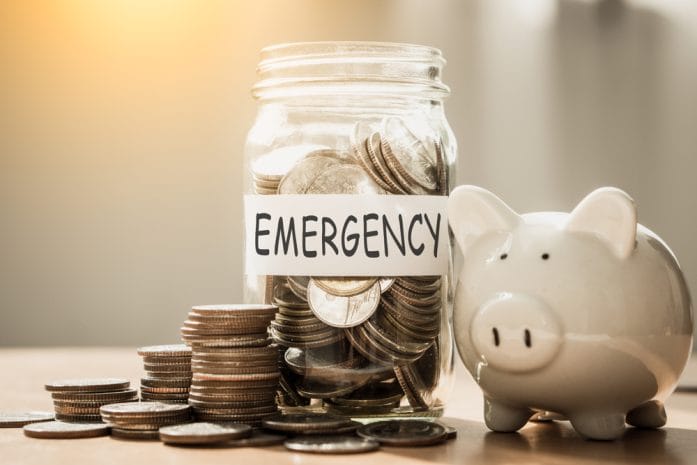
Preserving an inheritance requires intentional design. Automatic transfers into investment accounts can remove temptation. Separating funds into labeled accounts—“Emergency,” “Retirement,” “Future Home”—can reinforce purpose and discourage random spending.

Professional guidance can add value, especially for complex assets. A certified financial planner can assess tax implications, risk tolerance, and long-term projections. However, even without paid advice, using reputable educational resources and low-cost diversified investments can protect against common pitfalls.

Most importantly, aligning money with values creates durability. If financial freedom, flexibility, and security matter more than status purchases, spending decisions will reflect those priorities. A windfall should support a life plan, not replace it.

The Real Value Of $100K Lies in Restraint

A six-figure inheritance can transform a financial trajectory, but only if discipline guides the process. Quick upgrades, tax missteps, emotional decisions, and speculative investments can dismantle it in months. Careful planning, diversified investing, controlled lifestyle choices, and a strong emergency fund can stretch its impact for decades.

What would your first move be if a six-figure windfall landed in the bank tomorrow? Let’s maturely discuss all things finance in our comments below.

You May Also Like…

8 Ways Baby Boomers Should Leave Their Inheritance That Helps Families Keep The Peace

The Inheritance Mistakes That Turn Siblings Into Legal Enemies After a Parent Dies

Legacy Trap: How Your Kids Might Inherit More Tax Than Wealth Without Realizing It

5 Inheritance Tricks That Make Your Heirs Love You Forever

Your Attorney Isn’t the Only One Who Needs Your Will Details: 5 Conversations That Prevent Family Disputes

Brandon Marcus
Brandon Marcus

Brandon Marcus is a writer who has been sharing the written word since a very young age. His interests include sports, history, pop culture, and so much more. When he isn’t writing, he spends his time jogging, drinking coffee, or attempting to read a long book he may never complete.

Filed Under: Finance Tagged With: budgeting, Debt Management, emergency fund, financial literacy, Inheritance, investing basics, Lifestyle Inflation, money mistakes, Personal Finance, Planning, taxes, Wealth management

Is Your “Little Treat” Habit Costing You $2,500 a Year? The Real Spending Math

March 3, 2026 by Brandon Marcus Leave a Comment

Is Your “Little Treat” Habit Costing You $2,500 a Year? The Real Spending Math
Image Source: Unsplash.com

A five-dollar habit does not feel like a financial turning point. It feels like a reward. It feels earned. And it feels small enough to ignore.

Yet run that same five dollars through a full year, and the numbers tell a different story. Add a few more “little” extras each week, and the total climbs fast enough to compete with a vacation, a credit card balance, or a serious dent in an emergency fund. The question is not whether small treats matter. The real question asks how much they actually cost when they show up every single day.

The $5 Illusion: Why Small Numbers Trick the Brain

A five-dollar coffee, a seven-dollar sandwich, a quick ten-dollar online order—none of these purchases trigger alarm bells on their own. Most people do not think in annual totals while standing in line or tapping a checkout button. The brain loves small numbers because they feel manageable and low risk.

Behavioral economists often talk about “mental accounting,” a concept popularized by Nobel Prize–winning economist Richard Thaler. People mentally sort money into different buckets, and they treat each bucket differently. A small daily expense slides into a harmless category labeled “treat” or “self-care.” That label lowers defenses.

The math does not care about labels. Spend $7 a day on coffee and snacks, and that equals $49 a week. Multiply that by 52 weeks, and the total hits $2,548 in a year. That figure does not include interest or potential investment growth. It simply reflects routine spending that felt minor in the moment.

Once numbers move from daily to annual, they suddenly demand attention. Two thousand five hundred dollars does not feel like a throwaway amount. It feels like tuition, rent, a plane ticket, or several months of groceries.

The Real Annual Breakdown: Let’s Do the Math

Start with a simple scenario. Imagine a $6 latte purchased five days a week. That equals $30 a week. Over a month, that reaches about $130. Over a year, that totals roughly $1,560.

Now add a $12 takeout lunch twice a week. That adds $24 weekly, or about $1,248 annually. Combine that with the latte habit, and the yearly total jumps to $2,808. No exaggeration. No dramatic rounding. Just straightforward multiplication.

Recent surveys show that households spend thousands of dollars annually on food away from home. That category includes coffee runs, fast-casual lunches, and last-minute takeout dinners. For many households, food away from home represents one of the largest flexible expenses in the budget.

Flexibility matters because flexible expenses offer room for change. Rent and insurance demand fixed payments. Daily treats leave room for choice. That does not mean cutting every joy. It means recognizing the scale of those joys over time.

The Comfort Trap: When Treats Turn Into Routine

A treat should feel occasional. When it turns into a daily ritual, it shifts from luxury to routine expense. Lifestyle inflation plays a role here. As income rises, spending often rises right along with it. That new job, that raise, that bonus—each milestone invites a small upgrade. A nicer coffee. A better lunch. Faster shipping. None of these changes feel reckless. Together, they reshape a budget.

Habits build quickly because repetition removes friction. The first $8 smoothie feels indulgent. The twentieth feels normal. Normal spending rarely sparks scrutiny.

That normalization explains why “little treat culture” gained traction online. Social media platforms like TikTok amplify the idea that small daily rewards protect mental health and boost motivation. While occasional rewards support well-being, daily spending without limits can quietly crowd out bigger goals.

What $2,500 Could Actually Do Instead

Two thousand five hundred dollars holds real power when redirected with purpose. Place $2,500 into a high-yield savings account earning 4 percent annual interest, and that money generates about $100 in interest over a year without additional contributions. Invest $2,500 in a diversified index fund averaging a historical annual return of around 7 percent after inflation, and that amount could grow to roughly $4,900 in ten years, assuming no additional deposits and steady returns. Markets fluctuate, and returns never come guaranteed, but long-term growth historically rewards consistency.

That same $2,500 could wipe out high-interest credit card debt. Many credit cards charge interest rates above 20 percent. Paying down a $2,500 balance at 20 percent interest saves hundreds of dollars in future interest payments.

The number also covers a solid emergency fund starter. Many financial planners recommend saving three to six months of essential expenses. A $2,500 cushion can prevent a job loss or medical bill from turning into long-term debt.

Is Your “Little Treat” Habit Costing You $2,500 a Year? The Real Spending Math
Image Source: Unsplash.com

How to Keep the Joy Without Losing the Cash

Eliminating every small pleasure often backfires. Extreme restriction leads to burnout, and burnout leads to splurges that undo progress. Balance works better than deprivation.

Start by tracking spending for one month. Use a budgeting app or a simple spreadsheet. Write down every coffee, snack, and impulse purchase. Awareness alone often reduces spending because it removes the illusion of smallness. Next, set a monthly “treat fund.” Allocate a fixed amount—maybe $100 or $150—and spend it guilt-free. Once that fund runs out, pause until the next month. This strategy keeps joy in the budget while protecting long-term goals.

Experiment with swaps. Brew coffee at home four days a week and buy one café drink as a weekly ritual. Pack lunch three days a week and enjoy one intentional takeout meal. Small adjustments maintain pleasure without draining thousands annually.

A Quick Reality Check on “It’s Just $5”

Five dollars feels harmless because it does not threaten immediate survival. Yet scale changes meaning. Five dollars a day equals $35 a week, $182 a month, and $1,825 a year. Increase that daily amount to $8, and the annual total climbs to $2,920. This math does not argue against comfort. It argues for conscious choice.

Every dollar spent daily locks in a pattern. Every dollar redirected reshapes a future balance sheet. Personal finance rarely hinges on one dramatic decision. It builds on repeated behavior.

Financial experts consistently emphasize that small, consistent actions drive long-term results. Regular investing, steady saving, and controlled spending outperform sporadic grand gestures. The same principle applies in reverse. Small, consistent overspending erodes progress more effectively than one big splurge.

Tiny Choices, Big Totals

Small purchases carry big consequences when they repeat daily. A few dollars here and there can quietly total thousands over twelve months, enough to fund savings, reduce debt, or build real security. No one needs to abandon joy or live on strict austerity. Thoughtful limits and clear goals create room for both pleasure and progress.

Take a close look at the last 30 days of spending. Add up every “small” indulgence. Does that total surprise you, or does it confirm what you suspected all along? Let’s share our financial findings in the comments below.

You May Also Like…

6 Reasons Middle-Class Budgets Are Breaking Under “Slow Inflation”

7 Budget Foods Americans Rely On That Doctors Say Create Bigger Problems Later

Modern Taxation Explained: Filing, Records, and Savings

The “Safe” Budget Rules That Quietly Stop Working After Age 60

5 Budgeting Tools That Trick You Into Higher Spending

Brandon Marcus
Brandon Marcus

Brandon Marcus is a writer who has been sharing the written word since a very young age. His interests include sports, history, pop culture, and so much more. When he isn’t writing, he spends his time jogging, drinking coffee, or attempting to read a long book he may never complete.

Filed Under: Spending Habits Tagged With: Budgeting Tips, coffee spending, financial goals, Financial Wellness, frugal living, impulse buying, Lifestyle Inflation, money management, Personal Finance, saving money, smart shopping, Spending Habits

7 Financial Trade-Offs That Quietly Derail People in Their 50s

February 11, 2026 by Brandon Marcus Leave a Comment

These Are 7 Financial Trade-Offs That Quietly Derail People in Their 50s
Image source: shutterstock.com

Your 50s are a financial crossroads, whether you realize it or not. This is the decade where money stops being theoretical and starts becoming personal in a very real, very tangible way. The choices you make now don’t just affect your lifestyle today—they echo into your 60s, 70s, and beyond, shaping your freedom, stress levels, and sense of security.

It’s not usually one massive financial mistake that causes trouble; it’s a series of small, seemingly reasonable trade-offs that quietly stack up. Individually, they feel harmless. Together, they can change the trajectory of your future in ways that are hard to reverse.

1. The Lifestyle Upgrade That Eats Your Future

One of the most common traps is lifestyle inflation disguised as “finally enjoying life.” Bigger homes, nicer cars, more travel, more dining out, more convenience services—it all feels deserved after decades of grinding. And in many ways, it is. The problem is when increased spending grows faster than savings, investing, and debt reduction.

Every permanent upgrade to your lifestyle becomes a permanent financial obligation, which limits flexibility later on. A powerful mindset shift is learning to enjoy upgrades selectively, not automatically, so your money works for your future instead of locking you into higher fixed costs.

2. Helping Adult Kids at the Cost of Your Own Security

Supporting adult children is emotionally understandable and culturally normalized, but financially dangerous when it becomes open-ended. Covering rent, co-signing loans, paying off debts, or funding lifestyles can quietly drain retirement savings without ever feeling like a “bad decision.”

The hard truth is that you can borrow for school, homes, and cars, but you cannot borrow for retirement. Financial stability in later life depends on boundaries, not just love. Helping your kids learn financial independence often does more for their future than financially rescuing them from every consequence.

3. Delaying Retirement Saving Because “There’s Still Time”

Time is the most misunderstood asset in personal finance. Many people in their 50s believe they can simply “catch up later,” underestimating how powerful compounding actually is and how little time is left to benefit from it. Catch-up contributions help, but they don’t replace lost decades of growth. Every year you delay serious saving increases the pressure on future income, investments, and work capacity.

Even small increases in retirement contributions now can significantly reduce financial stress later. Starting late is better than never, but starting now is always better than starting later.

4. Trading Health for Hustle

Working longer hours, taking on stressful roles, or pushing your body too hard for financial gain feels logical when you’re focused on earning. But chronic stress and neglected health create future costs that don’t show up on a balance sheet until it’s too late. Medical expenses, reduced mobility, and limited work capacity can turn financial plans upside down.

Health is a financial asset, whether people like that framing or not. Protecting it through preventative care, manageable workloads, and sustainable routines is part of long-term wealth strategy, not separate from it.

5. Ignoring Long-Term Care Planning

Many people assume long-term care is either unlikely or something they’ll deal with later. The reality is that long-term care costs are one of the biggest financial threats to retirement stability. Whether it’s in-home care, assisted living, or nursing care, these expenses can drain savings rapidly.

Planning doesn’t always mean buying expensive insurance, but it does mean understanding risks, building buffers, and making intentional choices. Avoiding the conversation doesn’t eliminate the risk—it just removes control over how it’s handled.

6. Carrying “Comfort Debt” Into the Next Phase of Life

There’s a difference between strategic debt and comfort debt. Comfort debt includes things like luxury vehicles, recreational toys, high-interest credit cards, and lifestyle financing that exists purely for convenience and status. Carrying this into your 50s limits cash flow and increases financial vulnerability.

It also creates psychological pressure to keep earning at high levels, even when you may want more flexibility. Reducing non-essential debt isn’t just about money—it’s about freedom, choice, and control over your time.

7. Overlooking Estate Planning Because It Feels Premature

Estate planning often gets delayed because it feels morbid or unnecessary. In reality, it’s a financial clarity tool, not just an end-of-life document.

Wills, healthcare directives, beneficiary designations, and powers of attorney protect your assets, your family, and your decision-making autonomy. Without them, financial chaos becomes more likely, not less. Estate planning in your 50s is about structure and control, not fear. It’s one of the most responsible financial moves a person can make.

These Are 7 Financial Trade-Offs That Quietly Derail People in Their 50s
Image source: shutterstock.com

The Real Trade-Off Most People Miss

The biggest trade-off isn’t money versus fun or security versus enjoyment—it’s short-term comfort versus long-term freedom. Financial decisions in your 50s shape whether your future feels like a wide-open landscape or a narrow hallway. The goal isn’t extreme frugality or financial obsession; it’s alignment. Spending, saving, and planning should support the life you want later, not just the life you’re living now. Small changes today create outsized stability tomorrow, and that’s a trade worth making.

Are your current financial choices building freedom—or quietly building future stress? Talk about your plans and goals in our comments below.

You May Also Like…

The Emotional vs. Financial Cost of Keeping the House in a Divorce

How a Solid Estate Plan Can Protect Your Finances

Tax Horizon: 4 Year-End Moves That Could Shape Your Finances for a Decade

8 Home Upgrades Seniors Are Choosing Over Moving Into Facilities

The Retirement Income Assumption That Breaks Down First During Inflation Cycles

Brandon Marcus
Brandon Marcus

Brandon Marcus is a writer who has been sharing the written word since a very young age. His interests include sports, history, pop culture, and so much more. When he isn’t writing, he spends his time jogging, drinking coffee, or attempting to read a long book he may never complete.

Filed Under: Finance Tagged With: budgeting, financial literacy, financial mistakes, Lifestyle Inflation, long term planning, midlife finance, money habits, Personal Finance, retirement planning, Wealth Building

9 Financial Shifts That Catch People Off Guard

January 23, 2026 by Brandon Marcus Leave a Comment

These Are 9 Financial Shifts That Catch People Off Guard
Image source: shutterstock.com

Money has a peculiar way of moving faster than we expect. One day, you’re coasting along with a budget that seems solid, and the next, a sudden expense, market shift, or policy change makes you double-check your bank account just to make sure it’s real. Some financial changes are obvious—they’re planned, announced, or easy to predict—but others arrive like uninvited guests, throwing your routine off and demanding quick adjustments.

The challenge is not just surviving these shifts but understanding them well enough to turn them into opportunities instead of setbacks. Let’s dive into nine financial twists and turns that often catch people off guard—and explore how to respond without breaking a sweat.

1. Interest Rate Surges Can Sting More Than You Expect

When central banks raise interest rates, the news usually dominates headlines, but many people underestimate the direct effect on their wallets. Variable-rate loans, mortgages, and credit card balances become more expensive almost immediately, and monthly budgets can take a hit without warning.

Even small rate increases can add up to hundreds of dollars over a year if your debt is significant. Savvy savers, however, can take advantage of these periods by putting money into high-yield savings accounts, which also tend to rise when rates go up. The key is paying attention to how your debts and investments are structured. Awareness is the difference between a nasty surprise and an opportunity to make your money work a little harder.

2. Inflation Creeps Up Stealthily

Inflation is the silent force that gradually erodes purchasing power, often without people realizing it until a routine shopping trip or bill payment delivers a jolt. Prices for groceries, gas, and everyday services can increase faster than wages, meaning the same paycheck buys less than it did a year ago.

Historically, moderate inflation can even benefit borrowers, as the real value of debt diminishes over time, but it punishes those relying on fixed incomes.

Long-term investors may need to adjust portfolios to include assets that historically outpace inflation, such as stocks or real estate. The trick is to spot the trends early and avoid knee-jerk reactions that can worsen your financial picture.

3. Job Market Shifts Hit Harder Than Expected

Career stability is often assumed, but economic changes can make layoffs, restructuring, or automation hit without warning. Industries evolve rapidly, and what was in high demand yesterday may face contraction tomorrow.

Even highly skilled professionals can find themselves searching for new opportunities sooner than anticipated. Diversifying skills, networking consistently, and keeping a financial cushion in savings can transform what could be a stressful situation into a temporary hurdle. Understanding the broader employment landscape helps anticipate risks rather than react in panic mode.

4. Tax Code Tweaks Are More Impactful Than You Think

Governments adjust tax laws frequently, and subtle changes in deductions, credits, or brackets can significantly alter annual finances. Sometimes the impact is immediate, reducing your take-home pay or changing the effectiveness of retirement contributions.

Other times, it appears when filing next year’s returns, catching people off guard. Keeping informed about tax policy updates or working with a trusted accountant can prevent surprises and even uncover hidden advantages. Tax efficiency is a powerful, often overlooked tool for maintaining financial momentum.

5. Lifestyle Inflation Slips In Quietly

As incomes rise, spending habits often follow, sometimes unconsciously. Upgrading to a more expensive car, dining out more frequently, or moving into a pricier home can feel like a reward, but over time, lifestyle inflation can outpace income growth. People often realize too late that increased earnings aren’t creating more freedom—they’re just funding higher expenses. Combatting this requires mindfulness, disciplined budgeting, and occasional reflection on whether every extra dollar spent is actually adding value to your life. Small, deliberate choices in spending can make a huge difference over the years.

6. Unexpected Medical Costs Can Derail Plans

Even with insurance, medical emergencies can introduce significant financial strain. Procedures, prescriptions, and specialist visits often come with out-of-pocket costs that exceed expectations. Preventive care can reduce risk, but life is unpredictable, and sometimes bills arrive before you’re ready.

An emergency fund specifically for health-related costs can make these situations manageable without compromising other financial goals. Understanding insurance coverage, negotiating bills, and exploring payment plans are strategies many overlook until they’re in a pinch.

These Are 9 Financial Shifts That Catch People Off Guard
Image source: shutterstock.com

7. Retirement Needs May Be Higher Than Anticipated

Many people assume their retirement nest egg only needs to cover basic living expenses, but inflation, healthcare costs, and longer lifespans make financial planning more complex.

Underestimating the amount needed can lead to uncomfortable adjustments later in life. Early and consistent contributions to retirement accounts, along with strategic investment choices, can provide a cushion.

Periodic review of retirement goals ensures plans remain realistic and responsive to changes in life circumstances or economic conditions. Planning ahead is not just smart—it’s essential.

8. Sudden Changes in Credit Scores Affect More Than Loans

Credit scores influence more than just loan approvals—they affect insurance rates, rental applications, and even job opportunities in certain industries. Negative changes can occur from missed payments, high credit utilization, or errors in reporting, and the effects aren’t always immediate.

Monitoring credit reports regularly and correcting inaccuracies quickly can prevent small issues from snowballing. Maintaining a healthy credit score opens doors and protects financial flexibility when unexpected expenses appear.

9. Technology-Driven Financial Shifts Require Adaptation

Digital banking, cryptocurrency, AI-driven investment tools, and fintech apps have transformed how people manage money. While these tools offer convenience and efficiency, they also demand digital literacy and awareness of risks like cyber fraud or volatile markets.

People who resist adapting to new technologies may miss out on opportunities for optimization or secure management. Conversely, jumping in without understanding the tools can lead to costly mistakes. Staying informed, experimenting cautiously, and embracing change strategically ensures technology becomes a helper, not a hazard.

How Have You Navigated Financial Surprises?

Financial surprises are inevitable, but understanding the common shifts that can throw people off balance equips you to respond thoughtfully. From interest rate hikes to lifestyle inflation, these changes affect everyone differently, and planning is a key defense. Some surprises are unavoidable, but many can be managed or mitigated with awareness, preparation, and flexibility.

Your experiences and strategies are valuable, and we’d love to hear how you’ve handled financial curveballs in your own life in the comments section below.

You May Also Like…

What Does Financial Stress Do To Your Body?

How a Solid Estate Plan Can Protect Your Finances

Tax Horizon: 4 Year-End Moves That Could Shape Your Finances for a Decade

Risk Proaction: 5 Steps to Stress-Test Your Finances for Worst-Case Scenarios

Expense Trap: 7 Inflation Surprises That Sneak Up on Middle-Aged Investors

Brandon Marcus
Brandon Marcus

Brandon Marcus is a writer who has been sharing the written word since a very young age. His interests include sports, history, pop culture, and so much more. When he isn’t writing, he spends his time jogging, drinking coffee, or attempting to read a long book he may never complete.

Filed Under: Finance Tagged With: finance, finances, financial choices, financial decisions, financial shifts, general finance, Inflation, interest rates, job market, job search, jobs, Lifestyle Inflation, medical bills, medical expenses, tax code

10 Personal Finance Lessons People Learn the Hard Way

January 22, 2026 by Brandon Marcus Leave a Comment

These Are 10 Personal Finance Lessons People Learn the Hard Way
Image source: shutterstock.com

Money lessons rarely arrive politely. They crash into life during overdraft alerts, awkward conversations, or that sinking feeling after opening a credit card statement. Most of us don’t learn personal finance from calm instruction; we learn it from experience, stress, and a few “well, that didn’t work” moments.

The upside is that these lessons stick. They change habits, sharpen judgment, and turn past mistakes into future wisdom. Here are ten personal finance lessons people commonly learn the hard way, usually after their wallet has already taken a hit.

1. Spending More Than You Earn Always Catches Up

Living beyond your income feels manageable at first, especially when credit fills the gaps. Bills get paid, life looks normal, and the problem seems distant. Over time, though, the math becomes unavoidable. Interest compounds, balances grow, and flexibility disappears.

Many people only grasp this lesson after losing sleep over money or juggling due dates. Once learned, it often leads to tracking expenses, setting limits, and respecting the simple truth that income sets the ceiling.

2. An Emergency Fund Is Not Optional

Emergencies are rude, unpredictable, and expensive. Cars break down, jobs vanish, and medical bills appear without warning. Without savings, even small surprises can spiral into debt.

People usually learn this after relying on credit cards for emergencies and struggling to recover. A basic emergency fund provides breathing room and better choices. It turns crises into inconveniences instead of financial disasters.

3. Credit Cards Are Tools, Not Extra Income

Credit cards make spending feel painless, which is exactly the danger. Swiping now and worrying later often leads to balances that linger for years. Interest rates quietly punish unpaid balances month after month.

Many people realize this only after paying far more in interest than the original purchase cost. Used carefully, credit cards can build credit and offer protections. Used carelessly, they become very expensive loans.

4. Lifestyle Inflation Can Sabotage Raises

Earning more money feels like progress, and it is. The trap appears when spending rises just as fast. Bigger paychecks often bring bigger apartments, nicer cars, and more subscriptions.

At some point, people notice they feel just as broke as before, despite earning more. This lesson usually arrives with frustration and confusion. Keeping lifestyle inflation in check allows raises to actually improve financial security.

5. Ignoring Retirement Early Is Costly

Retirement feels far away, especially in your twenties and thirties. It’s easy to delay saving while focusing on current needs. Years later, people realize how powerful time and compound growth could have been. Catching up requires much larger contributions and sacrifices.

This lesson hits hardest when projections reveal uncomfortable gaps. Starting early, even with small amounts, dramatically reduces future stress.

6. Insurance Matters More Than It Seems

Insurance feels boring until the moment it’s desperately needed. Skipping coverage can save money short term, but the risk is enormous. Accidents, illnesses, and disasters can erase years of savings instantly.

Many people learn this lesson after paying out of pocket for something insurance would have covered. Proper coverage protects not just money, but stability and peace of mind. It’s about risk management, not optimism.

7. Not All Debt Is Created Equal

Debt often gets treated as a single category, but its impact varies widely. High-interest consumer debt drains finances quickly, while lower-interest debt can sometimes be strategic.

People often learn this after struggling to escape credit card balances while managing other obligations. Understanding interest rates and repayment terms changes priorities. It encourages attacking the most expensive debt first. This clarity can speed up financial recovery dramatically.

8. Small Purchases Add Up Faster Than Expected

Daily habits quietly shape financial outcomes. Coffee runs, delivery fees, and impulse buys seem harmless in isolation. Over months, they can consume hundreds or thousands of dollars.

Many people only notice after reviewing statements and feeling shocked by the totals. This lesson isn’t about deprivation. It’s about awareness and choosing what truly adds value.

9. Money Stress Affects Relationships

Financial problems rarely stay contained to spreadsheets. They spill into conversations, decisions, and emotional well-being. Couples and families often clash over spending, saving, and priorities.

People usually recognize this lesson after tension builds or trust erodes. Open communication and shared goals reduce conflict. Managing money together requires honesty, compromise, and patience.

These Are 10 Personal Finance Lessons People Learn the Hard Way
Image source: shutterstock.com

10. No One Cares More About Your Money Than You Do

Advice comes from everywhere, but responsibility rests with the individual. Employers, banks, and even well-meaning friends have their own interests.

Many people learn this after blindly following guidance that didn’t fit their situation. Taking ownership means learning basics, asking questions, and paying attention. Confidence grows with knowledge. Ultimately, financial control starts with personal accountability.

Turning Hard Lessons Into Lasting Wins

Personal finance mistakes can sting, but they also teach clarity and resilience. Each hard-earned lesson strengthens future decisions and builds confidence over time. Money management isn’t about perfection; it’s about progress and awareness.

Everyone’s journey includes missteps, and those stories matter. Feel free to give your thoughts or add your own experiences in the comments section below.

You May Also Like…

Risk Proaction: 5 Steps to Stress-Test Your Finances for Worst-Case Scenarios

5 Lessons Young People Should Know About Investing

7 Old-School Life Lessons Only Today’s 50-Somethings Still Remember

5 Valuable Lessons Learned From Market Crashes Historically

7 Personality Clues That Predict Divorce Before It Happens

Brandon Marcus
Brandon Marcus

Brandon Marcus is a writer who has been sharing the written word since a very young age. His interests include sports, history, pop culture, and so much more. When he isn’t writing, he spends his time jogging, drinking coffee, or attempting to read a long book he may never complete.

Filed Under: Finance Tagged With: Debt, debt payoff, eliminating debt, emergency fund, emergency funds, finance, finance lessons, financial goals, financial lessons, lessons, Life, Lifestyle, Lifestyle Inflation, Money, money anxiety, money issues, money plans, money stress, overspending, Personal Finance, purchases, Retirement, retirement accounts, retirement plan, retirement planning, retirement savings, small purchases, Smart Spending, spending

10 Money Decisions That Feel Urgent Later in Life

January 20, 2026 by Brandon Marcus Leave a Comment

These Are 10 Money Decisions That Feel Urgent Later in Life
Image source: shutterstock.com

Money has a way of turning into a silent, persistent pressure cooker. One day, you’re breezing through your twenties thinking, “I’ll deal with that later,” and the next, you’re staring at a spreadsheet and wondering why no one warned you about the little things that spiral into life-altering dilemmas.

We all make financial decisions that feel trivial at the moment, but they suddenly scream for attention decades down the line. Some of them hit like a surprise plot twist in your favorite show—except this time, it’s your bank account. Let’s dive into ten decisions you might be putting off, but that could demand urgent attention later.

1. Not Starting Retirement Savings Early

Delaying retirement savings is the classic “I’ll start tomorrow” trap. Compound interest is like a quiet superhero; it’s powerful, but only if you give it time to work. Even small contributions in your twenties can balloon into life-changing sums by your sixties, while waiting too long means you’re playing catch-up with every paycheck.

Many people underestimate how much they need for retirement, assuming Social Security or pensions will cover the gap. By the time you realize you should’ve started, the pressure to save aggressively can feel suffocating. Starting now, even modestly, gives your future self a serious advantage.

2. Ignoring Emergency Funds

Life is unpredictable, and bills don’t care about your plans. Skipping an emergency fund can turn a minor car repair, medical bill, or job loss into a full-blown crisis. Financial advisors usually recommend three to six months’ worth of living expenses, but even a small cushion is better than none. Without it, you might find yourself relying on high-interest credit cards or loans, which can snowball faster than you expect. Building a safety net gradually doesn’t hurt your present, but it pays off immensely later. Once emergencies arise, the peace of mind from having a buffer is priceless.

3. Letting Debt Go Unmanaged

Debt has a sneaky way of multiplying if ignored. Student loans, credit cards, and personal loans accumulate interest that often outpaces inflation, meaning your balance grows even as you pay. Many people put off tackling debt thinking it’s “manageable,” until it becomes a heavy anchor on everything else in life. Addressing it early allows for strategic repayment plans, potential refinancing, or consolidation, which all reduce stress down the road. Unmanaged debt can limit your choices, from buying a home to investing in your future. Facing it head-on today saves headaches, sleepless nights, and financial strain tomorrow.

4. Skipping Health Insurance Planning

Health expenses are unpredictable, but skipping or underestimating insurance is a major pitfall. Medical bills can spiral into six figures unexpectedly, particularly in later adulthood when preventive care and chronic conditions become more common. Some young adults feel invincible and avoid paying for coverage, only to discover that a serious illness or accident can wipe out savings in months. Adequate health insurance acts as a protective shield, not just for emergencies but for everyday medical maintenance. Planning now avoids the scramble and financial jeopardy that often feels urgent in midlife.

These Are 10 Money Decisions That Feel Urgent Later in Life
Image source: shutterstock.com

5. Neglecting Long-Term Care Considerations

Long-term care isn’t just for the very elderly—it’s a planning step that many overlook. Assisted living, home modifications, or in-home help can be costly, and these expenses tend to rise faster than inflation. Without preparation, families often face emotional and financial stress simultaneously. Options like long-term care insurance or dedicated savings accounts give more control and flexibility later. It might feel remote in your thirties or forties, but thinking ahead keeps your independence intact. Ignoring it can turn what could have been a smooth transition into a financial and logistical scramble.

6. Underestimating Lifestyle Inflation

Lifestyle inflation happens quietly as income rises: bigger rent, fancier cars, more frequent vacations. While rewarding yourself is natural, unchecked spending increases your baseline expenses faster than your wealth grows. Suddenly, saving or investing feels impossible because the “new normal” consumes every extra dollar. Being mindful of lifestyle inflation allows you to balance enjoyment with growth, ensuring your future self isn’t stressed over missed opportunities. Small choices today—like saving raises instead of spending them all—can compound into financial freedom later.

7. Postponing Estate Planning

No one likes thinking about death, but delaying estate planning is a costly oversight. Wills, trusts, and beneficiary designations protect loved ones and prevent legal chaos. Without a plan, assets can be tied up in court, creating delays and expenses for heirs. Estate planning also includes powers of attorney and healthcare directives, which matter far sooner than most expect. Tackling this early ensures clarity and reduces emotional strain during difficult times. Your future self—and your family—will thank you for thinking ahead.

8. Ignoring Tax-Advantaged Accounts

401(k)s, IRAs, HSAs—these aren’t just buzzwords. Tax-advantaged accounts can significantly boost wealth over decades, but ignoring them leaves money on the table. Many people focus on today’s spending and forget the exponential benefits of tax savings and compounding. Starting contributions early maximizes these accounts’ power and gives more flexibility for major life goals. Failing to use them is like leaving a bonus paycheck unclaimed every year. When you realize the opportunity cost decades later, it can feel like a wake-up call you wish you had earlier.

9. Avoiding Financial Education

Understanding basic finance isn’t glamorous, but skipping it creates a lifetime of stress. Knowing how interest works, how to invest, and how to read financial statements arms you with control and confidence. Many people make avoidable mistakes simply from ignorance—like high fees, bad investments, or missed deductions. Lifelong learning about money turns uncertainty into strategy. The earlier you start, the fewer surprises and regrets you’ll face. Knowledge compounds just like money; the sooner you invest in it, the bigger the payoff.

10. Delaying Conversations About Money With Loved Ones

Family money conversations are awkward, but postponing them can lead to misunderstandings, resentment, or missed opportunities. From inheritance plans to joint expenses or household budgeting, clear communication reduces stress. Many people wait for emergencies to bring up finances, which adds pressure and emotional strain. Early discussions establish expectations, foster cooperation, and prevent financial surprises. Talking openly might feel uncomfortable now, but it saves a lifetime of tension later.

Reflect And Engage

Money is more than numbers—it’s freedom, stress, opportunity, and sometimes, a sneaky source of regret if we ignore it. The choices we make today ripple through the decades, shaping our options, comfort, and peace of mind.

Which of these ten decisions resonates with your life most? Have you already faced some of these challenges or learned lessons the hard way? Drop your thoughts or personal stories in the comments.

You May Also Like…

Could Giving Money to Friends Be the Worst Investment Choice

Why Do People Feel Guilty Spending Money Even on Necessitiesd

9 Money Assumptions That No Longer Work in Today’s Economy

How Can Student Loans Quietly Shape Life Decisions for Decades

What Are The Worst Choices You Can Make As A New Investor?

Brandon Marcus
Brandon Marcus

Brandon Marcus is a writer who has been sharing the written word since a very young age. His interests include sports, history, pop culture, and so much more. When he isn’t writing, he spends his time jogging, drinking coffee, or attempting to read a long book he may never complete.

Filed Under: Finance Tagged With: 401(k), Debt, debt payoff, eliminating debt, emergency funds, Estate planning, financial choices, financial decisions, health insurance, healthcare costs, Life, Lifestyle, Lifestyle Inflation, Money, money choices, money decisions, money issues, Retirement, retirement account, retirement savings

Why Are Emergency Funds Harder to Rebuild Than People Expect

January 11, 2026 by Brandon Marcus Leave a Comment

Why Are Emergency Funds Harder to Rebuild Than People Expect
Image Source: Shutterstock.com

Life has a sneaky habit of tossing unexpected bills, medical emergencies, and car repairs at the worst possible moments. One week you’re cruising through your budget with confidence, the next you’re staring at a drained bank account wondering, “How did this happen so fast?” Rebuilding an emergency fund often feels like trying to fill a leaky bucket—no matter how hard you try, the water just disappears. And yet, many people underestimate just how long it takes to recover after a financial setback.

It’s not about laziness, it’s about psychology, lifestyle pressures, and the subtle tricks our money habits play on us. Let’s dig into why replenishing your emergency fund can feel way harder than anyone expects.

The Psychology Of Loss And Why It Hurts More Than Expected

Humans are wired to feel losses more acutely than gains, a phenomenon economists call loss aversion. When money disappears from your emergency fund, the emotional impact is immediate and often exaggerated. Even a small setback can feel catastrophic, making the goal of rebuilding seem daunting. Our brains don’t treat money linearly; losing $500 feels like more than the happiness of earning $500. This mental weight can make it difficult to stay motivated, even if the numbers on paper aren’t dire.

On top of that, stress triggers a survival mode where long-term planning feels secondary to immediate needs. Understanding the psychology behind loss can help you cut yourself some slack while designing a realistic strategy to refill your safety net.

Lifestyle Inflation Sneaks In When You Least Expect It

As your income grows, it’s tempting to upgrade your lifestyle immediately—new gadgets, fancier dinners, or more travel. Lifestyle inflation is like a silent budget leak that drains money that could be rebuilding your emergency fund. Even small, consistent increases in monthly spending can derail your financial recovery plan without you noticing. People often assume that once the crisis is over, money will flow back in naturally—but reality doesn’t work that way. Every extra latte, subscription, or impulse purchase chips away at your ability to save. Being mindful of lifestyle inflation isn’t about restriction; it’s about protecting your long-term security while still enjoying life.

The Unseen Costs That Keep Piling Up

Unexpected expenses rarely come alone. A medical visit might lead to prescription costs, follow-up appointments, and transportation expenses. A car repair might reveal other maintenance needs. These hidden costs can make it feel like your emergency fund is a game of whack-a-mole. Each time you patch one hole, another seems to appear, making rebuilding a slow, sometimes discouraging process.

People often forget to account for these ripple effects when estimating how long it will take to recover. Anticipating potential hidden expenses and creating a buffer beyond your target fund can make a big difference in how achievable rebuilding feels.

Why Are Emergency Funds Harder to Rebuild Than People Expect
Image Source: Shutterstock.com

The Trap Of Overestimating Income Flexibility

After a financial shock, it’s natural to assume that “extra” money can be redirected to the emergency fund immediately. But life is rarely that simple. Paychecks are often already spoken for—rent, utilities, groceries, and debts don’t pause just because your fund is low. Overestimating your ability to save can lead to frustration and, in some cases, abandoning the effort altogether. People sometimes think that a small monthly contribution is inconsequential, but even modest, consistent deposits can rebuild a fund over time. The key is realistic expectations: understanding what can truly be allocated each month without causing stress or sacrificing essential needs.

The Long-Term Habit Shift That’s Often Required

Rebuilding an emergency fund isn’t just about numbers; it’s about forming lasting habits. If your spending patterns contributed to the initial drain, those habits need to change for recovery to stick. This often involves creating stricter budgets, tracking spending meticulously, or even reassessing priorities. Habit change takes time—sometimes months—to feel natural, and during this period, patience is crucial.

It’s common to see progress, experience setbacks, and feel like the effort isn’t paying off. Recognizing that habit formation is part of the process can transform frustration into steady progress. Consistency beats speed every time when it comes to financial security.

Unexpected Emotional Triggers Can Set You Back

Rebuilding your fund isn’t just about math; emotions play a huge role. Stress, peer pressure, and social comparison can trigger impulsive spending or feelings of hopelessness. A night out with friends, seeing a colleague’s new purchase, or even seasonal advertising can tempt you to dip into the fund you’re trying to rebuild. Emotional spending is a natural human response, but it can make recovery feel painfully slow. By identifying emotional triggers and planning for them—like allocating a small fun budget—you can protect your fund while still enjoying life. Financial resilience isn’t about perfection; it’s about managing these challenges strategically.

Join The Conversation About Rebuilding Financial Safety

Rebuilding an emergency fund is rarely as quick or easy as people hope, but understanding the hurdles makes the process less intimidating. From loss aversion to lifestyle inflation, hidden costs, and emotional triggers, many factors contribute to the challenge. By creating realistic goals, practicing patience, and cultivating consistent saving habits, you can rebuild your financial safety net without sacrificing your sanity.

Have you ever had to rebuild your emergency fund, or are you in the process now? Tell us your experiences and lessons below—your insights might just help someone else navigate the tricky path to financial security.

You May Also Like…

Savings Game: 5 Ways to Boost Your Emergency Fund Before December Ends

Build an Ironclad Emergency Fund That Can Withstand Any Crisis

10 Financial Dangers of Skipping Emergency Funds

Why Your $1,000 Emergency Fund Is Not Nearly Enough for 2026

5 Ways The New Year Gets In The Way Of Saving Money


Brandon Marcus
Brandon Marcus

Brandon Marcus is a writer who has been sharing the written word since a very young age. His interests include sports, history, pop culture, and so much more. When he isn’t writing, he spends his time jogging, drinking coffee, or attempting to read a long book he may never complete.

Filed Under: Lifestyle Tagged With: Cost of living, costs, emergency fund, emergency funds, Income, income flexibility, Life, Lifestyle, Lifestyle Inflation, loss, rising costs, Saving, saving account, saving money, savings

Expense Overflow: 4 Retirement Bills That Catch People Off Guard

December 29, 2025 by Brandon Marcus Leave a Comment

Expense Overflow: 4 Retirement Bills That Catch People Off Guard
Image Source: Shutterstock.com

Retirement is supposed to feel like the victory lap — the long-awaited chapter where alarms disappear, calendars loosen up, and life finally moves at your pace. But just when the beach chair gets comfortable, reality taps you on the shoulder with a receipt. Not a small one, either. For many retirees, the shock isn’t that money runs out faster than expected — it’s where it goes.

The bills you never worried about during your working years suddenly step into the spotlight, louder, pricier, and far more persistent than anyone warned you about. These sneaky expenses have a way of turning “golden years” into “where did it all go?” years.

1. Healthcare Costs That Keep On Climbing

Healthcare is the heavyweight champion of surprise expenses in retirement, and it doesn’t pull any punches. Even with Medicare, many retirees discover that premiums, deductibles, copays, and uncovered services pile up faster than expected. Dental work, vision care, hearing aids, and long-term prescriptions often live completely outside standard coverage, forcing retirees to pay out of pocket. Health costs also tend to rise with age, meaning the longer you live, the more expensive staying healthy becomes. It’s not uncommon for retirees to spend hundreds of thousands of dollars on healthcare over the course of retirement, even with insurance in place.

2. Housing Costs That Refuse To Retire

Many people assume their biggest housing expense ends once the mortgage is paid off, but housing has a sneaky way of sticking around. Property taxes often rise over time, sometimes dramatically, even if your home value increases on paper rather than in cash. Maintenance costs also escalate as homes age, with roofs, plumbing, HVAC systems, and foundations all demanding attention at the worst possible times. Downsizing doesn’t always save money either, especially in hot markets where smaller homes come with higher price tags. Add in HOA fees, insurance increases, and utility costs, and suddenly housing becomes a long-term budget heavyweight.

3. Family Support That Grows Quietly

Retirement doesn’t mean financial responsibilities magically disappear — in many cases, they multiply through family connections. Adult children may need help with student loans, housing, or childcare, especially during economic downturns. Grandchildren can bring joy and unexpected expenses, from education help to emergency support. Aging parents or relatives may require financial assistance, caregiving, or medical support that wasn’t part of the original plan. These costs often arrive emotionally charged and unplanned, making them some of the hardest to say no to — and some of the most financially impactful.

Expense Overflow: 4 Retirement Bills That Catch People Off Guard
Image Source: Shutterstock.com

4. Lifestyle Inflation In Disguise

Retirement is often framed as a slower, cheaper lifestyle, but for many people it becomes the opposite. Travel becomes more frequent, hobbies get more elaborate, and leisure spending increases simply because there’s finally time to enjoy it. Dining out, entertainment, memberships, and experiences can quietly reshape monthly budgets. Even small lifestyle upgrades — nicer groceries, better wine, upgraded tech, or more frequent outings — compound over time. The result is a retirement lifestyle that costs far more than expected, even without extravagance.

When Planning Meets Reality

Retirement rarely fails because of one massive mistake; it usually unravels through a series of overlooked costs that quietly stack up. The most successful retirees aren’t the ones with the biggest savings, but the ones who understand where their money is likely to go and plan accordingly. Awareness creates flexibility, and flexibility creates peace of mind when life throws financial curveballs. Every retiree’s journey looks different, and those differences are where the best lessons live.

If you’ve encountered any of these expense surprises — or discovered others along the way — we’d love to hear your thoughts or experiences in the comments.

You May Also Like…

At What Age Should You Seriously Start Thinking About Retirement?

Could Rising Interest Rates Force You To Delay Retirement Longer Than Planned?

Savings Base: 6 Foundational Moves That Keep Retirement Plans Stable

Income Stream: 5 Unexpected Income Sources Retirees Are Trying This Winter

Savings Fallout: 4 Hidden Expenses That Quietly Drain Retirement Budgets


Brandon Marcus
Brandon Marcus

Brandon Marcus is a writer who has been sharing the written word since a very young age. His interests include sports, history, pop culture, and so much more. When he isn’t writing, he spends his time jogging, drinking coffee, or attempting to read a long book he may never complete.

Filed Under: Retirement Tagged With: family support, healthcare costs, Housing Costs, Life, Lifestyle, Lifestyle Inflation, retire, retiree, retirees, Retirement, retirement plan, retirement planning, senior, senior citizens, seniors

Why Do People Think High Salaries Guarantee Wealth

October 1, 2025 by Travis Campbell Leave a Comment

money
Image source: pexels.com

It’s common to believe that a high salary automatically leads to wealth. You see someone with a big paycheck, and it’s easy to assume they’re financially secure or even rich. This is a topic that matters because so many people plan their lives around the idea that earning more solves all money problems. But the truth is, many high earners struggle financially. Understanding why people connect high salaries with guaranteed wealth can help you make smarter choices about your own money. Let’s break down the reasons behind this widespread belief and see what really matters for building wealth.

1. The Visible Markers of Success

People often associate high salaries with visible signs of wealth—luxury cars, big houses, expensive vacations. These outward symbols suggest financial stability, so it’s natural to link them with true wealth. The reality is, appearances can be deceiving. Many high earners spend most of what they make to maintain a certain lifestyle, leaving little left over for actual wealth building. The focus on salary as the primary marker of financial success overlooks the importance of savings and investments.

This misconception is reinforced by the media and pop culture. We’re shown stories of high-income individuals living lavishly, but we rarely see the behind-the-scenes realities of debt, stress, or poor financial planning. The gap between appearance and reality is wide, and it’s easy to fall into the trap of equating salary with wealth.

2. The Salary-Wealth Shortcut

There’s a mental shortcut that says, “If I just earn more, I’ll be wealthy.” This simple equation—more income equals more wealth—feels logical, but it skips over vital steps. Wealth is about how much you keep and grow, not just what you earn. For example, someone making $200,000 a year but spending $195,000 isn’t building wealth, whereas another person earning $70,000 but saving diligently may be much better off in the long term.

This shortcut thinking is one reason the phrase “high salaries guarantee wealth” is so persistent. People often seek an easy answer, and focusing solely on income is simpler than navigating the complexities of budgeting, investing, and planning for the future.

3. Overlooking Lifestyle Inflation

When people get raises or land higher-paying jobs, their expenses often rise just as quickly—a phenomenon known as lifestyle inflation. The excitement of a bigger paycheck can lead to bigger purchases, more dining out, and costlier hobbies. Over time, these spending habits eat up the extra income, leaving little room for wealth accumulation.

The belief that high salaries guarantee wealth ignores the impact of lifestyle choices. Without mindful spending and saving, even the largest paychecks can disappear. This is why some high earners end up living paycheck to paycheck, despite their salaries suggesting otherwise.

4. Social Pressure and Comparison

Social media and peer groups amplify the belief that a high salary means you’ve “made it.” People compare themselves to friends, coworkers, or influencers who seem to have it all. This comparison game fuels the idea that earning more is the ticket to financial freedom.

However, these comparisons often fail to present the full picture. You don’t see the credit card balances, the loans, or the lack of savings behind the scenes. The pressure to keep up can drive people to spend beyond their means, undermining their ability to build real wealth.

5. Ignoring the Role of Financial Habits

Good financial habits are the true engine of wealth. Budgeting, investing, and living below your means matter far more than your salary alone. Yet, many people overlook these habits, thinking a big paycheck will cover any gaps.

This is a key reason why the myth that high salaries guarantee wealth sticks around. People underestimate the power of consistent saving and smart investing. They may also lack financial education—something that’s rarely taught in schools or discussed openly.

The True Path to Wealth

The belief that high salaries guarantee wealth is deeply ingrained but overlooks the broader context. Income is only one part of the equation. What you do with your money—how you save, invest, and manage your spending—matters much more for long-term financial health. High salaries can help, but without the right habits, they won’t automatically lead to wealth.

Real wealth is built on a foundation of smart choices and discipline. It’s about controlling expenses, setting goals, and planning for the future.

Have you ever known someone who earned a lot but struggled financially, or someone who earned little but struggled financially? Share your stories or thoughts in the comments below!

What to Read Next…

  • How Many of These 8 Middle Class Habits Are Keeping You Poor
  • 10 Signs You’re Living Above Your Means Without Realizing
  • 6 Trends That Suggest the Middle Class Is Dying in Suburbia
  • Are These 8 Money Saving Tricks Actually Keeping You Broke
  • 10 Ways You’re Wasting Money Just Trying to Keep Up Appearances
Travis Campbell
Travis Campbell

Travis Campbell is a digital marketer/developer with over 10 years of experience and a writer for over 6 years. He holds a degree in E-commerce and likes to share life advice he’s learned over the years. Travis loves spending time on the golf course or at the gym when he’s not working.

Filed Under: Wealth Building Tagged With: financial habits, high salaries, Lifestyle Inflation, money myths, Personal Finance, Spending Habits, Wealth Building

7 Shocking Money Habits That Keep the Middle Class Broke

September 29, 2025 by Catherine Reed Leave a Comment

7 Shocking Money Habits That Keep the Middle Class Broke
Image source: 123rf.com

The middle class often feels caught between financial stability and financial struggle. While they earn enough to cover the basics and enjoy small luxuries, many still live paycheck to paycheck. The surprising reality is that certain financial behaviors hold them back from building long-term wealth. These money habits that keep the middle class broke often feel harmless in the moment but add up over time. By recognizing these patterns, families can make smarter choices that lead to lasting financial security.

1. Relying on Credit Cards for Everyday Expenses

One of the most damaging money habits that keep the middle class broke is using credit cards to cover daily spending. While credit cards offer convenience and rewards, balances grow quickly when bills aren’t paid in full. High interest rates turn small purchases into long-term debts that eat away at income. Over time, families may pay thousands more than the original purchase price. Relying on credit for basics is a financial trap that prevents real progress.

2. Overspending on Cars

Cars are often viewed as status symbols, but they depreciate rapidly. Many middle-class families buy expensive vehicles with long loan terms, leaving them stuck with payments that outlast the car’s true value. Insurance, maintenance, and gas only add to the cost. This money could instead go toward investments or savings. Overspending on vehicles is one of the most common money habits that keep the middle class broke.

3. Neglecting Retirement Savings

Putting off retirement contributions is another habit that drains long-term wealth. Many in the middle class focus on short-term expenses, promising themselves they’ll “catch up later.” Unfortunately, time is the most valuable factor in building retirement accounts through compound interest. Missing out on early contributions means losing years of growth. Neglecting retirement is one of the money habits that keep the middle class broke well into their later years.

4. Falling for Lifestyle Inflation

As incomes rise, so do spending habits. Instead of using raises to pay down debt or save, many families upgrade homes, clothes, and vacations. While these upgrades feel deserved, they prevent wealth from accumulating. The cycle of earning more but always spending more leaves families stuck in the same financial position. Lifestyle inflation is a subtle but powerful money habit that keeps the middle class broke.

5. Ignoring Emergency Savings

An unexpected car repair, medical bill, or job loss can devastate a household without savings. Many middle-class families don’t keep an emergency fund, relying instead on credit cards or loans. This creates a cycle of debt that becomes difficult to escape. Even small contributions to savings accounts can help prevent this spiral. Failing to prepare for emergencies is one of the riskiest money habits that keep the middle class broke.

6. Prioritizing Appearances Over Wealth

Keeping up with friends, neighbors, or social media trends leads many to overspend. Middle-class families often buy bigger homes, pricier clothes, or the latest gadgets to appear successful. Unfortunately, these purchases drain income that could be invested or saved. The appearance of wealth doesn’t translate into financial security. Prioritizing image is one of the money habits that keep the middle class broke and struggling quietly.

7. Avoiding Financial Education

Many people never take the time to learn about budgeting, investing, or debt management. Without knowledge, they rely on trial and error, which often leads to costly mistakes. Schools rarely teach personal finance in depth, leaving families unprepared for real-world money decisions. Seeking financial education can change the trajectory of a household’s future. Avoiding it remains one of the most overlooked money habits that keep the middle class broke.

Breaking the Cycle of Financial Struggles

The middle class doesn’t have to stay stuck in patterns that hold them back. By addressing these money habits that keep the middle class broke, families can shift from surviving to thriving. Building emergency funds, living below income levels, and investing early create a foundation for long-term security. Small, intentional changes compound over time into meaningful results. Breaking these habits is the first step toward true financial freedom.

Which of these money habits that keep the middle class broke do you think is the most common? Share your thoughts in the comments below.

What to Read Next…

7 Strange Truths About Middle-Class Spending Habits

What Happens When You Trust the Wrong People With Money

5 Surprising Risks of Keeping Large Savings at Home

Could A Pet’s Surgery Push You Into Debt

6 Silent Money Leaks in the Average Household

Catherine Reed
Catherine Reed

Catherine is a tech-savvy writer who has focused on the personal finance space for more than eight years. She has a Bachelor’s in Information Technology and enjoys showcasing how tech can simplify everyday personal finance tasks like budgeting, spending tracking, and planning for the future. Additionally, she’s explored the ins and outs of the world of side hustles and loves to share what she’s learned along the way. When she’s not working, you can find her relaxing at home in the Pacific Northwest with her two cats or enjoying a cup of coffee at her neighborhood cafe.

Filed Under: money management Tagged With: Debt Management, financial mistakes, Lifestyle Inflation, middle class struggles, money habits that keep the middle class broke, Personal Finance, Wealth Building

  • 1
  • 2
  • 3
  • 4
  • Next Page »

FOLLOW US

Search this site:

Recent Posts

  • Can My Savings Account Affect My Financial Aid? by Tamila McDonald
  • 12 Ways Gen X’s Views Clash with Millennials… by Tamila McDonald
  • What Advantages and Disadvantages Are There To… by Jacob Sensiba
  • 10 Tactics for Building an Emergency Fund from Scratch by Vanessa Bermudez
  • Call 911: Go To the Emergency Room Immediately If… by Stephen Kanaval
  • 7 Weird Things You Can Sell Online by Tamila McDonald
  • 10 Scary Facts About DriveTime by Tamila McDonald

Copyright © 2026 · News Pro Theme on Genesis Framework