
• Home
  • About Us
  • Getting Finances Done
    • Hiring Advisors
    • Debt Management
    • Spending Plan
  • Insurance
    • Life Insurance
    • Health Insurance
    • Disability Insurance
    • Homeowners/Renters Insurance
  • Contact Us
  • Our Editorial Commitment

The Free Financial Advisor

You are here: Home / Archives for Holidays

Why Does Spending Turn A Dream Vacation Into A Nightmare?

January 20, 2026 by Brandon Marcus Leave a Comment

Why Does Spending Turn A Dream Vacation Into A Nightmare?
Image source: shutterstock.com

The moment you step off the plane into a new city, with the sun kissing your skin and the scent of adventure in the air, everything should feel perfect. That sense of freedom, excitement, and endless possibility is why we travel in the first place. But there’s a sneaky villain lurking in the shadows: spending.

One careless swipe of a credit card, one splurge on a luxury dinner, or a spontaneous tour can quietly transform your dream getaway into a wallet-draining nightmare. Suddenly, what should have been a memory-making escape becomes a source of stress, anxiety, and regret. Let’s dive into why spending can sabotage your perfect vacation and how to avoid falling into the trap.

How Impulse Purchases Steal Vacation Joy

Impulse buying is the silent dream killer. When you’re in a new city, everything feels exotic and exciting—street food, souvenirs, guided tours, quirky little shops. It’s easy to convince yourself that “this one thing” is essential, only to discover your purchases pile up faster than your memories. Impulse spending doesn’t just eat into your budget; it creates a mental weight that lingers after the trip ends. You might feel proud at first, holding a quirky hand-carved sculpture or that designer bag you couldn’t resist. But the thrill fades when you check your bank statement and realize you’ve spent more than you intended. Suddenly, your excitement is replaced with stress, guilt, and a nagging sense that you traded financial peace for momentary gratification.

The Illusion Of Luxury And Status

We often equate vacation success with luxury: five-star hotels, gourmet meals, private tours. Social media only amplifies this, showcasing glamorous snapshots that make your own experiences feel inadequate. Spending excessively to chase that illusion can turn your escape into a competitive performance, rather than a relaxing getaway. You might convince yourself that the opulent spa or $200-a-night room is a “once-in-a-lifetime” necessity. In reality, luxury purchases can inflate expectations and pressure you to maintain an unsustainable standard. Instead of enjoying the local culture, you’re constantly calculating, “Is this worth it?” The irony is that the more you chase perceived status, the further you drift from genuine relaxation and connection with your surroundings.

Hidden Costs That Multiply Quickly

Even if you plan carefully, vacations are full of hidden costs that sneak past your budget. Transportation fees, resort taxes, tipping, parking, and small daily purchases can pile up into a serious financial burden. One afternoon of casually grabbing drinks or souvenirs can turn into a night of anxious number-crunching. Hidden costs aren’t just about money—they also add stress. Worrying about overspending can affect your mood, making even scenic walks or casual sightseeing feel tense. Before you know it, the lighthearted trip you envisioned is overshadowed by mental math and financial worry. Recognizing hidden costs beforehand is crucial to keeping your vacation lighthearted and genuinely enjoyable.

Why Does Spending Turn A Dream Vacation Into A Nightmare?
Image source: shutterstock.com

How FOMO Fuels Overspending

Fear of missing out is a powerful motivator, especially when traveling. It drives tourists to overbook experiences, dine at every “must-try” restaurant, and buy every trinket that looks Instagram-worthy. While FOMO can make a vacation feel thrilling in the moment, it often leads to buyer’s remorse later. You may end up rushing from activity to activity, spending money you hadn’t planned on, and forgetting to pause and truly soak in your surroundings. FOMO also creates a mindset where relaxation takes a back seat to “maximizing experiences,” leaving you exhausted and financially strained. Balancing curiosity with mindfulness is the key to enjoying adventures without letting your wallet—or your stress levels—suffer.

Psychological Toll Of Overspending

Overspending isn’t just a financial issue—it has emotional consequences, too. Anxiety about bills waiting at home can shadow your entire vacation. Moments that should be joyful can be tainted by guilt and self-recrimination, turning your sunny beach day into a mental tug-of-war. This stress isn’t limited to the duration of your trip; it can linger long after you’ve returned, making post-vacation life feel heavier. Psychologists note that the mental load of overspending reduces your ability to enjoy experiences fully, no matter how beautiful or rare they are. The paradox is striking: you spend more to make memories, but the weight of financial stress undermines the very joy you were seeking.

Strategies To Enjoy Without Overspending

The antidote to vacation overspending is awareness and planning. Start by setting a clear budget, breaking it down by category: lodging, food, experiences, and souvenirs. Give yourself small allowances for spontaneous purchases, so you don’t feel deprived. Research local options ahead of time; sometimes hidden gems cost far less than flashy attractions. Another strategy is to prioritize experiences over objects—photographs, hikes, and street performances often leave deeper, longer-lasting memories than any purchased item. Keeping a journal or tracking expenses on the go can also prevent that creeping anxiety that comes from losing control of your finances. With these strategies, you can enjoy your dream vacation without it turning into a financial nightmare.

Keep Your Memories Rich, Not Your Stress

Vacations are meant to recharge us, expose us to new perspectives, and create stories we’ll tell for years. Overspending can hijack that experience, replacing joy with anxiety, curiosity with calculation, and relaxation with stress. By understanding the psychological traps, hidden costs, and impulsive urges that come with travel, you can make conscious choices that prioritize enjoyment over expenditure.

Now, we want to hear from you—what are your experiences with vacation spending? Have you ever found yourself regretting a splurge or discovering a money-saving hack that saved your trip?

You May Also Like…

7 Clever Ways Grandparents Save on Family Vacations

9 Lesser-Known Risks of Buying Vacation Homes

6 Ways Travel Is Quietly Transforming for Millennials and Gen Z

7 Travel Safety Tips You’ve Never Heard Before

6 Weird Costs of Owning Vacation Rentals

Brandon Marcus
Brandon Marcus

Brandon Marcus is a writer who has been sharing the written word since a very young age. His interests include sports, history, pop culture, and so much more. When he isn’t writing, he spends his time jogging, drinking coffee, or attempting to read a long book he may never complete.


Filed Under: Travel Tagged With: dream vacation, family spending, FOMO, hidden costs, Holiday, Holidays, impulse purchases, Life, Lifestyle, overspending, Smart Spending, spending, travel, traveling, traveling across country, vacation, world travel

Expense Alert: 9 Holiday Habits That Inflate Budgets Quietly

January 4, 2026 by Brandon Marcus Leave a Comment

Expense Alert: 9 Holiday Habits That Inflate Budgets Quietly
Image Source: Shutterstock.com

The holidays arrive with twinkling lights, cheerful playlists, and a sneaky talent for draining bank accounts while everyone’s too busy laughing to notice. One moment you’re sipping cocoa and feeling festive, the next you’re wondering how your credit card learned to scream. The danger isn’t usually one massive purchase—it’s the tiny, cheerful decisions that quietly stack up while you’re distracted by tinsel and tradition. These habits feel harmless, even joyful, which is exactly why they get away with it.

Let’s pull back the wrapping paper and expose the sneaky spending behaviors that quietly turn holiday magic into January regret.

1. Treating “Limited-Time” Deals Like Emergencies

Holiday sales create urgency that makes even rational shoppers feel like they’re defusing a bomb. Flash sales and countdown clocks push people to buy first and think later. Many of these deals repeat every year or reappear online days later. The illusion of scarcity tricks the brain into equating speed with savings. Before clicking “buy now,” ask whether the item would still matter in February.

2. Over-Gifting Out Of Social Pressure

Holiday generosity often becomes competitive without anyone admitting it. People spend more to avoid seeming cheap, even when budgets quietly protest. This pressure intensifies with extended family, coworkers, or gift exchanges that grow out of control. Thoughtful doesn’t have to mean expensive, but social anxiety often rewrites that rule. When gifting becomes performance art, wallets pay the price.

3. Upgrading Traditions Just Because

Every year seems to demand a “better” version of last year’s celebration. Fancier decorations, upgraded meals, and more elaborate outings creep in under the guise of tradition. What once felt special can morph into an expectation that costs more annually. The emotional attachment makes downsizing feel like failure. In reality, nostalgia doesn’t require new receipts.

4. Holiday Travel Creep

Travel costs rarely stop at tickets or gas. There are baggage fees, meals on the road, impulse souvenirs, and “might as well” upgrades. Holiday timing often means peak pricing, even for basic accommodations. Because travel feels non-negotiable, people accept inflated costs without questioning alternatives. Convenience becomes the most expensive souvenir of all.

Expense Alert: 9 Holiday Habits That Inflate Budgets Quietly
Image Source: Shutterstock.com

5. Overdoing Seasonal Food And Drink

Holiday food spending rarely shows up as one big splurge—it sneaks in through constant indulgence. Specialty ingredients, party snacks, festive drinks, and spontaneous desserts quietly stack receipts. Hosting or attending multiple gatherings multiplies the effect. Because food feels temporary, the spending rarely triggers alarms. The fridge gets fuller while the budget gets emptier.

6. Decorating Like It’s A Competition

Seasonal décor has evolved from a few lights to full-blown visual productions. New themes, trends, and color palettes tempt shoppers to replace perfectly good decorations. Social media fuels the urge to outdo last year’s look. Small décor purchases add up faster than expected. The house may sparkle, but the credit card statement glows brighter.

7. Convenience Spending During Busy Weeks

The holidays shrink time while expanding to-do lists. Delivery fees, ride shares, express shipping, and pre-made meals feel like lifesavers. Each convenience charge seems minor, but together they form a quiet financial ambush. Stress makes spending feel justified and necessary. Convenience doesn’t just save time—it quietly sells comfort at a premium.

8. Emotional Spending To Chase The Holiday Feeling

Holidays carry emotional weight, and spending often becomes a shortcut to joy. Buying things can feel like buying happiness, comfort, or nostalgia. When emotions run high, logic takes a back seat. Retail therapy disguises itself as self-care during the season. Unfortunately, the emotional high usually fades faster than the bill.

9. Forgetting The Post-Holiday Reality

Holiday spending often ignores future consequences. January bills, credit card interest, and budget resets feel far away in December. The disconnect between present joy and future stress fuels overspending. Many people underestimate how long it takes to recover financially. The holidays may end quickly, but the financial echo can linger for months.

The Real Cost Of Holiday Cheer

The holidays aren’t the villain—unexamined habits are. Small choices repeated often can quietly reshape your financial landscape without you noticing until the confetti settles. Awareness doesn’t mean eliminating joy; it means choosing it intentionally. When you recognize these patterns, you gain control instead of guilt.

Drop your thoughts, experiences, or lessons learned in the comments below and let the conversation continue.

You May Also Like…

Debt Alert: 6 Ways Holiday Spending Could Trigger a January Credit Score Crisis

6 Sneaky Financial Risks Hiding in Holiday Spending

Holiday Budget: 6 Moves That Protect Your Financial New Year

5 Budgeting Tools That Trick You Into Higher Spending

Holiday Debt: 9 Warning Signs Your Spending Is Already Off Track


Brandon Marcus
Brandon Marcus

Brandon Marcus is a writer who has been sharing the written word since a very young age. His interests include sports, history, pop culture, and so much more. When he isn’t writing, he spends his time jogging, drinking coffee, or attempting to read a long book he may never complete.

Filed Under: Budgeting Tagged With: Budget, budgeting, budgeting advice, budgeting challenge, budgeting challenges, Budgeting Tips, buying gifts, gift-giving, holiday spending, holiday travel, Holidays, over-gifting, overspending, Shopping, Smart Spending, spending, vacation budgeting

6 Bad Money Habits Families Show During The Holidays

January 3, 2026 by Brandon Marcus Leave a Comment

6 Bad Money Habits Families Show During The Holidays
Image Source: Shutterstock.com

The holiday season is supposed to be a magical time filled with twinkling lights, cozy gatherings, and enough food to feed a small army. Yet somehow, amid the glitter and eggnog, many families fall into a financial frenzy that leaves wallets crying and budgets broken. Gifts get bought on impulse, credit cards take a beating, and suddenly everyone is scrambling to pay for holiday cheer long after the decorations are down.

Money mishaps aren’t just about overspending—they can create tension, guilt, and even long-term financial headaches. Let’s dive into the six most common bad money habits families show during the holidays and see how to recognize—and maybe even avoid—them.

1. Overspending On Gifts To Impress Others

Many families believe that the value of a gift directly reflects love or status. The problem is, this often leads to maxed-out credit cards, hidden debt, and regretful returns come January. Parents, siblings, and extended relatives can all fall into the trap of competing for who gives the “best” present. Social media amplifies this pressure, making people feel like everyone else’s holidays are fancier or flashier. Remember, meaningful gifts don’t have to cost a fortune; thoughtfulness and creativity often win the day.

2. Waiting Until The Last Minute To Shop

Procrastination is a sneaky budget breaker. When families wait until the last week—or even the last day—to shop, panic buying takes over, and sales or discounts are long gone. This often leads to higher spending, impulse purchases, and unnecessary stress. Shipping fees and expedited delivery costs add insult to injury, inflating the holiday budget without anyone noticing until the statement arrives. Planning ahead can transform shopping from a chaotic scramble into a calm, controlled, and wallet-friendly experience.

3. Ignoring The Budget Entirely

Some families treat the holiday season as a free-for-all, putting money worries on the back burner. While the joy of giving is real, ignoring limits can create debt that lingers well into the new year. Budgeting isn’t just about restricting fun—it’s about prioritizing and making sure celebrations are sustainable. Families who set clear limits often find more satisfaction in carefully chosen gifts rather than splurging indiscriminately. A little planning goes a long way toward keeping financial stress at bay.

4. Using Credit Cards Without A Repayment Plan

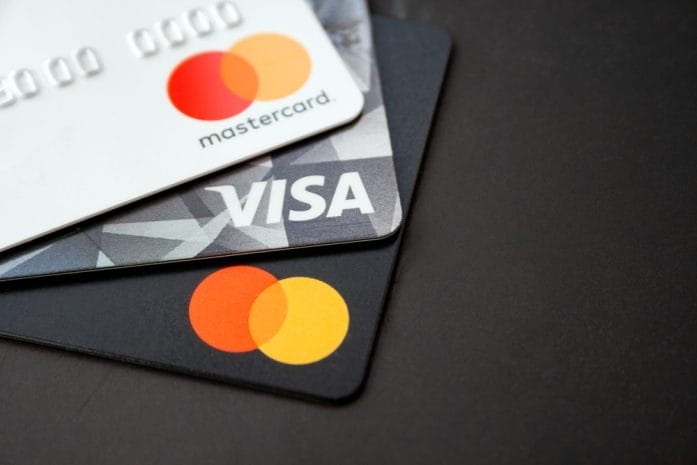
Swipe now, worry later is a common mantra for holiday shoppers. Credit cards make it easy to spend beyond means, but the interest charges afterward can be brutal. Families who fail to have a repayment strategy often find themselves paying for last December well into the following year. Even small oversights, like forgetting to track purchases or relying on minimum payments, can snowball into significant debt. A clear repayment plan and disciplined use of cards keep holiday cheer from turning into post-holiday regret.

6 Bad Money Habits Families Show During The Holidays
Image Source: Shutterstock.com

5. Splurging On Elaborate Meals And Entertaining

Holiday feasts are legendary, but some families treat them like culinary competitions. Gourmet ingredients, multiple courses, and lavish party supplies can send grocery bills soaring. While the spirit of hospitality is admirable, overspending on food and entertainment often doesn’t match the return in joy or satisfaction. Planning menus, shopping smartly, and sharing responsibilities can reduce costs without sacrificing the festive feel. Enjoying time together matters far more than creating a magazine-worthy table spread.

6. Failing To Communicate About Finances

Money tension often sneaks in when families don’t talk openly about limits, expectations, or shared costs. Assumptions like “someone else will handle it” or “we’ll just figure it out later” can create awkward moments and resentment. Coordinating budgets for gifts, trips, and meals prevents confusion and helps everyone enjoy the holiday without hidden stress. Open conversations also allow creative solutions, like potlucks or homemade gifts, that can save money and enhance family bonding. Honest financial dialogue is one of the simplest ways to avoid holiday money pitfalls.

Avoid The Holiday Money Traps

The holidays should bring joy, laughter, and warmth—not financial headaches. By recognizing overspending, last-minute shopping, ignored budgets, reckless credit card use, extravagant entertaining, and poor communication, families can take control of their money habits. Thoughtful planning, open conversations, and mindful spending make it possible to celebrate fully without regret.

If you’ve experienced or observed any of these holiday money habits, let us know your experiences or lessons in the comments section below. Your insights might help others navigate the season with both joy and financial sanity.

You May Also Like…

Legacy Harmony: 5 Financial Conversations Families Should Have Before Holidays

Legacy Risk: 6 Estate Myths That Put Families in Financial Danger

7 Things That Must Be in Your Will to Prevent Vicious Family Fights

8 Modern Habits That Baffle Older Generations

5 Family Traits That Make You the “Financial Black Sheep”


Brandon Marcus
Brandon Marcus

Brandon Marcus is a writer who has been sharing the written word since a very young age. His interests include sports, history, pop culture, and so much more. When he isn’t writing, he spends his time jogging, drinking coffee, or attempting to read a long book he may never complete.
Filed Under: Lifestyle Tagged With: credit cards, families, Family, family issues, family money, finances, holiday shopping, holiday spending, Holidays, Life, Lifestyle, Money, money habits, money issues, money matters, overspending, Shopping, talking about finances, toxic money habits

Legacy Harmony: 5 Financial Conversations Families Should Have Before Holidays

January 1, 2026 by Brandon Marcus Leave a Comment

Legacy Harmony: 5 Financial Conversations Families Should Have Before Holidays
Image Source: Shutterstock.com

The holidays are often painted as cozy evenings, twinkling lights, and the smell of cinnamon filling the air. But for many families, they’re also the perfect storm for financial tension. Aunt Linda’s subtle hints about your “responsibility” to invest wisely, cousin Jake’s offhand comment about inheritance, and Dad’s insistence on budgeting for a vacation can all turn festive dinners into stressful debates.

What if you could transform that tension into understanding, planning, and even fun? This holiday season, before the desserts hit the table, consider having these five financial conversations that can make your family stronger, smarter, and more harmonious.

1. Discuss Long-Term Financial Goals Openly

Starting a conversation about long-term financial goals can feel intimidating, but it’s a conversation that pays dividends. Ask each family member what they envision for their future, whether it’s owning a home, retiring comfortably, or funding higher education. Understanding these goals allows everyone to align expectations and find opportunities for support or collaboration. It’s also a chance to uncover hidden aspirations or fears that can influence financial decisions. When everyone knows the roadmap, it’s easier to navigate potential bumps in the road together.

2. Explore Inheritance And Estate Planning

Inheritance isn’t just a topic for lawyers or the wealthy—it’s a conversation that prevents misunderstandings and resentment. Discussing wills, trusts, and asset distribution before conflicts arise ensures clarity for everyone involved. It’s also a chance to talk about values and the legacy each person wants to leave behind. Sharing intentions openly can prevent surprises and create a sense of security across generations. With these conversations, the focus shifts from money alone to honoring family relationships and personal wishes.

3. Talk About Debt And Obligations

Debt is one of the most common sources of stress in families, yet it’s rarely addressed head-on. Opening a dialogue about loans, credit card balances, or other financial obligations creates empathy and understanding. This isn’t about judging or shaming—it’s about finding solutions together and sharing strategies that work. Family members can brainstorm ways to support one another or learn from each other’s experiences. These discussions make future financial surprises less daunting and promote a culture of honesty and accountability.

4. Plan For Major Purchases Or Expenses

Whether it’s buying a car, funding a wedding, or planning a family vacation, major expenses require conversation. Coordinating expectations ensures no one feels blindsided or burdened. Discussing timelines, savings goals, and contribution strategies makes big purchases less stressful and more achievable. It also teaches younger family members about planning, budgeting, and prioritization in a practical, real-world context. When everyone is on the same page, financial surprises turn into collaborative victories instead of sources of tension.

5. Consider Philanthropy And Giving Back

The holidays are naturally a time to think about generosity, making this the perfect moment to discuss philanthropy. Decide as a family if you want to contribute to charities, community projects, or personal causes. This conversation can highlight shared values and create traditions that go beyond material gifts. Giving together strengthens bonds and reminds everyone that financial decisions can have a meaningful impact. Plus, teaching younger members about giving instills lifelong lessons about empathy, responsibility, and gratitude.

Legacy Harmony: 5 Financial Conversations Families Should Have Before Holidays
Image Source: Shutterstock.com

Building Financial Understanding As A Family

Having these financial conversations before the holidays can transform tension into connection and stress into strategy. They create clarity, prevent misunderstandings, and help everyone feel included in planning for the future. Most importantly, they foster a sense of teamwork, respect, and shared purpose across generations.

Invite your family to approach these discussions with curiosity, patience, and humor—it can turn potentially awkward moments into memorable milestones. Let us know your thoughts or experiences with family financial talks in the comments section below.

You May Also Like…

Regulation Checklist: 9 Conversations Advisors Are Having With Clients Right Now

Legacy Debt: 5 Family Conversations That Help Prevent Wealth From Becoming a Burden

Risk Proaction: 5 Steps to Stress-Test Your Finances for Worst-Case Scenarios

7 Things That Must Be in Your Will to Prevent Vicious Family Fights

Why Do Families Avoid Talking About End-of-Life Costs


Brandon Marcus
Brandon Marcus

Brandon Marcus is a writer who has been sharing the written word since a very young age. His interests include sports, history, pop culture, and so much more. When he isn’t writing, he spends his time jogging, drinking coffee, or attempting to read a long book he may never complete.

Filed Under: Lifestyle Tagged With: charitable contributions, conversations, Debt, Estate plan, Estate planning, expenses, families, Family, family issues, family money, financial conversation, financial conversations, financial goals, financial obligations, Holidays, Inheritance, Life, Lifestyle, Money, money issues, philanthropy, talking about money

Holiday Debt: 9 Warning Signs Your Spending Is Already Off Track

December 25, 2025 by Brandon Marcus Leave a Comment

Holiday Debt: 9 Warning Signs Your Spending Is Already Off Track
Image Source: Shutterstock.com

The holidays are supposed to be a time of joy, laughter, and maybe a little indulgence—but for many of us, they quickly turn into a financial thrill ride that we didn’t sign up for. Between twinkling lights, festive parties, and the endless stream of “perfect gift” ads, it’s all too easy to lose track of how much you’re spending. That’s when holiday debt sneaks up like an unexpected guest who refuses to leave.

Some signs are subtle, whispering “just one more purchase,” while others are glaring neon warnings. If you want to survive the season without staring down a mountain of credit card bills come January, it’s time to recognize the red flags before they become full-blown emergencies.

1. Your Credit Cards Are Constantly Maxed Out

If your wallet feels like it’s perpetually on fire with one card after another approaching the limit, alarm bells should be ringing. Maxed-out credit cards not only hurt your credit score but also pile on high-interest charges that grow faster than holiday fruitcake mold. This is a clear indicator that spending is outpacing your budget—and that little “I’ll pay it off later” mentality might haunt you. The thrill of swiping can feel exhilarating, but the aftermath is a debt hangover that nobody wants. Monitoring balances and making early payments can prevent this financial snowball from turning into a full avalanche.

2. You’re Living for Black Friday Deals

While snagging a discount can feel victorious, buying things just because they’re on sale is a dangerous game. If you find yourself stalking deal emails, comparing coupons obsessively, or rushing to stores for items you didn’t plan to buy, your spending has already slipped. Sales can trick you into thinking you’re saving money, when in reality, you’re spending on unnecessary items. This behavior often leads to regret when the credit card statement arrives in January. Staying mindful of what you actually need versus what’s “too good to pass up” is crucial this season.

3. You Avoid Looking At Your Bank Account

Turning a blind eye to your finances may feel comforting in the moment, but it’s a classic sign you’re in trouble. Ignoring balances, statements, or upcoming bills doesn’t make the debt disappear—it just delays the inevitable confrontation. When you start feeling anxiety or dread around checking your accounts, it’s a financial warning sign screaming for attention. Awareness is the first step to control, and knowledge of your spending patterns can prevent bigger headaches later. Face the numbers now, and you’ll save yourself a panic attack down the line.

Holiday Debt: 9 Warning Signs Your Spending Is Already Off Track
Image Source: Shutterstock.com

4. Gift-Giving Feels Like a Competition

If shopping has turned into a race to impress, you’re likely spending beyond your means. Trying to outdo relatives, coworkers, or friends can rapidly inflate your budget into dangerous territory. Extravagant purchases that you can’t comfortably afford often lead to stress, buyer’s remorse, and mounting credit card debt. Remember, the holiday spirit is about thoughtfulness, not price tags. Keep gifts meaningful instead of monumental to stay financially sane.

5. You’re Using Multiple Payment Methods

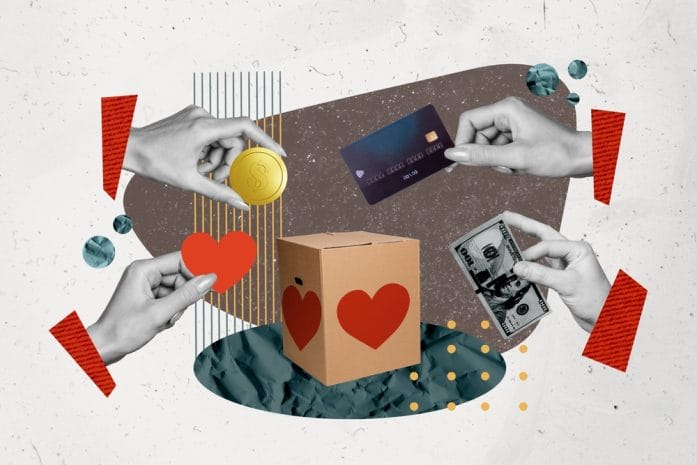
Juggling credit cards, store cards, Buy Now Pay Later options, and other payment methods can be tempting, but it’s a red flag. When you start spreading your purchases across various accounts, it often indicates you don’t have enough cash flow to cover everything. This approach complicates tracking and increases the risk of missing payments or incurring fees. The more fragmented your spending, the harder it is to keep control of your financial situation. Consolidating your payments and sticking to a primary method is a lifesaver for your sanity—and your bank account.

6. Essentials Are Being Sacrificed

Skipping bills, deferring rent, or postponing necessary expenses to fund holiday splurges is a massive warning sign. When the joy of gifts comes at the cost of fundamental financial responsibilities, debt will inevitably pile up. Ignoring essentials now just delays stress until later when the bills catch up. If your spending is jeopardizing necessities, it’s time to step back and reassess your priorities. Maintaining a balance between celebration and responsibility is the key to a worry-free holiday season.

7. Emotional Spending Is Your Default

Holiday shopping can easily morph into therapy for loneliness, stress, or even boredom. If the impulse to buy is driven by emotions rather than a need, you may already be in dangerous territory. Emotional spending is usually impulsive, unplanned, and difficult to track, often resulting in regretful purchases. Recognizing these triggers is crucial to prevent your debt from escalating. Finding healthier ways to cope, like exercise, time with loved ones, or simple relaxation, can keep both your wallet and mind intact.

8. You’re Constantly Borrowing From Friends Or Family

Relying on loved ones to cover holiday expenses is more than a minor issue—it’s a financial warning siren. While borrowing occasionally is understandable, habitual dependency signals that your spending is unsustainable. It can strain relationships and add guilt to your holiday stress. Instead of repeating the cycle, consider drawing firm boundaries and communicating openly about what you can realistically afford. Developing a self-reliant strategy is empowering and saves friendships from turning tense over money.

9. Your Holiday Budget Exists Only in Theory

A budget isn’t just a suggestion—it’s a roadmap that prevents overspending from spiraling into debt. If your plan exists only in your head or you’ve abandoned it halfway through December, that’s a warning that spending is already off track. Without concrete tracking, it’s almost impossible to gauge where your money is going. A real, actionable budget includes gift spending, meals, decorations, and miscellaneous expenses. Staying disciplined with a written or digital budget can save both your finances and your peace of mind this season.

Take Control Before Debt Takes Over

The holidays should be about joy, connection, and celebration—not stress, regret, and financial panic. Recognizing these nine warning signs early allows you to adjust your habits before debt snowballs out of control. By staying aware, planning thoughtfully, and spending intentionally, you can enjoy the festivities without dreading January statements.

Your financial health deserves as much attention as your holiday cheer. We want to hear from you—tell us your experiences or strategies in the comments section below.

You May Also Like…

Holiday Budget: 6 Moves That Protect Your Financial New Year

Holiday Frugal: 5 Gift Hacks That Save Money Without Looking Cheap

5 Inexpensive Holiday Gifts That Are Always In Style

Debt Alert: 6 Ways Holiday Spending Could Trigger a January Credit Score Crisis

5 Sneaky Signs That Debt Is Adding Up


Brandon Marcus
Brandon Marcus

Brandon Marcus is a writer who has been sharing the written word since a very young age. His interests include sports, history, pop culture, and so much more. When he isn’t writing, he spends his time jogging, drinking coffee, or attempting to read a long book he may never complete.
Filed Under: Spending Habits Tagged With: Black Friday, Christmas, credit cards, Debt, Debt Management, debt payoff, gift-giving, gifts, Holiday, holiday debt, holiday gifts, holiday spending, Holidays, maxing out credit cards, overspending, sales, Smart Spending, spending

Holiday Budget: 6 Moves That Protect Your Financial New Year

December 21, 2025 by Brandon Marcus Leave a Comment

Holiday Budget: 6 Moves That Protect Your Financial New Year
Image Source: Shutterstock.com

This holiday season hit us like a confetti cannon—exciting, bright, and sometimes dangerously messy for your bank account. From glittering sales to irresistible treats and surprise gifts, it’s easy to find yourself swept up in the festive frenzy. But just because tinsel sparkles doesn’t mean your budget has to vanish into thin air.

This is the perfect moment to take control, master your spending, and glide into the new year with financial confidence. Fasten your seatbelt, because we’re about to explore six moves that will turn your holiday spending from reckless to rock-solid.

1. Plan Your Spending Like A Pro

Before the first twinkle light goes up, grab a notebook—or your favorite budgeting app—and map out your holiday spending plan. Allocate specific amounts for gifts, food, decorations, and any festive outings to avoid the “oops” moments at checkout. Treat your budget like a VIP guest: it deserves attention, respect, and a little holiday cheer of its own. By setting boundaries, you can enjoy the season without the looming dread of post-holiday bills. Planning isn’t restrictive; it’s empowering, giving you a clear roadmap through the glittery chaos.

2. Prioritize Gifts With Purpose

Not every gift needs to break the bank, and not every person needs an extravagant item. Focus on meaningful, thoughtful gifts that resonate rather than impress. Homemade creations, experiences, or even curated bundles can wow recipients while protecting your finances. Remember, the thought behind the gift often carries more weight than the price tag. Prioritizing your list ensures your money lands where it matters most, keeping joy high and stress low.

3. Embrace Early Shopping Advantages

Procrastination is a holiday budget’s worst enemy. Shopping early allows you to take advantage of sales, promotions, and shipping deals, reducing the last-minute panic that often leads to overspending. Early planning also gives you time to track price trends and find the perfect bargains without compromise. By the time December rolls around, you’ll feel calm, confident, and prepared, instead of frantically reaching for your credit card. Early shopping is like planting seeds that grow into financial peace of mind.

Holiday Budget: 6 Moves That Protect Your Financial New Year
Image Source: Shutterstock.com

4. Track Every Dollar Like A Detective

Tracking spending is more than just jotting down numbers—it’s detective work for your wallet. Monitor every expense, from the big-ticket gifts to the sneaky stocking stuffers and holiday treats. This allows you to spot patterns, identify overspending, and make smarter choices as the season unfolds. Apps, spreadsheets, or even a simple notebook can serve as your investigative tools. When you see exactly where your money goes, you regain control and prevent post-holiday regret from creeping in.

5. Protect Yourself With Smart Savings

Holidays shouldn’t mean living on the edge of financial disaster. Set up a dedicated holiday savings account or earmark funds throughout the year to buffer seasonal spending. Even small, consistent contributions accumulate quickly and take the sting out of gift buying and festive feasts. Knowing that money is ready and waiting allows you to shop freely—but responsibly—without guilt. Smart savings turns the holidays into a celebration of joy rather than anxiety.

6. Evaluate And Adjust For Next Year

As the final fireworks fade, take a few minutes to review your spending and note lessons learned. Did you overspend in one area or find a new trick that worked wonders? Adjusting your strategies now sets you up for an even smoother financial holiday next year. Reflection transforms experience into actionable knowledge, making future celebrations brighter and less stressful. This continuous improvement mindset ensures your financial confidence grows alongside your holiday memories.

Your Financial New Year Starts Here

The holiday season can be both exhilarating and financially tricky, but with the right strategies, you can enjoy every sparkle without regret. By planning, prioritizing, shopping smart, tracking diligently, saving strategically, and reflecting thoughtfully, you protect your wallet and your peace of mind. These six moves are more than tips—they’re your ticket to a stress-free, financially secure start to the new year.

Jump into the festivities confidently, knowing your budget is your ally, not your foe. Let us know your holiday budget victories, challenges, or creative hacks in the comments section below.

You May Also Like…

Behavior Shock: 5 Emotional Triggers That Make People Spend More During the Holidays

What Your First Budget Of The Year Should Include

Holiday Trap: 6 Gift-Spending Mistakes That Could Wreck Your Budget

Expense Mindset: 5 Budgeting Habits High-Net Individuals Use

10 Realistic Budgeting Tips for People With Irregular Income


Brandon Marcus
Brandon Marcus

Brandon Marcus is a writer who has been sharing the written word since a very young age. His interests include sports, history, pop culture, and so much more. When he isn’t writing, he spends his time jogging, drinking coffee, or attempting to read a long book he may never complete.

Filed Under: Budgeting Tagged With: Budget, budgeting, finance, financial budget, financial choices, financial decisions, gift-giving, gifts, Holiday, holiday budget, holiday shopping, Holidays, New Year, New year resolution, new year's goals, overspending, Shopping, smart shopping, Smart Spending, spending

5 Inexpensive Holiday Gifts That Are Always In Style

December 19, 2025 by Brandon Marcus Leave a Comment

5 Inexpensive Holiday Gifts That Are Always In Style
Image Source: Shutterstock.com

Holidays are a whirlwind of twinkling lights, frantic shopping trips, and a never-ending search for the perfect gift. The pressure to find something meaningful without breaking the bank can turn even the most cheerful holiday spirit into a stress-fueled frenzy. But fear not—your gift-giving game is about to level up. Some gifts never go out of style, no matter how many times the calendar flips to December.

From timeless classics to quirky essentials, here are five inexpensive gifts that guarantee smiles without draining your wallet.

1. Cozy Socks That Speak Louder Than Words

Nothing says “I care” like a pair of socks that hug your feet like a warm cup of cocoa on a snowy evening. Opt for fun patterns, fuzzy textures, or witty sayings—they’re conversation starters as well as comfort creators. Socks are the perfect combo of practical and playful, making them a universal favorite. They’re small, affordable, and easy to slip into a stocking, yet they carry a surprisingly big impact. When your loved one slides their feet into those cozy wonders, you’ll instantly become a holiday hero.

2. Scented Candles For Mood Magic

Candles are more than wax and wick—they’re instant mood makers that transform a room with light, fragrance, and a touch of serenity. Choose seasonal scents like cinnamon, pine, or vanilla, or pick something unique like sandalwood or citrus. They don’t just smell good—they spark memories and add warmth to any space. Scented candles can turn a mundane evening into a cozy retreat without asking for a big investment. Affordable, elegant, and universally loved, candles are a gift that keeps giving, even long after the last flame flickers out.

3. Personalized Mugs That Brew Happiness

Everyone drinks something—coffee, tea, hot chocolate, or even soup—and that’s your golden opportunity. A personalized mug can be both functional and heartfelt, instantly elevating an everyday routine. Add a funny quote, a beloved pet’s picture, or a motivational message to make it unforgettable. Mugs are practical, lightweight, and easy to ship, making them perfect for last-minute gift heroes. Each sip from that mug becomes a little moment of joy, a reminder of thoughtfulness without a hefty price tag.

4. Books That Open Worlds

A good book is a passport to adventure, knowledge, and imagination, and the best part is you don’t have to spend a fortune. Explore secondhand bookstores, online deals, or even unique editions for that personal touch. Whether it’s fiction, non-fiction, or a quirky coffee-table book, a well-chosen read can change a day—or even a life. Books are timeless gifts that show thoughtfulness and consideration, signaling that you know someone’s taste and curiosity. Handing over a book is like giving a story that’s waiting to be lived, proving that priceless moments don’t need a high price tag.

5 Inexpensive Holiday Gifts That Are Always In Style
Image Source: Shutterstock.com

5. Handmade Treats That Taste Like Love

Nothing beats a gift that comes straight from the heart—and the kitchen. Cookies, fudge, spiced nuts, or even DIY hot cocoa kits add a personal and delicious twist to holiday gifting. You can get creative with presentation: jars, tins, or festive wrappings instantly elevate homemade goodies. These treats show effort, thought, and a sprinkle of holiday magic, all without requiring a big budget. Sharing edible joy is an instant mood booster, making your gift memorable long after the last bite.

Timeless Gifts, Endless Smiles

The holidays aren’t about how much you spend—they’re about the thought, effort, and joy you put into the moments you create. Inexpensive gifts like cozy socks, candles, personalized mugs, books, and homemade treats prove that style and thoughtfulness can go hand in hand. Each gift has the power to bring warmth, laughter, and comfort, showing your loved ones they’re cherished without emptying your wallet. Try mixing practicality, sentiment, and a pinch of fun, and your gifts will be remembered far beyond the season.

Let us know your own favorite go-to gifts or memorable experiences in the comments section below.

You May Also Like…

What Financial Gifts Can You Give Your Kids For The Holidays?

6 Anniversary Gifts That Are Never Worth The Money

Here’s Why Your Expensive Gifts Don’t Matter to Most People

How Can Cash Gifts Trigger Unexpected Tax Bills

7 Retirement Gifts That No Coworker Will Ever Forget


Brandon Marcus
Brandon Marcus

Brandon Marcus is a writer who has been sharing the written word since a very young age. His interests include sports, history, pop culture, and so much more. When he isn’t writing, he spends his time jogging, drinking coffee, or attempting to read a long book he may never complete.

Filed Under: gift guide Tagged With: cash gifts, Gift, Gift guide, gift ideas, gift planning, gift-giving, gifts, Holiday, holiday gifts, Holidays

9 Monthly Expenses That Will Cost More Starting in January

December 16, 2025 by Brandon Marcus Leave a Comment

Some Monthly Expenses Will Cost More Starting in January
Image Source: Shutterstock.com

January has a funny way of arriving with confetti in one hand and a bill in the other. While everyone else is talking about fresh starts and bold resolutions, your monthly budget is quietly bracing for impact. New calendars don’t just bring new goals; they often come with higher prices baked into everyday essentials.

Some increases are obvious, others sneak in quietly, but together they can turn a manageable budget into a monthly headache. Before your wallet gets blindsided, let’s break down the monthly expenses that are likely to demand more of your money starting in January.

1. Rent And Housing Costs

January is a popular time for landlords and property managers to roll out rent increases, especially for renewed leases. Higher property taxes, maintenance costs, and insurance premiums are often passed directly to tenants. Even homeowners aren’t immune, as HOA fees and condo association dues frequently rise at the start of the year. Housing markets may cool or heat up depending on location, but monthly housing costs have a habit of only moving in one direction. Whether you rent or own, shelter usually becomes a little more expensive once the calendar flips.

2. Health Insurance Premiums

Health insurance changes often kick in right after the New Year, making January an expensive wake-up call. Premiums commonly increase due to rising healthcare costs, new coverage requirements, or plan adjustments. Even if your premium stays the same, deductibles and out-of-pocket maximums often reset, which can feel like a price hike all on its own. Employer-sponsored plans and individual policies alike tend to update pricing annually. The result is that healthcare almost always demands more money at the beginning of the year.

3. Car Insurance Payments

Auto insurance providers love January for rolling out rate adjustments. Changes in accident data, repair costs, and inflation all influence how much drivers pay each month. Even a clean driving record doesn’t guarantee protection from a higher bill. New fees or revised coverage standards can quietly increase your premium without much warning. When the New Year starts, many drivers notice their car insurance costs creeping upward.

4. Utilities And Energy Bills

Winter weather alone can push utility bills higher, but January pricing adjustments add another layer. Energy providers often update rates annually to reflect infrastructure upgrades and fuel costs. Heating, electricity, and natural gas bills can spike even if usage stays relatively steady. Water and trash services may also introduce higher monthly fees at the start of the year. By mid-January, many households are already paying more just to keep the lights on and the house warm.

Some Monthly Expenses Will Cost More Starting in January
Image Source: Shutterstock.com

5. Streaming And Subscription Services

Streaming services have become masters of the quiet January price increase. New content investments and licensing fees often lead to higher monthly subscription costs. Some services raise prices directly, while others eliminate lower-priced tiers or add fees for features that used to be free. Fitness apps, music platforms, and digital tools frequently follow the same pattern. By the end of January, those small monthly subscriptions can add up to a noticeably bigger total.

6. Internet And Mobile Phone Plans

Telecom companies frequently adjust pricing at the start of the year. Promotional rates may expire, pushing customers onto higher standard pricing. Added fees, regulatory charges, or equipment rental costs can sneak into your monthly bill. Even modest increases feel painful when they hit essential services you rely on every day. January is often when your internet and phone bills quietly become more expensive.

7. Childcare And Education Costs

Many childcare providers and educational programs revise tuition and fees annually in January. Higher staffing costs, insurance, and supplies often drive these increases. Even after-school programs and tutoring services may raise monthly rates. Parents can feel these changes immediately, especially if multiple children are involved. The New Year frequently brings a higher price tag for learning and care.

8. Grocery And Household Essentials

Grocery prices don’t reset magically with a new calendar, but January often reflects updated supplier contracts and transportation costs. Staples like bread, dairy, and cleaning supplies may cost more than they did just weeks earlier.

On top of that, manufacturers sometimes introduce smaller packages at the same price, which effectively raises your monthly spending. Seasonal promotions disappear after the holidays, removing temporary discounts. Over a month, these subtle changes can stretch your grocery budget thin.

9. Memberships And Professional Fees

Gym memberships, professional organizations, and club dues commonly increase at the start of the year. January is peak season for fitness centers, making it an ideal time for price adjustments. Professional licensing fees and monthly service retainers may also update annually.

Even if the increase is small, it becomes a permanent part of your monthly expenses. By February, many people realize their memberships are costing more than they planned.

New Year, New Budget Reality

January may symbolize fresh starts, but it also brings financial realities that are hard to ignore. From housing and insurance to groceries and subscriptions, higher monthly expenses can pile up faster than expected. Knowing where these increases are likely to appear gives you a chance to prepare instead of panic. A proactive look at your budget can help you adjust, negotiate, or cut back where possible.

Let us know your thoughts or personal experiences with rising monthly costs in the comments section below.

You May Also Like…

Debt Alert: 6 Ways Holiday Spending Could Trigger a January Credit Score Crisis

Could Your Advisor Be Overlooking The Biggest Risk Hiding In Your Portfolio This Winter?

These 8 Wedding Expenses Look Harmless – Until You See the Final Bill

6 Expenses That Quietly Multiply After Buying a Home

10 Expenses That Quietly Rise When You Move Abroad


Brandon Marcus
Brandon Marcus

Brandon Marcus is a writer who has been sharing the written word since a very young age. His interests include sports, history, pop culture, and so much more. When he isn’t writing, he spends his time jogging, drinking coffee, or attempting to read a long book he may never complete.

Filed Under: Spending Habits Tagged With: car insurance, childcare, energy bills, groceries, health insurance, Holidays, household essentials, housing, Housing Costs, Insurance, Internet, January, monthly essentials, monthly expenses, Rent, spending, spending habit, Spending Habits, streaming apps, utilities, winter

What Your First Budget Of The Year Should Include

December 16, 2025 by Brandon Marcus Leave a Comment

What Your First Budget Of The Year Should Include
Image Source: Shutterstock.com

A new year brings a rare financial superpower: a clean slate with motivation still buzzing and habits ready to be rewritten. This is the moment when goals feel possible, coffee tastes more productive, and spreadsheets suddenly seem less intimidating.

Your first budget of the year is not about restriction or punishment, but about clarity, momentum, and giving every dollar a job with purpose. Done right, it becomes a confidence-building tool that reduces stress and quietly upgrades your entire life.

1. Fixed Monthly Essentials

Start your first budget by locking in the non-negotiables, because rent, utilities, insurance, and basic groceries keep your life running smoothly. These are the bills that arrive whether motivation is high or low, so they deserve first dibs on your money every single month. Listing them clearly removes anxiety, replaces guesswork with certainty, and shows you the real minimum cost of your lifestyle.

When you see these numbers upfront, everything else in your budget becomes a choice instead of a surprise. A strong foundation of essentials makes the rest of your financial planning feel lighter, calmer, and far more controllable.

2. Variable Living Costs

Next come the flexible costs that quietly shape your spending habits, including dining out, gas, groceries upgrades, subscriptions, and spontaneous convenience buys. These categories change month to month, which makes them powerful levers for progress when money feels tight. Tracking them honestly for your first budget sets expectations without pretending you will suddenly become a financial monk.

Giving variable expenses realistic limits keeps your plan usable instead of aspirational wallpaper. This is where awareness turns into confidence, because small adjustments here can free up surprising amounts of cash.

3. Savings That Actually Matter

Savings should be treated like a bill, not a leftover, especially in your very first budget of the year. Include emergency savings, short-term goals, and long-term investing so your money is working across multiple timelines. Even modest contributions build momentum and prove that progress does not require perfection. Automating savings removes temptation and turns consistency into your quiet financial superpower. When savings have a clear line item, future you stops feeling like a stranger you keep disappointing.

4. Debt Paydown With Purpose

Debt deserves its own spotlight, because ignoring it does not make interest any less aggressive. Your first budget should include minimum payments and a clearly defined extra amount aimed at one priority balance. This approach balances responsibility with motivation, allowing wins without burnout. Seeing debt shrink on paper reinforces the connection between planning and freedom. A purposeful payoff strategy turns your budget from a restriction into a timeline for relief.

What Your First Budget Of The Year Should Include
Image Source: Shutterstock.com

5. Annual And Irregular Expenses

Annual and irregular expenses are the sneakiest budget wreckers, so invite them in early instead of pretending they will not happen. Think car repairs, medical costs, gifts, travel, memberships, and those once-a-year fees that always feel surprising. Breaking these into monthly sinking funds spreads the impact and protects your cash flow. Your first budget becomes sturdier when it accounts for real life instead of ideal months. Planning ahead here is the difference between mild inconvenience and full-blown financial stress.

6. Fun Money Without Guilt

A budget without enjoyment is a short-lived experiment, which is why fun money belongs in your very first plan. This category covers hobbies, entertainment, treats, and experiences that make your routine feel rewarding. Including it removes guilt and reduces the urge to rebel against your own rules. Fun money works best with boundaries, because limits protect joy instead of killing it. When enjoyment is intentional, your budget becomes something you actually want to stick with.

Your Budget Is The Beginning, Not The Finish Line

Your first budget of the year is not a rigid document carved in stone, but a living plan that grows with you. It sets the tone for how you think about money, how you respond to challenges, and how confidently you move through the months ahead. Mistakes will happen, categories will need tweaks, and priorities may shift, and that is all part of the process. What matters is starting with honesty, structure, and a little optimism baked in.

If this approach sparked ideas or reminded you of lessons learned, write about your thoughts, ideas, or stories in the comments below.

You May Also Like…

Holiday Trap: 6 Gift-Spending Mistakes That Could Wreck Your Budget

Expense Mindset: 5 Budgeting Habits High-Net Individuals Use

Why Do So Many People Believe Budgeting Apps Solve Everything

8 Budget Fixes That Instantly Turn Finances Around

What Home Repairs Should I Budget For?

Brandon Marcus
Brandon Marcus

Brandon Marcus is a writer who has been sharing the written word since a very young age. His interests include sports, history, pop culture, and so much more. When he isn’t writing, he spends his time jogging, drinking coffee, or attempting to read a long book he may never complete.

Filed Under: Budgeting Tagged With: annual expenses, Budget, budgeting, budgeting advice, budgeting for holidays, Budgeting Tips, Debt, debt paydown, expenses, holiday budgeting, Holidays, irregular, January, living costs, monthly essentials, savings, seasonal, seasonal budgeting, winter

Behavior Shock: 5 Emotional Triggers That Make People Spend More During the Holidays

December 16, 2025 by Brandon Marcus Leave a Comment

These Are Behavior Shock: 5 Emotional Triggers That Make People Spend More During the Holidays
Image Source: Shutterstock.com

Holiday shopping does not sneak up on people anymore; it barrels in with music, lights, emails, and banners screaming for attention. One minute you’re calmly planning a modest budget, and the next you’re justifying an extra gift because it “felt right in the moment.” That moment is not random, and it is definitely not accidental. The holiday season is a masterclass in emotional influence, where spending decisions are guided less by logic and more by carefully activated feelings.

Below are five emotional triggers that quietly nudge people to spend more during the holidays, often without them even realizing it is happening.

1. Scarcity Panic Turns Gifts Into Urgent Missions

Holiday shopping flips a quiet switch in the brain that makes limited time and limited stock feel like emergencies instead of details. When banners scream about deadlines and low inventory, people stop comparing prices and start chasing relief from the fear of missing out. This urgency compresses decision making, which is why carts fill faster and budgets stretch further than planned. Retailers amplify this reaction with countdown timers, flash deals, and phrases that imply everyone else is already buying. The result is spending driven less by value and more by the emotional comfort of beating the clock.

2. Nostalgia Glow Makes Spending Feel Like Memory Making

The holidays awaken memories tied to childhood, family rituals, and moments when life felt simpler and warmer. Those memories create a glow that spills onto products, brands, and traditions that promise to recreate that feeling. People are not just buying objects; they are buying emotional time travel wrapped in shiny paper. That is why retro packaging, classic songs, and throwback ads perform so well during this season. When nostalgia leads the charge, price resistance weakens because feelings feel priceless.

3. Social Proof Pressure Turns Shopping Into A Group Activity

Holiday spending rarely happens in isolation because social cues are everywhere, from packed stores to endless online hauls. Seeing others buy, post, and recommend creates the sense that spending is not only normal but expected. This pressure intensifies at the end of the year, when generosity becomes a visible social performance. People spend more to avoid looking cheap, careless, or out of step with the season’s spirit. In that moment, approval becomes the unspoken currency driving the purchase.

4. Guilt And Reciprocity Push Wallets Past Comfort

The holidays come with emotional accounting, where people mentally track who gave, who hosted, and who helped. That silent ledger creates guilt and a powerful urge to balance the books through spending. Gifts become emotional apologies, thank you notes, and peace offerings rolled into one. Marketers tap into this by framing purchases as ways to show appreciation or avoid disappointing loved ones. Once guilt enters the equation, rational budgets struggle to survive.

These Are Behavior Shock: 5 Emotional Triggers That Make People Spend More During the Holidays
Image Source: Shutterstock.com

5. Stress Relief Rewards Make Spending Feel Like Self Care

End of year stress primes people to treat shopping as a quick emotional escape. Buying something feels productive, decisive, and oddly soothing during chaotic weeks. The brain rewards purchases with a brief hit of pleasure that masks exhaustion and overwhelm. Holiday messaging leans into this by positioning spending as self-care and celebration combined. That reward loop can quietly turn one small treat into a string of costly decisions.

Turning Awareness Into Holiday Power

Holiday spending is not a character flaw or a lack of discipline; it is a human response to emotional overload. When people understand the psychological triggers at play, they gain the ability to pause without killing the joy of the season. Awareness allows generosity to feel intentional instead of reactive, and fun to exist without regret attached. The goal is not to spend less at all costs, but to spend with clarity and confidence.

If any of this sparked recognition or reminded you of a holiday moment that hit a little too close to home, we invite you to submit your thoughts, stories, or comments in the section below.

You May Also Like…

Debt Alert: 6 Ways Holiday Spending Could Trigger a January Credit Score Crisis

11 Anxiety Triggers Caused By Living Paycheck-to-Paycheck Still

9 Powerful Techniques to Master Your Money Emotions Wisely

Market Calm: 4 Quiet Moves Wealthy Clients Are Making Before the Holidays

Deadline Countdown: 11 Smart Moves Every Wealth-Seeker Should Do in December


Brandon Marcus
Brandon Marcus

Brandon Marcus is a writer who has been sharing the written word since a very young age. His interests include sports, history, pop culture, and so much more. When he isn’t writing, he spends his time jogging, drinking coffee, or attempting to read a long book he may never complete.

Filed Under: Spending Habits Tagged With: emotional guilt, emotional triggers, emotions, guilt, holiday spending, Holidays, nostalgia, overspending, Smart Spending, spending, Spending Habits, stress

  • 1
  • 2
  • Next Page »

Follow Us

Search this site:

Recent Posts

  • Can My Savings Account Affect My Financial Aid? by Tamila McDonald
  • 12 Ways Gen X’s Views Clash with Millennials… by Tamila McDonald
  • What Advantages and Disadvantages Are There To… by Jacob Sensiba
  • 10 Tactics for Building an Emergency Fund from Scratch by Vanessa Bermudez
  • Call 911: Go To the Emergency Room Immediately If… by Stephen Kanaval
  • 7 Weird Things You Can Sell Online by Tamila McDonald
  • 10 Scary Facts About DriveTime by Tamila McDonald

Copyright © 2026 · News Pro Theme on Genesis Framework