• Home
  • About Us
  • Toolkit
  • Getting Finances Done
    • Hiring Advisors
    • Debt Management
    • Spending Plan
  • Insurance
    • Life Insurance
    • Health Insurance
    • Disability Insurance
    • Homeowners/Renters Insurance
  • Contact Us
  • Risk Tolerance Quiz
  • Our Editorial Commitment

The Free Financial Advisor

You are here: Home / Archives for Lifestyle

Market Calm: 4 Quiet Moves Wealthy Clients Are Making Before the Holidays

December 14, 2025 by Brandon Marcus Leave a Comment

Here Are The Quiet Moves Wealthy Clients Are Making Before the Holidays
Image Source: Shutterstock.com

As the holiday season approaches, the markets have a way of feeling like a slow-moving storm—predictable enough to prepare for, but unpredictable enough to keep you on your toes. For most investors, it’s a time of cautious optimism, holiday cheer, and a few lingering worries about portfolio performance. But the wealthiest clients aren’t just sitting back with eggnog in hand. They’re making quiet, deliberate moves that fly under the radar while the rest of the market focuses on festive distractions.

These strategies aren’t flashy, but they’re clever, effective, and reveal how high-net-worth investors think differently about money, timing, and opportunity.

1. Rebalancing Portfolios With Surgical Precision

Wealthy investors rarely let their portfolios drift aimlessly. Before the holidays, many take a step back to review their holdings and rebalance with surgical precision. They aren’t just selling the underperformers or buying the winners—they’re adjusting allocations to align with long-term goals while capitalizing on seasonal market patterns. By rebalancing now, they reduce risk, capture gains, and prepare their investments for the first quarter of the next year. Unlike casual investors who check their accounts sporadically, these clients approach rebalancing as a strategic ritual that maintains control and calm in a market that can otherwise feel chaotic.

2. Tax-Efficient Moves To Lock In Gains

High-net-worth investors are always mindful of taxes, especially when the year is coming to a close. Quietly, many are harvesting gains or losses in a way that minimizes their tax exposure while positioning themselves for future growth. This isn’t about panic selling—it’s about intelligent timing and understanding which moves make sense in a broader financial picture. The holidays are often a time to assess what’s worked and what hasn’t, and to act in ways that protect wealth while preparing for new opportunities. By planning these moves discreetly, they avoid the noise of market hype and maintain flexibility heading into the new year.

Here Are The Quiet Moves Wealthy Clients Are Making Before the Holidays
Image Source: Shutterstock.com

3. Strategic Cash Positioning For Early-Year Opportunities

Wealthy clients understand that liquidity is power. As the holiday season winds down, many are quietly increasing their cash positions, not out of fear, but to ensure they have dry powder for strategic investments early in the next year. This allows them to take advantage of market dips, special offerings, or private deals that less-prepared investors might miss. It’s a calm, patient approach: they don’t chase trends but position themselves to move decisively when opportunities appear. By being proactive now, they transform uncertainty into leverage, keeping their portfolios both flexible and resilient.

4. Review And Fine-Tune Long-Term Plans

While the public is distracted by year-end parties, wealthy clients are reviewing their broader financial plans. They’re looking at estate strategies, philanthropic commitments, retirement allocations, and other long-term goals that require careful attention. The holidays provide a natural pause—a time to check progress without the constant day-to-day noise of market movements. This review often leads to small, quiet adjustments that compound into significant advantages over time. It’s a methodical, deliberate approach that reinforces the principle that wealth management is not just about reacting to the market—it’s about designing it thoughtfully.

Learn From Quiet Strategies

While the average investor might focus on seasonal trends, flashy predictions, or panic-driven decisions, wealthy clients are quietly shaping their financial future with calm, deliberate actions. Rebalancing portfolios, making tax-efficient moves, positioning cash strategically, and reviewing long-term plans are subtle yet powerful practices that can make a dramatic difference. Observing these behaviors offers a masterclass in thoughtful, patient wealth management, especially during a time of year when emotions often run high.

Have you tried implementing any of these strategies in your own investing or financial planning? Share your experiences, tips, or holiday-season investing stories in the comments section below.

You May Also Like…

Why Young People Should Invest In The Stock Market

Why Must I Pay a Percentage of My Assets Even When Markets Fall Hard?

5 Valuable Lessons Learned From Market Crashes Historically

How Much Money Is Enough to Be Considered Truly Wealthy Nowadays?

7 Money Lessons Baby Boomers Taught That Still Build Wealth


Brandon Marcus
Brandon Marcus

Brandon Marcus is a writer who has been sharing the written word since a very young age. His interests include sports, history, pop culture, and so much more. When he isn’t writing, he spends his time jogging, drinking coffee, or attempting to read a long book he may never complete.


Filed Under: Lifestyle Tagged With: cash positioning, gains, holiday spending, Holidays, investing, investments, investors, Life, Lifestyle, overspending, portfolios, Smart Spending, spending, spending strategies, Wealth, wealthy clients, wealthy investors

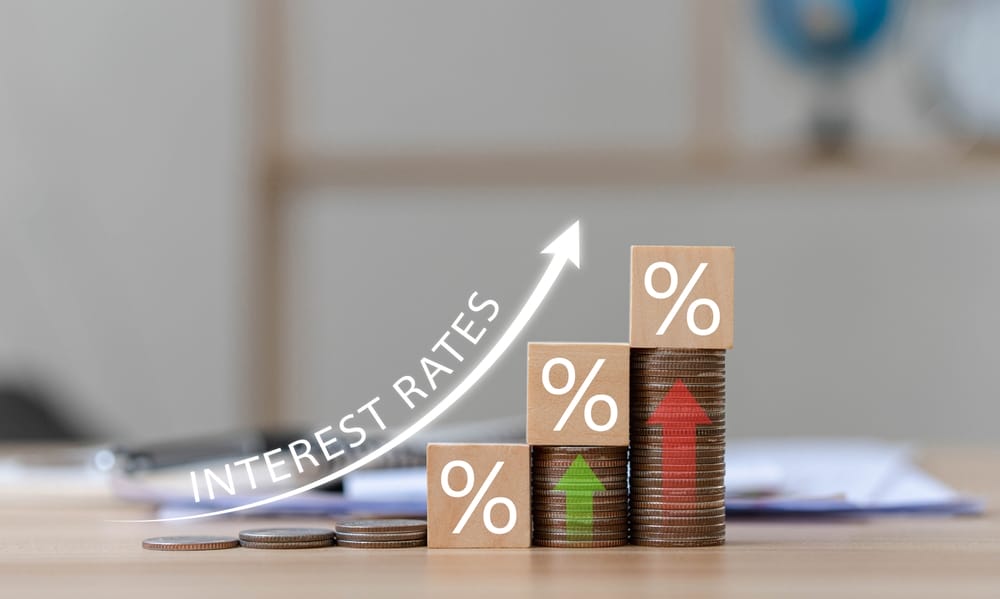
Risk Reboot: 5 Portfolio Tweaks If You Believe a Rate Hike Surprise Is Coming

December 13, 2025 by Brandon Marcus Leave a Comment

Here Are 5 Portfolio Tweaks If You Believe a Rate Hike Surprise Is Coming
Image Source: Shutterstock.com

Markets have a way of throwing curveballs just when you think you’ve got a handle on them, and an unexpected rate hike is about as sudden and disruptive as it gets. Investors who ignore the possibility of higher rates can wake up to portfolio losses that feel more like a slap than a gentle nudge. On the flip side, a nimble strategy can transform fear into opportunity, turning a surprise rate increase into a chance to reposition, hedge, and thrive.

If you’re mentally bracing for central bank action, it’s time to consider tweaks that protect your gains and exploit the new landscape. From bonds to equities and alternative assets, small adjustments now could save headaches later—and maybe even unlock unexpected growth.

1. Adjust Your Bond Duration

Interest rate hikes are the arch-nemesis of long-duration bonds, which tend to fall in value when yields rise. Shortening the duration of your fixed-income holdings can reduce sensitivity to rate shocks and stabilize your portfolio.

Think of it as trading in a long, wobbly bridge for a series of shorter, sturdier spans. Inflation-protected securities, floating-rate notes, and shorter-term bonds can also help cushion the impact of sudden hikes. By strategically managing duration, you’re not avoiding bonds altogether—you’re just making them more resilient to surprises.

2. Tilt Towards Financial Sector Equities

Financial institutions, particularly banks and insurers, often thrive in rising rate environments because higher rates improve interest margins. A rate hike surprise could boost earnings expectations for this sector faster than for more rate-sensitive industries like utilities or real estate. Investors might consider rebalancing a small portion of their equity allocation toward these beneficiaries to capture upside potential. Timing matters, of course, and overexposure could backfire if the hike triggers broader market volatility. Even a modest tilt can provide both defensive ballast and opportunistic growth during turbulent rate shifts.

3. Reevaluate Your Dividend Strategy

High-dividend stocks are popular for income-focused investors, but they’re also among the most sensitive to interest rate changes. When rates climb unexpectedly, some investors may flee dividend-paying equities in favor of safer fixed-income alternatives. Reassessing your holdings can help avoid surprise losses while still maintaining income objectives. Consider companies with strong earnings growth and a sustainable dividend track record rather than chasing yield alone. The goal is to maintain steady income without compromising resilience against rate-driven volatility.

Here Are 5 Portfolio Tweaks If You Believe a Rate Hike Surprise Is Coming
Image Source: Shutterstock.com

4. Increase Exposure To Inflation Hedges

Unexpected rate hikes often coincide with inflationary pressure or expectations, and inflation can erode portfolio value if left unchecked. Allocating part of your portfolio to real assets such as commodities, real estate, or inflation-linked securities can provide a buffer. Gold, energy commodities, and Treasury Inflation-Protected Securities (TIPS) have historically helped preserve wealth during rate spikes. Diversifying in this way doesn’t eliminate risk, but it adds a layer of protection against both rising rates and rising prices. Investors who embrace inflation hedges position themselves to survive turbulence and potentially capitalize on dislocations.

5. Keep Liquidity On Standby

In periods of rate uncertainty, liquidity can become your secret weapon. Having cash or cash-equivalents ready allows you to seize opportunities when volatility spikes and markets overreact. Short-term instruments like money market funds, ultra-short-term bonds, or high-yield savings accounts can provide flexibility without locking you into poor yields. Liquidity also grants psychological freedom—knowing you can act fast reduces the temptation to panic-sell under pressure. Essentially, cash isn’t just a safe harbor; it’s a tool that lets you maneuver when the market throws an unexpected curveball.

Stay Nimble And Reflect

Adjusting your portfolio in anticipation of a surprise rate hike isn’t about predicting the future—it’s about positioning for resilience and opportunity. By shortening bond duration, tilting toward financials, reassessing dividends, embracing inflation hedges, and keeping liquidity ready, you’re creating a strategy that’s adaptable and thoughtful. Markets may surprise, but preparation softens the blow and opens doors for upside potential. Investors who reflect on their allocations regularly and remain proactive are far better equipped to navigate turbulence than those who react after the fact.

Have you ever repositioned your portfolio for a rate hike or felt the sting of an unexpected rate move? Give us all of your strategies, experiences, and lessons in the comments.

You May Also Like…

10 Shocking Facts About Index Funds Versus Actively Managed Portfolios

6 Honest Discussions About The Role of Gold in Modern Portfolios

5 Smart Strategies for Managing Your Portfolio Without Them

Beat the Hike: Take This One Step Before Your Mortgage Payment Jumps

Could Ignoring Rising Interest Rates Destroy Your Budget


Brandon Marcus
Brandon Marcus

Brandon Marcus is a writer who has been sharing the written word since a very young age. His interests include sports, history, pop culture, and so much more. When he isn’t writing, he spends his time jogging, drinking coffee, or attempting to read a long book he may never complete.
Filed Under: Lifestyle Tagged With: bonds, bull market, dividend, Inflation, interest rate, interest rate hikes, interest rates, Life, Lifestyle, portfolio, portfolio analysis, portfolio management, portfolio mistakes, portfolio risk, portfolio strategy, rate hikes

Inflation Pulse: 5 Surprising Assets Performing Well While Everything Else Slows Down

December 11, 2025 by Brandon Marcus Leave a Comment

Here Are 5 Surprising Assets Performing Well While Everything Else Slows Down
Image Source: Shutterstock.com

Inflation is roaring back into headlines, and suddenly, your wallet feels lighter, your groceries cost more, and your bank account seems like it’s on a diet it didn’t sign up for. Investors and everyday savers alike are asking the same question: what actually holds its value when everything else seems to be slowing down?

Surprisingly, not all assets get dragged down by rising prices and economic jitters. Some perform better than expected, quietly defying the trends and proving that even in turbulent times, there are opportunities to grow—or at least protect—your wealth.

1. Precious Metals Shine Brightly

Gold and silver aren’t just shiny collectibles; they’ve historically been safe havens during inflationary periods. When paper money loses purchasing power, tangible metals maintain value, providing a hedge against rising costs. Silver, in particular, benefits from industrial demand alongside its traditional role as a store of wealth, giving it dual support. Even platinum and palladium have seen interesting movements recently due to supply constraints in automotive and tech sectors. For investors looking for a tried-and-true buffer, precious metals often outperform when broader markets stumble.

2. Real Estate Investment Trusts Hold Ground

While some corners of the real estate market may wobble, certain Real Estate Investment Trusts, or REITs, have shown resilience. Rental income often rises with inflation, and commercial properties in high-demand areas continue to generate consistent returns.

Unlike direct property ownership, REITs provide liquidity and diversification, making them an attractive option during uncertain times. Residential and industrial REITs are particularly notable, as they benefit from housing demand and logistics needs, respectively. For those who want exposure to real estate without the headaches of tenants and maintenance, REITs can outperform other slow-moving investments.

Here Are 5 Surprising Assets Performing Well While Everything Else Slows Down
Image Source: Shutterstock.com

3. Inflation-Protected Bonds Offer Steady Gains

Treasury Inflation-Protected Securities, or TIPS, may not sound glamorous, but they do exactly what their name promises. As inflation rises, these bonds adjust their principal, ensuring that investors’ purchasing power doesn’t erode over time. Interest payments also rise with inflation, offering a rare combination of stability and growth. While traditional bonds can lose value in a high-inflation environment, TIPS act as a safety net. For conservative investors, they provide peace of mind without sacrificing potential returns.

4. Commodities Beyond Gold Are Surprising Winners

While gold steals the spotlight, other commodities like oil, natural gas, and agricultural products have performed remarkably well in inflationary periods. Rising demand, supply chain constraints, and geopolitical factors can create strong price momentum, even when stocks or bonds are sluggish. Energy commodities are particularly notable as economies continue to rebound and consume more resources. Agricultural products like wheat, corn, and soybeans also benefit from scarcity and higher food prices. Investors looking to diversify their portfolios often find that these tangible goods provide protection while delivering potential gains.

5. Dividend-Paying Stocks Keep Pushing Forward

Stocks that consistently pay dividends have a unique advantage in an inflationary environment. While stock prices may fluctuate, reliable dividends provide a stream of income that can be reinvested or used to offset rising living costs. Companies in essential sectors, like utilities and consumer staples, tend to maintain steady earnings, allowing dividends to remain consistent or even grow. Dividend aristocrats—companies with a long history of increasing dividends—are especially attractive because they combine stability with inflation-adjusted returns. For investors seeking both growth and a cash flow buffer, dividend-paying stocks often outperform the broader market during slowdowns.

Protecting Value While the World Slows

Inflation doesn’t have to feel like a financial trap. By paying attention to assets that maintain or even grow their value when the economy slows, investors can protect their wealth and seize opportunities others might overlook. Precious metals, REITs, inflation-protected bonds, strategic commodities, and dividend-paying stocks all demonstrate surprising resilience in turbulent times.

Have you tried investing in any of these assets, or have you noticed other strategies that work when inflation hits hard?

You May Also Like…

8 Bold Strategies for Investing During Periods of High Inflation

8 Necessary Steps to Prepare for a Potential Hyperinflation Event

6 Financial Dangers of Ignoring Inflation

The Gig Economy Tax Nightmare: Why So Many Freelancers End Up Owing the IRS

5 Silent Money Traps in the Gig Economy


Brandon Marcus
Brandon Marcus

Brandon Marcus is a writer who has been sharing the written word since a very young age. His interests include sports, history, pop culture, and so much more. When he isn’t writing, he spends his time jogging, drinking coffee, or attempting to read a long book he may never complete.

Filed Under: Lifestyle Tagged With: commodities, Dividends, gold, Inflation, investing, investments, Life, Lifestyle, precious metals, Real estate, spending, stock market, stocks

Are Payday Loans Still A Big Problem?

December 8, 2025 by Brandon Marcus Leave a Comment

Payday Loans Are Still A Big Problem
Image Source: Shutterstock.com

The second you hear the phrase payday loan, your brain probably lights up with memories of neon signs, desperate decisions, and financial advice articles screaming “DON’T DO IT.”

Payday loans have a reputation that could make even the boldest risk-taker flinch, yet millions of people continue turning to them every year. It’s the kind of financial trap that feels outdated—like floppy disks or dial-up internet—but somehow refuses to disappear. And despite reforms, regulations, and endless warnings, these short-term, high-interest loans are still woven into the financial survival strategies of many Americans.

The real question isn’t whether payday loans exist—it’s why they’re still thriving in a world full of budgeting apps, credit-builder programs, and financial education resources.

Why Payday Loans Became So Popular

People don’t wake up and decide a payday loan sounds fun. These loans exploded because they offered something traditional banks didn’t: instant cash with zero judgment. For someone facing an emergency, a shut-off notice, or a sudden bill, payday lenders felt like the only ones willing to help. The convenience, speed, and no-questions-asked nature of these loans made them tempting, even when the risks were obvious. Over time, their popularity grew not because they were good, but because many people felt they had no better option.

How The Debt Cycle Traps Borrowers

The biggest issue with payday loans isn’t that they’re expensive—it’s how quickly they snowball. Borrowers often can’t repay the full amount on their next paycheck, which forces them to roll the loan over with even more fees. This cycle can turn a small loan into a financial black hole that keeps growing with each extension. Many borrowers end up paying far more in fees than the original loan amount. The tragic part is that the system is designed this way, making repeat customers the backbone of the industry.

The Role Of Regulation In Slowing The Industry Down

Regulation has stepped in many times, hoping to rein in predatory lending without completely eliminating emergency financial options. Some states have capped interest rates, while others have imposed stricter repayment rules or outlawed payday lending altogether. These measures helped reduce the most extreme abuses, but they didn’t eliminate the problem. Lenders often find loopholes or rebrand themselves under new categories like installment loans or cash advances. Even with tougher rules, the core issue—people lacking affordable short-term credit—continues to fuel demand.

Why Payday Loans Haven’t Disappeared

Despite years of warnings, payday loans are still around for one simple reason: financial desperation hasn’t gone anywhere. Many households live paycheck to paycheck, and when an emergency hits, options are limited. Traditional banks don’t offer tiny short-term loans because they aren’t profitable. Credit cards require approvals many consumers can’t get. So payday loans fill a gap—an extremely costly gap, but a gap nonetheless—and until that need is addressed, they’re unlikely to fade away.

Payday Loans Are Still A Big Problem
Image Source: Shutterstock.com

The Digital Transformation That Complicates Everything

Just when regulators thought they had payday loans somewhat contained, the industry went digital. Online payday lenders exploded, offering nationwide access, instant approvals, and ways to bypass state regulations. With the entire process happening behind a screen, transparency became murkier and oversight became harder. Digital borrowers can take out multiple loans without realizing how deep they’ve gone. The shift online made payday lending faster, easier, and in some cases even more dangerous.

The Human Impact Behind The Statistics

Every payday loan customer has a story filled with stress, fear, or desperation. For many, it starts with something small that spirals—like a car repair, a medical bill, or an unexpectedly short paycheck. The shame surrounding payday loans often keeps borrowers silent, creating a private struggle that feels isolating and unfixable. These loans don’t just drain bank accounts; they drain confidence, security, and peace of mind. When you zoom out from the dollar signs, what emerges is a deeply human problem tied to systemic financial inequalities.

Are Alternatives Actually Helping?

In recent years, alternatives have begun popping up—credit unions offering micro-loans, employers providing wage advances, and apps that help users avoid overdraft charges. Some banks have finally started introducing small-dollar loan programs with reasonable terms. These options are promising but not yet widespread, and many consumers still don’t know they exist. Financial literacy programs also help, but education alone can’t fix income instability. Until alternatives become accessible, familiar, and widely trusted, payday loans will continue filling the void.

The Future Of Payday Lending

The future of payday loans depends heavily on policy, technology, and the economy. If incomes rise, emergency savings become normal, and alternative lending grows, payday loans could lose their foothold. But if wages stay stagnant and financial emergencies remain common, people will keep seeking fast cash, no matter the cost. New fintech companies may offer safer solutions, but they must compete with the convenience and simplicity payday lenders mastered long ago. The next decade will reveal whether payday loans shrink into irrelevance—or simply evolve into something harder to regulate.

Why The Problem Still Matters Today

Many people assume payday loans are a relic of the early 2000s, something we’ve collectively moved past. But millions of Americans still rely on them, which means the problem is far from solved. Payday lenders thrive where financial vulnerability thrives, and that vulnerability remains widespread. Understanding how these loans work, why they persist, and who they hurt is crucial for building better solutions. The payday loan problem isn’t about borrowing—it’s about the conditions that make such borrowing necessary.

 Share Your Thoughts Below

Payday loans may not dominate headlines like they used to, but they continue to shape the financial lives of those living on the edge. They’re a symptom of deeper problems—income instability, a lack of short-term credit options, and the ongoing struggle many people face in managing unexpected expenses. Reform has helped, but it hasn’t erased the core issue.

What’s your experience with payday loans? Share your thoughts, personal stories, or questions in the comments below.

You May Also Like…

5 Hidden Costs of Relying on Payday Loans

Why Do People Ignore the Risks of Cosigning Loans

These 3 Loans Are Worse Than Pay Day Loans

6 Hidden Dangers of Taking Out Student Loans Too Young

Why Do Families Rely on Payday Loans in Emergencies


Brandon Marcus
Brandon Marcus

Brandon Marcus is a writer who has been sharing the written word since a very young age. His interests include sports, history, pop culture, and so much more. When he isn’t writing, he spends his time jogging, drinking coffee, or attempting to read a long book he may never complete.

Filed Under: Lifestyle Tagged With: dangerous loans, financial dangers, financial matters, lending money, Life, Lifestyle, Loan, loaning money, loans, Money, money issues, payday loans

4 Indispensable Resources for Finding Reputable, Local Experts

December 8, 2025 by Brandon Marcus Leave a Comment

There Are ndispensable Resources For Finding Reputable, Local Experts
Image Source: Shutterstock.com

Finding a trustworthy expert in your area can sometimes feel like searching for a needle in a haystack—except the haystack is full of flashy ads, conflicting reviews, and mysterious websites that seem to promise the world but deliver, well, who knows what. Whether you need a plumber, a financial advisor, a personal trainer, or even a local artist, the process can quickly become overwhelming. Luckily, there are resources out there that do the heavy lifting for you, connecting you with vetted professionals who are skilled, reliable, and, most importantly, real.

Knowing where to look and which tools to trust can save you hours of frustration and help you avoid costly mistakes. Time to explore four indispensable resources that make finding local experts faster, easier, and surprisingly enjoyable.

1. Professional Associations And Certification Boards

Professional associations and certification boards are goldmines when it comes to locating experts who actually know what they’re doing. These organizations often maintain directories of members, complete with their qualifications, specialties, and contact information.

Because membership usually requires meeting specific standards and continuing education, you can trust that the professionals listed are legitimate and accountable. For example, if you need a licensed therapist, checking with the American Psychological Association ensures you’re not accidentally hiring someone unqualified. Even if you don’t fully understand all the credentials, being listed in a reputable association is a clear signal of competence and credibility.

2. Local Review Platforms And Community Recommendations

Word of mouth still reigns supreme, and in the digital age, local review platforms make that word of mouth easier to access than ever. Sites like Yelp, Angie’s List, or Nextdoor allow real people in your community to share experiences with experts in a way that feels honest and unfiltered. While some reviews may be overly enthusiastic or unnecessarily harsh, patterns emerge when you read enough, giving you a reliable sense of an expert’s track record. Community recommendations also let you tap into the collective wisdom of neighbors and colleagues who have walked the same path. Combining online reviews with personal referrals is a strategy that helps you separate genuine experts from hype-driven pretenders.

3. Social Media Networks And Local Groups

Believe it or not, your favorite social media platforms can be surprisingly effective tools for finding reputable local experts. Facebook groups, LinkedIn communities, and even Instagram accounts dedicated to local business promotion can point you toward skilled professionals in your area. Engaging with these communities allows you to ask direct questions, see previous work, and sometimes interact with the expert before committing. The bonus is you can observe their reputation in real time, checking how they respond to questions, feedback, or complaints. Social media gives you a dynamic, interactive way to verify credibility while also discovering hidden gems you might not find through traditional searches.

4. Local Chambers Of Commerce And Networking Events

Chambers of commerce and local networking events are excellent resources for connecting with experts who take their reputation seriously. Members are typically vetted to some extent, and participation in these organizations signals a commitment to professional standards and community engagement. Attending events or consulting the chamber’s directory can help you find experts who are both reliable and invested in building trust locally.

The face-to-face interactions at networking events also give you an immediate sense of professionalism and approachability, something online profiles can’t fully capture. This approach is especially useful for specialized or niche services where personal recommendation and credibility matter most.

There Are ndispensable Resources For Finding Reputable, Local Experts
Image Source: Shutterstock.com

Finding The Right Expert Starts With The Right Resources

Locating reputable local experts doesn’t have to be a guessing game. Professional associations, community reviews, social media networks, and local chambers of commerce are all powerful tools to streamline the process and increase your confidence in the professionals you choose. By leveraging these resources, you can cut through the noise of unverified claims and flashy advertisements to find someone who is skilled, trustworthy, and aligned with your needs.

Have you ever discovered a fantastic local expert or had a particularly memorable search experience? Let us hear about it!

You May Also Like…

6 Tells That Give Away Expert Liars Instantly

5 Home Investment Plans That Legal Experts Say to Avoid

What Trusts Experts Say Should Never Share Digital Assets

Why Some Experts Say Remote Work Is Harming Mental Health More Than We Think

Demand Transparency From Every Single Professional You Ever Hire


Brandon Marcus
Brandon Marcus

Brandon Marcus is a writer who has been sharing the written word since a very young age. His interests include sports, history, pop culture, and so much more. When he isn’t writing, he spends his time jogging, drinking coffee, or attempting to read a long book he may never complete.

Filed Under: Lifestyle Tagged With: chamber or commerce, community, community recommendations, experts, hired help, hometown, Life, Lifestyle, local experts, local groups, local issues, local matters, online reviews, professionals, reviews, Social media, social media impact

Make a Bold Statement About Your Commitment to Economic Security.

December 8, 2025 by Brandon Marcus Leave a Comment

Make a Bold Statement About Your Commitment to Economic Security
Image Source: Shutterstock.com

Most people talk about wanting financial stability, but very few make a bold, unmistakable declaration that they’re serious about securing their future. The truth is, economic security isn’t just about saving money—it’s about showing up for your financial life with intention, confidence, and a willingness to build something long-lasting.

Whether you’re striving to protect your family, upgrade your lifestyle, or simply sleep better at night, making a strong commitment to your financial wellbeing is one of the most empowering moves you can make. And when you approach it with energy, clarity, and a little personality, it becomes less of a chore and more of a defining part of who you are. So let’s dive into how you can make your financial commitment as bold and unmistakable as the goals you’re chasing.

1. Embrace Financial Transparency

Being transparent with yourself about your financial habits is one of the most liberating first steps toward economic security. It means taking an honest look at your income, spending, debts, and savings without sugarcoating or dodging the details. When you face the numbers head-on, you gain a clearer understanding of what needs attention and what’s already working in your favor. Transparency also helps eliminate the emotional fog that often clouds money decisions, giving you sharper insight and control. The bolder you are about acknowledging your financial reality, the more power you gain to improve it.

2. Build Habits That Support Long-Term Stability

Economic security doesn’t happen by accident—it grows from smart, steady habits practiced consistently. Whether it’s tracking your spending, automating your savings, or reviewing your financial goals monthly, these routines build structure into your money life. The more reliable your habits become, the easier it is to stay grounded during financial ups and downs. Over time, these patterns evolve into a protective framework that supports your future, even during unexpected setbacks. Every strong habit is another bold declaration that you’re actively choosing stability, not leaving it to chance.

3. Strengthen Your Income With Skill And Strategy

If you truly want to make a bold statement about your economic future, expanding your income is one of the sharpest strategies available. Increasing your skill set not only opens new career paths but also boosts your confidence and adaptability in an unpredictable job market. Whether you’re learning a new software, pursuing a certification, or exploring a side venture, each improvement increases your earning potential. Income growth isn’t just about money—it’s about building resilience and ensuring you can weather financial storms. With every skill you sharpen, you turn your commitment into meaningful, measurable progress.

4. Protect Yourself With Smart Safety Nets

Economic security requires preparing for the unexpected, and that means building safety nets strong enough to catch you before you fall too far. An emergency fund, for example, gives you breathing room during job loss, medical bills, or sudden repairs. Insurance—whether health, home, or life—helps shield you from catastrophic financial damage when life takes an unexpected turn. These protective layers don’t eliminate risk, but they dramatically reduce the impact it can have on your long-term plans. When you invest in safety nets, you’re making a clear, bold statement that your financial wellbeing is worth defending.

5. Set Goals That Inspire Action

There’s something powerful about financial goals that make you feel excited, motivated, and determined. Vague intentions rarely create momentum, but specific targets give your efforts direction and purpose. When you know exactly what you want—whether it’s paying off debt, buying a home, or reaching a certain savings milestone—you’re far more likely to take consistent action. Bold goals serve as energy boosters, turning financial planning into a mission instead of an obligation. With each goal you set, you reinforce your commitment to building a secure and vibrant financial future.

Make a Bold Statement About Your Commitment to Economic Security
Image Source: Shutterstock.com

6. Adopt a Proactive Mindset

Economic security thrives when you stop reacting to money problems and start anticipating them with confidence. A proactive mindset allows you to make decisions before circumstances force your hand, giving you greater control over outcomes. Instead of scrambling during emergencies, you prepare early, plan ahead, and adjust before issues escalate. This approach not only reduces stress but also strengthens your financial resilience in meaningful ways. By choosing proactivity over passivity, you empower yourself to create stability instead of waiting for it to arrive.

7. Celebrate Progress And Stay Future-Focused

Recognizing your achievements—big or small—is essential for staying motivated on your financial journey. Celebrations reinforce positive habits, making it easier to stay disciplined and engaged over time. When you acknowledge your progress, you also remind yourself that economic security isn’t a distant dream but an evolving reality. Staying future-focused means keeping your eye on what still lies ahead while appreciating how far you’ve already come. This balance of gratitude and ambition becomes a powerful force that propels you toward long-term financial confidence.

Your Future Deserves Boldness

Economic security isn’t just about money—it’s about deciding that you’re worthy of stability, confidence, and a future you can depend on. When you take bold actions, build supportive habits, and strengthen your financial mindset, you’re making a powerful statement about your dedication to long-term wellbeing. Every step you take speaks volumes about the life you’re committed to creating.

What bold moves have you made toward your own financial security? Share your thoughts, experiences, or personal stories in the comments below.

You May Also Like…

Did You Know Social Security Has a Hidden Bonus for Widowers?

9 Powerful Techniques to Master Your Money Emotions Wisely

7 Bizarre Investment Scenarios That Clients Have Really Asked About

When Your Parents Take Your Paycheck: 6 Signs You’re Being Emotionally Manipulated

7 Spending Habits That Are Actually Emotional Crutches


Brandon Marcus
Brandon Marcus

Brandon Marcus is a writer who has been sharing the written word since a very young age. His interests include sports, history, pop culture, and so much more. When he isn’t writing, he spends his time jogging, drinking coffee, or attempting to read a long book he may never complete.

Filed Under: Lifestyle Tagged With: emotional awareness, emotional intelligence, emotional security, emotions, future, Life, Lifestyle, trust

How 70 Is the New 50: Changing Perceptions of Aging

November 30, 2025 by Travis Campbell Leave a Comment

aging
Image source: shutterstock.com

People modify their aging beliefs, which shape their professional conduct, approach to healthcare, and everyday routines. The entire society transforms as people now work longer hours and remain active throughout their retirement years. Medical breakthroughs provide solutions, but human emotional reactions tend to be more powerful than most people anticipate. People today enter their seventies with the same energetic spirit that once defined people of earlier times. The concept reveals new possibilities for senior life by challenging traditional beliefs about aging.

The transformation is important because it determines financial planning outcomes and community development paths, and shows how people want to use their lifespans. The established story no longer holds validity. People now redefine their life purpose through their changing views about aging.

1. Longer Lifespans Reshape Expectations

Lifespan increases alone don’t explain why 70 feels like 50 for many, but they set the stage. More people remain healthy and active well into their later years, and that alters the timeline society once relied on. Retirement at 65 used to signal a slow fade from public life. Now it often marks the beginning of a second or third act.

Changing perceptions of aging shift how individuals prepare for that stage. Instead of counting down to an endpoint, many plan for decades of ongoing activity. That includes work, travel, and personal projects once reserved for earlier years.

2. Health Spans Improve Alongside Lifespans

A key part of the story lies in health span—the years someone lives without major health limitations. It’s rising, and that changes what daily life looks like after 70. Mobility, mental clarity, and energy stay stronger for longer. People build routines that support independence rather than manage decline.

Changing perceptions of aging grow out of these shifts. If someone feels capable, they act capable, and society responds to that energy. Expectations adjust. The benchmark for what “old” means moves further out.

3. Older Adults Stay in the Workforce Longer

The workplace tells one of the clearest stories. Many 70-year-olds continue working—not out of necessity but preference. They want to stay engaged. They carry experience that remains valuable. Modern offices and remote work make this easier, allowing people to work at their own pace while still contributing meaningfully.

This changes how companies view older employees. Instead of seeing retirement as the default, employers see continuity and stability. The shift challenges assumptions about productivity and ability tied to age.

4. Financial Realities Push New Planning Strategies

If 70 is the new 50, financial plans must last longer. Savings, investments, and income streams need to stretch across potentially 30 years of post-retirement life. That changes spending habits and risk calculations. People choose different insurance options. They consider long-term care earlier. They shift from short-term thinking to multi-decade strategies that match longer lives.

This broader planning horizon supports independence. It also gives people the freedom to pursue projects and goals without the pressure of fitting everything into the years immediately after retirement.

5. Social Circles Stay Active and Connected

Social isolation once seemed inevitable in older age. That assumption breaks down when people stay active well into their seventies. They build new friendships, join community groups, and maintain connections across generations. Technology helps, but the motivation comes from a sense of relevance and participation.

These relationships reinforce changing perceptions of aging. Active social lives help maintain cognitive health and emotional stability. People stay rooted in the world rather than stepping back from it.

6. Technology Levels the Playing Field

Technology often seems aimed at younger users, but older adults have adopted digital tools at high rates. Smartphones, telehealth, and online learning platforms open doors that were once closed as people aged. Information becomes accessible. Services arrive without physical travel. Work-from-home jobs stay within reach.

With those tools, 70-year-olds maintain independence that the previous generation lacked. That independence shifts how they see themselves and how others see them. Age becomes less about limitations and more about choices.

7. Fitness and Movement Become Lifelong Habits

Exercise no longer targets only the young. People in their seventies spin, swim, hike, lift weights, or take long walks nearly every day. Movement keeps bodies flexible and minds sharp. A routine like that reshapes self-image. Instead of slowing down, people build strength.

These habits reinforce the broader trend. When someone feels strong, the idea of being “old” feels irrelevant. The body sets new expectations, and society eventually follows.

8. Purpose Extends Across More Years

A sense of purpose shapes mental and physical health. For many, later life now provides greater purpose than earlier decades. People mentor others, build businesses, care for family members, or commit to volunteer work. They start creative projects. They study subjects they once put aside.

Purpose drives engagement. Engagement supports health. The cycle keeps people active and grounded, pushing changing perceptions of aging forward.

Identity in a Longer Life

People transform their age-related beliefs, leading to new ways to define themselves. People across age groups develop distinct personal identities that differ from those of their ancestors. People today understand that age 70 brings fresh opportunities along with vitality and drive, which society used to consider impossible. People now view aging differently, enabling them to make positive changes in their lives.

What changes have occurred in your perspective on aging regarding your personal beliefs?

What to Read Next…

  • The True Cost of Using Doordash for Senior Care Errands
  • How Homeowners Associations Are Targeting Retirees With Fines
  • 7 Retirement Perks That Come With Shocking Hidden Costs
  • Why Are So Many Seniors Being Sued Over Student Loans They Didn’t Take Out?
  • 9 Reasons Boomers Are Now Facing Eviction at Record Levels
Travis Campbell
Travis Campbell

Travis Campbell is a digital marketer/developer with over 10 years of experience and a writer for over 6 years. He holds a degree in E-commerce and likes to share life advice he’s learned over the years. Travis loves spending time on the golf course or at the gym when he’s not working.

Filed Under: Health & Wellness Tagged With: aging, health-span, Lifestyle, Longevity, Retirement

7 Dining Rules From the Past That No One Follows Anymore

November 24, 2025 by Travis Campbell Leave a Comment

dining
Image source: shutterstock.com

Every dining experience used to follow traditional dining rules, which established the overall mood of the meal. The rules of dining emerged from social conventions and both social position and traditional notions of proper conduct. The fast pace of life, together with family transformations, made these established rules no longer applicable. Modern society views most dining rules as outdated remnants that serve no useful purpose. Modern society has moved away from strict formal dining rules because people now prefer dining in its natural state.

1. Waiting for the Head of the Table to Start Eating

This rule anchored older households that revolved around hierarchy. No one lifted a fork until the head of the table signaled it was time. In many homes, that figure was the breadwinner or the eldest, and the rule reinforced authority more than manners. The practice faded as families changed shape and as meals became more casual. Modern schedules rarely line up perfectly, and people often eat in shifts. The old protocol no longer fits how people gather or how power works in the home. The structure behind this dining rule simply collapsed.

2. Sitting Through Multi-Course Meals on Weeknights

Decades ago, sitting for a drawn-out series of courses felt normal, even routine. Soup, salad, meat, dessert—the sequence implied order and refinement. But daily life no longer supports this level of ceremony. Households juggle work, childcare, and uneven schedules, and attention spans stretch thin. The multi-course format also clashed with modern eating habits, which prioritize speed, flexibility, and lighter meals. As tastes changed, the dining rule of long, structured courses lost its foothold. A simple plate serves the moment better.

3. No Speaking Unless Spoken To

This rule once shaped behavior at formal dinners. Children were expected to sit quietly, speak only when addressed, and blend into the background. The idea came from an era that valued obedience over participation. Over time, it became clear how stifling that environment felt. Modern families often encourage kids to join the conversation, share ideas, or simply be themselves at the table. The shift mirrors a wider move toward openness and emotional connection. The old dining rule ended because silence no longer signals respect; it signals distance.

4. Formal Carving at the Table

Carving once served as a performance. The person wielding the knife displayed skill and control, slicing meat with measured precision. Guests watched. The moment reinforced tradition, hierarchy, and ceremony. But the rise of pre-cut, pre-prepared foods changed expectations. Efficient kitchens replaced theatrical moments. Busy households want speed, not spectacle. Even when roasts are served on special occasions, carving is often done in the kitchen. The dining rule that once turned meals into events faded in favor of convenience and practicality.

5. Mandatory Clean Plates

The pressure to finish every bite has deep roots in frugality and scarcity. Empty plates symbolized gratitude and discipline. But forcing people to ignore hunger cues introduced problems. The rule conflicted with healthier understandings of appetite, portion size, and autonomy. People began valuing intuitive eating over rigid expectations. Leaving a bit behind carries no moral weight anymore. The dining rule gave way because it ignored individual needs and rewarded overeating rather than awareness.

6. Dressing Up for Every Meal

Dressing formally at the table marked respect for the setting and the people present. Even daily meals demanded effort. But the rise of casual culture made such standards feel out of place. Work-from-home norms, relaxed clothing trends, and the simplicity of everyday meals changed the environment. Formal attire now signals a specific occasion rather than a standing requirement. The dining rule fell away because comfort matters more in ordinary life, and people no longer tie clothing to courtesy.

7. Strict Fork-and-Knife Etiquette

For years, the way someone held a fork revealed social background. Every angle, motion, and hand position carried meaning. That precision mattered in circles where etiquette served as a form of gatekeeping. But modern meals include foods that ignore those boundaries—tacos, sushi, wraps, or anything eaten on the go. Strict formality around utensils feels disconnected from reality. People value ease over perfection. The dining rule of rigid utensil protocol lost relevance because meals no longer revolved around formality.

Why These Rules Matter Today

People in modern society choose their food based on their personal lifestyle choices, leading to diverse eating habits. The strength of tradition depends on its ability to remain relevant, because age alone does not automatically grant power. The changes show that contemporary society chooses flexible systems over rigid social rules. People develop daily routines that make essential rules unnecessary.

We need to evaluate which practices bring actual value while we determine which habits persist because of our established routines during the habit change process. A dining rule loses its value when it fails to achieve its original function. People continue to value showing respect, listening to others, and spending time together because these customs add value to society, even though other social customs have evolved.

Which dining rules from your past now seem outdated to you?

What to Read Next…

  • 7 Tactics Grocery Stores Use to Keep You From Thinking About Price
  • 9 Expensive Traditions That Are Quietly Dying Off in American Families
  • Why Even Wealthy Families Are Now Fighting Over Heirlooms
  • 7 Times Generosity Has Legal Consequences for Seniors
  • 10 Money Mistakes People Make After Losing a Spouse
Travis Campbell
Travis Campbell

Travis Campbell is a digital marketer/developer with over 10 years of experience and a writer for over 6 years. He holds a degree in E-commerce and likes to share life advice he’s learned over the years. Travis loves spending time on the golf course or at the gym when he’s not working.

Filed Under: Lifestyle Tagged With: dining, Etiquette, family habits, Lifestyle, traditions

6 Ways Travel Is Quietly Transforming for Millennials and Gen Z

November 19, 2025 by Travis Campbell Leave a Comment

travel
Image source: pexels.com

Younger adults use their travel preferences to explore the world, though these changes go unnoticed by the public. The industry needs to make immediate changes because customer preferences change rapidly. Younger travelers now seek affordable experiences that deliver both comfort and authentic value, bringing unexpected changes to the modern travel industry. The current travel behavior of this generation differs from that of previous generations. Research on these changes reveals how people allocate their money and which life aspects they value most.

1. Flexible Work Bleeds Into Every Trip

Remote and hybrid setups blur work and leisure in a way previous generations rarely encountered. The laptop follows the traveler, not the other way around. Millennial travel trends push people to choose destinations with solid Wi-Fi, stable infrastructure, and low digital friction. That shift alters flight schedules, lodging availability, and pricing structures. And it changes how long people stay.

Some travelers stretch a weekend into a week because work can slip into the gaps. Others use travel to test new cities before committing to a move. The line between vacation and daily life thins, and the industry adjusts its logic around it.

2. Purpose Takes Priority Over Postcards

Trips built solely around sightseeing carry less weight now. Many travelers chase personal meaning, not quick snapshots. Millennial travel trends lean toward experiences that offer some sense of intention—quiet reflection, physical challenge, or direct connection with the local environment. The experience becomes the anchor, and everything else falls in line behind it.

Some travelers seek out volunteer efforts or skill-based retreats. Others want time away from noise, routine, and digital saturation. The motivation shifts from external validation to internal reset.

3. Minimalism Replaces the Maxed-Out Itinerary

The frantic checklist approach fades. Younger travelers often choose fewer activities but invest more deeply in each one. Slow mornings, long walks, and unplanned afternoons replace the hour-by-hour planning that previous generations treated as mandatory. The appeal sits in breathing room, not speed.

This change reshapes how destinations present themselves. Instead of packaging dozens of attractions, many places highlight smaller, quieter experiences. And it pushes travelers to rethink why they go somewhere in the first place.

4. Safety and Stability Carry New Weight

The global disruptions of the past decade left a mark. Millennials and Gen Z weigh risk differently than earlier generations. Weather volatility, health concerns, and shifting political climates are now part of the decision-making process. Millennial travel trends reflect a sharper awareness of these factors, even when the trip seems simple.

That awareness leads to longer research periods and more contingency planning. Some travelers buy flexible tickets and refundable lodging. Others track local conditions before booking at all. The goal is simple: fewer surprises and less chaos.

5. Spending Gets Strategic, Not Spontaneous

Inflation, student debt, and uneven wages force many younger travelers to scrutinize costs. The spontaneous splurge becomes rare. Budgeting starts earlier, and money goes where it matters most. Millennial travel trends show a stronger interest in practical value—longer stays, better locations, or reliable transportation—over flashy add-ons.

Travelers often trade luxury for longevity. They favor clean, functional stays over ornate ones. They cook instead of eating out for every meal. And they pick destinations where their money stretches without feeling strained.

6. Digital Footprints Shape Real-World Movement

Social platforms still influence where people go, but the dynamics have shifted. Instead of chasing the most popular spot, many younger travelers seek places that feel real. Millennial travel trends move away from overcrowded locations and overexposed landmarks. The internet still sparks the idea, but the execution looks different.

People hunt smaller cities, lesser-known trails, and neighborhoods that show everyday life. They avoid crowds when possible. And they use digital tools for navigation, translation, and planning, but they try to keep the experience grounded.

The Next Stage of the Travel Shift

Current travel patterns will undergo permanent changes, affecting future travel behavior. Research on millennial travel behavior shows their spending habits between affordable options and memorable experiences, as well as their need for financial security. The industry shows signs of change, but the general trajectory of the travel industry points toward practical, purposeful, and well-considered vacation decisions.

What changes have you noticed in your individual travel patterns?

What to Read Next…

  • The Danger of Using Debit Cards While Traveling Abroad
  • 8 Everyday Services That Are Slowly Becoming Subscription Only
  • 9 Common Products That May Be Illegal to Resell Online
  • What Happens to Your Credit Score If Your Cell Provider Changes Ownership
  • How Your Wi-Fi Router Placement Might Be Sharing Personal Info
Travis Campbell
Travis Campbell

Travis Campbell is a digital marketer/developer with over 10 years of experience and a writer for over 6 years. He holds a degree in E-commerce and likes to share life advice he’s learned over the years. Travis loves spending time on the golf course or at the gym when he’s not working.

Filed Under: Travel Tagged With: budgeting, gen z, Lifestyle, Millennials, travel

6 Ways Baby Boomers Spend Money That Actually Adds Meaning

November 18, 2025 by Travis Campbell Leave a Comment

baby boomer money
Image source: shutterstock.com

People assign different values to money based on their age, but baby boomers use their spending to express values that extend beyond material benefits and social status. The baby boomer generation uses their resources to create special times with family members and preserve their personal history, rather than buying new things. Their purchasing behavior remains active, yet they understand how their acquired items bring value to their lives, thanks to their life experiences and awareness of their spending boundaries. Baby boomers demonstrate their genuine values through their shopping behavior, as they have outgrown their need for external validation. People use their spending to achieve three main goals: finding stability, creating useful items, and building relationships. Financial resources help people to establish purposeful lives, rather than spending money on unimportant items, according to these six categories.

1. Experiences That Reconnect Them With Family

Many boomers put real money into travel, reunions, and shared events because they know how quickly time gets away. Baby boomer spending in this area tends to focus on moments that pull scattered relatives into the same room or the same stretch of shoreline for a few days. The cost isn’t small, but the payoff is easy to see—kids talking to cousins they barely know, adult siblings acting like teenagers again, grandparents getting the loud house they miss.

There’s also a freedom in hosting or funding these gatherings. It lets them shape the setting without taking control of the conversations that happen there. They create the backdrop and let everyone else fill it in. It’s money used as a tool to rearrange a little piece of time.

2. Home Projects That Make Daily Life Smoother

Instead of pouring money into flashy renovations, baby boomers often invest it in meaningful home upgrades—projects that keep the house livable as they age. These aren’t showpieces for guests. They’re practical fixes that make the place easier to move around in or care for. A walk‑in shower, better lighting, and a kitchen setup that doesn’t require awkward reaches. It sounds ordinary, but the intention behind it can carry real emotional weight.

Baby boomer spending in this category reflects a sense of realism. They want to stay in their homes as long as possible, and comfort is a type of independence. A well-designed space becomes a quiet source of confidence, not just a pretty room.

3. Helping Their Adult Children Regain Stability

Plenty of boomers provide financial support to their adult kids, but it’s rarely just about writing checks. They’re trying to give their children a sense of solid ground in an economy that feels shakier than the one they grew up in. That might mean paying for childcare, underwriting a used car, or contributing to a down payment. Sometimes it’s simply covering a month of rent to keep someone afloat.

This form of baby boomer spending isn’t charity. It’s a practical extension of parenting, shaped by the understanding that emergencies aren’t always dramatic—they’re incremental. A little support at the right moment can prevent a situation from spiraling.

4. Health Investments That Keep Them Active

Instead of spending to extend life at all costs, many boomers focus on improving the years they already have. That often shows up in gym memberships, movement classes, physical therapy, and nutrition programs that help them stay mobile. It’s not about chasing youth. It’s about staying capable enough to do the things they care about—gardening, hiking, traveling, or simply getting on the floor to play with grandkids.

One interesting trend is the willingness to spend on preventive care, something earlier generations sometimes resisted. The cost of waiting feels too high. This approach turns health into a form of self-respect rather than a medical chore, supported by tools like practical wellness planning that help them pace their energy.

5. Volunteering and Community Projects

Many boomers donate money and time to small organizations where they can see the impact firsthand. A food pantry that needs new refrigerators. A local theater is replacing broken seats. A nonprofit that helps kids with school supplies. These projects feel close enough to touch, and that makes the spending feel grounded.

Some combine volunteering with modest financial support. They’re not trying to be heroes. They’re trying to strengthen the places that shaped them. They also value consistency—showing up at the same shift every week or funding the same program year after year. That rhythm becomes part of their identity.

6. Preserving Family History

Baby boomer spending often funnels into digitizing old photos, restoring heirlooms, or recording family stories before they disappear. These projects carry emotional weight. They provide boomers with a way to curate the narrative of their family without forcing anyone else to take on the task.

Some use services such as digital archiving tools to store decades of images or paperwork. Others prefer analog routes—restoring a grandfather’s tools or framing a fading quilt. It’s not nostalgia for nostalgia’s sake. It’s the instinct to leave a trail behind, something more durable than a box in the attic.

The Thread Running Through These Choices

Baby boomers tend to spend their money on essential items rather than trendy products during their various shopping activities. People from this generation look for products that will last longer than current fashion trends. The things they choose to spend money on appear simple because they want enduring value from their investments, which include family time, secure housing, and preserved memories.

People choose to spend their money on creating a clear understanding and strong relationships instead of acquiring physical items. The shopping method they employ creates an unobtrusive signal that directs people to observe their actions.

What significant purchase resulted in unexpected changes that affected your personal life and family dynamics?

What to Read Next…

  • 10 Ways You’re Wasting Money Just Trying to Keep Up Appearances
  • 7 Times Generosity Has Legal Consequences for Seniors
  • 10 Money Mistakes People Make After Losing a Spouse
  • 8 Everyday Services That Are Slowly Becoming Subscription Only
  • 6 Money Habits That Backfire After You Turn 60
Travis Campbell
Travis Campbell

Travis Campbell is a digital marketer/developer with over 10 years of experience and a writer for over 6 years. He holds a degree in E-commerce and likes to share life advice he’s learned over the years. Travis loves spending time on the golf course or at the gym when he’s not working.

Filed Under: Finance Tagged With: baby boomers, family finance, Lifestyle, money habits, Retirement, spending

  • « Previous Page
  • 1
  • …
  • 5
  • 6
  • 7
  • 8
  • 9
  • …
  • 11
  • Next Page »

FOLLOW US

Search this site:

Recent Posts

  • Can My Savings Account Affect My Financial Aid? by Tamila McDonald
  • 12 Ways Gen X’s Views Clash with Millennials… by Tamila McDonald
  • What Advantages and Disadvantages Are There To… by Jacob Sensiba
  • 10 Tactics for Building an Emergency Fund from Scratch by Vanessa Bermudez
  • Call 911: Go To the Emergency Room Immediately If… by Stephen Kanaval
  • 7 Weird Things You Can Sell Online by Tamila McDonald
  • 10 Scary Facts About DriveTime by Tamila McDonald

Copyright © 2026 · News Pro Theme on Genesis Framework