• Home
  • About Us
  • Toolkit
  • Getting Finances Done
    • Hiring Advisors
    • Debt Management
    • Spending Plan
  • Insurance
    • Life Insurance
    • Health Insurance
    • Disability Insurance
    • Homeowners/Renters Insurance
  • Contact Us
  • Privacy Policy
  • Risk Tolerance Quiz

The Free Financial Advisor

You are here: Home / Archives for general finance

Why Your Emergency Fund Isn’t Protecting You the Way It Did Five Years Ago

January 27, 2026 by Brandon Marcus Leave a Comment

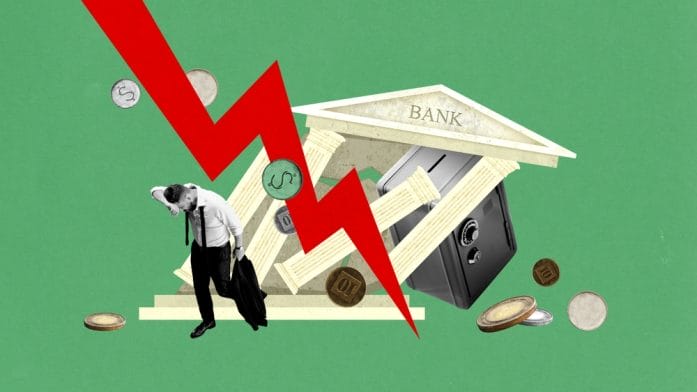
This Is Why Your Emergency Fund Isn’t Protecting You the Way It Did Five Years Ago

Image source: shutterstock.com

Remember when tucking away a few months’ worth of expenses in a savings account felt like financial armor? That shield, once considered indestructible, now seems a little thinner around the edges. If your emergency fund hasn’t been adjusted in years, you might be in for a surprise: what once covered rent, groceries, and a few random emergencies may no longer stretch far enough to keep you truly safe.

The world changes fast, and your emergency plan can’t stay frozen in time. Between rising inflation, housing costs, and everyday expenses creeping higher, that old nest egg might only cover half of what it used to.

Inflation Is Quietly Eating Your Safety Net

Inflation is like that guest at a party who slowly eats all the snacks while you’re distracted. Over the past five years, the cost of groceries has skyrocketed by nearly 30%, while utilities and transportation have steadily climbed, often outpacing the interest your savings account earns.

If your emergency fund hasn’t grown at the same pace as your expenses, its real purchasing power has quietly eroded. This means you might think you’re financially protected, but when the real-world bills come knocking, you’ll notice the difference immediately. It’s not that your money disappeared—it’s that it doesn’t buy as much as it used to.

Interest Rates And Savings Accounts Are No Longer Your Allies

Five years ago, parking money in a high-yield savings account could earn you a respectable return. Those days are largely behind us. Interest rates have fluctuated dramatically, leaving many emergency funds stagnating while costs continue to rise. Meanwhile, prices on essential goods keep climbing, silently chipping away at your financial cushion.

This mismatch between what you earn on savings and what you spend on necessities can turn a seemingly comfortable fund into something worryingly thin. If you’re relying on the same account strategy you used in 2018, it’s time for a serious checkup. Your fund isn’t broken—it’s just outdated.

The Cost Of Housing Has Shifted Dramatically

Renters and homeowners alike have felt the squeeze. In cities across the country, the housing affordability crisis has caused costs to soar, while wages haven’t always kept pace.

For many, the cost of maintaining a home or apartment now takes up a larger slice of the monthly budget than it did five years ago. This shift doesn’t just affect renters—homeowners feel it too, thanks to rising property taxes, insurance, and utility costs. The reality is simple: your old emergency fund was calculated for a different world, and the world has changed.

Healthcare Costs Are A Silent Drain

Medical expenses often lurk in the background until an emergency hits. Over the last few years, healthcare costs, insurance premiums, and prescription prices have climbed steadily, while even minor medical events that once cost a few hundred dollars can now run into the thousands.

If your emergency fund hasn’t been adjusted for these increases, it may not provide enough coverage when a health situation arises. And with healthcare expenses unpredictable and sometimes unavoidable, this silent drain can turn a well-meaning fund into an inadequate safety net. Ignoring these rising costs is a recipe for financial stress the moment life throws a curveball.

This Is Why Your Emergency Fund Isn’t Protecting You the Way It Did Five Years Ago

Image source: shutterstock.com

Unexpected Expenses Are Growing In Scale

Emergencies themselves haven’t gotten smaller. Natural disasters, car repairs, home maintenance, and sudden job changes all tend to cost more than they did half a decade ago.

When people calculate their emergency savings based on old expense numbers, they underestimate the magnitude of today’s unpredictable costs. Life has a way of being more expensive than we imagine, and the gap between your fund and reality can be shockingly wide.

Rethinking Your Emergency Fund For Today’s Reality

The good news is that updating your emergency fund isn’t just necessary—it’s doable. Start by recalculating your essential monthly expenses, including rent, utilities, groceries, insurance, and potential healthcare costs. Factor in any new financial obligations that have popped up since your last review. Then, consider a buffer for unexpected events that could derail your budget, like car repairs, urgent home fixes, or temporary unemployment.

Adjusting your fund to match current realities ensures it can genuinely act as a protective cushion rather than a false sense of security.

Practical Tips To Keep Your Fund Effective

Keeping an emergency fund truly effective goes beyond just numbers. Consider diversifying where you keep your money: a combination of high-yield savings accounts, money market accounts, or short-term, low-risk investments can help your fund maintain its value against inflation.

Regularly reviewing and updating the total amount ensures your fund keeps pace with rising costs and lifestyle changes. Automating contributions can take the pressure off while maintaining steady growth. And don’t underestimate the psychological benefit of knowing your emergency fund is truly ready for today’s world—it can provide a sense of control and calm when financial surprises hit.

Make Your Emergency Fund Work As It Should

Your emergency fund is only as strong as the environment it exists in, and the world around it has changed significantly in the last five years. By accounting for rising costs, inflation, and unexpected emergencies, you can rebuild your financial confidence and avoid the stress of discovering your protection is thinner than you thought.

We’d love to hear about how you’ve adjusted—or plan to adjust—your emergency fund in today’s landscape, or any experiences that taught you the importance of keeping it current. Leave your thoughts and stories in the comments below.

You May Also Like…

Why Are Emergency Funds Harder to Rebuild Than People Expect

9 Budget Categories That Blow Up After One Emergency

Why So Many Retirees Are Being Forced to Spend Savings Faster Than Planned This Year

Savings Strategy: 9 Micro moves That Add Tens of Thousands Over Time

Savings Leap: 9 Mid-Life Moves That Boost Long-Term Retirement Odds

Brandon Marcus
Brandon Marcus

Brandon Marcus is a writer who has been sharing the written word since a very young age. His interests include sports, history, pop culture, and so much more. When he isn’t writing, he spends his time jogging, drinking coffee, or attempting to read a long book he may never complete.

Filed Under: saving money Tagged With: bank account, Cost of living, emergency expenses, emergency funds, emergency spending, finance, finances, general finance, healthcare, healthcare costs, Housing Costs, interest rates, medical expenses, Money, money issues, Personal Finance, saving accounts, saving money, savings, unexpected expenses

The IRS Reporting Threshold Change That Just Created a Tax Risk for Millions in 2026

January 26, 2026 by Brandon Marcus Leave a Comment

The IRS Reporting Threshold Change That Just Created a Tax Risk for Millions in 2026

Image source: shutterstock.com

If you’ve ever sold a vintage jacket on an app, picked up extra cash doing freelance work, or split dinner with friends via Venmo, you might have heard rumblings about a tax reporting change that could have snared millions of everyday Americans into unexpected IRS reporting paperwork in 2026.

The chatter about a strict new $600 rule had everyone from Etsy flippers to neighborhood babysitters biting their nails — but then Congress stepped in with a twist that changed the story entirely. And just like a tax-season plot twist, the IRS reporting threshold that once seemed so imminent has now shifted — in a big way.

The $600 Rule That Almost Was

For years, the IRS had been working toward lowering the reporting threshold for Form 1099-K, the tax document that payment processors like PayPal and Venmo send to both you and the IRS to report income received through their platforms. Under the American Rescue Plan Act of 2021, that threshold was slated to plummet to just $600, with no minimum transaction count attached — meaning that even a handful of casual transactions could have triggered a 1099-K form in 2026.

Tax professionals and everyday sellers alike were alarmed. Selling a couch, doing some freelance work, or even collecting contributions for a group gift suddenly looked like it could generate IRS paperwork. Millions of people stood on the brink of receiving tax forms for what they considered ordinary financial behavior — and that’s a recipe for confusion.

Enter The One Big Beautiful Bill Act

Then came a curveball: the One Big Beautiful Bill Act of 2025 — a massive tax and spending law signed July 4, 2025. Among its many provisions, it rewrote how 1099 reporting thresholds work. Instead of embracing the $600 threshold, Congress essentially hit rewind.

Under the new law, the 1099-K reporting threshold no longer drops to $600. Instead, it reverts to the old school standard that was in place before all this turmoil: you’ll receive a Form 1099-K only if you have more than $20,000 in gross payments and more than 200 transactions on a single payment platform in a calendar year.

That’s the rule that originally existed before the American Rescue Plan Act stirred the pot — and this reinstatement is retroactive for reporting years going back to 2022.

Why This Is Huge (But Not In The Way You Think)

Let’s be candid: for most folks, that old-school requirement of $20,000 and 200 transactions was already pretty high. Casual sellers, hobbyists, and part-time gigsters were rarely hitting both of those marks on a single platform in a year. So repeating that threshold makes a huge difference for day-to-day people.

Suddenly, that tiny Etsy shop selling handmade postcards — or that spinach quiche you flipped after thrift-shopping — probably won’t generate a 1099-K heading to your mailbox. But this doesn’t mean the IRS thinks the money isn’t taxable. It just means you won’t automatically get a tax form from PayPal or another processor for smaller totals.

It’s worth repeating: even if you don’t get a 1099-K, all income is still taxable. That’s tax law 101 — the presence (or absence) of a form doesn’t dictate your obligation to report income on your return.

The IRS Reporting Threshold Change That Just Created a Tax Risk for Millions in 2026

Image source: shutterstock.com

The New 1099 Thresholds For Businesses And Freelancers

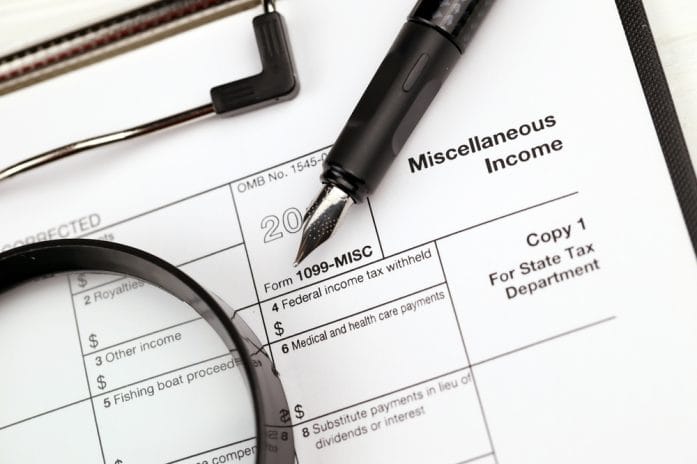
But wait — the tax fun doesn’t stop with Form 1099-K. The same law made other changes to reporting forms that matter to small businesses and freelancers. Specifically, the reporting threshold for Form 1099-MISC and Form 1099-NEC — used to report payments to contractors, landlords, and miscellaneous income — has been increased. Starting in 2026, businesses generally won’t need to issue these forms unless the total payments reach at least $2,000 in a year, and this threshold will be adjusted for inflation in future years.

This is a big deal for small outfits and side hustlers. Under the old $600 rule, a small business that paid a freelancer $800 could have had to send out a 1099-NEC. Now? Not until payments hit that higher $2,000 mark. That’s less paperwork, fewer forms flying around, and fewer opportunities for innocent mistakes to turn into IRS penalties.


What Do You Think?

This change in tax reporting thresholds for 2026 is one of those rare moments when tax law manages to ease confusion rather than amplify it. Between reinstating the $20,000/$200 1099-K standard and raising the bar on other 1099 forms, the law reshapes how everyday earners interact with IRS reporting. We’ve covered the facts, the history, and the implications — now we want to hear from you.

Tell us what this change means to you, how it might affect your side hustle or business, or even the tax tales you’ve lived through — drop your thoughts or experiences in the comments below!

You May Also Like…

IRS Warning: That Venmo Payment for Your Garage Sale Just Triggered a Surprise Tax Bill

What Your First Budget Of The Year Should Include

8 Tax Moves That Save You When You Can’t Pay the IRS on Time

5 Reasons To Talk To Your Kids About Taxes

6 Advanced Techniques to Lower Your Capital Gains Taxes Legally

Brandon Marcus
Brandon Marcus

Brandon Marcus is a writer who has been sharing the written word since a very young age. His interests include sports, history, pop culture, and so much more. When he isn’t writing, he spends his time jogging, drinking coffee, or attempting to read a long book he may never complete.

Filed Under: tax tips Tagged With: 2026, 2026 laws, 2026 taxes, family finances, family money, finance, finances, general finance, Internal Revenue Service, IRS, IRS reporting, Money, money issues, tax planning, tax risk, tax risks, tax tips, taxes

8 Personal Finance Beliefs That No Longer Apply

January 25, 2026 by Brandon Marcus Leave a Comment

8 Personal Finance Beliefs That No Longer Apply

Image source: shutterstock.com

Money advice has a habit of hanging around long after it stops being useful. Some tips were brilliant in a different economy, with different technology, and wildly different expectations about work, debt, and retirement. Yet they keep getting passed down at dinner tables and in comment sections like sacred truths.

The result is a lot of people doing “the right thing” and still feeling behind, stressed, or confused. It’s time to clear the air, bust a few myths, and talk about what no longer deserves a spot in your financial playbook.

1. You Must Stay Loyal To One Employer For Financial Security

This belief came from an era when pensions were common and job-hopping raised eyebrows. Today, long-term loyalty often results in slower wage growth compared to changing roles strategically. Many workers now see their biggest salary increases when they switch companies rather than waiting for annual raises.

Benefits like retirement accounts and health insurance are no longer exclusive to one-employer careers. In fact, skills-based hiring and remote work have expanded opportunities across industries. Financial security now comes from adaptability, not staying put out of fear.

2. Buying A Home Is Always Better Than Renting

Homeownership has been marketed as the ultimate financial milestone for decades. While owning can build equity, it also comes with maintenance costs, property taxes, insurance, and reduced flexibility. Renting can be the smarter financial move depending on location, job stability, and housing market conditions. In high-cost areas, renting and investing the difference may outperform buying for many years.

Mobility has real economic value in a changing job market. The smarter question now is not “Should I buy?” but “Does buying make sense for my life right now?”

3. Carrying Any Debt Means You’re Bad With Money

This belief turns a nuanced topic into a moral judgment. Not all debt is created equal, and some forms can support long-term financial growth. Student loans, business loans, and mortgages can increase earning potential or asset ownership.

The real issue is whether debt is manageable, affordable, and aligned with your goals. Avoiding all debt at any cost can sometimes slow progress or limit opportunity. Smart money management focuses on strategy, not shame.

4. Credit Cards Should Be Avoided Completely

Credit cards earned their bad reputation through high interest rates and misuse. However, used responsibly, they offer fraud protection, rewards, and a way to build credit history. Paying balances in full each month avoids interest entirely while still capturing benefits.

Many essential financial activities, from renting a car to booking travel, are easier with a credit card. A strong credit profile can lower borrowing costs across your lifetime. The problem isn’t credit cards themselves—it’s carrying balances without a plan.

5. Budgeting Means Saying No To Everything You Enjoy

Old-school budgeting often felt like a financial punishment. Modern budgeting is more about awareness than restriction. Knowing where your money goes allows you to spend intentionally on what actually matters to you.

A good budget includes room for enjoyment, hobbies, and rest. Deprivation-based plans tend to fail because they ignore human behavior. Sustainable finances are built on balance, not constant self-denial.

6. You Need A Lot Of Money To Start Investing

This belief kept many people out of the market for years. Today, investing is more accessible than ever, with low-cost funds and platforms that allow small, regular contributions.

Compound growth rewards time more than large starting amounts. Waiting until you feel “ready” often means missing valuable years of growth. Even modest investments can build momentum and confidence. The most important step is starting, not starting big.

8 Personal Finance Beliefs That No Longer Apply

Image source: shutterstock.com

7. Talking About Money Is Rude Or Taboo

Silence around money has cost people real opportunities to learn. When finances aren’t discussed openly, misinformation fills the gap. Talking about salaries, debt, and financial mistakes can lead to better decisions and fairer outcomes. Transparency helps normalize learning curves and reduces shame.

Many people discover they are not alone once conversations begin. Financial literacy improves faster in the open than in isolation.

8. Retirement Is A Single Age With A Single Plan

Retirement used to look like a hard stop at a specific age. Now it’s often a gradual transition that varies widely by person. Some people aim for part-time work, passion projects, or flexible schedules rather than complete withdrawal. Life expectancy, healthcare costs, and personal goals all influence what retirement looks like. Planning now involves building options, not just hitting a number. Financial freedom has become more personalized—and more realistic—than ever before.

Updating The Rules Of Money

Outdated financial beliefs don’t just waste time; they can quietly limit your choices. Letting go of rules that no longer apply creates space for smarter, more flexible decisions. Personal finance works best when it reflects real life, not outdated expectations. If one of these beliefs shaped your past money choices, you’re in good company.

Feel free to add your experiences or lessons learned in the comments section below—your perspective might be exactly what someone else needs to read today.

You May Also Like…

10 Personal Finance Lessons People Learn the Hard Way

8 Budget Fixes That Instantly Turn Finances Around

7 Personal Money Questions Advisors Can’t Believe Are Real

4 Bold Predictions About The Future of Personal Finance Technology

10 Things You Should Never Ignore in Your Personal Finances

Brandon Marcus
Brandon Marcus

Brandon Marcus is a writer who has been sharing the written word since a very young age. His interests include sports, history, pop culture, and so much more. When he isn’t writing, he spends his time jogging, drinking coffee, or attempting to read a long book he may never complete.

Filed Under: Finance Tagged With: buying a home, buying a house, credit cards, credit score, Debt, eliminating debt, finance, finances, financial anxiety, Financial Security, general finance, home ownership, investing, Investment, Money, money beliefs, money habits, money issues, paying off debt, Personal Finance, spending

Why Do So Many People Feel Financially Stuck

January 25, 2026 by Brandon Marcus Leave a Comment

Why Do So Many People Feel Financially Stuck

Image source: shutterstock.com

Money stress has a special talent for showing up uninvited. One minute life feels manageable, and the next minute the bank balance looks like it’s playing a cruel joke. Bills stack up, goals feel far away, and even doing “everything right” somehow doesn’t seem to move the needle.

This feeling of being financially stuck isn’t rare or shameful—it’s widespread, deeply human, and rooted in forces much bigger than individual choices. To understand why it’s so common, we need to zoom out, slow down, and look at what’s really going on beneath the surface.

1. Rising Costs And Shrinking Breathing Room

For many households, the biggest culprit is simple math that no longer works. The cost of housing, groceries, healthcare, transportation, and childcare has climbed steadily over the past decades, often outpacing wage growth. Even people with steady jobs can feel like their paycheck evaporates the moment it lands. This creates a constant sense of pressure, where there’s little room to save, invest, or recover from surprises.

When every dollar already has a job, there’s no cushion for setbacks or opportunities. Over time, that tightness doesn’t just strain budgets—it drains motivation and confidence. Feeling financially stuck often starts with the exhausting reality of running faster just to stay in the same place.

2. Debt That Lingers Longer Than Expected

Debt is another heavy anchor, especially when it’s taken on early and follows people for years. Student loans, credit cards, medical bills, and auto loans can quietly shape financial lives long after the original purchase or emergency is forgotten. Interest turns small balances into stubborn obstacles that refuse to shrink. Many people make payments faithfully and still feel like they’re not making progress, which can be deeply discouraging.

Debt also limits choices, from where someone can live to which jobs they can take. The emotional weight matters too, as ongoing debt can fuel stress, guilt, and a sense of failure. That combination makes it harder to plan long-term or feel optimistic about money.

3. Income That Feels Unstable Or Inadequate

Even when expenses are controlled, income can be unpredictable or insufficient. Gig work, contract jobs, tipped positions, and variable schedules make it hard to count on a consistent monthly amount. Without reliable income, planning becomes a guessing game instead of a strategy. Raises and promotions also tend to come slowly, while costs rarely wait. For many workers, productivity has increased without a matching increase in pay, creating a gap between effort and reward.

This disconnect can make people feel powerless, as if no amount of hard work changes the outcome. Financial progress depends on income growth, and when that growth stalls, so does the sense of momentum.

4. Financial Education Gaps And Confusing Systems

Most people were never formally taught how money works beyond the basics. Budgeting, investing, taxes, credit, and insurance are often learned through trial and error. Financial systems are complex, filled with jargon, and sometimes designed in ways that benefit institutions more than individuals. This lack of clarity can lead to hesitation or avoidance, especially when mistakes feel costly.

Without clear guidance, people may miss opportunities or fall into habits that quietly hold them back. Over time, confusion turns into self-blame, even though the system itself is hard to navigate. Feeling stuck often has less to do with intelligence and more to do with missing information and support.

5. Social Pressure And Invisible Comparisons

Modern life comes with a nonstop highlight reel of other people’s spending and success. Social media, advertising, and cultural expectations can quietly redefine what feels “normal.” Vacations, new cars, home upgrades, and constant experiences start to look like basic milestones instead of luxuries.

Trying to keep up, even subconsciously, can push people into spending choices that strain their finances. At the same time, many struggles stay hidden, creating the illusion that everyone else has it figured out. That gap between perception and reality fuels frustration and embarrassment. Feeling financially stuck often worsens when people think they’re alone in it, even though they’re very much not.

6. Emotional Fatigue And Decision Overload

Money decisions are rarely just logical; they’re emotional. Constantly worrying about finances drains mental energy and focus. When every choice feels high-stakes, from grocery shopping to opening an email from a lender, exhaustion sets in. This fatigue can lead to avoidance, procrastination, or short-term fixes that don’t solve long-term problems.

Stress also makes it harder to learn new skills or think creatively about solutions. Over time, the emotional toll of money pressure can become as limiting as the financial reality itself. Feeling stuck is often the result of burnout, not laziness or lack of effort.

Why Do So Many People Feel Financially Stuck

Image source: shutterstock.com

Naming The Stuck Feeling Is The First Step

Feeling financially stuck isn’t a personal failure; it’s a signal. It reflects rising costs, lingering debt, uneven income, complex systems, and the emotional weight of navigating all of it at once. When people understand that these pressures are shared and structural, shame loosens its grip. Awareness creates space for better conversations, smarter choices, and more realistic expectations. Progress rarely comes from one dramatic move, but from small shifts paired with patience.

If this topic resonates with you, the comments section below is open for your experiences, insights, and reflections. Honest conversations are how financial stress starts losing its power.

You May Also Like…

8 Unsettling Financial Patterns That Keep Families Stuck for Generations

9 Financial Habits That Look Responsible but Feel Stressful

8 Grocery Shopping Habits That Make You Spend More Without Realizing It

6 Bad Money Habits Families Show During The Holidays

9 Budgeting Fears That Keep You Stuck

Brandon Marcus
Brandon Marcus

Brandon Marcus is a writer who has been sharing the written word since a very young age. His interests include sports, history, pop culture, and so much more. When he isn’t writing, he spends his time jogging, drinking coffee, or attempting to read a long book he may never complete.

Filed Under: Lifestyle Tagged With: Cost of living, Debt, debt payoff, eliminating debt, finance, finances, financial education, financially stuck, general finance, Income, income stream, Life, Lifestyle, Money, money habits, money issues, money problems, rising costs

5 Money Habits That Keep You Stuck In Place

January 25, 2026 by Brandon Marcus Leave a Comment

These Are 5 Money Habits That Keep You Stuck In Place

Image source: shutterstock.com

Money—it’s supposed to make life easier, right? Yet somehow, it often feels like we’re running on a treadmill, moving our feet frantically but never getting anywhere. You might be paying your bills on time, saving a little, and thinking you’re doing everything “right,” but subtle habits can quietly anchor you to the same financial spot year after year.

These aren’t catastrophic mistakes that ruin your life overnight—they’re the small, persistent behaviors that quietly drain your momentum.

1. Ignoring The Power Of Budgeting

Budgeting has a bad reputation, as if it’s all about restriction and misery, but that couldn’t be further from the truth. Ignoring a budget is like trying to navigate a city without a map—you’ll eventually get somewhere, but it might be the wrong somewhere, and it will cost you extra time, stress, and money. People often assume that tracking spending is tedious, but the act of actually knowing where your money goes is empowering.

Even a simple system that categorizes bills, essentials, and discretionary spending can reveal patterns that you never noticed before. Skipping this step can lead to recurring “mystery” expenses that drain your bank account silently. Budgeting isn’t a punishment; it’s a way to take control and give yourself room to grow financially without feeling trapped.

2. Living Paycheck To Paycheck

It’s easy to fall into the paycheck-to-paycheck trap, especially when life seems to demand more than your income provides. Relying entirely on the timing of your next paycheck creates constant stress and makes it nearly impossible to invest in bigger financial goals. People often prioritize immediate gratification, thinking, “I’ll start saving next month,” while the months slip by unnoticed.

Without a safety net, even a small unexpected expense—a car repair, a medical bill, or a sudden trip—can set you back weeks or months. Building an emergency fund, even if it’s modest at first, can break this cycle and create a sense of security. Once the anxiety of “what if?” fades, you can start thinking about opportunities instead of obstacles.

3. Avoiding Investments Out Of Fear

There’s a common myth that investing is only for the wealthy or that it’s too risky to bother with at all. Avoiding investments altogether keeps your money stagnant, working for no one but the institutions holding it. Inflation silently erodes cash over time, so hoarding money under your mattress or in a low-interest account is basically giving it away. People often wait for “the perfect time” to invest, but markets reward consistent action over timing perfection. Even small, steady investments in retirement accounts or index funds can grow exponentially thanks to compound interest. The key is learning enough to act confidently, rather than letting fear dictate your financial future.

4. Overspending On Things That Don’t Matter

It’s easy to justify little purchases—those daily lattes, online impulse buys, or trendy gadgets—because they feel small individually. But small, frequent expenses add up quickly and can silently sabotage your long-term goals. When money goes out the door for things that don’t provide real value, you’re trading your future for fleeting satisfaction.

Overspending often feeds emotional urges, stress relief, or social comparison rather than real needs, keeping you trapped in a cycle of temporary happiness followed by financial frustration. Tracking where your money disappears each month can reveal habits you didn’t even realize existed. Redirecting just a fraction of these expenses into meaningful investments or savings can snowball into serious financial progress.

These Are 5 Money Habits That Keep You Stuck In Place

Image source: shutterstock.com

5. Neglecting Financial Education

Money literacy isn’t innate; it’s a skill you develop, and neglecting it can stunt your financial growth more than any single purchase or debt. People often assume they “know enough” or that learning about personal finance is boring or complicated. This mindset keeps you dependent on others’ advice or reactive decision-making, rather than proactive strategy. Understanding interest rates, debt management, investing options, and even basic tax implications can transform how you handle money. Education doesn’t need to be overwhelming—a few reliable resources or even a weekly deep dive into one topic can make a huge difference. The more you know, the more confident you become, and the more opportunities you can seize instead of letting life’s financial currents carry you along.

Take Charge And Grow

Breaking free from these habits isn’t about dramatic, overnight change—it’s about consistent awareness and small, intentional steps. Start by picking one habit that resonates most with your situation and commit to making a tiny adjustment. Over time, these changes compound and open doors you didn’t even know were there. Your financial life doesn’t have to feel like a loop you can’t escape.

If any of these habits hit close to home, or if you’ve already tackled one successfully, drop your thoughts and experiences in the comments below. Let’s get a conversation going about what works, what doesn’t, and how to move forward with confidence.

You May Also Like…

9 Financial Habits That Look Responsible but Feel Stressful

8 Grocery Shopping Habits That Make You Spend More Without Realizing It

8 Financial Habits That Quietly Drain Your Checking Account

6 Bad Money Habits Families Show During The Holidays

Behavior Habit: 5 Daily Money Moves That Build Long-Term Wealth

Brandon Marcus
Brandon Marcus

Brandon Marcus is a writer who has been sharing the written word since a very young age. His interests include sports, history, pop culture, and so much more. When he isn’t writing, he spends his time jogging, drinking coffee, or attempting to read a long book he may never complete.

Filed Under: Finance Tagged With: bad money habits, daily habits, finance, finances, general finance, investments, living paycheck to paycheck, Money, money habits, money issues, overspending, paycheck to paycheck, Smart Spending, spending, stuck in place

9 Financial Shifts That Catch People Off Guard

January 23, 2026 by Brandon Marcus Leave a Comment

These Are 9 Financial Shifts That Catch People Off Guard

Image source: shutterstock.com

Money has a peculiar way of moving faster than we expect. One day, you’re coasting along with a budget that seems solid, and the next, a sudden expense, market shift, or policy change makes you double-check your bank account just to make sure it’s real. Some financial changes are obvious—they’re planned, announced, or easy to predict—but others arrive like uninvited guests, throwing your routine off and demanding quick adjustments.

The challenge is not just surviving these shifts but understanding them well enough to turn them into opportunities instead of setbacks. Let’s dive into nine financial twists and turns that often catch people off guard—and explore how to respond without breaking a sweat.

1. Interest Rate Surges Can Sting More Than You Expect

When central banks raise interest rates, the news usually dominates headlines, but many people underestimate the direct effect on their wallets. Variable-rate loans, mortgages, and credit card balances become more expensive almost immediately, and monthly budgets can take a hit without warning.

Even small rate increases can add up to hundreds of dollars over a year if your debt is significant. Savvy savers, however, can take advantage of these periods by putting money into high-yield savings accounts, which also tend to rise when rates go up. The key is paying attention to how your debts and investments are structured. Awareness is the difference between a nasty surprise and an opportunity to make your money work a little harder.

2. Inflation Creeps Up Stealthily

Inflation is the silent force that gradually erodes purchasing power, often without people realizing it until a routine shopping trip or bill payment delivers a jolt. Prices for groceries, gas, and everyday services can increase faster than wages, meaning the same paycheck buys less than it did a year ago.

Historically, moderate inflation can even benefit borrowers, as the real value of debt diminishes over time, but it punishes those relying on fixed incomes.

Long-term investors may need to adjust portfolios to include assets that historically outpace inflation, such as stocks or real estate. The trick is to spot the trends early and avoid knee-jerk reactions that can worsen your financial picture.

3. Job Market Shifts Hit Harder Than Expected

Career stability is often assumed, but economic changes can make layoffs, restructuring, or automation hit without warning. Industries evolve rapidly, and what was in high demand yesterday may face contraction tomorrow.

Even highly skilled professionals can find themselves searching for new opportunities sooner than anticipated. Diversifying skills, networking consistently, and keeping a financial cushion in savings can transform what could be a stressful situation into a temporary hurdle. Understanding the broader employment landscape helps anticipate risks rather than react in panic mode.

4. Tax Code Tweaks Are More Impactful Than You Think

Governments adjust tax laws frequently, and subtle changes in deductions, credits, or brackets can significantly alter annual finances. Sometimes the impact is immediate, reducing your take-home pay or changing the effectiveness of retirement contributions.

Other times, it appears when filing next year’s returns, catching people off guard. Keeping informed about tax policy updates or working with a trusted accountant can prevent surprises and even uncover hidden advantages. Tax efficiency is a powerful, often overlooked tool for maintaining financial momentum.

5. Lifestyle Inflation Slips In Quietly

As incomes rise, spending habits often follow, sometimes unconsciously. Upgrading to a more expensive car, dining out more frequently, or moving into a pricier home can feel like a reward, but over time, lifestyle inflation can outpace income growth. People often realize too late that increased earnings aren’t creating more freedom—they’re just funding higher expenses. Combatting this requires mindfulness, disciplined budgeting, and occasional reflection on whether every extra dollar spent is actually adding value to your life. Small, deliberate choices in spending can make a huge difference over the years.

6. Unexpected Medical Costs Can Derail Plans

Even with insurance, medical emergencies can introduce significant financial strain. Procedures, prescriptions, and specialist visits often come with out-of-pocket costs that exceed expectations. Preventive care can reduce risk, but life is unpredictable, and sometimes bills arrive before you’re ready.

An emergency fund specifically for health-related costs can make these situations manageable without compromising other financial goals. Understanding insurance coverage, negotiating bills, and exploring payment plans are strategies many overlook until they’re in a pinch.

These Are 9 Financial Shifts That Catch People Off Guard

Image source: shutterstock.com

7. Retirement Needs May Be Higher Than Anticipated

Many people assume their retirement nest egg only needs to cover basic living expenses, but inflation, healthcare costs, and longer lifespans make financial planning more complex.

Underestimating the amount needed can lead to uncomfortable adjustments later in life. Early and consistent contributions to retirement accounts, along with strategic investment choices, can provide a cushion.

Periodic review of retirement goals ensures plans remain realistic and responsive to changes in life circumstances or economic conditions. Planning ahead is not just smart—it’s essential.

8. Sudden Changes in Credit Scores Affect More Than Loans

Credit scores influence more than just loan approvals—they affect insurance rates, rental applications, and even job opportunities in certain industries. Negative changes can occur from missed payments, high credit utilization, or errors in reporting, and the effects aren’t always immediate.

Monitoring credit reports regularly and correcting inaccuracies quickly can prevent small issues from snowballing. Maintaining a healthy credit score opens doors and protects financial flexibility when unexpected expenses appear.

9. Technology-Driven Financial Shifts Require Adaptation

Digital banking, cryptocurrency, AI-driven investment tools, and fintech apps have transformed how people manage money. While these tools offer convenience and efficiency, they also demand digital literacy and awareness of risks like cyber fraud or volatile markets.

People who resist adapting to new technologies may miss out on opportunities for optimization or secure management. Conversely, jumping in without understanding the tools can lead to costly mistakes. Staying informed, experimenting cautiously, and embracing change strategically ensures technology becomes a helper, not a hazard.

How Have You Navigated Financial Surprises?

Financial surprises are inevitable, but understanding the common shifts that can throw people off balance equips you to respond thoughtfully. From interest rate hikes to lifestyle inflation, these changes affect everyone differently, and planning is a key defense. Some surprises are unavoidable, but many can be managed or mitigated with awareness, preparation, and flexibility.

Your experiences and strategies are valuable, and we’d love to hear how you’ve handled financial curveballs in your own life in the comments section below.

You May Also Like…

What Does Financial Stress Do To Your Body?

How a Solid Estate Plan Can Protect Your Finances

Tax Horizon: 4 Year-End Moves That Could Shape Your Finances for a Decade

Risk Proaction: 5 Steps to Stress-Test Your Finances for Worst-Case Scenarios

Expense Trap: 7 Inflation Surprises That Sneak Up on Middle-Aged Investors

Brandon Marcus
Brandon Marcus

Brandon Marcus is a writer who has been sharing the written word since a very young age. His interests include sports, history, pop culture, and so much more. When he isn’t writing, he spends his time jogging, drinking coffee, or attempting to read a long book he may never complete.

Filed Under: Finance Tagged With: finance, finances, financial choices, financial decisions, financial shifts, general finance, Inflation, interest rates, job market, job search, jobs, Lifestyle Inflation, medical bills, medical expenses, tax code

6 Financial Missteps People Make In Their 20s

January 23, 2026 by Brandon Marcus Leave a Comment

These Are 6 Financial Missteps People Make In Their 20s

Image source: shutterstock.com

Your 20s are loud, busy, and full of moments that feel like they matter right now. Rent is due, friends are planning trips, careers are wobbling into place, and money often feels like it’s either slipping through your fingers or sitting just out of reach. One minute you feel wildly independent, and the next you’re staring at a bank app wondering how adulthood got so expensive so quickly.

This decade is where habits form, mistakes happen, and lessons stick—sometimes after a little financial whiplash. Let’s discuss the most common money missteps people make in their 20s, why they happen, and how to spot them before they quietly drain your future.

1. Ignoring Budgeting Because It Feels Restrictive

Many people in their 20s avoid budgeting because it sounds boring, rigid, or like a punishment for enjoying life. There’s a widespread belief that budgeting means saying no to everything enjoyable, when in reality it’s about knowing where your money goes.

Without a basic plan, spending decisions are made emotionally, which often leads to overspending on convenience, social pressure, or impulse buys. Small, frequent expenses—coffee runs, food delivery, random subscriptions—can quietly consume hundreds of dollars each month.

Budgeting doesn’t mean eliminating fun; it means giving your money a job so you don’t wonder where it disappeared. Learning this skill early makes every future financial decision easier and far less stressful.

2. Treating Credit Cards Like Extra Income

Credit cards can feel like magic during your 20s, especially when limits are higher than your checking account balance. It’s easy to swipe now and assume future-you will sort it out later.

The problem is that balances add up faster than expected, and interest charges turn modest purchases into long-term expenses. Many young adults carry balances without fully understanding how interest compounds over time.

This habit can trap people in cycles of minimum payments that barely make a dent. Used responsibly, credit cards can build credit and offer protections, but treating them like free money is a costly misunderstanding.

These Are 6 Financial Missteps People Make In Their 20s

Image source: shutterstock.com

3. Not Saving Anything Because Retirement Feels Forever Away

Retirement seems abstract when you’re more focused on rent, relationships, and career survival. Many people postpone saving because they believe they’ll earn more later and catch up then. What gets missed is the power of time, which matters more than the amount saved.

Even small contributions in your 20s can grow significantly thanks to compound interest. Waiting a decade often means needing to save much more to reach the same outcome. Saving early isn’t about sacrificing your present—it’s about giving yourself options later. Building the habit now matters far more than the size of the account.

4. Overspending to Match a Lifestyle That Isn’t Yours

Social media and peer pressure create powerful illusions about what adulthood should look like. Nice apartments, constant travel, designer clothes, and endless nights out can make overspending feel normal.

Many people in their 20s quietly stretch their finances to keep up with friends or online expectations. The reality is that everyone’s financial situation is different, even if it looks identical on the surface.

Spending beyond your means often leads to debt, stress, and resentment. True financial confidence comes from aligning your spending with your own priorities, not someone else’s highlight reel.

5. Skipping Emergency Savings Because Nothing Has Gone Wrong Yet

When life is relatively stable, emergency savings can feel unnecessary. It’s easy to assume you’ll handle problems if they come up. Unfortunately, unexpected expenses rarely give advance notice, especially in your 20s. Job changes, medical bills, car repairs, or sudden moves can derail finances overnight.

Without a cushion, people often turn to credit cards or loans, making a tough situation worse. An emergency fund isn’t pessimistic; it’s practical. Even a small buffer can provide peace of mind and prevent short-term problems from becoming long-term financial damage.

6. Avoiding Financial Education Because It Feels Overwhelming

Money topics can feel intimidating, especially when they involve unfamiliar terms or long-term consequences. Many people avoid learning about investing, taxes, or credit because they don’t know where to start.

This avoidance often leads to missed opportunities and preventable mistakes. Financial literacy isn’t about becoming an expert overnight; it’s about building understanding one step at a time.

Your 20s are the ideal decade to ask questions, make low-stakes mistakes, and learn without massive consequences. The more informed you are, the less power fear and confusion have over your decisions.

Small Choices Now, Powerful Results Later

Financial missteps in your 20s are common, understandable, and rarely permanent. What matters most is noticing them early and adjusting course before they become patterns that follow you for decades.

Every thoughtful decision you make now—no matter how small—adds momentum to your future stability and freedom. Money doesn’t need to control your life, but it does respond to attention and intention.

If you’ve learned lessons the hard way or picked up smart habits early, the comments section below is the perfect place to add your perspective and experiences.

You May Also Like…

10 Common Budgeting Mistakes That Create Constant Money Stress

Legacy Blueprint: 5 Estate Mistakes Lawyers Still See Constantly

5 Investment Mistakes Young People Make

Holiday Trap: 6 Gift-Spending Mistakes That Could Wreck Your Budget

Forget Your 20s—Here’s Why People Over 50 Are Actually the Happiest

Brandon Marcus
Brandon Marcus

Brandon Marcus is a writer who has been sharing the written word since a very young age. His interests include sports, history, pop culture, and so much more. When he isn’t writing, he spends his time jogging, drinking coffee, or attempting to read a long book he may never complete.

Filed Under: Finance Tagged With: Budget, budgeting, budgeting mistakes, credit cards, credit score, Debt, eliminating debt, finance, finances, financial choices, financial decisions, financial missteps, financial mistakes, general finance, overspending, payoff debt, spending, youth, youthful mistakes

Why Does Financial Planning Feel Overwhelming Right Now

January 22, 2026 by Brandon Marcus Leave a Comment

Why Does Financial Planning Feel Overwhelming Right Now

Image source: shutterstock.com

Your phone buzzes with a market alert. A podcast host warns about retirement gaps. A headline announces yet another economic plot twist. Meanwhile, rent is due, groceries cost more than they used to, and your future self is staring at you like, “So… what’s the plan?” Financial planning used to feel like a calm sit-down with a calculator and a cup of coffee.

Lately, it feels more like trying to assemble furniture while riding a roller coaster. Let’s talk about why this stress feels so intense right now—and why you’re not imagining it.

The Economy Feels Unpredictable And Personal

Economic news used to live at a distance, tucked into the business section. Now it barges straight into daily life. Inflation affects grocery bills in real time, interest rate changes show up in mortgage payments, and job market shifts feel alarmingly close to home.

When the broader economy feels unstable, financial planning stops feeling theoretical and starts feeling urgent. That urgency can make every decision feel loaded, as if one wrong move might echo for years. Add constant media coverage and expert opinions that don’t always agree, and it’s easy to feel frozen. Planning becomes harder when the ground beneath your assumptions keeps moving.

Why Does Financial Planning Feel Overwhelming Right Now

Image source: shutterstock.com

Too Many Choices Create Decision Fatigue

There has never been a time with more financial options. Multiple savings accounts, countless investment funds, side hustles, apps, cryptocurrencies, budgeting systems, and retirement vehicles compete for attention.

Choice is great in theory, but in practice it can overwhelm the brain. When every option claims to be the smartest move, making any move feels risky.

Decision fatigue sets in, leading many people to procrastinate or second-guess themselves endlessly. Instead of clarity, abundance creates noise. Financial planning becomes less about strategy and more about sorting through a crowded room of opinions.

Money Is Tied To Identity And Self-Worth

Money isn’t just math; it’s emotional. Financial choices often feel like reflections of responsibility, intelligence, and even morality. When planning feels difficult, people may internalize that struggle as personal failure rather than a response to complex conditions.

Social comparisons don’t help, especially when curated success stories float through social media feeds. Seeing peers buy homes, travel, or retire early can quietly turn planning into a referendum on self-worth.

That emotional weight makes financial decisions feel heavier than they need to be. Stress increases when money stops being a tool and starts feeling like a judgment.

The Rules Keep Changing Mid-Game

Many people grew up with clear financial milestones: steady job, affordable housing, predictable retirement paths. Those rules don’t apply as neatly anymore.

Careers are less linear, pensions are rare, housing markets fluctuate wildly, and longevity has increased planning horizons. Advice from previous generations may no longer fit current realities, which can create confusion and frustration.

When the old playbook doesn’t work and the new one feels unfinished, planning becomes guesswork. It’s tough to feel confident when the goalposts keep shifting. Uncertainty thrives when there’s no clear roadmap.

Information Is Everywhere But Clarity Is Rare

Access to financial information has exploded, yet clarity hasn’t kept pace. Articles, videos, influencers, and experts flood the internet with tips, warnings, and predictions. Some advice is thoughtful and grounded; some is oversimplified or driven by trends.

Sorting credible guidance from noise takes time and energy many people don’t have. Conflicting messages can cancel each other out, leaving readers more confused than before. When learning feels like wading through chaos, planning stalls. Knowledge overload can paradoxically lead to inaction.

Life Feels More Expensive And More Fragile

Rising living costs leave less margin for error, which raises the emotional stakes of every decision. At the same time, recent global events have highlighted how quickly circumstances can change. Health issues, job disruptions, and unexpected expenses feel more plausible than ever.

That awareness pushes people to plan for more contingencies, which complicates already tight budgets. Planning starts to feel like trying to predict every possible curveball. When security feels fragile, perfectionism creeps in—and perfectionism is exhausting.

Let’s Talk About The Pressure Out Loud

Financial planning feels overwhelming right now because it’s happening at the intersection of uncertainty, emotion, and constant input. That doesn’t mean you’re behind, broken, or bad with money.

It means you’re navigating a complex moment with real consequences and limited clarity. Sometimes the most helpful step isn’t finding the perfect strategy, but acknowledging the pressure itself.

If our article sparked recognition or raised questions, drop your thoughts or personal experiences in the comments below. Honest conversations can make the process feel a little less lonely—and a lot more human.

You May Also Like…

The Florida Premium Spike: Why Your “Affordable” Health Plan Just Quadrupled in Cost Overnight

Could Your Financial Plan Withstand A Surprise Recession Beginning In December?

How Can Family Dynamics Ruin Even the Best Financial Plans

Why Do Medical Bills Feel So Hard to Plan Around

How a Solid Estate Plan Can Protect Your Finances

Brandon Marcus
Brandon Marcus

Brandon Marcus is a writer who has been sharing the written word since a very young age. His interests include sports, history, pop culture, and so much more. When he isn’t writing, he spends his time jogging, drinking coffee, or attempting to read a long book he may never complete.

Filed Under: Finance Tagged With: economic challenges, economy, finance, finances, financial plans, general finance, Money, money issues, Planning

7 Financial Tradeoffs People Make to Stay Comfortable

January 21, 2026 by Brandon Marcus Leave a Comment

These Are 7 Financial Tradeoffs People Make to Stay Comfortable

Image source: shutterstock.com

Comfort has a price tag, and most of us swipe the card without even blinking. From the thermostat wars to mattress upgrades that feel life-changing, modern comfort is a mix of deliberate choices and quiet compromises. We don’t always talk about these decisions out loud, but they shape budgets, priorities, and even daily moods.

Some tradeoffs feel worth every penny, while others slowly drain cash in the background. Let’s pull back the curtain and look at seven common financial tradeoffs people make to stay comfortable—and why they’re so tempting.

1. Paying More For Housing That Reduces Daily Stress

A shorter commute, a safer neighborhood, or simply more space can dramatically improve day-to-day life. Many people choose higher rent or a bigger mortgage to avoid long drives, noisy surroundings, or cramped layouts. This decision often trades future savings for present calm, especially when time and energy feel more valuable than money. Financially, housing costs tend to be the largest monthly expense, so even small upgrades add up fast. Still, fewer hours commuting can mean better sleep, stronger relationships, and lower burnout. For many households, that emotional return justifies the higher bill.

2. Convenience Spending To Save Time And Mental Energy

Food delivery, ride-hailing, grocery apps, and same-day shipping exist for one reason: effort costs something. Paying extra for convenience can turn chaotic days into manageable ones, especially for people juggling work, family, and health. The tradeoff is that convenience pricing often hides in fees, tips, and inflated product costs. Over time, those small charges can quietly rival a utility bill. Yet the mental relief of offloading errands can be real and measurable. Comfort here comes from preserved energy, not luxury.

3. Subscription Creep For Entertainment And Ease

Streaming platforms, cloud storage, fitness apps, meditation tools, and software subscriptions promise seamless living. Each one seems affordable on its own, which makes signing up feel harmless. The tradeoff appears when monthly charges stack up and become a permanent line item. Financially, subscriptions reduce flexibility because they auto-renew whether you’re using them or not. Comfort shows up as instant access, fewer ads, and smoother routines. The cost is less awareness of where money is actually going.

4. Newer Cars For Reliability And Physical Comfort

A newer vehicle often means better climate control, modern safety features, and fewer surprise repairs. For many people, that reliability is worth higher payments, insurance costs, and depreciation. The tradeoff is that cars lose value over time, and comfort upgrades don’t translate into financial returns.

Still, heated seats, advanced driver assistance, and quieter rides can make daily travel less exhausting. Fewer breakdowns also mean fewer emergency expenses and missed obligations. Comfort here is about predictability as much as luxury.

These Are 7 Financial Tradeoffs People Make to Stay Comfortable

Image source: shutterstock.com

5. Dining Out Instead Of Cooking From Scratch

Cooking at home is usually cheaper, but it requires time, planning, and cleanup. Many people trade grocery savings for restaurant meals or prepared foods to simplify evenings. Financially, this can double or triple food costs without increasing nutrition.

Comfort enters the equation through stress reduction and reclaimed personal time. After long workdays, choosing convenience can feel like self-preservation. The real cost shows up slowly, one receipt at a time.

6. Higher Energy Bills To Control Temperature And Lighting

Keeping a home perfectly warm in winter and cool in summer costs real money. So does leaving lights on, running air purifiers, or powering multiple devices. The tradeoff is clear: lower utility bills versus physical comfort and health. Extreme temperatures can affect sleep quality, productivity, and even safety. Many households willingly pay more to maintain stable indoor conditions. Comfort here is about feeling at ease in your own space, not just saving kilowatts.

7. Paying For Quality Furniture And Sleep Essentials

Mattresses, office chairs, and supportive pillows aren’t cheap, but they directly affect physical well-being. People often trade upfront costs for long-term comfort, hoping to avoid pain or fatigue. Financially, high-quality items can last longer, but the initial price still stings. The alternative—cheaper furniture—may lead to discomfort or replacement costs later. Sleep quality, posture, and daily energy levels are hard to put a price on. For many, this tradeoff feels like an investment in functioning well.

Comfort Always Comes With Choices

Comfort isn’t careless spending; it’s a reflection of what people value most in their daily lives. Every financial tradeoff tells a story about time, energy, health, and peace of mind. Some choices are intentional, others happen gradually, but all of them shape long-term financial health.

Becoming aware of these patterns can help align spending with what truly matters. Whether comfort feels essential or excessive depends on personal priorities. Jump into the comments below and add your own experiences or observations.

You May Also Like…

6 Uncomfortable Discussions That Save Marriages and Net Worth

Is It Too Late to Start Saving Aggressively for a Comfortable Retirement?

Why January 20th Is the “Red Line” for Your 2026 Financial Stability

Why Does Financial Anxiety Show Up Even When Bills Are Paid

Financial Advisor Confession: 7 Things I’m Now Required by Law to Tell My Clients (That I Couldn’t Say in 2025).

Brandon Marcus
Brandon Marcus

Brandon Marcus is a writer who has been sharing the written word since a very young age. His interests include sports, history, pop culture, and so much more. When he isn’t writing, he spends his time jogging, drinking coffee, or attempting to read a long book he may never complete.

Filed Under: Finance Tagged With: buying a car, car, cars, comfort, convenience spending, dining out, finance, finances, financial anxiety, financial choices, financial comfort, financial decisions, financial stress, financial tradeoffs, general finance, housing, mental energy, Smart Spending, spending, subscription, subscription creep

Why Do Unexpected Costs Feel So Defeating

January 21, 2026 by Brandon Marcus Leave a Comment

Why Do Unexpected Costs Feel So Defeating

Image source: shutterstock.com

The email arrives. The car makes that noise. The dentist frowns and says, “We should talk.” In seconds, your mood drops faster than a phone without a case. Unexpected costs don’t just dent your bank account; they punch straight through your sense of control. One moment you’re cruising along, feeling vaguely responsible, and the next you’re mentally redoing your entire budget while questioning every decision you’ve made since 2014.

The drama feels outsized compared to the dollar amount, and that’s not an accident. Surprise expenses push psychological buttons that are ancient, powerful, and very human, which is why they can feel so defeating even when you technically “can afford it.”

1. Why Surprise Expenses Feel Like A Personal Betrayal

Unexpected costs often feel personal, as if the universe itself just canceled your plans. Psychologically, this reaction comes from a deep expectation that effort should equal reward. When you budget, plan, and behave responsibly, your brain quietly expects safety in return. A surprise bill violates that expectation, triggering frustration that feels emotional rather than logical. This is related to loss aversion, a well-documented principle where losses feel more painful than gains feel pleasurable.

Losing fifty dollars hurts more than finding fifty dollars feels good, even though the math is identical. Add surprise to that loss, and the emotional impact multiplies. It feels unfair, abrupt, and deeply irritating because your brain had already spent that money in its imagination.

2. How Unexpected Costs Hijack Your Sense Of Control

Control is one of the most underrated emotional comforts in adult life. Even when money is tight, having a plan creates a sense of stability and competence. Unexpected expenses rip that feeling away in seconds. The issue is not just the cost itself, but the reminder that you are not fully in charge of what happens next.

Research in psychology consistently shows that perceived lack of control increases stress more than predictable hardship. A planned expense can feel annoying but manageable, while a surprise one feels chaotic and threatening. Your nervous system reacts accordingly, raising stress hormones and sharpening emotional reactions. That’s why a surprise bill can ruin your entire afternoon even after it’s paid.

3. Why Your Brain Treats Surprise Costs Like Emergencies

From a biological standpoint, your brain is wired to overreact to sudden threats. Thousands of years ago, unexpected danger required immediate attention, not calm analysis. Modern financial surprises accidentally activate that same alarm system. A surprise expense signals uncertainty, and uncertainty is something the brain hates with impressive enthusiasm. Your thoughts may spiral toward worst-case scenarios even when the actual risk is small. This is not a personal flaw; it’s a survival mechanism misfiring in a modern context. The emotional response can include anxiety, anger, shame, or all three in rapid succession. Understanding this doesn’t erase the feeling, but it explains why it arrives so loudly and uninvited.

4. Why Surprise Costs Can Trigger Shame And Self-Blame

One of the sneakiest aspects of unexpected expenses is how quickly they turn inward. Instead of just being annoyed, many people feel embarrassed or irresponsible, even when the expense was unavoidable. Society often frames financial stability as a moral achievement, not just a logistical one. When an unexpected cost appears, it can feel like proof that you failed some invisible test.

This reaction is especially strong for people who pride themselves on planning and self-discipline. The emotional sting is less about the money and more about identity. You are not just paying a bill; you are briefly questioning your competence as a grown adult. That internal narrative can hurt more than the charge itself.

Why Do Unexpected Costs Feel So Defeating

Image source: shutterstock.com

5. Why Even Small Surprise Expenses Feel Exhausting

It’s not uncommon for a relatively small, unexpected cost to feel disproportionately draining. This happens because surprise expenses demand mental energy, not just money. You have to rework your budget, rethink upcoming plans, and make quick decisions under stress. Cognitive load theory explains that mental bandwidth is limited, and sudden financial decisions consume a lot of it. Even if the cost is minor, the interruption itself is tiring. That’s why people often describe feeling “defeated” rather than simply inconvenienced. The exhaustion comes from emotional processing, problem-solving, and stress happening all at once. By the end, you’re worn out and annoyed, even if the damage to your bank account was modest.

Making Peace With The Unexpected

Unexpected costs feel defeating because they collide with our need for control, fairness, and stability. They activate ancient survival responses, modern financial pressure, and deeply personal ideas about responsibility all at the same time. Recognizing this doesn’t magically make surprise expenses enjoyable, but it can soften the emotional blow. When that next unexpected bill shows up, remember that your reaction is human, predictable, and widely shared. You’re not overreacting; your brain is doing what it evolved to do.

If you’ve had a moment when an unexpected cost knocked the wind out of you, tell us about it in the comments below and add your perspective to the conversation.

You May Also Like…

Why Do Unexpected Expenses Always Seem to Hit at the Worst Time

Income Stream: 5 Unexpected Income Sources Retirees Are Trying This Winter

Why Are Prescription Costs Catching So Many People Off Guard

Funding Gap: 8 Ways Rising College Costs Are Changing Mid-Life Financial Planning

6 Unexpected Fees That Sneak Into Hospital Bills

Brandon Marcus
Brandon Marcus

Brandon Marcus is a writer who has been sharing the written word since a very young age. His interests include sports, history, pop culture, and so much more. When he isn’t writing, he spends his time jogging, drinking coffee, or attempting to read a long book he may never complete.

Filed Under: Finance Tagged With: blame, Cost of living, costs, expenses, finance, finances, financial problems, general finance, overspending, shame, Smart Spending, spending, surprise costs, surprise expenses, unexpected costs

  • 1
  • 2
  • 3
  • 4
  • Next Page »

FOLLOW US

Search this site:

Recent Posts

  • Can My Savings Account Affect My Financial Aid? by Tamila McDonald
  • 12 Ways Gen X’s Views Clash with Millennials… by Tamila McDonald
  • What Advantages and Disadvantages Are There To… by Jacob Sensiba
  • Call 911: Go To the Emergency Room Immediately If… by Stephen Kanaval
  • 10 Tactics for Building an Emergency Fund from Scratch by Vanessa Bermudez
  • 7 Weird Things You Can Sell Online by Tamila McDonald
  • 10 Scary Facts About DriveTime by Tamila McDonald

Copyright © 2026 · News Pro Theme on Genesis Framework