
• Home
  • About Us
  • Toolkit
  • Getting Finances Done
    • Hiring Advisors
    • Debt Management
    • Spending Plan
  • Insurance
    • Life Insurance
    • Health Insurance
    • Disability Insurance
    • Homeowners/Renters Insurance
  • Contact Us
  • Privacy Policy
  • Risk Tolerance Quiz

The Free Financial Advisor

You are here: Home / Archives for saving accounts

Why Your Emergency Fund Isn’t Protecting You the Way It Did Five Years Ago

January 27, 2026 by Brandon Marcus Leave a Comment

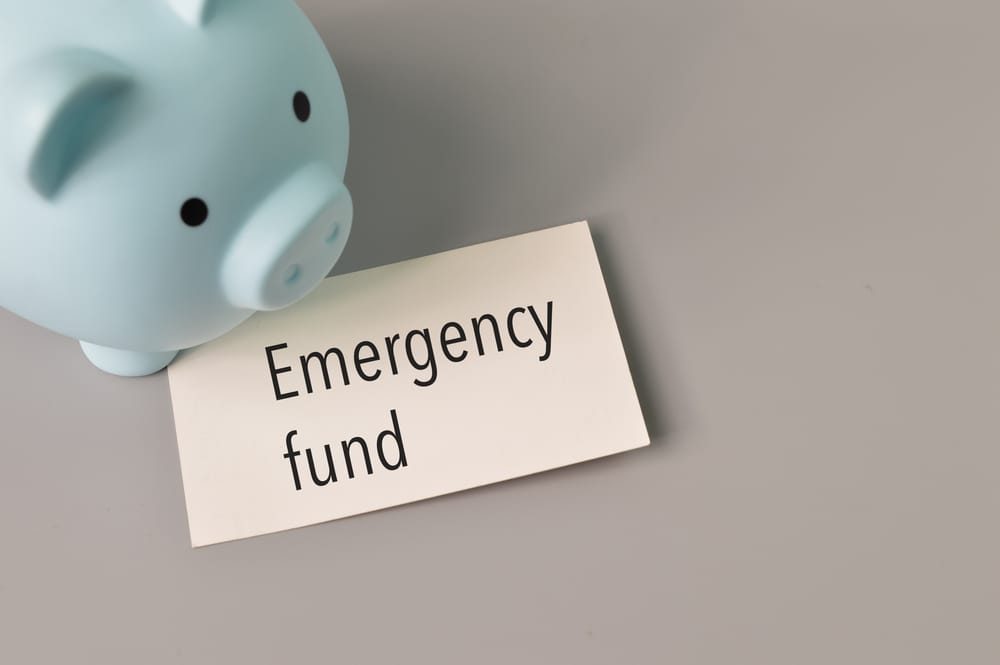
This Is Why Your Emergency Fund Isn’t Protecting You the Way It Did Five Years Ago

Image source: shutterstock.com

Remember when tucking away a few months’ worth of expenses in a savings account felt like financial armor? That shield, once considered indestructible, now seems a little thinner around the edges. If your emergency fund hasn’t been adjusted in years, you might be in for a surprise: what once covered rent, groceries, and a few random emergencies may no longer stretch far enough to keep you truly safe.

The world changes fast, and your emergency plan can’t stay frozen in time. Between rising inflation, housing costs, and everyday expenses creeping higher, that old nest egg might only cover half of what it used to.

Inflation Is Quietly Eating Your Safety Net

Inflation is like that guest at a party who slowly eats all the snacks while you’re distracted. Over the past five years, the cost of groceries has skyrocketed by nearly 30%, while utilities and transportation have steadily climbed, often outpacing the interest your savings account earns.

If your emergency fund hasn’t grown at the same pace as your expenses, its real purchasing power has quietly eroded. This means you might think you’re financially protected, but when the real-world bills come knocking, you’ll notice the difference immediately. It’s not that your money disappeared—it’s that it doesn’t buy as much as it used to.

Interest Rates And Savings Accounts Are No Longer Your Allies

Five years ago, parking money in a high-yield savings account could earn you a respectable return. Those days are largely behind us. Interest rates have fluctuated dramatically, leaving many emergency funds stagnating while costs continue to rise. Meanwhile, prices on essential goods keep climbing, silently chipping away at your financial cushion.

This mismatch between what you earn on savings and what you spend on necessities can turn a seemingly comfortable fund into something worryingly thin. If you’re relying on the same account strategy you used in 2018, it’s time for a serious checkup. Your fund isn’t broken—it’s just outdated.

The Cost Of Housing Has Shifted Dramatically

Renters and homeowners alike have felt the squeeze. In cities across the country, the housing affordability crisis has caused costs to soar, while wages haven’t always kept pace.

For many, the cost of maintaining a home or apartment now takes up a larger slice of the monthly budget than it did five years ago. This shift doesn’t just affect renters—homeowners feel it too, thanks to rising property taxes, insurance, and utility costs. The reality is simple: your old emergency fund was calculated for a different world, and the world has changed.

Healthcare Costs Are A Silent Drain

Medical expenses often lurk in the background until an emergency hits. Over the last few years, healthcare costs, insurance premiums, and prescription prices have climbed steadily, while even minor medical events that once cost a few hundred dollars can now run into the thousands.

If your emergency fund hasn’t been adjusted for these increases, it may not provide enough coverage when a health situation arises. And with healthcare expenses unpredictable and sometimes unavoidable, this silent drain can turn a well-meaning fund into an inadequate safety net. Ignoring these rising costs is a recipe for financial stress the moment life throws a curveball.

This Is Why Your Emergency Fund Isn’t Protecting You the Way It Did Five Years Ago

Image source: shutterstock.com

Unexpected Expenses Are Growing In Scale

Emergencies themselves haven’t gotten smaller. Natural disasters, car repairs, home maintenance, and sudden job changes all tend to cost more than they did half a decade ago.

When people calculate their emergency savings based on old expense numbers, they underestimate the magnitude of today’s unpredictable costs. Life has a way of being more expensive than we imagine, and the gap between your fund and reality can be shockingly wide.

Rethinking Your Emergency Fund For Today’s Reality

The good news is that updating your emergency fund isn’t just necessary—it’s doable. Start by recalculating your essential monthly expenses, including rent, utilities, groceries, insurance, and potential healthcare costs. Factor in any new financial obligations that have popped up since your last review. Then, consider a buffer for unexpected events that could derail your budget, like car repairs, urgent home fixes, or temporary unemployment.

Adjusting your fund to match current realities ensures it can genuinely act as a protective cushion rather than a false sense of security.

Practical Tips To Keep Your Fund Effective

Keeping an emergency fund truly effective goes beyond just numbers. Consider diversifying where you keep your money: a combination of high-yield savings accounts, money market accounts, or short-term, low-risk investments can help your fund maintain its value against inflation.

Regularly reviewing and updating the total amount ensures your fund keeps pace with rising costs and lifestyle changes. Automating contributions can take the pressure off while maintaining steady growth. And don’t underestimate the psychological benefit of knowing your emergency fund is truly ready for today’s world—it can provide a sense of control and calm when financial surprises hit.

Make Your Emergency Fund Work As It Should

Your emergency fund is only as strong as the environment it exists in, and the world around it has changed significantly in the last five years. By accounting for rising costs, inflation, and unexpected emergencies, you can rebuild your financial confidence and avoid the stress of discovering your protection is thinner than you thought.

We’d love to hear about how you’ve adjusted—or plan to adjust—your emergency fund in today’s landscape, or any experiences that taught you the importance of keeping it current. Leave your thoughts and stories in the comments below.

You May Also Like…

Why Are Emergency Funds Harder to Rebuild Than People Expect

9 Budget Categories That Blow Up After One Emergency

Why So Many Retirees Are Being Forced to Spend Savings Faster Than Planned This Year

Savings Strategy: 9 Micro moves That Add Tens of Thousands Over Time

Savings Leap: 9 Mid-Life Moves That Boost Long-Term Retirement Odds

Brandon Marcus
Brandon Marcus

Brandon Marcus is a writer who has been sharing the written word since a very young age. His interests include sports, history, pop culture, and so much more. When he isn’t writing, he spends his time jogging, drinking coffee, or attempting to read a long book he may never complete.

Filed Under: saving money Tagged With: bank account, Cost of living, emergency expenses, emergency funds, emergency spending, finance, finances, general finance, healthcare, healthcare costs, Housing Costs, interest rates, medical expenses, Money, money issues, Personal Finance, saving accounts, saving money, savings, unexpected expenses

Savings Game: 5 Ways to Boost Your Emergency Fund Before December Ends

December 12, 2025 by Brandon Marcus Leave a Comment

Here Are Ways to Boost Your Emergency Fund Before December Ends

Image Source: Shutterstock.com

The year is almost over, and if your emergency fund is still looking like it went on a permanent vacation, it’s time to play catch-up. December might feel like chaos with holiday shopping, end-of-year parties, and that never-ending to-do list, but it’s also the perfect moment to give your savings a turbo boost. Think of your emergency fund as a financial superhero—it swoops in when life throws unexpected bills your way.

The more you can stockpile before the clock strikes midnight on December 31st, the stronger your shield will be.

1. Automate Micro-Savings Without Feeling It

Small changes can add up faster than you think. Apps, banks, and budgeting tools make it easy to automatically funnel tiny amounts from each paycheck into your emergency fund. Even $5 or $10 per week grows quietly in the background, and before you know it, you’ve built a nice cushion without stressing your regular spending. The beauty of micro-savings is that it’s almost invisible—you won’t miss the money, but your fund will definitely notice. Set it, forget it, and watch your account swell like a snowball rolling downhill.

2. Turn Holiday Extras Into Savings

Holidays bring bonuses, gift cards, or unexpected extra cash, and most people immediately think “spend it all.” Flip the script: dedicate a portion—or all—of these extras straight to your emergency fund. That bonus you weren’t counting on? Boom—fund boosted. That gift card from Aunt Linda that’s been sitting in your drawer? Deposit its cash value and watch your savings grow. Using “found” money keeps your regular budget intact while giving your fund a surprise injection of power.

3. Side Hustle For Extra Fuel

Even just a few hours of extra work can do wonders for your emergency fund. Freelancing, pet sitting, delivery apps, or selling items you no longer need can create a small windfall that goes straight into savings. The key is treating this income as sacred—resist the urge to spend it on extra lattes or impulse gifts. Put it all in one place and let it build a safety net that feels almost unstoppable. By December’s end, even a mini side hustle can feel like a financial power-up.

Here Are Ways to Boost Your Emergency Fund Before December Ends

Image Source: Shutterstock.com

4. Cut Tiny Luxuries And Redirect Them

Sometimes the biggest boost comes from noticing small leaks in your spending. Daily coffee runs, streaming extras, or subscription services you forgot you had might be quietly draining your account. Pause or trim those tiny indulgences and funnel that money directly into your emergency fund. It may seem small at first, but these little sacrifices multiply fast, and your fund will thank you. Over a few weeks, redirecting just $10–$15 a day can make a surprising dent in your year-end goal.

5. Cash-Back And Rewards Can Be Your Secret Weapon

Credit card rewards, store cash-back programs, and loyalty points aren’t just for shopping—they can be secret allies for your emergency fund. Convert points, rewards, or cashback into actual money and deposit it straight into savings. This method turns everyday spending into a savings game where you win for doing what you were already doing. You don’t need extra effort, just a strategic mindset. By using your rewards wisely, even routine purchases can become a fast-track boost for your fund before the year ends.

Level Up Your Savings Before December Ends

Boosting your emergency fund before December isn’t about depriving yourself or working around the clock. It’s about being intentional, creative, and a little strategic with your money. Micro-savings, holiday extras, side hustles, spending tweaks, and smart use of rewards all combine to create a stronger, safer financial cushion.

And the best part? These habits don’t just help this month—they set you up for a healthier, more resilient 2026. What strategies have you tried to grow your emergency fund? Share your tips, wins, or funny fails in the comments section.

You May Also Like…

Deadline Countdown: 11 Smart Moves Every Wealth-Seeker Should Do in December

Build an Ironclad Emergency Fund That Can Withstand Any Crisis

9 Ways People Screw Up Emergency Funds — Even When They Have Good Intentions

11 Things You Should Have in a “Grab-and-Go” Financial Binder for Emergencies

Holiday Trap: 6 Gift-Spending Mistakes That Could Wreck Your Budget


Brandon Marcus
Brandon Marcus

Brandon Marcus is a writer who has been sharing the written word since a very young age. His interests include sports, history, pop culture, and so much more. When he isn’t writing, he spends his time jogging, drinking coffee, or attempting to read a long book he may never complete.

Filed Under: saving money Tagged With: December, emergency fund, emergency funds, Holiday Savings, holiday spending, Holidays, micro-savings, Money, money issues, overspending, saving accounts, saving money, savings, side hustle, Smart Spending, spending

FOLLOW US

Search this site:

Recent Posts

  • Can My Savings Account Affect My Financial Aid? by Tamila McDonald
  • 12 Ways Gen X’s Views Clash with Millennials… by Tamila McDonald
  • What Advantages and Disadvantages Are There To… by Jacob Sensiba
  • Call 911: Go To the Emergency Room Immediately If… by Stephen Kanaval
  • 10 Tactics for Building an Emergency Fund from Scratch by Vanessa Bermudez
  • 7 Weird Things You Can Sell Online by Tamila McDonald
  • 10 Scary Facts About DriveTime by Tamila McDonald

Copyright © 2026 · News Pro Theme on Genesis Framework