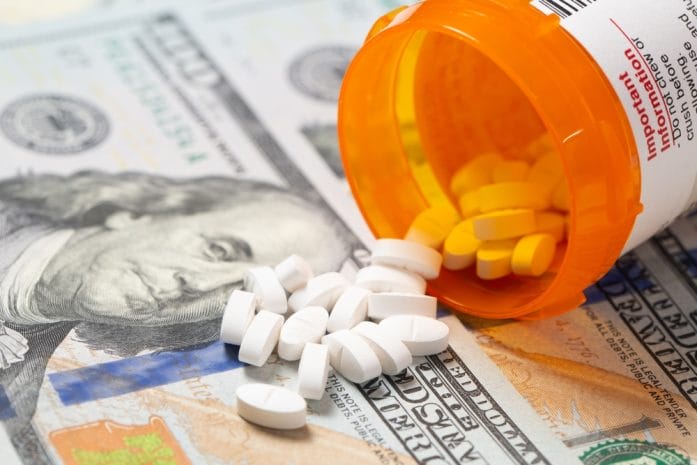
The pharmacy counter used to be a quick stop between errands. Now it can feel like the dramatic climax of a movie you didn’t buy tickets for. You hand over a prescription, tap your foot, scroll your phone, and then—bam—the total flashes on the screen like a plot twist nobody warned you about. Eyes widen. Brows furrow. Wallets quietly panic.
Across kitchen tables, group chats, and waiting rooms, people are asking the same stunned question: how did everyday medications turn into budget-blowing surprises? The answer is layered, complicated, and honestly kind of wild.
The Price Tag Shock At The Pharmacy Counter
One of the biggest reasons prescription costs feel so jarring is that the final price often appears out of nowhere. Most people walk into a pharmacy assuming their insurance has everything neatly handled, only to discover that “covered” does not always mean “affordable.” Copays, deductibles, and coinsurance can stack together in ways that feel more like a puzzle than a plan. Even longtime medication users can be caught off guard when a refill suddenly costs double what it did last month. Formularies change, coverage tiers shift, and pharmacies update prices more often than most people realize.
Because these changes happen quietly, the shock hits right at the register, when there’s little time to process or plan. That moment of surprise is what makes prescription costs feel personal, immediate, and stressful.
Insurance Isn’t As Predictable As It Sounds
Insurance is often described as a safety net, but it can feel more like a trampoline with unpredictable bounce. Plans differ wildly in what they cover, how much they cover, and when coverage actually kicks in. A medication that was affordable under one employer’s plan might become painfully expensive after a job change, even if nothing else changes in your life. High-deductible plans have become more common, meaning patients may pay full price for prescriptions until they hit a spending threshold that feels very far away. Prior authorizations can delay access and sometimes push people toward more expensive alternatives. All of this creates a sense that insurance rules are written in pencil, not ink. When the ground keeps shifting, it’s no wonder people feel blindsided.
Drug Pricing Is A Maze With Too Many Turns
Behind every prescription price is a complex system that most patients never see. Drug manufacturers set list prices, but those numbers are only the beginning of the story. Pharmacy benefit managers, wholesalers, pharmacies, and insurers all play roles that influence what someone ultimately pays. Rebates and negotiations happen behind closed doors, which can lead to higher list prices even when discounts exist somewhere in the system. Generic options help, but they are not always available or dramatically cheaper. New medications often enter the market with premium pricing, especially if they treat chronic or hard-to-manage conditions.
From the outside, it looks chaotic, and from the inside, it’s even more complicated. That complexity makes it hard for patients to predict costs or understand why two people taking the same drug might pay very different amounts.
Chronic Conditions Turn Surprise Into Ongoing Stress
For people managing long-term health conditions, prescription costs are not a one-time shock. They are a recurring line item that can quietly reshape a household budget. Monthly refills mean monthly reminders that prices can rise without warning. Skipping doses or stretching medication becomes a tempting but risky strategy when costs climb. The emotional toll adds another layer, as people weigh their health against financial pressure. Parents managing medications for children or caregivers supporting aging relatives feel this stress even more intensely.
Over time, the surprise turns into vigilance, with patients bracing themselves every time they approach the counter. That constant uncertainty is exhausting, and it explains why prescription pricing has become such a hot-button issue.

Why It Feels Worse Now Than It Used To
Prescription costs have existed for decades, so why does it feel more shocking now? Part of the answer lies in visibility. People talk more openly about money and healthcare experiences than they did years ago, so stories travel fast. Social media amplifies individual moments of sticker shock into shared outrage. At the same time, wages have not always kept pace with healthcare expenses, making price jumps harder to absorb.
More medications are used to manage conditions over longer lifespans, increasing total spending even when individual prices hold steady. Add in economic uncertainty, and every unexpected expense feels heavier. The surprise isn’t just about the number on the receipt; it’s about timing, context, and the feeling that control has slipped away.
Let’s Talk About The Real Cost Of Staying Healthy
Prescription costs catch people off guard because they combine surprise, complexity, and deeply personal stakes. They show up at moments when people are focused on feeling better, not decoding billing systems. Understanding why these costs feel so unpredictable is the first step toward navigating them with more confidence. Conversations matter, especially when they bring hidden frustrations into the open.
If you’ve had a moment at the pharmacy counter that left you stunned, or if you’ve found creative ways to manage medication expenses, add your thoughts or stories in the comments section below.
You May Also Like…
7 Clever Ways Grandparents Save on Family Vacations
Expense Spike: 8 Healthcare Costs That Hit Harder in Later Life
The Prescription Scandal No One Wants to Talk About
Navigating the Sandwich Generation: Caring for Kids, Aging Parents & Yourself
8 Tips for Talking With Your Partner About Health, Finances & Legacy

Brandon Marcus is a writer who has been sharing the written word since a very young age. His interests include sports, history, pop culture, and so much more. When he isn’t writing, he spends his time jogging, drinking coffee, or attempting to read a long book he may never complete.
.png)
Leave a Reply