
• Home
  • About Us
  • Toolkit
  • Getting Finances Done
    • Hiring Advisors
    • Debt Management
    • Spending Plan
  • Insurance
    • Life Insurance
    • Health Insurance
    • Disability Insurance
    • Homeowners/Renters Insurance
  • Contact Us
  • Risk Tolerance Quiz
  • Our Editorial Commitment

The Free Financial Advisor

You are here: Home / Archives for money problems

Why Do So Many People Feel Financially Stuck

January 25, 2026 by Brandon Marcus Leave a Comment

Why Do So Many People Feel Financially Stuck
Image source: shutterstock.com

Money stress has a special talent for showing up uninvited. One minute life feels manageable, and the next minute the bank balance looks like it’s playing a cruel joke. Bills stack up, goals feel far away, and even doing “everything right” somehow doesn’t seem to move the needle.

This feeling of being financially stuck isn’t rare or shameful—it’s widespread, deeply human, and rooted in forces much bigger than individual choices. To understand why it’s so common, we need to zoom out, slow down, and look at what’s really going on beneath the surface.

1. Rising Costs And Shrinking Breathing Room

For many households, the biggest culprit is simple math that no longer works. The cost of housing, groceries, healthcare, transportation, and childcare has climbed steadily over the past decades, often outpacing wage growth. Even people with steady jobs can feel like their paycheck evaporates the moment it lands. This creates a constant sense of pressure, where there’s little room to save, invest, or recover from surprises.

When every dollar already has a job, there’s no cushion for setbacks or opportunities. Over time, that tightness doesn’t just strain budgets—it drains motivation and confidence. Feeling financially stuck often starts with the exhausting reality of running faster just to stay in the same place.

2. Debt That Lingers Longer Than Expected

Debt is another heavy anchor, especially when it’s taken on early and follows people for years. Student loans, credit cards, medical bills, and auto loans can quietly shape financial lives long after the original purchase or emergency is forgotten. Interest turns small balances into stubborn obstacles that refuse to shrink. Many people make payments faithfully and still feel like they’re not making progress, which can be deeply discouraging.

Debt also limits choices, from where someone can live to which jobs they can take. The emotional weight matters too, as ongoing debt can fuel stress, guilt, and a sense of failure. That combination makes it harder to plan long-term or feel optimistic about money.

3. Income That Feels Unstable Or Inadequate

Even when expenses are controlled, income can be unpredictable or insufficient. Gig work, contract jobs, tipped positions, and variable schedules make it hard to count on a consistent monthly amount. Without reliable income, planning becomes a guessing game instead of a strategy. Raises and promotions also tend to come slowly, while costs rarely wait. For many workers, productivity has increased without a matching increase in pay, creating a gap between effort and reward.

This disconnect can make people feel powerless, as if no amount of hard work changes the outcome. Financial progress depends on income growth, and when that growth stalls, so does the sense of momentum.

4. Financial Education Gaps And Confusing Systems

Most people were never formally taught how money works beyond the basics. Budgeting, investing, taxes, credit, and insurance are often learned through trial and error. Financial systems are complex, filled with jargon, and sometimes designed in ways that benefit institutions more than individuals. This lack of clarity can lead to hesitation or avoidance, especially when mistakes feel costly.

Without clear guidance, people may miss opportunities or fall into habits that quietly hold them back. Over time, confusion turns into self-blame, even though the system itself is hard to navigate. Feeling stuck often has less to do with intelligence and more to do with missing information and support.

5. Social Pressure And Invisible Comparisons

Modern life comes with a nonstop highlight reel of other people’s spending and success. Social media, advertising, and cultural expectations can quietly redefine what feels “normal.” Vacations, new cars, home upgrades, and constant experiences start to look like basic milestones instead of luxuries.

Trying to keep up, even subconsciously, can push people into spending choices that strain their finances. At the same time, many struggles stay hidden, creating the illusion that everyone else has it figured out. That gap between perception and reality fuels frustration and embarrassment. Feeling financially stuck often worsens when people think they’re alone in it, even though they’re very much not.

6. Emotional Fatigue And Decision Overload

Money decisions are rarely just logical; they’re emotional. Constantly worrying about finances drains mental energy and focus. When every choice feels high-stakes, from grocery shopping to opening an email from a lender, exhaustion sets in. This fatigue can lead to avoidance, procrastination, or short-term fixes that don’t solve long-term problems.

Stress also makes it harder to learn new skills or think creatively about solutions. Over time, the emotional toll of money pressure can become as limiting as the financial reality itself. Feeling stuck is often the result of burnout, not laziness or lack of effort.

Why Do So Many People Feel Financially Stuck
Image source: shutterstock.com

Naming The Stuck Feeling Is The First Step

Feeling financially stuck isn’t a personal failure; it’s a signal. It reflects rising costs, lingering debt, uneven income, complex systems, and the emotional weight of navigating all of it at once. When people understand that these pressures are shared and structural, shame loosens its grip. Awareness creates space for better conversations, smarter choices, and more realistic expectations. Progress rarely comes from one dramatic move, but from small shifts paired with patience.

If this topic resonates with you, the comments section below is open for your experiences, insights, and reflections. Honest conversations are how financial stress starts losing its power.

You May Also Like…

8 Unsettling Financial Patterns That Keep Families Stuck for Generations

9 Financial Habits That Look Responsible but Feel Stressful

8 Grocery Shopping Habits That Make You Spend More Without Realizing It

6 Bad Money Habits Families Show During The Holidays

9 Budgeting Fears That Keep You Stuck

Brandon Marcus
Brandon Marcus

Brandon Marcus is a writer who has been sharing the written word since a very young age. His interests include sports, history, pop culture, and so much more. When he isn’t writing, he spends his time jogging, drinking coffee, or attempting to read a long book he may never complete.

Filed Under: Lifestyle Tagged With: Cost of living, Debt, debt payoff, eliminating debt, finance, finances, financial education, financially stuck, general finance, Income, income stream, Life, Lifestyle, Money, money habits, money issues, money problems, rising costs

Why Are So Many People Rethinking How They Budget

January 23, 2026 by Brandon Marcus Leave a Comment

Why Are So Many People Rethinking How They Budget
Image source: shutterstock.com

Money—it’s thrilling, terrifying, and somehow always at the center of our life choices. But recently, something curious is happening: people are no longer just sitting down with a spreadsheet or an app and dutifully categorizing every coffee and grocery purchase.

Instead, there’s a movement, subtle but undeniable, where individuals are rethinking not only how they spend but why they spend at all. It’s not about cutting every indulgence or living austerely; it’s about taking control in ways that make sense for today’s world, a world that feels less predictable than ever.

If you’ve noticed friends experimenting with new budgeting methods or reconsidering their financial priorities, you’re not imagining it. And the reasons behind this shift are as fascinating as they are practical.

Economic Uncertainty Is Changing Spending Habits

One major reason people are reevaluating their budgets is economic uncertainty. Inflation, fluctuating interest rates, and job market shifts have made yesterday’s strategies feel outdated.

People used to be able to predict monthly expenses with a degree of confidence, but now, expenses that were once minor can suddenly balloon, throwing a traditional budget out of balance. Many are turning to more flexible budgeting approaches that allow them to respond to unexpected costs without panic.

These methods often emphasize adaptability over rigidity, making it easier to balance financial goals with reality. Interestingly, this trend isn’t just about survival; it’s about regaining a sense of control. In an unpredictable economy, knowing where your money is going and having the freedom to adjust can be surprisingly empowering.

Digital Tools Are Making Budgeting Smarter And Simpler

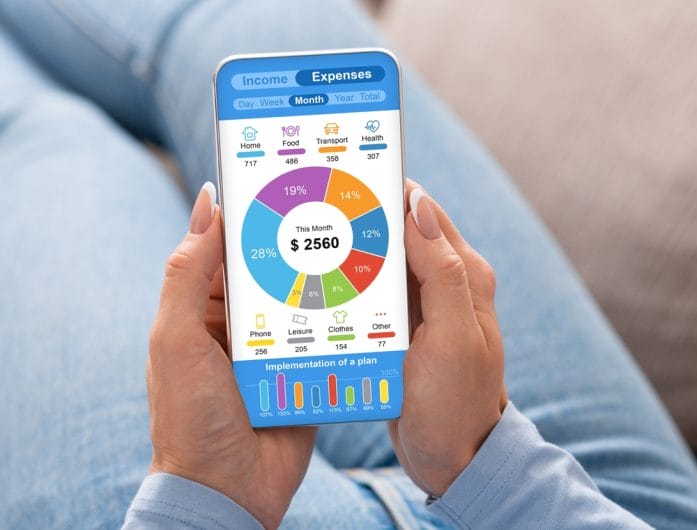
Technology is transforming budgeting in ways most of us could barely imagine a decade ago. Apps now categorize spending automatically, track bills, and even forecast cash flow based on past patterns. Artificial intelligence and machine learning have started helping people identify patterns in their finances, from recurring charges they might have missed to spending habits they weren’t aware of.

This digital assistance makes the process feel less like a chore and more like having a personal finance coach in your pocket. Users can set goals, monitor progress in real-time, and make tweaks instantly rather than waiting until the end of the month.

It’s no wonder more people are exploring these tools—they offer insight and control, packaged in a surprisingly user-friendly interface. Ultimately, technology is not replacing personal responsibility; it’s making that responsibility far easier to manage.

Why Are So Many People Rethinking How They Budget
Image source: shutterstock.com

Mindset Shifts Are Reshaping Financial Priorities

Budgeting today is less about deprivation and more about intentional living. People are increasingly questioning traditional advice like “save first, spend later” or “track every penny,” asking instead what spending choices actually bring value to their lives.

Many are adopting value-based budgeting, where money is allocated according to priorities rather than rigid categories. This could mean spending more on wellness, hobbies, or travel while cutting back on things that feel less meaningful.

Psychology is playing a huge role in this shift, too: people are learning that budgeting works best when it aligns with personal goals and emotional satisfaction. By integrating mental health, lifestyle goals, and financial planning, budgets are becoming tools for fulfillment rather than simply accounting exercises.

Social Influence And Financial Transparency Are Shaping Choices

Another fascinating factor behind the budgeting rethink is the rise of social influence. Platforms where users openly discuss their financial habits—whether successes, failures, or clever hacks—have created a new culture of accountability and inspiration.

People are seeing alternatives to traditional budgeting methods and realizing that there’s no single “right” approach. This transparency helps remove shame from financial mistakes while encouraging experimentation. For instance, someone might learn about envelope budgeting from a friend, try it, and tweak it to fit their unique lifestyle.

Peer examples provide both validation and motivation, which can be far more impactful than generic advice. As a result, budgeting is becoming a shared journey, where lessons learned collectively help everyone refine their strategies.

The Rise Of Irregular Income Is Forcing Creative Approaches

Freelancers, gig workers, and side hustlers are redefining budgeting because their income isn’t predictable. Traditional monthly budgeting doesn’t fit a world where paychecks fluctuate wildly. Instead, people are adopting flexible systems that separate fixed needs from variable wants, ensuring essentials are covered regardless of income swings.

Methods like zero-based budgeting, percentage allocation, or even building substantial emergency funds have become essential for this demographic. These approaches teach not just discipline but also creativity in managing money. Learning to budget around irregular income isn’t just practical—it’s an exercise in resilience and strategic planning that anyone can benefit from.

Financial Education Is More Accessible Than Ever

Finally, access to financial education has exploded, leading many to rethink old habits. Podcasts, online courses, YouTube channels, and community forums make expert advice and real-life examples widely available.

People are no longer limited to advice from family, friends, or traditional financial advisors—they can explore diverse perspectives that challenge assumptions and spark innovation. This democratization of knowledge allows individuals to make informed choices tailored to their circumstances.

Better education encourages experimentation, and when mistakes happen, they’re treated as learning opportunities rather than failures. With this influx of information, the act of budgeting transforms from a mundane task to an engaging process of discovery and improvement.

Rethinking Budgets As A Personal Journey

Rethinking how we budget isn’t just about dollars and cents—it’s about values, priorities, and empowerment. More people are realizing that budgeting can be a flexible, adaptive, and even enjoyable tool to shape life the way they want.

Whether prompted by economic uncertainty, technological innovation, changing mindsets, social influence, irregular income, or accessible financial education, the trend is clear: people want budgets that reflect their lives, not constrain them.

What’s your experience with budgeting? Have you tried a method that changed the way you see your money, or discovered a tip that transformed your approach? Tell your story!

You May Also Like…

Why Are Utility Bills Becoming a Bigger Budget Problem

Why Does Budgeting Feel More Emotional Than Logical

10 Common Budgeting Mistakes That Create Constant Money Stress

Why Do So Many People Believe Budgeting Apps Solve Everything

9 Budget Categories That Blow Up After One Emergency

Brandon Marcus
Brandon Marcus

Brandon Marcus is a writer who has been sharing the written word since a very young age. His interests include sports, history, pop culture, and so much more. When he isn’t writing, he spends his time jogging, drinking coffee, or attempting to read a long book he may never complete.

Filed Under: Budgeting Tagged With: Budget, budget apps, budget tips, budgeting, budgeting problems, Budgeting Tips, digital tools, economic uncertainty, financial choices, financial priorities, Mindset, mindshift, Money, money issues, money problems, overspending, Smart Spending, spending, Spending Habits

13 Times Your Money Problems Were Actually Mindset Problems

June 6, 2025 by Travis Campbell Leave a Comment

broke
Image Source: pexels.com

Ever feel like your money problems just keep piling up, no matter how hard you try to fix them? You’re not alone. Many people focus on budgets, side hustles, and cutting expenses, but overlook the real culprit: their money mindset. The way you think about money can quietly sabotage your financial progress or, on the flip side, help you thrive. If you’ve ever wondered why your financial goals seem out of reach, it might be time to look inward. Let’s explore 13 times your money problems were actually mindset problems—and how a shift in thinking can change everything.

1. Believing You’ll Never Be Good With Money

If you’ve ever told yourself, “I’m just bad with money,” you’re setting up a self-fulfilling prophecy. This negative money mindset keeps you from learning new skills or seeking help. Instead, try reframing your thoughts: “I can learn to manage my money better.” Small changes in self-talk can lead to big improvements in your financial life.

2. Thinking Budgeting Is Restrictive

Many people see budgeting as a punishment, but that’s just a mindset problem. A budget is actually a tool for freedom—it helps you spend on what matters most. When you view budgeting as empowering rather than limiting, you’re more likely to stick with it and reach your goals.

3. Fearing Financial Conversations

Avoiding money talks with your partner or family often stems from fear or embarrassment. This mindset can lead to misunderstandings and missed opportunities. Open, honest conversations about money can strengthen relationships and help everyone get on the same page financially.

4. Equating Self-Worth with Net Worth

It’s easy to fall into the trap of measuring your value by your bank balance. This mindset can lead to overspending or financial anxiety. Remember, your self-worth isn’t tied to your net worth. Focus on your strengths, relationships, and personal growth instead.

5. Assuming Wealth Is Only for “Other People”

If you believe financial success is out of reach for people like you, you’re less likely to take steps toward it. This limiting money mindset can keep you stuck. Start by setting small, achievable goals and celebrating your progress. Wealth-building is possible for anyone willing to learn and grow.

6. Letting Past Mistakes Define Your Future

Everyone makes financial mistakes, but dwelling on them can hold you back. Instead of beating yourself up, treat mistakes as learning opportunities. This growth-oriented money mindset will help you bounce back stronger and make better choices moving forward.

7. Chasing Quick Fixes

Get-rich-quick schemes and lottery tickets are tempting, but they’re usually a sign of impatience or desperation. A healthy money mindset values steady progress and long-term planning. Focus on building habits that create lasting wealth, like saving regularly and investing wisely.

8. Avoiding Financial Education

Thinking you don’t need to learn about money is a mindset problem that can cost you dearly. Financial literacy is key to making smart decisions. There are countless free resources online, like the National Endowment for Financial Education, to help you boost your money mindset and skills.

9. Comparing Yourself to Others

Social media makes it easy to compare your financial situation to others, but this mindset only breeds dissatisfaction. Remember, you’re seeing the highlight reel, not the full story. Focus on your own journey and set goals that matter to you.

10. Believing You Don’t Deserve Wealth

If you secretly feel unworthy of financial success, you might unconsciously sabotage your efforts. This money mindset often comes from childhood messages or past experiences. Challenge these beliefs by reminding yourself that you deserve financial security and abundance.

11. Ignoring Small Wins

Waiting for a big financial breakthrough can make you overlook the importance of small victories. Celebrating little wins—like paying off a credit card or sticking to your budget—reinforces a positive money mindset and keeps you motivated.

12. Focusing Only on Short-Term Gratification

Impulse spending and living paycheck to paycheck often stem from a short-term mindset. Shifting your focus to long-term goals, like saving for retirement or a home, can help you make smarter choices today. Visualize your future self and let that vision guide your decisions.

13. Resisting Change

Change can be uncomfortable, but clinging to old habits keeps you stuck. Embracing a growth-oriented money mindset means being open to new strategies, tools, and perspectives. The more flexible you are, the easier it is to adapt and thrive financially.

Your Money Mindset Shapes Your Financial Future

At the end of the day, your money mindset is the foundation of your financial life. Shifting your thoughts from scarcity to abundance, from fear to confidence, can unlock new possibilities. Every financial decision starts in your mind—so nurture a mindset that supports your goals, not one that holds you back. Remember, changing your money mindset isn’t a one-time event; it’s an ongoing journey that pays off in every area of your life.

What’s one money mindset shift that made a difference for you? Share your story in the comments below!

Read More

5 Reasons You Should Care About Your Credit Score

Saving Money Isn’t Work, It’s a Mindset Shift

Travis Campbell
Travis Campbell

Travis Campbell is a digital marketer/developer with over 10 years of experience and a writer for over 6 years. He holds a degree in E-commerce and likes to share life advice he’s learned over the years. Travis loves spending time on the golf course or at the gym when he’s not working.

Filed Under: Personal Finance Tagged With: budgeting, financial advice, financial habits, Financial Wellness, money mindset, money problems, Personal Finance

FOLLOW US

Search this site:

Recent Posts

  • Can My Savings Account Affect My Financial Aid? by Tamila McDonald
  • 12 Ways Gen X’s Views Clash with Millennials… by Tamila McDonald
  • What Advantages and Disadvantages Are There To… by Jacob Sensiba
  • 10 Tactics for Building an Emergency Fund from Scratch by Vanessa Bermudez
  • Call 911: Go To the Emergency Room Immediately If… by Stephen Kanaval
  • 7 Weird Things You Can Sell Online by Tamila McDonald
  • 10 Scary Facts About DriveTime by Tamila McDonald

Copyright © 2026 · News Pro Theme on Genesis Framework