
• Home
  • About Us
  • Getting Finances Done
    • Hiring Advisors
    • Debt Management
    • Spending Plan
  • Insurance
    • Life Insurance
    • Health Insurance
    • Disability Insurance
    • Homeowners/Renters Insurance
  • Contact Us
  • Our Editorial Commitment

The Free Financial Advisor

You are here: Home / Archives for bank account

Why Your Emergency Fund Isn’t Protecting You the Way It Did Five Years Ago

January 27, 2026 by Brandon Marcus Leave a Comment

This Is Why Your Emergency Fund Isn’t Protecting You the Way It Did Five Years Ago
Image source: shutterstock.com

Remember when tucking away a few months’ worth of expenses in a savings account felt like financial armor? That shield, once considered indestructible, now seems a little thinner around the edges. If your emergency fund hasn’t been adjusted in years, you might be in for a surprise: what once covered rent, groceries, and a few random emergencies may no longer stretch far enough to keep you truly safe.

The world changes fast, and your emergency plan can’t stay frozen in time. Between rising inflation, housing costs, and everyday expenses creeping higher, that old nest egg might only cover half of what it used to.

Inflation Is Quietly Eating Your Safety Net

Inflation is like that guest at a party who slowly eats all the snacks while you’re distracted. Over the past five years, the cost of groceries has skyrocketed by nearly 30%, while utilities and transportation have steadily climbed, often outpacing the interest your savings account earns.

If your emergency fund hasn’t grown at the same pace as your expenses, its real purchasing power has quietly eroded. This means you might think you’re financially protected, but when the real-world bills come knocking, you’ll notice the difference immediately. It’s not that your money disappeared—it’s that it doesn’t buy as much as it used to.

Interest Rates And Savings Accounts Are No Longer Your Allies

Five years ago, parking money in a high-yield savings account could earn you a respectable return. Those days are largely behind us. Interest rates have fluctuated dramatically, leaving many emergency funds stagnating while costs continue to rise. Meanwhile, prices on essential goods keep climbing, silently chipping away at your financial cushion.

This mismatch between what you earn on savings and what you spend on necessities can turn a seemingly comfortable fund into something worryingly thin. If you’re relying on the same account strategy you used in 2018, it’s time for a serious checkup. Your fund isn’t broken—it’s just outdated.

The Cost Of Housing Has Shifted Dramatically

Renters and homeowners alike have felt the squeeze. In cities across the country, the housing affordability crisis has caused costs to soar, while wages haven’t always kept pace.

For many, the cost of maintaining a home or apartment now takes up a larger slice of the monthly budget than it did five years ago. This shift doesn’t just affect renters—homeowners feel it too, thanks to rising property taxes, insurance, and utility costs. The reality is simple: your old emergency fund was calculated for a different world, and the world has changed.

Healthcare Costs Are A Silent Drain

Medical expenses often lurk in the background until an emergency hits. Over the last few years, healthcare costs, insurance premiums, and prescription prices have climbed steadily, while even minor medical events that once cost a few hundred dollars can now run into the thousands.

If your emergency fund hasn’t been adjusted for these increases, it may not provide enough coverage when a health situation arises. And with healthcare expenses unpredictable and sometimes unavoidable, this silent drain can turn a well-meaning fund into an inadequate safety net. Ignoring these rising costs is a recipe for financial stress the moment life throws a curveball.

This Is Why Your Emergency Fund Isn’t Protecting You the Way It Did Five Years Ago
Image source: shutterstock.com

Unexpected Expenses Are Growing In Scale

Emergencies themselves haven’t gotten smaller. Natural disasters, car repairs, home maintenance, and sudden job changes all tend to cost more than they did half a decade ago.

When people calculate their emergency savings based on old expense numbers, they underestimate the magnitude of today’s unpredictable costs. Life has a way of being more expensive than we imagine, and the gap between your fund and reality can be shockingly wide.

Rethinking Your Emergency Fund For Today’s Reality

The good news is that updating your emergency fund isn’t just necessary—it’s doable. Start by recalculating your essential monthly expenses, including rent, utilities, groceries, insurance, and potential healthcare costs. Factor in any new financial obligations that have popped up since your last review. Then, consider a buffer for unexpected events that could derail your budget, like car repairs, urgent home fixes, or temporary unemployment.

Adjusting your fund to match current realities ensures it can genuinely act as a protective cushion rather than a false sense of security.

Practical Tips To Keep Your Fund Effective

Keeping an emergency fund truly effective goes beyond just numbers. Consider diversifying where you keep your money: a combination of high-yield savings accounts, money market accounts, or short-term, low-risk investments can help your fund maintain its value against inflation.

Regularly reviewing and updating the total amount ensures your fund keeps pace with rising costs and lifestyle changes. Automating contributions can take the pressure off while maintaining steady growth. And don’t underestimate the psychological benefit of knowing your emergency fund is truly ready for today’s world—it can provide a sense of control and calm when financial surprises hit.

Make Your Emergency Fund Work As It Should

Your emergency fund is only as strong as the environment it exists in, and the world around it has changed significantly in the last five years. By accounting for rising costs, inflation, and unexpected emergencies, you can rebuild your financial confidence and avoid the stress of discovering your protection is thinner than you thought.

We’d love to hear about how you’ve adjusted—or plan to adjust—your emergency fund in today’s landscape, or any experiences that taught you the importance of keeping it current. Leave your thoughts and stories in the comments below.

You May Also Like…

Why Are Emergency Funds Harder to Rebuild Than People Expect

9 Budget Categories That Blow Up After One Emergency

Why So Many Retirees Are Being Forced to Spend Savings Faster Than Planned This Year

Savings Strategy: 9 Micro moves That Add Tens of Thousands Over Time

Savings Leap: 9 Mid-Life Moves That Boost Long-Term Retirement Odds

Brandon Marcus
Brandon Marcus

Brandon Marcus is a writer who has been sharing the written word since a very young age. His interests include sports, history, pop culture, and so much more. When he isn’t writing, he spends his time jogging, drinking coffee, or attempting to read a long book he may never complete.


Filed Under: saving money Tagged With: bank account, Cost of living, emergency expenses, emergency funds, emergency spending, finance, finances, general finance, healthcare, healthcare costs, Housing Costs, interest rates, medical expenses, Money, money issues, Personal Finance, saving accounts, saving money, savings, unexpected expenses

8 Money Habits That Increase Anxiety Without Helping

January 23, 2026 by Brandon Marcus Leave a Comment

These Are 8 Money Habits That Increase Anxiety Without Helping
Image source: shutterstock.com

Some people think money anxiety is just about not having enough. The truth is, the way you handle money can be just as anxiety-inducing as an empty bank account. Imagine staring at your finances, trying to “stay on top of everything,” only to feel your chest tighten, palms sweat, and brain spiral into “what if?” mode.

It turns out, a lot of our financial stress isn’t caused by dollars and cents—it’s caused by habits that make us feel busy, responsible, or cautious, but do very little to actually improve our situation. Let’s break down eight of these surprisingly counterproductive behaviors.

Obsessively Checking Your Bank Account Multiple Times A Day

It seems harmless, even responsible, right? Checking your balance frequently might make you feel like you’re in control, but it can quickly turn into a vicious cycle. Each glance at your bank app can trigger anxiety spikes, especially if you see pending charges or bills you forgot about.

Research shows that repetitive checking can heighten stress and worsen decision-making because your brain becomes overloaded with micro-worries. Instead of clarity, you get tension, racing thoughts, and sometimes even impulsive spending out of frustration.

Your account balance is a snapshot, not a full story, and obsessing over it rarely helps you plan or save. Creating a schedule for reviewing finances—like once a week—can maintain awareness without turning your day into a mini panic fest.

Comparing Yourself To Others Constantly

Scrolling through social media or talking to friends about money can trigger the comparison trap. “They bought a new car, I’m still paying off last year’s credit card,” is a familiar thought pattern for many.

Comparison doesn’t motivate; it triggers anxiety and self-doubt. Financial situations are deeply personal, shaped by debt, income, savings, and life priorities. Comparing yourself to someone else’s highlight reel is like judging your marathon performance against someone who’s already halfway to the finish line.

It can make you feel inadequate, overworked, and stressed about things that don’t actually matter. Focusing on your own goals, however small, provides measurable progress and relief from constant mental pressure.

Ignoring Budgets Because They Feel Restrictive

Many people avoid creating budgets because they fear it will feel like jail for their money. Ironically, not budgeting can create more anxiety than following one. Without a clear plan, every purchase triggers a moment of guilt or panic.

You’re left guessing whether you can afford things, constantly second-guessing yourself, and carrying the mental load of financial uncertainty. A budget is not a cage—it’s a map.

By defining limits and priorities, you can make confident spending decisions without that nagging “did I overspend?” stress. Over time, seeing your money allocated intentionally can actually be liberating, reducing financial tension.

Making Impulse Purchases As Emotional Therapy

Shopping to feel better is a classic stress-relief trick, but it backfires financially and emotionally. Every time you buy a mood boost, your short-term pleasure is overshadowed by long-term worry.

Credit card balances rise, bills loom, and guilt accumulates faster than the receipts in your wallet. Emotional spending also teaches your brain that money equals comfort, making anxiety worse when you don’t spend.

The smarter approach? Identify your triggers—boredom, stress, loneliness—and find low-cost ways to satisfy them. A walk, a phone call, or even a quick meditation can calm anxiety without jeopardizing your bank account.

Hoarding Receipts And Financial Papers Without Organization

Some people keep stacks of receipts, invoices, and statements because they think it might help later. The truth is, disorganized piles just fuel stress.

When you need information, finding it feels like searching for treasure in a hurricane. Hoarding can also create a sense of looming doom, like something bad will happen if you throw anything away.

Organization doesn’t have to be extreme; a simple filing system, labeled folders, or even a digital scanning habit can cut anxiety dramatically. Knowing where everything is provides mental space, so your brain isn’t constantly running “what if” simulations about lost documents.

These Are 8 Money Habits That Increase Anxiety Without Helping
Image source: shutterstock.com

Overthinking Every Financial Decision

Spending hours deliberating over every minor purchase—$5 coffee or $6?—can be exhausting. Overanalyzing doesn’t guarantee better choices; it breeds indecision and anxiety.

While thoughtful planning is important for big-ticket items, micromanaging tiny transactions is overkill. Constant rumination also hijacks your attention, reducing your mental bandwidth for more meaningful financial planning.

Letting go of the need for perfection in small matters builds confidence and reduces stress. Trusting your judgment on everyday expenses frees mental energy for decisions that actually matter.

Avoiding Professional Advice Out Of Fear Or Pride

Many people think they can figure out finances alone, believing that asking for help is a weakness. Avoiding professional guidance can heighten anxiety, because unresolved questions linger and stress compounds.

Financial advisors, accountants, or even reputable educational resources can provide clarity, reduce errors, and give peace of mind. The trick isn’t blind reliance—it’s informed decision-making.

Getting help often reduces stress immediately, creating a foundation for smarter, calmer financial habits. Pride may feel good temporarily, but clarity feels better in the long term.

Obsessing Over News Headlines And Market Fluctuations

Watching the stock market or economic news obsessively might feel like staying informed, but it’s more likely to spike anxiety than improve your portfolio. Markets fluctuate constantly, and day-to-day news is rarely actionable for long-term financial health.

Consuming too much financial media can create a sense of impending doom, even when your personal finances are stable. Instead, consider limiting exposure to periodic reviews instead of continuous monitoring. Controlled, intentional information intake keeps your mind focused and reduces panic-driven decision-making.

Rethink, Relax, And Reset Your Money Habits

Money stress doesn’t come solely from lack of funds; it often comes from behaviors that keep your mind spinning. By identifying habits that raise anxiety without real benefits—like overchecking balances, comparing yourself to others, or overanalyzing every decision—you can take steps toward calmer, smarter financial management. Experiment with pacing, organization, and professional guidance to reclaim peace of mind.

Now it’s your turn: what money habits have you noticed increasing your stress, and which strategies have helped you breathe easier? Feel free to comment with your experiences, tips, or aha moments. Your insight could be exactly what someone else needs to feel less overwhelmed.

You May Also Like…

7 Common Money Habits That Increase Stress Instead of Reducing It

8 Financial Habits That Quietly Drain Your Checking Account

How To Regularly Save Money At The Grocery Store

8 Toxic Money Habits That Are Silently Poisoning Your Relationship

Why Does Money Anxiety Increase With Age Instead of Decrease

Brandon Marcus
Brandon Marcus

Brandon Marcus is a writer who has been sharing the written word since a very young age. His interests include sports, history, pop culture, and so much more. When he isn’t writing, he spends his time jogging, drinking coffee, or attempting to read a long book he may never complete.
Filed Under: Finance Tagged With: anxiety, bank account, banking, Budget, budget tips, budgeting, Budgeting Tips, comparison, finance, finances, financial anxiety, financial stress, impulse purchase, impulse spending, Money, money habits, money issues, news headline, overspending, overthinking, professional advice, saving money, Smart Spending, spending

Why January 20th Is the ‘Red Line’ for Your 2026 Financial Stability

January 18, 2026 by Brandon Marcus Leave a Comment

Why January 20th Is the 'Red Line' for Your 2026 Financial Stability
Image source: shutterstock.com

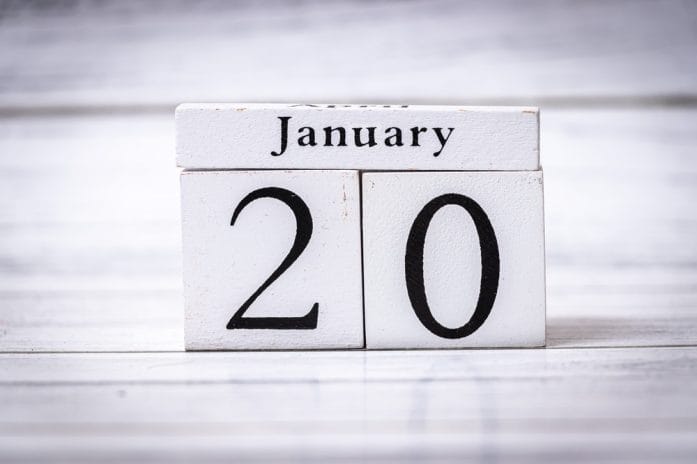
If your bank account could talk, it would probably be whispering warnings about January 20th. This isn’t some arbitrary date plucked from the void—it’s a critical turning point for financial decision-making that can either set you up for a smooth year or trap you in a web of preventable setbacks.

Think of it as a checkpoint where procrastination and poor planning can turn into real consequences faster than you can say “credit freeze.” The stakes are higher than most realize, and the clock is ticking. Understanding why this date matters and acting accordingly might just be the smartest move you make all year.

The End Of Post-Holiday Cushioning

By January 20th, most people have exhausted the financial buffer built during the holiday season. Credit card bills from gifts, travel, and festive splurges start landing in mailboxes and inboxes, and many don’t realize how quickly these balances can compound with interest. The post-holiday financial lull can disguise looming trouble, especially for those who used short-term loans or credit cards as temporary relief.

Being proactive before this date means assessing what’s really owed versus what’s manageable, setting a plan to avoid carrying high-interest balances, and resisting the temptation to “catch up” with more debt. If left unchecked, January 20th can feel like stepping off a cliff, except the ground is made of interest rates, fees, and late charges. Preparing now gives you breathing room, instead of a scramble to make ends meet in late January.

Tax Deadlines And The Early-Year Crunch

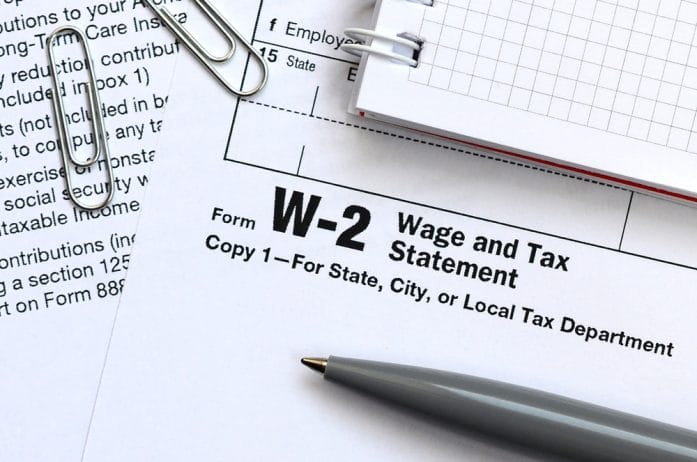
January 20th also falls at a critical point in the tax cycle. Many taxpayers begin seeing forms like W-2s, 1099s, and preliminary interest statements arrive right around this time. Missing the opportunity to organize documents, check deductions, or even estimate tax liabilities can create a domino effect of stress and financial strain. For self-employed individuals, freelancers, or those with variable income, this date signals the moment when financial projections for 2026 become urgent.

Why January 20th Is the 'Red Line' for Your 2026 Financial Stability
Image source: shutterstock.com

The earlier you review your tax situation, the better positioned you are to adjust withholding, make quarterly payments, or capitalize on deductions that can ease the burden later. Ignoring this timing doesn’t make the numbers go away—it only makes January 20th the day you realize you could have avoided an unnecessary headache.

Investment Decisions Need An Early-Year Lens

Financial advisors often stress the importance of early-year planning for investments, and January 20th serves as a key benchmark for decision-making. Markets react to policy announcements, interest rate changes, and corporate earnings projections, all of which can shift rapidly in the first few weeks of the year. By this date, patterns start emerging that inform your investment strategy for the months ahead. Delaying action until February or March could mean missed opportunities or entering positions when market conditions are less favorable. Whether it’s rebalancing a portfolio, adjusting retirement contributions, or reconsidering risk tolerance, January 20th is when the first real course corrections should happen to avoid costly missteps.

Personal Budgets Face Their First Real Test

The start of the year brings optimism, resolutions, and ambitious budgeting plans—but by January 20th, reality often hits. Bills, subscriptions, mortgage payments, and everyday expenses begin to accumulate, revealing whether your budget was aspirational or actually achievable. This is the moment to confront overspending, revisit discretionary categories, and make adjustments before habits become entrenched. Those who procrastinate might find themselves dipping into emergency savings or falling behind on bills, turning a minor inconvenience into a long-term financial challenge.

Approaching January 20th with a clear, realistic view of your cash flow can prevent small missteps from snowballing into full-blown crises.

Debt Management Must Take Priority

If debt management isn’t already a focus, January 20th is a wake-up call. Credit cards, personal loans, and other financial obligations can accumulate silently, with interest quietly chipping away at your available funds. Ignoring this date can result in missed minimum payments, higher interest accrual, and even damage to your credit score. A proactive approach includes reviewing all outstanding debts, prioritizing high-interest accounts, and considering strategies like consolidation or refinancing if necessary. By taking action before the red line of January 20th, you can transform a reactive, stressful financial situation into a structured, controlled plan that sets the stage for a more stable year.

Emergency Funds Should Be Evaluated Now

Finally, January 20th is the perfect checkpoint for your emergency fund. Unexpected expenses—a car repair, medical bill, or home maintenance—can derail financial stability if you’re unprepared. Assessing your savings, ensuring accessibility, and replenishing any shortfalls should be non-negotiable tasks before this date passes. An underfunded emergency cushion can turn minor inconveniences into significant disruptions. Planning for emergencies ahead of the curve isn’t just wise—it’s essential for maintaining momentum in your broader financial goals.

Take Action Before The Red Line

January 20th is more than a date—it’s a marker for proactive financial behavior. It signals the point where post-holiday recovery, tax considerations, budget testing, debt management, and investment strategy all intersect. Ignoring this date can magnify small missteps into larger financial problems. Meanwhile, acting beforehand sets you up for a smoother, more controlled year. Use it as a milestone to assess your overall financial health, make adjustments, and ensure your 2026 goals stay on track.

Have a personal experience or strategy that helped you navigate this crucial day? Leave your thoughts and stories in the comments below, because your insights might help someone else steer clear of pitfalls.

You May Also Like…

10 Financial Wake-Up Calls People Experience After Age 55

Income Stability: 6 Retirement Income Moves That Aren’t as Safe as They Seem

Savings Base: 6 Foundational Moves That Keep Retirement Plans Stable

Why Does Financial Anxiety Show Up Even When Bills Are Paid

8 Budget Fixes That Instantly Turn Finances Around

Brandon Marcus
Brandon Marcus

Brandon Marcus is a writer who has been sharing the written word since a very young age. His interests include sports, history, pop culture, and so much more. When he isn’t writing, he spends his time jogging, drinking coffee, or attempting to read a long book he may never complete.
Filed Under: Finance Tagged With: bank account, banking, Budget, budgeting, Debt, Debt Management, eliminating debt, end of year spending, finance, finances, Financial Stability, general finances, investing choices, investing decisions, investments, January, overspending, Pay Off Debt, personal budget, savings account, Smart Spending, spending, tax deadlines

6 Major Banks Just Raised ‘Maintenance Fees’—Here is the List of Who to Ditch

January 16, 2026 by Brandon Marcus Leave a Comment

These 6 Major Banks Just Raised 'Maintenance Fees'
Image source: shutterstock.com

That quiet little line item on your bank statement just got louder. Monthly maintenance fees, once easy to dodge, are creeping higher or becoming harder to avoid at several major banks. Customers are opening their apps and realizing that simply keeping money in the bank is costing more than it used to.

If that makes your eyebrow twitch, you’re not alone. Let’s get into who’s charging, why it matters, and which banks might be pushing customers straight toward the exit.

1. Chase Bank

Chase remains one of the biggest names in American banking, and its size gives it plenty of confidence when adjusting fees. Recent account updates have made monthly maintenance charges feel heavier, especially for customers who don’t meet direct deposit or balance requirements. Many popular checking accounts now carry monthly fees that can reach the low double digits if you miss the waiver criteria. Those criteria themselves have become stricter over time, quietly turning “free checking” into a conditional promise.

Customers with fluctuating income or irregular deposits are often hit the hardest. Chase does offer strong digital tools, but for many people, those perks no longer offset the recurring cost. When you’re paying monthly just to park your paycheck, loyalty starts to wobble.

2. Bank Of America

Bank of America’s maintenance fees have long been a sore spot, and recent changes haven’t eased the tension. Some checking accounts now require higher balances or specific deposit thresholds to avoid monthly charges. Miss the mark, and a fee appears with impressive consistency. While the bank promotes its rewards tiers, not everyone qualifies, and many everyday customers remain outside those benefits. For students and seniors, exemptions exist, but they often expire or come with fine print. The frustration comes from how easy it is to fall out of compliance without realizing it. When a banking relationship feels like a monthly test, customers understandably start looking elsewhere.

3. Wells Fargo

Wells Fargo has worked hard to rebuild trust in recent years, yet its maintenance fees continue to irritate customers. Several checking accounts still carry monthly charges unless certain conditions are met. Those conditions can include minimum balances or qualifying deposits that don’t fit every household budget. The bank has adjusted some requirements, but many customers still report higher effective costs.

For people living paycheck to paycheck, one missed deposit cycle can trigger a fee. Wells Fargo’s physical branch network is extensive, but convenience only goes so far when fees eat into your balance. Many customers are questioning whether the relationship still makes financial sense.

These 6 Major Banks Just Raised 'Maintenance Fees'
Image source: shutterstock.com

4. Citibank

Citibank’s checking accounts have seen fee structures that feel increasingly unforgiving. Monthly maintenance fees can apply quickly if balances dip below required levels. Some accounts also impose penalties when activity thresholds aren’t met, compounding the frustration. Citi positions itself as a global bank with premium features, but those features don’t always matter to domestic customers. What does matter is watching money disappear for administrative reasons. Customers who don’t maintain steady balances often feel penalized rather than supported. As fee-free alternatives expand, Citi’s approach feels more old-school than necessary.

5. PNC Bank

PNC’s popular Virtual Wallet accounts have attracted attention for their budgeting tools, but fees are now a sticking point. Maintenance charges can apply if balance or deposit requirements aren’t satisfied. While the fee amount may seem modest at first glance, it adds up over a year. Many customers sign up expecting flexibility and transparency, only to find conditions that are easy to overlook.

PNC has adjusted account terms over time, which has left some longtime customers paying more than before. The tools are useful, but plenty of digital banks now offer similar features without monthly charges. That comparison is hard to ignore.

6. U.S. Bank

U.S. Bank rounds out the list with maintenance fees that have become harder to avoid. Several checking accounts require consistent deposits or minimum balances to stay fee-free. Customers who don’t meet those benchmarks can face monthly charges that feel out of step with modern banking trends.

While U.S. Bank offers solid customer service and a strong regional presence, fees remain a frequent complaint. Many customers say the requirements aren’t clearly communicated upfront. Over time, that erodes trust and satisfaction. When banking feels like a subscription you didn’t sign up for, frustration builds fast.

Is It Time To Rethink Your Bank?

Maintenance fees may seem small, but they quietly drain hundreds of dollars over time. With so many banks still charging for basic access to your own money, it’s fair to ask whether the relationship is still worth it. Plenty of newer and smaller institutions now offer genuinely fee-free checking with fewer hoops.

If you’ve been hit by a surprise charge or recently switched banks, your experience could help others navigate the same decision. Drop your thoughts or personal stories in the comments section below and keep the conversation going.

You May Also Like…

5 Outrageous Fees Hidden in Everyday Banking Services

How Can Small Banking Errors Snowball Into Huge Losses

5 Bank Fees That Are Secretly Draining Hundreds From Your Account Annually

8 Retirement Home Upgrades with Hidden Fees

The Credit Score Hack Financial Advisors Use That Banks Hope You Never Learn

Brandon Marcus
Brandon Marcus

Brandon Marcus is a writer who has been sharing the written word since a very young age. His interests include sports, history, pop culture, and so much more. When he isn’t writing, he spends his time jogging, drinking coffee, or attempting to read a long book he may never complete.

Filed Under: Banking Tagged With: bank, bank account, Bank of America, banking, banking fees, Chase Bank, checking account, Citibank, Hidden Fees, maintenance fees, major banks, PNC Bank, savings account, US Bank, Wells Fargo

The Verizon $20 Trap: Why That ‘Outage Refund’ Text Message Could Wipe Out Your Bank Account

January 16, 2026 by Tamila McDonald Leave a Comment

Verizon Scam

At 10:20 PM ET on Wednesday night, Verizon finally plugged the leaks on a massive 10-hour software-driven blackout that left over 2 million Americans in “SOS mode.” Yesterday, the company issued an official apology and a promise: a $20.00 account credit for everyone affected.

But today, January 16, that promise of “free money” has turned into a digital landmine. Scammers have launched a massive, nationwide “smishing” (SMS phishing) campaign that is perfectly timed to exploit your wait for that $20 refund. If you click the wrong link today, you aren’t just losing your credit—you are handing over the keys to your entire financial life.

The ‘Perfect’ Scam: How They Are Hooking You

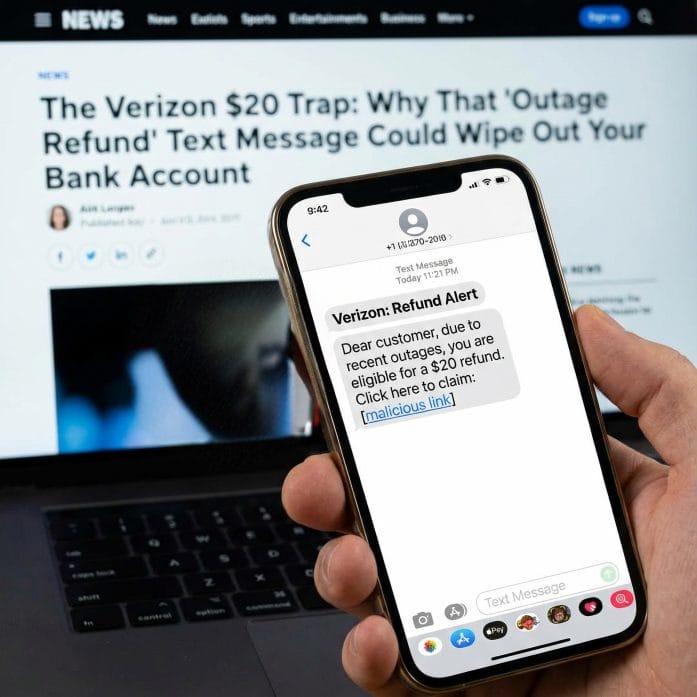
The danger lies in how Verizon decided to handle the rollout. In an official statement, Verizon News confirmed: “You will receive a text message when the credit is available.”

Hackers were waiting for exactly that sentence. This morning, thousands of Verizon customers reported receiving texts that look nearly identical to official carrier communications. They use the same corporate branding, professional tone, and—most importantly—they reference the “January 14 Outage” specifically.

The Trap: The text contains a link (e.g., https://www.google.com/search?q=vzw-relief-portal.com or verizon-claims-2026.net). When you click, you are taken to a mirror-image of the Verizon login page. Once you enter your username and password to “claim your $20,” the scammer has everything they need to bypass your security.

From a $20 Credit to a $0 Bank Balance

This isn’t just about stealing your Verizon login. Security experts are warning that this outage has become the ultimate catalyst for “SIM Swapping”—the most dangerous form of identity theft in 2026.

Once a scammer has your account credentials, they don’t just look at your bill. They initiate a SIM Swap. They convince an automated system or a customer service bot that you have a new device. Within seconds:

  1. Your Phone Goes Dead: You lose service immediately (thinking it’s just another outage).

  2. They Intercept Your Texts: Every 2-factor authentication (2FA) code from your bank, your 401(k) provider, and your Venmo now goes to the scammer’s phone.

  3. The Drain: They reset your bank passwords using the “Forgot Password” feature via SMS and drain your accounts before you even realize you’ve been hacked. In a world where your phone number is your identity, losing control of your SIM means losing control of your money.

The 3 Red Flags of a Verizon Scam Text

Verizon has stated they will notify you via text, but they will NEVER ask you to click a link to provide personal or financial data. Look for these “Audit Alarms”:

  • The Link: If the URL isn’t verizon.com or doesn’t direct you to open the app manually, it is 100% fake.

  • The Urgency: Scammers use phrases like “Claim within 2 hours or the offer expires.” Verizon’s actual credit is available for at least one full billing cycle.

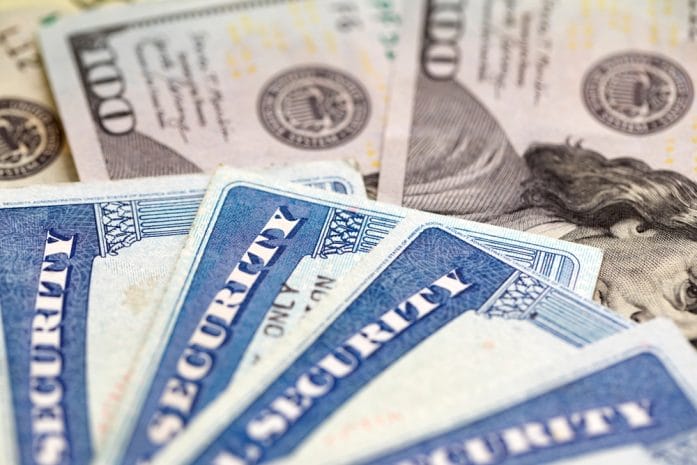
  • The Information Request: If a site asks for your Social Security Number or a Credit Card to “verify your identity” for a credit, close the tab immediately.

How to Safely Claim Your $20 Today

If you want to ensure your $20 goes into your pocket and stay out of the hands of hackers, follow the “Manual Only” rule:

  1. Ignore the Text: Treat every incoming text as a scam, even if it looks real.

  2. Use the App: Open the MyVerizon App directly from your phone’s home screen.

  3. Check ‘Verizon Up’: Navigate to the “Rewards” or “Verizon Up” section. If you are eligible, the $20 credit will appear as a “Redeem” button inside the secure app environment.

  4. The Live Agent Hack: If you don’t see it, use the app’s chat and type “Live Agent” followed by “Request credit for Jan 14 outage.”

Small Win-Big Headache

Verizon’s $20 credit covers roughly 2–3 days of service, which is a small win for a big headache. But that small win isn’t worth a compromised bank account. We are seeing reports of “SIM Swapping” spikes in New York, Dallas, and Atlanta this morning—the exact cities hit hardest by the original outage.

Have you received a suspicious text message claiming to be from Verizon today? Tell us the phone number it came from and your city in the comments below so we can alert other readers in your area.

Read More:

The Verizon Kill Switch: Why Your Phone is Still in “SOS Mode” This Morning Despite the “Fix”

14 Outrageous Laws Still Legal in America — And Nobody’s Stopped Them

Tamila McDonald
Tamila McDonald

Tamila McDonald is a U.S. Army veteran with 20 years of service, including five years as a military financial advisor. After retiring from the Army, she spent eight years as an AFCPE-certified personal financial advisor for wounded warriors and their families. Now she writes about personal finance and benefits programs for numerous financial websites.

Filed Under: Online Safety, scams Tagged With: bank account, Scam, Verizon

Payment Delay Alert: Why Your January Social Security Deposit May Not Hit Your Account Today

January 14, 2026 by Brandon Marcus 8 Comments

Here's Why Your January Social Security Deposit May Not Hit Your Account Today
Image Source: Shutterstock.com

The morning coffee is poured, the phone is unlocked, and there it is—the banking app—staring back with a balance that hasn’t budged. For millions of Social Security recipients, that moment can spark a mix of confusion, concern, and a dozen rapid-fire questions. January is supposed to feel like a clean slate, yet nothing rattles the calm quite like a missing deposit.

Before panic sets in or customer service numbers get dialed at lightning speed, it helps to understand what’s really going on behind the scenes. This isn’t a mystery novel twist or a financial cliffhanger—it’s a story with rules, timing quirks, and a few very human explanations.

How Social Security Payment Timing Really Works

Social Security payments don’t all land on the same day, and that alone explains a huge chunk of January confusion. The Social Security Administration uses a staggered schedule that depends on your birthday and the type of benefit you receive. Retirement and disability benefits typically arrive on a Wednesday, and which Wednesday depends on whether your birthday falls early, mid, or late in the month. Supplemental Security Income usually follows a different rhythm entirely, often arriving on the first of the month unless that date collides with a weekend or holiday.

January magnifies these differences because it opens with a federal holiday and a brand-new calendar. When expectations don’t match the actual schedule, it can feel like a delay even when everything is technically right on time.

January’s Calendar Quirks Can Shift Deposit Dates

January loves to play calendar tricks, and your Social Security payment sometimes feels the impact. New Year’s Day is a federal holiday, and banks close their doors, even if digital banking stays open. When a scheduled payment date lands on a weekend or holiday, the deposit doesn’t vanish—it simply moves. Sometimes it arrives earlier, sometimes the next business day, depending on the benefit type and banking processes.

That shift can make it seem like today was supposed to be the day, even when the official payment date quietly changed. Understanding that January’s layout isn’t business-as-usual can ease a lot of unnecessary worry.

Here's Why Your January Social Security Deposit May Not Hit Your Account Today
Image Source: Shutterstock.com

Banks And Processing Times Add Another Layer

Even when Social Security releases payments exactly as scheduled, banks still have a role to play. Financial institutions process deposits on their own timelines, and those timelines aren’t always identical. One bank might post funds the moment they’re received, while another may take several hours or even an extra business day. High-volume periods, such as the start of a new year, can slow things slightly as systems update and reconcile accounts. Online banking apps don’t always refresh instantly, which can add to the illusion of a missing payment. In many cases, patience of a single day is all it takes for the deposit to finally appear.

Cost-Of-Living Adjustments Can Cause Brief Confusion

January is also when cost-of-living adjustments take effect, and that change can add a layer of complexity. Updated benefit amounts require system-wide updates, recalculations, and verification checks. While these adjustments are designed to help recipients keep up with rising expenses, they can temporarily slow the flow of information between agencies and banks. Some people notice a different deposit amount and assume something went wrong, while others expect the increase and think a delay has occurred. The reality is that recalibration takes time, and January is when all of it happens at once. The payment is still coming, even if it arrives with a few extra steps behind the curtain.

When A Delay Is Normal And When It’s Not

Most January payment concerns fall squarely into the “normal” category, even if they don’t feel that way in the moment. A deposit that’s one business day late is rarely a sign of trouble, especially around holidays. However, a delay stretching beyond several days deserves attention. Incorrect banking information, a recently changed account, or a flagged issue can hold things up longer than expected. Keeping personal details up to date with Social Security is one of the simplest ways to avoid extended delays. Knowing the difference between a routine timing issue and a genuine problem helps you respond calmly and effectively.

Smart Steps To Take If Your Payment Hasn’t Arrived

The first and most powerful step is checking your official payment schedule to confirm the expected date. Next, take a look at your bank’s processing policies, especially around holidays and weekends. It’s also wise to monitor your account for pending deposits that may not be fully posted yet. If a few business days pass with no sign of your payment, reaching out to Social Security or your bank can provide clarity. Keeping notes of conversations and confirmation numbers can save time if follow-up is needed. Acting methodically beats reacting emotionally every time.

Stay Informed And Stay Calm

January payment delays can feel unsettling, but they’re often the result of timing, calendars, and behind-the-scenes processes rather than true problems. Understanding how Social Security schedules payments and how banks handle deposits puts the power back in your hands. If you’ve experienced a January delay before, or if today’s missing deposit sparked a few nerves, your perspective could help others feel less alone.

Drop your thoughts or personal experiences in the comments section below and join the conversation. Sometimes reassurance is just one story away.

You May Also Like…

Pension Shock: 9 Myths About Social Security That Could Derail Your Retirement

Could Your Social Security Plans Collapse If The Economy Shifts Again This Winter?

Did You Know Social Security Has a Hidden Bonus for Widowers?

11 Social Security Surprises That Hit You After Losing a Spouse

Is There Any Way to Get More Social Security Than You Qualify For?


Brandon Marcus
Brandon Marcus

Brandon Marcus is a writer who has been sharing the written word since a very young age. His interests include sports, history, pop culture, and so much more. When he isn’t writing, he spends his time jogging, drinking coffee, or attempting to read a long book he may never complete.

Filed Under: social security Tagged With: America, bank account, bank processing, banking, Banks, elderly, government policy, January, Money, money issues, senior citizen, seniors, Social Security, social security changes, Social Security deposit, social security payment, United States

7 Common Money Habits That Increase Stress Instead of Reducing It

January 12, 2026 by Brandon Marcus Leave a Comment

These Are 7 Common Money Habits That Increase Stress Instead of Reducing It
Image Source: Shutterstock.com

Money advice is everywhere, shouted from podcasts, splashed across social feeds, and whispered by well-meaning relatives at family dinners. Yet for all that guidance, many people still feel a tight knot in their stomach every time they open a banking app. The twist is that some habits praised as “responsible” are actually fueling anxiety instead of calming it. These behaviors often look smart on the surface, but underneath, they quietly crank up pressure, guilt, and overwhelm.

If your finances feel more exhausting than empowering, you’re not broken. You might just be practicing a few stress-boosting money habits without realizing it.

1. Treating A Budget Like A Punishment

A budget is supposed to be a tool, not a disciplinary hearing, yet many people approach it like a scolding authority figure. Every coffee, snack, or small indulgence becomes evidence in a case against yourself. This mindset turns budgeting into a constant emotional battle rather than a helpful roadmap. When a budget feels restrictive and joyless, it often leads to rebellion spending, followed by guilt and self-criticism.

Stress grows because the budget is framed as something to survive rather than something that supports your life. A healthier approach allows room for enjoyment, flexibility, and adjustments as life changes.

2. Obsessively Checking Accounts And Balances

Keeping an eye on your money is wise, but refreshing your banking app ten times a day is a fast track to anxiety. Each glance becomes a mini emotional roller coaster, especially if balances fluctuate or expenses hit unexpectedly. This habit keeps your nervous system on high alert, as if a financial emergency is always seconds away. Instead of feeling informed, you feel monitored by your own numbers. Constant checking can also distort reality, making normal spending feel dangerous. Trust grows when you set intentional check-in times rather than living inside your balance screen.

3. Saving Every Extra Dollar Without Purpose

Saving money is often treated like an unquestionable virtue, but saving without clarity can be surprisingly stressful. When every spare dollar disappears into an unnamed savings account, it can feel like money is vanishing instead of working for you. This creates a vague sense of deprivation without a satisfying payoff. Goals give savings emotional meaning, whether it’s security, freedom, or future experiences. Without that meaning, saving feels endless and heavy. Stress eases when you know exactly what your money is preparing you for.

4. Avoiding Money Conversations Completely

Silence around money can feel safer than awkward conversations, but avoidance tends to magnify fear. When finances are never discussed, misunderstandings grow, assumptions take over, and anxiety fills in the blanks. This is especially true in relationships where unspoken expectations quietly build pressure. Avoidance can also prevent problem-solving, allowing small issues to snowball into major stressors.

Talking about money doesn’t have to be confrontational or uncomfortable. Honest, calm conversations often replace dread with relief and clarity.

5. Comparing Your Finances To Everyone Else’s

Financial comparison is a stress factory disguised as motivation. Social media highlights vacations, new cars, and dream homes without showing debt, trade-offs, or family support behind the scenes. Measuring your progress against someone else’s highlight reel can make even solid finances feel inadequate. This habit breeds impatience and dissatisfaction, pushing people to make choices that don’t align with their reality. Comparison also ignores personal values, priorities, and timelines. Peace grows when success is defined on your own terms, not someone else’s feed.

6. Using Credit As Emotional Relief

Swiping a card can feel like instant relief after a hard day, a rough week, or an emotional blow. That temporary comfort, however, often carries a delayed stress bill. Purchases made to soothe feelings can quickly turn into regret when statements arrive. The cycle repeats as stress leads to spending, which then creates more stress. Credit itself isn’t the villain, but using it as emotional support can quietly erode financial confidence. Awareness and alternative coping strategies can break this exhausting loop.

These Are 7 Common Money Habits That Increase Stress Instead of Reducing It
Image Source: Shutterstock.com

7. Believing You Should Already Know Everything About Money

Many adults secretly believe they missed a class where everyone else learned how money works. This belief creates shame, hesitation, and fear of asking questions. When you think you should already understand investing, taxes, or debt, learning feels intimidating instead of empowering. Stress thrives in that silence, convincing you to avoid decisions altogether. The truth is that money skills are learned, not inherited through some mysterious adulthood rite. Giving yourself permission to learn at your own pace can dramatically reduce financial tension.

Turning Stress Into Financial Confidence

Money stress often isn’t about numbers alone; it’s about habits, beliefs, and emotional patterns woven into daily life. When these common behaviors go unchecked, they can quietly drain energy and confidence. The encouraging part is that awareness opens the door to change, and even small shifts can bring noticeable relief. By reframing how you budget, save, spend, and think about money, finances can start to feel supportive instead of suffocating. Everyone’s journey with money is different, shaped by experiences, values, and goals.

Feel free to tell us what habits have caused you the most stress or what changes have made the biggest difference for you in the comments below.

You May Also Like…

6 Bad Money Habits Families Show During The Holidays

Behaviour Check: 8 Money Habits That Sabotage Boomers’ Financial Futures

The Impact Of Mortgage Choices On Your Financial Health

Risk Proaction: 5 Steps to Stress-Test Your Finances for Worst-Case Scenarios

9 Money Assumptions That No Longer Work in Today’s Economy


Brandon Marcus
Brandon Marcus

Brandon Marcus is a writer who has been sharing the written word since a very young age. His interests include sports, history, pop culture, and so much more. When he isn’t writing, he spends his time jogging, drinking coffee, or attempting to read a long book he may never complete.
Filed Under: Lifestyle Tagged With: bank account, Budget, budgeting, checking account, comparing finances, conversations about money, financial choices, financial decisions, Life, Lifestyle, Money, money choices, money habits, overspending, saving money, savings account, smart saving

What To Look For When Opening A Bank Account For Your Teen

January 8, 2026 by Brandon Marcus Leave a Comment

What To Look For When Opening A Bank Account For Your Teen
Image Source: Shutterstock.com

Opening a bank account for a teen is like handing them the keys to a brand-new adventure—one that mixes responsibility, independence, and the thrill of managing their own money. Teens today are juggling allowances, part-time jobs, and the occasional online purchase, and helping them navigate their finances early sets them up for a lifetime of smart money moves. But choosing the right bank account isn’t as simple as picking the first option you see.

There are hidden perks, potential pitfalls, and exciting features that can make this a genuinely empowering experience for your teen. Whether your teen is just starting to earn their own cash or wants to save for something epic, understanding what to look for can make all the difference.

1. Evaluate Account Fees And Minimum Balances

One of the first things to check is fees. Some teen accounts come with monthly maintenance fees that can eat away at a small allowance or first paycheck faster than your teen can say “savings.” Look for accounts that are fee-free or waive fees if certain conditions are met, like maintaining a minimum balance. Speaking of minimum balances, make sure the requirements aren’t unrealistic. Teens often have fluctuating funds, so an account that demands $100 or more could lead to unnecessary stress. Also, consider overdraft fees—some banks allow teens to overdraft without penalty, but many don’t, and that could result in a big surprise.

A good teen account should feel like a financial playground, not a trap door filled with fees. Checking these details upfront saves headaches and keeps the banking experience positive.

2. Prioritize Accessibility And Ease Of Use

Teens are digital natives, and they expect banking to fit seamlessly into their world. Mobile apps that are intuitive, secure, and engaging make a huge difference. Look for features like instant balance updates, easy transfer options, and spending alerts that can teach your teen good financial habits in real-time. ATMs should also be convenient—either free or low-cost, and in locations your teen will actually use. Online banking shouldn’t be a maze, and the bank’s website should provide clear guidance and easy navigation.

The goal is to make money management feel empowering, not like a complicated chore. When your teen can confidently check balances, set up payments, and track spending with just a few taps, it builds independence and financial literacy all at once.

3. Explore Parental Controls And Monitoring Options

While independence is key, guidance is equally important. Many teen accounts offer parental oversight features, which let you monitor transactions without hovering or controlling every move. Some accounts allow parents to set spending limits, receive notifications for certain activities, or transfer money directly into the teen’s account. This helps create a safety net while still promoting autonomy. The best parental controls strike a balance—enough oversight to teach responsibility but not so much that teens feel mistrusted. Explaining the purpose of these tools to your teen can turn monitoring into a positive learning experience rather than a source of friction. It’s all about creating a framework where teens can make choices safely and learn from them.

4. Look For Incentives And Rewards Programs

Who doesn’t like a little extra motivation? Some teen accounts come with perks that make saving, spending, and earning money more exciting. For example, certain banks offer interest on balances, cash-back rewards on debit card purchases, or bonuses for reaching savings goals. Gamified features, like tracking progress toward financial milestones, can turn saving into a mini-adventure.

These incentives teach the value of money and reward smart financial behavior. While perks shouldn’t be the only factor, they do add an element of excitement and engagement. When teens see tangible benefits from managing their own funds, it reinforces the habits you want them to develop.

What To Look For When Opening A Bank Account For Your Teen
Image Source: Shutterstock.com

5. Check Safety And Security Features

Safety isn’t just a buzzword—it’s essential. Teens are prone to online shopping, subscriptions, and digital transactions, so the account needs robust security measures. Features like two-factor authentication, fraud alerts, and the ability to instantly lock a lost or stolen card are critical. Some banks also offer identity theft protection, which adds an extra layer of confidence. Teaching your teen about online safety while using these tools creates habits that last a lifetime. Make sure the bank has responsive customer support, so your teen isn’t left panicking if something goes wrong. Confidence in security builds trust and reduces anxiety, making the banking experience smooth and enjoyable.

6. Evaluate Educational Resources And Support

A teen account should come with more than just transactions—it should be a learning hub. Many banks provide educational tools like budgeting tutorials, savings tips, and goal-setting apps specifically for teens. These resources help them understand concepts like interest, budgeting, and responsible spending in an approachable way. Some even have interactive games or challenges that make learning about money feel less like homework and more like a competition or adventure. Banks that prioritize financial education equip teens with skills that pay off long after the account is opened. Investing time in an account that doubles as a learning tool is an investment in your teen’s future financial independence.

7. Consider The Long-Term Options

While a teen account is a starter, think ahead to what comes next. Can this account transition smoothly into a standard checking or savings account? Are there opportunities for higher interest rates or advanced banking features later? Knowing the long-term options prevents disruptions when your teen hits adulthood and wants more sophisticated financial tools. Some banks offer seamless upgrades that maintain history, keep rewards intact, and avoid unnecessary paperwork. Planning for the future now creates continuity and teaches your teen about financial growth over time. The ideal teen account is a stepping stone, not a dead-end path.

Your Teen’s Financial Adventure Starts Here

Opening a bank account for your teen is an exciting milestone—a blend of responsibility, independence, and opportunity. By evaluating fees, accessibility, parental controls, rewards, security, educational resources, and long-term potential, you ensure that your teen’s first banking experience is both empowering and fun. Every choice you make now helps shape your teen’s money habits for years to come.

Have you opened a bank account for your teen? What worked, and what surprised you about the experience? Let us know your thoughts or experiences in the comments below—your insights might help other parents make the best choice for their teens.

You May Also Like…

5 Outrageous Fees Hidden in Everyday Banking Services

8 Things You Should Never, Ever Put in a Bank Safe Deposit Box

What Happens if Adult Children Control Your Online Banking Credentials

9 Little-Known Costs of Raising Teenagers

Why Do So Many Teenagers Think There Parents Will Take Care of Them After 18?


Brandon Marcus
Brandon Marcus

Brandon Marcus is a writer who has been sharing the written word since a very young age. His interests include sports, history, pop culture, and so much more. When he isn’t writing, he spends his time jogging, drinking coffee, or attempting to read a long book he may never complete.

Filed Under: Banking Tagged With: account fees, bank, bank account, banking, checking account, families, Family, family issues, minimum balances, Money, money issues, parental controls, savings account, teenagers

8 Financial Habits That Quietly Drain Your Checking Account

January 8, 2026 by Brandon Marcus Leave a Comment

Here Are 8 Financial Habits That Quietly Drain Your Checking Account
Image Source: Shutterstock.com

Ever feel like your paycheck disappears faster than a magician’s rabbit? One minute you’re celebrating payday, the next you’re staring at your bank balance wondering where all the money went. It’s not always obvious. Sometimes, the real culprits aren’t massive purchases or lavish vacations—they’re tiny habits that chip away at your finances without setting off alarms.

From sneaky fees to daily indulgences, these habits can quietly transform your checking account into a ghost town. Here are eight financial traps that might be draining your account without you even noticing, and how you can fight back while keeping your sanity intact.

1. Ignoring Bank Fees And Charges

Fees are the silent assassins of your balance. Monthly maintenance fees, overdraft penalties, and ATM charges may seem small individually, but they stack up quickly. Many banks assume you won’t notice $5 here, $10 there, and some accounts quietly drain money just for being “inactive” or “below minimum balance.”

Even when you think you’re careful, using the wrong ATM or overdrawing by a single dollar can cost you more than a night out on the town. The key is to read your statements like they’re gripping novels—every line tells a story about your money. Switching to a fee-free account or setting up alerts for low balances can save hundreds over a year.

2. Falling For Subscription Overload

Subscriptions are great when you actually use them—but do you really need five streaming services, a meditation app, a premium news site, and a music plan all at once? Many of us sign up on impulse, forget to cancel, or underestimate how much they cost collectively. It’s easy to lose track because these payments quietly slip out of your checking account each month. Conduct a subscription audit: check every debit and question whether it’s worth it. Cutting down to essentials not only protects your balance but also declutters your digital life. Remember, every little recurring fee is like a tiny leak in your wallet—patch it before it floods.

3. Paying Bills Late

Late fees are the sneaky tax you pay for procrastination. Forgetting a due date or miscalculating auto-pay schedules can trigger penalties that range from $20 to $50 or more. If it becomes habitual, late fees can spiral into hundreds of dollars lost annually. The psychological effect is worse: stress over missed payments can make your money decisions even more chaotic. Setting up reminders or automating payments can prevent these costly slip-ups. Think of timely payments as a simple hack that protects both your credit and your checking account simultaneously.

Here Are 8 Financial Habits That Quietly Drain Your Checking Account
Image Source: Shutterstock.com

4. Impulse Purchases

Impulse buying is the thrill that quickly turns into regret. That fancy coffee, the weekend sale splurge, or the “just because” online purchase can seem harmless in isolation. But when combined, they quietly drain hundreds of dollars before the month is over. Retailers have mastered the art of triggering instant gratification, and our brains are designed to reward it. Combat this habit by enforcing a 24-hour rule: if you still want it after a day, it’s probably worth it. Tracking spending weekly also helps reveal patterns you might not even realize you have.

5. Overdrafting Without Awareness

Overdraft fees are notorious for annihilating balances. It’s tempting to think, “I’ll cover it next paycheck,” but every overdraft can cost $30 to $35—and multiple occurrences multiply the damage fast. Some people even accidentally trigger multiple overdrafts in a single day due to pending transactions. Enabling overdraft alerts or linking a backup savings account can prevent this financial heart attack. Awareness is your secret weapon: understanding your actual available balance, not just your account total, keeps you in control.

6. Ignoring Interest And Penalties

Interest isn’t just for credit cards—it affects loans, lines of credit, and even some banking products. Missing even one payment or only paying the minimum can cause interest to compound in ways that shock your future self. Penalties for late or partial payments often get overlooked until you see them reflected in your checking account. Taking a proactive approach, like setting up reminders or paying a bit extra when possible, saves money in the long run. Being strategic with debt isn’t boring—it’s like leveling up your personal finance game.

7. Frequent Small Cash Withdrawals

Small withdrawals feel harmless, but they have a surprisingly big impact. Every $5 or $10 from the ATM might not seem like much—but when multiplied over weeks, the total is staggering. Coupled with ATM fees, it’s like throwing cash into a bonfire. Using cashless payments for essentials and withdrawing larger sums less frequently can save money and time. Track your withdrawals to see how quickly they add up. You might be shocked to discover that your “tiny” withdrawals are actually major balance busters.

8. Not Monitoring Your Account Regularly

Avoiding your bank account might feel less stressful, but it’s a financial trap. Without monitoring, you can’t catch errors, unauthorized charges, or creeping habits that drain funds. Checking your account weekly or using alerts for unusual activity keeps you ahead of problems. It’s not just about preventing loss—it’s about gaining a sense of control and confidence over your finances. Think of your account like a garden: occasional attention ensures it thrives rather than wilts under neglect.

Take Charge Of Your Checking Account

Your checking account is like a personal financial dashboard—it reflects your habits, decisions, and priorities. By recognizing and adjusting these eight habits, you can reclaim lost money and feel empowered instead of stressed. Money management doesn’t have to be a chore; it can be dynamic, rewarding, and even a little fun.

If you’ve battled any of these money drains or discovered clever hacks to protect your balance, drop your thoughts and experiences in the comments below. Your insights might just inspire someone else to take control of their finances.

You May Also Like…

Expense Alert: 9 Holiday Habits That Inflate Budgets Quietly

6 Bad Money Habits Families Show During The Holidays

Risk Proaction: 5 Steps to Stress-Test Your Finances for Worst-Case Scenarios

Behavior Habit: 5 Daily Money Moves That Build Long-Term Wealth

8 “Harmless” Daily Habits That Are Secretly Wrecking Your Credit Score


Brandon Marcus
Brandon Marcus

Brandon Marcus is a writer who has been sharing the written word since a very young age. His interests include sports, history, pop culture, and so much more. When he isn’t writing, he spends his time jogging, drinking coffee, or attempting to read a long book he may never complete.
Filed Under: Finance Tagged With: advisor habits, bad financial habits, bank, bank account, bank fees, banking, bill, checking accounts, emotional purchases, finance, finances, financial habits, general finance, impulse shopping, missed payments, Money, money issues, overdraft fee, overdraft protection, paying bills, saving money, subscriptions

Follow Us

Search this site:

Recent Posts

  • Can My Savings Account Affect My Financial Aid? by Tamila McDonald
  • 12 Ways Gen X’s Views Clash with Millennials… by Tamila McDonald
  • What Advantages and Disadvantages Are There To… by Jacob Sensiba
  • 10 Tactics for Building an Emergency Fund from Scratch by Vanessa Bermudez
  • Call 911: Go To the Emergency Room Immediately If… by Stephen Kanaval
  • 7 Weird Things You Can Sell Online by Tamila McDonald
  • 10 Scary Facts About DriveTime by Tamila McDonald

Copyright © 2026 · News Pro Theme on Genesis Framework