
• Home
  • About Us
  • Toolkit
  • Getting Finances Done
    • Hiring Advisors
    • Debt Management
    • Spending Plan
  • Insurance
    • Life Insurance
    • Health Insurance
    • Disability Insurance
    • Homeowners/Renters Insurance
  • Contact Us
  • Risk Tolerance Quiz
  • Our Editorial Commitment

The Free Financial Advisor

You are here: Home / Archives for living paycheck to paycheck

5 Money Habits That Keep You Stuck In Place

January 25, 2026 by Brandon Marcus Leave a Comment

These Are 5 Money Habits That Keep You Stuck In Place
Image source: shutterstock.com

Money—it’s supposed to make life easier, right? Yet somehow, it often feels like we’re running on a treadmill, moving our feet frantically but never getting anywhere. You might be paying your bills on time, saving a little, and thinking you’re doing everything “right,” but subtle habits can quietly anchor you to the same financial spot year after year.

These aren’t catastrophic mistakes that ruin your life overnight—they’re the small, persistent behaviors that quietly drain your momentum.

1. Ignoring The Power Of Budgeting

Budgeting has a bad reputation, as if it’s all about restriction and misery, but that couldn’t be further from the truth. Ignoring a budget is like trying to navigate a city without a map—you’ll eventually get somewhere, but it might be the wrong somewhere, and it will cost you extra time, stress, and money. People often assume that tracking spending is tedious, but the act of actually knowing where your money goes is empowering.

Even a simple system that categorizes bills, essentials, and discretionary spending can reveal patterns that you never noticed before. Skipping this step can lead to recurring “mystery” expenses that drain your bank account silently. Budgeting isn’t a punishment; it’s a way to take control and give yourself room to grow financially without feeling trapped.

2. Living Paycheck To Paycheck

It’s easy to fall into the paycheck-to-paycheck trap, especially when life seems to demand more than your income provides. Relying entirely on the timing of your next paycheck creates constant stress and makes it nearly impossible to invest in bigger financial goals. People often prioritize immediate gratification, thinking, “I’ll start saving next month,” while the months slip by unnoticed.

Without a safety net, even a small unexpected expense—a car repair, a medical bill, or a sudden trip—can set you back weeks or months. Building an emergency fund, even if it’s modest at first, can break this cycle and create a sense of security. Once the anxiety of “what if?” fades, you can start thinking about opportunities instead of obstacles.

3. Avoiding Investments Out Of Fear

There’s a common myth that investing is only for the wealthy or that it’s too risky to bother with at all. Avoiding investments altogether keeps your money stagnant, working for no one but the institutions holding it. Inflation silently erodes cash over time, so hoarding money under your mattress or in a low-interest account is basically giving it away. People often wait for “the perfect time” to invest, but markets reward consistent action over timing perfection. Even small, steady investments in retirement accounts or index funds can grow exponentially thanks to compound interest. The key is learning enough to act confidently, rather than letting fear dictate your financial future.

4. Overspending On Things That Don’t Matter

It’s easy to justify little purchases—those daily lattes, online impulse buys, or trendy gadgets—because they feel small individually. But small, frequent expenses add up quickly and can silently sabotage your long-term goals. When money goes out the door for things that don’t provide real value, you’re trading your future for fleeting satisfaction.

Overspending often feeds emotional urges, stress relief, or social comparison rather than real needs, keeping you trapped in a cycle of temporary happiness followed by financial frustration. Tracking where your money disappears each month can reveal habits you didn’t even realize existed. Redirecting just a fraction of these expenses into meaningful investments or savings can snowball into serious financial progress.

These Are 5 Money Habits That Keep You Stuck In Place
Image source: shutterstock.com

5. Neglecting Financial Education

Money literacy isn’t innate; it’s a skill you develop, and neglecting it can stunt your financial growth more than any single purchase or debt. People often assume they “know enough” or that learning about personal finance is boring or complicated. This mindset keeps you dependent on others’ advice or reactive decision-making, rather than proactive strategy. Understanding interest rates, debt management, investing options, and even basic tax implications can transform how you handle money. Education doesn’t need to be overwhelming—a few reliable resources or even a weekly deep dive into one topic can make a huge difference. The more you know, the more confident you become, and the more opportunities you can seize instead of letting life’s financial currents carry you along.

Take Charge And Grow

Breaking free from these habits isn’t about dramatic, overnight change—it’s about consistent awareness and small, intentional steps. Start by picking one habit that resonates most with your situation and commit to making a tiny adjustment. Over time, these changes compound and open doors you didn’t even know were there. Your financial life doesn’t have to feel like a loop you can’t escape.

If any of these habits hit close to home, or if you’ve already tackled one successfully, drop your thoughts and experiences in the comments below. Let’s get a conversation going about what works, what doesn’t, and how to move forward with confidence.

You May Also Like…

9 Financial Habits That Look Responsible but Feel Stressful

8 Grocery Shopping Habits That Make You Spend More Without Realizing It

8 Financial Habits That Quietly Drain Your Checking Account

6 Bad Money Habits Families Show During The Holidays

Behavior Habit: 5 Daily Money Moves That Build Long-Term Wealth

Brandon Marcus
Brandon Marcus

Brandon Marcus is a writer who has been sharing the written word since a very young age. His interests include sports, history, pop culture, and so much more. When he isn’t writing, he spends his time jogging, drinking coffee, or attempting to read a long book he may never complete.

Filed Under: Finance Tagged With: bad money habits, daily habits, finance, finances, general finance, investments, living paycheck to paycheck, Money, money habits, money issues, overspending, paycheck to paycheck, Smart Spending, spending, stuck in place

The January Paycheck Shock: The ‘Hidden’ Tax Rule That Just Lowered Take-Home Pay for Middle-Class Families

January 14, 2026 by Brandon Marcus Leave a Comment

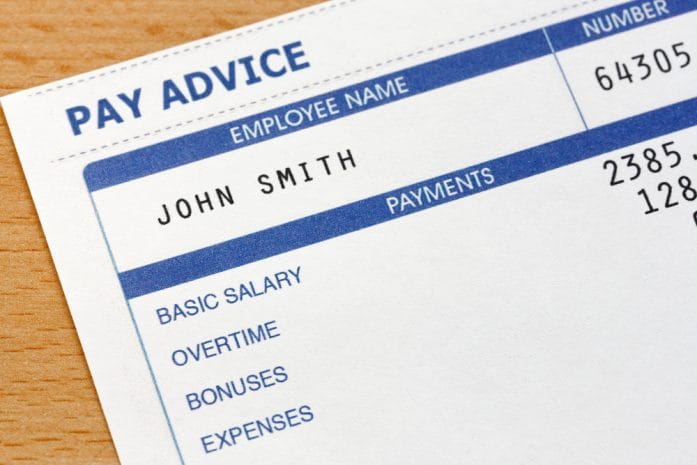
The January Paycheck Shock: The 'Hidden' Tax Rule That Just Lowered Take-Home Pay for Middle-Class Families
Image Source: Shutterstock.com

January is usually a month of fresh starts, new resolutions, and maybe a little post-holiday gloom—but this year, many middle-class families opened their first paycheck of the year and got hit with a jolt that didn’t involve the gym or a diet plan. Somehow, magically, their take-home pay shrank. Not because of a raise that didn’t show up or a surprise subscription fee, but because of a tax rule most Americans haven’t really noticed until now.

Yes, the tax system has its own brand of mischief, and it seems January 2026 has become the month of paycheck surprises.

How The New Withholding Rules Work

The root of the January paycheck shock lies in a tax mechanism called “withholding.” Essentially, this is the money your employer takes out of your paycheck to cover federal income taxes. For decades, withholding has been straightforward—calculate your anticipated tax bill, spread it across the year, and take it out in predictable chunks. But starting this year, the IRS has tweaked some calculations that directly affect how much comes home in your pocket. It’s all tied to adjustments in tax brackets, standard deductions, and the timing of certain credits.

The effect? Many workers are now seeing larger deductions from their first paycheck of the year than they expected. For middle-class households counting on that steady paycheck to cover rent, groceries, and other essentials, the difference is glaring and immediately noticeable.

The IRS explains this shift as a correction to more accurately match tax owed with tax paid throughout the year. In theory, it prevents a massive tax bill come April. In practice, it can feel like someone quietly reached into your bank account. Families that historically saw consistent take-home pay are suddenly adjusting to a smaller check.

Why Middle-Class Families Are Feeling It Most

It’s not just random; the impact hits middle-class families harder than others. High earners typically have enough wiggle room to absorb small changes in withholding, while lower-income workers often qualify for refundable credits that cushion the blow. Middle-class families, however, sit right in the middle. They aren’t automatically shielded, and they aren’t wealthy enough to ignore changes in take-home pay. A difference of even a few hundred dollars in January can ripple through household budgets, affecting everything from utility bills to student loan payments.

Moreover, many middle-class families make life plans based on a predictable income. Gym memberships, after-school programs, monthly savings contributions—they all assume a consistent paycheck. When that paycheck suddenly shrinks, even temporarily, the disruption can create a domino effect. Financial planners have started advising clients to anticipate minor fluctuations in withholding and prepare emergency buffers. Ignoring these changes might not trigger penalties, but it can certainly lead to stress and scrambling to cover routine expenses. Understanding the mechanics behind this change is the first step to regaining control over finances.

How To Check If You’re Affected

Checking whether this withholding adjustment affects you isn’t complicated, but it requires some attention. Start by reviewing your first paycheck of the year and comparing it to previous months’ paychecks. Look specifically at the federal tax withheld line. If the deduction is noticeably higher than in December, that’s a clear signal the new rule has touched your paycheck. Next, gather your last year’s W-2 and recent pay stubs to estimate your expected tax liability. The IRS provides calculators and worksheets to help with this, and even small adjustments to your W-4 form can correct withholding mid-year.

It’s worth noting that these adjustments are designed to match your total tax liability, so over the course of the year, things should even out. Still, the immediate impact can be jarring. Families experiencing the shock may want to temporarily adjust discretionary spending or set aside a small portion of the paycheck to cover the gap. For those who have multiple jobs, side gigs, or complex deductions, reviewing withholding more carefully can prevent unpleasant surprises in the months ahead. Awareness and action are key to turning an alarming January paycheck into a manageable shift.

Strategies To Ease The January Shock

The good news is there are ways to soften the impact. One effective strategy is to revisit your W-4 allowances. This form, which dictates how much federal tax your employer deducts, can be updated at any time during the year. A small tweak in the number of allowances can bring more money home each week without risking underpayment at tax time. Another approach is creating a “tax buffer” in your budget. By setting aside a portion of the paycheck immediately for taxes, families can stabilize cash flow and reduce stress.

Additionally, understanding temporary deductions can help. For instance, retirement contributions, health savings accounts, and pre-tax benefits all interact with withholding calculations. Reviewing these components can uncover ways to maximize take-home pay without changing overall tax responsibility. For families with children, certain credits like the Child Tax Credit or dependent care deductions play a role as well. The trick is not to panic but to plan carefully and use available tools to regain predictability in monthly income. These strategies transform a paycheck shock into a manageable financial adjustment.

The January Paycheck Shock: The 'Hidden' Tax Rule That Just Lowered Take-Home Pay for Middle-Class Families
Image Source: Shutterstock.com

The Long-Term Implications For Families

While the initial reaction to the January paycheck may be frustration or disbelief, there’s a bigger picture to consider. Accurate withholding, though annoying at first, prevents underpayment and potential tax penalties at the end of the year. Over time, families that understand and anticipate these adjustments can improve financial literacy, strengthen budgeting habits, and even discover opportunities for tax planning that were previously overlooked.

The shift also underscores a broader point about personal finance: the rules aren’t static. Tax codes, deductions, and withholding regulations evolve, and staying informed is part of managing money effectively. Middle-class families that pay attention to these changes are better positioned to navigate fluctuations in income, avoid surprises, and maintain stability. Far from a permanent setback, the January paycheck shock can serve as a wake-up call to take a closer look at household finances, identify areas for improvement, and develop a more proactive approach to money management.

Tell Us About Your January Paycheck Experience

Did your first paycheck of 2026 feel a little lighter than expected? Or did you notice the new withholding rules before they hit your bank account? This is the place to talk about it. Whether it caused a minor inconvenience or a serious budget scramble, every story adds perspective.

Comment below with your experiences, insights, or creative ways you’ve adapted to the January paycheck shift. The more we understand these changes together, the less shocking they become.

You May Also Like…

Asset Migration: 5 Emerging Market Trends Retirees Should Know Before January

10 Reasons The Lower Middle Class Are Afraid to Invest

7 Shocking Money Habits That Keep the Middle Class Broke

9 Shocking Ways Inflation Affects the Middle Class First

When Your Parents Take Your Paycheck: 6 Signs You’re Being Emotionally Manipulated


Brandon Marcus
Brandon Marcus

Brandon Marcus is a writer who has been sharing the written word since a very young age. His interests include sports, history, pop culture, and so much more. When he isn’t writing, he spends his time jogging, drinking coffee, or attempting to read a long book he may never complete.

Filed Under: tax tips Tagged With: families, family issues, family money, hidden taxes, IRS, January, living paycheck to paycheck, middle class, middle-class families, Money, money issues, paycheck, paycheck control, taxes, withholding

Why Do So Many People Feel One Bill Away From Trouble

January 11, 2026 by Brandon Marcus Leave a Comment

Why Do So Many People Feel One Bill Away From Trouble
Image Source: Shutterstock.com

Life can feel like walking a tightrope over a pit of uncertainty, and for millions, one wrong step—or one unexpected bill—can send everything tumbling. You might think financial stability is about earning more or spending less, but the reality is far more complicated. People live paycheck to paycheck, sometimes not by choice, but because the system seems rigged against them. Even those with decent jobs often feel like they’re balancing on a knife’s edge, one car repair or medical bill away from chaos.

So, why does it feel like so many people are perpetually one bill away from disaster? The answer lies in a mix of modern lifestyle pressures, systemic challenges, and human psychology that creates a perfect storm of financial vulnerability.

The Rising Cost Of Everyday Life

Inflation isn’t just a buzzword economists throw around—it’s a daily reality for everyone reaching for a grocery cart or paying a rent check. Essentials like housing, healthcare, and food have been rising faster than wages for decades. Many people find themselves constantly adjusting, cutting corners, or delaying bills just to make it through the month. This creates a fragile financial ecosystem where a single unexpected expense—a broken fridge, a flat tire, or a sudden medical need—can tip the balance.

Even small setbacks feel monumental because there’s little cushion to absorb the shock. The rising cost of living isn’t just numbers on a page; it’s a pressure cooker that makes everyday life feel like walking on a financial tightrope.

Credit Cards And Debt Are A Double-Edged Sword

For decades, credit cards have promised convenience and freedom—but they often deliver stress instead. People lean on plastic to pay for essentials, emergencies, or the occasional treat, thinking they’ll pay it off later. Yet, high-interest rates and compounding debt mean those temporary solutions often become permanent burdens. The result? A cycle where bills get paid with borrowed money, interest piles up, and financial security feels like an impossible dream.

Debt can feel invisible until it isn’t, and suddenly, you’re one bill behind, scrambling to keep the lights on and the rent paid. While credit can be a useful tool, it often serves as a reminder that many are living on borrowed time—and borrowed money.

Job Instability And The Gig Economy

The old model of a steady nine-to-five job with benefits is vanishing, replaced by contract work, gig roles, and temporary positions. This shift offers flexibility, sure—but it also brings uncertainty. Paychecks fluctuate, hours disappear, and benefits are often nonexistent. Without predictable income, people can feel like they’re running on a treadmill with no finish line. One missed payment, one unexpected expense, and suddenly, the financial house of cards starts to wobble. Job instability isn’t just stressful—it creates a constant sense of being “one bill away” from trouble, no matter how careful someone is with their money. The modern economy may be dynamic, but it’s also unforgiving for anyone without a robust safety net.

Unexpected Emergencies Strike Hard

Life doesn’t send warnings before it hits you with the unexpected. A medical crisis, a car accident, or even a plumbing disaster can instantly drain savings that took years to build. Most people underestimate the likelihood and cost of emergencies, and even those with an emergency fund may find it insufficient when catastrophe strikes.

The shock of sudden expenses compounds anxiety, leaving people scrambling to find solutions and juggling bills in creative—and sometimes risky—ways. Emergencies are inevitable, but financial systems and personal circumstances often leave people vulnerable, perpetuating that nerve-racking feeling of being just one bill away from serious trouble.

Why Do So Many People Feel One Bill Away From Trouble
Image Source: Shutterstock.com

Human Psychology And Financial Stress

Our brains are wired to react strongly to scarcity and uncertainty, and money is a major trigger. Living paycheck to paycheck triggers stress responses similar to running from a predator: constant vigilance, anxiety, and a focus on immediate survival over long-term planning. This psychological load makes every decision feel higher stakes, every bill feel monumental, and every unexpected expense a potential disaster. Financial stress doesn’t just hurt bank accounts—it erodes mental health, relationships, and decision-making. The combination of external pressures and internal reactions explains why many people feel trapped, even when their numbers might seem manageable on paper.

Societal Pressures And Lifestyle Inflation

From social media to neighborhood norms, societal expectations push people to spend more than they earn. Vacations, electronics, cars, and even dining habits are often influenced by comparisons, creating subtle pressure to maintain a lifestyle that exceeds one’s means. Lifestyle inflation—where income rises but spending rises faster—traps many in a loop of appearing comfortable while actually living on the edge. The desire to keep up can outweigh financial prudence, leaving people one unexpected expense away from a financial emergency. Society constantly nudges us toward consumption, making the balancing act even trickier for anyone without a substantial buffer.

Building Resilience And Breaking The Cycle

Feeling like you’re one bill away from trouble isn’t inevitable. Awareness, planning, and small but consistent financial habits can provide a sense of control and security. Emergency funds, budgeting, and debt management are crucial tools, but so is shifting the mindset around money—thinking long-term, prioritizing essentials, and questioning societal pressures.

Policy solutions like affordable healthcare, fair wages, and accessible credit also play a huge role, highlighting that personal responsibility and systemic change must work hand in hand. Understanding why people feel perpetually vulnerable is the first step toward empowerment and, eventually, peace of mind.

Your Turn To Reflect

Money worries are universal, but every person’s story is unique. Whether it’s a car repair that nearly derailed the month, a medical bill that hit out of nowhere, or juggling debt that never seems to shrink, these experiences shape how we approach financial security.

How do you navigate being one step away from a financial emergency? What strategies, lessons, or surprises have you discovered along the way? Drop your thoughts and experiences in the comments below, and let’s explore together what it really means to feel secure in a world where one bill can change everything.

You May Also Like…

7 Monthly Bills That Keep Rising Even When You Use Less

When Your Parents Take Your Paycheck: 6 Signs You’re Being Emotionally Manipulated

Why You Should Never, Ever Skip Paying Your Bills

Tax Surge: 4 Income Types That Trigger Hidden Tax Bills

7 Silent Money Traps in Monthly Bills


Brandon Marcus
Brandon Marcus

Brandon Marcus is a writer who has been sharing the written word since a very young age. His interests include sports, history, pop culture, and so much more. When he isn’t writing, he spends his time jogging, drinking coffee, or attempting to read a long book he may never complete.

Filed Under: Lifestyle Tagged With: bills, Cost of living, everyday spending, family issues, family money, gig economy, job, job instability, Life, Lifestyle, living paycheck to paycheck, money issues, paycheck to paycheck, paying bills, rising costs, saving money, Smart Spending, spending

7 Times Living Paycheck to Paycheck Comes With Hidden Costs

August 31, 2025 by Catherine Reed Leave a Comment

7 Times Living Paycheck to Paycheck Comes With Hidden Costs
Image source: 123rf.com

For many households, living paycheck to paycheck feels like a never-ending cycle of survival. On the surface, it means covering bills with little left for savings or emergencies. But the hidden costs run deeper than just a lack of extra cash. From paying higher fees to missing out on financial opportunities, the long-term consequences can quietly drain wealth and stability. Understanding the hidden costs of living paycheck to paycheck can help families spot the traps and start building toward financial freedom.

1. Late Fees and Overdraft Charges

One of the most common hidden costs of living paycheck to paycheck is the steady drain of late fees. When every dollar is allocated to bills, even a slight delay can lead to penalties. Overdraft charges from banks add to the pain, with some charging $35 or more per occurrence. These small amounts may not seem devastating individually but quickly pile up into hundreds each year. Families stuck in this cycle end up paying more simply because money runs out before the next payday.

2. Higher Credit Card Interest Payments

Another hidden cost of living paycheck to paycheck is the reliance on credit cards to bridge gaps. Carrying balances leads to steep interest charges that eat away at future income. Instead of paying for necessities once, households pay multiple times as interest compounds. This makes escaping debt even harder, locking families into long-term repayment cycles. Credit card interest becomes one of the most expensive consequences of a paycheck-to-paycheck lifestyle.

3. Missed Discounts and Savings Opportunities

When money is tight, people often can’t afford to buy in bulk or take advantage of sales. This is another hidden cost of living paycheck to paycheck that most people don’t see immediately. Paying full price for smaller quantities ends up costing more over time compared to buying ahead. Without an emergency cushion, even car repairs or seasonal sales become missed opportunities to save. The inability to plan ahead makes everything more expensive in the long run.

4. Medical Costs Get Worse Without Planning

Skipping doctor visits or prescriptions is a frequent choice for those living paycheck to paycheck. Unfortunately, untreated medical issues often lead to higher costs later. A small health problem that could have been managed with affordable care may turn into an expensive emergency. Preventive care is harder to prioritize when there’s no room in the budget. These escalating medical expenses are a dangerous hidden cost that quietly undermines financial and physical health.

5. Limited Ability to Invest or Build Wealth

One of the biggest long-term hidden costs of living paycheck to paycheck is missing out on compound growth. Without extra income to invest, families lose years of potential returns. Retirement accounts, stock investments, or even simple interest savings all pass by unrealized. Over decades, this lost opportunity can mean hundreds of thousands of dollars in missed wealth. Living for today without planning for tomorrow carries a steep invisible price tag.

6. Strain on Mental Health and Productivity

Stress is another hidden cost of living paycheck to paycheck that often gets overlooked. Constantly worrying about whether bills can be paid leads to anxiety and burnout. This stress affects productivity at work and relationships at home, sometimes even leading to reduced income opportunities. Over time, the mental toll can push families further behind financially. The connection between money stress and overall well-being is stronger than many people realize.

7. Paying More for Emergencies

Without savings, emergencies almost always cost more. A car breakdown may force someone to take out a high-interest loan or rely on credit cards. A broken appliance might be replaced with a more expensive financing plan rather than a cash purchase. This cycle ensures that unexpected expenses are not only disruptive but also financially punishing. Emergency costs are one of the clearest examples of how living paycheck to paycheck magnifies expenses.

Breaking Free From Hidden Costs

The hidden costs of living paycheck to paycheck show that it’s more expensive to stay stuck than to find a way out. By creating even a small emergency fund, cutting reliance on high-interest credit, and planning for future opportunities, families can begin to shift their financial footing. The journey may be slow, but every step builds resilience and reduces the penalties that come from having no buffer. Financial security isn’t just about having more—it’s about avoiding the traps that drain money and stability over time. Breaking the cycle creates not only freedom but also peace of mind.

Have you experienced the hidden costs of living paycheck to paycheck firsthand? Share your story and strategies in the comments below!

What to Read Next…

5 Strange Money Beliefs That Advisors Say Are Almost Impossible to Break

6 Financial Questions People Are Afraid to Ask But Should

5 Dangerous “Money Shortcuts” That End in Financial Ruin

Are These 8 Money-Saving Tricks Actually Keeping You Broke?

10 Ways You’re Wasting Money Just Trying to “Keep Up Appearances”

Catherine Reed
Catherine Reed

Catherine is a tech-savvy writer who has focused on the personal finance space for more than eight years. She has a Bachelor’s in Information Technology and enjoys showcasing how tech can simplify everyday personal finance tasks like budgeting, spending tracking, and planning for the future. Additionally, she’s explored the ins and outs of the world of side hustles and loves to share what she’s learned along the way. When she’s not working, you can find her relaxing at home in the Pacific Northwest with her two cats or enjoying a cup of coffee at her neighborhood cafe.

Filed Under: Personal Finance Tagged With: debt cycle, Financial Stability, hidden costs, living paycheck to paycheck, money management, Personal Finance

FOLLOW US

Search this site:

Recent Posts

  • Can My Savings Account Affect My Financial Aid? by Tamila McDonald
  • 12 Ways Gen X’s Views Clash with Millennials… by Tamila McDonald
  • What Advantages and Disadvantages Are There To… by Jacob Sensiba
  • 10 Tactics for Building an Emergency Fund from Scratch by Vanessa Bermudez
  • Call 911: Go To the Emergency Room Immediately If… by Stephen Kanaval
  • 7 Weird Things You Can Sell Online by Tamila McDonald
  • 10 Scary Facts About DriveTime by Tamila McDonald

Copyright © 2026 · News Pro Theme on Genesis Framework