
• Home
  • About Us
  • Toolkit
  • Getting Finances Done
    • Hiring Advisors
    • Debt Management
    • Spending Plan
  • Insurance
    • Life Insurance
    • Health Insurance
    • Disability Insurance
    • Homeowners/Renters Insurance
  • Contact Us
  • Privacy Policy
  • Risk Tolerance Quiz

The Free Financial Advisor

You are here: Home / Archives for home ownership

5 Signs You’re Ready to Buy a Home — And 3 Signs to Wait

March 15, 2026 by Brandon Marcus Leave a Comment

5 Signs You’re Ready to Buy a Home — And 3 Signs to Wait

Image Source: Shutterstock.com

A house key changes everything. One small piece of metal can unlock a new chapter filled with backyard barbecues, late-night furniture assembly, and that quiet thrill of knowing the walls belong to you. Homeownership sits high on many goal lists, but timing decides whether the experience feels empowering or overwhelming.

Plenty of people chase the idea of owning a home long before the numbers, habits, or lifestyle line up. Others hesitate even though their finances and goals scream green light. The truth rarely lives in emotional impulses or dramatic market headlines. It lives in everyday patterns—how money flows, how long plans stick, and how comfortably life fits inside a budget.

Some signals quietly shout that the moment has arrived. Other signals wave a giant red flag and beg for patience. The difference matters because a home purchase often ranks among the largest financial decisions anyone makes.

1. The Budget Finally Feels Like a Well-Oiled Machine

Money chaos and homeownership never make a happy couple. A steady, predictable budget changes that equation completely. Someone who tracks spending, pays bills on time, and sets aside savings every month demonstrates the discipline that mortgages demand.

Mortgage lenders usually look for a healthy debt-to-income ratio, which means monthly debt payments should remain manageable compared to total income. When credit cards, student loans, and car payments stay under control, lenders feel confident approving larger financial commitments. That stability also helps homeowners sleep better at night because surprises never derail the plan.

A solid emergency fund strengthens the situation even more. Most financial experts recommend saving three to six months of living expenses before signing mortgage paperwork. That cushion protects homeowners when job changes, medical bills, or surprise repairs appear without warning. A smooth budget also reveals an important truth: if monthly expenses already feel manageable while saving aggressively, a mortgage payment likely fits into the same rhythm. Financial discipline signals readiness far more clearly than a sudden rush of excitement about open houses.

2. You Plan to Stay Put for a While

Buying a home works best when life stays relatively stable for several years. Real estate involves closing costs, moving expenses, inspections, taxes, and ongoing maintenance. Those costs add up quickly, which means a short stay rarely delivers financial benefits. Many housing experts recommend planning to stay at least five years in a home before buying. That timeline allows property values to grow and spreads those upfront costs across a longer period. Without that window, homeowners may struggle to build meaningful equity.

Long-term plans also shape lifestyle decisions around location, commuting, and community. Someone who feels confident about career direction, family plans, and preferred neighborhoods gains a major advantage during the home search. Stability turns the purchase into a thoughtful investment rather than a temporary pit stop.

Anyone who expects major life changes soon should pause before committing. Relocation opportunities, career shifts, or uncertain personal plans often make renting the smarter move for now. A clear vision of the next five years gives a home purchase strong footing.

3. Your Credit Score Shows Serious Strength

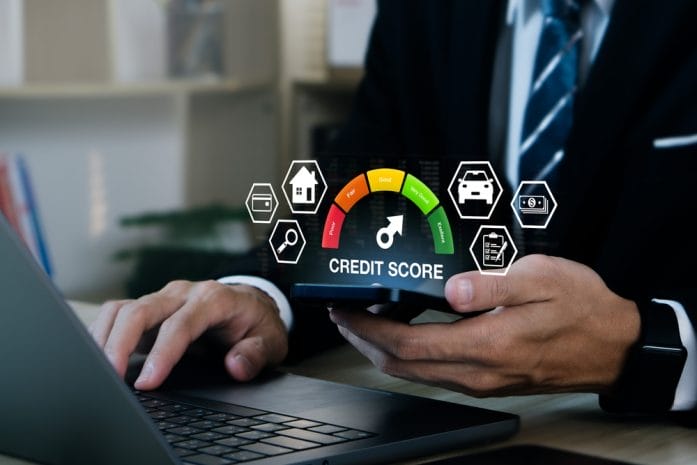
Credit scores act like a financial report card for mortgage lenders. Higher scores unlock lower interest rates, and even a small difference in interest can save thousands over the life of a loan. Many conventional mortgage programs look for credit scores around 620 or higher, though better rates usually appear above 700. Someone who regularly pays bills on time, keeps credit card balances low, and avoids unnecessary debt naturally builds stronger credit.

Improving credit also takes time, which means future buyers benefit from starting early. Paying down balances, correcting errors on credit reports, and limiting new credit applications can gradually push scores upward. That effort pays off when lenders calculate interest rates. A strong credit profile signals responsible financial behavior, which lenders reward with better loan options. Better rates translate directly into lower monthly payments, which frees up money for renovations, furnishings, or future investments.
5 Signs You’re Ready to Buy a Home — And 3 Signs to Wait

Image Source: Shutterstock.com

4. The Down Payment Fund Looks Real and Ready

Saving for a down payment often feels like climbing a financial mountain. That savings goal demands patience, planning, and consistent contributions over time. Traditional advice often points toward a 20 percent down payment because that amount removes private mortgage insurance and lowers monthly costs. However, many loan programs allow smaller down payments, sometimes as low as 3 to 5 percent for qualified buyers.

Even with those flexible programs, larger savings still offer major advantages. A bigger down payment reduces the loan amount, cuts interest costs, and strengthens loan approval odds. It also provides breathing room when unexpected home repairs pop up after move-in.

A fully funded down payment account shows serious preparation. When that fund sits comfortably alongside emergency savings and closing cost estimates, the dream of homeownership shifts from possibility to practical reality.

5. The Monthly Mortgage Payment Fits Comfortably

Mortgage calculators reveal an important truth very quickly. A realistic monthly payment includes principal, interest, property taxes, insurance, and sometimes homeowners association fees. Financial planners often suggest keeping housing costs under roughly 28 percent of gross monthly income. That guideline leaves room for other expenses without squeezing daily life. When the numbers fit inside that range, homeowners enjoy stability rather than stress.

Potential buyers should test those numbers honestly. Running sample budgets that include utilities, maintenance, and property taxes helps reveal the true cost of ownership. That full picture prevents unpleasant surprises after closing day.

Comfortable payments also protect long-term financial goals. Retirement savings, travel plans, and everyday enjoyment should never vanish under the weight of a mortgage. A home should support life, not consume it.

Now, not everyone is ready to purchase a home, and that is okay. But it’s important to be honest about where you are at. Here are three signs that now is not the appropriate time to be planting your flag in the world of real estate.

3 Signs to Wait

1. Your Savings Account Looks Alarmingly Empty

Buying a home with minimal savings often leads straight to financial anxiety. Down payments represent only part of the equation. Closing costs, inspections, moving expenses, furniture, and repairs demand additional cash. A nearly empty savings account leaves homeowners vulnerable to even minor surprises. A leaking roof, broken appliance, or plumbing issue can appear during the first week in a new home. Without savings, those problems quickly transform into credit card debt.

Financial experts often suggest building a healthy cash reserve before buying. Emergency savings plus moving costs and repair funds create a financial safety net that protects both the home and the homeowner. Anyone who struggles to save consistently should treat that challenge as a signal to pause. Strengthening savings habits now will make homeownership far less stressful later.

2. Debt Payments Already Crowd the Budget

Debt quietly shrinks financial flexibility. High balances on credit cards, personal loans, or car payments eat away at the income needed to handle mortgage payments comfortably. 3Lenders carefully review debt-to-income ratios when evaluating mortgage applications. If existing debt consumes too much of monthly income, loan approval becomes difficult or expensive. High debt levels can also push interest rates upward.

Even if approval happens, heavy debt creates ongoing pressure. Homeowners may feel trapped between large mortgage payments and other financial obligations. That tension can turn a dream purchase into a constant worry.

Reducing debt before buying delivers powerful benefits. Lower balances improve credit scores, strengthen loan approval chances, and free up monthly cash flow. Waiting long enough to shrink debt often leads to a much smoother homebuying experience.

3. The Career Path Still Feels Uncertain

Stable income plays a major role in successful homeownership. Someone who expects frequent job changes, relocations, or income fluctuations may face serious challenges after signing a mortgage. Career uncertainty also affects geographic stability. A new job opportunity across the country could appear just months after closing on a home. Selling quickly might lead to financial losses due to transaction costs and market conditions.

Young professionals, freelancers, and entrepreneurs sometimes experience unpredictable income patterns. While those paths can lead to exciting opportunities, they also complicate mortgage commitments.

Waiting until career plans settle often proves wise. Greater stability provides clearer income projections, stronger lender confidence, and far more peace of mind after moving into a new home.

Timing Beats Emotion Every Time

Excitement often drives the dream of homeownership, but solid preparation keeps that dream enjoyable long after the moving trucks leave. A strong budget, steady savings, healthy credit, and stable life plans usually signal the right moment to buy. At the same time, empty savings accounts, heavy debt, and uncertain career paths deserve serious attention before signing any contracts. Waiting rarely feels glamorous, yet patience often protects finances and reduces stress.

A thoughtful approach transforms homeownership into a rewarding long-term move instead of a rushed leap into the unknown. The best home purchases happen when enthusiasm meets preparation in the same moment.

Which of these signs stands out the most right now? Drop thoughts, strategies, or personal experiences in the comments and share what helped guide the decision to buy—or wait.

You May Also Like…

The $124 Trillion Hand-Off: How the Great Wealth Transfer is Quietly Saving the Real Estate Market

A $400,000 Home in New Jersey Costs $6,876 More Per Year Than in South Carolina

Homebuyers Are Losing Pre-Approvals After Routine Credit Checks — Here’s What Changed

Why Every Year You Save, Homes Get Further Out of Reach

Florida’s 3.35% Non-Renewal Rate: Why Hundreds of Thousands Lost Home Insurance Last Year

Brandon Marcus
Brandon Marcus

Brandon Marcus is a writer who has been sharing the written word since a very young age. His interests include sports, history, pop culture, and so much more. When he isn’t writing, he spends his time jogging, drinking coffee, or attempting to read a long book he may never complete.


Filed Under: Real Estate Tagged With: budgeting, buying a house, first-time homebuyer, home buying, home ownership, Housing Market, Mortgage Tips, Personal Finance, Planning, property investment, Real estate, real estate advice

8 Personal Finance Beliefs That No Longer Apply

January 25, 2026 by Brandon Marcus Leave a Comment

8 Personal Finance Beliefs That No Longer Apply

Image source: shutterstock.com

Money advice has a habit of hanging around long after it stops being useful. Some tips were brilliant in a different economy, with different technology, and wildly different expectations about work, debt, and retirement. Yet they keep getting passed down at dinner tables and in comment sections like sacred truths.

The result is a lot of people doing “the right thing” and still feeling behind, stressed, or confused. It’s time to clear the air, bust a few myths, and talk about what no longer deserves a spot in your financial playbook.

1. You Must Stay Loyal To One Employer For Financial Security

This belief came from an era when pensions were common and job-hopping raised eyebrows. Today, long-term loyalty often results in slower wage growth compared to changing roles strategically. Many workers now see their biggest salary increases when they switch companies rather than waiting for annual raises.

Benefits like retirement accounts and health insurance are no longer exclusive to one-employer careers. In fact, skills-based hiring and remote work have expanded opportunities across industries. Financial security now comes from adaptability, not staying put out of fear.

2. Buying A Home Is Always Better Than Renting

Homeownership has been marketed as the ultimate financial milestone for decades. While owning can build equity, it also comes with maintenance costs, property taxes, insurance, and reduced flexibility. Renting can be the smarter financial move depending on location, job stability, and housing market conditions. In high-cost areas, renting and investing the difference may outperform buying for many years.

Mobility has real economic value in a changing job market. The smarter question now is not “Should I buy?” but “Does buying make sense for my life right now?”

3. Carrying Any Debt Means You’re Bad With Money

This belief turns a nuanced topic into a moral judgment. Not all debt is created equal, and some forms can support long-term financial growth. Student loans, business loans, and mortgages can increase earning potential or asset ownership.

The real issue is whether debt is manageable, affordable, and aligned with your goals. Avoiding all debt at any cost can sometimes slow progress or limit opportunity. Smart money management focuses on strategy, not shame.

4. Credit Cards Should Be Avoided Completely

Credit cards earned their bad reputation through high interest rates and misuse. However, used responsibly, they offer fraud protection, rewards, and a way to build credit history. Paying balances in full each month avoids interest entirely while still capturing benefits.

Many essential financial activities, from renting a car to booking travel, are easier with a credit card. A strong credit profile can lower borrowing costs across your lifetime. The problem isn’t credit cards themselves—it’s carrying balances without a plan.

5. Budgeting Means Saying No To Everything You Enjoy

Old-school budgeting often felt like a financial punishment. Modern budgeting is more about awareness than restriction. Knowing where your money goes allows you to spend intentionally on what actually matters to you.

A good budget includes room for enjoyment, hobbies, and rest. Deprivation-based plans tend to fail because they ignore human behavior. Sustainable finances are built on balance, not constant self-denial.

6. You Need A Lot Of Money To Start Investing

This belief kept many people out of the market for years. Today, investing is more accessible than ever, with low-cost funds and platforms that allow small, regular contributions.

Compound growth rewards time more than large starting amounts. Waiting until you feel “ready” often means missing valuable years of growth. Even modest investments can build momentum and confidence. The most important step is starting, not starting big.

8 Personal Finance Beliefs That No Longer Apply

Image source: shutterstock.com

7. Talking About Money Is Rude Or Taboo

Silence around money has cost people real opportunities to learn. When finances aren’t discussed openly, misinformation fills the gap. Talking about salaries, debt, and financial mistakes can lead to better decisions and fairer outcomes. Transparency helps normalize learning curves and reduces shame.

Many people discover they are not alone once conversations begin. Financial literacy improves faster in the open than in isolation.

8. Retirement Is A Single Age With A Single Plan

Retirement used to look like a hard stop at a specific age. Now it’s often a gradual transition that varies widely by person. Some people aim for part-time work, passion projects, or flexible schedules rather than complete withdrawal. Life expectancy, healthcare costs, and personal goals all influence what retirement looks like. Planning now involves building options, not just hitting a number. Financial freedom has become more personalized—and more realistic—than ever before.

Updating The Rules Of Money

Outdated financial beliefs don’t just waste time; they can quietly limit your choices. Letting go of rules that no longer apply creates space for smarter, more flexible decisions. Personal finance works best when it reflects real life, not outdated expectations. If one of these beliefs shaped your past money choices, you’re in good company.

Feel free to add your experiences or lessons learned in the comments section below—your perspective might be exactly what someone else needs to read today.

You May Also Like…

10 Personal Finance Lessons People Learn the Hard Way

8 Budget Fixes That Instantly Turn Finances Around

7 Personal Money Questions Advisors Can’t Believe Are Real

4 Bold Predictions About The Future of Personal Finance Technology

10 Things You Should Never Ignore in Your Personal Finances

Brandon Marcus
Brandon Marcus

Brandon Marcus is a writer who has been sharing the written word since a very young age. His interests include sports, history, pop culture, and so much more. When he isn’t writing, he spends his time jogging, drinking coffee, or attempting to read a long book he may never complete.
Filed Under: Finance Tagged With: buying a home, buying a house, credit cards, credit score, Debt, eliminating debt, finance, finances, financial anxiety, Financial Security, general finance, home ownership, investing, Investment, Money, money beliefs, money habits, money issues, paying off debt, Personal Finance, spending

10 Surprising Ways Home Ownership Costs More Than Renting

September 16, 2025 by Catherine Reed Leave a Comment

10 Surprising Ways Home Ownership Costs More Than Renting

Image source: 123rf.com

For many people, buying a home is seen as the ultimate financial milestone and a key to building wealth. While owning property does come with benefits, the reality is often more expensive than expected. Beyond the mortgage payment, homeowners face a long list of hidden costs that renters usually avoid. These financial surprises can make home ownership far more expensive than renting, especially in the first several years. Before jumping into a purchase, it’s worth understanding the unexpected ways owning a home can strain your budget.

1. Property Taxes Add Up Quickly

One of the biggest ongoing expenses of home ownership is property taxes. These are assessed annually and vary based on your home’s value and location. Unlike rent, which typically includes no such costs, property taxes can increase each year as values rise. This makes your monthly housing costs unpredictable and often higher than you planned. For many families, rising property taxes are one of the most painful surprises of home ownership.

2. Homeowners Insurance Is Costly

Renters usually pay for renters insurance, which is relatively inexpensive compared to homeowners insurance. As a homeowner, you’re responsible for protecting not only your belongings but also the structure of the house itself. Policies often cost several times more than renters insurance, especially in areas prone to natural disasters. Home ownership also means additional coverage may be required, such as flood or earthquake insurance. These premiums significantly increase annual housing expenses.

3. Maintenance Never Ends

Renters call the landlord when something breaks, but homeowners foot the bill themselves. Roof repairs, plumbing issues, and appliance replacements are all part of home ownership. Experts recommend budgeting 1 to 4 percent of your home’s value each year for maintenance. For a $300,000 home, that means setting aside $3,000 to $12,000 annually. Without careful planning, these expenses can quickly overwhelm a household budget.

4. Utilities Are Usually Higher

Houses are typically larger than apartments, which means heating, cooling, and electricity costs rise. Renters may also benefit from landlords covering some utilities, while homeowners pay everything directly. Older homes can be especially inefficient, driving bills even higher. Home ownership requires investments in energy upgrades just to keep costs manageable. This is another area where renters often save money without even realizing it.

5. HOA Fees Can Be Steep

If your home is part of a community association, you’ll likely face homeowners association (HOA) fees. These fees cover amenities, landscaping, and community upkeep but can range from modest monthly payments to hundreds of dollars. Unlike rent, HOA fees are non-negotiable and can increase at any time. Home ownership in these communities often feels like paying an additional monthly rent on top of your mortgage. For some buyers, HOA fees are a dealbreaker once they realize the long-term cost.

6. Closing Costs Drain Your Savings

The process of buying a home comes with upfront expenses renters never face. Closing costs include lender fees, title insurance, inspections, and more. These can easily total 2 to 5 percent of the home’s purchase price. For a $300,000 home, that’s $6,000 to $15,000 due before you even move in. Home ownership starts with a significant financial hit that renting avoids entirely.

7. Furniture and Appliances Add Up

A larger living space usually means buying more furniture, appliances, and décor. Renters often move into units that come with appliances already included, but homeowners must replace them when they break. Even basics like washers, dryers, and refrigerators can cost thousands. Furnishing and maintaining a house can quietly drain your budget. Home ownership nearly always increases spending in this category.

8. Renovations Are Tempting but Expensive

Once you own a home, the urge to customize it grows stronger. Renovations, whether small upgrades or full remodels, are costly and often exceed initial budgets. Renters rarely face these temptations since they don’t own the property. Home ownership can lead to overspending on projects that may not increase resale value. This adds another layer of financial strain many first-time buyers overlook.

9. Pest Control and Landscaping Costs

Renters rarely worry about lawn care or pest problems beyond a simple call to management. Homeowners, on the other hand, must pay for regular landscaping, pest control, and seasonal upkeep. These services, while sometimes optional, are often necessary to maintain the property’s value. Even DIY solutions require time, money, and effort. Home ownership brings with it these ongoing responsibilities that renters sidestep.

10. Selling a Home Costs Money Too

Many people assume home ownership builds equity they can later cash out, but selling a home isn’t free. Real estate agent commissions alone often run 5 to 6 percent of the sale price. Add in staging costs, repairs, and moving expenses, and the total can be staggering. Renters can leave at the end of a lease with minimal fees. Homeowners, however, must plan carefully to avoid losing money when selling.

When Renting Might Be the Smarter Financial Move

While home ownership carries pride and potential equity growth, it also comes with countless hidden costs that can make renting more affordable in many cases. Property taxes, insurance, repairs, and upgrades add up far faster than new buyers anticipate. For some, renting provides the financial freedom and flexibility that ownership cannot. The smartest choice is the one that fits your lifestyle, goals, and long-term financial health.

Do you think home ownership is worth the extra costs compared to renting? Share your opinion in the comments below.

What to Read Next…

How Much Home Can You Really Afford? Hint: Don’t Believe The Mortgage Company

Could Ignoring HOA Rules Destroy the Value of Your Home

Why Do Families Spend More On Cars Than Homes Over a Lifetime

10 Financial Traps People Walk Into After Buying a New House

Could Rising Property Taxes Quietly Push People Out of Their Homes

Catherine Reed
Catherine Reed

Catherine is a tech-savvy writer who has focused on the personal finance space for more than eight years. She has a Bachelor’s in Information Technology and enjoys showcasing how tech can simplify everyday personal finance tasks like budgeting, spending tracking, and planning for the future. Additionally, she’s explored the ins and outs of the world of side hustles and loves to share what she’s learned along the way. When she’s not working, you can find her relaxing at home in the Pacific Northwest with her two cats or enjoying a cup of coffee at her neighborhood cafe.

Filed Under: Real Estate Tagged With: hidden costs, home ownership, Personal Finance, Planning, property expenses, Real estate, renting vs owning

6 Things People Should Always Ask Before Buying a Home

September 2, 2025 by Catherine Reed Leave a Comment

6 Things People Should Always Ask Before Buying a Home

Image source: 123rf.com

Purchasing a home is one of the biggest financial decisions most people will ever make. Yet, in the excitement of finding the perfect property, many overlook critical questions that could save them from financial and emotional headaches later. Asking the right questions provides clarity about the property, the neighborhood, and the true cost of ownership. Skipping these details can lead to surprises that stretch your budget and test your patience. Before signing on the dotted line, here are six things people should always ask before buying a home.

1. What Are the True Monthly Costs Beyond the Mortgage?

One of the most important questions to ask before buying a home is what the actual monthly expenses will be. While the mortgage payment is significant, other costs like property taxes, homeowner’s insurance, private mortgage insurance, and maintenance quickly add up. Some properties are also part of homeowners’ associations, which charge monthly or yearly fees. Knowing these figures in advance prevents you from stretching your budget too thin. A realistic picture of monthly costs helps buyers avoid unpleasant financial surprises after moving in.

2. Has the Home Had Any Major Repairs or Issues in the Past?

Understanding a property’s history is essential when buying a home. Past repairs, such as roof replacements, plumbing fixes, or foundation work, reveal how well the home has been maintained. On the flip side, frequent issues could signal ongoing problems that might require costly attention in the future. Sellers are often required to disclose major repairs, but asking directly ensures nothing important is overlooked. A clear repair history helps buyers plan for both short-term and long-term maintenance.

3. How Old Are the Key Systems and Appliances?

Another critical question when buying a home involves the age of essential systems. Heating, cooling, water heaters, and kitchen appliances all come with expiration dates. If these items are nearing the end of their lifespan, replacement costs could hit your wallet soon after moving in. A new HVAC system, for example, can cost thousands of dollars. Knowing the age of these systems helps you budget appropriately and avoid unexpected breakdowns.

4. What Is the Neighborhood Really Like?

A house may look perfect, but the surrounding community plays a huge role in long-term satisfaction. Asking about the neighborhood’s safety, school quality, traffic, and amenities is crucial when buying a home. Visiting the area at different times of day can also give insight into noise levels and overall vibe. Even a dream home may feel less appealing if the community doesn’t align with your lifestyle. The right neighborhood ensures your investment feels rewarding, not frustrating.

5. Are There Any Upcoming Developments or Zoning Changes Nearby?

Future plans for the area can impact both the enjoyment of your home and its long-term value. Asking about local development or zoning changes helps buyers understand what may be coming. New roads, shopping centers, or industrial projects can dramatically affect property values and quality of life. On the positive side, improvements like parks or schools may make the area more desirable. Being informed about these changes helps you make a smart, forward-looking decision.

6. What Is Included in the Sale?

It’s easy to assume everything you see during a showing comes with the house, but that’s not always the case. Appliances, fixtures, or even landscaping elements may be excluded unless specified in the contract. Asking what’s included ensures you won’t face the disappointment of moving in to find the washer, dryer, or favorite light fixture missing. Clarifying these details avoids misunderstandings and keeps negotiations fair. A precise agreement on what’s included protects your purchase and your expectations.

Knowledge Is Power for Homebuyers

When it comes to buying a home, the right questions are your best defense against costly mistakes. Each of these six areas—monthly costs, repair history, system ages, neighborhood dynamics, future developments, and included items—shapes the true value of your purchase. A home is more than just a place to live; it’s a major financial investment that deserves thorough investigation. By asking the right questions, you’ll not only protect your wallet but also ensure peace of mind. The smartest buyers are the ones who dig deeper before signing the contract.

What’s the most important question you think buyers should ask before purchasing a home? Share your thoughts in the comments.

What to Read Next…

12 Capital-Gains Surprises When You Sell the Family Home After 55

10 Big Purchases That Quietly Wreck Retirement Plans

9 Inherited Assets That Cause More Family Fights Than Joy

Could Wealthy People Be Poorer Than They Appear on Paper

Why Do Parents Hide Money Secrets From Their Children

Catherine Reed
Catherine Reed

Catherine is a tech-savvy writer who has focused on the personal finance space for more than eight years. She has a Bachelor’s in Information Technology and enjoys showcasing how tech can simplify everyday personal finance tasks like budgeting, spending tracking, and planning for the future. Additionally, she’s explored the ins and outs of the world of side hustles and loves to share what she’s learned along the way. When she’s not working, you can find her relaxing at home in the Pacific Northwest with her two cats or enjoying a cup of coffee at her neighborhood cafe.

Filed Under: Personal Finance Tagged With: buying a home, first-time buyers, home buying tips, home ownership, Personal Finance, property investment, real estate advice

7 Reasons Your Parents Want You To Put Their Homes and Cars In Your Name

June 5, 2025 by Travis Campbell Leave a Comment

parents car

Image Source: pexels.com

When your parents ask you to put their homes and cars in your name, it can feel like a big responsibility—and maybe even a little suspicious. Is it just about convenience, or is there something more going on? This topic matters because transferring assets like homes and cars can have major financial, legal, and emotional consequences for everyone involved. Whether you’re worried about taxes, inheritance, or just want to help your parents out, understanding the real reasons behind this request is crucial. Let’s break down the most common motivations so you can make informed decisions and avoid costly mistakes.

1. Avoiding Probate Hassles

Probate is the legal process that happens after someone passes away, and it can be slow, expensive, and stressful. By putting their homes and cars in your name, your parents might be trying to help you sidestep this process entirely. When assets are already in your name, they typically don’t have to go through probate, which means you can access them faster and with less red tape. This can be especially important if you need to sell a car or maintain a home quickly after a parent’s passing.

2. Qualifying for Medicaid

Long-term care is expensive, and Medicaid is one of the few programs that can help cover those costs. However, Medicaid has strict asset limits. By transferring their homes and cars into your name, your parents may be trying to reduce their countable assets to qualify for benefits. This strategy, known as “Medicaid spend-down,” can be effective, but it’s not without risks. There are look-back periods and potential penalties if the transfer isn’t handled correctly. It’s always wise to consult with an elder law attorney before making any moves related to Medicaid planning.

3. Protecting Assets from Creditors

If your parents are worried about lawsuits, medical bills, or other debts, putting their homes and cars in your name might seem like a way to shield those assets from creditors. While this can sometimes offer protection, it’s not a foolproof strategy. Creditors may still be able to challenge the transfer, especially if it was done to avoid paying debts. Plus, you could end up on the hook for your parents’ liabilities if you’re not careful. Asset protection is a complex area, so make sure you understand the risks before agreeing to take ownership.

4. Simplifying Estate Planning

Estate planning can get complicated, especially if your parents have multiple children or blended families. By putting their homes and cars in your name, your parents might be trying to make things simpler for everyone. This can help avoid family disputes and ensure that assets go exactly where your parents want them to. However, this approach can also create resentment among siblings or other heirs who feel left out. Open communication and clear documentation are key to preventing misunderstandings down the road.

5. Reducing Tax Burdens

Taxes are a big concern when transferring assets. Your parents might believe that putting their homes and cars in your name will help reduce estate or inheritance taxes. In some cases, this can be true, but there are also potential pitfalls. For example, you could lose out on the “step-up in basis” for capital gains tax if you receive the property as a gift rather than an inheritance. This means you might owe more taxes if you sell the home later.

6. Planning for Incapacity

If your parents become unable to manage their affairs due to illness or disability, having their homes and cars in your name can make it easier for you to step in and help. This can be especially important for paying bills, maintaining property, or selling assets if needed. However, there are other ways to achieve the same goal, such as setting up a durable power of attorney. It’s important to weigh the pros and cons of each approach and choose the one that best fits your family’s needs.

7. Avoiding DMV and Title Headaches

Transferring car titles after someone passes away can be a bureaucratic nightmare. By putting their cars in your name now, your parents might be trying to save you from dealing with the DMV later. The same goes for homes—changing ownership after death can involve a lot of paperwork and legal hoops. While this can be a practical move, make sure you understand the implications for insurance, taxes, and liability before agreeing to take on ownership.

Navigating Family Asset Transfers with Confidence

Putting your parents’ homes and cars in your name is a big decision with lasting consequences. While the reasons behind this move can range from avoiding probate to simplifying estate planning, it’s essential to understand the legal and financial implications. Always consult with professionals, keep communication open with your family, and make sure you’re comfortable with the responsibilities involved. By staying informed, you can help your parents achieve their goals while protecting your own interests.

What’s your experience with family asset transfers? Share your stories or questions in the comments below!

Read More

Home Improvements That Can Save Money on Homeowners Insurance

7 Smart Tips for Saving Money When Buying Car Insurance

Travis Campbell
Travis Campbell

Travis Campbell is a digital marketer/developer with over 10 years of experience and a writer for over 6 years. He holds a degree in E-commerce and likes to share life advice he’s learned over the years. Travis loves spending time on the golf course or at the gym when he’s not working.

Filed Under: Parenting & Family Tagged With: asset transfer, car ownership, elder law, Estate planning, family finance, home ownership, Inheritance

The Legal Loophole That Could Leave Your Partner Homeless After You Die

May 24, 2025 by Travis Campbell Leave a Comment

homeless woman

Image Source: pexels.com

When you’re building a life with someone, the last thing you want to imagine is them facing hardship after you’re gone. Yet, there’s a legal loophole lurking in many people’s estate plans that could leave your partner homeless after you die. It’s a scenario that’s more common than you might think, and it doesn’t just affect the ultra-wealthy or the elderly. Whether you’re married, in a long-term relationship, or cohabiting, this issue could impact you and your loved one. Understanding how property laws and estate planning intersect is crucial to protecting your partner’s future. Let’s break down what you need to know—and what you can do to avoid this heartbreaking outcome.

1. The “Not Legally Married” Trap

If you and your partner aren’t legally married, you might assume that your years together automatically grant them rights to your home. Unfortunately, that’s not the case. In most states, if you die without a will (known as dying “intestate”), your assets—including your home—are distributed according to state law. Typically, this means your property goes to your closest blood relatives, not your partner. Even if you’ve lived together for decades, your partner could be left with nothing if their name isn’t on the deed or in your will. The number of cohabiting couples has risen dramatically, but the law hasn’t caught up. If you’re not married, make sure your estate plan specifically names your partner as a beneficiary.

2. Outdated Wills and Beneficiary Designations

Life changes, but sometimes our paperwork doesn’t. If you made a will or named beneficiaries on accounts years ago, those documents might not reflect your current wishes. For example, if your will still lists an ex-spouse or a parent as the beneficiary of your home, your partner could be left out in the cold. The same goes for retirement accounts and life insurance policies—these pass outside of your will, so you need to update them directly. Failing to update beneficiaries is one of the most common estate planning mistakes. Review your documents regularly, especially after major life events like marriage, divorce, or buying a home.

3. The Dangers of Sole Ownership

If only one partner’s name is on the deed, the surviving partner has no legal claim to the property unless otherwise specified in a will or trust. This is especially risky for unmarried couples, but it can also affect married couples in community property states if the home was purchased before marriage. If you want your partner to have a secure place to live, consider adding their name to the deed as a joint tenant with right of survivorship. This means that if one of you dies, the other automatically becomes the sole owner. Alternatively, you can create a trust that allows your partner to live in the home for their lifetime, even if the property eventually passes to someone else.

4. The Perils of Intestacy

Dying without a will—called intestacy—means the state decides who gets your assets. In many cases, this means your partner could be forced out of the home by your legal heirs, such as children from a previous relationship or distant relatives. Even if you think your family would “do the right thing,” emotions and money can complicate matters. The American Bar Association warns that intestacy laws rarely align with modern family structures. The only way to ensure your partner’s security is to have a clear, updated will or trust in place.

5. Mortgage and Debt Surprises

Even if your partner inherits your home, they may not be able to keep it if they can’t afford the mortgage or other debts attached to the property. Lenders aren’t required to let a surviving partner assume the mortgage unless their name is on the loan. This can lead to foreclosure, even if your partner is living in the home. To avoid this, talk to your lender about adding your partner to the mortgage or explore life insurance options that would pay off the loan if you die. Make sure your estate plan accounts for any debts that could impact your partner’s ability to stay in the home.

6. The Importance of Communication and Professional Help

Estate planning isn’t just about paperwork—it’s about open communication. Talk to your partner about your wishes and make sure you both understand what would happen if one of you died unexpectedly. Consulting with an estate planning attorney can help you navigate the legal loopholes that could leave your partner homeless after you die. Professionals can help you choose the right legal tools, whether that’s a will, trust, joint ownership, or another strategy. Don’t leave your partner’s future to chance or assumptions.

Protecting Your Partner Starts Now

The legal loophole that could leave your partner homeless after you die is real, but it’s also preventable. By understanding how property laws work, updating your estate plan, and communicating openly, you can ensure your partner has a safe and secure home, no matter what the future holds. Don’t wait for a crisis to take action. Protecting your partner’s home is one of the most loving things you can do.

Have you or someone you know faced challenges with estate planning or property rights? Share your story or advice in the comments below!

Read More

Who Pays? The Shocking Truth About Medical Bills After Death

7 Things That Can Go Terribly Wrong If You Don’t Have a Power of Attorney

Travis Campbell
Travis Campbell

Travis Campbell is a digital marketer/developer with over 10 years of experience and a writer for over 6 years. He holds a degree in E-commerce and likes to share life advice he’s learned over the years. Travis loves spending time on the golf course or at the gym when he’s not working.

Filed Under: Estate Planning Tagged With: Cohabitation, Estate planning, home ownership, legal loophole, Planning, property rights, trusts, wills

Prioritizing Home Renovations

March 10, 2021 by Jacob Sensiba Leave a Comment

As I’ve said previously, K and I are moving back to our home in Oconomowoc, WI. We’re head over heels excited about it, but there are some things we need to do and some things that we want to do. Today, I’m going to talk about some of the projects we have planned and help you prioritize your home renovations.

What we need to do

There are two/three things that we need to do once we move back.

The first thing is to sure up the foundation. Our house is old, really old. The foundation is not as secure as we need it to be, so that’ll be the first thing we do. Get some extra support posts installed in the basement and secure/replace some of the old joists that have seen better days.

The second thing we have to do is insulate the kitchen. I don’t know what the prior owners did (they remodeled the home and flipped it to us), but the kitchen bleeds AC/heat. In the winter, it’s very clear because it’s darn cold in the kitchen. What’s more, the kitchen sink and the dishwasher will stop working if it gets too cold. To ensure the pipes won’t freeze and burst, and make the kitchen more energy-efficient and comfortable, we have to insulate.

The third thing is not incredibly important but should get done at some point. Off of the kitchen is the back door entrance. You enter into a “three-seasons room” and then enter a second door to get into the kitchen. The three seasons room needs insulation as well. Beneath it, we need to lay a vapor barrier on the ground and spray insulation into the floor joists. Now, this is not very important because of the second door. However, more insulation will allow for more utilization of that room.

What we want to do

This list is pretty long, as is the case for most homeowners. Some of the windows need to be replaced, we want to install an island in the kitchen, and we want to remodel the downstairs bathroom.

With regard to the bathroom, the current setup is one full bath and one-half bath. They are right next to each other, but the half bath (in terms of square footage) is much bigger than the full bath. What we would like to do is demo the wall in between and make it one, big bathroom. The price tag for this is a little higher than the other projects, so it’s a little farther down on the list.

How to prioritize

The first three renovations are no-brainers. These need to get done. Securing the foundation is paramount for our family’s safety, the insulation is important to avoid possible water damage and lower heating costs, and taking care of the back porch/three-season room will expand the usable square footage.

You have to take into account a few things:

  1. Family safety
  2. Family comfort
  3. Financial sense
  4. ROI – Return on Investment

Safety is your number one priority. That’s what makes a home, being comfortable living there. Replacing windows can be expensive, but they will pay for themself over time with savings in utility costs. In terms of the bathroom, it should increase the value of the home, but how much we spend versus how much the value increases is a factor to consider.

Conclusion

Projects and renovations go hand in hand with home ownership. What’s important is prioritizing home renovations so you take care of what’s needed before you tackle what you want.

Related reading:

How Buying a House and Saving for Retirement are Similar

5 Surprising Things Not Covered by Homeowners Insurance


**Securities offered through Securities America, Inc., Member FINRA/SIPC. Advisory services offered through Securities America Advisors, Inc. Securities America and its representatives do not provide tax or legal advice; therefore, it is important to coordinate with your tax or legal advisor regarding your specific situation. Please see the website for full disclosures: www.crgfinancialservices.com

Jacob Sensiba
Jacob Sensiba

Jacob Sensible is a financial advisor with decades of experience in the financial planning industry.  His journey into finance began out of necessity, stepping up to support his grandfather during a health crisis. This period not only grounded him in the essentials of stock analysis, investment strategies, and the critical roles of insurance and trusts in asset preservation but also instilled a comprehensive understanding of financial markets and wealth management.  Jacob can be reached at: jake.sensiba@mygfpartner.com.

mygfpartner.com/jacob-sensiba-wisconsin-financial-advisor/

Filed Under: Personal Finance, risk management Tagged With: Home, home owner, home ownership, home renovations, renovations

FOLLOW US

Search this site:

Recent Posts

  • Can My Savings Account Affect My Financial Aid? by Tamila McDonald
  • 12 Ways Gen X’s Views Clash with Millennials… by Tamila McDonald
  • What Advantages and Disadvantages Are There To… by Jacob Sensiba
  • 10 Tactics for Building an Emergency Fund from Scratch by Vanessa Bermudez
  • Call 911: Go To the Emergency Room Immediately If… by Stephen Kanaval
  • 7 Weird Things You Can Sell Online by Tamila McDonald
  • 10 Scary Facts About DriveTime by Tamila McDonald

Copyright © 2026 · News Pro Theme on Genesis Framework