• Home
  • About Us
  • Toolkit
  • Getting Finances Done
    • Hiring Advisors
    • Debt Management
    • Spending Plan
  • Insurance
    • Life Insurance
    • Health Insurance
    • Disability Insurance
    • Homeowners/Renters Insurance
  • Contact Us
  • Privacy Policy
  • Risk Tolerance Quiz

The Free Financial Advisor

You are here: Home / Archives for emergency expenses

Why Your Emergency Fund Isn’t Protecting You the Way It Did Five Years Ago

January 27, 2026 by Brandon Marcus Leave a Comment

This Is Why Your Emergency Fund Isn’t Protecting You the Way It Did Five Years Ago

Image source: shutterstock.com

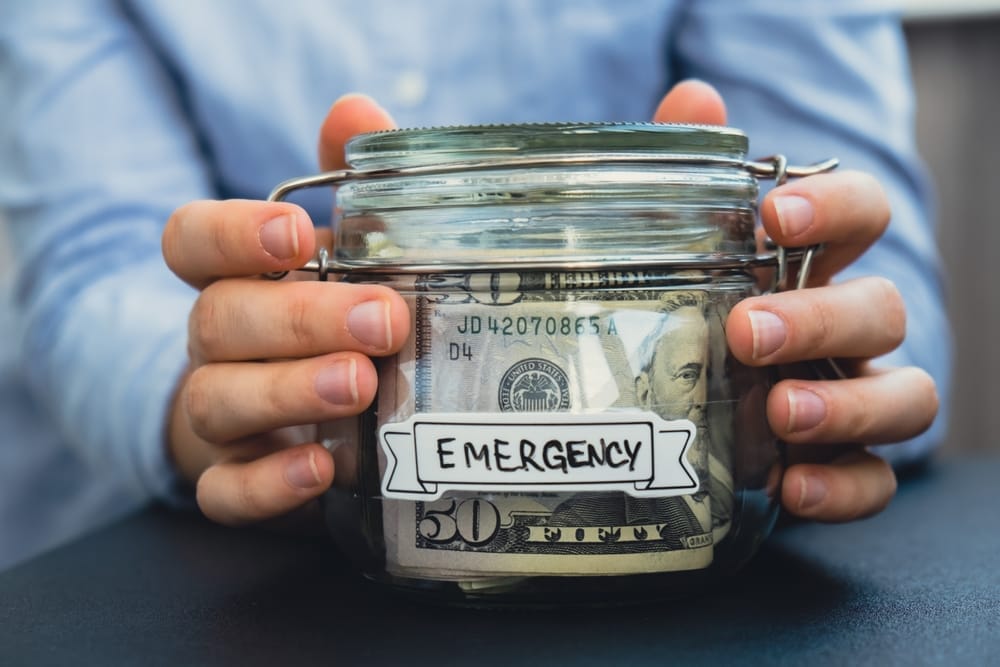
Remember when tucking away a few months’ worth of expenses in a savings account felt like financial armor? That shield, once considered indestructible, now seems a little thinner around the edges. If your emergency fund hasn’t been adjusted in years, you might be in for a surprise: what once covered rent, groceries, and a few random emergencies may no longer stretch far enough to keep you truly safe.

The world changes fast, and your emergency plan can’t stay frozen in time. Between rising inflation, housing costs, and everyday expenses creeping higher, that old nest egg might only cover half of what it used to.

Inflation Is Quietly Eating Your Safety Net

Inflation is like that guest at a party who slowly eats all the snacks while you’re distracted. Over the past five years, the cost of groceries has skyrocketed by nearly 30%, while utilities and transportation have steadily climbed, often outpacing the interest your savings account earns.

If your emergency fund hasn’t grown at the same pace as your expenses, its real purchasing power has quietly eroded. This means you might think you’re financially protected, but when the real-world bills come knocking, you’ll notice the difference immediately. It’s not that your money disappeared—it’s that it doesn’t buy as much as it used to.

Interest Rates And Savings Accounts Are No Longer Your Allies

Five years ago, parking money in a high-yield savings account could earn you a respectable return. Those days are largely behind us. Interest rates have fluctuated dramatically, leaving many emergency funds stagnating while costs continue to rise. Meanwhile, prices on essential goods keep climbing, silently chipping away at your financial cushion.

This mismatch between what you earn on savings and what you spend on necessities can turn a seemingly comfortable fund into something worryingly thin. If you’re relying on the same account strategy you used in 2018, it’s time for a serious checkup. Your fund isn’t broken—it’s just outdated.

The Cost Of Housing Has Shifted Dramatically

Renters and homeowners alike have felt the squeeze. In cities across the country, the housing affordability crisis has caused costs to soar, while wages haven’t always kept pace.

For many, the cost of maintaining a home or apartment now takes up a larger slice of the monthly budget than it did five years ago. This shift doesn’t just affect renters—homeowners feel it too, thanks to rising property taxes, insurance, and utility costs. The reality is simple: your old emergency fund was calculated for a different world, and the world has changed.

Healthcare Costs Are A Silent Drain

Medical expenses often lurk in the background until an emergency hits. Over the last few years, healthcare costs, insurance premiums, and prescription prices have climbed steadily, while even minor medical events that once cost a few hundred dollars can now run into the thousands.

If your emergency fund hasn’t been adjusted for these increases, it may not provide enough coverage when a health situation arises. And with healthcare expenses unpredictable and sometimes unavoidable, this silent drain can turn a well-meaning fund into an inadequate safety net. Ignoring these rising costs is a recipe for financial stress the moment life throws a curveball.

This Is Why Your Emergency Fund Isn’t Protecting You the Way It Did Five Years Ago

Image source: shutterstock.com

Unexpected Expenses Are Growing In Scale

Emergencies themselves haven’t gotten smaller. Natural disasters, car repairs, home maintenance, and sudden job changes all tend to cost more than they did half a decade ago.

When people calculate their emergency savings based on old expense numbers, they underestimate the magnitude of today’s unpredictable costs. Life has a way of being more expensive than we imagine, and the gap between your fund and reality can be shockingly wide.

Rethinking Your Emergency Fund For Today’s Reality

The good news is that updating your emergency fund isn’t just necessary—it’s doable. Start by recalculating your essential monthly expenses, including rent, utilities, groceries, insurance, and potential healthcare costs. Factor in any new financial obligations that have popped up since your last review. Then, consider a buffer for unexpected events that could derail your budget, like car repairs, urgent home fixes, or temporary unemployment.

Adjusting your fund to match current realities ensures it can genuinely act as a protective cushion rather than a false sense of security.

Practical Tips To Keep Your Fund Effective

Keeping an emergency fund truly effective goes beyond just numbers. Consider diversifying where you keep your money: a combination of high-yield savings accounts, money market accounts, or short-term, low-risk investments can help your fund maintain its value against inflation.

Regularly reviewing and updating the total amount ensures your fund keeps pace with rising costs and lifestyle changes. Automating contributions can take the pressure off while maintaining steady growth. And don’t underestimate the psychological benefit of knowing your emergency fund is truly ready for today’s world—it can provide a sense of control and calm when financial surprises hit.

Make Your Emergency Fund Work As It Should

Your emergency fund is only as strong as the environment it exists in, and the world around it has changed significantly in the last five years. By accounting for rising costs, inflation, and unexpected emergencies, you can rebuild your financial confidence and avoid the stress of discovering your protection is thinner than you thought.

We’d love to hear about how you’ve adjusted—or plan to adjust—your emergency fund in today’s landscape, or any experiences that taught you the importance of keeping it current. Leave your thoughts and stories in the comments below.

You May Also Like…

Why Are Emergency Funds Harder to Rebuild Than People Expect

9 Budget Categories That Blow Up After One Emergency

Why So Many Retirees Are Being Forced to Spend Savings Faster Than Planned This Year

Savings Strategy: 9 Micro moves That Add Tens of Thousands Over Time

Savings Leap: 9 Mid-Life Moves That Boost Long-Term Retirement Odds

Brandon Marcus
Brandon Marcus

Brandon Marcus is a writer who has been sharing the written word since a very young age. His interests include sports, history, pop culture, and so much more. When he isn’t writing, he spends his time jogging, drinking coffee, or attempting to read a long book he may never complete.

Filed Under: saving money Tagged With: bank account, Cost of living, emergency expenses, emergency funds, emergency spending, finance, finances, general finance, healthcare, healthcare costs, Housing Costs, interest rates, medical expenses, Money, money issues, Personal Finance, saving accounts, saving money, savings, unexpected expenses

5 Mistakes Young People Make About Their Financial Futures

December 9, 2025 by Brandon Marcus Leave a Comment

Here Are The Mistakes Young People Make About Their Financial Futures

Image Source: Shutterstock.com

The moment you start earning your own money, the world seems wide open—full of possibilities, adventures, upgrades, and “I’ll figure it out later” energy. It’s exciting, empowering, and a little dangerous in that sneaky, invisible way financial mistakes tend to be. Most young people feel like they have all the time in the world to get their money right, and that’s exactly what makes the early years so risky.

The habits you build now have long shadows, and the misconceptions you carry can quietly shape your financial future for decades. But the good news? Once you spot these mistakes, you can stop making them—and start building something strong, smart, and sustainable.

1. Believing Retirement Is A Problem For Future-You

So many young people assume retirement is some faraway milestone reserved for older adults who suddenly develop a love for yard tools and early dinners. The truth is that retirement planning hits hardest when you start early, because time—not income—is the real power player. When you put off contributing to retirement accounts, you’re not just delaying savings; you’re losing out on years of compound growth that could multiply your money effortlessly.

Even small contributions now can become huge cushions later, but you only get that advantage if you begin early. Future-you will thank you for thinking ahead instead of hoping everything magically works out.

2. Thinking Debt Doesn’t Matter As Long As You Keep Up With Payments

At first, having a credit card or a few small loans feels manageable—almost invisible—as long as you’re making your minimum payments. But high-interest debt is like a slow leak in your financial boat: you don’t always notice the damage until you’re sinking. Young people often underestimate how quickly interest snowballs, quietly eating away at money that could have gone toward savings, goals, or experiences that actually matter. The earlier you tackle debt, the easier it is to stay ahead of it, and the more flexibility you’ll have later in life. Treating debt lightly now can lock you into obligations you never expected.

3. Assuming A Higher Income Guarantees Financial Freedom

It’s easy to believe that once you land the right job or earn a higher salary, everything will finally fall into place. But lifestyle creep—the tendency to spend more as you earn more—creeps up faster than most people expect. Without good habits, a bigger income simply becomes a bigger opportunity to overspend, overextend, and under-save. Financial freedom comes from control, awareness, and choices, not just a big paycheck. If you learn to manage what you have well now, you’ll be unstoppable when you eventually level up.

4. Underestimating Emergency Expenses And Assuming “It Won’t Happen To Me”

Young people often have a sense of invincibility that pairs poorly with unpredictable expenses. Car repairs, medical bills, job changes, and surprise costs don’t ask permission before happening—they just show up. Without an emergency fund, even small mishaps can trigger financial spirals that take months or years to recover from.

Saving for emergencies isn’t pessimism; it’s financial armor that protects your future goals. If you build even a small safety net now, you’ll move through life with confidence instead of crossing your fingers and hoping for the best.

Here Are The Mistakes Young People Make About Their Financial Futures

Image Source: Shutterstock.com

5. Believing You Don’t Need A Budget If You “Feel Responsible Enough”

Many young people think budgeting is unnecessary, too restrictive, or only for people who struggle with money. But in reality, budgeting is the opposite: it’s the thing that gives you freedom to make better choices without guilt or confusion. Relying on your gut or memory can trick you into thinking you’re spending less than you are, and by the time you realize the truth, the damage is already done. A budget doesn’t limit you—it guides you, supports you, and helps you stay aligned with your actual goals instead of your impulses. When you know exactly where your money is going, you take control instead of drifting.

Your Future Starts Earlier Than You Think

Your financial future doesn’t begin “one day” when you feel older, wiser, or more prepared—it’s already happening right now. The choices you make today will shape your opportunities, freedom, and peace of mind in the years ahead. By recognizing these common mistakes, you can start making smarter decisions long before they become major setbacks. Your future self will appreciate every smart move you make today.

Have you spotted any of these mistakes in your own life? Give us all of your thoughts, experiences, or hard-earned lessons in the comments for others to learn from.

You May Also Like…

13 Things Young People Won’t Stop Doing That Elderly People Don’t Understand

What Is “Cash Stuffing” — And Why Everyone’s Doing It Again

7 Bold Assertions to Make About Your Financial Future Today

9 Important Questions to Ask Before Trading Options or Futures

Could Too Much Cash in the Bank Actually Hurt Your Financial Future


Brandon Marcus
Brandon Marcus

Brandon Marcus is a writer who has been sharing the written word since a very young age. His interests include sports, history, pop culture, and so much more. When he isn’t writing, he spends his time jogging, drinking coffee, or attempting to read a long book he may never complete.

Filed Under: Finance Tagged With: Budget, budgeting, Debt, emergency expenses, emergency funds, financial choices, financial freedom, financial future, financial mistakes, Income, mistakes, Money, money choices, money issues, money matters, Retirement, teens, young adults, young people

Build an Ironclad Emergency Fund That Can Withstand Any Crisis

December 3, 2025 by Brandon Marcus Leave a Comment

You Need To Build an Ironclad Emergency Fund That Can Withstand Any Crisis

Image Source: Shutterstock.com

Life has a habit of throwing curveballs at the exact moment you feel like you’ve finally hit your stride. One minute you’re cruising along, paying bills, enjoying weekends, feeling in control—and the next, your car decides to impersonate a campfire, your job pulls a surprise plot twist, or your refrigerator suddenly retires mid-milk. That’s the moment you either panic… or calmly reach for your emergency fund and handle business like a champion.

An emergency fund isn’t glamorous, but it’s the financial equivalent of armor—quiet, dependable, and ready to deflect chaos when things get wild. If you’ve ever wanted to build a safety net so strong it could shrug off even the ugliest crisis, you’re in the right place.

Why You Need An Emergency Fund That’s More Than Spare Change

Most people underestimate how quickly life can upend their budget. A single unexpected bill can trigger a chain reaction, especially for those living paycheck to paycheck. An emergency fund acts as a buffer that keeps surprise expenses from becoming financial disasters. It gives you room to breathe, think clearly, and avoid high-interest debt. When you know you have a stash waiting for true emergencies, every part of life feels a little less stressful.

Start Small, But Start Immediately

Building an emergency fund doesn’t require winning a lottery ticket or selling everything you own; it begins with one small, intentional step. Even setting aside ten or twenty dollars at a time creates momentum that builds into something real. Waiting for “the perfect moment” guarantees that the moment never comes, so getting started today matters more than starting big. Small contributions teach discipline and reinforce the habit of paying yourself first. Before long, you’ll look at the total and feel a spark of pride that fuels your motivation to keep going.

Choose A Savings Strategy That Actually Works For You

People often abandon their emergency fund because they force themselves into a system that feels unnatural or overwhelming. Your savings method should match your money personality—automations for the forgetful, manual transfers for the control-oriented, envelopes for the hands-on budgeters. The right system is the one you’ll actually stick to, not the one that sounds good on paper. A savings plan should slot easily into your lifestyle so it never feels like punishment. Consistency beats perfection every single time when growing a dependable safety net.

Determine The Right Amount So You’re Truly Protected

Experts love debating how much you “should” save, but the real answer depends on your life, your responsibilities, and your risk tolerance. Some people sleep well with three months of expenses saved, while others feel safer with six or even twelve months. The best number is the one that keeps you calm when imagining the worst-case scenario. Spend time calculating what you’d genuinely need to survive if everything went sideways. Once you know your target, the entire savings mission becomes clearer and more motivating.

Protect Your Emergency Fund From… Yourself

Once your emergency fund starts growing, it becomes tempting to dip into it for things that feel urgent but aren’t truly emergencies. A sale at your favorite store, a last-minute trip, or a shiny new upgrade does not count as a crisis. Keeping your fund in a separate account helps create psychological distance and reduces impulsive withdrawals. Treat this money as sacred, untouchable, and reserved only for genuine needs. When you protect your emergency fund, it protects you right back.

Make Your Money Work Without Putting It At Risk

An emergency fund shouldn’t be locked away in investments or risky accounts where you can lose access—or the money itself. That said, it can still earn interest in a safe, accessible spot like a high-yield savings account. The key is balancing growth with security because emergencies don’t wait for the market to recover. The goal isn’t maximizing profit; it’s ensuring your money is available at the exact moment you need it. Think of your emergency fund as a loyal guard dog: dependable, ready, and not off gambling in the stock market.

You Need To Build an Ironclad Emergency Fund That Can Withstand Any Crisis

Image Source: Shutterstock.com

Refill It Every Time You Use It

Even the strongest emergency fund gets depleted during tough times, but the real power comes from rebuilding it after the storm passes. Once you’ve resolved the crisis, return to your savings plan with the same energy you had in the beginning. A refilled fund restores your sense of stability and reminds you that you’re capable of handling anything. Every crisis you survive becomes proof that your system works. Replenishing your emergency fund is the final step in completing the cycle of financial resilience.

Celebrate Milestones So You Stay Motivated

Saving money can feel slow and uneventful, so celebrating your progress is essential to keeping your excitement alive. Reaching your first $100, then $500, then $1,000 deserves recognition, even if the celebration is something simple. These milestones build confidence and turn saving into something rewarding rather than exhausting. When you acknowledge the work you’ve done, your brain stays motivated to keep pushing forward. The journey becomes just as satisfying as the end goal.

Build Confidence One Cushion At A Time

Each dollar added to your emergency fund is like adding a brick to your personal fortress. Over time, that fortress becomes strong enough to withstand layoffs, medical surprises, home repairs, or anything life flings your way. The security it provides spills into every area—your relationships, your decisions, your overall peace of mind. You walk differently when you know one bad day won’t wipe you out. Building an ironclad emergency fund isn’t just a financial task; it’s an act of long-term self-protection.

Your Future Self Will Thank You

Creating an emergency fund that can survive any crisis isn’t about luck or perfection—it’s about small steps, ongoing intention, and the decision to protect your future. When you have a financial cushion, life’s unpredictable moments lose their power to overwhelm you. You gain control, confidence, and options during times when everything feels out of your hands.

If you’ve built an emergency fund before, or if you’re starting one now, share your thoughts, stories, or strategies in the comments below. Someone out there might need your insight to finally begin their own journey.

You May Also Like…

6 Emergency-Fund Secrets People Use to Save Faster

9 Ways People Screw Up Emergency Funds — Even When They Have Good Intentions

10 Financial Dangers of Skipping Emergency Funds

7 Stock Market Myths That Cost Beginner Investors Their Life Savings

Could Ignoring Inflation Erase Decades of Savings

Brandon Marcus
Brandon Marcus

Brandon Marcus is a writer who has been sharing the written word since a very young age. His interests include sports, history, pop culture, and so much more. When he isn’t writing, he spends his time jogging, drinking coffee, or attempting to read a long book he may never complete.

Filed Under: Lifestyle Tagged With: crisis, emergency expenses, emergency fund, emergency funds, emergency medical care, emergency planning, emergency preparedness, emergency savings, financial emergency, Saving, saving money, savings, savings account, savings strategy

Why Do Families Rely on Payday Loans in Emergencies

September 24, 2025 by Travis Campbell Leave a Comment

payday loan

Image source: pexels.com

When a sudden crisis hits, many families find themselves scrambling to cover unexpected expenses. Medical bills, urgent car repairs, or even a missed paycheck can quickly become overwhelming. In these moments, families often turn to payday loans as a quick fix. While payday loans are controversial, their use in emergencies is a reality for many households. Understanding why families rely on payday loans in emergencies can help shed light on the financial pressures people face and the limited options available to them.

1. Immediate Access to Cash

The main reason families rely on payday loans in emergencies is the speed with which they can access money. Traditional loans from banks or credit unions often involve lengthy applications, credit checks, and waiting periods. When time is of the essence—like when the car breaks down or a utility bill is due—families need money fast. Payday lenders offer same-day cash, sometimes within minutes of approval. This instant access can make all the difference during an emergency, especially when other sources are unavailable.

2. Few Alternatives for Bad Credit

Many families who use payday loans in emergencies have poor or limited credit histories. Banks and credit card companies may deny them loans or lines of credit, leaving few alternatives. Payday lenders typically do not require a strong credit score, making their services more accessible to those with financial struggles. For families with bad credit or no credit, payday loans can seem like the only realistic option when they need emergency funds.

3. Unpredictable Expenses and Inconsistent Income

Emergencies rarely happen at convenient times. For families living paycheck to paycheck or with variable income, even a small surprise expense can cause major stress. Gig workers, seasonal employees, and those with unpredictable schedules may not always have money set aside for emergencies. When a crisis arises, payday loans can provide a quick financial cushion. Even though the costs are high, the alternative—missing rent, losing a job due to lack of transportation, or facing a utility shutoff—can feel even worse.

4. Lack of Savings or Emergency Funds

Building an emergency fund is a challenge for many families. Rising costs of living, stagnant wages, and regular bills can make it difficult to save. Without a financial safety net, families are more vulnerable when something goes wrong. Payday loans step in to fill this gap, providing a short-term solution to immediate problems. Even though most financial advisors recommend against them, the lack of savings often leaves families feeling like they have no choice.

5. Ease and Simplicity of the Payday Loan Process

Another reason families rely on payday loans in emergencies is the straightforward application process. Most payday lenders require only basic identification, proof of income, and a bank account. There’s minimal paperwork, and no lengthy interviews or complicated forms. For someone dealing with stress or urgency, this simplicity can be very appealing. It’s often easier than asking family or friends for help or navigating government assistance programs.

6. Limited Awareness of Other Options

Many families are not aware of alternatives to payday loans, especially during stressful emergencies. Nonprofit organizations, local charities, and community banks may offer small-dollar loans or emergency grants, but these options are not always well-publicized. Financial education is not universal, and people may not know where to turn. Payday lenders often advertise aggressively, making their services top-of-mind when cash is needed fast. This lack of awareness can keep families stuck in a cycle of high-cost borrowing.

7. Perceived Control and Privacy

For some, payday loans offer a sense of control and privacy. Borrowing from friends or family can feel embarrassing or come with strings attached. Applying for government assistance may involve long waits and complicated paperwork. Payday lenders, on the other hand, allow families to handle emergencies on their own terms. The transaction is often discreet, with little judgment or questioning. While this independence comes at a high financial cost, it can be a powerful motivator for people in distress.

Facing the Realities of Payday Loan Use in Emergencies

Payday loans in emergencies are a symptom of deeper financial challenges that many families face. Limited access to affordable credit, lack of savings, and unpredictable expenses create a landscape where payday loans become the “least bad” option. While they provide immediate relief, the high fees and interest can trap families in a cycle of debt. Exploring safer alternatives, like local credit unions or nonprofit lenders, is important, but these options may not always be available or accessible when time is short.

Building an emergency fund, even a small one, can also help reduce the need for high cost borrowing in the future. Financial education and community support are key to helping families break free from reliance on payday loans in emergencies.

Have you or someone you know used payday loans in emergencies? What alternatives do you think could help families avoid them? Share your thoughts in the comments below.

What to Read Next…

  • The Benefits of Taking Personal Loans and Their Impact on Credit Scores
  • 5 Emergency Repairs That Could Force You into Debt Overnight
  • Why Some People Feel Rich but Can’t Afford a $400 Emergency
  • Are Budgeting Apps Designed to Push You into Debt?
  • 7 Financial Assumptions That Collapse After One Health Emergency
Travis Campbell
Travis Campbell

Travis Campbell is a digital marketer/developer with over 10 years of experience and a writer for over 6 years. He holds a degree in E-commerce and likes to share life advice he’s learned over the years. Travis loves spending time on the golf course or at the gym when he’s not working.

Filed Under: Debt Management Tagged With: alternatives to payday loans, bad credit, emergency expenses, family finances, financial stress, payday loans

Could A Pet’s Health Issues Bankrupt a Family

September 20, 2025 by Catherine Reed Leave a Comment

Could A Pet’s Health Issues Bankrupt a Family

Image source: 123rf.com

For many households, pets are beloved family members, not just animals. But when a furry friend faces a serious illness or injury, the emotional stress is compounded by the staggering costs of veterinary care. From unexpected surgeries to long-term medications, expenses can quickly add up to thousands of dollars. For families living paycheck to paycheck, a single crisis can create debt that lingers for years. Understanding the true risks of a pet’s health issues is essential to protect both your wallet and your peace of mind.

1. Emergency Vet Visits Add Up Fast

The first financial shock usually comes with emergency vet visits. After-hours care can easily cost two or three times what you’d pay at a regular appointment. Something as simple as a broken bone or sudden illness can turn into a bill of several thousand dollars. Families without savings may end up relying on credit cards or loans to cover the cost. Emergency care is one of the most common financial burdens linked to a pet’s health issues.

2. Specialized Surgeries Can Reach Five Figures

If a pet requires surgery, the expenses can be overwhelming. Procedures like ACL repairs, tumor removals, or spinal surgeries often cost several thousand to over ten thousand dollars. Even with the best intentions, many families struggle to cover these unexpected bills. Unlike human healthcare, there are no subsidies or insurance mandates to soften the blow. Specialized procedures are among the most financially devastating aspects of a pet’s health issues.

3. Ongoing Medication and Treatments Drain Budgets

Some pets require daily medication or long-term treatment for chronic conditions like diabetes, heart disease, or arthritis. These ongoing costs can quietly drain household budgets over time. Monthly prescriptions, special diets, and frequent checkups add up faster than many families expect. Skipping treatments isn’t an option for those who see pets as family members. Long-term care is one way a pet’s health issues can quietly chip away at financial stability.

4. Diagnostic Testing Is Surprisingly Expensive

Before treatment even begins, vets often order tests like X-rays, ultrasounds, or MRIs. Each diagnostic step can range from a few hundred to several thousand dollars. Families often find themselves paying large sums just to identify the problem. Without insurance or savings, these costs can feel like an impossible barrier. Diagnostic expenses are a hidden financial danger of a pet’s health issues.

5. Limited Options Without Pet Insurance

Pet insurance can help, but many families skip it, assuming they’ll never need it. Unfortunately, when a crisis occurs, the absence of coverage leaves them fully exposed to high costs. Even when insurance is available, it usually doesn’t cover preexisting conditions. This creates tough choices between paying out-of-pocket or considering less aggressive care. The lack of insurance support makes a pet’s health issues more financially risky than most families realize.

6. Credit Card Debt and Loans Become Common

When savings fall short, many households turn to debt to cover pet expenses. High-interest credit cards or personal loans can leave families paying far more than the original bill. What begins as a temporary solution often snowballs into long-term financial stress. Families may even find themselves choosing between paying pet debt and covering other essential bills. Debt reliance is a dangerous consequence of a pet’s health issues.

7. Emotional Pressure Leads to Costly Choices

Pets hold a deep emotional bond, making it difficult to say no to expensive treatments. Families may agree to procedures they cannot afford simply because they don’t want to give up hope. The guilt of denying care often drives people to take on debt they can’t manage. While understandable, these emotional decisions can have serious financial consequences. The emotional weight of a pet’s health issues often fuels financial strain.

8. Loss of Income Adds to the Burden

Caring for a sick pet sometimes requires time off work. Whether it’s repeated vet visits, recovery supervision, or emergency trips, the lost wages add up. For hourly workers or those without flexible schedules, this can compound financial stress. It’s not just about paying bills—it’s about balancing care with maintaining income. Lost work time is another overlooked consequence of a pet’s health issues.

9. Difficult End-of-Life Decisions Still Cost Money

When treatment isn’t enough, end-of-life care creates its own expenses. Euthanasia, cremation, or burial services often cost hundreds to thousands of dollars. Families dealing with grief may not think about these costs until the bill arrives. While not as large as surgery, these expenses still strain tight budgets. Even the final stage of a pet’s health issues comes with financial challenges.

Planning Ahead Protects Both Pets and Finances

The financial risks of a pet’s health issues are real, but preparation can make a huge difference. Setting aside a pet emergency fund, exploring insurance options, and budgeting for routine care all reduce the shock when problems arise. Families who prepare are better able to focus on caring for their pets instead of stressing over bills. While no one wants to imagine their pet getting sick, planning ahead ensures love doesn’t lead to financial ruin. Protecting both your heart and your wallet is the smartest way to prepare for the unexpected.

Have you ever faced overwhelming costs due to a pet’s health issues? How did your family manage the financial challenge? Share your experience in the comments below.

What to Read Next…

  • Could the Cost of Raising Pets Outpace Inflation Itself
  • 6 Financial Risks Nobody Tells You About Pet Ownership
  • Could Pet Ownership Now Be More Expensive Than Raising Kids
  • 5 Overlooked Costs of Caring for Aging Pets
  • Here Are The Top 10 Worst “GoFundMe” Requests
Catherine Reed
Catherine Reed

Catherine is a tech-savvy writer who has focused on the personal finance space for more than eight years. She has a Bachelor’s in Information Technology and enjoys showcasing how tech can simplify everyday personal finance tasks like budgeting, spending tracking, and planning for the future. Additionally, she’s explored the ins and outs of the world of side hustles and loves to share what she’s learned along the way. When she’s not working, you can find her relaxing at home in the Pacific Northwest with her two cats or enjoying a cup of coffee at her neighborhood cafe.

Filed Under: Pets Tagged With: emergency expenses, family finances, pet care costs, pet insurance, pet’s health issues, Planning, veterinary costs

FOLLOW US

Search this site:

Recent Posts

  • Can My Savings Account Affect My Financial Aid? by Tamila McDonald
  • 12 Ways Gen X’s Views Clash with Millennials… by Tamila McDonald
  • What Advantages and Disadvantages Are There To… by Jacob Sensiba
  • 10 Tactics for Building an Emergency Fund from Scratch by Vanessa Bermudez
  • Call 911: Go To the Emergency Room Immediately If… by Stephen Kanaval
  • 7 Weird Things You Can Sell Online by Tamila McDonald
  • 10 Scary Facts About DriveTime by Tamila McDonald

Copyright © 2026 · News Pro Theme on Genesis Framework