• Home
  • About Us
  • Toolkit
  • Getting Finances Done
    • Hiring Advisors
    • Debt Management
    • Spending Plan
  • Insurance
    • Life Insurance
    • Health Insurance
    • Disability Insurance
    • Homeowners/Renters Insurance
  • Contact Us
  • Privacy Policy
  • Risk Tolerance Quiz

The Free Financial Advisor

You are here: Home / Archives for daily habits

Stop Feeling Guilty: Why Your $7 Coffee Might Be the Only Thing Keeping You Sane

March 16, 2026 by Brandon Marcus Leave a Comment

Stop Feeling Guilty: Why Your $7 Coffee Might Be the Only Thing Keeping You Sane

Image Source: Shutterstock.com

A strange battle plays out every morning across the country: a human being stands at a café counter, stares at a menu, and suddenly feels a wave of guilt over a cup of coffee. Seven dollars for a latte? Outrageous. Financially irresponsible. A tiny foam-topped symbol of everything wrong with modern spending habits.

Except the story rarely ends there. That same coffee often delivers a short but powerful moment of calm in a packed schedule, a quick reset before meetings pile up, and sometimes the only peaceful pause in a chaotic day. Life demands energy, attention, and patience from morning to night. Tiny rituals help refill those tanks.

The truth rarely fits inside dramatic headlines about avocado toast and financial ruin. A daily coffee can exist inside a healthy financial life, and in many cases, that small purchase supports something just as valuable as a bank balance: mental stability, routine, and a little spark of joy.

The $7 Coffee Panic Has Taken Over the Internet

Personal finance conversations exploded online during the past decade, and many influencers turned small purchases into villains. Viral posts love to point fingers at daily coffee habits and frame them as the root of financial struggle. The logic sounds simple: skip the latte, save the money, become wealthy. That argument travels fast because it sounds practical and responsible.

Financial experts, however, often point toward a different reality. Large expenses usually create the biggest financial pressure in most households. Housing costs, car payments, healthcare bills, and student loans dominate budgets in ways a latte never could. A $7 drink might feel dramatic in isolation, yet financial strain rarely comes from one small purchase. Consistent overspending across many areas creates the real issue. A balanced financial plan leaves room for reasonable pleasures because sustainable habits beat extreme restriction every single time. People who eliminate every enjoyable purchase often abandon budgets altogether after a few months of frustration.

Financial psychology research supports that idea as well. Behavioral economists often explain that humans stick to systems that feel rewarding. A budget that punishes every small joy eventually collapses because motivation disappears. Small indulgences keep discipline alive by creating balance.

Small Rituals Carry Real Mental Health Benefits

Daily routines shape mood, energy, and productivity far more than most people realize. A consistent morning ritual signals the brain that the day has begun and helps transition from groggy survival mode into focused action. That ritual can take many forms: a walk, journaling, meditation, or yes, a carefully crafted cup of coffee.

Psychologists frequently emphasize the power of “micro-pleasures,” which describe small positive experiences that break up stress during busy days. These moments might last only five minutes, yet they create measurable improvements in mood and resilience. A café visit delivers a combination of sensory rewards that activate those benefits: warmth from the cup, aroma from fresh coffee, background conversation, and a short change of environment.

Coffee itself also carries well-documented cognitive benefits when consumed in moderation. Caffeine stimulates the central nervous system and increases alertness, attention, and reaction time. Research published in journals focused on nutrition and neuroscience continues to examine how caffeine supports concentration and mental performance during demanding tasks.

That boost explains why coffee culture exploded across offices, campuses, and creative spaces. People gravitate toward tools that help them think clearly and maintain energy through long workdays. A familiar café stop can create a small anchor in an unpredictable schedule. Baristas often recognize regular customers, favorite drinks develop personalities of their own, and that brief pause turns into a daily reset button.

Budgeting Without Joy Almost Never Works

Strict budgeting advice often treats every non-essential purchase like a threat. That mindset ignores basic human behavior. People crave enjoyment, novelty, and comfort, especially during stressful periods. A financial plan that ignores those needs quickly turns into a punishment system rather than a practical guide.

Financial planners often recommend something called “fun money” for exactly that reason. This strategy assigns a small portion of income to guilt-free spending. That category might include coffee, lunch with friends, a streaming subscription, or any purchase that brings genuine happiness.

Someone who spends $7 on coffee every weekday spends roughly $35 per week, or about $140 per month. That number deserves attention inside a larger budget, yet it rarely becomes catastrophic when income and expenses stay balanced. The real power comes from conscious choice rather than automatic spending.

The Social Side of Coffee Matters Too

Coffee shops serve a role far beyond caffeine delivery. These spaces function as informal community hubs where people work, study, meet friends, or simply sit among others. Sociologists often highlight “third places,” a term that describes locations outside home and work where people gather and interact casually.

A brief café visit can reduce isolation during long workdays, especially for remote workers who spend hours at home offices. Background chatter, music, and shared space can boost creativity and motivation. Many freelancers and entrepreneurs rely on cafés precisely because the atmosphere helps ideas flow.

Meeting a colleague over coffee often sparks collaboration. Catching up with a friend over lattes strengthens relationships. Even a quick exchange with a barista can brighten a morning. Humans thrive on small social interactions, and coffee culture provides a steady stream of them.

Stop Feeling Guilty: Why Your $7 Coffee Might Be the Only Thing Keeping You Sane

Image Source: Shutterstock.com

Maybe the Latte Isn’t the Problem After All

The obsession with tiny daily expenses distracts from a much bigger truth about modern life: people face enormous pressure from work demands, rising costs, and constant digital noise. Under those conditions, small pockets of enjoyment matter more than ever. A latte cannot fix systemic financial challenges, but it also does not deserve blame for them. Healthy financial habits focus on awareness, planning, and realistic expectations. A thoughtful budget accounts for bills, savings, investments, and yes, personal enjoyment. Removing every small pleasure often turns life into a joyless grind, and that approach rarely lasts long.

Instead of attacking the coffee habit, a smarter strategy asks a few simple questions. Does the purchase fit within a balanced budget? Does it deliver real enjoyment or energy?

So what about that daily coffee habit? Does it bring a little spark to the day, or does it feel like money slipping away too fast? Drop thoughts, strategies, or favorite small daily rituals in the comments and share what actually helps keep life balanced.

You May Also Like…

Boomer Parents and Wills: How to Bring Up the Inheritance Without the Drama

7 Steps to Run a Financial Autopsy on Your 2025 Spending

Is Your “Little Treat” Habit Costing You $2,500 a Year? The Real Spending Math

Why Monthly Bills Are Rising Even for Households That Haven’t Changed Spending

Why Do People Feel Guilty Spending Money Even on Necessitiesd

Brandon Marcus
Brandon Marcus

Brandon Marcus is a writer who has been sharing the written word since a very young age. His interests include sports, history, pop culture, and so much more. When he isn’t writing, he spends his time jogging, drinking coffee, or attempting to read a long book he may never complete.

Filed Under: Spending Habits Tagged With: Budgeting Tips, coffee culture, daily habits, Financial Wellness, lifestyle balance, mental health, modern life, Personal Finance, Productivity, self-care, spending psychology, stress relief

5 Money Habits That Keep You Stuck In Place

January 25, 2026 by Brandon Marcus Leave a Comment

These Are 5 Money Habits That Keep You Stuck In Place

Image source: shutterstock.com

Money—it’s supposed to make life easier, right? Yet somehow, it often feels like we’re running on a treadmill, moving our feet frantically but never getting anywhere. You might be paying your bills on time, saving a little, and thinking you’re doing everything “right,” but subtle habits can quietly anchor you to the same financial spot year after year.

These aren’t catastrophic mistakes that ruin your life overnight—they’re the small, persistent behaviors that quietly drain your momentum.

1. Ignoring The Power Of Budgeting

Budgeting has a bad reputation, as if it’s all about restriction and misery, but that couldn’t be further from the truth. Ignoring a budget is like trying to navigate a city without a map—you’ll eventually get somewhere, but it might be the wrong somewhere, and it will cost you extra time, stress, and money. People often assume that tracking spending is tedious, but the act of actually knowing where your money goes is empowering.

Even a simple system that categorizes bills, essentials, and discretionary spending can reveal patterns that you never noticed before. Skipping this step can lead to recurring “mystery” expenses that drain your bank account silently. Budgeting isn’t a punishment; it’s a way to take control and give yourself room to grow financially without feeling trapped.

2. Living Paycheck To Paycheck

It’s easy to fall into the paycheck-to-paycheck trap, especially when life seems to demand more than your income provides. Relying entirely on the timing of your next paycheck creates constant stress and makes it nearly impossible to invest in bigger financial goals. People often prioritize immediate gratification, thinking, “I’ll start saving next month,” while the months slip by unnoticed.

Without a safety net, even a small unexpected expense—a car repair, a medical bill, or a sudden trip—can set you back weeks or months. Building an emergency fund, even if it’s modest at first, can break this cycle and create a sense of security. Once the anxiety of “what if?” fades, you can start thinking about opportunities instead of obstacles.

3. Avoiding Investments Out Of Fear

There’s a common myth that investing is only for the wealthy or that it’s too risky to bother with at all. Avoiding investments altogether keeps your money stagnant, working for no one but the institutions holding it. Inflation silently erodes cash over time, so hoarding money under your mattress or in a low-interest account is basically giving it away. People often wait for “the perfect time” to invest, but markets reward consistent action over timing perfection. Even small, steady investments in retirement accounts or index funds can grow exponentially thanks to compound interest. The key is learning enough to act confidently, rather than letting fear dictate your financial future.

4. Overspending On Things That Don’t Matter

It’s easy to justify little purchases—those daily lattes, online impulse buys, or trendy gadgets—because they feel small individually. But small, frequent expenses add up quickly and can silently sabotage your long-term goals. When money goes out the door for things that don’t provide real value, you’re trading your future for fleeting satisfaction.

Overspending often feeds emotional urges, stress relief, or social comparison rather than real needs, keeping you trapped in a cycle of temporary happiness followed by financial frustration. Tracking where your money disappears each month can reveal habits you didn’t even realize existed. Redirecting just a fraction of these expenses into meaningful investments or savings can snowball into serious financial progress.

These Are 5 Money Habits That Keep You Stuck In Place

Image source: shutterstock.com

5. Neglecting Financial Education

Money literacy isn’t innate; it’s a skill you develop, and neglecting it can stunt your financial growth more than any single purchase or debt. People often assume they “know enough” or that learning about personal finance is boring or complicated. This mindset keeps you dependent on others’ advice or reactive decision-making, rather than proactive strategy. Understanding interest rates, debt management, investing options, and even basic tax implications can transform how you handle money. Education doesn’t need to be overwhelming—a few reliable resources or even a weekly deep dive into one topic can make a huge difference. The more you know, the more confident you become, and the more opportunities you can seize instead of letting life’s financial currents carry you along.

Take Charge And Grow

Breaking free from these habits isn’t about dramatic, overnight change—it’s about consistent awareness and small, intentional steps. Start by picking one habit that resonates most with your situation and commit to making a tiny adjustment. Over time, these changes compound and open doors you didn’t even know were there. Your financial life doesn’t have to feel like a loop you can’t escape.

If any of these habits hit close to home, or if you’ve already tackled one successfully, drop your thoughts and experiences in the comments below. Let’s get a conversation going about what works, what doesn’t, and how to move forward with confidence.

You May Also Like…

9 Financial Habits That Look Responsible but Feel Stressful

8 Grocery Shopping Habits That Make You Spend More Without Realizing It

8 Financial Habits That Quietly Drain Your Checking Account

6 Bad Money Habits Families Show During The Holidays

Behavior Habit: 5 Daily Money Moves That Build Long-Term Wealth

Brandon Marcus
Brandon Marcus

Brandon Marcus is a writer who has been sharing the written word since a very young age. His interests include sports, history, pop culture, and so much more. When he isn’t writing, he spends his time jogging, drinking coffee, or attempting to read a long book he may never complete.

Filed Under: Finance Tagged With: bad money habits, daily habits, finance, finances, general finance, investments, living paycheck to paycheck, Money, money habits, money issues, overspending, paycheck to paycheck, Smart Spending, spending, stuck in place

Behaviour Check: 8 Money Habits That Sabotage Boomers’ Financial Futures

December 10, 2025 by Brandon Marcus Leave a Comment

Here Are 8 Money Habits That Sabotage Boomers’ Financial Futures

Image Source: Shutterstock.com

The moment anyone starts talking about retirement, legacy planning, or “slowing down,” Boomers often nod confidently as if they’ve mastered every stage of adulthood with a perfect financial playbook. But behind that seasoned composure, many still fall into sneaky money habits that quietly chip away at long-term security.

These aren’t dramatic mistakes or headline-making disasters—they’re subtle behavioral patterns that seem harmless until they snowball. And the wild part is that most of these habits start with good intentions, making them even harder to spot. So let’s break down the eight behaviors that can derail even the most experienced saver’s financial future and see how a few tweaks could change everything.

1. Overspending On Adult Children

Many Boomers grew up believing that helping your children financially is the ultimate act of love, but sometimes that generosity spirals into self-sabotage. When adult kids rely on ongoing support, parents may drain savings they’ll later desperately need. The emotional urge to protect your children makes it easy to ignore how quickly these “temporary” expenses add up. While giving feels good in the moment, it can quietly reshape an entire retirement timeline. Financial independence should be a two-way priority, not a lifelong subsidy.

2. Holding Too Much Wealth In The Family Home

A paid-off home can feel like the ultimate badge of stability, yet it often traps wealth where it can’t be easily accessed. Boomers frequently underestimate how much of their net worth is locked inside those walls, making emergencies or lifestyle adjustments harder to manage. Downsizing feels emotional, so many resist it long past the time when it makes financial sense. The result is a retirement portfolio that looks impressive on paper but struggles to support day-to-day needs. Liquidity is your friend, not an insult to your family memories.

3. Avoiding Technology That Simplifies Money

There’s a whole generation that learned personal finance long before apps, automation, and online tools existed, and many still prefer doing things “the old-fashioned way.” But that habit can lead to missed opportunities, forgotten payments, and blind spots in budgeting. Avoiding digital tools also makes fraud detection slower and less efficient, which becomes a bigger risk with age. Modern financial tech exists to reduce stress, not create it. Embracing a few simple tools can turn money management from manual labour into effortless clarity.

Here Are 8 Money Habits That Sabotage Boomers’ Financial Futures

Image Source: Shutterstock.com

4. Putting Off Estate Planning

Nobody loves talking about wills or medical directives, so plenty of Boomers push these tasks to “someday.” Unfortunately, someday often becomes never, leaving families scrambling during emotional, confusing moments. Without clear instructions, assets can get tied up, taxed heavily, or distributed in ways the owner never intended. Proper planning isn’t just responsible—it’s an act of compassion for the people who will eventually handle the logistics. Avoiding these conversations doesn’t prevent the future; it only complicates it.

5. Relying Too Heavily On Fixed Income

Fixed income feels predictable and safe, and Boomers who lived through volatile markets often cling to stability as they age. But overdependence on fixed returns can mean portfolios that fail to grow enough to outpace inflation. When costs rise—and they always do—fixed income alone struggles to sustain long-term needs. Balancing stability with strategic growth is essential, not optional. Playing it too safe can be just as dangerous as taking unnecessary risks.

6. Underestimating Healthcare Costs

Healthcare often becomes the biggest expense in later life, yet many Boomers imagine it will be fully covered by government programs. That misconception can leave major gaps when sudden illnesses, long-term care, or prescription costs arise. Without proper planning, these expenses quickly devour retirement savings. Ignoring future medical costs doesn’t make them disappear—it just pushes the stress to a later, more vulnerable moment. Proactive planning is the only real safeguard.

7. Clinging To Outdated Financial Advice

Boomers received plenty of financial guidance in their youth, but some of those rules simply don’t apply anymore. Strategies that worked decades ago can fail miserably in today’s economic landscape. Inflation, market dynamics, interest rates, and financial technology have evolved, and advice must evolve with them. Continuing to follow outdated tips can quietly erode wealth instead of strengthening it. Staying informed isn’t a trend—it’s a necessity.

8. Avoiding Honest Conversations About Money

Many Boomers grew up in households where money talk was seen as taboo, and that mindset follows them into retirement. This reluctance makes it harder to address financial concerns with spouses, children, or advisors. Silence leads to confusion, misunderstandings, and decisions based on assumptions instead of facts. Open dialogue turns financial planning into a shared, thoughtful process rather than a secretive struggle. Transparency creates security, while avoidance breeds uncertainty.

Awareness Today Protects Tomorrow

Every generation has blind spots, and Boomers are no exception. The good news is that recognizing these habits makes them easier to change—and even small adjustments can dramatically reshape financial futures. Whether it’s updating a plan, embracing new tools, or simply talking openly with family, progress starts with awareness.

What habits have you noticed in yourself or someone you know? Let’s talk about your thoughts, stories, or experiences in the comments below.

You May Also Like…

8 Financial “Rules” Boomers Swear By That Are Actually Useless Now

8 Essential Items Boomers Should Invest In If They’ll Be Living Alone

5 Mistakes Young People Make About Their Financial Futures

7 Strange Questions Financial Advisors Secretly Love to Answer

6 Ways Baby Boomers Spend Money That Actually Adds Meaning


Brandon Marcus
Brandon Marcus

Brandon Marcus is a writer who has been sharing the written word since a very young age. His interests include sports, history, pop culture, and so much more. When he isn’t writing, he spends his time jogging, drinking coffee, or attempting to read a long book he may never complete.

Filed Under: Finance Tagged With: adult children, baby boomers, bad habits, Boomers, daily habits, Estate plan, Estate planning, finance, finances, financial future, general finance, good habits, habits, Money, money habits, money issues, overspending, technology, Wealth, wealthy families

8 “Harmless” Daily Habits That Are Secretly Wrecking Your Credit Score

December 8, 2025 by Brandon Marcus Leave a Comment

Some “Harmless” Daily Habits That Are Secretly Wrecking Your Credit Score

Image Source: Shutterstock.com

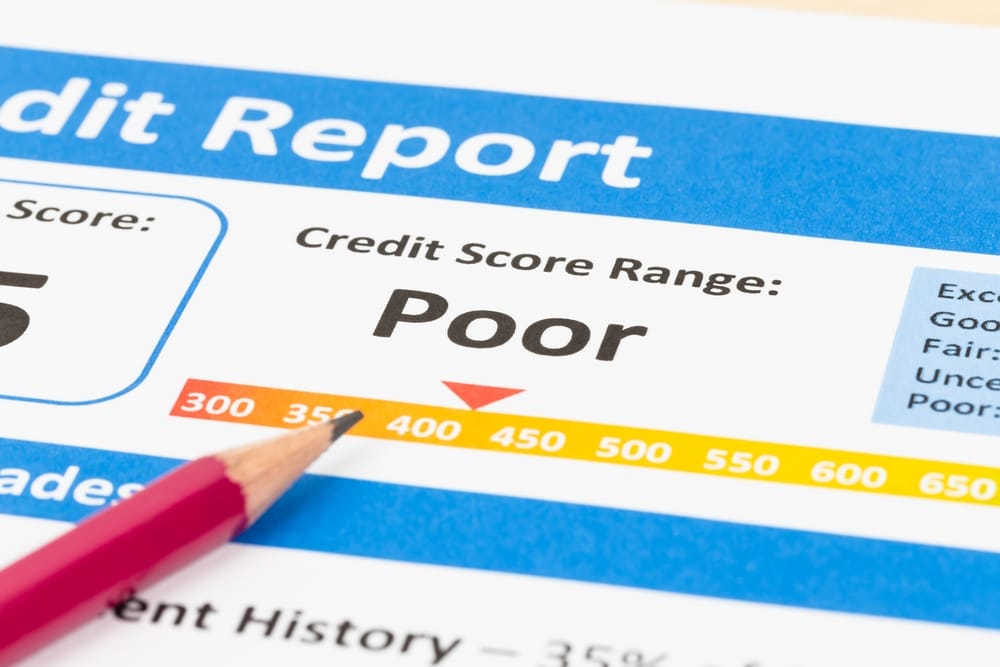
Most people walk around feeling pretty confident about their credit—until one day they check it, and suddenly it’s limping along like it just ran a marathon in flip-flops. The truth is, your credit score isn’t only affected by the big stuff like missed payments or maxed-out cards. Sometimes it’s the tiny, everyday habits—the innocent ones you don’t even think twice about—that nibble away at your score until it’s begging for mercy.

These habits hide in plain sight, disguised as completely normal financial behavior, but behind the scenes they can cause chaos. If you’ve ever wondered why your score isn’t rising the way you expect, these sneaky culprits might be the reason.

1. Paying Bills A Few Days Late Because “It’s No Big Deal”

A bill that’s late by a few days might feel harmless, especially if you still intend to pay it within the same week. But lenders and credit systems don’t see “a few days” the way you do—they see inconsistency. Even though most creditors only report payments more than 30 days late, the pattern of last-minute scrambling can eventually lead to slip-ups. One forgetful day becomes a late payment penalty, and one penalty can become a percentage drop in your score. So even if you don’t get hit with a reportable late payment, cutting it close is a risky habit that can eventually bite.

2. Using Too Much Of Your Credit Limit Just Because You’ll Pay It Off

You might assume that as long as you pay your card in full each month, running your cards up to the limit doesn’t matter. But your credit utilization—the amount of credit you’re using compared to what you have available—gets calculated long before you make that payment. If your statement closes when your card is nearly maxed out, the credit bureaus think you’re living dangerously close to debt trouble. High utilization is one of the fastest ways to tank your score, even if you’re financially responsible. What feels like normal spending can look like credit chaos on paper.

3. Frequently Applying For Store Cards To Save Money At Checkout

That tempting “Save 20% today!” pitch at the register seems like a harmless reward. But each application triggers a hard inquiry on your credit report, and enough of them can make you look desperate for credit. Lenders don’t love the idea of someone grabbing multiple cards within short periods—it signals potential financial instability. Even if you never miss a payment on those store cards, the damage from repeated inquiries can linger. And once you have several rarely used cards, they can complicate your financial profile even more.

4. Closing Old Accounts Because You’re “Decluttering” Your Finances

It feels productive to close an old credit card you barely use, like tidying a drawer you never open. Unfortunately, your credit score sees things differently. Old accounts provide valuable credit history, and shutting them down shortens your average account age instantly. Not only that, but closing a card also reduces your overall available credit, raising your utilization—even if you didn’t increase your spending. What feels like simplification can accidentally look like a riskier credit pattern.

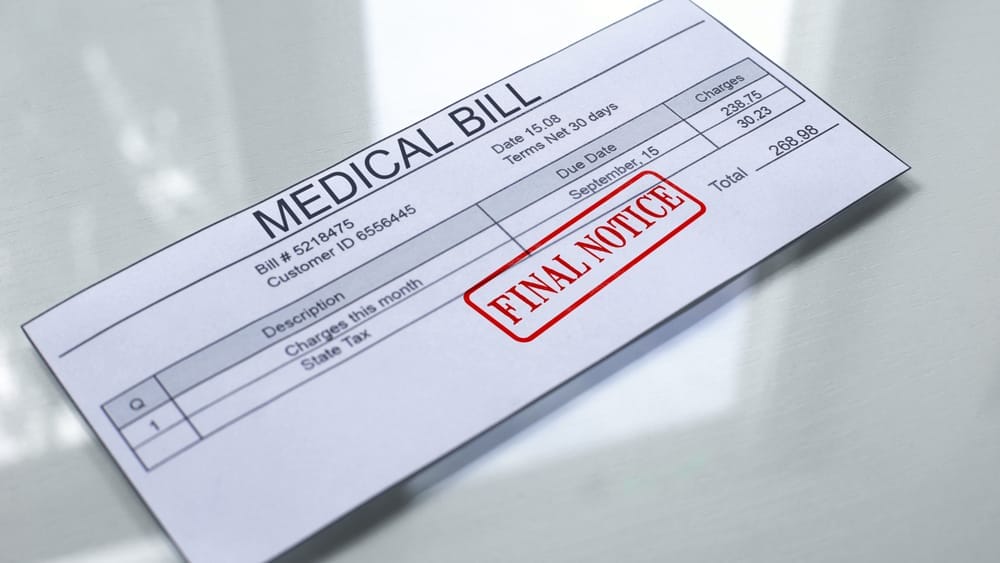
5. Ignoring Small Medical Bills Until They “Get Around” To You

Medical bills have a sneaky way of slipping into the shadows and then exploding into collections when you’re not looking. You might think waiting a month or two to handle them is harmless, especially if you’re expecting insurance adjustments.

But medical offices often hand unpaid balances over to collection agencies faster than you think. Once a bill hits collection status, even a tiny one, your credit takes the blow. Treat those little medical statements like precious gems—because ignoring them can cost far more than the original bill.

Some “Harmless” Daily Habits That Are Secretly Wrecking Your Credit Score

Image Source: Shutterstock.com

6. Relying On Autopay Without Double-Checking Anything

Autopay sounds like a gift from the financial gods—set it, forget it, never worry again. Except autopay is only as reliable as the card it charges, the bank account it pulls from, or the expiration date you forgot was approaching. A declined autopay due to insufficient funds or an expired card can lead to missed payments without you even noticing. By the time you catch the mistake, your credit report may already be flashing warning signs. Autopay helps, but ignoring it completely can backfire spectacularly.

7. Disputing Every Tiny Charge Instead Of Letting Things Process

It’s important to be vigilant with your money, but constantly disputing minor charges can create an unexpected ripple effect. While disputes are processed, the affected account may temporarily behave differently on your report, especially if payments are paused. If the dispute doesn’t go your way or creates confusion with your creditor, it can lead to missed payments or accidental delinquencies. Over time, this can make your financial behavior appear inconsistent or disorganized. Sometimes it’s better to allow a charge to clear and then clarify it calmly with the merchant rather than filing dispute after dispute.

8. Letting Subscriptions Auto-Renew Even When You Forget About Them

Subscriptions love quietly draining your account in the background. You may treat them as small, forgettable expenses, but collectively they can cause overdrafts, increased utilization, or missed payments if tied to certain accounts. What starts as a $9.99 auto-renew might snowball into insufficient funds, triggering fees or missed charges on other bills. Credit scoring systems see the symptoms, not the root cause—and the symptoms look like you’re not managing your money well. Keeping unused subscriptions running is like leaving a leaky faucet dripping onto your credit score.

Your Credit Score Reflects Habits, Not Just Big Mistakes

Most people assume credit scores crumble only when something huge goes wrong, but it’s often the small, sneaky habits that slowly chip away at them. The good news is that once you recognize these behaviors, they’re surprisingly easy to adjust. Awareness is half the battle—and the other half is building habits that help your score rise instead of sink.

If you’ve ever discovered one of these habits in your own life, you’re definitely not alone. Share your experiences, stories, or questions in the comments section below so others can learn from them too.

You May Also Like…

Expense Mindset: 5 Budgeting Habits High-Net Individuals Use

7 Money Habits We Wish We Started 10 Years Earlier

Financial Habits of People Who Never Stress About Money

8 Modern Habits That Baffle Older Generations

8 Times “0% Interest” Credit Cards Turn Into Financial Traps


Brandon Marcus
Brandon Marcus

Brandon Marcus is a writer who has been sharing the written word since a very young age. His interests include sports, history, pop culture, and so much more. When he isn’t writing, he spends his time jogging, drinking coffee, or attempting to read a long book he may never complete.
Filed Under: credit score Tagged With: bill, credit, credit cards, credit limit, credit repair, credit report, credit score, daily habits, habits, Money, money issues, paying bills

4 Powerful Affirmations to Build Financial Confidence Daily

October 5, 2025 by Travis Campbell Leave a Comment

confidence

Image source: pexels.com

Building financial confidence isn’t just about having more money in the bank. It’s about feeling secure and capable when making everyday money decisions. Many people struggle with self-doubt around their finances, whether it’s budgeting, saving, or investing. The good news? You can shift your mindset and boost your financial confidence with simple, daily affirmations. These positive statements help rewire your thinking, making it easier to take control of your money and future. Let’s explore four powerful affirmations you can use each day to build lasting financial confidence.

1. “I Make Informed Financial Decisions”

This affirmation is a great way to remind yourself that you have the ability to learn and grow. Financial confidence starts with believing you can make good choices, even if you’ve made mistakes in the past. When you repeat this phrase, you’re encouraging yourself to seek information, ask questions, and trust your judgment.

Try saying this affirmation before big purchases or when reviewing your budget. It helps reduce anxiety and can motivate you to do a little extra research. Over time, you’ll start to notice that you pause to think before spending, which can lead to smarter decisions and more confidence.

2. “I Am Worthy of Financial Security”

Many people struggle with feeling undeserving of wealth or stability. This belief can hold you back from saving, negotiating for better pay, or even investing in yourself. Repeating this affirmation tells your brain that financial security is not just for others—it’s something you deserve, too.

Financial confidence grows when you believe you’re worthy of success. This affirmation can be especially helpful if you’ve experienced setbacks or come from a background where money was tight. Use it as a reminder that your past doesn’t define your future. Over time, this mindset can lead to healthier financial habits and increased self-esteem.

3. “Every Day, I Grow My Financial Confidence”

This affirmation focuses on progress, not perfection. Building financial confidence is a journey. Some days you’ll feel on top of things, and other days you might slip up. That’s normal. By repeating this statement, you remind yourself that each day is a chance to improve—even small steps count.

Try using this affirmation in the morning as you set your intentions for the day. It’s also helpful after a setback, like overspending or missing a savings goal. The key is consistency. The more you say it, the more you’ll begin to notice positive changes in your attitude and actions.

4. “I Am in Control of My Money”

Feeling in control is a huge part of financial confidence. Money can sometimes feel overwhelming or unpredictable, especially when unexpected expenses pop up. This affirmation helps you reclaim your power. It’s a reminder that, no matter your situation, you have choices and can take steps to manage your finances.

Use this affirmation whenever you’re facing a tough financial decision or dealing with stress about bills. It can help you focus on what you can control—like tracking your spending or creating a plan to pay down debt. Over time, you’ll start to notice that you approach financial challenges with more calm and clarity. Remember, control isn’t about perfection; it’s about making the best choices you can with the resources you have.

Bringing Financial Confidence Into Your Daily Life

Building financial confidence is a daily practice. These affirmations are more than just words—they’re tools to help you shift your mindset and take positive action. By repeating them regularly, you’ll start to notice more confidence in your decisions, less anxiety about money, and a greater sense of control over your financial future.

Remember, everyone’s journey is different. Some days will be easier than others, but what matters is your commitment to growth. Over time, these affirmations can help you build the financial confidence you need to reach your goals, whether that’s saving for a home, paying off debt, or simply feeling less stressed about money.

How do you build financial confidence in your daily life? Share your favorite affirmations or tips in the comments below!

What to Read Next…

  • Are These 6 Helpful Budget Tips Actually Ruining Your Finances?
  • 10 Money Mistakes People Make After Losing a Spouse
  • 7 Ways Your Neighbor Could Be Spying on You Without Breaking the Law
  • 8 Everyday Services That Are Slowly Becoming Subscription Only
  • Why ChatGPT May Be Generating Fake Financial Advice and Getting Away With It
Travis Campbell
Travis Campbell

Travis Campbell is a digital marketer/developer with over 10 years of experience and a writer for over 6 years. He holds a degree in E-commerce and likes to share life advice he’s learned over the years. Travis loves spending time on the golf course or at the gym when he’s not working.

Filed Under: Personal Development Tagged With: affirmations, daily habits, financial confidence, money mindset, Personal Finance, self-improvement

FOLLOW US

Search this site:

Recent Posts

  • Can My Savings Account Affect My Financial Aid? by Tamila McDonald
  • 12 Ways Gen X’s Views Clash with Millennials… by Tamila McDonald
  • What Advantages and Disadvantages Are There To… by Jacob Sensiba
  • 10 Tactics for Building an Emergency Fund from Scratch by Vanessa Bermudez
  • Call 911: Go To the Emergency Room Immediately If… by Stephen Kanaval
  • 7 Weird Things You Can Sell Online by Tamila McDonald
  • 10 Scary Facts About DriveTime by Tamila McDonald

Copyright © 2026 · News Pro Theme on Genesis Framework