
• Home
  • About Us
  • Toolkit
  • Getting Finances Done
    • Hiring Advisors
    • Debt Management
    • Spending Plan
  • Insurance
    • Life Insurance
    • Health Insurance
    • Disability Insurance
    • Homeowners/Renters Insurance
  • Contact Us
  • Privacy Policy
  • Risk Tolerance Quiz

The Free Financial Advisor

You are here: Home / Archives for rising costs

Utility Bills Are Rising as Service Fees Increase Across Multiple States

April 21, 2026 by Brandon Marcus Leave a Comment

Utility Bills Are Rising as Service Fees Increase Across Multiple States

Image Source: Shutterstock.com

A quiet shift in utility pricing has started to hit households where it hurts most—monthly bills. Electricity, water, gas, and even trash collection now come with extra service fees that many people never saw coming. These charges often sneak in as small line items, but together they can push a manageable bill into stressful territory.

Across multiple states, providers have increased fees to cover infrastructure upgrades, regulatory costs, and inflation pressures. The result feels the same everywhere: higher totals and tighter budgets.

Why Service Fees Are Climbing So Quickly

Utility companies have ramped up service fees to cover aging infrastructure that demands expensive upgrades and repairs. Power grids, water systems, and pipelines require modernization, and companies pass those costs directly to consumers. Regulators often approve these increases because they prioritize reliability and safety, even when that means higher bills.

Inflation has also driven up labor and material costs, which utilities factor into new pricing structures. The phrase “utility bills rising” reflects more than energy usage—it signals a structural shift in how companies charge for basic services.

The Hidden Fees Driving Higher Bills

Service fees often appear as delivery charges, administrative costs, or system maintenance fees buried in the fine print. Many households focus on usage rates, but these fixed fees increase regardless of how much electricity or water someone uses. For example, a family that cuts back on energy consumption may still see their total bill climb due to higher base charges. Some providers have introduced tiered service fees that rise based on regional demand or seasonal strain. These hidden costs play a major role in why utility bills rising has become a common frustration across different income levels.

How Different States Are Impacted

States with extreme weather patterns often experience the fastest increases because utilities must invest heavily in infrastructure resilience. Areas prone to wildfires, hurricanes, or freezing temperatures require constant upgrades to prevent outages and damage. Meanwhile, fast-growing states face pressure to expand capacity, which leads to new service fees to fund expansion projects. Some regions also allow utilities to adjust pricing more frequently, which accelerates the pace of increases. This uneven landscape explains why utility bills rising feels more intense in certain states than others, even when usage habits remain similar.

Practical Ways to Offset Rising Costs

Households can take strategic steps to soften the impact of higher service fees, even when they cannot eliminate them entirely. Reviewing utility bills line by line helps identify patterns and unexpected charges that might qualify for dispute or clarification. Many providers offer budget billing programs that spread costs evenly throughout the year, making monthly expenses more predictable.

Energy-efficient appliances, smart thermostats, and water-saving fixtures can reduce usage and partially offset fixed fee increases. While these actions cannot stop utility bills rising altogether, they can prevent costs from spiraling out of control.

Utility Bills Are Rising as Service Fees Increase Across Multiple States

Image Source: Shutterstock.com

What This Trend Means for the Future

Utility pricing will likely continue evolving as companies balance infrastructure needs with consumer affordability concerns. Policymakers face increasing pressure to regulate fee structures and improve transparency so households understand what they pay for. At the same time, renewable energy adoption and decentralized systems could reshape how utilities charge customers in the coming years.

Consumers who stay informed and proactive will have a stronger chance of adapting to these changes without financial strain. The reality remains clear: utility bills rising has become a long-term trend, not a temporary spike.

The Bottom Line on Managing Higher Utility Costs

Rising service fees have transformed everyday utility bills into a more complex and often frustrating expense. These increases stem from real challenges like infrastructure upgrades and inflation, but they still demand attention from consumers who want to protect their budgets. Small actions, such as reviewing bills and improving efficiency, can add up over time and create meaningful savings. Staying informed about local regulations and utility policies also helps households respond quickly to new charges. As utility bills rising continues to shape monthly expenses, awareness and adaptability will make the biggest difference.

What changes have you noticed in your utility bills lately, and what strategies have helped you manage the increases? Share your thoughts in the comments.

You May Also Like…

The Real Reason Your Utility Bill Is Skyrocketing and What You Can Do

Seniors Receiving ‘Utility Shutoff’ Calls With Exact Account Numbers — Here’s How Criminals Are Stealing Them

Utility Billing Cycle Changes Causing Double Charges

SSA Overpayment Letters Are Demanding Fast Repayment From Seniors

Why Do Utility Bills Keep Rising Even When Usage Stays the Same

Brandon Marcus
Brandon Marcus

Brandon Marcus is a writer who has been sharing the written word since a very young age. His interests include sports, history, pop culture, and so much more. When he isn’t writing, he spends his time jogging, drinking coffee, or attempting to read a long book he may never complete.

Filed Under: Lifestyle Tagged With: Budgeting Tips, energy costs, household expenses, inflation impact, rising costs, saving money, service fees, utility bills

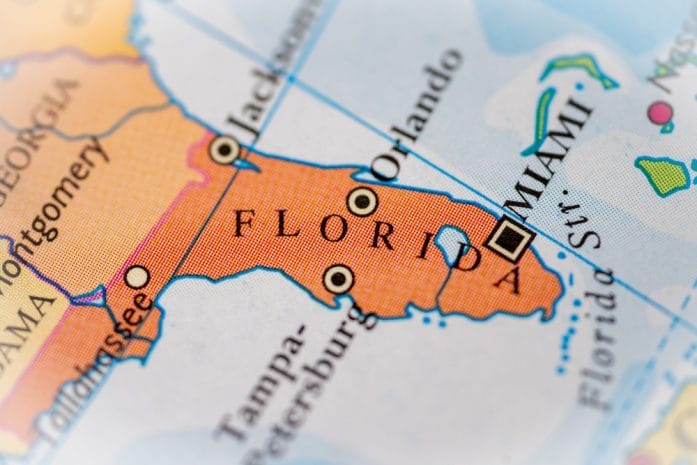
Florida Homeowners Are Seeing Major Premium Increases as Citizens Policies Adjust Rates

April 17, 2026 by Brandon Marcus Leave a Comment

Florida Homeowners Are Seeing Major Premium Increases as Citizens Policies Adjust Rates

Image Source: Shutterstock.com

If you own a home in Florida, you’ve probably already felt it—that creeping, uncomfortable rise in your insurance bill. For many homeowners, it’s not just a small bump either; it’s hundreds or even thousands more per year. The culprit? A mix of rising risks, insurance company exits, and major adjustments from Citizens Property Insurance Corporation.

What used to feel like a manageable expense is quickly becoming one of the biggest line items in household budgets. Knowing why these Florida insurance premium increases are happening—and what you can do about them—has never been more important.

Why Florida Insurance Premium Increases Are Happening Now

Florida’s insurance market has been under pressure for years, but things have reached a tipping point recently. A combination of stronger hurricanes, rising rebuilding costs, and increased litigation has made insurers rethink their risk exposure. As a result, many private insurers have either raised rates significantly or left the state entirely, pushing more homeowners toward Citizens. Citizens, originally designed as a last-resort option, is now insuring a massive number of properties—and that shift is forcing pricing changes. These Florida insurance premium increases are less about sudden policy changes and more about years of mounting financial strain finally catching up.

For homeowners, the impact feels immediate and personal. You might open your renewal notice and see a 20%, 30%, or even higher increase without making any changes to your property. That’s because insurance companies are adjusting to broader market realities, not just individual risk profiles. Even homes that haven’t filed claims are seeing higher costs simply due to their location. When an entire region becomes riskier to insure, everyone shares the burden.

How Citizens Is Changing the Game for Homeowners

Citizens Property Insurance Corporation has become a central player in Florida’s insurance landscape. As more private insurers exit, Citizens has stepped in to provide coverage, but it’s now under pressure to remain financially stable. To do that, it has been steadily increasing rates and implementing stricter eligibility requirements. These changes are directly contributing to Florida insurance premium increases across the board. What was once the “cheaper fallback option” is no longer guaranteed to save homeowners money.

At the same time, Citizens is trying to shift some policyholders back into the private market. If a private insurer offers coverage within a certain price range, homeowners may be required to leave Citizens. This can be frustrating, especially if the private option is still expensive or less comprehensive. The goal is to balance the system, but for homeowners, it often feels like being caught in the middle. Navigating these transitions requires careful comparison and a clear understanding of your coverage needs.

The Real Cost Impact on Everyday Budgets

Let’s talk about what this actually means for your wallet. A homeowner who was paying $2,500 annually might now be facing $3,500 or more, depending on location and property details. That extra $1,000 isn’t just a number—it can affect savings goals, emergency funds, and even monthly cash flow. Florida insurance premium increases are forcing many families to rethink their budgets and prioritize essential expenses. In some cases, homeowners are even considering selling because the long-term costs feel unsustainable.

There’s also a ripple effect beyond just insurance premiums. Higher insurance costs can influence mortgage approvals, as lenders factor in total monthly housing expenses. This can make it harder for new buyers to enter the market or for current homeowners to refinance. Property values in certain high-risk areas may also be impacted over time. When insurance becomes less affordable, it changes how people view the true cost of owning a home.

Florida Homeowners Are Seeing Major Premium Increases as Citizens Policies Adjust Rates

Image Source: Shutterstock.com

What You Can Do to Reduce Your Insurance Costs

While you can’t control the broader market, there are steps you can take to soften the blow. Start by reviewing your current policy in detail—many homeowners are paying for coverage they don’t fully understand. Increasing your deductible is one common way to lower your premium, though it does mean taking on more risk. You can also invest in home improvements like impact-resistant windows or a new roof, which may qualify you for discounts. These proactive moves won’t eliminate Florida insurance premium increases, but they can help you manage them more effectively.

Shopping around is another key strategy, even in a tight market. Different insurers evaluate risk differently, so quotes can vary more than you might expect. Working with an independent insurance agent can help you explore multiple options at once. It’s also worth asking about bundling policies or loyalty discounts. Small savings in multiple areas can add up to meaningful relief over time.

Staying Ahead of Future Insurance Challenges

Looking ahead, it’s clear that Florida’s insurance landscape isn’t going back to what it was anytime soon. Climate risks, construction costs, and regulatory changes will continue shaping the market. Staying informed is one of the best tools you have as a homeowner. Keep an eye on policy updates, rate changes, and new legislation that could affect your coverage. Being proactive now can help you avoid surprises later.

It’s also important to think long-term about how insurance fits into your overall financial plan. Emergency savings, home maintenance, and risk management all play a role in protecting your investment. Florida insurance premium increases may feel overwhelming, but they’re also a reminder to stay engaged with your finances. The more you understand your options, the better positioned you’ll be to make smart decisions.

Adapting to a New Insurance Reality

Florida homeowners are entering a new era where insurance is no longer a predictable, stable expense. These Florida insurance premium increases are reshaping budgets, influencing housing decisions, and forcing people to become more hands-on with their policies. While the situation is challenging, it’s not hopeless—there are still ways to adapt and stay financially secure. The key is to stay informed, take proactive steps, and avoid ignoring the issue until renewal time. A little effort now can save you significant stress (and money) later.

So, how are these rising insurance costs affecting your household budget—and what changes have you made to keep up? We want to hear your thoughts below.

You May Also Like…

Florida Has 0% Income Tax — But Seniors Still Spend Thousands a Year on Essentials

Insurance Costs Are Quietly Reshaping Where Americans Can Live — And Some Are Being Priced Out

Florida Escrow Payments Continue Rising as Insurance Costs Climb

8 Super Simple Ways to Reduce Your Car Insurance Premiums

Missed Insurance Payment? Your Auto Lender May Raise Your Costs Overnight

Brandon Marcus
Brandon Marcus

Brandon Marcus is a writer who has been sharing the written word since a very young age. His interests include sports, history, pop culture, and so much more. When he isn’t writing, he spends his time jogging, drinking coffee, or attempting to read a long book he may never complete.

Filed Under: Insurance Tagged With: Budgeting Tips, Citizens Insurance, Florida insurance, homeowners insurance, homeownership, insurance premiums, Personal Finance, rising costs

HOA Fees Are Jumping Without Warning — And Some Homeowners Are Paying the Price Overnight

March 31, 2026 by Brandon Marcus Leave a Comment

HOA Fees Are Jumping Without Warning — And Some Homeowners Are Paying the Price Overnight

Image Source: Unsplash.com

The bill shows up, and suddenly the math does not work anymore. Numbers that once felt manageable now stretch budgets to the breaking point, and the shock does not come from a flashy renovation or a luxury upgrade. It comes from a line item that many people assumed would stay relatively steady. HOA fees, once viewed as predictable and even boring, have started to behave more like a wildcard expense that can jump dramatically with little warning.

That shift has turned quiet neighborhoods into pressure cookers of financial stress, where residents scramble to figure out what changed and why it changed so fast. The surprise does not just sting—it reshapes monthly budgets overnight and forces tough decisions about savings, lifestyle, and even whether staying put still makes sense. This is not a niche issue tucked away in a handful of communities. It has become a widespread trend, and it demands a closer look at what drives these increases and what homeowners can actually do about them.

The Sudden Spike Nobody Saw Coming

HOA fees rarely rise for no reason, but the timing and size of increases often catch homeowners completely off guard. Associations typically set budgets annually, yet unexpected costs can force mid-year adjustments that hit without much runway. Insurance premiums have climbed sharply in many areas, and associations pass those increases straight to residents because they have no other revenue source. Maintenance costs have also surged, driven by higher labor rates and material prices, which means even routine upkeep now costs significantly more than it did just a few years ago.

Reserve funds, which associations use to cover major repairs, have also become a major pressure point. Many HOAs kept fees artificially low for years to keep residents happy, but that strategy often left reserves underfunded. When roofs need replacement or structural repairs become unavoidable, the association must either raise fees quickly or issue special assessments that demand large lump-sum payments. Neither option feels good, but both reflect years of financial decisions catching up all at once.

That combination of rising costs and past underfunding creates the perfect storm. Homeowners who never paid much attention to HOA finances suddenly find themselves facing steep increases that feel abrupt and unfair. Yet in many cases, those increases represent long-delayed corrections rather than sudden mismanagement. Understanding that distinction does not make the bill easier to pay, but it does explain why these jumps often arrive with such force.

What’s Really Driving These Fee Increases

Insurance stands out as one of the biggest culprits behind rising HOA fees, and it does not take much digging to see why. Natural disasters, rebuilding costs, and stricter underwriting standards have pushed premiums higher across the board. Associations must carry adequate coverage, so when insurers raise rates, the HOA has no choice but to absorb that cost and distribute it among homeowners. That single factor alone can trigger significant fee hikes, especially in communities with shared structures or amenities.

Utilities and services have also become more expensive, and those increases rarely grab headlines even though they hit budgets hard. Landscaping, security, waste management, and pool maintenance all cost more now, and those expenses add up quickly in larger communities. Vendors adjust pricing to match inflation and labor shortages, and associations must either pay those rates or reduce services, which often leads to resident dissatisfaction.

HOA Fees Are Jumping Without Warning — And Some Homeowners Are Paying the Price Overnight

Image Source: Unsplash.com

Then comes the issue of deferred maintenance, which acts like a ticking clock. When associations delay repairs to avoid raising fees, they often face much larger expenses later. A small crack in a foundation can turn into a major structural issue, and a roof patch can evolve into a full replacement. Those delayed decisions eventually demand action, and when they do, they often require sharp fee increases or special assessments that feel overwhelming. The result creates a cycle where past cost-saving choices lead directly to present-day financial strain.

When “Affordable Living” Starts to Feel Expensive

HOA communities often attract buyers with the promise of convenience and shared responsibility, but rising fees can quickly erode that appeal. A monthly fee that once seemed reasonable can double over time, turning a manageable expense into a significant financial burden. That shift can change how homeowners view their property, especially when the perceived value of services does not increase alongside the cost.

Buyers who stretch their budgets to enter a desirable community may feel the impact most intensely. Mortgage payments remain fixed, but HOA fees do not, and that variability can throw off carefully planned finances. Even modest increases can disrupt savings goals, while larger jumps may force difficult trade-offs involving travel, dining, or other discretionary spending. In extreme cases, homeowners may consider selling simply to regain financial stability.

The ripple effects extend beyond individual households. Rising HOA fees can influence property values, as potential buyers factor those costs into their decisions. Higher fees may limit the pool of interested buyers or push them toward communities with lower monthly obligations. That dynamic can create tension within neighborhoods, where residents want both well-maintained properties and affordable living costs, even though those goals often pull in opposite directions.

Stay Ahead of the Shock

Homeowners do not have to sit back and hope for the best when it comes to HOA fees. One of the most effective steps involves paying close attention to the association’s financial documents, including budgets, reserve studies, and meeting minutes. These records reveal how the HOA manages money and whether it prepares adequately for future expenses. Spotting warning signs early can provide valuable time to adjust personal finances or raise concerns within the community.

Getting involved in the HOA can also make a meaningful difference. Attending meetings, voting on budgets, and even serving on the board can provide insight into decision-making and help ensure transparency. Associations function best when residents stay engaged and informed, rather than treating the HOA as a distant authority that operates without input. That involvement can also foster better communication, which reduces the likelihood of unpleasant surprises.

Building a financial buffer specifically for HOA-related costs can also ease the impact of sudden increases. Setting aside extra funds each month may not feel exciting, but it creates a cushion that can absorb fee hikes or special assessments without derailing the entire budget. Homeowners who plan for variability often handle these changes with less stress, even when the numbers climb higher than expected. Preparation does not eliminate the problem, but it transforms it from a crisis into a manageable adjustment.

The Facts That Deserve More Attention

HOA fees have stepped out of the background and into the spotlight, and they demand serious attention from anyone living in or considering a managed community. These costs no longer behave like predictable line items that quietly tick along each month. They respond to real economic pressures, past financial decisions, and the ongoing challenge of maintaining shared spaces. Ignoring them or assuming they will stay stable can lead to unwelcome surprises that hit hard and fast.

Has enough attention gone into understanding what those HOA fees really cover and where they might go next? Share any thoughts, strategies, or even unexpected experiences in the comments.

You May Also Like…

What Happens When You Ignore HOA Violations

Could Ignoring HOA Fines Wreck Your Credit Score

The “Forever Home” Problem — Why More Homeowners Are Getting Stuck in Houses That No Longer Fit

The “Homeowner Lie”: Why Your House is Actually a Liability, Not an Investment in 2026

Avoid These Pitfalls: First-Time Homeownership Mistakes That Can Cost You

Brandon Marcus
Brandon Marcus

Brandon Marcus is a writer who has been sharing the written word since a very young age. His interests include sports, history, pop culture, and so much more. When he isn’t writing, he spends his time jogging, drinking coffee, or attempting to read a long book he may never complete.

Filed Under: Lifestyle Tagged With: Budgeting Tips, community living, HOA fees, HOA rules, homeowners association, homeownership, housing expenses, Planning, property fees, property management, real estate trends, rising costs

7 Reasons Your Home Insurance Premium Just Went Up Again

March 24, 2026 by Brandon Marcus Leave a Comment

7 Reasons Your Home Insurance Premium Just Went Up Again

Image Source: Pexels.com

The number on that insurance renewal demands attention, raises eyebrows, and leaves many people staring at the page like it just delivered a personal insult. It seems that premiums keep climbing, and they don’t ask for permission. Instead, they arrive with confidence, backed by a list of reasons that actually make sense once everything gets laid out clearly. Still, that understanding doesn’t soften the sting when the bill lands.

Insurance companies don’t pull numbers out of thin air. They react to risk, data, and trends that shape the world outside the front door. Fires burn hotter, storms hit harder, and repair costs climb faster than anyone likes to admit. Those forces combine into one unavoidable outcome: higher premiums. The good news? Each increase tells a story, and once that story becomes clear, it opens the door to smarter decisions and a little more control over the situation.

1. Climate Chaos Isn’t Just Headlines Anymore

Weather doesn’t behave the way it used to, and insurance companies track every shift with laser focus. Stronger storms, heavier rainfall, and longer wildfire seasons push risk levels higher across entire regions. When insurers see more claims tied to weather damage, they adjust premiums quickly to match that reality. That adjustment doesn’t target one unlucky homeowner; it spreads across entire neighborhoods and cities.

Rising climate risks don’t just increase the number of claims—they also increase the severity of each one. A single storm can now cause widespread flooding, roof damage, and structural issues all at once. That kind of impact leads to bigger payouts, which forces insurers to recalculate how much coverage actually costs. Premiums rise as a direct response to those larger financial risks. No mystery exists there, just math.

Smart homeowners stay ahead by focusing on prevention. Upgrading roofing materials, improving drainage, and installing sump pumps can reduce risk in meaningful ways. Insurance providers often reward those upgrades with discounts, which helps offset rising premiums. Preparation doesn’t stop storms, but it absolutely softens the financial blow when they arrive.

2. The Price of Fixing Things Keeps Climbing

Repair costs don’t sit still, and neither do insurance premiums. Lumber, steel, and other building materials have jumped in price over the past few years. Contractors charge more for labor, and skilled workers don’t come cheap anymore. That combination drives up the cost of every single claim. Insurance companies base premiums on what it would cost to rebuild or repair a home today, not five years ago. When those costs rise, premiums follow without hesitation. A roof replacement that once cost a manageable amount now comes with a much higher price tag, and insurers adjust their pricing to reflect that reality. Every nail, beam, and hour of labor adds up.

Homeowners can take control by reviewing their coverage limits regularly. Underinsuring a home creates serious risk, while overinsuring wastes money. A quick conversation with an insurance provider ensures that coverage matches current rebuilding costs. That balance keeps protection strong without paying more than necessary.

3. Claims History Leaves a Long Shadow

Insurance companies never forget a claim. They track every incident, from water damage to theft, and they use that history to predict future risk. Multiple claims in a short period signal a higher likelihood of future payouts, which leads to increased premiums. Even small claims can have a big impact over time. Filing for minor repairs might feel like a win in the moment, but those claims stack up and influence pricing later. Insurers view frequent claims as a pattern, not isolated events. That pattern pushes premiums upward.

A smarter approach involves using insurance for major losses while handling smaller repairs out of pocket when possible. That strategy keeps the claims history cleaner and helps maintain lower premiums over time. Prevention also plays a huge role here—regular maintenance reduces the chances of needing to file a claim at all.

4. Neighborhood Risk Matters More Than Ever

Location shapes insurance costs in powerful ways. Crime rates, fire protection services, and proximity to water all influence how insurers calculate risk. A home in a high-risk area will almost always carry a higher premium, even if nothing has ever gone wrong at that specific property. Insurance companies rely on detailed data when they evaluate neighborhoods. They look at theft rates, response times for emergency services, and even the distance to the nearest fire hydrant. Those factors paint a clear picture of potential risk, and premiums reflect that picture with precision.

Homeowners don’t control every aspect of location, but they can still take action. Installing security systems, smoke detectors, and smart home monitoring devices can lower perceived risk. Many insurers offer discounts for those upgrades, which helps bring premiums back down to a more manageable level.

5. Policy Add-Ons Can Quietly Stack Up

Extra coverage sounds appealing, and it often makes sense, but it also increases premiums. Riders for jewelry, electronics, or specialty items add protection while also adding cost. Over time, those additions can push a policy far beyond its original price. Insurance policies evolve as needs change. A homeowner might add coverage for valuable items, upgrade liability protection, or include additional living expenses coverage. Each change brings value, but it also raises the overall premium. Without regular reviews, those costs can grow unnoticed.

A yearly policy check keeps everything in balance. Removing unnecessary add-ons and adjusting coverage based on current needs can trim costs without sacrificing protection. That kind of review takes very little time but delivers meaningful savings.

6. Credit Scores Play a Bigger Role Than Expected

Many insurance companies use credit-based insurance scores to help determine premiums. A lower score often signals higher risk in the eyes of insurers, which leads to higher costs. That connection might feel surprising, but it plays a significant role in pricing. Improving a credit score can lead to noticeable savings on insurance premiums. Paying bills on time, reducing debt, and monitoring credit reports all contribute to a stronger financial profile. Insurers reward that stability with better rates.

Homeowners who haven’t checked their credit recently might find an opportunity here. A small improvement can translate into real savings over time. That connection makes financial habits even more important when it comes to managing overall housing costs.

7 Reasons Your Home Insurance Premium Just Went Up Again

Image Source: Shutterstock.com

7. Insurance Industry Losses Ripple Outward

Insurance companies operate as businesses, and large-scale losses affect their bottom line. When natural disasters or widespread events lead to massive payouts, insurers adjust premiums across the board to recover those costs. That ripple effect touches even those who never filed a claim.

Global events can influence local premiums in surprising ways. A series of major disasters in different regions can strain the entire industry, leading to higher costs everywhere. Insurers spread risk across large pools, which means losses in one area can impact pricing in another.

Staying informed helps homeowners understand these shifts. Shopping around for quotes, comparing providers, and exploring bundle options can uncover better deals. Loyalty doesn’t always guarantee the best rate, so a little research can go a long way.

Control What You Can, Understand the Rest

Insurance premiums don’t rise without reason, even if those reasons feel frustrating in the moment. Climate risks, repair costs, claims history, and financial factors all play a role in shaping that final number. Each piece of the puzzle adds clarity, and that clarity creates opportunities to act.

Small changes can make a big difference. Regular maintenance, smart upgrades, and careful policy reviews all help keep costs under control. Paying attention to credit health and exploring different providers can unlock additional savings. Those steps don’t eliminate rising premiums entirely, but they do shift the balance back in a more favorable direction.

What strategies have worked best for lowering your insurance costs, and what surprises have shown up along the way? Share those insights and ideas in the comments—someone else might need exactly that tip next.

You May Also Like…

8 Super Simple Ways to Reduce Your Car Insurance Premiums

Is Quality Furniture Officially a Scam? Why Filling a New Home in 2026 is Destroying Senior Nest Eggs

Your House Is Holding You Back: Why So Many People Are Re‑Thinking Homeownership

Avoid These Pitfalls: First-Time Homeownership Mistakes That Can Cost You

The 60-Day Window to Contest Homeowner Cancellation Based on Satellite Images

Brandon Marcus
Brandon Marcus

Brandon Marcus is a writer who has been sharing the written word since a very young age. His interests include sports, history, pop culture, and so much more. When he isn’t writing, he spends his time jogging, drinking coffee, or attempting to read a long book he may never complete.

Filed Under: Insurance Tagged With: climate risk, Home insurance, homeowners, homeownership, Housing Costs, Inflation, insurance premiums, insurance tips, Personal Finance, property insurance, rising costs, Risk management

Insurance Now Accounts for 9% of Typical Monthly Mortgage Payment

February 6, 2026 by Brandon Marcus Leave a Comment

Insurance Now Accounts for 9% of Typical Monthly Mortgage Payment

Image source: shutterstock.com

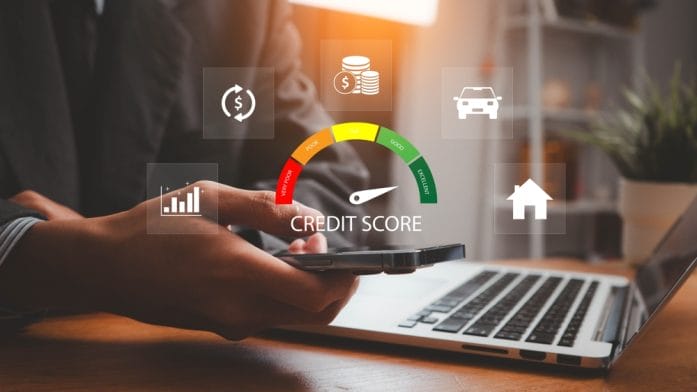
Homeownership used to feel like a predictable equation: mortgage, taxes, insurance, repeat. But in 2026, that last piece of the puzzle—home insurance—has started acting like the unpredictable cousin who shows up unannounced and eats all your snacks. Homeowners across the country are discovering that insurance is taking up a bigger slice of their monthly mortgage payment than ever before, now averaging around 9% of the total bill.

That may not sound dramatic at first glance, but when you’re already juggling rising home prices, higher interest rates, and everyday expenses, that extra chunk hits hard. The surprising part? Many homeowners don’t even realize how much insurance is costing them until their escrow statement arrives like a plot twist they didn’t ask for.

Why Insurance Is Eating a Bigger Slice of Your Mortgage Than Ever Before

Insurance costs have been rising for years, but the pace has accelerated as companies adjust to higher rebuilding costs, more frequent claims, and increased risk in certain regions. When insurers face higher expenses, those costs eventually trickle down to homeowners. Because most people pay insurance through escrow, the increase gets folded into the monthly mortgage payment automatically. That’s how insurance quietly grows from a small line item to a noticeable percentage of your monthly bill.

Even homeowners who haven’t filed a claim are seeing higher premiums simply because the cost of materials, labor, and risk assessment has changed. The result is a mortgage payment that feels heavier, even if your loan terms haven’t changed at all.

How Rising Rebuilding Costs Are Driving Up Premiums

One of the biggest reasons insurance now accounts for a larger share of mortgage payments is the rising cost of rebuilding. Construction materials, skilled labor, and supply‑chain delays have all pushed replacement costs higher. Insurance companies base premiums on what it would cost to rebuild your home today—not what you originally paid for it. When those rebuilding estimates rise, premiums follow. This means even homeowners with modest properties are seeing increases because the cost of lumber, roofing, electrical work, and plumbing has climbed.

These changes aren’t tied to luxury upgrades or major renovations; they’re tied to the basic math of what it takes to repair or replace a home in the current market.

Why Location Matters More Than Ever

Insurance companies assess risk based on where you live, and in recent years, certain regions have seen higher claim activity. Whether it’s severe storms, flooding, wildfires, or other environmental factors, insurers adjust premiums to reflect the likelihood of future claims. Even if your home hasn’t been directly affected, living in a higher‑risk area can influence your rates. This doesn’t mean your home is unsafe—it simply means insurers are recalculating risk based on broader patterns.

As a result, homeowners in some regions are seeing insurance take up a larger portion of their mortgage payment than those in lower‑risk areas. It’s one of the reasons the 9% figure is an average—some homeowners pay more, some pay less, depending on where they live.

Escrow Surprises: The Moment Homeowners Realize Costs Have Jumped

For many homeowners, the biggest shock comes when their lender recalculates escrow payments. Because insurance is often bundled with taxes and paid automatically, increases can go unnoticed until the annual escrow review. Suddenly, the monthly mortgage payment jumps—not because of the loan itself, but because insurance premiums have risen. This can feel especially frustrating for homeowners who haven’t changed coverage or filed claims.

The adjustment isn’t a penalty; it’s simply the lender ensuring there’s enough money in escrow to cover the new premium. Still, it’s a jarring moment that leaves many people wondering how insurance became such a significant part of their monthly housing cost.

What Homeowners Can Do to Keep Costs Manageable

While homeowners can’t control market‑wide insurance trends, there are practical steps to help manage costs. Reviewing your policy annually is a smart starting point. Sometimes coverage levels creep higher than necessary, especially if your home’s value or replacement cost estimate has changed. Shopping around can also make a difference, as insurers vary in how they assess risk and price policies.

Bundling home and auto coverage may offer discounts, and improving home safety—like upgrading roofing materials or installing security systems—can sometimes reduce premiums. These strategies don’t eliminate rising costs, but they can help soften the impact and keep your mortgage payment more predictable.

Insurance Now Accounts for 9% of Typical Monthly Mortgage Payment

Image source: shutterstock.com

Why Cutting Coverage Isn’t the Answer

When insurance costs rise, it’s tempting to reduce coverage to save money. But underinsuring your home can create bigger problems down the road. If a major repair or rebuild is needed, inadequate coverage can leave homeowners responsible for significant out‑of‑pocket expenses. Insurance is designed to protect your investment, and reducing coverage too aggressively can undermine that protection.

Instead of cutting essential coverage, homeowners can focus on adjusting deductibles, comparing policies, or exploring discounts. These approaches help manage costs without sacrificing the financial safety net that insurance provides.

A New Reality for Homeowners—and How to Navigate It

Insurance taking up 9% of the typical monthly mortgage payment is a sign of how the housing landscape is shifting. Homeownership now requires more awareness of how insurance costs evolve and how they affect long‑term budgeting. While rising premiums can feel discouraging, understanding the factors behind them helps homeowners make informed decisions. With a little planning, regular policy reviews, and smart adjustments, it’s possible to stay ahead of changes and keep your mortgage manageable. The key is staying proactive rather than letting insurance increases catch you off guard.

What part of your mortgage payment surprised you the most this year? Share your experience in the comments.

You May Also Like…

The Texas Mortgage Shock: Why Your Monthly Payment Just Jumped $400 Without Warning

Why a Mortgage & Protection Network Matters in Today’s Advice Market

7 Hidden Signs You Should Refinance Your Mortgage Right Now

Should I Prioritize Paying Off My Mortgage or Investing Extra Cashflow?

13 Practical Lessons From People Who Paid Off Their Mortgages


Brandon Marcus
Brandon Marcus

Brandon Marcus is a writer who has been sharing the written word since a very young age. His interests include sports, history, pop culture, and so much more. When he isn’t writing, he spends his time jogging, drinking coffee, or attempting to read a long book he may never complete.
Filed Under: Insurance Tagged With: budgeting, Home insurance, homeowner tips, homeownership, Housing Market, mortgage payments, Planning, property insurance, real estate trends, rising costs

7 Ways Rising Costs Affect Everyday Decisions

January 31, 2026 by Brandon Marcus Leave a Comment

These Are 7 Ways Rising Costs Affect Everyday Decisions

Image source: shutterstock.com

We’ve all felt it—the creeping pinch at checkout, the quiet shock of a higher gas bill, the subtle disappointment when your favorite latte suddenly costs a little more. Rising costs aren’t just numbers on a spreadsheet; they infiltrate the tiny, everyday choices we make, often without us even realizing it.

From deciding whether to dine out or cook at home, to reevaluating weekend adventures or luxury splurges, inflation quietly nudges our habits. Knowing how these shifts affect us can help us make smarter, sometimes even surprising decisions that protect our wallets—and maybe even our sanity.

1. Grocery Shopping Gets Strategic (and Sometimes Sneaky)

The humble grocery trip has transformed into a tactical mission. When prices climb, shoppers become sleuths, hunting for discounts, comparing unit prices, and sometimes even switching to store brands. The cost of staples like eggs, milk, or bread has been steadily rising in recent years due to supply chain issues and inflationary pressures. This often encourages people to plan meals more carefully, buy in bulk, or lean on coupons and loyalty programs.

But the ripple effect is bigger than just budgeting—it can change our diets. Some shoppers might swap fresh produce for frozen options, which are often cheaper and longer-lasting, or skip premium items entirely. On a brighter note, this frugal creativity can spark new culinary adventures, inspiring recipes that use pantry staples more inventively than ever before.

2. Dining Out or Staying In Becomes a Calculated Decision

Restaurants aren’t immune to rising costs either. Menu prices tend to climb when ingredient, labor, and utility expenses rise, and suddenly that Friday night takeout feels like a luxury splurge. Many people respond by becoming more selective, choosing restaurants strategically, hunting for deals, or opting for smaller portions. The result? Family nights might shift from dining out to hosting homemade pizza parties or experimenting with gourmet recipes at home.

Interestingly, some diners report rediscovering the joy of cooking because of it—transforming a necessity into an opportunity to bond and save. Even beverage choices get influenced: a fancy cocktail might get swapped for a simple homemade mocktail, proving that creativity often thrives when budgets tighten.

3. Transportation Choices Are Rewritten in Real Time

Gasoline prices are a classic example of how rising costs dictate daily decisions. Commuters may rethink their usual routines, opting for public transit, carpooling, biking, or even walking when possible. Beyond commuting, rising fuel costs can influence bigger life choices, like where to live or work, and whether weekend road trips are still feasible.

These pressures can spark environmentally friendly behaviors almost by accident. Choosing a bike over a car, or consolidating errands to save fuel, can reduce carbon footprints while easing financial strain.

These Are 7 Ways Rising Costs Affect Everyday Decisions

Image source: shutterstock.com

4. Entertainment Becomes About Value (Not Just Fun)

Rising costs have reshaped how we think about leisure and entertainment. Movie tickets, streaming subscriptions, and concert prices all factor into decisions about how to spend free time. People may weigh the value of experiences more carefully, seeking free or low-cost alternatives such as local events, hiking trips, or DIY movie nights at home.

The upside? Many people report getting more creative with entertainment, discovering hobbies and experiences they might have overlooked when money felt more abundant. This shift doesn’t just save cash; it often leads to richer, more personalized ways to spend downtime.

5. Home Energy Bills Spark Smart Adjustments

Heating, cooling, and electricity costs have been climbing steadily, encouraging households to rethink how they use energy. Simple habits like adjusting thermostats, switching to energy-efficient bulbs, or unplugging devices when not in use suddenly become more than just good ideas—they become smart money moves. Homeowners may even invest in bigger changes, such as improved insulation or smart home technology, which reduces long-term expenses.

These choices can feel like small sacrifices, but they often result in surprisingly significant savings over time. In essence, rising energy costs force us to become more conscious consumers, balancing comfort with efficiency in ways we might never have considered otherwise.

6. Travel Plans Are Reviewed (and Sometimes Postponed)

Vacations and getaways are often among the first luxuries to feel the impact of rising costs. Airline tickets, hotel rates, and even meals abroad can become prohibitive, prompting travelers to rethink when, where, and how they journey. Many people turn to alternatives like road trips, off-season travel, or “staycations” to keep the experience alive while reducing the financial hit. Some travelers find that exploring nearby attractions leads to hidden gems they would never have discovered otherwise.

The travel landscape is becoming more creative, with a focus on maximizing experience per dollar. This cost-conscious approach often leads to more meaningful, less hurried trips, because planning becomes intentional rather than spontaneous.

7. Savings and Spending Habits Shift Instantly

One of the most invisible—but powerful—ways rising costs affect everyday life is by reshaping how people save and spend. Faced with inflation, some individuals feel the urge to increase emergency funds or retirement contributions, even while cutting back on discretionary spending. Others may make small but frequent adjustments, like quitting coffee or postponing new clothing purchases.

The key is awareness: understanding the connection between rising costs and personal finances can empower smarter choices. While it can feel restrictive at first, this heightened awareness often cultivates long-term financial resilience, transforming reactive spending into proactive planning.

Living Smart in a World of Rising Prices

Rising costs don’t just influence the big purchases—they ripple through the tiny decisions we make every day, from the meals we eat to how we entertain ourselves. While inflation can feel frustrating, it also offers a chance to rethink habits, prioritize spending, and embrace creativity in unexpected ways. By paying attention to the subtle impacts, we can turn economic pressure into smarter, more intentional decision-making.

What about you? How have rising costs nudged the choices you make daily, and what creative solutions have you discovered to stretch your budget without sacrificing fun? Share your strategies in the comments

You May Also Like…

9 Surprising Costs That Appear With New Technology

5 Surprising Costs Older Parents Face When Raising Kids Later in Life

Expense Trap: 7 Inflation Surprises That Sneak Up on Middle-Aged Investors

8 Bold Strategies for Investing During Periods of High Inflation

Why Do People Underestimate the True Cost of Living Longer

Brandon Marcus
Brandon Marcus

Brandon Marcus is a writer who has been sharing the written word since a very young age. His interests include sports, history, pop culture, and so much more. When he isn’t writing, he spends his time jogging, drinking coffee, or attempting to read a long book he may never complete.

Filed Under: Lifestyle Tagged With: Budgeting Tips, consumer habits, Cost of living, dining out, energy savings, Entertainment, everyday items, grocery shopping, Inflation, Life, Lifestyle, Personal Finance, rising costs, transportation, travel tips

Why Monthly Bills Are Rising Even for Households That Haven’t Changed Spending

January 28, 2026 by Brandon Marcus Leave a Comment

Why Monthly Bills Are Rising Even for Households That Haven’t Changed Spending

Image source: shutterstock.com

You open your bank app, scan your transactions, and feel that familiar sting of confusion. Nothing looks reckless, nothing feels indulgent, and yet the total at the end of the month keeps climbing. This experience has become common for households that swear they have not changed their spending habits at all.

The frustration comes from the fact that many rising costs operate quietly in the background, outside daily decision-making. Understanding what is actually driving those increases puts power back in your hands and helps you respond strategically instead of emotionally.

Higher Prices On Everyday Essentials Add Up Fast

Even modest price increases on groceries, utilities, and household goods compound quickly over time. Inflation affects staples more visibly because people buy them consistently, not occasionally. When essentials rise by small amounts across multiple categories, the total monthly impact feels sudden and disproportionate.

Sadly, households often underestimate these changes because each individual increase seems manageable, at least at first. Tracking category-level spending can reveal where creeping costs quietly take root, and that is the first step to combating them.

Insurance Premiums Often Rise Automatically

Many insurance policies include built-in annual adjustments that raise premiums without requiring any action from the customer. Home, auto, and health insurance costs often increase due to broader risk assessments, repair costs, or medical pricing trends.

These hikes occur even if you file no claims and maintain a clean record. Because premiums usually renew quietly, they can escape notice for months. Reviewing policies annually and requesting competitive quotes can help slow this particular leak.

Utility Costs Shift Beyond Personal Usage

Energy, water, and internet bills fluctuate based on infrastructure costs, maintenance expenses, and supplier pricing. Even if usage stays flat, rate changes can push monthly totals higher. Seasonal adjustments and regional pricing structures amplify these shifts over time.

Many households assume higher bills reflect higher usage when pricing plays a larger role. A smart idea would be to monitor rate changes and negotiate service plans to reduce unnecessary overpayment.

Why Monthly Bills Are Rising Even for Households That Haven’t Changed Spending

Image source: shutterstock.com

Subscription Creep Drains Budgets Silently

Streaming services, apps, cloud storage, and memberships often increase prices incrementally. Because these services auto-renew, small increases blend into normal spending patterns. Over time, subscription costs can rival major fixed expenses. People rarely reevaluate subscriptions they signed up for years ago, but a smart audit of subscriptions every once in a while, can uncover savings without sacrificing quality of life.

Credit Interest Becomes More Expensive Over Time

Variable interest rates affect credit cards, personal loans, and some financing plans. Even without adding new debt, interest charges can grow as rates rise. This creates the illusion of higher spending when the real issue involves the cost of borrowing.

Interest-heavy balances absorb cash that could otherwise stabilize monthly budgets, so paying down high-interest balances delivers immediate and lasting relief for the whole household.

Fees And Service Charges Multiply In The Background

Banks, utilities, and service providers increasingly rely on fees for revenue. Convenience fees, service charges, and administrative costs often appear small in isolation. When stacked across multiple accounts, they create meaningful monthly pressure.

Many fees persist simply because customers overlook them. Therefore, reviewing statements line by line helps identify negotiable or avoidable charges.

Why Awareness Turns Frustration Into Control

Rising bills do not always signal poor money management or lifestyle inflation. Many increases stem from structural pricing changes rather than personal choices. Awareness allows households to focus energy where it actually makes a difference. Small proactive steps often outperform dramatic budget overhauls. Financial confidence grows when understanding replaces confusion.

Which monthly expense surprised you most when you finally looked closely at your statements? Share your thoughts with other readers in the comments below.

You May Also Like…

Why Does Paying Bills Feel More Mentally Exhausting

Why Does Financial Anxiety Show Up Even When Bills Are Paid

7 Costs That Sneak Up on Fixed-Income Households

Why Do So Many Middle-Class Households Miss Out on Tax Credits

8 Monthly Expenses That Are Harder to Control Than You Think

Brandon Marcus
Brandon Marcus

Brandon Marcus is a writer who has been sharing the written word since a very young age. His interests include sports, history, pop culture, and so much more. When he isn’t writing, he spends his time jogging, drinking coffee, or attempting to read a long book he may never complete.
Filed Under: Lifestyle Tagged With: Cost of living, energy costs, fees, Hidden Fees, Home, home bills, household items, household responsibilities, Inflation, Life, Lifestyle, monthly bills, rising costs, rising prices, surcharges

Why Do So Many People Feel Financially Stuck

January 25, 2026 by Brandon Marcus Leave a Comment

Why Do So Many People Feel Financially Stuck

Image source: shutterstock.com

Money stress has a special talent for showing up uninvited. One minute life feels manageable, and the next minute the bank balance looks like it’s playing a cruel joke. Bills stack up, goals feel far away, and even doing “everything right” somehow doesn’t seem to move the needle.

This feeling of being financially stuck isn’t rare or shameful—it’s widespread, deeply human, and rooted in forces much bigger than individual choices. To understand why it’s so common, we need to zoom out, slow down, and look at what’s really going on beneath the surface.

1. Rising Costs And Shrinking Breathing Room

For many households, the biggest culprit is simple math that no longer works. The cost of housing, groceries, healthcare, transportation, and childcare has climbed steadily over the past decades, often outpacing wage growth. Even people with steady jobs can feel like their paycheck evaporates the moment it lands. This creates a constant sense of pressure, where there’s little room to save, invest, or recover from surprises.

When every dollar already has a job, there’s no cushion for setbacks or opportunities. Over time, that tightness doesn’t just strain budgets—it drains motivation and confidence. Feeling financially stuck often starts with the exhausting reality of running faster just to stay in the same place.

2. Debt That Lingers Longer Than Expected

Debt is another heavy anchor, especially when it’s taken on early and follows people for years. Student loans, credit cards, medical bills, and auto loans can quietly shape financial lives long after the original purchase or emergency is forgotten. Interest turns small balances into stubborn obstacles that refuse to shrink. Many people make payments faithfully and still feel like they’re not making progress, which can be deeply discouraging.

Debt also limits choices, from where someone can live to which jobs they can take. The emotional weight matters too, as ongoing debt can fuel stress, guilt, and a sense of failure. That combination makes it harder to plan long-term or feel optimistic about money.

3. Income That Feels Unstable Or Inadequate

Even when expenses are controlled, income can be unpredictable or insufficient. Gig work, contract jobs, tipped positions, and variable schedules make it hard to count on a consistent monthly amount. Without reliable income, planning becomes a guessing game instead of a strategy. Raises and promotions also tend to come slowly, while costs rarely wait. For many workers, productivity has increased without a matching increase in pay, creating a gap between effort and reward.

This disconnect can make people feel powerless, as if no amount of hard work changes the outcome. Financial progress depends on income growth, and when that growth stalls, so does the sense of momentum.

4. Financial Education Gaps And Confusing Systems

Most people were never formally taught how money works beyond the basics. Budgeting, investing, taxes, credit, and insurance are often learned through trial and error. Financial systems are complex, filled with jargon, and sometimes designed in ways that benefit institutions more than individuals. This lack of clarity can lead to hesitation or avoidance, especially when mistakes feel costly.

Without clear guidance, people may miss opportunities or fall into habits that quietly hold them back. Over time, confusion turns into self-blame, even though the system itself is hard to navigate. Feeling stuck often has less to do with intelligence and more to do with missing information and support.

5. Social Pressure And Invisible Comparisons

Modern life comes with a nonstop highlight reel of other people’s spending and success. Social media, advertising, and cultural expectations can quietly redefine what feels “normal.” Vacations, new cars, home upgrades, and constant experiences start to look like basic milestones instead of luxuries.

Trying to keep up, even subconsciously, can push people into spending choices that strain their finances. At the same time, many struggles stay hidden, creating the illusion that everyone else has it figured out. That gap between perception and reality fuels frustration and embarrassment. Feeling financially stuck often worsens when people think they’re alone in it, even though they’re very much not.

6. Emotional Fatigue And Decision Overload

Money decisions are rarely just logical; they’re emotional. Constantly worrying about finances drains mental energy and focus. When every choice feels high-stakes, from grocery shopping to opening an email from a lender, exhaustion sets in. This fatigue can lead to avoidance, procrastination, or short-term fixes that don’t solve long-term problems.

Stress also makes it harder to learn new skills or think creatively about solutions. Over time, the emotional toll of money pressure can become as limiting as the financial reality itself. Feeling stuck is often the result of burnout, not laziness or lack of effort.

Why Do So Many People Feel Financially Stuck

Image source: shutterstock.com

Naming The Stuck Feeling Is The First Step

Feeling financially stuck isn’t a personal failure; it’s a signal. It reflects rising costs, lingering debt, uneven income, complex systems, and the emotional weight of navigating all of it at once. When people understand that these pressures are shared and structural, shame loosens its grip. Awareness creates space for better conversations, smarter choices, and more realistic expectations. Progress rarely comes from one dramatic move, but from small shifts paired with patience.

If this topic resonates with you, the comments section below is open for your experiences, insights, and reflections. Honest conversations are how financial stress starts losing its power.

You May Also Like…

8 Unsettling Financial Patterns That Keep Families Stuck for Generations

9 Financial Habits That Look Responsible but Feel Stressful

8 Grocery Shopping Habits That Make You Spend More Without Realizing It

6 Bad Money Habits Families Show During The Holidays

9 Budgeting Fears That Keep You Stuck

Brandon Marcus
Brandon Marcus

Brandon Marcus is a writer who has been sharing the written word since a very young age. His interests include sports, history, pop culture, and so much more. When he isn’t writing, he spends his time jogging, drinking coffee, or attempting to read a long book he may never complete.

Filed Under: Lifestyle Tagged With: Cost of living, Debt, debt payoff, eliminating debt, finance, finances, financial education, financially stuck, general finance, Income, income stream, Life, Lifestyle, Money, money habits, money issues, money problems, rising costs

Why Are Everyday Essentials Taking Up More of the Budget

January 24, 2026 by Brandon Marcus Leave a Comment

Why Are Everyday Essentials Taking Up More of the Budget

Image source: shutterstock.com

Imagine walking into your local grocery store, planning to grab just a few items, and leaving with a cart full of goods that somehow cost way more than you expected. You’re not imagining it—this is the reality millions of people are facing today. From groceries to cleaning supplies, household staples that once felt affordable are now taking a larger bite out of our budgets. It’s not just about wanting more; it’s about paying more for the things we need to live comfortably.

Understanding why this is happening can feel like navigating a maze, but it’s actually a mix of global forces, production challenges, and everyday decisions that impact prices.

Rising Costs Are Driven By Supply Chain Challenges

Over the past few years, supply chain disruptions have become a household topic, and for good reason. When the production of raw materials slows down or shipping costs rise, those expenses inevitably pass on to consumers. This isn’t just about international shipping; it includes labor shortages, weather events affecting crops, and sudden spikes in demand. Even if a store seems fully stocked, the behind-the-scenes juggling act often means that each item carries a higher price tag than a few years ago.

The ripple effect extends beyond food. Household essentials like detergents, paper products, and toiletries are also subject to these supply chain dynamics. Companies try to absorb the shocks to keep loyal customers, but when disruptions are prolonged, cost-cutting measures often fall short, and shoppers notice the difference at the checkout counter.

Consumer Demand And Changing Preferences Impact Prices

We’re not just victims of global supply issues; we’re active participants in driving prices up. Consumer behavior has a bigger impact than many realize. Organic products, eco-friendly packaging, and specialty brands have grown in popularity, often carrying higher production costs. People are willing to pay more for items they perceive as healthier, safer, or better for the environment, which encourages companies to innovate—and charge more.

Additionally, lifestyle shifts during the pandemic have altered spending habits. Many households started cooking more at home, cleaning more frequently, and stocking up on staples to avoid frequent trips to the store. That surge in demand created temporary price spikes that, in some cases, became permanent.

Inflation And Economic Pressures Extend Beyond Essentials

While supply and demand play obvious roles, broader economic pressures cannot be ignored. Inflation affects wages, energy costs, transportation, and production materials simultaneously. This creates a scenario where everything from eggs to cleaning wipes rises in price together, rather than in isolated instances. What makes this particularly challenging is that wage increases often lag behind these cost hikes, leaving households feeling the squeeze even more.

Energy costs, especially, are a hidden driver of higher prices. Everything from heating warehouses to powering machinery and transporting goods relies on fuel and electricity. When those costs rise, the effect trickles down to the grocery aisle.

How Households Can Navigate Rising Prices

Understanding the factors behind rising prices is only half the battle; managing them is the next step. Budgeting strategically, comparing prices, and being mindful of substitutions can help households stretch their dollars further. Buying in bulk for non-perishable items, taking advantage of loyalty programs, and considering store-brand alternatives are practical ways to combat inflation without sacrificing quality.

Being intentional about purchases also matters. While it’s tempting to chase trendy products or eco-friendly versions of every item, balancing desire with necessity helps avoid unnecessary strain on the budget. Tracking spending over time can reveal patterns and opportunities to reduce costs while still maintaining comfort and convenience.

Why Are Everyday Essentials Taking Up More of the Budget

Image source: shutterstock.com

What Are Your Thoughts On Budget Challenges?

The rising cost of everyday essentials is a reality that affects nearly everyone, yet the reasons behind it are surprisingly complex. Supply chain disruptions, consumer demand, inflation, and economic pressures all play a role in shaping the prices we see at the checkout counter. While it can feel frustrating, understanding these dynamics provides perspective and opens the door to practical strategies for managing household expenses.

Do you have tips, observations, or personal experiences with rising prices? Leave your thoughts and stories in the comments section below, and let’s continue the conversation about how to tackle everyday essentials without breaking the bank.

You May Also Like…

Why Does Budgeting Feel More Emotional Than Logical

Why Does Interest Rate Talk Suddenly Affect Everyday Spending

6 Silent Money Leaks in the Average Household

Why Do So Many Middle-Class Households Miss Out on Tax Credits

9 Budget Categories That Blow Up After One Emergency

Brandon Marcus
Brandon Marcus

Brandon Marcus is a writer who has been sharing the written word since a very young age. His interests include sports, history, pop culture, and so much more. When he isn’t writing, he spends his time jogging, drinking coffee, or attempting to read a long book he may never complete.

Filed Under: Budgeting Tagged With: Budget, budget mistakes, budget tips, budgeting, everyday essentials, everyday expenses, everyday items, fixed expenses, household items, rising costs, Smart Spending, spending, supply chain

Why Do People Feel Less Financially Secure Than Before

January 19, 2026 by Brandon Marcus Leave a Comment

Why Do People Feel Less Financially Secure Than Before

Image source: shutterstock.com

Money anxiety doesn’t knock politely anymore—it kicks down the door, raids the fridge, and refuses to leave. One minute, everything seems stable enough, and the next, a grocery receipt sparks an existential crisis. Conversations about finances now sound louder, more urgent, and oddly personal, even among people who once felt comfortable.

This restless feeling didn’t appear out of thin air. A mix of economic shifts, social changes, and psychological pressures now shape how people think and feel about their financial lives, and together they create a perfect storm of unease.

Rising Costs That Outrun Paychecks

Everyday expenses now move like they train for marathons, while wages jog along at a polite, outdated pace. Rent, groceries, utilities, insurance, and healthcare demand a bigger slice of each paycheck, leaving less room to breathe. Many workers receive raises that look decent on paper but lose power the moment inflation enters the conversation. Families feel this squeeze most sharply when essentials eat up income before savings even get a chance. People don’t need luxury tastes to feel stressed; they just need prices that rise faster than earnings. This constant mismatch convinces many households that they stand one surprise bill away from trouble.

Job Security Feels Fragile And Temporary

Careers no longer promise long-term stability the way they once did, and workers know it. Companies restructure quickly, automate tasks, and outsource roles with little warning. Short-term contracts, freelance gigs, and side hustles replace steady positions, which shifts risk from employers onto individuals. Even skilled professionals feel replaceable when technology evolves faster than training programs. This uncertainty pushes people to worry about tomorrow even when today looks fine. A job may pay well now, but confidence fades when no one guarantees it will exist next year.

Debt Has Become A Constant Companion

Debt used to mark a temporary phase of life, but now it tags along for decades. Student loans stretch into middle age, credit card balances hover stubbornly, and car payments reset with each new model year. Interest rates amplify this pressure by inflating balances faster than people expect. Monthly obligations stack up and reduce flexibility, which limits choices and increases stress. Many people work hard and pay faithfully, yet the finish line keeps moving. That emotional weight makes financial security feel distant, even for diligent planners.

Financial Goals Keep Shifting Out Of Reach

Homeownership, retirement, and emergency savings once felt achievable with discipline and time. Today, those milestones drift further away as prices rise and timelines stretch. A down payment now rivals the cost of an entire home from previous decades. Retirement planning demands larger contributions because people expect longer lives and uncertain returns.

Emergency funds shrink when repeated crises drain savings faster than they rebuild. Each goal still matters, but the effort required to reach it feels exhausting. This gap between effort and progress fuels frustration and doubt.

Why Do People Feel Less Financially Secure Than Before

Image source: shutterstock.com

Constant News And Comparisons Fuel Anxiety

People don’t just experience financial stress; they absorb it from everywhere. Headlines highlight market swings, layoffs, and economic warnings on a daily loop. Social media adds another layer by showcasing curated lifestyles that appear effortless and abundant. Even financially stable individuals compare themselves to others and feel behind. This constant exposure magnifies fear and shrinks perspective. Instead of focusing on personal progress, many people measure themselves against unrealistic benchmarks. That mental pressure makes insecurity feel universal and inescapable.

Trust In Systems Has Taken A Hit

Banks, governments, and corporations once inspired confidence through predictability and clear rules. Repeated financial crises, policy changes, and market volatility eroded that trust. People now question whether safety nets will hold when they need them most. Pensions feel uncertain, social programs face debate, and regulations shift with political winds. When institutions seem unreliable, individuals feel they must shoulder everything alone. That responsibility feels heavy and relentless. Without trust in the system, financial security turns into a personal survival challenge.

Why This Feeling Matters More Than Ever

Financial insecurity doesn’t always reflect actual numbers; it reflects confidence, control, and expectations. People feel less secure because costs rise faster than income, work feels uncertain, and long-term goals seem harder to reach. Constant information overload and eroding trust intensify those fears. Understanding these forces helps normalize the anxiety instead of personalizing it.

Everyone navigates this landscape differently, and every story adds nuance to the bigger picture. Drop your thoughts or experiences in the comments below and join the conversation.

You May Also Like…

Why Does Financial Anxiety Show Up Even When Bills Are Paid

7 Common Money Habits That Increase Stress Instead of Reducing It

Risk Proaction: 5 Steps to Stress-Test Your Finances for Worst-Case Scenarios

11 Anxiety Triggers Caused By Living Paycheck-to-Paycheck Still

4 Effective Ways to Tackle Financial Stress Head-On Now

Brandon Marcus
Brandon Marcus

Brandon Marcus is a writer who has been sharing the written word since a very young age. His interests include sports, history, pop culture, and so much more. When he isn’t writing, he spends his time jogging, drinking coffee, or attempting to read a long book he may never complete.

Filed Under: Finance Tagged With: Debt, eliminating debt, finance, finances, financial anxiety, financial goals, Financial Security, financial stress, financially secure, general finance, job security, paycheck to paycheck, paychecks, paying off debt, rising costs, security

  • 1
  • 2
  • Next Page »

FOLLOW US

Search this site:

Recent Posts

  • Can My Savings Account Affect My Financial Aid? by Tamila McDonald
  • 12 Ways Gen X’s Views Clash with Millennials… by Tamila McDonald
  • What Advantages and Disadvantages Are There To… by Jacob Sensiba
  • 10 Tactics for Building an Emergency Fund from Scratch by Vanessa Bermudez
  • Call 911: Go To the Emergency Room Immediately If… by Stephen Kanaval
  • 7 Weird Things You Can Sell Online by Tamila McDonald
  • 10 Scary Facts About DriveTime by Tamila McDonald

Copyright © 2026 · News Pro Theme on Genesis Framework