• Home
  • About Us
  • Toolkit
  • Getting Finances Done
    • Hiring Advisors
    • Debt Management
    • Spending Plan
  • Insurance
    • Life Insurance
    • Health Insurance
    • Disability Insurance
    • Homeowners/Renters Insurance
  • Contact Us
  • Privacy Policy
  • Risk Tolerance Quiz

The Free Financial Advisor

You are here: Home / Archives for 2026 taxes

7 Common Deductions That Are Getting More Scrutiny From the IRS

March 24, 2026 by Brandon Marcus Leave a Comment

8 Common Deductions That Are Getting More Scrutiny From the IRS

Image Source: Pexels.com

Ever get the feeling the IRS is watching every move you make? Turns out, they kind of are—especially when it comes to certain tax deductions. Those numbers that looked harmless on your form last year could now be under a microscope, and the stakes aren’t just a late-night panic—they’re real dollars from your refund. Some deductions have become high-interest targets, and the IRS isn’t subtle about checking whether claims are legit.

Knowing exactly which deductions draw attention can flip the whole tax season experience from nail-biting to money-saving. This isn’t about hiding anything—it’s about playing smart, keeping records in order, and making sure every claim you make is airtight. With the right approach, deductions can be a smooth, rewarding part of tax season rather than a source of stress.

1. Charitable Contributions: More Than Just a Receipt

Charitable giving remains one of the most popular deductions, but the IRS is changing and scrutinizing them more closely than ever. Contributions must be to qualified organizations, and the rules for cash donations, property donations, and non-cash gifts vary significantly. Every receipt counts, and when donations exceed certain amounts, extra forms become mandatory. The IRS isn’t just checking totals—they want to see consistency and credibility in documentation.

Donating items to thrift stores, for example, requires detailed records, including appraisals for high-value items. Mistakes in valuation or missing forms can trigger audits, especially for large donations. To stay safe, keep a thorough log of each gift, including the date, amount, and organization. Digital receipts are convenient, but backed-up paper copies still hold weight. With careful tracking, charitable contributions can continue to provide meaningful tax benefits without raising red flags.

2. Home Office Deductions: The Remote Work Twist

Remote work exploded in recent years, and with it came a surge in home office deduction claims. The IRS pays close attention to these because they can be easy to overstate. The space must be used exclusively and regularly for work, and that means no sneaky multi-use rooms. Square footage calculations and proper allocation between personal and professional use become crucial. Mistakes here can turn what seems like a modest deduction into a costly mistake.

Simplifying documentation helps prevent unnecessary scrutiny. Keep a clear map of the workspace, receipts for expenses, and consistent records showing the area’s exclusive use. Calculating utilities and home maintenance costs proportionally and accurately ensures deductions align with reality. Consulting IRS guidelines or a tax professional before claiming these deductions can save both stress and money. With rules clearly followed, home office deductions can remain a strong benefit without creating risk.

3. Medical Expenses: Deduct Carefully

Medical expense deductions are still allowed, but the IRS is careful to ensure the math adds up. Only expenses that exceed a specific percentage of adjusted gross income qualify, and not all costs count. Insurance premiums, prescriptions, dental care, and long-term care can be included—but cosmetic procedures or over-the-counter items generally do not qualify. Organizing receipts and ensuring every deduction is legitimate can prevent unwelcome IRS attention.

Keeping a running total throughout the year makes tax time less overwhelming. Categorize expenses by type and maintain copies of invoices and payment records. Medical mileage, if claimed, also needs careful documentation, including dates and distances traveled. Diligent tracking transforms a potentially confusing deduction into a clear, defensible claim. Staying organized ensures that medical expenses remain a helpful deduction without risk.

4. Business Meal Deductions: Timing and Documentation Matter

Business meal deductions still exist, but the IRS has narrowed the criteria for what counts. Meals must be directly related to conducting business, and entertainment expenses bundled with dining often get questioned. Proper receipts, noting attendees, dates, and purposes, are crucial. Simply claiming “lunch with client” is not enough; details matter.

Overstating costs or failing to document conversations can trigger audits, even if the meal itself was perfectly legitimate. Digital apps for tracking meals, receipts, and purposes can simplify compliance. Remember, alcohol is generally limited to a 50% deduction, and lavish meals may attract more attention. Accurate and detailed documentation ensures business meal deductions provide legitimate savings rather than headaches.

8 Common Deductions That Are Getting More Scrutiny From the IRS

Image Source: Pexels.com

5. Education Credits and Deductions: Scrutiny on Tuition

Education costs offer valuable credits and deductions, but the IRS monitors these claims carefully. Tuition, fees, and course materials can qualify, but the rules differ between credits like the American Opportunity and Lifetime Learning Credit. The IRS examines eligibility closely, especially for non-traditional courses or employer-reimbursed programs. Forms 1098-T and related documentation are critical for verification.

Keeping detailed records of enrollment, tuition payments, and course materials simplifies filing. Any scholarships or reimbursements must be properly accounted for. Mistakes or missing documentation can result in disallowed credits, additional taxes, or penalties. Staying organized and understanding the specific rules for each credit ensures education-related deductions remain beneficial and audit-proof.

6. State and Local Tax Deductions: Watch the Limits

The SALT (State and Local Tax) deduction has a capped maximum, and the IRS monitors claims exceeding that limit. Property taxes, state income taxes, and local taxes qualify, but combining them incorrectly can raise questions. Claiming amounts above the cap or including ineligible payments can trigger scrutiny.

Keeping a breakdown of each tax paid and separating deductible from non-deductible portions prevents errors. This includes careful recording of property tax payments and receipts for personal income tax payments. Using tax software or consulting a professional can ensure accurate claims. Properly documenting and calculating these deductions allows taxpayers to optimize their benefits without risking additional attention.

7. Casualty and Theft Losses: Rare but Checked

Casualty and theft losses are legitimate deductions but require detailed documentation. These claims must stem from federally declared disasters, and losses must be calculated accurately. The IRS examines valuations, insurance reimbursements, and timing closely. Sloppy records can lead to denied claims or even penalties.

Documenting losses with photos, appraisals, police reports, and insurance communications strengthens any claim. Deducting only the unreimbursed portion of losses ensures compliance. While these deductions are less common, careful record-keeping transforms them into real savings without inviting IRS attention. Accurate calculation and thorough documentation make these claims solid and defensible.

Pay Attention, Save Smartly

Deductions can save money and reduce tax liability, but only when handled correctly. Each of these areas demands attention to documentation, timing, and eligibility. The IRS doesn’t just look at totals—they dig into details, patterns, and supporting records. Taking a proactive approach turns deductions from potential liabilities into powerful tools for financial management.

Which of these deductions surprised you the most, and what steps do you take to ensure claims stay solid and compliant? Share your stories, strategies, or even questions in the comments below—every tip counts when keeping the IRS happy and wallets full.

You May Also Like…

The IRS Is Flagging More Returns This Year—And One Detail Keeps Triggering Reviews

The $50k Dating Trap: 3 “First Date” Red Flags That Scream Financial Disaster

Handling Your First Car Accident Like a Pro: Tips Every Adult Needs

Can You Trust AI With Your Taxes and Investments? 8 Risks No One Explains

5 Reasons To Talk To Your Kids About Taxes

Brandon Marcus
Brandon Marcus

Brandon Marcus is a writer who has been sharing the written word since a very young age. His interests include sports, history, pop culture, and so much more. When he isn’t writing, he spends his time jogging, drinking coffee, or attempting to read a long book he may never complete.


Filed Under: tax tips Tagged With: 2026 taxes, audit risk, business expenses, financial strategy, IRS deductions, IRS updates, Personal Finance, tax compliance, Tax Deductions, tax planning, tax season, tax tips, taxes

New Yorkers: Use This 2026 Tax Credit Before the Filing Window Slams Shut

March 16, 2026 by Brandon Marcus Leave a Comment

Final Call for New Yorkers: Use This 2026 Tax Credit Before the Filing Window Slams Shut

Image Source: Shutterstock.com

A tax credit worth thousands of dollars still sits on the table for many people across New York, and the clock refuses to slow down. Tax season always creates a rush of paperwork, numbers, and last-minute scrambling. Yet buried inside that annual ritual sits one of the most valuable financial boosts available to working households. The credit exists to reward work, support families, and deliver real money back into pockets that could use some breathing room. Every year, thousands of eligible households miss it simply because confusion, deadlines, or outdated assumptions push the opportunity out of sight.

Anyone who qualifies for the credit must claim it within a three-year window, and the speed of that window closing can sneak up on you. That reality makes this moment important for anyone who earned income in the last year and wants to keep more of it.

The Credit That Quietly Boosts Paychecks

The tax credit attracting attention comes from a powerful combination of federal and state support. The federal government created the well-known Earned Income Tax Credit to support low- and moderate-income workers. New York expanded the benefit with its own version administered by the New York State Department of Taxation and Finance. Together, these credits can create a significant refund for eligible households.

The credit works differently from a deduction. A deduction reduces taxable income, while a credit directly cuts the amount of tax owed. That difference matters because a refundable credit can actually produce a refund even when tax liability falls to zero. Many households discover that the credit returns hundreds or even thousands of dollars once tax forms reach completion. The exact amount depends on income, filing status, and the number of qualifying children. Workers without children can still qualify, although families with dependents usually receive larger amounts.

Eligibility hinges on earned income from employment or self-employment. Income limits change slightly each year based on federal adjustments. For example, the federal credit for tax year 2025, filed in 2026, can reach several thousand dollars for families with multiple children. New York’s credit typically equals a percentage of the federal benefit, which means the state refund rises automatically when the federal credit increases. That structure turns the credit into one of the most meaningful anti-poverty tools in the tax system.

Why So Many People Leave This Money Behind

Despite the value of the credit, many eligible households never claim it. Confusion around eligibility often pushes people away before they even attempt to file for it. Some assume their income falls too high or too low, while others believe the credit only applies to families with children. That assumption blocks a surprising number of workers from exploring the opportunity further.

Another major obstacle comes from simple awareness. Tax credits rarely receive the flashy advertising that accompanies financial products like loans or credit cards. Government agencies promote the credit each year, yet many households still miss the announcements. The Internal Revenue Service regularly reports that millions of eligible workers across the country fail to claim the credit annually. That statistic highlights a strange reality inside the tax system: large sums of legitimate refunds go unclaimed simply because people do not realize they qualify.

Filing habits also play a role. Some workers skip filing entirely when their income falls below the threshold that requires a return. That decision makes sense on the surface, yet it can erase eligibility for refundable credits. Filing a return creates the only path to claiming the money. Without that step, the credit remains locked away inside the tax code.

Final Call for New Yorkers: Use This 2026 Tax Credit Before the Filing Window Slams Shut

Image Source: Shutterstock.com

The Deadline That Matters More Than It Seems

Tax credits live inside a strict calendar. Once the filing window closes, claiming the credit for that year becomes far more complicated. The standard tax filing deadline usually lands in mid-April unless a holiday shifts the date slightly, although it is important to remember that the credit can be claimed retroactively for three years.

Putting it off because you feel like you have plenty of time can be a huge mistake. Anyone hoping for a fast refund should aim for the standard deadline instead of gambling on later corrections. Early filing can even speed things up further, especially when electronic filing and direct deposit enter the mix. The sooner the return reaches the system, the sooner the refund can start moving.

New York residents also benefit from several free filing programs that remove cost barriers. Many community organizations partner with government agencies to offer free tax preparation services during the season. Those programs help households navigate eligibility rules, complete forms correctly, and claim every credit available. A quick search through resources listed by the state tax department can reveal nearby locations that provide help.

Smart Moves That Maximize the Credit

Anyone hoping to capture the full benefit should start by gathering the right paperwork. Wage statements, income records from gig work, and Social Security numbers for qualifying children all play essential roles in determining eligibility. Organized documents make the filing process faster and reduce the risk of mistakes that could delay a refund.

Digital filing tools can also simplify the process dramatically. Many online platforms walk through the credit step by step and flag eligibility automatically based on entered income. Those prompts help ensure that a valuable credit does not slip through the cracks during filing. Anyone with a straightforward return can often complete the entire process in under an hour with the right software.

Planning ahead can also increase future credits. Workers who track income levels carefully throughout the year may find ways to stay within eligibility ranges while still maximizing earnings. Families should also ensure that children meet qualifying criteria, including age and residency requirements. A few minutes of attention to those details can translate into significant financial relief when tax season arrives again.

The Clock Is Ticking on This Opportunity

Tax credits rarely create headlines, yet they quietly deliver real financial support to millions of working households every year. The combination of the federal Earned Income Tax Credit and New York’s matching benefit stands among the most valuable examples. That money can cover rent, groceries, childcare, or savings goals that might otherwise remain out of reach.

The catch comes down to timing. The credit only appears after a tax return claims it, and the filing window does not stay open forever. The clock is ticking,, and you have three years to comply.

Could this credit deliver an unexpected boost to you this year, or has it already helped in the past? Let’s chat about it in the comments below.

You May Also Like…

Massachusetts Salaries Average Just Over $67,700— But How Heavy Is the Tax Load?

5 Reasons To Talk To Your Kids About Taxes

Income Threshold: 4 Hidden Taxes That Hit Once You Cross Certain Limits

9 Georgia Counties Where Property Taxes Are Set to Rise the Fastest

Texas vs. Florida: Which No-Income-Tax State Actually Leaves You With More Money?

Brandon Marcus
Brandon Marcus

Brandon Marcus is a writer who has been sharing the written word since a very young age. His interests include sports, history, pop culture, and so much more. When he isn’t writing, he spends his time jogging, drinking coffee, or attempting to read a long book he may never complete.
Filed Under: tax tips Tagged With: 2026 taxes, Earned Income Tax Credit, financial help, IRS, New York State taxes, New York taxes, Personal Finance, tax credits, tax filing tips, tax refunds, tax savings, working families

6 Ways to Lower Your Tax Bill Under 2026 OBBBA Updates

March 14, 2026 by Brandon Marcus Leave a Comment

6 Ways to Lower Your Tax Bill Under 2026 OBBBA Updates

Image Source: Shutterstock.com

Tax season does not need to feel like a heavyweight boxing match between a paycheck and the government. Smart strategy changes the entire game. The 2026 updates connected with the One Big Beautiful Bill Act discussions have sparked fresh attention around deductions, credits, and tax-advantaged accounts that already sit inside the tax code. People who understand how to use these tools keep far more money in their own pockets.

Every year, thousands of taxpayers overlook simple opportunities because tax planning sounds boring, complicated, or painfully technical. That assumption leaves real money sitting on the table. A little knowledge, a few smart moves, and some thoughtful planning can shrink a tax bill in surprising ways. Six practical strategies stand out as some of the most effective ways to do exactly that.

1. Turn Retirement Accounts Into a Tax-Cut Machine

Retirement accounts deliver one of the most powerful tax advantages available. Contributions to many traditional retirement plans reduce taxable income immediately, which means earnings receive protection from taxes while they grow. That combination creates a double benefit that rewards both present planning and future security. Many workers focus only on employer matching contributions, yet tax advantages often extend far beyond that basic benefit. A larger contribution reduces taxable income for the year and creates breathing room in the budget during tax season.

Strategic timing adds even more power to retirement contributions. Increasing contributions during higher-income years can drop someone into a lower tax bracket, which reduces the total tax burden in a meaningful way. Many people also forget that certain retirement plans allow catch-up contributions for individuals closer to retirement age. That feature opens the door for even larger tax-reducing deposits. Self-employed professionals can unlock even greater potential through retirement options designed for independent earners. A little planning turns a retirement account into something far more exciting than a distant savings bucket. That account becomes a powerful tax-cutting tool.

2. Health Savings Accounts: The Triple-Threat Tax Break

Health Savings Accounts often fly under the radar, yet they deliver one of the strongest tax advantages in the entire system. Contributions reduce taxable income right away, investment growth inside the account avoids taxes, and qualified medical withdrawals stay tax-free as well. That rare triple benefit makes this account incredibly valuable for anyone with a qualifying health plan. People who treat an HSA like a long-term financial tool rather than a short-term medical wallet unlock far greater potential.

Smart savers often allow HSA balances to grow over time instead of draining them immediately for small medical bills. That strategy allows investments inside the account to grow without tax pressure. Medical expenses rarely disappear during a lifetime, so those funds almost always find a useful purpose later. Some individuals even track medical receipts while allowing the account balance to grow, then reimburse themselves years later when the investment value climbs higher. That approach transforms a simple healthcare account into a stealth retirement asset. Few financial tools offer that kind of flexibility along with serious tax savings.

3. Credits Beat Deductions Every Time

Deductions reduce taxable income, but tax credits slash the final tax bill directly. That distinction matters a lot. A tax credit lowers the total amount owed dollar for dollar, which makes credits extremely valuable. Several credits receive renewed attention whenever tax policy discussions move forward, including credits related to education, childcare, and energy improvements. People who qualify for these credits can see dramatic reductions in their tax liability.

Energy efficiency improvements often provide one of the most exciting opportunities. Certain home upgrades tied to efficiency or clean energy can unlock federal tax credits when they meet program requirements. Homeowners who plan renovations carefully can combine long-term utility savings with a direct reduction in taxes owed. Education credits also continue to help families offset some costs associated with higher learning. Childcare credits help working families recover a portion of the expenses tied to dependent care. Each credit offers a different opportunity to keep money circulating inside the household budget rather than heading out the door at tax time.

6 Ways to Lower Your Tax Bill Under 2026 OBBBA Updates

Image Source: Unsplash.com

4. Business Expenses Can Become Powerful Write-Offs

Side hustles and small businesses create valuable tax opportunities when handled correctly. The tax code allows legitimate business expenses to reduce taxable income, which lowers the overall tax burden. Many people earn freelance income, sell products online, consult on projects, or operate small service businesses from home. Those activities often generate expenses that qualify for deductions when organized properly.

Home office space, equipment purchases, software subscriptions, and professional tools often count as legitimate business costs. Careful recordkeeping plays a critical role in this strategy. Organized documentation ensures that each deduction holds up during tax preparation and avoids unnecessary stress later. Many entrepreneurs also track mileage when work requires travel, since transportation costs often qualify as business expenses. Every dollar deducted from business income lowers the amount subject to taxes. Small details add up quickly when someone runs even a modest side operation.

5. Charitable Giving With a Strategy Behind It

Charitable donations support meaningful causes while offering potential tax advantages. The key lies in strategy rather than random generosity. Organized giving throughout the year helps individuals track contributions and determine whether itemizing deductions provides greater value than the standard deduction. Donations can include cash, goods, or even appreciated assets depending on the situation.

Donating appreciated investments often creates a particularly powerful tax move. When someone donates shares that increased in value, the donor avoids capital gains taxes on that appreciation while still claiming the charitable deduction for the asset’s market value. That approach benefits both the donor and the organization receiving support. Bunching charitable donations into specific tax years can also help maximize deductions in certain situations. Careful planning ensures that generosity also works as a smart financial move.

6. Income Timing Can Change the Whole Tax Picture

Income timing may sound like an advanced strategy, yet many taxpayers can use it with careful planning. Adjusting when income arrives or when deductions occur can shift taxable income between years. That shift can make a meaningful difference when tax brackets change or when income fluctuates. Individuals who expect a higher income year might accelerate deductions or delay certain income streams when possible.

Freelancers, contractors, and business owners often hold the most flexibility with this tactic because they control invoicing schedules and payment timing. However, employees can sometimes influence income timing through bonus deferrals or retirement contributions. Strategic timing allows someone to manage taxable income rather than simply accepting whatever number appears at the end of the year. Tax planning often rewards people who think ahead rather than reacting at the last minute. Small timing decisions can influence the final tax bill far more than expected.

Plan Before Tax Season Arrives

Tax savings rarely appear by accident. Smart planning throughout the year creates the biggest opportunities. Retirement contributions, HSA deposits, charitable strategies, and tax credits all require awareness long before the filing deadline approaches. People who wait until tax season often miss chances that could have lowered their tax bill significantly.

The One Big Beautiful Bill Act is here to stay, so a smart approach begins with awareness and continues with simple habits. Track deductions early, review eligibility for tax credits, and look closely at retirement or health savings opportunities. These moves do not require complicated spreadsheets or advanced accounting knowledge. They simply require attention and intention. The tax code includes many pathways that reward preparation and thoughtful decisions.

Which of these strategies stands out as the one worth trying first in the era of OBBBA, and what other tax-saving ideas deserve more attention? Let’s dissect and discuss in the comments below.

You May Also Like…

6 Ways the “One Big Beautiful Bill” Could Backfire on Retirees

Stop Celebrating Your Tax Refund: You Just Gave the Government a Interest-Free Loan

5 Reasons To Talk To Your Kids About Taxes

6 Advanced Techniques to Lower Your Capital Gains Taxes Legally

9 Financial Dangers of Ignoring Property Taxes

Brandon Marcus
Brandon Marcus

Brandon Marcus is a writer who has been sharing the written word since a very young age. His interests include sports, history, pop culture, and so much more. When he isn’t writing, he spends his time jogging, drinking coffee, or attempting to read a long book he may never complete.

Filed Under: tax tips Tagged With: 2026 taxes, income taxes, money management, OBBBA updates, Personal Finance, Planning, retirement planning, tax credits, Tax Deductions, tax planning, tax savings, tax strategy, taxes

Student Loans Forgiven Are Now Taxable In 2026 — Set Money Aside for Tax Bills

February 7, 2026 by Brandon Marcus Leave a Comment

Student Loans Forgiven Are Now Taxable In 2026 — Set Money Aside for Tax Bills

Image source: shutterstock.com

For years, student loan forgiveness felt like a financial fairy tale — the kind where your debt disappears and everyone rides into the sunset with zero consequences. But starting in 2026, that dream comes with a plot twist that could hit your wallet hard. If your student loans are forgiven in 2026 or later, that forgiven amount is once again considered taxable income under federal law, which means the IRS may want its cut.

That’s right: your “freedom from debt” moment could turn into a surprise tax bill if you’re not prepared. This isn’t a trap — it’s a known rule change, and with the right planning, you can outsmart it instead of getting blindsided.

Why Student Loan Forgiveness Is Taxable Again in 2026

For a brief, beautiful moment in financial history, forgiven student loans were federally tax-free. That came from pandemic-era legislation that temporarily made most federal student loan forgiveness non-taxable. But like many temporary policies, that protection has an expiration date — and in 2026, the tax-free treatment disappears unless new legislation changes it.

What that means in plain English is simple but serious: if you have loans forgiven in 2026, the IRS can treat that forgiven balance as ordinary income. That extra “income” can push you into a higher tax bracket, increase what you owe, and even affect credits and benefits tied to income limits. Forgiveness still helps your long-term finances, but the short-term tax hit can sting if you’re not ready for it.

Who This Impacts the Most

This change doesn’t hit everyone equally. Borrowers on income-driven repayment plans are especially affected. Public Service Loan Forgiveness (PSLF) is still federally tax-free under current rules, but many other forgiveness programs are not.

That means teachers, healthcare workers, nonprofit employees, and private-sector borrowers on income-driven plans could face very different tax outcomes depending on which forgiveness path they’re on. Not everyone will carry the same financial load.

Student Loans Forgiven Are Now Taxable In 2026 — Set Money Aside for Tax Bills

Image source: shutterstock.com

How a “Good Thing” Can Create a Bad Financial Surprise

Here’s the emotional shock that not enough people are talking about: you feel relieved, excited, and free when your loans are forgiven — and then the tax bill arrives. Unlike regular income, no one withholds taxes on forgiven debt. There’s no paycheck deduction, no automatic payment system, and no built-in safety net. The IRS simply expects you to pay what you owe.

This can be especially brutal for borrowers who are already living paycheck to paycheck. A tax bill of several thousand dollars isn’t just inconvenient — it can create real financial stress. The irony is painful: you finally escape student debt, only to be hit with a different kind of financial burden. That’s why planning ahead isn’t just smart — it’s necessary.

Smart Ways to Prepare So You’re Not Caught Off Guard

The most powerful move you can make right now is awareness. If you’re on track for forgiveness in 2026 or later, start treating that future tax bill as a known expense, not a surprise. Even small monthly savings can make a massive difference over time. A separate “tax buffer” savings account can turn a scary bill into a manageable payment.

It’s also worth talking to a tax advisor or financial planner who understands student loan forgiveness. They can help estimate your future tax exposure and show you how it might affect your bracket, deductions, and overall tax strategy.

Your Financial Freedom Moment Deserves a Plan, Not a Panic Attack

Student loan forgiveness should feel like a celebration, not a crisis. If 2026 is part of your forgiveness timeline, now is the moment to get proactive instead of reactive. Build a savings cushion, learn the rules, understand your specific forgiveness program, and stop assuming it will all magically work out.

The truth is simple: forgiven loans can change your life — but only if you’re ready for the tax side of the story. Preparation doesn’t ruin the win. It protects it.

Are you planning for student loan forgiveness in the next few years — and have you started saving for the tax side of it yet? Let’s hear all of your thoughts in the comments.

You May Also Like…

Student Loan Interest Resumed August 2025 — Costing SAVE Borrowers $300/Month

How Can Student Loans Quietly Shape Life Decisions for Decades

The Estate Planning Shortcut That Saves Time but Costs Families More in the Long Run

Student Loan Wage Garnishment Could Return After 5-Year Pause — 15% of Paychecks at Risk

8 Ways You Should Never Use Student Loan Money For

Brandon Marcus
Brandon Marcus

Brandon Marcus is a writer who has been sharing the written word since a very young age. His interests include sports, history, pop culture, and so much more. When he isn’t writing, he spends his time jogging, drinking coffee, or attempting to read a long book he may never complete.

Filed Under: Personal Finance Tagged With: 2026 taxes, budgeting, debt relief, federal student loans, Income tax, IRS, loan forgiveness, money tips, Personal Finance, Planning, student loans, taxes

The IRS Reporting Threshold Change That Just Created a Tax Risk for Millions in 2026

January 26, 2026 by Brandon Marcus Leave a Comment

The IRS Reporting Threshold Change That Just Created a Tax Risk for Millions in 2026

Image source: shutterstock.com

If you’ve ever sold a vintage jacket on an app, picked up extra cash doing freelance work, or split dinner with friends via Venmo, you might have heard rumblings about a tax reporting change that could have snared millions of everyday Americans into unexpected IRS reporting paperwork in 2026.

The chatter about a strict new $600 rule had everyone from Etsy flippers to neighborhood babysitters biting their nails — but then Congress stepped in with a twist that changed the story entirely. And just like a tax-season plot twist, the IRS reporting threshold that once seemed so imminent has now shifted — in a big way.

The $600 Rule That Almost Was

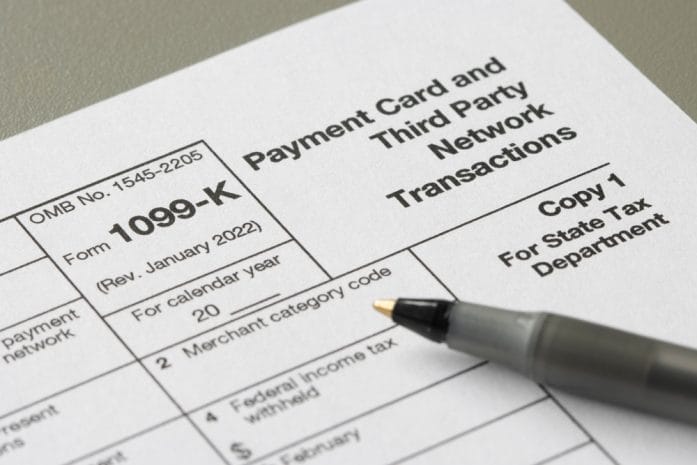
For years, the IRS had been working toward lowering the reporting threshold for Form 1099-K, the tax document that payment processors like PayPal and Venmo send to both you and the IRS to report income received through their platforms. Under the American Rescue Plan Act of 2021, that threshold was slated to plummet to just $600, with no minimum transaction count attached — meaning that even a handful of casual transactions could have triggered a 1099-K form in 2026.

Tax professionals and everyday sellers alike were alarmed. Selling a couch, doing some freelance work, or even collecting contributions for a group gift suddenly looked like it could generate IRS paperwork. Millions of people stood on the brink of receiving tax forms for what they considered ordinary financial behavior — and that’s a recipe for confusion.

Enter The One Big Beautiful Bill Act

Then came a curveball: the One Big Beautiful Bill Act of 2025 — a massive tax and spending law signed July 4, 2025. Among its many provisions, it rewrote how 1099 reporting thresholds work. Instead of embracing the $600 threshold, Congress essentially hit rewind.

Under the new law, the 1099-K reporting threshold no longer drops to $600. Instead, it reverts to the old school standard that was in place before all this turmoil: you’ll receive a Form 1099-K only if you have more than $20,000 in gross payments and more than 200 transactions on a single payment platform in a calendar year.

That’s the rule that originally existed before the American Rescue Plan Act stirred the pot — and this reinstatement is retroactive for reporting years going back to 2022.

Why This Is Huge (But Not In The Way You Think)

Let’s be candid: for most folks, that old-school requirement of $20,000 and 200 transactions was already pretty high. Casual sellers, hobbyists, and part-time gigsters were rarely hitting both of those marks on a single platform in a year. So repeating that threshold makes a huge difference for day-to-day people.

Suddenly, that tiny Etsy shop selling handmade postcards — or that spinach quiche you flipped after thrift-shopping — probably won’t generate a 1099-K heading to your mailbox. But this doesn’t mean the IRS thinks the money isn’t taxable. It just means you won’t automatically get a tax form from PayPal or another processor for smaller totals.

It’s worth repeating: even if you don’t get a 1099-K, all income is still taxable. That’s tax law 101 — the presence (or absence) of a form doesn’t dictate your obligation to report income on your return.

The IRS Reporting Threshold Change That Just Created a Tax Risk for Millions in 2026

Image source: shutterstock.com

The New 1099 Thresholds For Businesses And Freelancers

But wait — the tax fun doesn’t stop with Form 1099-K. The same law made other changes to reporting forms that matter to small businesses and freelancers. Specifically, the reporting threshold for Form 1099-MISC and Form 1099-NEC — used to report payments to contractors, landlords, and miscellaneous income — has been increased. Starting in 2026, businesses generally won’t need to issue these forms unless the total payments reach at least $2,000 in a year, and this threshold will be adjusted for inflation in future years.

This is a big deal for small outfits and side hustlers. Under the old $600 rule, a small business that paid a freelancer $800 could have had to send out a 1099-NEC. Now? Not until payments hit that higher $2,000 mark. That’s less paperwork, fewer forms flying around, and fewer opportunities for innocent mistakes to turn into IRS penalties.


What Do You Think?

This change in tax reporting thresholds for 2026 is one of those rare moments when tax law manages to ease confusion rather than amplify it. Between reinstating the $20,000/$200 1099-K standard and raising the bar on other 1099 forms, the law reshapes how everyday earners interact with IRS reporting. We’ve covered the facts, the history, and the implications — now we want to hear from you.

Tell us what this change means to you, how it might affect your side hustle or business, or even the tax tales you’ve lived through — drop your thoughts or experiences in the comments below!

You May Also Like…

IRS Warning: That Venmo Payment for Your Garage Sale Just Triggered a Surprise Tax Bill

What Your First Budget Of The Year Should Include

8 Tax Moves That Save You When You Can’t Pay the IRS on Time

5 Reasons To Talk To Your Kids About Taxes

6 Advanced Techniques to Lower Your Capital Gains Taxes Legally

Brandon Marcus
Brandon Marcus

Brandon Marcus is a writer who has been sharing the written word since a very young age. His interests include sports, history, pop culture, and so much more. When he isn’t writing, he spends his time jogging, drinking coffee, or attempting to read a long book he may never complete.

Filed Under: tax tips Tagged With: 2026, 2026 laws, 2026 taxes, family finances, family money, finance, finances, general finance, Internal Revenue Service, IRS, IRS reporting, Money, money issues, tax planning, tax risk, tax risks, tax tips, taxes

FOLLOW US

Search this site:

Recent Posts

  • Can My Savings Account Affect My Financial Aid? by Tamila McDonald
  • 12 Ways Gen X’s Views Clash with Millennials… by Tamila McDonald
  • What Advantages and Disadvantages Are There To… by Jacob Sensiba
  • 10 Tactics for Building an Emergency Fund from Scratch by Vanessa Bermudez
  • Call 911: Go To the Emergency Room Immediately If… by Stephen Kanaval
  • 7 Weird Things You Can Sell Online by Tamila McDonald
  • 10 Scary Facts About DriveTime by Tamila McDonald

Copyright © 2026 · News Pro Theme on Genesis Framework