• Home
  • About Us
  • Toolkit
  • Getting Finances Done
    • Hiring Advisors
    • Debt Management
    • Spending Plan
  • Insurance
    • Life Insurance
    • Health Insurance
    • Disability Insurance
    • Homeowners/Renters Insurance
  • Contact Us
  • Privacy Policy
  • Risk Tolerance Quiz

The Free Financial Advisor

You are here: Home / Archives for Financial Security

Banks Are Closing Accounts — 4 Reasons It Could Happen to You

April 28, 2026 by Brandon Marcus Leave a Comment

Banks Are Closing Accounts — 4 Reasons It Could Happen to You

Image Source: Shutterstock.com

Banks don’t just hold money anymore—they actively monitor, analyze, and sometimes shut things down without warning. Account closures have become more common, and many people feel blindsided when it happens. One day, everything works fine, and the next, access disappears with little explanation.

That kind of disruption can throw off bill payments, savings plans, and everyday life in a heartbeat. Knowing why bank account closures happen can help avoid the frustration and keep finances running smoothly.

1. Suspicious Activity Can Raise Red Flags Fast and Trigger Immediate Account Reviews

Banks operate under strict regulations designed to catch fraud, money laundering, and unusual behavior. When an account suddenly shows activity that doesn’t match its normal pattern, automated systems flag it instantly. Large deposits, rapid transfers, or transactions in unfamiliar locations can all look suspicious—even if they’re completely legitimate. Financial institutions don’t wait around to investigate slowly; they often freeze or close accounts quickly to limit potential risk. This aggressive approach protects the bank but can leave account holders scrambling.

A common scenario involves someone selling a car, receiving a large payment, and depositing it without prior notice. The bank’s system may interpret that as potential fraud or laundering, especially if the account usually handles smaller amounts. Even something as simple as frequent transfers between multiple accounts can raise eyebrows. To reduce the risk, consistent communication with the bank helps, especially before making unusual transactions. Keeping activity predictable and documented makes it easier to avoid unnecessary closures.

2. Repeated Overdrafts and Poor Account Management Signal Financial Risk to Banks

Banks want customers who manage money responsibly, and repeated overdrafts send the opposite message. When an account regularly dips into negative territory, it suggests instability and increases the bank’s risk exposure. Fees pile up, payments bounce, and the relationship starts to look more like a liability than an asset. Over time, the bank may decide that maintaining the account no longer makes sense. That decision often leads to sudden account termination rather than gradual warnings.

Consider someone who relies heavily on overdraft protection to cover everyday expenses. While that feature helps in the short term, it signals ongoing financial strain. Banks track these patterns closely, and too many incidents can push an account toward closure. Maintaining a buffer, setting up alerts, and adjusting spending habits can prevent this outcome. Consistent account management not only avoids fees but also reduces the likelihood of bank account closures tied to financial behavior.

Banks Are Closing Accounts — 4 Reasons It Could Happen to You

Image Source: Shutterstock.com

3. Inactive Accounts Can Get Closed Without Much Notice If They Sit Too Long

An account that sits untouched for months—or even years—doesn’t just fade into the background. Banks often classify inactive accounts as dormant, which introduces administrative and regulatory concerns. Eventually, they may close the account altogether or transfer funds to state authorities as unclaimed property. While that process follows legal guidelines, it can still surprise account holders who assumed their money would remain untouched indefinitely. Inactivity might seem harmless, but it carries real consequences.

Life changes often lead to forgotten accounts, especially after moving, switching banks, or changing jobs. A savings account opened years ago might slip through the cracks without regular attention. Logging in periodically, making small transactions, or setting reminders can keep accounts active. Even minimal engagement shows the bank that the account still serves a purpose. Staying proactive prevents unnecessary closures and keeps access to funds intact.

4. Violating Terms and Conditions Can Lead to Immediate Account Termination Without Warning

Every bank account comes with a long list of rules, and violating them can trigger swift action. These terms cover everything from acceptable transaction types to identity verification requirements. Using a personal account for business purposes, for example, can violate policies and raise compliance issues. Providing inaccurate information or failing to update personal details can also create problems. Banks enforce these rules strictly, and violations often result in account closure rather than a warning.

A practical example involves someone running a side hustle through a personal checking account. Frequent incoming payments and business-related transactions may conflict with the account’s intended use. The bank may view this as a compliance issue and shut the account down. Reading and following account terms might not feel exciting, but it plays a crucial role in maintaining access. Staying within the rules helps avoid unexpected disruptions and reduces the risk of bank account closures tied to policy violations.

Staying Ahead of Bank Account Closures

Bank account closures rarely happen without a reason, even if the explanation feels vague or frustrating. Patterns of behavior, account activity, and compliance with rules all play a role in how banks evaluate risk. Paying attention to these factors can make the difference between smooth financial management and sudden disruption. Small habits—like monitoring transactions, avoiding overdrafts, and keeping accounts active—add up quickly. Staying informed and proactive keeps control firmly in the account holder’s hands.

What steps have you taken to protect your bank accounts from unexpected closures? We want to hear your thoughts, so please share them in our comments section.

You May Also Like…

5 Digital Banking Changes That May Be Adding New Fees Without Notice

Banks Are Reducing Credit Limits for Older Customers During Risk Reviews

Banks Are Holding Cash Transfers Over $2,000 for Verification—What Seniors Need to Know

North Carolina’s Flat Tax Savings in 2026: Why Everyday Costs Still Matter

8 Hidden Fees That Can Eat Away at Your Retirement Savings

Brandon Marcus
Brandon Marcus

Brandon Marcus is a writer who has been sharing the written word since a very young age. His interests include sports, history, pop culture, and so much more. When he isn’t writing, he spends his time jogging, drinking coffee, or attempting to read a long book he may never complete.

Filed Under: Banking Tagged With: account termination, bank account closures, bank policies, banking rules, banking tips, Financial Security, fraud prevention, frozen accounts, money management, Personal Finance, Planning

5 Reasons Your Valuables Might Not Be Fully Protected in a Safe Deposit Box

April 28, 2026 by Brandon Marcus Leave a Comment

5 Reasons Your Valuables Might Not Be Fully Protected in a Safe Deposit Box

Image Source: Shutterstock.com

A safe deposit box carries a certain mystique. Thick steel doors, tight security, and the reassuring presence of a bank create the impression that nothing inside could ever go wrong. People stash everything from family heirlooms to legal documents in these boxes, trusting they’ve made the smartest possible move. That confidence feels justified—until small details start to chip away at the illusion. The reality looks a little more complicated than the polished image most people picture.

Smart financial planning doesn’t rely on assumptions, especially when valuable assets sit on the line. A safe deposit box offers strong protection, but it also comes with limitations that rarely get discussed. Overlooking those gaps can leave important items vulnerable in ways that catch people off guard.

1. Limited Access Can Backfire at the Worst Possible Time

A safe deposit box sounds like the ultimate fortress, but limited access creates real-world headaches that many people overlook. Banks operate on strict hours, and emergencies rarely wait for business days or convenient time slots. A sudden need for critical documents, family heirlooms, or backup cash can turn into a frustrating scramble if the vault doors remain locked. Natural disasters, unexpected travel, or urgent financial needs can all highlight this inconvenient reality. The promise of security loses its shine when access becomes a barrier instead of a benefit.

Picture a scenario where a passport sits inside a safe deposit box right before an urgent international trip. The bank closes for a holiday weekend, and suddenly, that “secure” item becomes completely unreachable. Even worse, certain events like regional shutdowns or civil emergencies can temporarily block access altogether. Financial institutions also enforce identity verification rules that can slow things down further. Convenience matters just as much as protection when it comes to safeguarding valuables. Smart planning includes balancing security with accessibility so nothing critical stays locked away when it matters most.

2. Insurance Coverage Often Falls Short

Many people assume that a safe deposit box comes with built-in insurance protection, but that assumption can lead to costly surprises. Banks typically do not insure the contents of these boxes, which means valuables sit unprotected unless separate coverage exists. Homeowners or renters insurance policies may offer limited coverage, but those caps often fall far below the value of high-end jewelry, rare collectibles, or important documents. That gap leaves owners exposed to financial loss without realizing it. A secure location does not automatically equal financial protection.

Imagine storing a $20,000 heirloom necklace in a safe deposit box, only to discover later that an insurance policy covers just a fraction of that value. Filing a claim becomes a frustrating process filled with fine print and limitations. Specialized insurance policies can close that gap, but many people never take that extra step. Without proper documentation and appraisals, even insured items can face claim challenges. Real protection requires a clear understanding of what coverage exists and what gaps still need attention. Taking time to review policies ensures valuables stay protected both physically and financially.

3. Banks Can Restrict or Freeze Access

Safe deposit boxes exist within a banking system, and that system follows legal and regulatory rules that can override personal access. In certain situations, banks can restrict or freeze access to a box due to legal disputes, unpaid fees, or government actions. Estate issues often create complications when account holders pass away, leaving heirs unable to retrieve contents quickly. Court orders or investigations can also temporarily lock down access without warning. These situations may sound rare, but they happen more often than expected.

Consider a family trying to access a loved one’s safe deposit box after their passing. Without proper authorization or documentation, the process can stretch into weeks or even months. During that time, critical documents like wills or property deeds may remain out of reach. Legal procedures add layers of complexity that many families do not anticipate. Even small oversights, like failing to name a co-owner, can create major obstacles. Preparing for these scenarios in advance can prevent unnecessary stress and delays during already difficult times.

5 Reasons Your Valuables Might Not Be Fully Protected in a Safe Deposit Box

Image Source: Unsplash.com

4. Environmental Risks Still Exist

A bank vault may look indestructible, but environmental risks still pose a threat to the contents inside. Floods, fires, and even structural damage can impact safe deposit boxes despite strong security measures. While banks design vaults to withstand extreme conditions, no system guarantees complete protection against every disaster. Water damage, in particular, can ruin documents, photographs, and certain valuables beyond repair. Temperature fluctuations and humidity can also affect sensitive items over time.

Think about important papers like birth certificates or legal agreements stored without waterproof protection. A flood or sprinkler system malfunction could leave those documents damaged or unreadable. Jewelry and metals may survive, but paper-based items face significant risk. Using protective containers, such as waterproof and fire-resistant pouches, adds an extra layer of defense. Regularly checking the condition of stored items also helps catch potential issues early. A safe deposit box offers strong security, but it still requires smart packing and preparation to truly protect what matters.

5. Privacy Isn’t Absolute

Safe deposit boxes provide a sense of privacy, but that privacy does not exist in absolute terms. Banks maintain records of box ownership and access activities, which can become part of legal or governmental inquiries if needed. In certain cases, authorities can gain access through proper legal channels, which may surprise those who expect complete confidentiality. Even bank employees follow strict procedures, but oversight and documentation remain part of the system. That structure ensures accountability but limits total privacy.

Some individuals store sensitive documents or assets assuming no one else will ever know about them. However, legal processes can bring those contents into the spotlight under specific circumstances. Estate disputes, tax investigations, or court orders can all trigger access reviews. Keeping clear records and maintaining transparency with trusted family members can prevent complications later.

Privacy still exists, but it operates within a framework that balances security with legal responsibility. Knowing those boundaries helps set realistic expectations and encourages smarter decisions about what belongs in a safe deposit box.

Protecting What Matters Most

A safe deposit box remains a valuable tool, but it should never serve as the only line of defense for important assets. True protection comes from a layered approach that combines secure storage, proper insurance, and thoughtful planning. Keeping copies of critical documents in separate locations, maintaining updated insurance coverage, and ensuring trusted access can make a huge difference. Every valuable item carries a different level of risk, and each one deserves a strategy that matches its importance. Relying on a single solution often creates blind spots that only show up when problems arise.

What steps feel worth taking right now to make sure those valuables stay truly protected? Let’s chat about it below in our comments section.

You May Also Like…

Why Banks Are Quietly Reducing Cash Withdrawal Limits in California, New York, Texas, Florida, and Illinois

Why Direct Deposit Fails: Banking Errors That Cost You Benefits

Banks Are Holding Cash Transfers Over $2,000 for Verification—What Seniors Need to Know

6 Ways Criminals Are Using AI to Impersonate Banks and Government Agencies

7 Everyday Bank Transactions That Can Trigger a Federal Suspicious Activity Report

Brandon Marcus
Brandon Marcus

Brandon Marcus is a writer who has been sharing the written word since a very young age. His interests include sports, history, pop culture, and so much more. When he isn’t writing, he spends his time jogging, drinking coffee, or attempting to read a long book he may never complete.

Filed Under: safety Tagged With: asset protection, bank safety, banking tips, emergency planning, Financial Security, home safes, insurance gaps, Personal Finance, protecting valuables, safe deposit box risks, valuables storage

Banks Are Closing Accounts During ‘De-Risking’ Reviews—Often Without Warning

April 19, 2026 by Brandon Marcus 1 Comment

Banks Are Closing Accounts During ‘De-Risking’ Reviews—Often Without Warning

Image Source: Shutterstock.com

You wake up, check your bank app, and your account is frozen—or worse, gone. No warning, no explanation, just a vague notice about a “review.” This is the reality for a growing number of people caught in what banks call “de-risking.”

While the term might sound technical and harmless, the consequences can be frustrating, disruptive, and sometimes financially devastating. If you’ve never heard of it before, now is the time to understand why bank account closures are happening—and how to protect yourself.

What ‘De-Risking’ Really Means for Your Money

Banks use “de-risking” as a strategy to reduce exposure to potential legal, regulatory, or financial trouble, but it often translates into sudden bank account closures for everyday customers. Financial institutions are under intense pressure to comply with anti-money laundering laws and fraud prevention regulations, which means they monitor accounts more aggressively than ever.

If your activity triggers internal alerts—even accidentally—you could be flagged as “high risk” without any wrongdoing. This can include things like frequent international transfers, large cash deposits, or even inconsistent income patterns. Unfortunately, once flagged, many banks choose to close accounts rather than investigate further, leaving customers scrambling.

Why Bank Account Closures Are Happening More Often

The rise in bank account closures is closely tied to stricter global financial regulations and the increasing use of automated monitoring systems. Algorithms now scan millions of transactions daily, looking for patterns that might indicate fraud, money laundering, or other suspicious behavior.

While this technology is efficient, it’s not perfect, and false positives are more common than many people realize. For example, freelancers, gig workers, and small business owners often have irregular cash flow that can look suspicious to automated systems.

Common Triggers

Understanding what triggers these reviews can help you avoid unexpected bank account closures, even if the rules aren’t always transparent. Large or frequent cash deposits are one of the biggest red flags, especially if they don’t match your typical account behavior. Sending or receiving money internationally—particularly to countries flagged as high-risk—can also draw scrutiny. Even something as simple as logging into your account from different locations or devices too often can raise concerns.

Your Account Has Closed Suddenly?

When bank account closures happen, the impact can be immediate and stressful, especially if you rely on that account for daily expenses. In many cases, your funds are frozen temporarily while the bank completes its review, which can take days or even weeks.

During that time, you might miss bill payments, face overdraft fees elsewhere, or struggle to access your own money. Some customers report receiving only a brief notice with little explanation, making it difficult to resolve the issue quickly. Even after the account is closed, getting clear answers—or reopening an account—can be frustratingly difficult.

Banks Are Closing Accounts During ‘De-Risking’ Reviews—Often Without Warning

Image Source: Shutterstock.com

How to Protect Yourself From Unexpected Account Closures

While you can’t eliminate the risk entirely, there are smart steps you can take to reduce the chances of bank account closures disrupting your life. Start by maintaining consistent transaction patterns whenever possible, and avoid sudden large deposits or transfers that don’t align with your usual activity.

It’s wise to have a backup bank account at a different institution so you’re not completely locked out of your finances if one account is closed. Finally, stay proactive by reviewing your bank’s policies and communicating with them if you anticipate unusual activity.

Convenience vs. Control

The rise in bank account closures highlights a growing tension between financial security and customer convenience in today’s banking system. This shift means consumers need to be more aware and proactive about how they manage their money and interact with banks. As technology continues to evolve, understanding these systems isn’t just helpful—it’s essential for protecting your financial stability.

Have you or someone you know ever experienced a sudden bank account closure without warning? Share your story in the comments below.

You May Also Like…

How a Greener Home Can Boost Your Bank Account

7 Honest Ways to Stop Comparing Your Bank Account to Others

Biometric Banking and the Rise of Fraud Concerns in 2026

5 Outrageous Fees Hidden in Everyday Banking Services

Could Social Media Habits Be Hurting Bank Accounts

Brandon Marcus
Brandon Marcus

Brandon Marcus is a writer who has been sharing the written word since a very young age. His interests include sports, history, pop culture, and so much more. When he isn’t writing, he spends his time jogging, drinking coffee, or attempting to read a long book he may never complete.

Filed Under: Banking Tagged With: bank account closures, banking risks, banking tips, de-risking, Financial Security, money management, Personal Finance

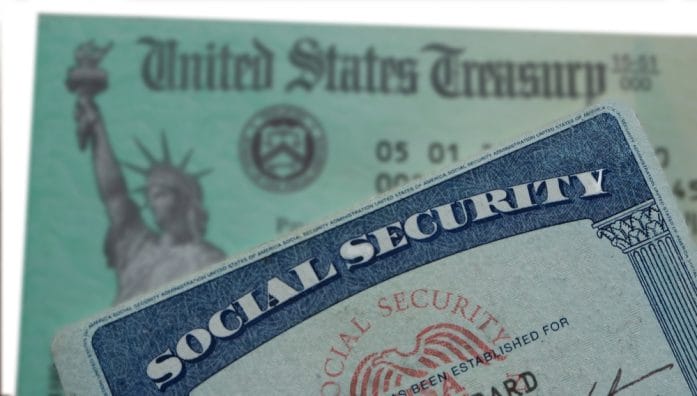
Social Security Is Under Pressure — The Worker-to-Retiree Ratio Is Falling

April 13, 2026 by Brandon Marcus Leave a Comment

Social Security Is Under Pressure — The Worker-to-Retiree Ratio Is Falling

Image Source: Shutterstock.com

The numbers do not whisper anymore—they shout. Social Security, one of the most relied-upon programs in the United States, faces a growing imbalance that feels impossible to ignore. Fewer workers now support more retirees, and that shift sends ripples through everything from taxes to retirement plans. This is not a distant problem sitting quietly on a spreadsheet. It’s a real-world issue shaping how millions of people will live in the years ahead.

The worker-to-retiree ratio once offered a comfortable cushion, but that cushion has thinned out dramatically over time. Back in the 1960s, more than five workers supported each retiree, creating a strong foundation for the system. Today, that number hovers closer to about 2.7 workers per retiree, and projections suggest it could drop even further in the coming decades. That steady decline creates pressure, sparks debate, and forces a big question into the spotlight: what happens when fewer people carry a heavier load?

The Math That’s Changing Everything

The worker-to-retiree ratio might sound like dry economics, but it drives one of the most important financial systems in the country. Social Security works on a pay-as-you-go structure, which means current workers fund the benefits for current retirees. When more workers contribute, the system breathes easily and delivers benefits without much strain. When that balance shifts, the system starts to feel the squeeze.

That squeeze comes from a simple but powerful trend: people live longer, and birth rates have declined. Longer life expectancy means retirees collect benefits for more years than previous generations ever did. At the same time, fewer babies born today means fewer workers entering the workforce tomorrow. This double shift stretches the system from both ends, and it does not give much room to recover quickly.

The numbers tell a clear story without any dramatic exaggeration. In 1940, life expectancy in the United States sat around 63 years, while today it pushes closer to the late 70s. Meanwhile, fertility rates have dropped below the replacement level of 2.1 births per woman, which means the population does not replenish itself at the same pace. That combination creates a steady decline in the number of workers available to support each retiree, and it does not look like it will reverse anytime soon.

This situation does not mean Social Security disappears overnight, but it does mean changes will likely come. Policymakers continue to debate solutions like raising the retirement age, increasing payroll taxes, or adjusting benefits. Each option brings trade-offs, and none of them offer a perfect fix. The reality sits somewhere in the middle, where gradual changes try to keep the system stable without shocking those who depend on it.

Understanding this math gives a clear advantage. It allows people to see the direction things are heading and start preparing instead of reacting at the last minute. Waiting for certainty rarely works when it comes to long-term financial planning, especially when the system itself faces ongoing adjustments.

Why Fewer Workers Carry More Weight

The shrinking workforce does not happen by accident—it reflects deeper societal shifts that have unfolded over decades. One major factor comes from changing family dynamics. People choose to have fewer children, often due to rising costs of living, career priorities, and lifestyle preferences. That decision shapes the future workforce in a very real way.

Another key factor lies in the aging baby boomer generation. Millions of people born between 1946 and 1964 have already started retiring or will retire soon. This massive wave of retirees increases demand for Social Security benefits at the exact moment when fewer workers enter the system to support it. The timing creates a perfect storm that puts added strain on the program.

Immigration also plays a role, and it often sparks strong opinions. A steady flow of working-age immigrants can help boost the worker population and ease some pressure on Social Security. However, policy decisions around immigration continue to shift, and that uncertainty makes it difficult to rely on it as a long-term solution. The system needs consistency, and right now, it faces too many moving parts.

Technology and automation add another layer to the story. While innovation drives productivity and economic growth, it also changes the nature of work. Some jobs disappear, others evolve, and new roles emerge that may not contribute to Social Security in the same way traditional employment does. Gig work, freelance careers, and nontraditional income streams complicate how people pay into the system.

All of these factors combine into one clear reality: fewer traditional workers support a growing number of retirees. That imbalance does not fix itself without deliberate action. It requires awareness, planning, and a willingness to adapt to a system that looks very different from what previous generations experienced.

What This Means for Retirement Dreams

The shifting ratio forces a rethink of what retirement looks like. Social Security still plays a crucial role, but it no longer guarantees the same level of support it once did. For many, it serves as a foundation rather than a complete solution. That distinction matters more than ever as the system faces increasing pressure.

Future retirees may need to rely more heavily on personal savings, investments, and employer-sponsored retirement plans. That shift places greater responsibility on individuals to plan ahead and build financial security over time. It also means starting earlier makes a noticeable difference, even if contributions begin small and grow gradually.

Timing also plays a critical role in maximizing benefits. Delaying Social Security claims can increase monthly payments, which helps offset some of the system’s long-term challenges. While not everyone can afford to wait, understanding this option allows for more strategic decisions. Every extra year of delay adds value that compounds over a lifetime.

Diversification becomes more important in this environment. Relying solely on Social Security creates unnecessary risk when the system itself faces uncertainty. Combining different income sources, such as retirement accounts, investments, and part-time work, builds a more resilient financial plan. That approach creates flexibility, which matters when economic conditions shift unexpectedly. Planning does not require perfection, but it does demand attention. Ignoring these trends does not make them disappear, and hoping for the best rarely produces the best outcome. Taking control early, even in small steps, helps create a buffer against the changes already unfolding.

Social Security Is Under Pressure — The Worker-to-Retiree Ratio Is Falling

Image Source: Shutterstock.com

What Comes Next

The worker-to-retiree ratio tells a story that continues to evolve, and it does not wrap up neatly. Social Security will likely remain a cornerstone of retirement, but it will not look exactly the same in the future. Adjustments will come, and those changes will shape how benefits get distributed and funded.

This moment calls for awareness, not panic. The system still functions, and it still provides essential support to millions. However, it demands a more active role from those who depend on it in the future. Staying informed, tracking policy changes, and making thoughtful financial decisions all contribute to a stronger position over time.

What steps feel realistic right now to strengthen a retirement plan in a system that keeps changing? Share thoughts, strategies, or even concerns in the comments—there’s a lot to learn from different perspectives on this one.

You May Also Like…

How Seniors Jeopardize Their Social Security Right After Retirement

Why Your Social Security Payment Was Delayed: Common Oversights and Fast Fixes

Why More Seniors Are Getting Surprise Social Security Overpayment Notices

The Medicare Part B Increase That’s Reducing Social Security Checks By About $185/Month in 2026

The Hidden Tax Rules Shrinking Social Security Checks — What Seniors Need to Know

Brandon Marcus
Brandon Marcus

Brandon Marcus is a writer who has been sharing the written word since a very young age. His interests include sports, history, pop culture, and so much more. When he isn’t writing, he spends his time jogging, drinking coffee, or attempting to read a long book he may never complete.

Filed Under: social security Tagged With: aging population, benefits, Demographics, economy, Financial Security, future planning, government policy, Personal Finance, retirement planning, Social Security, taxes, workforce trends

6 Online Habits That Quietly Expose Your Financial Information

March 31, 2026 by Brandon Marcus Leave a Comment

6 Online Habits That Quietly Expose Your Financial Information

Image Source: Shutterstock.com

An unlocked door does not always look like an unlocked door. Sometimes it looks like a quick login, a harmless post, or a saved password that feels like a shortcut instead of a risk. The internet thrives on convenience, and that convenience often comes wrapped in quiet trade-offs that most people never stop to question. Every click, every autofill, and every shared detail creates a tiny trail that can lead somewhere far more serious than expected.

Financial information rarely gets exposed in one dramatic moment. It slips out gradually through everyday habits that feel routine, safe, and even smart. That’s what makes this topic so important and, honestly, a little unsettling. Once these habits come into focus, they become much easier to fix.

1. The Password Comfort Zone That Isn’t Comfortable at All

Reusing passwords across multiple accounts feels efficient, organized, and oddly satisfying, especially when everything just works without a reset email interrupting the day. That sense of ease hides a massive vulnerability, because one compromised account can unlock several others in seconds. Hackers rely on this exact behavior, often using automated tools that test stolen passwords across banking sites, shopping platforms, and email accounts. Once they find a match, they move fast and quietly. No alarms, no dramatic warnings, just access.

Password managers offer a much safer alternative, even if they seem like an extra step at first. They generate strong, unique passwords for every account and store them securely, which removes the mental load of remembering dozens of combinations. Two-factor authentication adds another layer, forcing a second verification step that blocks unauthorized access even if a password leaks. Simple tweaks like avoiding personal details in passwords and updating them regularly can also make a huge difference. This habit alone can close one of the biggest gaps in online security.

2. Public Wi-Fi: The Digital Coffee Shop Trap

Free Wi-Fi feels like a win every single time, especially when it saves mobile data or speeds up a quick task. Unfortunately, public networks often lack proper encryption, which means anyone with the right tools can intercept data moving across that connection. That includes login credentials, payment details, and even private messages. It does not take a high-level hacker to exploit this either, which makes the risk far more widespread than most people realize.

Using a virtual private network (VPN) creates a secure tunnel for internet activity, making it much harder for anyone to snoop on sensitive information. Avoiding financial transactions or account logins on public Wi-Fi adds another layer of safety. Even something as simple as turning off automatic Wi-Fi connections can prevent devices from joining risky networks without notice. These steps might sound cautious, but they quickly become second nature and dramatically reduce exposure.

3. Oversharing on Social Media: More Than Just Likes and Comments

Social media platforms encourage sharing, celebrating, and documenting everyday life, but they also create a goldmine of personal information. Details like birthdays, hometowns, workplaces, and even pet names can help attackers guess security questions or build convincing phishing messages. A seemingly harmless post can provide just enough context to make a scam feel legitimate and trustworthy. That’s where the real danger lies.

Adjusting privacy settings can limit who sees personal information, but awareness plays an even bigger role. Avoid posting details that tie directly to financial accounts or identity verification questions. Keeping location tagging to a minimum and thinking twice before sharing milestones can also reduce risk. Social media should feel fun and expressive, not like a blueprint for identity theft. A little restraint goes a long way without taking away the enjoyment.

6 Online Habits That Quietly Expose Your Financial Information

Image Source: Shutterstock.com

4. Auto-Save Features That Know Too Much

Browsers and apps love to offer convenience through auto-saving passwords and payment details. One click, and everything fills in instantly, which feels like magic during a busy day. That same convenience can turn risky if someone gains access to the device or if malware sneaks in. Stored information becomes an easy target, especially when devices lack strong security measures like encryption or passcodes.

Switching to a dedicated password manager instead of relying on browser storage adds a stronger layer of protection. Disabling auto-save for payment information and manually entering details when needed can also reduce exposure. Regularly reviewing saved data and clearing anything unnecessary keeps things tidy and safer. These small adjustments might add a few extra seconds to a task, but they significantly cut down on risk.

5. Clicking First, Thinking Later: The Phishing Problem

Phishing attacks have become incredibly convincing, often mimicking legitimate companies with impressive accuracy. Emails, texts, and even social media messages can carry links that lead to fake login pages designed to capture credentials. One quick click can hand over sensitive information without any obvious warning signs. That split-second decision can open the door to financial loss.

Taking a moment to verify links before clicking changes everything. Hovering over URLs, checking for slight misspellings, and going directly to official websites instead of using embedded links can prevent trouble. Suspicious messages that create urgency or fear should always raise a red flag. Deleting them or reporting them keeps things clean and reduces the chance of falling into a trap. A cautious mindset beats a rushed reaction every time.

6. Ignoring Software Updates Like They’re Optional

Software updates often show up at the worst possible time, interrupting work or delaying plans. That annoyance leads many people to hit “remind me later” again and again. Behind the scenes, those updates fix security vulnerabilities that attackers actively look for and exploit. Skipping updates leaves systems exposed in ways that feel invisible but carry real consequences.

Turning on automatic updates removes the hassle and ensures devices stay protected without constant attention. Keeping apps, operating systems, and even routers up to date closes known security gaps quickly. It also improves overall performance, which adds a nice bonus to the effort. Treating updates as essential rather than optional shifts the entire approach to digital safety.

The Quiet Habits That Make the Loudest Impact

Every online action leaves a trace, but not every trace needs to lead somewhere dangerous. Small, consistent habits shape the level of protection far more than any single dramatic change ever could. Strengthening passwords, avoiding risky networks, and staying mindful of shared information create a solid foundation that keeps financial data out of the wrong hands. None of these steps require expert-level knowledge, just a willingness to pay attention and adjust.

Which of these habits feels the hardest to break, and what strategies have worked to keep personal information secure? Drop some thoughts, tips, or even cautionary tales in the comments—there’s always something new to learn from each other.

You May Also Like…

4 Indispensable Tools for Backtesting Investment Theories Swiftly

Did You Know Turning Off Your Wi-Fi Router at Night Can Save You Money?

Why IRS Payment Plans Still Default After Missed Online Notices

Why Free Online Checking Continues to Beat Traditional Banks

Is Your “Little Treat” Habit Costing You $2,500 a Year? The Real Spending Math

Brandon Marcus
Brandon Marcus

Brandon Marcus is a writer who has been sharing the written word since a very young age. His interests include sports, history, pop culture, and so much more. When he isn’t writing, he spends his time jogging, drinking coffee, or attempting to read a long book he may never complete.

Filed Under: Finance Tagged With: cybersecurity, data protection, digital privacy, Financial Security, identity theft, internet habits, Online Safety, Online shopping, passwords, Personal Finance, scams, social media safety

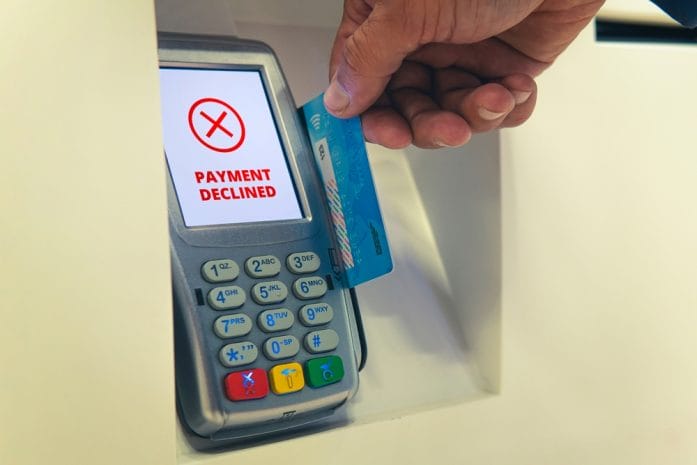
Banks Are Tightening Fraud Controls — Why Some Cards Are Being Declined Unexpectedly

March 30, 2026 by Brandon Marcus Leave a Comment

Banks Are Tightening Fraud Controls — Why Some Cards Are Being Declined Unexpectedly

Image Source: Shutterstock.com

An innocent tap of a card used to feel like the easiest part of the day. That quick beep at the checkout once signaled convenience, confidence, and a system that worked exactly as expected. Now, that same moment can come with a sharp twist of uncertainty, as more transactions hit a sudden wall for reasons that seem impossible to guess. Something has shifted, and it has nothing to do with how people spend and everything to do with how banks watch.

Banks have turned up the dial on fraud prevention in a big way, and that intensity shows up in places nobody expects. A routine purchase can suddenly look suspicious, a familiar store can trigger a red flag, and a perfectly normal day can turn into a scramble to prove identity. This shift doesn’t come out of nowhere, though. It reflects a massive increase in digital fraud attempts, more sophisticated scams, and a financial system that now treats every transaction like a potential risk until proven otherwise.

Every Swipe Faces Scrutiny

Banks no longer treat transactions as simple exchanges. They run each purchase through complex fraud detection systems that analyze patterns, behaviors, and even subtle changes in spending habits. A single purchase can trigger dozens of automated checks in milliseconds, comparing location data, transaction size, merchant type, and recent activity. That means even small deviations from a typical routine can set off alarms. A late-night food order in a different neighborhood, a slightly higher bill at a regular spot, or a sudden online purchase from a new retailer can all look suspicious under these systems.

Financial institutions have invested heavily in machine learning and artificial intelligence to fight fraud, and those tools don’t rely on human intuition. They rely on patterns, probabilities, and risk thresholds. If something doesn’t match a known pattern, the system may block it first and ask questions later. That approach protects accounts from fraud, but it also increases the chances of false declines. Banks would rather inconvenience a legitimate purchase than allow a fraudulent one to slip through, and that mindset drives many of the unexpected declines people now experience.

This shift also reflects the sheer scale of modern fraud. Cybercriminals run highly organized operations, using stolen data, automated tools, and coordinated attacks to exploit weaknesses. Banks respond by tightening controls across the board, not just for high-risk accounts. That means everyone feels the impact, even those with spotless financial histories. A decline no longer signals something wrong with the account itself; it often signals a system working exactly as designed, even if it feels frustrating in the moment.

Why “Normal” Spending Suddenly Looks Suspicious

Patterns matter more than ever, and consistency has become a silent currency in the eyes of fraud systems. When spending habits shift, even slightly, those systems take notice. A card that usually handles groceries, gas, and streaming subscriptions might suddenly face scrutiny when it processes a luxury purchase or a large online order. That change alone can trigger a decline, not because the purchase seems unreasonable, but because it breaks the established rhythm of activity.

Travel often causes the biggest headaches. A card that works perfectly at home may fail the moment it gets used in a new city or country. Banks used to rely on travel notices to prevent this issue, but modern systems often make decisions in real time without that input. If the system detects a geographic jump or a merchant category that doesn’t align with past behavior, it may block the transaction instantly. Even domestic travel can create problems if spending patterns shift quickly within a short timeframe.

Online shopping adds another layer of complexity. Digital transactions don’t offer the same physical verification as in-person purchases, so banks treat them with extra caution. A new device, a different shipping address, or a retailer that hasn’t appeared in past transactions can all increase the perceived risk. Subscription services, digital goods, and international merchants often face even stricter scrutiny. That means a perfectly legitimate purchase can still get flagged simply because it doesn’t fit neatly into an established pattern.

The Hidden Triggers Most People Never Consider

Some of the most common decline triggers hide in plain sight. Rapid-fire transactions can raise immediate concerns, especially when multiple purchases occur within minutes. Even if those purchases come from the same store, the system may interpret them as unusual behavior. Splitting a bill into several smaller transactions or retrying a declined payment multiple times can amplify that risk and lead to temporary blocks on the card.

Changes in personal information can also create unexpected friction. Updating an address, phone number, or email may seem like routine maintenance, but those changes can temporarily disrupt the system’s ability to verify identity. If a transaction occurs shortly after such updates, the system may flag it as suspicious. Similarly, using a new card after a replacement or upgrade can trigger heightened scrutiny until the system recognizes consistent patterns again.

Merchant-side issues can play a role too. Some businesses process payments in ways that differ from standard practices, such as using international payment processors or categorizing transactions under unexpected merchant codes. These quirks can confuse fraud detection systems and lead to declines. Even something as simple as a delayed charge from a hotel or rental service can look unusual if it doesn’t align with the timing of the original transaction. All of these factors combine to create a landscape where declines feel random, even though they follow a very specific logic behind the scenes.

Banks Are Tightening Fraud Controls — Why Some Cards Are Being Declined Unexpectedly

Image Source: Shutterstock.com

How to Stay One Step Ahead of the System

A few proactive habits can make a big difference in avoiding those frustrating declines. Keeping contact information up to date ensures that banks can reach out quickly if something looks unusual. Many institutions send real-time alerts or verification requests through mobile apps or text messages, and a quick response can often resolve a blocked transaction within minutes. Enabling these notifications adds an extra layer of control and helps keep transactions moving smoothly.

Consistency helps more than most people realize. Using the same card for regular purchases builds a clear pattern that fraud systems can recognize. When planning a larger or unusual purchase, it helps to use a card with an established history rather than a rarely used one. For travel, checking account settings or notifying the bank ahead of time can reduce the chances of a decline, even though modern systems don’t always rely on those notices. Carrying a backup payment method also provides a simple safety net when the unexpected happens.

Patience plays a role, too. Repeatedly attempting a declined transaction can make the situation worse, as the system may interpret those attempts as suspicious behavior. Taking a moment to check for alerts or contact the bank can resolve the issue more effectively. Many declines come with a quick fix once the system confirms that the transaction is legitimate.

Security Wins, But Convenience Takes a Hit

Banks have drawn a clear line in the sand, and that line prioritizes security above all else. Fraud prevention systems have become smarter, faster, and more aggressive, and they catch threats that would have slipped through just a few years ago. That progress protects accounts, reduces financial losses, and strengthens trust in digital payments. At the same time, it reshapes the everyday experience of using a card, adding friction where there once was none.

What strategies have worked best to avoid those awkward checkout moments, and what changes have made the biggest difference? Let’s hear your thoughts, experiences, or clever workarounds in the comments.

You May Also Like…

Biometric Banking and the Rise of Fraud Concerns in 2026

7 Reasons Why Many “Buy Now, Pay Later” Users Are Actually Paying With Debit Cards

Banks Are Moving Toward All-Digital Payments — What That Means for Your Money

4 Ways to Spot Fraud Before Your Bank Does

7 Things A Fraudulent Financial Advisor Would Tell You to Do

Brandon Marcus
Brandon Marcus

Brandon Marcus is a writer who has been sharing the written word since a very young age. His interests include sports, history, pop culture, and so much more. When he isn’t writing, he spends his time jogging, drinking coffee, or attempting to read a long book he may never complete.

Filed Under: Banking Tagged With: banking, banking trends, consumer finance, credit cards, debit cards, digital payments, Financial Security, fintech, fraud prevention, identity theft, payment declines, Spending Habits

Customers Beware: Banks Are Tightening Fraud Rules and Freezing Accounts Faster Than Ever

March 23, 2026 by Brandon Marcus Leave a Comment

Customers Beware: Banks Are Tightening Fraud Rules and Freezing Accounts Faster Than Ever

Image Source: Shutterstock.com

Money moves fast now, and banks have decided they need to move even faster. One suspicious transaction, one unusual login, one transfer that looks slightly out of place, and suddenly access disappears. No warning, no countdown, just a locked account and a growing sense of panic.

This shift did not come out of nowhere. Fraud exploded in recent years, and banks responded by tightening the rules, sharpening their detection systems, and acting quicker than ever before. That might sound reassuring on paper, but it creates a new reality where everyday people can get caught in the crossfire without doing anything wrong.

When “Security” Hits the Brakes on Your Money

Banks now rely heavily on automated systems that scan activity in real time, and those systems do not hesitate when something looks off. A large transfer, a sudden change in spending habits, or a login from a new location can trigger an immediate freeze. That reaction does not mean fraud actually happened, but the system treats uncertainty as a risk worth stopping cold. Financial institutions have good reason to act this way. Fraud schemes have grown more sophisticated, especially with the rise of online banking, peer-to-peer payment apps, and digital wallets. Criminals move quickly, so banks try to move faster, even if that means locking down accounts before confirming anything.

That speed creates a frustrating experience when legitimate activity gets flagged. Someone might transfer money between personal accounts, book travel in another city, or receive a larger-than-usual payment, only to find their account suddenly restricted. The system sees a pattern change, not the full story.

Banks also face pressure from regulators to prevent fraud and money laundering, which pushes them toward aggressive monitoring. They would rather freeze a legitimate account temporarily than allow fraudulent transactions to slip through. That trade-off explains why these freezes have become more common. This approach leaves little room for nuance. Automated systems do not interpret intent, and they do not understand context beyond data patterns. That gap between human behavior and machine logic often creates the kind of disruption that catches people completely off guard.

The Triggers That Set Off Alarm Bells

Certain activities raise red flags faster than others, and understanding them can make a huge difference. Large or unusual deposits, especially from unfamiliar sources, often trigger reviews because they resemble patterns linked to fraud or scams. Even legitimate transfers can fall into this category if they break from normal habits. Frequent transfers between accounts, particularly across different banks or payment platforms, can also attract attention. These movements sometimes resemble tactics used to move stolen funds, so systems flag them quickly. That means even routine financial management can look suspicious under the wrong circumstances.

Logging in from a new device or location can also spark a freeze. Travel, a new phone, or even a different internet connection might cause the system to question whether the account owner still controls the account. That type of flag often leads to temporary restrictions until verification happens.

Peer-to-peer payment apps add another layer of complexity. Sending or receiving money from multiple unfamiliar contacts in a short period can raise concerns. Fraud rings often use these apps to move money quickly, so banks watch closely for patterns that match that behavior. Name mismatches, incorrect personal information, or outdated account details can also create problems. When records do not align, banks may pause activity until they confirm identity. That step protects accounts, but it can also create delays that feel unnecessary when everything seems correct on the surface.

What Happens After the Freeze Hits

An account freeze does not always mean total shutdown, but it often limits access in frustrating ways. Some people lose the ability to withdraw money, make payments, or transfer funds while the bank investigates. That restriction can disrupt daily life quickly, especially when bills or expenses depend on that account. Banks usually require identity verification before restoring access. That process might involve submitting documents, answering security questions, or speaking with a representative. The timeline varies, and while some cases resolve quickly, others can stretch into days or even weeks.

Communication does not always move as fast as the freeze itself. Notifications might arrive after the account gets restricted, and explanations can feel vague or incomplete. That lack of clarity adds stress, especially when money sits locked without a clear resolution timeline.

In more serious cases, banks may close accounts entirely if they believe activity violates their policies. That decision can happen even when no crime occurred, particularly if behavior consistently triggers risk alerts. Once an account closes, reopening it or moving funds can become more complicated. Despite the frustration, these steps exist to prevent larger losses. Banks aim to stop fraud before it spreads, even if that means inconveniencing legitimate customers. That balance between protection and access continues to shape how financial institutions handle risk.

How to Stay One Step Ahead of a Freeze

Taking a few proactive steps can reduce the chances of getting caught in a freeze. Keeping contact information updated ensures banks can reach out quickly when something looks unusual. That simple step often speeds up verification and prevents unnecessary delays. Maintaining consistent transaction patterns also helps. Sudden spikes in activity or major changes in behavior can trigger alerts, so spacing out large transfers or notifying the bank ahead of time can make a difference. Travel plans, especially international ones, should always get flagged with the bank in advance.

Using familiar devices and secure networks adds another layer of stability. Logging in from multiple new devices within a short time frame can raise suspicion, so sticking to known setups helps avoid unnecessary triggers. When a new device becomes necessary, verifying it quickly can prevent issues.

Reviewing account activity regularly keeps everything aligned. Catching errors, correcting outdated information, and monitoring transactions can prevent small issues from escalating into larger problems. Staying organized with financial records also makes it easier to respond if the bank requests verification. Diversifying where money sits can also provide a safety net. Relying on a single account for all expenses creates risk if that account gets frozen. Keeping funds in more than one place ensures access remains available even during an investigation.

Customers Beware: Banks Are Tightening Fraud Rules and Freezing Accounts Faster Than Ever

Image Source: Shutterstock.com

Banks Are Not Slowing Down Anytime Soon

Fraud continues to evolve, and banks continue to respond with tighter controls and faster reactions. Technology improves detection systems every year, which means freezes will likely become even more precise but not necessarily less frequent. The goal centers on stopping threats quickly, and that priority will not change. Customers now operate in a financial environment where security measures act first and explain later. That reality requires a shift in how people manage money, from staying aware of triggers to preparing for potential disruptions. Understanding the system turns frustration into something more manageable.

Banks do not aim to create chaos, but they prioritize protection above convenience. That approach makes sense from a risk perspective, yet it places more responsibility on individuals to stay informed and proactive. Awareness now plays a crucial role in avoiding unnecessary headaches.

How has banking changed in the past few years, and what strategies have helped avoid account issues or unexpected freezes? Share any and all thoughts, experiences, or tips in the comments.

You May Also Like…

Biometric Banking and the Rise of Fraud Concerns in 2026

4 Ways to Spot Fraud Before Your Bank Does

5 Outrageous Fees Hidden in Everyday Banking Services

Bank Alert: 7 Reasons “Courtesy Credits” Get Taken Back Without Warning

Why Overdraft Fee “Reforms” Haven’t Reduced Bank Profits

Brandon Marcus
Brandon Marcus

Brandon Marcus is a writer who has been sharing the written word since a very young age. His interests include sports, history, pop culture, and so much more. When he isn’t writing, he spends his time jogging, drinking coffee, or attempting to read a long book he may never complete.

Filed Under: Banking Tagged With: banking, banking rules, banking tips, Financial Security, fraud alerts, fraud prevention, frozen bank account, identity theft, money safety, Online banking, Personal Finance, scams

Most People Fail the Emergency Fund Test And It’s Not About the Amount

March 21, 2026 by Brandon Marcus Leave a Comment

Most People Fail the Emergency Fund Test And It’s Not About the Amount

Image Source: Shutterstock.com

Cash in a jar or dollars in a savings account doesn’t automatically mean security. Plenty of people can list their emergency fund balance down to the penny and still crumble when real-life surprises hit. The truth is, passing the “emergency fund test” isn’t about how many months of expenses sit quietly in a bank—it’s about readiness, mindset, and having a plan that actually works when chaos strikes.

Many assume that reaching a magic number, like three to six months of living expenses, is the finish line. But life doesn’t follow neat formulas. Emergencies come in all shapes and sizes, from sudden car repairs to job interruptions, and the ability to navigate them goes far beyond the dollar amount.

Size Isn’t Everything: The Real Measure of an Emergency Fund

The most common trap is thinking bigger automatically equals safer. A massive emergency fund might look impressive on paper, but it won’t help if it’s inaccessible or tied up in investments that take days or weeks to liquidate. What counts is liquidity—how fast you can convert it into usable cash when the unexpected happens. That’s why many “well-funded” accounts fail the moment a real emergency strikes.

Liquidity isn’t the only factor. Accessibility matters too. Funds should be in a separate account, clearly marked, and not subject to temptation from daily spending. Mixing your emergency fund with everyday accounts defeats the purpose, because the psychological barrier to touch it disappears. Even with a full balance, people fail the test if they can’t access it quickly and without stress.

Another key element is purpose. People often view the emergency fund as a general cushion, not a targeted response plan. Emergencies are not a one-size-fits-all scenario. A fund works best when paired with a mental map: “If X happens, I’ll use Y.” Having clear categories for the fund—like medical, car repairs, or temporary income loss—strengthens its effectiveness.

Finally, mindset drives behavior. The ability to resist dipping into the fund for non-emergencies is often the hardest part. Even with a well-stocked account, impulsive withdrawals can destroy its purpose. Discipline, awareness, and repeated practice of saving, not spending, create a true emergency fund that passes the test.

The Psychological Gap: Why People Sabotage Their Own Safety Net

A surprising reason most emergency funds fail isn’t lack of money—it’s emotional friction. The fund sits there, but fear, denial, or overconfidence makes people ignore it until a crisis hits. Many underestimate potential emergencies, assuming nothing will ever disrupt their routines, and fail to reinforce the fund consistently.

Behavioral patterns play a major role. People often save enough at first, feel accomplished, and then stop. That initial push creates a false sense of security. Others rationalize spending from the fund for seemingly minor reasons, like a weekend trip or a tech upgrade, which slowly drains it over time. Small, repeated missteps add up and leave them unprepared when the real emergency arrives.

Stress also influences decision-making. During financial turbulence, the fund may exist but panic or confusion delays action. Without clarity on how to deploy the money, access becomes ineffective. Mapping out emergency fund rules—what qualifies as an emergency, when to spend, and how to replenish it afterward—reduces hesitation and improves outcomes.

Finally, social factors matter. People often compare themselves to friends or family and assume their safety net should look like someone else’s. That comparison leads to mismatched expectations, over-saving in one area and underpreparing in another. True emergency fund success aligns with personal needs, not social benchmarks.

Replenishment Beats Accumulation: Why Continuous Growth Matters More

Many treat emergency funds as a static target: reach a number and leave it alone. That strategy fails over time because emergencies don’t pause for good behavior. Continuous replenishment ensures that every withdrawal is followed by a plan to restore the fund quickly, keeping the safety net functional at all times.

Even small, consistent contributions make a difference. Instead of obsessing over a “perfect” target, focusing on steady growth builds resilience. Automatic transfers, small side gig income allocations, or rounding up savings from daily expenses can keep the fund alive and ready. The key is repeatable habits that make replenishment automatic rather than optional.

Unexpected expenses will always appear, and the emergency fund is only as strong as its replenishment strategy. People who fail often stop at initial accumulation, believing that reaching a set amount guarantees safety. Real preparedness requires commitment to ongoing growth, which also reinforces saving habits in other areas of life. Finally, monitoring and evaluation are essential. Periodically reviewing expenses, updating fund targets, and adjusting for lifestyle changes keeps the fund aligned with real needs. Static numbers don’t protect against dynamic life events, but active management does.

Most People Fail the Emergency Fund Test And It’s Not About the Amount

Image Source: Shutterstock.com

Tools and Strategies That Make the Fund Fail-Safe

Modern banking and fintech make emergency fund management easier than ever. High-yield savings accounts provide liquidity and growth, while apps help track balances, categorize expenses, and even automate replenishment. Using these tools reduces friction and encourages consistent saving, eliminating excuses that derail progress.

Separating funds into different buckets also works well. One account might cover three months of essential expenses, while another acts as a buffer for smaller, frequent emergencies. This dual-layer approach prevents overspending from the main fund and creates mental clarity on how to deploy money when needed.

Additionally, aligning fund contributions with pay cycles simplifies the process. Treating savings like a recurring bill ensures it happens automatically, reducing reliance on willpower. Linking contributions to financial goals—like debt reduction or investment—can also reinforce discipline and keep the fund sustainable over time.

Emergency Funds That Actually Work

The emergency fund test is not about hitting a magic number—it’s about readiness, discipline, and strategy. Liquid, accessible, and psychologically structured savings will protect against the chaos life inevitably delivers. Continuous replenishment, proper mental framing, and thoughtful tools make a fund resilient, no matter the circumstance.

Success comes from aligning mindset and behavior with the purpose of the fund, rather than obsessing over a target dollar amount. Understanding that emergencies are unpredictable and practicing how to deploy savings creates a true safety net. A well-designed emergency fund doesn’t just sit there—it actively protects and empowers financial confidence.

So here’s the real question: what strategies have helped keep your emergency fund truly ready for action, and how do you manage the discipline to avoid dipping into it for non-emergencies? Share your insights, surprising wins, or clever approaches in the comments—there’s always something new to learn about building real financial resilience.

You May Also Like…

7 Decisions Grandparents Must Put in Writing Before a Medical Emergency

The $124 Trillion Hand-Off: How the Great Wealth Transfer is Quietly Saving the Real Estate Market

Modern Taxation Explained: Filing, Records, and Savings

The Sandwich Generation Crunch: Saving for College While Supporting Parents

The Hidden Cost of Keeping Money in Savings at 2.4% Inflation

Brandon Marcus
Brandon Marcus

Brandon Marcus is a writer who has been sharing the written word since a very young age. His interests include sports, history, pop culture, and so much more. When he isn’t writing, he spends his time jogging, drinking coffee, or attempting to read a long book he may never complete.

Filed Under: Personal Finance Tagged With: budgeting, emergency fund, Financial Security, Financial Wellness, money habits, money mindset, Personal Finance, Planning, saving money, savings strategies, unexpected expenses, Wealth Building

4 Ways to Spot Fraud Before Your Bank Does

March 7, 2026 by Brandon Marcus Leave a Comment

4 Ways to Spot Fraud Before Your Bank Does

Image Source: Pexels.com

Money should feel quiet. Stable. Reliable. When accounts begin showing tiny movements you never authorized, something feels off even before a bank sends a notification. Fraud does not usually arrive wearing loud alarm bells; it tends to show up as small, almost boring-looking changes that feel easy to ignore on a busy morning. The uncomfortable truth is that many financial scams grow quietly for days or weeks before anyone notices.

Spotting fraud early does not require technical knowledge or expensive security software. It mostly requires curiosity and the habit of checking details that feel slightly boring but matter a lot. The following four strategies help people recognize trouble before it grows into something harder to fix.

1. Watch Transactions Like They Are Gossip You Cannot Ignore

The first defense against fraud sits inside regular account activity checking. Logging into banking apps once every few days creates a habit that pays off. Look for tiny transactions people do not remember making, especially unfamiliar subscription services or strange merchant names that do not connect to any recent purchase. Fraudsters sometimes use small purchases to test whether a card works. After confirming the card is active, they may attempt larger charges later. Seeing one strange dollar charge should trigger curiosity, not panic. Checking where that charge originated matters more than deleting it from memory. Contact the bank quickly when any unfamiliar transaction appears.

Many people assume fraud only happens with big numbers, but that idea causes trouble. Criminals prefer quiet success over dramatic theft. A single overlooked micro-charge can signal that someone gained access to payment information. Reviewing statements line by line once a week feels old-fashioned, yet it still works better than waiting for automated alerts.

Setting transaction notifications also helps. Turning on push alerts for every purchase keeps account behavior visible in real time. Some people find the constant messages annoying, but silence sometimes costs more than a little noise from the phone.

2. Treat Unexpected Messages Like They Are Uninvited Guests

Strange emails, texts, or calls pretending to come from a bank deserve suspicion. Real financial institutions rarely ask for passwords, PIN numbers, or verification codes through unsecured communication channels. Scammers often create urgency by claiming accounts face suspension or suspicious activity. Phishing attacks remain one of the most common tricks used in financial fraud. Links inside suspicious messages may lead to fake login pages designed to capture personal information. Instead of clicking, people should open the official bank website manually by typing the address into the browser.

Never share one-time verification codes with anyone claiming to represent customer support. Legitimate banks already possess internal verification systems. If someone sounds rushed or insists on immediate action, that emotional pressure usually signals danger.

When doubt appears, calling the bank using the phone number printed on the official website works better than replying to unknown messages. Taking five extra minutes to confirm identity can prevent weeks of headache later.

4 Ways to Spot Fraud Before Your Bank Does

Image Source: Pexels.com

3. Protect Digital Identity Like It Is a Favorite Jacket

Online accounts act like doors into financial life, so strong protection matters. Using long passwords that mix letters, numbers, and symbols makes guessing harder. Reusing passwords across different websites creates a chain risk because one data breach can expose multiple accounts.

Enabling two-factor authentication adds another wall of defense. Even if someone steals a password, they still need access to the second verification step. Many banks now offer authentication apps or biometric login options that significantly reduce unauthorized access.

Public Wi-Fi networks feel convenient, but they sometimes expose devices to monitoring risks. Logging into banking apps while sitting in coffee shops or airports without protection increases vulnerability. Using a virtual private network or waiting until a trusted connection becomes available reduces exposure.

4. Notice Tiny Behavior Changes Because Fraud Starts Quietly

Strange account behavior sometimes shows up before any large loss happens. A card suddenly failing at familiar stores may signal that security systems blocked suspicious transactions. Receiving unexpected password reset emails also counts as warning signs. Some fraudsters attempt account takeover by slowly changing contact information. They might update email addresses, phone numbers, or recovery settings first. Monitoring personal profile settings inside banking portals helps catch this style of attack early.

Watch for unfamiliar device logins if the bank provides login history. Seeing access from an unknown city or unusual location deserves immediate attention. Report suspicious activity fast so security teams can freeze accounts if necessary.

People should also check their credit reports periodically because identity theft sometimes grows quietly through open accounts. Monitoring credit history helps catch loans or credit cards that nobody remembers applying for. Keeping old financial records for several months creates reference points when something feels wrong. Comparing current statements with past spending patterns helps identify unusual trends quickly.

Stay Curious About Your Own Financial Patterns

Fraud prevention does not require paranoia, but it does require curiosity. Checking accounts, verifying messages, protecting digital identity, and watching behavior changes form a simple defense system. Most successful scams rely on people feeling busy, tired, or convinced that nothing bad will happen.

Spending ten minutes each week reviewing finances can save far more time later. Safety grows when attention becomes a habit instead of a panic reaction.

What strange banking activity have you noticed lately that made you pause and check twice? We want to hear your financial insight in the comments section below.

You May Also Like…

Is Your State a Skimmer Hub? The 9 Places Where Credit Card Fraud Is Skyrocketing

8 Silent Costs of Ignoring Identity Theft

5 Outrageous Fees Hidden in Everyday Banking Services

How Can Small Banking Errors Snowball Into Huge Losses

What Are the Hidden Dangers of Digital-Only Banking?

Brandon Marcus
Brandon Marcus

Brandon Marcus is a writer who has been sharing the written word since a very young age. His interests include sports, history, pop culture, and so much more. When he isn’t writing, he spends his time jogging, drinking coffee, or attempting to read a long book he may never complete.

Filed Under: Banking Tagged With: AI fraud detection, cybersecurity, Financial Security, fintech innovation, fraud alerts, identity protection, machine learning, online banking safety, scam prevention, smart banking

Why More Seniors Are Getting Surprise Social Security Overpayment Notices

February 26, 2026 by Brandon Marcus Leave a Comment

Why More Seniors Are Getting Surprise Social Security Overpayment Notices

Image Source: Pixabay.com

A letter from the government can rattle even the calmest retiree. When that letter demands thousands of dollars back in Social Security benefits, it can feel like the ground just shifted. Across the country, more seniors have opened their mailboxes to find overpayment notices from the Social Security Administration. These notices claim that the agency paid them more than they should have received, sometimes years ago. In some cases, the amount stretches into the tens of thousands of dollars. The shock alone can knock the wind out of anyone living on a fixed income.

This trend has raised serious concerns among retirees, advocates, and lawmakers. While overpayments have always occurred, many seniors now report an uptick in notices, often tied to old records, earnings updates, or changes in eligibility.

When the Numbers Don’t Add Up

Social Security calculates benefits based on earnings history, age at retirement, and in some cases, disability or income limits. That system involves a mountain of data. When even one piece of information changes, the benefit amount can shift.

Overpayments often stem from unreported or misreported income. Seniors who continue working while collecting benefits can trigger adjustments if their earnings exceed certain limits before reaching full retirement age. The agency relies on wage data from employers and the Internal Revenue Service, and when those records arrive late or contain discrepancies, adjustments can occur long after payments have gone out.

Errors also arise from life changes. Marriage, divorce, remarriage, or the death of a spouse can affect benefit calculations, especially for those receiving spousal or survivor benefits. If someone receives Supplemental Security Income, which depends on financial need, even small changes in income or resources can alter eligibility. When reporting falls behind or paperwork lags, the system may continue issuing higher payments until someone corrects the record.

Backlogs, Budget Cuts, and Bureaucracy

The Social Security Administration manages benefits for more than 70 million Americans. That enormous responsibility requires staff, technology, and constant updates. In recent years, staffing shortages and funding constraints have strained operations.

When the agency falls behind, it can take months or even years to process changes. That delay creates a painful scenario. A retiree may report income accurately and on time, yet the system may not adjust payments immediately. Benefits keep flowing at the old rate. Later, once the adjustment finally goes through, the agency identifies an overpayment and sends a notice demanding repayment.

Technology also plays a role. Social Security relies on legacy computer systems that date back decades. Modernizing those systems takes time and money, and until upgrades occur, data mismatches and processing delays remain a real risk. Seniors who assume that one phone call or online update solves everything may discover that the wheels of bureaucracy turn more slowly than expected.

The Crushing Impact on Fixed Incomes

For someone living on Social Security alone, even a small repayment demand can feel overwhelming. Many seniors budget down to the dollar each month. They plan around rent or mortgage payments, groceries, medications, and utility bills. An unexpected notice demanding $5,000 or more can spark fear about basic survival.

The agency can withhold a portion of future benefits to recover overpayments. In the past, Social Security sometimes withheld up to 100 percent of a monthly check in certain cases, though policy changes in 2024 reduced the standard withholding rate for many beneficiaries. Even so, any reduction in a monthly payment can cause real hardship.

Some seniors face overpayments that date back years, sometimes linked to disability benefits or complex eligibility issues. When that happens, frustration often rises alongside confusion. Many beneficiaries insist that they reported everything correctly, and some documentation supports their claims. Sorting out responsibility becomes a stressful, time-consuming process.

What to Do When That Letter Arrives

The worst move involves ignoring the notice. The agency sets deadlines for response and outlines options in the letter. Acting quickly can protect rights and open the door to solutions.

First, review the notice carefully. It should explain why the overpayment occurred and how the agency calculated the amount. Compare the information with personal records, including earnings statements, prior correspondence, and benefit notices. Mistakes can and do happen, and documentation provides the strongest defense.

Next, consider filing an appeal if the calculation appears wrong. The appeal process allows beneficiaries to challenge the agency’s decision. A request for reconsideration must usually be filed within 60 days of receiving the notice. During that process, beneficiaries can also request that Social Security pause collection efforts.

Seeking assistance from a local legal aid organization or an attorney experienced in Social Security matters can make the process less intimidating. Community groups and senior advocacy organizations often provide guidance at low or no cost.

Why More Seniors Are Getting Surprise Social Security Overpayment Notices

Image Source: Pixabay.com

Why This Issue Seems More Visible Now

Several factors contribute to the sense that overpayment notices have surged. As the population ages, more Americans collect benefits. A larger beneficiary pool naturally increases the number of administrative errors or mismatches.

At the same time, the agency has increased efforts to identify and recover improper payments. Audits and internal reviews have highlighted billions of dollars in overpayments and underpayments over the years. When oversight tightens, recovery actions often follow.

Public attention also amplifies the issue. Media coverage and advocacy campaigns have shone a spotlight on cases where seniors faced extreme repayment demands. Lawmakers from both parties have called for reforms to make the process fairer and more transparent. That scrutiny has pushed Social Security to revisit some policies, including how aggressively it withholds benefits.

Protecting Yourself Before Problems Start

No one can control every bureaucratic twist, but proactive steps can reduce risk. Keep detailed records of earnings, especially when working while receiving benefits. Save pay stubs, tax returns, and any correspondence with Social Security.

Report changes promptly and confirm that the agency has processed them. After reporting income or life changes, follow up and request written confirmation. Logging into a personal account on the Social Security website allows beneficiaries to review benefit statements and track reported earnings.

Consider consulting a financial planner or benefits counselor before making major decisions, such as returning to work or remarrying. Understanding how those choices affect benefits can prevent unpleasant surprises later. Knowledge may not eliminate every glitch, but it arms seniors with confidence and clarity.

Stay Alert & Stay Empowered

Social Security serves as a financial lifeline for millions of retirees, and most payments arrive correctly and on time. Yet overpayment notices remind everyone that even large federal systems can falter.

Understanding how benefits work, keeping careful records, and responding quickly to any notice can turn a frightening letter into a manageable problem. No one should feel powerless in the face of bureaucracy.

Have you or someone close faced an overpayment notice, and what steps helped navigate the process? We want to hear about it below.

You May Also Like…

The Hidden Tax Rules Shrinking Social Security Checks — What Seniors Need to Know

Social Security, 401(k)s, and Market Swings: Why Retirement Feels Riskier Than Ever

9 Everyday Costs Rising Faster Than Seniors’ Income

How to Budget for Senior Independent Living

8 Rules Around Health Savings Accounts That Still Confuse Seniors

Brandon Marcus
Brandon Marcus

Brandon Marcus is a writer who has been sharing the written word since a very young age. His interests include sports, history, pop culture, and so much more. When he isn’t writing, he spends his time jogging, drinking coffee, or attempting to read a long book he may never complete.

Filed Under: social security Tagged With: disability benefits, Financial Security, government benefits, income reporting, Medicare, Overpayment Notices, Retirement, retirement planning, Senior Benefits, Social Security, SSA, SSI

  • 1
  • 2
  • 3
  • …
  • 9
  • Next Page »

FOLLOW US

Search this site:

Recent Posts

  • Can My Savings Account Affect My Financial Aid? by Tamila McDonald
  • 12 Ways Gen X’s Views Clash with Millennials… by Tamila McDonald
  • What Advantages and Disadvantages Are There To… by Jacob Sensiba
  • 10 Tactics for Building an Emergency Fund from Scratch by Vanessa Bermudez
  • Call 911: Go To the Emergency Room Immediately If… by Stephen Kanaval
  • 7 Weird Things You Can Sell Online by Tamila McDonald
  • 10 Scary Facts About DriveTime by Tamila McDonald

Copyright © 2026 · News Pro Theme on Genesis Framework