
• Home
  • About Us
  • Toolkit
  • Getting Finances Done
    • Hiring Advisors
    • Debt Management
    • Spending Plan
  • Insurance
    • Life Insurance
    • Health Insurance
    • Disability Insurance
    • Homeowners/Renters Insurance
  • Contact Us
  • Risk Tolerance Quiz
  • Our Editorial Commitment

The Free Financial Advisor

You are here: Home / Archives for economic challenges

The Retirement Income Assumption That Breaks Down First During Inflation Cycles

January 28, 2026 by Brandon Marcus Leave a Comment

The Retirement Income Assumption That Breaks Down First During Inflation Cycles
Image source: shutterstock.com

Inflation has a sly way of turning once-solid retirement plans into sources of anxiety, especially for people who thought they had already done everything right. Many retirees enter this phase believing their income strategy will hold steady regardless of economic shifts, only to realize purchasing power erodes faster than expected. Rising prices affect groceries, housing, healthcare, and travel at the same time, which makes “comfortable” budgets feel suddenly tight.

Understanding which assumption collapses first during inflation cycles gives retirees a chance to adjust before stress takes over.

The Comfortable Assumption Retirees Rely On

The assumption that breaks down first is the belief that a fixed withdrawal rate will remain sustainable in all economic conditions. Many retirees plan around a set percentage, often drawn from long-standing financial guidelines, and expect it to deliver consistent lifestyle support. Sadly, that isn’t the case.

This approach feels reassuring because it offers predictability and simplicity during a time of life when complexity feels unwelcome. The problem emerges when inflation accelerates, and expenses rise faster than planned withdrawals. A fixed income strategy struggles when real-world costs just refuse to stay fixed.

Why Inflation Breaks That Assumption First

Inflation directly attacks purchasing power, not account balances, which makes it especially dangerous for retirees living on distributions. Even moderate inflation compounds over time, steadily reducing what each withdrawal can actually buy. While investment returns may fluctuate, everyday expenses tend to move in one direction during inflationary cycles.

A withdrawal strategy that ignores cost increases forces retirees to choose between overspending or cutting lifestyle essentials. This is why inflation pressures income assumptions before market volatility does.

How Risk Quietly Amplifies The Damage

Risk becomes more dangerous when inflation and market downturns overlap early in retirement. Drawing a fixed stream of withdrawals from a portfolio during periods of rising prices and falling markets speeds up depletion and makes the entire situation worse. Inflation increases the dollar amount needed each year, while poor returns reduce the portfolio’s ability to recover.

This combination shortens the lifespan of retirement savings faster than many projections anticipate. Retirees who consider all strategies and adjust their withdrawals often fare better than those who stay rigid.

The Real-World Costs Retirees Underestimate

Healthcare, housing, insurance, and food often rise faster than general inflation averages suggest. Retirees frequently budget using broad inflation assumptions that underestimate these specific categories. Eventually, small miscalculations compound into meaningful financial strain.

Travel and discretionary spending may feel optional, but cutting them entirely can diminish quality of life. Accurate budgeting starts with recognizing where inflation hits hardest and planning accordingly.

Smarter Income Adjustments During Inflation

Flexibility is one of the most effective tools retirees can use when inflation rises. Adjusting withdrawals based on spending needs rather than fixed percentages helps preserve long-term stability. Building a cash buffer or short-term bond ladder can reduce the need to sell investments during unfavorable markets.

Diversifying income sources, such as combining portfolio withdrawals with annuities or part-time work, can also reduce pressure. Also, regularly revisiting budgets, examining overlooked items, and spending priorities keeps finances aligned with reality.

The Retirement Income Assumption That Breaks Down First During Inflation Cycles
Image source: shutterstock.com

A More Flexible Way To Think About Retirement Income

Retirement income works best when it adapts rather than resists change. Viewing withdrawals as adjustable decisions instead of rigid rules allows retirees to respond to inflation without panic. Planning for ranges of spending instead of exact numbers adds resilience to financial strategies. The goal shifts from maintaining a fixed lifestyle to sustaining long-term financial confidence. When income planning stays flexible, inflation becomes a challenge to manage rather than a threat to fear.

What retirement income assumption have you depended on the most, and has inflation forced you to rethink it? Talk about it with others in our comments section below.

You May Also Like…

Income Stability: 6 Retirement Income Moves That Aren’t as Safe as They Seem

Why Does Money Feel Tighter Even When Your Income Hasn’t Changed

8 Bold Strategies for Investing During Periods of High Inflation

Income Boost: 6 Ways Retirees Are Increasing Cash Flow

The Retirement Budget Trap: Why Expenses Spike Between Ages 62 and 70

Brandon Marcus
Brandon Marcus

Brandon Marcus is a writer who has been sharing the written word since a very young age. His interests include sports, history, pop culture, and so much more. When he isn’t writing, he spends his time jogging, drinking coffee, or attempting to read a long book he may never complete.


Filed Under: Retirement Tagged With: economic challenges, economic issues, Inflation, retire, retiree, retirees, Retirement, retirement income, retirement plan, retirement planning, senior citizens, seniors

Why Does Spending Feel Riskier Than It Used To

January 24, 2026 by Brandon Marcus Leave a Comment

Why Does Spending Feel Riskier Than It Used To
Image source: shutterstock.com

Remember the last time you bought something without a second thought? That impulsive click on an online cart or grabbing a snack on your way home now comes with a twinge of hesitation. Suddenly, every purchase feels like a decision worthy of an intense boardroom meeting. It’s not your imagination—spending really does feel riskier than it used to. The reasons are part psychological, part economic, and entirely fascinating.

From rising costs to the influence of digital shopping, the landscape of spending has shifted in ways that make even the simplest purchase feel loaded with uncertainty. But what exactly is behind this newfound financial anxiety?

Inflation And Economic Shifts Have Changed Our Perspective

One of the biggest culprits behind this feeling is inflation. Prices creep up, sometimes subtly, other times glaringly, and our brains notice more than we realize. A cup of coffee that cost $2 five years ago now rings in at $4, and suddenly the act of paying feels like a gamble. It’s not just about dollars and cents; it’s about the psychology of value. When our money buys less, every decision carries more weight. Even small purchases start to feel like they could tip the balance of a weekly budget.

Economic uncertainty compounds the effect. Job markets fluctuate, investments rise and fall, and global events impact local costs in unpredictable ways. Our brains are wired to seek stability, and when our financial environment feels shaky, even routine spending can trigger a heightened sense of risk.

Digital Spending And Instant Awareness Amplify Anxiety

Online shopping has transformed how we interact with money, but not always in comforting ways. When your bank balance is just a tap away on your phone, each purchase feels immediate and irreversible. This constant visibility can make spending feel riskier because you’re reminded of the cost before, during, and after the transaction.

Even contactless payments amplify this effect. Swipe, tap, or scan, and the transaction is instant—but so is the mental accounting. Without the tangible sensation of handing over cash, our brains struggle to register spending in a satisfying, completed way.

Why Does Spending Feel Riskier Than It Used To
Image source: shutterstock.com

Psychological Factors Heighten Our Sense Of Risk

Spending anxiety isn’t just about dollars—it’s about human psychology. Loss aversion, the idea that losing feels worse than gaining feels good, plays a huge role. When you spend money, you’re essentially giving up something tangible for something intangible, and our brains register that as a mini-loss. Combine this with uncertainty about future expenses, and suddenly, every decision feels like high-stakes poker.

FOMO, or fear of missing out, can also backfire. We want the latest gadget or trendy product, but in an environment of rising prices and unpredictable finances, the thrill of ownership is often overshadowed by a lingering dread of overspending.

Reflect On Your Spending Experiences

Feeling cautious about spending is completely normal in today’s financial landscape. The combination of inflation, digital payment habits, and deep-seated psychological biases has made each purchase feel more loaded than ever before. Understanding why spending feels risky can help you approach purchases with awareness rather than guilt or anxiety. Take note of the moments when you hesitate and consider what’s driving the feeling—is it a real financial concern or just a psychological quirk?

We’d love to hear your thoughts or experiences with spending in today’s world—what makes you pause before reaching for your wallet?

You May Also Like…

Why Does Spending Turn A Dream Vacation Into A Nightmare?

Why Do People Feel Guilty Spending Money Even on Necessities

8 Grocery Shopping Habits That Make You Spend More Without Realizing It

Why Does Interest Rate Talk Suddenly Affect Everyday Spending

Holiday Trap: 6 Gift-Spending Mistakes That Could Wreck Your Budget

Brandon Marcus
Brandon Marcus

Brandon Marcus is a writer who has been sharing the written word since a very young age. His interests include sports, history, pop culture, and so much more. When he isn’t writing, he spends his time jogging, drinking coffee, or attempting to read a long book he may never complete.

Filed Under: Spending Habits Tagged With: digital spending, economic challenges, economic problems, Inflation, Money, money habits, money issues, overspending, risky spending, Smart Spending, spend, spending, Spending Habits

Why Does Financial Planning Feel Overwhelming Right Now

January 22, 2026 by Brandon Marcus Leave a Comment

Why Does Financial Planning Feel Overwhelming Right Now
Image source: shutterstock.com

Your phone buzzes with a market alert. A podcast host warns about retirement gaps. A headline announces yet another economic plot twist. Meanwhile, rent is due, groceries cost more than they used to, and your future self is staring at you like, “So… what’s the plan?” Financial planning used to feel like a calm sit-down with a calculator and a cup of coffee.

Lately, it feels more like trying to assemble furniture while riding a roller coaster. Let’s talk about why this stress feels so intense right now—and why you’re not imagining it.

The Economy Feels Unpredictable And Personal

Economic news used to live at a distance, tucked into the business section. Now it barges straight into daily life. Inflation affects grocery bills in real time, interest rate changes show up in mortgage payments, and job market shifts feel alarmingly close to home.

When the broader economy feels unstable, financial planning stops feeling theoretical and starts feeling urgent. That urgency can make every decision feel loaded, as if one wrong move might echo for years. Add constant media coverage and expert opinions that don’t always agree, and it’s easy to feel frozen. Planning becomes harder when the ground beneath your assumptions keeps moving.

Why Does Financial Planning Feel Overwhelming Right Now
Image source: shutterstock.com

Too Many Choices Create Decision Fatigue

There has never been a time with more financial options. Multiple savings accounts, countless investment funds, side hustles, apps, cryptocurrencies, budgeting systems, and retirement vehicles compete for attention.

Choice is great in theory, but in practice it can overwhelm the brain. When every option claims to be the smartest move, making any move feels risky.

Decision fatigue sets in, leading many people to procrastinate or second-guess themselves endlessly. Instead of clarity, abundance creates noise. Financial planning becomes less about strategy and more about sorting through a crowded room of opinions.

Money Is Tied To Identity And Self-Worth

Money isn’t just math; it’s emotional. Financial choices often feel like reflections of responsibility, intelligence, and even morality. When planning feels difficult, people may internalize that struggle as personal failure rather than a response to complex conditions.

Social comparisons don’t help, especially when curated success stories float through social media feeds. Seeing peers buy homes, travel, or retire early can quietly turn planning into a referendum on self-worth.

That emotional weight makes financial decisions feel heavier than they need to be. Stress increases when money stops being a tool and starts feeling like a judgment.

The Rules Keep Changing Mid-Game

Many people grew up with clear financial milestones: steady job, affordable housing, predictable retirement paths. Those rules don’t apply as neatly anymore.

Careers are less linear, pensions are rare, housing markets fluctuate wildly, and longevity has increased planning horizons. Advice from previous generations may no longer fit current realities, which can create confusion and frustration.

When the old playbook doesn’t work and the new one feels unfinished, planning becomes guesswork. It’s tough to feel confident when the goalposts keep shifting. Uncertainty thrives when there’s no clear roadmap.

Information Is Everywhere But Clarity Is Rare

Access to financial information has exploded, yet clarity hasn’t kept pace. Articles, videos, influencers, and experts flood the internet with tips, warnings, and predictions. Some advice is thoughtful and grounded; some is oversimplified or driven by trends.

Sorting credible guidance from noise takes time and energy many people don’t have. Conflicting messages can cancel each other out, leaving readers more confused than before. When learning feels like wading through chaos, planning stalls. Knowledge overload can paradoxically lead to inaction.

Life Feels More Expensive And More Fragile

Rising living costs leave less margin for error, which raises the emotional stakes of every decision. At the same time, recent global events have highlighted how quickly circumstances can change. Health issues, job disruptions, and unexpected expenses feel more plausible than ever.

That awareness pushes people to plan for more contingencies, which complicates already tight budgets. Planning starts to feel like trying to predict every possible curveball. When security feels fragile, perfectionism creeps in—and perfectionism is exhausting.

Let’s Talk About The Pressure Out Loud

Financial planning feels overwhelming right now because it’s happening at the intersection of uncertainty, emotion, and constant input. That doesn’t mean you’re behind, broken, or bad with money.

It means you’re navigating a complex moment with real consequences and limited clarity. Sometimes the most helpful step isn’t finding the perfect strategy, but acknowledging the pressure itself.

If our article sparked recognition or raised questions, drop your thoughts or personal experiences in the comments below. Honest conversations can make the process feel a little less lonely—and a lot more human.

You May Also Like…

The Florida Premium Spike: Why Your “Affordable” Health Plan Just Quadrupled in Cost Overnight

Could Your Financial Plan Withstand A Surprise Recession Beginning In December?

How Can Family Dynamics Ruin Even the Best Financial Plans

Why Do Medical Bills Feel So Hard to Plan Around

How a Solid Estate Plan Can Protect Your Finances

Brandon Marcus
Brandon Marcus

Brandon Marcus is a writer who has been sharing the written word since a very young age. His interests include sports, history, pop culture, and so much more. When he isn’t writing, he spends his time jogging, drinking coffee, or attempting to read a long book he may never complete.
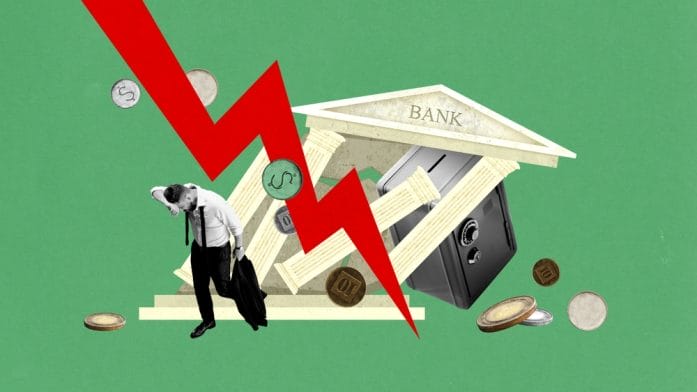
Filed Under: Finance Tagged With: economic challenges, economy, finance, finances, financial plans, general finance, Money, money issues, Planning

How To Make Plans During Such Economic Uncertainty

January 22, 2026 by Brandon Marcus Leave a Comment

How To Make Plans During Such Economic Uncertainty
Image source: shutterstock.com

The world feels a little wobbly right now, and it’s not just your imagination. Prices jump, headlines shout, and even the calmest planners find themselves double-checking every decision. Yet uncertainty doesn’t have to freeze you in place. In fact, moments like these are where creativity, flexibility, and level-headed planning shine brightest.

Making plans during economic uncertainty isn’t about predicting the future perfectly; it’s about learning how to move forward without losing sleep, joy, or your sense of humor.

Understand What Uncertainty Really Means

Economic uncertainty sounds ominous, but it’s often misunderstood. It doesn’t mean everything is falling apart or that every plan is doomed to fail. It simply means conditions are changing in ways that are harder to predict than usual. Markets fluctuate, policies shift, and consumer behavior adjusts, sometimes quickly.

Recognizing this helps you avoid panic-driven decisions and focus on what you can actually control. When you accept uncertainty as a normal phase rather than a personal threat, planning becomes less emotional and more strategic. That mindset alone can dramatically improve the quality of your choices.

Focus On What You Can Control

When uncertainty rises, attention tends to drift toward worst-case scenarios. Instead, redirect your energy toward factors within your influence. Your spending habits, savings rate, skills, and time management are powerful levers.

Tightening a budget, even slightly, can create breathing room and confidence. Investing in learning new skills or improving existing ones increases flexibility if job conditions change. Control doesn’t mean perfection; it means clarity. By anchoring plans in areas you can manage, you build stability even when the broader picture feels shaky.

Build Flexible Goals Instead Of Rigid Ones

Rigid plans crack under pressure, but flexible goals bend and adapt. Rather than committing to one narrow outcome, define goals with room to adjust. For example, aim to grow income through multiple paths instead of relying on a single promotion or opportunity. Create timelines with buffers rather than exact deadlines carved in stone.

Flexibility allows you to respond thoughtfully instead of reacting impulsively. It also reduces stress, because adjustments feel like part of the plan rather than a failure. In uncertain times, adaptability is a form of intelligence.

How To Make Plans During Such Economic Uncertainty
Image source: shutterstock.com

Keep Short-Term And Long-Term Plans Separate

One common mistake is letting short-term anxiety hijack long-term vision. While it’s wise to be cautious right now, abandoning future goals entirely can be counterproductive. Separate your planning into near-term actions and long-term aspirations.

Short-term plans might focus on cash flow, emergency savings, or reducing unnecessary expenses. Long-term plans can still include career growth, home ownership, or personal projects, just with flexible pacing. This separation keeps fear from shrinking your dreams while still respecting present realities. Balance is the real win here.

Use Information Without Letting It Overwhelm You

Information is helpful until it becomes noise. During economic uncertainty, updates arrive constantly, and not all of them deserve equal attention. Choose a few reliable sources and limit how often you check them.

Overconsumption of news can distort perception and fuel anxiety-driven decisions. Instead, look for patterns rather than daily fluctuations. Ask how trends affect your specific situation rather than reacting to every headline. Thoughtful planning thrives on clarity, not constant alerts buzzing in your pocket.

Leave Room For Enjoyment And Humanity

Planning during uncertain times doesn’t mean stripping life down to bare essentials only. Joy, rest, and connection are not luxuries; they’re stabilizers. Allow space in your plans for small pleasures and meaningful experiences. This might mean choosing cost-conscious enjoyment rather than eliminating it altogether.

When life feels balanced, decision-making improves and burnout becomes less likely. Humans plan better when they feel grounded and hopeful. A plan that ignores emotional well-being is rarely sustainable, no matter how logical it looks on paper.

Revisit And Revise Plans Regularly

Plans are living things, not contracts etched into marble. Schedule regular check-ins with yourself to see what’s working and what isn’t. Economic conditions evolve, and your plans should evolve with them.

Revising a plan isn’t a sign of weakness or indecision; it’s evidence of engagement and awareness. These moments of reflection also build confidence, because you’re actively steering instead of drifting. Over time, this habit turns uncertainty into something manageable rather than intimidating.

Planning With Confidence, Not Fear

Economic uncertainty challenges everyone, but it also reveals resilience, creativity, and perspective. Making plans during these times is less about predicting outcomes and more about building systems that support you no matter what happens. With flexibility, clarity, and a bit of patience, planning becomes empowering rather than stressful.

Everyone has their own experiences navigating uncertain moments, and those stories matter. Drop your thoughts or personal experiences in the comments section below and keep the conversation going.

You May Also Like…

9 Money Assumptions That No Longer Work in Today’s Economy

Could Your Social Security Plans Collapse If The Economy Shifts Again This Winter?

8 Surprising Financial Traps in the Gig Economy

5 Silent Money Traps in the Gig Economy

8 Signs Your Portfolio Strategy May Be Outdated in This Economy

Brandon Marcus
Brandon Marcus

Brandon Marcus is a writer who has been sharing the written word since a very young age. His interests include sports, history, pop culture, and so much more. When he isn’t writing, he spends his time jogging, drinking coffee, or attempting to read a long book he may never complete.
Filed Under: Lifestyle Tagged With: American economy, behavioral economics, economic challenges, economic changes, economic crisis, financial goals, Life, Lifestyle, market uncertainty, Planning, political uncertainty

9 Money Assumptions That No Longer Work in Today’s Economy

January 9, 2026 by Brandon Marcus Leave a Comment

Here Are 9 Money Assumptions That No Longer Work in Today’s Economy
Image Source: Shutterstock.com

Forget everything you thought you knew about money. The rules of the game have changed, and if you’re still relying on old assumptions, your wallet might be quietly screaming at you.

From investments to everyday spending, the financial landscape today is more unpredictable than ever, and sticking to outdated beliefs can cost you big time.

Today, we’re diving into nine common money assumptions that people cling to, breaking down why they no longer hold water, and showing how to rethink your approach for the economy we actually live in. Spoiler alert: some of these will make you nod in frustration, some will make you rethink your life choices, and all of them will leave you ready to take smarter action.

1. Saving Will Automatically Make You Rich

We’ve all been told since childhood that saving money is the golden ticket to wealth. While saving is important, the reality today is that simply stashing cash in a bank account won’t get you far. Interest rates on savings accounts barely cover inflation, meaning your money isn’t growing—it’s slowly losing value. In today’s economy, you have to be strategic with your savings, looking at high-yield accounts, investments, or side hustles that actually generate returns.

Relying solely on the idea that “saving = security” is like expecting a plant to grow without sunlight—it just won’t happen. Instead, think of saving as a foundation, not a finish line, for building real financial strength.

2. A Steady Job Guarantees Financial Stability

Gone are the days when a single paycheck from a traditional job guaranteed comfort and security. Layoffs, automation, and global market shifts have turned even long-term employment into a risk.

People once believed climbing the corporate ladder was a foolproof strategy, but now many workers find themselves needing multiple income streams to feel secure. Freelancing, passive income, and investing are no longer optional extras—they’re essential tools in today’s financial toolkit. Financial stability now requires flexibility, adaptability, and a willingness to rethink career paths on the fly.

3. Debt Is Always Bad

Many of us grew up hearing that all debt is evil and should be avoided at all costs. But in today’s economy, debt can actually be a powerful tool when managed wisely. Strategic debt, like a mortgage on a growing property or a low-interest business loan, can help you leverage opportunities you otherwise couldn’t access. The key is knowing the difference between high-interest, toxic debt and calculated, productive debt. Ignoring this nuance can hold you back, while understanding it can open doors to growth and investment that simple saving never could.

4. Retirement Planning Can Wait

Thinking retirement is decades away and that you’ll figure it out later is a dangerous assumption in today’s economy. Life expectancy is increasing, healthcare costs are rising, and Social Security may not cover what it once did. Delaying retirement planning can leave you scrambling in your 50s or 60s, trying to make up for lost time. The earlier you start, even with small contributions, the more compounding and growth can work in your favor. In this era, retirement isn’t just a distant goal—it’s a financial strategy that starts yesterday.

5. Owning A Home Is Always A Smart Investment

Homeownership has long been considered a cornerstone of wealth, but that assumption doesn’t hold true universally anymore. Housing markets can be volatile, maintenance costs add up, and in some regions, renting can actually be more financially sound than buying. Real estate is no longer a guaranteed path to prosperity; it’s a complex investment that requires careful research, timing, and financial readiness. Blindly assuming a house equals security is risky, and understanding the modern housing market is essential before making this life-changing decision.

Here Are 9 Money Assumptions That No Longer Work in Today’s Economy
Image Source: Shutterstock.com

6. Credit Cards Are Dangerous And Should Be Avoided

Credit cards have a notorious reputation, but when used responsibly, they are far from the enemy. Smart use of credit can build your credit score, provide rewards, and even protect against unexpected expenses. The assumption that credit cards are purely a trap is outdated; today’s financial savvy individuals leverage them to their advantage. The trick is to avoid interest-bearing balances and pay off your card every month. Understanding how to use credit strategically turns a tool often feared into a financial ally.

7. You Need A Lot Of Money To Invest

Many people assume that investing is only for the wealthy, but the reality is far more accessible today. Fractional shares, micro-investing apps, and low-fee index funds have made it possible to start investing with very little. Waiting until you’re “rich enough” to invest is a trap—starting small can teach you the habits and strategies that compound into significant growth over time. The key is consistency and knowledge, not the size of your initial investment.

8. Your Financial Advisor Will Always Know Best

Financial advisors can provide valuable guidance, but assuming they have all the answers is risky in today’s dynamic economy. Markets shift rapidly, and what worked last year may not work tomorrow. Relying blindly on someone else’s advice without understanding the strategy yourself can leave you unprepared for sudden changes. Educating yourself about finances, understanding your own goals, and actively participating in decisions is crucial. Think of your advisor as a guide, not a magic solution.

9. More Money Equals More Happiness

This one hurts, because we’ve all felt it. Society often equates money with happiness, but studies consistently show that after a certain point, more money doesn’t translate to greater life satisfaction. Stress, lifestyle inflation, and poor financial choices can offset income gains, leaving people feeling frustrated instead of fulfilled. The smarter approach is to focus on financial freedom, not just wealth accumulation. Money is a tool for security, experiences, and growth—not a direct ticket to joy.

Rethinking Money In Modern Times

It’s clear that today’s economy requires a new mindset around money. Outdated assumptions can limit your growth, create unnecessary stress, and leave you unprepared for real-world challenges. By questioning these nine myths, you can develop a more strategic, flexible, and informed approach to your finances. Whether it’s embracing smart debt, investing early, or understanding the limitations of income alone, the modern financial landscape rewards those willing to think differently.

We’d love to hear your thoughts or stories about how you’ve had to adjust your financial assumptions in today’s world. What lessons have you learned? What strategies worked for you? Drop them in the comments below and join the conversation.

You May Also Like…

Could Your Social Security Plans Collapse If The Economy Shifts Again This Winter?

5 Silent Money Traps in the Gig Economy

Tax Foresight: 6 Planning Moves That Could Save You Money Soon

Behavior Habit: 5 Daily Money Moves That Build Long-Term Wealth

8 Signs Your Portfolio Strategy May Be Outdated in This Economy


Brandon Marcus
Brandon Marcus

Brandon Marcus is a writer who has been sharing the written word since a very young age. His interests include sports, history, pop culture, and so much more. When he isn’t writing, he spends his time jogging, drinking coffee, or attempting to read a long book he may never complete.

Filed Under: Lifestyle Tagged With: American economy, bad graph assumptions, behavioral economics, career, Debt, economic challenges, economic changes, Economic Development, economy, financial choices, Financial Stability, job, job hunt, job search, jobs, Life, Lifestyle, Money, money assumptions, money issues, money myths, reitrement planning, saving money, savings, today’s economy

Could Rising Interest Rates Force You To Delay Retirement Longer Than Planned?

December 26, 2025 by Brandon Marcus Leave a Comment

Could Rising Interest Rates Force You To Delay Retirement Longer Than Planned?
Image Source: Shutterstock.com

The thrill of retirement often feels like standing at the edge of a diving board, ready to leap into years of freedom, adventure, and late-morning pancakes. But what if the water below has suddenly shifted? Rising interest rates might seem like an abstract economic term, reserved for financial headlines or talking heads in suits, but they can ripple directly into your retirement plans.

Suddenly, the cozy vision of early retirement, stress-free vacations, and endless hobbies can feel like it’s slipping further away. Understanding how interest rates interact with your finances could be the difference between retiring when you want and postponing your dreams for several more years.

How Rising Interest Rates Impact Your Investments

Interest rates are the invisible force that shapes the value of everything from savings accounts to stocks and bonds. When rates climb, the price of existing bonds generally falls, because new bonds are paying more, making older ones less attractive. Stock markets can also react, as higher borrowing costs for companies can slow growth and reduce profits. Retirees who rely on investment portfolios may find their nest egg growing more slowly, or even shrinking in real terms. The effect can be especially jarring for those counting on fixed-income investments to fund living expenses in retirement.

The Connection Between Mortgages And Retirement Timing

If you have a mortgage or are considering buying a home before retirement, rising interest rates can directly affect your monthly payments. Higher rates mean higher interest costs, leaving less disposable income to funnel into retirement accounts. Those planning to downsize or relocate may face increased financing costs, making the move less feasible. Even homeowners who are mortgage-free can feel the indirect effects, as property values may stagnate or fall with rate hikes. In short, your dream retirement home might not be as affordable as you initially calculated.

Inflation And Its Sneaky Role In Retirement

Interest rates often rise in response to inflation, and inflation can quietly erode the purchasing power of your savings. A dollar saved today may not buy as much in a few years, forcing retirees to withdraw more to maintain their lifestyle. This effect is compounded if your income sources, like pensions or social security, are fixed. Rising rates alone aren’t the culprit—it’s the combination of inflation and rates that can pressure your retirement timeline. Retirees may need to rethink their budgets, adjust expectations, or work a few extra years to protect their standard of living.

How Retirement Accounts Respond To Rate Changes

Different retirement accounts respond differently to interest rate fluctuations. Traditional 401(k)s and IRAs invested heavily in bonds can lose value when rates rise, while accounts tilted toward equities might see volatility without guaranteed losses. Fixed annuities or CDs may suddenly look more attractive because new contracts pay higher returns. Understanding the composition of your retirement portfolio is critical to avoid being caught off guard. Regular portfolio reviews can reveal opportunities to rebalance investments in a way that mitigates risk while taking advantage of higher interest rates.

The Psychological Effect Of Delayed Retirement

The idea of working longer than planned can be emotionally taxing. Many people plan retirement with a set age in mind, and adjusting to a later exit can feel like losing control. Stress and anxiety can creep in, affecting health and overall quality of life. Some retirees may rush into retirement prematurely, taking bigger financial risks to make up for lost time. Recognizing the mental and emotional aspects of a delayed retirement can help you make more rational decisions during uncertain financial periods.

Could Rising Interest Rates Force You To Delay Retirement Longer Than Planned?
Image Source: Shutterstock.com

Strategies To Stay On Track Despite Rising Rates

Even if interest rates are rising, there are proactive strategies to protect your retirement goals. Diversifying your investments across stocks, bonds, and alternative assets can cushion against rate-driven losses. Delaying withdrawals from retirement accounts or scaling back discretionary spending can help your savings last longer. Refinancing high-interest debt before rates spike is another practical move. Consulting with a financial advisor who understands the current economic landscape can provide tailored advice and prevent costly mistakes.

Considering Partial Retirement Or Flexible Work

Not every delay in retirement has to be a complete setback. Partial retirement, consulting, or part-time work can help bridge the income gap while maintaining lifestyle goals. Flexible work options reduce the stress of abrupt financial changes and provide a cushion against rate volatility. Many retirees discover that phased retirement offers personal fulfillment and additional savings simultaneously. This approach can also allow your investments to recover and grow more effectively during periods of uncertainty.

The Importance Of Emergency Funds And Safety Nets

Rising interest rates can test even the most disciplined savers, making robust emergency funds more essential than ever. Liquidity ensures you aren’t forced to tap retirement accounts prematurely, which can incur taxes and penalties. Keeping a cash cushion also provides peace of mind during periods of market volatility. Adequate reserves allow you to navigate unexpected expenses without derailing long-term retirement plans. A solid safety net is one of the few financial shields entirely within your control.

Preparing For The Unexpected

Economic environments are unpredictable, and interest rates are just one piece of the puzzle. Health issues, market crashes, or family responsibilities can all impact your retirement timeline. Being flexible and having contingency plans can turn potential setbacks into manageable adjustments. Monitoring both macroeconomic trends and personal finances is crucial to staying ahead. Ultimately, preparation and adaptability are your best allies in preserving the retirement you’ve envisioned.

Your Thoughts On Retirement Timing

Rising interest rates are more than a headline—they’re a tangible factor that can affect how and when you retire. By understanding the interplay between rates, investments, inflation, and lifestyle, you can make informed decisions to protect your future. Strategies such as diversification, flexible work, and robust emergency funds can mitigate the pressure to delay retirement. The key is to stay proactive and consider how small adjustments today can preserve your dreams for tomorrow.

Let us know your thoughts or experiences with interest rates affecting retirement in the comments section below.

You May Also Like…

Pension Shock: 9 Myths About Social Security That Could Derail Your Retirement

Savings Sprint: 9 Ways to Catch Up on Retirement Savings Before December Ends

Debt Overhang: 8 Ways Carrying Debt Into Retirement Can Undermine Your Progress

6 Vital Signs Your Advisor Isn’t Putting Your Interests First

Are There Undisclosed Conflicts of Interest Lurking In My Brokerage Firm?


Brandon Marcus
Brandon Marcus

Brandon Marcus is a writer who has been sharing the written word since a very young age. His interests include sports, history, pop culture, and so much more. When he isn’t writing, he spends his time jogging, drinking coffee, or attempting to read a long book he may never complete.

Filed Under: Retirement Tagged With: delayed retirement, economic challenges, economic changes, economy, government policy, Inflation, interest rates, mortgage, mortgages, retire, retiree, retirees, Retirement, retirement accounts, retirement savings, retirement timing

These 6 States Have The Highest Rates of Poverty

April 4, 2025 by Latrice Perez Leave a Comment

Homeless man holding a cardboard sign, asking for help, Manhattan downtown, sunny day in spring
Image Source: 123rf.com

Poverty remains a persistent challenge across the United States, affecting millions of individuals and families each year. While poverty rates vary significantly from state to state, certain regions face more pressing economic difficulties than others. Understanding these disparities is crucial for addressing systemic issues and developing solutions that uplift vulnerable communities. In this article, we’ll explore the six states with the highest poverty rates and what factors contribute to their struggles.

1. Mississippi

Mississippi consistently ranks as the state with the highest poverty rate in the U.S. The lack of diversified industries and limited access to quality education perpetuate economic hardships. Rural communities are particularly affected, with limited job opportunities compounding the issue. Many residents rely on agriculture and low-wage jobs that fail to provide long-term stability. Addressing these challenges requires a focus on education, job training, and infrastructure development.

2. Louisiana

Louisiana faces significant economic challenges due to natural disasters, limited access to healthcare, and an overreliance on low-paying industries. Hurricane damage over the years has disrupted communities and contributed to high unemployment rates. Additionally, many families struggle to afford basic needs, with rural areas experiencing the most severe impacts. Investing in disaster resilience and expanding economic opportunities could provide long-term relief. Addressing poverty in Louisiana also requires tackling systemic inequalities in healthcare and education.

3. New Mexico

New Mexico’s poverty rate is driven by a combination of high unemployment and limited access to educational resources. Many rural communities face infrastructure challenges, making it difficult for residents to access jobs or vocational training. A lack of well-paying industries further contributes to widespread economic struggles. Supporting initiatives that promote education and workforce development could help break the cycle of poverty. Community-driven programs have shown promise in addressing these systemic issues.

4. West Virginia

West Virginia
Image Source: 123rf.com

West Virginia has long struggled with poverty due to the decline of coal mining and limited economic diversification. Many residents have been unable to transition to new industries, leading to high unemployment rates. The state also faces challenges in healthcare access, which exacerbates economic difficulties for families. Supporting renewable energy initiatives and investing in education could help create sustainable job opportunities. Long-term change will require collaborative efforts from local and state leaders.

5. Arkansas

Arkansas is another state grappling with high poverty rates, particularly in rural regions where job opportunities are scarce. Limited access to higher education and healthcare services creates additional hurdles for families trying to escape poverty. Many households rely on government assistance to meet basic needs, but systemic improvements are needed to address root causes. Expanding access to affordable childcare and job training programs could provide a pathway to economic stability. Local leaders play a critical role in implementing change.

6. Kentucky

Kentucky’s poverty issues stem from high unemployment rates and limited access to education in rural areas. The state also faces challenges with substance abuse, which can contribute to economic instability for affected families. Revitalizing struggling communities requires a focus on healthcare, education, and economic development. Programs aimed at addressing addiction and supporting workforce readiness could help reduce poverty rates over time. A multi-faceted approach is key to creating meaningful change in Kentucky.

The Six States Aren’t The Only Places

While poverty affects these six states most acutely, it’s an issue that touches every corner of the United States. Addressing the root causes of poverty requires collaborative efforts from policymakers, community organizations, and individuals. By investing in education, healthcare, and economic development, we can create a more equitable future.

Which strategies do you believe are most effective for combating poverty? Share your thoughts and ideas in the comments below!

Read More:

12 Ways Your “Poverty Mentality” Is Hurting Your Financial Future

10 Myths About Poverty That Prevent Progress


Latrice Perez

Latrice is a dedicated professional with a rich background in social work, complemented by an Associate Degree in the field. Her journey has been uniquely shaped by the rewarding experience of being a stay-at-home mom to her two children, aged 13 and 5. This role has not only been a testament to her commitment to family but has also provided her with invaluable life lessons and insights.

As a mother, Latrice has embraced the opportunity to educate her children on essential life skills, with a special focus on financial literacy, the nuances of life, and the importance of inner peace.

Filed Under: Finance Tagged With: economic challenges, poverty rates, rural poverty, state-by-state analysis, systemic inequality, U.S. poverty

FOLLOW US

Search this site:

Recent Posts

  • Can My Savings Account Affect My Financial Aid? by Tamila McDonald
  • 12 Ways Gen X’s Views Clash with Millennials… by Tamila McDonald
  • What Advantages and Disadvantages Are There To… by Jacob Sensiba
  • 10 Tactics for Building an Emergency Fund from Scratch by Vanessa Bermudez
  • Call 911: Go To the Emergency Room Immediately If… by Stephen Kanaval
  • 7 Weird Things You Can Sell Online by Tamila McDonald
  • 10 Scary Facts About DriveTime by Tamila McDonald

Copyright © 2026 · News Pro Theme on Genesis Framework