• Home
  • About Us
  • Toolkit
  • Getting Finances Done
    • Hiring Advisors
    • Debt Management
    • Spending Plan
  • Insurance
    • Life Insurance
    • Health Insurance
    • Disability Insurance
    • Homeowners/Renters Insurance
  • Contact Us
  • Privacy Policy
  • Risk Tolerance Quiz

The Free Financial Advisor

You are here: Home / Archives for financial mistakes

5 Financial Rules That Can Reduce Retirement Income Faster Than Expected

April 24, 2026 by Brandon Marcus Leave a Comment

5 Financial Rules That Can Reduce Retirement Income Faster Than Expected

Image Source: Shutterstock.com

Retirement should not feel like a financial tightrope. Yet many well-meaning “rules” quietly drain retirement income and leave portfolios gasping for air years earlier than planned. Some of these habits sound responsible on the surface, but they carry hidden costs that compound over time.

Small missteps in strategy can snowball into thousands of dollars lost annually. Smart retirees stay alert to these traps and adjust before the damage sticks.

1. Relying Too Heavily on the 4% Withdrawal Rule

The popular 4% rule promises steady retirement income, but it does not fit every market or lifespan scenario. Many retirees apply it rigidly without considering inflation spikes or prolonged downturns. A fixed withdrawal rate can strain a portfolio when markets dip early in retirement. Sequence-of-returns risk turns this rule into a silent income killer during volatile years. Flexibility beats rigidity when protecting retirement income over decades.

Markets never move in a straight line, and retirees who ignore that reality often pay the price. Adjusting withdrawals during down years can preserve principal and extend portfolio longevity. Financial planners now suggest dynamic withdrawal strategies that respond to market conditions. Even a small reduction during tough years can add years to retirement income sustainability. Treat the 4% rule as a guideline, not a commandment carved in stone.

2. Ignoring Taxes on Retirement Accounts

Taxes quietly chip away at retirement income, especially when withdrawals come from traditional accounts like 401(k)s and IRAs. Many retirees underestimate how required minimum distributions (RMDs) push them into higher tax brackets. This oversight reduces net income more than expected. Strategic withdrawals can lower tax exposure and preserve more usable cash. Tax planning plays a critical role in protecting retirement income.

Smart retirees diversify their tax buckets to manage future liabilities. Roth conversions, when timed correctly, can reduce long-term tax burdens. Some retirees also stagger withdrawals across account types to maintain lower tax brackets. Without a plan, taxes become an invisible leak that drains retirement income year after year. Proactive tax strategies keep more money working where it belongs—in retirement.

3. Carrying Debt Into Retirement

Debt and retirement income rarely mix well, yet many retirees enter this phase with mortgages, credit cards, or personal loans. Monthly payments reduce available cash flow and increase financial stress. Interest charges quietly erode savings that should support daily living. Even low-interest debt can limit flexibility during emergencies. Eliminating debt before retirement strengthens financial stability.

Retirees who prioritize debt reduction often experience greater freedom and security. Paying off high-interest balances delivers an immediate return by cutting unnecessary expenses. Some choose to downsize or refinance to reduce housing costs. Every dollar freed from debt payments can support retirement income instead. A debt-free retirement creates breathing room for both needs and enjoyment.

4. Underestimating Healthcare Costs

Healthcare expenses rank among the biggest threats to retirement income. Many retirees assume Medicare covers everything, but out-of-pocket costs add up quickly. Premiums, deductibles, and long-term care expenses can drain savings faster than expected. A healthy retirement still carries significant medical costs over time. Ignoring this reality puts retirement income at serious risk.

Planning ahead makes a huge difference in managing healthcare expenses. Health savings accounts (HSAs) offer tax advantages for future medical needs. Long-term care insurance can also protect against catastrophic costs. Retirees who budget realistically for healthcare avoid unpleasant surprises later. Preparing for medical expenses helps preserve retirement income and peace of mind.

5 Financial Rules That Can Reduce Retirement Income Faster Than Expected

Image Source: Shutterstock.com

5. Keeping Investments Too Conservative Too Soon

Playing it too safe might feel comforting, but overly conservative investments can shrink retirement income over time. Inflation steadily reduces purchasing power, especially during long retirements. Portfolios that lack growth struggle to keep up with rising costs. Retirees often shift entirely to low-yield assets and miss out on necessary returns. A balanced approach supports both stability and growth.

Financial experts recommend maintaining some exposure to equities even in retirement. Stocks provide growth potential that helps offset inflation. A diversified portfolio can reduce risk while still generating income. Retirees who avoid all market risk often face a different danger—running out of money too soon. Strategic investing keeps retirement income resilient for the long haul.

Protecting Retirement Income

Protecting retirement income requires flexibility, awareness, and a willingness to adapt. Financial strategies that worked during working years may not hold up during retirement. Small adjustments in withdrawals, taxes, debt, healthcare planning, and investments can create a massive difference over time. Retirees who stay engaged with their finances tend to make better decisions and avoid costly mistakes. A proactive approach keeps retirement income strong and sustainable.

Confidence in retirement does not come from rigid rules but from informed choices. Each financial decision shapes how long savings will last and how comfortably life unfolds. Staying informed and making thoughtful adjustments protects both wealth and peace of mind. Retirement should feel secure, not uncertain. The right strategies ensure retirement income supports the life it was meant to fund.

What financial rule surprised you the most, and has it impacted your retirement plans? Share your thoughts in the comments below.

You May Also Like…

6 Insurance Changes That Can Increase Costs in Retirement

The Retirement Age Just Hit 67 — What That Means for Your Monthly Check

How Seniors Jeopardize Their Social Security Right After Retirement

High-Tax States vs Low-Tax States — Where Retirees Keep More Money

The Average Retiree Withdraws Far Below the 4% Rule

Brandon Marcus
Brandon Marcus

Brandon Marcus is a writer who has been sharing the written word since a very young age. His interests include sports, history, pop culture, and so much more. When he isn’t writing, he spends his time jogging, drinking coffee, or attempting to read a long book he may never complete.

Filed Under: Retirement Tagged With: financial mistakes, Investing Tips, Personal Finance, retirement income, retirement planning, Retirement Strategy, saving money

How Overlooking a Simple Bank Error Can Lead To Government Garnishments

April 10, 2026 by Brandon Marcus Leave a Comment

How Overlooking a Simple Bank Error Can Lead To Government Garnishments

Image Source: Unsplash.com

A single wrong number can start a chain reaction that no one sees coming. One misplaced payment, one misapplied deposit, or one unnoticed fee can quietly shift an account off course and keep drifting until it crashes into something far bigger. That “something” often carries official letterhead, strict deadlines, and consequences that feel wildly out of proportion to the original mistake. Government garnishments don’t begin with drama. They begin with something small, overlooked, and easy to dismiss.

The real shock comes from how fast things escalate once that small error slips through the cracks. Banks move money automatically, systems flag irregularities instantly, and government agencies act on unpaid obligations with very little patience. A missed tax payment or unresolved balance can trigger a series of notices that demand attention long before anyone realizes what started the problem. By the time garnishment enters the picture, the situation already traveled through multiple checkpoints.

When One Tiny Error Starts Acting Like a Wrecking Ball

Bank errors rarely announce themselves with flashing lights and loud alarms. They show up as small discrepancies, like a payment posted to the wrong account, a duplicate charge, or a deposit that never fully clears. Those issues might seem minor at first glance, especially during a busy week filled with bigger priorities. But financial systems depend on precision, and even a slight mismatch can throw off an entire chain of transactions. That chain often includes bills, taxes, and other obligations that carry serious consequences if left unpaid.

A missed or misapplied payment can lead to an unpaid balance that continues to grow. Interest and penalties start stacking up, especially when the issue involves taxes or government-related debts. Agencies like the IRS or state tax authorities don’t rely on guesswork; they track balances with strict timelines and automated systems. When those systems detect unpaid amounts, they send notices that escalate in urgency. Ignoring those notices, or never seeing them due to outdated contact information, pushes the situation further down a dangerous path.

That path eventually leads to enforced collection actions, including garnishments. Wage garnishment allows a portion of income to go directly toward the debt before it ever reaches the bank account. In some cases, bank levies can freeze or withdraw funds directly from an account. None of that happens instantly, but it does happen predictably when unresolved issues linger. Catching that original error early can stop the entire sequence before it gains momentum.

The Government Doesn’t Wait Around Forever

Government agencies operate on clear timelines, and they don’t pause those timelines for confusion or oversight. Once a balance becomes overdue, the clock starts ticking on a structured collection process. That process usually begins with notices that outline the amount owed and provide a window to respond or resolve the issue. Each notice increases in urgency, and each one brings the situation closer to enforcement actions.

Failing to respond to those notices doesn’t make the problem disappear. Instead, it signals to the agency that stronger measures may be necessary. After multiple attempts to collect voluntarily, agencies can move toward garnishment or levies without needing additional approval in many cases. For example, the IRS can issue a levy after sending a final notice and giving a specific period to respond. That timeline often spans weeks, not months, which means delays can close the window for easy fixes quickly.

Staying proactive makes a huge difference here. Opening every piece of mail related to finances, checking online accounts regularly, and updating contact information with both banks and tax agencies can prevent critical notices from slipping through unnoticed. Taking action during the early stages keeps options open, including payment plans or dispute resolutions. Waiting too long narrows those options and increases the likelihood of forced collection.

How a Bank Mix-Up Turns Into a Tax Problem

Bank errors don’t stay contained within the bank. They ripple outward, affecting any payment tied to that account, including taxes. A payment intended for a tax bill might bounce due to insufficient funds caused by an unrelated error. Alternatively, a payment could process incorrectly, leaving a balance that the taxpayer assumes has already been handled. That disconnect creates a gap between what actually happened and what the system records.

Tax agencies rely on confirmed payments, not intentions. If the system doesn’t register a payment, it treats the balance as unpaid, regardless of what caused the issue. That’s where penalties and interest begin to accumulate, often without immediate awareness. Over time, that growing balance can trigger collection notices that seem confusing or even incorrect at first glance. Tracing the problem back to a bank error requires careful review of statements, payment confirmations, and transaction histories.

Fixing the issue requires quick and clear action. Contacting the bank to identify and correct the error should happen immediately. At the same time, reaching out to the tax agency to explain the situation and provide documentation can help prevent escalation. Many agencies will work with taxpayers who show effort and provide proof, but they need that communication early. Letting the issue sit without explanation almost guarantees that it will move forward into more serious territory.

How Overlooking a Simple Bank Error Can Lead To Government Garnishments

Image Source: Unsplash.com

Garnishment Hits Hard—and It Doesn’t Ask for Permission

Garnishment changes everything about how money flows. Instead of receiving a full paycheck and deciding how to allocate it, a portion gets redirected before it even arrives. That shift can disrupt budgeting, savings plans, and everyday expenses in a big way. It doesn’t feel like a small correction; it feels like a sudden loss of control over income.

Wage garnishment often follows specific legal limits, but those limits still allow a noticeable portion of earnings to go toward the debt. In some cases, bank levies can freeze entire account balances, leaving little room to cover immediate expenses. That kind of disruption can create a domino effect, leading to missed payments on other obligations and adding even more financial strain. It becomes a cycle that feels difficult to break once it starts.

Avoiding that scenario requires early intervention. Reviewing bank statements regularly, setting up alerts for unusual activity, and double-checking large or important payments can catch issues before they grow. Keeping records of payments and confirmations adds another layer of protection, making it easier to prove what happened if something goes wrong. Taking those steps doesn’t eliminate every risk, but it dramatically reduces the chances of a small error turning into a major problem.

Smart Moves That Keep Small Problems From Exploding

Staying ahead of financial issues doesn’t require perfection, but it does require attention. Regularly reviewing account activity can reveal discrepancies quickly, giving time to act before they escalate. Setting up automatic alerts for low balances, large transactions, or failed payments creates an early warning system that works around the clock. Those tools turn a reactive approach into a proactive one.

Keeping organized records also plays a huge role. Saving payment confirmations, downloading statements, and tracking major transactions can make a big difference when something doesn’t add up. That documentation provides clarity and leverage when dealing with banks or government agencies. It shows exactly what happened and when, which can speed up resolutions and prevent misunderstandings.

Reaching out for help when something feels off can stop problems in their tracks. Banks have processes for correcting errors, and tax agencies often provide options for resolving issues before they escalate. Ignoring a problem rarely leads to a better outcome, while addressing it early almost always does. Taking action quickly turns a potential crisis into a manageable situation.

Catch It Early or Pay for It Later

Small financial errors don’t stay small for long, especially when they involve systems that track every dollar with precision. A simple oversight can travel through banks, tax agencies, and collection processes until it transforms into something far more serious. Garnishment doesn’t appear out of nowhere; it arrives after a series of missed opportunities to correct the course. That reality makes early attention one of the most powerful tools available.

What systems or habits help keep finances on track, and what strategies could make catching these issues even easier before they grow into something bigger? We want to hear your input in our comments section below.

You May Also Like…

Why Direct Deposit Fails: Banking Errors That Cost You Benefits

Direct Deposit Refunds Are Being Returned by Banks When Names Don’t Match the Account

6 Data-Scraping Features in Online Banking

10 Warning Signs Your Banking App Was Compromised

What Happens if Adult Children Control Your Online Banking Credentials

Brandon Marcus
Brandon Marcus

Brandon Marcus is a writer who has been sharing the written word since a very young age. His interests include sports, history, pop culture, and so much more. When he isn’t writing, he spends his time jogging, drinking coffee, or attempting to read a long book he may never complete.

Filed Under: Banking Tagged With: bank errors, banking issues, debt collection, financial mistakes, garnishment, government collections, IRS debt, money management, personal finance tips, Planning, tax debt, wage garnishment

Penalty Traps: Everyday Actions That Trigger IRS Fines

April 7, 2026 by Brandon Marcus Leave a Comment

Penalty Traps: Everyday Actions That Trigger IRS Fines

Image Source: Shutterstock.com

The word “penalty” hits like a brick when it shows up next to a dollar sign. Nothing ruins a perfectly normal day faster than discovering that a simple oversight turned into a fine that grows by the minute. Taxes don’t just demand attention once a year—they expect discipline, accuracy, and timing that feels almost athletic. One wrong move, and suddenly the system starts charging interest like a ticking clock that refuses to pause.

Plenty of people assume major penalties only hit those who intentionally dodge taxes or make huge financial blunders. That assumption couldn’t sit further from reality. Everyday actions—completely ordinary, even responsible ones—can trigger fines from the Internal Revenue Service. Missing a date, misreporting a number, or forgetting a form can quietly open the door to fees that stack up faster than expected.

Filing Late Feels Small Until the Fees Explode

Deadlines don’t negotiate, and the IRS doesn’t either. Filing a tax return even one day late can trigger a failure-to-file penalty that starts at 5% of the unpaid taxes per month. That percentage keeps climbing each month until it reaches a maximum of 25%, which means a delay that feels harmless can snowball into a serious financial hit. Add interest on top of that, and suddenly the original tax bill doesn’t even look like the main problem anymore.

People often assume that filing an extension solves everything, but that belief causes one of the most common mistakes. An extension only gives extra time to file paperwork—it does not extend the deadline to pay taxes owed. Anyone who files an extension but skips the payment still faces a failure-to-pay penalty, which racks up at 0.5% per month. That smaller percentage might look manageable at first glance, but it stacks with interest and doesn’t disappear until the balance clears.

Smart moves keep this trap from snapping shut. Filing on time—even without full payment—cuts the penalty dramatically compared to filing late. Estimating taxes owed and paying as much as possible before the deadline shows effort and reduces penalties. Setting calendar reminders weeks in advance helps avoid last-minute scrambling that leads to errors or missed submissions.

Consistency matters just as much as timing. Making quarterly estimated payments throughout the year spreads the burden and keeps everything manageable. Anyone with freelance income, side hustles, or investments benefits from this approach. Staying proactive doesn’t just avoid penalties—it turns tax season into a routine instead of a crisis.

Underpaying Taxes Isn’t a Free Pass

Paying something toward a tax bill feels responsible, but partial payments can still trigger penalties if they fall short of IRS expectations. The underpayment penalty applies when payments don’t meet required thresholds throughout the year. That means even people who pay consistently can face penalties if those payments don’t hit the right targets.

The IRS uses a “safe harbor” rule that offers a helpful guideline. Paying at least 90% of the current year’s taxes or 100% of the previous year’s taxes (110% for higher incomes) usually avoids penalties. Miss those marks, and the IRS starts calculating penalties based on how much and how late the payments fall behind. It’s not about intention—it’s about numbers.

Income that fluctuates creates one of the biggest risks here. Freelancers, contractors, and anyone with variable earnings often miscalculate quarterly payments because income doesn’t stay predictable. A strong month followed by a slow one can throw off estimates quickly. Without adjustments, those swings lead to underpayment penalties that feel unfair but follow strict rules.

Adjustments keep things under control. Reviewing income every quarter and updating estimated payments based on real numbers prevents gaps. Using withholding adjustments through an employer can also help offset side income. Keeping records organized and updated avoids guesswork that leads to costly miscalculations.

Planning beats reacting every time. Setting aside a percentage of income specifically for taxes ensures funds stay available when deadlines arrive. That approach removes stress and prevents last-minute scrambling to cover shortfalls. Staying ahead of payments keeps penalties from creeping in unnoticed.

Forgetting to Report Income Sets Off Alarms

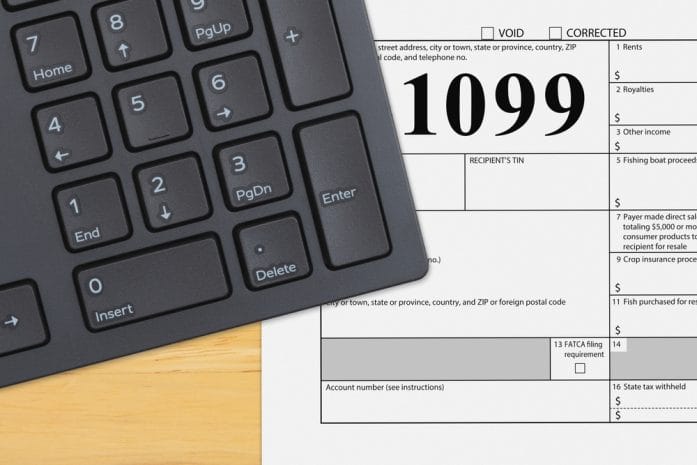
Every dollar earned matters in the eyes of the IRS, whether it comes from a full-time job, freelance gig, or side hustle. Failing to report income—even accidentally—can trigger penalties and sometimes audits. Employers and clients send forms like W-2s and 1099s directly to the IRS, so mismatches between reported income and official records raise immediate red flags.

Penalty Traps: Everyday Actions That Trigger IRS Fines

Image Source: Shutterstock.com

Small gigs often slip through the cracks. Selling items online, doing occasional freelance work, or earning interest from investments might not feel significant, but those amounts still count as taxable income. Ignoring them creates discrepancies that the IRS can easily spot through automated systems that compare reported data.

Digital payment platforms have made tracking easier—and stricter. Services that process payments may issue 1099-K forms once transactions hit certain thresholds. That means side hustles and casual sales now generate official records that demand accurate reporting. Overlooking those forms can lead to penalties that feel completely unexpected.

Staying organized solves most of these issues. Keeping a running record of all income sources, no matter how small, ensures nothing gets missed during tax preparation. Using accounting apps or simple spreadsheets helps track earnings throughout the year instead of scrambling at the last minute.

Double-checking forms before filing prevents mismatches. Comparing personal records with official documents ensures accuracy and reduces the chance of triggering IRS attention. Accuracy here doesn’t just avoid penalties—it builds confidence that everything lines up exactly as it should.

Ignoring Notices Only Makes Things Worse

An IRS notice rarely arrives without a reason, and ignoring it never makes the issue disappear. These letters often address discrepancies, missing payments, or requests for additional information. Letting them sit unopened or unanswered allows penalties and interest to grow while the problem quietly escalates.

Each notice includes a deadline, and that deadline matters just as much as a filing date. Missing it can lead to additional penalties or even enforcement actions. The IRS operates on timelines that move forward regardless of whether anyone responds. That means silence often translates into agreement from the IRS’s perspective.

Many notices involve simple fixes. A missing form, a math error, or a clarification request might only require a quick response. Addressing these issues promptly prevents escalation and keeps penalties from piling up. Waiting too long can turn a minor issue into a larger financial headache. Responding doesn’t require panic. Reading the notice carefully, gathering requested documents, and replying within the given timeframe resolves most situations efficiently. Seeking help from a tax professional can also provide clarity and ensure responses meet IRS expectations.

Staying proactive changes the entire experience. Keeping contact information updated ensures notices arrive promptly. Checking mail regularly during tax season prevents delays in response. Handling issues quickly keeps penalties small and manageable instead of letting them grow into something overwhelming.

Saving Your Wallet and a Headache

Tax penalties don’t wait for major mistakes—they show up when everyday habits slip just slightly off track. Filing late, underpaying taxes, missing income, or ignoring notices all create opportunities for fines to grow quietly in the background. Each of these traps shares one thing in common: they thrive on inattention, not intention.

Which of these penalty traps feels the easiest to fall into, and what strategies have worked to stay ahead of them? Share thoughts, ideas, or personal experiences in the comments—there’s always something new to learn from each other.

You May Also Like…

IRS Refund Delays Surge: Incorrect Bank Info Is Triggering Weeks-Long Payment Holds

Retirement Accounts Are Triggering Unexpected Taxes — What Some Investors Overlook

5 Reasons To Talk To Your Kids About Taxes

Income Threshold: 4 Hidden Taxes That Hit Once You Cross Certain Limits

9 Georgia Counties Where Property Taxes Are Set to Rise the Fastest

Brandon Marcus
Brandon Marcus

Brandon Marcus is a writer who has been sharing the written word since a very young age. His interests include sports, history, pop culture, and so much more. When he isn’t writing, he spends his time jogging, drinking coffee, or attempting to read a long book he may never complete.
Filed Under: tax tips Tagged With: audit triggers, financial mistakes, IRS fines, IRS penalties, late filing, money management, Personal Finance, tax advice, Tax Deductions, tax filing tips, tax mistakes, underpayment penalty

Social Media “Money Tips” Are Costing Users Thousands

February 21, 2026 by Brandon Marcus Leave a Comment

Social Media “Money Tips” Are Costing Users Thousands

Image Source: Pexels.com

Social media makes everything look effortless, from making money to living your best life. A quick scroll can leave anyone convinced that financial freedom comes from a slick TikTok trick or an Instagram post promising to double your savings in a week.

But those viral money tips can cost users thousands before anyone even realizes it. Social media thrives on dramatics, not accuracy, and when people try to turn flashy advice into reality, reality bites hard.

The Illusion of Instant Wealth

Scrolling through feeds, it’s easy to feel like everyone else has it all figured out. Influencers post screenshots of trading wins, screenshots of bank accounts, and snapshots of luxurious lifestyles tied to “simple strategies anyone can use.” The problem is those snapshots hide the massive risks, failed attempts, and often illegal tactics behind them.

Social media platforms reward the dramatic, the shiny, and the viral. No one goes viral posting a well-balanced investment portfolio or explaining the slow, steady gains of compound interest. People end up chasing impossible results, spending money they can’t afford, and believing that if they fail, they’re just “not trying hard enough.” Financial advice without context is dangerous because it makes failure feel like personal weakness.

Even the so-called “expert” content creators sometimes have financial incentives to push products that benefit them more than you. Some promote high-risk investments, shady cryptocurrencies, or overpriced courses that claim to teach wealth in a few hours. You may not notice it right away, but every promoted link or affiliate code is designed to monetize your trust, not grow your money. Real financial success rarely looks like a viral post. It’s quiet, consistent, and often frustratingly slow.

Risky Investments Masquerading as Tips

One of the most insidious tricks social media pulls is selling risky investments as if they were casual tips. Platforms are filled with people recommending penny stocks, NFT flips, or speculative cryptocurrencies as “guaranteed wins.” The problem is, most of these markets are extremely volatile, and many creators fail to mention that their advice carries enormous risk. Even if a few people make money, countless others lose everything, often faster than they can react.

Social media doesn’t pause to teach risk management. A single post about a “hot stock tip” can lead to impulsive decisions without considering financial goals, emergency funds, or debt obligations. People rush in, chasing what seems like easy money, only to realize they’ve invested in something they barely understand. Real investing requires research, patience, and a healthy dose of skepticism—not the dopamine rush of a 30-second reel.

The Psychology Behind the Hype

Understanding why social media money advice feels so compelling helps explain why it’s so dangerous. Humans are wired to respond to success stories, flashy visuals, and the fear of missing out. When an influencer posts a screenshot of a $10,000 profit in a week, your brain ignores the unseen losses and past mistakes. That’s called confirmation bias—our brains pick the wins that reinforce our hope while conveniently ignoring reality.

This environment also encourages overconfidence. People feel like they can replicate someone else’s success without the experience or knowledge. That overconfidence often leads to riskier choices, bigger losses, and a cycle of chasing quick fixes. Knowing the psychological hooks behind social media money advice can help resist impulsive decisions and stay grounded in financial reality.

Practical Advice That Actually Works

The antidote to viral money myths is patience and education. Start by creating a budget that tracks income, expenses, and savings goals. No flashy TikTok can replace the power of knowing exactly where your money goes every month. Build an emergency fund that covers three to six months of living expenses. It may not be glamorous, but it’s the ultimate safety net that allows you to weather unexpected financial storms without panic.

When it comes to investing, stick to strategies that have proven track records over time. Index funds, retirement accounts, and diversified portfolios may not give viral excitement, but they are statistically more reliable for growing wealth safely. And don’t fall for online courses promising to make you rich fast—they often cost more than they’re worth and rarely deliver on their promises.

Spotting the Red Flags

If you want to protect your finances, learn to recognize common red flags in social media money advice. Promises of guaranteed returns, pressure to act immediately, and vague explanations are all warning signs. If a post makes you feel like you’re missing out or that everyone else is already winning, pause. Take a step back and research before making any decisions. Check regulatory filings, read reviews, and verify credentials. Social media thrives on urgency and emotion, but good financial decisions come from careful thinking and skepticism, not FOMO.

Another important tactic is diversifying sources. Don’t rely solely on one influencer or one platform for financial advice. Compare multiple perspectives and cross-check any claims. Look for advice from credentialed financial professionals, reputable publications, or verified educational platforms. The more you know, the less likely you’ll fall victim to flashy but empty promises.

Social Media “Money Tips” Are Costing Users Thousands

Image Source: Pexels.com

Your Money, Your Rules, Your Success

The truth is, social media will never truly prioritize your financial well-being. It prioritizes engagement, shares, and likes. Every flashy post is designed to hook your attention, not protect your bank account. Protecting your money means doing the hard work offline: budgeting, educating yourself, making deliberate choices, and ignoring the noise. Following viral tips without scrutiny can cost thousands, but building habits based on reality creates long-term freedom. Your money is yours to control, and it deserves more thought than a 15-second video clip.

What financial advice from social media have you questioned lately, and how did you decide what to trust? We definitely want to hear it in the comments below.

You May Also Like…

14 Online Debates That Show How Social Media Divided the Nation

Could Social Media Habits Be Hurting Bank Accounts

7 Finfluencers On TikTok That Actually Know What They’re Talking About

Are Your Social Media Posts Creating a Credit Risk?

Can You Really Lose Your Pension Over a Social Media Post?

Brandon Marcus
Brandon Marcus

Brandon Marcus is a writer who has been sharing the written word since a very young age. His interests include sports, history, pop culture, and so much more. When he isn’t writing, he spends his time jogging, drinking coffee, or attempting to read a long book he may never complete.

Filed Under: Finance Tagged With: budgeting, financial literacy, financial mistakes, influencers, investing, money hacks, money tips, online advice, Personal Finance, social media scams, Wealth management

7 Financial Trade-Offs That Quietly Derail People in Their 50s

February 11, 2026 by Brandon Marcus Leave a Comment

These Are 7 Financial Trade-Offs That Quietly Derail People in Their 50s

Image source: shutterstock.com

Your 50s are a financial crossroads, whether you realize it or not. This is the decade where money stops being theoretical and starts becoming personal in a very real, very tangible way. The choices you make now don’t just affect your lifestyle today—they echo into your 60s, 70s, and beyond, shaping your freedom, stress levels, and sense of security.

It’s not usually one massive financial mistake that causes trouble; it’s a series of small, seemingly reasonable trade-offs that quietly stack up. Individually, they feel harmless. Together, they can change the trajectory of your future in ways that are hard to reverse.

1. The Lifestyle Upgrade That Eats Your Future

One of the most common traps is lifestyle inflation disguised as “finally enjoying life.” Bigger homes, nicer cars, more travel, more dining out, more convenience services—it all feels deserved after decades of grinding. And in many ways, it is. The problem is when increased spending grows faster than savings, investing, and debt reduction.

Every permanent upgrade to your lifestyle becomes a permanent financial obligation, which limits flexibility later on. A powerful mindset shift is learning to enjoy upgrades selectively, not automatically, so your money works for your future instead of locking you into higher fixed costs.

2. Helping Adult Kids at the Cost of Your Own Security

Supporting adult children is emotionally understandable and culturally normalized, but financially dangerous when it becomes open-ended. Covering rent, co-signing loans, paying off debts, or funding lifestyles can quietly drain retirement savings without ever feeling like a “bad decision.”

The hard truth is that you can borrow for school, homes, and cars, but you cannot borrow for retirement. Financial stability in later life depends on boundaries, not just love. Helping your kids learn financial independence often does more for their future than financially rescuing them from every consequence.

3. Delaying Retirement Saving Because “There’s Still Time”

Time is the most misunderstood asset in personal finance. Many people in their 50s believe they can simply “catch up later,” underestimating how powerful compounding actually is and how little time is left to benefit from it. Catch-up contributions help, but they don’t replace lost decades of growth. Every year you delay serious saving increases the pressure on future income, investments, and work capacity.

Even small increases in retirement contributions now can significantly reduce financial stress later. Starting late is better than never, but starting now is always better than starting later.

4. Trading Health for Hustle

Working longer hours, taking on stressful roles, or pushing your body too hard for financial gain feels logical when you’re focused on earning. But chronic stress and neglected health create future costs that don’t show up on a balance sheet until it’s too late. Medical expenses, reduced mobility, and limited work capacity can turn financial plans upside down.

Health is a financial asset, whether people like that framing or not. Protecting it through preventative care, manageable workloads, and sustainable routines is part of long-term wealth strategy, not separate from it.

5. Ignoring Long-Term Care Planning

Many people assume long-term care is either unlikely or something they’ll deal with later. The reality is that long-term care costs are one of the biggest financial threats to retirement stability. Whether it’s in-home care, assisted living, or nursing care, these expenses can drain savings rapidly.

Planning doesn’t always mean buying expensive insurance, but it does mean understanding risks, building buffers, and making intentional choices. Avoiding the conversation doesn’t eliminate the risk—it just removes control over how it’s handled.

6. Carrying “Comfort Debt” Into the Next Phase of Life

There’s a difference between strategic debt and comfort debt. Comfort debt includes things like luxury vehicles, recreational toys, high-interest credit cards, and lifestyle financing that exists purely for convenience and status. Carrying this into your 50s limits cash flow and increases financial vulnerability.

It also creates psychological pressure to keep earning at high levels, even when you may want more flexibility. Reducing non-essential debt isn’t just about money—it’s about freedom, choice, and control over your time.

7. Overlooking Estate Planning Because It Feels Premature

Estate planning often gets delayed because it feels morbid or unnecessary. In reality, it’s a financial clarity tool, not just an end-of-life document.

Wills, healthcare directives, beneficiary designations, and powers of attorney protect your assets, your family, and your decision-making autonomy. Without them, financial chaos becomes more likely, not less. Estate planning in your 50s is about structure and control, not fear. It’s one of the most responsible financial moves a person can make.

These Are 7 Financial Trade-Offs That Quietly Derail People in Their 50s

Image source: shutterstock.com

The Real Trade-Off Most People Miss

The biggest trade-off isn’t money versus fun or security versus enjoyment—it’s short-term comfort versus long-term freedom. Financial decisions in your 50s shape whether your future feels like a wide-open landscape or a narrow hallway. The goal isn’t extreme frugality or financial obsession; it’s alignment. Spending, saving, and planning should support the life you want later, not just the life you’re living now. Small changes today create outsized stability tomorrow, and that’s a trade worth making.

Are your current financial choices building freedom—or quietly building future stress? Talk about your plans and goals in our comments below.

You May Also Like…

The Emotional vs. Financial Cost of Keeping the House in a Divorce

How a Solid Estate Plan Can Protect Your Finances

Tax Horizon: 4 Year-End Moves That Could Shape Your Finances for a Decade

8 Home Upgrades Seniors Are Choosing Over Moving Into Facilities

The Retirement Income Assumption That Breaks Down First During Inflation Cycles

Brandon Marcus
Brandon Marcus

Brandon Marcus is a writer who has been sharing the written word since a very young age. His interests include sports, history, pop culture, and so much more. When he isn’t writing, he spends his time jogging, drinking coffee, or attempting to read a long book he may never complete.

Filed Under: Finance Tagged With: budgeting, financial literacy, financial mistakes, Lifestyle Inflation, long term planning, midlife finance, money habits, Personal Finance, retirement planning, Wealth Building

6 Financial Missteps People Make In Their 20s

January 23, 2026 by Brandon Marcus Leave a Comment

These Are 6 Financial Missteps People Make In Their 20s

Image source: shutterstock.com

Your 20s are loud, busy, and full of moments that feel like they matter right now. Rent is due, friends are planning trips, careers are wobbling into place, and money often feels like it’s either slipping through your fingers or sitting just out of reach. One minute you feel wildly independent, and the next you’re staring at a bank app wondering how adulthood got so expensive so quickly.

This decade is where habits form, mistakes happen, and lessons stick—sometimes after a little financial whiplash. Let’s discuss the most common money missteps people make in their 20s, why they happen, and how to spot them before they quietly drain your future.

1. Ignoring Budgeting Because It Feels Restrictive

Many people in their 20s avoid budgeting because it sounds boring, rigid, or like a punishment for enjoying life. There’s a widespread belief that budgeting means saying no to everything enjoyable, when in reality it’s about knowing where your money goes.

Without a basic plan, spending decisions are made emotionally, which often leads to overspending on convenience, social pressure, or impulse buys. Small, frequent expenses—coffee runs, food delivery, random subscriptions—can quietly consume hundreds of dollars each month.

Budgeting doesn’t mean eliminating fun; it means giving your money a job so you don’t wonder where it disappeared. Learning this skill early makes every future financial decision easier and far less stressful.

2. Treating Credit Cards Like Extra Income

Credit cards can feel like magic during your 20s, especially when limits are higher than your checking account balance. It’s easy to swipe now and assume future-you will sort it out later.

The problem is that balances add up faster than expected, and interest charges turn modest purchases into long-term expenses. Many young adults carry balances without fully understanding how interest compounds over time.

This habit can trap people in cycles of minimum payments that barely make a dent. Used responsibly, credit cards can build credit and offer protections, but treating them like free money is a costly misunderstanding.

These Are 6 Financial Missteps People Make In Their 20s

Image source: shutterstock.com

3. Not Saving Anything Because Retirement Feels Forever Away

Retirement seems abstract when you’re more focused on rent, relationships, and career survival. Many people postpone saving because they believe they’ll earn more later and catch up then. What gets missed is the power of time, which matters more than the amount saved.

Even small contributions in your 20s can grow significantly thanks to compound interest. Waiting a decade often means needing to save much more to reach the same outcome. Saving early isn’t about sacrificing your present—it’s about giving yourself options later. Building the habit now matters far more than the size of the account.

4. Overspending to Match a Lifestyle That Isn’t Yours

Social media and peer pressure create powerful illusions about what adulthood should look like. Nice apartments, constant travel, designer clothes, and endless nights out can make overspending feel normal.

Many people in their 20s quietly stretch their finances to keep up with friends or online expectations. The reality is that everyone’s financial situation is different, even if it looks identical on the surface.

Spending beyond your means often leads to debt, stress, and resentment. True financial confidence comes from aligning your spending with your own priorities, not someone else’s highlight reel.

5. Skipping Emergency Savings Because Nothing Has Gone Wrong Yet

When life is relatively stable, emergency savings can feel unnecessary. It’s easy to assume you’ll handle problems if they come up. Unfortunately, unexpected expenses rarely give advance notice, especially in your 20s. Job changes, medical bills, car repairs, or sudden moves can derail finances overnight.

Without a cushion, people often turn to credit cards or loans, making a tough situation worse. An emergency fund isn’t pessimistic; it’s practical. Even a small buffer can provide peace of mind and prevent short-term problems from becoming long-term financial damage.

6. Avoiding Financial Education Because It Feels Overwhelming

Money topics can feel intimidating, especially when they involve unfamiliar terms or long-term consequences. Many people avoid learning about investing, taxes, or credit because they don’t know where to start.

This avoidance often leads to missed opportunities and preventable mistakes. Financial literacy isn’t about becoming an expert overnight; it’s about building understanding one step at a time.

Your 20s are the ideal decade to ask questions, make low-stakes mistakes, and learn without massive consequences. The more informed you are, the less power fear and confusion have over your decisions.

Small Choices Now, Powerful Results Later

Financial missteps in your 20s are common, understandable, and rarely permanent. What matters most is noticing them early and adjusting course before they become patterns that follow you for decades.

Every thoughtful decision you make now—no matter how small—adds momentum to your future stability and freedom. Money doesn’t need to control your life, but it does respond to attention and intention.

If you’ve learned lessons the hard way or picked up smart habits early, the comments section below is the perfect place to add your perspective and experiences.

You May Also Like…

10 Common Budgeting Mistakes That Create Constant Money Stress

Legacy Blueprint: 5 Estate Mistakes Lawyers Still See Constantly

5 Investment Mistakes Young People Make

Holiday Trap: 6 Gift-Spending Mistakes That Could Wreck Your Budget

Forget Your 20s—Here’s Why People Over 50 Are Actually the Happiest

Brandon Marcus
Brandon Marcus

Brandon Marcus is a writer who has been sharing the written word since a very young age. His interests include sports, history, pop culture, and so much more. When he isn’t writing, he spends his time jogging, drinking coffee, or attempting to read a long book he may never complete.

Filed Under: Finance Tagged With: Budget, budgeting, budgeting mistakes, credit cards, credit score, Debt, eliminating debt, finance, finances, financial choices, financial decisions, financial missteps, financial mistakes, general finance, overspending, payoff debt, spending, youth, youthful mistakes

5 Mistakes Young People Make About Their Financial Futures

December 9, 2025 by Brandon Marcus Leave a Comment

Here Are The Mistakes Young People Make About Their Financial Futures

Image Source: Shutterstock.com

The moment you start earning your own money, the world seems wide open—full of possibilities, adventures, upgrades, and “I’ll figure it out later” energy. It’s exciting, empowering, and a little dangerous in that sneaky, invisible way financial mistakes tend to be. Most young people feel like they have all the time in the world to get their money right, and that’s exactly what makes the early years so risky.

The habits you build now have long shadows, and the misconceptions you carry can quietly shape your financial future for decades. But the good news? Once you spot these mistakes, you can stop making them—and start building something strong, smart, and sustainable.

1. Believing Retirement Is A Problem For Future-You

So many young people assume retirement is some faraway milestone reserved for older adults who suddenly develop a love for yard tools and early dinners. The truth is that retirement planning hits hardest when you start early, because time—not income—is the real power player. When you put off contributing to retirement accounts, you’re not just delaying savings; you’re losing out on years of compound growth that could multiply your money effortlessly.

Even small contributions now can become huge cushions later, but you only get that advantage if you begin early. Future-you will thank you for thinking ahead instead of hoping everything magically works out.

2. Thinking Debt Doesn’t Matter As Long As You Keep Up With Payments

At first, having a credit card or a few small loans feels manageable—almost invisible—as long as you’re making your minimum payments. But high-interest debt is like a slow leak in your financial boat: you don’t always notice the damage until you’re sinking. Young people often underestimate how quickly interest snowballs, quietly eating away at money that could have gone toward savings, goals, or experiences that actually matter. The earlier you tackle debt, the easier it is to stay ahead of it, and the more flexibility you’ll have later in life. Treating debt lightly now can lock you into obligations you never expected.

3. Assuming A Higher Income Guarantees Financial Freedom

It’s easy to believe that once you land the right job or earn a higher salary, everything will finally fall into place. But lifestyle creep—the tendency to spend more as you earn more—creeps up faster than most people expect. Without good habits, a bigger income simply becomes a bigger opportunity to overspend, overextend, and under-save. Financial freedom comes from control, awareness, and choices, not just a big paycheck. If you learn to manage what you have well now, you’ll be unstoppable when you eventually level up.

4. Underestimating Emergency Expenses And Assuming “It Won’t Happen To Me”

Young people often have a sense of invincibility that pairs poorly with unpredictable expenses. Car repairs, medical bills, job changes, and surprise costs don’t ask permission before happening—they just show up. Without an emergency fund, even small mishaps can trigger financial spirals that take months or years to recover from.

Saving for emergencies isn’t pessimism; it’s financial armor that protects your future goals. If you build even a small safety net now, you’ll move through life with confidence instead of crossing your fingers and hoping for the best.

Here Are The Mistakes Young People Make About Their Financial Futures

Image Source: Shutterstock.com

5. Believing You Don’t Need A Budget If You “Feel Responsible Enough”

Many young people think budgeting is unnecessary, too restrictive, or only for people who struggle with money. But in reality, budgeting is the opposite: it’s the thing that gives you freedom to make better choices without guilt or confusion. Relying on your gut or memory can trick you into thinking you’re spending less than you are, and by the time you realize the truth, the damage is already done. A budget doesn’t limit you—it guides you, supports you, and helps you stay aligned with your actual goals instead of your impulses. When you know exactly where your money is going, you take control instead of drifting.

Your Future Starts Earlier Than You Think

Your financial future doesn’t begin “one day” when you feel older, wiser, or more prepared—it’s already happening right now. The choices you make today will shape your opportunities, freedom, and peace of mind in the years ahead. By recognizing these common mistakes, you can start making smarter decisions long before they become major setbacks. Your future self will appreciate every smart move you make today.

Have you spotted any of these mistakes in your own life? Give us all of your thoughts, experiences, or hard-earned lessons in the comments for others to learn from.

You May Also Like…

13 Things Young People Won’t Stop Doing That Elderly People Don’t Understand

What Is “Cash Stuffing” — And Why Everyone’s Doing It Again

7 Bold Assertions to Make About Your Financial Future Today

9 Important Questions to Ask Before Trading Options or Futures

Could Too Much Cash in the Bank Actually Hurt Your Financial Future


Brandon Marcus
Brandon Marcus

Brandon Marcus is a writer who has been sharing the written word since a very young age. His interests include sports, history, pop culture, and so much more. When he isn’t writing, he spends his time jogging, drinking coffee, or attempting to read a long book he may never complete.

Filed Under: Finance Tagged With: Budget, budgeting, Debt, emergency expenses, emergency funds, financial choices, financial freedom, financial future, financial mistakes, Income, mistakes, Money, money choices, money issues, money matters, Retirement, teens, young adults, young people

Stop Making These Common Mistakes That Cost You Thousands Each Year.

October 21, 2025 by Travis Campbell Leave a Comment

Dollar burn

Image source: shutterstock.com

Every year, people unknowingly make financial mistakes that drain their wallets. These common errors don’t just chip away at your savings—they can cost you thousands of dollars annually. The good news? Most are easy to fix once you know what to watch out for. By identifying where your money is slipping through the cracks, you can make smarter choices that add up to real savings. Understanding the most common mistakes people make with their money puts you back in control. Let’s break down the habits that could be costing you big, and how to stop making these financial mistakes for good.

1. Ignoring Your Budget

Failing to set and follow a budget is one of the most common financial mistakes. Without a budget, it’s easy to lose track of spending and let small purchases add up. Many people think they have a handle on their expenses, but overspending often happens in the details—like forgotten subscriptions or impulse buys.

A budget isn’t about restriction. It’s about awareness. When you track where your money goes, you can spot areas to cut back and redirect those funds toward savings or debt repayment. If you’re new to budgeting, try a simple method like the 50/30/20 rule, or use a free online tool to help you get started. Making this change can prevent costly surprises and help you avoid the financial mistakes that keep you from reaching your goals.

2. Paying High Interest on Debt

Carrying balances on high-interest credit cards or loans is a costly mistake. Interest charges can quietly eat up hundreds or even thousands of dollars a year. Many people only pay the minimum each month, not realizing how much extra they’re spending over time.

If you have high-interest debt, look for ways to pay it down faster. Consider consolidating balances with a lower-interest loan or transferring to a card with a 0% introductory rate. Even small extra payments can make a big difference. Don’t let interest charges drain your finances year after year—tackle them head-on to save significant money.

3. Overlooking Employer Benefits

Many employees don’t take full advantage of workplace benefits, leaving free money on the table. Examples include not contributing enough to get a 401(k) match, skipping health savings accounts, or ignoring wellness incentives. These benefits are part of your compensation and can boost your bottom line.

Review your employer’s offerings at least once a year. Make sure you’re enrolled in retirement plans and taking advantage of any matching contributions. Explore flexible spending accounts, commuter benefits, and insurance options. These choices can reduce your taxable income and help you avoid the financial mistakes that cost you thousands over time.

4. Neglecting to Shop Around for Big Expenses

People often accept the first quote or renewal offer they receive for things like insurance, cell phone plans, or even major purchases. Not shopping around can mean you’re paying much more than necessary. Companies count on customer inertia to keep profits high.

Take time each year to compare rates for major expenses. A few phone calls or website visits can lead to better deals on car insurance, internet, or utilities. Don’t be afraid to negotiate or ask for discounts, either. Small savings on big-ticket items add up fast, and avoiding this common mistake can keep more money in your pocket.

5. Not Having an Emergency Fund

Life is unpredictable. Without an emergency fund, unexpected expenses like car repairs or medical bills can force you to rely on credit cards or loans. This leads to more debt and interest—another way financial mistakes can snowball.

Start with a goal of saving $500 to $1,000 for emergencies, then build up to three to six months’ worth of expenses. Keep this money in a separate, easily accessible account. Having a safety net shields you from financial shocks and reduces stress when life throws you a curveball.

6. Forgetting to Review Subscriptions and Recurring Charges

Streaming services, apps, gym memberships, and other subscriptions can sneak up on your budget. It’s easy to sign up and forget, especially when the monthly cost is small. But over a year, unused or forgotten services can cost hundreds of dollars—one of the most overlooked financial mistakes.

Review your bank and credit card statements every few months. Cancel anything you don’t use. Consider using a subscription management app to help track and manage recurring charges. This simple habit frees up money for more important goals.

7. Skipping Regular Financial Checkups

Most people only review their finances when something goes wrong. But regular checkups help you catch problems early and avoid financial mistakes before they grow. Set aside time every quarter to review your budget, check your credit report, and update your goals.

This habit helps you stay on track and adjust your plans as needed. If you’re not sure where to begin, resources like the Consumer Financial Protection Bureau offer free guides and checklists. Being proactive with your finances keeps you in control and prevents costly surprises.

How to Break the Cycle of Financial Mistakes

It’s normal to make some financial mistakes along the way. What matters is recognizing them and taking steps to do better. Start by picking one or two habits to change this month. Maybe you’ll finally set a budget, pay off a credit card, or call your insurance company for a better deal. Each small step counts—and together, they can save you thousands each year.

Don’t be afraid to ask for help or use trusted online resources. For more tips on avoiding common pitfalls, check out NerdWallet’s guide to money mistakes. Remember, the most expensive financial mistakes are often the easiest to fix once you know what to look for. Make a plan, stick with it, and watch your savings grow.

What money mistakes have you caught yourself making, and how did you fix them? Share your experience in the comments!

What to Read Next…

  • Are These 7 Little Expenses Quietly Costing You Thousands A Year?
  • 10 Ways You’re Wasting Money Just Trying To Keep Up Appearances
  • 7 Hidden Fees That Aren’t Labeled As Fees At All
  • 8 Everyday Services That Are Slowly Becoming Subscription Only
  • 10 Smart Purchases That Are Slowly Making You Broke
Travis Campbell
Travis Campbell

Travis Campbell is a digital marketer/developer with over 10 years of experience and a writer for over 6 years. He holds a degree in E-commerce and likes to share life advice he’s learned over the years. Travis loves spending time on the golf course or at the gym when he’s not working.

Filed Under: Personal Finance Tagged With: budgeting, Debt, emergency fund, financial mistakes, money management, Personal Finance, savings

No Formal Training Can Help You With These 5 Financial Mistakes

October 20, 2025 by Travis Campbell Leave a Comment

money mistakes

Image source: shutterstock.com

Personal finance is a journey most of us navigate without much formal education. Schools rarely offer classes on budgeting, debt, or investing, leaving us to learn from experience—or, too often, from costly errors. Even people with impressive degrees or high-paying jobs aren’t immune. The truth is, some financial mistakes can’t be avoided just by reading textbooks or taking a class. These are the pitfalls that sneak up on you, no matter how smart you are. Let’s look at five common financial mistakes that no formal training can help you with, and explore how to sidestep them.

1. Overestimating Your Financial Discipline

It’s easy to believe you’ll stick to a budget or never overspend, especially if you’re logical and well-educated. But real life tests your willpower in ways no classroom can prepare you for. Emotional spending, peer pressure, and even boredom can derail the best-laid plans. This is one of those financial mistakes that creeps in slowly. You might tell yourself it’s just one dinner out, or a small splurge on a new gadget, until suddenly you’re facing a credit card bill you can’t pay off.

Building true financial discipline takes daily practice, not just knowledge. Setting up automatic transfers to savings, using cash instead of cards, or tracking every expense can help. But recognizing your own triggers is key. No formal training can teach you how you’ll react under stress or temptation—only experience and self-awareness can.

2. Misjudging the Impact of Small Expenses

We all hear about the importance of budgeting, but it’s easy to overlook the small, regular purchases that add up. That daily coffee, streaming subscription, or ride-share might seem harmless, but over time, these add up to significant sums. This financial mistake often goes unnoticed until you review your bank statements and wonder where your money went. Formal training may teach you about the power of compounding when investing, but it rarely covers how small expenses can compound against you.

To avoid this pitfall, review your spending every month and look for patterns. Even cutting back on one or two recurring expenses can free up money for savings or debt repayment. Small changes, made consistently, have a big impact over time.

3. Ignoring the Emotional Side of Money

Personal finance isn’t just about numbers. It’s about feelings—security, anxiety, pride, even shame. No formal training prepares you for the emotional rollercoaster that comes with financial setbacks or windfalls. You might feel embarrassed asking for a raise or guilty about spending on yourself. These emotions can lead to avoidance, procrastination, or impulsive choices, all of which are classic financial mistakes.

Learning to talk openly about money, whether with a partner, friend, or professional, helps you make more rational decisions. Tools like creating a written budget can also help you separate facts from feelings. But remember, it’s normal to have emotions about money—what matters is how you handle them.

4. Putting Off Financial Planning for “Later”

Life gets busy, and it’s tempting to put off things like retirement planning or building an emergency fund. You might tell yourself you’ll start saving when you earn more or when things settle down. This is one of the most common financial mistakes, and it can cost you years of lost growth or leave you unprepared for emergencies. No formal training can force you to start early—it’s a habit you have to build yourself.

Start small if you have to. Even $20 a month into a savings account makes a difference over time. Set calendar reminders to review your finances quarterly. The key is to do something, however minor, instead of waiting for the “perfect” time.

5. Underestimating the Cost of Life Changes

Major life events—marriage, divorce, having children, changing jobs—often bring financial surprises. Even with a degree in finance, it’s hard to predict how these changes will affect your wallet. This is another financial mistake that catches people off guard. Moving to a new city might come with hidden expenses. Having a child means not just diapers and daycare, but new insurance needs, estate planning, and maybe even a bigger car. No course or seminar can fully prepare you for the emotional and financial impact of these transitions.

It helps to talk to people who’ve been through similar changes, or to consult resources like the Consumer Financial Protection Bureau for guidance. Build a buffer into your budget for unexpected costs, and be ready to adjust your plans as life evolves.

Why Experience Is the Best Teacher

When it comes to financial mistakes, experience often teaches lessons that no formal training can. Books and classes are a great starting point, but real life throws curveballs that require flexibility and self-reflection. The most important thing is to recognize that mistakes are part of the journey. They don’t define you, but they do offer valuable opportunities to grow.

Every financial mistake, whether it’s overspending, ignoring your emotions, or waiting too long to start saving, is a chance to learn and improve. The more you reflect and adjust, the more confident you’ll become in managing your money—no diploma required.

What financial mistake taught you the most? Share your story in the comments below!

What to Read Next…

  • 5 Things That Instantly Decrease Your Credit Score By 50 Points
  • Are These 6 Helpful Budget Tips Actually Ruining Your Finances
  • 10 Money Mistakes People Make After Losing A Spouse
  • 5 Financial Habits That Quietly Void Long Term Care Policies
  • Are These 8 Money Saving Tricks Actually Keeping You Broke
Travis Campbell
Travis Campbell

Travis Campbell is a digital marketer/developer with over 10 years of experience and a writer for over 6 years. He holds a degree in E-commerce and likes to share life advice he’s learned over the years. Travis loves spending time on the golf course or at the gym when he’s not working.

Filed Under: Personal Finance Tagged With: budgeting, Emotional Spending, financial mistakes, money management, Personal Finance

Did I Make a Huge Mistake Rolling Over My Old 401(k) to My New Job?

October 16, 2025 by Catherine Reed Leave a Comment

Did I Make a Huge Mistake Rolling Over My Old 401(k) to My New Job?

Image source: shutterstock.com

If you recently changed jobs, you probably faced the question of what to do with your old retirement account. Rolling over an old 401(k) into a new employer’s plan seems like the easiest and safest move—but what if it wasn’t the best financial choice? Many workers make this decision quickly, without understanding the potential trade-offs in fees, investment flexibility, and access to funds. The good news is, even if you’re second-guessing your decision, it’s not too late to understand the implications and correct course if necessary. Let’s explore the common reasons people worry they made a mistake and how to tell whether your rollover actually benefits your long-term financial goals.

1. Understanding What Happens When You Roll Over a 401(k)

When rolling over an old 401(k), the balance from your previous employer’s retirement plan transfers into your new employer’s account or another qualifying retirement vehicle. The process helps consolidate your savings and maintain the tax-deferred status of your investments. However, each company’s 401(k) plan has unique rules, investment options, and administrative fees. Depending on your new employer’s plan, you may gain or lose access to certain funds, especially if the investment menu is limited. Understanding these details is the first step in determining whether your rollover was a wise move or an avoidable misstep.

2. The Hidden Cost of Higher Fees

One of the most overlooked consequences of rolling over an old 401(k) is the potential increase in management fees. Many employer-sponsored plans charge administrative and fund management costs that can eat into your returns over time. If your previous 401(k) had low-cost index funds or better-performing investment options, moving to a more expensive plan could cost thousands over decades. Even a 0.5% difference in annual fees can significantly impact your retirement savings growth. Reviewing your plan’s fee structure can help determine if you’re now paying more for less.

3. Losing Investment Flexibility

Old 401(k) plans sometimes offer a broader selection of mutual funds or company stock options than your new employer’s plan. By rolling over an old 401(k), you may have limited your ability to diversify or customize your portfolio to match your goals. Some new plans restrict choices to a small set of target-date funds or pre-approved investment mixes. While these can simplify investing, they don’t always align with your risk tolerance or growth strategy. If you value having control over your investments, this limitation could be a valid reason to reconsider your rollover.

4. The Missed Opportunity of an IRA Rollover

Instead of moving your funds to your new employer’s 401(k), you could have rolled them into an Individual Retirement Account (IRA). An IRA generally offers far more investment options, from stocks and ETFs to bonds and real estate funds. Rolling over an old 401(k) into an IRA also allows you to shop around for lower fees and greater flexibility. However, an IRA may not have the same level of creditor protection or loan options that some employer plans provide. If flexibility and control are important to you, this missed opportunity could feel like a mistake worth correcting.

5. Tax Complications from Improper Rollovers

Not all rollovers are created equal. If your old 401(k) funds were sent directly to you instead of being transferred to your new plan, the IRS treats that as a distribution. That means you could owe income tax and a 10% early withdrawal penalty if you’re under 59½. Even a small mistake in the process of rolling over an old 401(k) can lead to unexpected tax bills. Fortunately, if you deposited the funds into a new account within 60 days, you might still avoid penalties—but the timeline is strict, so fast action matters.

6. The Benefits You Might Have Gained

Not every rollover is a bad move. If your new employer’s plan offers lower fees, better investment options, or matching contributions, rolling over an old 401(k) may have been the best choice. Consolidating accounts can also make it easier to track progress and manage your overall strategy. Additionally, staying within a 401(k) structure keeps your assets protected from creditors in most states. Sometimes, the peace of mind and simplicity that come from combining accounts outweigh any downsides.

How to Know If You Should Make a Change

If you’re still questioning your decision, it’s time to compare the numbers. Look at your new plan’s fees, investment performance, and contribution match versus your old plan or an IRA alternative. If your current 401(k) limits growth or carries unnecessary costs, you may be able to roll over again—this time into an IRA or another more flexible option. Financial advisors often recommend reviewing rollover choices every few years or whenever your employment situation changes. The goal is to ensure your retirement savings are always positioned for maximum growth with minimal risk.

Regret Isn’t the End—It’s a Chance to Reassess

Feeling uncertain about rolling over an old 401(k) doesn’t mean you made a financial disaster—it just means you’re paying attention. Every investor makes decisions based on the information available at the time, and reevaluating those choices is part of smart money management. If your rollover wasn’t ideal, there are still steps to optimize your setup going forward. By learning from this experience, you’ll make more confident choices the next time your career or retirement plan changes. Sometimes, a small course correction can make a big difference in long-term outcomes.

Have you ever regretted rolling over your old 401(k) or discovered unexpected fees later? Share your experience and advice with others in the comments below!

What to Read Next…

The 401(k) Withdrawal Mistake That Triggers Massive Tax Penalties

401k Fees Seem Excessive—Are You Getting Ripped Off?

What Happens When You Leave Old 401(k)s Behind at Former Jobs

Why Some 401(k)s Trigger Extra Taxes After Death

What Retirees Regret About Rolling Over Old 401(k)s Too Quickly

Catherine Reed
Catherine Reed

Catherine is a tech-savvy writer who has focused on the personal finance space for more than eight years. She has a Bachelor’s in Information Technology and enjoys showcasing how tech can simplify everyday personal finance tasks like budgeting, spending tracking, and planning for the future. Additionally, she’s explored the ins and outs of the world of side hustles and loves to share what she’s learned along the way. When she’s not working, you can find her relaxing at home in the Pacific Northwest with her two cats or enjoying a cup of coffee at her neighborhood cafe.

Filed Under: Retirement Tagged With: 401(k) rollover, financial mistakes, investing, job transitions, Personal Finance, retirement accounts, retirement planning

  • 1
  • 2
  • 3
  • …
  • 6
  • Next Page »

FOLLOW US

Search this site:

Recent Posts

  • Can My Savings Account Affect My Financial Aid? by Tamila McDonald
  • 12 Ways Gen X’s Views Clash with Millennials… by Tamila McDonald
  • What Advantages and Disadvantages Are There To… by Jacob Sensiba
  • 10 Tactics for Building an Emergency Fund from Scratch by Vanessa Bermudez
  • Call 911: Go To the Emergency Room Immediately If… by Stephen Kanaval
  • 7 Weird Things You Can Sell Online by Tamila McDonald
  • 10 Scary Facts About DriveTime by Tamila McDonald

Copyright © 2026 · News Pro Theme on Genesis Framework