• Home
  • About Us
  • Toolkit
  • Getting Finances Done
    • Hiring Advisors
    • Debt Management
    • Spending Plan
  • Insurance
    • Life Insurance
    • Health Insurance
    • Disability Insurance
    • Homeowners/Renters Insurance
  • Contact Us
  • Privacy Policy
  • Risk Tolerance Quiz

The Free Financial Advisor

You are here: Home / Archives for economy

Social Security Is Under Pressure — The Worker-to-Retiree Ratio Is Falling

April 13, 2026 by Brandon Marcus Leave a Comment

Social Security Is Under Pressure — The Worker-to-Retiree Ratio Is Falling

Image Source: Shutterstock.com

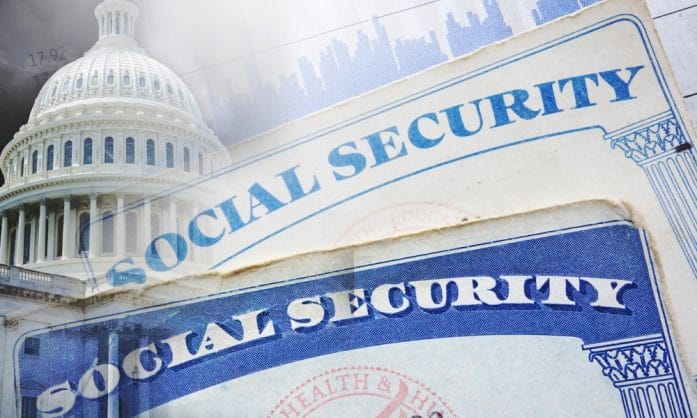
The numbers do not whisper anymore—they shout. Social Security, one of the most relied-upon programs in the United States, faces a growing imbalance that feels impossible to ignore. Fewer workers now support more retirees, and that shift sends ripples through everything from taxes to retirement plans. This is not a distant problem sitting quietly on a spreadsheet. It’s a real-world issue shaping how millions of people will live in the years ahead.

The worker-to-retiree ratio once offered a comfortable cushion, but that cushion has thinned out dramatically over time. Back in the 1960s, more than five workers supported each retiree, creating a strong foundation for the system. Today, that number hovers closer to about 2.7 workers per retiree, and projections suggest it could drop even further in the coming decades. That steady decline creates pressure, sparks debate, and forces a big question into the spotlight: what happens when fewer people carry a heavier load?

The Math That’s Changing Everything

The worker-to-retiree ratio might sound like dry economics, but it drives one of the most important financial systems in the country. Social Security works on a pay-as-you-go structure, which means current workers fund the benefits for current retirees. When more workers contribute, the system breathes easily and delivers benefits without much strain. When that balance shifts, the system starts to feel the squeeze.

That squeeze comes from a simple but powerful trend: people live longer, and birth rates have declined. Longer life expectancy means retirees collect benefits for more years than previous generations ever did. At the same time, fewer babies born today means fewer workers entering the workforce tomorrow. This double shift stretches the system from both ends, and it does not give much room to recover quickly.

The numbers tell a clear story without any dramatic exaggeration. In 1940, life expectancy in the United States sat around 63 years, while today it pushes closer to the late 70s. Meanwhile, fertility rates have dropped below the replacement level of 2.1 births per woman, which means the population does not replenish itself at the same pace. That combination creates a steady decline in the number of workers available to support each retiree, and it does not look like it will reverse anytime soon.

This situation does not mean Social Security disappears overnight, but it does mean changes will likely come. Policymakers continue to debate solutions like raising the retirement age, increasing payroll taxes, or adjusting benefits. Each option brings trade-offs, and none of them offer a perfect fix. The reality sits somewhere in the middle, where gradual changes try to keep the system stable without shocking those who depend on it.

Understanding this math gives a clear advantage. It allows people to see the direction things are heading and start preparing instead of reacting at the last minute. Waiting for certainty rarely works when it comes to long-term financial planning, especially when the system itself faces ongoing adjustments.

Why Fewer Workers Carry More Weight

The shrinking workforce does not happen by accident—it reflects deeper societal shifts that have unfolded over decades. One major factor comes from changing family dynamics. People choose to have fewer children, often due to rising costs of living, career priorities, and lifestyle preferences. That decision shapes the future workforce in a very real way.

Another key factor lies in the aging baby boomer generation. Millions of people born between 1946 and 1964 have already started retiring or will retire soon. This massive wave of retirees increases demand for Social Security benefits at the exact moment when fewer workers enter the system to support it. The timing creates a perfect storm that puts added strain on the program.

Immigration also plays a role, and it often sparks strong opinions. A steady flow of working-age immigrants can help boost the worker population and ease some pressure on Social Security. However, policy decisions around immigration continue to shift, and that uncertainty makes it difficult to rely on it as a long-term solution. The system needs consistency, and right now, it faces too many moving parts.

Technology and automation add another layer to the story. While innovation drives productivity and economic growth, it also changes the nature of work. Some jobs disappear, others evolve, and new roles emerge that may not contribute to Social Security in the same way traditional employment does. Gig work, freelance careers, and nontraditional income streams complicate how people pay into the system.

All of these factors combine into one clear reality: fewer traditional workers support a growing number of retirees. That imbalance does not fix itself without deliberate action. It requires awareness, planning, and a willingness to adapt to a system that looks very different from what previous generations experienced.

What This Means for Retirement Dreams

The shifting ratio forces a rethink of what retirement looks like. Social Security still plays a crucial role, but it no longer guarantees the same level of support it once did. For many, it serves as a foundation rather than a complete solution. That distinction matters more than ever as the system faces increasing pressure.

Future retirees may need to rely more heavily on personal savings, investments, and employer-sponsored retirement plans. That shift places greater responsibility on individuals to plan ahead and build financial security over time. It also means starting earlier makes a noticeable difference, even if contributions begin small and grow gradually.

Timing also plays a critical role in maximizing benefits. Delaying Social Security claims can increase monthly payments, which helps offset some of the system’s long-term challenges. While not everyone can afford to wait, understanding this option allows for more strategic decisions. Every extra year of delay adds value that compounds over a lifetime.

Diversification becomes more important in this environment. Relying solely on Social Security creates unnecessary risk when the system itself faces uncertainty. Combining different income sources, such as retirement accounts, investments, and part-time work, builds a more resilient financial plan. That approach creates flexibility, which matters when economic conditions shift unexpectedly. Planning does not require perfection, but it does demand attention. Ignoring these trends does not make them disappear, and hoping for the best rarely produces the best outcome. Taking control early, even in small steps, helps create a buffer against the changes already unfolding.

Social Security Is Under Pressure — The Worker-to-Retiree Ratio Is Falling

Image Source: Shutterstock.com

What Comes Next

The worker-to-retiree ratio tells a story that continues to evolve, and it does not wrap up neatly. Social Security will likely remain a cornerstone of retirement, but it will not look exactly the same in the future. Adjustments will come, and those changes will shape how benefits get distributed and funded.

This moment calls for awareness, not panic. The system still functions, and it still provides essential support to millions. However, it demands a more active role from those who depend on it in the future. Staying informed, tracking policy changes, and making thoughtful financial decisions all contribute to a stronger position over time.

What steps feel realistic right now to strengthen a retirement plan in a system that keeps changing? Share thoughts, strategies, or even concerns in the comments—there’s a lot to learn from different perspectives on this one.

You May Also Like…

How Seniors Jeopardize Their Social Security Right After Retirement

Why Your Social Security Payment Was Delayed: Common Oversights and Fast Fixes

Why More Seniors Are Getting Surprise Social Security Overpayment Notices

The Medicare Part B Increase That’s Reducing Social Security Checks By About $185/Month in 2026

The Hidden Tax Rules Shrinking Social Security Checks — What Seniors Need to Know

Brandon Marcus
Brandon Marcus

Brandon Marcus is a writer who has been sharing the written word since a very young age. His interests include sports, history, pop culture, and so much more. When he isn’t writing, he spends his time jogging, drinking coffee, or attempting to read a long book he may never complete.

Filed Under: social security Tagged With: aging population, benefits, Demographics, economy, Financial Security, future planning, government policy, Personal Finance, retirement planning, Social Security, taxes, workforce trends

Millions Of Americans Report High Stress And Loneliness Despite Market Gains

March 5, 2026 by Brandon Marcus Leave a Comment

Millions Of Americans Report High Stress And Loneliness Despite Market Gains

Image Source: Shutterstock.com

The stock market keeps pushing higher, but the country doesn’t feel any lighter. A recent national survey found that 54% of adults say they feel isolated, 50% lack companionship, and 50% feel left out. The numbers paint a startling and sad picture of America.

This is happening even as major indexes like the S&P 500 delivered another stretch of strong performance. That contrast reveals something important about the way people experience the economy. Wall Street celebrates momentum, but citizens still wrestle with grocery bills, rent spikes, loneliness, and the constant pressure of society. Market gains don’t erase the emotional weight of daily life, and the gap between economic headlines and lived reality keeps widening.

Market Momentum Doesn’t Always Reach Household Budgets

The S&P 500 climbed on the back of strong earnings, steady consumer spending, and a wave of optimism about long‑term growth. Retirement accounts tied to equities likely saw healthy gains, and financial commentators spent months pointing to rising charts as proof that the economy stands on solid ground. Yet many Americans don’t feel any richer. Stock ownership remains concentrated among higher‑income households, and millions of people hold only modest balances in retirement accounts. When the market rises, the benefits reach some families far more than others.

At the same time, the cost of everyday life still sits well above pre‑pandemic levels. Even though inflation cooled from its peak, prices didn’t fall back to where they once were. Groceries, rent, insurance, and utilities continue to strain budgets. A strong market doesn’t help someone who feels squeezed every time they check out at the store. People can’t pay for dinner with a chart showing the Dow hitting another milestone. And as budgets continue to strain, the stress adds up, leading to people retreating from friends, family, and society as a whole.

Inflation Leaves a Long Shadow

Inflation may no longer dominate headlines, but its impact lingers in every aisle and every bill. The rapid price increases of 2021 and 2022 reshaped household budgets, and those higher costs didn’t disappear just because inflation slowed. Wages rose in many industries, but not always enough to restore the breathing room families lost. That mismatch fuels stress, because people feel like they work harder just to stay in place.

Even with unemployment near historic lows, stories about layoffs in tech, media, and retail create a sense of instability and fear that eats into every part of daily life. The human brain reacts more strongly to uncertainty than to progress, and that instinct keeps people on edge even when economic indicators look healthy.

The Emotional Gap Between Headlines and Reality

Financial markets move on expectations and forecasts, but people live in the present. Corporate profits can soar while a family struggles to cover rising insurance premiums. Investors celebrate long‑term growth while workers worry about unpredictable hours or shrinking savings. That disconnect shapes how people interpret the economy. Surveys consistently show that individuals judge economic health through their own finances, not through national statistics.

Social media and nonstop news coverage amplify the tension. Every headline about market volatility, political conflict, or economic uncertainty adds another layer of stress. Even positive news arrives with speculation about what could go wrong next. The constant noise keeps people on edge, even when their own finances remain stable.

Practical Ways to Reduce Stress When Markets Rise but Anxiety Follows

A strong market doesn’t automatically create peace of mind, but individuals can take steps to regain control and live a fulfilling life with friends and family. Building an emergency fund offers a buffer against unexpected expenses and reduces the fear of sudden income changes. Tracking monthly spending helps identify areas where small adjustments can free up meaningful cash flow. Reducing high‑interest debt delivers immediate relief because every dollar saved on interest strengthens long‑term stability.

Diversifying investments and sticking to long‑term goals also helps. Market gains can tempt people to chase trends or take unnecessary risks, but a balanced portfolio supports steadier progress. Limiting exposure to constant financial news can also make a noticeable difference. Staying informed matters, but checking updates all day long often increases anxiety without improving decision‑making.

Millions Of Americans Report High Stress And Loneliness Despite Market Gains

Image Source: Shutterstock.com

Stress Extends Beyond Finances

Money plays a major role in stress, but it rarely acts alone. Work demands, family responsibilities, health concerns, and social pressures all contribute to rising anxiety levels. When finances feel uncertain, all of those other stressors intensify. Employers increasingly recognize the connection between financial wellness and overall well‑being, and many now offer tools and programs to help employees build confidence around money. Individuals can also seek guidance from nonprofit organizations or certified financial planners to strengthen their financial foundation.

Healthy habits support emotional resilience, too. Regular exercise, consistent sleep, and strong social connections help people manage stress more effectively. These habits don’t change market conditions, but they improve the ability to respond calmly and make thoughtful decisions.

What True Economic Confidence Looks Like

A rising stock market signals strength, but it doesn’t guarantee that people feel happy, connected, and secure. Real confidence grows when households trust their income, feel comfortable with their expenses, and believe they can handle the unexpected. That sense of stability takes time to rebuild after years of rapid price increases and shifting economic conditions.

Market gains don’t automatically translate into emotional relief. More than half of the country reporting stress, loneliness, and worry shows that financial headlines don’t tell the full story. People measure economic health through their own experiences, not through index performance.

If the market keeps climbing while stress keeps rising, what changes would make the economy feel strong in everyday life rather than just on paper? If you have been battling to stay happy and healthy despite the economy’s state, talk about it in the comments below.

You May Also Like…

Why Do Couples Keep Financial Secrets Even in Happy Marriages

9 Money Assumptions That No Longer Work in Today’s Economy

The Gig Economy Tax Nightmare: Why So Many Freelancers End Up Owing the IRS

The Credit Card Balance Growth Slowdown That Signals Financial Stress in 2026

What Does Financial Stress Do To Your Body?

Brandon Marcus
Brandon Marcus

Brandon Marcus is a writer who has been sharing the written word since a very young age. His interests include sports, history, pop culture, and so much more. When he isn’t writing, he spends his time jogging, drinking coffee, or attempting to read a long book he may never complete.

Filed Under: Investing Tagged With: economic trends, economy, household budgets, Inflation, investing, mental health, money management, Personal Finance, Planning, Retirement, stock market, stress

6 Reasons Middle-Class Budgets Are Breaking Under “Slow Inflation”

February 20, 2026 by Brandon Marcus Leave a Comment

6 Reasons Middle-Class Budgets Are Breaking Under “Slow Inflation"

Image Source: Unsplash.com

“Slow inflation” sounds harmless, almost polite. Headlines talk about price growth easing compared to the spikes of 2022. The Consumer Price Index no longer surges at the pace it once did. Yet plenty of middle-class households feel like they’re running on a treadmill that keeps inching faster.

The truth sits right in front of us: even when inflation slows, prices rarely go backward. They keep rising, just at a gentler slope. And that steady climb, layered on top of already high costs, puts enormous strain on families who once felt stable.

1. Prices Rarely Fall Back Down

When inflation drops from, say, 9 percent to 3 percent, that does not mean prices return to where they started. It means they continue rising, just more slowly. Groceries that jumped sharply in 2022 did not magically reset in 2024 or 2025. They simply stopped accelerating at the same pace.

The Bureau of Labor Statistics tracks price changes across categories like food, housing, transportation, and medical care. Many of those categories experienced sharp increases during the inflation surge. Even as overall inflation cooled, food prices remained well above their pre-pandemic levels. Rent climbed significantly in many regions and then plateaued at those higher levels rather than falling.

If you want to protect your own budget from this effect, treat high prices as permanent until proven otherwise. Build your spending plan around today’s costs instead of hoping they retreat. That mindset shift alone can prevent a lot of frustration.

2. Wages Trail Behind Essential Costs

Wage growth picked up during the tight labor market of 2021 and 2022. However, not all workers benefited equally, and pay increases did not always match the spike in essential costs. Even when wages rose at a healthy clip, families often saw housing, food, and insurance expenses climb just as fast or faster.

Housing stands out in particular. In many metropolitan areas, rent and home prices surged during the pandemic-era housing boom. Mortgage rates later climbed sharply as the Federal Reserve raised interest rates to fight inflation. Higher rates pushed monthly payments up for new buyers, which locked many middle-class families out of homeownership or forced them to stretch their budgets.

To counter this squeeze, workers need to think strategically about income growth. That might mean negotiating pay more assertively, switching employers when the market allows, adding certifications, or building a side income stream. Relying on annual cost-of-living adjustments alone rarely keeps pace with structural cost increases.

3. Interest Rates Punish Borrowers

Inflation does not operate in isolation. The Federal Reserve raised interest rates aggressively to bring price growth down. Those higher rates helped cool inflation, but they also made borrowing more expensive across the board.

Credit card rates climbed above 20 percent on average in recent years. Auto loans and personal loans grew more expensive. Mortgage rates more than doubled from their pandemic-era lows. Families who carry balances on credit cards or who finance big purchases now devote more of their income to interest payments.

Middle-class households often rely on credit to bridge gaps, manage emergencies, or fund major milestones like buying a car. When rates spike, those same tools become heavy burdens. A balance that once felt manageable can start to snowball quickly.

4. The “Shrinkflation” and Quality Problem

Even when sticker prices do not rise dramatically, households encounter a different issue: shrinkflation. Companies reduce package sizes or product quality while keeping prices similar. You pay the same amount for fewer ounces of cereal or a smaller bottle of detergent.

This tactic does not always show up clearly in headline inflation numbers. The official data captures price changes, but subtle reductions in size or quality often slip under the radar. The result? Families feel like they spend more while getting less.

Middle-class consumers often shop across multiple stores to chase value. They compare unit prices, switch brands, and buy in bulk when possible. That extra effort demands time and energy, which also carry a cost. Budget management starts to resemble a second job.

5. Lifestyle Creep Meets a Higher Baseline

Inflation collided with another powerful force: lifestyle creep. During the years when incomes rose and asset values surged, many households upgraded their expectations. They moved into larger homes, financed newer cars, subscribed to more streaming services, and dined out more frequently.

Once inflation raised the baseline cost of essentials, those upgraded lifestyles started to strain budgets. A household that once felt comfortably middle class now juggles higher mortgage payments, elevated grocery bills, expensive childcare, and recurring subscriptions that quietly drain cash.

None of these expenses feel outrageous in isolation. Together, they can overwhelm even a solid income. The middle class often sits in a tough spot: earning too much to qualify for many assistance programs, yet not enough to absorb constant price increases without trade-offs.

6. Savings and Safety Nets Feel Thinner

Higher prices and higher interest payments leave less room for saving. Many households dipped into emergency funds during the pandemic and the inflation spike. Others redirected money toward daily expenses instead of long-term goals like retirement or college savings.

At the same time, volatility in financial markets made some people uneasy about investing. When portfolios swing wildly, families sometimes pull back contributions out of fear. That hesitation can slow long-term wealth building.

Start with automation. Set up automatic transfers to an emergency fund and retirement accounts, even if the amounts seem modest. Gradually increase contributions when income rises. Consistency often matters more than dramatic gestures.

6 Reasons Middle-Class Budgets Are Breaking Under “Slow Inflation"

Image Source: Unsplash.com

Slow Inflation Still Demands Fast Action

“Slow inflation” does not equal comfort. It simply means prices climb at a slower pace than before. For middle-class households, the cumulative effect of higher essentials, elevated interest rates, sticky housing costs, and thinner savings creates real financial stress.

You cannot control national inflation trends or Federal Reserve policy. You can control your response. Audit spending with clear eyes. Aggressively manage high-interest debt. Push for income growth instead of waiting for it. Build a leaner, more resilient budget that reflects today’s reality rather than yesterday’s.

The question now becomes simple but powerful: what one change could you make this month that would give your budget a little more breathing room? We want to hear your thoughts below.

You May Also Like…

7 Budget Foods Americans Rely On That Doctors Say Create Bigger Problems Later

The “Safe” Budget Rules That Quietly Stop Working After Age 60

The Retirement Budget Trap: Why Expenses Spike Between Ages 62 and 70

Your Attorney Isn’t the Only One Who Needs Your Will Details: 5 Conversations That Prevent Family Disputes

6 Outrageous Truths About Middle-Class Debt

Brandon Marcus
Brandon Marcus

Brandon Marcus is a writer who has been sharing the written word since a very young age. His interests include sports, history, pop culture, and so much more. When he isn’t writing, he spends his time jogging, drinking coffee, or attempting to read a long book he may never complete.

Filed Under: Budgeting Tagged With: Cost of living, economy, family finances, grocery prices, household budgets, Housing Costs, Inflation, interest rates, middle class, Personal Finance, Planning, wages

The 2026 Interest Rate Forecast Could Change Borrowing Costs for Millions

February 18, 2026 by Brandon Marcus Leave a Comment

The 2026 Interest Rate Forecast Could Change Borrowing Costs for Millions

Image source: shutterstock.com

Interest rates sit at the center of almost every financial decision you make, whether you think about them daily or not. When they move, they shift mortgage payments, reshape credit card bills, alter auto loan offers, and even change how much your savings account earns. As 2026 continues, economists, investors, and policymakers all focus on one question: where will rates go next?

The answer carries real weight. The Federal Reserve raised rates aggressively in 2022 and 2023 to fight inflation, pushing its benchmark federal funds rate to the highest levels in more than two decades. In 2024, inflation cooled compared with its 2022 peak, and the Fed signaled that it expects to lower rates gradually if inflation continues to ease toward its 2 percent target. That path sets the stage for 2026, when borrowing costs could look very different from what households have grown used to.

The Fed Holds the Steering Wheel

No single institution shapes U.S. interest rates more directly than the Federal Reserve. The Fed sets a target range for the federal funds rate, which influences short-term borrowing costs across the financial system. Banks use that benchmark to price credit cards, home equity lines of credit, adjustable-rate mortgages, and many business loans. When the Fed raises or lowers rates, it sends a signal that ripples across the economy.

Over the last few years, the Fed lifted rates rapidly to combat the highest inflation in decades. That strategy slowed demand and helped cool price growth. Policymakers have made it clear that they will adjust rates based on incoming data, especially inflation and labor market strength. If inflation continues to trend downward and the job market softens modestly, the Fed has indicated that it could continue cutting rates.

However, the Fed will not slash rates just to make borrowing cheaper. Officials want to avoid reigniting inflation, so they will likely move cautiously. That careful approach means 2026 may not bring rock-bottom rates like those seen in 2020 and 2021, when the Fed cut rates near zero to support the economy during the pandemic. Instead, many analysts expect rates to settle at a more “neutral” level, high enough to keep inflation in check but lower than recent peaks.

Mortgage Rates Could Finally Ease, but Don’t Expect a Time Machine

Mortgage rates do not follow the federal funds rate perfectly, yet they respond to similar forces. Lenders base 30-year mortgage rates largely on longer-term Treasury yields, especially the 10-year Treasury note. Those yields reflect expectations about inflation, economic growth, and Fed policy. When investors believe inflation will cool and the Fed will ease policy, long-term yields often fall, which can push mortgage rates lower.

Prospective buyers should not wait for a perfect number that may never arrive. If rates decline in 2026, refinancing could make sense for homeowners who locked in loans at recent highs. Buyers should focus on affordability rather than chasing the lowest theoretical rate. That means reviewing your budget, comparing lenders, and understanding how even a half-point change can affect monthly payments over 30 years.

Credit Cards and Variable Loans Feel Every Move

If you carry credit card debt, interest rate forecasts matter immediately. Most credit cards carry variable rates tied to the prime rate, which closely tracks the federal funds rate. When the Fed raises rates, card issuers increase annual percentage rates within one or two billing cycles. When the Fed cuts rates, those APRs typically fall just as quickly.

In 2022 and 2023, average credit card rates climbed to record highs as the Fed tightened policy. That increase raised the cost of carrying balances dramatically, especially for households already stretched by higher prices. The Fed will hold rates through May of 2026, but if they cut rates in the early summer, card APRs should decline, offering some relief. Even so, they will likely remain high by historical standards, because credit card rates include large margins above the prime rate to cover risk and profit.

Borrowers should not rely solely on future rate cuts to solve debt problems. Paying down high-interest balances now delivers a guaranteed return that few investments can match. If you qualify, a balance transfer card or a personal loan with a fixed rate could help consolidate debt. Taking action today protects you from uncertainty and gives you control regardless of where rates land.

The 2026 Interest Rate Forecast Could Change Borrowing Costs for Millions

Image source: shutterstock.com

The Wild Cards That Could Rewrite the Forecast

Interest rate forecasts always carry uncertainty, and 2026 will prove no different. Inflation could reaccelerate if energy prices spike, supply chains face new disruptions, or consumer demand rebounds sharply. In that case, the Fed might pause rate cuts or even raise rates again. On the other hand, a sharp economic slowdown or rising unemployment could prompt faster and deeper cuts than current projections suggest.

Global events also play a role. Geopolitical tensions, trade policy shifts, and financial market stress can influence investor demand for U.S. Treasury bonds, which in turn affects long-term yields. Fiscal policy decisions, including federal spending and deficits, can also influence the broader interest rate landscape. No forecast exists in isolation from these forces.

What 2026 Really Means for Your Financial Game Plan

The 2026 interest rate outlook does not promise dramatic extremes; it points toward gradual adjustment after a historic tightening cycle. If inflation continues to cool and the economy remains stable, borrowing costs may ease modestly, offering relief to homeowners, credit card users, and businesses. At the same time, savers may see their returns taper as the Fed moves away from restrictive policy.

You do not need to predict the exact federal funds rate to make smart choices. Focus on the levers you control: your debt levels, your savings habits, and the structure of your loans. Run the numbers on refinancing scenarios. Compare fixed and variable options carefully. Treat every forecast as guidance, not gospel.

What steps are you taking now to prepare for where rates might land next? Talk about this tricky financial situation in our comments below.

You May Also Like…

The Federal Reserve Rate Cut That Did Nothing for Credit Card Holders

Credit Card Interest Rates Average 23.79% in January 2026 Despite Fed Rate Cuts

Why Does Interest Rate Talk Suddenly Affect Everyday Spending

Could Ignoring Rising Interest Rates Destroy Your Budget

Why Do Poorer Families Pay Higher Interest Rates Than Wealthy Ones

Brandon Marcus
Brandon Marcus

Brandon Marcus is a writer who has been sharing the written word since a very young age. His interests include sports, history, pop culture, and so much more. When he isn’t writing, he spends his time jogging, drinking coffee, or attempting to read a long book he may never complete.

Filed Under: Finance Tagged With: 2026 forecast, borrowing costs, credit cards, economy, federal reserve, Housing Market, Inflation, interest rates, loans, mortgage rates, Personal Finance, savings rates

Why Does Financial Planning Feel Overwhelming Right Now

January 22, 2026 by Brandon Marcus Leave a Comment

Why Does Financial Planning Feel Overwhelming Right Now

Image source: shutterstock.com

Your phone buzzes with a market alert. A podcast host warns about retirement gaps. A headline announces yet another economic plot twist. Meanwhile, rent is due, groceries cost more than they used to, and your future self is staring at you like, “So… what’s the plan?” Financial planning used to feel like a calm sit-down with a calculator and a cup of coffee.

Lately, it feels more like trying to assemble furniture while riding a roller coaster. Let’s talk about why this stress feels so intense right now—and why you’re not imagining it.

The Economy Feels Unpredictable And Personal

Economic news used to live at a distance, tucked into the business section. Now it barges straight into daily life. Inflation affects grocery bills in real time, interest rate changes show up in mortgage payments, and job market shifts feel alarmingly close to home.

When the broader economy feels unstable, financial planning stops feeling theoretical and starts feeling urgent. That urgency can make every decision feel loaded, as if one wrong move might echo for years. Add constant media coverage and expert opinions that don’t always agree, and it’s easy to feel frozen. Planning becomes harder when the ground beneath your assumptions keeps moving.

Why Does Financial Planning Feel Overwhelming Right Now

Image source: shutterstock.com

Too Many Choices Create Decision Fatigue

There has never been a time with more financial options. Multiple savings accounts, countless investment funds, side hustles, apps, cryptocurrencies, budgeting systems, and retirement vehicles compete for attention.

Choice is great in theory, but in practice it can overwhelm the brain. When every option claims to be the smartest move, making any move feels risky.

Decision fatigue sets in, leading many people to procrastinate or second-guess themselves endlessly. Instead of clarity, abundance creates noise. Financial planning becomes less about strategy and more about sorting through a crowded room of opinions.

Money Is Tied To Identity And Self-Worth

Money isn’t just math; it’s emotional. Financial choices often feel like reflections of responsibility, intelligence, and even morality. When planning feels difficult, people may internalize that struggle as personal failure rather than a response to complex conditions.

Social comparisons don’t help, especially when curated success stories float through social media feeds. Seeing peers buy homes, travel, or retire early can quietly turn planning into a referendum on self-worth.

That emotional weight makes financial decisions feel heavier than they need to be. Stress increases when money stops being a tool and starts feeling like a judgment.

The Rules Keep Changing Mid-Game

Many people grew up with clear financial milestones: steady job, affordable housing, predictable retirement paths. Those rules don’t apply as neatly anymore.

Careers are less linear, pensions are rare, housing markets fluctuate wildly, and longevity has increased planning horizons. Advice from previous generations may no longer fit current realities, which can create confusion and frustration.

When the old playbook doesn’t work and the new one feels unfinished, planning becomes guesswork. It’s tough to feel confident when the goalposts keep shifting. Uncertainty thrives when there’s no clear roadmap.

Information Is Everywhere But Clarity Is Rare

Access to financial information has exploded, yet clarity hasn’t kept pace. Articles, videos, influencers, and experts flood the internet with tips, warnings, and predictions. Some advice is thoughtful and grounded; some is oversimplified or driven by trends.

Sorting credible guidance from noise takes time and energy many people don’t have. Conflicting messages can cancel each other out, leaving readers more confused than before. When learning feels like wading through chaos, planning stalls. Knowledge overload can paradoxically lead to inaction.

Life Feels More Expensive And More Fragile

Rising living costs leave less margin for error, which raises the emotional stakes of every decision. At the same time, recent global events have highlighted how quickly circumstances can change. Health issues, job disruptions, and unexpected expenses feel more plausible than ever.

That awareness pushes people to plan for more contingencies, which complicates already tight budgets. Planning starts to feel like trying to predict every possible curveball. When security feels fragile, perfectionism creeps in—and perfectionism is exhausting.

Let’s Talk About The Pressure Out Loud

Financial planning feels overwhelming right now because it’s happening at the intersection of uncertainty, emotion, and constant input. That doesn’t mean you’re behind, broken, or bad with money.

It means you’re navigating a complex moment with real consequences and limited clarity. Sometimes the most helpful step isn’t finding the perfect strategy, but acknowledging the pressure itself.

If our article sparked recognition or raised questions, drop your thoughts or personal experiences in the comments below. Honest conversations can make the process feel a little less lonely—and a lot more human.

You May Also Like…

The Florida Premium Spike: Why Your “Affordable” Health Plan Just Quadrupled in Cost Overnight

Could Your Financial Plan Withstand A Surprise Recession Beginning In December?

How Can Family Dynamics Ruin Even the Best Financial Plans

Why Do Medical Bills Feel So Hard to Plan Around

How a Solid Estate Plan Can Protect Your Finances

Brandon Marcus
Brandon Marcus

Brandon Marcus is a writer who has been sharing the written word since a very young age. His interests include sports, history, pop culture, and so much more. When he isn’t writing, he spends his time jogging, drinking coffee, or attempting to read a long book he may never complete.

Filed Under: Finance Tagged With: economic challenges, economy, finance, finances, financial plans, general finance, Money, money issues, Planning

Why Do Utility Bills Keep Rising Even When Usage Stays the Same

January 10, 2026 by Brandon Marcus Leave a Comment

Why Do Utility Bills Keep Rising Even When Usage Stays the Same

Image Source: Shutterstock.com

Electricity, gas, water—whatever your household leans on, one thing is undeniable: those utility bills keep creeping higher, even when you swear you haven’t turned on a single extra light. It feels like a financial magic trick, and not the good kind. You’ve been careful, maybe even obsessively so, monitoring thermostats, shutting off unused appliances, and double-checking faucets. Yet when the bill arrives, it’s bigger. Way bigger.

Why? The answer is a mix of economics, infrastructure quirks, and a few hidden factors that most people don’t consider until they’re staring at a number that makes their wallet flinch. Let’s unravel the mystery behind these relentless increases.

Rising Energy Costs Are Out Of Your Control

One of the primary reasons utility bills climb is simple: the cost of producing energy itself is going up. Power plants need fuel—whether that’s natural gas, coal, or oil—and the prices for these commodities fluctuate constantly. When global markets spike due to supply chain issues, geopolitical tensions, or seasonal demand, energy providers often pass those costs straight to consumers. Even renewable sources like solar and wind aren’t immune; while they reduce fuel costs, they require expensive maintenance and technology updates. Essentially, your usage may stay the same, but the price of the electricity you consume can jump dramatically. Utilities are businesses too, and part of staying in business involves adjusting rates to reflect these ongoing expenses.

Infrastructure Upgrades And Maintenance Drive Costs

Another invisible culprit behind rising bills is the infrastructure that delivers energy, water, and gas. Transmission lines, pipelines, and treatment facilities don’t repair themselves, and when upgrades are required, consumers often foot part of the bill. Aging systems are especially costly to maintain; think of decades-old water pipes or decades-old power grids that can’t handle modern demand without major investment. When a utility company announces a rate hike, it’s often linked to these behind-the-scenes improvements. While frustrating for households, these upgrades prevent larger, more catastrophic failures that could leave entire communities without power or water for days.

Seasonal And Environmental Factors Can Affect Rates

Even if your usage remains steady, the environment around your home can impact costs. Extreme weather events—cold snaps, heatwaves, floods, or droughts—can strain utility systems. For example, a sudden cold winter increases overall demand for electricity and natural gas, which can drive up rates temporarily or permanently. Water bills may rise during droughts when supply is limited. Climate change is increasingly playing a role in this, as unpredictable weather patterns force utilities to adjust pricing structures to stay financially stable. Essentially, even if you’re energy-efficient, nature can create conditions that raise costs across the board.

Regulatory Changes And Policy Shifts Matter

Utility rates don’t exist in a vacuum—they’re heavily influenced by local, state, and federal regulations. Policies around renewable energy mandates, carbon taxes, and emissions limits can all impact what you pay each month. Governments often require utilities to invest in cleaner technologies or subsidize alternative energy sources, and these costs get distributed to customers. Additionally, some regions have deregulated energy markets where prices fluctuate more freely based on supply and demand. That means your bill could rise even without a change in your consumption simply because the market shifted. Keeping an eye on legislative changes is surprisingly important if you want to understand why your bill isn’t staying flat.

Hidden Fees And Rate Structures Can Confuse Consumers

Many households assume their bill is a direct reflection of usage, but in reality, utilities often include hidden fees or tiered rate structures. Some companies charge extra for peak-hour usage, maintenance fees, infrastructure costs, or environmental programs. These line items might be small individually, but they can add up quickly, making it seem like your consumption went up when it actually didn’t. Understanding your bill’s breakdown is crucial. Knowing which charges are fixed, variable, or seasonal can help demystify the number staring back at you every month and make you feel a little more in control, even when costs rise.

Why Do Utility Bills Keep Rising Even When Usage Stays the Same

Image Source: Shutterstock.com

Economic Inflation Impacts Everything, Including Utilities

Inflation doesn’t just affect groceries or rent—it hits utilities too. Rising labor costs, equipment prices, and operational expenses mean that companies need to adjust rates to keep up with the economy. Even if energy production costs remain stable, inflation can inflate bills because the money it takes to run the utility grows over time. This is especially noticeable when multiple factors—like rising fuel costs, infrastructure maintenance, and inflation—converge. It’s a perfect storm that leaves the average household wondering why their carefully controlled habits aren’t keeping their bills in check.

How Consumers Can Stay Ahead Without Drastic Lifestyle Changes

While you can’t control fuel prices or government regulations, there are ways to mitigate the impact of rising bills. Smart thermostats, energy-efficient appliances, and careful water use still help reduce your monthly cost. Some utilities offer programs to level out seasonal fluctuations through budget billing, which averages yearly costs into manageable monthly payments. Additionally, checking for errors, understanding your rate structure, and comparing providers where possible can prevent unnecessary overpayments. Knowledge is power, and in the world of utilities, being proactive can be just as important as turning off lights.

Your Thoughts On Rising Bills

Utility bills rising even when usage stays the same can feel frustrating and mysterious, but understanding the multiple factors at play—from energy costs and infrastructure to environmental and economic pressures—gives you insight and control. Everyone’s experience is different, and the mix of causes varies by region and provider. If you’ve noticed surprising increases or found clever ways to manage your bills, drop your thoughts or stories in the comments below.

Let’s discuss how to navigate this ongoing challenge together, because knowing why your bills rise is the first step toward keeping them in check.

You May Also Like…

Could Your Retirement Be at Risk From Rising Utility Costs

Why You Should Never, Ever Skip Paying Your Bills

7 Costs That Sneak Up on Fixed-Income Households

Why Do People Underestimate the True Cost of Living Longer

7 Little-Known Costs of Living Longer Than Expected


Brandon Marcus
Brandon Marcus

Brandon Marcus is a writer who has been sharing the written word since a very young age. His interests include sports, history, pop culture, and so much more. When he isn’t writing, he spends his time jogging, drinking coffee, or attempting to read a long book he may never complete.

Filed Under: Lifestyle Tagged With: economy, energy bill, energy costs, fees, Hidden Fees, Inflation, Infrastructure, Life, Lifestyle, maintenance, utility bill, utility bills

9 Money Assumptions That No Longer Work in Today’s Economy

January 9, 2026 by Brandon Marcus Leave a Comment

Here Are 9 Money Assumptions That No Longer Work in Today’s Economy

Image Source: Shutterstock.com

Forget everything you thought you knew about money. The rules of the game have changed, and if you’re still relying on old assumptions, your wallet might be quietly screaming at you.

From investments to everyday spending, the financial landscape today is more unpredictable than ever, and sticking to outdated beliefs can cost you big time.

Today, we’re diving into nine common money assumptions that people cling to, breaking down why they no longer hold water, and showing how to rethink your approach for the economy we actually live in. Spoiler alert: some of these will make you nod in frustration, some will make you rethink your life choices, and all of them will leave you ready to take smarter action.

1. Saving Will Automatically Make You Rich

We’ve all been told since childhood that saving money is the golden ticket to wealth. While saving is important, the reality today is that simply stashing cash in a bank account won’t get you far. Interest rates on savings accounts barely cover inflation, meaning your money isn’t growing—it’s slowly losing value. In today’s economy, you have to be strategic with your savings, looking at high-yield accounts, investments, or side hustles that actually generate returns.

Relying solely on the idea that “saving = security” is like expecting a plant to grow without sunlight—it just won’t happen. Instead, think of saving as a foundation, not a finish line, for building real financial strength.

2. A Steady Job Guarantees Financial Stability

Gone are the days when a single paycheck from a traditional job guaranteed comfort and security. Layoffs, automation, and global market shifts have turned even long-term employment into a risk.

People once believed climbing the corporate ladder was a foolproof strategy, but now many workers find themselves needing multiple income streams to feel secure. Freelancing, passive income, and investing are no longer optional extras—they’re essential tools in today’s financial toolkit. Financial stability now requires flexibility, adaptability, and a willingness to rethink career paths on the fly.

3. Debt Is Always Bad

Many of us grew up hearing that all debt is evil and should be avoided at all costs. But in today’s economy, debt can actually be a powerful tool when managed wisely. Strategic debt, like a mortgage on a growing property or a low-interest business loan, can help you leverage opportunities you otherwise couldn’t access. The key is knowing the difference between high-interest, toxic debt and calculated, productive debt. Ignoring this nuance can hold you back, while understanding it can open doors to growth and investment that simple saving never could.

4. Retirement Planning Can Wait

Thinking retirement is decades away and that you’ll figure it out later is a dangerous assumption in today’s economy. Life expectancy is increasing, healthcare costs are rising, and Social Security may not cover what it once did. Delaying retirement planning can leave you scrambling in your 50s or 60s, trying to make up for lost time. The earlier you start, even with small contributions, the more compounding and growth can work in your favor. In this era, retirement isn’t just a distant goal—it’s a financial strategy that starts yesterday.

5. Owning A Home Is Always A Smart Investment

Homeownership has long been considered a cornerstone of wealth, but that assumption doesn’t hold true universally anymore. Housing markets can be volatile, maintenance costs add up, and in some regions, renting can actually be more financially sound than buying. Real estate is no longer a guaranteed path to prosperity; it’s a complex investment that requires careful research, timing, and financial readiness. Blindly assuming a house equals security is risky, and understanding the modern housing market is essential before making this life-changing decision.

Here Are 9 Money Assumptions That No Longer Work in Today’s Economy

Image Source: Shutterstock.com

6. Credit Cards Are Dangerous And Should Be Avoided

Credit cards have a notorious reputation, but when used responsibly, they are far from the enemy. Smart use of credit can build your credit score, provide rewards, and even protect against unexpected expenses. The assumption that credit cards are purely a trap is outdated; today’s financial savvy individuals leverage them to their advantage. The trick is to avoid interest-bearing balances and pay off your card every month. Understanding how to use credit strategically turns a tool often feared into a financial ally.

7. You Need A Lot Of Money To Invest

Many people assume that investing is only for the wealthy, but the reality is far more accessible today. Fractional shares, micro-investing apps, and low-fee index funds have made it possible to start investing with very little. Waiting until you’re “rich enough” to invest is a trap—starting small can teach you the habits and strategies that compound into significant growth over time. The key is consistency and knowledge, not the size of your initial investment.

8. Your Financial Advisor Will Always Know Best

Financial advisors can provide valuable guidance, but assuming they have all the answers is risky in today’s dynamic economy. Markets shift rapidly, and what worked last year may not work tomorrow. Relying blindly on someone else’s advice without understanding the strategy yourself can leave you unprepared for sudden changes. Educating yourself about finances, understanding your own goals, and actively participating in decisions is crucial. Think of your advisor as a guide, not a magic solution.

9. More Money Equals More Happiness

This one hurts, because we’ve all felt it. Society often equates money with happiness, but studies consistently show that after a certain point, more money doesn’t translate to greater life satisfaction. Stress, lifestyle inflation, and poor financial choices can offset income gains, leaving people feeling frustrated instead of fulfilled. The smarter approach is to focus on financial freedom, not just wealth accumulation. Money is a tool for security, experiences, and growth—not a direct ticket to joy.

Rethinking Money In Modern Times

It’s clear that today’s economy requires a new mindset around money. Outdated assumptions can limit your growth, create unnecessary stress, and leave you unprepared for real-world challenges. By questioning these nine myths, you can develop a more strategic, flexible, and informed approach to your finances. Whether it’s embracing smart debt, investing early, or understanding the limitations of income alone, the modern financial landscape rewards those willing to think differently.

We’d love to hear your thoughts or stories about how you’ve had to adjust your financial assumptions in today’s world. What lessons have you learned? What strategies worked for you? Drop them in the comments below and join the conversation.

You May Also Like…

Could Your Social Security Plans Collapse If The Economy Shifts Again This Winter?

5 Silent Money Traps in the Gig Economy

Tax Foresight: 6 Planning Moves That Could Save You Money Soon

Behavior Habit: 5 Daily Money Moves That Build Long-Term Wealth

8 Signs Your Portfolio Strategy May Be Outdated in This Economy


Brandon Marcus
Brandon Marcus

Brandon Marcus is a writer who has been sharing the written word since a very young age. His interests include sports, history, pop culture, and so much more. When he isn’t writing, he spends his time jogging, drinking coffee, or attempting to read a long book he may never complete.

Filed Under: Lifestyle Tagged With: American economy, bad graph assumptions, behavioral economics, career, Debt, economic challenges, economic changes, Economic Development, economy, financial choices, Financial Stability, job, job hunt, job search, jobs, Life, Lifestyle, Money, money assumptions, money issues, money myths, reitrement planning, saving money, savings, today’s economy

Could Rising Interest Rates Force You To Delay Retirement Longer Than Planned?

December 26, 2025 by Brandon Marcus Leave a Comment

Could Rising Interest Rates Force You To Delay Retirement Longer Than Planned?

Image Source: Shutterstock.com

The thrill of retirement often feels like standing at the edge of a diving board, ready to leap into years of freedom, adventure, and late-morning pancakes. But what if the water below has suddenly shifted? Rising interest rates might seem like an abstract economic term, reserved for financial headlines or talking heads in suits, but they can ripple directly into your retirement plans.

Suddenly, the cozy vision of early retirement, stress-free vacations, and endless hobbies can feel like it’s slipping further away. Understanding how interest rates interact with your finances could be the difference between retiring when you want and postponing your dreams for several more years.

How Rising Interest Rates Impact Your Investments

Interest rates are the invisible force that shapes the value of everything from savings accounts to stocks and bonds. When rates climb, the price of existing bonds generally falls, because new bonds are paying more, making older ones less attractive. Stock markets can also react, as higher borrowing costs for companies can slow growth and reduce profits. Retirees who rely on investment portfolios may find their nest egg growing more slowly, or even shrinking in real terms. The effect can be especially jarring for those counting on fixed-income investments to fund living expenses in retirement.

The Connection Between Mortgages And Retirement Timing

If you have a mortgage or are considering buying a home before retirement, rising interest rates can directly affect your monthly payments. Higher rates mean higher interest costs, leaving less disposable income to funnel into retirement accounts. Those planning to downsize or relocate may face increased financing costs, making the move less feasible. Even homeowners who are mortgage-free can feel the indirect effects, as property values may stagnate or fall with rate hikes. In short, your dream retirement home might not be as affordable as you initially calculated.

Inflation And Its Sneaky Role In Retirement

Interest rates often rise in response to inflation, and inflation can quietly erode the purchasing power of your savings. A dollar saved today may not buy as much in a few years, forcing retirees to withdraw more to maintain their lifestyle. This effect is compounded if your income sources, like pensions or social security, are fixed. Rising rates alone aren’t the culprit—it’s the combination of inflation and rates that can pressure your retirement timeline. Retirees may need to rethink their budgets, adjust expectations, or work a few extra years to protect their standard of living.

How Retirement Accounts Respond To Rate Changes

Different retirement accounts respond differently to interest rate fluctuations. Traditional 401(k)s and IRAs invested heavily in bonds can lose value when rates rise, while accounts tilted toward equities might see volatility without guaranteed losses. Fixed annuities or CDs may suddenly look more attractive because new contracts pay higher returns. Understanding the composition of your retirement portfolio is critical to avoid being caught off guard. Regular portfolio reviews can reveal opportunities to rebalance investments in a way that mitigates risk while taking advantage of higher interest rates.

The Psychological Effect Of Delayed Retirement

The idea of working longer than planned can be emotionally taxing. Many people plan retirement with a set age in mind, and adjusting to a later exit can feel like losing control. Stress and anxiety can creep in, affecting health and overall quality of life. Some retirees may rush into retirement prematurely, taking bigger financial risks to make up for lost time. Recognizing the mental and emotional aspects of a delayed retirement can help you make more rational decisions during uncertain financial periods.

Could Rising Interest Rates Force You To Delay Retirement Longer Than Planned?

Image Source: Shutterstock.com

Strategies To Stay On Track Despite Rising Rates

Even if interest rates are rising, there are proactive strategies to protect your retirement goals. Diversifying your investments across stocks, bonds, and alternative assets can cushion against rate-driven losses. Delaying withdrawals from retirement accounts or scaling back discretionary spending can help your savings last longer. Refinancing high-interest debt before rates spike is another practical move. Consulting with a financial advisor who understands the current economic landscape can provide tailored advice and prevent costly mistakes.

Considering Partial Retirement Or Flexible Work

Not every delay in retirement has to be a complete setback. Partial retirement, consulting, or part-time work can help bridge the income gap while maintaining lifestyle goals. Flexible work options reduce the stress of abrupt financial changes and provide a cushion against rate volatility. Many retirees discover that phased retirement offers personal fulfillment and additional savings simultaneously. This approach can also allow your investments to recover and grow more effectively during periods of uncertainty.

The Importance Of Emergency Funds And Safety Nets

Rising interest rates can test even the most disciplined savers, making robust emergency funds more essential than ever. Liquidity ensures you aren’t forced to tap retirement accounts prematurely, which can incur taxes and penalties. Keeping a cash cushion also provides peace of mind during periods of market volatility. Adequate reserves allow you to navigate unexpected expenses without derailing long-term retirement plans. A solid safety net is one of the few financial shields entirely within your control.

Preparing For The Unexpected

Economic environments are unpredictable, and interest rates are just one piece of the puzzle. Health issues, market crashes, or family responsibilities can all impact your retirement timeline. Being flexible and having contingency plans can turn potential setbacks into manageable adjustments. Monitoring both macroeconomic trends and personal finances is crucial to staying ahead. Ultimately, preparation and adaptability are your best allies in preserving the retirement you’ve envisioned.

Your Thoughts On Retirement Timing

Rising interest rates are more than a headline—they’re a tangible factor that can affect how and when you retire. By understanding the interplay between rates, investments, inflation, and lifestyle, you can make informed decisions to protect your future. Strategies such as diversification, flexible work, and robust emergency funds can mitigate the pressure to delay retirement. The key is to stay proactive and consider how small adjustments today can preserve your dreams for tomorrow.

Let us know your thoughts or experiences with interest rates affecting retirement in the comments section below.

You May Also Like…

Pension Shock: 9 Myths About Social Security That Could Derail Your Retirement

Savings Sprint: 9 Ways to Catch Up on Retirement Savings Before December Ends

Debt Overhang: 8 Ways Carrying Debt Into Retirement Can Undermine Your Progress

6 Vital Signs Your Advisor Isn’t Putting Your Interests First

Are There Undisclosed Conflicts of Interest Lurking In My Brokerage Firm?


Brandon Marcus
Brandon Marcus

Brandon Marcus is a writer who has been sharing the written word since a very young age. His interests include sports, history, pop culture, and so much more. When he isn’t writing, he spends his time jogging, drinking coffee, or attempting to read a long book he may never complete.

Filed Under: Retirement Tagged With: delayed retirement, economic challenges, economic changes, economy, government policy, Inflation, interest rates, mortgage, mortgages, retire, retiree, retirees, Retirement, retirement accounts, retirement savings, retirement timing

Could Your Social Security Plans Collapse If The Economy Shifts Again This Winter?

December 22, 2025 by Brandon Marcus Leave a Comment

Could Your Social Security Plans Collapse If The Economy Shifts Again This Winter?

Image Source: Shutterstock.com

The winter season is here, and with it comes a chill that could reach far beyond icy sidewalks and frostbitten noses. Imagine a scenario where the stock market dips, inflation spikes, and suddenly, the financial safety net you’ve been counting on—Social Security—feels shakier than a snowman in a January thaw.

While it may sound dramatic, the truth is that economic fluctuations have real consequences for retirement planning. Each downturn, each unexpected market shift, puts the spotlight on a system millions of Americans rely on without second thought. The question isn’t just “Will the economy shift?” but rather, “How prepared are you if it does?”

How Social Security Works And Why It Matters

Social Security isn’t just a line on your paycheck; it’s a lifeline for retirees, disabled workers, and survivors. Funded through payroll taxes, the money you and your employer contribute today is supposed to support current beneficiaries. However, the system’s solvency depends on a delicate balance of contributors versus recipients. As the population ages and the number of workers per retiree shrinks, pressure builds on the fund. Understanding how this mechanism works is critical to knowing your personal risk if the economy dips unexpectedly.

Economic Shifts That Could Trigger Trouble

Even minor economic turbulence can ripple through retirement systems in surprising ways. Rising inflation, for example, reduces the real value of Social Security payments, making your benefits buy less than expected. Meanwhile, stock market volatility can affect federal revenues indirectly, limiting the government’s flexibility. Job losses or wage stagnation reduce payroll tax contributions, putting more strain on the Social Security trust fund. Every economic shift has a domino effect, and your retirement security might be closer to the edge than you realize.

The Winter Factor: Seasonal Risks And Market Volatility

Winter isn’t just a metaphor—it often coincides with periods of financial stress. Historically, colder months see higher energy bills, increased consumer spending for holidays, and occasional market slowdowns. These factors, combined with broader economic uncertainty, can amplify stress on social safety nets. Even small shifts in interest rates or government policy during this time can create disproportionate effects. Being aware of these seasonal vulnerabilities allows retirees and near-retirees to anticipate challenges rather than react in panic.

Signs That Your Social Security Plans Might Be At Risk

There are subtle warning signs that your benefits could be affected by economic fluctuations. Delays in cost-of-living adjustments, increased borrowing from the Social Security trust fund, or talks of reform signal potential instability. Likewise, policy changes regarding retirement age or benefit formulas could impact your personal calculations. It’s also crucial to watch broader economic indicators such as GDP growth, unemployment rates, and inflation trends. Recognizing these signals early gives you the chance to adjust your strategy before it’s too late.

Strategies To Protect Yourself From Potential Shifts

The good news is that there are proactive steps you can take to safeguard your retirement. Diversifying your income sources—through pensions, IRAs, 401(k)s, or part-time work—reduces reliance on a single system. Building an emergency fund cushions against sudden shocks and unexpected expenses. Staying informed about legislative changes ensures you can adapt quickly to policy shifts. Finally, working with a financial advisor to model different economic scenarios helps you anticipate risks rather than react blindly. Taking these steps creates resilience, even when the economy feels unpredictable.

Could Your Social Security Plans Collapse If The Economy Shifts Again This Winter?

Image Source: Shutterstock.com

Why Long-Term Planning Matters More Than Ever

Short-term economic shifts grab headlines, but long-term planning determines real outcomes. Social Security is designed to be stable over decades, but no system is immune to prolonged financial stress. Planning decades in advance—rather than at the last minute—provides a buffer against unexpected economic swings. Incorporating flexible strategies ensures you can weather both market downturns and periods of rapid inflation. The more deliberate your planning now, the more likely your retirement remains secure regardless of winter’s surprises.

When To Seek Professional Guidance

Even the savviest individuals can benefit from expert guidance during uncertain economic periods. Financial advisors can help interpret complex Social Security rules and optimize claiming strategies. They can also suggest investment adjustments based on current market conditions and projected risks. Consulting a professional allows you to make informed decisions rather than relying on assumptions or outdated advice. In a shifting economy, knowledge isn’t just power—it’s peace of mind.

Your Move This Winter

As the economy prepares to test its resilience this winter, your Social Security plans deserve a close look. By understanding the system, recognizing economic risks, and taking proactive steps, you can protect your retirement from unexpected turbulence. Don’t wait for a market dip to act—preparation today avoids stress tomorrow.

How have you approached planning for Social Security in uncertain times? Post your thoughts and experiences in the comments section below; your perspective could help others navigate the same challenges.

You May Also Like…

Did You Know Social Security Has a Hidden Bonus for Widowers?

11 Social Security Surprises That Hit You After Losing a Spouse

Is There Any Way to Get More Social Security Than You Qualify For?

The Social Security Timing Trick That Could Add $250 a Month to Your Check

Here’s What Social Security Could Look Like by 2030


Brandon Marcus
Brandon Marcus

Brandon Marcus is a writer who has been sharing the written word since a very young age. His interests include sports, history, pop culture, and so much more. When he isn’t writing, he spends his time jogging, drinking coffee, or attempting to read a long book he may never complete.

Filed Under: social security Tagged With: America, economic problems, economy, politics, Social Security, Social Security benefits, social security changes, social security plans, United States, US economy

The Great Unretirement: Why Thousands of Retirees Are Clocking Back In

November 21, 2025 by Travis Campbell Leave a Comment

old woman working

Image source: shutterstock.com

The Great Unretirement trend has evolved from its original, specific pattern into a broad societal movement that reshapes how people link their life stage to work activities and money management. The number of retirees who choose to work after retirement has shown a steady increase, with no signs of slowing. Some people decide to return to work, but others must do so because of circumstances. People transition between these two roles because their reasons extend beyond individual needs to show fundamental patterns.

1. Rising Costs Crush Fixed Incomes

Retirement budgets rarely account for runaway prices. The Great Unretirement gains momentum whenever basic expenses rise and savings remain static. A fixed income stretched thin by rent, medical bills, utilities, and groceries leaves retirees exposed.

Some had carefully planned withdrawals. Others relied solely on pensions or Social Security. But rising costs hit everyone. When the math stops working, returning to work becomes less a choice and more a shield against instability. Even part-time hours can steady a slipping foundation.

2. Healthcare Pressure Creates a Financial Squeeze

Medical costs tend to rise as people age. Predictable in theory. Crushing in practice. Premiums, deductibles, prescriptions, equipment, and recurring visits pile up in a way few anticipate. And one unexpected diagnosis can turn decades of planning into a scramble.

The Great Unretirement often starts with a single medical bill that forces a reassessment. Work offers income, but also structure. People use it to rebuild savings lost to treatment or to maintain employer-sponsored insurance coverage. In a system built around employment-based benefits, the return to work can feel like the only rational move.

3. Market Volatility Shakes Retirement Confidence

Market swings hit retirees harder than younger workers. There’s no long timeline left to wait out a recovery. A sharp downturn can erase a large portion of a nest egg that was supposed to last decades. And once that safety net frays, many retirees look back toward the workforce for stability.

The Great Unretirement reflects a broader truth: retirement depends heavily on conditions people can’t control. When portfolios dip, retirees lose not just money but confidence in their long-term security. Returning to work serves as a buffer against the unpredictability of investment-driven income.

4. Purpose and Structure Pull People Back

Some retirees return because they miss something fundamental—routine. Identity built over a lifetime at work doesn’t fade cleanly. Days that once seemed like a reward can start to feel unmoored.

The Great Unretirement isn’t only about financial pressure. It’s also emotional. People miss teamwork, problem-solving, or the quiet satisfaction of being needed. They want a challenge. They want community. They want rhythm. Work supplies all of it, sometimes in ways that retirement does not.

5. Family Obligations Reshape Retirement Plans

Retirees often step in as financial support systems for children or grandchildren. Tuition, rent, childcare, and emergencies fall on older family members when younger ones struggle. Each act of support chips away at savings meant to last through old age.

And when those savings shrink, retirees return to work out of necessity and loyalty. The Great Unretirement expands as families rely on retirees who never expected to become safety nets. Work becomes a way to protect both themselves and the people they care about.

6. Employers Actively Recruit Older Workers

Demographic shifts tighten labor markets. Employers short on staff look to retirees for experience, reliability, and institutional memory. Job postings now target older workers more openly. Flexible schedules make the transition back easier.

This demand pulls people out of retirement who hadn’t planned to return. The Great Unretirement grows as retirees respond to opportunities that feel more appealing than what they left behind. Some jobs offer meaningful work without the grind. Others provide part-time roles that fit around medical or personal needs.

7. Remote and Hybrid Work Reduce Barriers

New workplace norms create openings that didn’t exist before. Remote work eliminates commutes, which often deter retirees. Hybrid models soften the daily strain of full-time office life. Technology bridges gaps that once pushed older workers out.

The Great Unretirement benefits from this shift. Retirees can work from home, control their pace, and avoid physical demands. They can participate without sacrificing comfort or health. The reduced friction makes the return feel manageable rather than overwhelming.

What This Means for the Future

The Great Unretirement brings about a complete transformation in how society views aging and employment practices. People in contemporary society can choose their work hours and relaxation periods because the conventional retirement system has been abandoned.

People now choose to work rather than retire fully from their careers. People exit their jobs before returning to work while attempting to manage their dual responsibilities. The shifting workforce structure shows three main areas where employees need better financial stability, medical care, and long-term security.

How has this shift affected you or someone you know?

What to Read Next…

  • Is Your Retirement Plan Outdated By A Decade Without You Knowing?
  • 7 Retirement Perks That Come With Shocking Hidden Costs
  • What Happens To Retirement Payouts When The Market Drops Mid Inheritance
  • 6 Money Habits That Backfire After You Turn 60
  • 10 Things People Don’t Realize Will Be Taxed After They Die
Travis Campbell
Travis Campbell

Travis Campbell is a digital marketer/developer with over 10 years of experience and a writer for over 6 years. He holds a degree in E-commerce and likes to share life advice he’s learned over the years. Travis loves spending time on the golf course or at the gym when he’s not working.

Filed Under: Retirement Tagged With: economy, Personal Finance, Retirement, seniors, workforce

  • 1
  • 2
  • Next Page »

FOLLOW US

Search this site:

Recent Posts

  • Can My Savings Account Affect My Financial Aid? by Tamila McDonald
  • 12 Ways Gen X’s Views Clash with Millennials… by Tamila McDonald
  • What Advantages and Disadvantages Are There To… by Jacob Sensiba
  • 10 Tactics for Building an Emergency Fund from Scratch by Vanessa Bermudez
  • Call 911: Go To the Emergency Room Immediately If… by Stephen Kanaval
  • 7 Weird Things You Can Sell Online by Tamila McDonald
  • 10 Scary Facts About DriveTime by Tamila McDonald

Copyright © 2026 · News Pro Theme on Genesis Framework