
• Home
  • About Us
  • Toolkit
  • Getting Finances Done
    • Hiring Advisors
    • Debt Management
    • Spending Plan
  • Insurance
    • Life Insurance
    • Health Insurance
    • Disability Insurance
    • Homeowners/Renters Insurance
  • Contact Us
  • Privacy Policy
  • Risk Tolerance Quiz

The Free Financial Advisor

You are here: Home / Archives for 2026 laws

The Home Insurance Review Clause That’s Triggering Surprise Policy Cancellations in 2026

January 26, 2026 by Brandon Marcus Leave a Comment

There Is A Home Insurance Review Clause That’s Triggering Surprise Policy Cancellations in 2026

Image source: shutterstock.com

The letter arrives on a random Tuesday, sandwiched between grocery ads and a utility bill. It looks boring. It is not. Inside is a calm, corporate notice explaining that your home insurance policy will be canceled in thirty days due to a “review finding.” No fire or claim. No missed payment. Just a clause you probably skimmed past years ago, now flexing its full power.

Across the country in 2026, homeowners are discovering that insurance isn’t only about disasters anymore. It’s about ongoing scrutiny, and the surprise factor is what’s rattling people the most.

The Clause Most Homeowners Never Notice

The clause at the center of these cancellations usually goes by names like “Underwriting Review,” “Condition Reassessment,” or “Mid-Term Eligibility Review.” It has existed in various forms for years, quietly sitting in policy language without much attention.

What’s changed in 2026 is how aggressively insurers are using it and how broadly they interpret it. This clause allows an insurance company to reevaluate a home’s risk profile during the policy period, not just at renewal time.

Rising rebuilding costs, more frequent severe weather, and tighter profit margins have made insurers far less patient with homes that drift outside their guidelines. The review clause gives them flexibility, and flexibility for insurers often translates to uncertainty for homeowners. The shock comes from timing, because most people assume cancellations only happen after claims or missed payments.

Why Insurers Are Pulling The Trigger More Often

The insurance industry is under serious pressure, and that pressure is shaping behavior. Construction costs have climbed steadily, making even small claims far more expensive than they were five years ago. Climate-driven risks like hail, wind, and wildfire are no longer confined to a few hotspots, which means more homes fall into higher-risk categories overnight. Insurers are responding by tightening underwriting rules mid-policy instead of waiting for renewal cycles.

Another factor is data. Insurers now rely heavily on aerial imagery, satellite data, and third-party property reports that update automatically. A roof that looked fine when your policy started might be flagged months later due to age estimates, discoloration, or nearby storm activity.

The Home Features Raising Red Flags In 2026

Certain property characteristics are showing up again and again in review-related cancellations. Roof age is the biggest one by far, especially asphalt shingles over a certain number of years. Even a well-maintained older roof can trigger action if it exceeds an insurer’s updated age threshold. Exterior maintenance issues, like peeling paint, damaged siding, or visible debris, are also common triggers, particularly when detected by automated imaging.

Secondary structures such as detached garages, sheds, or fences can also cause trouble if they appear poorly maintained or weren’t disclosed originally. In some cases, homeowners are surprised to learn that a backyard feature added years ago is now considered a liability.

How This Clause Is Catching Responsible Owners Off Guard

The most frustrating part for many homeowners is that these cancellations feel deeply unfair. Payments are current. No claims have been filed. The house feels the same as it did last year. The problem is that insurance risk is now judged by shifting standards, not just personal behavior. A home that was acceptable in 2024 may be unacceptable in 2026 under new internal guidelines.

Communication doesn’t always help. Review notices often use vague language, citing “condition concerns” without detailed explanations. Homeowners are left scrambling to interpret what went wrong and whether it can be fixed in time. Some insurers allow corrections or documentation, while others move straight to cancellation.

What Homeowners Can Do To Stay Ahead Of Reviews

Staying insured in 2026 requires a more proactive mindset. Regular exterior maintenance matters more than ever, even for cosmetic issues that once seemed harmless. Keeping records of roof replacements, repairs, and upgrades can make a real difference during a review. Photos, receipts, and inspection reports give you leverage if an insurer questions your home’s condition.

It’s also wise to actually read renewal notices and policy updates, especially any mention of underwriting changes. If your insurer announces stricter guidelines, that’s a signal to assess your home before a review forces the issue.

There Is A Home Insurance Review Clause That’s Triggering Surprise Policy Cancellations in 2026

Image source: shutterstock.com

Why This Trend Isn’t Going Away Anytime Soon

Everything about the insurance landscape suggests that review-based cancellations are here to stay. Insurers see them as necessary tools for managing unpredictable risk, and regulators generally allow them as long as notice requirements are met. Technology will only make reviews faster and more frequent, not less. Homes are being evaluated constantly, whether owners realize it or not.

This doesn’t mean homeowners are powerless, but it does mean expectations need to adjust. Insurance is no longer a “set it and forget it” product. It’s an ongoing relationship that requires attention, upkeep, and occasional negotiation.

When The Fine Print Finally Speaks Up

The home insurance review clause isn’t evil, but it is unapologetically disruptive. In 2026, it’s forcing homeowners to confront how much their coverage depends on evolving definitions of risk rather than personal responsibility. The surprise comes from not knowing the rules changed until the consequences arrive. Awareness, preparation, and a little vigilance can soften the blow, even if they can’t eliminate it entirely.

If you’ve experienced a sudden cancellation or navigated a stressful review, your perspective could help others make sense of this shifting landscape. Let’s hear it in the comments below.

You May Also Like…

Top 3 Water Damage Claims Home Insurance Actually Covers

The One Household Appliance That Will Spike Your Insurance Premiums if Discovered During Inspection

Family Homes Done Right: Kid-Friendly Interior Design on a Budget

7 Homeowner Insurance Exclusions That Void Entire Policies

The Rental Car Insurance Mistake That Can Cost You a Fortune

Brandon Marcus
Brandon Marcus

Brandon Marcus is a writer who has been sharing the written word since a very young age. His interests include sports, history, pop culture, and so much more. When he isn’t writing, he spends his time jogging, drinking coffee, or attempting to read a long book he may never complete.

Filed Under: Insurance Tagged With: 2026 laws, buying a home, buying a house, Home insurance, homeowners, homeownership, Insurance, Insurance policy, insurance review, insurers, owning a home, owning a house

The IRS Reporting Threshold Change That Just Created a Tax Risk for Millions in 2026

January 26, 2026 by Brandon Marcus Leave a Comment

The IRS Reporting Threshold Change That Just Created a Tax Risk for Millions in 2026

Image source: shutterstock.com

If you’ve ever sold a vintage jacket on an app, picked up extra cash doing freelance work, or split dinner with friends via Venmo, you might have heard rumblings about a tax reporting change that could have snared millions of everyday Americans into unexpected IRS reporting paperwork in 2026.

The chatter about a strict new $600 rule had everyone from Etsy flippers to neighborhood babysitters biting their nails — but then Congress stepped in with a twist that changed the story entirely. And just like a tax-season plot twist, the IRS reporting threshold that once seemed so imminent has now shifted — in a big way.

The $600 Rule That Almost Was

For years, the IRS had been working toward lowering the reporting threshold for Form 1099-K, the tax document that payment processors like PayPal and Venmo send to both you and the IRS to report income received through their platforms. Under the American Rescue Plan Act of 2021, that threshold was slated to plummet to just $600, with no minimum transaction count attached — meaning that even a handful of casual transactions could have triggered a 1099-K form in 2026.

Tax professionals and everyday sellers alike were alarmed. Selling a couch, doing some freelance work, or even collecting contributions for a group gift suddenly looked like it could generate IRS paperwork. Millions of people stood on the brink of receiving tax forms for what they considered ordinary financial behavior — and that’s a recipe for confusion.

Enter The One Big Beautiful Bill Act

Then came a curveball: the One Big Beautiful Bill Act of 2025 — a massive tax and spending law signed July 4, 2025. Among its many provisions, it rewrote how 1099 reporting thresholds work. Instead of embracing the $600 threshold, Congress essentially hit rewind.

Under the new law, the 1099-K reporting threshold no longer drops to $600. Instead, it reverts to the old school standard that was in place before all this turmoil: you’ll receive a Form 1099-K only if you have more than $20,000 in gross payments and more than 200 transactions on a single payment platform in a calendar year.

That’s the rule that originally existed before the American Rescue Plan Act stirred the pot — and this reinstatement is retroactive for reporting years going back to 2022.

Why This Is Huge (But Not In The Way You Think)

Let’s be candid: for most folks, that old-school requirement of $20,000 and 200 transactions was already pretty high. Casual sellers, hobbyists, and part-time gigsters were rarely hitting both of those marks on a single platform in a year. So repeating that threshold makes a huge difference for day-to-day people.

Suddenly, that tiny Etsy shop selling handmade postcards — or that spinach quiche you flipped after thrift-shopping — probably won’t generate a 1099-K heading to your mailbox. But this doesn’t mean the IRS thinks the money isn’t taxable. It just means you won’t automatically get a tax form from PayPal or another processor for smaller totals.

It’s worth repeating: even if you don’t get a 1099-K, all income is still taxable. That’s tax law 101 — the presence (or absence) of a form doesn’t dictate your obligation to report income on your return.

The IRS Reporting Threshold Change That Just Created a Tax Risk for Millions in 2026

Image source: shutterstock.com

The New 1099 Thresholds For Businesses And Freelancers

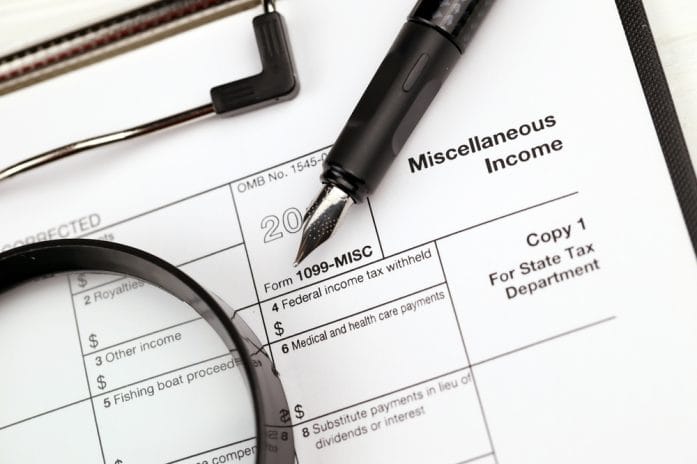
But wait — the tax fun doesn’t stop with Form 1099-K. The same law made other changes to reporting forms that matter to small businesses and freelancers. Specifically, the reporting threshold for Form 1099-MISC and Form 1099-NEC — used to report payments to contractors, landlords, and miscellaneous income — has been increased. Starting in 2026, businesses generally won’t need to issue these forms unless the total payments reach at least $2,000 in a year, and this threshold will be adjusted for inflation in future years.

This is a big deal for small outfits and side hustlers. Under the old $600 rule, a small business that paid a freelancer $800 could have had to send out a 1099-NEC. Now? Not until payments hit that higher $2,000 mark. That’s less paperwork, fewer forms flying around, and fewer opportunities for innocent mistakes to turn into IRS penalties.


What Do You Think?

This change in tax reporting thresholds for 2026 is one of those rare moments when tax law manages to ease confusion rather than amplify it. Between reinstating the $20,000/$200 1099-K standard and raising the bar on other 1099 forms, the law reshapes how everyday earners interact with IRS reporting. We’ve covered the facts, the history, and the implications — now we want to hear from you.

Tell us what this change means to you, how it might affect your side hustle or business, or even the tax tales you’ve lived through — drop your thoughts or experiences in the comments below!

You May Also Like…

IRS Warning: That Venmo Payment for Your Garage Sale Just Triggered a Surprise Tax Bill

What Your First Budget Of The Year Should Include

8 Tax Moves That Save You When You Can’t Pay the IRS on Time

5 Reasons To Talk To Your Kids About Taxes

6 Advanced Techniques to Lower Your Capital Gains Taxes Legally

Brandon Marcus
Brandon Marcus

Brandon Marcus is a writer who has been sharing the written word since a very young age. His interests include sports, history, pop culture, and so much more. When he isn’t writing, he spends his time jogging, drinking coffee, or attempting to read a long book he may never complete.

Filed Under: tax tips Tagged With: 2026, 2026 laws, 2026 taxes, family finances, family money, finance, finances, general finance, Internal Revenue Service, IRS, IRS reporting, Money, money issues, tax planning, tax risk, tax risks, tax tips, taxes

Texas Property Alert: The New 2026 Law That Allows Police to Remove Squatters in 24 Hours

January 15, 2026 by Brandon Marcus Leave a Comment

Texas Property Alert: The New 2026 Law That Allows Police to Remove Squatters in 24 Hours

Image Source: Shutterstock.com

Your property is supposed to feel like a sanctuary, but what happens when someone shows up uninvited and refuses to leave? For years, Texas homeowners have battled the headache of squatters, navigating long legal processes just to reclaim their own spaces. That struggle could be over sooner than ever thanks to a groundbreaking 2026 law that empowers law enforcement to remove squatters within 24 hours.

The implications are massive, from protecting homes and rental properties to giving landlords a newfound sense of security. For anyone who’s ever worried about the potential chaos of a squatter, this law is turning the page on a long-standing problem.

How The 2026 Law Changes The Game For Homeowners

For decades, Texas property owners have faced a cumbersome legal maze when dealing with squatters. Eviction notices, court dates, and months of waiting were often the norm, even when the homeowner had full legal rights. The new 2026 law streamlines that process dramatically. Law enforcement can now respond immediately to verified claims of unlawful occupation, drastically cutting down the waiting period. The law requires clear documentation proving ownership or rental rights, ensuring that the process is legitimate and protects against misuse.

For homeowners, this means that the frustration of waiting weeks or months to reclaim property is replaced with a solution that takes just a day. Experts are hailing this as one of the most significant changes to property law in Texas in years.

What Homeowners Need To Do To Use This Law

Using this law isn’t as simple as picking up the phone and calling the police—there are specific steps that must be followed. First, the property owner must provide proof of ownership or legal possession. This can include deeds, leases, or other official documents that clearly establish your rights. Next, the homeowner must verify that the individual occupying the property is a squatter, meaning they have no lease, permission, or claim to the space. Law enforcement officers will then respond, and if all criteria are met, the squatter can be removed within 24 hours.

The law also protects property owners from liability during the process, giving peace of mind that the removal is fully legal and enforceable. Being prepared with the right documentation is crucial to making this system work efficiently.

How Police Will Handle Squatter Removal

The law places a strong emphasis on procedural fairness, ensuring that both homeowners and occupants are treated appropriately. Police officers are trained to verify the property claim and determine whether the individual truly qualifies as a squatter. If the person has a legitimate dispute, officers will not remove them immediately, preventing wrongful eviction. In cases where the law clearly applies, removal happens swiftly, often within hours.

Officers are also guided to handle belongings with care and avoid confrontations whenever possible. This structured approach not only protects the homeowner’s rights but also ensures that the process is safe, respectful, and efficient for everyone involved.

Texas Property Alert: The New 2026 Law That Allows Police to Remove Squatters in 24 Hours

Image Source: Shutterstock.com

Implications For Landlords And Rental Properties

Landlords stand to benefit enormously from this new law. Rental properties, especially in urban areas, are often targets for illegal occupation, and the prior legal process could drain time and money. With the 24-hour removal provision, landlords can take action quickly, minimizing property damage and financial loss. It also changes the dynamic of property management, as the risk of long-term squatting is drastically reduced. Landlords are encouraged to stay proactive, documenting leases and keeping clear records of occupancy.

Insurance providers may also view properties differently now that rapid squatter removal is legally supported, potentially influencing rates and coverage. For anyone renting property in Texas, this law represents a sea change in security and control.

Legal Boundaries And Safeguards Homeowners Should Know

While the law is powerful, it comes with strict safeguards to prevent abuse. Homeowners must follow documented procedures to avoid legal consequences. Misidentifying someone as a squatter or attempting self-eviction could still result in civil or criminal liability. The law is also limited to situations where occupancy is clearly unauthorized, meaning roommates, tenants, or family members with legal rights cannot be removed under this statute.

Courts can review disputes, ensuring that the 24-hour removal is not applied unfairly. Essentially, this law balances rapid enforcement with careful protection against misuse. Understanding the boundaries is key to using it successfully without complications.

Preparing For The New Reality In Texas Property Law

The 2026 law marks a new era for property owners across Texas, but preparation is everything. Homeowners should organize deeds, leases, and any other proof of ownership or legal possession. Maintaining clear records of communication with tenants or occupants is also wise, as documentation can support claims under the law. Local police departments may offer guidance on filing requests for removal efficiently, so reaching out early can streamline the process.

Staying informed about updates to the law or implementation guidelines ensures homeowners are ready to act if needed. Ultimately, this law empowers Texans to protect their property while keeping the process lawful and structured.

Do You Have Any Thoughts On These New Texas Laws?

This new law is shaking up the Texas property landscape, giving homeowners and landlords unprecedented power to act swiftly against unauthorized occupants. It’s a game-changer for anyone who values the safety, security, and control of their property.

If you’ve had experiences with squatters, either frustrating or frightening, now is the time to reflect on how this law could have made a difference. We’d love to hear your thoughts, stories, or opinions about the impact of rapid squatter removal in Texas.

You May Also Like…

Power to Choose: Exploring Wind Energy Options in Texas Electricity Market

13 Eye-Opening Truths About Real Estate Crowdfunding Ventures

9 Georgia Counties Where Property Taxes Are Set to Rise the Fastest

6 Hidden Costs of Homeownership That Blindside First-Time Buyers

7 Fine-Print Exclusions in Your Homeowner’s Policy That Could Cost You Everything

Brandon Marcus
Brandon Marcus

Brandon Marcus is a writer who has been sharing the written word since a very young age. His interests include sports, history, pop culture, and so much more. When he isn’t writing, he spends his time jogging, drinking coffee, or attempting to read a long book he may never complete.

Filed Under: Law Tagged With: 2026 laws, buying a house, Home, homeowners, homeownership, House, illegal, laws, legal advice, new laws, owning a house, Property, property laws, property taxes, Real estate, real estate laws, squatters, Squatters rights, Texas, Texas laws, Texas property

The 48-Hour Debt Collection Rule: How New Laws Let Lenders Freeze Accounts Faster in 2026

January 15, 2026 by Brandon Marcus Leave a Comment

The 48-Hour Debt Collection Rule: How New Laws Let Lenders Freeze Accounts Faster in 2026

Image Source: Shutterstock.com

Imagine waking up one morning, sipping your coffee, and checking your bank account—only to find your funds frozen. No warning, no gradual process, just an instant freeze. It sounds like a plot twist from a thriller, but in 2026, this scenario has become a real-life possibility for borrowers under the new 48-hour debt collection rule.

This law allows lenders to act faster than ever before, and both consumers and financial institutions are adjusting to a new normal where speed and immediacy reign supreme. Understanding this rule is critical if you want to stay ahead of potential account freezes and manage your finances wisely.

What The 48-Hour Debt Collection Rule Means For Consumers

The 48-hour debt collection rule allows lenders to freeze a borrower’s account within just two days of identifying a default or overdue payment. This is a significant acceleration from previous regulations, where collections often took weeks or months to initiate. For consumers, this means that awareness and vigilance are more important than ever. Checking account balances regularly, setting up alerts, and maintaining clear communication with lenders can make a huge difference. It also emphasizes the importance of understanding the terms of any loan or credit agreement before signing.

Not all debts are subject to the same rules, so knowing which accounts could be frozen in 48 hours is key. While it may feel alarming, this rule is designed to streamline debt recovery and reduce the lag time that historically caused losses for lenders.

How Lenders Are Preparing For Rapid Account Freezes

Banks and lending institutions are revamping their internal processes to comply with the 48-hour rule. Advanced software and automated monitoring systems are being implemented to identify overdue accounts instantly. These systems track payment histories, detect missed deadlines, and flag accounts for immediate action. Lenders argue that this technology helps prevent bad debt from escalating and ensures that they can protect their financial stability. Staff training is also essential, as employees need to navigate the legal requirements of freezing accounts without violating consumer rights. Transparency is a growing focus—lenders must provide clear notices and proper documentation before executing account freezes, even with the compressed timeline. The 48-hour rule isn’t just a tool for speed; it’s a catalyst for modernization in debt collection practices.

Legal Protections And Obligations For Borrowers

Even with rapid action allowed by the 48-hour rule, borrowers still have legal protections. The law mandates that lenders provide detailed notices explaining why an account is being frozen and how the borrower can respond. Borrowers typically have the right to contest the freeze if there is evidence of an error or dispute regarding the debt. Understanding these rights is crucial to avoiding unnecessary financial disruption. Legal experts advise keeping all loan agreements, billing statements, and communication records organized. This documentation can be invaluable if you need to challenge a freeze or negotiate a payment plan. Additionally, certain types of accounts, like retirement funds or government benefits, may be exempt from immediate freezes, offering some financial safety nets. The balance between lender efficiency and borrower protection is central to the law’s design.

The 48-Hour Debt Collection Rule: How New Laws Let Lenders Freeze Accounts Faster in 2026

Image Source: Shutterstock.com

Tips For Avoiding A 48-Hour Account Freeze

The fastest way to avoid a 48-hour account freeze is proactive financial management. Paying bills on time, setting automatic payments, and monitoring account activity can help you stay ahead of potential issues. Communication with your lender is key; if you anticipate a late payment, reaching out early can often prevent an immediate freeze. Keeping emergency funds in a separate account can also provide a buffer if one account becomes temporarily inaccessible. Financial advisors recommend regularly reviewing credit reports and staying informed about changes in debt collection laws, which can vary by state or type of loan.

Awareness, preparation, and organization can turn what feels like a threat into manageable financial strategy. This approach ensures you’re not caught off guard by sudden freezes and maintain control over your money.

The Impact On Businesses And The Economy

Businesses are feeling the ripple effects of the 48-hour rule as well. Companies that extend credit to clients or manage large accounts receivable are adjusting to faster collections timelines. Small businesses in particular may face immediate cash flow challenges if client accounts are frozen without warning. On the flip side, lenders see this rule as a tool to reduce risk and improve overall financial efficiency.

Economists note that faster debt recovery could streamline economic activity, reducing prolonged disputes and unpaid debts that can drag down markets. However, the rule also raises concerns about potential overreach or errors that could impact consumer trust. Both business owners and individuals are learning that rapid debt enforcement requires heightened diligence and financial discipline.

Looking Ahead: The Future Of Debt Collection

The 48-hour debt collection rule represents a broader trend toward automation and speed in financial services. As technology continues to evolve, we may see even faster methods for detecting defaults and enforcing payments, including AI-driven monitoring and real-time account analytics. Policymakers are balancing these technological advancements with consumer protections to prevent abuses.

For borrowers, staying informed and maintaining healthy financial habits will remain critical. The rule also encourages lenders to prioritize clear communication, transparency, and fairness. The landscape of debt collection is changing quickly, but understanding these laws allows consumers and businesses alike to navigate it with confidence.

What Do You Think About The 48-Hour Rule?

The 48-hour debt collection rule is shaking up the financial world, speeding up account freezes, and demanding new levels of awareness from consumers and businesses alike. Whether it feels empowering or alarming, one thing is clear: staying informed, organized, and proactive is the best strategy.

Have you or someone you know experienced an account freeze under these new laws? How did you handle it? Drop your thoughts or experiences in the comments below—we’d love to hear from you.

You May Also Like…

7 Ways Credit Card Debt Builds Faster Than Expected

Holiday Debt: 9 Warning Signs Your Spending Is Already Off Track

7 Tricks Collection Agencies Use To Get You To Pay Off Old Debt

8 Cruel Truths About Debt That Nobody Wants to Hear Loudly

Debt Alert: 6 Ways Holiday Spending Could Trigger a January Credit Score Crisis

Brandon Marcus
Brandon Marcus

Brandon Marcus is a writer who has been sharing the written word since a very young age. His interests include sports, history, pop culture, and so much more. When he isn’t writing, he spends his time jogging, drinking coffee, or attempting to read a long book he may never complete.

Filed Under: Debt Management Tagged With: 2026 laws, collection agencies, collections, Credit card debt, Debt, debt advice, debt collection, eliminating debt, lenders, lending money, loaning money, money lenders, new law, Pay Off Debt

FOLLOW US

Search this site:

Recent Posts

  • Can My Savings Account Affect My Financial Aid? by Tamila McDonald
  • 12 Ways Gen X’s Views Clash with Millennials… by Tamila McDonald
  • What Advantages and Disadvantages Are There To… by Jacob Sensiba
  • 10 Tactics for Building an Emergency Fund from Scratch by Vanessa Bermudez
  • Call 911: Go To the Emergency Room Immediately If… by Stephen Kanaval
  • 7 Weird Things You Can Sell Online by Tamila McDonald
  • 10 Scary Facts About DriveTime by Tamila McDonald

Copyright © 2026 · News Pro Theme on Genesis Framework