• Home
  • About Us
  • Toolkit
  • Getting Finances Done
    • Hiring Advisors
    • Debt Management
    • Spending Plan
  • Insurance
    • Life Insurance
    • Health Insurance
    • Disability Insurance
    • Homeowners/Renters Insurance
  • Contact Us
  • Privacy Policy
  • Risk Tolerance Quiz

The Free Financial Advisor

You are here: Home / Archives for job market

More Americans Are “Unretiring” — And It’s Not Always by Choice

March 28, 2026 by Brandon Marcus Leave a Comment

More Americans Are “Unretiring” — And It’s Not Always by Choice

Image Source: Unsplash.com

Retirement used to be a well-deserved and earned achievement. Work hard, save money, clock out for good, and finally enjoy the freedom that decades of effort earned. That idea still sounds great, but reality has started to rewrite the script in a big way. A growing number of Americans now find themselves dusting off résumés, relearning workplace software, and stepping back into jobs they thought they left behind for good. That shift isn’t a quirky trend or a niche lifestyle choice—it’s a major economic signal that deserves attention.

This rise in “unretiring” doesn’t come from one single cause. It pulls together inflation, longer lifespans, shifting job markets, and sometimes plain old boredom. Some people choose to go back because they want structure and purpose, while others feel forced into it by rising costs and shrinking savings. The result creates a complicated, deeply human story about money, identity, and survival in a changing world.

The Retirement Dream Is Getting Expensive—Fast

Retirement plans built even ten years ago didn’t account for the kind of price increases people see today. Groceries cost more, healthcare expenses climb steadily, and housing refuses to stay predictable. A fixed income struggles to stretch far enough when everyday essentials start eating up larger portions of the budget. That pressure pushes many retirees to reconsider what “living comfortably” actually means in the current economy.

Social Security helps, but it rarely covers everything on its own. Many retirees depend on savings, pensions, or investments to fill the gaps, and those sources don’t always perform as expected. Market downturns can shrink portfolios quickly, and once withdrawals begin, rebuilding those funds becomes much harder. That financial squeeze doesn’t always hit immediately after retirement, which makes it even trickier. Someone might feel secure for a few years, then suddenly realize the numbers no longer add up.

That moment often sparks the decision to return to work. Not everyone jumps back into a full-time job, but even part-time work can help stabilize finances. Some retirees pick up consulting roles, while others move into retail, customer service, or gig-based work. The goal usually stays simple: bring in enough income to reduce stress and protect long-term savings. That shift turns retirement from a permanent state into something more flexible—and sometimes more fragile than expected.

Work Isn’t Just About Money Anymore

Money plays a huge role, but it doesn’t tell the whole story. Retirement removes structure from daily life, and that change can feel unsettling. A career often provides routine, social interaction, and a sense of purpose that doesn’t automatically replace itself. Without those elements, days can start to blur together in ways that feel less relaxing and more disorienting.

Many retirees discover that they miss the rhythm of working. They miss conversations with coworkers, the satisfaction of completing tasks, and the feeling of contributing to something larger than themselves. That emotional pull can drive people back into the workforce even when finances remain stable. In those cases, “unretirement” becomes less about survival and more about rediscovery.

That doesn’t mean jumping back into the exact same career path. Plenty of retirees choose roles that offer flexibility, lower stress, or entirely new experiences. Someone who spent decades in a corporate office might take on a part-time role at a local shop or explore freelance opportunities online. That shift allows people to reshape their relationship with work instead of simply returning to old habits. It also opens the door to finding enjoyment in ways that traditional careers didn’t always allow.

More Americans Are “Unretiring” — And It’s Not Always by Choice

Image Source: Unsplash.com

Employers Are Suddenly Paying Attention

This wave of returning retirees hasn’t gone unnoticed by employers. Companies across various industries face labor shortages, and experienced workers bring immediate value. Older employees often show strong reliability, communication skills, and problem-solving abilities that take years to develop. That combination makes them incredibly appealing in a tight job market.

Some businesses now actively recruit retirees, offering flexible schedules, part-time positions, and remote work options. These adjustments make it easier for older workers to re-enter the workforce without sacrificing the balance they hoped retirement would provide. In many cases, employers benefit from lower training costs and higher retention rates among these workers. That dynamic creates a win-win situation when handled thoughtfully.

Still, challenges remain. Not every workplace adapts well to older employees, and age bias continues to exist in hiring practices. Technology also presents a hurdle for some, especially in roles that require constant adaptation to new tools and platforms. Those obstacles don’t stop the trend, but they do shape how easily individuals can transition back into work. Anyone considering unretirement benefits from brushing up on digital skills and exploring industries that value experience as much as speed.

The Emotional Side of “Starting Over”

Returning to work after retirement doesn’t always feel smooth or exciting. It can stir up complicated emotions, especially for people who expected retirement to last permanently. Pride can take a hit when financial pressures drive the decision, and adjusting to a new routine can feel overwhelming at first. That emotional layer deserves just as much attention as the financial one.

Confidence plays a big role too. Someone who hasn’t worked in years might question their abilities or worry about fitting into a modern workplace. Those concerns make sense, but they don’t reflect reality for many returning workers. Experience carries weight, and the ability to adapt often matters more than knowing every new tool right away. Building confidence again takes time, but it happens through action rather than waiting for perfect readiness.

Support systems help tremendously during this transition. Family members, friends, and professional networks can provide encouragement and practical guidance. Job search platforms, local community programs, and training courses also offer valuable resources for re-entering the workforce. Anyone considering this step benefits from treating it as a new chapter instead of a setback. That mindset shift makes the process feel less like going backward and more like moving forward in a different direction.

Smart Moves for Anyone Thinking About Unretiring

Jumping back into work works best with a clear plan. Start by identifying what kind of role actually fits current needs and energy levels. A high-stress, full-time position might not make sense, but a flexible, part-time job could provide both income and enjoyment. Setting realistic expectations helps avoid burnout and keeps the experience positive.

Updating skills can make a huge difference. Even basic familiarity with modern tools like email platforms, scheduling software, or online communication apps can boost confidence and open more opportunities. Free or low-cost courses online offer an easy way to refresh those skills without a major time commitment. That preparation turns the job search into a more empowering process.

Networking also plays a powerful role. Reconnecting with former colleagues, joining community groups, or exploring industry events can uncover opportunities that don’t always appear in job listings. Many positions get filled through connections rather than formal applications. Staying open to different types of work increases the chances of finding something that fits both financial and personal goals. Flexibility becomes a major advantage in this stage of life.

Retirement Isn’t What It Used to Be

The idea of retirement as a permanent escape from work continues to evolve, and “unretiring” sits right at the center of that shift. Some people embrace the chance to stay active and engaged, while others feel pushed into it by circumstances they didn’t anticipate. Both experiences reflect a broader reality: financial planning, health, and personal fulfillment all shape what retirement actually looks like.

What do you think? Should retirement focus on freedom, financial stability, or personal growth—or a mix of all three? Share your thoughts, experiences, or strategies in the comments.

You May Also Like…

Retirement Healthcare Costs Are Climbing Again — What the Average Couple Now Needs

8 Mistakes That Can Trigger a Social Security Overpayment Notice

Is it Too Late at 45? How to Use the Mega Backdoor Roth to Dump Tens of Thousands into Retirement in One Year

Why Retirees Are Running Out of Money Faster Than Expected

Why More Retirees Are Being Flagged for “Excess Assets” by Benefit Programs

Brandon Marcus
Brandon Marcus

Brandon Marcus is a writer who has been sharing the written word since a very young age. His interests include sports, history, pop culture, and so much more. When he isn’t writing, he spends his time jogging, drinking coffee, or attempting to read a long book he may never complete.

Filed Under: Retirement Tagged With: aging workforce, economic trends, financial stress, inflation impact, job market, older workers, Personal Finance, retirement planning, retirement trends, Social Security, unretirement, workforce shifts

The New Career Anxiety Crushing Middle-Class Workers

February 20, 2026 by Brandon Marcus Leave a Comment

The New Career Anxiety Crushing Middle-Class Workers

Image Source: Unsplash.com

You can earn a solid paycheck, hold a respectable title, and still lie awake at 2 AM wondering if your job will exist in three years. That tension hums beneath the surface of middle-class life right now.

People who once felt stable now scroll job postings “just in case.” They polish résumés they hope they never have to send. They watch headlines about artificial intelligence, corporate restructuring, and mass layoffs and quietly ask themselves whether they still belong in the future of work.

This anxiety doesn’t erupt from thin air. Real economic shifts, technological disruption, and rising costs have squeezed the middle class from multiple sides at once, and that pressure has started to shape how people think about their careers, their value, and their sense of control.

The Middle-Class Squeeze Feels Personal Now

For decades, a steady professional job offered a predictable ladder. You worked hard, stayed loyal, gained experience, and climbed. That script no longer feels reliable. Large companies in tech, finance, and media have reduced headcount, even while reporting profits. When headlines announce thousands of layoffs at once, middle-class professionals absorb a message that loyalty does not guarantee safety.

At the same time, inflation has strained household budgets. Although inflation has cooled from its 2022 peak, prices for housing, food, and insurance remain elevated compared to pre-pandemic levels. Wages have risen in many sectors, but not always fast enough to restore purchasing power. That gap fuels anxiety. When expenses rise and job security weakens, people don’t just worry about the next paycheck; they worry about the next decade.

Artificial Intelligence: Opportunity and Threat in the Same Breath

Artificial intelligence has moved from abstract concept to daily tool at lightning speed. Platforms powered by generative AI can draft reports, analyze data, create marketing copy, and even write software code in seconds. Companies have embraced these tools to boost productivity and cut costs. That reality excites executives and unsettles employees.

Debate remains. Research from organizations suggests that automation and AI will both eliminate and create jobs over the next several years. Roles that rely heavily on routine tasks face higher risk, while jobs that demand complex problem-solving, human interaction, and creative judgment may expand. Yet that nuance often gets lost in the noise. Workers hear about AI replacing tasks and assume that replacement will eventually reach them.

Here’s the grounded truth. Technology historically changes work more often than it erases it. When spreadsheets arrived, accountants did not disappear; they adapted and expanded their advisory roles. When email replaced fax machines, office workers did not vanish; they accelerated communication. AI will reshape tasks, and some roles will fade, but new specialties will grow around implementation, oversight, ethics, and strategy. People who lean into learning rather than freezing in fear stand a far better chance of staying relevant.

The Illusion of Stability Has Cracked

Middle-class identity often centers on stability. A mortgage. A reliable car. Health insurance tied to employment. A retirement plan that grows quietly in the background. When layoffs hit or companies restructure without warning, that entire identity shakes.

The pandemic accelerated this shift. Millions of workers left jobs during the Great Resignation, seeking better pay or flexibility. Employers responded with raises, remote work options, and signing bonuses. For a brief moment, workers felt empowered. Then hiring slowed in certain sectors, interest rates climbed, and companies began trimming payroll. The pendulum swung again.

This whiplash creates psychological strain. People struggle to plan when the rules keep changing. A promotion no longer feels permanent. A thriving company can announce layoffs within months. Even high performers watch colleagues lose roles and realize performance does not shield anyone completely.

Burnout Doesn’t Disappear When You Earn a Decent Salary

Middle-class workers often hesitate to voice career anxiety because they recognize their relative privilege. They have jobs. They earn salaries above the national median. They may have benefits and paid time off. Yet burnout and anxiety do not vanish just because someone clears a certain income threshold.

In fact, higher-paying roles frequently demand constant availability. Smartphones blur the line between office and home. Remote work, while convenient, can stretch the workday into evenings and weekends. Many professionals feel pressure to prove their value in uncertain times, so they accept more projects and fewer boundaries.

Burnout feeds career anxiety. Exhausted people struggle to upskill or explore new paths. They feel trapped in roles that drain them because they lack the energy to change. That cycle deepens fear. When someone feels both tired and insecure, even minor workplace shifts can trigger outsized stress.

The New Career Anxiety Crushing Middle-Class Workers

Image Source: Unsplash.com

Smart Moves in an Unsteady Market

Career anxiety often shrinks perspective. It whispers that disaster looms and that no preparation will matter. That narrative feels powerful, but it does not hold up under scrutiny. Practical steps can reduce risk and restore a sense of agency.

First, build a financial buffer. Financial advisors commonly recommend an emergency fund that covers three to six months of essential expenses. That cushion transforms a layoff from a crisis into a challenge. It buys time to search thoughtfully instead of scrambling.

Second, invest in skills that travel well across industries. Data literacy, project management, communication, and digital fluency apply in countless settings. Online platforms, community colleges, and professional associations offer affordable courses that strengthen these areas. Even dedicating a few hours each week to learning can shift long-term prospects.

Finally, evaluate your role with clear eyes. Ask whether your daily tasks align with growing or shrinking parts of your industry. If your field shows signs of long-term decline, consider gradual transitions rather than waiting for a pink slip. Small pivots feel less overwhelming than emergency leaps.

A Future That Demands Courage, Not Panic

Career anxiety among middle-class workers reflects real pressures: layoffs, inflation, AI disruption, and shifting corporate norms. Ignoring those forces would feel naive. Panicking about them would feel paralyzing. A smarter approach blends realism with action.

Control what you can. Strengthen your skills. Build savings. Protect your energy. Stay curious about where your industry moves. None of these steps guarantee immunity from change, but they dramatically increase your adaptability.

How has career anxiety shown up in your life, and what steps have you taken to manage it? This is a discussion worth having, so let’s do so in the comments below.

You May Also Like…

Can You Trust AI With Your Taxes and Investments? 8 Risks No One Explains

Why Medical Billing Disputes Can Raise Final Charges Instead of Lowering Them

7 Dead End Jobs That People Believe Make a Great Career

11 Careers With Big Money But Zero Appeal

7 Hidden Costs of Switching Careers in Midlife


Brandon Marcus
Brandon Marcus

Brandon Marcus is a writer who has been sharing the written word since a very young age. His interests include sports, history, pop culture, and so much more. When he isn’t writing, he spends his time jogging, drinking coffee, or attempting to read a long book he may never complete.

Filed Under: Career Tagged With: artificial intelligence, career anxiety, career change, economic pressure, Inflation, job market, job security, layoffs, middle class, professional burnout, wage growth, workplace trends

9 Financial Shifts That Catch People Off Guard

January 23, 2026 by Brandon Marcus Leave a Comment

These Are 9 Financial Shifts That Catch People Off Guard

Image source: shutterstock.com

Money has a peculiar way of moving faster than we expect. One day, you’re coasting along with a budget that seems solid, and the next, a sudden expense, market shift, or policy change makes you double-check your bank account just to make sure it’s real. Some financial changes are obvious—they’re planned, announced, or easy to predict—but others arrive like uninvited guests, throwing your routine off and demanding quick adjustments.

The challenge is not just surviving these shifts but understanding them well enough to turn them into opportunities instead of setbacks. Let’s dive into nine financial twists and turns that often catch people off guard—and explore how to respond without breaking a sweat.

1. Interest Rate Surges Can Sting More Than You Expect

When central banks raise interest rates, the news usually dominates headlines, but many people underestimate the direct effect on their wallets. Variable-rate loans, mortgages, and credit card balances become more expensive almost immediately, and monthly budgets can take a hit without warning.

Even small rate increases can add up to hundreds of dollars over a year if your debt is significant. Savvy savers, however, can take advantage of these periods by putting money into high-yield savings accounts, which also tend to rise when rates go up. The key is paying attention to how your debts and investments are structured. Awareness is the difference between a nasty surprise and an opportunity to make your money work a little harder.

2. Inflation Creeps Up Stealthily

Inflation is the silent force that gradually erodes purchasing power, often without people realizing it until a routine shopping trip or bill payment delivers a jolt. Prices for groceries, gas, and everyday services can increase faster than wages, meaning the same paycheck buys less than it did a year ago.

Historically, moderate inflation can even benefit borrowers, as the real value of debt diminishes over time, but it punishes those relying on fixed incomes.

Long-term investors may need to adjust portfolios to include assets that historically outpace inflation, such as stocks or real estate. The trick is to spot the trends early and avoid knee-jerk reactions that can worsen your financial picture.

3. Job Market Shifts Hit Harder Than Expected

Career stability is often assumed, but economic changes can make layoffs, restructuring, or automation hit without warning. Industries evolve rapidly, and what was in high demand yesterday may face contraction tomorrow.

Even highly skilled professionals can find themselves searching for new opportunities sooner than anticipated. Diversifying skills, networking consistently, and keeping a financial cushion in savings can transform what could be a stressful situation into a temporary hurdle. Understanding the broader employment landscape helps anticipate risks rather than react in panic mode.

4. Tax Code Tweaks Are More Impactful Than You Think

Governments adjust tax laws frequently, and subtle changes in deductions, credits, or brackets can significantly alter annual finances. Sometimes the impact is immediate, reducing your take-home pay or changing the effectiveness of retirement contributions.

Other times, it appears when filing next year’s returns, catching people off guard. Keeping informed about tax policy updates or working with a trusted accountant can prevent surprises and even uncover hidden advantages. Tax efficiency is a powerful, often overlooked tool for maintaining financial momentum.

5. Lifestyle Inflation Slips In Quietly

As incomes rise, spending habits often follow, sometimes unconsciously. Upgrading to a more expensive car, dining out more frequently, or moving into a pricier home can feel like a reward, but over time, lifestyle inflation can outpace income growth. People often realize too late that increased earnings aren’t creating more freedom—they’re just funding higher expenses. Combatting this requires mindfulness, disciplined budgeting, and occasional reflection on whether every extra dollar spent is actually adding value to your life. Small, deliberate choices in spending can make a huge difference over the years.

6. Unexpected Medical Costs Can Derail Plans

Even with insurance, medical emergencies can introduce significant financial strain. Procedures, prescriptions, and specialist visits often come with out-of-pocket costs that exceed expectations. Preventive care can reduce risk, but life is unpredictable, and sometimes bills arrive before you’re ready.

An emergency fund specifically for health-related costs can make these situations manageable without compromising other financial goals. Understanding insurance coverage, negotiating bills, and exploring payment plans are strategies many overlook until they’re in a pinch.

These Are 9 Financial Shifts That Catch People Off Guard

Image source: shutterstock.com

7. Retirement Needs May Be Higher Than Anticipated

Many people assume their retirement nest egg only needs to cover basic living expenses, but inflation, healthcare costs, and longer lifespans make financial planning more complex.

Underestimating the amount needed can lead to uncomfortable adjustments later in life. Early and consistent contributions to retirement accounts, along with strategic investment choices, can provide a cushion.

Periodic review of retirement goals ensures plans remain realistic and responsive to changes in life circumstances or economic conditions. Planning ahead is not just smart—it’s essential.

8. Sudden Changes in Credit Scores Affect More Than Loans

Credit scores influence more than just loan approvals—they affect insurance rates, rental applications, and even job opportunities in certain industries. Negative changes can occur from missed payments, high credit utilization, or errors in reporting, and the effects aren’t always immediate.

Monitoring credit reports regularly and correcting inaccuracies quickly can prevent small issues from snowballing. Maintaining a healthy credit score opens doors and protects financial flexibility when unexpected expenses appear.

9. Technology-Driven Financial Shifts Require Adaptation

Digital banking, cryptocurrency, AI-driven investment tools, and fintech apps have transformed how people manage money. While these tools offer convenience and efficiency, they also demand digital literacy and awareness of risks like cyber fraud or volatile markets.

People who resist adapting to new technologies may miss out on opportunities for optimization or secure management. Conversely, jumping in without understanding the tools can lead to costly mistakes. Staying informed, experimenting cautiously, and embracing change strategically ensures technology becomes a helper, not a hazard.

How Have You Navigated Financial Surprises?

Financial surprises are inevitable, but understanding the common shifts that can throw people off balance equips you to respond thoughtfully. From interest rate hikes to lifestyle inflation, these changes affect everyone differently, and planning is a key defense. Some surprises are unavoidable, but many can be managed or mitigated with awareness, preparation, and flexibility.

Your experiences and strategies are valuable, and we’d love to hear how you’ve handled financial curveballs in your own life in the comments section below.

You May Also Like…

What Does Financial Stress Do To Your Body?

How a Solid Estate Plan Can Protect Your Finances

Tax Horizon: 4 Year-End Moves That Could Shape Your Finances for a Decade

Risk Proaction: 5 Steps to Stress-Test Your Finances for Worst-Case Scenarios

Expense Trap: 7 Inflation Surprises That Sneak Up on Middle-Aged Investors

Brandon Marcus
Brandon Marcus

Brandon Marcus is a writer who has been sharing the written word since a very young age. His interests include sports, history, pop culture, and so much more. When he isn’t writing, he spends his time jogging, drinking coffee, or attempting to read a long book he may never complete.

Filed Under: Finance Tagged With: finance, finances, financial choices, financial decisions, financial shifts, general finance, Inflation, interest rates, job market, job search, jobs, Lifestyle Inflation, medical bills, medical expenses, tax code

10 Jobs That Are Hiring Now and Paying Over $100k

October 9, 2025 by Travis Campbell Leave a Comment

jobs that are hiring now and paying over $100k

Image source: shutterstock.com

Finding a job that pays well and is currently hiring can feel like searching for a needle in a haystack. With the job market constantly evolving, it’s essential to identify the best opportunities. High-paying jobs aren’t just for people with years of experience or advanced degrees. Many industries are facing shortages and are eager to hire qualified candidates immediately. If you’re looking to boost your income or make a career change, now is a great time to explore jobs that are hiring now and paying over $100k. Here are ten options that could transform your financial future.

1. Software Engineer

Software engineers are in high demand, with companies across tech, finance, and healthcare scrambling to fill open positions. If you have programming skills in languages like Python, Java, or C++, there’s a good chance you’ll find opportunities that pay over $100k. Many positions offer remote work, making this career even more attractive for those seeking flexibility. Entry-level roles can start at a lower level, but experience and specialization can quickly boost earnings.

2. Nurse Anesthetist (CRNA)

Nurse anesthetists are advanced practice nurses who administer anesthesia and monitor patients during surgery. This role requires a master’s degree and certification, but the benefits are substantial. Jobs in this field are hiring now and paying over $100k, sometimes well above that threshold. Hospitals and surgical centers across the U.S. are eager to fill these roles due to ongoing shortages in healthcare professionals.

3. Construction Manager

The construction industry is booming in many parts of the country, and skilled managers are in high demand to oversee projects. Construction managers coordinate everything from budgets to timelines and safety. With several years of experience, you can easily earn six figures. The industry values practical experience, so moving up the ladder is often about performance, not just degrees.

4. Data Scientist

Companies are collecting more data than ever, but they need experts who can analyze it and find actionable insights. Data scientists use programming, statistics, and business knowledge to help organizations make smarter decisions. These jobs are hiring now and paying over $100k, especially in tech, finance, and healthcare. If you enjoy working with numbers and technology, this could be a rewarding path.

5. Physician Assistant (PA)

Physician assistants work alongside doctors to provide care, perform exams, and even prescribe medication. The demand for PAs continues to grow, especially in underserved areas. With a master’s degree and certification, you can start earning over $100k. Many clinics and hospitals are aggressively hiring now, making this a strong option for those interested in medicine but not ready to commit to medical school.

6. Information Security Analyst

As cyber threats become more sophisticated, businesses need information security analysts to protect their data and systems. These professionals develop security measures, monitor networks, and respond to breaches. Jobs that are hiring now and paying over $100k are abundant in this field, especially as remote work increases the need for robust security. Certifications like CISSP or Security+ can give you an edge.

7. Sales Manager

Sales managers are essential for driving revenue and leading teams. While experience in sales is important, strong leadership and communication skills can help you move up quickly. Many companies offer base salaries plus bonuses or commissions, easily pushing total compensation over $100k. If you enjoy working with people and are driven by results, this career path is worth considering.

8. Cloud Solutions Architect

With businesses rapidly adopting cloud technology, cloud solutions architects are in high demand. They design and implement cloud strategies, ensuring reliability and security. These roles often require experience with platforms like AWS, Azure, or Google Cloud. Jobs that are hiring now and paying over $100k are common in this sector, and many offer remote or hybrid work arrangements.

9. Management Consultant

Management consultants assist organizations in solving problems, enhancing efficiency, and driving growth. They often work for consulting firms or as independent contractors. Strong analytical and communication skills are key. Compensation can vary, but experienced consultants frequently earn over $100k, especially with bonuses. If you enjoy tackling new challenges and working with diverse clients, consulting may be a good fit.

10. Airline Pilot

Becoming an airline pilot takes time and dedication, but it’s one of the classic jobs that are hiring now and paying over $100k. Airlines are actively recruiting due to recent shortages and increased travel demand. While you’ll need to earn a commercial pilot’s license and gain flight hours, the financial rewards and travel perks are significant. Both regional and major airlines offer competitive packages.

Getting Started With High-Paying Careers

If you’re interested in one of these jobs that are currently hiring and paying over $100k, start by researching job postings and the required qualifications. Many roles offer clear pathways for advancement, and some even provide on-the-job training or support for certifications. Consider networking with professionals in your target field, and don’t underestimate the value of online courses or workshops to boost your skills.

The job landscape is changing, and with the right approach, you can land a role that pays well and aligns with your goals.

Are you considering a career change or aiming for a higher salary? Which of these jobs would you pursue, or do you have another role in mind that pays over $100k? Share your thoughts in the comments!

What to Read Next…

  • Are These 6 Trending Jobs Just A Rebranded Pyramid Scheme?
  • 7 Signs You Are Being Undervalued At Work And What To Do About It
  • How Many Of These 8 Middle Class Habits Are Keeping You Poor
  • 6 Trends That Suggest The Middle Class Is Dying In Suburbia
  • 7 Ways Your Neighbor Could Be Spying On You Without Breaking The Law
Travis Campbell
Travis Campbell

Travis Campbell is a digital marketer/developer with over 10 years of experience and a writer for over 6 years. He holds a degree in E-commerce and likes to share life advice he’s learned over the years. Travis loves spending time on the golf course or at the gym when he’s not working.

Filed Under: Career Tagged With: career change, healthcare jobs, high-paying jobs, job market, job search, salary, tech careers

8 Silent Indicators That a Recession Is Already Underway

July 25, 2025 by Travis Campbell Leave a Comment

recession

Image Source: pexels.com

Recessions don’t always announce themselves with headlines or breaking news. Sometimes, the signs are subtle, and by the time most people notice, the economy is already in a downturn. If you’re waiting for official reports to confirm a recession, you might be too late to adjust your finances. That’s why it’s important to spot the early, quiet signals that things are changing. These silent indicators can help you make smarter decisions, protect your money, and avoid surprises. Here are eight signs that a recession could already be happening, even if no one is saying it out loud.

1. Rising Credit Card Delinquencies

When more people start missing credit card payments, it’s a red flag. This usually means households are struggling to keep up with bills. If you notice banks reporting higher delinquency rates, it’s a sign that people are running out of cash and relying on credit to get by. This can lead to tighter lending standards, making it harder for everyone to borrow money. If you’re carrying a balance, now is a good time to pay it down.

2. Layoffs in Unexpected Sectors

Job cuts in industries like tech or retail get a lot of attention. But when layoffs start happening in sectors that are usually stable—like healthcare, education, or government—it’s a bigger warning. These jobs are often considered “safe” during tough times. If you hear about layoffs in these areas, it means the slowdown is spreading. Keep an eye on local news and job boards. If your field is affected, update your resume and build your emergency fund.

3. Small Business Closures

Small businesses are often the first to feel economic pain. When you see more “For Lease” signs on Main Street or your favorite local shops closing, it’s not just bad luck. It’s a sign that people are spending less, and businesses can’t keep up with costs. This ripple effect can lead to more job losses and less money circulating in your community. Support local businesses when you can, and pay attention to changes in your neighborhood.

4. Declining Freight and Shipping Volumes

Goods have to move for the economy to grow. When companies ship less freight by truck, train, or ship, it means demand is dropping. This is one of the earliest signs that businesses are cutting back. You don’t need to be a logistics expert to notice this. Look for news about falling shipping volumes or ask people in the industry what they’re seeing.

5. Falling Used Car Prices

Used car prices can tell you a lot about the economy. When people feel confident, they buy cars. When they’re worried, demand drops, and prices fall. If you see used car lots with more inventory and lower prices, it’s a sign that buyers are pulling back. This can also mean that lenders are tightening up, making it harder to get a loan. If you’re thinking about selling or trading in your car, watch the market closely.

6. Slower Restaurant and Entertainment Spending

People cut back on eating out and entertainment when money gets tight. If you notice your favorite restaurants are less crowded or local events are being canceled, it’s not just a coincidence. Businesses in these sectors often feel the pinch first. This can lead to more layoffs and even closures. If you work in hospitality or entertainment, have a backup plan and look for ways to boost your income.

7. Stagnant or Falling Wages

When companies stop giving raises or start cutting hours, it’s a sign they’re worried about the future. Even if you keep your job, your paycheck might not go as far. This can make it harder to keep up with rising prices. If you notice your wages aren’t growing, or you hear about pay freezes, it’s time to review your budget. Look for ways to cut expenses and consider picking up extra work if you can.

8. Increase in “Help Wanted” Signs That Stay Up

It might seem like a good thing to see lots of job openings. But if those “Help Wanted” signs stay up for months, it could mean something else. Sometimes, businesses post jobs they can’t afford to fill, hoping things will improve. Or, the jobs might not pay enough to attract workers. Either way, it’s a sign that the job market isn’t as strong as it looks. If you’re job hunting, be realistic about what’s available and don’t rely on promises.

Reading the Signs: What You Can Do Now

Spotting these silent indicators early gives you a head start. You don’t have to panic, but you should take action. Review your budget, pay down debt, and build up your savings. Stay informed about what’s happening in your community and your industry. Talk to friends and family about what they’re seeing. The more you know, the better you can protect yourself. Recessions don’t last forever, but being prepared can make a big difference.

Have you noticed any of these signs in your area? Share your experiences or thoughts in the comments below.

Read More

The One Debt Relief Program That’s Now Facing Federal Scrutiny

10 Debt Payoff Plans That Work Faster Than You Think

Travis Campbell
Travis Campbell

Travis Campbell is a digital marketer/developer with over 10 years of experience and a writer for over 6 years. He holds a degree in E-commerce and likes to share life advice he’s learned over the years. Travis loves spending time on the golf course or at the gym when he’s not working.

Filed Under: Finance Tagged With: budgeting, economic indicators, job market, money management, Personal Finance, Planning, recession, Small business

Boomers in Denial: What They Refuse to Accept About Today’s Economy

May 28, 2025 by Travis Campbell Leave a Comment

boomers

Image Source: pexels.com

Navigating today’s economy feels like walking a tightrope for many Americans, but for Baby Boomers, the ground beneath their feet is shifting faster than they realize. Many Boomers, shaped by decades of relative economic stability, struggle to accept just how much the financial landscape has changed. This disconnect can lead to costly mistakes, missed opportunities, and even jeopardized retirements. Understanding these blind spots isn’t just about generational finger-pointing—it’s about making smarter decisions in a world that’s nothing like the one Boomers grew up in.

If you’re a Boomer or have one in your life, it’s time to face some uncomfortable truths. The rules have changed, and clinging to outdated beliefs can put your financial future at risk. Here’s what Boomers need to recognize about today’s economy—and what you can do to adapt.

1. Retirement Isn’t as Secure as It Once Was

For decades, Boomers believed in the promise of a comfortable retirement, fueled by pensions, Social Security, and steady investment returns. But the reality is starkly different now. Only about 23% of private-sector workers have access to a traditional pension, compared to nearly 60% in the early 1980s. Social Security’s trust funds are projected to be depleted by 2034, which could mean reduced benefits for future retirees.

Rising healthcare costs and longer life expectancies add more pressure. The average 65-year-old couple retiring today can expect to spend over $315,000 on healthcare alone during retirement, not including long-term care. Many Boomers underestimate these expenses, assuming Medicare will cover everything. In reality, out-of-pocket costs can quickly erode savings.

Actionable advice: Revisit your retirement plan. Factor in higher healthcare costs, potential Social Security cuts, and the possibility of living well into your 90s. Consider working longer, delaying Social Security, or exploring part-time work to bridge the gap.

2. The Cost of Living Has Outpaced Wage Growth

Boomers often recall a time when a single income could comfortably support a family, buy a home, and fund a college education. Today, that’s no longer the case. Since 2000, median household income has grown by about 7%, while the Consumer Price Index has risen by over 70%. Housing, healthcare, and education costs have skyrocketed, leaving younger generations struggling to keep up.

For example, the median home price in the U.S. has more than doubled since 2000, while wages have barely budged. Many Boomers are surprised when their children can’t afford to buy a home or pay off student loans, but the numbers tell the story. The average monthly mortgage payment now eats up over 30% of the median household income, compared to just 20% in the 1980s.

Actionable advice: Recognize that financial milestones look different today. If you’re helping children or grandchildren, understand the real barriers they face. When planning your own budget, account for rising costs in essentials like housing, food, and utilities.

3. The Job Market Demands New Skills and Flexibility

Boomers entered a workforce where loyalty was rewarded and career paths were relatively linear. Today’s job market is far more volatile. Automation, globalization, and the rise of the gig economy have transformed the landscape. Nearly 40% of U.S. workers now participate in gig or contract work, and many traditional jobs have disappeared or require new digital skills.

Older workers who lose a job often face longer periods of unemployment and may need to accept lower pay or part-time roles. Age discrimination remains a real barrier, with workers over 50 taking twice as long to find new employment compared to younger peers.

Actionable advice: Stay current with technology and industry trends. Invest in lifelong learning—free online courses and community college programs can help you stay competitive. If you’re still working, build a financial cushion in case of unexpected job loss.

4. Debt Is a Growing Threat—Even in Retirement

Many Boomers grew up with the idea that debt was something to be avoided, but today, more are carrying significant balances into retirement. The average Baby Boomer holds over $28,000 in non-mortgage debt, including credit cards, auto loans, and even student loans for themselves or their children. Rising interest rates make this debt even more expensive.

Carrying debt into retirement can quickly drain savings and limit lifestyle choices. Minimum payments may seem manageable, but compound interest can turn small balances into major burdens over time.

Actionable advice: Prioritize paying down high-interest debt before retiring. Consider consolidating loans or working with a financial advisor to create a realistic payoff plan. Avoid taking on new debt for large purchases unless absolutely necessary.

5. Inflation Is Not a Temporary Problem

Many Boomers remember periods of high inflation in the 1970s and 1980s, but recent years have brought a new wave of price increases. Inflation hit a 40-year high in 2022 and remains stubbornly above the Federal Reserve’s 2% target. Every day essentials—groceries, gas, utilities—cost more, and fixed incomes don’t stretch as far.

Ignoring inflation’s impact can erode purchasing power and threaten long-term financial security. Even modest annual inflation can cut the value of savings in half over a 20-year retirement.

Actionable advice: Invest in assets that historically outpace inflation, such as stocks or inflation-protected securities. Review your budget annually and adjust spending as needed. Don’t assume prices will return to “normal”—plan for continued volatility.

Facing Reality: How Boomers Can Thrive in Today’s Economy

The economic landscape has changed, and denial won’t protect your financial future. Boomers who adapt—by updating their retirement plans, acknowledging the true cost of living, staying flexible in the job market, tackling debt, and planning for inflation—are far more likely to thrive.

Facing these realities head-on isn’t easy, but it’s essential for making informed decisions. Take a hard look at your finances, seek out credible information, and don’t be afraid to ask for help. The sooner you accept today’s economic challenges, the better prepared you’ll be for whatever comes next.

How have you adjusted your financial plans in response to today’s economy? Share your experiences and insights in the comments below.

Read More

10 Smart Reasons Most Baby Boomers Are Aging in Place

12 Crucial Money Lessons Baby Boomers Passed Down to Their Millennial Kids

Travis Campbell
Travis Campbell

Travis Campbell is a digital marketer/developer with over 10 years of experience and a writer for over 6 years. He holds a degree in E-commerce and likes to share life advice he’s learned over the years. Travis loves spending time on the golf course or at the gym when he’s not working.

Filed Under: Finance Tagged With: baby boomers, but for Baby Boomers, Cost of living, Debt, Inflation, job market, missed opportunities, Personal Finance, Retirement, shaped by decades of relative economic stability, today’s economy

10 Jobs That No One Will Even Miss In The Next 5 Years

April 22, 2025 by Travis Campbell Leave a Comment

cashier

Image Source: unsplash.com

The rapid advancement of technology, particularly artificial intelligence and automation, is reshaping our workforce at an unprecedented pace. As we navigate this evolving landscape, certain occupations face inevitable obsolescence. Understanding which jobs are on the chopping block isn’t just about satisfying curiosity—it’s about making informed career decisions and preparing for the future economy. Whether planning your career path or considering a professional pivot, recognizing these vulnerable positions can help you stay ahead of the curve and make strategic choices about your financial future.

1. Bank Tellers

Traditional bank tellers are rapidly becoming relics of the past. With mobile banking apps handling everything from deposits to loan applications, and ATMs becoming increasingly sophisticated, the need for human tellers continues to diminish. According to a report by Wells Fargo, branch transactions have declined by over 40% in the past decade, while digital banking usage has skyrocketed. Banks are responding by closing physical locations and reducing teller positions, focusing instead on specialized financial advisors who handle complex transactions that automation can’t yet manage.

2. Cashiers

Self-checkout kiosks are no longer novelties but standard fixtures in retail environments. Major retailers like Amazon are pioneering cashier-less stores with their “Just Walk Out” technology, while Walmart and Target continue expanding their self-service options. The pandemic accelerated this trend as contactless shopping became a health priority. While some cashier positions will remain for customer service purposes, the Bureau of Labor Statistics projects a significant decline in cashier employment over the next five years as automation technology becomes more affordable and widespread.

3. Data Entry Specialists

The days of manually inputting information into databases are numbered. Advanced optical character recognition (OCR) technology and AI-powered data processing systems can now extract, categorize, and input data with minimal human oversight. These systems work faster, operate 24/7, and eliminate human error. Companies that once employed large data entry teams are transitioning to automated solutions requiring only a few specialists to manage exceptions and system maintenance.

4. Travel Agents

While travel agents have declined for years, the next five years will likely see their near-complete disappearance from the mainstream market. Online booking platforms, AI-powered travel recommendation engines, and virtual concierge services now handle everything from flight comparisons to personalized itinerary creation. The remaining travel agents are rapidly transitioning to highly specialized luxury travel planning or complex multi-destination coordination that algorithms haven’t yet mastered.

5. Toll Booth Operators

Electronic toll collection systems like E-ZPass and license plate recognition technology have already reduced the need for human toll collectors. This occupation will likely disappear entirely in the next five years as infrastructure modernization continues. States are increasingly adopting all-electronic tolling to improve traffic flow and reduce operational costs. The transition eliminates not just toll collection jobs but also the administrative positions that supported cash handling and manual processing.

6. Print Production Workers

As digital media continues to dominate, the demand for physical newspapers, magazines, and printed marketing materials continues to plummet. Printing press operators, bindery workers, and other print production specialists are seeing their industry contract dramatically. Digital automation has also streamlined the remaining print processes, requiring fewer human operators. While specialty printing will continue to exist, the mass production print workforce will shrink dramatically in the coming years.

7. Mail Sorters

Automated mail sorting systems have revolutionized postal operations, with machines that can process thousands of pieces per hour. As these systems become more sophisticated and capable of handling irregular packages and handwritten addresses, the need for human sorters continues to decline. The U.S. Postal Service has steadily reduced its workforce while increasing automation, which will accelerate as AI-powered sorting technology improves.

8. Assembly Line Workers

Manufacturing automation advances rapidly, with robots handling increasingly complex assembly tasks. While human workers won’t disappear entirely from factories, their roles shift from direct assembly to machine oversight and quality control. Industries from automotive to electronics are investing heavily in automated production lines that operate with minimal human intervention, significantly reducing the demand for traditional assembly workers.

9. Parking Attendants

The combination of automated parking payment systems, license plate recognition technology, and the rise of ride-sharing services has already reduced the need for parking attendants. As self-driving cars and innovative parking solutions become more prevalent in the next five years, traditional parking management will transform dramatically. Urban centers are increasingly adopting fully automated parking structures that eliminate the need for human attendants.

10. Basic Bookkeepers

Entry-level bookkeeping tasks like data entry, reconciliation, and basic report generation are rapidly being automated through accounting software. Cloud-based platforms now automatically categorize transactions, reconcile accounts, and generate financial reports with minimal human input. While financial professionals who can analyze data and provide strategic guidance will remain valuable, those who primarily handle transaction processing and data entry will find their roles increasingly obsolete.

The Automation Revolution Is Here—Are You Ready?

The automation revolution isn’t just eliminating jobs—it’s transforming how we work. While these ten positions may disappear, new opportunities in technology management, customer experience design, and human-machine collaboration are emerging. The key to thriving in this new economy is developing skills that complement rather than compete with automation. Critical thinking, creativity, emotional intelligence, and technical literacy will become increasingly valuable as routine tasks are automated. By understanding these trends and adapting accordingly, you can position yourself for success in the evolving job market.

Have you noticed automation affecting your industry? What skills are you developing to stay relevant in the changing job market?

Read More

11 Outdated Skills That Were Once Cutting Edge

10 Careers That Offer the Most Flexible Work Schedules

Travis Campbell
Travis Campbell

Travis Campbell is a digital marketer/developer with over 10 years of experience and a writer for over 6 years. He holds a degree in E-commerce and likes to share life advice he’s learned over the years. Travis loves spending time on the golf course or at the gym when he’s not working.

Filed Under: Career Tagged With: AI, Automation, career planning, future of work, job market, Planning, technology trends

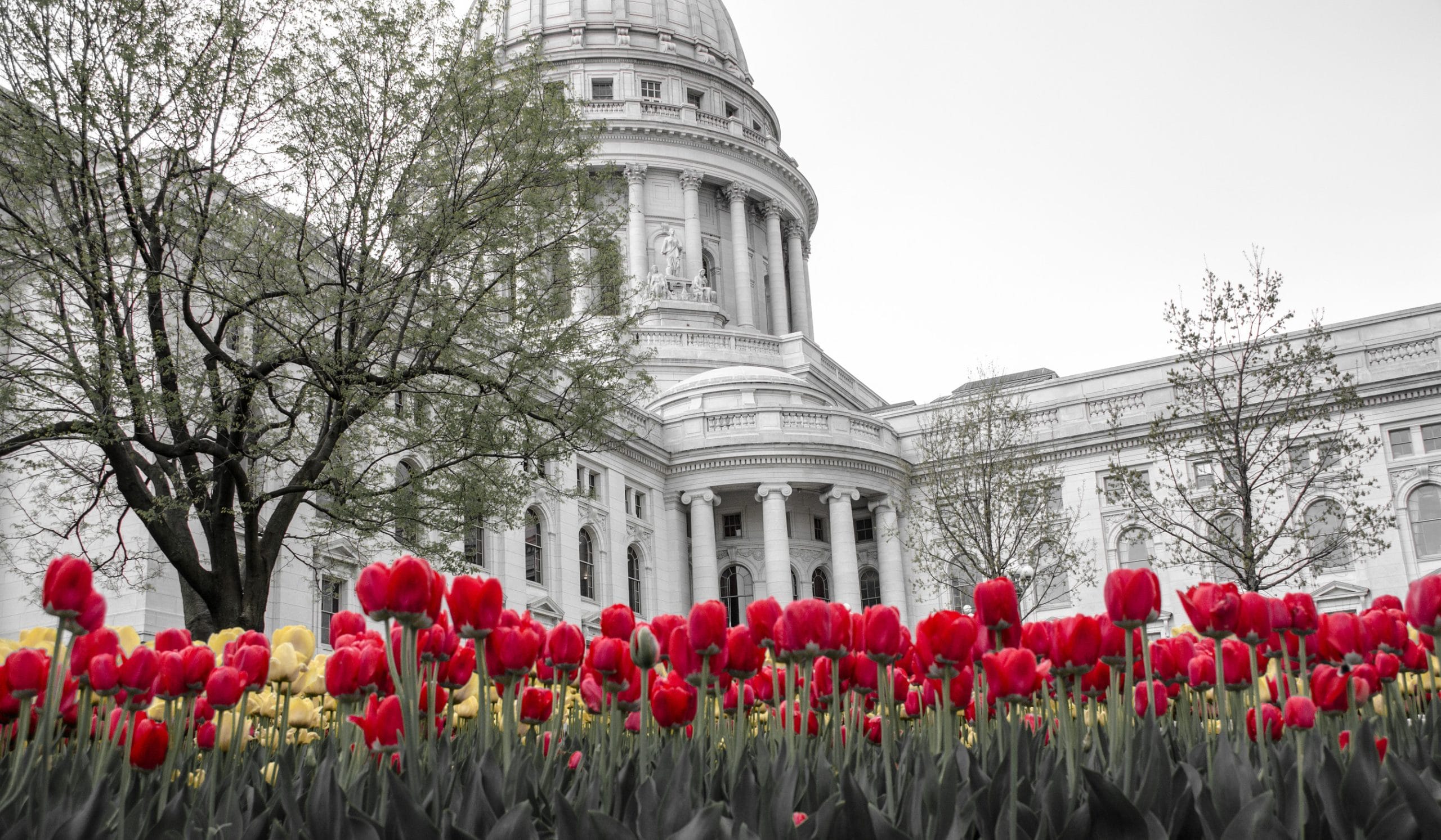
How Green Bay Quietly Became America’s Best Place to Live

March 31, 2025 by Latrice Perez Leave a Comment

Wisconsin

Image Source: 123rf.com

In 2024, Green Bay, Wisconsin, garnered national attention by being named the best place to live in the United States. This recognition may have surprised some, but for residents and those familiar with the city, it was a testament to Green Bay’s unique blend of affordability, quality of life, and community spirit. Let’s explore the factors that contributed to this accolade.

Affordable Cost of Living

One of Green Bay’s most appealing attributes is its affordable cost of living. Housing prices are significantly lower than the national average, making homeownership accessible to many. This affordability extends to everyday expenses, allowing residents to enjoy a comfortable lifestyle without the financial strain experienced in larger metropolitan areas. ​

Strong Job Market

Green Bay boasts a robust job market with opportunities across various sectors, including manufacturing, healthcare, and education. The city’s economic stability provides residents with reliable employment options, contributing to low unemployment rates and a thriving local economy. ​Green Bay Press-Gazette

High Quality of Life

The city’s commitment to maintaining a high quality of life is evident in its well-maintained parks, recreational facilities, and community events. Residents have access to numerous outdoor activities, cultural attractions, and a vibrant downtown area, fostering a strong sense of community and well-being. ​

Excellent Healthcare and Education

Healthcare

Image Source: 123rf.com

Green Bay offers access to top-notch healthcare facilities and a strong educational system. The presence of reputable hospitals and clinics ensures residents receive quality medical care, while local schools and universities provide excellent educational opportunities for students of all ages.

Community Engagement and Safety

The city’s low crime rates and active community engagement contribute to a safe and welcoming environment. Neighborhoods are known for their friendly atmosphere, where residents take pride in their community and participate in local initiatives, enhancing the overall living experience. ​

Green Bay’s Well-Deserved Recognition

Green Bay’s ascent to the top spot as America’s best place to live in 2024 is a reflection of its affordability, economic stability, quality of life, and strong community values. For those seeking a balanced and fulfilling lifestyle, Green Bay stands out as a city that quietly offers the best of what life has to offer.​

What aspects of Green Bay do you believe contributed most to its recognition as America’s best place to live? Share your thoughts and experiences in the comments below—we’d love to hear from you!

Read More:

Retire in Style: The 12 Most Gorgeous (and Pricey) Places to Settle Down

Here Are 10 Places You Can Get Free Mortgage Advice

Latrice Perez

Latrice is a dedicated professional with a rich background in social work, complemented by an Associate Degree in the field. Her journey has been uniquely shaped by the rewarding experience of being a stay-at-home mom to her two children, aged 13 and 5. This role has not only been a testament to her commitment to family but has also provided her with invaluable life lessons and insights.

As a mother, Latrice has embraced the opportunity to educate her children on essential life skills, with a special focus on financial literacy, the nuances of life, and the importance of inner peace.

Filed Under: Lifestyle Tagged With: affordability, best place to live, community engagement, Education, Green Bay, healthcare, job market, quality of life

FOLLOW US

Search this site:

Recent Posts

  • Can My Savings Account Affect My Financial Aid? by Tamila McDonald
  • 12 Ways Gen X’s Views Clash with Millennials… by Tamila McDonald
  • What Advantages and Disadvantages Are There To… by Jacob Sensiba
  • 10 Tactics for Building an Emergency Fund from Scratch by Vanessa Bermudez
  • Call 911: Go To the Emergency Room Immediately If… by Stephen Kanaval
  • 7 Weird Things You Can Sell Online by Tamila McDonald
  • 10 Scary Facts About DriveTime by Tamila McDonald

Copyright © 2026 · News Pro Theme on Genesis Framework