• Home
  • About Us
  • Toolkit
  • Getting Finances Done
    • Hiring Advisors
    • Debt Management
    • Spending Plan
  • Insurance
    • Life Insurance
    • Health Insurance
    • Disability Insurance
    • Homeowners/Renters Insurance
  • Contact Us
  • Risk Tolerance Quiz
  • Our Editorial Commitment

The Free Financial Advisor

You are here: Home / Archives for medical expenses

7 Little-Known Deductions That Could Vanish After the One Big Beautiful Bill

May 14, 2026 by Brandon Marcus Leave a Comment

7 Little-Known Deductions That Could Vanish After the One Big Beautiful Bill
A pile of cash that is tax deductible – Shutterstock

Tax season already feels like a puzzle most Americans never asked to solve, yet new policy shifts could make that puzzle even trickier. Changes tied to the One Big Beautiful Bill could eliminate or reshape several lesser-known tax deductions that quietly help households save money each year. These deductions rarely grab headlines, but they often put real dollars back into everyday budgets. When they disappear or shrink, the impact shows up fast in refund checks and annual tax bills.

Financial pressure continues to rise as households juggle housing costs, healthcare expenses, and education debt. Even small deductions can soften that blow, especially for middle-income families who rely on every available break.

1. Teacher Classroom Expense Deduction Faces Uncertain Future

Teachers often spend their own money on classroom supplies without expecting reimbursement from schools or districts. The current deduction helps offset some of those out-of-pocket costs, covering items like books, supplies, and learning materials. Tax changes could reduce or eliminate this deduction as lawmakers look for ways to simplify the tax code. That shift would hit educators directly, especially in underfunded districts where personal spending already runs high. Many teachers already spend hundreds or even thousands of dollars each year just to keep classrooms running smoothly.

If this deduction disappears, educators may feel even more financial strain during back-to-school season. Schools could see indirect effects as teachers scale back personal contributions. Some policymakers argue consolidation improves efficiency, but critics warn it ignores real classroom needs. The loss would not just affect teachers but also students who benefit from enriched learning environments.

2. Medical Expense Deduction Threshold Could Get Tougher

Medical expense deductions currently help taxpayers who face significant healthcare costs that insurance does not fully cover. These deductions only kick in after expenses exceed a percentage of adjusted gross income, but even that relief could tighten under new reforms. The One Big Beautiful Bill may raise thresholds, making it harder for families to qualify. That change would especially impact seniors and individuals managing chronic conditions. Healthcare already strains budgets, and fewer deductions could intensify that pressure.

Raising the bar means fewer households would benefit from itemizing medical costs. Families dealing with surgeries, prescriptions, or long-term treatments could lose valuable relief. Critics argue that higher thresholds overlook the unpredictable nature of medical emergencies. Supporters of reform claim simplification reduces paperwork, but the tradeoff could land heavily on vulnerable taxpayers.

3. SALT Deduction Cap Could Become Even More Restrictive

The state and local tax deduction, commonly known as SALT, allows taxpayers to deduct certain state and local taxes from federal returns. High-tax states rely heavily on this deduction, especially for middle and upper-middle-income homeowners. Certain changes could tighten the already controversial cap or restructure it further. That shift would disproportionately impact households in states like New York, California, and New Jersey. Many homeowners already feel squeezed by the existing limits.

A stricter cap would increase taxable income for millions of filers. That means higher federal tax bills even if local taxes stay the same. Lawmakers supporting reform argue it creates fairness across states. Opponents argue it penalizes taxpayers in higher-cost regions without addressing underlying tax burdens.

4. Student Loan Interest Deduction May Shrink or Disappear

Student loan interest deductions currently help borrowers reduce taxable income while paying down education debt. This benefit provides modest relief, but it still matters for younger taxpayers managing large balances. Under new changes, lawmakers may eliminate or scale back this deduction to streamline education-related tax provisions. That move would hit recent graduates the hardest. Many already juggle rent, utilities, and loan payments at the same time.

Removing this deduction would raise the effective cost of borrowing for education. Monthly budgets could tighten further for early-career professionals. Supporters of reform argue that broader student aid programs should replace scattered tax breaks. Critics worry the timing could worsen financial stress for millions still recovering from rising tuition costs.

5. Home Office Deduction for Employees Could Narrow

Remote work expanded rapidly in recent years, and many workers now claim home office deductions for qualified expenses. This deduction helps offset costs like internet, utilities, and workspace equipment. Tax updates will restrict eligibility, especially for W-2 employees rather than self-employed individuals. That shift would eliminate benefits for many remote workers who depend on home setups. Employers increasingly expect flexibility, but tax policy may not fully keep pace.

A narrower deduction would reduce financial support for hybrid and remote workers. Some households could see higher taxable income despite working from home full-time. Policymakers argue that clearer boundaries reduce misuse of the deduction. Workers, however, may view the change as outdated in a modern digital workforce.

7 Little-Known Deductions That Could Vanish After the One Big Beautiful Bill
A man working in his home office – Shutterstock

6. Gambling Loss Deduction Rules Could Tighten Significantly

The gambling loss deduction allows taxpayers to offset winnings with documented losses, but only up to the amount of winnings. Changes could tighten reporting requirements or limit how losses get calculated. That shift could affect both casual gamblers and frequent players who track activity carefully. Casinos and online platforms already report winnings, but deductions rely heavily on detailed recordkeeping. Stricter rules would make compliance more difficult for everyday filers.

Tighter limits could result in higher taxable gambling income for many Americans. Even occasional wins could carry heavier tax consequences without full loss offsets. Supporters argue stricter rules prevent abuse and improve accuracy. Critics claim the change punishes recreational players who already break even or lose money overall.

7. Miscellaneous Itemized Deductions Could Face Full Elimination

Miscellaneous itemized deductions once covered a wide range of expenses like tax preparation fees and unreimbursed work costs. Many of these deductions already faced restrictions in recent years, but further elimination remains on the table. The One Big Beautiful Bill could simplify the tax code by removing these categories entirely. That approach would reduce complexity but also eliminate small yet meaningful savings. Taxpayers who rely on itemizing could feel the impact immediately.

Losing these deductions would push more people toward standard deductions only. That shift could simplify filing but reduce flexibility for unique financial situations. Lawmakers supporting elimination focus on efficiency and enforcement clarity. Critics highlight how small deductions often help middle-income households bridge financial gaps.

What These Tax Changes Could Really Mean for Everyday Americans

Tax policy changes rarely stay abstract for long because they eventually show up in paychecks and refund amounts. The loss of these lesser-known deductions could increase taxable income for millions of households across the country. Families, teachers, homeowners, students, and remote workers could feel the effects in different but very real ways. Even modest deductions often add up to meaningful yearly savings.

What do these tax changes say about fairness and financial priorities in the current system? If you have an opinion, let’s hear about it below in the comments.

You May Also Like…

Tennessee Residents Still Pay Federal Taxes on Investment Income Despite State Changes

6 Ways the “One Big Beautiful Bill” Could Backfire on Retirees

South Carolina Newcomers Are Paying Higher Property Taxes Until Homestead Eligibility Kicks In

Texas Has No Income Tax — But Property Taxes Can Get Close To 2% in Some Areas

The Drone Inspection Finding That’s Triggering Homeowner Policy Cancellations

Brandon Marcus
Brandon Marcus

Brandon Marcus is a writer who has been sharing the written word since a very young age. His interests include sports, history, pop culture, and so much more. When he isn’t writing, he spends his time jogging, drinking coffee, or attempting to read a long book he may never complete.

Filed Under: Lifestyle Tagged With: home office deduction, IRS taxes, itemized deductions, medical expenses, One Big Beautiful Bill, Personal Finance, SALT deduction, student loan interest, tax changes USA, tax credits, Tax Deductions, tax policy

6 Medicare Rules That Will Hike Your Out-of-Pocket Costs in 2026

May 10, 2026 by Brandon Marcus 1 Comment

6 Medicare Rules That Will Hike Your Out-of-Pocket Costs in 2026
A Medicare Health Insurance card – Shutterstock

Medicare rarely stays still for long, and 2026 already looks packed with changes that could hit wallets harder than expected. Rising healthcare costs, updated coverage rules, and shifting insurance strategies have created a perfect storm for retirees trying to stretch fixed incomes.

Some changes may seem small on paper, but even a modest premium increase or deductible adjustment can snowball into hundreds of extra dollars over a year. Seniors who pay close attention now can avoid nasty surprises later. The key lies in spotting which Medicare rules quietly drain bank accounts before the bills arrive.

1. Higher Part B Premiums Will Eat Into Monthly Budgets

Medicare Part B premiums almost always rise, but 2026 could bring another noticeable jump thanks to higher outpatient care spending and expensive medical treatments. Retirees already saw steady increases over the last several years, and experts expect the trend to continue as healthcare inflation refuses to cool down. A monthly increase of even $15 to $25 may not sound dramatic, yet that adds up quickly for people living on Social Security alone. Couples enrolled together could easily see several hundred extra dollars disappear annually before paying for a single doctor visit. Many retirees feel shocked when automatic deductions shrink their monthly Social Security deposits overnight.

Higher-income beneficiaries may feel an even bigger sting because Medicare’s IRMAA surcharges continue expanding costs for millions of Americans. People who sold homes, withdrew retirement funds, or earned unexpected investment income may accidentally trigger higher premium brackets. One unusually strong tax year can suddenly turn Medicare into a much more expensive program. Financial planners increasingly warn retirees to monitor taxable income carefully before making large withdrawals from retirement accounts. Smart tax planning now matters just as much as choosing the right health coverage.

2. Medicare Advantage Plans Keep Shifting More Costs to Patients

Medicare Advantage plans once attracted seniors with low premiums and flashy extra benefits, but many insurers now push more costs onto members through copays and narrower networks. Several large insurers reduced benefits in recent years after facing rising medical expenses and tighter federal reimbursement rates. That means beneficiaries may pay more every time they visit specialists, receive imaging tests, or need outpatient procedures. Some plans also increased maximum out-of-pocket limits, which can create brutal financial pressure during serious illnesses. A hospitalization that once cost a few hundred dollars could suddenly cost thousands.

Doctors leaving Medicare Advantage networks have also become a growing headache across the country. Patients often discover favorite physicians no longer accept their plans after annual coverage updates arrive in the mail. Switching doctors creates stress, delays care, and sometimes forces patients into more expensive treatment options. Rural retirees face especially difficult choices because provider options already remain limited in many areas. Reading the annual notice of changes carefully now ranks among the most important tasks during Medicare open enrollment season.

3. Prescription Drug Costs May Rise Despite New Protections

The new Medicare drug pricing reforms grabbed headlines for capping certain prescription expenses, but many beneficiaries may still face rising costs in 2026. Insurance companies frequently adjust formularies, tier systems, and pharmacy networks to offset their own financial pressures. A medication that cost $20 this year could suddenly jump into a more expensive tier next year. Some insurers may also require tougher prior authorizations before approving costly medications. Patients dealing with chronic conditions often feel trapped when coverage rules change midstream.

Specialty medications remain one of the biggest financial threats for Medicare beneficiaries. Treatments for cancer, autoimmune diseases, and advanced diabetes routinely carry massive price tags that still generate substantial out-of-pocket spending. Even with catastrophic coverage protections, coinsurance percentages can produce painful bills before caps kick in. Many retirees skip doses or delay refills when costs climb too high, creating dangerous health risks that eventually lead to even larger medical expenses. Pharmacists increasingly encourage patients to review plans annually instead of automatically renewing existing coverage.

6 Medicare Rules That Will Hike Your Out-of-Pocket Costs in 2026
A woman pouring prescription drug pills out of a bottle – Unsplash

4. Hospital Deductibles and Coinsurance Costs Continue Climbing

Hospital stays under Medicare Part A never come cheap, and yearly deductible increases continue making inpatient care more expensive. A single hospitalization in 2026 could saddle patients with a deductible exceeding previous years by a noticeable margin. Longer hospital stays create even more financial pressure because coinsurance charges start piling up after certain coverage periods expire. Skilled nursing facility care can trigger additional costs that catch families completely off guard. Many retirees mistakenly assume Medicare covers extended recovery care in full, only to receive staggering bills later.

Observation status remains another costly trap for seniors entering hospitals. Hospitals sometimes classify patients as “under observation” instead of formally admitted, even after overnight stays and extensive treatment. That technical distinction can leave patients responsible for larger outpatient costs while also limiting coverage for follow-up rehabilitation services. Families often discover the problem only after insurance denies skilled nursing care. Asking hospitals about admission status immediately can prevent expensive surprises later.

5. More Services Require Prior Authorization

Prior authorization rules continue spreading across Medicare Advantage plans, and 2026 may bring even tighter controls. Insurance companies increasingly require approval before covering expensive tests, surgeries, rehabilitation services, and specialty treatments. Patients sometimes wait days or weeks while insurers review requests, creating delays that frustrate both doctors and families. In some cases, insurers deny treatments initially even when physicians strongly recommend them. Appeals can eventually reverse decisions, but the process often creates stress during already difficult medical situations.

Retirees dealing with serious illnesses feel the biggest impact from these growing administrative barriers. Cancer patients, stroke survivors, and people recovering from surgeries frequently face repeated paperwork hurdles before receiving needed care. Doctors now spend enormous amounts of time fighting insurance denials instead of treating patients directly. Consumer advocates warn that these restrictions often save insurers money by discouraging patients from pursuing costly treatments altogether. Staying organized with medical records and physician documentation can make appeals much easier if coverage disputes arise.

6. Delaying Enrollment Could Become Even More Expensive

Late enrollment penalties have haunted Medicare beneficiaries for years, but rising premiums make those penalties far more painful in 2026. Missing enrollment deadlines for Part B or Part D coverage can permanently increase monthly costs for life. Some retirees delay enrollment because they mistakenly believe employer coverage or COBRA plans automatically protect them from penalties. Others simply miss confusing deadlines during retirement transitions. Those mistakes can trigger lifetime surcharges that quietly drain retirement savings year after year.

The financial consequences become especially severe when combined with rising healthcare inflation. A penalty calculated as a percentage of higher future premiums naturally grows larger over time. Someone paying a modest penalty today may face significantly larger monthly costs a decade later. Medicare counselors continue urging retirees to review enrollment timelines carefully before leaving employer-sponsored insurance. One missed date can create years of unnecessary expenses that never fully disappear.

The Medicare Fine Print Could Cost More Than Expected

Medicare still provides essential healthcare coverage for millions of retirees, but the program grows more financially complicated every year. Small rule changes buried inside annual notices often create the biggest surprises once medical bills start arriving. Beneficiaries who compare plans carefully, monitor prescription coverage, and review enrollment rules closely usually avoid the worst financial shocks. Healthcare costs may continue climbing in 2026, yet preparation still gives retirees powerful ways to protect their savings. Paying attention now could save thousands later when unexpected medical needs suddenly appear.

Which upcoming Medicare change worries you the most heading into 2026? Let’s chat about your concerns in our comments.

You May Also Like…

Medicare Identity Alert: 3 Steps to Take After a Data Exposure Notice

A Big Change to Medicare Prior Authorization: 7‑Day Deadline Now Mandatory

Georgia’s 30-Day Rule: Why Missed Renewal Calls Are Cutting Off Medicaid This Week

Healthcare Spending Doesn’t Stop Rising — Why That Matters for Retirees

Why Free Preventive Care Isn’t Always Free, Even With Medicare

Brandon Marcus
Brandon Marcus

Brandon Marcus is a writer who has been sharing the written word since a very young age. His interests include sports, history, pop culture, and so much more. When he isn’t writing, he spends his time jogging, drinking coffee, or attempting to read a long book he may never complete.

Filed Under: Lifestyle Tagged With: budgeting for retirees, healthcare costs, healthcare policy, medical expenses, Medicare, Medicare 2026, Medicare Advantage, Medicare premiums, out-of-pocket costs, prescription drugs, retirement planning, senior finances, Social Security

Why Free Preventive Care Isn’t Always Free, Even With Medicare

April 11, 2026 by Brandon Marcus Leave a Comment

Why Free Preventive Care Isn’t Always Free, Even With Medicare
Image Source: Shutterstock.com

What could be better than free? No fine print, no surprises, no catch—that’s the dream, right? Medicare leans into that word when it promotes preventive care, and it does it confidently. Screenings, wellness visits, and certain tests come wrapped in the promise of zero out-of-pocket cost. That pitch feels reassuring, especially when healthcare expenses already carry enough weight. But that word—free—starts to lose its shine once the details come into focus and the billing codes start doing their thing behind the scenes.

Medicare does cover a long list of preventive services at no cost, but only under very specific conditions that don’t always match what actually happens during an appointment. A visit that begins as a simple check-up can quietly evolve into something else, and that shift can trigger charges that catch people off guard.

When “Preventive” Turns Into “Diagnostic” Real Fast

Medicare draws a sharp line between preventive care and diagnostic care, and that line matters more than it first appears. Preventive care includes routine screenings, annual wellness visits, and services designed to catch problems early before symptoms show up. Medicare Part B usually covers these services at 100 percent, as long as a provider accepts Medicare assignment. That sounds straightforward, but the moment a provider shifts focus from prevention to investigation, the billing category changes completely. That change can happen quickly, sometimes within the same appointment.

A simple example brings this into focus. A routine screening might start as a preventive service, but if a doctor finds something unusual and decides to take a closer look, that follow-up often counts as diagnostic care. Medicare treats that as a different service, which means deductibles and coinsurance can apply. The visit didn’t feel different, but the billing certainly does. That difference explains why a “free” visit can suddenly come with a price tag.

Understanding that distinction helps avoid confusion later. Asking the provider whether a service will stay preventive or shift into diagnostic territory can make a big difference. That question might feel small, but it can protect against surprise costs. Staying aware of how quickly a visit can change direction keeps expectations grounded and helps keep control over healthcare spending.

The Annual Wellness Visit Isn’t What It Sounds Like

The Annual Wellness Visit under Medicare sounds like a full head-to-toe checkup, but it doesn’t work that way. This visit focuses on prevention planning, health risk assessments, and creating a roadmap for future care. It includes reviewing medical history, checking vital signs, and discussing lifestyle factors, but it does not include a comprehensive physical exam. That distinction catches many people off guard because the name suggests something much more thorough.

When a provider adds extra services during that visit, such as addressing new symptoms or performing additional tests, those services may fall outside the “free” category. Medicare allows providers to bill separately for those additions, which means costs can show up even though the appointment started as a wellness visit. The visit itself remains covered, but the extras don’t necessarily follow that rule.

Setting clear expectations before the appointment can help avoid that scenario. Asking what the visit includes and what might count as an additional service creates clarity upfront. That small step can prevent confusion and help keep the visit aligned with its intended purpose. Knowing exactly what the Annual Wellness Visit covers—and what it doesn’t—turns it into a useful tool instead of a confusing experience.

Screenings Are Free… Until They’re Not

Medicare covers a wide range of screenings, from cancer checks to cardiovascular tests, and it often covers them fully when they meet specific criteria. Timing, frequency, and eligibility all play a role in determining whether a screening qualifies as preventive. For example, Medicare may cover a screening once every certain number of years or only for individuals who meet particular risk factors. Staying within those guidelines keeps the service in the “free” category.

The situation changes when a screening leads to additional testing. If a screening uncovers something that needs further evaluation, the follow-up tests typically fall under diagnostic care. That shift brings costs into the picture, even though the process started with a covered screening. The transition feels seamless during the visit, but the billing reflects a clear distinction.

Keeping track of eligibility and timing helps avoid unnecessary charges. Scheduling screenings within Medicare’s recommended intervals ensures coverage stays intact. Asking whether a test qualifies as preventive before agreeing to it can also help maintain control over costs. That extra layer of awareness makes a noticeable difference, especially when multiple tests come into play.

Why Free Preventive Care Isn’t Always Free, Even With Medicare
Image Source: Shutterstock.com

Providers, Billing Codes, and the Fine Print Game

Healthcare billing runs on codes, and those codes determine how Medicare processes a claim. Providers assign specific codes to each service, and those codes decide whether Medicare treats the service as preventive or diagnostic. Even small differences in coding can change how a claim gets handled. That system leaves little room for assumptions, which means clarity matters at every step.

Providers don’t always explain how they code each part of a visit, and that lack of transparency can lead to confusion. A service that feels preventive might get coded differently based on how the provider documents it. Once the claim goes through, the billing outcome follows the code, not the patient’s expectation. That reality highlights the importance of asking questions before services take place.

Taking an active role in understanding billing can make a big difference. Asking the provider how they plan to code a service helps set expectations early. Reviewing the Medicare Summary Notice after a visit also helps catch any discrepancies. Staying engaged in the process keeps surprises to a minimum and helps maintain control over healthcare expenses.

How to Stay Ahead of the Surprise Bill Curve

Avoiding unexpected costs doesn’t require a deep dive into medical billing, but it does require a bit of strategy. Asking clear, direct questions before appointments sets the tone for transparency. Confirming whether a service qualifies as preventive and whether it meets Medicare’s coverage guidelines creates a strong starting point. That approach puts control back in the hands of the patient instead of leaving everything to chance.

Keeping a simple record of past screenings and their timing can also help. That information makes it easier to schedule future services within covered intervals. Staying organized reduces the risk of repeating tests too soon or missing coverage windows. It also creates a clearer picture of overall healthcare planning.

Building a relationship with a provider who communicates clearly adds another layer of protection. Providers who take the time to explain services and billing practices help create a smoother experience. That connection turns healthcare into a collaborative process instead of a confusing one. A little preparation goes a long way in keeping costs predictable and manageable.

Why This Actually Matters

“Free” in healthcare often comes with conditions, and Medicare’s preventive care follows that pattern more than most people expect. The coverage offers real value, but it works best when expectations line up with how the system actually operates. Knowing where preventive care ends and diagnostic care begins makes all the difference in avoiding frustration and surprise bills. That awareness transforms a confusing process into something far more manageable.

Here’s the big question: what strategies have worked to keep healthcare costs predictable, and what lessons have come from those unexpected bills? Give us those thoughts, tips, or stories in the comments and keep the conversation going.

You May Also Like…

How Medicare’s Income-Related Surcharge Sneaks Up On Retirees

Medicare Mishaps: Costly Enrollment Errors Most People Don’t See Coming

The Hidden Medicare Rule Turning 3-Day Hospital Stays Into $10,000–$15,000 Surprise Bills

If You Get a ‘Replacement’ Medicare Card in the Mail, Do NOT Call the Number Printed on It

More Retirees Are Seeing Higher Medicare Costs—And It’s Tied to Income From Years Ago

Brandon Marcus
Brandon Marcus

Brandon Marcus is a writer who has been sharing the written word since a very young age. His interests include sports, history, pop culture, and so much more. When he isn’t writing, he spends his time jogging, drinking coffee, or attempting to read a long book he may never complete.

Filed Under: Health & Wellness Tagged With: annual wellness visit, doctor visits, healthcare costs, healthcare savings, insurance tips, medical billing, medical expenses, Medicare, Medicare Part B, Planning, preventive care, senior health

Healthcare Spending Doesn’t Stop Rising — Why That Matters for Retirees

April 11, 2026 by Brandon Marcus Leave a Comment

Healthcare Spending Doesn't Stop Rising — Why That Matters for Retirees
Image Source: Shutterstock.com

Healthcare costs don’t just rise—they charge forward like they’ve got something to prove. Numbers climb year after year, and they don’t ask for permission before reshaping retirement plans that once looked solid on paper. Anyone eyeing retirement with a sense of calm might want to take a second look, because healthcare doesn’t play by the same predictable rules as groceries or gas. It moves faster, hits harder, and leaves very little room for wishful thinking. That reality changes everything about how retirement should feel and function.

Retirement used to carry a certain image: slower mornings, less stress, and a well-earned break from financial juggling. That picture still exists, but healthcare costs keep trying to crash the party. They stretch budgets, shift priorities, and demand attention long after paychecks stop rolling in.

The Relentless Climb: Why Healthcare Costs Refuse to Chill

Healthcare spending continues to rise faster than many other expenses, and that trend doesn’t look ready to slow down. Several factors drive that increase, and none of them feel temporary or easy to fix. Medical technology keeps advancing, which brings incredible treatments but also higher price tags. Prescription drugs continue to cost more, especially for specialty medications that treat chronic conditions. An aging population adds even more demand to the system, which pushes costs higher across the board.

Inflation plays its role, but healthcare inflation often outpaces general inflation in ways that catch people off guard. A typical retirement budget might account for steady increases, but healthcare doesn’t always behave in a steady way. Costs can jump unexpectedly due to new diagnoses, changes in coverage, or shifts in provider pricing. That unpredictability makes healthcare one of the hardest expenses to plan around, even for people who love a well-organized spreadsheet.

Insurance doesn’t fully shield retirees from these increases, and that surprises a lot of people. Programs like Medicare help cover major expenses, but they don’t cover everything. Premiums, deductibles, copayments, and services like dental, vision, and long-term care often fall outside the standard coverage. Those gaps turn into real expenses that retirees must handle out of pocket, and those expenses can add up faster than expected.

Medicare Isn’t a Magic Shield—It’s More Like a Safety Net with Holes

Medicare plays a huge role in retirement healthcare, but it doesn’t act like an all-access pass to free medical care. It covers a lot, and it provides essential protection, but it also leaves room for costs that catch people off guard. Part A and Part B cover hospital stays and outpatient services, but they come with deductibles and coinsurance. Part D helps with prescription drugs, but plans vary widely, and out-of-pocket costs can still feel significant depending on the medications involved.

Many retirees turn to supplemental plans, often called Medigap policies, to help fill in some of those gaps. Others choose Medicare Advantage plans, which bundle coverage into a single plan with different cost structures. Each option brings its own pros and cons, and none of them completely eliminate out-of-pocket spending. Choosing the right combination requires careful attention, because the wrong fit can lead to higher costs over time.

Healthcare planning in retirement demands more than a quick enrollment decision. It requires ongoing attention to plan details, annual changes, and personal health needs. Premiums can increase, coverage can shift, and providers can move in and out of networks. Staying engaged with those changes helps retirees avoid unpleasant surprises and keep costs under better control.

The Wild Card: Long-Term Care and the Costs Nobody Wants to Think About

Long-term care sits in a category of its own, and it carries some of the biggest financial risks in retirement. Services like nursing homes, assisted living, and in-home care can cost thousands of dollars per month. Medicare doesn’t cover most long-term care expenses, and that fact changes the entire planning equation. Many people assume some level of coverage exists, but the reality looks very different.

Planning for long-term care requires a deliberate strategy, and that strategy often includes difficult decisions. Some people explore long-term care insurance, which can help offset future costs but comes with its own premiums and conditions. Others set aside dedicated savings or consider hybrid insurance products that combine life insurance with long-term care benefits. Each option requires careful evaluation, because the costs and benefits vary widely.

Ignoring long-term care doesn’t make the risk disappear. It simply shifts the burden to future finances or family members. Building a plan, even a flexible one, creates a sense of control in an area that often feels uncertain. That step can protect retirement savings and reduce stress when care becomes necessary.

Healthcare Spending Doesn't Stop Rising — Why That Matters for Retirees
Image Source: Shutterstock.com

Budgeting for the Unknown Without Losing Your Mind

Planning for rising healthcare costs might sound overwhelming, but it doesn’t require perfection—it requires intention. A strong retirement plan includes a realistic estimate for healthcare expenses, and that estimate should go beyond basic premiums. It should account for out-of-pocket costs, potential increases, and unexpected medical needs that can pop up at any time.

Health savings accounts, or HSAs, offer one of the most powerful tools for managing future healthcare costs. Contributions grow tax-free, and withdrawals for qualified medical expenses also remain tax-free. That combination creates a valuable cushion for retirement, especially for people who start contributing early. Even small, consistent contributions can grow into a meaningful resource over time.

Flexibility also plays a key role in managing healthcare expenses. Retirees who stay open to adjusting their plans—whether that means switching insurance options, comparing providers, or revisiting budgets—can respond more effectively to rising costs. That proactive approach turns a stressful situation into a manageable one, even when expenses increase.

Staying Ahead of the Curve Instead of Chasing It

Healthcare costs might keep climbing, but that doesn’t mean retirement has to feel like a constant uphill battle. Preparation changes the experience entirely, turning uncertainty into something far more manageable. Understanding how costs work, where gaps exist, and which tools can help creates a stronger financial foundation. That foundation supports smarter decisions and reduces the impact of rising expenses over time.

What steps feel worth taking right now to stay ahead of rising healthcare costs, and what strategies have already made a difference? Give us your thoughts, ideas, or personal insights in the comments.

You May Also Like…

​Retirement Healthcare Costs Are Climbing Again — What the Average Couple Now Needs

8 Things Rich Retirees Never Buy — And Poor Ones Always Do

How Medicare’s Income-Related Surcharge Sneaks Up On Retirees

Retirement Accounts Are Triggering Unexpected Taxes — What Some Investors Overlook

Alaska’s Eye-Popping Healthcare Costs — Planning for Higher Medical Expenses

Brandon Marcus
Brandon Marcus

Brandon Marcus is a writer who has been sharing the written word since a very young age. His interests include sports, history, pop culture, and so much more. When he isn’t writing, he spends his time jogging, drinking coffee, or attempting to read a long book he may never complete.

Filed Under: Retirement Tagged With: budgeting, healthcare costs, Inflation, Insurance, Long-term care, medical expenses, Medicare, Personal Finance, Planning, retirement planning, retirement savings, seniors

8 Hidden Fees in Medicare Advantage Plans: What To Look Out For

April 10, 2026 by Brandon Marcus Leave a Comment

8 Hidden Fees in Medicare Advantage Plans: What To Look Out For
Image Source: Shutterstock.com

A low monthly premium grabs attention fast. It feels like a win, a smart move, a way to lock in healthcare coverage without draining a bank account. Medicare Advantage plans step into that spotlight with confidence, often advertising extra benefits and attractive pricing that sound almost too good to question. The appeal hits hard, especially when healthcare costs already feel overwhelming. That first impression builds excitement, and it convinces many people they’ve found a great deal.

But numbers on the surface rarely tell the whole story. Costs don’t disappear—they shift, reshape, and sometimes hide in places that don’t show up until care actually begins. Medicare Advantage plans operate with their own rules, and those rules can introduce fees that catch people off guard.

1. The Copay Carousel That Never Quite Stops

Copays look harmless at first glance. A small fee for a doctor visit or a specialist appointment doesn’t seem like a big deal when compared to traditional insurance premiums. Medicare Advantage plans lean heavily on this structure, spreading costs across multiple visits instead of concentrating them upfront. That design feels manageable, especially for those who don’t expect frequent medical care. But those small payments stack up faster than most people expect.

Every visit triggers a copay, and those visits can multiply quickly. Routine checkups, follow-ups, specialist referrals, and unexpected health concerns all bring their own charges. Even something as simple as physical therapy can involve multiple sessions, each with its own fee. That steady drip of expenses can quietly build into a much larger total over the course of a year. It doesn’t take a major medical event to feel the impact.

Taking control starts with understanding the copay structure before enrolling. Plans often list different copays for primary care, specialists, urgent care, and emergency services. Comparing those numbers side by side can reveal which plan actually fits a person’s healthcare habits. Keeping track of visit frequency also helps estimate real costs instead of relying on assumptions. A low premium paired with high copays can quickly flip from appealing to expensive.

2. Deductibles That Reset the Game Every Year

Deductibles don’t always headline Medicare Advantage plans, but they still play a major role in total costs. Some plans feature low or even zero deductibles for certain services, while others apply deductibles to specific types of care like hospital stays or prescriptions. That variation can create confusion, especially when different services follow different rules. A plan might seem straightforward until those details come into focus.

Each year resets the deductible clock, which means expenses start fresh every January. That reset can feel frustrating, especially for anyone managing ongoing health conditions that require consistent care. Costs that felt manageable late in the year can suddenly spike again at the start of the next one. That cycle demands attention, particularly for budgeting purposes.

Reviewing how a plan applies its deductible can prevent surprises. Some plans separate medical and drug deductibles, which can double the number of thresholds to meet before full coverage kicks in. Looking closely at those details helps paint a more accurate picture of annual expenses. Planning ahead for that reset can also ease the financial impact when the calendar flips.

3. Out-of-Network Charges That Hit Hard

Medicare Advantage plans often rely on provider networks, and those networks come with strict boundaries. Staying within the network keeps costs predictable, but stepping outside can trigger significantly higher charges. That difference doesn’t always feel obvious until a bill arrives. Even a single out-of-network visit can carry a hefty price tag.

Travel adds another layer of complexity. A plan that works perfectly at home might offer limited coverage in another area, especially for non-emergency care. That limitation can create unexpected costs for anyone who spends time away from their primary residence. Emergency care usually receives coverage anywhere, but follow-up care might not.

Checking network details before enrolling can save a lot of frustration later. Confirming that preferred doctors, hospitals, and specialists fall within the network makes a big difference. It also helps to understand how the plan handles out-of-network situations and what percentage of costs it covers. A little research upfront can prevent a lot of stress later.

4. Prescription Drug Tiers That Shift the Price

Prescription coverage in Medicare Advantage plans often follows a tiered system. Each tier assigns a different cost level to medications, with generic drugs usually costing less and brand-name or specialty drugs costing more. That structure can make some prescriptions very affordable while pushing others into a much higher price range. It’s not always predictable without checking the plan’s formulary.

Medications can move between tiers from one year to the next. A drug that sat comfortably in a lower-cost tier one year might shift into a higher tier the next, increasing out-of-pocket costs. That change can catch people off guard, especially when it happens mid-treatment. Staying informed about formulary updates becomes essential.

Reviewing the plan’s drug list before enrolling can reveal potential cost issues. Comparing medication costs across different plans can also highlight better options. Keeping an eye on annual changes ensures that coverage continues to match current needs. Prescription costs can vary widely, so a little attention here can lead to significant savings.

8 Hidden Fees in Medicare Advantage Plans: What To Look Out For
Image Source: Shutterstock.com

5. Prior Authorization Delays That Cost Time and Money

Many Medicare Advantage plans require prior authorization for certain services. That requirement means the plan must approve a procedure, test, or treatment before it takes place. While that process aims to control costs and ensure appropriate care, it can also create delays. Those delays can affect both health outcomes and financial planning.

Waiting for approval can push appointments back or require additional steps before treatment begins. In some cases, a denial can lead to out-of-pocket expenses if the service proceeds without approval. That situation can feel frustrating, especially when time-sensitive care comes into play. The process adds another layer of complexity to navigating healthcare.

Understanding which services require prior authorization can help avoid surprises. Asking providers about approval requirements before scheduling procedures can save time and stress. Keeping track of approvals and documentation also helps ensure smoother interactions with the plan. Preparation makes a big difference when dealing with these requirements.

6. Extra Benefits That Come With Fine Print

Medicare Advantage plans often advertise extra benefits like dental, vision, and hearing coverage. Those perks sound appealing and can add real value. But they often come with limitations, including coverage caps, restricted provider networks, or specific service requirements. The details matter more than the headline.

A dental benefit might cover routine cleanings but limit coverage for more complex procedures. Vision benefits might include basic exams but restrict allowances for glasses or contacts. Hearing coverage might apply only to certain devices or providers. Those limitations can turn a promising benefit into a partial solution.

Reviewing the specifics of these extras can clarify their true value. Looking at coverage limits, provider options, and out-of-pocket costs helps set realistic expectations. These benefits can still enhance a plan, but understanding their boundaries ensures they don’t disappoint later.

7. Maximum Out-of-Pocket Limits That Still Feel High

Medicare Advantage plans include a maximum out-of-pocket limit, which caps the total amount spent on covered services in a year. That feature provides important protection against catastrophic costs. Once spending reaches that limit, the plan covers 100 percent of covered services for the rest of the year. It sounds reassuring, and it is.

But that limit can still reach several thousand dollars. For many households, that amount represents a significant financial burden. Reaching the maximum can happen faster than expected during a year with major medical needs. It’s not a ceiling that feels small or easy to reach.

Comparing out-of-pocket limits across plans can reveal meaningful differences. Choosing a plan with a lower limit might come with a higher premium, but it can offer better protection in a worst-case scenario. Balancing those factors helps create a plan that fits both health needs and financial comfort.

8. The Real Cost Story Behind the Low Premium

The low premium that draws attention at the start doesn’t tell the full story. Medicare Advantage plans spread costs across multiple areas, including copays, deductibles, and service-specific fees. That structure can work well for some people, especially those who use fewer services. But it can also lead to higher overall spending for those with more frequent healthcare needs.

Looking beyond the premium reveals the true cost of a plan. Adding up potential copays, deductibles, and other expenses provides a clearer picture of annual spending. That approach helps avoid surprises and supports better decision-making. A plan that looks affordable upfront might not stay that way over time.

Taking the time to compare plans carefully pays off. Reviewing details, asking questions, and considering personal healthcare habits can lead to a better fit. Medicare Advantage plans offer valuable options, but they require a closer look to ensure they deliver real value.

Medicare Advantage Deserves Your Full Attention

Medicare Advantage plans bring a mix of convenience, structure, and potential savings, but they also come with layers that demand attention. Hidden fees don’t always shout for attention, yet they shape the real cost of care in powerful ways. A plan that looks simple at first glance can reveal a much more complex picture once all the details come into view. That doesn’t mean these plans should be avoided, but it does mean they deserve a careful, thoughtful review before making a decision.

So what stands out the most—copays, networks, or those extra benefits—and how might a closer look at the details change the way a plan feels? Share any and all thoughts in our comments below.

You May Also Like…

How Medicare’s Income-Related Surcharge Sneaks Up On Retirees

Medicare Mishaps: Costly Enrollment Errors Most People Don’t See Coming

How to Enroll in Medicare Without Getting Hit With the IRMAA “Stealth Tax”

6 Income Thresholds That Can Trigger Higher Medicare Premiums

From Medicare to Medicaid: Why Billing Glitches Are Causing Unexpected Medical Bills Nationwide

Brandon Marcus
Brandon Marcus

Brandon Marcus is a writer who has been sharing the written word since a very young age. His interests include sports, history, pop culture, and so much more. When he isn’t writing, he spends his time jogging, drinking coffee, or attempting to read a long book he may never complete.

Filed Under: Lifestyle Tagged With: budgeting, copays, deductibles, healthcare costs, healthcare tips, Hidden Fees, insurance plans, medical expenses, Medicare Advantage, out-of-pocket costs, prescriptions, senior health

Utah’s $7,522 Healthcare Annual Cost And What It Means for Residents

March 20, 2026 by Brandon Marcus Leave a Comment

Utah’s $7,522 Healthcare Annual Cost And What It Means for Residents
Image Source: Shutterstock.com

Utah doesn’t mess around when it comes to healthcare costs. That $7,522 annual price tag doesn’t just sit quietly in the background—it demands attention, sparks questions, and pushes people to rethink how they handle money, insurance, and even their daily habits. That number tells a story, and it’s not just about doctor visits or prescriptions. It reflects a bigger picture that touches families, careers, and long-term financial plans in ways that deserve a closer look.

For folks looking for cheaper healthcare and beautiful scenery, Utah may be the perfect place for their next home. Residents have learned just what this low-cost healthcare price tag means.

The $7,522 Reality Check That Deserves a Second Look

That $7,522 figure from a few years ago doesn’t float in from nowhere. It comes from a mix of insurance premiums, out-of-pocket costs, employer contributions, and direct spending on care. Utah lands below the national average in healthcare spending, which might sound like a win at first glance, but that number still carries weight when it hits a household budget month after month. A lower-than-average cost doesn’t automatically translate into “easy to afford,” especially when rent, groceries, and transportation compete for the same dollars. Utah’s relatively young population helps keep costs down, since younger people tend to use fewer healthcare services, but that advantage doesn’t erase financial strain.

Costs also vary wildly depending on where someone lives within the state. Urban areas often offer more provider options, which can drive competitive pricing, while rural regions may struggle with limited access and higher costs tied to travel and specialized care. Insurance plans add another layer of complexity, with high-deductible options pushing more upfront costs onto individuals. That means someone might technically have coverage but still hesitate before scheduling a visit because of the bill that follows. The number $7,522 captures an average, but real-life experiences rarely feel average when unexpected medical needs show up.

Utah’s healthcare system also reflects broader national trends, including rising prescription costs and increased demand for mental health services. These factors continue to push expenses upward even when overall averages appear stable. Employers often shoulder a significant portion of healthcare costs, but those expenses don’t vanish—they reappear in the form of slower wage growth or higher employee contributions. That connection rarely gets the spotlight, yet it shapes financial reality in a big way. Every dollar spent on healthcare connects to a larger economic web that influences both individuals and businesses.

Why Utah Stands Out—and Why That Matters More Than It Seems

Utah earns a reputation for relatively efficient healthcare spending, and that reputation holds some truth. The state benefits from a strong emphasis on preventive care, which helps reduce the need for costly emergency interventions. A culture that values outdoor activity and overall wellness also plays a role, as healthier lifestyles can lower long-term medical expenses. That combination creates a system that often performs better than many others across the country, at least on the surface.

However, that efficiency doesn’t mean the system feels easy to navigate. Insurance structures still confuse plenty of people, and pricing transparency remains a challenge. Someone might compare plans, pick what looks like the best option, and still face surprise bills due to network limitations or uncovered services. That disconnect between expectation and reality can create frustration and financial stress, even in a state that ranks well overall. Utah’s strengths don’t cancel out the need for clearer communication and smarter decision-making.

Utah’s $7,522 Healthcare Annual Cost And What It Means for Residents
Image Source: Shutterstock.com

The Hidden Budget Battle Happening Behind the Scenes

Healthcare costs rarely show up as a single, dramatic expense. Instead, they sneak into budgets through monthly premiums, co-pays, prescriptions, and the occasional surprise bill that throws everything off balance. That steady drip of expenses can feel manageable at first, but it adds up quickly over the course of a year. The $7,522 average highlights just how much money quietly flows into healthcare without always getting the attention it deserves.

Families often adjust their spending habits to accommodate these costs, even if they don’t always recognize it. That might mean postponing non-essential purchases, cutting back on entertainment, or delaying travel plans. In some cases, people even delay medical care itself, which can lead to bigger health issues and higher costs down the line. That cycle creates a tough situation where short-term financial decisions carry long-term consequences. Healthcare doesn’t just impact physical well-being—it shapes financial behavior in subtle but significant ways.

Employers also play a major role in this budget battle. Many companies offer health benefits as a key part of compensation, but rising costs force difficult decisions about coverage levels and employee contributions. Some businesses shift toward high-deductible plans to manage expenses, which places more responsibility on employees to cover upfront costs. That shift changes how people interact with the healthcare system, often making them more cautious about seeking care. The result creates a delicate balance between affordability and access that continues to evolve.

Smart Moves That Can Actually Make a Difference

Tackling healthcare costs doesn’t require a complete lifestyle overhaul, but it does benefit from a strategic approach. Comparing insurance plans carefully can make a huge difference, especially when looking beyond premiums to consider deductibles, networks, and out-of-pocket maximums. A lower monthly premium might look appealing, but it can lead to higher overall costs if it comes with a steep deductible. Taking time to understand those details can prevent expensive surprises later.

Preventive care stands out as one of the most effective ways to manage costs. Regular checkups, screenings, and early interventions can catch issues before they turn into major problems. Many insurance plans cover preventive services at little to no cost, yet people often skip them due to time constraints or simple oversight. Making those appointments a priority can lead to better health outcomes and lower expenses over time. That approach turns healthcare from a reactive system into a proactive one.

The Bigger Picture That Can’t Be Ignored

Healthcare costs don’t exist in isolation. They connect directly to the broader cost of living, influencing decisions about where people live, work, and even whether they start a family. Utah’s $7,522 average fits into a larger financial puzzle that includes housing, education, and everyday expenses. Understanding that context helps make sense of why healthcare costs feel so impactful, even when they fall below the national average.

Policy decisions also play a significant role in shaping these costs. Changes in healthcare regulations, insurance markets, and public programs can shift expenses in ways that affect everyone. Staying informed about these changes can help individuals make better decisions about coverage and care. Knowledge doesn’t eliminate costs, but it does provide a sense of control in a system that often feels complicated.

The future of healthcare in Utah will likely depend on how well the state balances growth, innovation, and affordability. Advances in technology, including telemedicine and data-driven care, offer opportunities to improve efficiency and reduce costs. At the same time, population growth and increasing demand will continue to test the system’s capacity. That combination creates both challenges and opportunities that will shape the years ahead.

It’s Not Just a Number—It’s a Strategy Game

That $7,522 figure tells a story, but it doesn’t dictate the outcome. People who approach healthcare with a strategy—comparing plans, prioritizing preventive care, and staying informed—can navigate costs more effectively. Utah’s relatively lower average provides a solid starting point, but it still requires active decision-making to turn that advantage into real savings. The difference between feeling overwhelmed and feeling in control often comes down to how someone engages with the system.

Healthcare spending will always carry some level of unpredictability, but that doesn’t mean it has to feel chaotic. Building a plan, staying proactive, and using available tools can transform a daunting expense into something manageable. The goal isn’t perfection—it’s progress and awareness. That mindset can make a significant difference in both financial stability and overall well-being.

What strategies have worked when it comes to managing healthcare costs, and what changes feel most urgent right now? Share thoughts, ideas, or personal approaches in the comments and keep the conversation going.

You May Also Like…

Alaska’s Eye-Popping Healthcare Costs — Planning for Higher Medical Expenses

Expense Spike: 8 Healthcare Costs That Hit Harder in Later Life

6 Healthy Budget Tips To Keep Your Financially Healthy Until Payday

The Florida Premium Spike: Why Your “Affordable” Health Plan Just Quadrupled in Cost Overnight

7 Ways To Save Money On Healthcare Costs 

Brandon Marcus
Brandon Marcus

Brandon Marcus is a writer who has been sharing the written word since a very young age. His interests include sports, history, pop culture, and so much more. When he isn’t writing, he spends his time jogging, drinking coffee, or attempting to read a long book he may never complete.

Filed Under: Health & Wellness Tagged With: affordable healthcare US, Budgeting Tips, cost of living Utah, health insurance Utah, healthcare costs comparison, healthcare savings, living in Utah, medical expenses, personal finance health, US states healthcare, Utah economy, Utah healthcare

Alaska’s Eye-Popping Healthcare Costs — Planning for Higher Medical Expenses

March 13, 2026 by Brandon Marcus Leave a Comment

Alaska’s Eye-Popping Healthcare Costs — Planning for Higher Medical Expenses
Image Source: Unsplash.com

Alaska has a way of surprising even the most prepared wallets, and its healthcare costs are no exception. From Anchorage to the Aleutians, medical bills hit differently, packing a punch that can leave people blinking at receipts and reconsidering their vacation plans. For many residents, hospital stays, routine checkups, and prescriptions feel like a financial adventure all their own.

High costs stem from geography, limited access to specialized care, and logistical hurdles in moving supplies across vast wildernesses. Combine that with inflation and nationwide healthcare trends, and suddenly a standard medical procedure can look like a shockingly high line item on the budget. Planning ahead is no longer optional—it’s essential.

Why Alaska’s Healthcare Costs Stand Out

Alaska’s healthcare costs don’t just rise—they practically leap out of the charts. Hospitals and clinics face unique challenges delivering care across thousands of miles with sparse populations, which drives up operational costs. Flying in medical specialists, shipping equipment, and maintaining remote facilities all add layers of expense that urban hospitals don’t experience. These logistical realities ripple down to patients, translating into higher bills for routine care, emergency visits, and elective procedures alike.

Insurance premiums in Alaska also reflect this elevated cost environment. Even comprehensive plans may leave residents paying significantly more out-of-pocket for services than in other states. Prescription costs can follow the same pattern, with smaller markets and distribution challenges pushing prices upward. High costs impact not only patients but also healthcare providers, who must balance delivering quality care with covering expensive infrastructure.

The Hidden Costs That Hit Hard

Medical bills rarely appear as a single number. Lab tests, imaging, follow-up visits, and medication fees quickly stack up, creating a financial snowball effect. Even minor procedures may include multiple line items, each contributing to the overall eye-popping total. Those who underestimate these hidden costs often find themselves scrambling to cover bills that seemed reasonable at first glance.

Emergency care adds another layer of unpredictability. When accidents or sudden illnesses occur in remote regions, travel expenses and air ambulance services can make even a short hospital stay surprisingly expensive. Mental health care, physical therapy, and specialty services also come at a premium, especially in less populated areas where providers are limited. Planning ahead requires recognizing these hidden costs and building a realistic financial buffer to prevent stress when medical needs arise.

Strategies to Keep Expenses Manageable

Smart planning can turn the healthcare cost mountain into a navigable trail. One of the most effective strategies is choosing insurance plans that cover in-network providers and specialty services comprehensively. Comparing coverage options and understanding co-pays, deductibles, and out-of-pocket maximums prevents surprises at the checkout counter. Many Alaskans also take advantage of state programs that provide assistance for prescription medications and preventive care services, further easing the financial load.

Telemedicine has become another powerful tool for managing costs. Virtual consultations reduce the need for travel, decrease missed workdays, and often come with lower fees than in-person visits. Patients who incorporate telehealth options into their routine care can maintain consistent checkups while controlling expenses. Combined with proactive budgeting, insurance planning, and knowledge of state assistance programs, these strategies equip Alaskans to handle medical costs with confidence instead of dread.

Planning for Prescriptions and Chronic Care

Prescription medications form a significant portion of out-of-pocket costs, particularly for those with chronic conditions. Generic alternatives, mail-order pharmacy options, and discount programs can help reduce the financial burden without compromising care quality. Understanding the nuances of insurance formularies—lists of covered drugs—and leveraging manufacturer assistance programs ensures patients access the medications they need at the most reasonable cost.

Chronic disease management benefits from strategic planning as well. Scheduling routine lab work and preventive visits efficiently, tracking medication usage, and maintaining consistent follow-up care prevent complications that could lead to high emergency care bills. Combining these approaches keeps healthcare predictable rather than overwhelming, allowing patients to focus on health rather than paperwork or surprise costs.

Alaska’s Eye-Popping Healthcare Costs — Planning for Higher Medical Expenses
Image Source: Unsplash.com

Preparing for Unexpected Medical Events

No one can predict every medical event, especially in a state where winter storms, remote travel, and outdoor adventures can turn everyday activities into emergencies. Emergency funds, travel insurance for medical evacuations, and backup care plans create a safety net for Alaskans who face unpredictable health scenarios. These measures provide peace of mind and prevent financial devastation when accidents or illnesses strike unexpectedly.

Having a solid handle on local hospital networks, specialty providers, and regional resources also pays off. Knowing where to seek care, what services are available nearby, and which providers accept insurance prevents costly last-minute decisions. Combining preparedness with a realistic assessment of potential medical expenses transforms uncertainty into manageable planning.

Turning High Costs Into Smart Financial Habits

Alaska’s healthcare costs may be high, but they also encourage proactive financial management and informed decision-making. Residents who take advantage of insurance planning, telehealth, prescription programs, and preventive care create a strategy that mitigates financial risk. This approach doesn’t just reduce stress; it empowers individuals to maintain health, secure financial stability, and navigate one of the country’s most challenging healthcare landscapes with confidence.

Being prepared allows Alaskans to treat medical bills like a predictable part of life rather than a looming threat. Understanding why costs are high, planning around hidden expenses, and leveraging resources transforms an intimidating system into one that can be managed effectively.

How do you plan to tackle rising healthcare costs in Alaska and make medical expenses more manageable in 2026? We want to hear your tips and insights in the comments section below.

You May Also Like…

10 States That Have No Inheritance Tax

What Happens When Retirement Plans Ignore Healthcare Costs

Expense Spike: 8 Healthcare Costs That Hit Harder in Later Life

The Hidden Cost of Keeping Money in Savings at 2.4% Inflation

9 Georgia Counties Where Property Taxes Are Set to Rise the Fastest

Brandon Marcus
Brandon Marcus

Brandon Marcus is a writer who has been sharing the written word since a very young age. His interests include sports, history, pop culture, and so much more. When he isn’t writing, he spends his time jogging, drinking coffee, or attempting to read a long book he may never complete.


Filed Under: Health & Wellness Tagged With: Alaska healthcare, Alaska medical care, cost management, health insurance, health policy, healthcare costs 2026, insurance planning, medical budgeting, medical expenses, out-of-pocket healthcare, patient planning, rising healthcare costs, state healthcare trends

7 Medical Costs That Can Wreck Retirement Even With Solid Savings

February 12, 2026 by Brandon Marcus Leave a Comment

These Are 7 Medical Costs That Can Wreck Retirement Even With Solid Savings
Image source: shutterstock.com

Retirement is supposed to be the time when the alarm clock finally loses its power, the calendar opens up, and the money you worked so hard for starts working for you.

But healthcare costs don’t politely fade into the background when you retire. They step forward, grab the microphone, and demand a starring role in your financial life. Even people with solid savings, smart investments, and good planning can get blindsided by medical expenses that feel more like slow leaks than sudden explosions—but over time, they can drain accounts faster than anyone expects. If you want a retirement that feels free instead of fragile, these are the medical costs you need on your radar.

1. The Long Goodbye: Long-Term Care That Outlasts Your Savings

Long-term care is one of the biggest financial wildcards in retirement because it’s unpredictable, emotional, and expensive all at once. Whether it’s in-home care, assisted living, or a nursing facility, the costs can stretch for years instead of months, which changes everything financially.

Many people assume insurance or Medicare will cover most of it, but the reality is far more limited, and families often discover this too late. Even part-time help at home can add up quickly when it becomes a daily need instead of an occasional support system. A smart move is learning your long-term care options early, looking into hybrid insurance products, and having honest conversations with family before a crisis forces rushed decisions.

2. The Prescription Trap: When Monthly Meds Become Major Money

Prescription costs don’t usually hit all at once, which is what makes them so dangerous to retirement budgets. One medication might be manageable, two feels annoying, but five or six can quietly become a serious monthly expense that never goes away. Prices fluctuate, coverage changes, and what’s affordable one year can suddenly spike the next.

Specialty drugs, in particular, can carry price tags that feel surreal for something you need just to stay functional. Reviewing your drug coverage yearly, asking doctors about lower-cost alternatives, and using reputable prescription discount programs can make a real difference over time.

3. Medicare Isn’t Magic: The Gaps Everyone Underestimates

Medicare is helpful, but it’s not the healthcare safety net people imagine it to be. Premiums, deductibles, copays, and uncovered services add layers of cost that stack up quietly. Dental, vision, hearing, and many therapies often fall outside standard coverage, which means retirees end up paying out of pocket for things that directly affect quality of life.

Supplemental plans help, but they come with their own costs and complexities. The smartest retirees treat Medicare as a foundation, not a full solution, and budget for healthcare like it’s a fixed monthly bill, not an occasional surprise.

4. Chronic Conditions: The Cost of “Manageable” Illness

Chronic conditions don’t always feel dramatic, but financially, they’re relentless. Diabetes, heart disease, arthritis, autoimmune disorders, and similar conditions require constant monitoring, regular appointments, medications, and sometimes specialized equipment. Individually, each expense feels reasonable, but together they create a steady drain that never really stops.

This kind of cost doesn’t shock your budget—it erodes it. Preventive care, lifestyle changes, and consistent treatment plans can actually protect your finances as much as your health by keeping small issues from turning into major complications.

5. Emergency Care: The Surprise Bill Nobody Plans For

One unexpected hospital visit can derail months—or years—of financial planning. Emergency care is expensive, fast-moving, and often out of your control, which makes it uniquely stressful. Ambulances, ER visits, hospital stays, imaging, and follow-up care can pile up before you even process what happened.

Even with insurance, out-of-pocket costs can be significant and confusing. Building a dedicated healthcare emergency fund separate from your regular savings can be one of the most underrated financial moves in retirement planning.

These Are 7 Medical Costs That Can Wreck Retirement Even With Solid Savings
Image source: shutterstock.com

6. Mental Health Support: The Hidden Cost of Emotional Well-Being

Mental health care is essential, but it’s often underfunded in retirement budgets. Therapy, counseling, psychiatric care, and medications can be ongoing needs, not short-term fixes. Coverage is inconsistent, provider networks can be limited, and out-of-pocket costs add up quietly.

Emotional health affects physical health, relationships, and overall quality of life, which makes this an area you can’t afford to ignore. Investing in mental well-being isn’t just good self-care—it’s long-term financial protection, too.

7. Medical Travel: When Care Means Going the Distance

Sometimes the best care isn’t local, and that’s where travel costs sneak in. Flights, hotels, meals, and extended stays for treatments or specialists can turn medical care into a logistical and financial puzzle. This is especially true for complex conditions that require specialty centers or ongoing visits.

These expenses rarely get factored into retirement plans, but they can become recurring costs instead of one-time events. Planning ahead means considering not just treatment costs, but the real-world logistics of accessing quality care.

Health Is Part of the Financial Plan

Healthcare isn’t a side expense, it’s a core budget category. The strongest retirement plans treat health costs as inevitable, not hypothetical. That means building flexible savings, planning for long-term care, reviewing coverage regularly, and staying proactive instead of reactive.

It also means making lifestyle choices that protect both your body and your bank account, because prevention really is one of the most powerful financial tools you have. Retirement freedom isn’t just about money—it’s about resilience, planning, and being ready for the realities that come with longer lives.

What medical costs worry you most when you think about retirement, and which ones do you feel most prepared for? Share your tales, concerns, and plans in the comments below.

You May Also Like…

The Retirement Income Assumption That Breaks Down First During Inflation Cycles

The Retirement Budget Trap: Why Expenses Spike Between Ages 62 and 70

8 Budget Areas That Expand After Retirement

10 Costs That Make Retirement Budgets Feel Unstable

Why So Many Retirees Are Being Forced to Spend Savings Faster Than Planned This Year

Brandon Marcus
Brandon Marcus

Brandon Marcus is a writer who has been sharing the written word since a very young age. His interests include sports, history, pop culture, and so much more. When he isn’t writing, he spends his time jogging, drinking coffee, or attempting to read a long book he may never complete.

Filed Under: Retirement Tagged With: aging well, Financial Security, healthcare costs, Long-term care, medical expenses, Medicare planning, Personal Finance, retirement planning, retirement risks, wealth protection

Why Your Emergency Fund Isn’t Protecting You the Way It Did Five Years Ago

January 27, 2026 by Brandon Marcus Leave a Comment

This Is Why Your Emergency Fund Isn’t Protecting You the Way It Did Five Years Ago
Image source: shutterstock.com

Remember when tucking away a few months’ worth of expenses in a savings account felt like financial armor? That shield, once considered indestructible, now seems a little thinner around the edges. If your emergency fund hasn’t been adjusted in years, you might be in for a surprise: what once covered rent, groceries, and a few random emergencies may no longer stretch far enough to keep you truly safe.

The world changes fast, and your emergency plan can’t stay frozen in time. Between rising inflation, housing costs, and everyday expenses creeping higher, that old nest egg might only cover half of what it used to.

Inflation Is Quietly Eating Your Safety Net

Inflation is like that guest at a party who slowly eats all the snacks while you’re distracted. Over the past five years, the cost of groceries has skyrocketed by nearly 30%, while utilities and transportation have steadily climbed, often outpacing the interest your savings account earns.

If your emergency fund hasn’t grown at the same pace as your expenses, its real purchasing power has quietly eroded. This means you might think you’re financially protected, but when the real-world bills come knocking, you’ll notice the difference immediately. It’s not that your money disappeared—it’s that it doesn’t buy as much as it used to.

Interest Rates And Savings Accounts Are No Longer Your Allies

Five years ago, parking money in a high-yield savings account could earn you a respectable return. Those days are largely behind us. Interest rates have fluctuated dramatically, leaving many emergency funds stagnating while costs continue to rise. Meanwhile, prices on essential goods keep climbing, silently chipping away at your financial cushion.

This mismatch between what you earn on savings and what you spend on necessities can turn a seemingly comfortable fund into something worryingly thin. If you’re relying on the same account strategy you used in 2018, it’s time for a serious checkup. Your fund isn’t broken—it’s just outdated.

The Cost Of Housing Has Shifted Dramatically

Renters and homeowners alike have felt the squeeze. In cities across the country, the housing affordability crisis has caused costs to soar, while wages haven’t always kept pace.

For many, the cost of maintaining a home or apartment now takes up a larger slice of the monthly budget than it did five years ago. This shift doesn’t just affect renters—homeowners feel it too, thanks to rising property taxes, insurance, and utility costs. The reality is simple: your old emergency fund was calculated for a different world, and the world has changed.

Healthcare Costs Are A Silent Drain

Medical expenses often lurk in the background until an emergency hits. Over the last few years, healthcare costs, insurance premiums, and prescription prices have climbed steadily, while even minor medical events that once cost a few hundred dollars can now run into the thousands.

If your emergency fund hasn’t been adjusted for these increases, it may not provide enough coverage when a health situation arises. And with healthcare expenses unpredictable and sometimes unavoidable, this silent drain can turn a well-meaning fund into an inadequate safety net. Ignoring these rising costs is a recipe for financial stress the moment life throws a curveball.

This Is Why Your Emergency Fund Isn’t Protecting You the Way It Did Five Years Ago
Image source: shutterstock.com

Unexpected Expenses Are Growing In Scale

Emergencies themselves haven’t gotten smaller. Natural disasters, car repairs, home maintenance, and sudden job changes all tend to cost more than they did half a decade ago.

When people calculate their emergency savings based on old expense numbers, they underestimate the magnitude of today’s unpredictable costs. Life has a way of being more expensive than we imagine, and the gap between your fund and reality can be shockingly wide.

Rethinking Your Emergency Fund For Today’s Reality

The good news is that updating your emergency fund isn’t just necessary—it’s doable. Start by recalculating your essential monthly expenses, including rent, utilities, groceries, insurance, and potential healthcare costs. Factor in any new financial obligations that have popped up since your last review. Then, consider a buffer for unexpected events that could derail your budget, like car repairs, urgent home fixes, or temporary unemployment.

Adjusting your fund to match current realities ensures it can genuinely act as a protective cushion rather than a false sense of security.

Practical Tips To Keep Your Fund Effective

Keeping an emergency fund truly effective goes beyond just numbers. Consider diversifying where you keep your money: a combination of high-yield savings accounts, money market accounts, or short-term, low-risk investments can help your fund maintain its value against inflation.

Regularly reviewing and updating the total amount ensures your fund keeps pace with rising costs and lifestyle changes. Automating contributions can take the pressure off while maintaining steady growth. And don’t underestimate the psychological benefit of knowing your emergency fund is truly ready for today’s world—it can provide a sense of control and calm when financial surprises hit.

Make Your Emergency Fund Work As It Should

Your emergency fund is only as strong as the environment it exists in, and the world around it has changed significantly in the last five years. By accounting for rising costs, inflation, and unexpected emergencies, you can rebuild your financial confidence and avoid the stress of discovering your protection is thinner than you thought.

We’d love to hear about how you’ve adjusted—or plan to adjust—your emergency fund in today’s landscape, or any experiences that taught you the importance of keeping it current. Leave your thoughts and stories in the comments below.

You May Also Like…

Why Are Emergency Funds Harder to Rebuild Than People Expect

9 Budget Categories That Blow Up After One Emergency

Why So Many Retirees Are Being Forced to Spend Savings Faster Than Planned This Year

Savings Strategy: 9 Micro moves That Add Tens of Thousands Over Time

Savings Leap: 9 Mid-Life Moves That Boost Long-Term Retirement Odds

Brandon Marcus
Brandon Marcus

Brandon Marcus is a writer who has been sharing the written word since a very young age. His interests include sports, history, pop culture, and so much more. When he isn’t writing, he spends his time jogging, drinking coffee, or attempting to read a long book he may never complete.
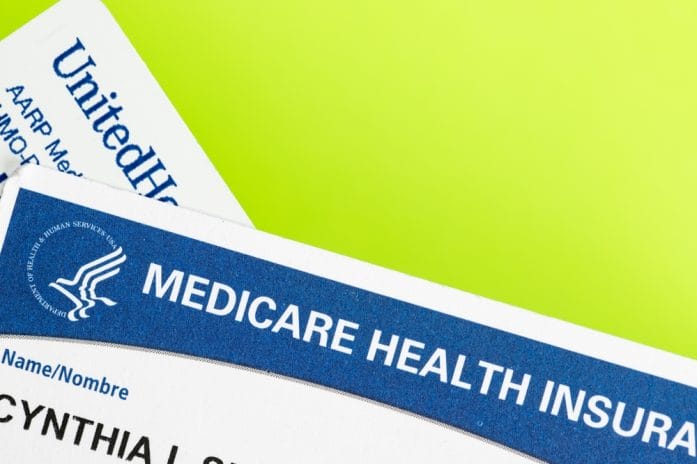
Filed Under: saving money Tagged With: bank account, Cost of living, emergency expenses, emergency funds, emergency spending, finance, finances, general finance, healthcare, healthcare costs, Housing Costs, interest rates, medical expenses, Money, money issues, Personal Finance, saving accounts, saving money, savings, unexpected expenses

9 Financial Shifts That Catch People Off Guard

January 23, 2026 by Brandon Marcus Leave a Comment

These Are 9 Financial Shifts That Catch People Off Guard
Image source: shutterstock.com

Money has a peculiar way of moving faster than we expect. One day, you’re coasting along with a budget that seems solid, and the next, a sudden expense, market shift, or policy change makes you double-check your bank account just to make sure it’s real. Some financial changes are obvious—they’re planned, announced, or easy to predict—but others arrive like uninvited guests, throwing your routine off and demanding quick adjustments.

The challenge is not just surviving these shifts but understanding them well enough to turn them into opportunities instead of setbacks. Let’s dive into nine financial twists and turns that often catch people off guard—and explore how to respond without breaking a sweat.

1. Interest Rate Surges Can Sting More Than You Expect

When central banks raise interest rates, the news usually dominates headlines, but many people underestimate the direct effect on their wallets. Variable-rate loans, mortgages, and credit card balances become more expensive almost immediately, and monthly budgets can take a hit without warning.

Even small rate increases can add up to hundreds of dollars over a year if your debt is significant. Savvy savers, however, can take advantage of these periods by putting money into high-yield savings accounts, which also tend to rise when rates go up. The key is paying attention to how your debts and investments are structured. Awareness is the difference between a nasty surprise and an opportunity to make your money work a little harder.

2. Inflation Creeps Up Stealthily

Inflation is the silent force that gradually erodes purchasing power, often without people realizing it until a routine shopping trip or bill payment delivers a jolt. Prices for groceries, gas, and everyday services can increase faster than wages, meaning the same paycheck buys less than it did a year ago.

Historically, moderate inflation can even benefit borrowers, as the real value of debt diminishes over time, but it punishes those relying on fixed incomes.

Long-term investors may need to adjust portfolios to include assets that historically outpace inflation, such as stocks or real estate. The trick is to spot the trends early and avoid knee-jerk reactions that can worsen your financial picture.

3. Job Market Shifts Hit Harder Than Expected

Career stability is often assumed, but economic changes can make layoffs, restructuring, or automation hit without warning. Industries evolve rapidly, and what was in high demand yesterday may face contraction tomorrow.

Even highly skilled professionals can find themselves searching for new opportunities sooner than anticipated. Diversifying skills, networking consistently, and keeping a financial cushion in savings can transform what could be a stressful situation into a temporary hurdle. Understanding the broader employment landscape helps anticipate risks rather than react in panic mode.

4. Tax Code Tweaks Are More Impactful Than You Think

Governments adjust tax laws frequently, and subtle changes in deductions, credits, or brackets can significantly alter annual finances. Sometimes the impact is immediate, reducing your take-home pay or changing the effectiveness of retirement contributions.

Other times, it appears when filing next year’s returns, catching people off guard. Keeping informed about tax policy updates or working with a trusted accountant can prevent surprises and even uncover hidden advantages. Tax efficiency is a powerful, often overlooked tool for maintaining financial momentum.

5. Lifestyle Inflation Slips In Quietly

As incomes rise, spending habits often follow, sometimes unconsciously. Upgrading to a more expensive car, dining out more frequently, or moving into a pricier home can feel like a reward, but over time, lifestyle inflation can outpace income growth. People often realize too late that increased earnings aren’t creating more freedom—they’re just funding higher expenses. Combatting this requires mindfulness, disciplined budgeting, and occasional reflection on whether every extra dollar spent is actually adding value to your life. Small, deliberate choices in spending can make a huge difference over the years.

6. Unexpected Medical Costs Can Derail Plans

Even with insurance, medical emergencies can introduce significant financial strain. Procedures, prescriptions, and specialist visits often come with out-of-pocket costs that exceed expectations. Preventive care can reduce risk, but life is unpredictable, and sometimes bills arrive before you’re ready.

An emergency fund specifically for health-related costs can make these situations manageable without compromising other financial goals. Understanding insurance coverage, negotiating bills, and exploring payment plans are strategies many overlook until they’re in a pinch.

These Are 9 Financial Shifts That Catch People Off Guard
Image source: shutterstock.com

7. Retirement Needs May Be Higher Than Anticipated

Many people assume their retirement nest egg only needs to cover basic living expenses, but inflation, healthcare costs, and longer lifespans make financial planning more complex.

Underestimating the amount needed can lead to uncomfortable adjustments later in life. Early and consistent contributions to retirement accounts, along with strategic investment choices, can provide a cushion.

Periodic review of retirement goals ensures plans remain realistic and responsive to changes in life circumstances or economic conditions. Planning ahead is not just smart—it’s essential.

8. Sudden Changes in Credit Scores Affect More Than Loans

Credit scores influence more than just loan approvals—they affect insurance rates, rental applications, and even job opportunities in certain industries. Negative changes can occur from missed payments, high credit utilization, or errors in reporting, and the effects aren’t always immediate.

Monitoring credit reports regularly and correcting inaccuracies quickly can prevent small issues from snowballing. Maintaining a healthy credit score opens doors and protects financial flexibility when unexpected expenses appear.

9. Technology-Driven Financial Shifts Require Adaptation

Digital banking, cryptocurrency, AI-driven investment tools, and fintech apps have transformed how people manage money. While these tools offer convenience and efficiency, they also demand digital literacy and awareness of risks like cyber fraud or volatile markets.

People who resist adapting to new technologies may miss out on opportunities for optimization or secure management. Conversely, jumping in without understanding the tools can lead to costly mistakes. Staying informed, experimenting cautiously, and embracing change strategically ensures technology becomes a helper, not a hazard.

How Have You Navigated Financial Surprises?

Financial surprises are inevitable, but understanding the common shifts that can throw people off balance equips you to respond thoughtfully. From interest rate hikes to lifestyle inflation, these changes affect everyone differently, and planning is a key defense. Some surprises are unavoidable, but many can be managed or mitigated with awareness, preparation, and flexibility.

Your experiences and strategies are valuable, and we’d love to hear how you’ve handled financial curveballs in your own life in the comments section below.

You May Also Like…

What Does Financial Stress Do To Your Body?

How a Solid Estate Plan Can Protect Your Finances

Tax Horizon: 4 Year-End Moves That Could Shape Your Finances for a Decade

Risk Proaction: 5 Steps to Stress-Test Your Finances for Worst-Case Scenarios

Expense Trap: 7 Inflation Surprises That Sneak Up on Middle-Aged Investors

Brandon Marcus
Brandon Marcus

Brandon Marcus is a writer who has been sharing the written word since a very young age. His interests include sports, history, pop culture, and so much more. When he isn’t writing, he spends his time jogging, drinking coffee, or attempting to read a long book he may never complete.

Filed Under: Finance Tagged With: finance, finances, financial choices, financial decisions, financial shifts, general finance, Inflation, interest rates, job market, job search, jobs, Lifestyle Inflation, medical bills, medical expenses, tax code

  • 1
  • 2
  • 3
  • Next Page »

FOLLOW US

Search this site:

Recent Posts

  • Can My Savings Account Affect My Financial Aid? by Tamila McDonald
  • 12 Ways Gen X’s Views Clash with Millennials… by Tamila McDonald
  • What Advantages and Disadvantages Are There To… by Jacob Sensiba
  • 10 Tactics for Building an Emergency Fund from Scratch by Vanessa Bermudez
  • Call 911: Go To the Emergency Room Immediately If… by Stephen Kanaval
  • 7 Weird Things You Can Sell Online by Tamila McDonald
  • 10 Scary Facts About DriveTime by Tamila McDonald

Copyright © 2026 · News Pro Theme on Genesis Framework