
• Home
  • About Us
  • Toolkit
  • Getting Finances Done
    • Hiring Advisors
    • Debt Management
    • Spending Plan
  • Insurance
    • Life Insurance
    • Health Insurance
    • Disability Insurance
    • Homeowners/Renters Insurance
  • Contact Us
  • Privacy Policy
  • Risk Tolerance Quiz

The Free Financial Advisor

You are here: Home / Archives for costs

Why Do Unexpected Costs Feel So Defeating

January 21, 2026 by Brandon Marcus Leave a Comment

Why Do Unexpected Costs Feel So Defeating

Image source: shutterstock.com

The email arrives. The car makes that noise. The dentist frowns and says, “We should talk.” In seconds, your mood drops faster than a phone without a case. Unexpected costs don’t just dent your bank account; they punch straight through your sense of control. One moment you’re cruising along, feeling vaguely responsible, and the next you’re mentally redoing your entire budget while questioning every decision you’ve made since 2014.

The drama feels outsized compared to the dollar amount, and that’s not an accident. Surprise expenses push psychological buttons that are ancient, powerful, and very human, which is why they can feel so defeating even when you technically “can afford it.”

1. Why Surprise Expenses Feel Like A Personal Betrayal

Unexpected costs often feel personal, as if the universe itself just canceled your plans. Psychologically, this reaction comes from a deep expectation that effort should equal reward. When you budget, plan, and behave responsibly, your brain quietly expects safety in return. A surprise bill violates that expectation, triggering frustration that feels emotional rather than logical. This is related to loss aversion, a well-documented principle where losses feel more painful than gains feel pleasurable.

Losing fifty dollars hurts more than finding fifty dollars feels good, even though the math is identical. Add surprise to that loss, and the emotional impact multiplies. It feels unfair, abrupt, and deeply irritating because your brain had already spent that money in its imagination.

2. How Unexpected Costs Hijack Your Sense Of Control

Control is one of the most underrated emotional comforts in adult life. Even when money is tight, having a plan creates a sense of stability and competence. Unexpected expenses rip that feeling away in seconds. The issue is not just the cost itself, but the reminder that you are not fully in charge of what happens next.

Research in psychology consistently shows that perceived lack of control increases stress more than predictable hardship. A planned expense can feel annoying but manageable, while a surprise one feels chaotic and threatening. Your nervous system reacts accordingly, raising stress hormones and sharpening emotional reactions. That’s why a surprise bill can ruin your entire afternoon even after it’s paid.

3. Why Your Brain Treats Surprise Costs Like Emergencies

From a biological standpoint, your brain is wired to overreact to sudden threats. Thousands of years ago, unexpected danger required immediate attention, not calm analysis. Modern financial surprises accidentally activate that same alarm system. A surprise expense signals uncertainty, and uncertainty is something the brain hates with impressive enthusiasm. Your thoughts may spiral toward worst-case scenarios even when the actual risk is small. This is not a personal flaw; it’s a survival mechanism misfiring in a modern context. The emotional response can include anxiety, anger, shame, or all three in rapid succession. Understanding this doesn’t erase the feeling, but it explains why it arrives so loudly and uninvited.

4. Why Surprise Costs Can Trigger Shame And Self-Blame

One of the sneakiest aspects of unexpected expenses is how quickly they turn inward. Instead of just being annoyed, many people feel embarrassed or irresponsible, even when the expense was unavoidable. Society often frames financial stability as a moral achievement, not just a logistical one. When an unexpected cost appears, it can feel like proof that you failed some invisible test.

This reaction is especially strong for people who pride themselves on planning and self-discipline. The emotional sting is less about the money and more about identity. You are not just paying a bill; you are briefly questioning your competence as a grown adult. That internal narrative can hurt more than the charge itself.

Why Do Unexpected Costs Feel So Defeating

Image source: shutterstock.com

5. Why Even Small Surprise Expenses Feel Exhausting

It’s not uncommon for a relatively small, unexpected cost to feel disproportionately draining. This happens because surprise expenses demand mental energy, not just money. You have to rework your budget, rethink upcoming plans, and make quick decisions under stress. Cognitive load theory explains that mental bandwidth is limited, and sudden financial decisions consume a lot of it. Even if the cost is minor, the interruption itself is tiring. That’s why people often describe feeling “defeated” rather than simply inconvenienced. The exhaustion comes from emotional processing, problem-solving, and stress happening all at once. By the end, you’re worn out and annoyed, even if the damage to your bank account was modest.

Making Peace With The Unexpected

Unexpected costs feel defeating because they collide with our need for control, fairness, and stability. They activate ancient survival responses, modern financial pressure, and deeply personal ideas about responsibility all at the same time. Recognizing this doesn’t magically make surprise expenses enjoyable, but it can soften the emotional blow. When that next unexpected bill shows up, remember that your reaction is human, predictable, and widely shared. You’re not overreacting; your brain is doing what it evolved to do.

If you’ve had a moment when an unexpected cost knocked the wind out of you, tell us about it in the comments below and add your perspective to the conversation.

You May Also Like…

Why Do Unexpected Expenses Always Seem to Hit at the Worst Time

Income Stream: 5 Unexpected Income Sources Retirees Are Trying This Winter

Why Are Prescription Costs Catching So Many People Off Guard

Funding Gap: 8 Ways Rising College Costs Are Changing Mid-Life Financial Planning

6 Unexpected Fees That Sneak Into Hospital Bills

Brandon Marcus
Brandon Marcus

Brandon Marcus is a writer who has been sharing the written word since a very young age. His interests include sports, history, pop culture, and so much more. When he isn’t writing, he spends his time jogging, drinking coffee, or attempting to read a long book he may never complete.


Filed Under: Finance Tagged With: blame, Cost of living, costs, expenses, finance, finances, financial problems, general finance, overspending, shame, Smart Spending, spending, surprise costs, surprise expenses, unexpected costs

9 Expenses That Used to Be Optional but Aren’t Anymore

January 12, 2026 by Brandon Marcus Leave a Comment

Here Are 9 Expenses That Used to Be Optional but Aren’t Anymore

Image Source: Shutterstock.com

The world didn’t just change overnight—it upgraded, auto-renewed, and charged your card while you weren’t looking. What once felt like a lifestyle choice has quietly transformed into a requirement for keeping a job, raising a family, or simply existing without daily frustration. Somewhere between dial-up tones and paper maps, modern life added a stack of “must-haves” that now feel as essential as electricity.

These expenses didn’t arrive with warning labels, but here we are, budgeting around them anyway. Let’s talk about the nine costs that graduated from “nice to have” to “you can’t realistically opt out.”

1. Mobile Data And Internet Access

Once upon a time, the internet lived in a single room and made loud noises while connecting. Now it’s the backbone of work, school, healthcare, banking, entertainment, and social life. Mobile data and home internet aren’t luxuries when job applications, homework portals, and appointment scheduling all happen online. Even basic communication often assumes instant access to email, messaging apps, and video calls.

Many employers quietly expect workers to be reachable, connected, and capable of hopping onto digital platforms at any moment. Trying to function without reliable internet today doesn’t make you frugal—it makes you invisible.

2. Smartphones

Smartphones used to be flashy gadgets for early adopters and tech enthusiasts. Today, they’re the remote controls for everyday life. From boarding passes and two-factor authentication to payment apps and emergency alerts, entire systems assume you have one. Schools send updates through apps, workplaces rely on messaging platforms, and even restaurants expect you to scan a code. Without a smartphone, simple tasks take longer, cost more, or become impossible. It’s not about brand loyalty or upgrades—it’s about participation.

3. Subscription Software And Apps

Buying software once and owning it forever now sounds like a fairy tale. Essential tools for work, creativity, taxes, fitness, and productivity increasingly live behind monthly or annual paywalls. Students and professionals alike are expected to use specific platforms just to keep up. Even things like note-taking, document signing, and cloud storage often require ongoing fees. These subscriptions may look small individually, but together they form a quiet, permanent drain on monthly budgets. Cancel too many, and daily life suddenly becomes much harder.

4. Health Insurance And Out-Of-Pocket Healthcare Costs

Healthcare has always cost money, but the degree of personal financial responsibility has shifted dramatically. Insurance premiums, deductibles, copays, and surprise bills have turned basic medical care into a budgeting challenge. Preventive care, mental health services, and prescription medications are no longer optional if you want to function well. Skipping care can quickly lead to bigger, more expensive problems down the road. For many people, healthcare expenses are now as non-negotiable as rent.

5. Reliable Transportation

Transportation used to mean getting from point A to point B when needed. Now, reliability is everything. Many jobs require flexible schedules, long commutes, or multiple daily stops that public transit can’t always support. Ride-share costs add up fast, and unreliable transportation can threaten employment itself. Even remote workers often need dependable transportation for childcare, errands, or medical appointments. Whether it’s car payments, maintenance, insurance, or transit passes, getting around is no longer optional—it’s foundational.

6. Childcare And After-School Programs

There was a time when childcare was considered a short-term or optional expense. Today, it’s a necessity for most working families. Dual-income households aren’t a luxury anymore—they’re often the only way to stay afloat. Safe, reliable childcare and after-school programs allow parents to work consistent hours without constant stress. These services also support children’s development, learning, and social skills. For many families, childcare costs rival housing expenses, yet opting out simply isn’t realistic.

7. Home Security And Digital Protection

Locks on doors used to be enough. Now, physical and digital security go hand in hand. Home security systems, smart cameras, identity theft protection, and antivirus software have become standard defenses. Online banking, remote work, and digital records make personal data more vulnerable than ever. Recovering from fraud or a breach can cost far more than preventive measures. Peace of mind, it turns out, comes with a monthly fee.

Here Are 9 Expenses That Used to Be Optional but Aren’t Anymore

Image Source: Shutterstock.com

8. Professional Development And Continuing Education

Education no longer ends with a diploma. Industries evolve quickly, and staying employable often requires constant learning. Certifications, online courses, workshops, and licensing fees are now part of many careers. Employers may expect skills updates without fully covering the cost. Falling behind can mean fewer opportunities or lower pay. Investing in yourself isn’t just aspirational anymore—it’s a survival strategy.

9. Convenience Services And Time-Saving Tools

Time has become one of the most expensive resources of all. Grocery delivery, meal kits, cleaning services, and digital assistants once felt indulgent. Now they’re coping mechanisms for overloaded schedules and burnout. When work, family, and obligations collide, convenience fills the gaps. These services help people stay functional when time and energy run low. Paying for time, it turns out, is often the only way to get any back.

Living In A World Of Non-Optional Options

Modern life has quietly rewritten the definition of “essential.” Expenses that once felt elective are now woven into how we work, connect, and care for ourselves and others. Recognizing these shifts doesn’t make budgeting easier, but it does make it more honest.

Everyone’s list looks a little different depending on lifestyle and priorities. Drop your thoughts or personal experiences in the comments below and let the conversation continue.

You May Also Like…

Why Do Unexpected Expenses Always Seem to Hit at the Worst Time

Are App-Linked Budget Tools Selling Your Income Data?

3 Reasons You Can’t Afford to Lose Your Smartphone

5 Tips to Save Money on Your Smartphone Bill

What Happens When Retirement Plans Ignore Healthcare Costs


Brandon Marcus
Brandon Marcus

Brandon Marcus is a writer who has been sharing the written word since a very young age. His interests include sports, history, pop culture, and so much more. When he isn’t writing, he spends his time jogging, drinking coffee, or attempting to read a long book he may never complete.

Filed Under: Spending Habits Tagged With: childcare, Cost of living, costs, cutting expenses, digital safety, Digital Security, everyday costs, expense mindset, expense tracking, expenses, health insurance, healthcare, home security, insurance costs, internet access, mobile data, smartphone apps, smartphones, subscriptions, transportation

Why Are Emergency Funds Harder to Rebuild Than People Expect

January 11, 2026 by Brandon Marcus Leave a Comment

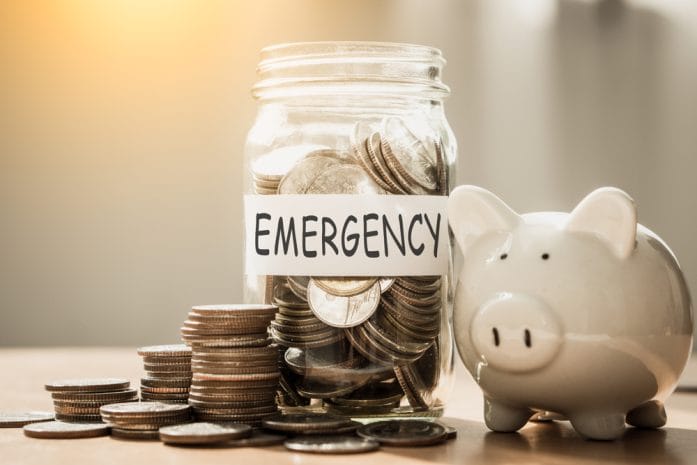
Why Are Emergency Funds Harder to Rebuild Than People Expect

Image Source: Shutterstock.com

Life has a sneaky habit of tossing unexpected bills, medical emergencies, and car repairs at the worst possible moments. One week you’re cruising through your budget with confidence, the next you’re staring at a drained bank account wondering, “How did this happen so fast?” Rebuilding an emergency fund often feels like trying to fill a leaky bucket—no matter how hard you try, the water just disappears. And yet, many people underestimate just how long it takes to recover after a financial setback.

It’s not about laziness, it’s about psychology, lifestyle pressures, and the subtle tricks our money habits play on us. Let’s dig into why replenishing your emergency fund can feel way harder than anyone expects.

The Psychology Of Loss And Why It Hurts More Than Expected

Humans are wired to feel losses more acutely than gains, a phenomenon economists call loss aversion. When money disappears from your emergency fund, the emotional impact is immediate and often exaggerated. Even a small setback can feel catastrophic, making the goal of rebuilding seem daunting. Our brains don’t treat money linearly; losing $500 feels like more than the happiness of earning $500. This mental weight can make it difficult to stay motivated, even if the numbers on paper aren’t dire.

On top of that, stress triggers a survival mode where long-term planning feels secondary to immediate needs. Understanding the psychology behind loss can help you cut yourself some slack while designing a realistic strategy to refill your safety net.

Lifestyle Inflation Sneaks In When You Least Expect It

As your income grows, it’s tempting to upgrade your lifestyle immediately—new gadgets, fancier dinners, or more travel. Lifestyle inflation is like a silent budget leak that drains money that could be rebuilding your emergency fund. Even small, consistent increases in monthly spending can derail your financial recovery plan without you noticing. People often assume that once the crisis is over, money will flow back in naturally—but reality doesn’t work that way. Every extra latte, subscription, or impulse purchase chips away at your ability to save. Being mindful of lifestyle inflation isn’t about restriction; it’s about protecting your long-term security while still enjoying life.

The Unseen Costs That Keep Piling Up

Unexpected expenses rarely come alone. A medical visit might lead to prescription costs, follow-up appointments, and transportation expenses. A car repair might reveal other maintenance needs. These hidden costs can make it feel like your emergency fund is a game of whack-a-mole. Each time you patch one hole, another seems to appear, making rebuilding a slow, sometimes discouraging process.

People often forget to account for these ripple effects when estimating how long it will take to recover. Anticipating potential hidden expenses and creating a buffer beyond your target fund can make a big difference in how achievable rebuilding feels.

Why Are Emergency Funds Harder to Rebuild Than People Expect

Image Source: Shutterstock.com

The Trap Of Overestimating Income Flexibility

After a financial shock, it’s natural to assume that “extra” money can be redirected to the emergency fund immediately. But life is rarely that simple. Paychecks are often already spoken for—rent, utilities, groceries, and debts don’t pause just because your fund is low. Overestimating your ability to save can lead to frustration and, in some cases, abandoning the effort altogether. People sometimes think that a small monthly contribution is inconsequential, but even modest, consistent deposits can rebuild a fund over time. The key is realistic expectations: understanding what can truly be allocated each month without causing stress or sacrificing essential needs.

The Long-Term Habit Shift That’s Often Required

Rebuilding an emergency fund isn’t just about numbers; it’s about forming lasting habits. If your spending patterns contributed to the initial drain, those habits need to change for recovery to stick. This often involves creating stricter budgets, tracking spending meticulously, or even reassessing priorities. Habit change takes time—sometimes months—to feel natural, and during this period, patience is crucial.

It’s common to see progress, experience setbacks, and feel like the effort isn’t paying off. Recognizing that habit formation is part of the process can transform frustration into steady progress. Consistency beats speed every time when it comes to financial security.

Unexpected Emotional Triggers Can Set You Back

Rebuilding your fund isn’t just about math; emotions play a huge role. Stress, peer pressure, and social comparison can trigger impulsive spending or feelings of hopelessness. A night out with friends, seeing a colleague’s new purchase, or even seasonal advertising can tempt you to dip into the fund you’re trying to rebuild. Emotional spending is a natural human response, but it can make recovery feel painfully slow. By identifying emotional triggers and planning for them—like allocating a small fun budget—you can protect your fund while still enjoying life. Financial resilience isn’t about perfection; it’s about managing these challenges strategically.

Join The Conversation About Rebuilding Financial Safety

Rebuilding an emergency fund is rarely as quick or easy as people hope, but understanding the hurdles makes the process less intimidating. From loss aversion to lifestyle inflation, hidden costs, and emotional triggers, many factors contribute to the challenge. By creating realistic goals, practicing patience, and cultivating consistent saving habits, you can rebuild your financial safety net without sacrificing your sanity.

Have you ever had to rebuild your emergency fund, or are you in the process now? Tell us your experiences and lessons below—your insights might just help someone else navigate the tricky path to financial security.

You May Also Like…

Savings Game: 5 Ways to Boost Your Emergency Fund Before December Ends

Build an Ironclad Emergency Fund That Can Withstand Any Crisis

10 Financial Dangers of Skipping Emergency Funds

Why Your $1,000 Emergency Fund Is Not Nearly Enough for 2026

5 Ways The New Year Gets In The Way Of Saving Money


Brandon Marcus
Brandon Marcus

Brandon Marcus is a writer who has been sharing the written word since a very young age. His interests include sports, history, pop culture, and so much more. When he isn’t writing, he spends his time jogging, drinking coffee, or attempting to read a long book he may never complete.
Filed Under: Lifestyle Tagged With: Cost of living, costs, emergency fund, emergency funds, Income, income flexibility, Life, Lifestyle, Lifestyle Inflation, loss, rising costs, Saving, saving account, saving money, savings

7 Costs That Sneak Up on Fixed-Income Households

January 8, 2026 by Brandon Marcus Leave a Comment

Here Are 7 Costs That Sneak Up on Fixed-Income Households

Image Source: Shutterstock.com

A steady paycheck may stop, but life never takes a coffee break. For millions of households living on pensions, Social Security, annuities, or other fixed incomes, the budget can feel like a carefully stacked tower of blocks—stable, precise, and always one unexpected nudge away from wobbling. Expenses don’t announce themselves with confetti cannons. They arrive quietly, disguised as small increases, new fees, or “just this once” purchases that somehow keep happening.

Today, we are going to shine a bright light on seven costs that tend to creep into the picture, drain energy from monthly budgets, and leave people wondering where their money went. Knowing what to watch for can turn surprise into strategy and stress into confidence.

1. Rising Utility Bills And Seasonal Spikes

Utility costs are famous for refusing to sit still. Electricity, natural gas, water, and trash service often inch upward year after year, even when usage stays the same. Seasonal changes make things trickier, as heat waves and cold snaps push bills into uncomfortable territory. Many fixed-income households feel pressure to keep homes at safe temperatures, especially for health reasons, which limits flexibility.

Rate adjustments approved by local regulators can land without much warning. Even small monthly increases add up over time, quietly eating into grocery or medication budgets. Over a year, utilities alone can turn into one of the most underestimated expenses around.

2. Healthcare Costs Beyond Insurance

Insurance provides a safety net, but it rarely catches everything. Copays, deductibles, uncovered services, and prescription tiers can surprise even the most organized planner. Routine appointments can multiply when new health concerns pop up or chronic conditions need closer monitoring. Dental care, vision exams, hearing aids, and mobility equipment often live outside standard coverage. Transportation to medical appointments adds another layer, especially when specialized care isn’t nearby. For fixed-income households, these ongoing out-of-pocket expenses can feel relentless and hard to predict.

3. Home Maintenance And Repair Surprises

Homes age just like people, and they occasionally demand attention at inconvenient times. A leaky roof, failing water heater, or aging HVAC system can turn into a major expense overnight. Even smaller repairs, like plumbing fixes or appliance replacements, carry price tags that sting. Labor and materials costs have risen, making do-it-yourself less practical for many homeowners. Renters aren’t immune either, as landlords often pass along maintenance-related increases through higher rent. Home-related expenses tend to arrive without warning and rarely wait for the budget to catch up.

4. Food Prices And Subtle Shrinkflation

Grocery shopping used to be predictable, but those days are long gone. Prices rise, packages shrink, and favorite staples quietly cost more for less. Fixed-income households often notice that the same cart of groceries somehow totals more each month. Fresh produce, meat, and pantry basics fluctuate based on supply chains and seasonal factors. Eating healthier can feel especially expensive, even though it saves on healthcare later. Over time, food inflation becomes one of the most emotionally frustrating costs because it touches daily life so directly.

Here Are 7 Costs That Sneak Up on Fixed-Income Households

Image Source: Shutterstock.com

5. Transportation And Mobility Expenses

Transportation costs don’t stop just because commuting does. Gas prices swing wildly, and routine vehicle maintenance keeps marching on. Insurance premiums can rise even without accidents or claims. Public transportation fares increase, and ride services add fees that weren’t there before. For those with limited mobility, specialized transportation services may be necessary and costly. Staying independent often means paying more than expected just to get where life happens.

6. Technology And Communication Costs

Modern life runs on technology, and opting out isn’t always realistic. Internet access, mobile phones, and streaming services have become everyday necessities for staying connected and informed. Service providers frequently adjust pricing, introduce new fees, or phase out older plans. Devices eventually need replacing, whether it’s a phone battery that won’t hold a charge or a laptop that can’t handle updates. Even basic tech support can come with a cost. These expenses tend to feel small individually but add up quickly over a year.

7. Gifts, Events, And Social Obligations

Life doesn’t pause its celebrations for anyone’s budget. Birthdays, weddings, graduations, and holidays bring joy—and expenses. Fixed-income households often feel pressure to participate fully, even when funds are tight. Travel, lodging, attire, and gifts can pile up around certain seasons. Charitable giving, community events, and family support requests also play a role. These costs are deeply emotional, making them some of the hardest to manage or limit.

Staying Ahead Of The Quiet Drains

Fixed incomes demand creativity, awareness, and a little humor when the unexpected pops up. Recognizing these common costs makes it easier to plan, adjust, and breathe easier month to month. No two households experience them the same way, and strategies vary widely depending on lifestyle and priorities. Awareness turns surprise expenses into manageable challenges rather than budget-breaking shocks.

If you’ve encountered any of these costs—or found clever ways to handle them—add your thoughts or stories in the comments below. Your experience could help someone else feel a little more prepared.

You May Also Like…

Expense Spike: 8 Healthcare Costs That Hit Harder in Later Life

Debt Alert: 6 Ways Holiday Spending Could Trigger a January Credit Score Crisis

6 Silent Money Leaks in the Average Household

Why Do Some Households Keep Paying for Empty Storage Units

12 Ways to Beat Back the Guilt of Spending on Yourself Finally


Brandon Marcus
Brandon Marcus

Brandon Marcus is a writer who has been sharing the written word since a very young age. His interests include sports, history, pop culture, and so much more. When he isn’t writing, he spends his time jogging, drinking coffee, or attempting to read a long book he may never complete.

Filed Under: Lifestyle Tagged With: Budget, budgeting, costs, daily spending, expenses, health insurance, healthcare, household budget, household items, household responsibilities, household spending, Insurance, Life, Lifestyle, seasonal spending, spending, unexpected costs, utility bills

What Are The Worst Choices You Can Make As A New Investor?

December 30, 2025 by Brandon Marcus Leave a Comment

What Are The Worst Choices You Can Make As A New Investor?

Image Source: Shutterstock.com

Investing can feel like stepping onto a roller coaster with no seatbelt, thrilling, unpredictable, and occasionally stomach-churning. For new investors, every decision feels monumental—buy, sell, wait, panic—like a game where the rules change every day. One wrong move, and suddenly your “nest egg” feels more like a “nest feather.”

The truth is, investing isn’t about luck; it’s about strategy, patience, and understanding how to avoid the classic pitfalls that swallow beginners whole.

Chasing Hot Stocks Without Research

One of the biggest traps for beginners is buying a stock because everyone online says it’s “the next big thing.” Social media hype, flashy headlines, or a friend’s tip may feel like a shortcut to easy money, but it’s a high-speed highway to disappointment. Without research, you don’t know the company’s financial health, competitive landscape, or long-term potential. Blindly following trends often leads to buying at the peak and selling at the bottom. A smart investor always digs into numbers, management quality, and market position before pulling the trigger.

Ignoring Diversification Completely

Putting all your money into one stock or sector might feel exciting, like betting everything on a single horse that seems unbeatable. Unfortunately, the market is unpredictable, and concentrated bets can wipe out your portfolio overnight. Diversification spreads risk across different industries, geographies, and asset classes. Even if one investment tanks, others may stay steady or grow, cushioning the blow. Ignoring this principle is like walking a tightrope without a safety net—thrilling until gravity intervenes.

Letting Emotions Drive Decisions

Fear and greed are the secret enemies of new investors. Selling everything in a panic during a market dip or splurging on the “next big trend” during a boom usually leads to regret. Emotions can make you abandon sound strategies, chasing short-term highs instead of long-term growth. Successful investing is rooted in discipline, patience, and sticking to a plan even when the market is volatile. Think of your emotions as a mischievous toddler trying to press the buttons on a very expensive control panel.

What Are The Worst Choices You Can Make As A New Investor?

Image Source: Shutterstock.com

Ignoring Fees And Costs

Trading fees, fund management costs, and hidden charges may seem small, but over time, they can erode a significant portion of your returns. Many new investors focus solely on potential gains and forget about the financial drain caused by costs. Choosing high-fee funds when low-cost alternatives exist is like leaving money on the table for someone else to pick up. Always read the fine print and understand how fees impact long-term performance. Every dollar saved in fees is a dollar that stays invested and working for you.

Failing To Have A Clear Plan

Investing without a plan is like setting sail with no map, compass, or destination in mind. Goals give your investments purpose—whether it’s buying a home, funding retirement, or building wealth. Without a strategy, you may make random buys, chase trends, or sell in panic moments. A plan also helps you track progress, make informed adjustments, and measure risk tolerance. New investors who ignore planning are often blindsided by market swings and personal financial needs.

Trying To Time The Market Perfectly

New investors often believe they can buy at the absolute bottom and sell at the exact top. The reality is that timing the market is nearly impossible, even for professionals with decades of experience. Attempting this strategy usually leads to missed opportunities, constant stress, and bad trades. Consistent, disciplined investing with a long-term perspective outperforms frantic attempts to “beat the clock.” Remember, slow and steady growth often wins the race.

Overlooking Education And Research

Investing without understanding what you’re buying is like entering a maze blindfolded. Market knowledge, financial literacy, and research skills are your GPS and flashlight. Ignoring these tools leaves you vulnerable to mistakes, scams, or ill-advised decisions. Even basic education on stocks, bonds, ETFs, and portfolio strategies can make a massive difference. Learning doesn’t have to be boring—it can be fun, interactive, and immediately useful for your financial journey.

Falling For “Get Rich Quick” Schemes

The allure of instant wealth is powerful, but nearly every promise of overnight success in investing is a trap. High-risk schemes, pump-and-dump stocks, and speculative ventures can destroy your savings in a blink. Slow, steady wealth building is far safer and more reliable than chasing fantasy returns. New investors must recognize that patience and consistency are far more effective than gambling. Scammers love beginners who are impatient—they see desperation as an opportunity.

Neglecting Risk Management

Every investment carries risk, but ignoring it is like walking through a battlefield blindfolded. Assessing and managing risk protects your portfolio from catastrophic losses. This includes setting stop-loss orders, understanding market volatility, and avoiding over-leveraging. Risk management ensures that a single bad trade won’t wipe out years of progress. New investors who neglect this principle often pay a high price for the thrill of unchecked exposure.

Learn From Mistakes Before They Happen

Investing is a thrilling adventure, but the wrong choices can quickly turn excitement into regret. Avoid chasing trends without research, overconcentration, emotional decision-making, high fees, and neglecting education. Develop a clear plan, practice patience, and always consider risk and diversification. By understanding these common pitfalls, new investors can build a strategy that’s resilient, informed, and profitable.

Readers, we’d love to hear your thoughts, experiences, or lessons learned in your investment journey in the comments section below.

You May Also Like…

What Young People Need To Know About Investing Volatility

How To Start Your 2026 Investing Journey With A Bang

The 13 Best Things People Do at the Beginning of Retirement

Begin Learning the Secrets of Tax-Efficient Investing Today

Is My Fear of Market Crashes Preventing Me From Investing At All?


Brandon Marcus
Brandon Marcus

Brandon Marcus is a writer who has been sharing the written word since a very young age. His interests include sports, history, pop culture, and so much more. When he isn’t writing, he spends his time jogging, drinking coffee, or attempting to read a long book he may never complete.

Filed Under: Investing Tagged With: bad investment choices, bad investments, beginning investing, beginning investors, costs, diversification, diversify, emotional decisions, fees, financial choices, Hidden Fees, investing, Investor, investors, new investors, Risk management, stock market, stocks

FOLLOW US

Search this site:

Recent Posts

  • Can My Savings Account Affect My Financial Aid? by Tamila McDonald
  • 12 Ways Gen X’s Views Clash with Millennials… by Tamila McDonald
  • What Advantages and Disadvantages Are There To… by Jacob Sensiba
  • Call 911: Go To the Emergency Room Immediately If… by Stephen Kanaval
  • 10 Tactics for Building an Emergency Fund from Scratch by Vanessa Bermudez
  • 7 Weird Things You Can Sell Online by Tamila McDonald
  • 10 Scary Facts About DriveTime by Tamila McDonald

Copyright © 2026 · News Pro Theme on Genesis Framework