• Home
  • About Us
  • Toolkit
  • Getting Finances Done
    • Hiring Advisors
    • Debt Management
    • Spending Plan
  • Insurance
    • Life Insurance
    • Health Insurance
    • Disability Insurance
    • Homeowners/Renters Insurance
  • Contact Us
  • Privacy Policy
  • Risk Tolerance Quiz

The Free Financial Advisor

You are here: Home / Archives for money issues

Holiday Trap: 6 Gift-Spending Mistakes That Could Wreck Your Budget

December 10, 2025 by Brandon Marcus Leave a Comment

Here Are 6 Gift-Spending Mistakes That Could Wreck Your Budget

Image Source: Shutterstock.com

The holiday season has a magical way of turning even the most disciplined spender into a wide-eyed, wallet-wielding gift enthusiast. Suddenly every sale looks irresistible, every ad feels personal, and every shopping cart fills itself as if controlled by a festive spirit with questionable financial judgment. The pressure to deliver the “perfect gift” can push people into overspending before they even notice what’s happening.

If you’ve ever looked at your January bank statement and wondered whether a group of elves secretly borrowed your debit card, you’re not alone. Holiday spending mistakes are easy to make—but thankfully, they’re also easy to avoid once you know exactly what traps to watch out for.

1. Falling For “Limited-Time” Urgency Hype

Retailers know that a ticking clock triggers panic, and panic triggers purchases. When you see banners shouting phrases like “Only Two Hours Left!” or “Final Chance!” your brain shifts into impulse mode instead of logic mode. The problem is that many of these so-called limited-time deals quietly return days later, disguised as brand-new promotions. Shoppers often rush to buy before thinking about whether the gift is actually needed or whether the price is really a bargain. Taking a moment to step back and breathe can save you from wasting money on items that felt urgent but weren’t worth the rush.

2. Forgetting To Set A Real Spending Plan

Most people enter the holiday season with a mental note that says “Don’t overspend,” but that’s not an actual plan. Without clear limits, it becomes incredibly easy to justify a few extra gifts here and there. A simple list of who you’re buying for and how much you’ll spend on each person can keep your budget from unraveling. When you don’t define boundaries, you end up reacting emotionally instead of budgeting intentionally. A bit of structure doesn’t kill holiday spirit—it keeps the joy high and the money stress low.

Here Are 6 Gift-Spending Mistakes That Could Wreck Your Budget

Image Source: Shutterstock.com

3. Equating Price With Love Or Generosity

One of the sneakiest money traps is the belief that the more you spend, the more meaningful the gift. This mindset quietly drains bank accounts because it convinces shoppers that a modest or inexpensive present isn’t “enough.” The truth is that thoughtful gifts often carry more weight than pricey ones, and nobody who genuinely appreciates you is measuring your affection by a receipt. People end up overspending to impress others or avoid judgment, even when no one asked for expensive presents in the first place. When your budget takes a hit, the guilt that follows usually outlasts any brief moment of gift-giving glory.

4. Ignoring Small Add-Ons That Quietly Pile Up

Holiday shopping carts have a strange habit of attracting add-ons like ornaments, stocking stuffers, candles, candy, cards, and gift-wrap supplies. Each item seems cheap on its own, but together they can topple your budget faster than a holiday cookie tower. These small extras feel harmless, so you toss them in without realizing they multiply your total.

By the time you reach checkout, your bill looks like it belongs to someone shopping for a large family holiday reunion—even if you’re only buying for a few people. Becoming aware of these sneaky add-ons is one of the simplest ways to avoid a budget blowout.

5. Overcommitting To Holiday Social Obligations

Holiday gatherings, office gift exchanges, community events, and last-minute dinner invitations can all tug at your wallet. People feel pressured to bring gifts, buy outfits, contribute food, or participate in exchanges they didn’t plan for. The result is a long list of unplanned expenses that chip away at your financial stability. Most of these commitments are optional, but they don’t always feel that way when you’re caught up in the holiday whirlwind. Learning to say no—or choosing lower-cost alternatives—keeps you from draining your budget out of sheer obligation.

6. Waiting Until The Last Minute To Shop

Procrastinating during the holidays is practically a tradition, but it’s an expensive one. When you shop at the last minute, you lose your ability to compare prices, hunt for deals, or even think clearly about what you’re buying.

With time running out, you grab whatever looks acceptable and hope for the best, usually paying full price without hesitation. Last-minute panic-buying is one of the fastest ways to torch your budget. Planning ahead, even slightly, can break the cycle and save you a surprising amount of money.

Take Control Of Your Holiday Spending Before It Takes Control Of You

Holiday gift-giving should be joyful, heartfelt, and fun—not a financial hangover waiting to happen. By recognizing the subtle (and not-so-subtle) money traps of the season, you can keep your celebrations merry without throwing your budget into chaos. Remember that thoughtful planning beats last-minute panic, and smart spending beats emotional buying every time.

Now it’s your turn: have you ever fallen into one of these holiday traps? Share your stories, lessons, or tips for smarter spending in the comments for others to hear.

You May Also Like…

6 Sneaky Financial Risks Hiding in Holiday Spending

Why Do Families Overspend During the Holidays

Could Being Too Generous With Gifts Destroy Your Budget

Here’s Why Your Expensive Gifts Don’t Matter to Most People

Expense Mindset: 5 Budgeting Habits High-Net Individuals Use


Brandon Marcus
Brandon Marcus

Brandon Marcus is a writer who has been sharing the written word since a very young age. His interests include sports, history, pop culture, and so much more. When he isn’t writing, he spends his time jogging, drinking coffee, or attempting to read a long book he may never complete.


Filed Under: Budgeting Tagged With: Budget, Budgeting Tips, budgets, gift-giving, gifts, Holiday, holiday budget, Holidays, Money, money issues, money matters, overspending, Smart Spending, spending

Why Young People Should Invest In The Stock Market

December 10, 2025 by Brandon Marcus Leave a Comment

Young People Should Invest In The Stock Market

Image Source: Shutterstock.com

The moment you earn your first real paycheck, a thousand possibilities start swirling—weekend trips, new gadgets, a nicer apartment, maybe even that fancy coffee machine that makes your kitchen feel like a café. But while spending is thrilling, there’s an even bigger rush hidden in plain sight: investing early and letting time do the heavy lifting. Too many young people assume the stock market is a confusing, intimidating arena reserved for experts in suits.

In reality, it’s one of the most powerful tools available to anyone who starts sooner rather than later. The earlier you jump in, the more your money gets to grow, multiply, and outwork all those impulse purchases vying for your attention.

1. The Power Of Compound Growth

Compound growth is the closest thing the financial world has to magic, and young people have the luxury of time to make it spectacular. When your investments earn returns, and those returns start earning returns, you get exponential momentum that builds year after year. Even small, consistent contributions can balloon into something impressive if given enough time. Starting young gives compound growth decades to work, turning what seems modest today into something life-changing later. It’s not about being rich now—it’s about smartly giving your money the time it needs to become rich for you.

2. The Ability To Take Strategic Risks

Younger investors have something older investors often envy: the freedom to take calculated risks without catastrophic consequences. When you’re early in your career, you have decades to recover from market dips and downturns. This makes it easier to choose higher-growth assets, experiment with strategies, and learn from mistakes while the stakes are lower. Risk tolerance is a superpower when you’re young, and the stock market rewards people who take advantage of it. By embracing risk intelligently now, you set yourself up for far higher returns in the long run.

3. A Long Time Horizon To Weather Market Volatility

Markets rise and fall, sometimes dramatically, and watching those fluctuations can make beginners nervous. But younger investors have one priceless advantage: plenty of time to ride out volatility. Historically, the stock market moves upward over long stretches, even after major downturns or global crises. With a long time horizon, the inevitable dips become opportunities rather than disasters. The patience that comes from investing early lets you stay steady when others panic, and that steadiness often leads to serious gains.

Young People Should Invest In The Stock Market

Image Source: Shutterstock.com

4. Lower Financial Responsibilities Mean Easier Investing

While not true for everyone, many young people haven’t yet taken on the full weight of mortgages, kids, medical bills, or other expenses that can limit investing later in life. This makes it easier to carve out money for investments without feeling stretched thin. Even small automatic contributions can make a huge difference when they start early. As responsibilities grow, investing can get more complicated, but the groundwork you lay now becomes a safety net later. Young investors don’t just have time—they also have flexibility, which is just as valuable.

5. Learning Early Builds Smarter Money Habits

Investing isn’t just about wealth—it’s about developing financial intuition, discipline, and decision-making skills. By starting young, you naturally learn how markets move, what strategies fit your personality, and how to stay calm during uncertainty. These habits pay off far beyond your investment account, shaping how you approach saving, spending, risk, and long-term planning. Young people who invest early become adults who feel confident about money instead of intimidated by it. The sooner you build these habits, the stronger your financial foundation becomes.

6. Early Investing Offers More Freedom Later

Imagine reaching your 40s or 50s and realizing you’ve built substantial wealth without needing to work twice as hard. This level of freedom—career flexibility, early retirement options, the ability to take sabbaticals or launch businesses—usually belongs to people who invested early. Starting young means you’re not scrambling later to catch up or panicking about retirement. Instead, you’re shaping a life with choices rather than obligations. Investing is ultimately about buying your future freedom, and young people get to start at the best possible discount.

7. Stocks Outperform Most Other Long-Term Assets

Over longer periods, the stock market has historically outperformed real estate, savings accounts, bonds, and cash reserves. That doesn’t mean those things aren’t valuable, but stocks offer a unique combination of liquidity, growth potential, and accessibility. Young investors who prioritize the stock market early position themselves for greater wealth-building potential. You don’t need specialized knowledge, insider access, or massive capital—just consistency and time. The market rewards participation, and the sooner you participate, the more you gain.

8. Investing Makes Your Money Work While You Live Your Life

Most people trade hours for dollars, but investing flips the dynamic and lets dollars start working for you. When you invest young, your money keeps growing even while you sleep, travel, study, or pursue your hobbies. It’s one of the most effective ways to build wealth without sacrificing extra time or energy. The younger you start, the more your money multitasks on your behalf. Instead of only relying on future income, investing gives you an engine of passive growth humming in the background.

9. Starting Now Removes The Biggest Barrier: Procrastination

The hardest part of investing is taking the first step. Many young people assume they’ll begin later when they earn more or feel more financially stable. But time—not income—is the most valuable ingredient in investing and waiting costs more than people realize. Starting small is infinitely better than waiting to start big. Once you take the plunge, the fear fades, and the habit forms faster than expected.

10. Investing Early Helps Beat Inflation

Inflation slowly eats away at savings, making money worth less over time. While keeping some cash is important, relying on savings alone won’t keep up with rising prices. The stock market, however, has historically outpaced inflation significantly, preserving and increasing purchasing power over the long term.

Young investors who put their money to work protect themselves from the silent financial erosion inflation creates. Investing early is a smart defense against the future cost of living.

Invest Early, Invest Often, And Let Time Do The Heavy Lifting

Young people have every advantage when it comes to investing—time, flexibility, resilience, and the chance to build strong habits before life gets more complicated. The stock market isn’t just for experts or older adults approaching retirement; it’s for anyone who wants their money to grow while they build a life they love. Every day you wait is a day your money could be compounding, multiplying, and expanding your future options. What about you?

Have you started investing yet, or do you have questions, fears, or lessons you’ve learned along the way? Give us your thoughts and stories in the comments.

You May Also Like…

8 Bold Strategies for Investing During Periods of High Inflation

4 Indispensable Tools for Backtesting Investment Theories Swiftly

5 Mistakes Young People Make About Their Financial Futures

The Military Money Mistake That Costs Young Service Members Dearly

7 Risky Investment Trends Only Experts Understand Fully


Brandon Marcus
Brandon Marcus

Brandon Marcus is a writer who has been sharing the written word since a very young age. His interests include sports, history, pop culture, and so much more. When he isn’t writing, he spends his time jogging, drinking coffee, or attempting to read a long book he may never complete.

Filed Under: Investing Tagged With: compound growth, early investing, easy investing, financial responsibilities, invest, investing, investors, market volatility, Money, money issues, stock market, young people

Behaviour Check: 8 Money Habits That Sabotage Boomers’ Financial Futures

December 10, 2025 by Brandon Marcus Leave a Comment

Here Are 8 Money Habits That Sabotage Boomers’ Financial Futures

Image Source: Shutterstock.com

The moment anyone starts talking about retirement, legacy planning, or “slowing down,” Boomers often nod confidently as if they’ve mastered every stage of adulthood with a perfect financial playbook. But behind that seasoned composure, many still fall into sneaky money habits that quietly chip away at long-term security.

These aren’t dramatic mistakes or headline-making disasters—they’re subtle behavioral patterns that seem harmless until they snowball. And the wild part is that most of these habits start with good intentions, making them even harder to spot. So let’s break down the eight behaviors that can derail even the most experienced saver’s financial future and see how a few tweaks could change everything.

1. Overspending On Adult Children

Many Boomers grew up believing that helping your children financially is the ultimate act of love, but sometimes that generosity spirals into self-sabotage. When adult kids rely on ongoing support, parents may drain savings they’ll later desperately need. The emotional urge to protect your children makes it easy to ignore how quickly these “temporary” expenses add up. While giving feels good in the moment, it can quietly reshape an entire retirement timeline. Financial independence should be a two-way priority, not a lifelong subsidy.

2. Holding Too Much Wealth In The Family Home

A paid-off home can feel like the ultimate badge of stability, yet it often traps wealth where it can’t be easily accessed. Boomers frequently underestimate how much of their net worth is locked inside those walls, making emergencies or lifestyle adjustments harder to manage. Downsizing feels emotional, so many resist it long past the time when it makes financial sense. The result is a retirement portfolio that looks impressive on paper but struggles to support day-to-day needs. Liquidity is your friend, not an insult to your family memories.

3. Avoiding Technology That Simplifies Money

There’s a whole generation that learned personal finance long before apps, automation, and online tools existed, and many still prefer doing things “the old-fashioned way.” But that habit can lead to missed opportunities, forgotten payments, and blind spots in budgeting. Avoiding digital tools also makes fraud detection slower and less efficient, which becomes a bigger risk with age. Modern financial tech exists to reduce stress, not create it. Embracing a few simple tools can turn money management from manual labour into effortless clarity.

Here Are 8 Money Habits That Sabotage Boomers’ Financial Futures

Image Source: Shutterstock.com

4. Putting Off Estate Planning

Nobody loves talking about wills or medical directives, so plenty of Boomers push these tasks to “someday.” Unfortunately, someday often becomes never, leaving families scrambling during emotional, confusing moments. Without clear instructions, assets can get tied up, taxed heavily, or distributed in ways the owner never intended. Proper planning isn’t just responsible—it’s an act of compassion for the people who will eventually handle the logistics. Avoiding these conversations doesn’t prevent the future; it only complicates it.

5. Relying Too Heavily On Fixed Income

Fixed income feels predictable and safe, and Boomers who lived through volatile markets often cling to stability as they age. But overdependence on fixed returns can mean portfolios that fail to grow enough to outpace inflation. When costs rise—and they always do—fixed income alone struggles to sustain long-term needs. Balancing stability with strategic growth is essential, not optional. Playing it too safe can be just as dangerous as taking unnecessary risks.

6. Underestimating Healthcare Costs

Healthcare often becomes the biggest expense in later life, yet many Boomers imagine it will be fully covered by government programs. That misconception can leave major gaps when sudden illnesses, long-term care, or prescription costs arise. Without proper planning, these expenses quickly devour retirement savings. Ignoring future medical costs doesn’t make them disappear—it just pushes the stress to a later, more vulnerable moment. Proactive planning is the only real safeguard.

7. Clinging To Outdated Financial Advice

Boomers received plenty of financial guidance in their youth, but some of those rules simply don’t apply anymore. Strategies that worked decades ago can fail miserably in today’s economic landscape. Inflation, market dynamics, interest rates, and financial technology have evolved, and advice must evolve with them. Continuing to follow outdated tips can quietly erode wealth instead of strengthening it. Staying informed isn’t a trend—it’s a necessity.

8. Avoiding Honest Conversations About Money

Many Boomers grew up in households where money talk was seen as taboo, and that mindset follows them into retirement. This reluctance makes it harder to address financial concerns with spouses, children, or advisors. Silence leads to confusion, misunderstandings, and decisions based on assumptions instead of facts. Open dialogue turns financial planning into a shared, thoughtful process rather than a secretive struggle. Transparency creates security, while avoidance breeds uncertainty.

Awareness Today Protects Tomorrow

Every generation has blind spots, and Boomers are no exception. The good news is that recognizing these habits makes them easier to change—and even small adjustments can dramatically reshape financial futures. Whether it’s updating a plan, embracing new tools, or simply talking openly with family, progress starts with awareness.

What habits have you noticed in yourself or someone you know? Let’s talk about your thoughts, stories, or experiences in the comments below.

You May Also Like…

8 Financial “Rules” Boomers Swear By That Are Actually Useless Now

8 Essential Items Boomers Should Invest In If They’ll Be Living Alone

5 Mistakes Young People Make About Their Financial Futures

7 Strange Questions Financial Advisors Secretly Love to Answer

6 Ways Baby Boomers Spend Money That Actually Adds Meaning


Brandon Marcus
Brandon Marcus

Brandon Marcus is a writer who has been sharing the written word since a very young age. His interests include sports, history, pop culture, and so much more. When he isn’t writing, he spends his time jogging, drinking coffee, or attempting to read a long book he may never complete.

Filed Under: Finance Tagged With: adult children, baby boomers, bad habits, Boomers, daily habits, Estate plan, Estate planning, finance, finances, financial future, general finance, good habits, habits, Money, money habits, money issues, overspending, technology, Wealth, wealthy families

Deadline Countdown: 11 Smart Moves Every Wealth-Seeker Should Do in December

December 10, 2025 by Brandon Marcus Leave a Comment

Here Are 11 Smart Moves Every Wealth-Seeker Should Do in December

Image Source: Shutterstock.com

December’s calendar is flipping fast and whether you’re checking off holiday gift lists or eyeing your next big financial move, this is prime time to ramp up your wealth strategy. With year-end approaching, there’s a kind of electric urgency in the air. Account balances, tax brackets, bonus potentials — it’s all shifting under your feet.

Taking a few smart, targeted actions this month can set you up for a stronger financial footing in the new year. The next few weeks could be the difference between starting 2026 scrambling or cruising — so let’s press fast forward and jump into 11 savvy moves for wealth-seekers this December.

1. Take Stock Of All Assets And Liabilities

Before you sprint into new financial decisions, make sure you know exactly where you stand today. List out everything you own — savings, investments, retirement accounts, property, even collectibles — and everything you owe, from credit-card balances to pending bills. This inventory gives you a real snapshot so that your future moves aren’t based on wishful thinking. It’s like cleaning out your backpack before packing for a new trip; you need clarity to move forward smartly. Once you’ve got that full ledger, you’ll spot where you’re strong, where you’re vulnerable, and where you can afford to take a bold step.

2. Secure Year-End Tax Saving Opportunities

December is often the last chance in the calendar year to lock in tax-efficient strategies. If you have deductible expenses — say charitable donations or medical costs — you might still legally reduce your taxable income before year-end. For retirement savers, contributing to tax-advantaged accounts now can carry savings well into next April.

Even for freelancers or gig workers, sorting out quarterly tax estimates or writing off eligible expenses can prevent surprise bills later. Smart tax moves now don’t just reduce pain when bills arrive — they free up cash flow and give you breathing room for investments.

3. Reassess Your Investment Mix For The Coming Year

Markets shift, economies wobble, and what worked last year might not serve you going forward. December is a great time to review your investment portfolio: stocks, bonds, index funds, real estate, or alternative assets. Consider whether your risk tolerance, timeline, and goals have changed. Maybe you need to rebalance — sell some winners, shore up underweighted areas, or even shift into more stable holdings. A healthy mix means you’re not just chasing gains — you’re building resilience, and that’s a long-term win.

4. Plan For Big Expenses Before Quarter One Hits

Emergencies, travel, home repairs — the new year tends to come loaded with costs you don’t always foresee. Sit down and think ahead: Do you expect major bills in January or February? Perhaps property taxes, insurance renewals, vehicle maintenance, or even a planned vacation are on the horizon.

By anticipating these expenses now, you can set aside cash or adjust your budget to avoid panic or debt. Preparation means you’re not reacting — you’re controlling the financial story.

Here Are 11 Smart Moves Every Wealth-Seeker Should Do in December

Image Source: Shutterstock.com

5. Set Clear Goals For Savings, Debt, And Earnings

Without a target, money often drifts away unnoticed. Use December’s quiet momentum to define what you want for next year: maybe you aim to shave off a certain amount of debt, build a six-month emergency fund, or boost side income. Write those goals down, assign numbers, and tie them to time frames. This clarity turns vague hopes into concrete plans — and you’re far more likely to follow through when you see exactly what you’re aiming for. Defined goals give power to your actions instead of letting your finances run on autopilot.

6. Automate What You Can Before January Hits

When the new year arrives, your best self sometimes hits a snooze alarm — don’t let that sabotage your financial intentions. Use December to set up automatic systems: auto-deposit portion of your paycheck into savings or investment accounts, auto-pay bills, auto-invest monthly if applicable. Automations reduce friction and keep your financial commitments alive even during busy, chaotic months. By February, you won’t need to remind yourself — your financial plan will run quietly on autopilot. It’s the easiest way to stay consistent without thinking twice.

7. Review Your Insurance And Protection Policies

Wealth isn’t just money — it’s protection, peace of mind, and safety nets too. Use December to check your insurance coverage: health, auto, homeowners or renters, and even life or disability policies if you carry them. Are your coverage levels still appropriate for your lifestyle and dependents? If you’ve had major changes — added a roommate, bought a new car, started freelancing — now’s the time to update or upgrade those policies. A well-adjusted insurance plan acts as a safeguard against financial storms, and missing that step can leave you exposed when you least expect it.

8. Reevaluate Recurring Subscriptions And Hidden Drains

Between streaming services, apps, software, memberships, and other subscriptions, it’s easy to lose track of small monthly drains. December is the perfect month to comb through your bank statements for any recurring charges you don’t really use or need. Canceling unnecessary subscriptions frees up cash that could be redirected toward savings, investments, or debt repayment. It’s often the little leaks that sink the biggest budgets — patching them quickly can make a bigger difference than you might expect. That renewed clarity and extra cash flow will feel empowering going into 2026.

9. Build A Tiny Holiday Bonus Or Gift-Fund Buffer

Holidays often bring extra expenses — gifts, travel, outings, celebrations — and without forethought, that can derail post-holiday budgeting. Instead of treating holiday spending as spontaneous, plan ahead: set aside a small fund dedicated to Christmas or seasonal celebrations. This prevents you from dipping into your emergency savings or piling up credit-card balances. When the holidays swing through, you’ll enjoy the season without financial hangover. Plus that buffer reminds you that wealth planning includes living, celebrating, and having fun responsibly.

10. Educate Yourself On Emerging Investment Or Income Opportunities

Every year, new tools, platforms, and opportunities emerge, from digital investments to side hustles and learning platforms. December is a great time to read up on new investment trends — whether micro-investing, peer-to-peer platforms, dividend strategies, or income streams tied to skills or hobbies. Explore options conservatively: research, evaluate risk, perhaps try on a small scale. Diversifying how you earn and invest keeps your financial growth dynamic instead of stagnant. A sharp, well-timed move now could turn into a meaningful income stream by mid-year.

11. Reflect On What Money Means To You And Your Values For Next Year

Money isn’t just numbers — it represents your priorities, values, and what you care about. Spend a few minutes asking yourself: What freedoms do you want money to provide? Do you want stability, travel, security, or flexibility? Maybe you aim to support a cause, invest in relationships, or build a cushion for creative freedom. By aligning your financial decisions with your deeper values, you turn money into a tool, not a goal. That clarity makes it easier to stay disciplined because you’re not just chasing dollars — you’re chasing meaning.

Your December Can Define Your Year

December isn’t just the end of a calendar — it’s the starting line for whatever you want 2026 to be. These eleven moves aren’t about impulsive hustle or frantic last-minute pushes. They’re about smart decisions, forward thinking, and giving your future self a leg up. Try a few this month; even one or two can shift how you approach money in the new year.

Have you tried any of these moves before? Or maybe you’ve got your own December money rituals that changed the game for you? Let’s hear about it!

You May Also Like…

7 Stock Market Myths That Cost Beginner Investors Their Life Savings

Is It Too Late to Start Saving Aggressively for a Comfortable Retirement?

12 Unique Ways to Reward Yourself Without Destroying Savings

Alert Phase: 5 Tax Tricks You’ll Regret Ignoring Before Year-End

9 Money Questions People Are Embarrassed to Ask (But Should)


Brandon Marcus
Brandon Marcus

Brandon Marcus is a writer who has been sharing the written word since a very young age. His interests include sports, history, pop culture, and so much more. When he isn’t writing, he spends his time jogging, drinking coffee, or attempting to read a long book he may never complete.

Filed Under: Wealth Building Tagged With: assets, Debt, December, earnings, expenses, invest, investing, investments, investors, liabilities, Money, money issues, money moves, Saving, seasonal, smart money moves, Smart Spending, spending, taxes, Wealth, Wealth Building, wealthy

Retirement Redflag: 6 Withdrawal Moves That Could Drain Your Nest Egg Fast

December 10, 2025 by Brandon Marcus Leave a Comment

Here Are 6 Retirement Withdrawal Moves That Could Drain Your Nest Egg Fast

Image Source: Shutterstock.com

Retirement planning feels like climbing a mountain—years of slow, steady progress, all leading to the breathtaking moment you finally reach the summit. But one wrong step on the descent, especially when it comes to withdrawing your savings, can send you tumbling faster than you’d expect.

Many retirees assume that saving is the hard part and spending is the easy part, but the opposite is often true. Withdrawal mistakes can quietly sabotage decades of discipline, shrinking your nest egg in ways that feel almost invisible until it’s too late.

Before you take that first celebratory distribution, it’s worth understanding the sneaky withdrawal habits that can turn a comfortable retirement into a stressful scramble.

1. Taking Too Much, Too Soon

Withdrawing aggressively in the early years of retirement feels tempting, especially when you finally have the time to travel, relax, and enjoy life. But draining your accounts before they’ve had time to grow through your early retirement years can wreak havoc on long-term stability. Many retirees underestimate how quickly compounding can work in their favor if they keep withdrawals modest. What feels like harmless spending now can become a cascade of financial pressure later. The safest move is pacing yourself so your future self can still thrive twenty years down the line.

2. Ignoring Market Conditions While Withdrawing

Pulling money out during market downturns can compound losses faster than most retirees realize. When you withdraw in a down market, you’re selling more shares than you would during a stable or rising period, making it harder for your portfolio to recover. Many people assume withdrawals should stay consistent year after year, but flexibility is key to protecting your balance. Taking smaller withdrawals during downturns and larger ones during upswings can dramatically extend your nest egg’s lifespan. A little withdrawal strategy often outperforms blind consistency.

3. Forgetting About Required Minimum Distributions

Required Minimum Distributions, or RMDs, may sound like financial fine print, but ignoring them can cost you heavily. If you forget to take your RMDs, the penalties can be some of the harshest in the entire tax code. Many retirees mistakenly assume RMDs don’t matter until their late seventies, but planning for them early can save you headaches later. Taking strategic withdrawals before RMD age can reduce tax burdens and keep your retirement plan on track. A smart approach ensures your money works for you instead of triggering unnecessary fees.

4. Relying Entirely On One Account Type

Using a single retirement account as your primary withdrawal source may feel simple, but it’s rarely smart. Different accounts come with different tax consequences, and tapping just one can quickly push you into higher tax brackets. Retirees often overlook the power of mixing withdrawals from taxable, tax-deferred, and Roth accounts to maximize efficiency. With a little coordination, you can smooth out your tax bill and stretch your savings further. A diversified withdrawal plan is like a well-balanced meal—it keeps everything functioning smoothly.

Here Are 6 Retirement Withdrawal Moves That Could Drain Your Nest Egg Fast

Image Source: Shutterstock.com

5. Treating Your Retirement Like a Checking Account

Some retirees fall into the habit of pulling money whenever they want rather than following a structured withdrawal plan. This casual approach often leads to overspending and emotional decision-making, both of which can sink your financial stability. A retirement portfolio isn’t built for spontaneous, unplanned withdrawals—it needs rhythm, consistency, and strategy. Without those guardrails, retirees often discover too late that the money they assumed would last forever has quietly dwindled. Following a consistent plan helps keep both your budget and your confidence intact.

6. Forgetting How Inflation Eats Away At Your Money

Inflation may seem like a distant concept when your retirement portfolio feels large and healthy, but it can erode purchasing power faster than expected. Retirees who don’t adjust for inflation often withdraw too little at first and then too much later to compensate. This uneven pattern can destabilize even the most well-crafted financial plans. Understanding inflation-friendly investments and keeping withdrawals aligned with rising prices is crucial for long-term stability. Ignoring inflation doesn’t just reduce comfort—it can actively sabotage your financial future.

Protect Your Future By Planning Today

Retirement withdrawals aren’t just about pulling money from an account—they’re about maintaining a lifestyle that lasts as long as you do. With the right strategies, your nest egg can support you through years of adventure, rest, and personal fulfillment. Avoiding these withdrawal red flags helps ensure your savings stay strong instead of slowly slipping away.

If you’ve faced any surprising challenges with retirement withdrawals or learned lessons worth sharing, leave your thoughts or stories in the comments below.

You May Also Like…

Calculate Your True Retirement Number Using Our Exclusive Online Tool

How to Transition From Full-Time Work to ‘Semi-Retirement’ Smoothly

8 Home Upgrades Seniors Are Choosing Over Moving Into Facilities

5 Mistakes Young People Make About Their Financial Futures

7 Financial Surprises of Caring for Elderly Parents


Brandon Marcus
Brandon Marcus

Brandon Marcus is a writer who has been sharing the written word since a very young age. His interests include sports, history, pop culture, and so much more. When he isn’t writing, he spends his time jogging, drinking coffee, or attempting to read a long book he may never complete.

Filed Under: Retirement Tagged With: elderly workers, financial future, Money, money issues, nest egg, retire, retirees, Retirement, retirement plan, retirement planning, retirement red flags, saving money, senior citizens, seniors

5 Mistakes Young People Make About Their Financial Futures

December 9, 2025 by Brandon Marcus Leave a Comment

Here Are The Mistakes Young People Make About Their Financial Futures

Image Source: Shutterstock.com

The moment you start earning your own money, the world seems wide open—full of possibilities, adventures, upgrades, and “I’ll figure it out later” energy. It’s exciting, empowering, and a little dangerous in that sneaky, invisible way financial mistakes tend to be. Most young people feel like they have all the time in the world to get their money right, and that’s exactly what makes the early years so risky.

The habits you build now have long shadows, and the misconceptions you carry can quietly shape your financial future for decades. But the good news? Once you spot these mistakes, you can stop making them—and start building something strong, smart, and sustainable.

1. Believing Retirement Is A Problem For Future-You

So many young people assume retirement is some faraway milestone reserved for older adults who suddenly develop a love for yard tools and early dinners. The truth is that retirement planning hits hardest when you start early, because time—not income—is the real power player. When you put off contributing to retirement accounts, you’re not just delaying savings; you’re losing out on years of compound growth that could multiply your money effortlessly.

Even small contributions now can become huge cushions later, but you only get that advantage if you begin early. Future-you will thank you for thinking ahead instead of hoping everything magically works out.

2. Thinking Debt Doesn’t Matter As Long As You Keep Up With Payments

At first, having a credit card or a few small loans feels manageable—almost invisible—as long as you’re making your minimum payments. But high-interest debt is like a slow leak in your financial boat: you don’t always notice the damage until you’re sinking. Young people often underestimate how quickly interest snowballs, quietly eating away at money that could have gone toward savings, goals, or experiences that actually matter. The earlier you tackle debt, the easier it is to stay ahead of it, and the more flexibility you’ll have later in life. Treating debt lightly now can lock you into obligations you never expected.

3. Assuming A Higher Income Guarantees Financial Freedom

It’s easy to believe that once you land the right job or earn a higher salary, everything will finally fall into place. But lifestyle creep—the tendency to spend more as you earn more—creeps up faster than most people expect. Without good habits, a bigger income simply becomes a bigger opportunity to overspend, overextend, and under-save. Financial freedom comes from control, awareness, and choices, not just a big paycheck. If you learn to manage what you have well now, you’ll be unstoppable when you eventually level up.

4. Underestimating Emergency Expenses And Assuming “It Won’t Happen To Me”

Young people often have a sense of invincibility that pairs poorly with unpredictable expenses. Car repairs, medical bills, job changes, and surprise costs don’t ask permission before happening—they just show up. Without an emergency fund, even small mishaps can trigger financial spirals that take months or years to recover from.

Saving for emergencies isn’t pessimism; it’s financial armor that protects your future goals. If you build even a small safety net now, you’ll move through life with confidence instead of crossing your fingers and hoping for the best.

Here Are The Mistakes Young People Make About Their Financial Futures

Image Source: Shutterstock.com

5. Believing You Don’t Need A Budget If You “Feel Responsible Enough”

Many young people think budgeting is unnecessary, too restrictive, or only for people who struggle with money. But in reality, budgeting is the opposite: it’s the thing that gives you freedom to make better choices without guilt or confusion. Relying on your gut or memory can trick you into thinking you’re spending less than you are, and by the time you realize the truth, the damage is already done. A budget doesn’t limit you—it guides you, supports you, and helps you stay aligned with your actual goals instead of your impulses. When you know exactly where your money is going, you take control instead of drifting.

Your Future Starts Earlier Than You Think

Your financial future doesn’t begin “one day” when you feel older, wiser, or more prepared—it’s already happening right now. The choices you make today will shape your opportunities, freedom, and peace of mind in the years ahead. By recognizing these common mistakes, you can start making smarter decisions long before they become major setbacks. Your future self will appreciate every smart move you make today.

Have you spotted any of these mistakes in your own life? Give us all of your thoughts, experiences, or hard-earned lessons in the comments for others to learn from.

You May Also Like…

13 Things Young People Won’t Stop Doing That Elderly People Don’t Understand

What Is “Cash Stuffing” — And Why Everyone’s Doing It Again

7 Bold Assertions to Make About Your Financial Future Today

9 Important Questions to Ask Before Trading Options or Futures

Could Too Much Cash in the Bank Actually Hurt Your Financial Future


Brandon Marcus
Brandon Marcus

Brandon Marcus is a writer who has been sharing the written word since a very young age. His interests include sports, history, pop culture, and so much more. When he isn’t writing, he spends his time jogging, drinking coffee, or attempting to read a long book he may never complete.

Filed Under: Finance Tagged With: Budget, budgeting, Debt, emergency expenses, emergency funds, financial choices, financial freedom, financial future, financial mistakes, Income, mistakes, Money, money choices, money issues, money matters, Retirement, teens, young adults, young people

Are Payday Loans Still A Big Problem?

December 8, 2025 by Brandon Marcus Leave a Comment

Payday Loans Are Still A Big Problem

Image Source: Shutterstock.com

The second you hear the phrase payday loan, your brain probably lights up with memories of neon signs, desperate decisions, and financial advice articles screaming “DON’T DO IT.”

Payday loans have a reputation that could make even the boldest risk-taker flinch, yet millions of people continue turning to them every year. It’s the kind of financial trap that feels outdated—like floppy disks or dial-up internet—but somehow refuses to disappear. And despite reforms, regulations, and endless warnings, these short-term, high-interest loans are still woven into the financial survival strategies of many Americans.

The real question isn’t whether payday loans exist—it’s why they’re still thriving in a world full of budgeting apps, credit-builder programs, and financial education resources.

Why Payday Loans Became So Popular

People don’t wake up and decide a payday loan sounds fun. These loans exploded because they offered something traditional banks didn’t: instant cash with zero judgment. For someone facing an emergency, a shut-off notice, or a sudden bill, payday lenders felt like the only ones willing to help. The convenience, speed, and no-questions-asked nature of these loans made them tempting, even when the risks were obvious. Over time, their popularity grew not because they were good, but because many people felt they had no better option.

How The Debt Cycle Traps Borrowers

The biggest issue with payday loans isn’t that they’re expensive—it’s how quickly they snowball. Borrowers often can’t repay the full amount on their next paycheck, which forces them to roll the loan over with even more fees. This cycle can turn a small loan into a financial black hole that keeps growing with each extension. Many borrowers end up paying far more in fees than the original loan amount. The tragic part is that the system is designed this way, making repeat customers the backbone of the industry.

The Role Of Regulation In Slowing The Industry Down

Regulation has stepped in many times, hoping to rein in predatory lending without completely eliminating emergency financial options. Some states have capped interest rates, while others have imposed stricter repayment rules or outlawed payday lending altogether. These measures helped reduce the most extreme abuses, but they didn’t eliminate the problem. Lenders often find loopholes or rebrand themselves under new categories like installment loans or cash advances. Even with tougher rules, the core issue—people lacking affordable short-term credit—continues to fuel demand.

Why Payday Loans Haven’t Disappeared

Despite years of warnings, payday loans are still around for one simple reason: financial desperation hasn’t gone anywhere. Many households live paycheck to paycheck, and when an emergency hits, options are limited. Traditional banks don’t offer tiny short-term loans because they aren’t profitable. Credit cards require approvals many consumers can’t get. So payday loans fill a gap—an extremely costly gap, but a gap nonetheless—and until that need is addressed, they’re unlikely to fade away.

Payday Loans Are Still A Big Problem

Image Source: Shutterstock.com

The Digital Transformation That Complicates Everything

Just when regulators thought they had payday loans somewhat contained, the industry went digital. Online payday lenders exploded, offering nationwide access, instant approvals, and ways to bypass state regulations. With the entire process happening behind a screen, transparency became murkier and oversight became harder. Digital borrowers can take out multiple loans without realizing how deep they’ve gone. The shift online made payday lending faster, easier, and in some cases even more dangerous.

The Human Impact Behind The Statistics

Every payday loan customer has a story filled with stress, fear, or desperation. For many, it starts with something small that spirals—like a car repair, a medical bill, or an unexpectedly short paycheck. The shame surrounding payday loans often keeps borrowers silent, creating a private struggle that feels isolating and unfixable. These loans don’t just drain bank accounts; they drain confidence, security, and peace of mind. When you zoom out from the dollar signs, what emerges is a deeply human problem tied to systemic financial inequalities.

Are Alternatives Actually Helping?

In recent years, alternatives have begun popping up—credit unions offering micro-loans, employers providing wage advances, and apps that help users avoid overdraft charges. Some banks have finally started introducing small-dollar loan programs with reasonable terms. These options are promising but not yet widespread, and many consumers still don’t know they exist. Financial literacy programs also help, but education alone can’t fix income instability. Until alternatives become accessible, familiar, and widely trusted, payday loans will continue filling the void.

The Future Of Payday Lending

The future of payday loans depends heavily on policy, technology, and the economy. If incomes rise, emergency savings become normal, and alternative lending grows, payday loans could lose their foothold. But if wages stay stagnant and financial emergencies remain common, people will keep seeking fast cash, no matter the cost. New fintech companies may offer safer solutions, but they must compete with the convenience and simplicity payday lenders mastered long ago. The next decade will reveal whether payday loans shrink into irrelevance—or simply evolve into something harder to regulate.

Why The Problem Still Matters Today

Many people assume payday loans are a relic of the early 2000s, something we’ve collectively moved past. But millions of Americans still rely on them, which means the problem is far from solved. Payday lenders thrive where financial vulnerability thrives, and that vulnerability remains widespread. Understanding how these loans work, why they persist, and who they hurt is crucial for building better solutions. The payday loan problem isn’t about borrowing—it’s about the conditions that make such borrowing necessary.

 Share Your Thoughts Below

Payday loans may not dominate headlines like they used to, but they continue to shape the financial lives of those living on the edge. They’re a symptom of deeper problems—income instability, a lack of short-term credit options, and the ongoing struggle many people face in managing unexpected expenses. Reform has helped, but it hasn’t erased the core issue.

What’s your experience with payday loans? Share your thoughts, personal stories, or questions in the comments below.

You May Also Like…

5 Hidden Costs of Relying on Payday Loans

Why Do People Ignore the Risks of Cosigning Loans

These 3 Loans Are Worse Than Pay Day Loans

6 Hidden Dangers of Taking Out Student Loans Too Young

Why Do Families Rely on Payday Loans in Emergencies


Brandon Marcus
Brandon Marcus

Brandon Marcus is a writer who has been sharing the written word since a very young age. His interests include sports, history, pop culture, and so much more. When he isn’t writing, he spends his time jogging, drinking coffee, or attempting to read a long book he may never complete.

Filed Under: Lifestyle Tagged With: dangerous loans, financial dangers, financial matters, lending money, Life, Lifestyle, Loan, loaning money, loans, Money, money issues, payday loans

8 Hidden Risks People Overlook When Financing a Car at High APR

December 8, 2025 by Brandon Marcus Leave a Comment

There Are Hidden Risks People Overlook When Financing a Car at High APR

Image Source: Shutterstock.com

Buying a car can feel like a thrilling power move—new wheels, fresh start, big energy. But once that excitement fades and the paperwork settles, many drivers discover a financial plot twist they never saw coming. High-APR financing looks simple on the surface, yet it hides a handful of sneaky dangers that can quietly drain your wallet long after the dealership coffee turns cold.

Most people focus on the monthly payment and ignore the traps tucked into the long-term math. Before signing on the dotted line, let’s break down the risks most drivers don’t even realize they’re stepping into—and why your APR might matter more than your car’s horsepower.

1. Total Cost Skyrockets Faster Than Expected

Financing a car at a high APR might seem manageable at first because the monthly payments look reasonable. What many people forget is that those interest charges compound with ruthless consistency. Over several years, you may pay thousands more than the car is actually worth. By the time the loan ends, some drivers realize they could have bought a nicer vehicle for the same total amount. This creeping cost increase is one of the biggest hidden dangers of high-interest financing.

2. You Become Trapped In Negative Equity

Negative equity happens when you owe more on your car loan than your car is worth. High APRs accelerate this issue because your payments attack the interest before making a dent in the principal. As your car depreciates, the gap between its value and your loan balance grows wider. This trap can become a nightmare if you need to sell or trade the vehicle early. Because of negative equity, many drivers feel stuck in a loan they no longer want or can no longer afford.

3. Refinancing Options Shrink Dramatically

People often assume they can refinance down the road and escape their high APR, but lenders don’t always make that easy. If your loan is already upside-down, many banks simply won’t touch it. Even if refinancing is possible, you may face terms that aren’t much better than what you already have. High APRs can essentially lock you into a long-term struggle with hefty interest payments. The belief that refinancing is a guaranteed safety net is one of the most common—and painful—misconceptions.

4. Repairs Hit Harder Because Savings Disappear

A high-APR loan gnaws away at your financial breathing room, leaving less space in your budget for surprise repairs. Cars don’t wait for perfect timing to break down, and repairs can show up before your paycheck does. When savings are thin because your interest charges eat everything first, even minor issues feel like a crisis. This forces many drivers to turn to credit cards or additional loans, deepening the spiral. Over time, the stress of constant financial juggling becomes just as exhausting as the debt itself.

There Are Hidden Risks People Overlook When Financing a Car at High APR

Image Source: Shutterstock.com

5. Insurance Requirements Stay Expensive Longer

When you finance a car, your lender usually requires full-coverage insurance. With a high APR, your loan term might be longer, meaning you’re stuck paying higher insurance premiums for years. Drivers who expected to downgrade coverage once the loan balance dropped often find themselves paying more than they planned. This hidden long-term cost adds up and makes the total financial burden heavier than expected. The extended commitment to pricey insurance only intensifies the sting of an already expensive loan.

6. Trade-In Flexibility Practically Disappears

High-APR loans limit your freedom to upgrade or switch cars. When your balance grows slower than your vehicle depreciates, you lose the ability to trade in early without bringing cash to the table. Dealerships may roll your negative equity into the next loan, which traps you in an even higher mountain of debt. This domino effect creates a cycle where every new car becomes more financially draining than the last. Before long, what started as a simple purchase becomes an ongoing chain reaction of costly commitments.

7. Financial Stress Slowly Becomes a Daily Companion

Money stress doesn’t announce itself all at once—it creeps in. High-interest car payments can quietly turn into a monthly source of dread as other expenses pile up around them. When too much income goes toward interest, everyday costs feel heavier and unexpected expenses become overwhelming. This strain can spill into relationships, work performance, and overall well-being. The emotional toll might not appear on a loan agreement, but it’s one of the biggest hidden risks of all.

8. Your Credit Score Can Take a Hit Without Warning

People assume that simply making payments keeps their credit safe, but high APR loans can still cause damage indirectly. When a huge chunk of your budget goes toward an expensive car payment, you’re more likely to fall behind on other bills. Even small slip-ups can lead to missed payments or high credit utilization, which hurts your score. A weakened credit profile then makes future loans—car, mortgage, or otherwise—more expensive. Over time, the high APR that started with just one car can ripple across your entire financial life.

Protect Your Wallet Before the Keys Even Touch Your Hand

Financing a car at a high APR may feel convenient in the moment, but the long-term risks are far bigger than most people realize. From rising total costs to shrinking flexibility and mounting stress, the dangers hide in plain sight until they’re too big to ignore. Understanding these risks helps you make smarter decisions—not just for your next car, but for your overall financial health.

Have you ever dealt with a high-interest auto loan or financial surprises at the dealership? Give us your stories, thoughts, or advice in the comments below.

You May Also Like…

The Rental Car Insurance Mistake That Can Cost You a Fortune

The Truth About APR Balance Transfer Cards and Their Hidden Fees

7 Wild Facts About Electric Cars That’ll Shock You

Why Do Families Spend More On Cars Than Homes Over a Lifetime

Why Do Wealthy People Lease Cars Instead of Buying Them Outright


Brandon Marcus
Brandon Marcus

Brandon Marcus is a writer who has been sharing the written word since a very young age. His interests include sports, history, pop culture, and so much more. When he isn’t writing, he spends his time jogging, drinking coffee, or attempting to read a long book he may never complete.

Filed Under: Car Tagged With: APR, automobiles, automotive care, buying a car, car, car insurance, car issues, car repairs, cars, credit score, equity, finances, financial issues, financial stress, financing a car, Money, money issues, overspending, refinancing, Smart Spending, spending, trade-in car

8 “Harmless” Daily Habits That Are Secretly Wrecking Your Credit Score

December 8, 2025 by Brandon Marcus Leave a Comment

Some “Harmless” Daily Habits That Are Secretly Wrecking Your Credit Score

Image Source: Shutterstock.com

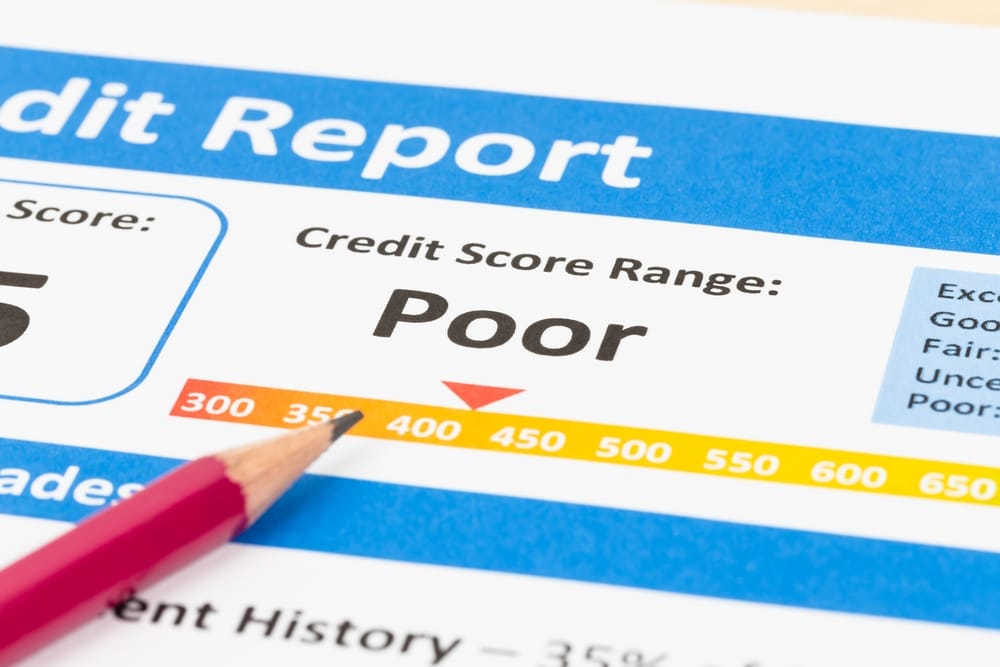
Most people walk around feeling pretty confident about their credit—until one day they check it, and suddenly it’s limping along like it just ran a marathon in flip-flops. The truth is, your credit score isn’t only affected by the big stuff like missed payments or maxed-out cards. Sometimes it’s the tiny, everyday habits—the innocent ones you don’t even think twice about—that nibble away at your score until it’s begging for mercy.

These habits hide in plain sight, disguised as completely normal financial behavior, but behind the scenes they can cause chaos. If you’ve ever wondered why your score isn’t rising the way you expect, these sneaky culprits might be the reason.

1. Paying Bills A Few Days Late Because “It’s No Big Deal”

A bill that’s late by a few days might feel harmless, especially if you still intend to pay it within the same week. But lenders and credit systems don’t see “a few days” the way you do—they see inconsistency. Even though most creditors only report payments more than 30 days late, the pattern of last-minute scrambling can eventually lead to slip-ups. One forgetful day becomes a late payment penalty, and one penalty can become a percentage drop in your score. So even if you don’t get hit with a reportable late payment, cutting it close is a risky habit that can eventually bite.

2. Using Too Much Of Your Credit Limit Just Because You’ll Pay It Off

You might assume that as long as you pay your card in full each month, running your cards up to the limit doesn’t matter. But your credit utilization—the amount of credit you’re using compared to what you have available—gets calculated long before you make that payment. If your statement closes when your card is nearly maxed out, the credit bureaus think you’re living dangerously close to debt trouble. High utilization is one of the fastest ways to tank your score, even if you’re financially responsible. What feels like normal spending can look like credit chaos on paper.

3. Frequently Applying For Store Cards To Save Money At Checkout

That tempting “Save 20% today!” pitch at the register seems like a harmless reward. But each application triggers a hard inquiry on your credit report, and enough of them can make you look desperate for credit. Lenders don’t love the idea of someone grabbing multiple cards within short periods—it signals potential financial instability. Even if you never miss a payment on those store cards, the damage from repeated inquiries can linger. And once you have several rarely used cards, they can complicate your financial profile even more.

4. Closing Old Accounts Because You’re “Decluttering” Your Finances

It feels productive to close an old credit card you barely use, like tidying a drawer you never open. Unfortunately, your credit score sees things differently. Old accounts provide valuable credit history, and shutting them down shortens your average account age instantly. Not only that, but closing a card also reduces your overall available credit, raising your utilization—even if you didn’t increase your spending. What feels like simplification can accidentally look like a riskier credit pattern.

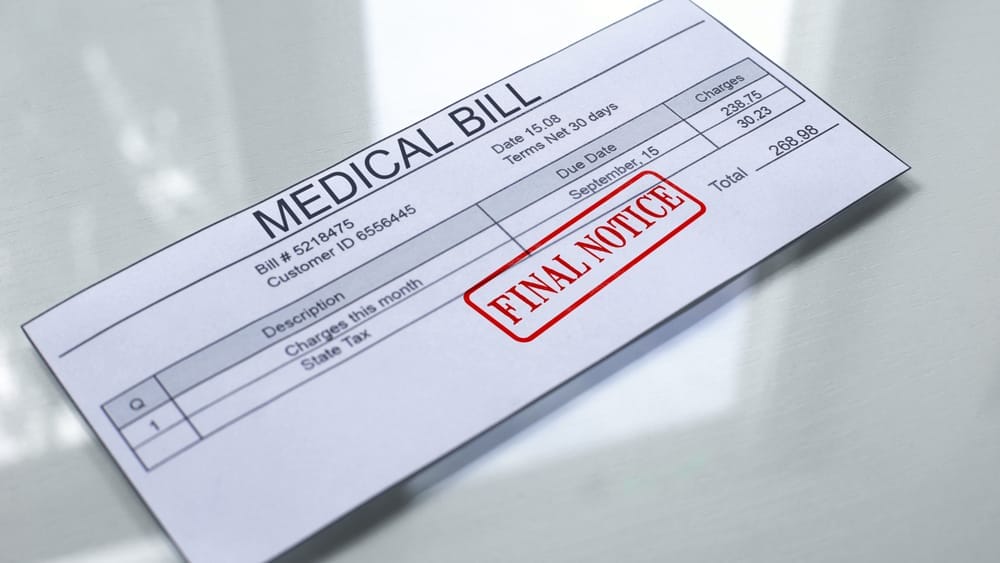
5. Ignoring Small Medical Bills Until They “Get Around” To You

Medical bills have a sneaky way of slipping into the shadows and then exploding into collections when you’re not looking. You might think waiting a month or two to handle them is harmless, especially if you’re expecting insurance adjustments.

But medical offices often hand unpaid balances over to collection agencies faster than you think. Once a bill hits collection status, even a tiny one, your credit takes the blow. Treat those little medical statements like precious gems—because ignoring them can cost far more than the original bill.

Some “Harmless” Daily Habits That Are Secretly Wrecking Your Credit Score

Image Source: Shutterstock.com

6. Relying On Autopay Without Double-Checking Anything

Autopay sounds like a gift from the financial gods—set it, forget it, never worry again. Except autopay is only as reliable as the card it charges, the bank account it pulls from, or the expiration date you forgot was approaching. A declined autopay due to insufficient funds or an expired card can lead to missed payments without you even noticing. By the time you catch the mistake, your credit report may already be flashing warning signs. Autopay helps, but ignoring it completely can backfire spectacularly.

7. Disputing Every Tiny Charge Instead Of Letting Things Process

It’s important to be vigilant with your money, but constantly disputing minor charges can create an unexpected ripple effect. While disputes are processed, the affected account may temporarily behave differently on your report, especially if payments are paused. If the dispute doesn’t go your way or creates confusion with your creditor, it can lead to missed payments or accidental delinquencies. Over time, this can make your financial behavior appear inconsistent or disorganized. Sometimes it’s better to allow a charge to clear and then clarify it calmly with the merchant rather than filing dispute after dispute.

8. Letting Subscriptions Auto-Renew Even When You Forget About Them

Subscriptions love quietly draining your account in the background. You may treat them as small, forgettable expenses, but collectively they can cause overdrafts, increased utilization, or missed payments if tied to certain accounts. What starts as a $9.99 auto-renew might snowball into insufficient funds, triggering fees or missed charges on other bills. Credit scoring systems see the symptoms, not the root cause—and the symptoms look like you’re not managing your money well. Keeping unused subscriptions running is like leaving a leaky faucet dripping onto your credit score.

Your Credit Score Reflects Habits, Not Just Big Mistakes

Most people assume credit scores crumble only when something huge goes wrong, but it’s often the small, sneaky habits that slowly chip away at them. The good news is that once you recognize these behaviors, they’re surprisingly easy to adjust. Awareness is half the battle—and the other half is building habits that help your score rise instead of sink.

If you’ve ever discovered one of these habits in your own life, you’re definitely not alone. Share your experiences, stories, or questions in the comments section below so others can learn from them too.

You May Also Like…

Expense Mindset: 5 Budgeting Habits High-Net Individuals Use

7 Money Habits We Wish We Started 10 Years Earlier

Financial Habits of People Who Never Stress About Money

8 Modern Habits That Baffle Older Generations

8 Times “0% Interest” Credit Cards Turn Into Financial Traps


Brandon Marcus
Brandon Marcus

Brandon Marcus is a writer who has been sharing the written word since a very young age. His interests include sports, history, pop culture, and so much more. When he isn’t writing, he spends his time jogging, drinking coffee, or attempting to read a long book he may never complete.

Filed Under: credit score Tagged With: bill, credit, credit cards, credit limit, credit repair, credit report, credit score, daily habits, habits, Money, money issues, paying bills

How to Teach Kids About Debt

December 8, 2025 by Brandon Marcus Leave a Comment

How to Teach Kids About Debt

Image Source: Pixabay.com

Kids are naturally curious, and they ask a million questions about everything—including money. While many parents focus on allowances, saving, and spending, debt often gets overlooked. It’s a tricky topic, but teaching children about it early can set them up for a lifetime of smart financial choices. Understanding debt isn’t just about numbers; it’s about making decisions, understanding consequences, and learning how to balance wants and needs. Let’s explore fun and practical ways to introduce kids to this essential money concept without overwhelming them.

Start With Simple Concepts First

Before you dive into credit cards and loans, kids need to grasp the basics of borrowing and repayment. Explain debt as borrowing something with the promise to return it later, whether it’s money, a toy, or even a favor. Use everyday examples like lending a sibling a toy or borrowing a pencil, then discuss what happens if it isn’t returned. This simple approach builds a foundation for understanding interest, repayment schedules, and responsible borrowing later on. Kids learn faster when they can see the principles applied in familiar situations.

Use Games And Activities To Make Debt Tangible

Interactive games can turn abstract financial ideas into something kids can experience. Create a pretend store where kids can “borrow” play money to buy items, then track what they owe and pay it back with interest. Board games or online simulations that mimic borrowing and paying off loans can make debt less intimidating. These activities help children visualize cause and effect, showing them that borrowing comes with responsibilities. Learning through play also keeps the experience fun rather than stressful.

Teach The Difference Between Good And Bad Debt

Not all debt is created equal, and it’s important for kids to understand that. Explain that borrowing money for things that help build future opportunities, like education or starting a small project, is often beneficial. On the other hand, borrowing for instant gratification, like toys or treats, can lead to problems if not managed carefully. Using stories or relatable examples makes this easier for children to grasp. Understanding this distinction early helps kids develop smart money habits as they grow.

Introduce The Concept Of Interest

Interest can seem like a confusing idea, but kids can understand it if you break it down simply. Explain that when you borrow money, you often have to pay back a little extra, which is the cost of borrowing. Use examples with small numbers, like lending $10 and asking for $11 back, to demonstrate how interest works. Visual aids, like charts or jars with coins, can help illustrate how debt grows over time if not managed carefully. This knowledge helps kids see why borrowing without planning can become tricky.

How to Teach Kids About Debt

Image Source: Pixabay.com

Set A Good Example With Your Own Money

Kids absorb lessons more from watching than from listening, so your actions matter. Share age-appropriate stories about how you manage bills, loans, or credit responsibly. Talk about mistakes you’ve made and how you corrected them, emphasizing learning rather than guilt. Demonstrating responsible borrowing, budgeting, and timely repayment creates a living example for children. They’re more likely to adopt good habits if they see them modeled consistently.

Encourage Saving Alongside Borrowing

Debt discussions work best when balanced with lessons about saving. Explain that saving money can reduce the need to borrow, making it easier to make choices without accumulating debt. Use visual tools like piggy banks or savings jars to make the concept tangible. You can also tie savings goals to small rewards, helping kids experience delayed gratification firsthand. Learning to save while understanding borrowing creates a strong financial foundation for the future.

Discuss The Consequences Of Unmanaged Debt

Understanding consequences is crucial to learning responsibility. Explain in simple terms what can happen if debt isn’t repaid, such as losing privileges or facing limits on future borrowing. Use hypothetical scenarios or stories to show how financial stress affects real people. Emphasize that while mistakes can happen, proactive planning and responsibility prevent long-term problems. Kids benefit from learning that debt is manageable when approached thoughtfully.

Make It Part Of Everyday Conversations

Debt doesn’t need to be a formal lecture—it can be woven into daily life. Talk about money choices during grocery shopping, family budgeting, or planning special purchases. Highlight decisions where borrowing might be tempting and discuss better alternatives together. Regular, natural conversations reduce fear and mystery around debt. Children who hear about money as a normal topic become more confident managing it.

Use Age-Appropriate Language And Concepts

Tailoring the complexity of your explanations is key. Younger children might need basic examples, while older kids can handle discussions about credit cards, loans, and interest rates. Avoid jargon and use relatable language, like comparing loans to borrowing toys or snacks. Reinforce concepts gradually, revisiting them over time as children mature. This scaffolding approach ensures understanding without overwhelming them.

Encourage Questions And Critical Thinking

Kids will inevitably have questions about debt, and encouraging them strengthens their learning. Ask open-ended questions like, “What would you do if you needed to borrow money?” or “How could saving first help you avoid debt?” Respond thoughtfully, even if their ideas seem off track, and guide them toward smart conclusions. Fostering curiosity helps children think critically about financial decisions. The ability to analyze options early leads to better money habits as they grow.

Building Financial Confidence Early

Teaching kids about debt isn’t about scaring them or overloading them with rules. It’s about giving them tools to understand borrowing, repayment, and financial consequences in a fun, engaging way. By using stories, games, examples, and real-life modeling, you can create a foundation of financial confidence that lasts a lifetime.

Have you tried teaching your kids about debt, or do you have creative ways to introduce money lessons?

You May Also Like…

10 Gen X Parenting Styles That Millennials Are Rejecting

7 Clever Ways Grandparents Save on Family Vacations

7 Ways to Finally Get Your Adult Kids Out of Your House

Here’s When It’s Okay To Let Kids Move Back Home To Pay Off Bills

11 Difficult Conversations to Have With Adult Children Who Need Cash


Brandon Marcus
Brandon Marcus

Brandon Marcus is a writer who has been sharing the written word since a very young age. His interests include sports, history, pop culture, and so much more. When he isn’t writing, he spends his time jogging, drinking coffee, or attempting to read a long book he may never complete.

Filed Under: Parenting & Family Tagged With: children., Debt, Family, family issues, financial choices, Money, money issues, parenting, parenting and children, parenting choices, teaching children, teaching kids

  • « Previous Page
  • 1
  • …
  • 5
  • 6
  • 7
  • 8
  • Next Page »

FOLLOW US

Search this site:

Recent Posts

  • Can My Savings Account Affect My Financial Aid? by Tamila McDonald
  • 12 Ways Gen X’s Views Clash with Millennials… by Tamila McDonald
  • What Advantages and Disadvantages Are There To… by Jacob Sensiba
  • 10 Tactics for Building an Emergency Fund from Scratch by Vanessa Bermudez
  • Call 911: Go To the Emergency Room Immediately If… by Stephen Kanaval
  • 7 Weird Things You Can Sell Online by Tamila McDonald
  • 10 Scary Facts About DriveTime by Tamila McDonald

Copyright © 2026 · News Pro Theme on Genesis Framework