
• Home
  • About Us
  • Toolkit
  • Getting Finances Done
    • Hiring Advisors
    • Debt Management
    • Spending Plan
  • Insurance
    • Life Insurance
    • Health Insurance
    • Disability Insurance
    • Homeowners/Renters Insurance
  • Contact Us
  • Privacy Policy
  • Risk Tolerance Quiz

The Free Financial Advisor

You are here: Home / Archives for bill

8 Financial Habits That Quietly Drain Your Checking Account

January 8, 2026 by Brandon Marcus Leave a Comment

Here Are 8 Financial Habits That Quietly Drain Your Checking Account

Image Source: Shutterstock.com

Ever feel like your paycheck disappears faster than a magician’s rabbit? One minute you’re celebrating payday, the next you’re staring at your bank balance wondering where all the money went. It’s not always obvious. Sometimes, the real culprits aren’t massive purchases or lavish vacations—they’re tiny habits that chip away at your finances without setting off alarms.

From sneaky fees to daily indulgences, these habits can quietly transform your checking account into a ghost town. Here are eight financial traps that might be draining your account without you even noticing, and how you can fight back while keeping your sanity intact.

1. Ignoring Bank Fees And Charges

Fees are the silent assassins of your balance. Monthly maintenance fees, overdraft penalties, and ATM charges may seem small individually, but they stack up quickly. Many banks assume you won’t notice $5 here, $10 there, and some accounts quietly drain money just for being “inactive” or “below minimum balance.”

Even when you think you’re careful, using the wrong ATM or overdrawing by a single dollar can cost you more than a night out on the town. The key is to read your statements like they’re gripping novels—every line tells a story about your money. Switching to a fee-free account or setting up alerts for low balances can save hundreds over a year.

2. Falling For Subscription Overload

Subscriptions are great when you actually use them—but do you really need five streaming services, a meditation app, a premium news site, and a music plan all at once? Many of us sign up on impulse, forget to cancel, or underestimate how much they cost collectively. It’s easy to lose track because these payments quietly slip out of your checking account each month. Conduct a subscription audit: check every debit and question whether it’s worth it. Cutting down to essentials not only protects your balance but also declutters your digital life. Remember, every little recurring fee is like a tiny leak in your wallet—patch it before it floods.

3. Paying Bills Late

Late fees are the sneaky tax you pay for procrastination. Forgetting a due date or miscalculating auto-pay schedules can trigger penalties that range from $20 to $50 or more. If it becomes habitual, late fees can spiral into hundreds of dollars lost annually. The psychological effect is worse: stress over missed payments can make your money decisions even more chaotic. Setting up reminders or automating payments can prevent these costly slip-ups. Think of timely payments as a simple hack that protects both your credit and your checking account simultaneously.

Here Are 8 Financial Habits That Quietly Drain Your Checking Account

Image Source: Shutterstock.com

4. Impulse Purchases

Impulse buying is the thrill that quickly turns into regret. That fancy coffee, the weekend sale splurge, or the “just because” online purchase can seem harmless in isolation. But when combined, they quietly drain hundreds of dollars before the month is over. Retailers have mastered the art of triggering instant gratification, and our brains are designed to reward it. Combat this habit by enforcing a 24-hour rule: if you still want it after a day, it’s probably worth it. Tracking spending weekly also helps reveal patterns you might not even realize you have.

5. Overdrafting Without Awareness

Overdraft fees are notorious for annihilating balances. It’s tempting to think, “I’ll cover it next paycheck,” but every overdraft can cost $30 to $35—and multiple occurrences multiply the damage fast. Some people even accidentally trigger multiple overdrafts in a single day due to pending transactions. Enabling overdraft alerts or linking a backup savings account can prevent this financial heart attack. Awareness is your secret weapon: understanding your actual available balance, not just your account total, keeps you in control.

6. Ignoring Interest And Penalties

Interest isn’t just for credit cards—it affects loans, lines of credit, and even some banking products. Missing even one payment or only paying the minimum can cause interest to compound in ways that shock your future self. Penalties for late or partial payments often get overlooked until you see them reflected in your checking account. Taking a proactive approach, like setting up reminders or paying a bit extra when possible, saves money in the long run. Being strategic with debt isn’t boring—it’s like leveling up your personal finance game.

7. Frequent Small Cash Withdrawals

Small withdrawals feel harmless, but they have a surprisingly big impact. Every $5 or $10 from the ATM might not seem like much—but when multiplied over weeks, the total is staggering. Coupled with ATM fees, it’s like throwing cash into a bonfire. Using cashless payments for essentials and withdrawing larger sums less frequently can save money and time. Track your withdrawals to see how quickly they add up. You might be shocked to discover that your “tiny” withdrawals are actually major balance busters.

8. Not Monitoring Your Account Regularly

Avoiding your bank account might feel less stressful, but it’s a financial trap. Without monitoring, you can’t catch errors, unauthorized charges, or creeping habits that drain funds. Checking your account weekly or using alerts for unusual activity keeps you ahead of problems. It’s not just about preventing loss—it’s about gaining a sense of control and confidence over your finances. Think of your account like a garden: occasional attention ensures it thrives rather than wilts under neglect.

Take Charge Of Your Checking Account

Your checking account is like a personal financial dashboard—it reflects your habits, decisions, and priorities. By recognizing and adjusting these eight habits, you can reclaim lost money and feel empowered instead of stressed. Money management doesn’t have to be a chore; it can be dynamic, rewarding, and even a little fun.

If you’ve battled any of these money drains or discovered clever hacks to protect your balance, drop your thoughts and experiences in the comments below. Your insights might just inspire someone else to take control of their finances.

You May Also Like…

Expense Alert: 9 Holiday Habits That Inflate Budgets Quietly

6 Bad Money Habits Families Show During The Holidays

Risk Proaction: 5 Steps to Stress-Test Your Finances for Worst-Case Scenarios

Behavior Habit: 5 Daily Money Moves That Build Long-Term Wealth

8 “Harmless” Daily Habits That Are Secretly Wrecking Your Credit Score


Brandon Marcus
Brandon Marcus

Brandon Marcus is a writer who has been sharing the written word since a very young age. His interests include sports, history, pop culture, and so much more. When he isn’t writing, he spends his time jogging, drinking coffee, or attempting to read a long book he may never complete.
Filed Under: Finance Tagged With: advisor habits, bad financial habits, bank, bank account, bank fees, banking, bill, checking accounts, emotional purchases, finance, finances, financial habits, general finance, impulse shopping, missed payments, Money, money issues, overdraft fee, overdraft protection, paying bills, saving money, subscriptions

8 “Harmless” Daily Habits That Are Secretly Wrecking Your Credit Score

December 8, 2025 by Brandon Marcus Leave a Comment

Some “Harmless” Daily Habits That Are Secretly Wrecking Your Credit Score

Image Source: Shutterstock.com

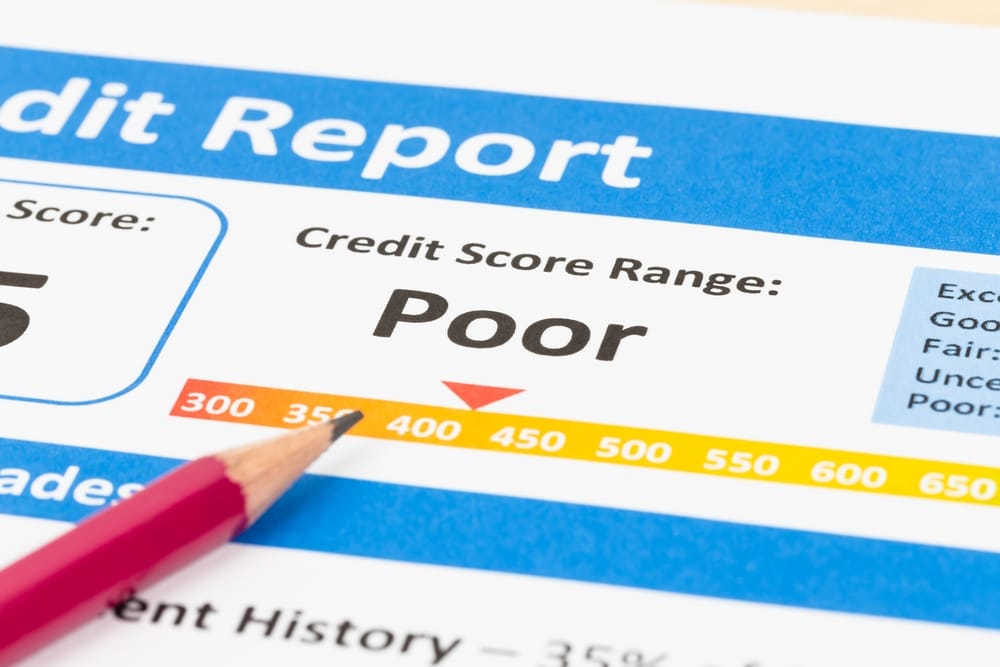
Most people walk around feeling pretty confident about their credit—until one day they check it, and suddenly it’s limping along like it just ran a marathon in flip-flops. The truth is, your credit score isn’t only affected by the big stuff like missed payments or maxed-out cards. Sometimes it’s the tiny, everyday habits—the innocent ones you don’t even think twice about—that nibble away at your score until it’s begging for mercy.

These habits hide in plain sight, disguised as completely normal financial behavior, but behind the scenes they can cause chaos. If you’ve ever wondered why your score isn’t rising the way you expect, these sneaky culprits might be the reason.

1. Paying Bills A Few Days Late Because “It’s No Big Deal”

A bill that’s late by a few days might feel harmless, especially if you still intend to pay it within the same week. But lenders and credit systems don’t see “a few days” the way you do—they see inconsistency. Even though most creditors only report payments more than 30 days late, the pattern of last-minute scrambling can eventually lead to slip-ups. One forgetful day becomes a late payment penalty, and one penalty can become a percentage drop in your score. So even if you don’t get hit with a reportable late payment, cutting it close is a risky habit that can eventually bite.

2. Using Too Much Of Your Credit Limit Just Because You’ll Pay It Off

You might assume that as long as you pay your card in full each month, running your cards up to the limit doesn’t matter. But your credit utilization—the amount of credit you’re using compared to what you have available—gets calculated long before you make that payment. If your statement closes when your card is nearly maxed out, the credit bureaus think you’re living dangerously close to debt trouble. High utilization is one of the fastest ways to tank your score, even if you’re financially responsible. What feels like normal spending can look like credit chaos on paper.

3. Frequently Applying For Store Cards To Save Money At Checkout

That tempting “Save 20% today!” pitch at the register seems like a harmless reward. But each application triggers a hard inquiry on your credit report, and enough of them can make you look desperate for credit. Lenders don’t love the idea of someone grabbing multiple cards within short periods—it signals potential financial instability. Even if you never miss a payment on those store cards, the damage from repeated inquiries can linger. And once you have several rarely used cards, they can complicate your financial profile even more.

4. Closing Old Accounts Because You’re “Decluttering” Your Finances

It feels productive to close an old credit card you barely use, like tidying a drawer you never open. Unfortunately, your credit score sees things differently. Old accounts provide valuable credit history, and shutting them down shortens your average account age instantly. Not only that, but closing a card also reduces your overall available credit, raising your utilization—even if you didn’t increase your spending. What feels like simplification can accidentally look like a riskier credit pattern.

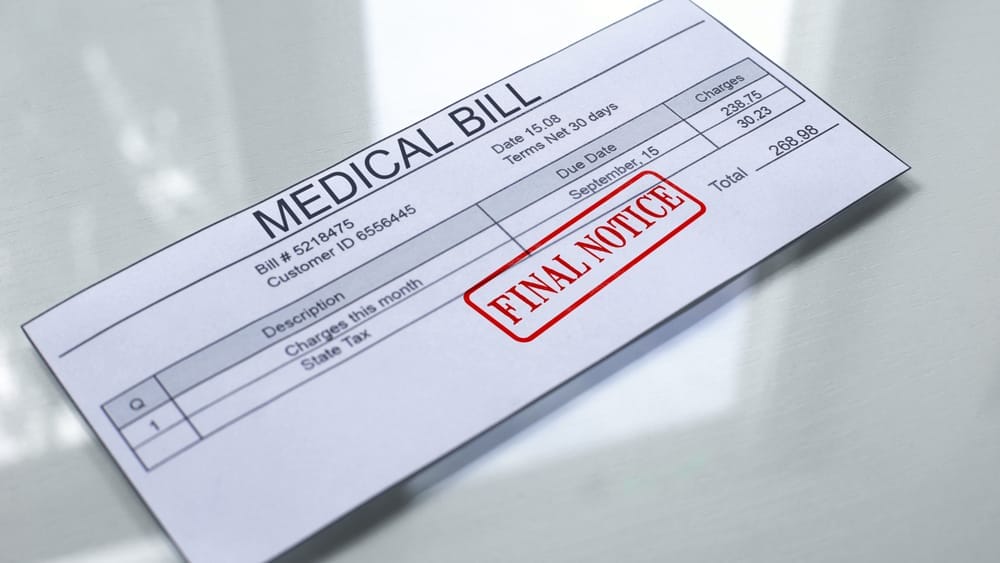
5. Ignoring Small Medical Bills Until They “Get Around” To You

Medical bills have a sneaky way of slipping into the shadows and then exploding into collections when you’re not looking. You might think waiting a month or two to handle them is harmless, especially if you’re expecting insurance adjustments.

But medical offices often hand unpaid balances over to collection agencies faster than you think. Once a bill hits collection status, even a tiny one, your credit takes the blow. Treat those little medical statements like precious gems—because ignoring them can cost far more than the original bill.

Some “Harmless” Daily Habits That Are Secretly Wrecking Your Credit Score

Image Source: Shutterstock.com

6. Relying On Autopay Without Double-Checking Anything

Autopay sounds like a gift from the financial gods—set it, forget it, never worry again. Except autopay is only as reliable as the card it charges, the bank account it pulls from, or the expiration date you forgot was approaching. A declined autopay due to insufficient funds or an expired card can lead to missed payments without you even noticing. By the time you catch the mistake, your credit report may already be flashing warning signs. Autopay helps, but ignoring it completely can backfire spectacularly.

7. Disputing Every Tiny Charge Instead Of Letting Things Process

It’s important to be vigilant with your money, but constantly disputing minor charges can create an unexpected ripple effect. While disputes are processed, the affected account may temporarily behave differently on your report, especially if payments are paused. If the dispute doesn’t go your way or creates confusion with your creditor, it can lead to missed payments or accidental delinquencies. Over time, this can make your financial behavior appear inconsistent or disorganized. Sometimes it’s better to allow a charge to clear and then clarify it calmly with the merchant rather than filing dispute after dispute.

8. Letting Subscriptions Auto-Renew Even When You Forget About Them

Subscriptions love quietly draining your account in the background. You may treat them as small, forgettable expenses, but collectively they can cause overdrafts, increased utilization, or missed payments if tied to certain accounts. What starts as a $9.99 auto-renew might snowball into insufficient funds, triggering fees or missed charges on other bills. Credit scoring systems see the symptoms, not the root cause—and the symptoms look like you’re not managing your money well. Keeping unused subscriptions running is like leaving a leaky faucet dripping onto your credit score.

Your Credit Score Reflects Habits, Not Just Big Mistakes

Most people assume credit scores crumble only when something huge goes wrong, but it’s often the small, sneaky habits that slowly chip away at them. The good news is that once you recognize these behaviors, they’re surprisingly easy to adjust. Awareness is half the battle—and the other half is building habits that help your score rise instead of sink.

If you’ve ever discovered one of these habits in your own life, you’re definitely not alone. Share your experiences, stories, or questions in the comments section below so others can learn from them too.

You May Also Like…

Expense Mindset: 5 Budgeting Habits High-Net Individuals Use

7 Money Habits We Wish We Started 10 Years Earlier

Financial Habits of People Who Never Stress About Money

8 Modern Habits That Baffle Older Generations

8 Times “0% Interest” Credit Cards Turn Into Financial Traps


Brandon Marcus
Brandon Marcus

Brandon Marcus is a writer who has been sharing the written word since a very young age. His interests include sports, history, pop culture, and so much more. When he isn’t writing, he spends his time jogging, drinking coffee, or attempting to read a long book he may never complete.

Filed Under: credit score Tagged With: bill, credit, credit cards, credit limit, credit repair, credit report, credit score, daily habits, habits, Money, money issues, paying bills

FOLLOW US

Search this site:

Recent Posts

  • Can My Savings Account Affect My Financial Aid? by Tamila McDonald
  • 12 Ways Gen X’s Views Clash with Millennials… by Tamila McDonald
  • What Advantages and Disadvantages Are There To… by Jacob Sensiba
  • 10 Tactics for Building an Emergency Fund from Scratch by Vanessa Bermudez
  • Call 911: Go To the Emergency Room Immediately If… by Stephen Kanaval
  • 7 Weird Things You Can Sell Online by Tamila McDonald
  • 10 Scary Facts About DriveTime by Tamila McDonald

Copyright © 2026 · News Pro Theme on Genesis Framework