
• Home
  • About Us
  • Getting Finances Done
    • Hiring Advisors
    • Debt Management
    • Spending Plan
  • Insurance
    • Life Insurance
    • Health Insurance
    • Disability Insurance
    • Homeowners/Renters Insurance
  • Contact Us
  • Our Editorial Commitment

The Free Financial Advisor

You are here: Home / Archives for credit limit

6 Credit Mistakes That Redditors Confess Cost Them Thousands

December 8, 2025 by Brandon Marcus Leave a Comment

There Are Countless Credit Mistakes That Redditors Confess Cost Them Thousands
Image Source: Shutterstock.com

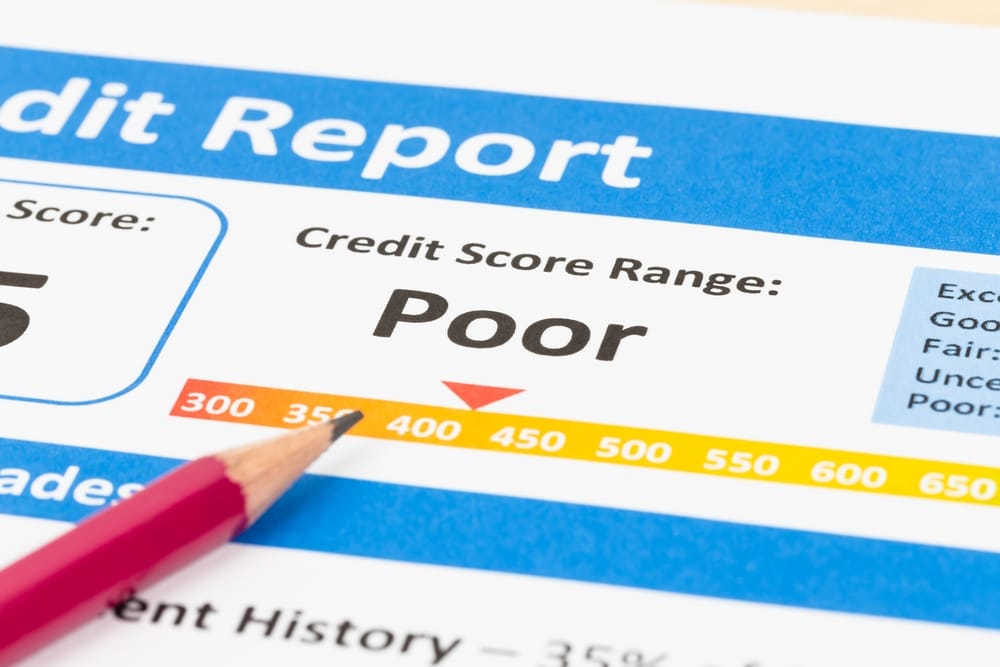
The wild world of Reddit has no shortage of cautionary tales, but few are as brutally honest—or financially painful—as people confessing the credit mistakes that burned them the most. These are not the polished, sanitized stories you’d hear in a financial workshop. These are the raw, funny, chaotic, facepalm-worthy confessions from people who learned credit lessons the hard way and want everyone else to avoid repeating them. And honestly? Some of these mistakes are so common that you might find yourself nervously laughing, nodding along, or quietly rethinking your last late payment.

So let’s dig into the kinds of credit blunders Redditors openly admit cost them thousands—sometimes tens of thousands—and uncover the lessons hidden inside their financial misadventures.

1. Maxing Out Cards “Just This Once”

Reddit is filled with stories of users who swore they’d pay off a big purchase quickly—only to watch the balance snowball out of control. Many believed a temporary max-out wouldn’t hurt their score, but the utilization spike hit harder than expected. When that balance sat there longer than planned, interest charges kicked in with the subtlety of a wrecking ball. Worse, several people admitted they kept spending on the already maxed-out card because they felt the damage was “already done.” What they learned is simple: a credit card at 95% utilization can tank your score faster than almost anything else.

2. Forgetting One Tiny Bill That Turned Into a Credit Nightmare

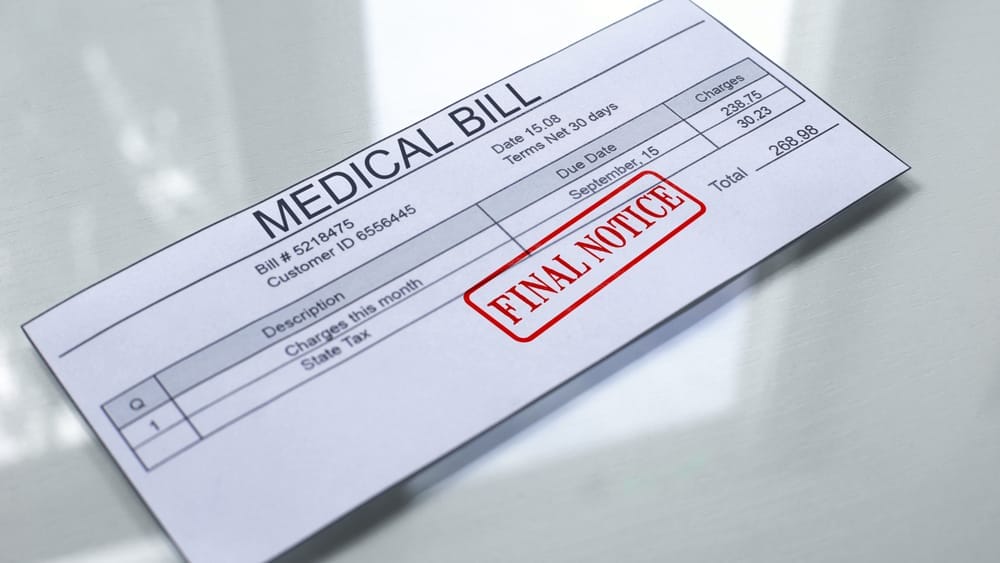
Redditors love to share stories of a single medical bill, phone bill, or store card they accidentally forgot about—and how that $38 oversight became a $400 collections entry. Many didn’t even know anything was overdue until they checked their reports or were denied a loan. The shock in their posts is palpable, mostly because the mistake felt trivial at the time. What stings even more is how long that mark can stay on a credit report, quietly sabotaging financial opportunities. The takeaway echoes through countless threads: it’s always the small bills that cause the biggest headaches.

3. Closing Old Accounts To “Simplify Finances”

At first glance, closing unused credit cards feels responsible and organized, and plenty of Redditors admit they did it thinking it would boost their credit score. Instead, they wiped out years of credit history in a single click. That shorter history caused their scores to dip dramatically, leaving them confused and frustrated. Some users even realized too late that those old cards were anchoring their utilization ratio in a good place. Their regret is unanimous: closing an old account often hurts much more than it helps.

4. Paying Only the Minimum For Far Too Long

There is no shortage of Reddit threads where users reveal the horrifying moment they calculated how much interest they had paid after years of minimum payments. Many had no idea the balance would barely budge, even as thousands disappeared into interest. Some describe feeling trapped, others admit they ignored the statements because they were too stressful to look at. By the time they faced the numbers, the damage was already done and painfully expensive. It’s a lesson repeated across countless comments: minimum payments keep you afloat, but they never move you forward.

5. Co-Signing Out Of Love, Trust, Or Pure Naivety

Some of the most dramatic credit horror stories on Reddit involve co-signing gone wrong. Whether it was for a partner, a friend, or a family member, these tales often end with missed payments and ruined credit. Many co-signers didn’t even realize they were legally responsible for the entire debt—and sometimes didn’t find out about the missed payments until their score had cratered. The emotional fallout is often just as messy as the financial one, creating whole threads of regret-filled advice. If Reddit has a collective motto on co-signing, it’s this: “Don’t do it unless you’re ready to make the payments yourself.”

6. Applying For Too Many Cards In A Short Time

Redditors frequently confess to impulsively applying for multiple cards to chase rewards, freebies, or sign-up bonuses. What they didn’t expect was how quickly those hard inquiries would stack up and drag down their scores. Many admit they didn’t even realize inquiries stayed on credit reports for years. Others say lenders viewed the applications as “financial desperation,” leading to denied loans or higher interest rates. The confession threads always end with the same advice: space out applications unless you want your credit score to look panicked.

There Are Countless Credit Mistakes That Redditors Confess Cost Them Thousands
Image Source: Shutterstock.com

Learn From The Scars, Not Just The Stories

Redditors may joke, meme, and laugh about their financial disasters, but the lessons underneath their stories are worth taking seriously. Credit mistakes don’t usually happen because people are reckless—they happen because life is messy, stress is real, and small financial choices can snowball in ways no one expects. By understanding where others went wrong, you give yourself the chance to go right.

Have you ever made a credit mistake that cost you more than you expected? Give us all of your stories, lessons, or confessions in the comments section.

You May Also Like…

6 Times When Using Credit Beats Paying With Cash

8 Times “0% Interest” Credit Cards Turn Into Financial Traps

Why Paying Only the Minimum on Your Credit Cards Is a Financial Death Trap

Why Closing an Old, Unused Credit Card Can Wreck Your Credit Score

10 Reasons Your Credit Card Fraud Claim Was Denied—and What You Can Do About It


Brandon Marcus
Brandon Marcus

Brandon Marcus is a writer who has been sharing the written word since a very young age. His interests include sports, history, pop culture, and so much more. When he isn’t writing, he spends his time jogging, drinking coffee, or attempting to read a long book he may never complete.
Filed Under: credit score Tagged With: applying for credit cards, bills, co-sign, co-signing, credit, credit card, credit cards, credit limit, credit mistakes, credit problems, credit repair, credit report, credit score, finance, finances, issues with credit, maxing our credit cards, Reddit

8 “Harmless” Daily Habits That Are Secretly Wrecking Your Credit Score

December 8, 2025 by Brandon Marcus Leave a Comment

Some “Harmless” Daily Habits That Are Secretly Wrecking Your Credit Score
Image Source: Shutterstock.com

Most people walk around feeling pretty confident about their credit—until one day they check it, and suddenly it’s limping along like it just ran a marathon in flip-flops. The truth is, your credit score isn’t only affected by the big stuff like missed payments or maxed-out cards. Sometimes it’s the tiny, everyday habits—the innocent ones you don’t even think twice about—that nibble away at your score until it’s begging for mercy.

These habits hide in plain sight, disguised as completely normal financial behavior, but behind the scenes they can cause chaos. If you’ve ever wondered why your score isn’t rising the way you expect, these sneaky culprits might be the reason.

1. Paying Bills A Few Days Late Because “It’s No Big Deal”

A bill that’s late by a few days might feel harmless, especially if you still intend to pay it within the same week. But lenders and credit systems don’t see “a few days” the way you do—they see inconsistency. Even though most creditors only report payments more than 30 days late, the pattern of last-minute scrambling can eventually lead to slip-ups. One forgetful day becomes a late payment penalty, and one penalty can become a percentage drop in your score. So even if you don’t get hit with a reportable late payment, cutting it close is a risky habit that can eventually bite.

2. Using Too Much Of Your Credit Limit Just Because You’ll Pay It Off

You might assume that as long as you pay your card in full each month, running your cards up to the limit doesn’t matter. But your credit utilization—the amount of credit you’re using compared to what you have available—gets calculated long before you make that payment. If your statement closes when your card is nearly maxed out, the credit bureaus think you’re living dangerously close to debt trouble. High utilization is one of the fastest ways to tank your score, even if you’re financially responsible. What feels like normal spending can look like credit chaos on paper.

3. Frequently Applying For Store Cards To Save Money At Checkout

That tempting “Save 20% today!” pitch at the register seems like a harmless reward. But each application triggers a hard inquiry on your credit report, and enough of them can make you look desperate for credit. Lenders don’t love the idea of someone grabbing multiple cards within short periods—it signals potential financial instability. Even if you never miss a payment on those store cards, the damage from repeated inquiries can linger. And once you have several rarely used cards, they can complicate your financial profile even more.

4. Closing Old Accounts Because You’re “Decluttering” Your Finances

It feels productive to close an old credit card you barely use, like tidying a drawer you never open. Unfortunately, your credit score sees things differently. Old accounts provide valuable credit history, and shutting them down shortens your average account age instantly. Not only that, but closing a card also reduces your overall available credit, raising your utilization—even if you didn’t increase your spending. What feels like simplification can accidentally look like a riskier credit pattern.

5. Ignoring Small Medical Bills Until They “Get Around” To You

Medical bills have a sneaky way of slipping into the shadows and then exploding into collections when you’re not looking. You might think waiting a month or two to handle them is harmless, especially if you’re expecting insurance adjustments.

But medical offices often hand unpaid balances over to collection agencies faster than you think. Once a bill hits collection status, even a tiny one, your credit takes the blow. Treat those little medical statements like precious gems—because ignoring them can cost far more than the original bill.

Some “Harmless” Daily Habits That Are Secretly Wrecking Your Credit Score
Image Source: Shutterstock.com

6. Relying On Autopay Without Double-Checking Anything

Autopay sounds like a gift from the financial gods—set it, forget it, never worry again. Except autopay is only as reliable as the card it charges, the bank account it pulls from, or the expiration date you forgot was approaching. A declined autopay due to insufficient funds or an expired card can lead to missed payments without you even noticing. By the time you catch the mistake, your credit report may already be flashing warning signs. Autopay helps, but ignoring it completely can backfire spectacularly.

7. Disputing Every Tiny Charge Instead Of Letting Things Process

It’s important to be vigilant with your money, but constantly disputing minor charges can create an unexpected ripple effect. While disputes are processed, the affected account may temporarily behave differently on your report, especially if payments are paused. If the dispute doesn’t go your way or creates confusion with your creditor, it can lead to missed payments or accidental delinquencies. Over time, this can make your financial behavior appear inconsistent or disorganized. Sometimes it’s better to allow a charge to clear and then clarify it calmly with the merchant rather than filing dispute after dispute.

8. Letting Subscriptions Auto-Renew Even When You Forget About Them

Subscriptions love quietly draining your account in the background. You may treat them as small, forgettable expenses, but collectively they can cause overdrafts, increased utilization, or missed payments if tied to certain accounts. What starts as a $9.99 auto-renew might snowball into insufficient funds, triggering fees or missed charges on other bills. Credit scoring systems see the symptoms, not the root cause—and the symptoms look like you’re not managing your money well. Keeping unused subscriptions running is like leaving a leaky faucet dripping onto your credit score.

Your Credit Score Reflects Habits, Not Just Big Mistakes

Most people assume credit scores crumble only when something huge goes wrong, but it’s often the small, sneaky habits that slowly chip away at them. The good news is that once you recognize these behaviors, they’re surprisingly easy to adjust. Awareness is half the battle—and the other half is building habits that help your score rise instead of sink.

If you’ve ever discovered one of these habits in your own life, you’re definitely not alone. Share your experiences, stories, or questions in the comments section below so others can learn from them too.

You May Also Like…

Expense Mindset: 5 Budgeting Habits High-Net Individuals Use

7 Money Habits We Wish We Started 10 Years Earlier

Financial Habits of People Who Never Stress About Money

8 Modern Habits That Baffle Older Generations

8 Times “0% Interest” Credit Cards Turn Into Financial Traps


Brandon Marcus
Brandon Marcus

Brandon Marcus is a writer who has been sharing the written word since a very young age. His interests include sports, history, pop culture, and so much more. When he isn’t writing, he spends his time jogging, drinking coffee, or attempting to read a long book he may never complete.

Filed Under: credit score Tagged With: bill, credit, credit cards, credit limit, credit repair, credit report, credit score, daily habits, habits, Money, money issues, paying bills

10 Signs Your Credit Limit Is Hurting Your Score

April 29, 2025 by Travis Campbell 1 Comment

credit card
Image Source: pexels.com

Your credit limit isn’t just a spending boundary—it’s a powerful factor directly impacting your credit score. Many consumers focus solely on making timely payments without realizing how their credit limits affect their financial health. Whether your limits are too low, too high, or improperly managed, they can silently damage your credit score and limit your financial opportunities. Understanding these warning signs can help you take control of your credit health and make strategic adjustments before severe damage occurs.

1. Your Credit Utilization Ratio Exceeds 30%

Your credit utilization ratio—the percentage of available credit you use—significantly impacts your credit score. When this ratio exceeds 30%, credit scoring models flag it as a risk factor. For example, if you have a $10,000 credit limit and maintain a $4,000 balance, your 40% utilization ratio is likely dragging down your score. According to Experian, consumers with excellent credit scores maintain utilization ratios below 10%.

High utilization suggests you’re overly dependent on credit, potentially signaling financial distress to lenders. Even if you pay your balance in full each month, your score could still suffer if the issuer reports your balance before you make your payment.

2. You’re Maxing Out Individual Cards

While your overall utilization ratio matters, maxing out individual cards can be equally damaging. Credit scoring models evaluate both your total utilization and per-card utilization. Having one maxed-out card among several with zero balances is worse for your score than maintaining moderate balances across all cards.

This pattern suggests inconsistent credit management and potential cash flow problems. Regardless of your total available credit across all accounts, aim to keep all individual card utilization below 30%.

3. Your Credit Limits Are Too Low Relative to Your Spending

Low credit limits can make maintaining healthy utilization ratios nearly impossible if they don’t align with your regular spending needs. For instance, if your monthly expenses typically reach $3,000 but your total credit limit is only $5,000, you’ll struggle to keep utilization below 30% even with diligent payment habits.

This mismatch forces you to either exceed recommended utilization ratios or significantly alter your spending patterns, both of which can negatively impact your financial health.

4. Recent Credit Limit Decreases

Credit card issuers periodically review accounts and may decrease credit limits based on changing risk assessments. According to the Consumer Financial Protection Bureau, issuers can reduce your limit for various reasons, including decreased credit scores or changes in spending patterns.

These reductions can suddenly increase your utilization ratio without any change in your spending habits. If you’ve experienced unexpected limit decreases, your credit score may already suffer the consequences.

5. You’ve Been Denied Credit Limit Increases

Repeatedly being denied credit limit increase requests suggests that issuers view you as a higher risk. This assessment is often based on factors that already affect your credit score, such as payment history, income changes, or overall debt levels.

These denials indicate potential underlying credit issues that merit attention. They also prevent you from accessing the higher limits that could help improve your utilization ratio and boost your score.

6. Your Credit Limits Haven’t Grown With Your Income

As your income increases, your credit limits should generally follow suit. When they don’t, your utilization ratio may remain unnecessarily high despite your improved financial position. This misalignment can artificially suppress your credit score.

Regularly updating income information with your credit card issuers and requesting appropriate limit increases can help ensure your credit limits accurately reflect your current financial status.

7. You Have Too Many Cards With High Limits

While high credit limits can help keep utilization low, having excessive available credit across numerous accounts can raise red flags with lenders. This situation creates significant potential for rapid debt accumulation, which lenders view as risky.

Additionally, managing multiple accounts increases the likelihood of missed payments or account mismanagement. Focus on maintaining a reasonable number of accounts with appropriate limits rather than continuously opening new cards.

8. Your Credit Limits Encourage Overspending

Credit limits that significantly exceed your reasonable spending needs can tempt you into accumulating more debt than you can comfortably manage. This pattern often leads to higher balances, increased utilization, and potential payment difficulties, damaging your credit score.

The ideal credit limit provides enough flexibility for necessary expenses and emergencies without enabling unsustainable spending habits.

9. You’re Frequently Approaching Your Credit Limits

Regularly approaching your credit limits, even temporarily, can harm your score if these high balances are reported to credit bureaus. Credit card companies typically report balances once per billing cycle, regardless of whether you pay in full by the due date.

This reporting timing means your utilization ratio could appear consistently high even if you never carry a balance. Consider making mid-cycle payments to keep reported balances lower.

10. You Have a Poor Mix of Credit Types

Relying exclusively on credit cards without other credit types (like installment loans) can limit your credit score potential. While credit limits primarily affect revolving accounts, having a poor credit mix overall can magnify the negative impact of suboptimal credit card limits.

A diverse credit portfolio demonstrates your ability to manage various financial obligations responsibly, potentially offsetting some adverse effects of high credit card utilization.

Finding Your Credit Limit Sweet Spot

The ideal credit limit balances sufficient availability for your legitimate needs while discouraging excessive debt accumulation. Regularly monitoring your credit utilization, requesting strategic limit increases, and maintaining disciplined spending habits can help you leverage your credit limits to improve rather than harm your score.

Remember that credit limits are tools—their impact on your score depends entirely on how you use them. By recognizing these warning signs and taking proactive steps to address them, you can transform your credit limits from potential liabilities into assets that strengthen your overall financial profile.

Have you noticed any of these warning signs affecting your credit score? What strategies have you found most effective for managing your credit limits?

Read More

How to Boost Your Credit Score and Avoid Loan Rejection

7 Common Mistakes People Make Regarding Debt Management

Travis Campbell
Travis Campbell

Travis Campbell is a digital marketer/developer with over 10 years of experience and a writer for over 6 years. He holds a degree in E-commerce and likes to share life advice he’s learned over the years. Travis loves spending time on the golf course or at the gym when he’s not working.

Filed Under: credit cards Tagged With: credit cards, credit limit, credit score, credit utilization, Debt Management, Financial Health

Follow Us

Search this site:

Recent Posts

  • Can My Savings Account Affect My Financial Aid? by Tamila McDonald
  • 12 Ways Gen X’s Views Clash with Millennials… by Tamila McDonald
  • What Advantages and Disadvantages Are There To… by Jacob Sensiba
  • 10 Tactics for Building an Emergency Fund from Scratch by Vanessa Bermudez
  • Call 911: Go To the Emergency Room Immediately If… by Stephen Kanaval
  • 7 Weird Things You Can Sell Online by Tamila McDonald
  • 10 Scary Facts About DriveTime by Tamila McDonald

Copyright © 2026 · News Pro Theme on Genesis Framework