• Home
  • About Us
  • Toolkit
  • Getting Finances Done
    • Hiring Advisors
    • Debt Management
    • Spending Plan
  • Insurance
    • Life Insurance
    • Health Insurance
    • Disability Insurance
    • Homeowners/Renters Insurance
  • Contact Us
  • Privacy Policy
  • Risk Tolerance Quiz

The Free Financial Advisor

You are here: Home / Archives for payday loans

Are Payday Loans Still A Big Problem?

December 8, 2025 by Brandon Marcus Leave a Comment

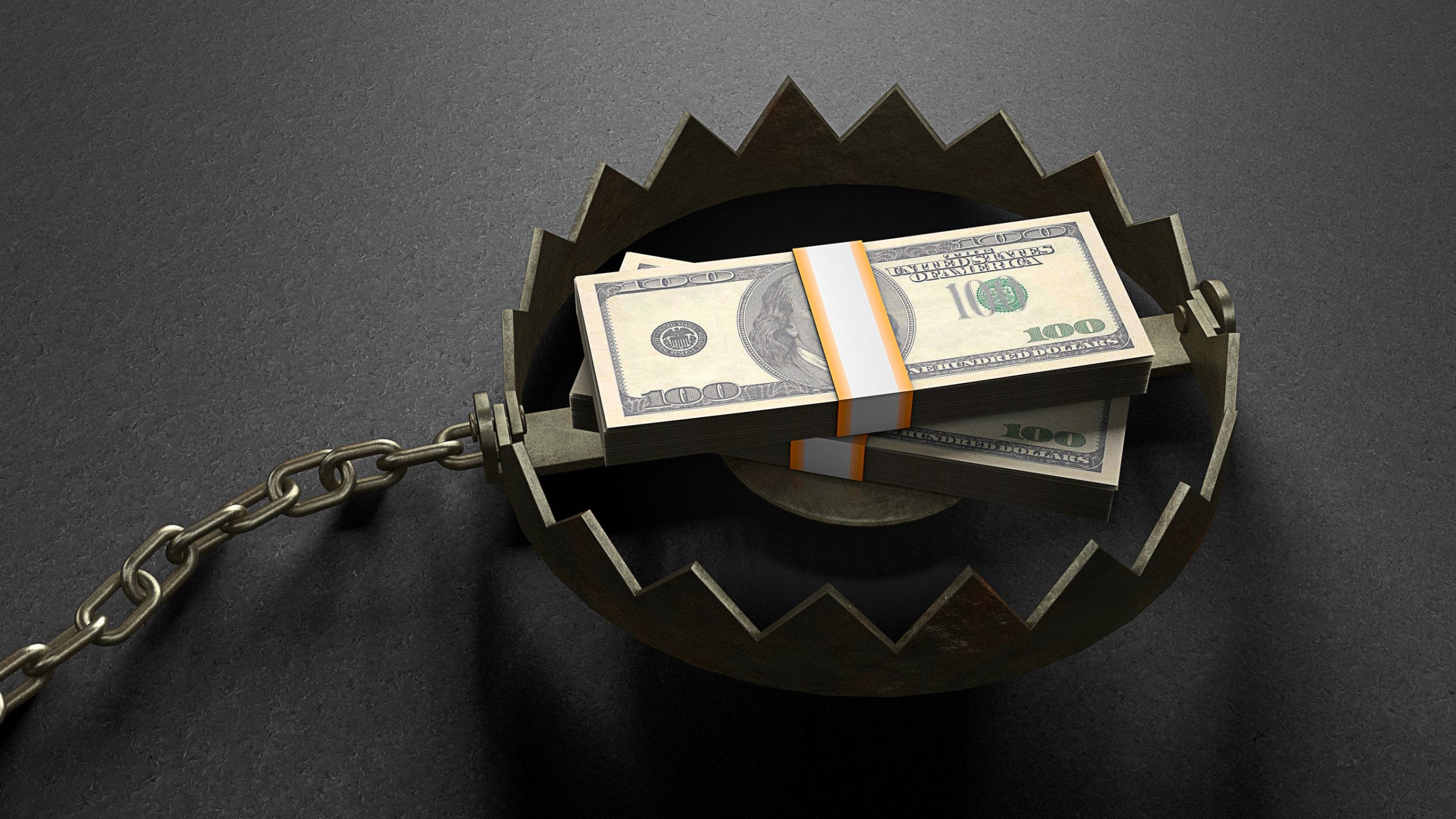
Payday Loans Are Still A Big Problem

Image Source: Shutterstock.com

The second you hear the phrase payday loan, your brain probably lights up with memories of neon signs, desperate decisions, and financial advice articles screaming “DON’T DO IT.”

Payday loans have a reputation that could make even the boldest risk-taker flinch, yet millions of people continue turning to them every year. It’s the kind of financial trap that feels outdated—like floppy disks or dial-up internet—but somehow refuses to disappear. And despite reforms, regulations, and endless warnings, these short-term, high-interest loans are still woven into the financial survival strategies of many Americans.

The real question isn’t whether payday loans exist—it’s why they’re still thriving in a world full of budgeting apps, credit-builder programs, and financial education resources.

Why Payday Loans Became So Popular

People don’t wake up and decide a payday loan sounds fun. These loans exploded because they offered something traditional banks didn’t: instant cash with zero judgment. For someone facing an emergency, a shut-off notice, or a sudden bill, payday lenders felt like the only ones willing to help. The convenience, speed, and no-questions-asked nature of these loans made them tempting, even when the risks were obvious. Over time, their popularity grew not because they were good, but because many people felt they had no better option.

How The Debt Cycle Traps Borrowers

The biggest issue with payday loans isn’t that they’re expensive—it’s how quickly they snowball. Borrowers often can’t repay the full amount on their next paycheck, which forces them to roll the loan over with even more fees. This cycle can turn a small loan into a financial black hole that keeps growing with each extension. Many borrowers end up paying far more in fees than the original loan amount. The tragic part is that the system is designed this way, making repeat customers the backbone of the industry.

The Role Of Regulation In Slowing The Industry Down

Regulation has stepped in many times, hoping to rein in predatory lending without completely eliminating emergency financial options. Some states have capped interest rates, while others have imposed stricter repayment rules or outlawed payday lending altogether. These measures helped reduce the most extreme abuses, but they didn’t eliminate the problem. Lenders often find loopholes or rebrand themselves under new categories like installment loans or cash advances. Even with tougher rules, the core issue—people lacking affordable short-term credit—continues to fuel demand.

Why Payday Loans Haven’t Disappeared

Despite years of warnings, payday loans are still around for one simple reason: financial desperation hasn’t gone anywhere. Many households live paycheck to paycheck, and when an emergency hits, options are limited. Traditional banks don’t offer tiny short-term loans because they aren’t profitable. Credit cards require approvals many consumers can’t get. So payday loans fill a gap—an extremely costly gap, but a gap nonetheless—and until that need is addressed, they’re unlikely to fade away.

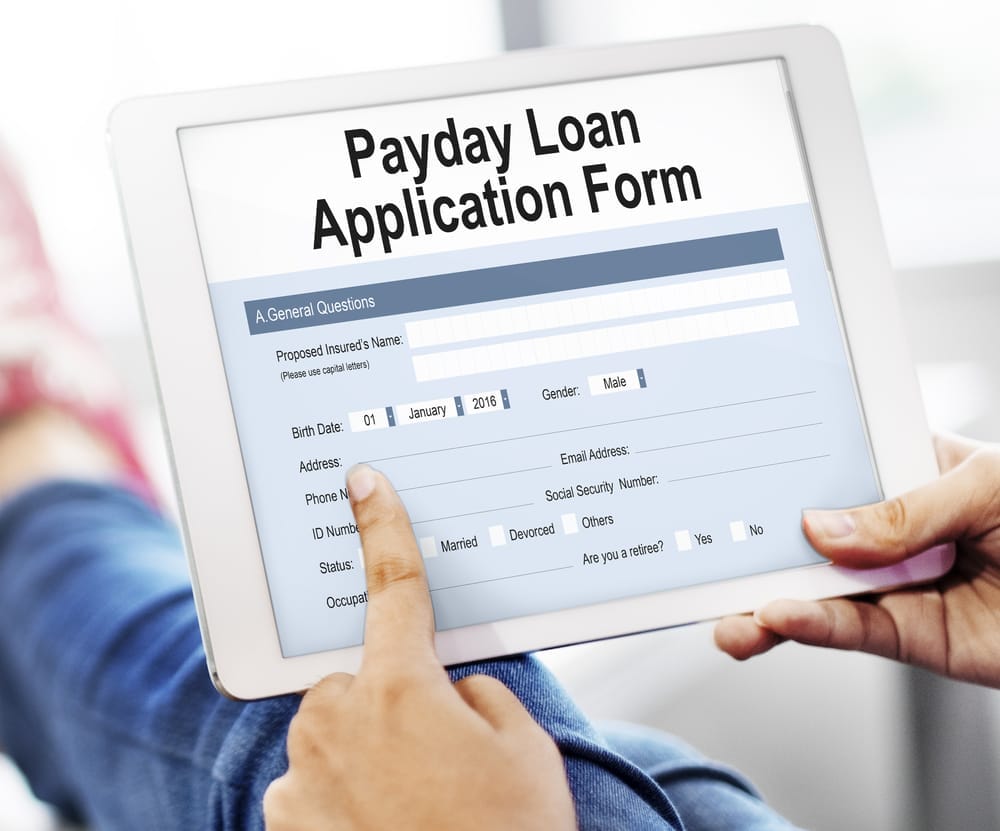
Payday Loans Are Still A Big Problem

Image Source: Shutterstock.com

The Digital Transformation That Complicates Everything

Just when regulators thought they had payday loans somewhat contained, the industry went digital. Online payday lenders exploded, offering nationwide access, instant approvals, and ways to bypass state regulations. With the entire process happening behind a screen, transparency became murkier and oversight became harder. Digital borrowers can take out multiple loans without realizing how deep they’ve gone. The shift online made payday lending faster, easier, and in some cases even more dangerous.

The Human Impact Behind The Statistics

Every payday loan customer has a story filled with stress, fear, or desperation. For many, it starts with something small that spirals—like a car repair, a medical bill, or an unexpectedly short paycheck. The shame surrounding payday loans often keeps borrowers silent, creating a private struggle that feels isolating and unfixable. These loans don’t just drain bank accounts; they drain confidence, security, and peace of mind. When you zoom out from the dollar signs, what emerges is a deeply human problem tied to systemic financial inequalities.

Are Alternatives Actually Helping?

In recent years, alternatives have begun popping up—credit unions offering micro-loans, employers providing wage advances, and apps that help users avoid overdraft charges. Some banks have finally started introducing small-dollar loan programs with reasonable terms. These options are promising but not yet widespread, and many consumers still don’t know they exist. Financial literacy programs also help, but education alone can’t fix income instability. Until alternatives become accessible, familiar, and widely trusted, payday loans will continue filling the void.

The Future Of Payday Lending

The future of payday loans depends heavily on policy, technology, and the economy. If incomes rise, emergency savings become normal, and alternative lending grows, payday loans could lose their foothold. But if wages stay stagnant and financial emergencies remain common, people will keep seeking fast cash, no matter the cost. New fintech companies may offer safer solutions, but they must compete with the convenience and simplicity payday lenders mastered long ago. The next decade will reveal whether payday loans shrink into irrelevance—or simply evolve into something harder to regulate.

Why The Problem Still Matters Today

Many people assume payday loans are a relic of the early 2000s, something we’ve collectively moved past. But millions of Americans still rely on them, which means the problem is far from solved. Payday lenders thrive where financial vulnerability thrives, and that vulnerability remains widespread. Understanding how these loans work, why they persist, and who they hurt is crucial for building better solutions. The payday loan problem isn’t about borrowing—it’s about the conditions that make such borrowing necessary.

 Share Your Thoughts Below

Payday loans may not dominate headlines like they used to, but they continue to shape the financial lives of those living on the edge. They’re a symptom of deeper problems—income instability, a lack of short-term credit options, and the ongoing struggle many people face in managing unexpected expenses. Reform has helped, but it hasn’t erased the core issue.

What’s your experience with payday loans? Share your thoughts, personal stories, or questions in the comments below.

You May Also Like…

5 Hidden Costs of Relying on Payday Loans

Why Do People Ignore the Risks of Cosigning Loans

These 3 Loans Are Worse Than Pay Day Loans

6 Hidden Dangers of Taking Out Student Loans Too Young

Why Do Families Rely on Payday Loans in Emergencies


Brandon Marcus
Brandon Marcus

Brandon Marcus is a writer who has been sharing the written word since a very young age. His interests include sports, history, pop culture, and so much more. When he isn’t writing, he spends his time jogging, drinking coffee, or attempting to read a long book he may never complete.

Filed Under: Lifestyle Tagged With: dangerous loans, financial dangers, financial matters, lending money, Life, Lifestyle, Loan, loaning money, loans, Money, money issues, payday loans

5 Hidden Costs of Relying on Payday Loans

September 28, 2025 by Travis Campbell Leave a Comment

payday loan

Image source: pexels.com

Payday loans often seem like a quick fix when you’re short on cash and payday feels far away. With minimal requirements and fast approval, they promise immediate relief. But what many borrowers don’t realize is that the true cost of payday loans goes far beyond the initial fees. Although these loans are marketed as convenient, they can quietly drain your finances and create larger problems in the long run. Understanding the hidden costs of relying on payday loans is crucial if you want to safeguard your financial well-being. Before you sign on the dotted line, take a closer look at what’s really at stake.

1. Skyrocketing Interest Rates

One of the biggest hidden costs of payday loans is the astronomical interest rates. While lenders may advertise a flat fee—such as $15 or $20 for every $100 borrowed—that fee translates to an annual percentage rate (APR) of 300% or more. When compared to traditional loans or credit cards, payday loans are far more expensive.

If you can’t pay back the full amount by your next paycheck, you might have to roll over the loan, which leads to even more fees and interest. This cycle can make it nearly impossible to escape debt. For many borrowers, the high cost of payday loans quickly outweighs the initial convenience, turning a short-term solution into a long-term financial burden.

2. Debt Cycle Trap

Another major risk of relying on payday loans is falling into a cycle of debt. Because these loans are due so quickly—usually within two weeks—many people find themselves unable to pay off the loan in full. Instead, they take out another payday loan to cover the original one, plus the new fees. This cycle can repeat for months, with costs adding up every time.

The debt cycle is hard to break. Borrowers often pay several times the original loan amount without ever reducing the principal. This ongoing dependence on payday loans can damage your financial stability and make it harder to cover essential expenses like rent, utilities, or groceries.

3. Overdraft and Bank Fees

Payday lenders typically require access to your checking account to withdraw repayment. If you don’t have enough money in your account when the lender tries to collect, your bank may charge you overdraft fees. These fees can be $30 or more each time, quickly adding up if multiple withdrawals are attempted.

Some payday lenders will keep trying until they get their money, resulting in several overdraft charges in a short period. This can leave you with a negative account balance and additional bank charges. The hidden costs of payday loans go well beyond what you pay the lender—they can also wreak havoc on your banking relationship and make it even harder to recover financially.

4. Impact on Credit and Financial Options

While payday lenders don’t typically report to the major credit bureaus, defaulting on a payday loan can still hurt your credit. If your loan goes unpaid, the lender may send your debt to a collection agency, which will report the delinquency to the credit bureaus. This can lower your credit score and make it harder to qualify for affordable loans in the future.

Relying on payday loans can also limit your financial options. If you’re caught in a cycle of high-interest debt, you may not have the resources or credit rating to access better alternatives like personal loans or credit cards. This can keep you stuck in a pattern of borrowing from payday lenders, with fewer ways out.

5. Strain on Mental and Physical Health

The stress of managing payday loan debt is a hidden cost that doesn’t show up on your bank statements. Worrying about mounting fees, aggressive collection calls, and the inability to pay bills can take a serious toll on your mental and physical well-being. Financial stress has been linked to anxiety, depression, and even physical conditions like high blood pressure.

When you’re constantly worried about money and how to cover basic expenses, it can affect your sleep, relationships, and overall quality of life. The hidden costs of payday loans aren’t just financial—they can impact every area of your health and happiness.

Better Alternatives to Payday Loans

It’s important to know that you have options beyond payday loans. Consider reaching out to your local credit union or community bank for a small-dollar loan with lower rates. Many nonprofits and government programs also offer emergency financial assistance.

You might also explore payment plans with your utility providers, ask your employer about paycheck advances, or use a reputable credit counseling service. Taking the time to research alternatives can help you avoid the hidden costs of payday loans and set yourself up for long-term financial stability.

Have you ever dealt with the hidden costs of payday loans? What alternatives have worked for you? Share your experience in the comments below.

What to Read Next…

  • The Benefits of Taking Personal Loans and Their Impact on Credit Scores
  • 7 Hidden Fees That Aren’t Labeled as Fees at All
  • 5 Emergency Repairs That Could Force You Into Debt Overnight
  • Are Budgeting Apps Designed to Push You Into Debt?
  • 7 Financial Loopholes That Lenders Exploit Behind the Scenes
Travis Campbell
Travis Campbell

Travis Campbell is a digital marketer/developer with over 10 years of experience and a writer for over 6 years. He holds a degree in E-commerce and likes to share life advice he’s learned over the years. Travis loves spending time on the golf course or at the gym when he’s not working.

Filed Under: Finance Tagged With: bank fees, Debt, Financial Health, loan alternatives, payday loans, Personal Finance

Why Do Families Rely on Payday Loans in Emergencies

September 24, 2025 by Travis Campbell Leave a Comment

payday loan

Image source: pexels.com

When a sudden crisis hits, many families find themselves scrambling to cover unexpected expenses. Medical bills, urgent car repairs, or even a missed paycheck can quickly become overwhelming. In these moments, families often turn to payday loans as a quick fix. While payday loans are controversial, their use in emergencies is a reality for many households. Understanding why families rely on payday loans in emergencies can help shed light on the financial pressures people face and the limited options available to them.

1. Immediate Access to Cash

The main reason families rely on payday loans in emergencies is the speed with which they can access money. Traditional loans from banks or credit unions often involve lengthy applications, credit checks, and waiting periods. When time is of the essence—like when the car breaks down or a utility bill is due—families need money fast. Payday lenders offer same-day cash, sometimes within minutes of approval. This instant access can make all the difference during an emergency, especially when other sources are unavailable.

2. Few Alternatives for Bad Credit

Many families who use payday loans in emergencies have poor or limited credit histories. Banks and credit card companies may deny them loans or lines of credit, leaving few alternatives. Payday lenders typically do not require a strong credit score, making their services more accessible to those with financial struggles. For families with bad credit or no credit, payday loans can seem like the only realistic option when they need emergency funds.

3. Unpredictable Expenses and Inconsistent Income

Emergencies rarely happen at convenient times. For families living paycheck to paycheck or with variable income, even a small surprise expense can cause major stress. Gig workers, seasonal employees, and those with unpredictable schedules may not always have money set aside for emergencies. When a crisis arises, payday loans can provide a quick financial cushion. Even though the costs are high, the alternative—missing rent, losing a job due to lack of transportation, or facing a utility shutoff—can feel even worse.

4. Lack of Savings or Emergency Funds

Building an emergency fund is a challenge for many families. Rising costs of living, stagnant wages, and regular bills can make it difficult to save. Without a financial safety net, families are more vulnerable when something goes wrong. Payday loans step in to fill this gap, providing a short-term solution to immediate problems. Even though most financial advisors recommend against them, the lack of savings often leaves families feeling like they have no choice.

5. Ease and Simplicity of the Payday Loan Process

Another reason families rely on payday loans in emergencies is the straightforward application process. Most payday lenders require only basic identification, proof of income, and a bank account. There’s minimal paperwork, and no lengthy interviews or complicated forms. For someone dealing with stress or urgency, this simplicity can be very appealing. It’s often easier than asking family or friends for help or navigating government assistance programs.

6. Limited Awareness of Other Options

Many families are not aware of alternatives to payday loans, especially during stressful emergencies. Nonprofit organizations, local charities, and community banks may offer small-dollar loans or emergency grants, but these options are not always well-publicized. Financial education is not universal, and people may not know where to turn. Payday lenders often advertise aggressively, making their services top-of-mind when cash is needed fast. This lack of awareness can keep families stuck in a cycle of high-cost borrowing.

7. Perceived Control and Privacy

For some, payday loans offer a sense of control and privacy. Borrowing from friends or family can feel embarrassing or come with strings attached. Applying for government assistance may involve long waits and complicated paperwork. Payday lenders, on the other hand, allow families to handle emergencies on their own terms. The transaction is often discreet, with little judgment or questioning. While this independence comes at a high financial cost, it can be a powerful motivator for people in distress.

Facing the Realities of Payday Loan Use in Emergencies

Payday loans in emergencies are a symptom of deeper financial challenges that many families face. Limited access to affordable credit, lack of savings, and unpredictable expenses create a landscape where payday loans become the “least bad” option. While they provide immediate relief, the high fees and interest can trap families in a cycle of debt. Exploring safer alternatives, like local credit unions or nonprofit lenders, is important, but these options may not always be available or accessible when time is short.

Building an emergency fund, even a small one, can also help reduce the need for high cost borrowing in the future. Financial education and community support are key to helping families break free from reliance on payday loans in emergencies.

Have you or someone you know used payday loans in emergencies? What alternatives do you think could help families avoid them? Share your thoughts in the comments below.

What to Read Next…

  • The Benefits of Taking Personal Loans and Their Impact on Credit Scores
  • 5 Emergency Repairs That Could Force You into Debt Overnight
  • Why Some People Feel Rich but Can’t Afford a $400 Emergency
  • Are Budgeting Apps Designed to Push You into Debt?
  • 7 Financial Assumptions That Collapse After One Health Emergency
Travis Campbell
Travis Campbell

Travis Campbell is a digital marketer/developer with over 10 years of experience and a writer for over 6 years. He holds a degree in E-commerce and likes to share life advice he’s learned over the years. Travis loves spending time on the golf course or at the gym when he’s not working.

Filed Under: Debt Management Tagged With: alternatives to payday loans, bad credit, emergency expenses, family finances, financial stress, payday loans

These Debts First: 5 Debts You Should Always Pay Off First

September 23, 2025 by Catherine Reed Leave a Comment

These Debts First: 5 Debts You Should Always Pay Off First

Image source: 123rf.com

Not all debt is created equal, and knowing which bills to tackle first can make the difference between financial freedom and years of stress. While it may feel overwhelming when multiple balances pile up, the truth is that some obligations are far more urgent than others. Prioritizing the right debts not only saves you money but also protects your credit and peace of mind. By understanding the debts you should always pay off first, you can create a clear strategy and avoid costly mistakes. Here are five types of debt that should go straight to the top of your list.

1. High-Interest Credit Card Debt

One of the debts you should always pay off first is high-interest credit card debt. With rates often exceeding 20 percent, this type of debt grows faster than most people realize. Carrying a balance month after month leads to spiraling payments that eat away at your income. Tackling these balances early frees up cash for savings and investments. The faster you clear high-interest cards, the sooner you stop bleeding money into interest charges.

2. Payday Loans and Predatory Lending

Payday loans are another category of debts you should always pay off first. Known for sky-high interest rates and unfair repayment terms, these loans trap borrowers in cycles of debt. Missing a payment can trigger additional fees that double or triple what you owe. If you’re stuck with one of these loans, prioritize repayment before focusing on lower-cost obligations. Eliminating payday loans quickly removes one of the most dangerous financial burdens.

3. Tax Debt Owed to the IRS

Owing money to the IRS is one of the debts you should always pay off first because the government has powerful collection tools. Ignoring tax debt can lead to wage garnishments, frozen bank accounts, or even property liens. Interest and penalties also increase the longer the balance sits unpaid. Addressing tax obligations head-on avoids legal troubles and escalating costs. If you can’t pay in full, arranging a payment plan with the IRS is a smarter move than ignoring the debt.

4. Mortgage or Rent Obligations

Housing-related payments are also debts you should always pay off first. Falling behind on rent can result in eviction, while missed mortgage payments may lead to foreclosure. Keeping a roof over your head is more important than paying off other, less urgent debts. Without stable housing, managing the rest of your finances becomes nearly impossible. Protecting your home should always be a top priority.

5. Auto Loans Needed for Transportation

If your car is essential for work, your auto loan should be considered one of the debts you should always pay off first. Falling behind can lead to repossession, which not only damages your credit but also makes it harder to earn income. Without reliable transportation, everything from job security to family responsibilities becomes more difficult. Even if the loan carries a lower interest rate, the importance of your vehicle makes it critical. Protecting access to transportation supports financial stability in the long run.

Building a Smarter Repayment Plan

While all debts eventually need to be addressed, focusing on the debts you should always pay off first keeps you financially secure. Tackling high-interest balances, predatory loans, and essential obligations like housing and transportation ensures that you protect your foundation while reducing unnecessary costs. Once the urgent debts are handled, you can move on to lower-interest loans and long-term repayment strategies. The goal is not just to eliminate debt but to create a healthier financial future.

Which debts do you think should be tackled first, and why? Share your thoughts in the comments below.

What to Read Next…

6 Financial Risks That Appear After Moving in With Someone

9 Hidden Costs of Switching Banks Nobody Warns You About

5 Sneaky Financial Costs of Cosigning a Loan

5 Silent Costs of Ignoring Credit Monitoring

Could Owning Too Many Credit Cards Destroy Your Score

Catherine Reed
Catherine Reed

Catherine is a tech-savvy writer who has focused on the personal finance space for more than eight years. She has a Bachelor’s in Information Technology and enjoys showcasing how tech can simplify everyday personal finance tasks like budgeting, spending tracking, and planning for the future. Additionally, she’s explored the ins and outs of the world of side hustles and loves to share what she’s learned along the way. When she’s not working, you can find her relaxing at home in the Pacific Northwest with her two cats or enjoying a cup of coffee at her neighborhood cafe.

Filed Under: Debt Management Tagged With: Credit card debt, debt repayment, debts you should always pay off first, mortgage payments, payday loans, Planning, tax debt

7 Shocking Truths About Payday Lending

September 21, 2025 by Travis Campbell Leave a Comment

payday

Image source: pexels.com

Payday lending is everywhere—from flashy storefronts to persistent online ads. If you’re ever strapped for cash between paychecks, you might have considered one of these quick loans. But what’s really hiding behind those promises of fast money? Payday lending isn’t as simple as it seems and can have lasting impacts on your finances. Understanding the real facts behind payday lending is crucial if you want to avoid costly mistakes and protect your financial health. Here are seven shocking truths about payday lending that everyone should know before signing on the dotted line.

1. Payday Lending Comes With Sky-High Interest Rates

One of the most shocking truths about payday lending is just how expensive it is. The average annual percentage rate (APR) for payday loans can easily exceed 400%. That’s not a typo—these loans can cost several times more than most credit cards or personal loans. When you borrow $300, you might end up paying $345 or more just two weeks later. If you can’t pay back the full amount on time, the fees keep piling up, making payday lending one of the priciest options out there.

Many borrowers don’t realize that what looks like a small fee—say, $15 for every $100 borrowed—actually translates to a massive interest rate. This makes payday lending a risky move for anyone trying to get ahead financially.

2. The Debt Trap Is Real and Common

It’s easy to think you’ll just borrow a little to get by, then pay it off with your next paycheck. But payday lending is designed in a way that often keeps people coming back. In fact, most borrowers end up renewing or rolling over their loans because they can’t pay the full amount plus fees when it’s due.

This cycle creates what’s called a debt trap. Instead of solving a short-term cash crunch, payday lending can lock you into months—or even years—of expensive borrowing. For many people, this means paying hundreds or thousands in fees without ever escaping the original debt.

3. Payday Lending Targets the Most Vulnerable

Payday lenders often set up shop in low-income neighborhoods and advertise heavily to people with poor credit or financial struggles. If you’ve ever wondered why you see so many payday lending ads in certain areas, it’s not a coincidence. These businesses recognize that individuals living paycheck to paycheck are more likely to require emergency cash and may have fewer borrowing options.

This targeting means that payday lending often preys on those who can least afford high fees and interest, making financial recovery even more complicated.

4. Payday Lending Can Hurt Your Credit—Even Without Reporting

Many payday lenders don’t report your payments to the major credit bureaus, so a payday loan won’t help you build credit. But if you default, your debt may be sent to a collection agency, which can damage your credit score for years.

It’s a lose-lose situation: taking on expensive debt without a positive credit history means you still face serious consequences if repayment is not possible. This hidden risk makes payday lending even more dangerous for those hoping to improve their financial situation.

5. Payday Lending Is Lightly Regulated in Many States

While some states have cracked down on payday lending, many still allow extremely high fees and interest rates. In those states, lenders can legally charge triple-digit APRs and use aggressive collection tactics. This patchwork of rules means your experience with payday lending can vary dramatically depending on where you live.

Some states have banned payday lending entirely, while others have few restrictions. If you’re considering a payday loan, it’s important to understand your local laws and the potential risks involved.

6. There Are Safer Alternatives—But They’re Not Always Promoted

Payday lenders rarely mention that better options might be available. Many credit unions, for example, offer small-dollar loans at much lower rates to members in need. Some employers provide paycheck advances or emergency loans. Even asking friends or family for help can be less expensive than payday lending.

Another alternative is to use a reputable nonprofit credit counselor who can help you create a plan to handle short-term cash flow problems.

Knowing your options can help you avoid the payday lending trap and find a solution that won’t set you back financially.

7. Payday Lending Can Lead to Overdrafts and Bank Account Closures

Many payday lenders require access to your checking account to deposit funds and withdraw payments. If you don’t have enough money in your account when the lender tries to collect, you could face hefty overdraft fees from your bank. Repeated attempts to withdraw funds can quickly drain your account and rack up more charges.

In some cases, banks may even close your account if there are too many overdrafts or failed withdrawals. Losing your bank account can make it even harder to manage your finances, pay bills, or get paid by an employer.

Think Twice Before Turning to Payday Lending

Payday lending might seem like a quick fix for a cash crunch, but the reality is much more complicated. The high costs, risk of a debt trap, and potential for lasting damage to your financial life make payday lending a dangerous option for most people. There are usually safer, more affordable alternatives if you take the time to look.

If you’re considering payday lending, pause and explore other options first. Protecting your finances now can save you from stress and hardship down the road.

Have you or someone you know ever used payday lending? What was your experience? Share your thoughts and questions in the comments below!

What to Read Next…

  • The Benefits Of Taking Personal Loans And Their Impact On Credit Scores
  • 7 Financial Loopholes That Lenders Exploit Behind The Scenes
  • 5 Things That Instantly Decrease Your Credit Score By 50 Points
  • 7 Hidden Fees That Aren’t Labeled As Fees At All
  • 9 Surprising Penalties For Paying Off Loans Too Early
Travis Campbell
Travis Campbell

Travis Campbell is a digital marketer/developer with over 10 years of experience and a writer for over 6 years. He holds a degree in E-commerce and likes to share life advice he’s learned over the years. Travis loves spending time on the golf course or at the gym when he’s not working.

Filed Under: Debt Management Tagged With: alternatives to payday loans, debt traps, financial literacy, high interest loans, payday loans, Personal Finance

7 Shocking Financial Moves People Make Out of Desperation

September 20, 2025 by Travis Campbell Leave a Comment

financial stress

Image source: pexels.com

When money gets tight, it’s tempting to make choices you’d never consider under normal circumstances. Bills pile up, stress levels shoot through the roof, and it feels like you’re out of options. In these moments, some people turn to risky, even shocking, financial moves out of desperation. While the urge to act quickly is understandable, these decisions can have long-lasting consequences. Understanding the most common desperate financial moves can help you avoid falling into the same traps. Let’s look at seven mistakes people often make when they’re feeling the financial squeeze.

1. Taking Out High-Interest Payday Loans

Payday loans seem like a quick fix when you need cash fast. The application process is simple, and you can walk out with money in hand within hours. But the cost is steep. Payday lenders charge astronomical interest rates—sometimes over 400% APR. What starts as a small loan can balloon into an unmanageable debt cycle. People desperate for relief often end up renewing the loan or taking out new ones just to pay off the old debt. Before considering a payday loan, explore alternatives like local credit unions or community assistance programs.

2. Draining Retirement Accounts Early

When bills are overdue and collection calls won’t stop, some people cash out their 401(k) or IRA. The logic is simple: it’s your money, so why not use it in an emergency? The problem is, early withdrawals usually come with taxes and a 10% penalty if you’re under age 59½. Even worse, you lose out on the future growth of those funds. This desperate financial move can set your retirement plans back by years, making it much harder to catch up later.

3. Falling for Get-Rich-Quick Schemes

When you’re backed into a corner, promises of easy money are especially tempting. Scammers know this and target people in financial distress with “can’t-miss” investment opportunities or work-from-home gigs. These schemes often require upfront fees, personal information, or both. The result? You end up losing more money, and sometimes your identity, too. If something sounds too good to be true, it probably is. Always research before handing over your cash or data.

4. Using Credit Cards for Everyday Expenses—Then Only Paying the Minimum

Credit cards can help bridge the gap when cash is low, but relying on them for groceries, utilities, and gas quickly leads to ballooning balances. Only making the minimum payment each month means you’ll rack up interest charges, sometimes at rates exceeding 20%. Over time, your balance grows instead of shrinking, and your credit score takes a hit. Desperate financial moves like this can turn a short-term problem into a long-term debt spiral.

5. Pawning or Selling Essential Belongings

In tough times, people sometimes pawn or sell items they rely on, like laptops, tools, or even their car. The cash is immediate, but the loss can be lasting. Without a vehicle, it’s harder to get to work. Without a computer, remote work or job searching becomes a struggle. While it might seem like a necessary step, selling essential items often creates new obstacles down the road.

6. Skipping Insurance Payments

When money is tight, insurance premiums may seem like an easy expense to cut. Some people let their health, auto, or home insurance lapse to free up cash for other bills. This desperate financial move can backfire in a big way. One accident, illness, or disaster can leave you with bills far larger than the premiums you tried to avoid. Keeping basic insurance coverage is critical, even when you’re struggling.

7. Taking on Risky Side Hustles or Unregulated Gigs

Desperate times can push people toward side hustles that are risky or even illegal. Examples include gambling, unlicensed ridesharing, or working for cash under the table. These options might seem like a fast way to bring in money, but they can lead to fines, legal trouble, or worse. Instead, look for reputable gig work through platforms like Upwork that offer some protection and transparency.

Building Better Habits for Financial Stability

It’s easy to judge desperate financial moves from the outside, but anyone can find themselves in a tough spot. The key is to pause before making a decision that could have long-term consequences. If you’re facing financial hardship, reach out for help—whether that’s talking to a nonprofit credit counselor or exploring assistance programs in your area. Small steps, like building a budget or negotiating with creditors, can help you avoid the pitfalls of desperation and move toward stability.

Have you ever made a desperate financial move you later regretted? What did you learn from the experience? Share your story in the comments below.

What to Read Next…

  • 5 Emergency Repairs That Could Force You Into Debt Overnight
  • Are These 8 Money Saving Tricks Actually Keeping You Broke?
  • 10 Ways You’re Wasting Money Just Trying to Keep Up Appearances
  • 5 Financial Habits That Make You Look Struggling Even When You’re Not
  • 7 Financial Assumptions That Collapse After One Health Emergency
Travis Campbell
Travis Campbell

Travis Campbell is a digital marketer/developer with over 10 years of experience and a writer for over 6 years. He holds a degree in E-commerce and likes to share life advice he’s learned over the years. Travis loves spending time on the golf course or at the gym when he’s not working.

Filed Under: Personal Finance Tagged With: credit, Debt, financial mistakes, payday loans, Personal Finance, Retirement, side hustles

5 Unsettling Truths About Payday Loan Companies

September 10, 2025 by Catherine Reed Leave a Comment

5 Unsettling Truths About Payday Loan Companies

Image source: 123rf.com

When money gets tight, it can feel tempting to grab quick cash from payday loan companies. Their advertisements promise fast approval and no credit checks, making them look like a safety net in emergencies. But behind the flashy signs and friendly pitches lies a business model designed to trap borrowers in long-term cycles of debt. Understanding the unsettling truths about payday loan companies can help you avoid falling into their costly financial traps and seek safer alternatives.

1. Interest Rates Are Shockingly High

One of the most unsettling truths about payday loan companies is how they structure interest rates. While the fee may look small upfront, annual percentage rates often soar past 300 percent. That means borrowing just a few hundred dollars can quickly balloon into thousands if repayment gets delayed. Many borrowers who thought they would only owe a little more than they borrowed end up trapped in a snowball of growing debt. This staggering cost is what makes payday loans among the most expensive forms of credit.

2. Borrowers Often Get Trapped in a Cycle of Debt

Payday loan companies rely heavily on repeat customers to make profits. Many borrowers take out a new loan to pay off the old one, creating a revolving cycle that is nearly impossible to escape. Each renewal adds more fees and interest, digging the borrower deeper into financial trouble. Instead of solving short-term problems, these loans often create long-term struggles. This cycle is intentionally built into the payday lending business model, keeping customers dependent on their services.

3. They Target the Most Vulnerable Populations

Another unsettling truth about payday loan companies is how they target communities already under financial stress. Low-income neighborhoods, military families, and people with limited access to traditional banks are frequent targets of payday loan storefronts. Their marketing focuses on desperation, offering “quick fixes” for urgent needs like rent, utilities, or medical bills. Unfortunately, these same customers are often least able to absorb the crushing interest and fees. This predatory targeting makes payday lending especially harmful to those already struggling.

4. Transparency Is Often Misleading

While payday loan companies are legally required to disclose terms, the way they present information can be confusing. Many borrowers do not realize how much the loan will truly cost because the focus is on small fees instead of the astronomical annual percentage rates. Contracts are often filled with complicated language that buries the real costs. This lack of clarity prevents borrowers from making informed financial decisions. In practice, payday lenders thrive on confusion and misrepresentation.

5. Better Alternatives Are Usually Overlooked

The unsettling truth is that payday loan companies make borrowers believe they have no other options. In reality, alternatives such as credit unions or nonprofit lenders often provide safer relief. Many people also overlook community programs that can help with emergency expenses. Payday lenders succeed when customers feel trapped and unaware of these resources. Knowing your options can save you from entering a cycle of expensive debt.

Choosing Smarter Paths When Cash Gets Tight

The reality about payday loan companies is clear: they profit from high interest rates, repeat borrowing, and targeting vulnerable people. While they promise fast money, the long-term damage far outweighs the short-term relief. By recognizing these unsettling truths, you can protect yourself and explore better solutions when money runs short. A thoughtful plan and awareness of safer alternatives can keep you from paying far more than you borrowed. Financial health starts with avoiding traps designed to keep you struggling.

Have you or someone you know ever dealt with payday loan companies? How did it affect your finances? Share your story in the comments below!

What to Read Next…

How Can Student Loans Quietly Shape Life Decisions for Decades

5 Times Debt Was Used as a Tool Instead of a Burden

10 Financial Risks That Come From Ignoring Small Debts

5 Financial Moves That Sound Smart but Hurt Over Time

How Much Home Can You Really Afford? Hint: Don’t Believe The Mortgage Company

Catherine Reed
Catherine Reed

Catherine is a tech-savvy writer who has focused on the personal finance space for more than eight years. She has a Bachelor’s in Information Technology and enjoys showcasing how tech can simplify everyday personal finance tasks like budgeting, spending tracking, and planning for the future. Additionally, she’s explored the ins and outs of the world of side hustles and loves to share what she’s learned along the way. When she’s not working, you can find her relaxing at home in the Pacific Northwest with her two cats or enjoying a cup of coffee at her neighborhood cafe.

Filed Under: Debt Management Tagged With: borrowing, credit alternatives, debt traps, financial mistakes, money management, payday loans, Personal Finance

5 Situations Where Borrowing Small Amounts Leads to Big Trouble

September 3, 2025 by Travis Campbell Leave a Comment

lending

Image source: pexels.com

Borrowing small amounts of money might seem harmless. After all, a little cash here or there can help you cover a surprise bill or tide you over until payday. But the reality is that borrowing small amounts can quickly spiral into bigger financial problems. What starts as a quick fix can lead to mounting debt, high fees, and a cycle that’s hard to break. Whether it’s from payday lenders, credit cards, or friends and family, these small debts can snowball. Understanding when borrowing a little becomes a big deal is crucial for your financial health. That’s why it’s important to know the situations where borrowing small amounts leads to big trouble.

1. Using Payday Loans for Everyday Expenses

Payday loans are marketed as a fast solution for unexpected costs. But using them for regular expenses—like groceries, gas, or utility bills—can cause real headaches. These loans often come with sky-high interest rates and fees. Even if you only borrow a small amount, the cost of repaying it can be overwhelming.

People often find themselves unable to pay back the full amount when it’s due. So, they roll the loan over or take out another one, triggering a cycle of debt. Before long, the money you borrowed to get by ends up costing you much more than you expected. This is a classic example of how borrowing small amounts leads to big trouble.

2. Covering Credit Card Minimum Payments with More Debt

When money is tight, it’s tempting to use one credit card to pay off another, or to take a cash advance to make a minimum payment. This approach might keep creditors at bay for now, but it only delays the problem. Interest rates on cash advances are usually higher than those on regular purchases, and you may face additional fees.

Over time, the balance grows while your available credit shrinks. Soon, you’re maxed out and struggling to keep up with payments. This creates stress and damages your credit score. Borrowing small amounts to cover minimum payments can turn a manageable situation into a long-term financial mess.

3. Borrowing from Friends and Family to “Get By”

Asking loved ones for small loans feels less risky than dealing with a bank. But relying on friends or family to cover shortfalls can strain relationships. It’s easy to promise repayment when the amount is small, but repeated requests can lead to resentment or awkwardness.

If you’re always borrowing small amounts to get by, the underlying financial problem remains unsolved. You might avoid interest charges, but you risk damaging trust. In some cases, this can lead to permanent rifts that are hard to repair. Borrowing small amounts can lead to significant trouble, affecting not just your budget but also your personal life.

4. Using “Buy Now, Pay Later” for Non-Essentials

“Buy now, pay later” services are everywhere these days. They let you split payments on small purchases—clothes, electronics, even meals. At first glance, it sounds like smart budgeting. But each new payment plan adds another bill to your list. Missing a payment can led to late fees, and too many plans can be tough to track.

If you’re not careful, these small debts add up. They can sneak up on you, especially if you’re juggling multiple plans at once. Before long, you’re spending more on fees and interest than you ever saved.

5. Taking Out Small Personal Loans for Non-Emergencies

Personal loans can help in a real emergency, but borrowing small amounts for non-essential spending is risky. Maybe you want the latest phone or a quick weekend getaway. The loan terms might seem reasonable, but fees and interest can turn a small debt into a bigger problem.

When you borrow for non-essentials, you’re spending future money on today’s wants. This can make it harder to handle real emergencies down the road. Plus, missing payments on even a small loan can hurt your credit. This is another way borrowing small amounts leads to big trouble, especially if it becomes a habit.

Building Better Habits Around Small Borrowing

It’s easy to underestimate the impact of borrowing small amounts. The truth is, these little debts can pile up fast, creating stress and limiting your financial freedom. If you find yourself relying on small loans often, it might be time to rethink your budget and spending habits. Setting aside a small emergency fund or cutting back on non-essentials can help you avoid the cycle.

If you’re struggling with debt, there are resources available. Remember, borrowing small amounts leads to big trouble when it becomes a pattern rather than a rare exception. Staying mindful about your borrowing can help you build a stronger financial future.

Have you ever borrowed a small amount and regretted it later? What strategies have helped you avoid falling into the small debt trap? Share your story in the comments below!

What to Read Next…

  • The Benefits Of Taking Personal Loans And Their Impact On Credit Scores
  • 5 Things That Instantly Decrease Your Credit Score By 50 Points
  • What Happens When You Co Sign A Friends Loan By Accident
  • 5 Emergency Repairs That Could Force You Into Debt Overnight
  • Are Budgeting Apps Designed To Push You Into Debt
Travis Campbell
Travis Campbell

Travis Campbell is a digital marketer/developer with over 10 years of experience and a writer for over 6 years. He holds a degree in E-commerce and likes to share life advice he’s learned over the years. Travis loves spending time on the golf course or at the gym when he’s not working.

Filed Under: Debt Management Tagged With: borrowing, buy now pay later, credit cards, Debt, payday loans, Personal Finance

FOLLOW US

Search this site:

Recent Posts

  • Can My Savings Account Affect My Financial Aid? by Tamila McDonald
  • 12 Ways Gen X’s Views Clash with Millennials… by Tamila McDonald
  • What Advantages and Disadvantages Are There To… by Jacob Sensiba
  • 10 Tactics for Building an Emergency Fund from Scratch by Vanessa Bermudez
  • Call 911: Go To the Emergency Room Immediately If… by Stephen Kanaval
  • 7 Weird Things You Can Sell Online by Tamila McDonald
  • 10 Scary Facts About DriveTime by Tamila McDonald

Copyright © 2026 · News Pro Theme on Genesis Framework