• Home
  • About Us
  • Toolkit
  • Getting Finances Done
    • Hiring Advisors
    • Debt Management
    • Spending Plan
  • Insurance
    • Life Insurance
    • Health Insurance
    • Disability Insurance
    • Homeowners/Renters Insurance
  • Contact Us
  • Privacy Policy
  • Risk Tolerance Quiz

The Free Financial Advisor

You are here: Home / Archives for car insurance

9 Monthly Expenses That Will Cost More Starting in January

December 16, 2025 by Brandon Marcus Leave a Comment

Some Monthly Expenses Will Cost More Starting in January

Image Source: Shutterstock.com

January has a funny way of arriving with confetti in one hand and a bill in the other. While everyone else is talking about fresh starts and bold resolutions, your monthly budget is quietly bracing for impact. New calendars don’t just bring new goals; they often come with higher prices baked into everyday essentials.

Some increases are obvious, others sneak in quietly, but together they can turn a manageable budget into a monthly headache. Before your wallet gets blindsided, let’s break down the monthly expenses that are likely to demand more of your money starting in January.

1. Rent And Housing Costs

January is a popular time for landlords and property managers to roll out rent increases, especially for renewed leases. Higher property taxes, maintenance costs, and insurance premiums are often passed directly to tenants. Even homeowners aren’t immune, as HOA fees and condo association dues frequently rise at the start of the year. Housing markets may cool or heat up depending on location, but monthly housing costs have a habit of only moving in one direction. Whether you rent or own, shelter usually becomes a little more expensive once the calendar flips.

2. Health Insurance Premiums

Health insurance changes often kick in right after the New Year, making January an expensive wake-up call. Premiums commonly increase due to rising healthcare costs, new coverage requirements, or plan adjustments. Even if your premium stays the same, deductibles and out-of-pocket maximums often reset, which can feel like a price hike all on its own. Employer-sponsored plans and individual policies alike tend to update pricing annually. The result is that healthcare almost always demands more money at the beginning of the year.

3. Car Insurance Payments

Auto insurance providers love January for rolling out rate adjustments. Changes in accident data, repair costs, and inflation all influence how much drivers pay each month. Even a clean driving record doesn’t guarantee protection from a higher bill. New fees or revised coverage standards can quietly increase your premium without much warning. When the New Year starts, many drivers notice their car insurance costs creeping upward.

4. Utilities And Energy Bills

Winter weather alone can push utility bills higher, but January pricing adjustments add another layer. Energy providers often update rates annually to reflect infrastructure upgrades and fuel costs. Heating, electricity, and natural gas bills can spike even if usage stays relatively steady. Water and trash services may also introduce higher monthly fees at the start of the year. By mid-January, many households are already paying more just to keep the lights on and the house warm.

Some Monthly Expenses Will Cost More Starting in January

Image Source: Shutterstock.com

5. Streaming And Subscription Services

Streaming services have become masters of the quiet January price increase. New content investments and licensing fees often lead to higher monthly subscription costs. Some services raise prices directly, while others eliminate lower-priced tiers or add fees for features that used to be free. Fitness apps, music platforms, and digital tools frequently follow the same pattern. By the end of January, those small monthly subscriptions can add up to a noticeably bigger total.

6. Internet And Mobile Phone Plans

Telecom companies frequently adjust pricing at the start of the year. Promotional rates may expire, pushing customers onto higher standard pricing. Added fees, regulatory charges, or equipment rental costs can sneak into your monthly bill. Even modest increases feel painful when they hit essential services you rely on every day. January is often when your internet and phone bills quietly become more expensive.

7. Childcare And Education Costs

Many childcare providers and educational programs revise tuition and fees annually in January. Higher staffing costs, insurance, and supplies often drive these increases. Even after-school programs and tutoring services may raise monthly rates. Parents can feel these changes immediately, especially if multiple children are involved. The New Year frequently brings a higher price tag for learning and care.

8. Grocery And Household Essentials

Grocery prices don’t reset magically with a new calendar, but January often reflects updated supplier contracts and transportation costs. Staples like bread, dairy, and cleaning supplies may cost more than they did just weeks earlier.

On top of that, manufacturers sometimes introduce smaller packages at the same price, which effectively raises your monthly spending. Seasonal promotions disappear after the holidays, removing temporary discounts. Over a month, these subtle changes can stretch your grocery budget thin.

9. Memberships And Professional Fees

Gym memberships, professional organizations, and club dues commonly increase at the start of the year. January is peak season for fitness centers, making it an ideal time for price adjustments. Professional licensing fees and monthly service retainers may also update annually.

Even if the increase is small, it becomes a permanent part of your monthly expenses. By February, many people realize their memberships are costing more than they planned.

New Year, New Budget Reality

January may symbolize fresh starts, but it also brings financial realities that are hard to ignore. From housing and insurance to groceries and subscriptions, higher monthly expenses can pile up faster than expected. Knowing where these increases are likely to appear gives you a chance to prepare instead of panic. A proactive look at your budget can help you adjust, negotiate, or cut back where possible.

Let us know your thoughts or personal experiences with rising monthly costs in the comments section below.

You May Also Like…

Debt Alert: 6 Ways Holiday Spending Could Trigger a January Credit Score Crisis

Could Your Advisor Be Overlooking The Biggest Risk Hiding In Your Portfolio This Winter?

These 8 Wedding Expenses Look Harmless – Until You See the Final Bill

6 Expenses That Quietly Multiply After Buying a Home

10 Expenses That Quietly Rise When You Move Abroad


Brandon Marcus
Brandon Marcus

Brandon Marcus is a writer who has been sharing the written word since a very young age. His interests include sports, history, pop culture, and so much more. When he isn’t writing, he spends his time jogging, drinking coffee, or attempting to read a long book he may never complete.


Filed Under: Spending Habits Tagged With: car insurance, childcare, energy bills, groceries, health insurance, Holidays, household essentials, housing, Housing Costs, Insurance, Internet, January, monthly essentials, monthly expenses, Rent, spending, spending habit, Spending Habits, streaming apps, utilities, winter

8 Hidden Risks People Overlook When Financing a Car at High APR

December 8, 2025 by Brandon Marcus Leave a Comment

There Are Hidden Risks People Overlook When Financing a Car at High APR

Image Source: Shutterstock.com

Buying a car can feel like a thrilling power move—new wheels, fresh start, big energy. But once that excitement fades and the paperwork settles, many drivers discover a financial plot twist they never saw coming. High-APR financing looks simple on the surface, yet it hides a handful of sneaky dangers that can quietly drain your wallet long after the dealership coffee turns cold.

Most people focus on the monthly payment and ignore the traps tucked into the long-term math. Before signing on the dotted line, let’s break down the risks most drivers don’t even realize they’re stepping into—and why your APR might matter more than your car’s horsepower.

1. Total Cost Skyrockets Faster Than Expected

Financing a car at a high APR might seem manageable at first because the monthly payments look reasonable. What many people forget is that those interest charges compound with ruthless consistency. Over several years, you may pay thousands more than the car is actually worth. By the time the loan ends, some drivers realize they could have bought a nicer vehicle for the same total amount. This creeping cost increase is one of the biggest hidden dangers of high-interest financing.

2. You Become Trapped In Negative Equity

Negative equity happens when you owe more on your car loan than your car is worth. High APRs accelerate this issue because your payments attack the interest before making a dent in the principal. As your car depreciates, the gap between its value and your loan balance grows wider. This trap can become a nightmare if you need to sell or trade the vehicle early. Because of negative equity, many drivers feel stuck in a loan they no longer want or can no longer afford.

3. Refinancing Options Shrink Dramatically

People often assume they can refinance down the road and escape their high APR, but lenders don’t always make that easy. If your loan is already upside-down, many banks simply won’t touch it. Even if refinancing is possible, you may face terms that aren’t much better than what you already have. High APRs can essentially lock you into a long-term struggle with hefty interest payments. The belief that refinancing is a guaranteed safety net is one of the most common—and painful—misconceptions.

4. Repairs Hit Harder Because Savings Disappear

A high-APR loan gnaws away at your financial breathing room, leaving less space in your budget for surprise repairs. Cars don’t wait for perfect timing to break down, and repairs can show up before your paycheck does. When savings are thin because your interest charges eat everything first, even minor issues feel like a crisis. This forces many drivers to turn to credit cards or additional loans, deepening the spiral. Over time, the stress of constant financial juggling becomes just as exhausting as the debt itself.

There Are Hidden Risks People Overlook When Financing a Car at High APR

Image Source: Shutterstock.com

5. Insurance Requirements Stay Expensive Longer

When you finance a car, your lender usually requires full-coverage insurance. With a high APR, your loan term might be longer, meaning you’re stuck paying higher insurance premiums for years. Drivers who expected to downgrade coverage once the loan balance dropped often find themselves paying more than they planned. This hidden long-term cost adds up and makes the total financial burden heavier than expected. The extended commitment to pricey insurance only intensifies the sting of an already expensive loan.

6. Trade-In Flexibility Practically Disappears

High-APR loans limit your freedom to upgrade or switch cars. When your balance grows slower than your vehicle depreciates, you lose the ability to trade in early without bringing cash to the table. Dealerships may roll your negative equity into the next loan, which traps you in an even higher mountain of debt. This domino effect creates a cycle where every new car becomes more financially draining than the last. Before long, what started as a simple purchase becomes an ongoing chain reaction of costly commitments.

7. Financial Stress Slowly Becomes a Daily Companion

Money stress doesn’t announce itself all at once—it creeps in. High-interest car payments can quietly turn into a monthly source of dread as other expenses pile up around them. When too much income goes toward interest, everyday costs feel heavier and unexpected expenses become overwhelming. This strain can spill into relationships, work performance, and overall well-being. The emotional toll might not appear on a loan agreement, but it’s one of the biggest hidden risks of all.

8. Your Credit Score Can Take a Hit Without Warning

People assume that simply making payments keeps their credit safe, but high APR loans can still cause damage indirectly. When a huge chunk of your budget goes toward an expensive car payment, you’re more likely to fall behind on other bills. Even small slip-ups can lead to missed payments or high credit utilization, which hurts your score. A weakened credit profile then makes future loans—car, mortgage, or otherwise—more expensive. Over time, the high APR that started with just one car can ripple across your entire financial life.

Protect Your Wallet Before the Keys Even Touch Your Hand

Financing a car at a high APR may feel convenient in the moment, but the long-term risks are far bigger than most people realize. From rising total costs to shrinking flexibility and mounting stress, the dangers hide in plain sight until they’re too big to ignore. Understanding these risks helps you make smarter decisions—not just for your next car, but for your overall financial health.

Have you ever dealt with a high-interest auto loan or financial surprises at the dealership? Give us your stories, thoughts, or advice in the comments below.

You May Also Like…

The Rental Car Insurance Mistake That Can Cost You a Fortune

The Truth About APR Balance Transfer Cards and Their Hidden Fees

7 Wild Facts About Electric Cars That’ll Shock You

Why Do Families Spend More On Cars Than Homes Over a Lifetime

Why Do Wealthy People Lease Cars Instead of Buying Them Outright


Brandon Marcus
Brandon Marcus

Brandon Marcus is a writer who has been sharing the written word since a very young age. His interests include sports, history, pop culture, and so much more. When he isn’t writing, he spends his time jogging, drinking coffee, or attempting to read a long book he may never complete.

Filed Under: Car Tagged With: APR, automobiles, automotive care, buying a car, car, car insurance, car issues, car repairs, cars, credit score, equity, finances, financial issues, financial stress, financing a car, Money, money issues, overspending, refinancing, Smart Spending, spending, trade-in car

The Rental Car Insurance Mistake That Can Cost You a Fortune

December 3, 2025 by Brandon Marcus Leave a Comment

There Is A Certain Rental Car Insurance Mistake That Can Cost You a Fortune

Image Source: Shutterstock.com

You’re standing at the rental car counter, your suitcase still half-zipped, your energy drained from the flight, and suddenly the agent hits you with the question that makes every traveler break into a mental sweat: “Would you like to add insurance today?” It feels like a pop quiz you didn’t study for, and the stakes are sky-high. Your brain scrambles—Does my credit card cover this? Does my personal auto policy apply? Am I about to gamble thousands of dollars on a three-day weekend trip?

Before you know it, you’re nodding awkwardly, unsure whether you just protected your wallet or threw money into a black hole. But here’s the truth: the biggest rental car insurance mistake isn’t what you think, and making it can genuinely cost you a fortune.

The Hidden Gap Between Your Personal Insurance And Rental Coverage

Many travelers assume their personal auto insurance automatically protects them in a rental car, but that’s only partially true. While liability and collision coverage often transfer, deductibles, exclusions, and limitations can still leave you dangerously exposed. Some policies don’t cover loss-of-use charges, which rental companies apply when the car is being repaired and can’t be rented out. Others don’t cover diminished value, a fee you might face if the car is worth less after an accident, even if it’s fully fixed. Without knowing these details upfront, you might think you’re covered—right up until a bill arrives that makes your stomach drop.

Credit Card Protections Aren’t The Safety Net You Think

Credit cards advertise “free rental car insurance,” but the fine print is where dreams of savings go to die. Many cards offer only secondary coverage, meaning they only step in after your personal insurance has paid out—and your premiums take the hit. Some cards only cover certain vehicle types, rental durations, or countries, creating a maze of exceptions that can easily trap the unprepared traveler. Worse yet, forgetting a single requirement—like declining the rental company’s collision damage waiver—can void the entire benefit. Relying solely on your credit card protection without reading the exact terms is one of the most common and costly rental car mistakes people make.

The Collision Damage Waiver Isn’t Technically Insurance

The rental agent’s script might make the Collision Damage Waiver (CDW) sound like standard insurance, but it’s actually a contractual agreement. Instead of covering you like a traditional insurance policy, the CDW simply waives the rental company’s right to charge you for damage. But this waiver often comes with conditions, such as prohibiting off-road driving, unauthorized drivers, or late-night street parking in certain areas.

If you violate any of the terms—even unintentionally—the waiver becomes useless, leaving you fully responsible for damages. Because of this gap, countless travelers think they’re protected until a technicality proves otherwise.

There Is A Certain Rental Car Insurance Mistake That Can Cost You a Fortune

Image Source: Shutterstock.com

Not Understanding “Loss Of Use” Can Drain Your Wallet

Rental car companies don’t just charge you for damage—they charge you for the money they could have earned while the car is being repaired. This fee, known as loss of use, is one of the biggest surprise expenses after an accident. Personal auto insurance and credit card coverage often exclude it, meaning you’re stuck paying out-of-pocket. Some rental companies even calculate loss of use at inflated daily rates, turning a minor fender-bender into a major financial setback. Without understanding this clause, you might walk away from the counter thinking you’re fully protected when you’re not even close.

Overlooking Supplemental Liability Coverage Can Be Risky

Liability claims can cost far more than damage to the rental car itself, yet many renters completely ignore supplemental liability coverage. Your personal auto policy might cover some liability. However, if you’re renting in a state with low mandatory minimums, you might be relying on dangerously thin protection. One accident could lead to costs that spiral far beyond what your policy covers. Supplemental liability feels optional until you’re in a situation where it suddenly becomes the most important coverage you could have purchased. Understanding how your liability limits apply is essential before driving off the lot.

Assuming The Rental Company Will Be “Reasonable”

Rental companies aren’t known for their generosity when it comes to damage assessments, and that can surprise even experienced travelers. They may charge you for repairs, lost revenue, administrative fees, and towing—sometimes before you even have a chance to respond. Some renters have reported being billed for damage they didn’t cause. Even minor scuffs or pre-existing scratches can turn into major disputes if there’s no proof of condition. Trusting that the company will be fair is a mistake that can cost thousands if you don’t take precautions.

Forgetting To Document The Vehicle Is A Classic Rookie Error

Five minutes taking photos can save you five thousand dollars later—and yet most people skip this step entirely. Documenting dents, scratches, paint issues, or even interior scuffs can prevent false or exaggerated claims. A full walk-around with photos and videos isn’t just smart—it’s essential. If you skip it, you’re leaving your wallet at the mercy of someone else’s memory.

Thinking You Don’t Need Full Coverage On A Vacation

Travelers often take more risks on vacation, whether that means unfamiliar roads, crowded city streets, or unpredictable weather. Add the fact that you’re in a new environment—possibly jet-lagged, distracted, or rushing—and the odds of a mishap increase significantly. Because of this, skipping full coverage while traveling is far riskier than skipping it at home. The financial consequences of an accident abroad or in a high-traffic tourist area can be enormous. What feels like a harmless shortcut at the rental counter can turn into a nightmare the moment something goes wrong.

Protect Your Trip Before You Hit The Road

Understanding what coverage you truly have is the key to stress-free travel. Before your next rental, take a moment to review your personal policy, your credit card benefits, and the rental company’s fine print. Doing so can save you from unexpected bills, exhausting disputes, and headaches you definitely didn’t pack for.

Have you ever had a rental car insurance surprise? Give us your thoughts, stories, or cautionary tales in the comments section for others to learn.

You May Also Like…

6 Reasons Your Car Insurance Company Can Legally Drop You After One Claim

7 Wild Facts About Electric Cars That’ll Shock You

Getting Around Without Going Broke: Smart Transit Options After Car Loss

7 Everyday Car Items Thieves Are Watching for Right Now

The “Act of God” Clause Insurance Companies Are Using to Reject Storm Damage Claims

Brandon Marcus
Brandon Marcus

Brandon Marcus is a writer who has been sharing the written word since a very young age. His interests include sports, history, pop culture, and so much more. When he isn’t writing, he spends his time jogging, drinking coffee, or attempting to read a long book he may never complete.

Filed Under: Car Tagged With: auto insurance, Automobile, automobiles, automotive care, best type of insurance, car, car insurance, cars, collision damage, credit card, credit card protections, credit cards, Insurance, insurance mistakes, liability insurance, mistakes, personal insurance, rental car, rental cars, Rentals, spending mistakes

4 Common Car-Insurance Myths That Seniors Fall For

October 22, 2025 by Travis Campbell Leave a Comment

car insurance

Image source: shutterstock.com

Car insurance is an essential part of financial security, especially for seniors who may be on a fixed income. Yet, there’s a lot of confusion out there. Misinformation and outdated beliefs can lead seniors to pay more than necessary or miss out on important coverage. With car insurance rates often changing with age, it’s easy to fall for common myths. Understanding what’s true and what’s not can help seniors save money and avoid unnecessary stress. Let’s break down four widespread car-insurance myths that seniors should watch out for.

1. “Car Insurance Always Gets Cheaper as You Age”

This is one of the most persistent car-insurance myths that seniors encounter. Many people assume that, as you get older, your premiums will keep dropping. While car insurance rates often decrease after drivers turn 25 and maintain a clean record, that trend doesn’t last forever. In fact, once drivers hit their 70s, premiums may start to rise again.

Insurance companies consider seniors a higher risk due to slower reaction times and an increased likelihood of certain medical conditions. This doesn’t mean every senior will pay more, but it’s important to check rates regularly and shop around. Don’t just stick with the same insurer because you assume loyalty means lower prices. Comparing quotes can help you find the best deal for your changing needs.

2. “I Don’t Drive Much, So I Don’t Need Full Coverage”

It’s common for seniors who drive less—maybe only to the grocery store or doctor’s office—to think they can reduce their coverage without consequences. While it’s true that lower mileage can affect your rate, dropping important protections isn’t always wise. Accidents can happen close to home, and theft or weather damage can occur even when your car is parked.

Liability-only policies might save money upfront, but they leave you exposed to costly repairs or medical bills. Instead, look into usage-based insurance or low-mileage discounts. Many insurers offer programs that track your driving habits and reward safe, infrequent driving. Before slashing your coverage, ask about these options to keep your car insurance affordable and effective.

3. “My Retirement Means Automatic Discounts”

Retirement changes a lot about your daily routine, but it doesn’t guarantee a lower car insurance bill. Many seniors believe insurers will automatically lower rates simply because they retire. In reality, while some companies offer discounts for retirees or mature drivers, you usually have to ask for them.

Take time to review your policy and ask your insurer about available discounts for seniors. This might include savings for completing defensive driving courses, being a member of certain organizations, or bundling multiple policies. Don’t assume your insurer will apply these automatically. Being proactive can make a big difference in your car insurance costs.

4. “My Car Insurance Covers Everything”

This myth can lead to costly surprises. Many seniors believe their car insurance policy provides blanket protection for any incident. In reality, car insurance has limits and exclusions. For example, standard policies may not cover personal belongings stolen from your car, mechanical breakdowns, or damage from natural disasters unless you have specific coverage.

It’s crucial to read your policy and understand what’s included. If you have questions, talk to your agent or a trusted advisor. Consider whether you need extras like roadside assistance or comprehensive coverage. Taking the time to review your policy can help you avoid misunderstandings and unnecessary expenses down the road.

Smart Steps for Seniors to Get the Best Car Insurance

Falling for car-insurance myths can cost seniors real money and peace of mind. The good news is, you can take charge of your coverage. Start by reviewing your policy every year, especially if your driving habits or health change. Don’t be afraid to compare quotes from different companies or ask about senior discounts. A little research can go a long way in keeping your car insurance affordable and reliable.

Remember, car insurance is about protecting your finances and your independence. Staying informed helps you avoid common pitfalls and make choices that fit your needs. What car-insurance myths have you encountered, and how did you handle them? Share your experiences or questions in the comments below!

What to Read Next…

  • Top 3 Water Damage Claims Home Insurance Actually Covers
  • 7 Homeowner Insurance Exclusions That Void Entire Policies
  • What That New Car Smell Might Be Hiding Legally
  • Why Are So Many Seniors Being Sued Over Student Loans They Didn’t Take Out
  • 8 Everyday Scams Seniors Are Falling For Right Now
Travis Campbell
Travis Campbell

Travis Campbell is a digital marketer/developer with over 10 years of experience and a writer for over 6 years. He holds a degree in E-commerce and likes to share life advice he’s learned over the years. Travis loves spending time on the golf course or at the gym when he’s not working.

Filed Under: Car Tagged With: auto insurance, car insurance, insurance discounts, insurance myths, Personal Finance, Retirement, seniors

7 Financial Risks Tied to Ignoring Car Insurance

September 29, 2025 by Travis Campbell Leave a Comment

car accident

Image source: pexels.com

Car insurance isn’t just another bill to pay—it’s a financial safety net that most drivers can’t afford to skip. Ignoring car insurance might seem like a way to cut costs, but it opens the door to serious financial risks that can haunt you for years. Whether you’re tempted to let your coverage lapse or you’re driving without any at all, the consequences go far beyond an occasional fine. The risks tied to ignoring car insurance can impact your savings, your credit, and even your ability to drive legally. Taking a closer look at these risks can help you see why car insurance should be a non-negotiable part of your financial plan. Let’s break down the top financial dangers that come with skipping this essential protection.

1. Out-of-Pocket Accident Costs

The most immediate risk of ignoring car insurance is footing the bill if you’re involved in an accident. Without insurance, you’re responsible for all damages to your car, the other party’s vehicle, and any property involved. Even minor accidents can rack up thousands in repairs or replacement costs. If injuries are involved, medical bills can quickly spiral out of control. These out-of-pocket expenses can wipe out your savings and put you in debt for years, making the lack of car insurance a major financial risk.

2. Legal Penalties and Fines

Driving without car insurance is illegal in most states. Getting caught can result in hefty fines, court fees, and even jail time in some cases. These legal penalties add up fast, especially if you’re a repeat offender. Beyond the initial fine, you might face administrative fees to reinstate your license or registration. Failing to address financial risk by ignoring car insurance can be a persistent burden, affecting your budget long after the incident.

3. Loss of Driving Privileges

States take car insurance requirements seriously. If you’re caught driving uninsured, you could lose your license or have your vehicle registration suspended. Getting your driving privileges back isn’t cheap. You’ll likely need to pay reinstatement fees and provide proof of insurance for a set period. Some states require you to file an SR-22 form, which can spike your insurance premiums when you finally do get coverage again. All these costs add up, making the financial risks tied to ignoring car insurance even more severe.

4. Lawsuits and Liability

If you cause an accident and don’t have car insurance, you can be sued for damages. Courts can order you to pay for the other party’s medical bills, lost wages, and property damage. If you can’t pay, your assets—like your car, home, or even future wages—can be seized or garnished. Lawsuits are stressful and expensive, and the financial fallout can last for years. Ignoring car insurance puts everything you’ve worked for at risk if you’re found liable in an accident.

5. High Future Insurance Premiums

Letting your car insurance lapse or being caught driving without it makes you a higher risk in the eyes of insurers. When you eventually reapply for coverage, you’ll likely face much higher premiums. Some companies may even refuse to insure you. This long-term financial risk tied to ignoring car insurance can make driving unaffordable, forcing you to choose between expensive coverage and unreliable transportation options.

6. Denied Claims and No Coverage for Theft or Natural Disasters

Without car insurance, you’re left to deal with the financial consequences of theft, vandalism, or natural disasters on your own. If your car is stolen or damaged by hail, for example, you’ll have no way to recover your losses. Even if you have a lapse in coverage, insurers can deny claims for incidents that happen during that period. The risk of being left without help in these situations is a major reason why car insurance is so important for your financial security.

7. Impact on Credit and Financial Reputation

Unpaid accident bills, legal judgments, and fines can all end up in collections if you can’t pay them. This can significantly damage your credit score, making it more challenging to qualify for loans, credit cards, or even rental applications. A poor financial reputation can follow you for years, limiting your options and incurring additional interest and fees. Ignoring car insurance can trigger a chain reaction that negatively impacts your finances in ways you may not anticipate.

Protecting Your Finances with Car Insurance

The financial risks tied to ignoring car insurance are real and far-reaching. From immediate out-of-pocket expenses to long-term damage to your credit, the consequences can be harsh. Maintaining car insurance isn’t just about following the law—it’s about protecting your financial future and your peace of mind. Staying insured is far less expensive than facing the fallout of being uninsured.

Have you ever experienced or narrowly avoided any of these financial risks tied to ignoring car insurance? Share your story or ask a question in the comments below!

What to Read Next…

  • 9 Cities Where Car Theft Is Becoming a Daily Occurrence
  • What That New Car Smell Might Be Hiding Legally
  • 7 Homeowner Insurance Exclusions That Void Entire Policies
  • Top 3 Water Damage Claims Home Insurance Actually Covers
  • 10 Items That Could Void Your Homeowners Insurance Instantly
Travis Campbell
Travis Campbell

Travis Campbell is a digital marketer/developer with over 10 years of experience and a writer for over 6 years. He holds a degree in E-commerce and likes to share life advice he’s learned over the years. Travis loves spending time on the golf course or at the gym when he’s not working.

Filed Under: Insurance Tagged With: auto insurance, car insurance, financial risks, insurance coverage, legal consequences, Personal Finance

Think You’re Safe Without Flood Insurance? 7 Dangerous Lies Insurance Companies Tell

March 17, 2025 by Latrice Perez Leave a Comment

Flood

Image Source: 123rf.com

Insurance is supposed to provide peace of mind, but what if the company you trust to protect you is actually leaving you exposed? Many homeowners assume they are covered against natural disasters, accidents, and unexpected losses—only to find out the hard way that their policy has major gaps.

Insurance companies are in the business of making money, and sometimes that means downplaying risks, misleading policyholders, and using technical loopholes to avoid paying claims. One of the biggest lies they tell? That flood insurance isn’t necessary. But that’s just the beginning.

Here are seven dangerous lies insurance companies tell that could leave you financially devastated when disaster strikes.

You Don’t Need Flood Insurance If You’re Not in a Flood Zone

One of the most common and costly lies insurance companies tell homeowners is that flood insurance is only necessary for those living in designated flood zones. While it’s true that homes in high-risk areas are required to carry flood insurance by mortgage lenders, the reality is that flooding can happen anywhere.

According to FEMA, more than 20 percent of all flood claims come from properties outside of high-risk flood zones. Heavy rainfall, storm surges, and even poor drainage systems can lead to flooding, and most standard homeowners insurance policies do not cover it. Waiting until after a flood to realize you need coverage can be a financial disaster, as government assistance is often limited and slow to arrive.

Your Homeowners Insurance Covers All Natural Disasters

Many people believe that their standard homeowners insurance policy covers all natural disasters, but that’s far from the truth. Floods, earthquakes, mudslides, and certain types of storm damage often require separate policies.

For example, while your policy may cover damage from strong winds, it might exclude water damage from storm surge or flooding. If a hurricane strikes, you could be left paying out of pocket for thousands—or even hundreds of thousands—of dollars in repairs. Always read the fine print and ask specifically about coverage for major disasters in your area.

Water Damage and Flood Damage Are the Same Thing

Insurance companies often use confusing language to make policyholders think they are covered for certain types of water damage when they actually aren’t. Water damage from a burst pipe or a leaking roof may be covered under your homeowners policy, but flood damage—defined as rising water from an external source—is almost always excluded unless you have separate flood insurance.

This technical distinction means that if heavy rain causes a river to overflow into your home, your insurance company can deny your claim. Understanding the difference between water damage and flood damage can help you avoid costly surprises when filing a claim.

Your Car Insurance Will Cover Flood Damage to Your Vehicle

flooded vehicle

Image Source: 123rf.com

Many drivers assume that their auto insurance will protect them if their car is damaged by a flood. However, if you only have liability or collision coverage, flood damage will not be covered.

Comprehensive coverage is the only type of car insurance that protects against flooding, hurricanes, and other natural disasters. Without it, you could be left paying for repairs or replacing your vehicle entirely. If you live in an area prone to flooding, making sure your policy includes comprehensive coverage is a must.

Filing a Claim Will Only Affect Your Rates If You’re at Fault

Insurance companies often encourage policyholders to file claims when disasters strike, but they don’t always disclose the long-term consequences. Even if you file a claim for something that wasn’t your fault—like storm damage or theft—your rates could still go up.

Many insurers use a database called the Comprehensive Loss Underwriting Exchange (CLUE) to track claims. Even inquiries about damage that don’t result in a claim can sometimes be recorded, leading to higher premiums in the future. Before filing a claim, it’s important to weigh the long-term costs and benefits.

You Have Plenty of Time to Get Coverage Before Disaster Strikes

Many people assume they can wait until a storm is approaching before purchasing flood insurance or adding additional coverage. The reality is that most insurance policies have waiting periods that prevent last-minute sign-ups.

For example, flood insurance policies through the National Flood Insurance Program (NFIP) typically have a 30-day waiting period before coverage takes effect. Some private insurers may offer shorter waiting periods, but they still won’t provide immediate coverage when a storm is already on the horizon. If you wait too long, you could be left completely unprotected when disaster hits.

You’ll Get the Full Replacement Cost for Your Losses

One of the most misleading assumptions homeowners have is that their insurance will pay the full cost to rebuild their home or replace lost belongings. In reality, many policies only cover the actual cash value of items, which takes depreciation into account.

For example, if your five-year-old TV is destroyed in a flood and your policy only covers actual cash value, you’ll only be reimbursed for what it’s worth today—not what it costs to buy a new one. To avoid this, homeowners should look for policies that include replacement cost coverage rather than actual cash value. This ensures that you receive enough money to rebuild or replace your lost items at current market prices.

Don’t Let These Lies Cost You Everything

Insurance companies rely on policyholders assuming they are covered for all disasters, but as these seven lies show, that’s not always the case. Believing these myths could leave you financially devastated when the unexpected happens.

To protect yourself, review your policies carefully, ask direct questions about exclusions, and consider additional coverage where needed. The best time to prepare is before disaster strikes—not after it’s too late.

Have you ever had an insurance claim denied due to one of these myths? Share your experience in the comments below.

Read More:

7 Ridiculous Reasons Your Liability Insurance Isn’t Protecting You

The Top Benefits of Having Condo Insurance for Homeowners

Latrice Perez

Latrice is a dedicated professional with a rich background in social work, complemented by an Associate Degree in the field. Her journey has been uniquely shaped by the rewarding experience of being a stay-at-home mom to her two children, aged 13 and 5. This role has not only been a testament to her commitment to family but has also provided her with invaluable life lessons and insights.

As a mother, Latrice has embraced the opportunity to educate her children on essential life skills, with a special focus on financial literacy, the nuances of life, and the importance of inner peace.

Filed Under: Insurance Tagged With: car insurance, filing insurance claims, financial protection, flood insurance, homeowners insurance, insurance companies secrets, insurance loopholes, insurance myths, natural disaster coverage, protecting your home

How Does Financing a Car Affect Your Car Insurance

October 16, 2019 by Susan Paige Leave a Comment

According to experts, 44% of Americans rely on auto loans to buy their cars. Are you one of them? Maybe you’re planning on doing some auto financing, but want to make an informed decision.

Besides your monthly payment and interest rate, you should also consider your car insurance policy. Learning the basics about the insurance requirements for a financed car will prepare you for when you make your purchase. Don’t know what we’re talking about?

[Read more…]

Filed Under: Personal Finance Tagged With: Automobile, car insurance, finance

There’s Something Wrong With The Car

November 10, 2011 by Joe Saul-Sehy 19 Comments

There are good days and then there are bad days. Neither of those descriptions fit last Saturday morning.

I woke up to my son running in the door.

Nick: Dad, there’s something wrong with the car. You have to come outside.

me: Where did Kim Kardashian run off to?

Nick: Dad, wake up. Come outside.

me: What time is it?

Nick: 7 o’clock. Come outside. There’s something wrong with the car.

me: (suddenly realizing Kim isn’t coming back, I’m not drunk in a Beverly Hills swimming pool and I’m a happily married parent of twin 16 year olds) What’s wrong with the car?

Nick: Just come outside

Cheryl: Go, Joe

me: (I’m thinking to myself: why don’t you go?) I’m saying out loud: Okay

(18 years! Why do you ask?)

Cheryl (to Nick): What’s wrong with the car, honey.

Nick: I hit a mailbox.

me: Okay. (out of bed, throw on jeans and a tee-shirt, follow Nick outside)

I shouldn’t interrupt the story here, but it’s time for a little op/ed piece.

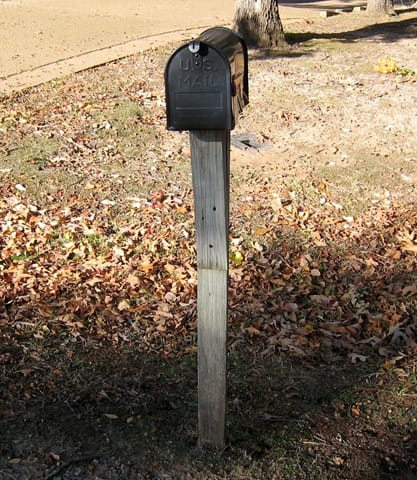
Who the F$%# decided that mailboxes should go in brick structures? My mailbox looks like this:

Our Mailbox

Awesome dent in the side, huh? I was going to actually change this mailbox until some kids late at night kept driving down our street with a kid out the car window slamming a baseball bat into everyone’s property. Where before, I saw a rotten looking mailbox, now I saw less cost when it’s finally destroyed.

So, back to our story…..

I’m following Nick through the house, expecting to see my mailbox on its side, with maybe a little dent in the car fender. My son has been driving for six weeks. We’ll have a talk about it and he’ll go to his swim meet. We’ll laugh about it when he’s 35 years old.

Heading up the stairs, I realize that many of my neighbor’s mailboxes look like this:

random neighborhood mailbox

Holy brick-house, Batman! The front end of the car might be crumpled around that thing. Now I’m worried. By the time we hit the front door my pace is almost as fast as a cop headed for Dunkin’ Donuts.

me: Whose mailbox did you hit?

Nick: Huh? (he’s 16. I omitted most of the 16-isms for brevity, but had to leave one “huh?” in here.)

me: Whose mailbox?

Nick: Bill’s

me: Oh sh$#.

Bill lives across the street and has a mailbox similar to the one above. The front of our Saturn Aura is probably crushed in. Being a Saturn, it’s a collector’s item (that’s a joke, by the way. Some are apparent, others I’ll point out as we go.).

me: How did it happen?

Nick: I was trying to change a CD.

me: Nick! Don’t try to change a CD while driving. Keep your hands on the wheel. (I think I’m giving good parenting advice here, but I’m not. It turns out that my daughter–remember I said I had two driving? My insurance company remembers….and giggles out loud.–My daughter had a GLEE CD playing LOUD. I know because, when I turned on the car, it was still playing. My poor son. A Glee CD. The Horror.  Forget the mailbox, I would have hit Bill’s house hard enough to end it all.)

Here’s what I see. Remember that as a recovering advisor for 200 families, it’s difficult to amaze me. I’ve pretty much seen it all.

Except this:

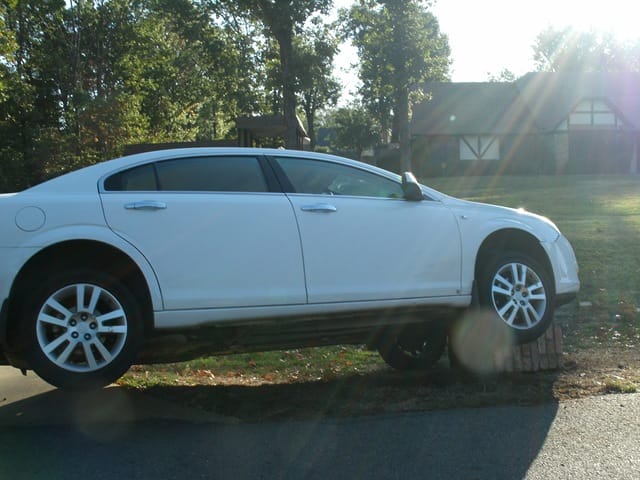
Wheelie!

We call it “Wheelie!” or “Full-Sized Car Statue on an attractive brick base.”

My car is on two wheels (the left two if we want to be technical about it), and is TETTERING ON THE TOP OF my neighbor’s brick mailbox).

me: How the hell did you get the car all the way on top of it?

Nick: I don’t know.

Me: What did you tell me inside? Something’s wrong with the car?

Nick: Yeah.

Me: Understated. In social circles, that’s classy.

It took TWO wreckers to get the mailbox out from under the car. One to pick up the front end and another to drag out the mailbox.

Do you know that whole thing about people getting their 15 minutes of fame? The wrecker drivers all took pictures with their cameras “for the record.” I’m sure my car claimed its 15 minutes and more that night. You may have already seen this picture on Facebook.

So, in closing: please read my blog. Click on every advertising link. Next week I’ll have advice on how to deal with your car insurance company, and how to write big $%#!ing checks without shaking (much).

Photo of Joe Saul-Sehy
Joe Saul-Sehy

Joe is a former financial advisor and media representative for American Express and Ameriprise. He was the “Money Man” at Detroit television WXYZ-TV, appearing twice weekly. He’s also appeared in Bride, Best Life, and Child magazines, the Los Angeles Times, Chicago Sun-Times, Detroit News and Baltimore Sun newspapers and numerous other media outlets.  Joe holds B.A Degrees from The Citadel and Michigan State University.

joesaulsehy.com/

Filed Under: Debt Management, Insurance, irrelevant stories, Meandering Tagged With: car accident, car insurance, full-sized car statue, mailboxes, Saturn Aura pics

FOLLOW US

Search this site:

Recent Posts

  • Can My Savings Account Affect My Financial Aid? by Tamila McDonald
  • 12 Ways Gen X’s Views Clash with Millennials… by Tamila McDonald
  • What Advantages and Disadvantages Are There To… by Jacob Sensiba
  • 10 Tactics for Building an Emergency Fund from Scratch by Vanessa Bermudez
  • Call 911: Go To the Emergency Room Immediately If… by Stephen Kanaval
  • 7 Weird Things You Can Sell Online by Tamila McDonald
  • 10 Scary Facts About DriveTime by Tamila McDonald

Copyright © 2026 · News Pro Theme on Genesis Framework